Unbelievable isn’t it!! This country’s Capital celebrated its 1000th year or the Millenial Anniversary in 2010, the duration being over four times the whole history of the USA and with whom, there existed lot of hatred, thanks to the war atrocities inflicted for over 5 years.
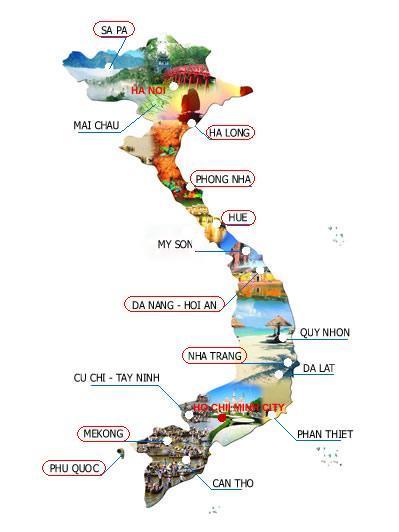
Yes, we are talking about a beautiful little country Vietnam which is bordered by China to the North, Laos to the North West, Cambodia to the South West, Thailand across the Gulf of Thailand to the South West, and the Philippines, Malaysia and Indonesia across the South China Sea to the East and South East. Its capital city has been Hanoi since the reunification of North and South Vietnam in 1976, with Ho Chi Minh City (HCMC) also having its own pedigree of being a historical city. Though tagged as a developing country, its literacy rate of 94% has probably helped it have the lowest unemployment rates.
Self-confident and fast-developing, its progress is all-evident in the country’s booming metropolis. A country known for its Beaches, Rivers, Buddhist Pagodas, Hill Stations and bustling cities, anyone planning to visit Vietnam and depending on number of days should have definitely have Ho Chi Minh, Hanoi, Danang, Nha Trang, Da Lat and Hue on their list.
The bustling city of Ho Chi Minh lies just about 230 kms from Phnom Penh which is where I was staying and is accessible by Flights, Bus or even by a River Cruise. While the choice of travel by bus takes around 6 hours and costs only somewhere between $15 to $18, it also gives one an opportunity to see the vast expanse of the countryside on both sides. There are multiple bus operators running between these 2 cities but I chose to go with the more reliant Giant IBIS while the services of Mekong Express, Sorya Travels, Kumho Samco are also heard to be good. While there is a brief halt for about 45 – 60 minutes at the Bavet – Moc Boi Border Gate where the immigration formalities take place, these clearances are pretty badly organized in the Vietnam side of things especially when the crowds build up but a lot smoother when you return back to Cambodia. The Visas have to be taken in advance through the eVisa route by applying on the Government website and would cost $ 25.
The city of Bavet also happens to be famous for its Casinos and is a boon for most businessmen who have set up shop here since a sizable number of people cross the border from Vietnam to come and try their luck. The more affluent Chinese prefer flocking to Nagaworld, located in the capital city of Phnom Penh and on a early morning walk near the Independence Square in Phnom Penh where this hotel is located, one would get to see bus loads of Chinese tourists arriving to gamble. A complete tour of HCMC could get done in 2-3 days and if you have a couple of days to spare, you could plan a visit to the neighbouring towns of either Danang or Nha Trang or maybe Dalat.
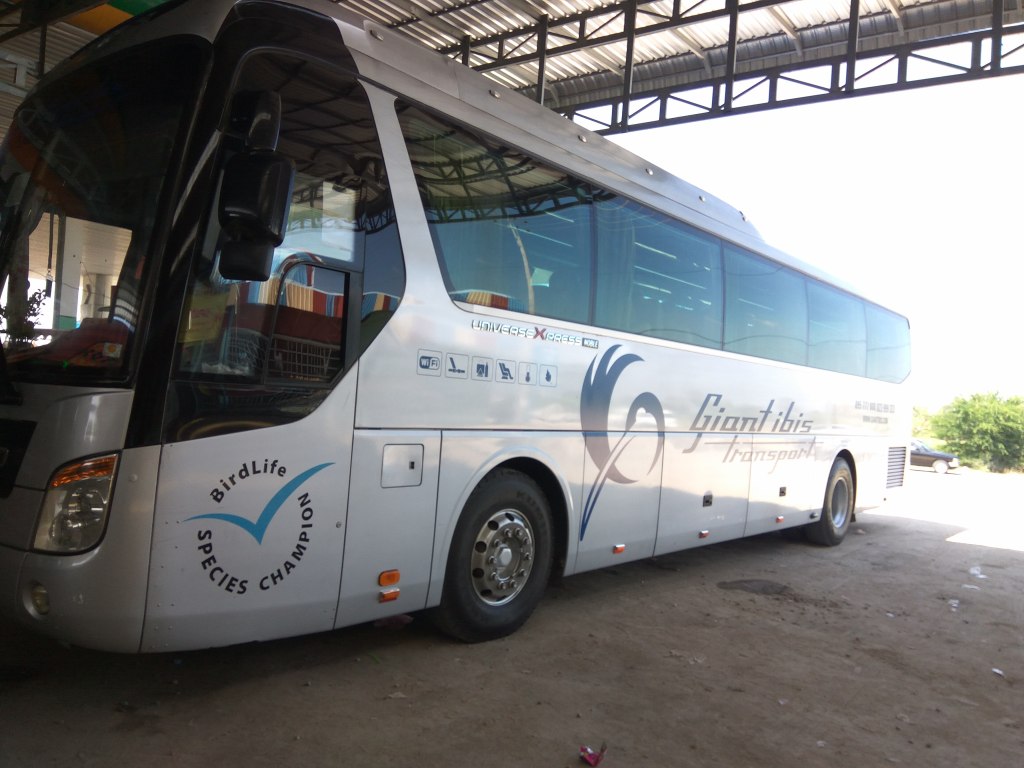
THE GIANT IBIS BUS 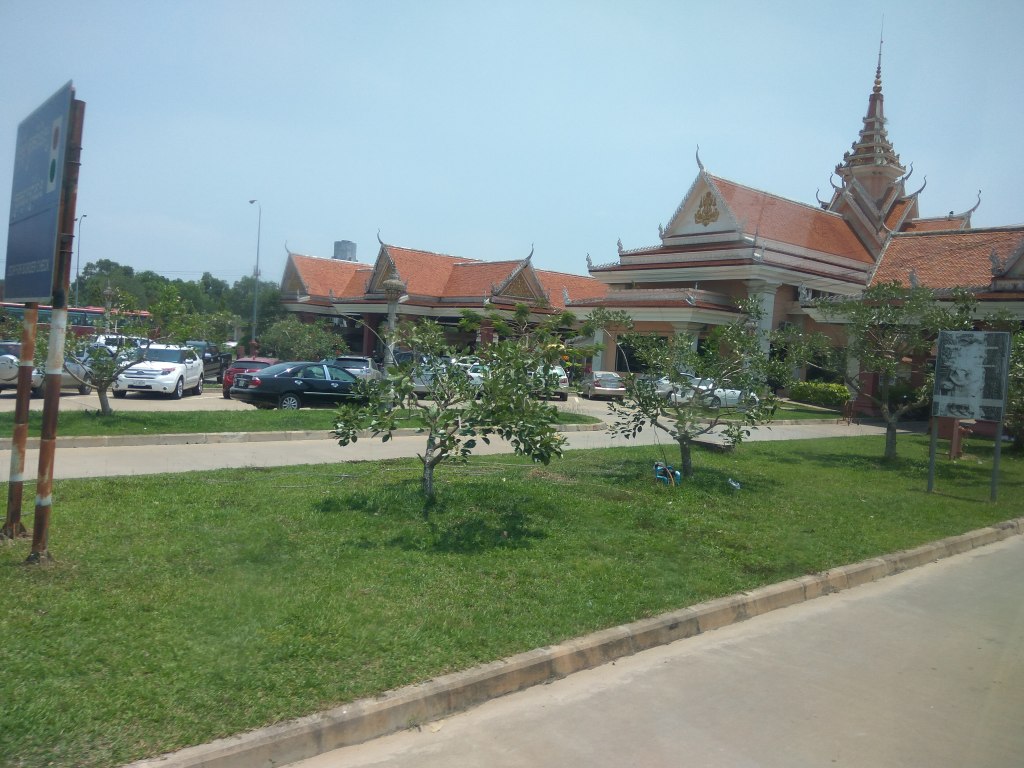
THE CHECKPOST 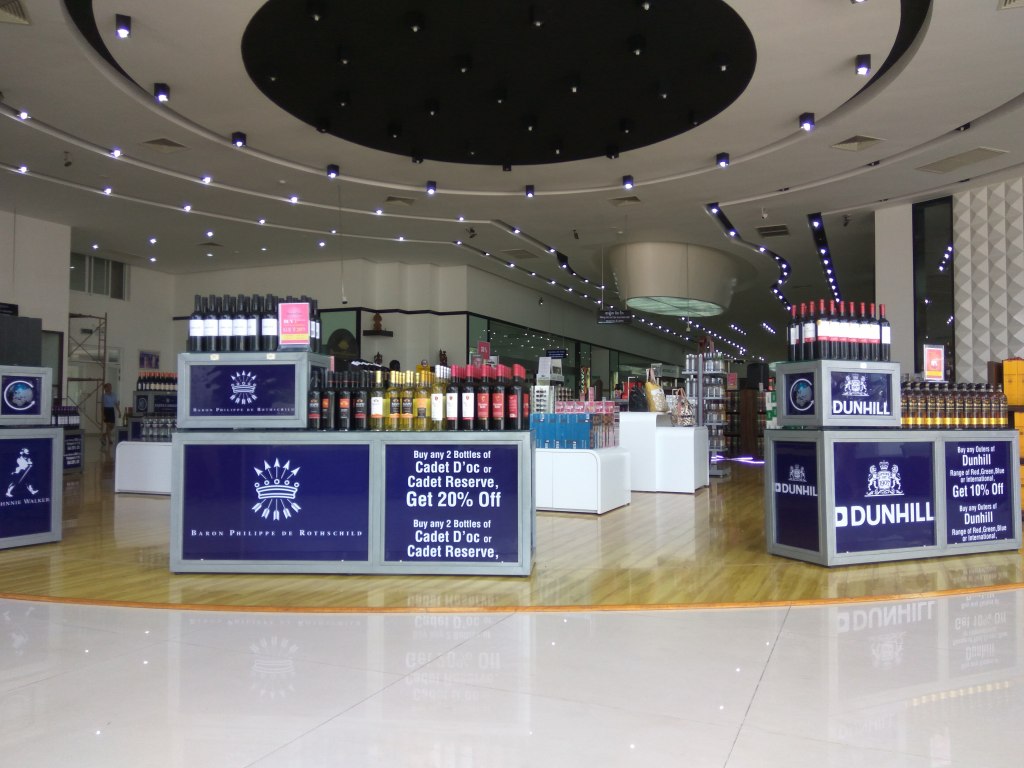
A DUTY FREE SHOP AT THE CHECKPOST 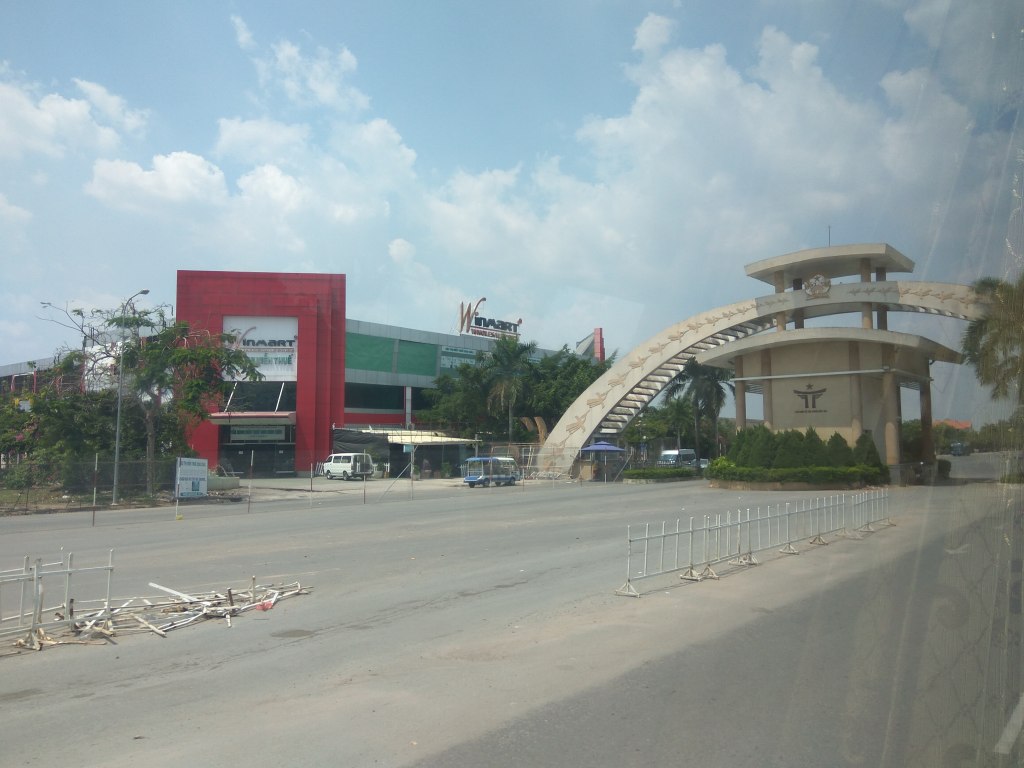
THE BORDER CHECKPOST AT CAMBODIA
The city is named after its iconic Communist era leader Ho Chi Minh while the capital of Vietnam Hanoi also pays homage to him via a huge marble Mausoleum. One gets to appreciate the ancient, labyrinthine trading quarters of still-thriving craft industries juxtaposed with grand colonial mansions from the French era and all overseen from the sky bars of 21st-century glass-and-steel high-rises.
Day 1 was spent on travelling between the 2 capital cities and on reaching HCMC at around 2.30 P.M (GMT + 7), checked into a Backpackers hostel in District 1 which is considered to be the most happening place in HCMC out of the 24 districts that the city is broken into. In case you are travelling with family, you could look at staying at City View Hotel as an alternate. Post a quick lunch at a nearby restaurant and some rest, went over to the lobby seeking for directions to the Ben Tanh market. The owner was kind enough to offer me a drop at the Market since he was was planning to go in the same direction and I hopped onto his Ducati in 2 minds, a little skeptical about the traffic. Before I could blink an eyelid, he literally whizzed past the notorious traffic and reached the place.
I was like all pale, literally holding onto my heart in my hand, with hair all standing up and throat parched. Phew!! What an experience it was and while I profusely thanked him for helping me reach in one shape, did kindly refuse his offer too of a return pick up which he said he could do sometime later in the evening. Had an hour or so’s time after the shopping and went around a stroll in the nearby park and the busy streets. On my return back to the hostel, booked a city tour and a visit to Cu Chi Tunnels with a local operator whose office was located bang opposite the hostel for Day 2 and Mekong Delta for Day 3. Dinner was at Namaste India, an Indian restaurant.
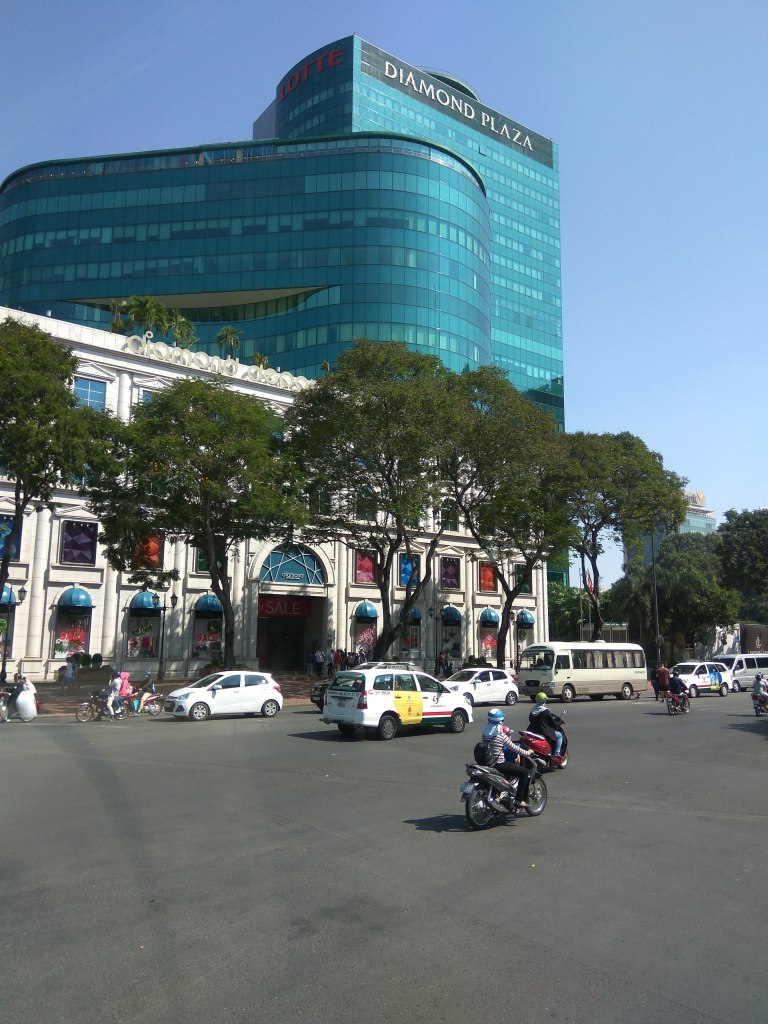
A VIEW OF THE CITY 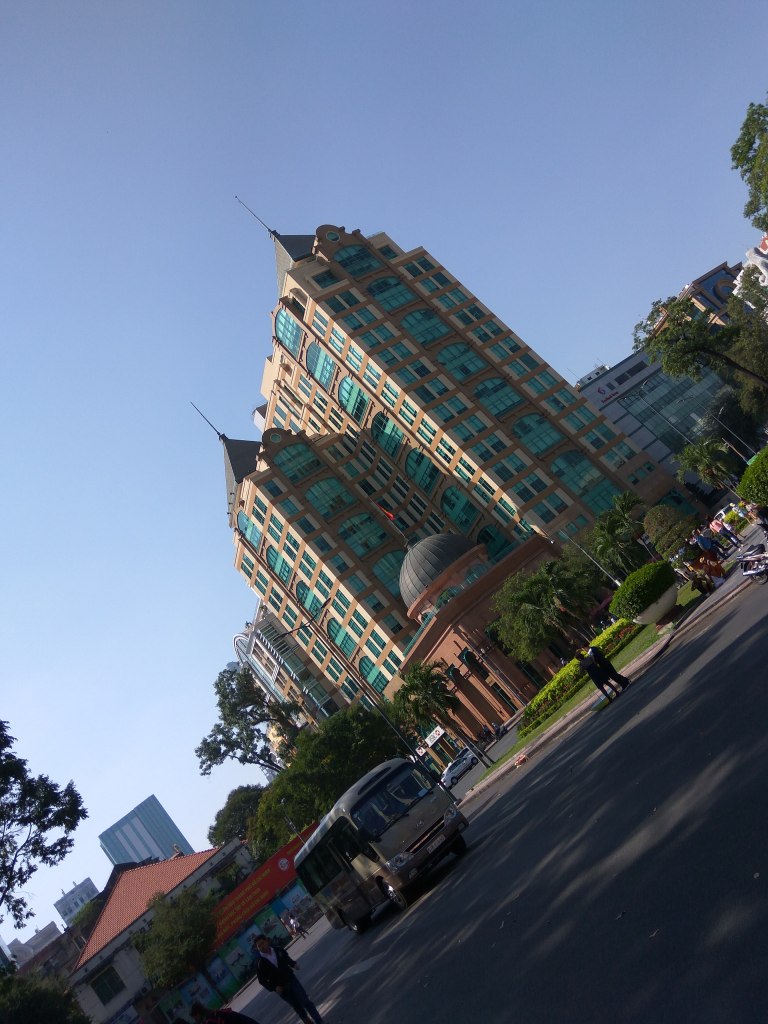
TALL BUILDINGS DOT THE SKYLINE 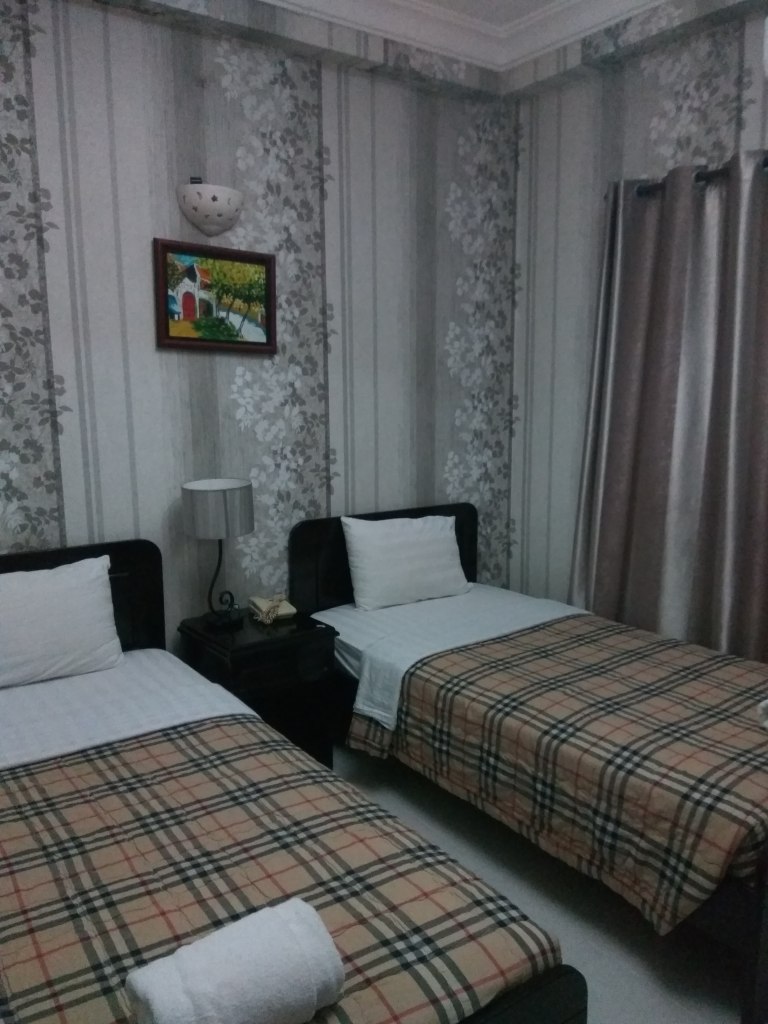
THE BACKPACKERS HOSTEL 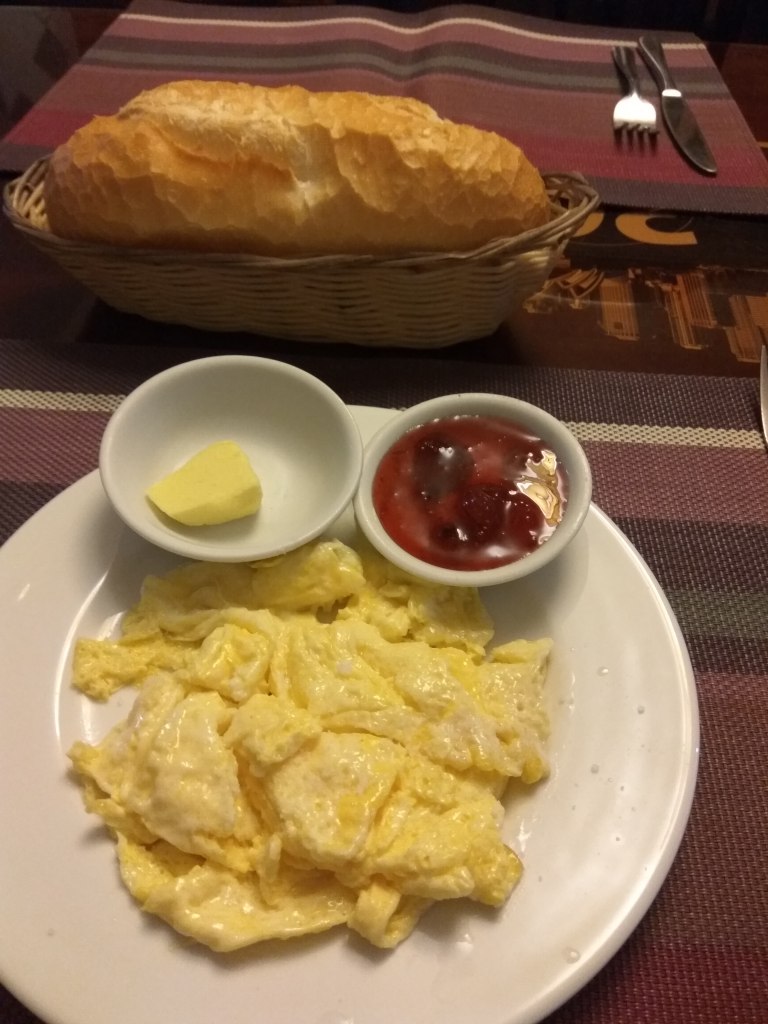
THE ONLY PALATABLE BREAKFAST 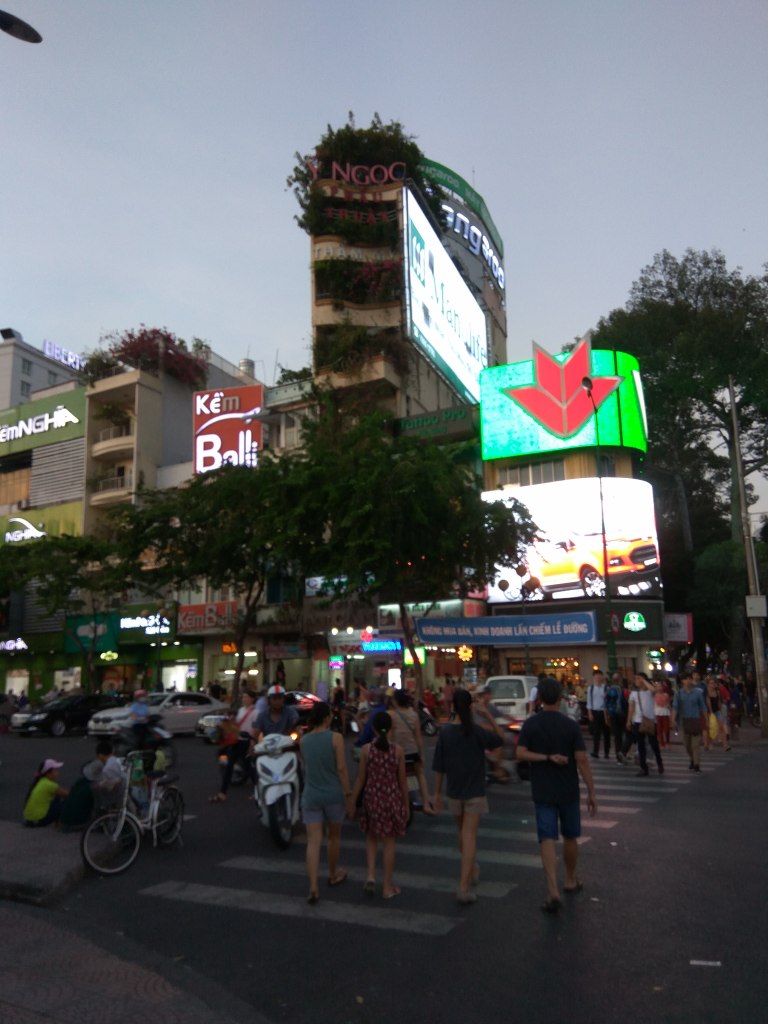
SEE THE SCOOTERS WEAVING THEIR WAY THROUGH!! 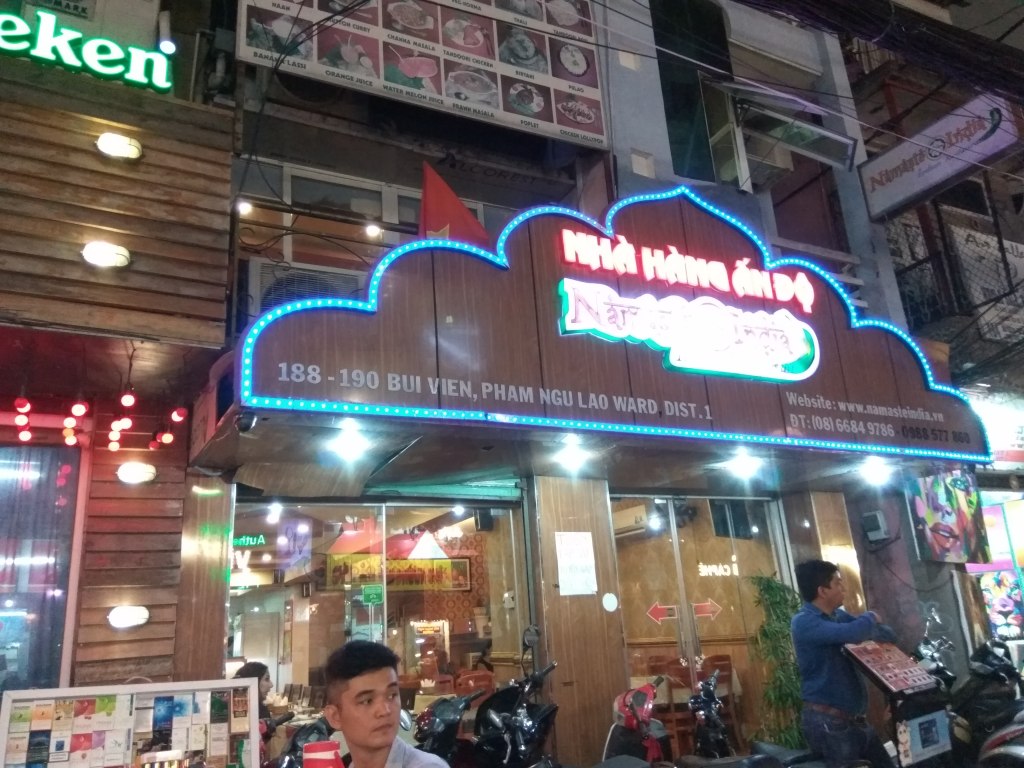
NAMASTE INDIA, AN INDIAN RESTAURANT in HCMC
Day 2 : Reported in at the designated boarding point post breakfast at the hostel at sharp 8 A.M where I bumped into a chirpy girl Thao and got chatting with her only to discover in a while that she was to be our tourist guide for the day and was boarding the AC bus from the same point. The bus was packed with tourists mainly from the South East Asian countries though there a few Europeans and a Sri Lankan couple also on board. The tour started off with the Neo-Romanesque Notre Dame Cathedral built from materials totally imported from France between 1863 and 1880. While it was initially named by the French Colonists as L’eglise de Saïgon, from 1959, it became known as the Notre Dame Cathedral. The cathedral has 2 Bell Towers and reaches a height of around 190 feet.
Its believed that in the month of October 2005, the statue of Virgin Mary in the cathedral was found to be shedding tears and this caused a near roadblock around the cathedral for days though the authorities in charge were never able to confirm this.
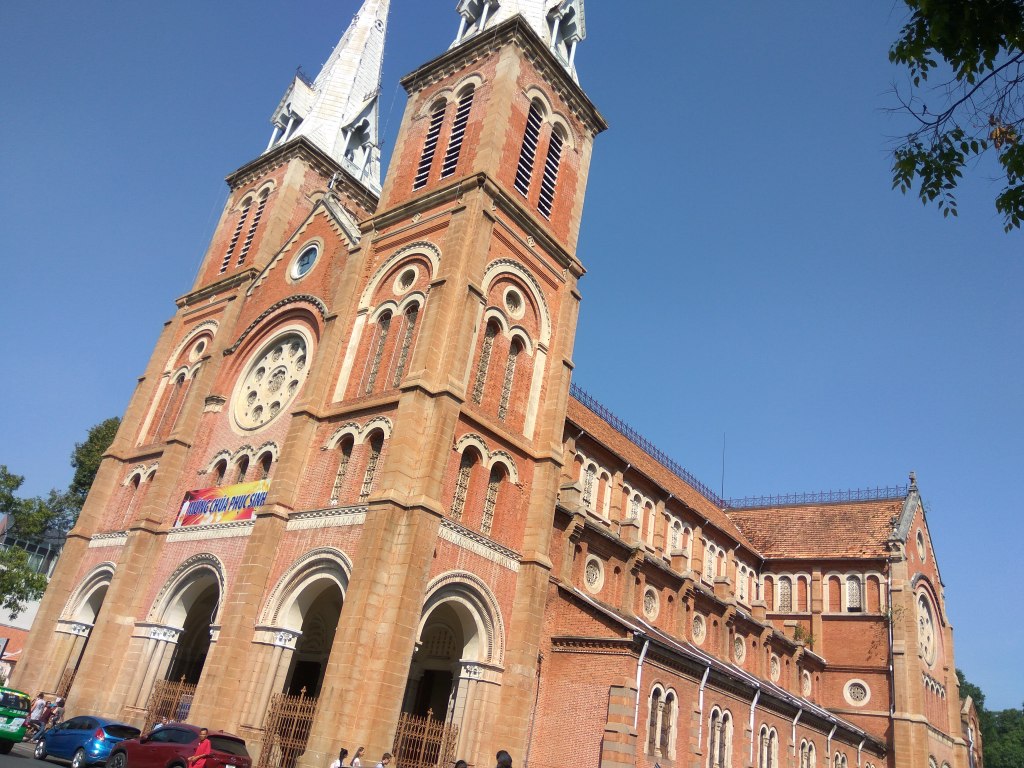
THE NOTRE DAME CATHEDRAL
Opposite the cathedral lies the Gothic styled Central Post Office, designed by the French Architect Gustave Eiffel. Inside, beneath a long domed roof, the walls decorated with French colonial maps flank a portrait of Ho Chi Minh, while the elaborate tiled floors complete the refined look. A good place to pick up old Vietnamese coins, First Day Covers besides a wide array of dolls, artifacts, straw hats, paintings done and decorated with Paper filigrees or Quillings as they call it, stuff on Tintin and other memorabilia. Sundays are specially reserved for lot of pre-nuptial photo shoots. The entrance to both these places were free for everyone.
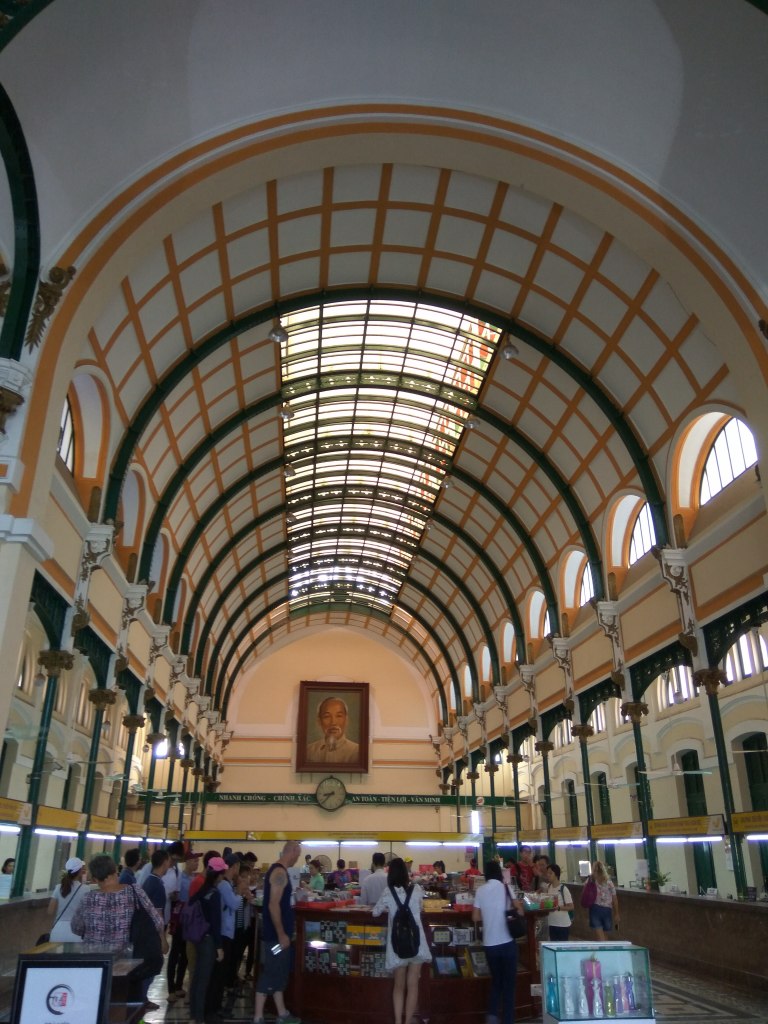
THE LONG DOMED ROOF OF THE POST OFFICE 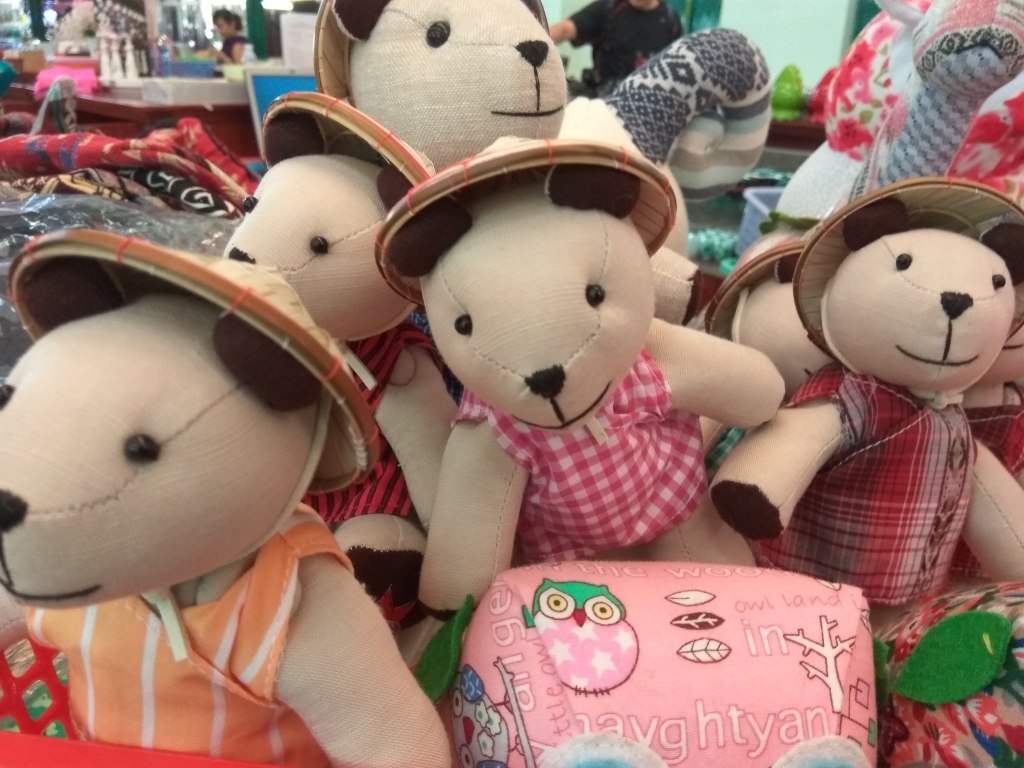
CUTE DOLLS ON SALE 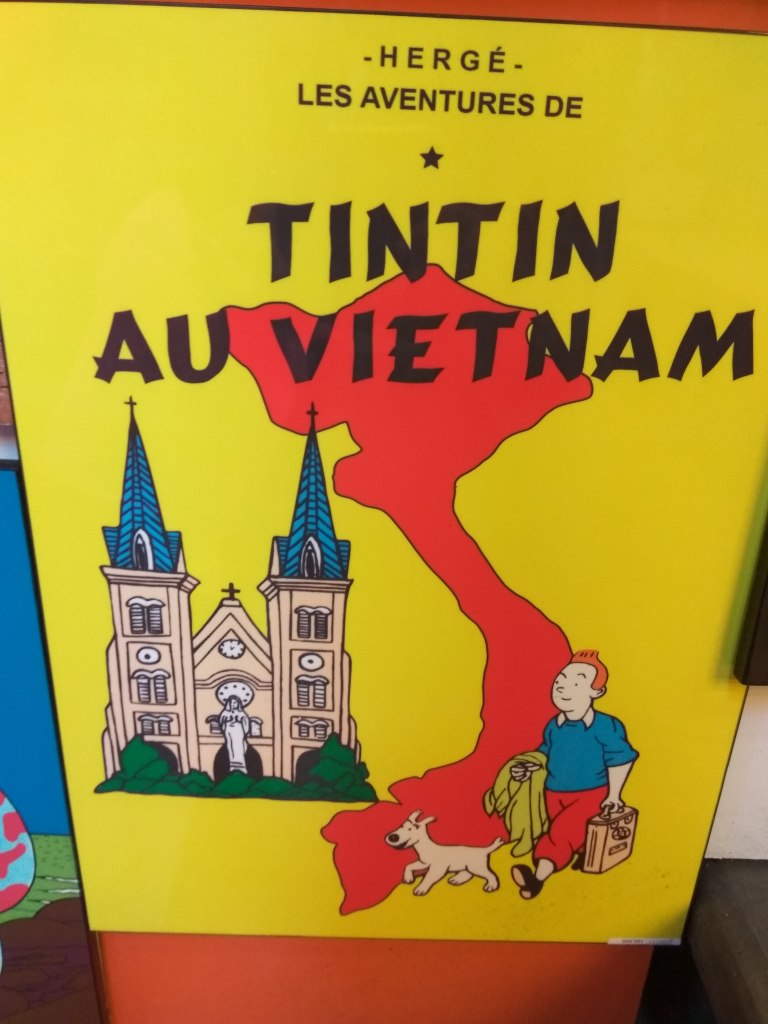
PIN UP BOARDS OF TINTIN. 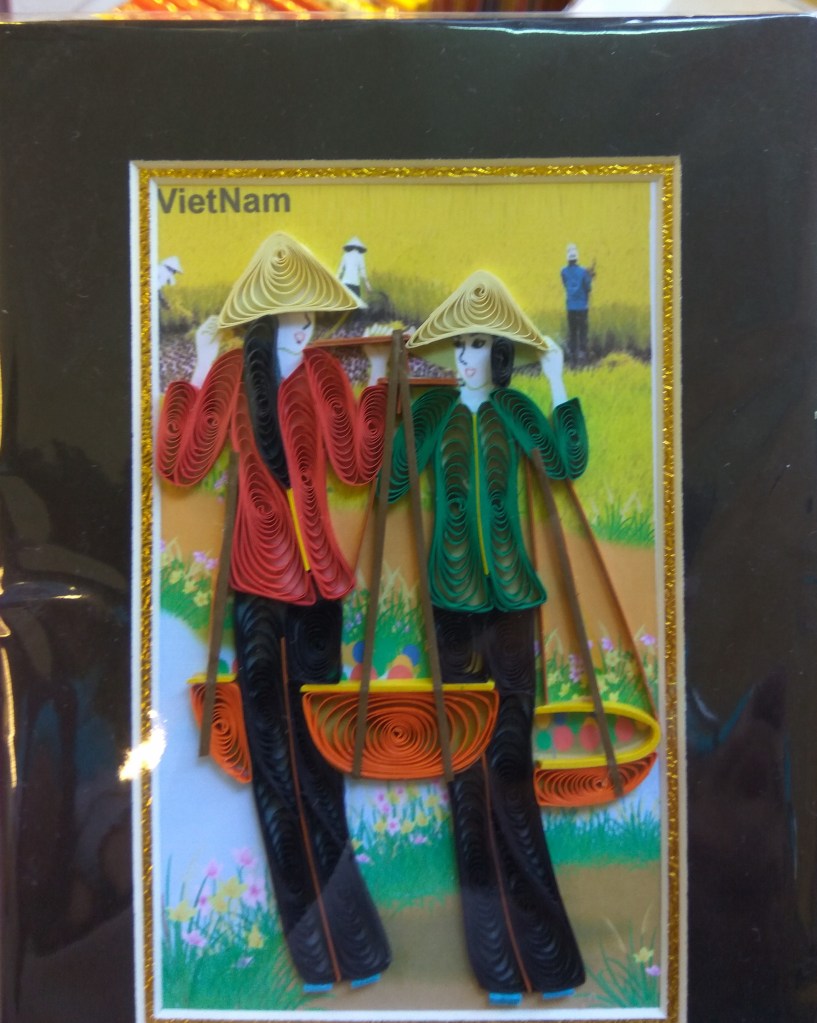
DONE USING QUILLING 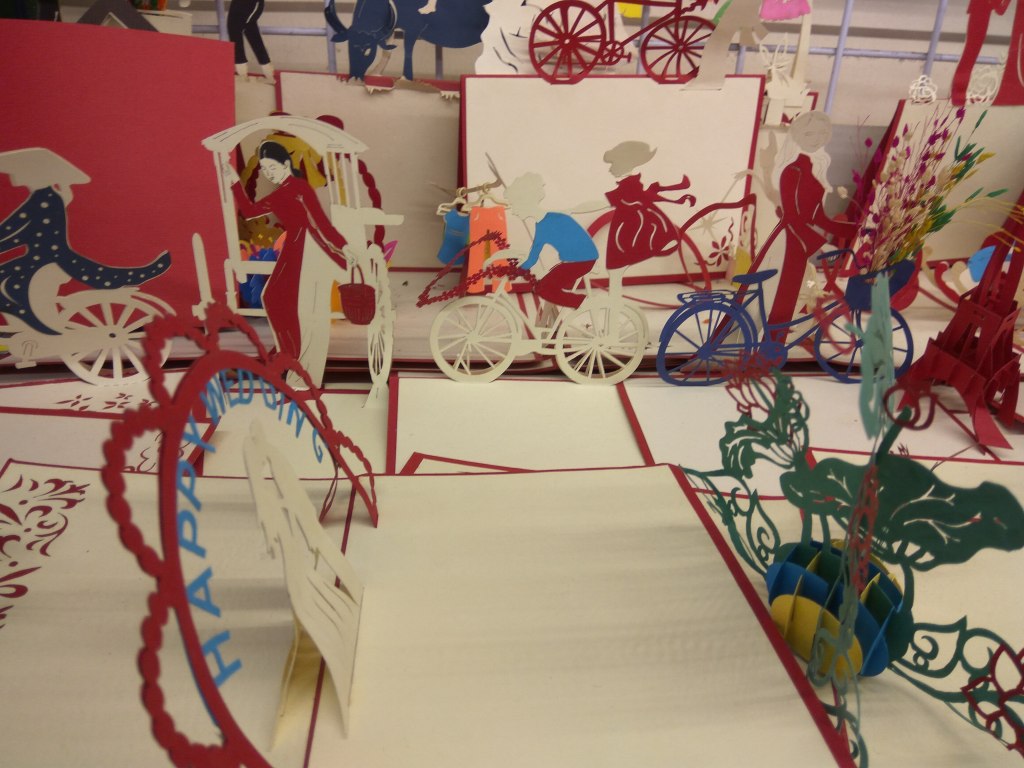
GREETING CARDS MADE OUT OF PAPER 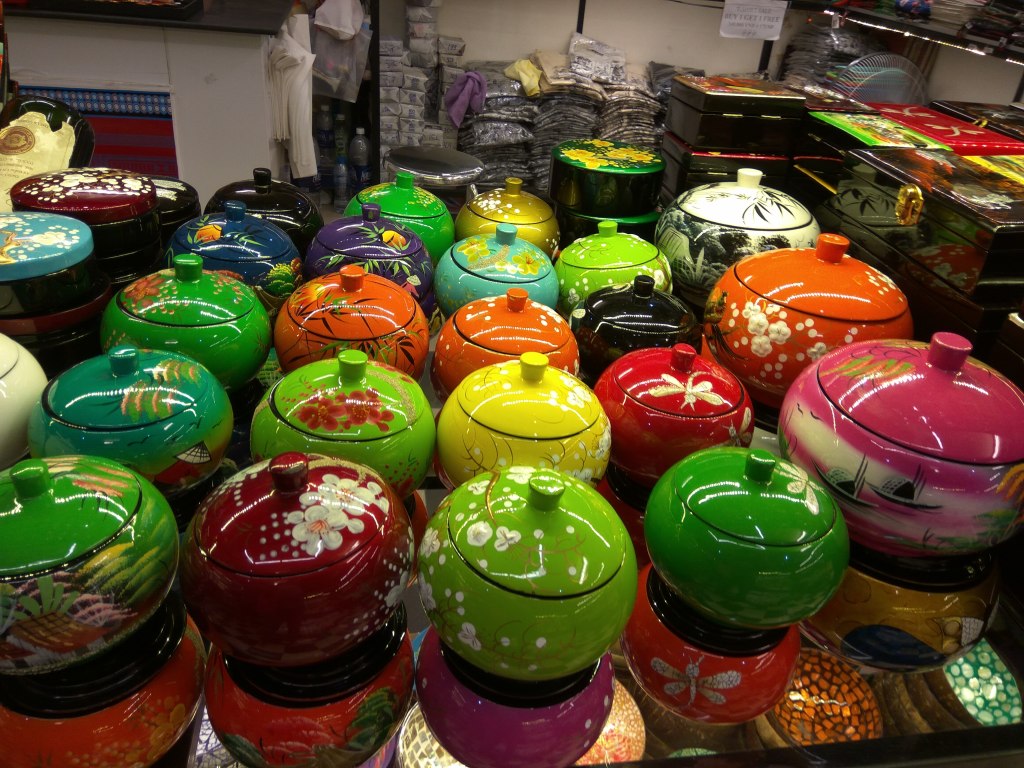
COCONUT SHELL BOWLS 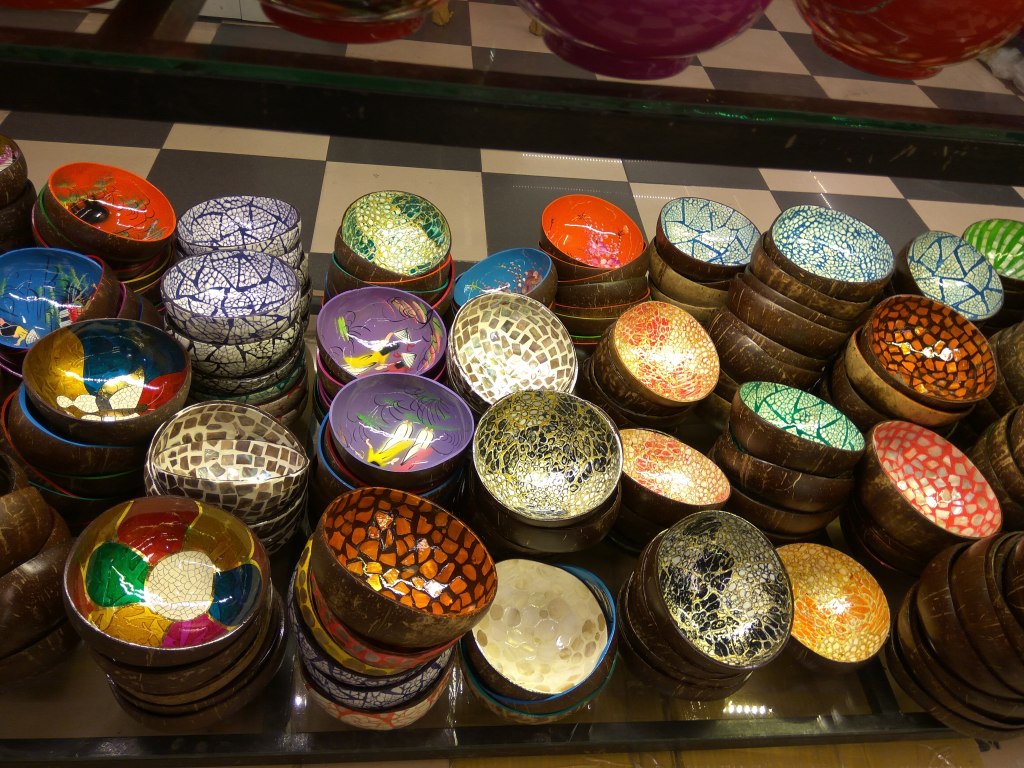
DESIGNER COCONUT SHELLS
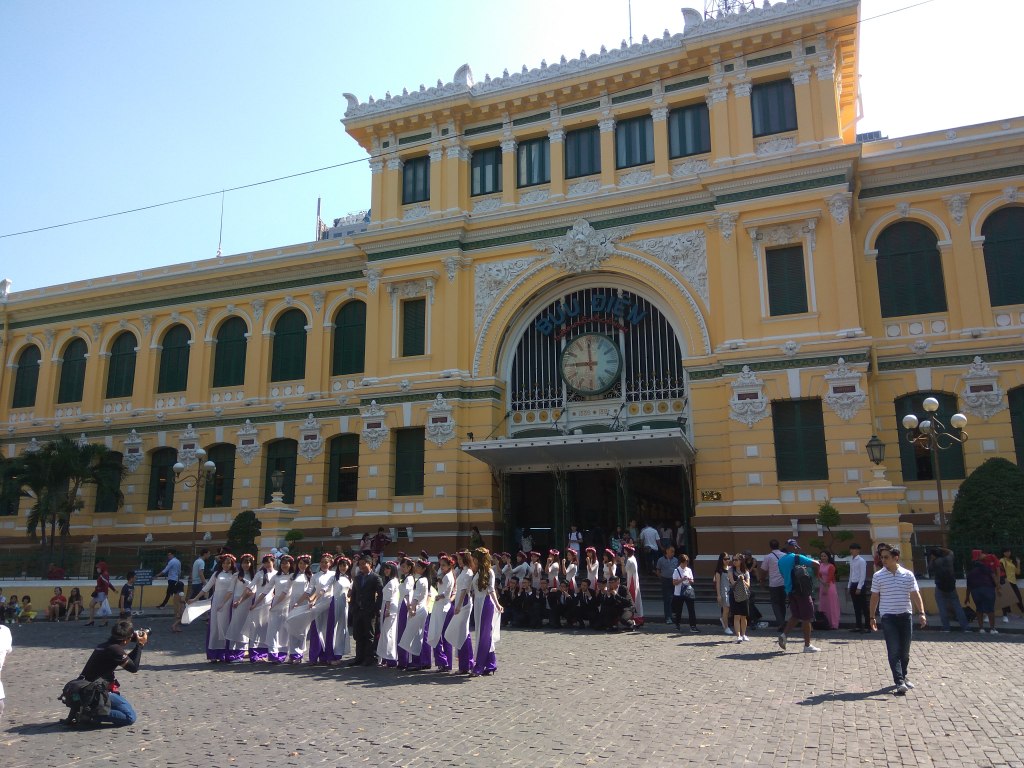
THE PHOTOSHOOTS OUTSIDE THE POST OFFICE
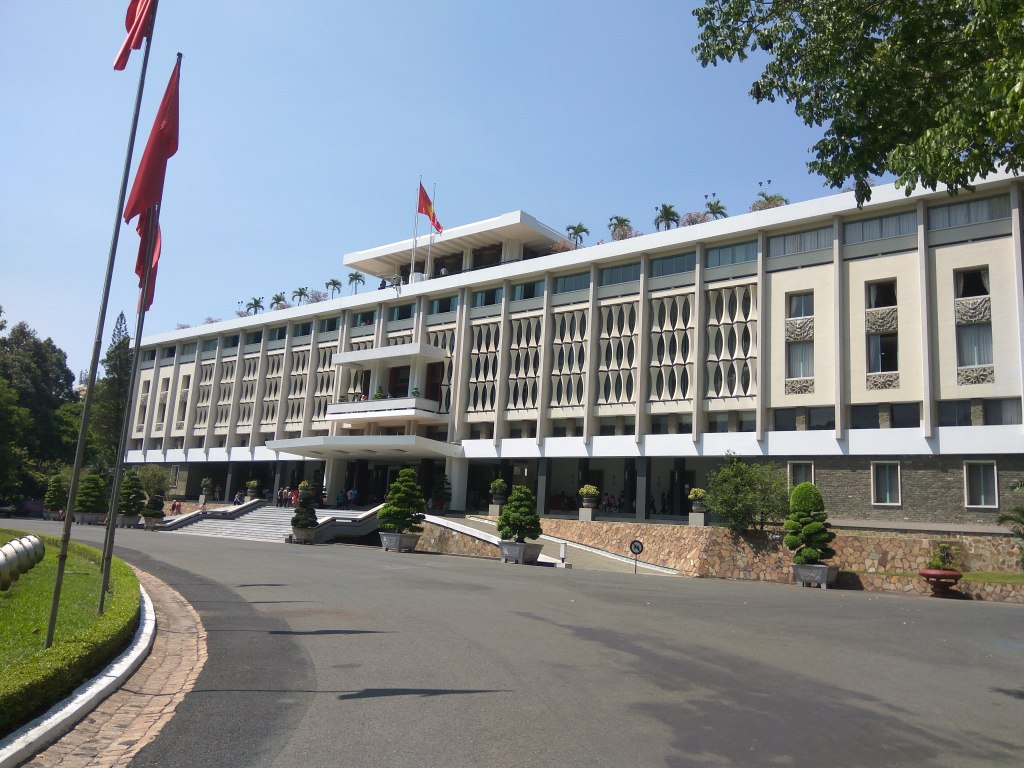
The next stop was at the Reunification Palace also known as the Independence Palace, home of the president of South Vietnam during the “American War”. The palace was built between 1868 and 1871 by the French to commemorate their victory over the 6 Southern provinces of Vietnam and was initially named the Norodom Palace. This is the site where the first communist North Vietnamese tanks crashed through the gates on the morning of April 30, 1975, resulting in Saigon’s official surrender. While the replicas of the tanks are placed at either side of the 80 metre wide facade of the palace, the original tanks are supposedly in Hanoi. The good thing about this Palace is that it is preserved almost exactly as it was in 1966. A small fee of $2 is to be paid at the main gate before entering.
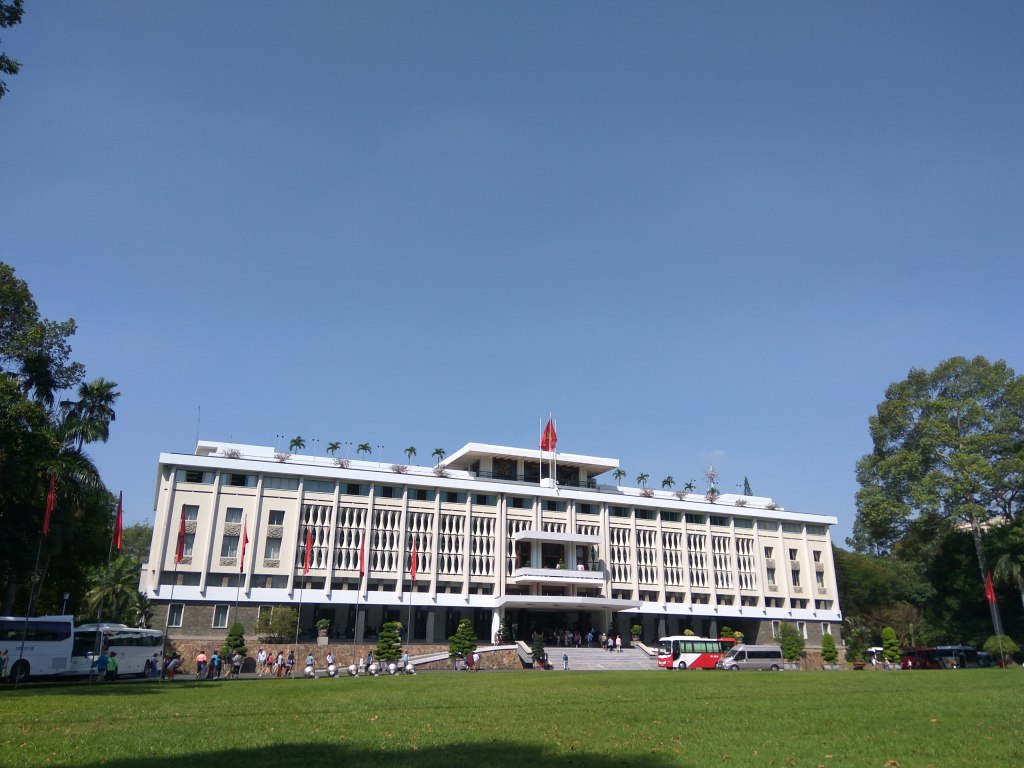
A VIEW OF THE PALACE FROM FAR 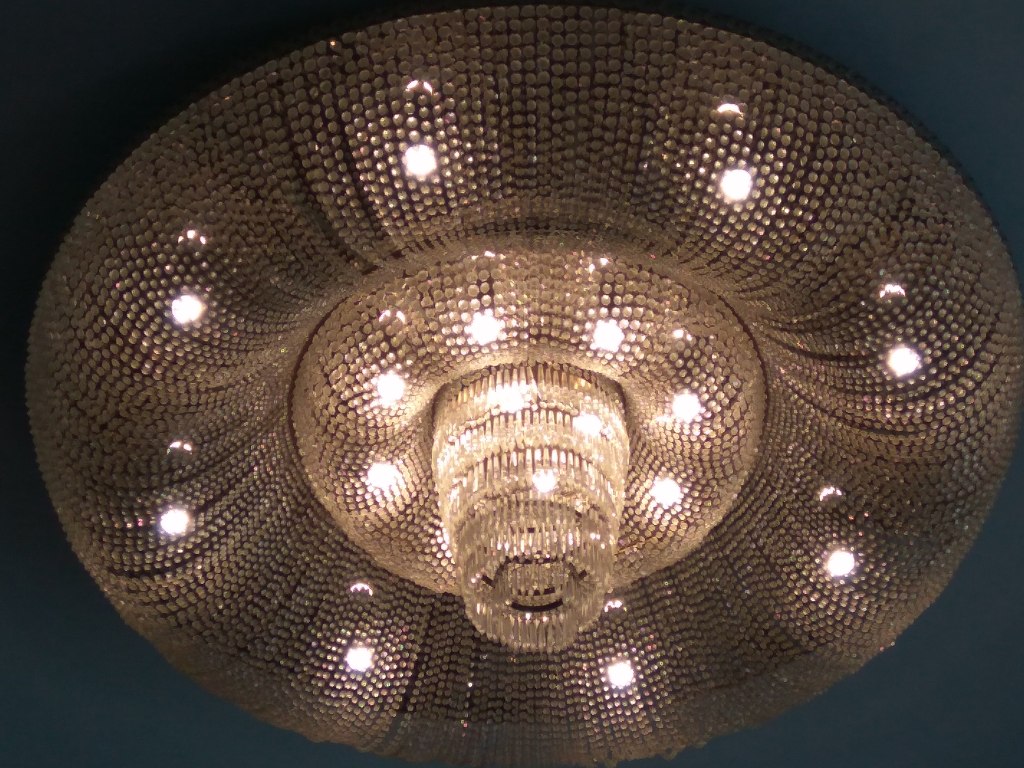
LOVELY CHANDELIERS 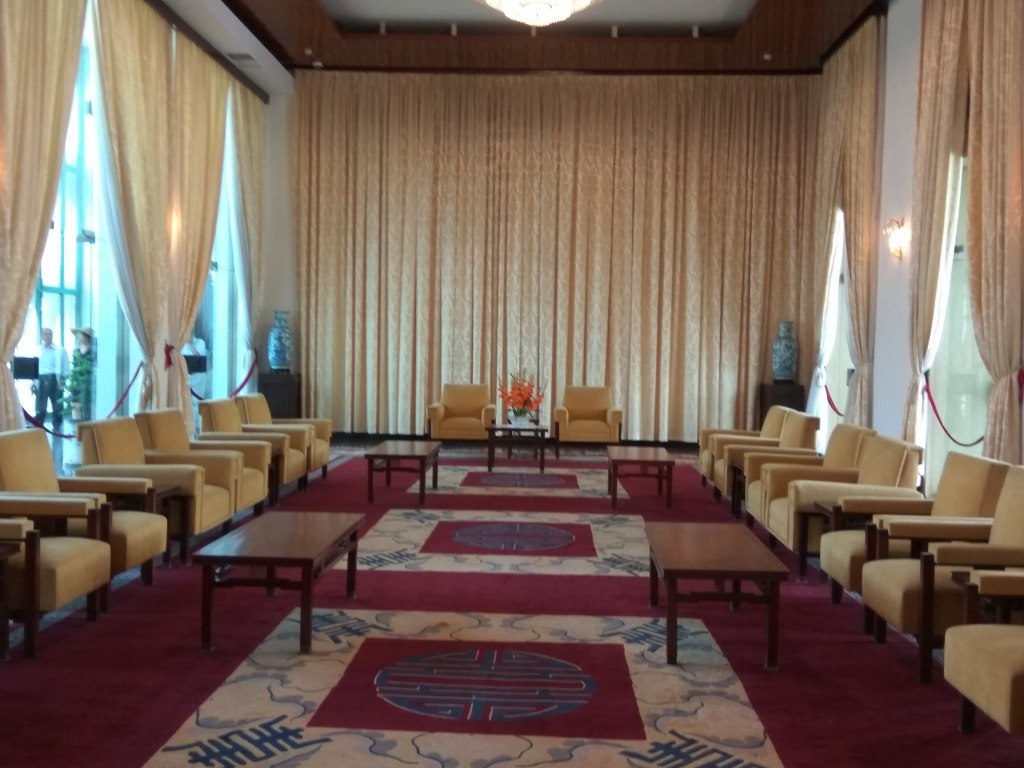
A ROOM TO RECEIVE GUESTS AT THE PALACE 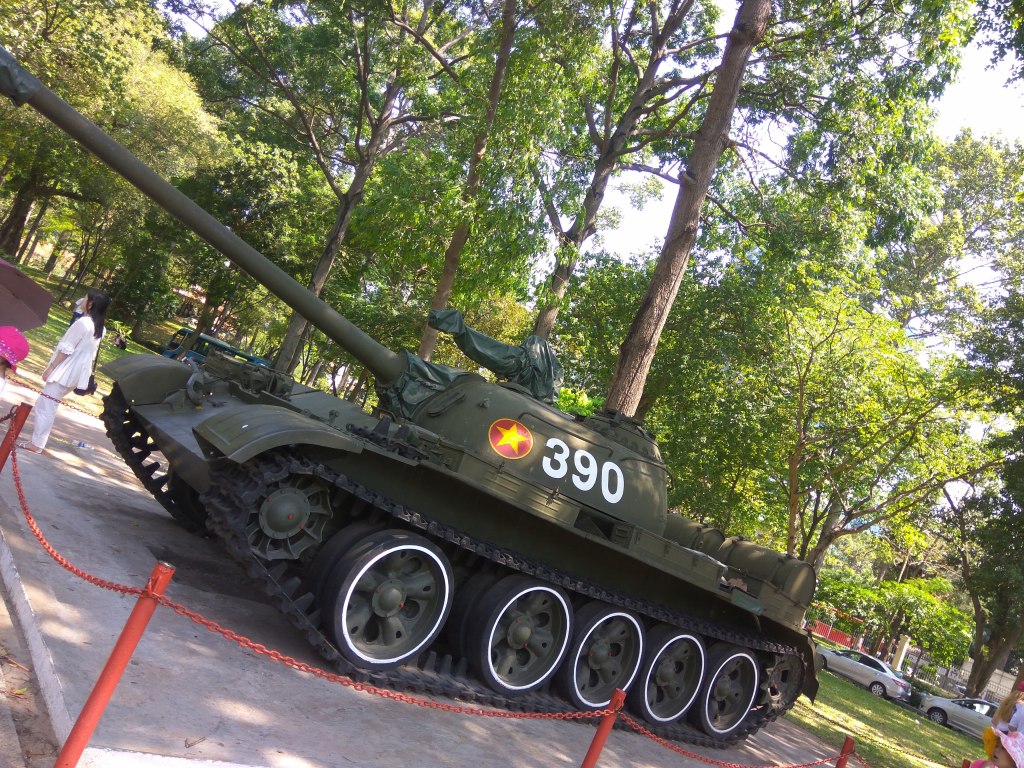
A CAPTURED TANK ON DISPLAY 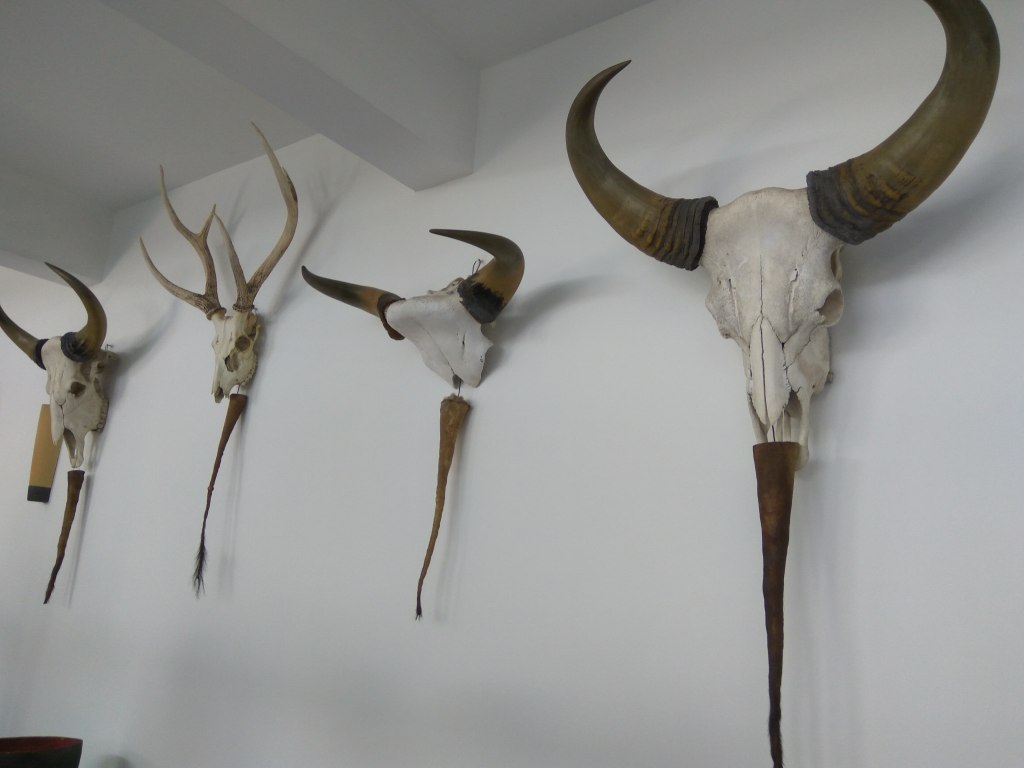
MOUNTED ARTEFACTS 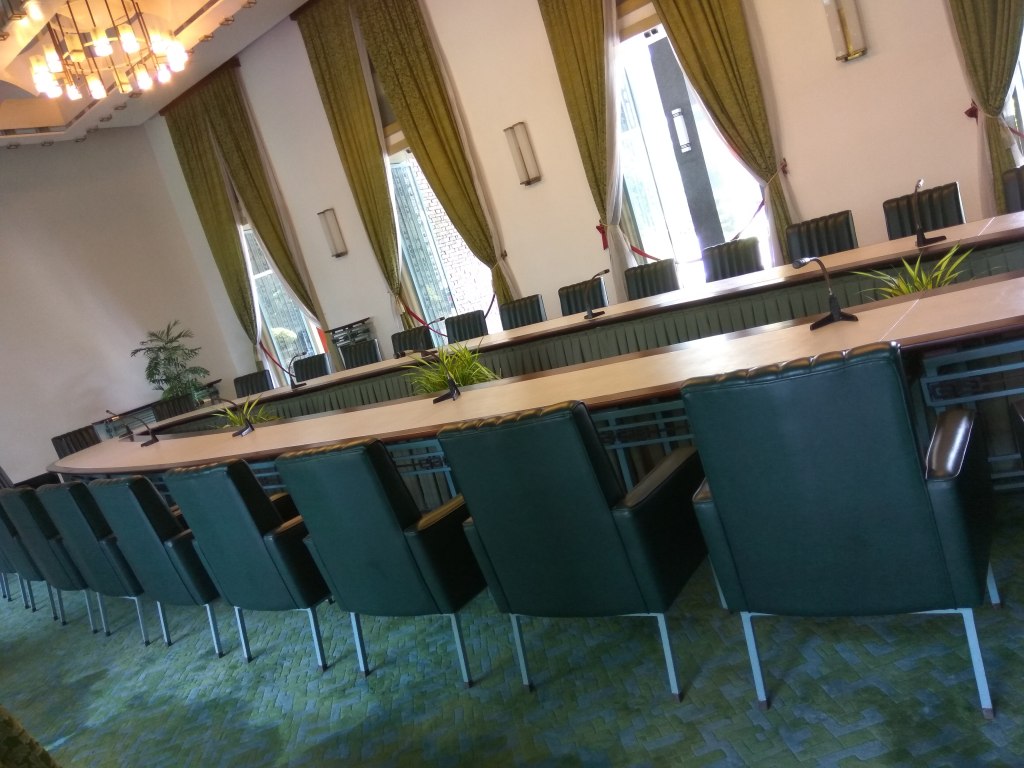
A CONFERENCE TABLE
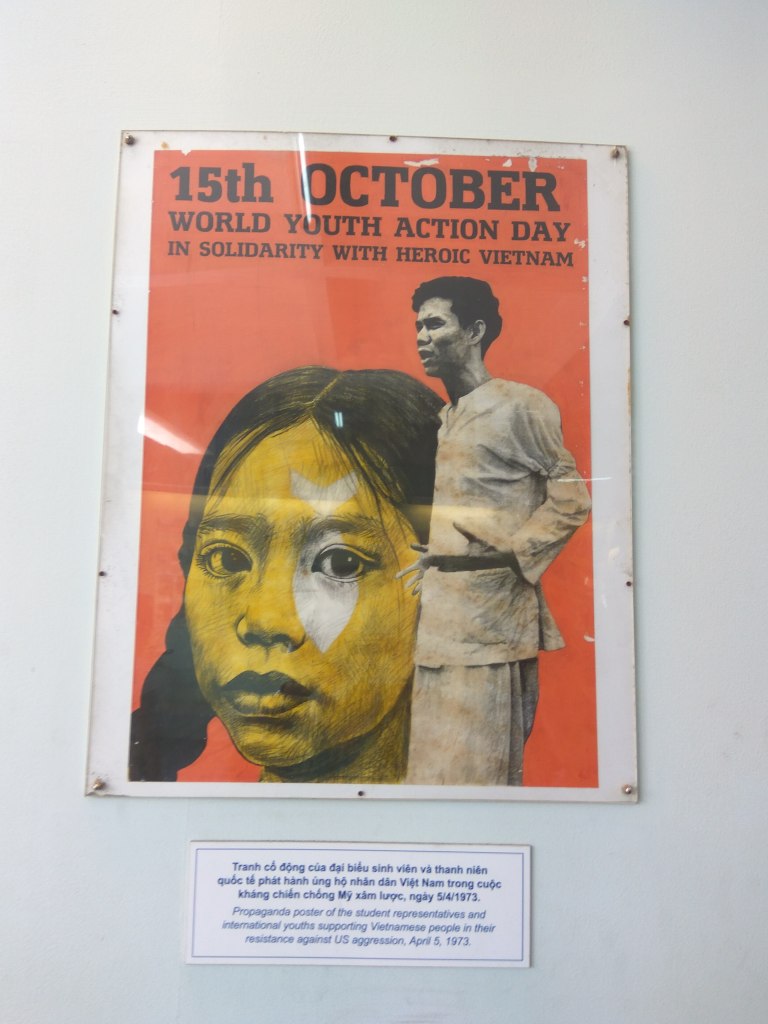
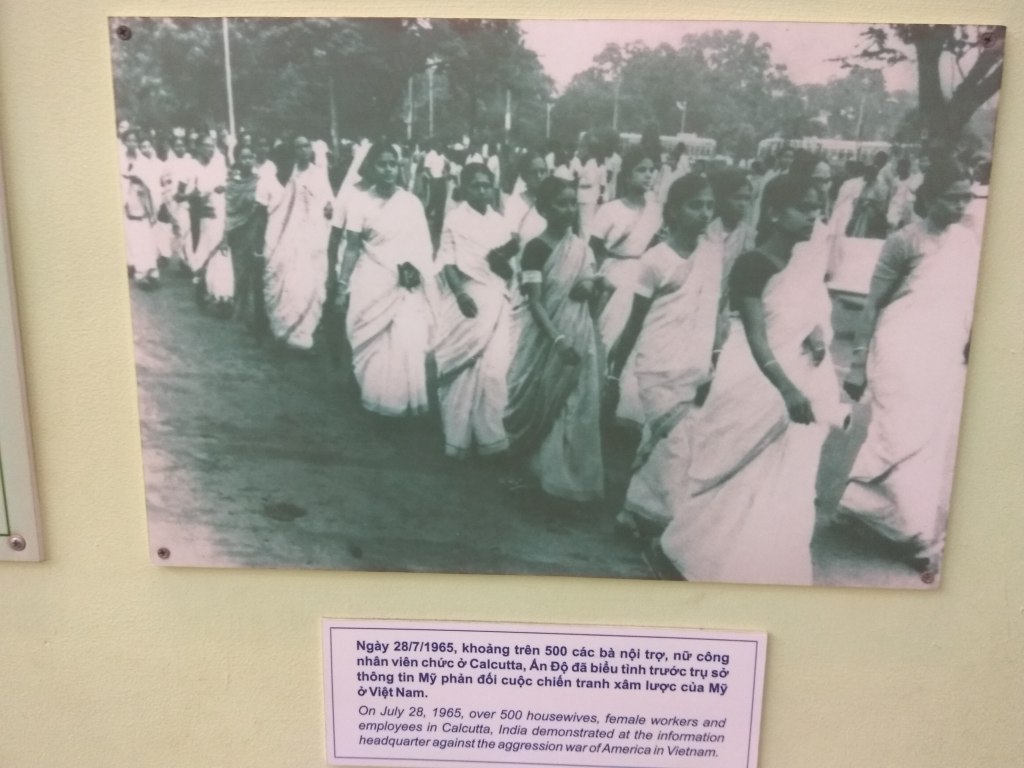
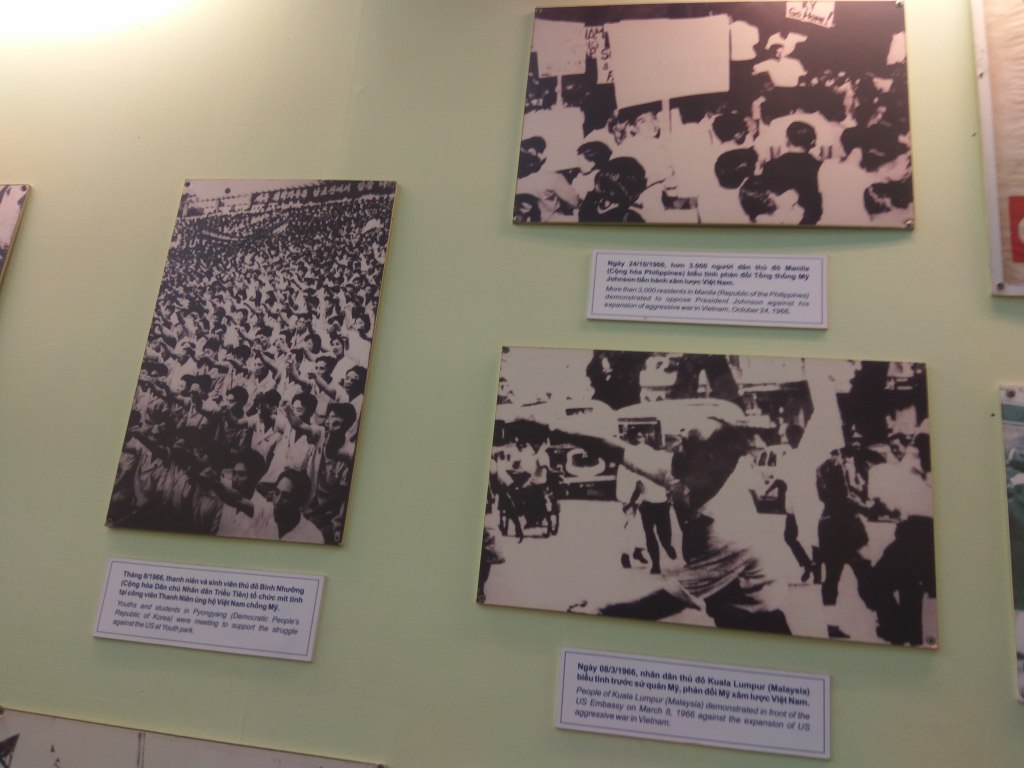
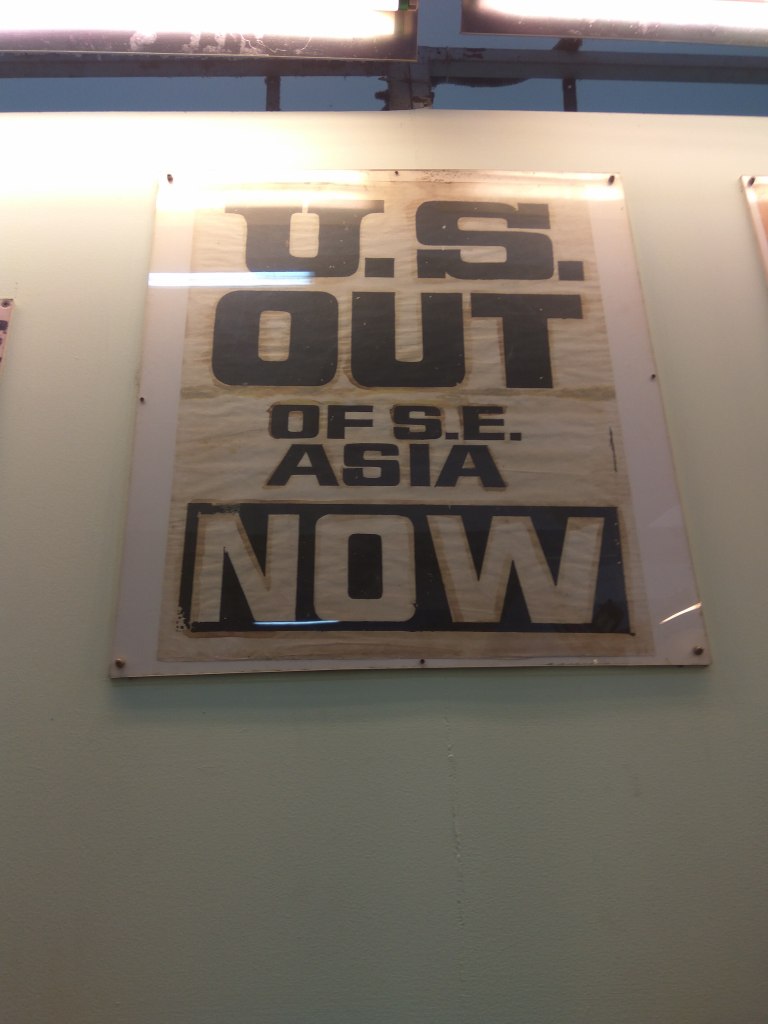
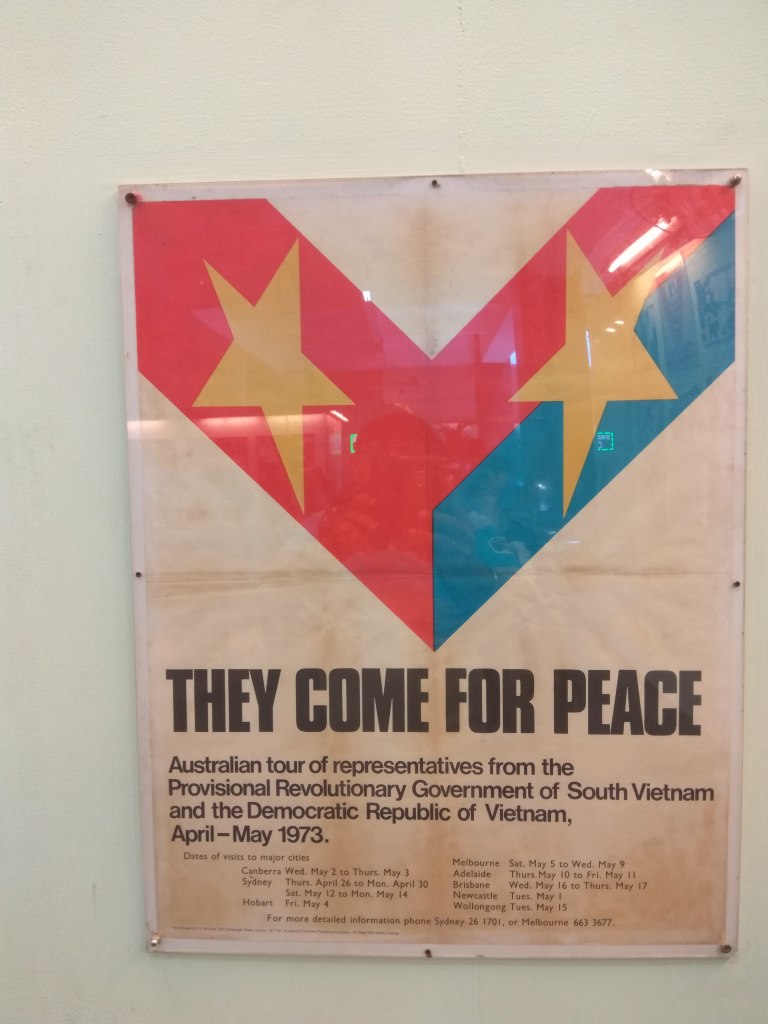
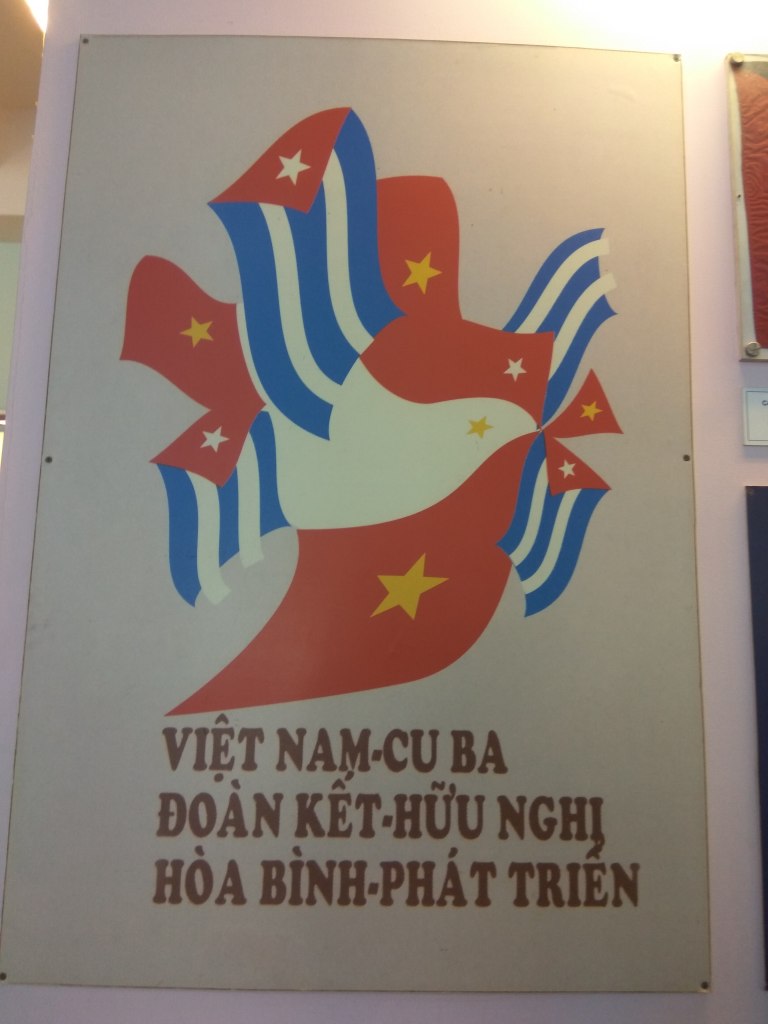
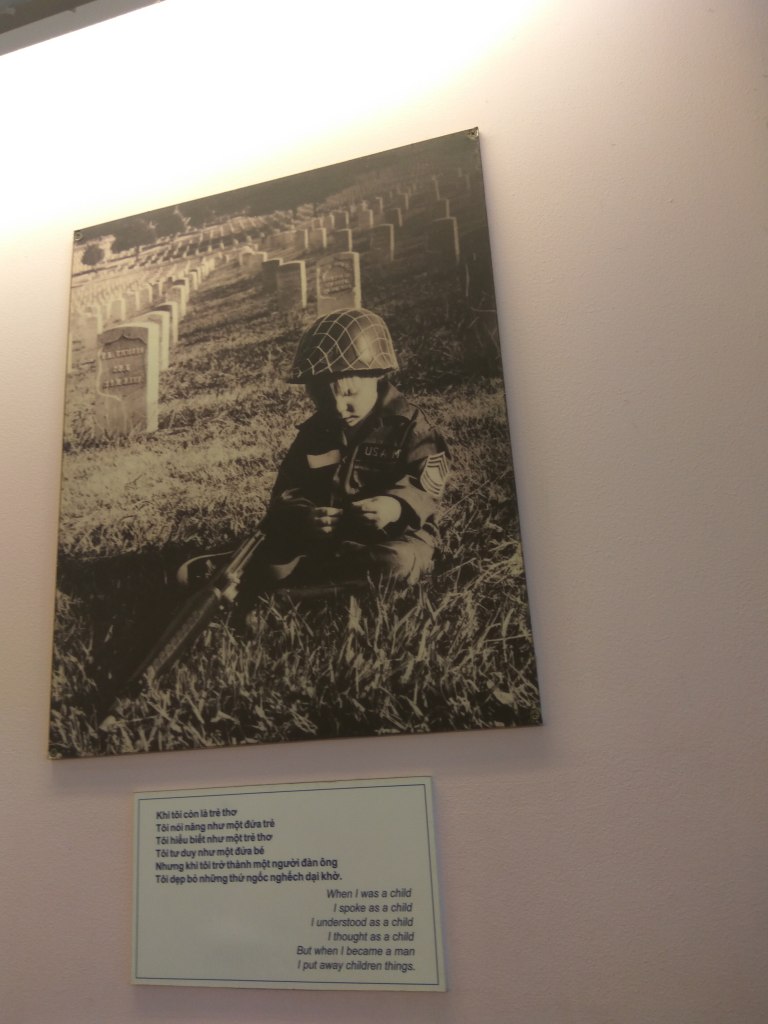
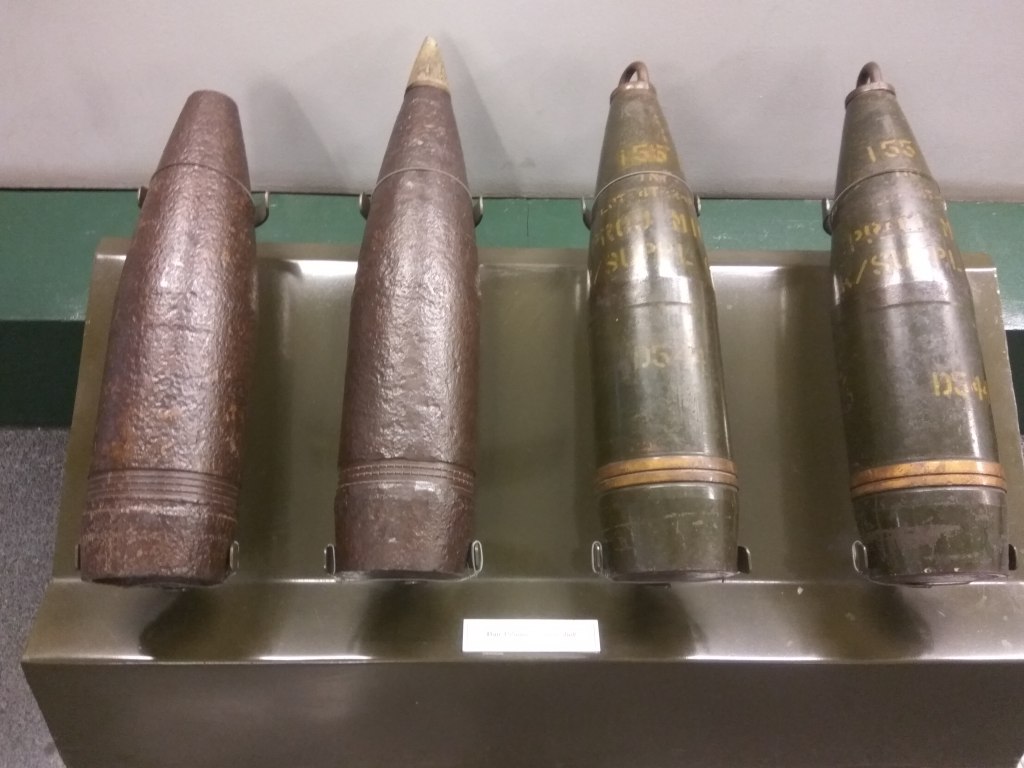
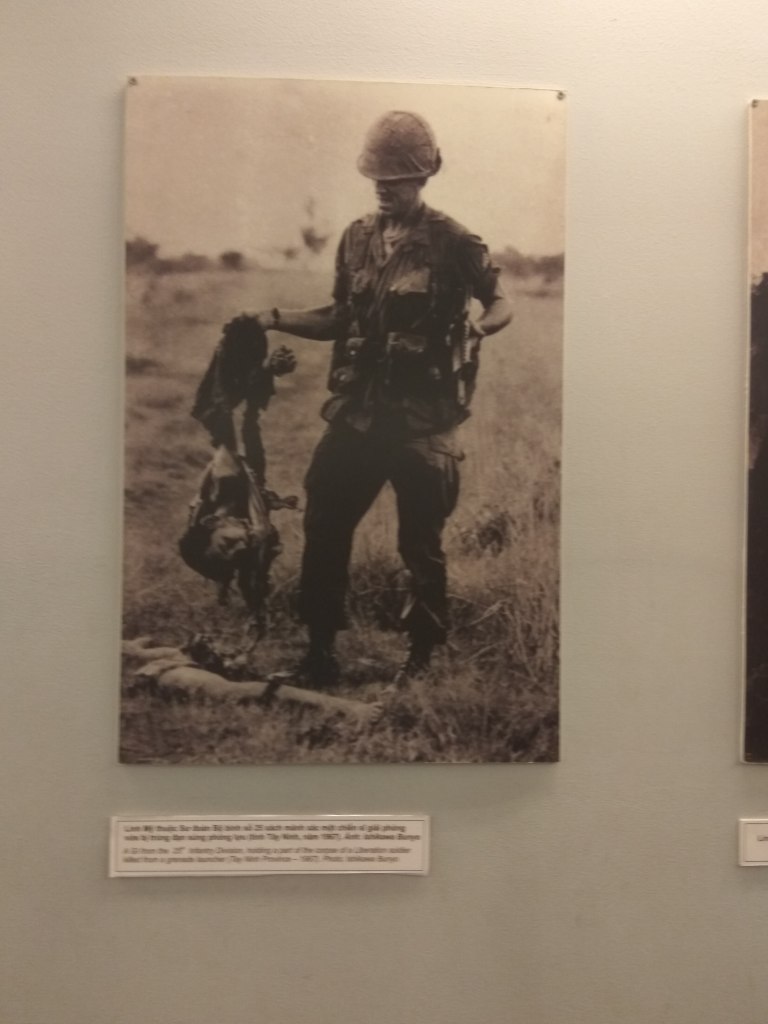
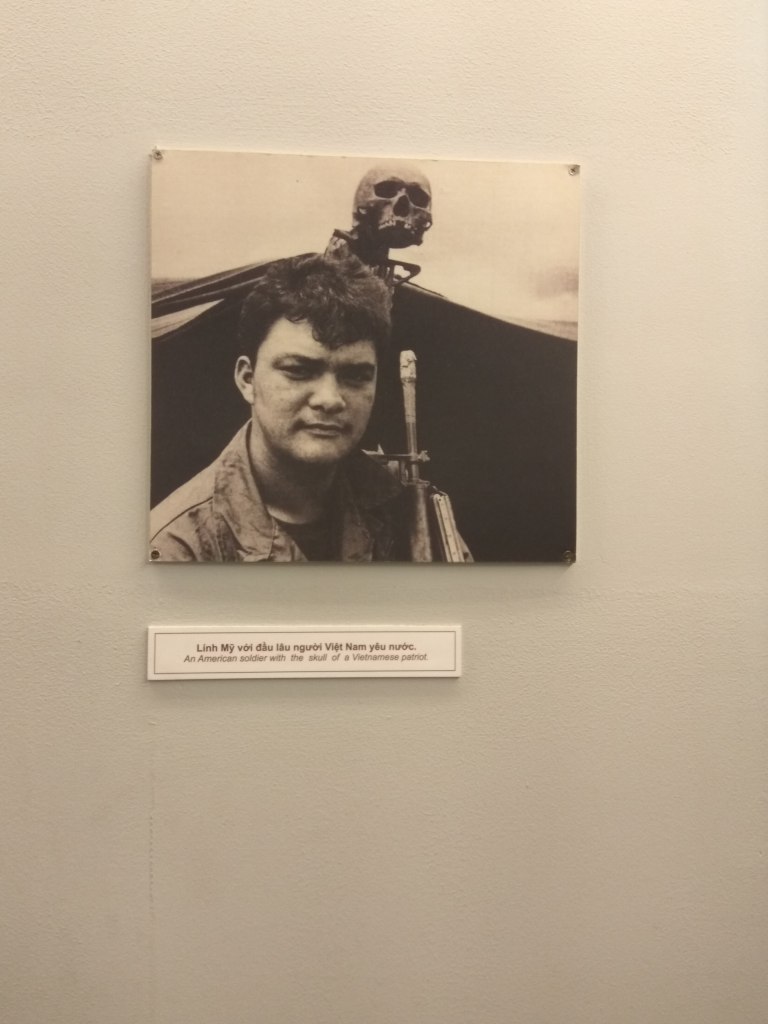
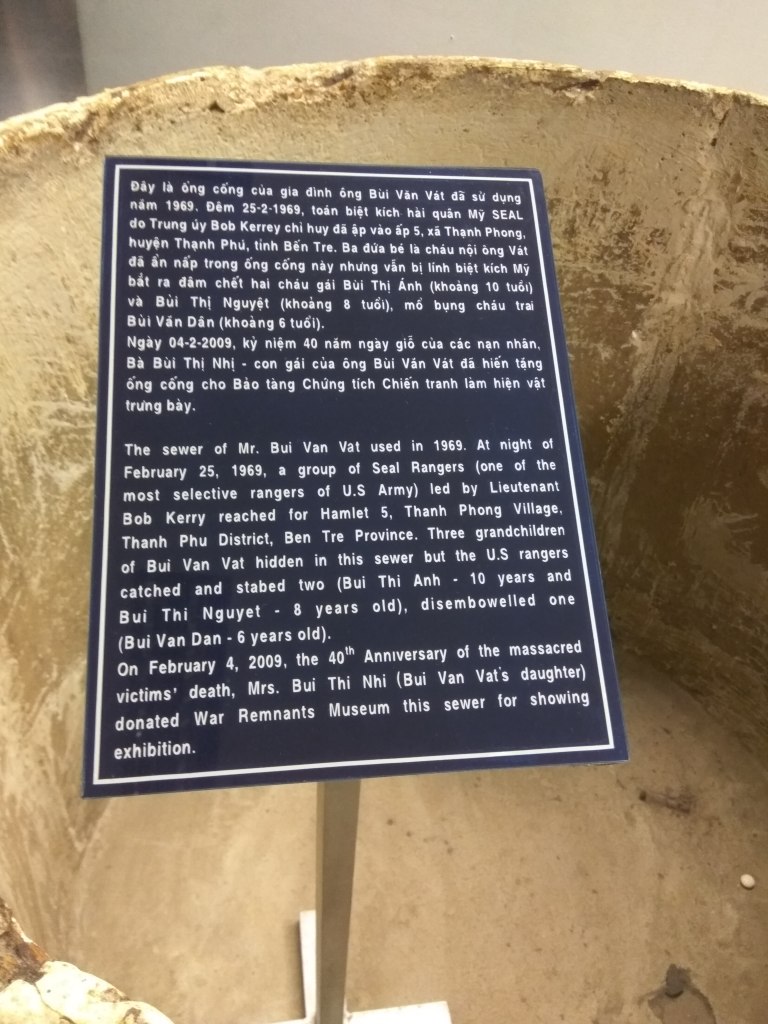
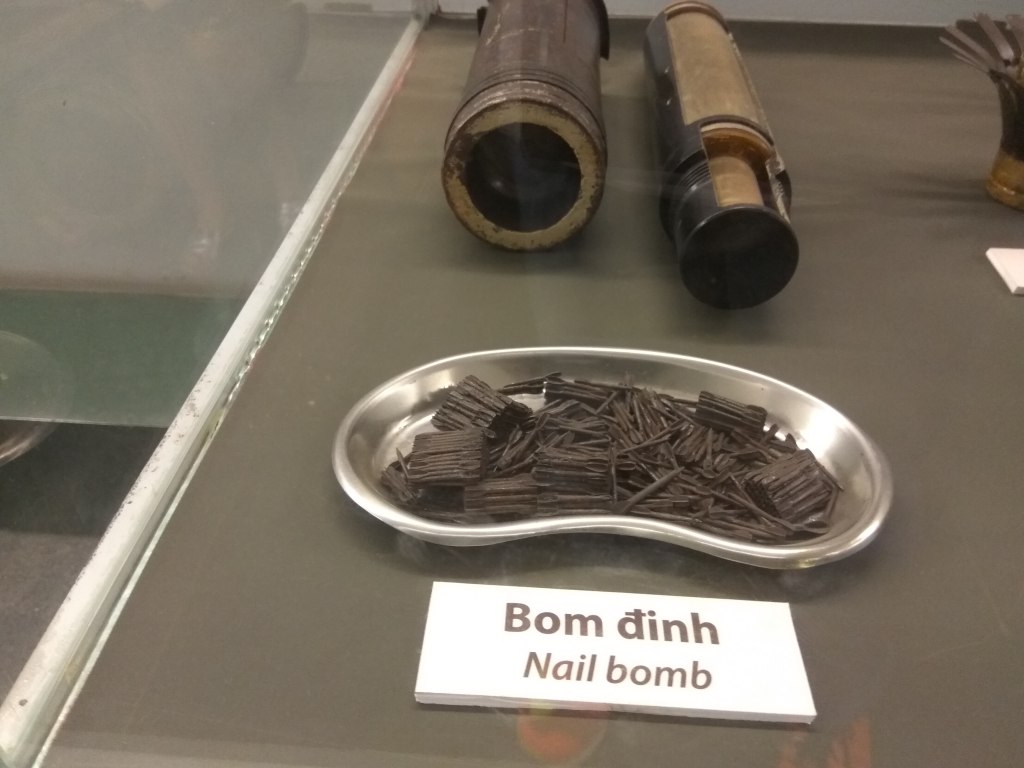
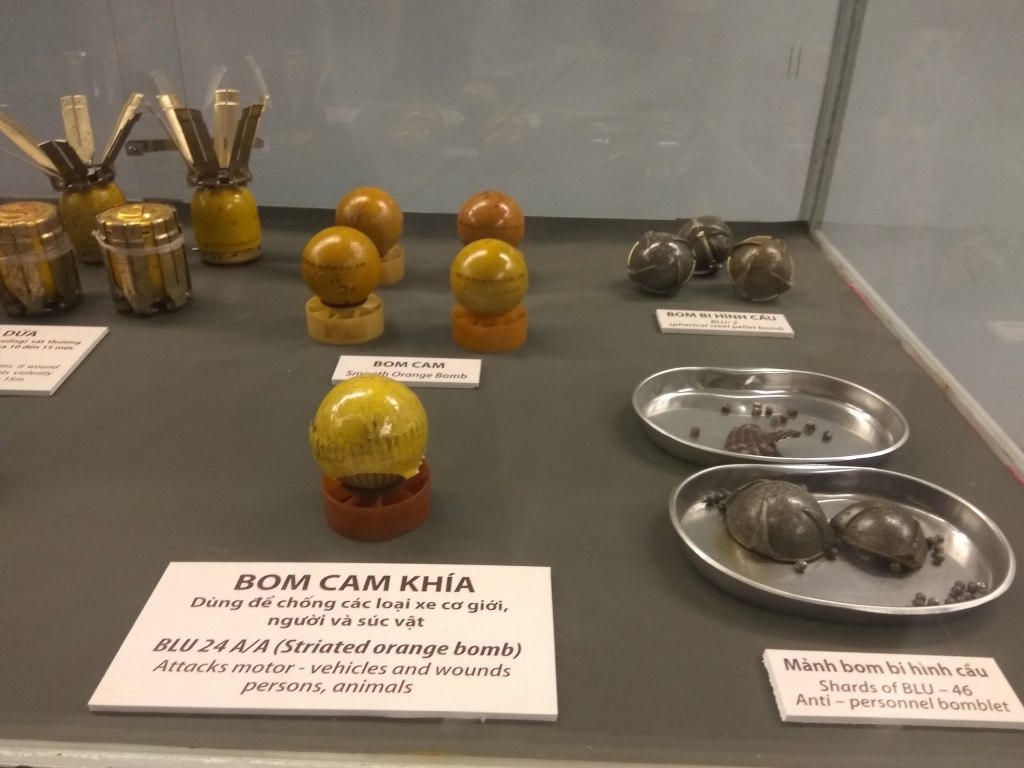
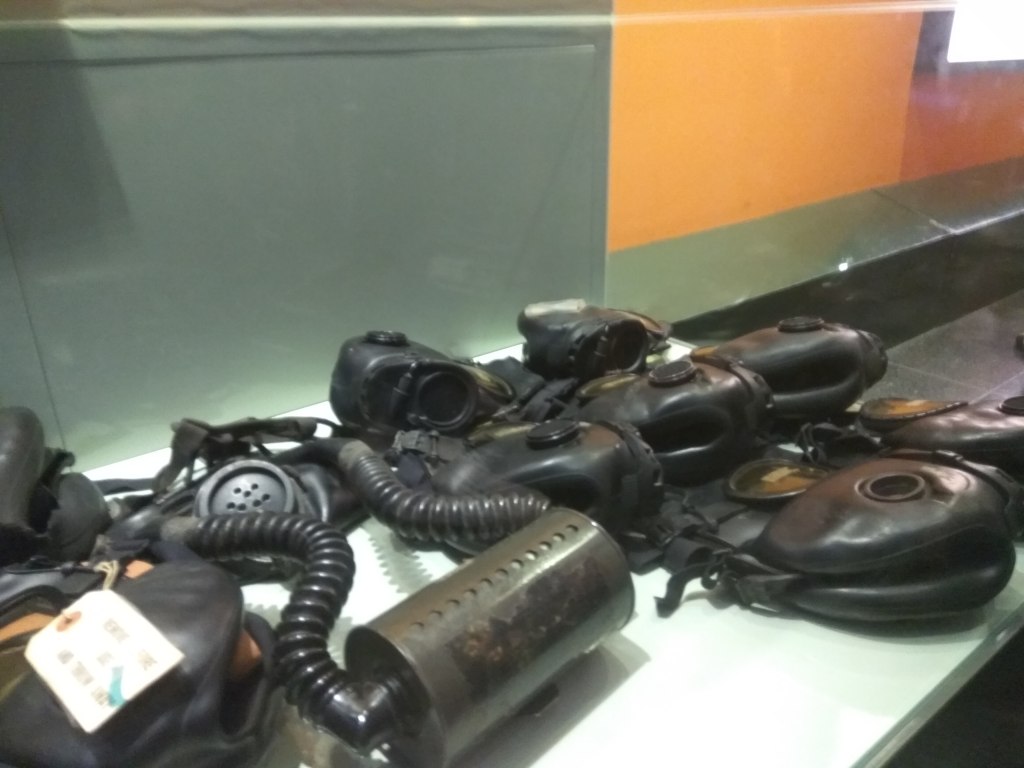
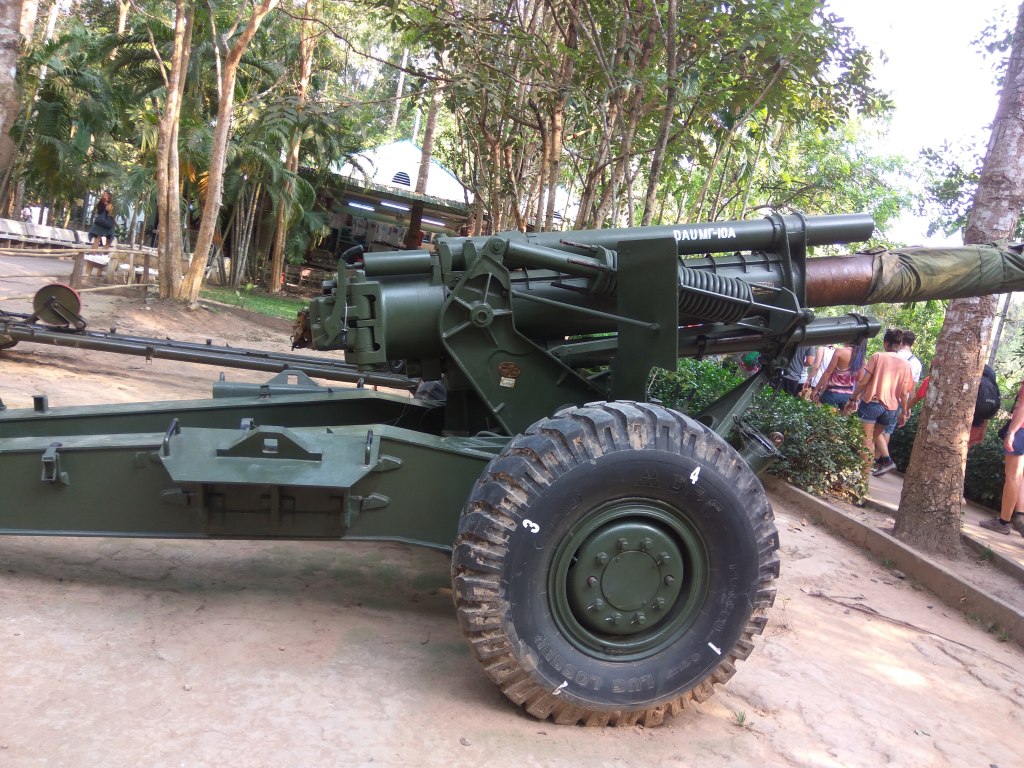
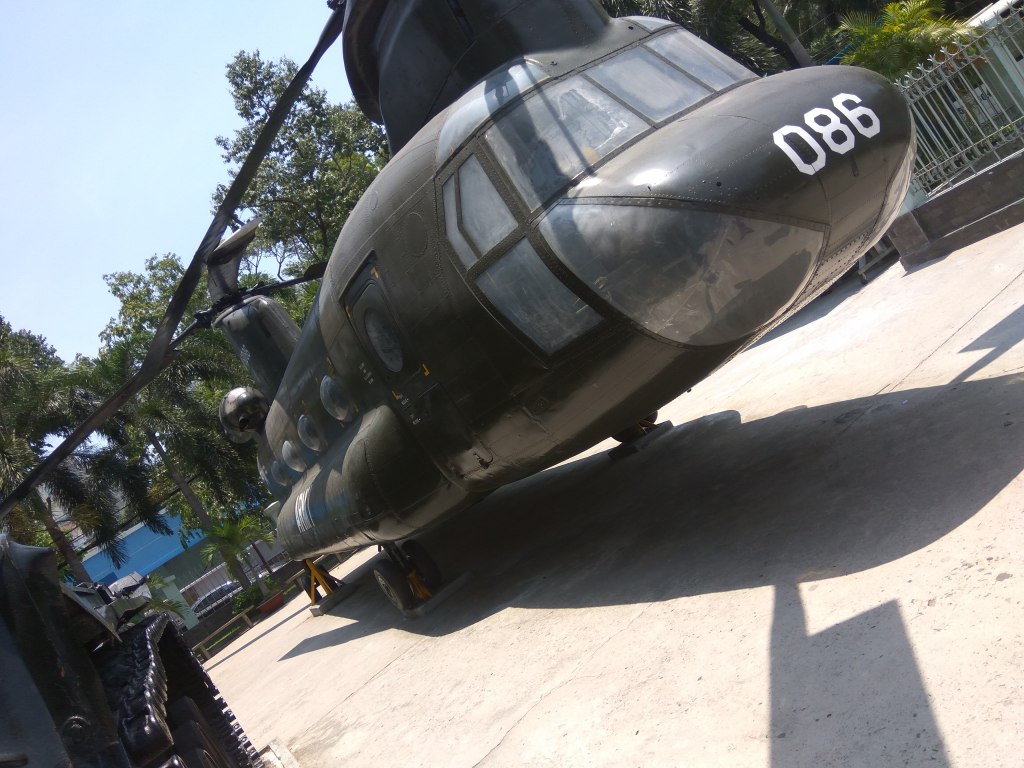
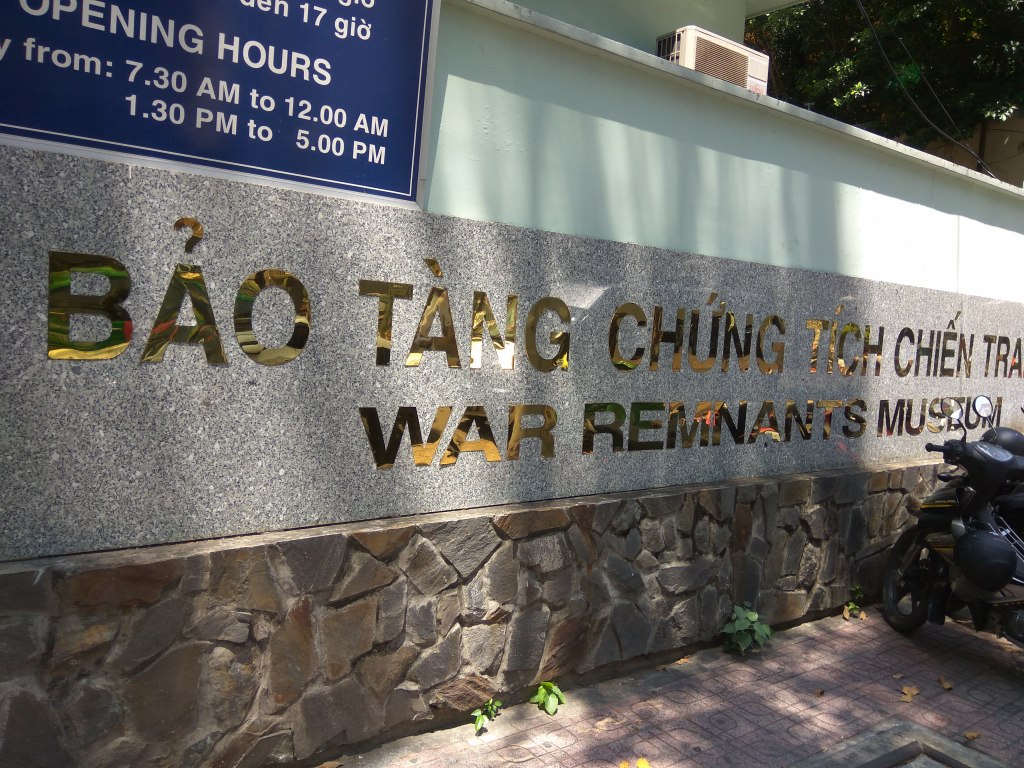
The last stop before the lunch break brought us to the War Remnants Museum. The brutality of the Vietnam War remains starkly captured and this remains one of the most visited museums in the country, attracting more than half a million visitors a year. Retired military vehicles such as “Huey” helicopters, the Chinook helicopter, fighter planes, Attack bombers and even an M48 Patton tank dominate the front yard while, inside, a harrowing selection of text and photographic exhibits tell the story of the war. A wide array of mines, bombs and various types of weapons used during the war are on display here. It is rumored that one can spot a B52 American Bomber Wreck in Vietnam’s West Lake. A poignant moment indeed looking at the devastating impact the war had on the lives of the Vietnamese, especially when you look at the photographs of children affected by the chemical bombings. Entrance tickets were again at 2$ apiece.
The lunch was at a nice poolside restaurant Oasis Saigon but ended up being tough on the eyes and nose for me, sitting beside a bunch of Chinese and Japanese tourists who were literally gorging and loving every bit of the non veg fare on offer.
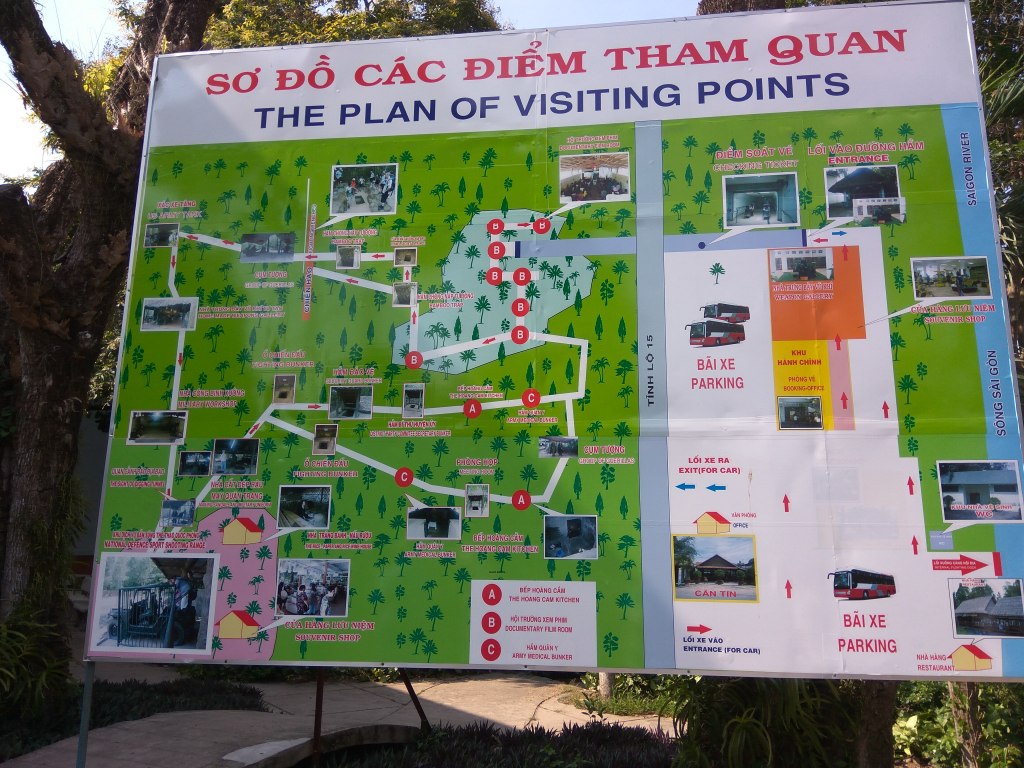
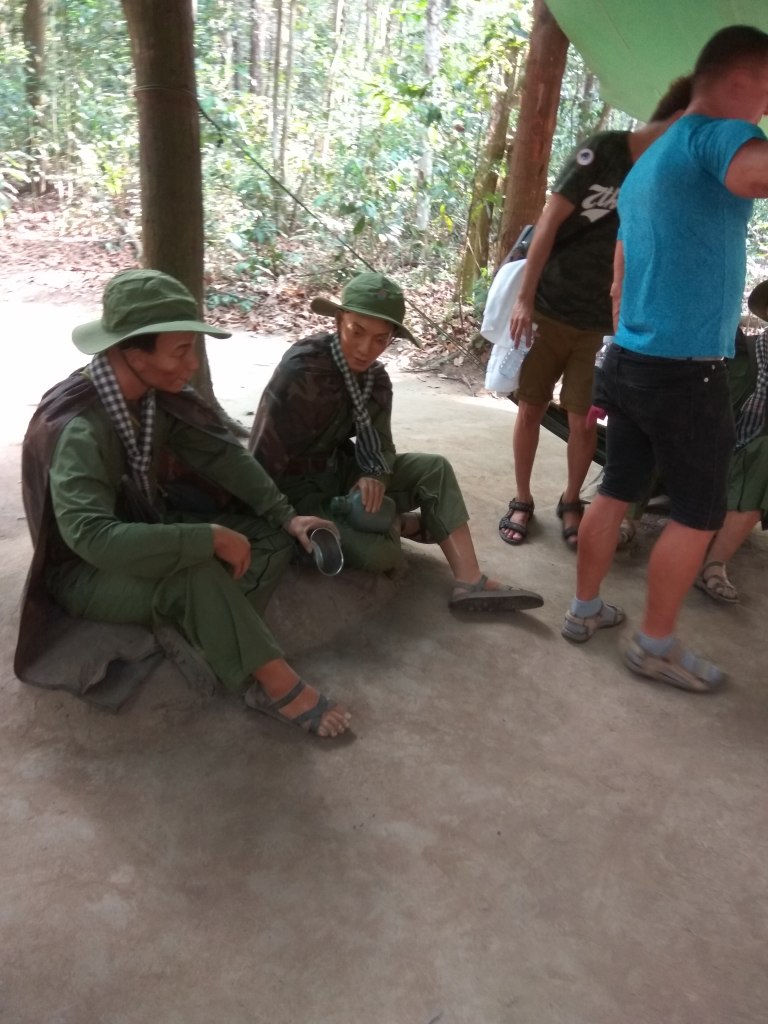
Managed to have some veg rolls and a tender coconut and stepped outside for some breath of fresh air. We then commenced our drive towards Cu Chi – located around 30 kms from HCMC. What unfolds here is a vast network of interconnecting underground tunnels. Used as operational headquarters by Vietcong guerrillas during the Tet Offensive of 1968, they were instrumental in numerous military campaigns during the war and played a decisive role in defeating American forces. A guided tour allows one to explore the tunnels first hand including going inside one in a state of crawl besides seeing exhibits on the various traps and trenches set by the guerrillas to fight back the Americans. There is a shooting range available here where one could also try firing an AK-47. Tickets are priced at around $5 per head. We headed back to HCMC after this and around 8 PM, had a colleague of mine from the HCMC office visiting me at the hostel. We then headed to a lovely Indian restaurant by the name Benaras and post a walk by the riverside, it was back to the hostel for the night.
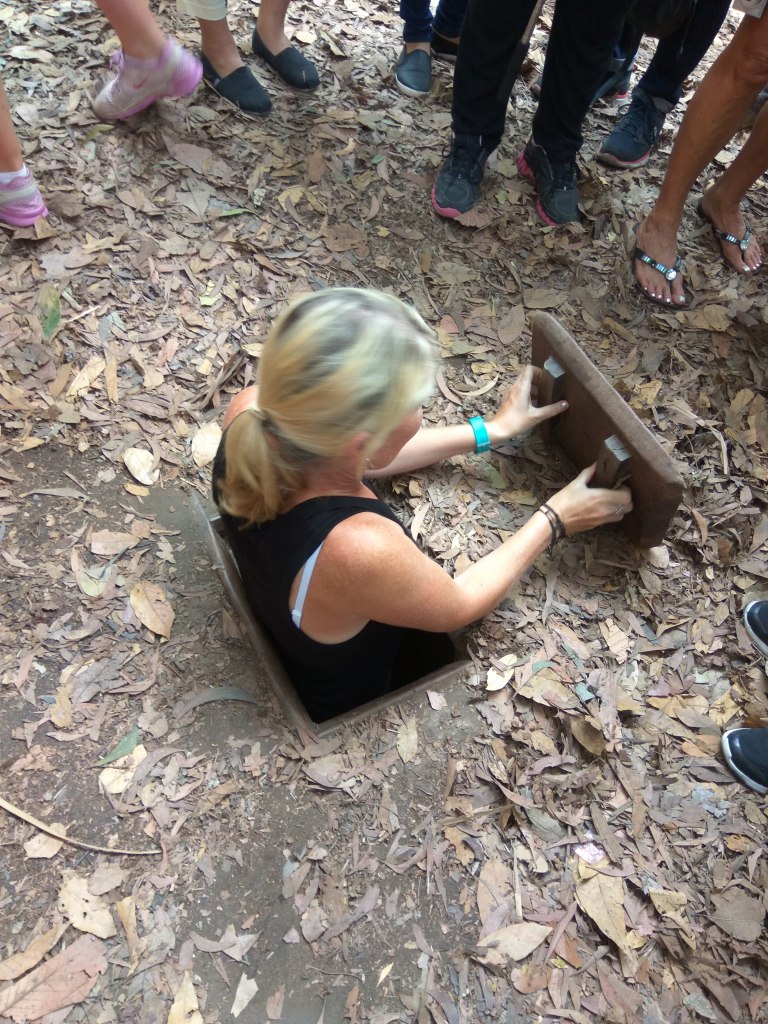
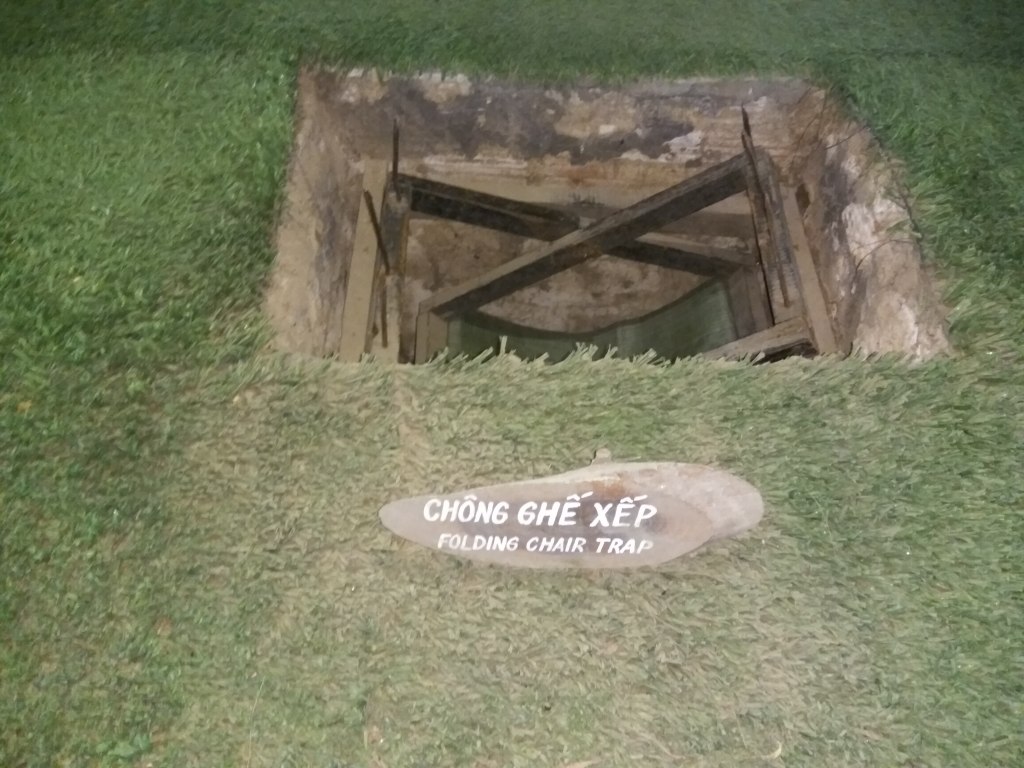
MANY OF THESE TRAPS ARE ON DISPLAY 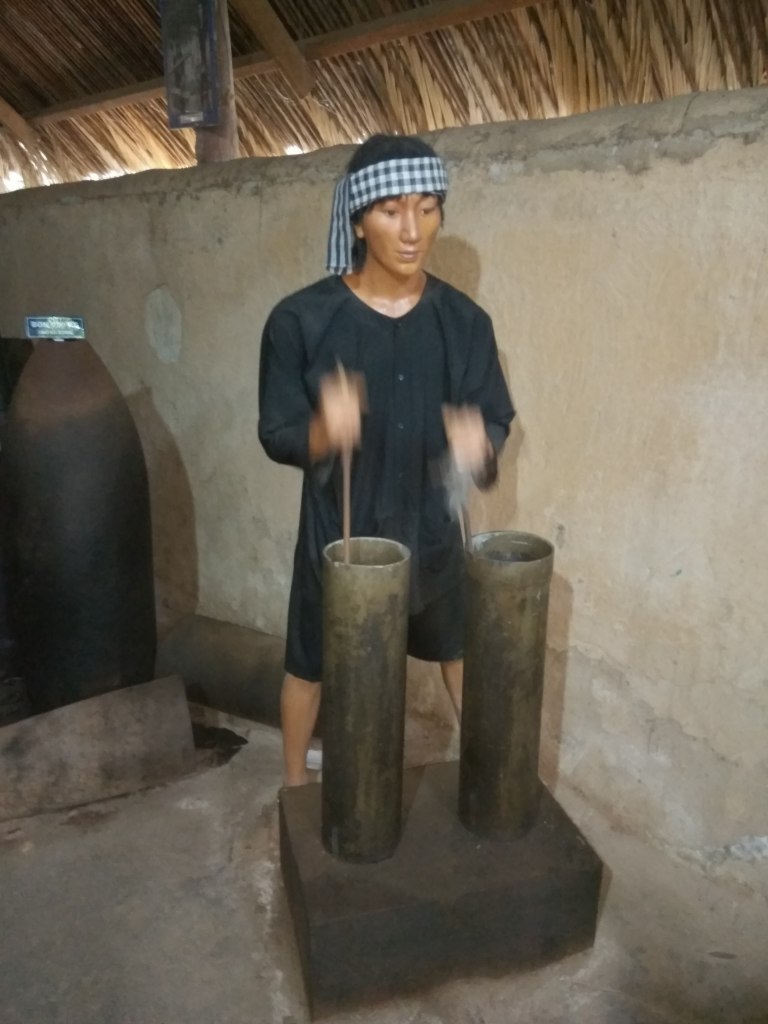
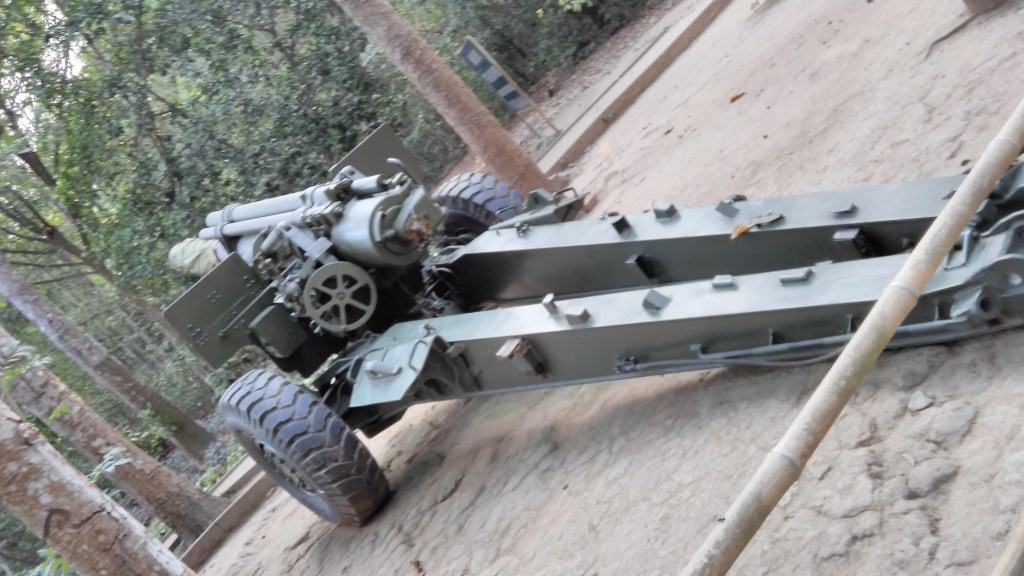
A HOWITZER GUN 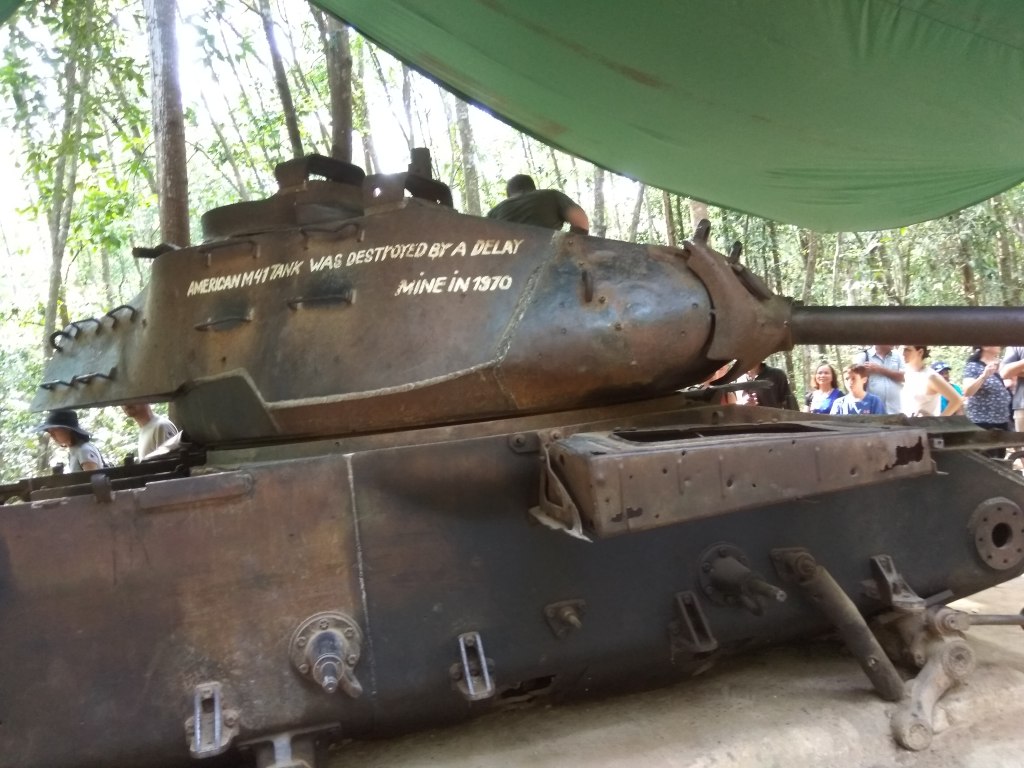
Day 3 : An early morning start to the day as we were to drive almost 180 kms to reach the famed Mekong Delta. Fortunately breakfast was ready by 6.30 in the morning at the hostel and comprised of the same Croissants, butter, honey and scrambled eggs. The AC van picked us up by around 7 AM from near the hotel. The drive was a good 4 hours long and one got to see the beautiful and vast expanses of the countryside once we crossed the city limits. The van brought us somewhere close to the pier and from there on, it was a small walk to a point where we got onto a medium sized motorboat to go island hopping. A fascinating part of this tour is that you get to see markets, schools and villages float on sprawling estuaries as we go along.
A little known fact about the Vietnamese people is that they love keeping potbelly pigs as pets. Strange, but then no wonder that the dogs would continue having a tough time keeping themselves in hiding from the butcher’s knife. The first halt was at village which had exhibits of a bee rearing farm and a small shop where they were making coconut candies. A third shop a little further down the lane had some beautiful wooden carvings for sale.
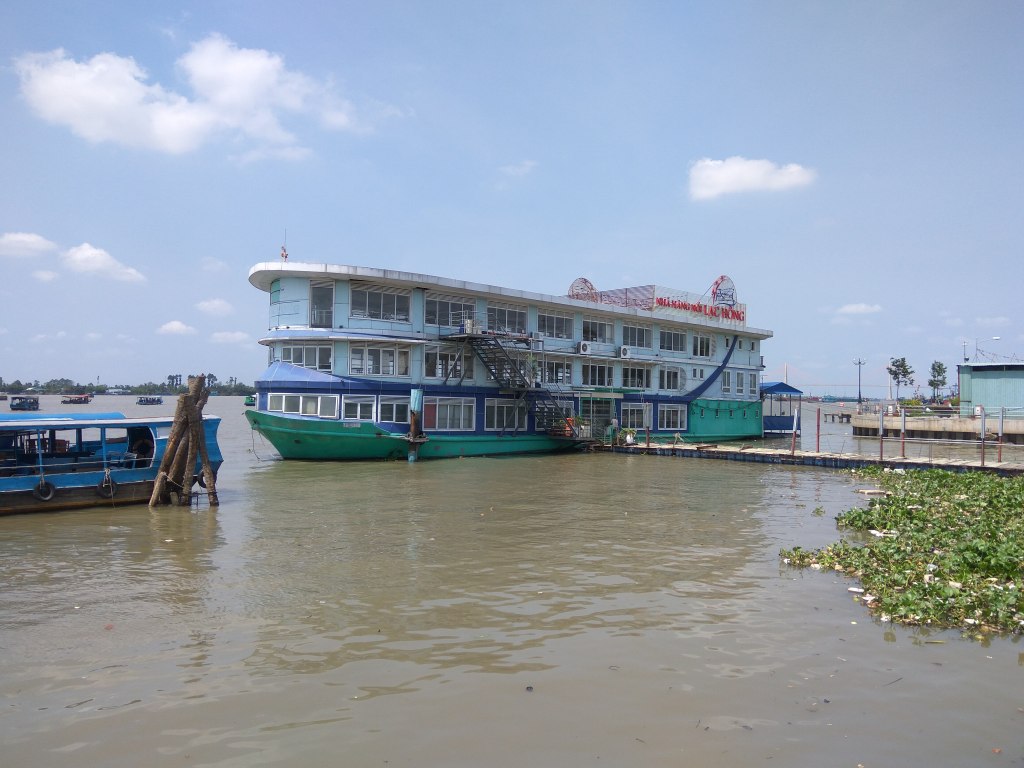
A VIEW OF THE BOATS DOCKED 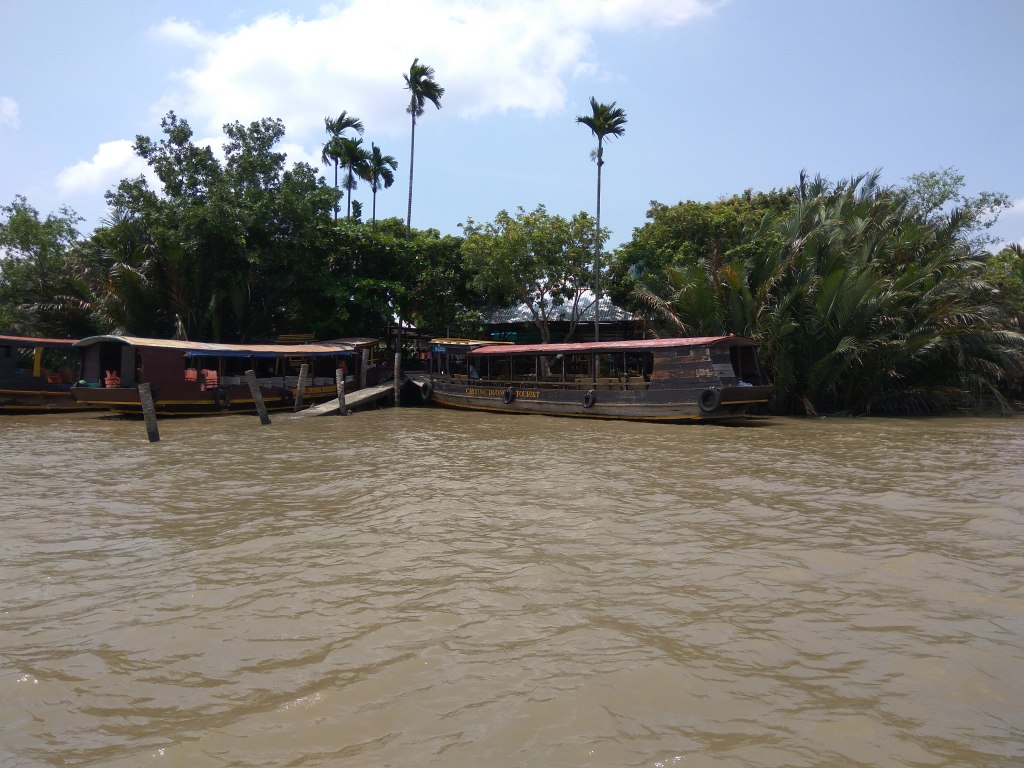
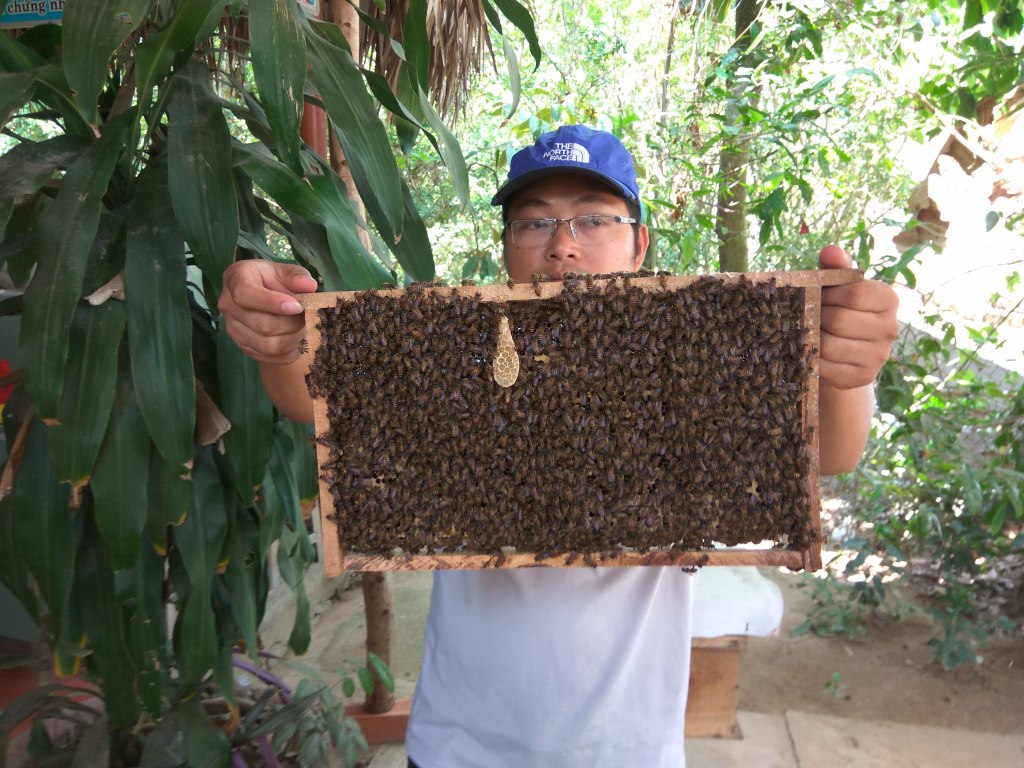
BRAVE AS THE BEES 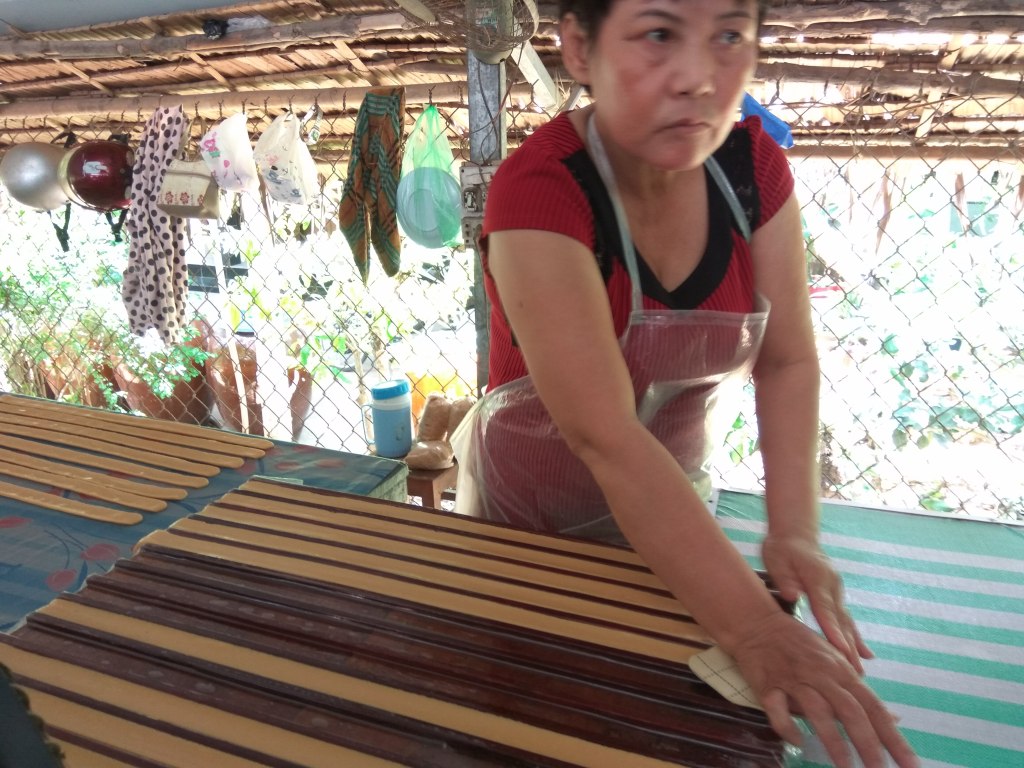
COCONUT CANDIES BEING MADE 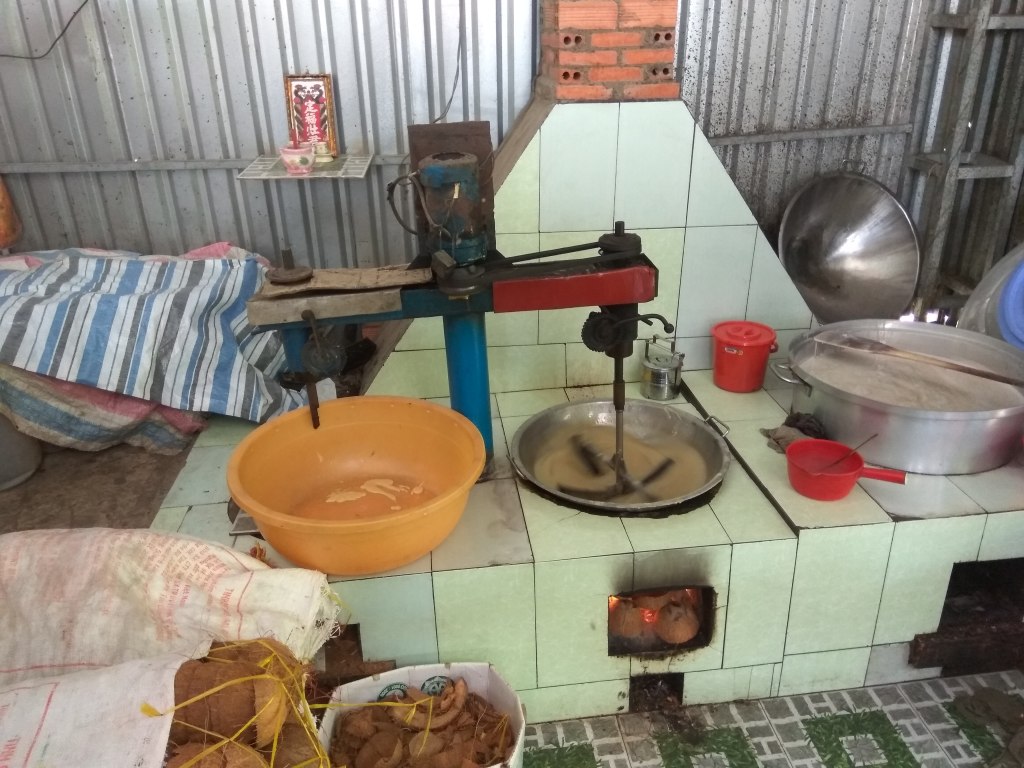
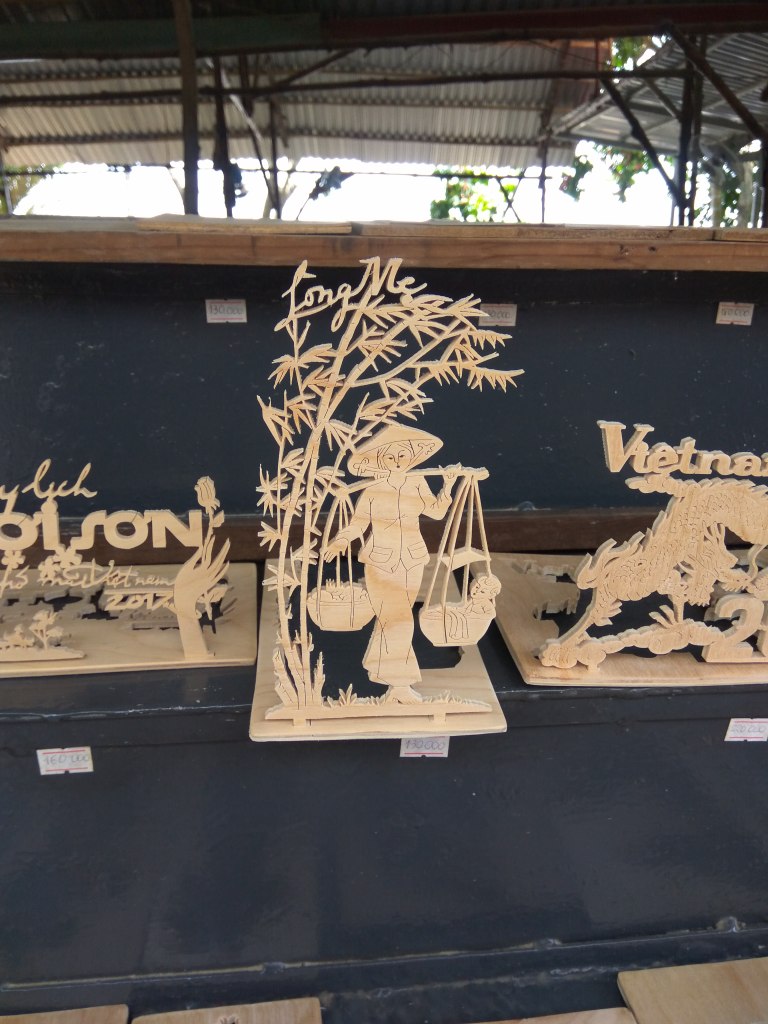
WOOD CARVINGS
The boat next took us to a fruit orchard where we are welcomed by a family and treated to an assortment of fruits, all grown there and with some steaming hot tea. The girls of the house all sang in unison to a local song while we sipped our tea, after which we were shown around the orchards. We moved further on to an outlet where Rice Wine was getting brewed. People were getting to taste rice wine which is poured from a bottle containing Venomous (yes you read it right) Snakes (the venom gets neutralized by the ethanol is what I was told). The Snake Wine also known as Ruou ran is a Vietnamese specialty of rice wine with a pickled snake inside and is supposed to improve health and virility.
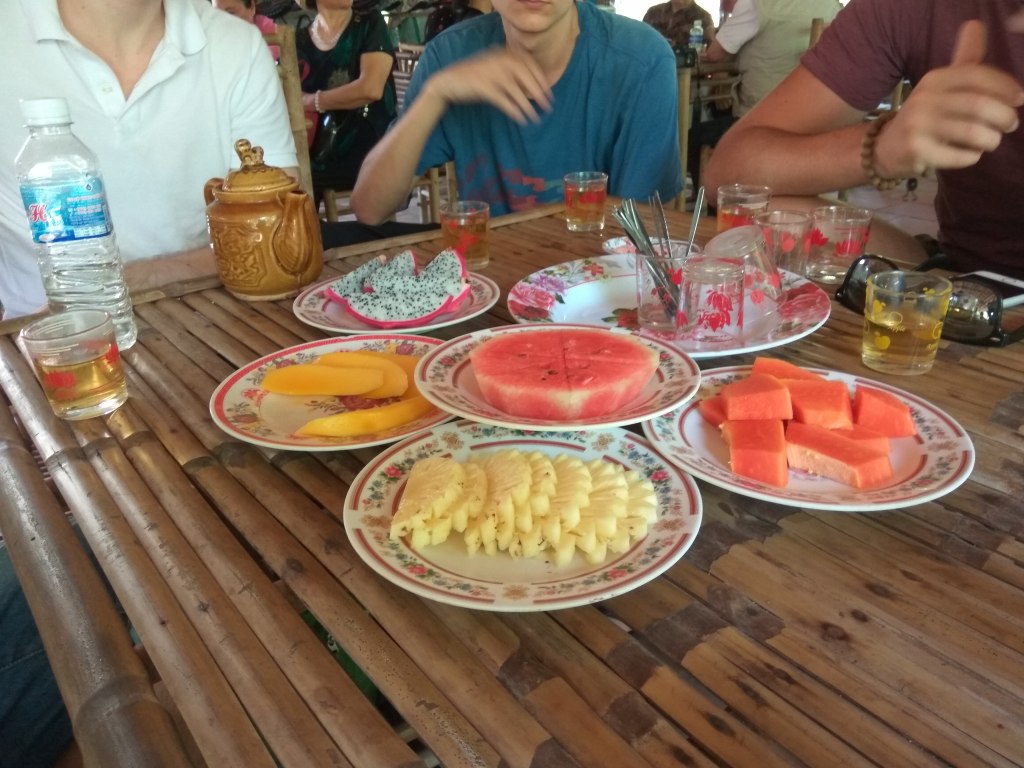
FRUITS FOR CONSUMPTION 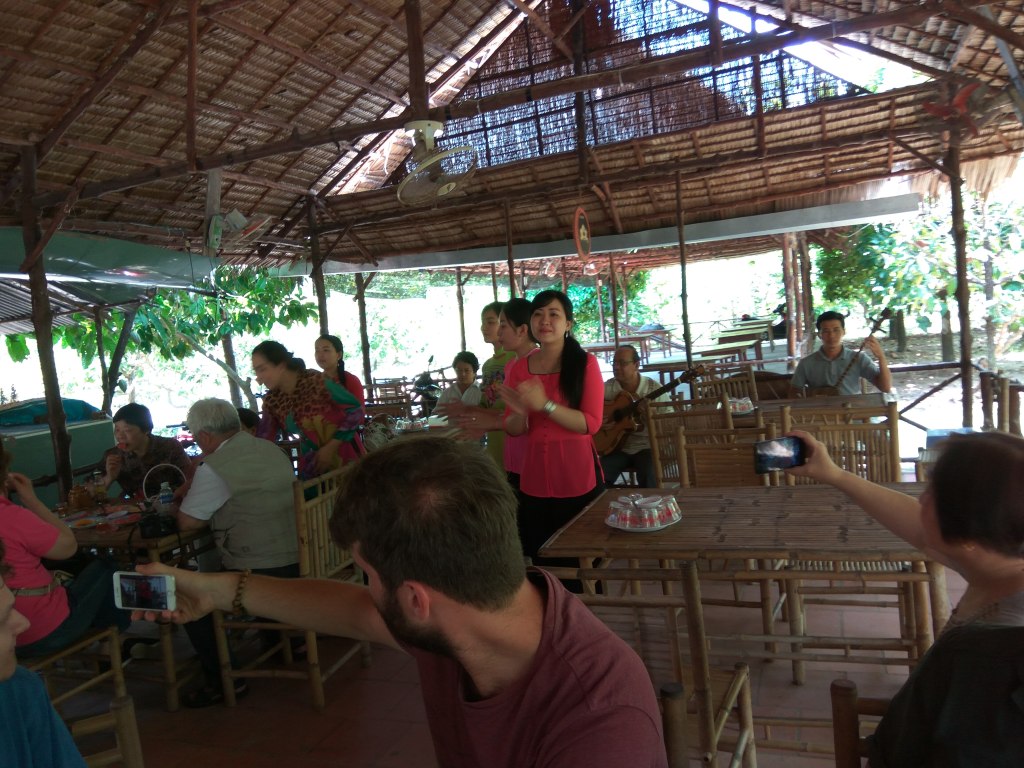
THEY SING WHILE WE EAT 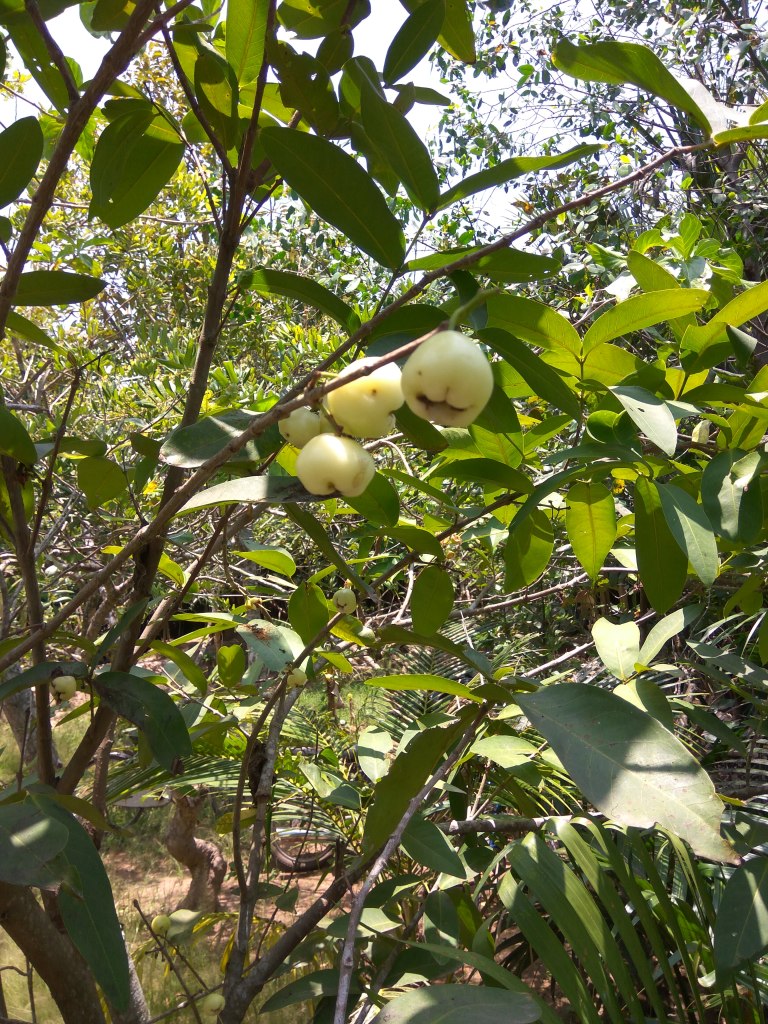
LOCAL FRUITS 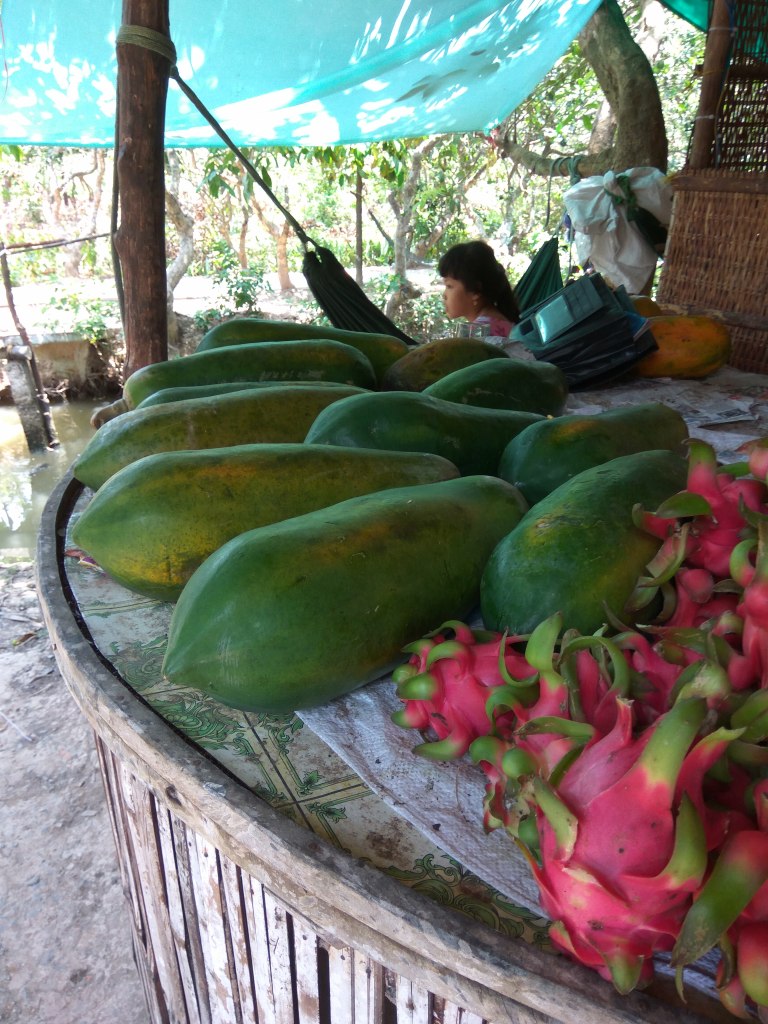
MORE FRUITS ON OFFER 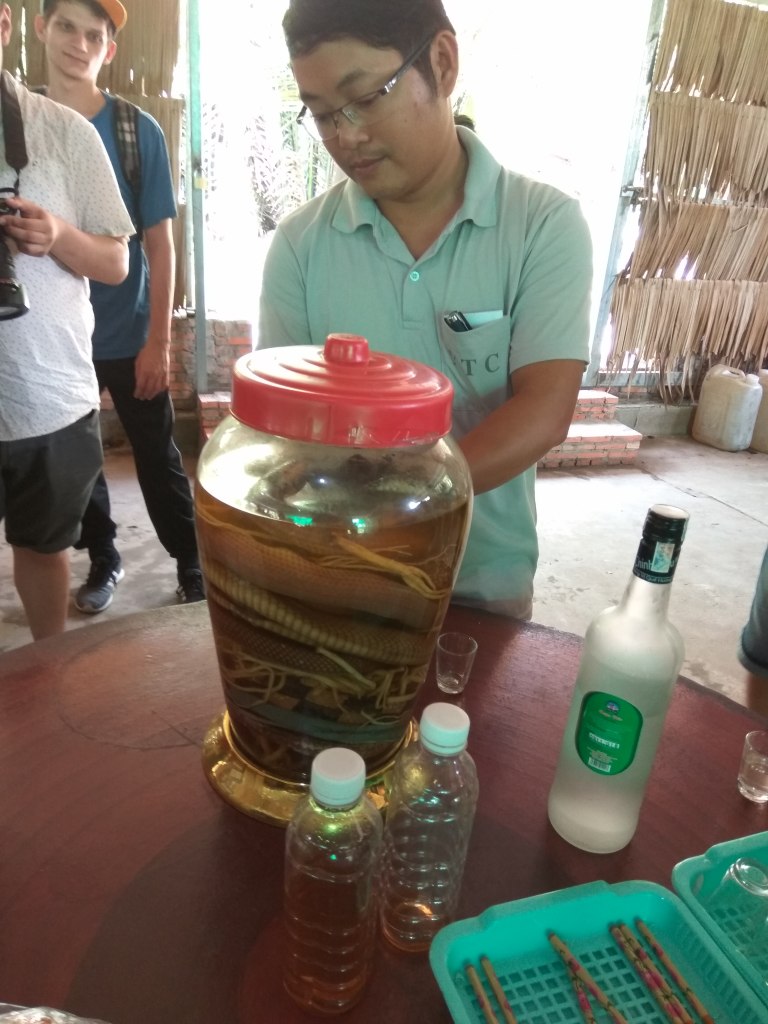
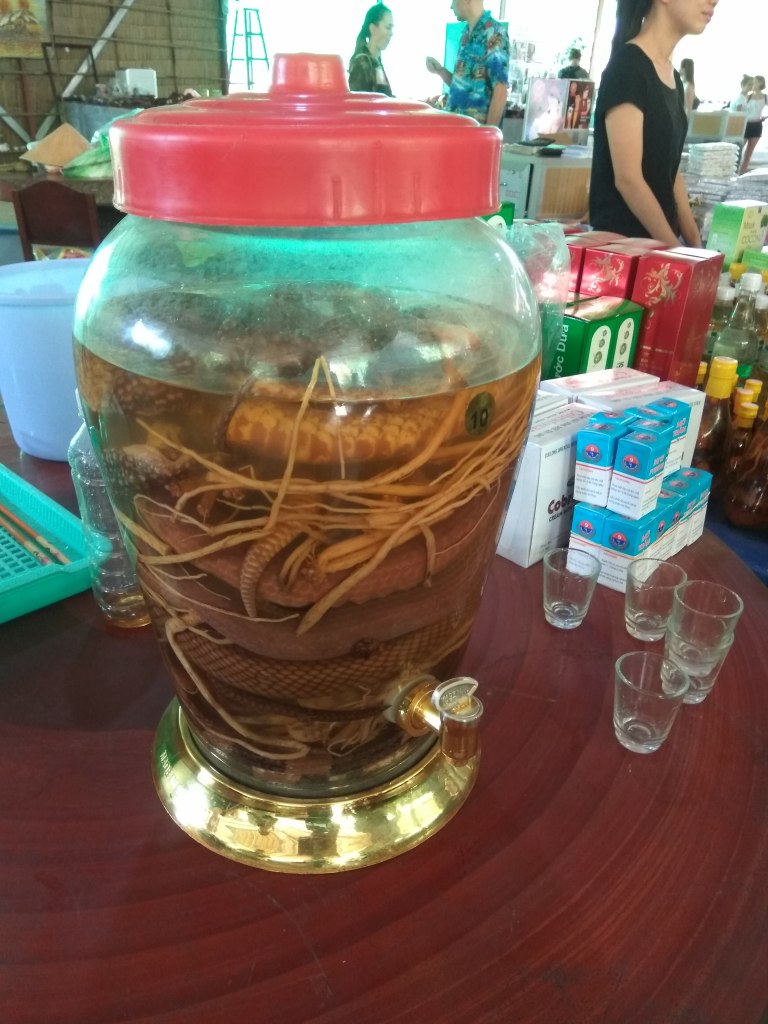
SNAKE OR RICE WINE
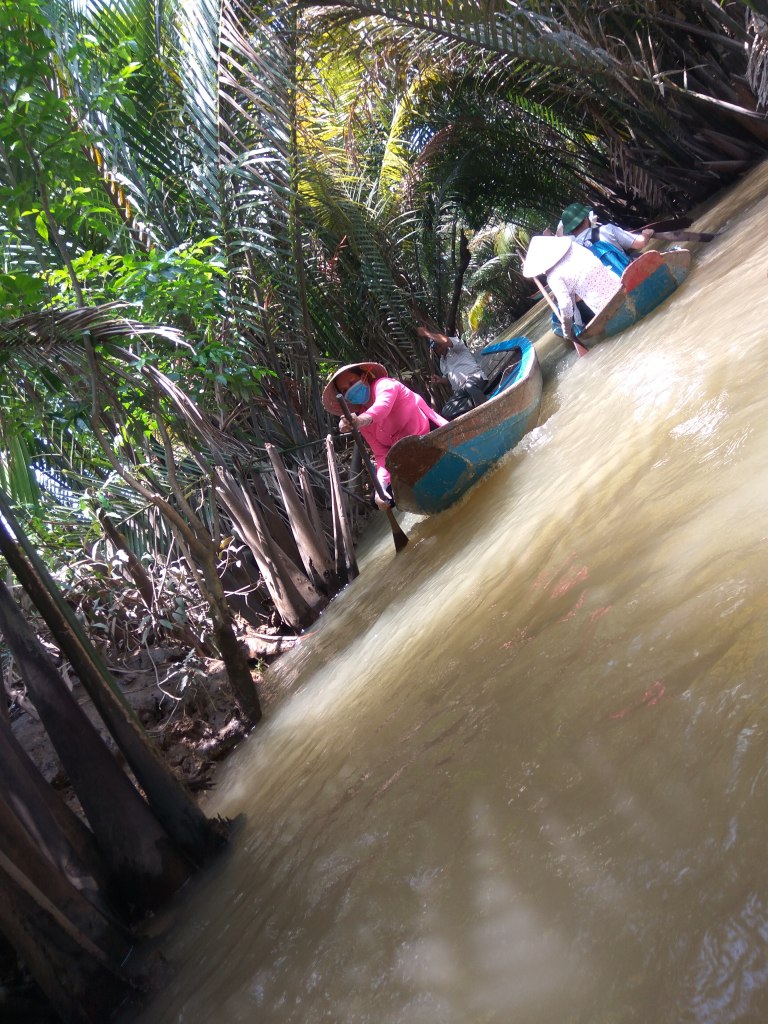
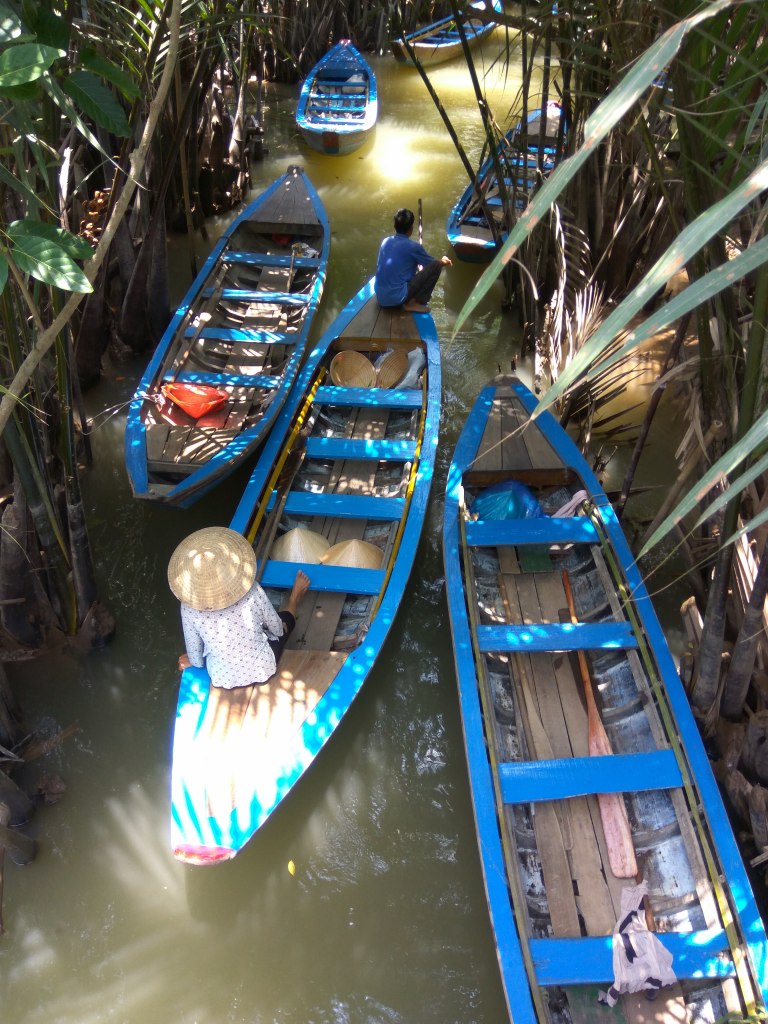
Once this is all done, not to be missed is a boat ride across a narrow canal where you see the locals donning the famed straw hat and from where one finally gets on to board the motorboat. The boat then moved onto our last stop where we stopped by for lunch at a local restaurant. It was almost 2.30 P.M and the sun was beating down. While we were all starved, it just became a bit tougher for me as I got to be seated across the only free table where a Americani-Vietnamese couple had already settled down to gorge on something they called the Elephant Ear fish (believed to be a local delicacy confined to the Mekong Delta) while I had to contend myself to rice and vegetables.
A pre-dominantly rice eating country, the choice of accompaniments for vegetarians remains a real challenge especially when you move away from the main cities. There were lot of hammocks tied to the trees in the open area of the restaurant where we were give an hour or so for resting. There were some cycles also available at the restaurant and we utilized the free time to go for a short drive, a little deeper into the village. Around 4.30 P.M the boat started on its way back to drop us back at the pier where the van was waiting to take us back to HCMC.
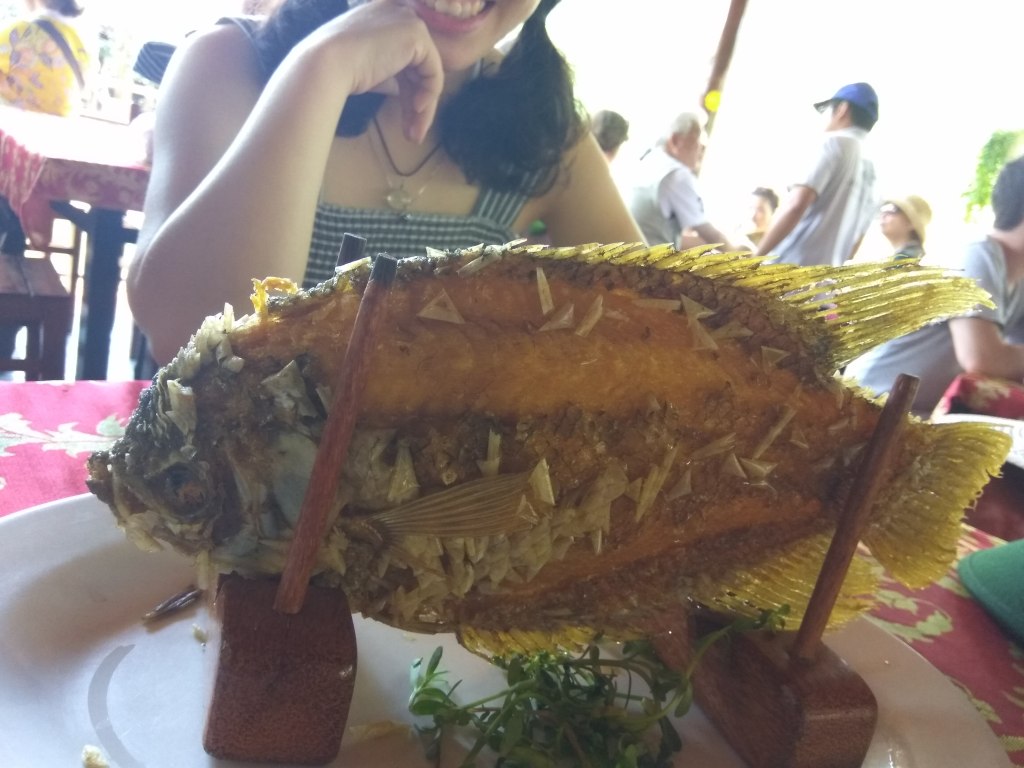
THE EAR FISH 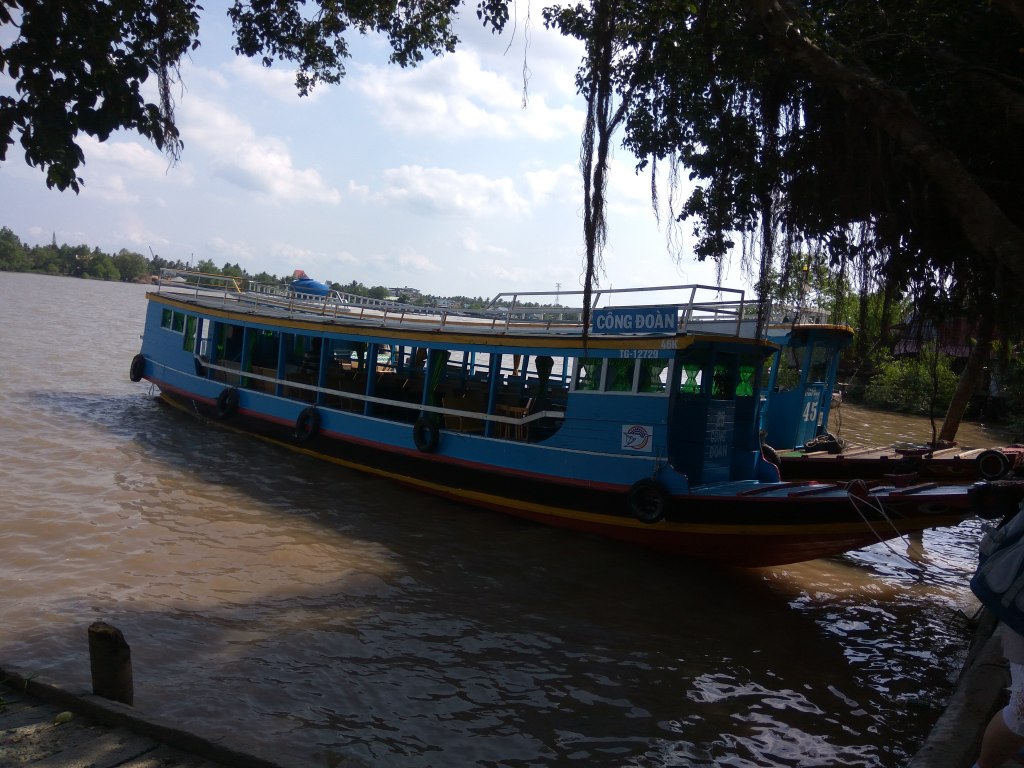
Day 4 & Day 5 : Had heard a lot about these train journeys which people undertake right from the Southern tip of Vietnam and all the way to Hanoi and decided to go to Nha Trang by the Reunification Express (SE8). While you have almost 4 trains plying between these cities, chose the first of the day trains starting at 6 A.M so that I would have some time to spend in Nha Trang besides also getting good views of the countryside and the long coastline alongside which the train runs. A distance of around 410 kms, the entire journey gets covered in around 8 hours. The tickets are priced at around $28 for a soft berth while a hard berth would save you only around $3.
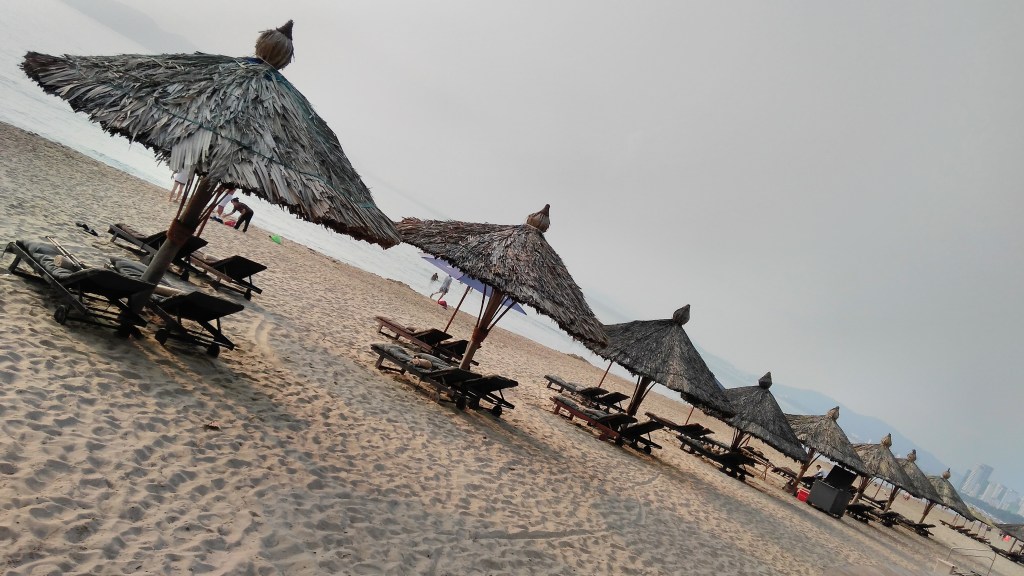
This city boasts of a 6 km coastline with white sandy beaches, clear waters and abundant marine life. Its main beach is a long, curving stretch along Tran Phu Street backed by a promenade, hotels and seafood restaurants. Checked into a nice hotel Azura which was located very close to the beach.
Towards the evening went for a stroll around the beach which was adorned with some nice photographs mounted on large wooden frames. As darkness set in, the musical fountain started playing to the accompaniment of some local music and was spewing up some lovely bright colors. The early part of the next day was spent lazing around the beach and post that, kept myself confined to the room as it was pretty hot outside before taking the night train back to Ho Chi Minh. To my surprise, found a couple of decent Indian restaurants Ganesh and Yashoda where the fares were pretty delectable and alternated between these two during my stay here. The night train known by the name of SE1 started at around 10.30 in the night and I had booked a ticket for a soft berth in an AC coach which costed me $ 38 wile the hard berth was available at $ 36.
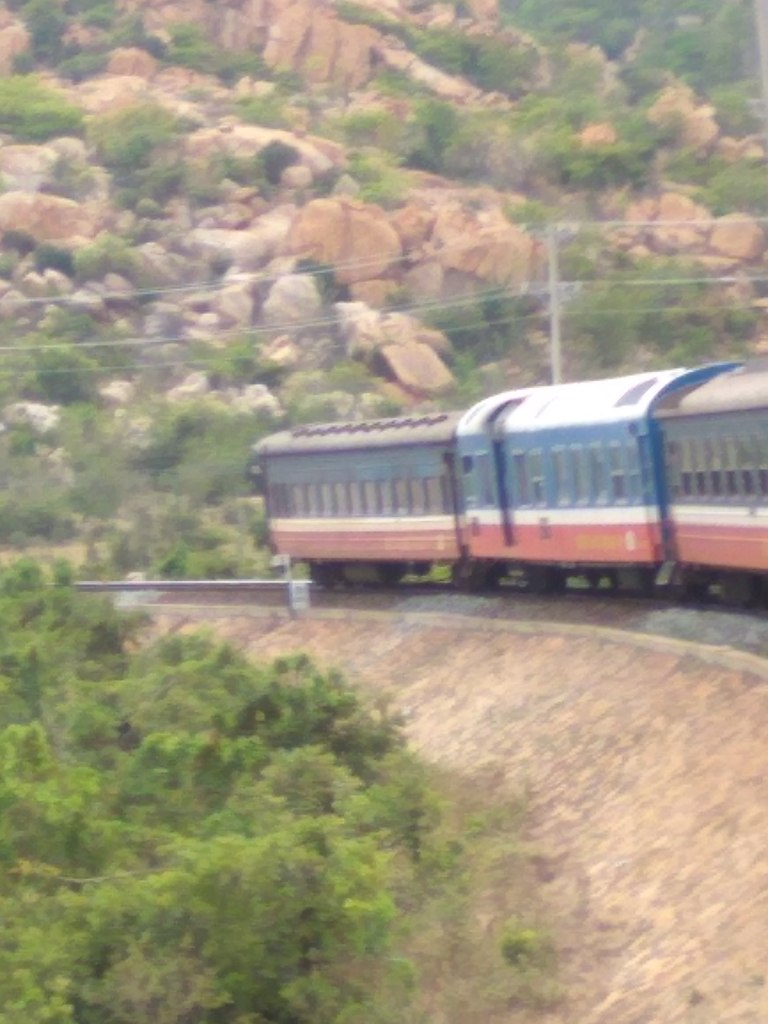
AS THE TRAIN MEANDERS IT WAY THROUGH 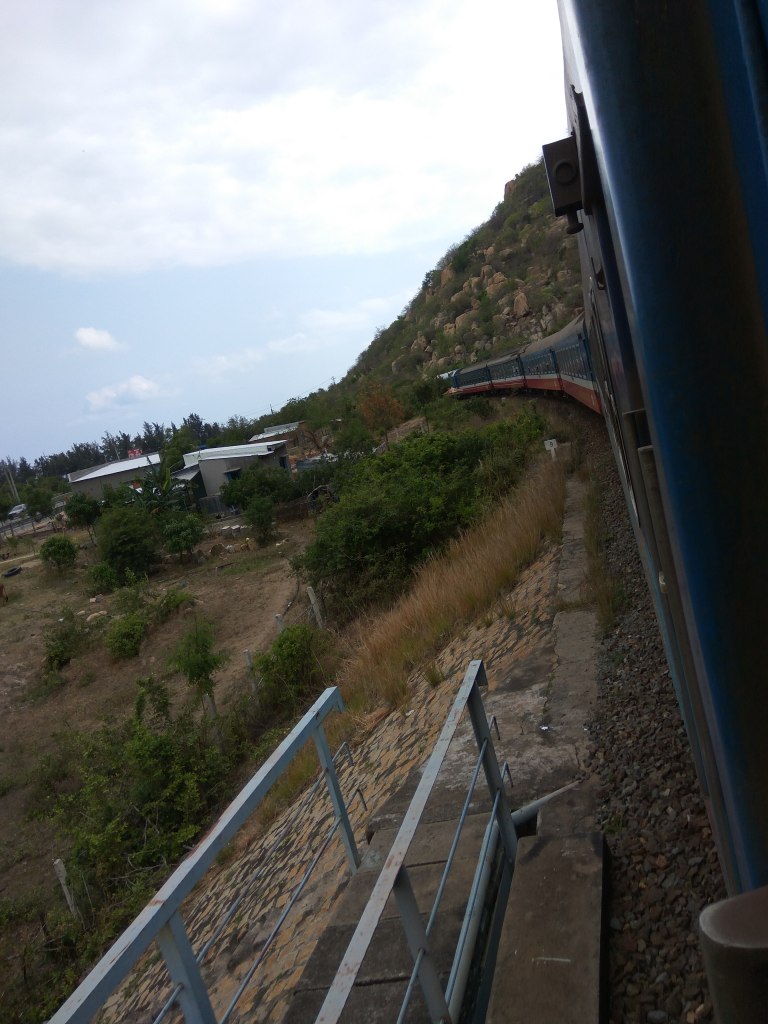
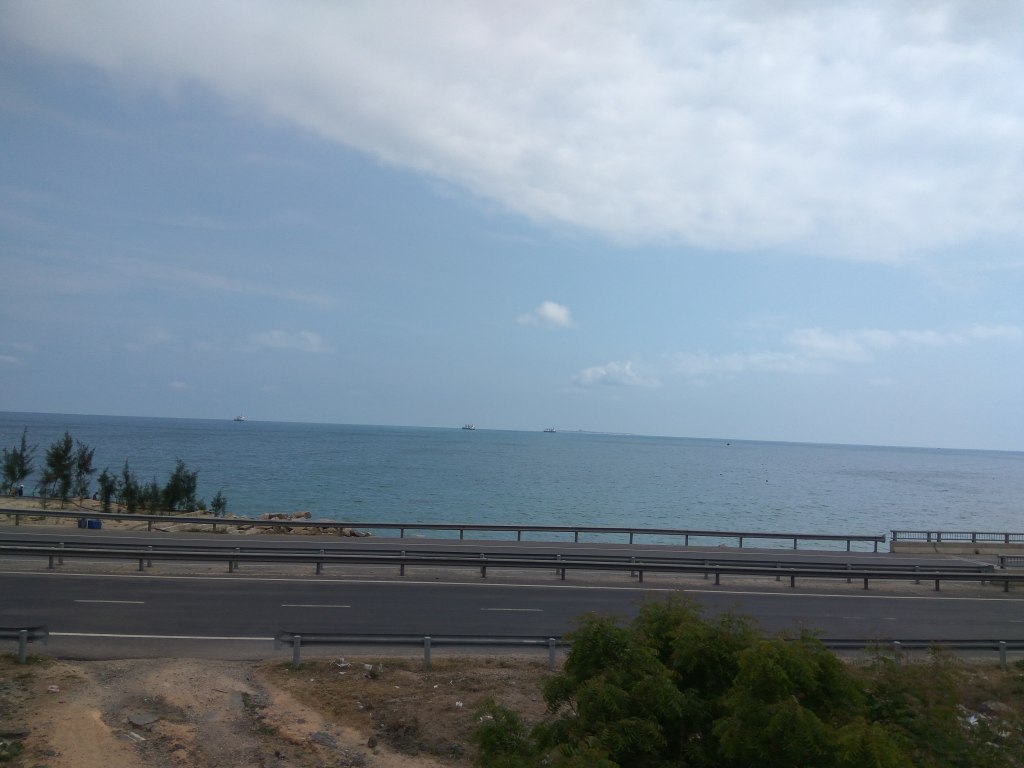
VIEW OF TYHE COASTLINE FROM THE TRAIN 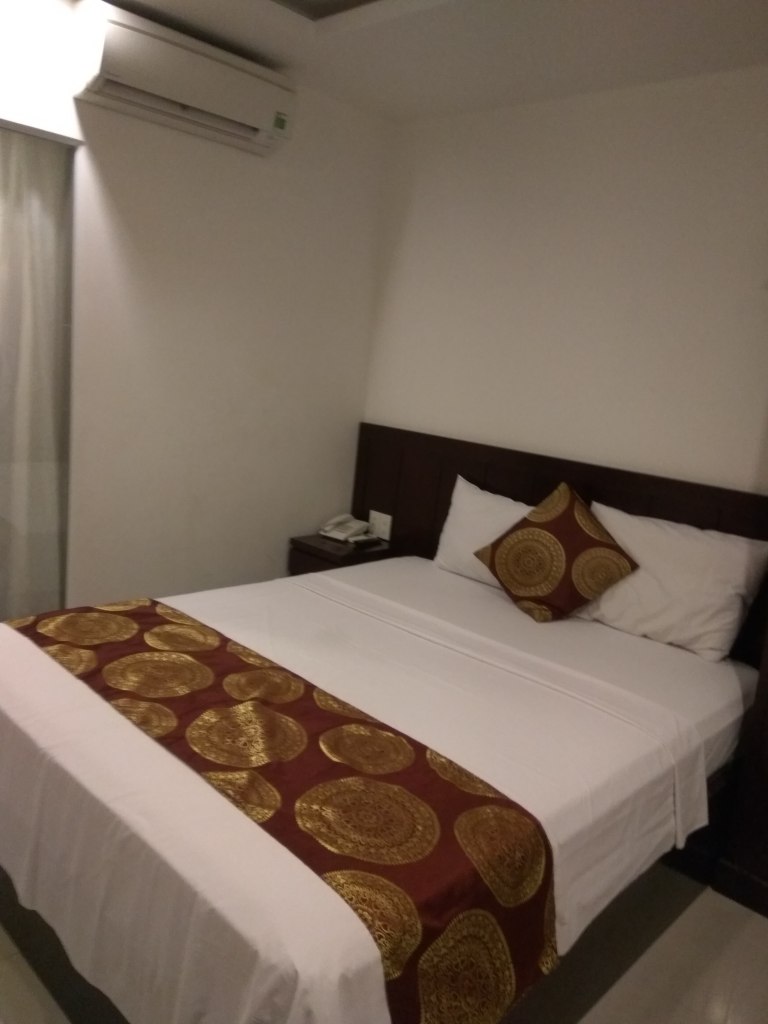
HOTEL AZURA 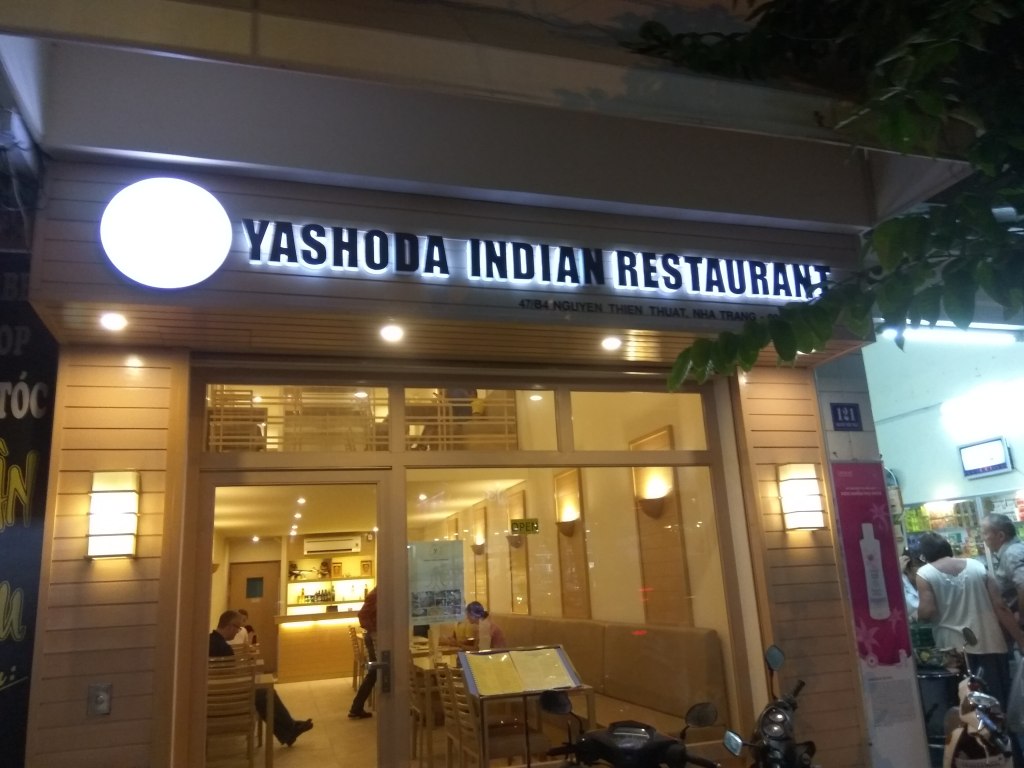
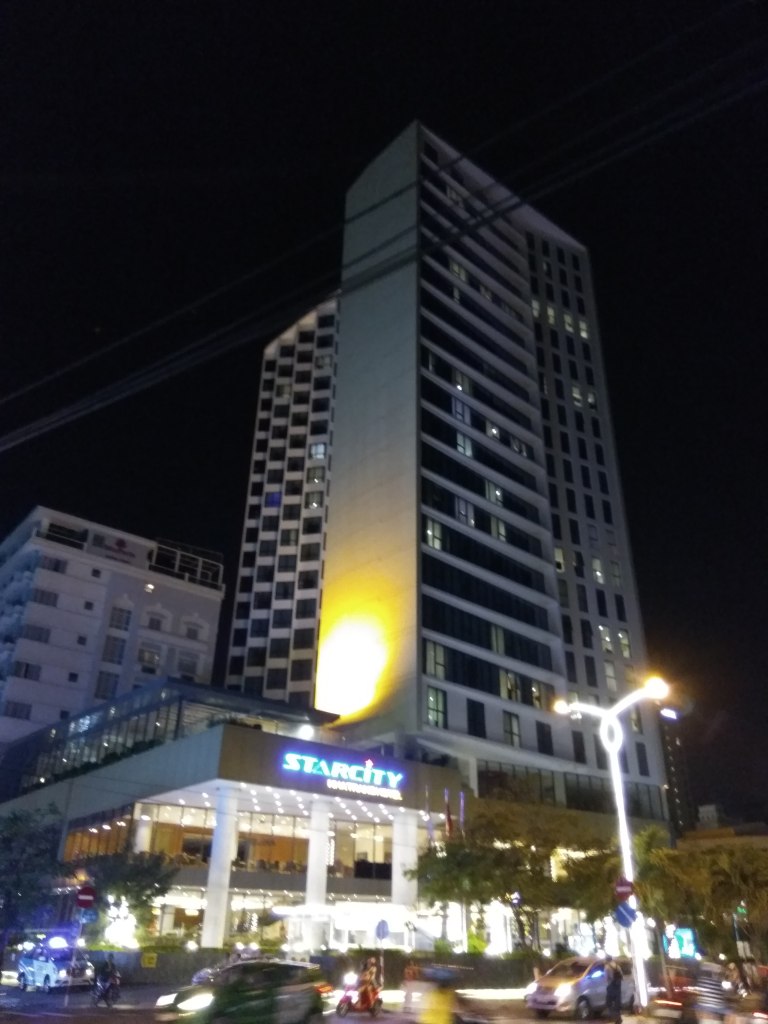
THE NIGHT SKYLINE 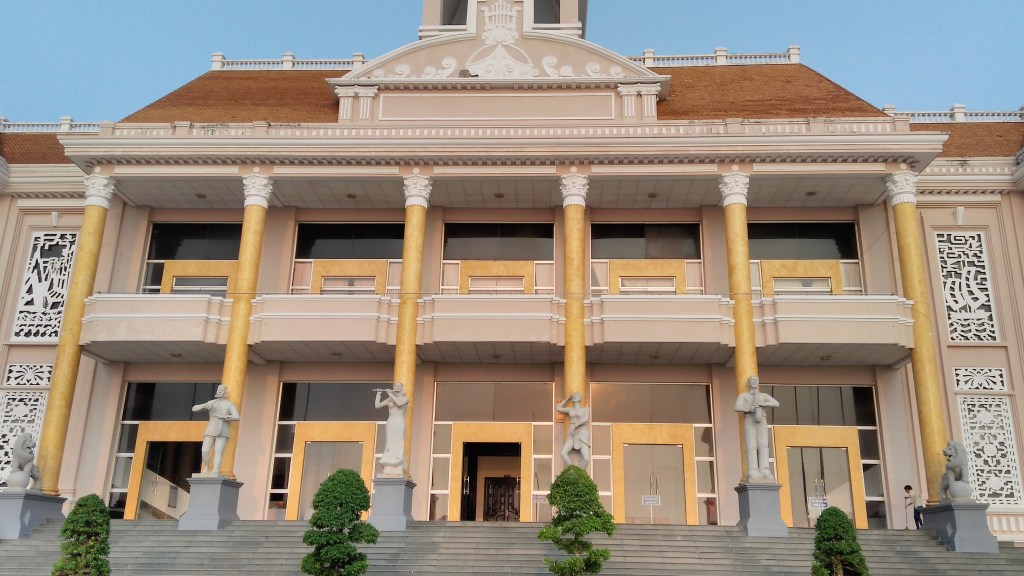
THE YERSIN MUSEUM 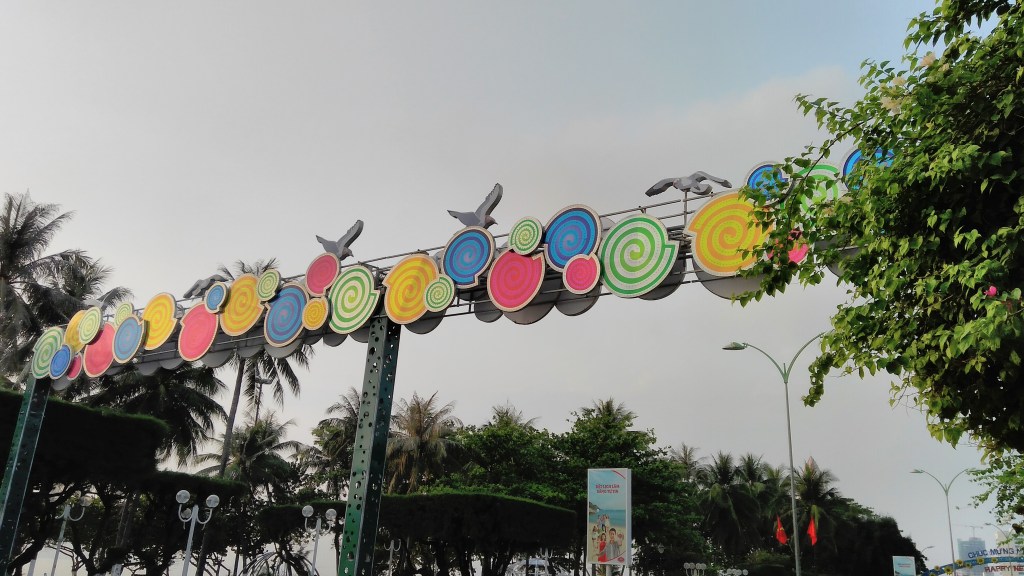
COLOURFUL FESTOONS 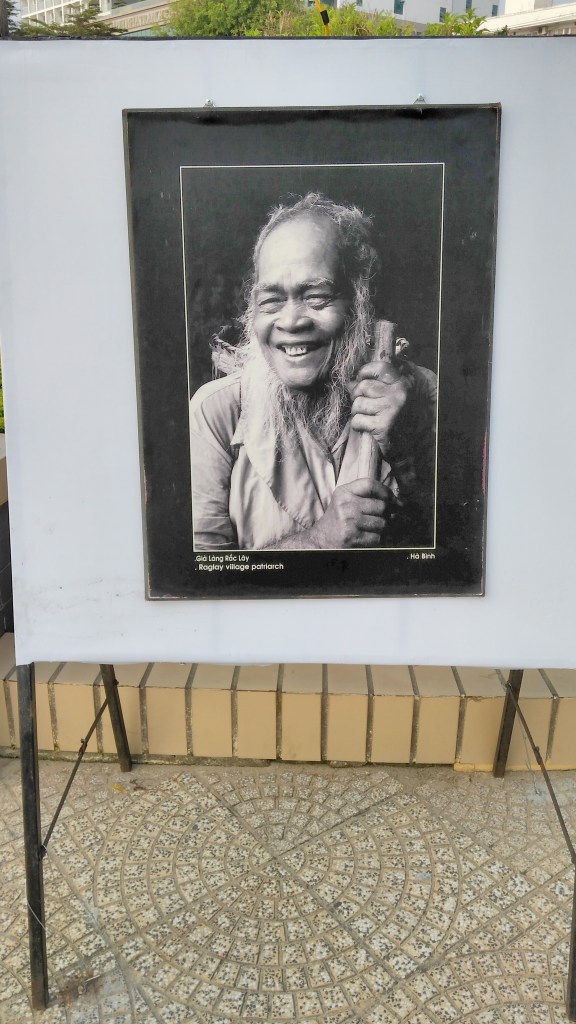
PHOTOS ON THE BEACH 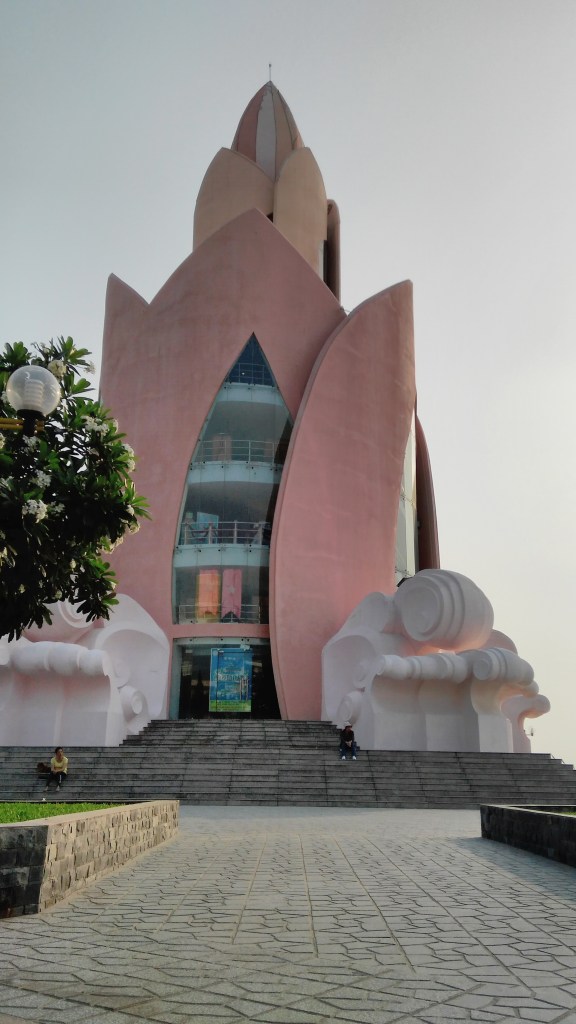
THE INCENSE TOWER 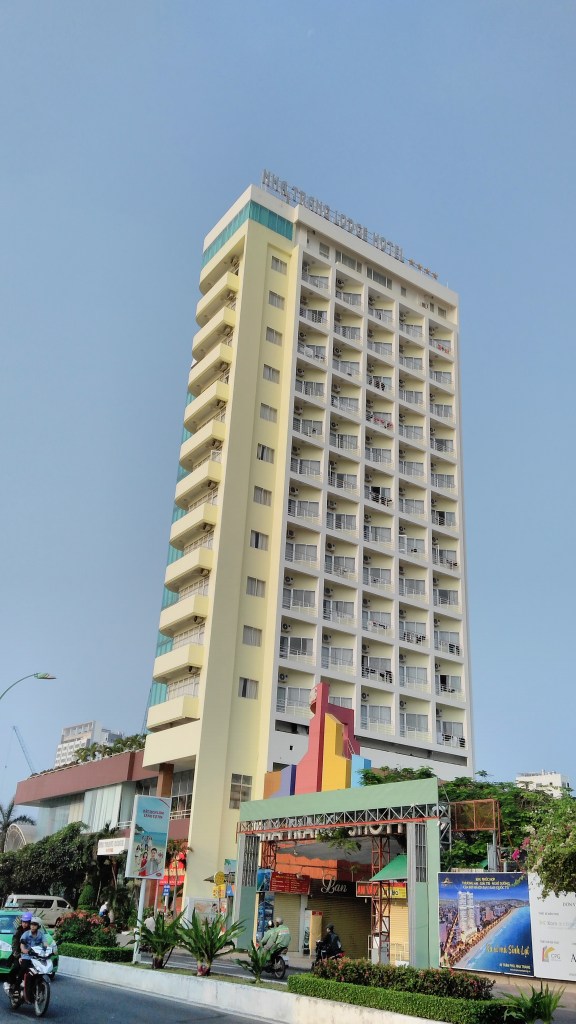
A HIGH RISE HOTEL 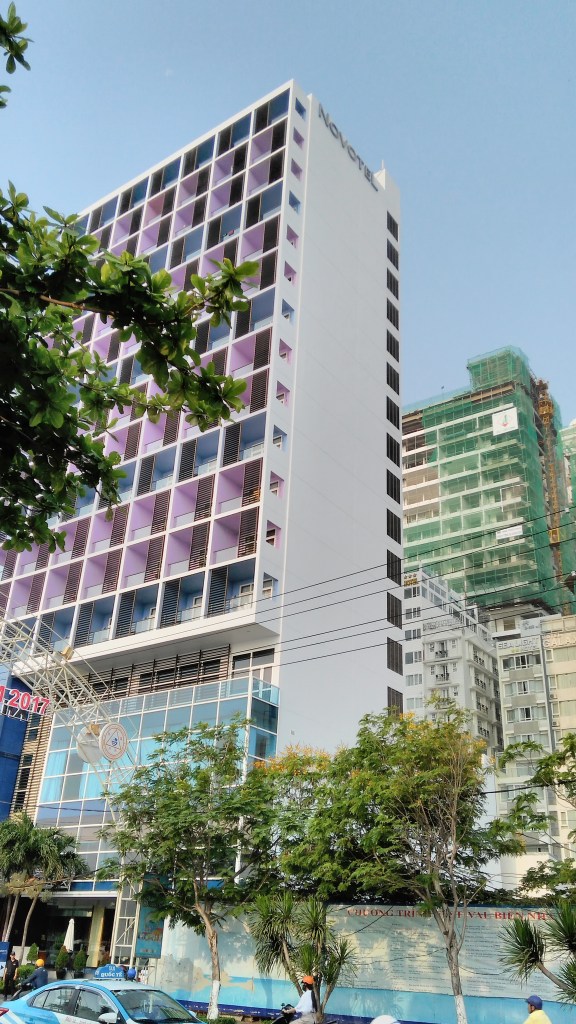
THE NOVOTEL HOTEL 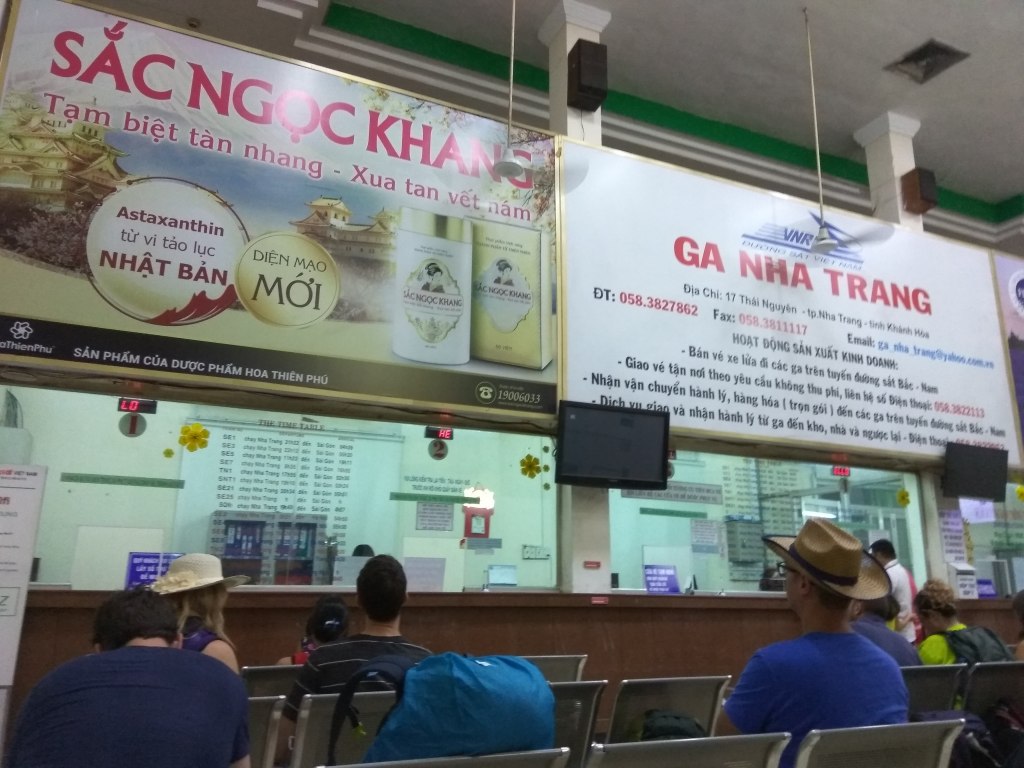
THE NHA TRANG STATION 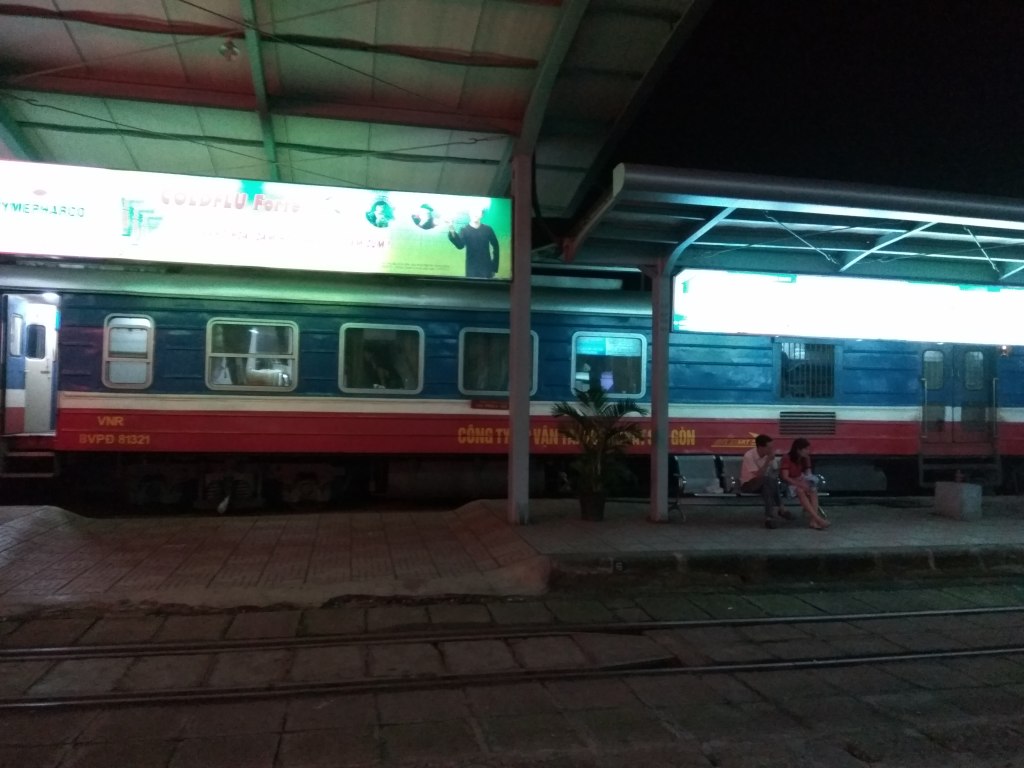
THE PLATFORMS ARE NON-EXISTENT LITERALLY
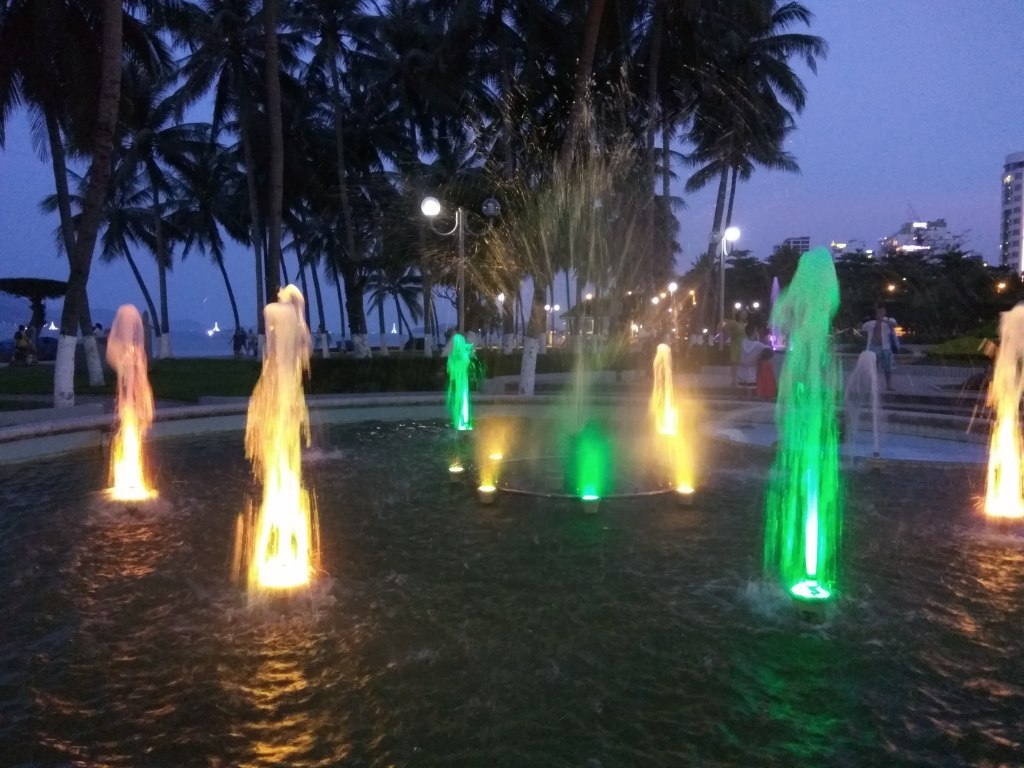
A MUSICAL FOUNTAIN
Day 6 : The train chugged into HCMC around 5 in the morning and got back to the same backpackers hostel. Post breakfast, headed for a bit of shopping to the Saigon Square Market and spent a couple of hours here. The local markets here are where one would have to exercise one’s bargaining skills to the hilt. Lots and lots of items to chose from, ranging from Handicrafts, Western and local dresses, Silk purses, Artifacts, Runner’s tees and shorts, Watches etc.
The city of Ho Chi Minh has a fair share of Indian restaurants and food never remains a challenge as long as you remain confined to the city limits. Traffic remains pretty unorganized and undisciplined and it is estimated that over ten million motor bikes travel on the roads of Vietnam every day. One just has to step onto the zebra crossings and you would find vehicles weaving their way across you. Scary indeed! While the people are pretty friendly, knowledge of English remains a big impediment. The Vietnamese language has six different tones. A change in tone changes the meaning of the word. This makes their language somewhat difficult to learn and most times sign language works.
Returned back to the hostel at around 11 AM and after a quick bite at Ganesh, an Indian restaurant close by, finished off my packing for the journey back to Phnom Penh. Had booked my return also by bus and with the same travels Giant Ibis. It was scheduled to start at 2 PM from a point close to the hostel where I was put up. An uneventful bus journey, with a short break at the immigration counter for the Visa stamping, finally ended at around 8.30 in the night and it was time for rest after some hectic travel.
Forty years after the carnage and destruction of an epoch-defining conflict against the USA, Vietnam has resolutely emerged as a nation in the eyes of the world. Missed visiting the Northern part of Vietnam where you have the conservative but nice city of Hanoi and the world heritage Halong Bay. Keenly look forward to Vietnam – Part II sometime in the distant future.
 ENCHANTING ASIA THRU MY LENS