“To know nothing of what happened before you were born is to forever remain a child” said Cicero, a Roman philosopher.
The content of this blog dates back to the year 2016 when I had landed in Phnom Penh, the capital city of the country of Cambodia on a work assignment. A lovely place to be in amidst some lovely people, this Buddhist country had been through lot of turmoil in the past starting from a couple of Military coups to a 3 year long civil war in between these 2 coups which led to the killing of over 20 million of their own people . The economy of Cambodia has seen lot of resurgence though one would still classify it as developing and a positive step in that direction is the amount of investments being pumped in by the Chinese, Koreans and the Japanese. The infrastructure around the country has seen lot of overhauling over the years and the broad roads within cities and the highways have led to people frequenting them as the more viable means of transport since there are no railway lines in the country and flight fares normally remain beyond the reach of the common man cause of the constant tourist inflow.
As I settled into my daily grind, a couple of long weekends around The Constitution Day and The Water Festival were approaching and got into some quick planning to visit Siem Reap in the first leg and Sihanoukville and Kampot & Kep in the 2nd. As the days neared, the excitement in me was as palpable as in a small kid visiting a place oft read in History and the 2 days spent in the historical city of Siem Reap visiting the temples of Angkor Wat and in around places was indeed worth it. Siem Reap is close to the borders of Thailand and has its own Airport. Considering its popularity as a tourist destination, there are multiple flights coming into the city from various countries.
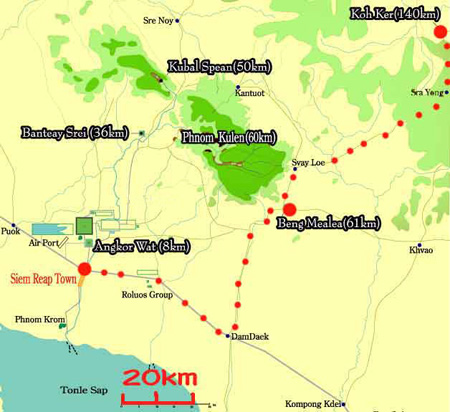
The name “Siem Reap” translates to “Defeat of Siam” (Siem in Khmer) and refers to an incident in the centuries-old conflict between the Siamese and Khmer kingdoms, although this is probably apocryphal. According to oral tradition, King Ang Chan (1516–1566) had named the town “Siem Reap”, meaning “the defeat of Siam”, after he repulsed an army sent to invade Cambodia by the Thai King Maha Chakkraphat in 1549.
Post lunch on a Saturday afternoon at around 12 PM (GMT+7), a colleague of mine and me booked ourselves for this drive to Siem Reap, which serves as the gateway to the UNESCO World Heritage site of Angkor Wat. We had arbitrarily chosen one of the local van operators Larryta for this near about 7 hour drive though you have a choice of buses too. Tickets were booked online through http://www.camboticket.com and costed around $10. While there are multiple van operators and buses to chose from, would be good to do a quick review of these operators on the Net so that you stand cautioned for any bad experiences that some people may have undergone.
The entire stretch of the drive was dotted with lush green paddy fields, quaint stilt houses and neatly tarred roads and inspite of almost a 40 minute break which the driver took at one of the pit stops en route, it all translated to a nice experience.
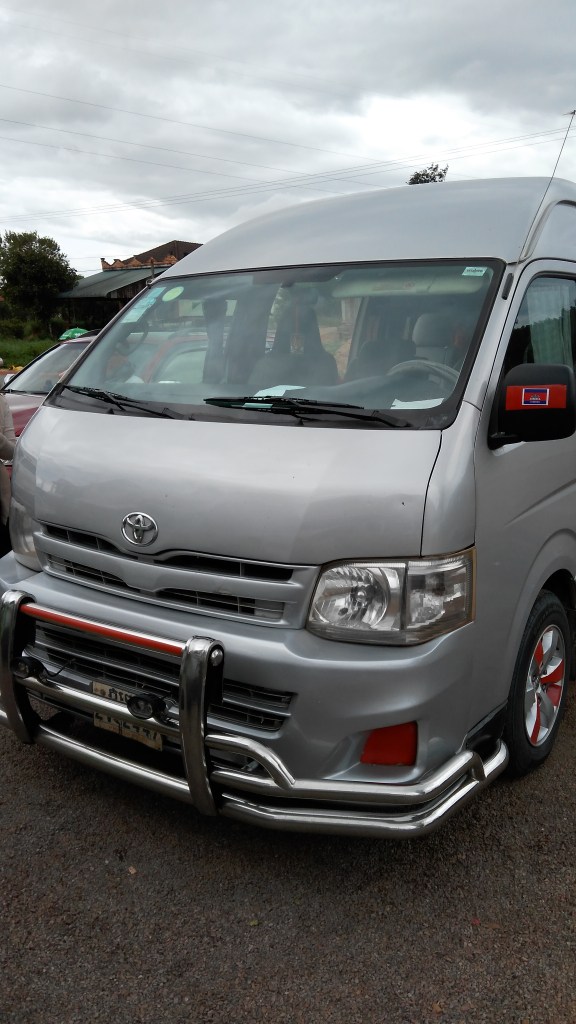
OUR AC & WI-FI ENABLED VAN!! 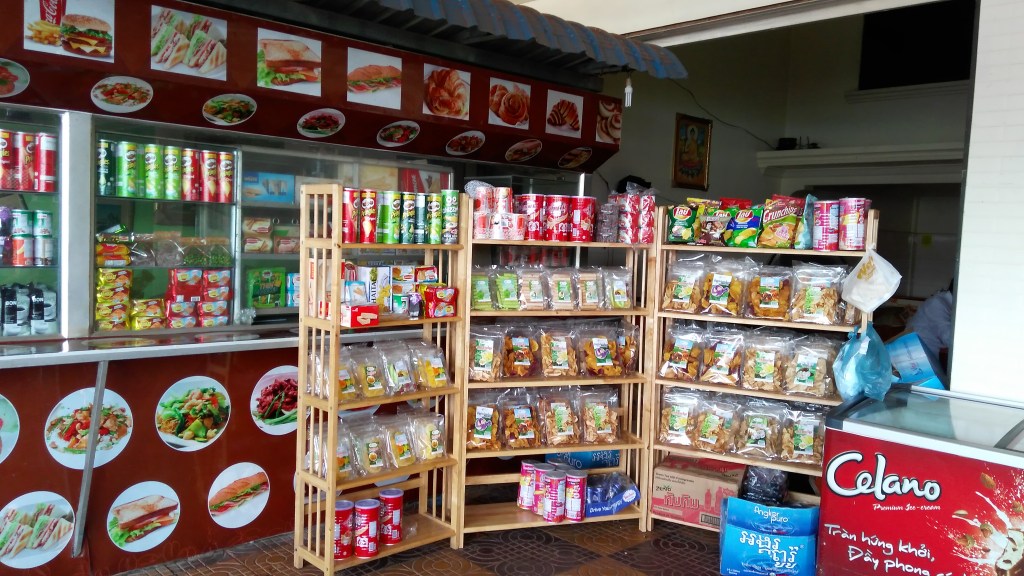
BREAK POINT!! 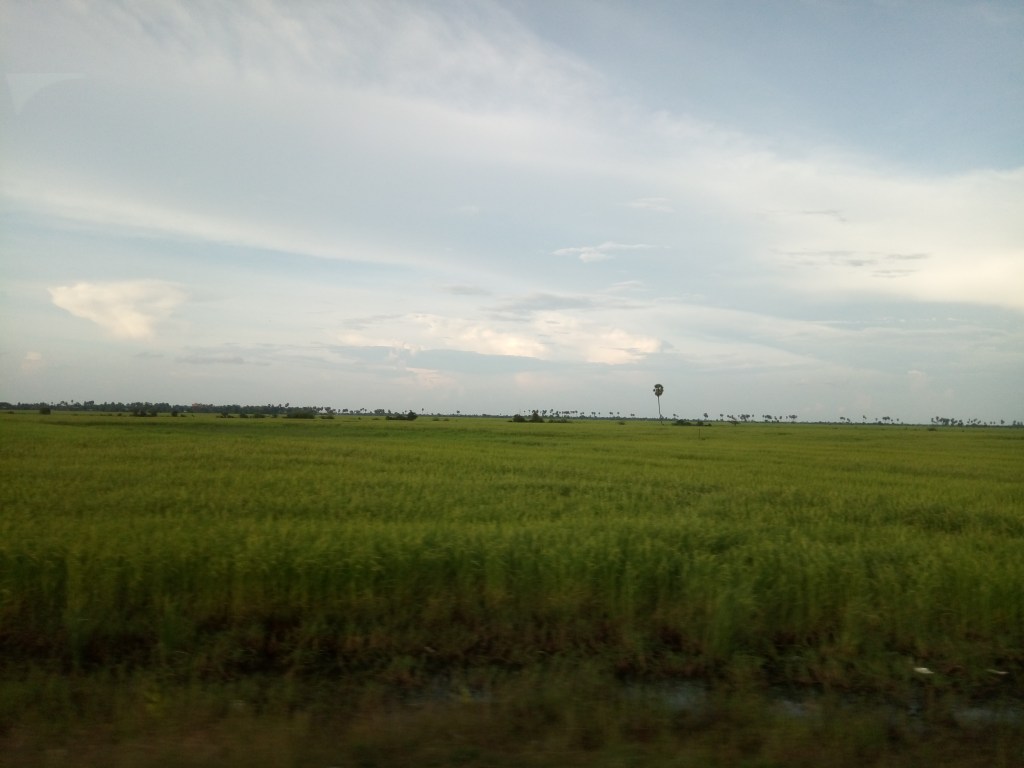
LOTS OF PADDY FIELDS!! 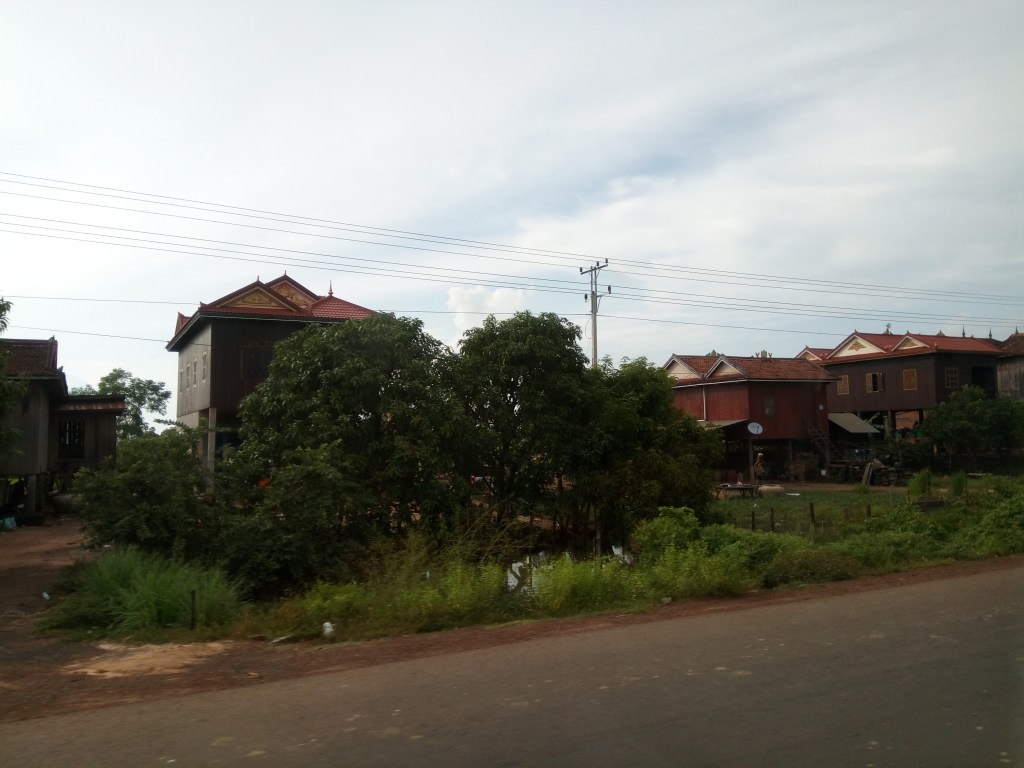
STILT HOUSES DOT THE SKYLINE
Checked into a hotel Reaksmey Chanreas very close to Pub Street at around 7 PM . There have been conflicting reviews of this hotel of late though we had no issues when we stayed there and one could also look at Angkor Pearl, another budget hotel as an alternate. Around 8 in the night we set off for Pub Street which was just about livening up for a long night ahead. Live Bands were playing numbers from Dire Straits, Queen, MLTR etc from the bars adorning both sides of the road and the atmosphere was just about electric. Party time it was, and the foreigners and locals could all be seen letting their heads down dancing to some old and lovely Rock numbers.
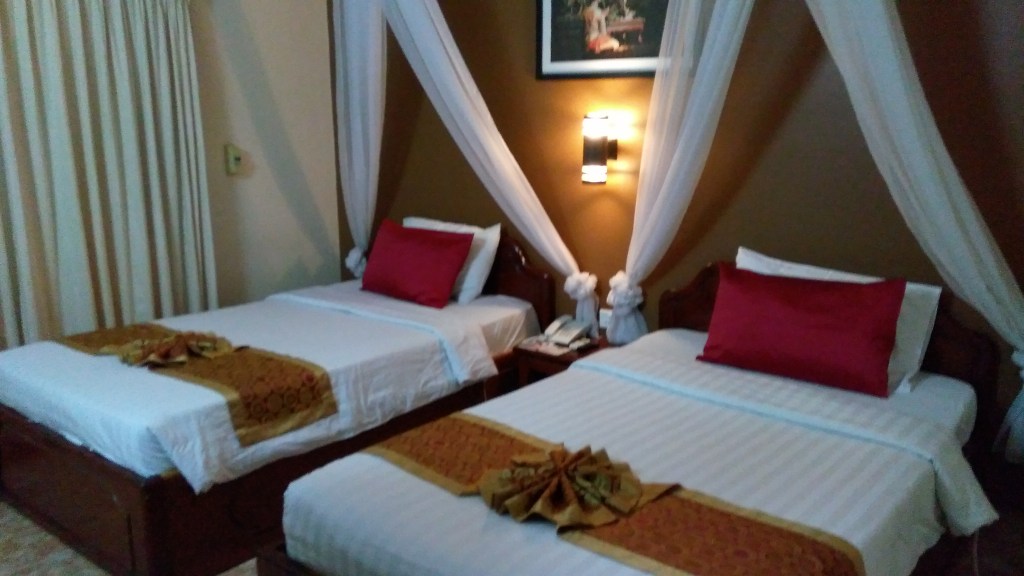
NEAT AC ROOMS. 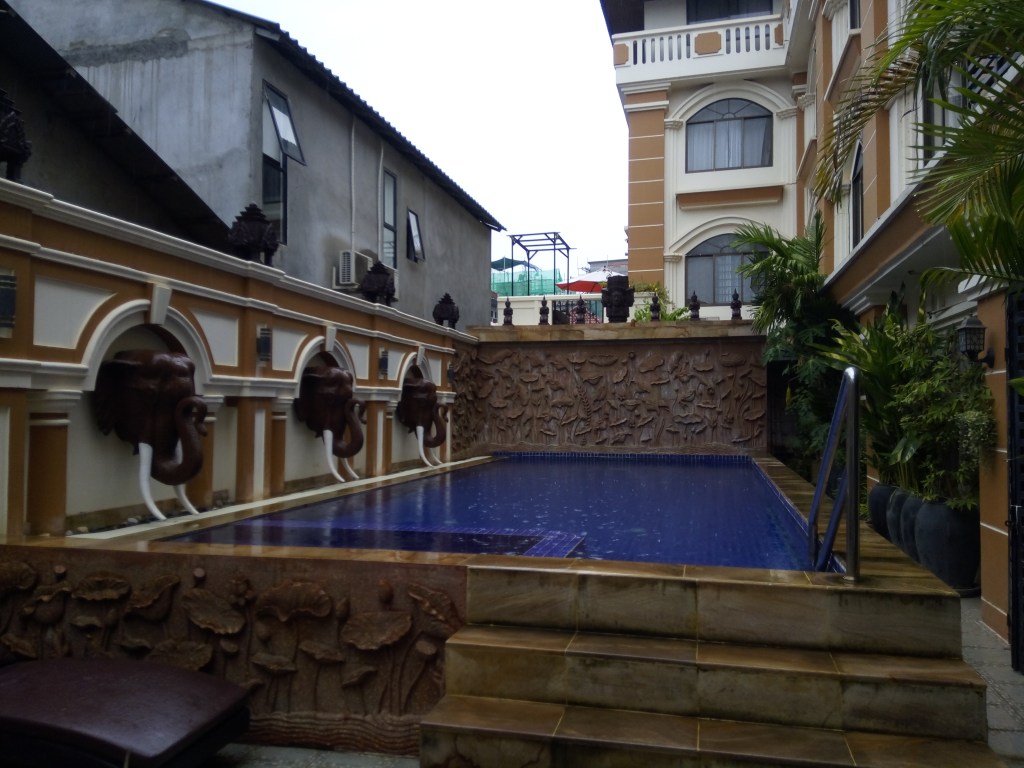
THE POOL AT THE HOTEL 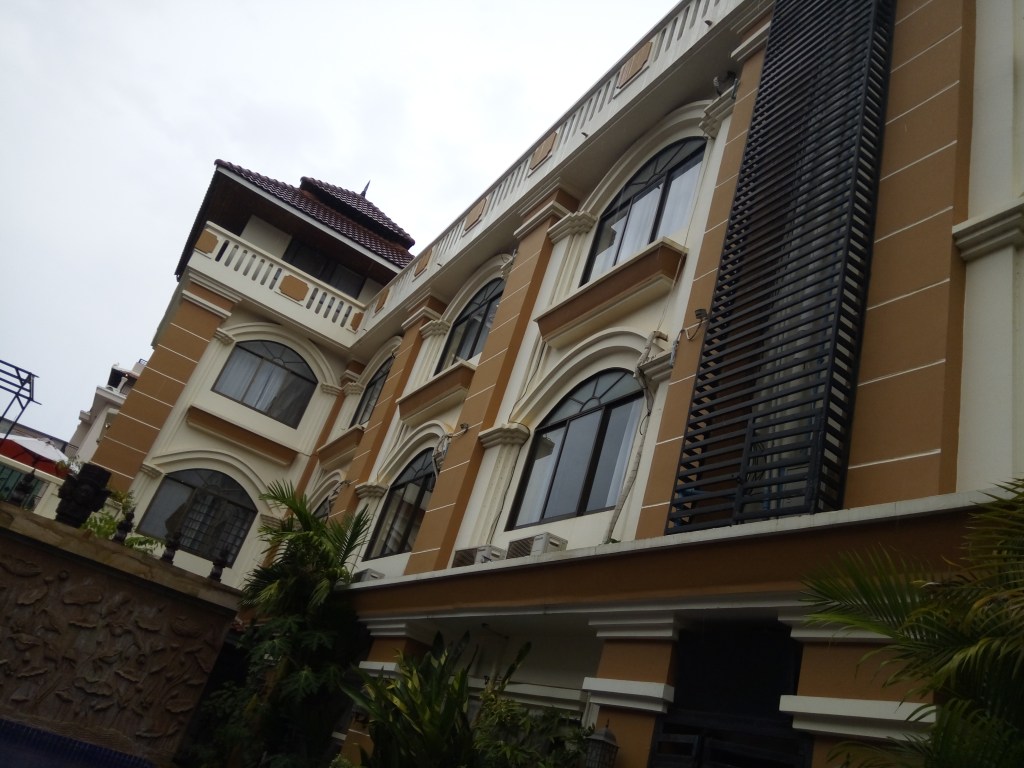
AN EXTERIOR VIEW OF THE HOTEL
A lot of shops were available in and around Pub Street where one could pick up lot of souvenirs and artifacts to carry back home. A simple mantra to stick to and especially when they knew that you were an expat was to ask for a 50% discount on whatever price was quoted and then settle in for a small increase. Haggling in Cambodia was always the order of the day and the local shopkeepers always ported a big smile and loved deftly maneuvering around the prices in broken English and with some sign languages till a point that finally one would tend to compromise and give up.
Hung in around for some time in a bar after which we hit the roads again in search of one of the many Indian restaurants said to be in town, for some dinner. There were Scorpions on offer on the roadside right outside the bar we were in, being fried and served on sticks and the very sight of so many of them hanging on sticks almost made me throw up. Quickly made our way out and hit Vanakkam India for some good South Indian food post which we were back at the hotel.
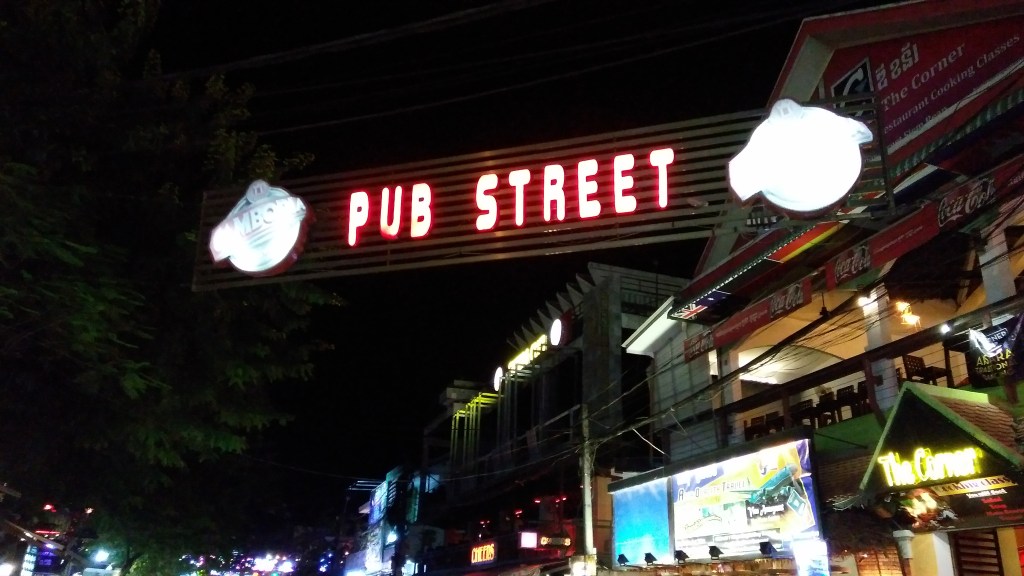
THE FAMED PUB STREET 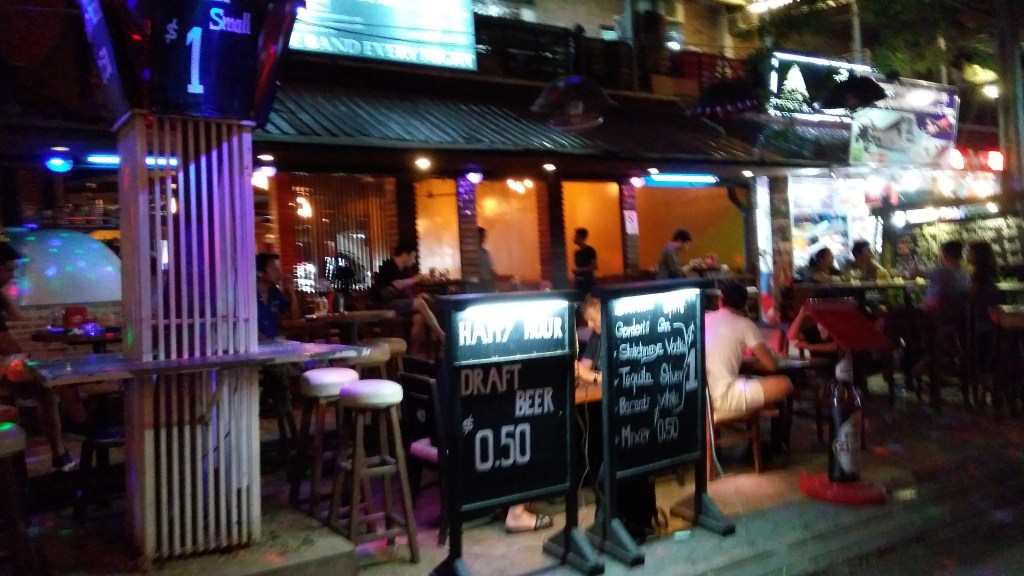
BEER AT 50 CENTS!! 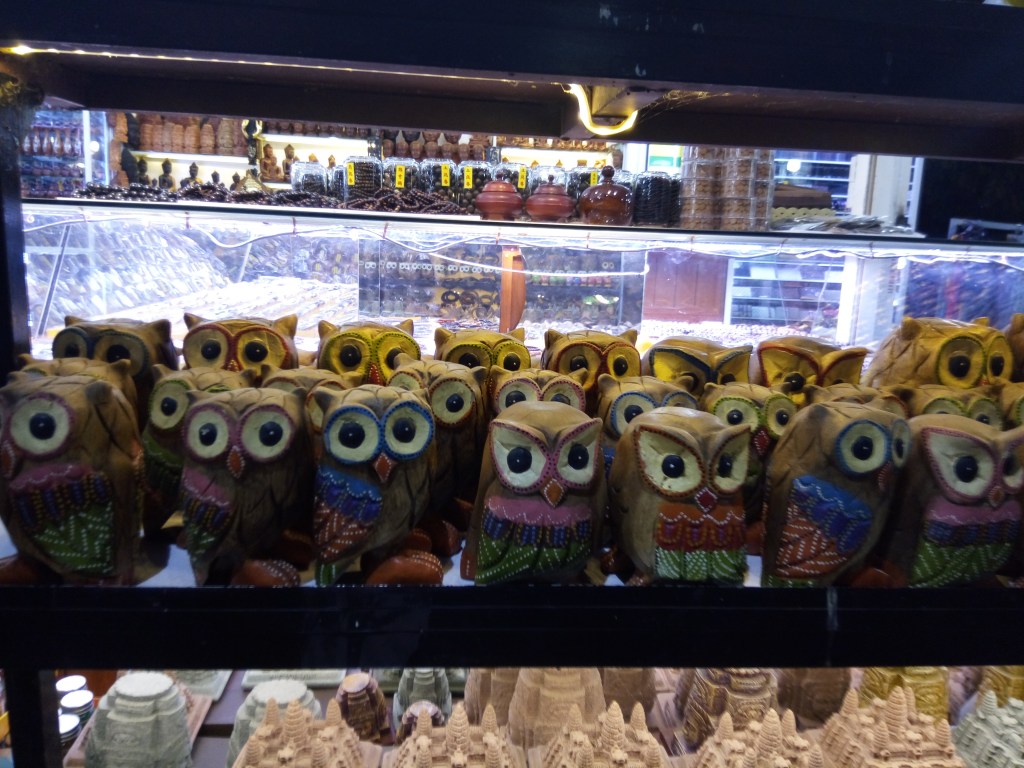
LOVELY DOLLS UP FOR SALE 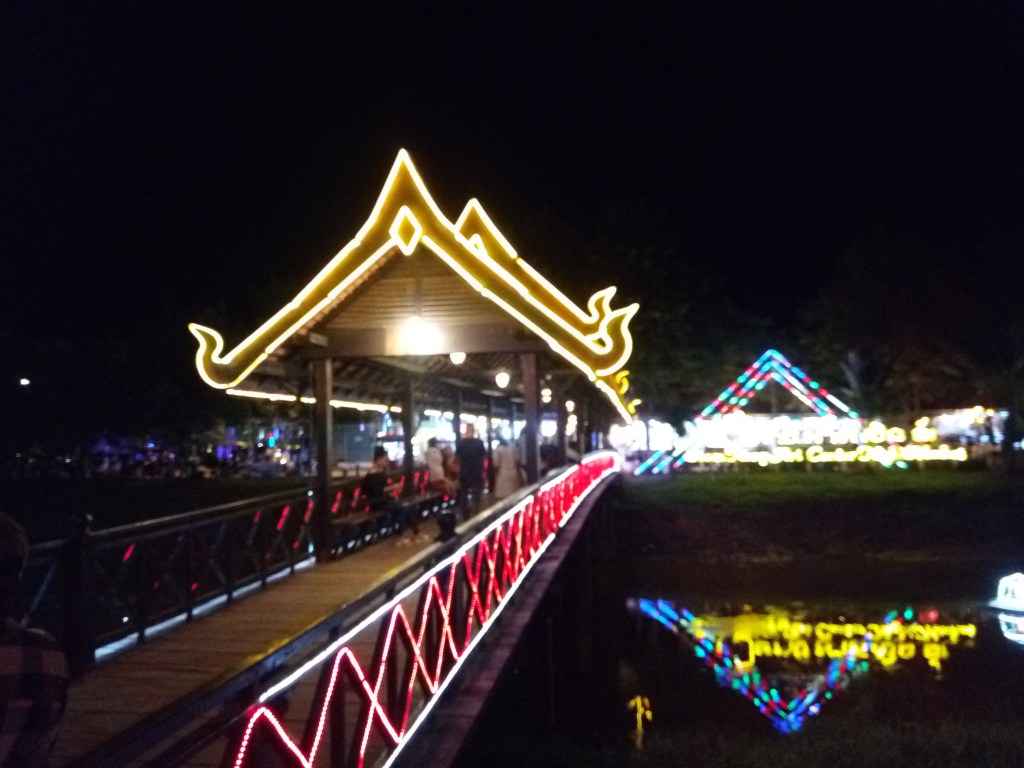
LOVELY LIGHTS ADORN THE PATHWAY TO PUB STREET 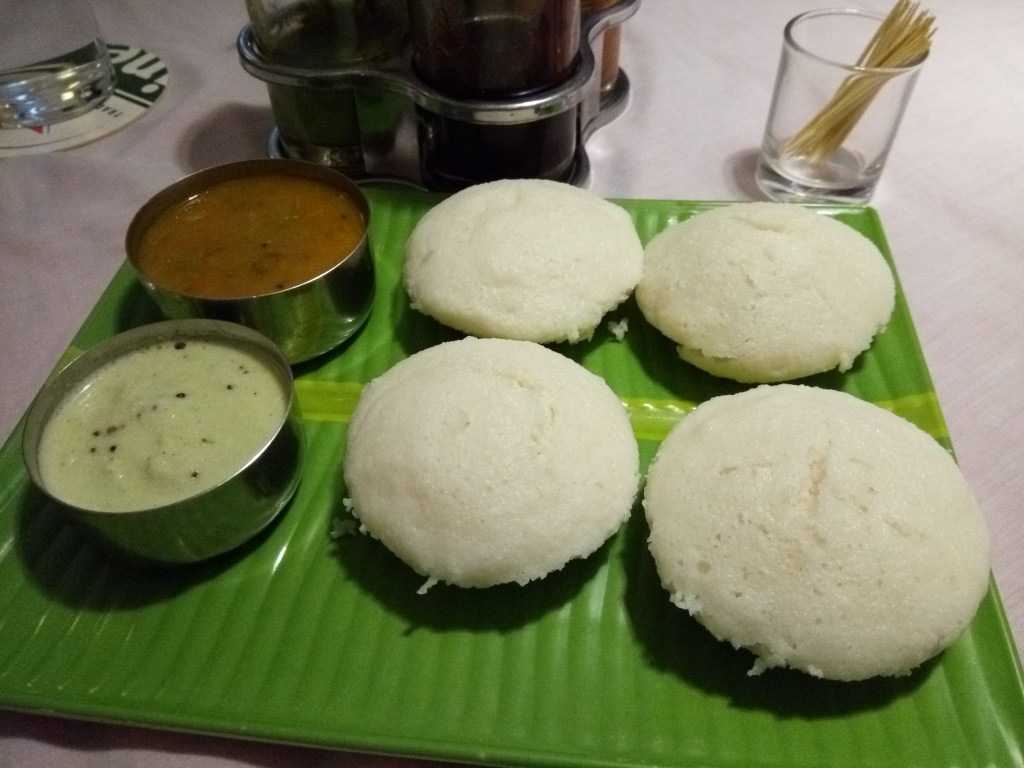
RICE & LENTIL GROUND PANCAKES (IDLIES) WITH COCONUT SAUCE AND A LENTIL CURRY (SAMBAR)
The next day we were scheduled to visit the holy mountains in Phnom Kulen and the Beng Mealea temple and had booked a taxi to pick us from the hotel at around 8 AM. Phnom Kulen holds a special place in history as its the ancient birthplace of the ancient Khmer Empire and also happens to mean The Mountain of the Lychees (a delicious fruit).
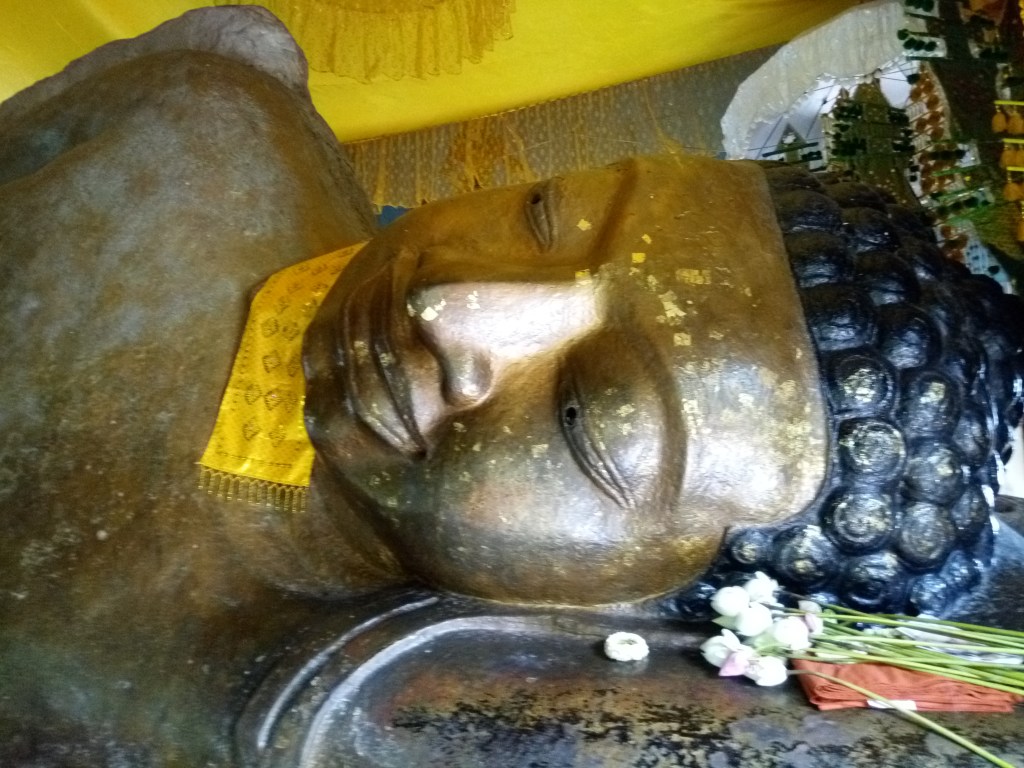
The place holds lot of significance as a pilgrimage spot for both the Buddhists and Hindus. After driving for around 45 kms which took us a little over an hour, we reached the National Park Entrance which houses the Preah Ang Thom Pagoda, the Waterfalls and the Thousand Lingas river. One would need to buy a ticket for $ 20 to drive further on from the checkpost. The Pagoda, a 16th Century temple was our first halt where one got to see Cambodia’s largest reclining statue of Lord Buddha, believed to be 25 feet long.
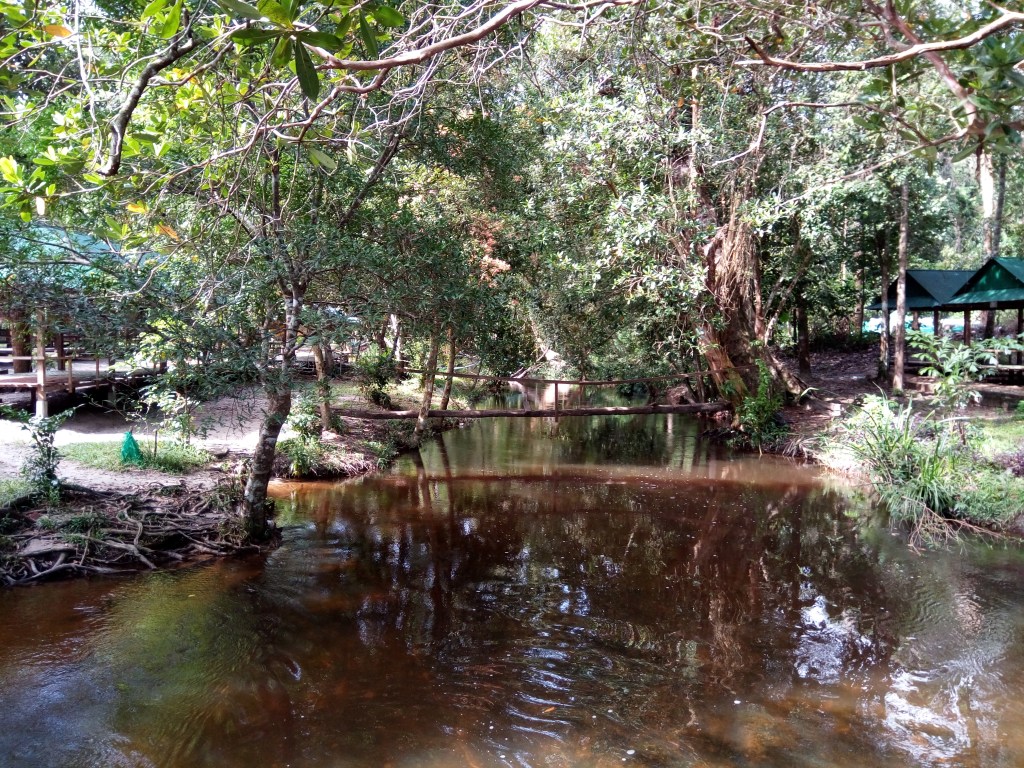
A SMALL WOODEN BRIDGE 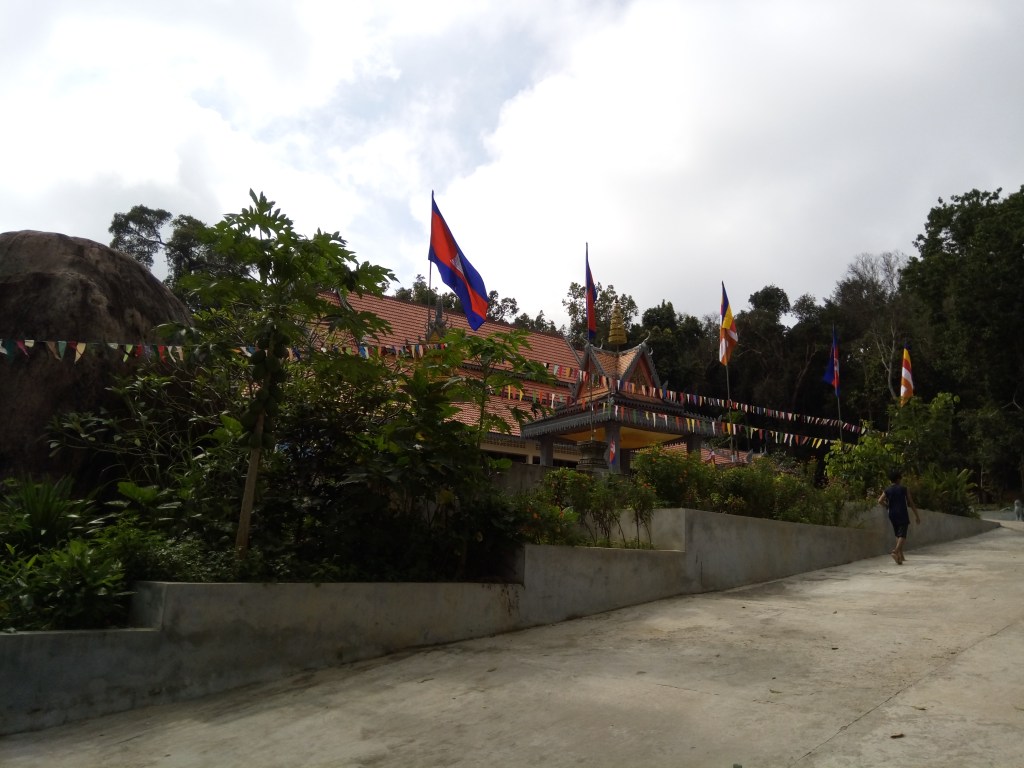
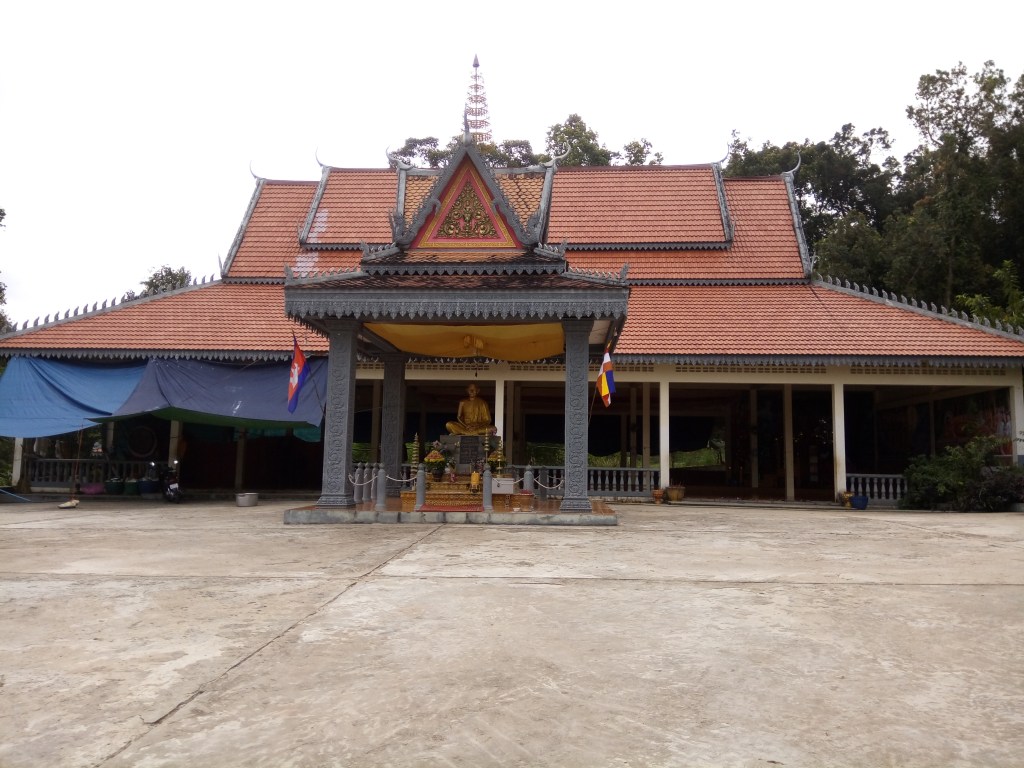
THE TEMPLE COMPLEX 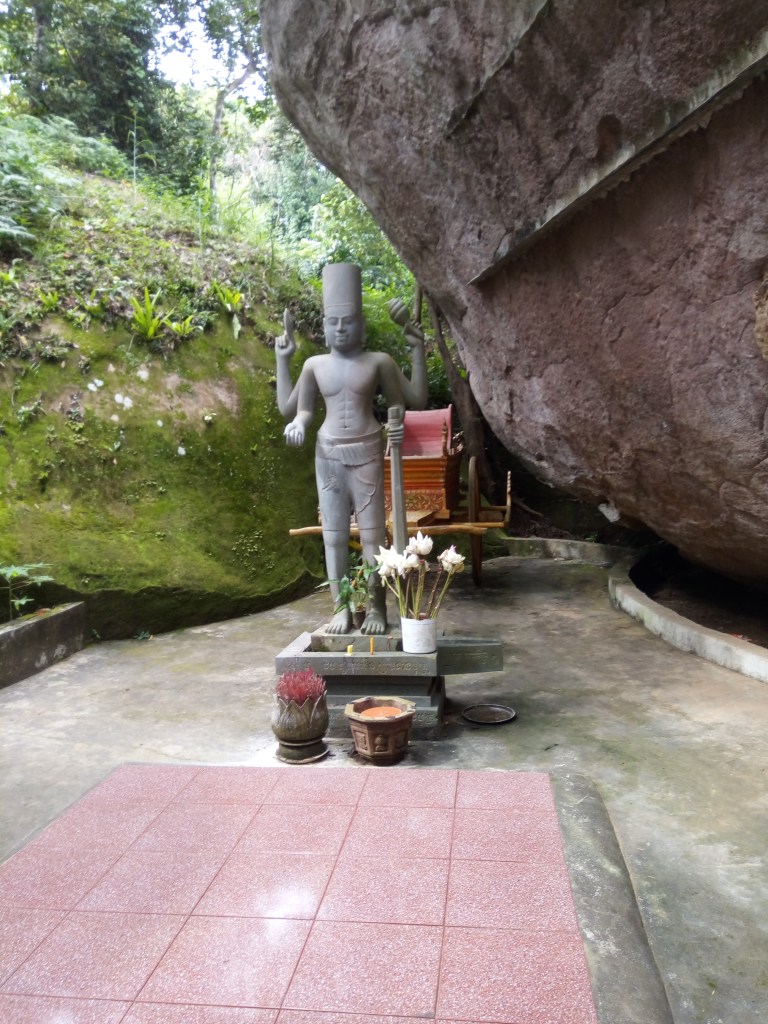
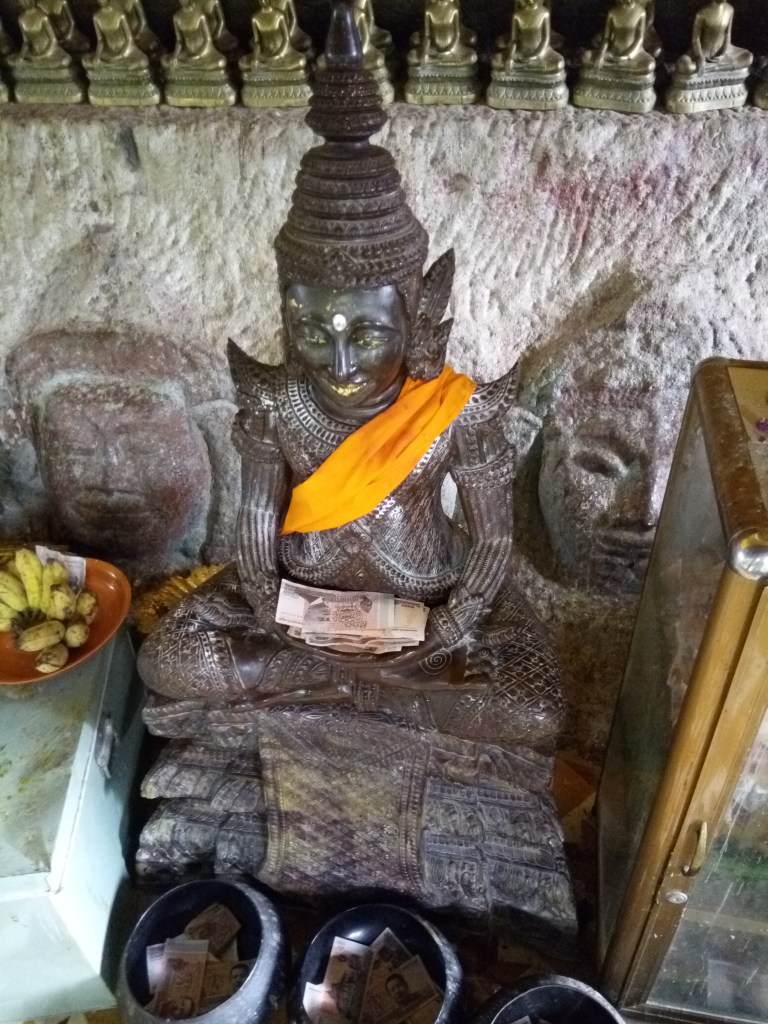
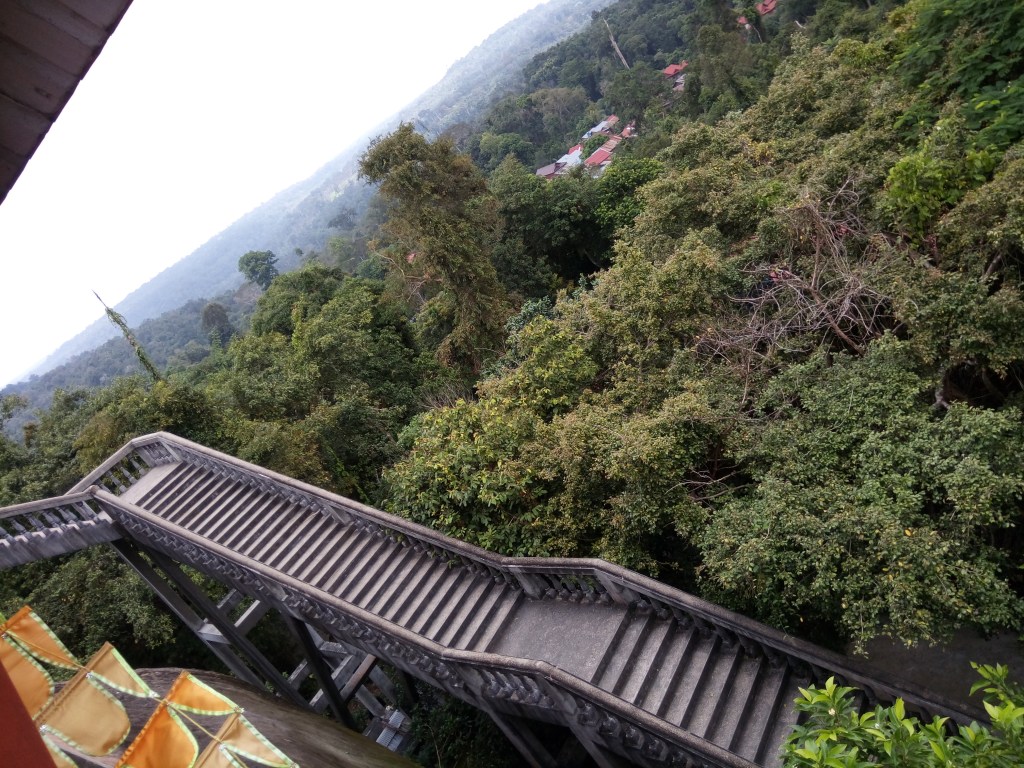
THE FLIGHT OF STAIRS WHICH LEADS ONE TO THE STATUE OF BUDDHA 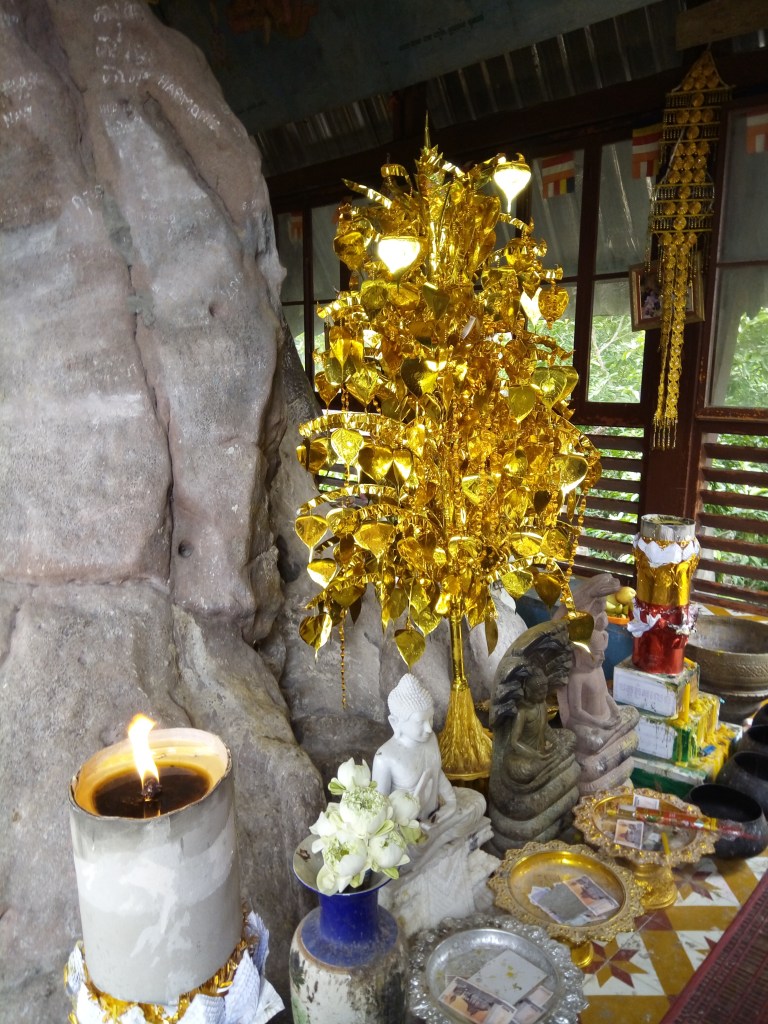
OFFERINGS!! 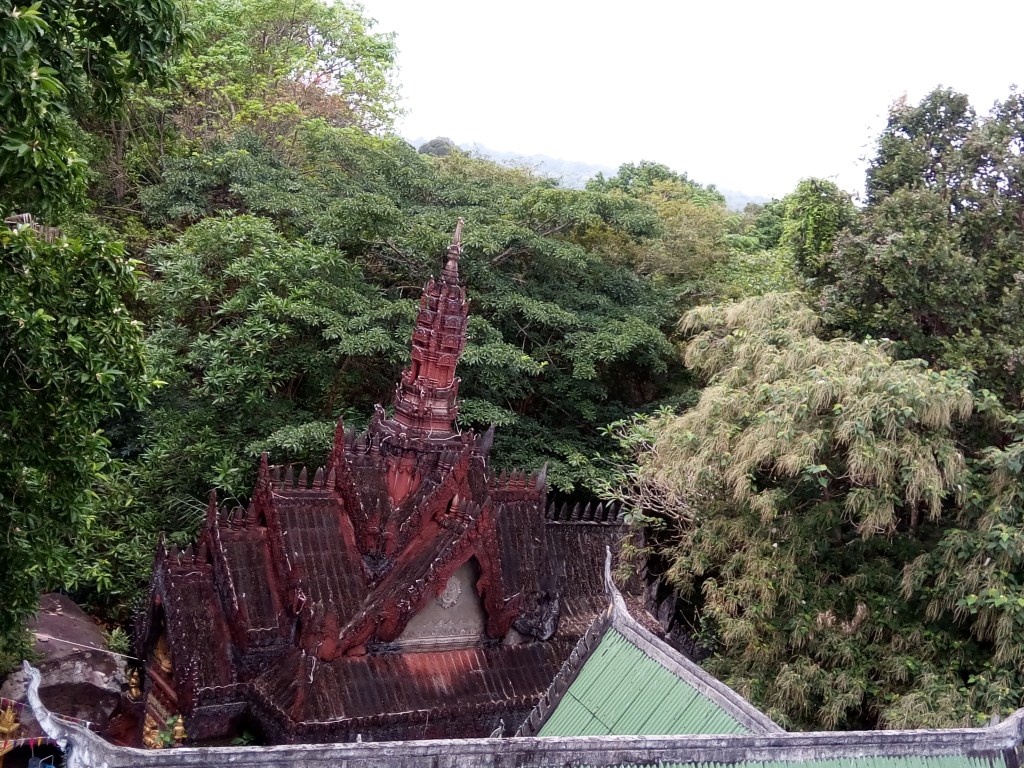
A VIEW OF THE TEMPLE FROM TOP 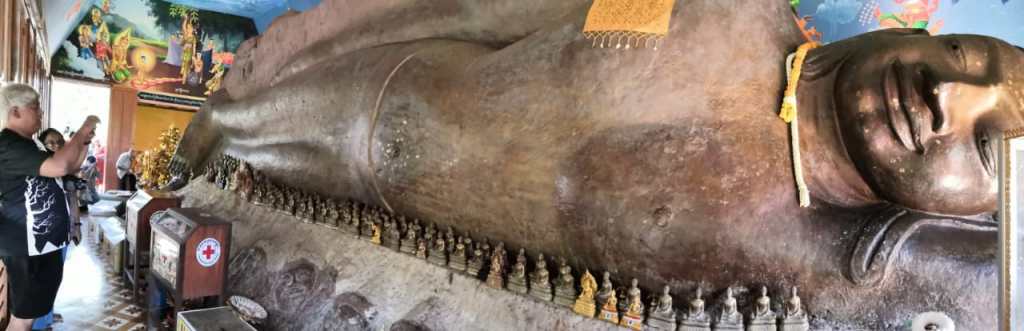
THE LARGEST RECLINING STATUE OF BUDDHA IN CAMBODIA
Our prayers offered, we headed for the Waterfalls. There was a nice place at the entrance where one could rent a locker room and keep one’s valuables before venturing into the waters. This locale holds lot of significance as being part of a famous movie shoot of Lara Croft (The Tomb Raider). Eager to test the waters though not very confident of the depths, I managed to crawl from branch to branch much to the amusement of the Buddhist kids until I found myself seated right below the falls. The force of water hitting your body was indeed a refreshing and rejuvenating experience.The flow of water is pretty strong during the monsoons.
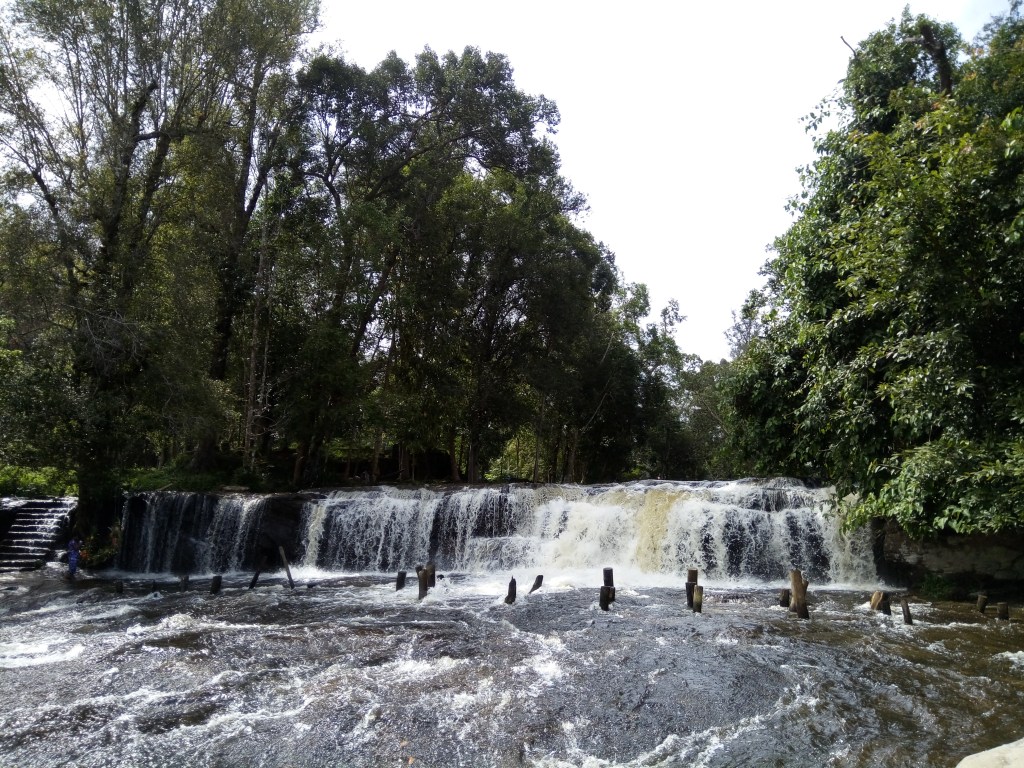
THE FIRST OF THE WATERFALLS 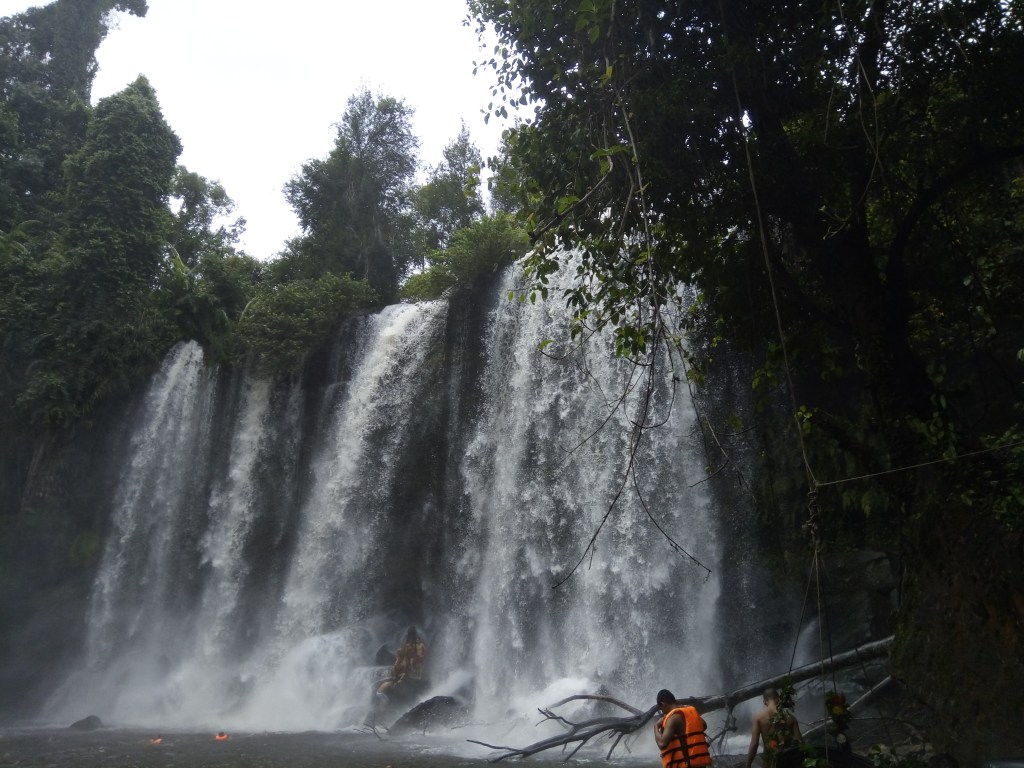
MAJESTIC!! 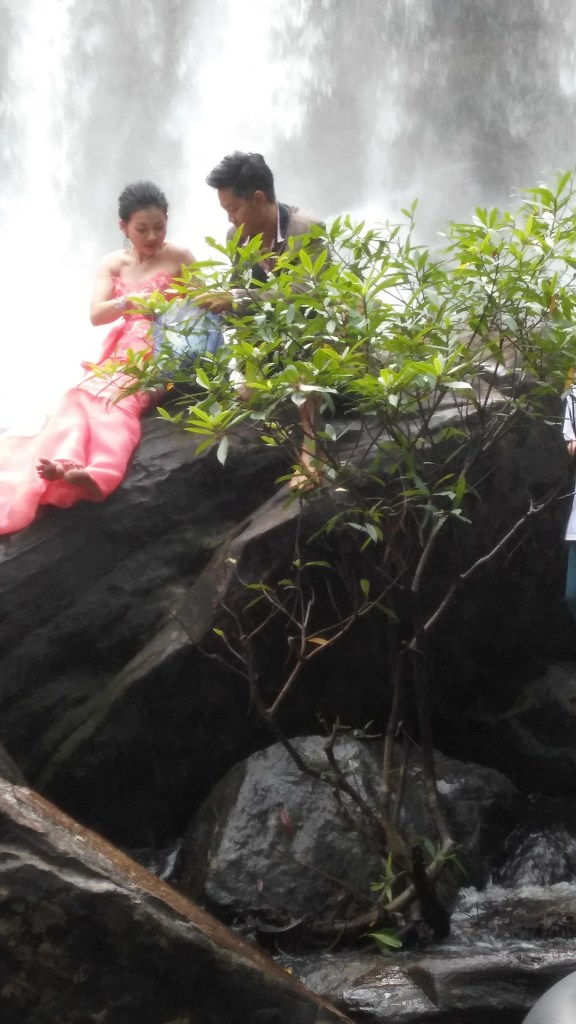
A PRE-NUPTIAL PHOTO SHOOT 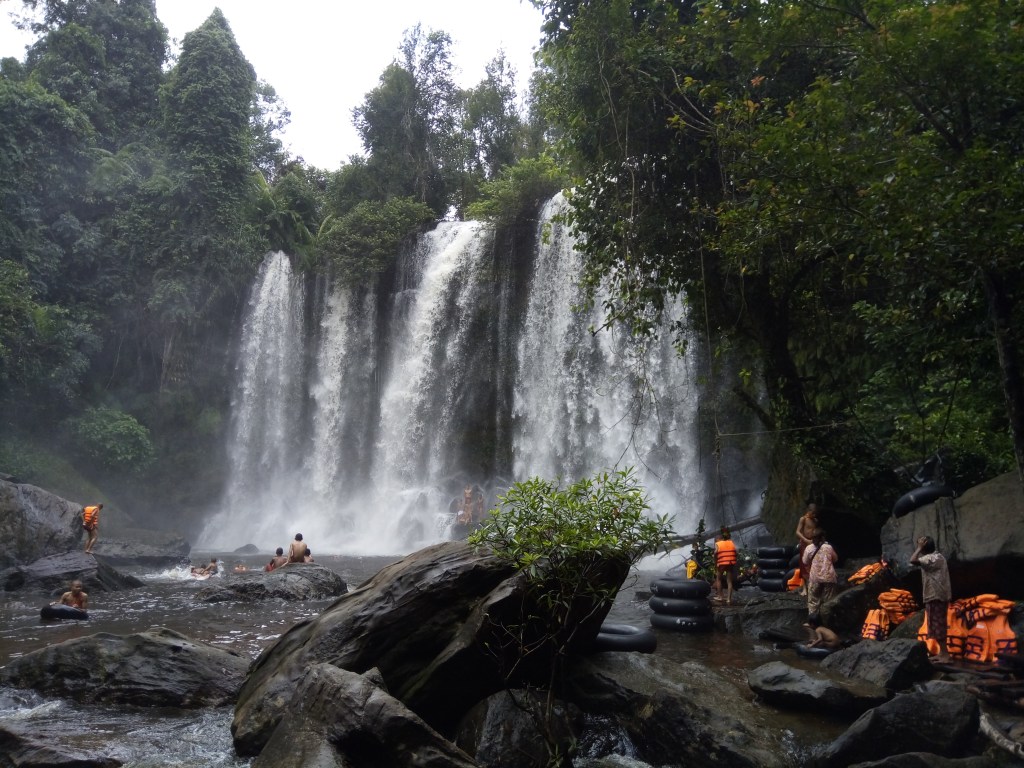
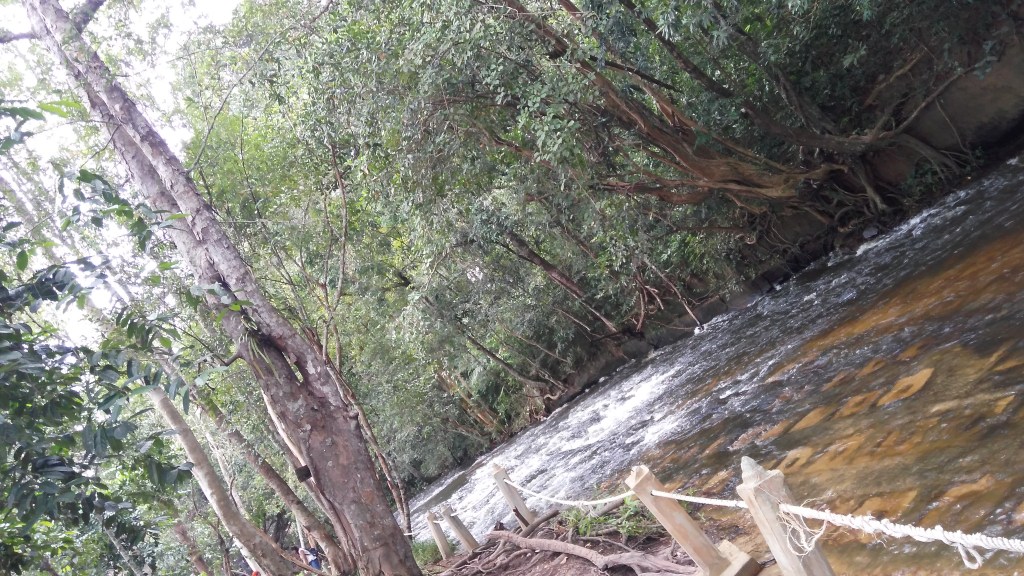
A short drive ahead brought us to Kbal Spean, the River of Thousand Lingas. This stream is actually a tributary of the Siem Reap river and has carvings of lots of Hindu gods as you move further up towards the peak of the mountain. A steady stream of water flows over more than 1000 Lingas etched in the sandstone riverbed and around 5 cm below.
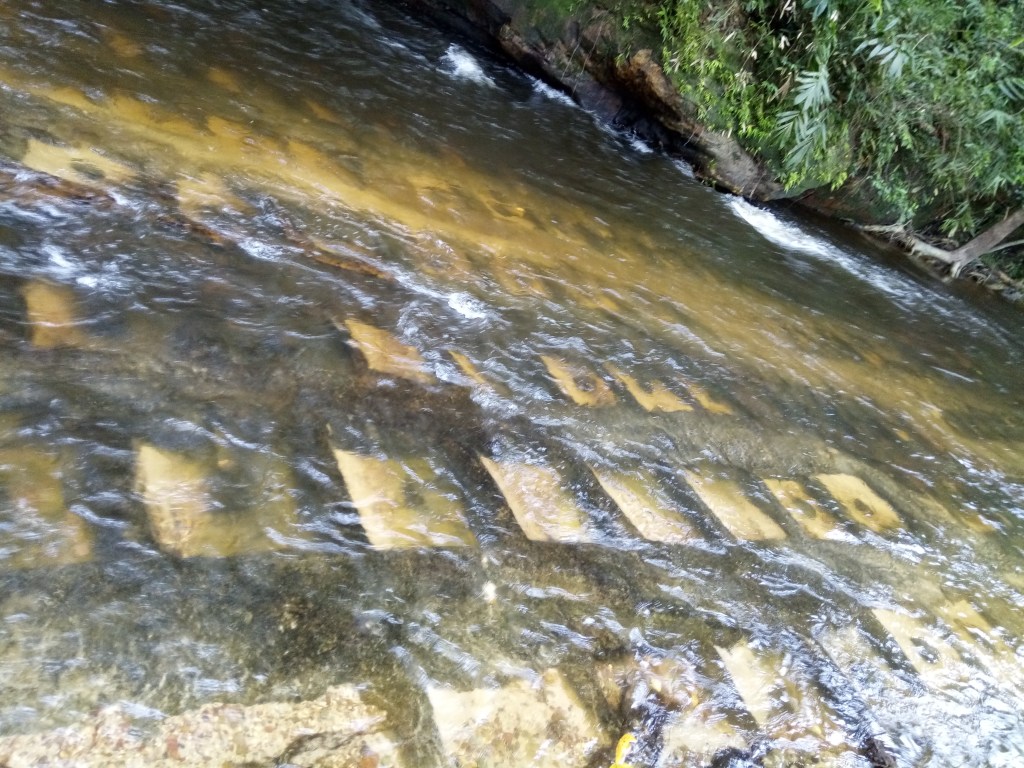
THE EMBEDDED LINGAS 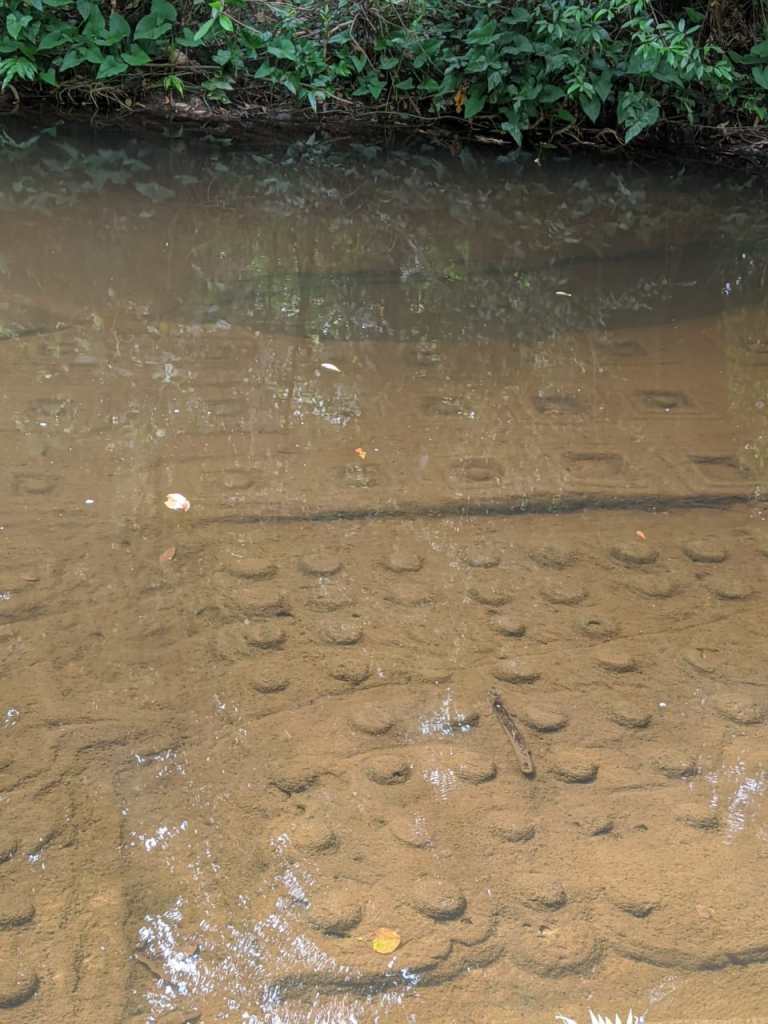
ANOTHER VIEW OF THE LINGAS
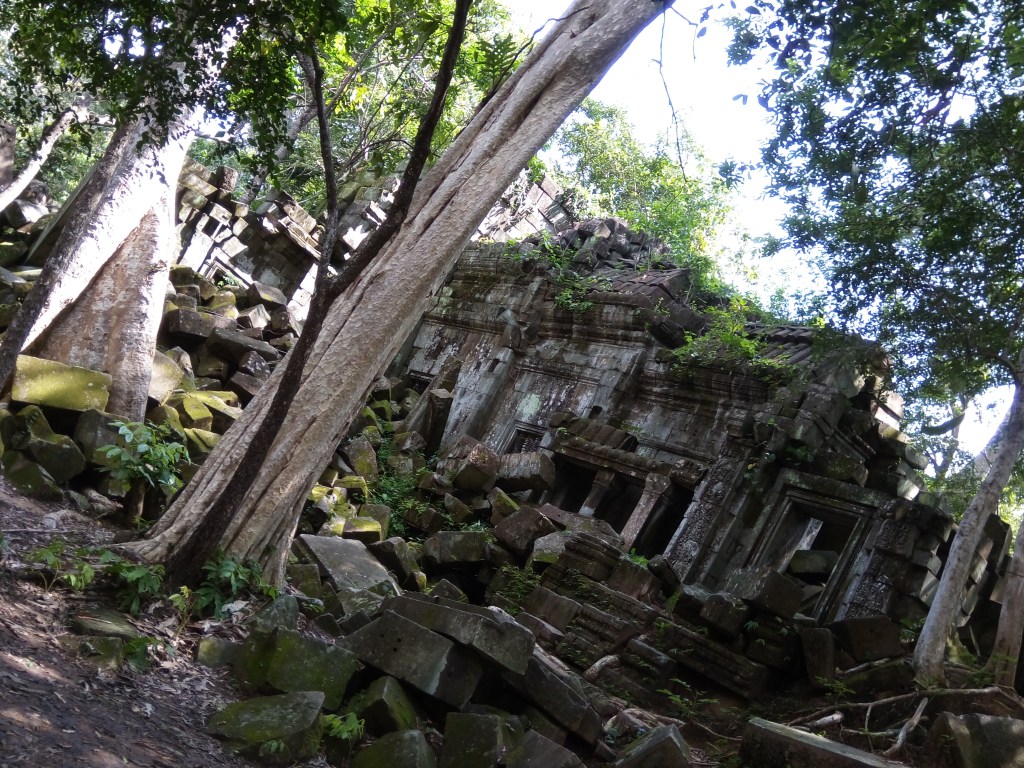
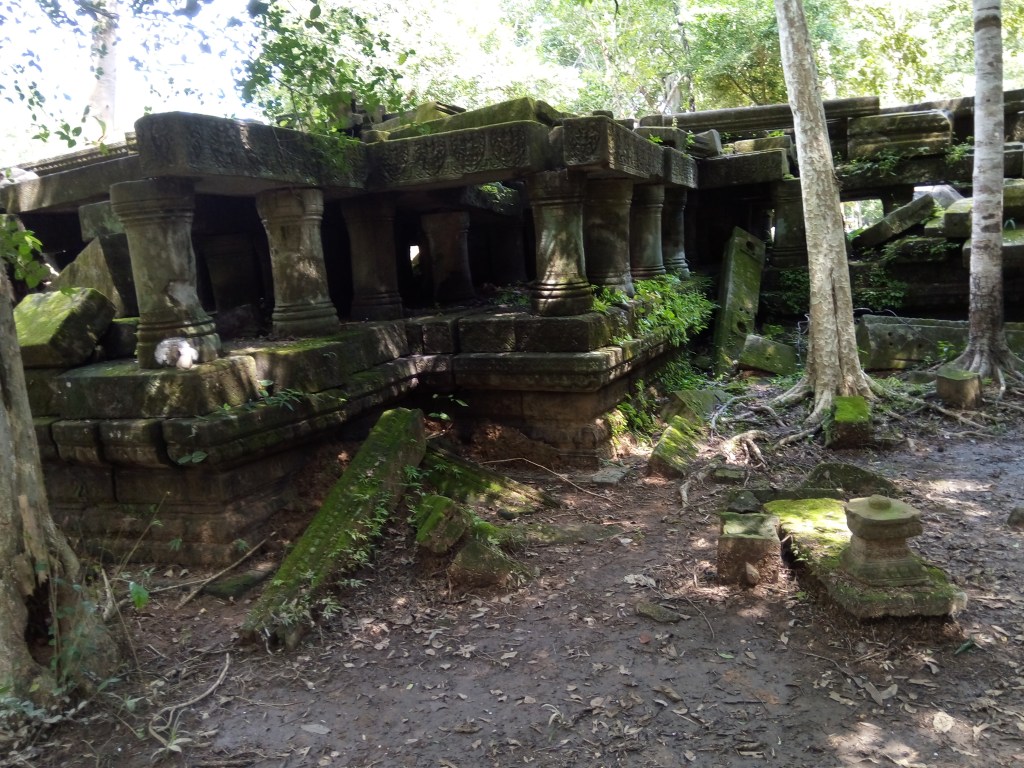
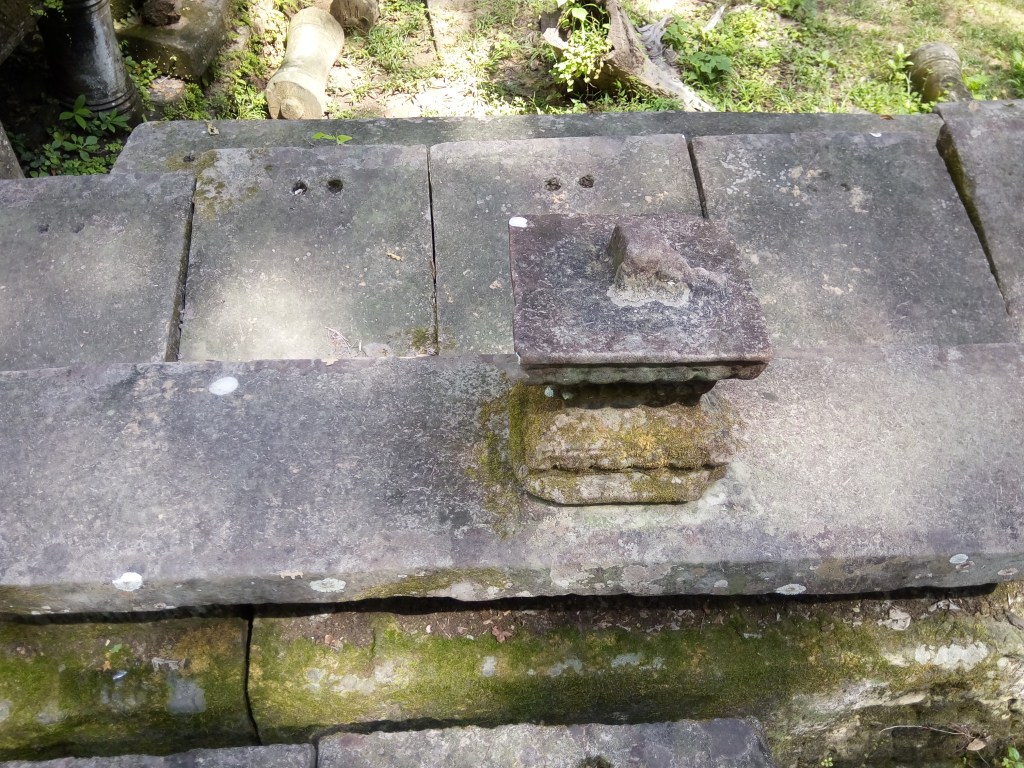
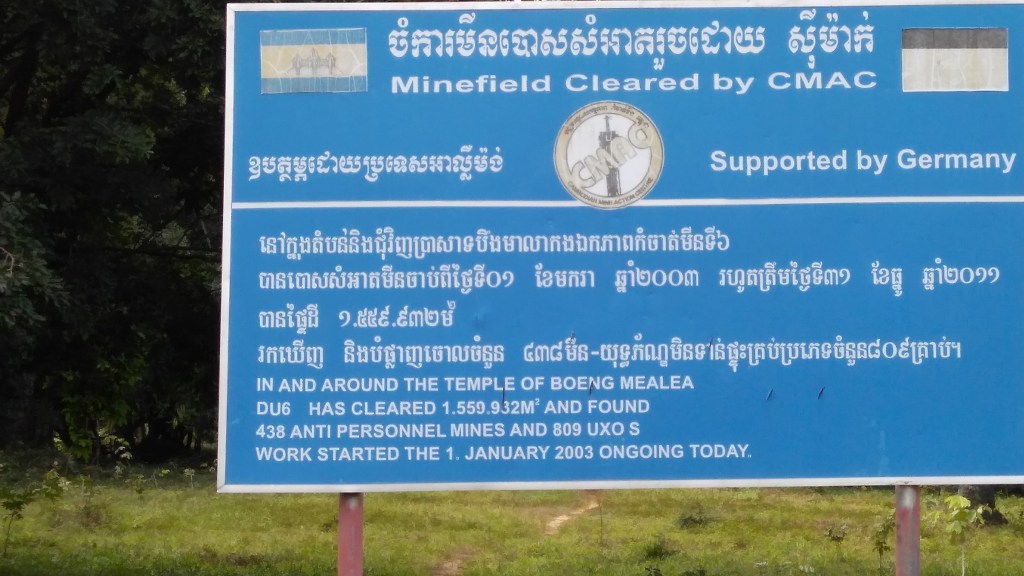
It was around 1 in the afternoon when we exited Phnom Kulen and commenced our 30 minute ride to Beng Melea, located around 15 kms away. Meaning Lotus Pond, this sandstone based temple complex is home to some amazing old carvings, dating back to the Angkor era. Built as a Hindu temple, there are quite a few Buddhist motifs to be found which could have been carved out much later. The entire temple complex is generally unrestored and has lot of thick bushes and tree roots growing over huge stones which were used in the temple’s construction. Since the architecture of this temple was believed to be similar to the one we were to see in Angkor Wat, presumably the construction of this temple could have happened during the reign of King Suryavarman II and in the early 12th century. The temple complex is supposed to have been cleared of more than 430 odd Land Mines and over 800 UXOs (Unexploded Ordnances) which could have been planted during the Polpot regime.
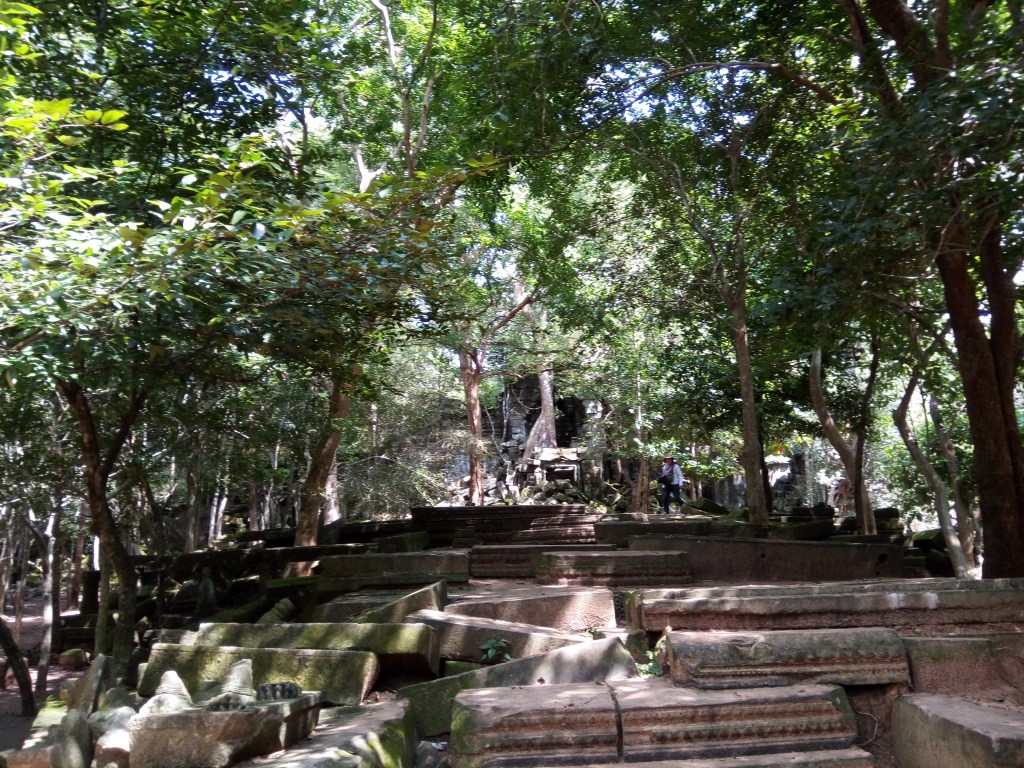
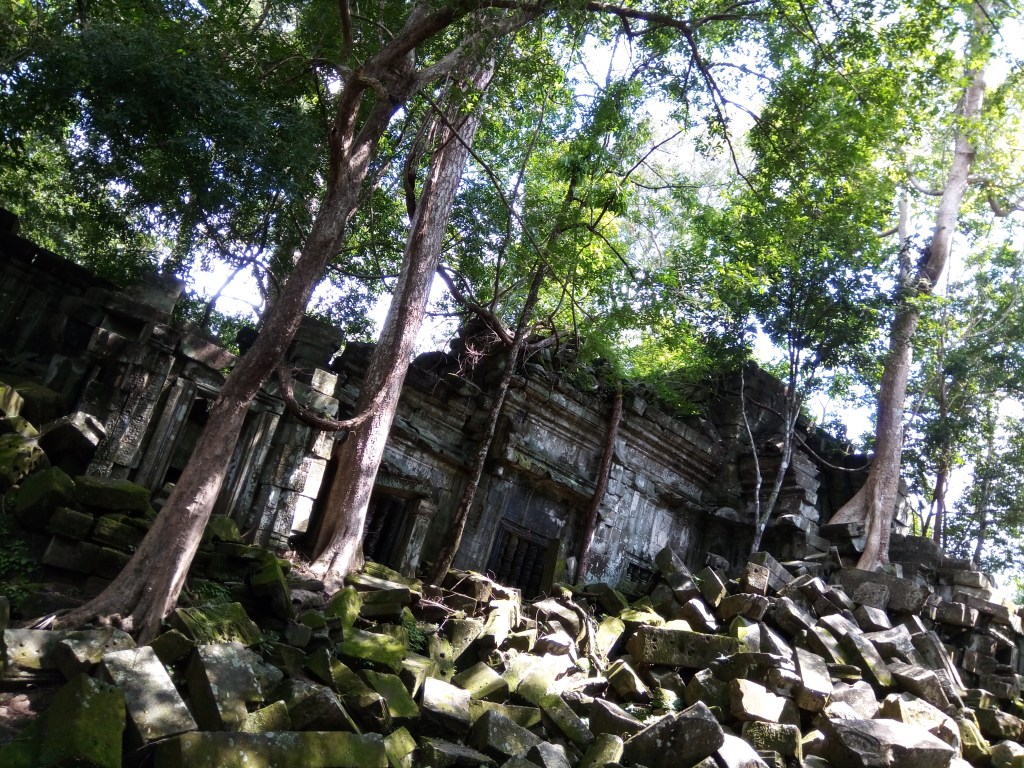
MOST LINGAS ARE IN A BROKEN STATE 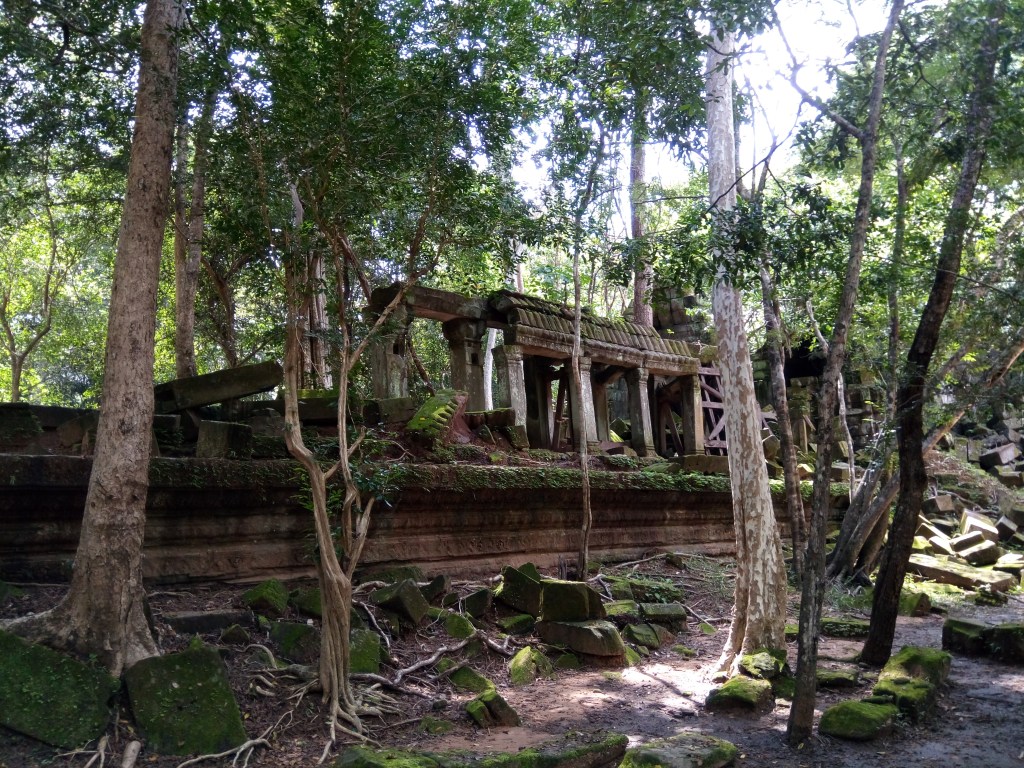
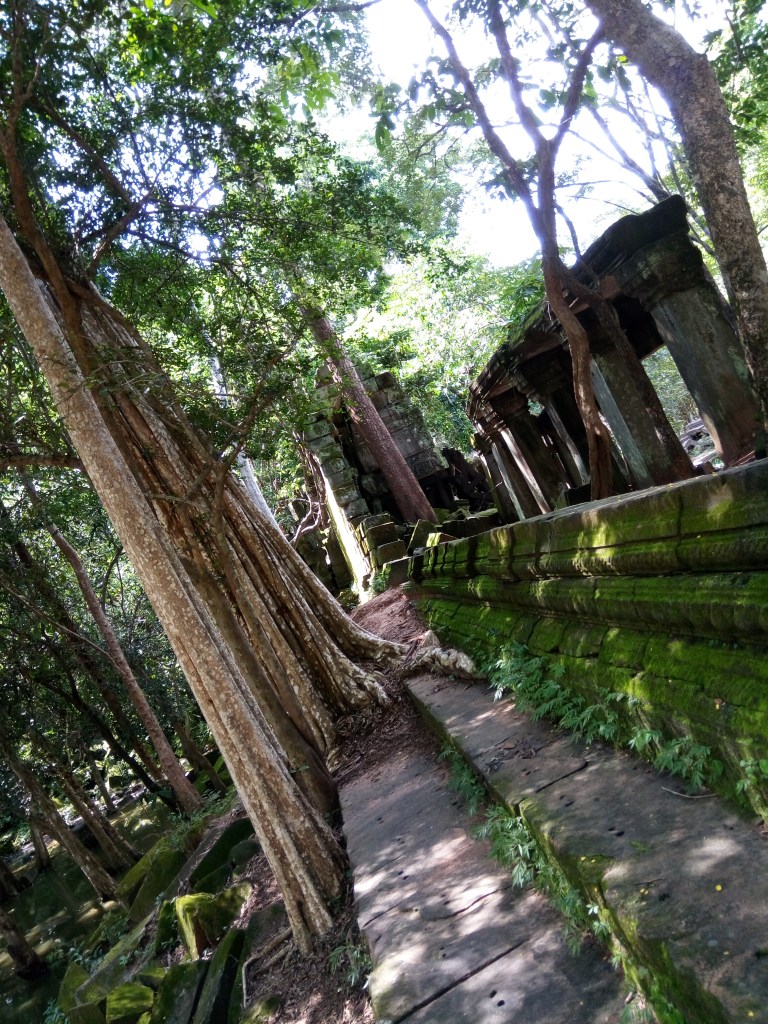
LOTS OF VEGETATION AROUND 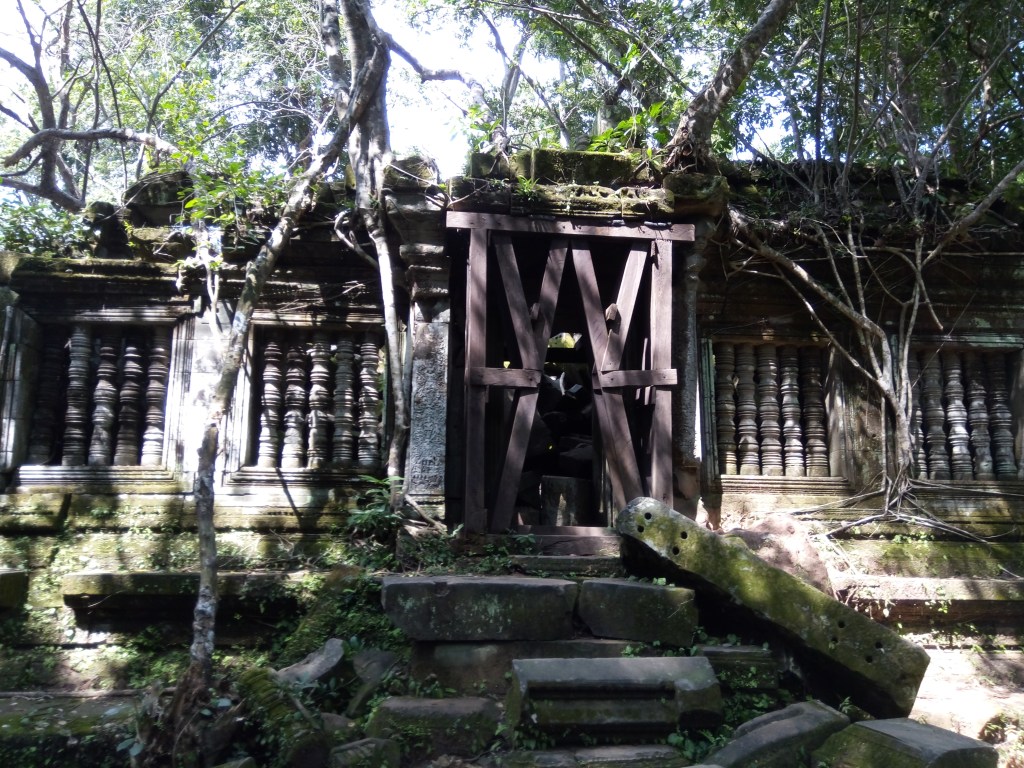
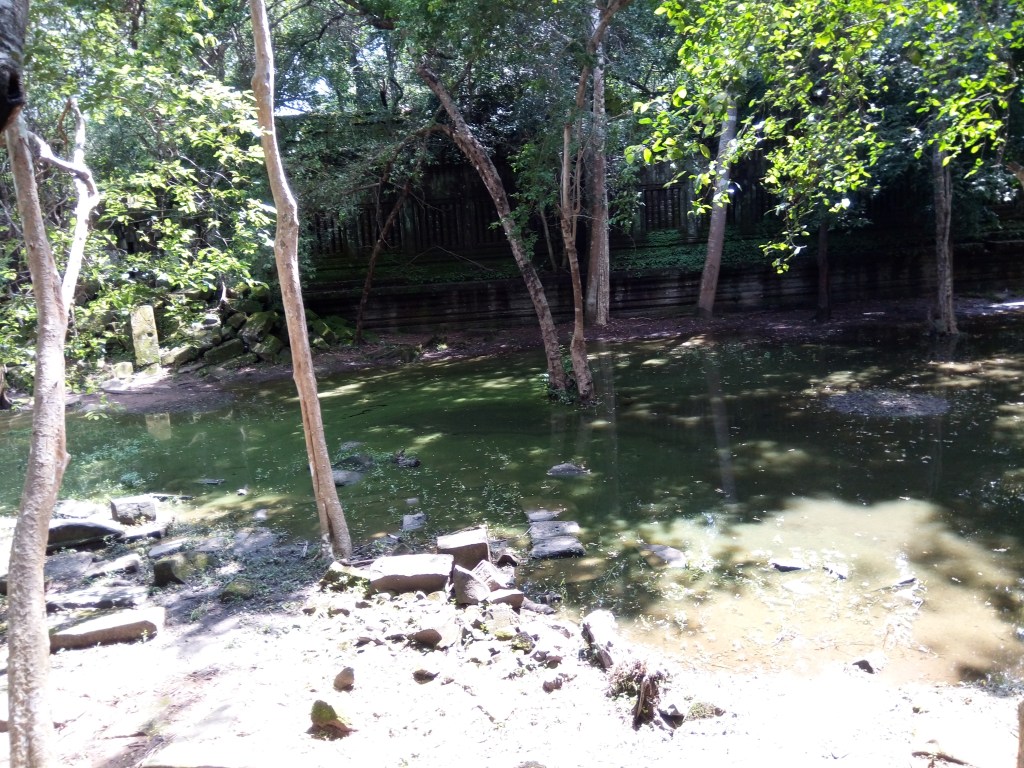
A MOAT AROUND THE COMPLEX 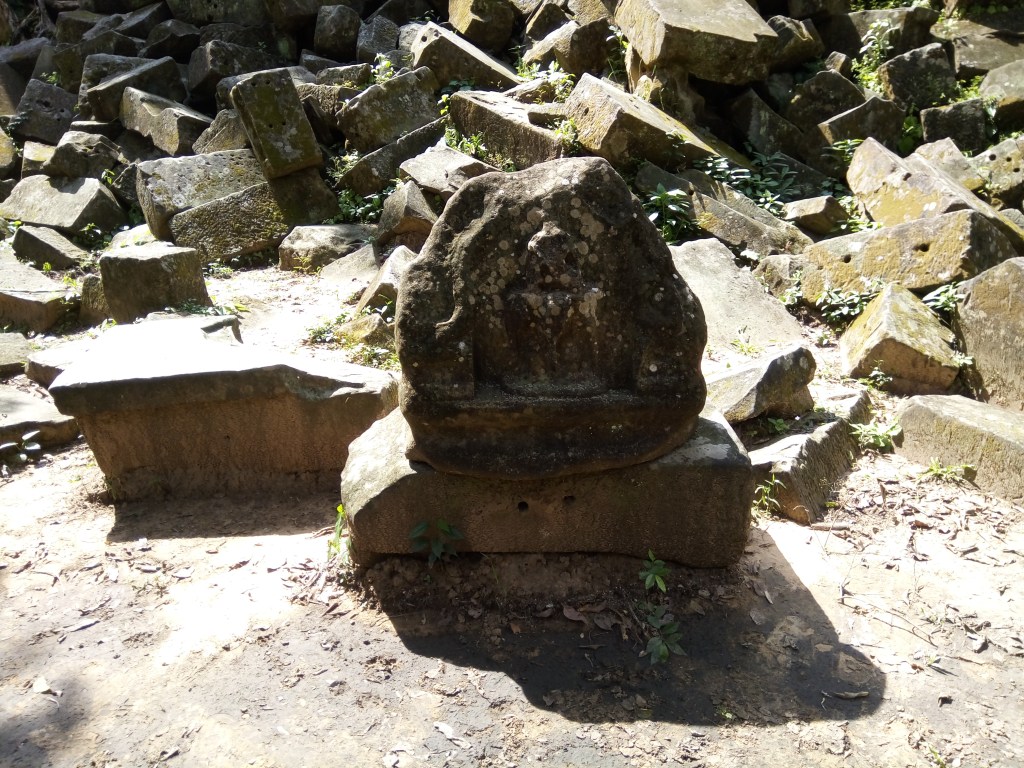
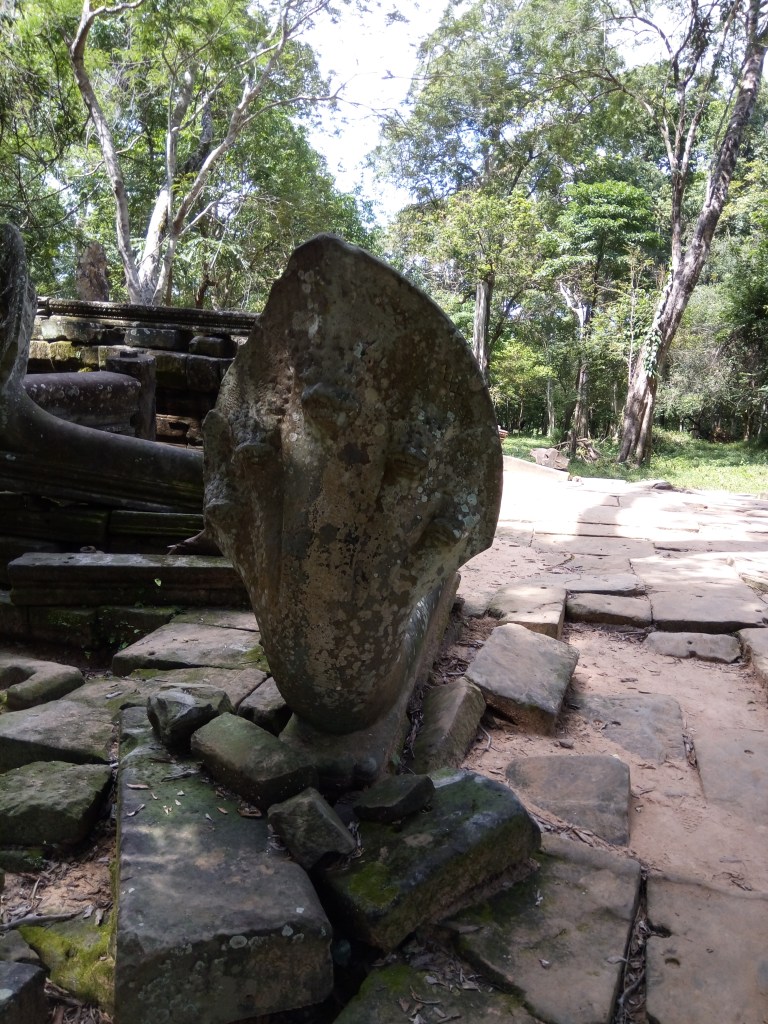
THE 5 HEADED NAGA 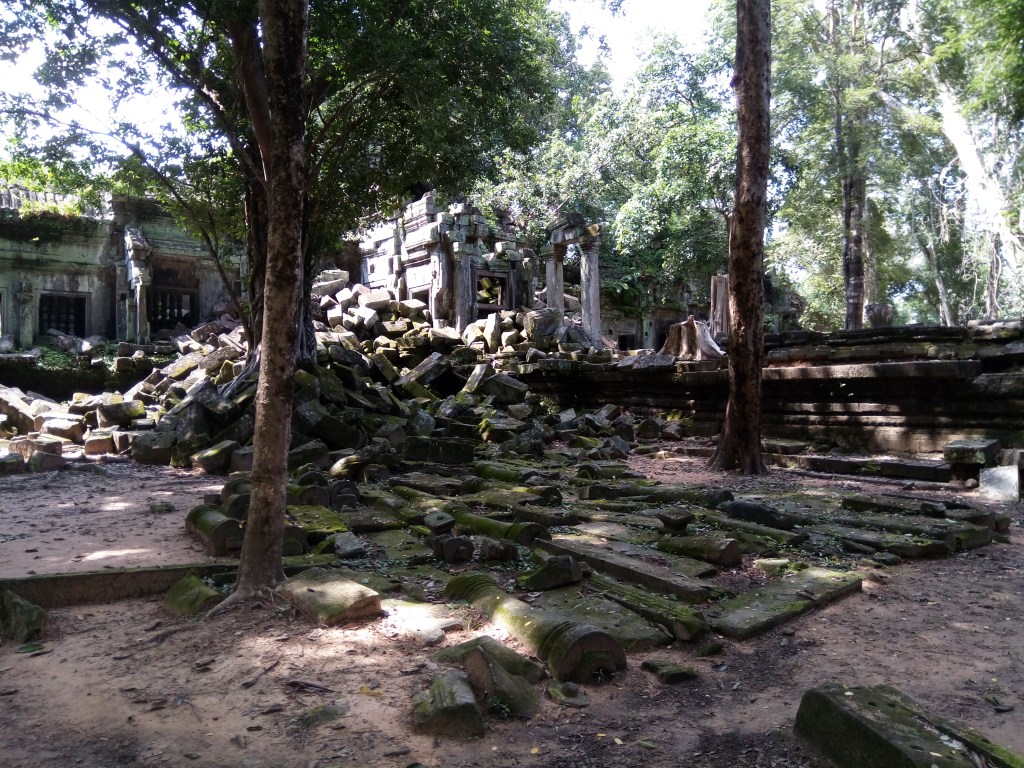
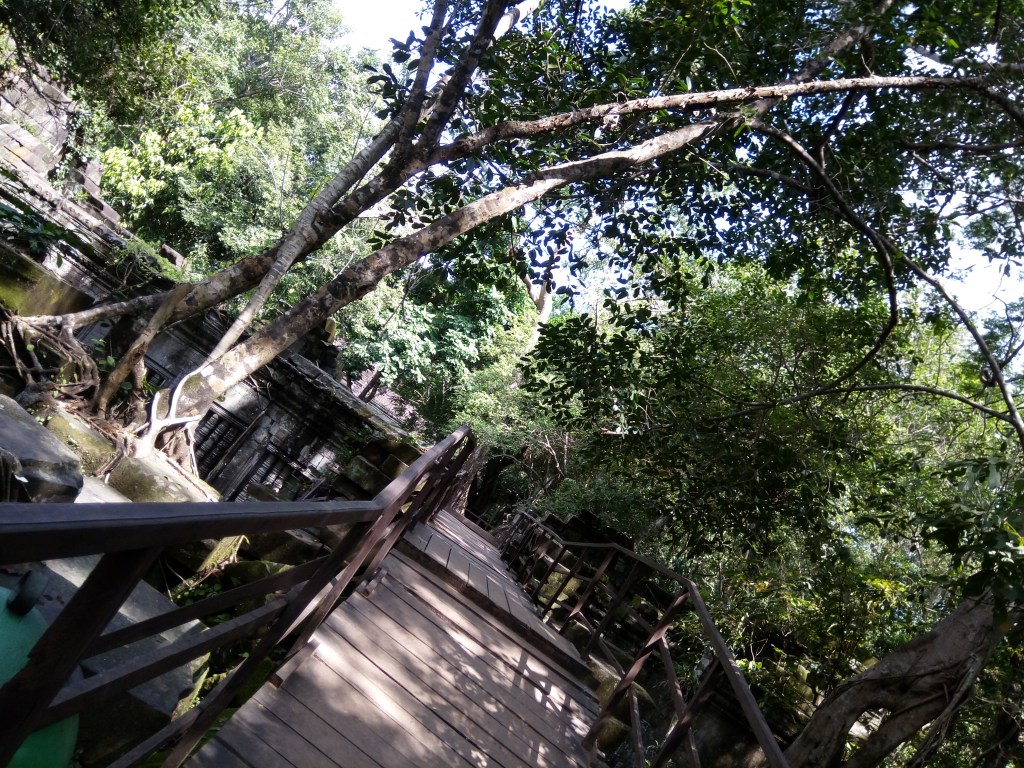
MAN MADE CROSSOVER BRIDGES 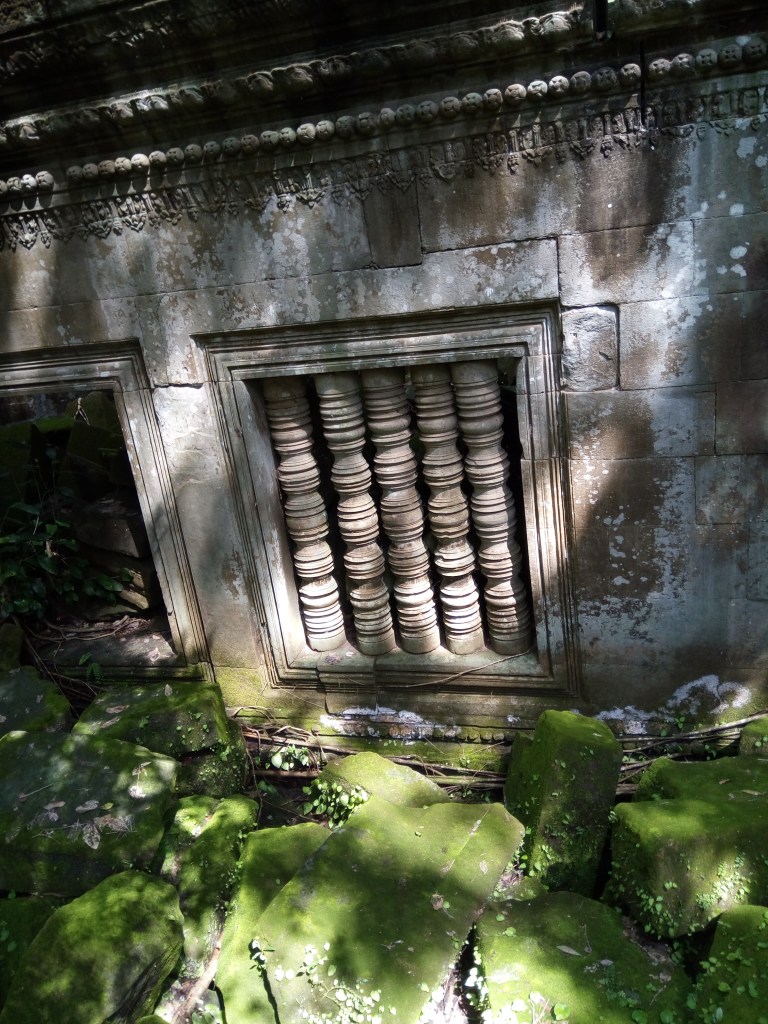
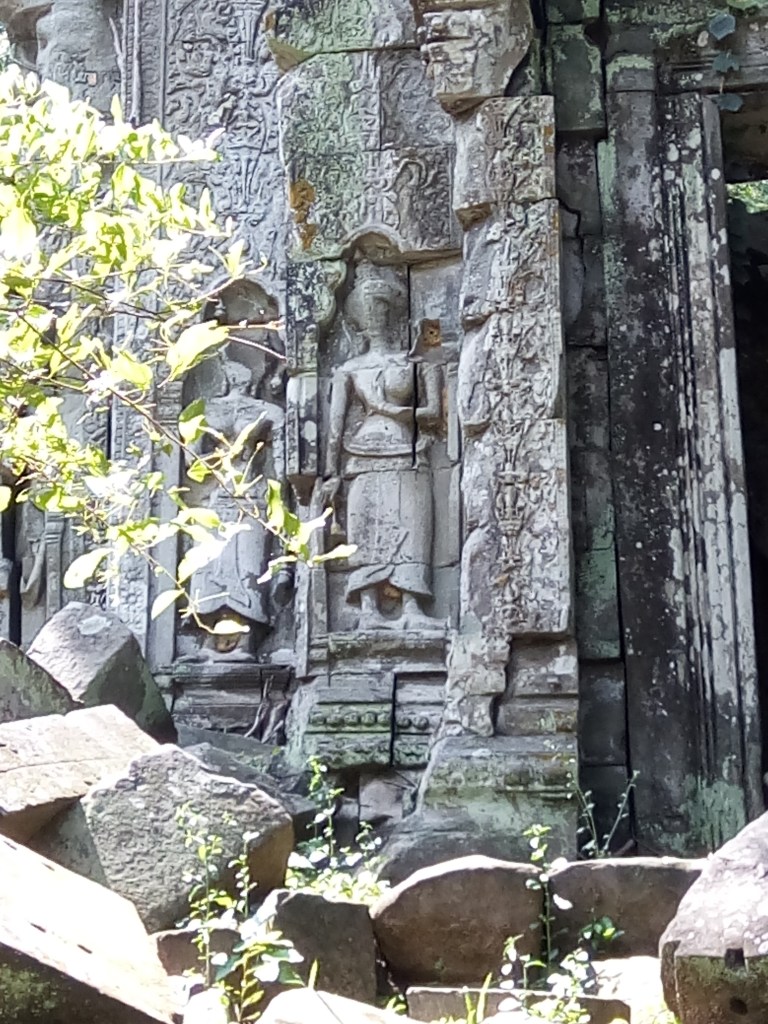
INTRICATE CARVINGS 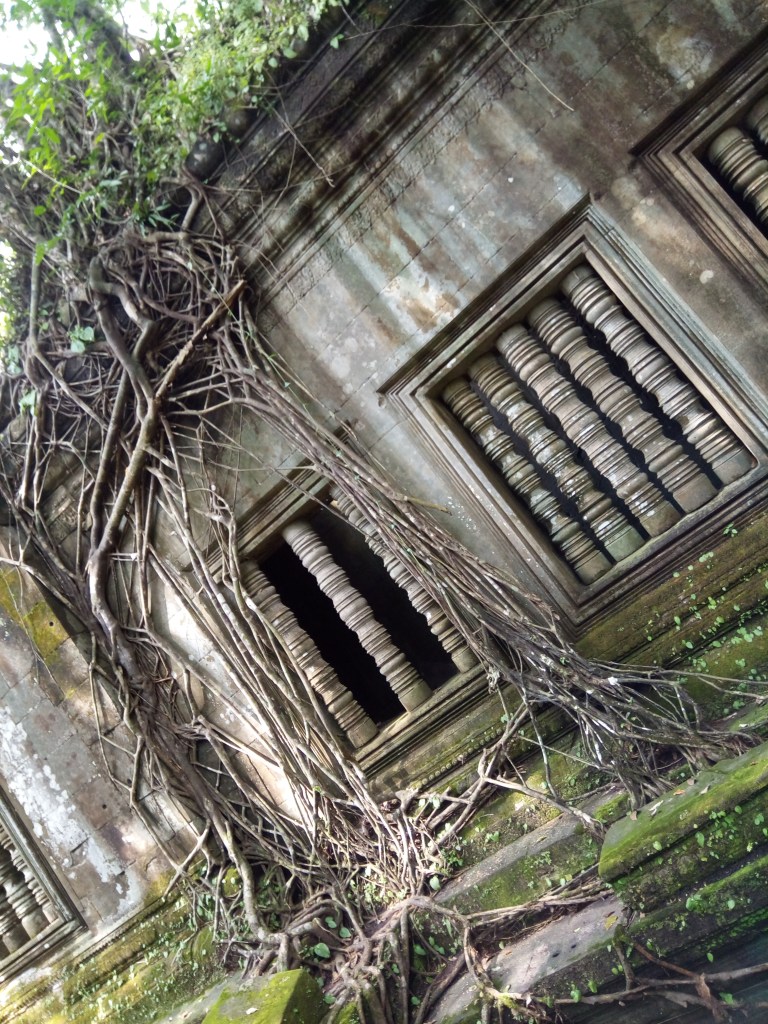
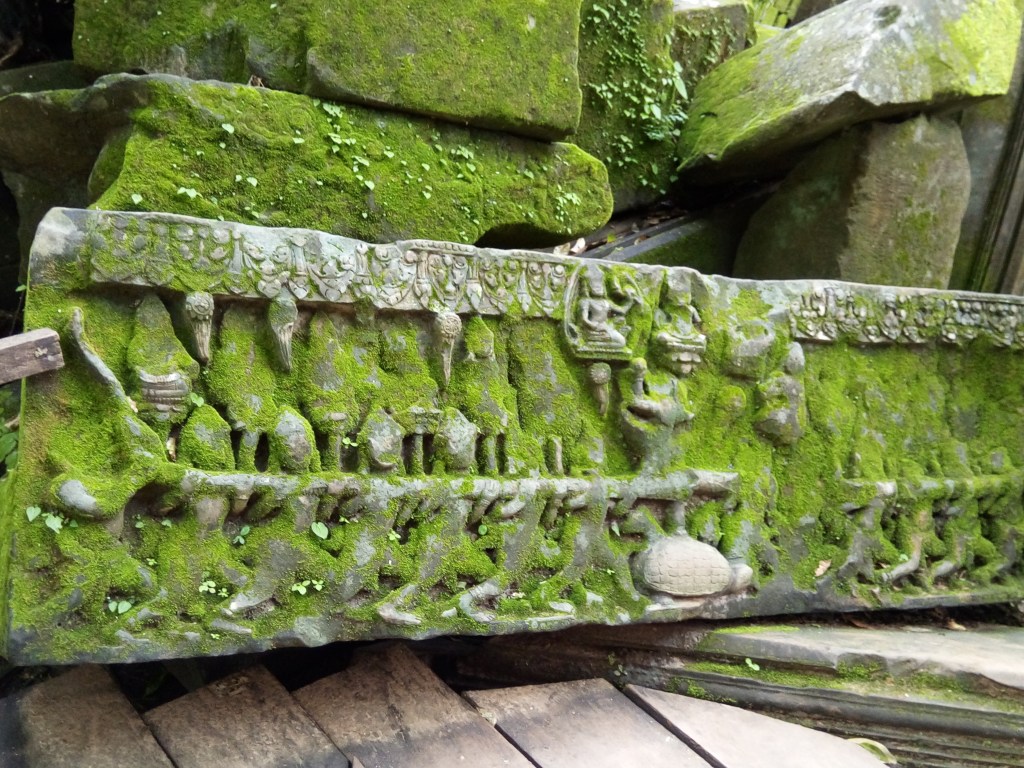
CHURNING OF NECTAR 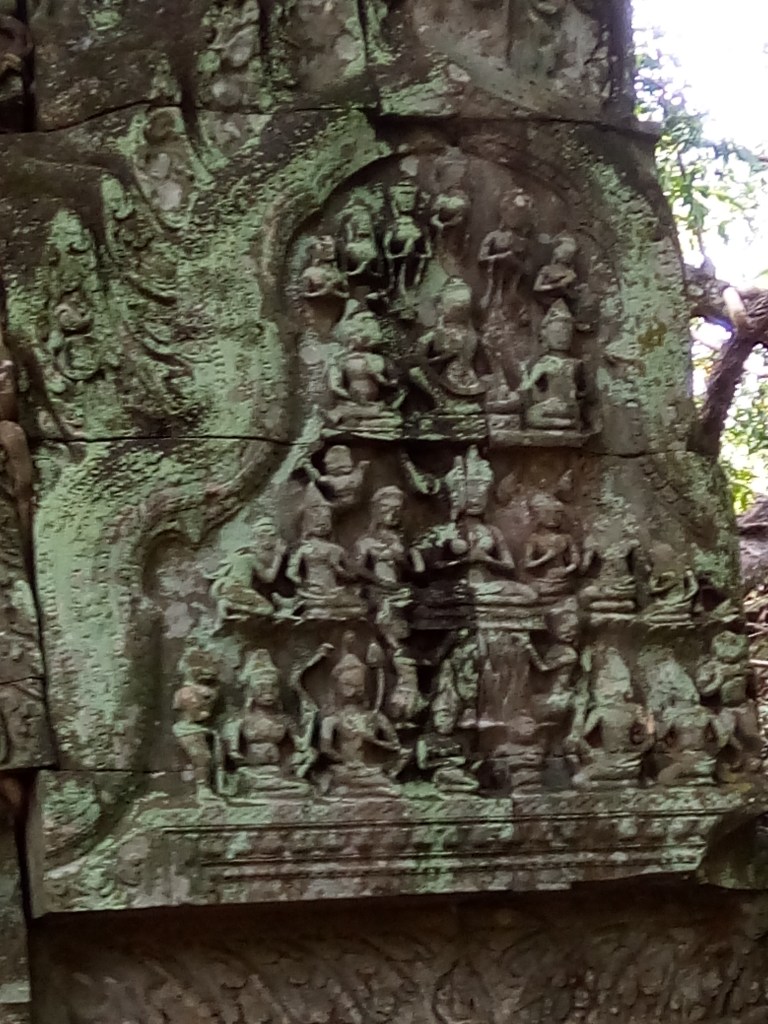
We wound up the tour of the complex around 3.00 PM and settled into a deep slumber during the 65 kms ride back to Siem Reap. It was way past lunch time and we unfortunately did not get anything to eat at either of the places and had to bear with the hunger pangs for slightly over an hour until we hit Siem Reap. Fortunately we found an Indian restaurant which was about to down its shutters and managed to get some food.
On the way back to the Hotel, we found a Tuk tuk driver and fixed the next day’s schedule of a day’s tour to the famed Angkor Wat complex. We opted for a day’s tour, also popularly known as the Short Circuit Tour covering a distance of around 17 kms and which would cost us $ 15. The evening was spent going around Pub Street and we wound up the day with some dinner at Taste of India, an Indian restaurant located very close by.
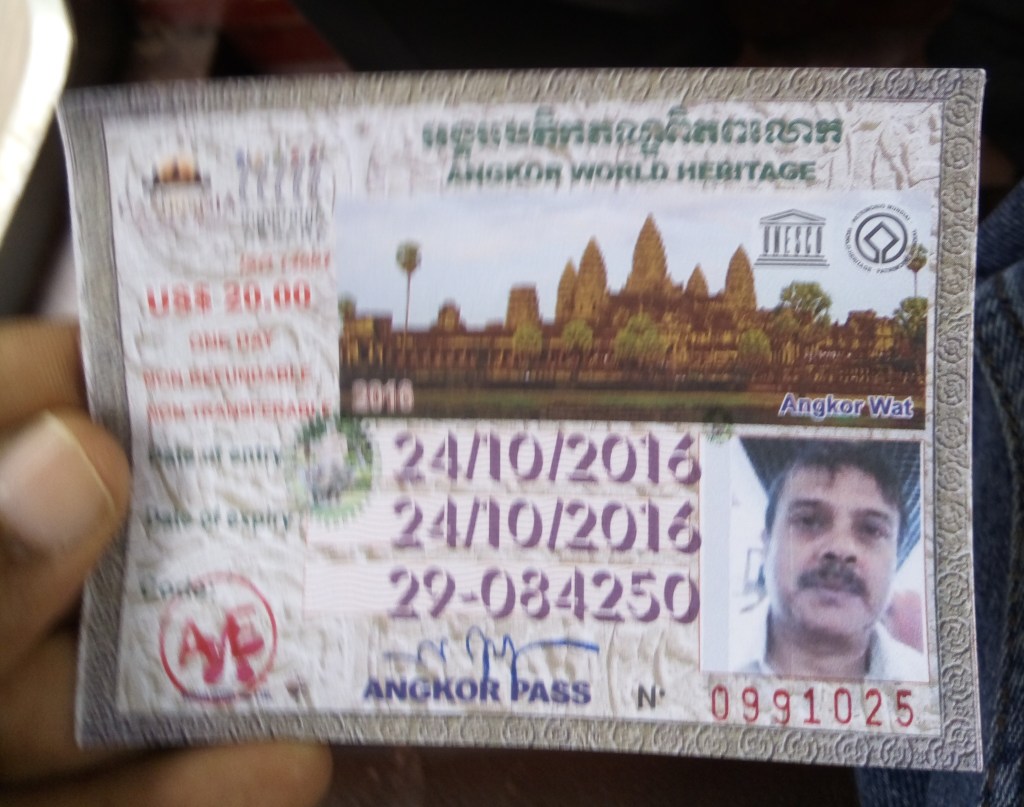
The tiredness of walking around for quite some distances the previous day made it difficult to shake off the Monday morning blues. There was a heavy downpour which started in the early hours and finally cleared off by around 7 AM which led to our departure getting slightly delayed. Breakfast done, we boarded the Tuk Tuk for the 45 minute drive to the Angkor Wat complex including stopping for a short while at a designated center to buy the entrance tickets, costing $20 apiece. Tickets could be booked for visits spanning 3 days and 7 days too.
Angkor Wat was built in the first half of the 12th century (113-5BC) and it is estimated that it took about 30 years to construct the temple by King Suryavarman II. The temple is dedicated to Lord Vishnu and depicts the Angkor Thom style of art. Angkor Wat’s rising series of five towers culminates in an impressive central tower that symbolizes mythical Mount Meru. Thousands of feet of wall space. are covered with intricate carving depicting scenes from Hindu Mythology. The most important are the Carved Bas reliefs of the Hindu narratives. They tell a story about gods fighting demons in order to reclaim order which can only be achieved by recovering the elixir of life known as Amrita (Nectar). The gods and demons are supposed to have worked together to release it and then battle to attain it. It was accorded the UNESCO World Heritage status in 1992 and crowned the best in 2017.
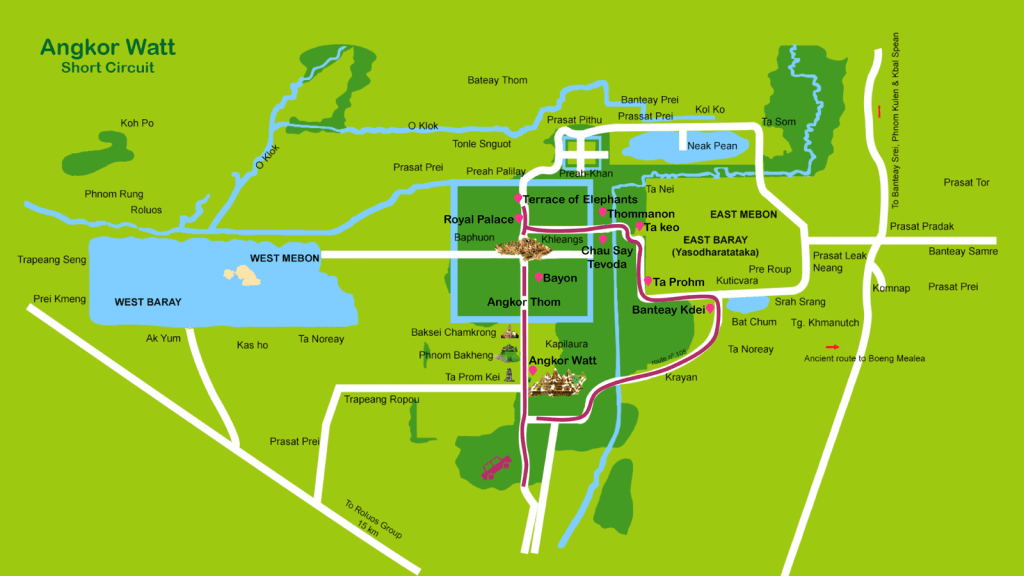
The first stop of our Short Circuit Tour was at the entrance of the Srah Srang Village where there are some beautiful and intricate carvings on stone leading to a large expanse of water which was supposed to be a royal bathing pool.
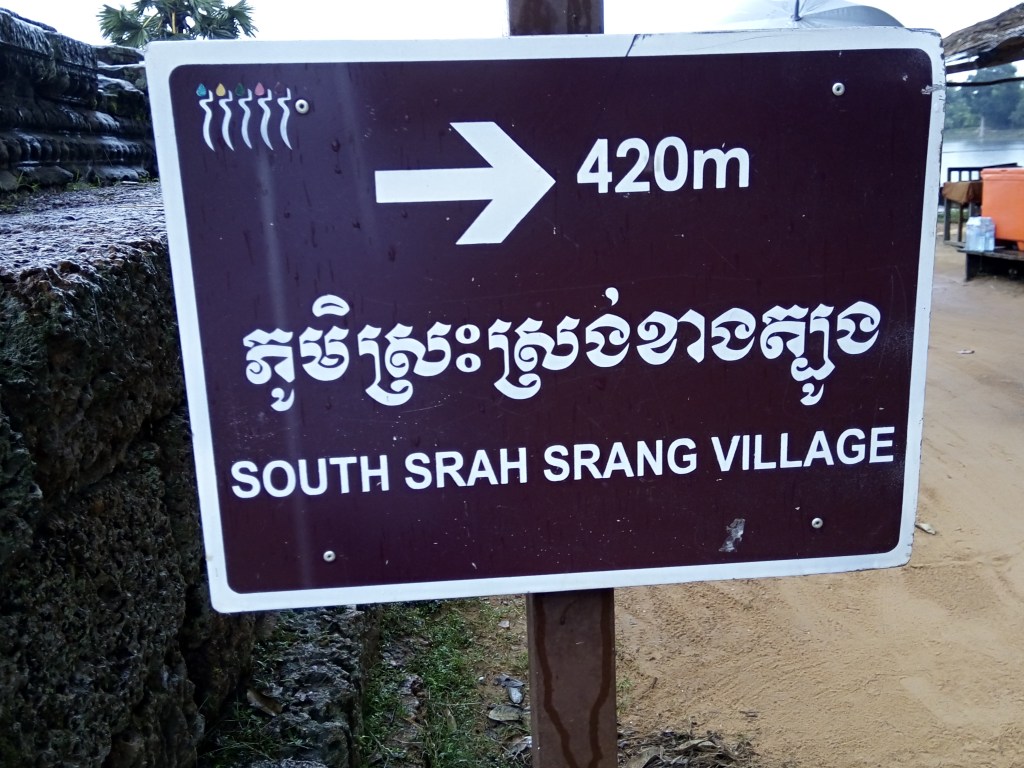
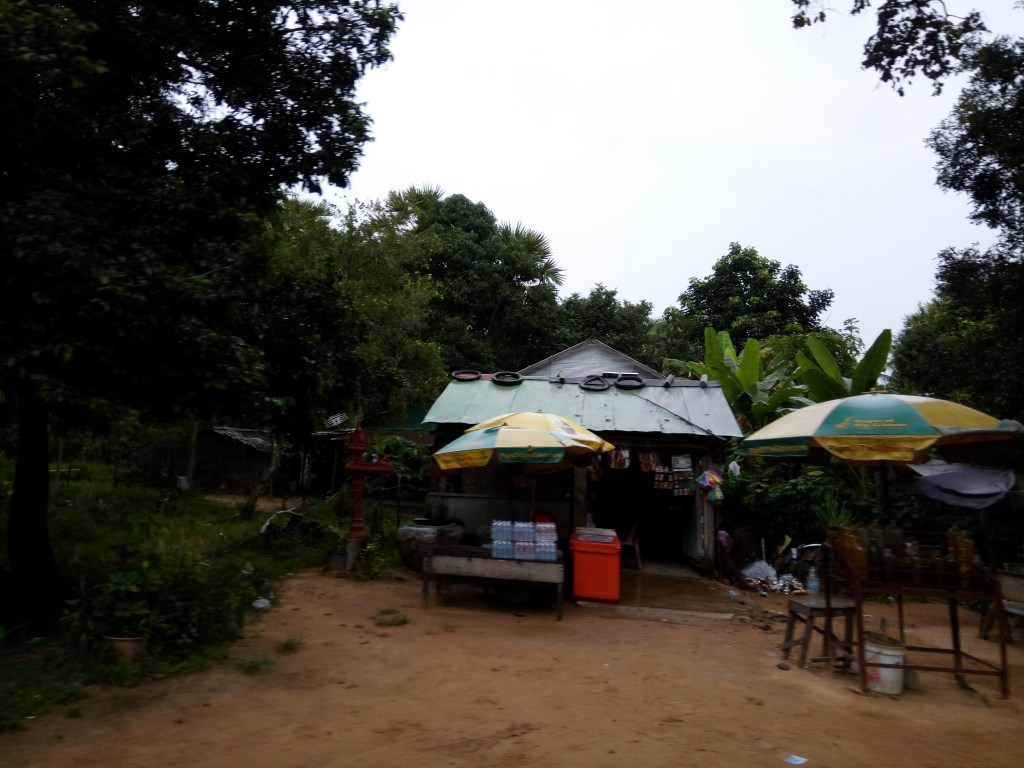
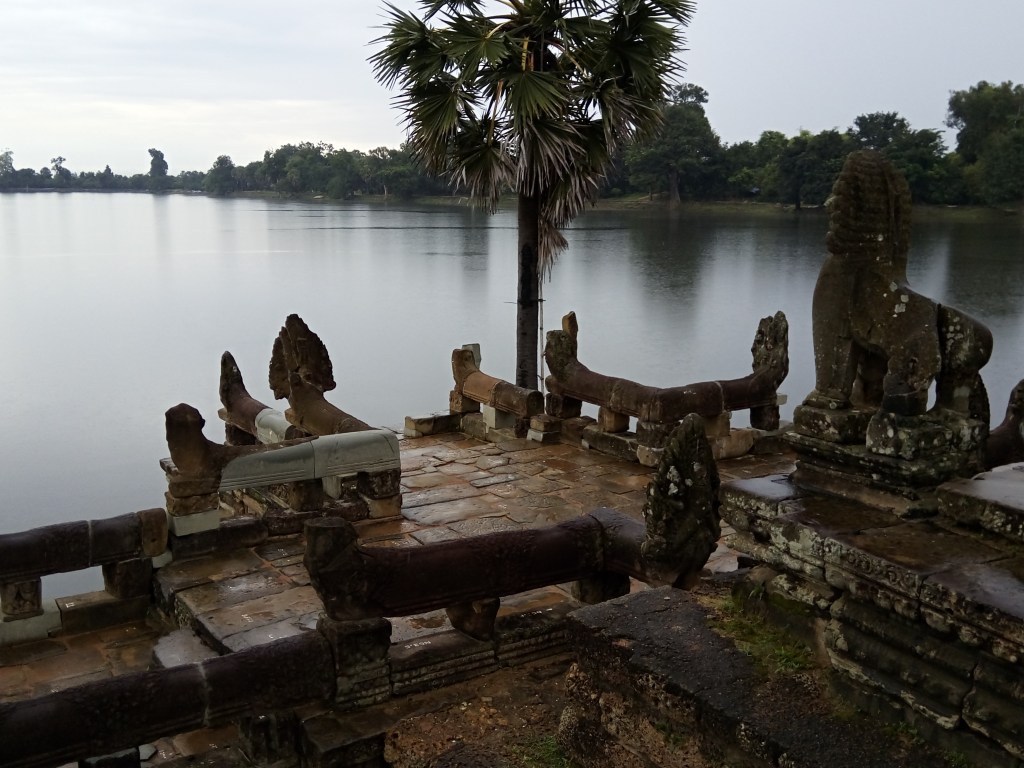
QUITE BIG FOR WHAT IT IS KNOWN AS – THE ROYAL BATHING POOL 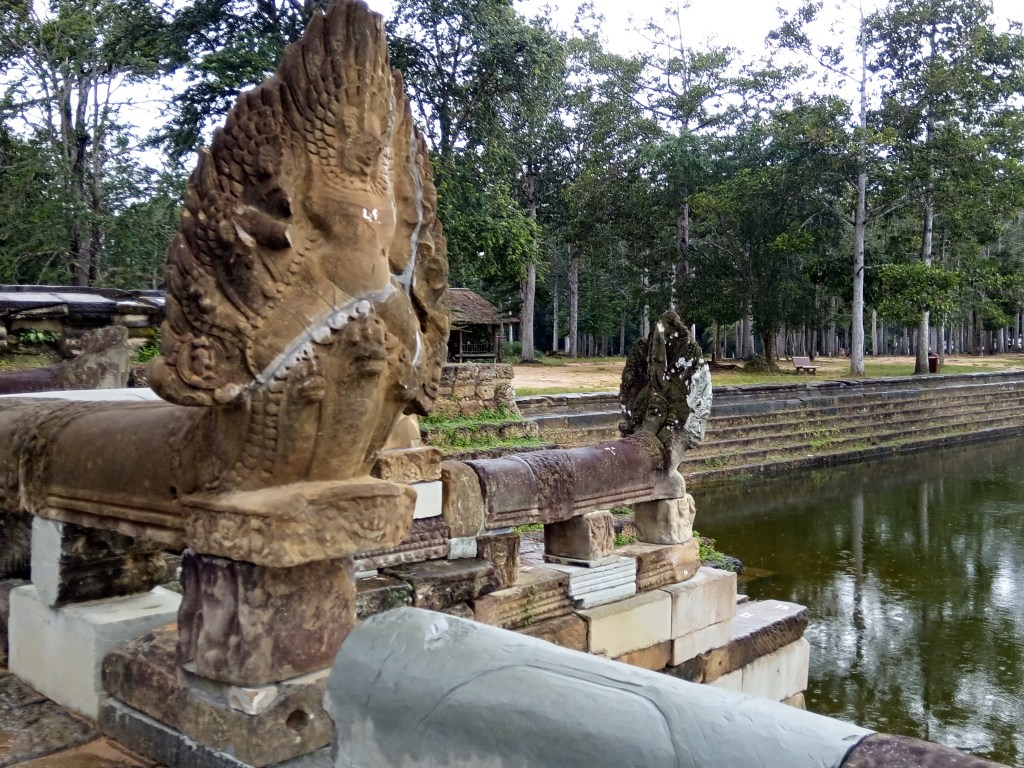
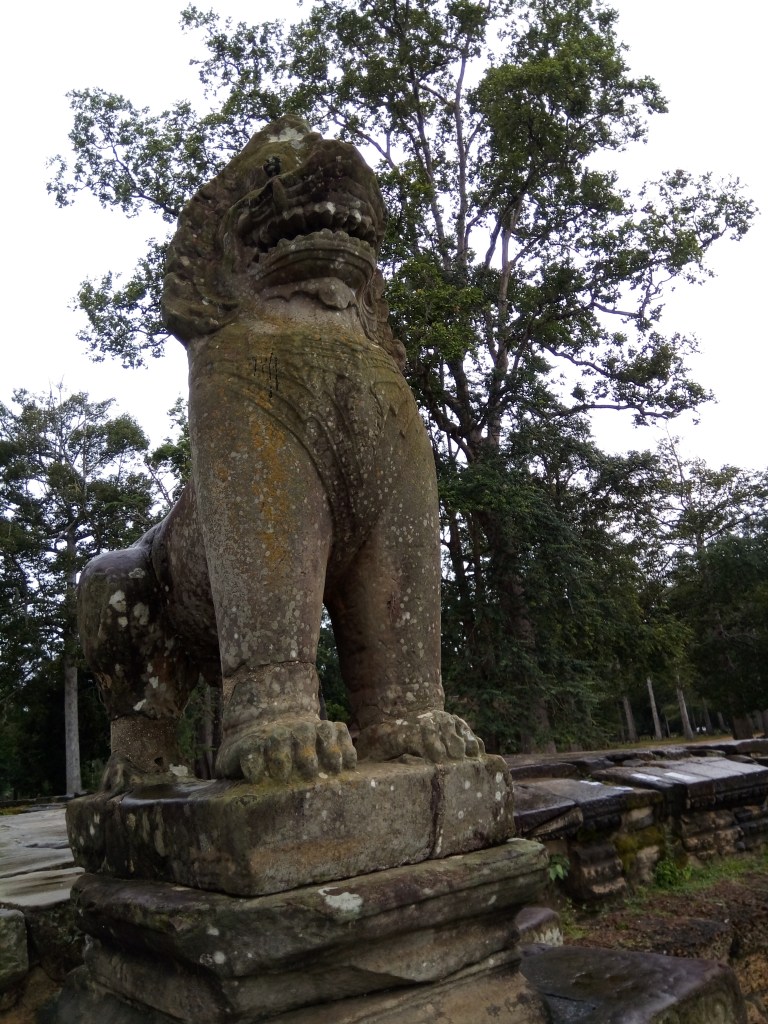
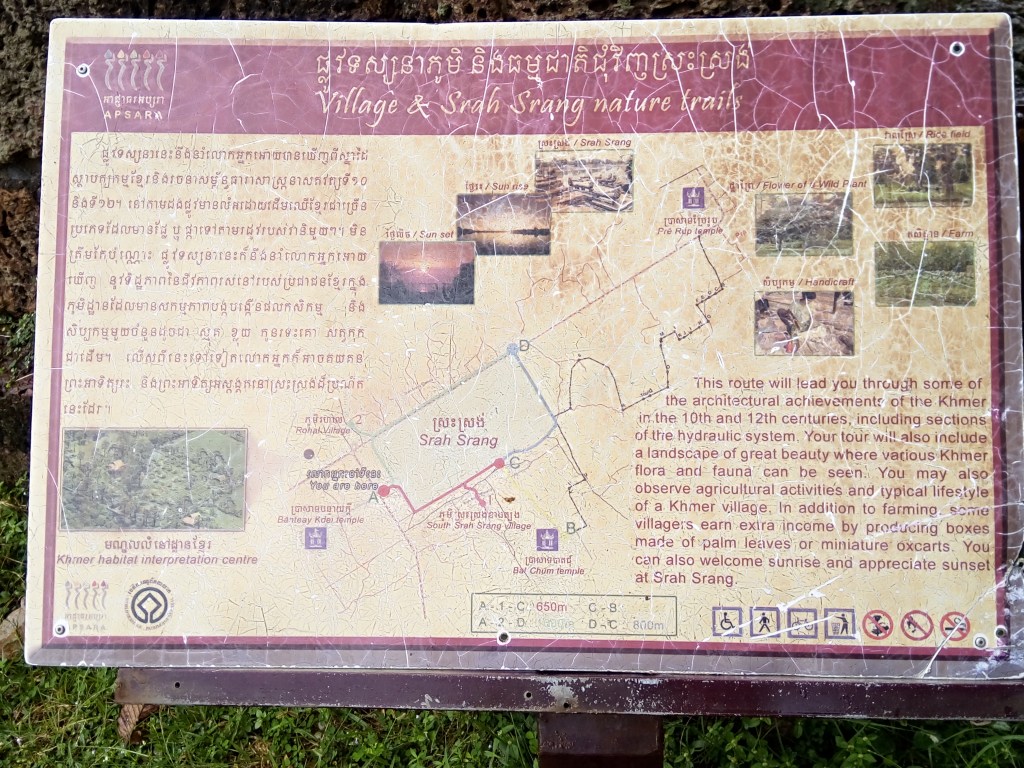
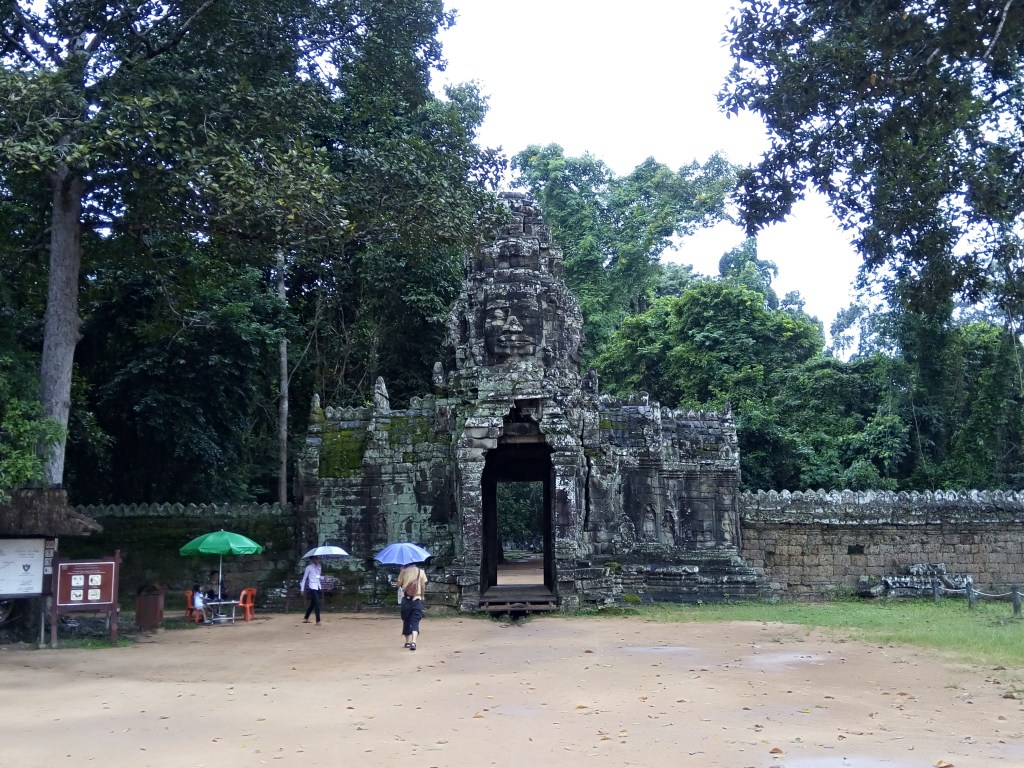
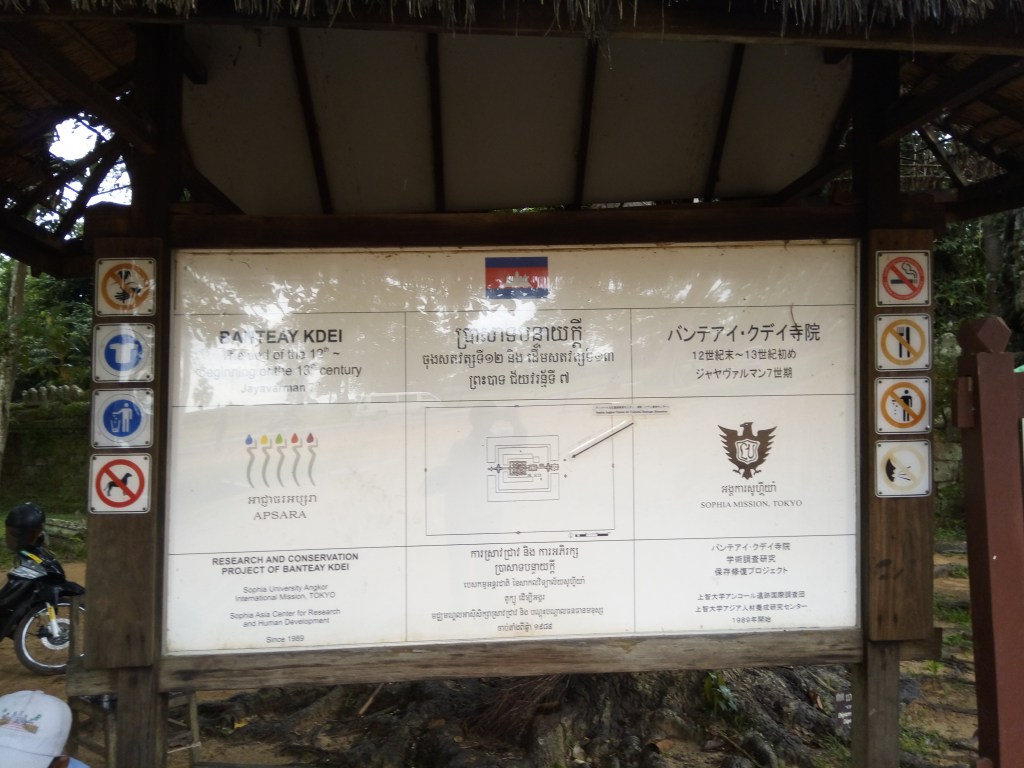
We moved onto Banteay Kdei (meaning Citadel of Chambers), located bang opposite Srah Srang. A temple built in the late 12th and early 13th century by King Suryavarman II and believed to be conforming to the Bayon Architecture. The labyrinth of stone paved paths crossing 2 successive enclosure walls and the large courtyards make for a photographer’s delight. The dilapidated state of the temple, possibly because of the quality of materials used in construction left one very sad especially when one has read the history and could correlate it with the period of the Angkor era to which these temples belonged. But then thankfully due to the participation of various countries including India, China, Germany, Korea etc, this lovely temple would hopefully get restored in due course of time.
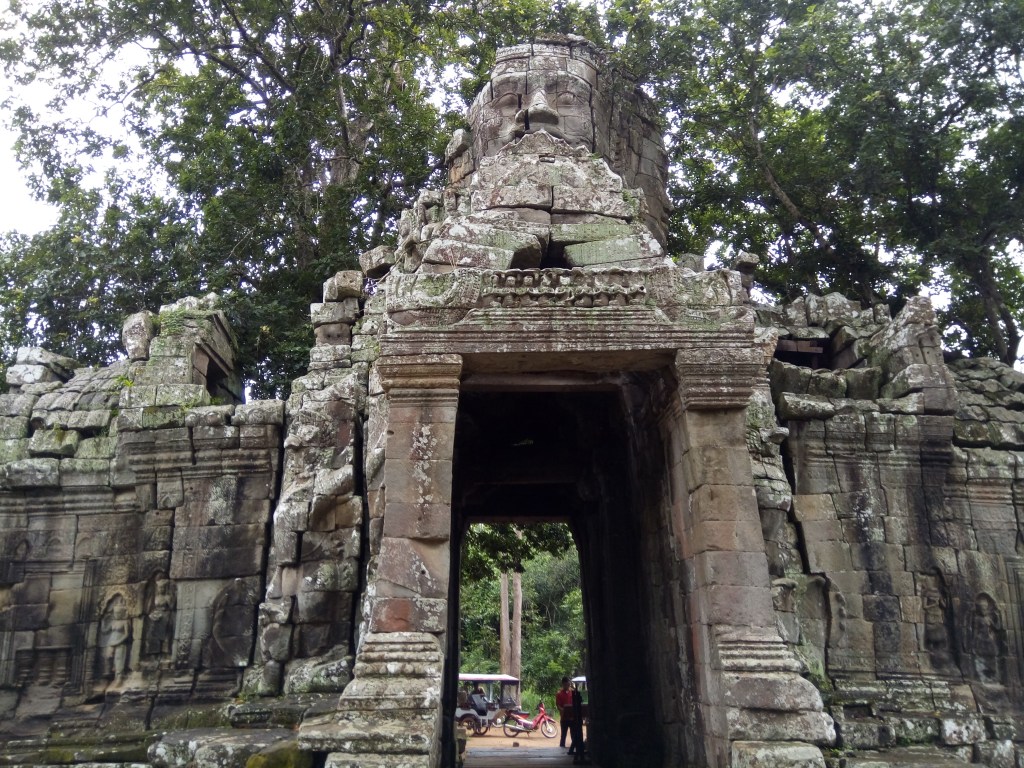
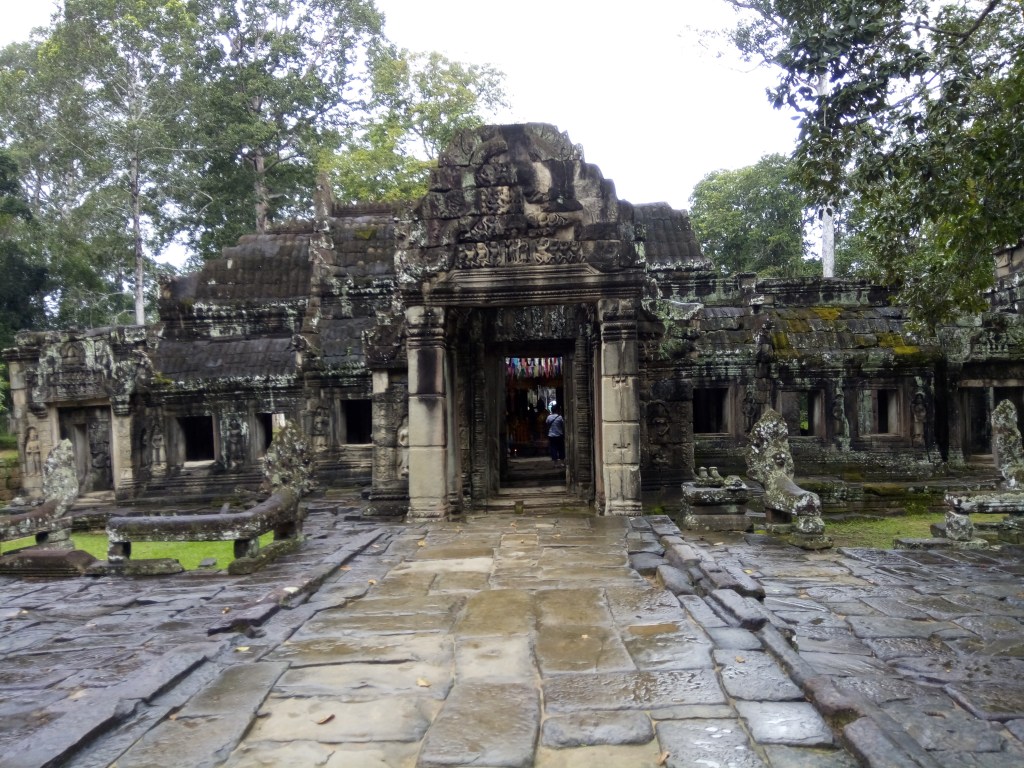
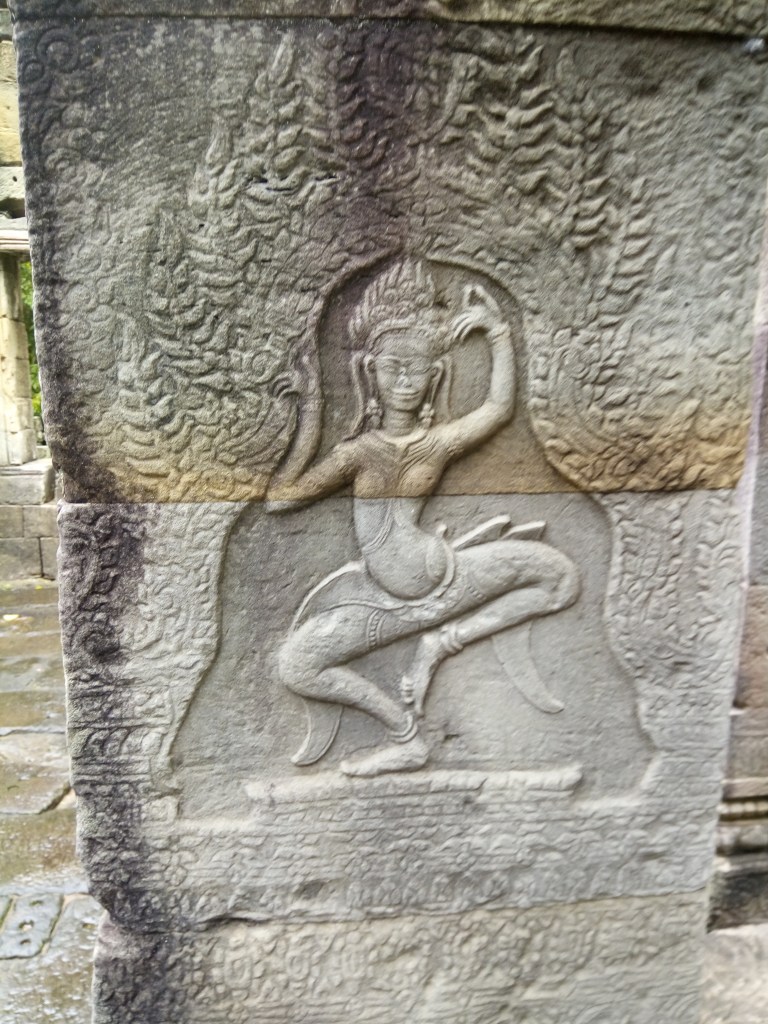
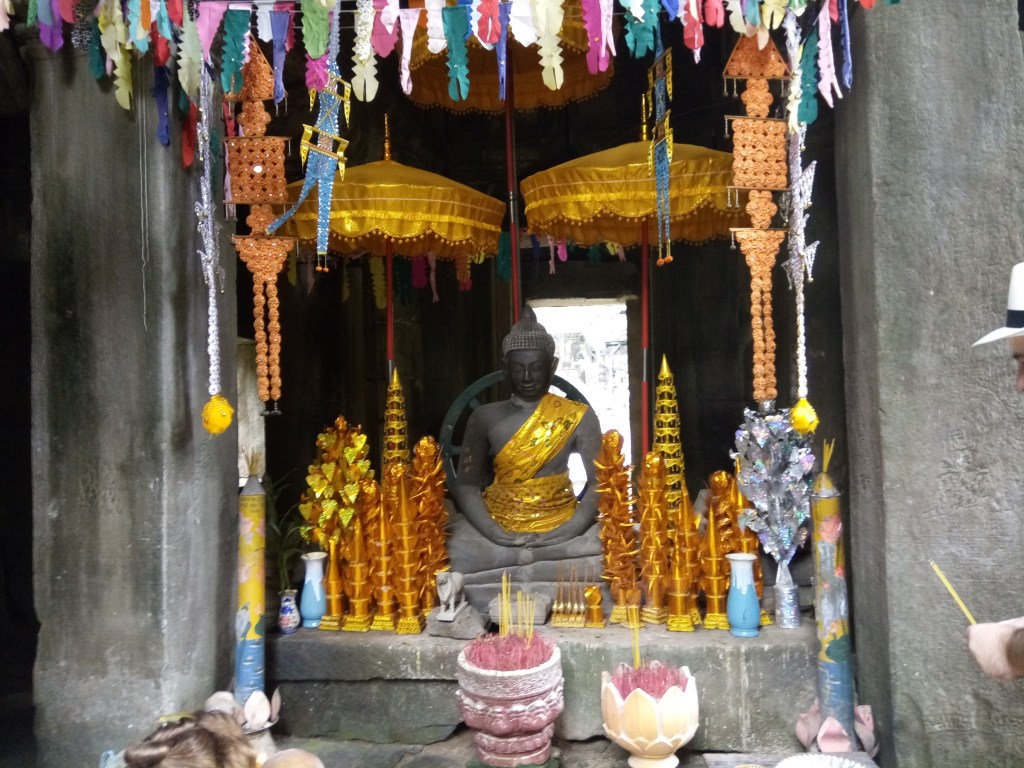
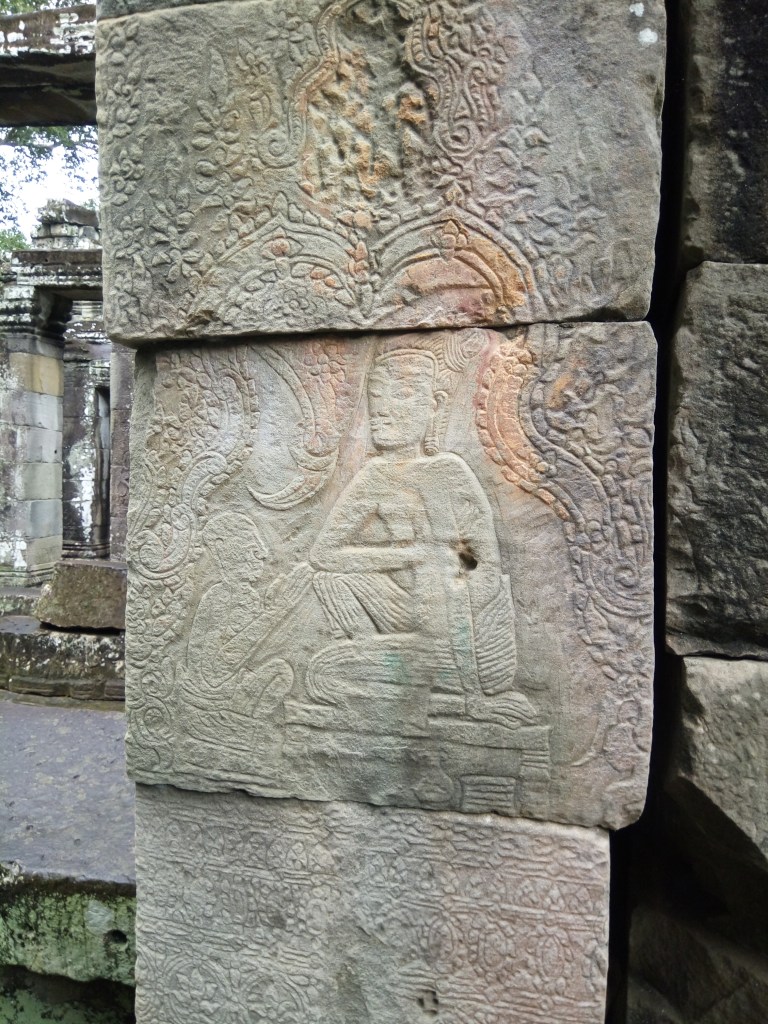
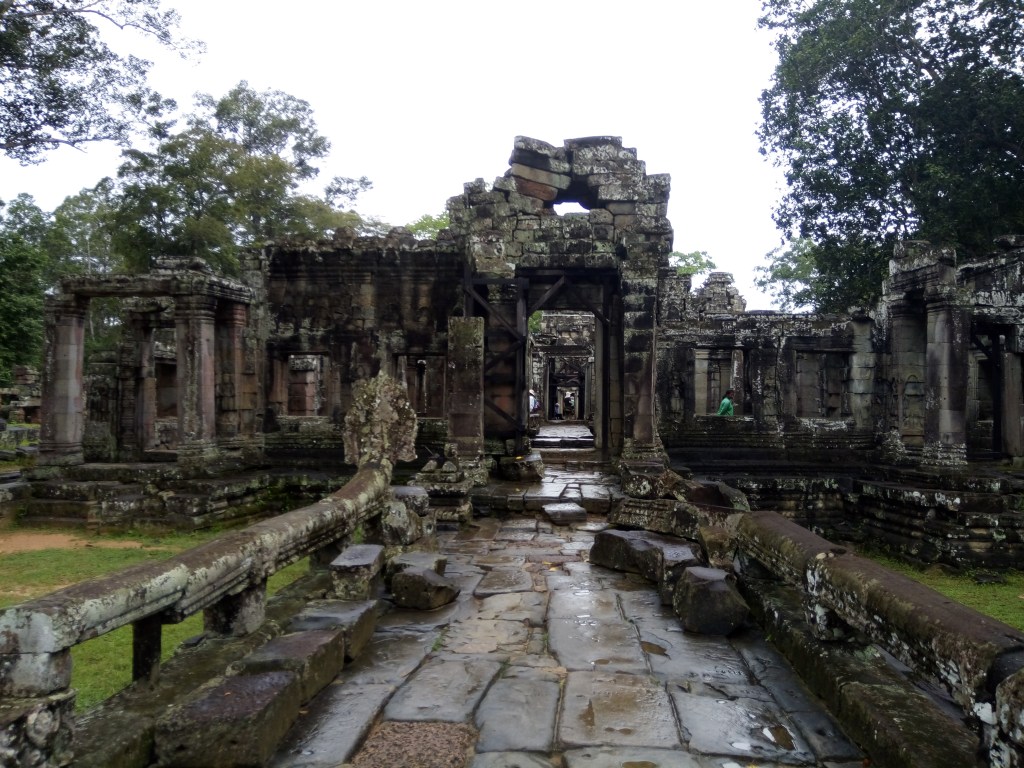
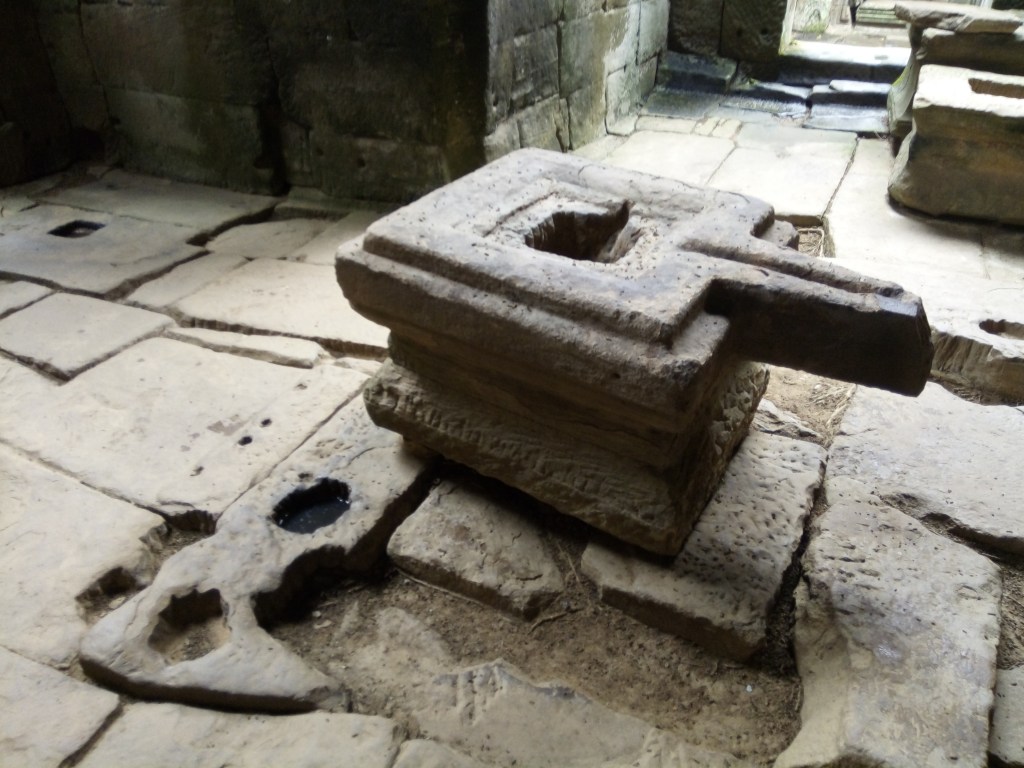
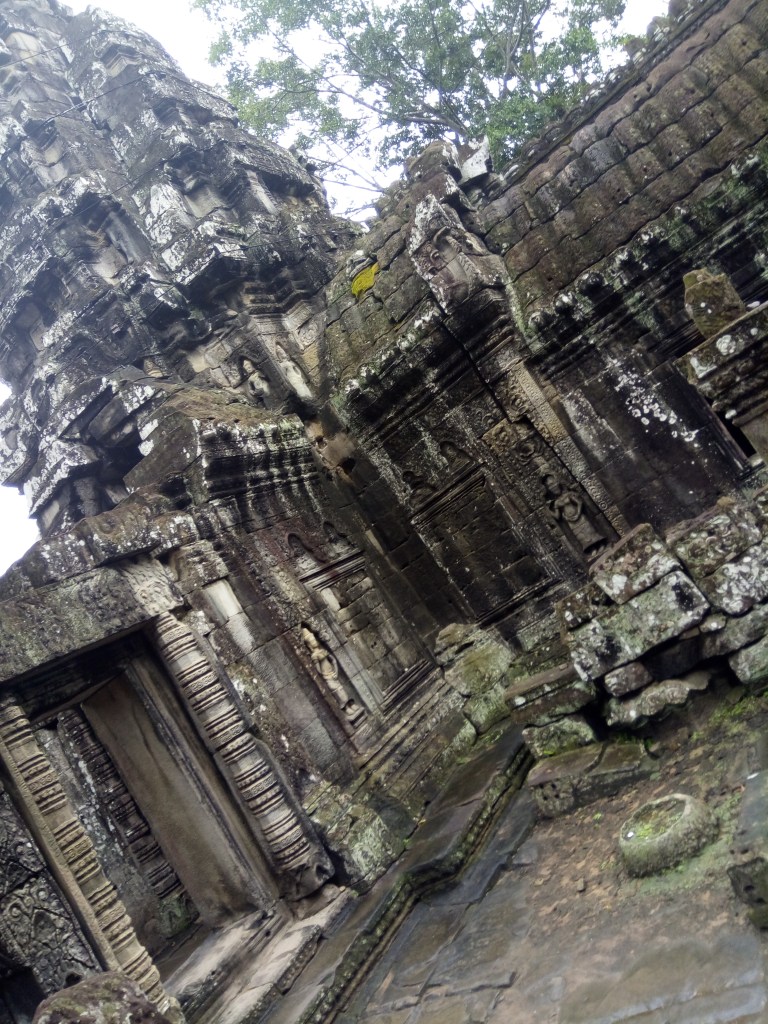
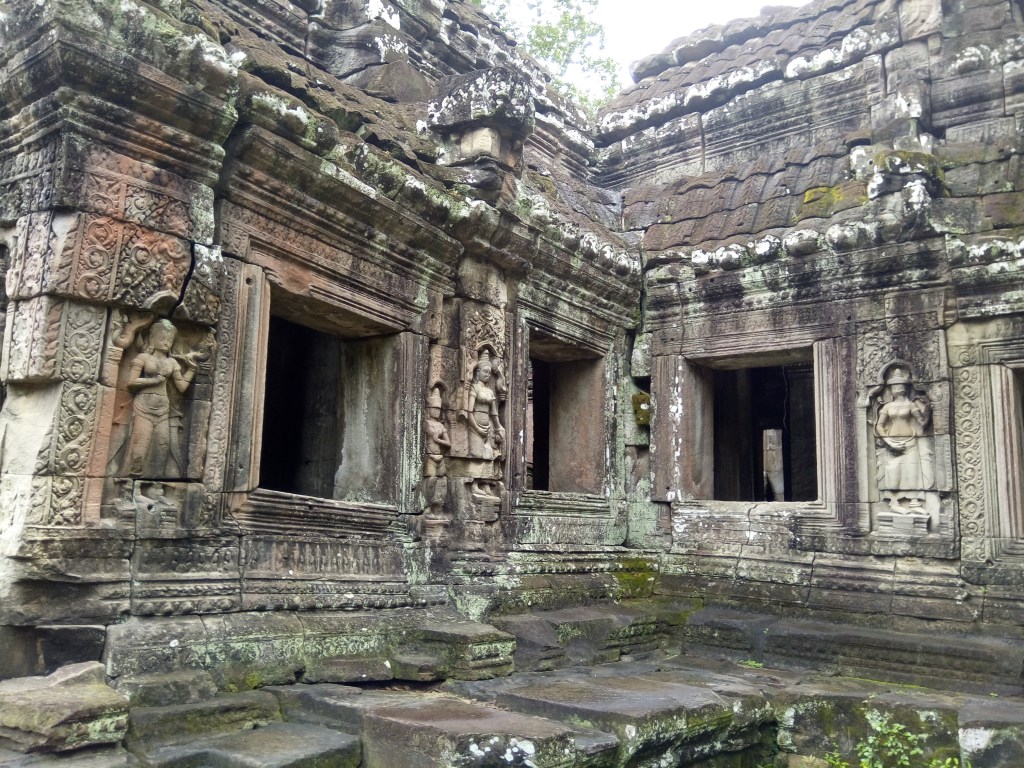
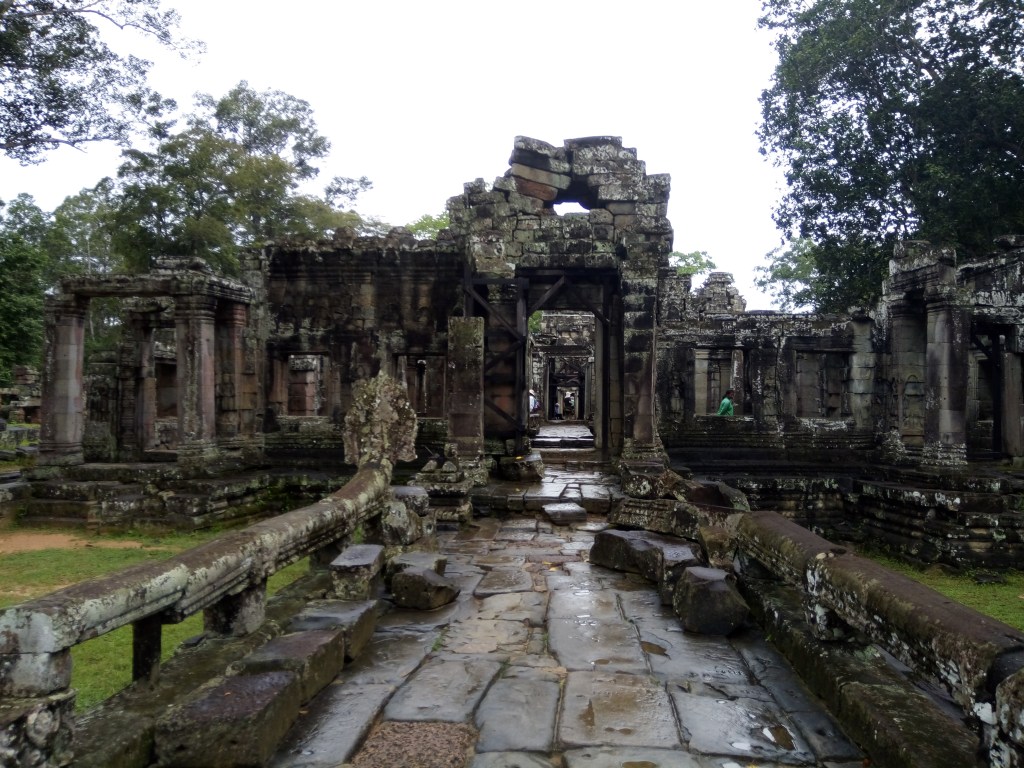
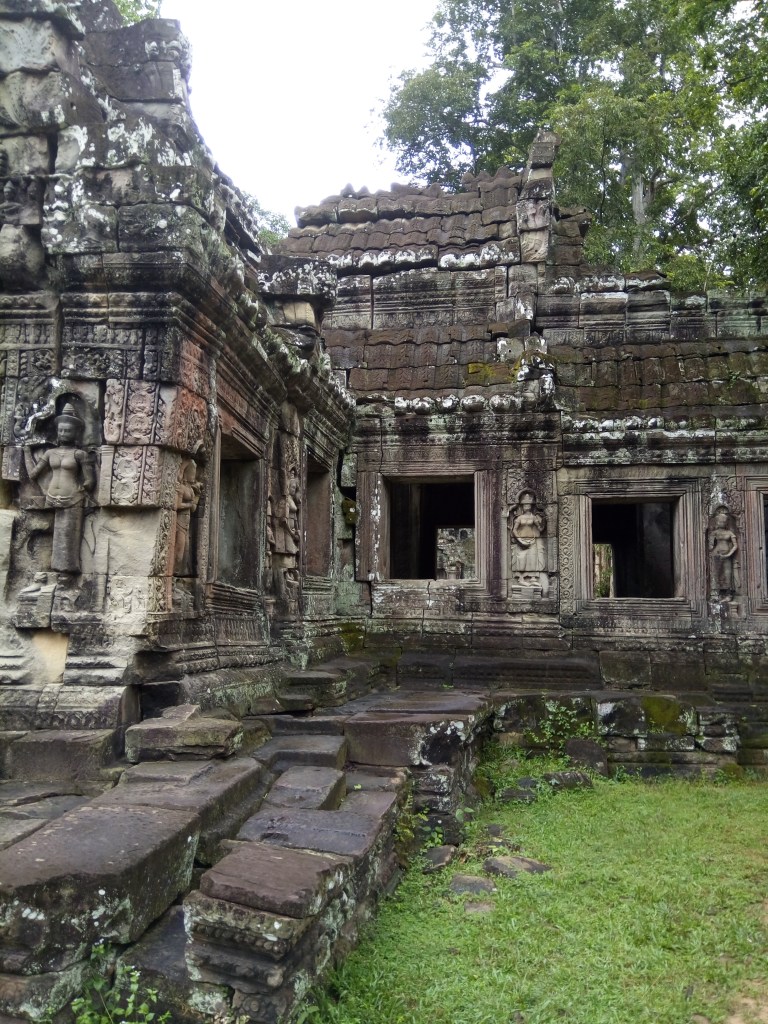
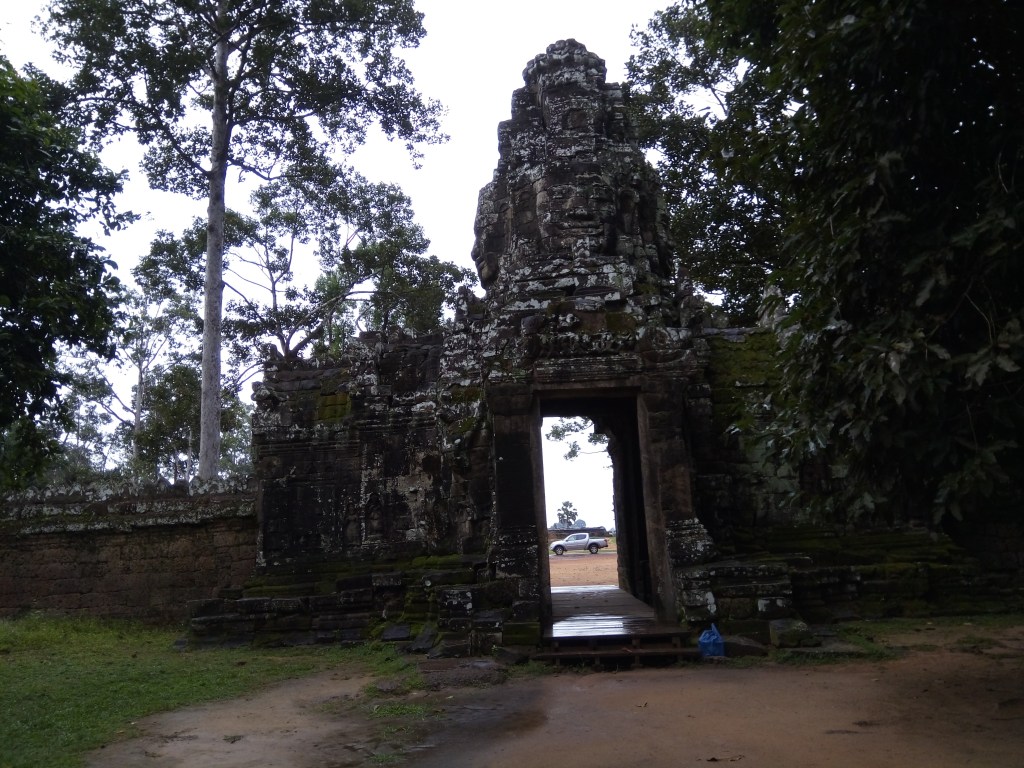
LOVED THIS CLICK!!
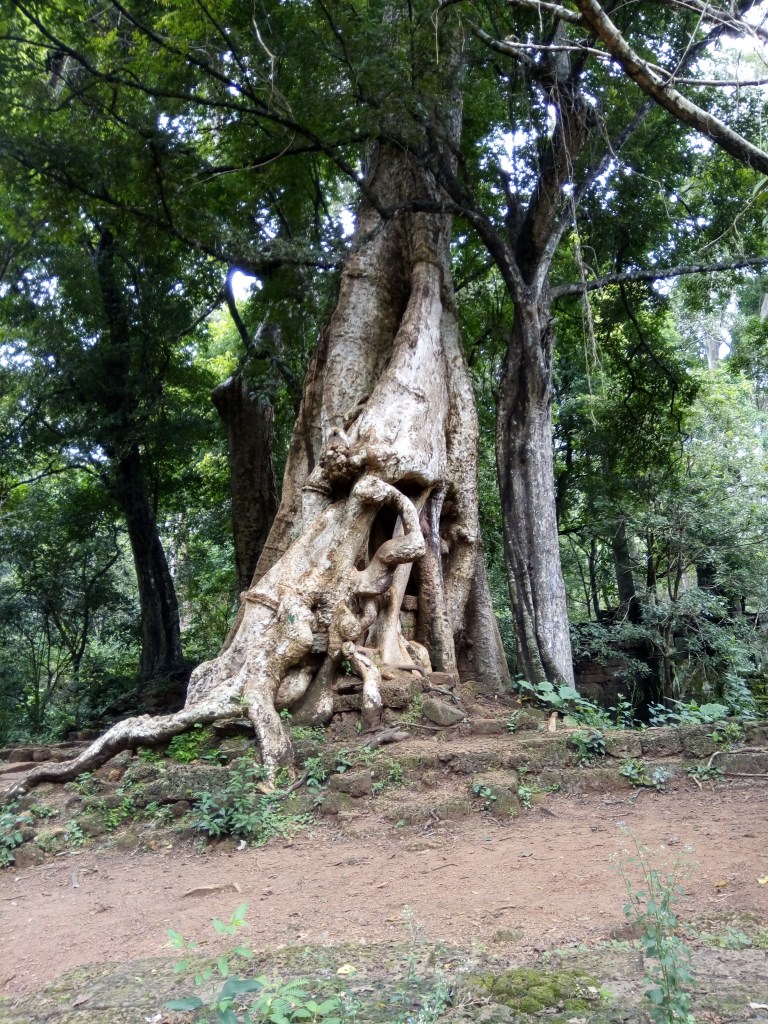
The next halt was at the Tah Prom complex. Tah Prom in Khmer translates to Ancestor Brahma (revered by Hindus as the God of Creation). Originally called the Rajavihara, this was built by King Jayavarman VII in honor of his family and to serve a dual purpose of being a University and Royal Monastery. After the downfall of the Angkor empire in the 15th Century the entire complex was in a state of ruins with trees overgrowing on the structures. Efforts to restore and conserve the temple complex began in the 21st century and the Archaeological Survey of India (ASI) has played a major part in working with APSARA (Authority for the Protection and Management of Angkor and the Region of Siem Reap) in creating wooden walkways, causeways and roped railings around the site to protect the monument from further damages. This complex has remained as one of the most popular places after probably the main Angkor Wat temple and attracts a sizable tourist inflow, partly attributable to the fact that the movie Tomb Raider was shot here.
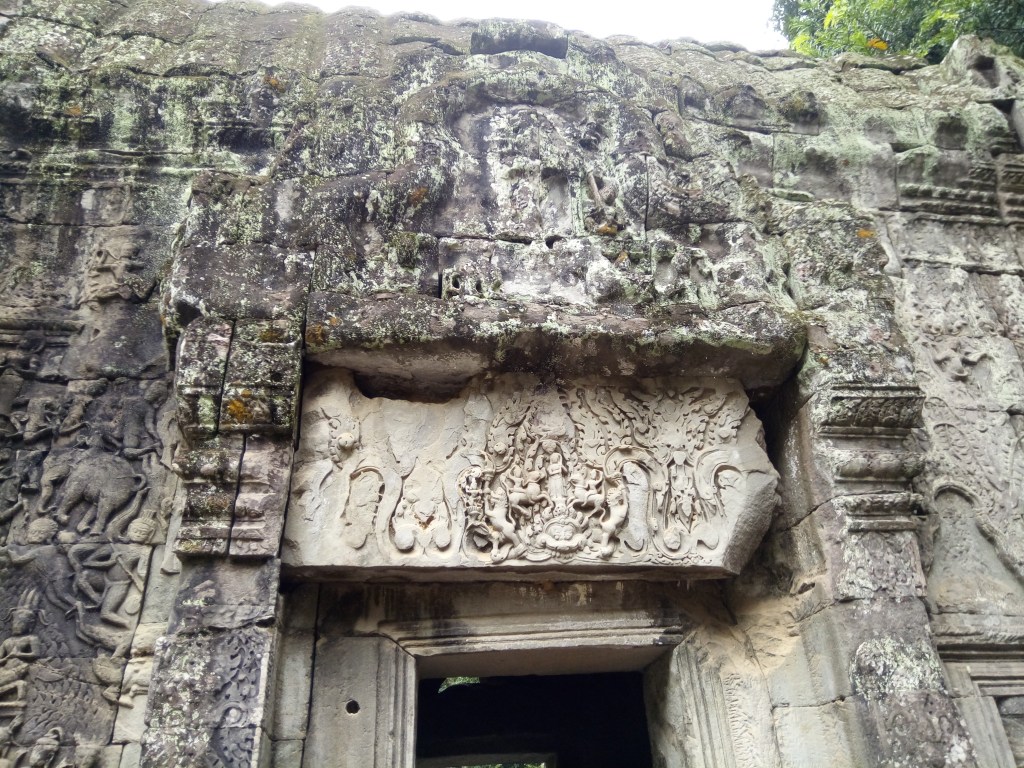
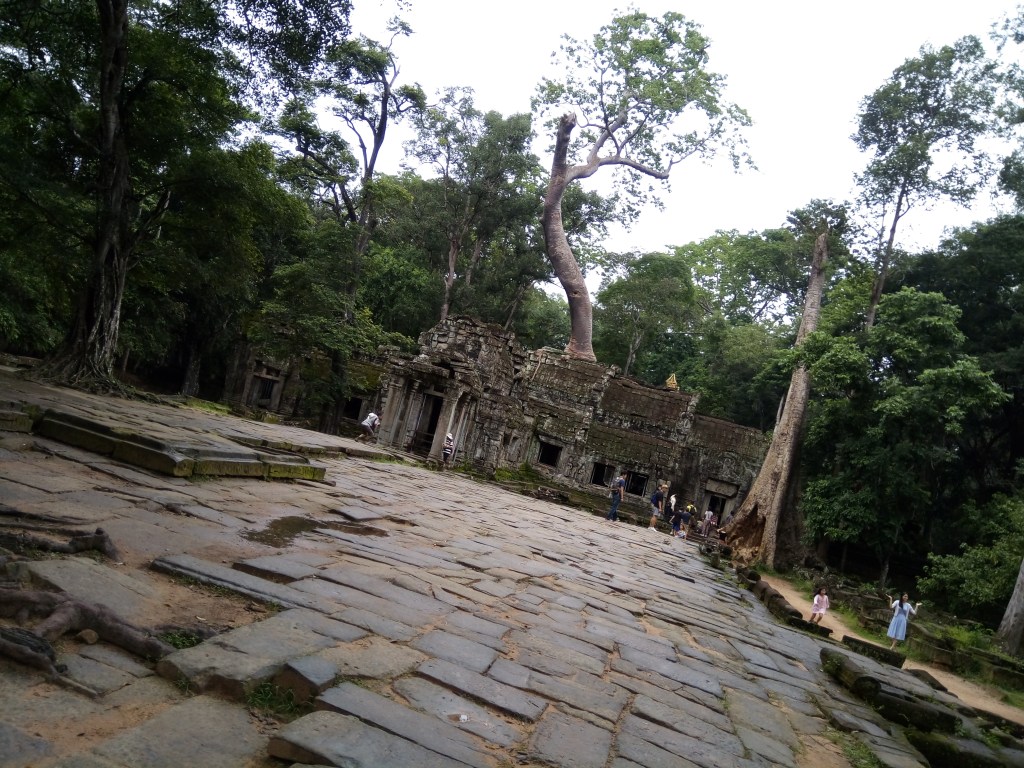
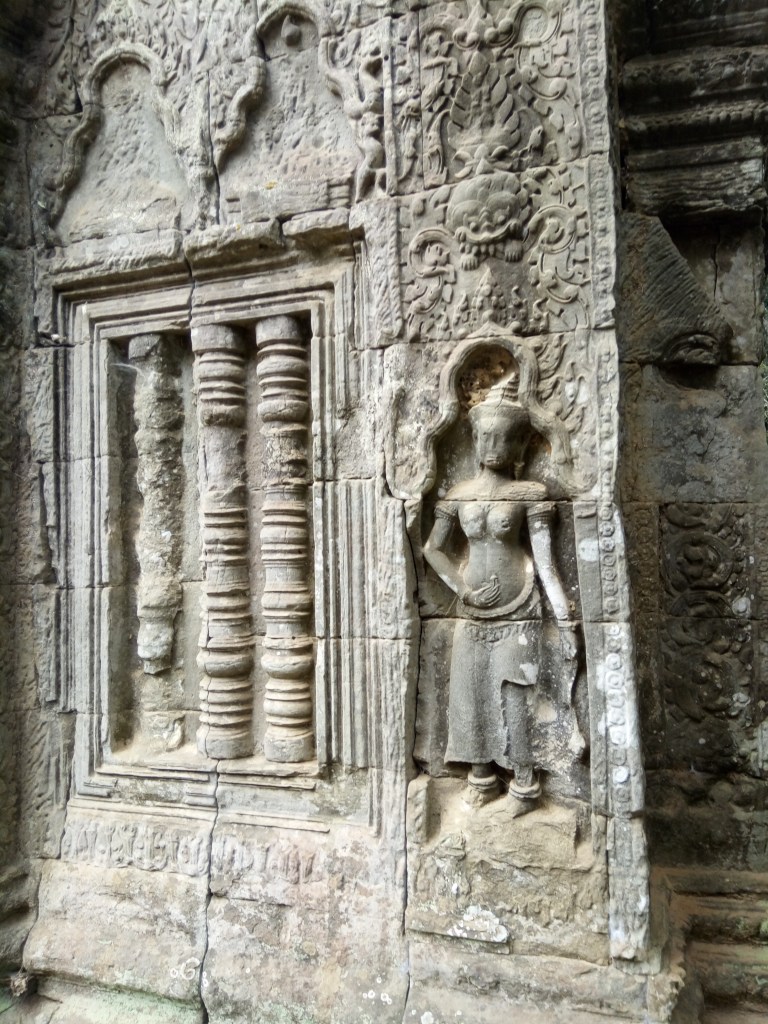
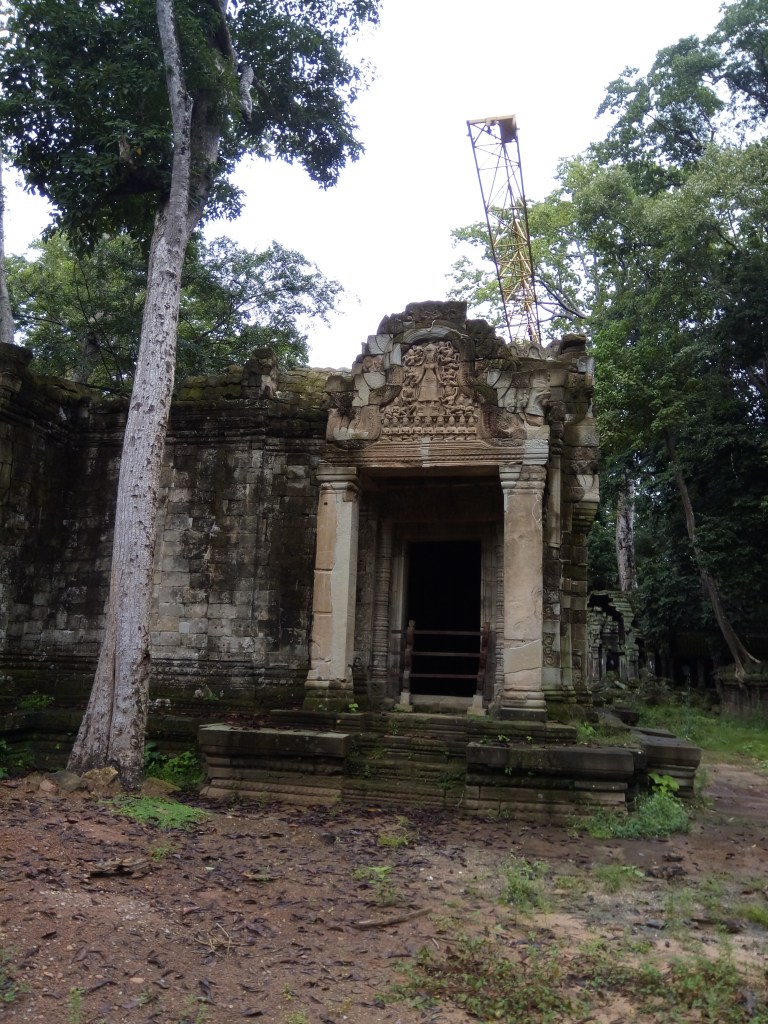
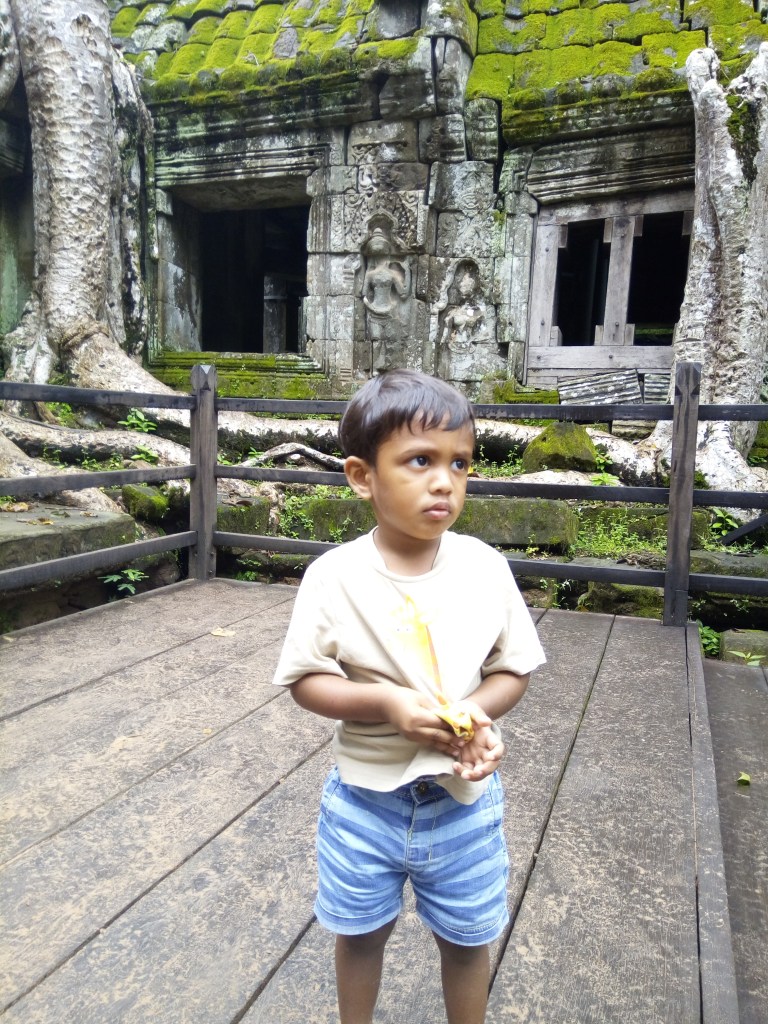
BORED OF SEEING STONES & STONES 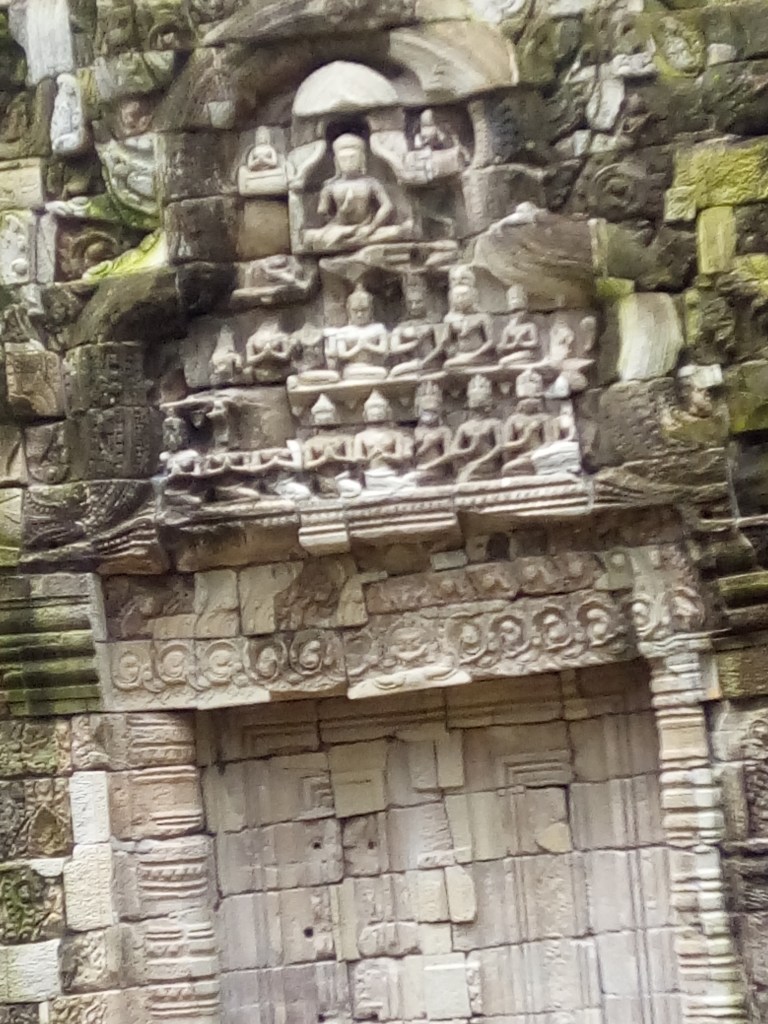
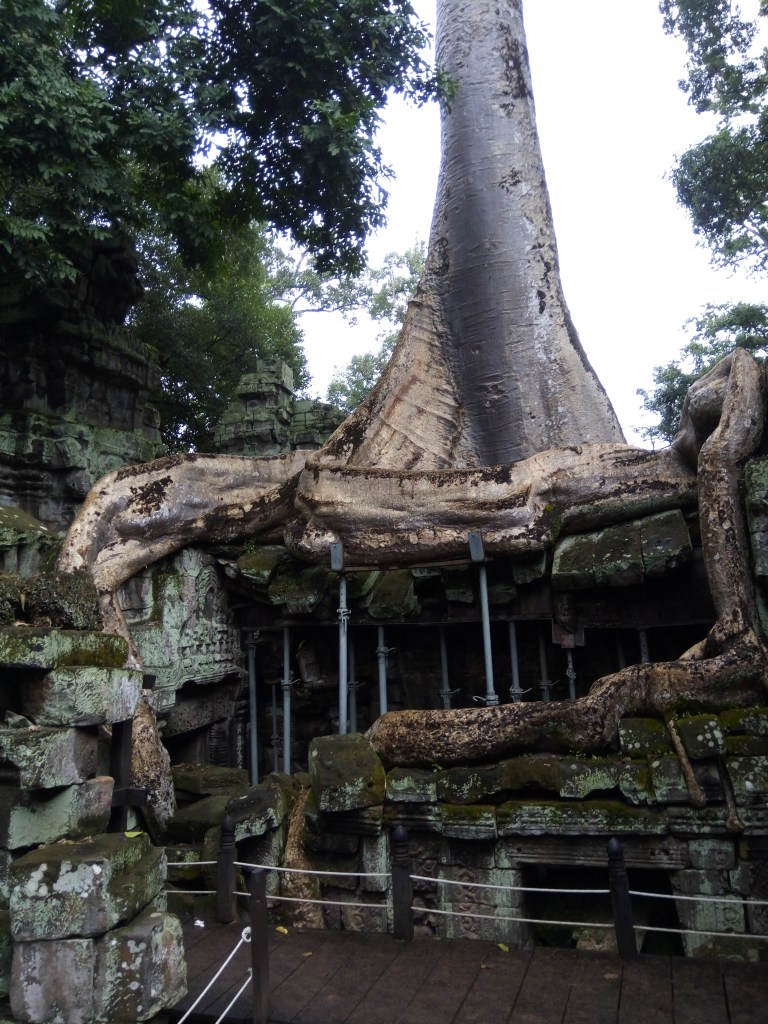
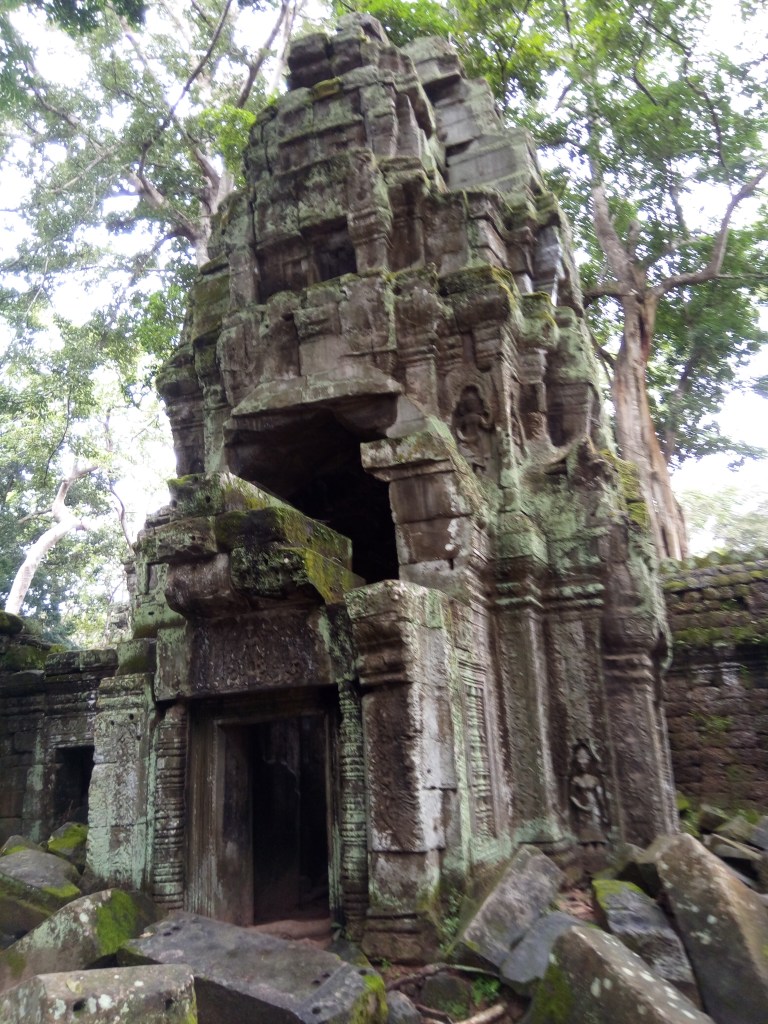
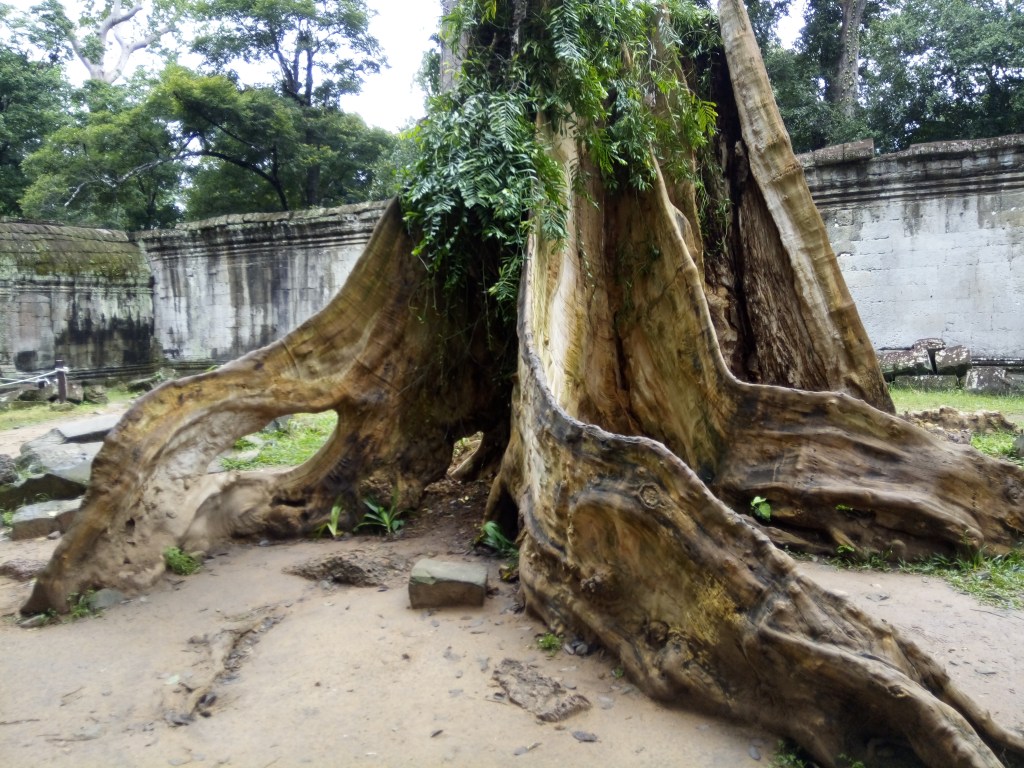
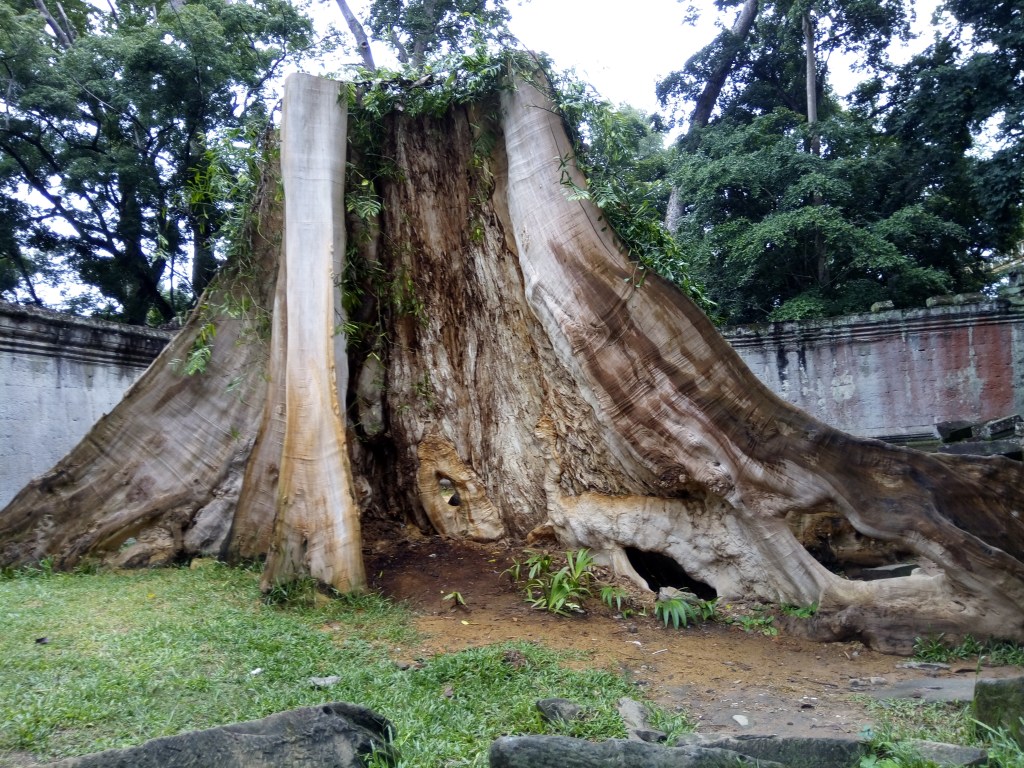
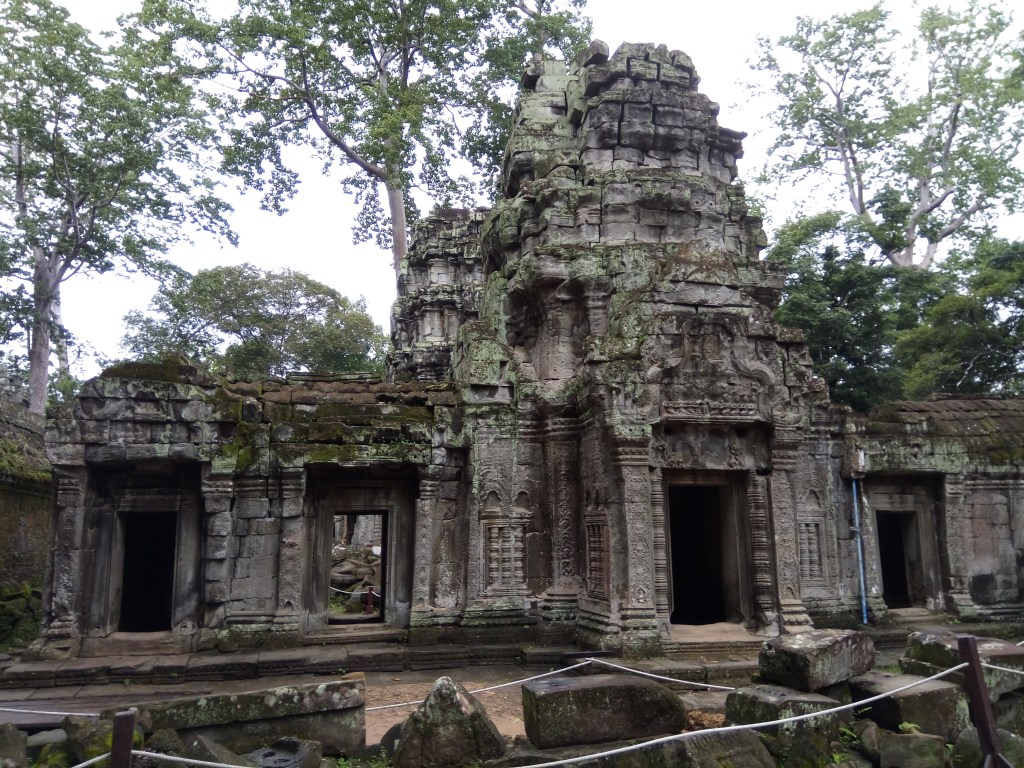
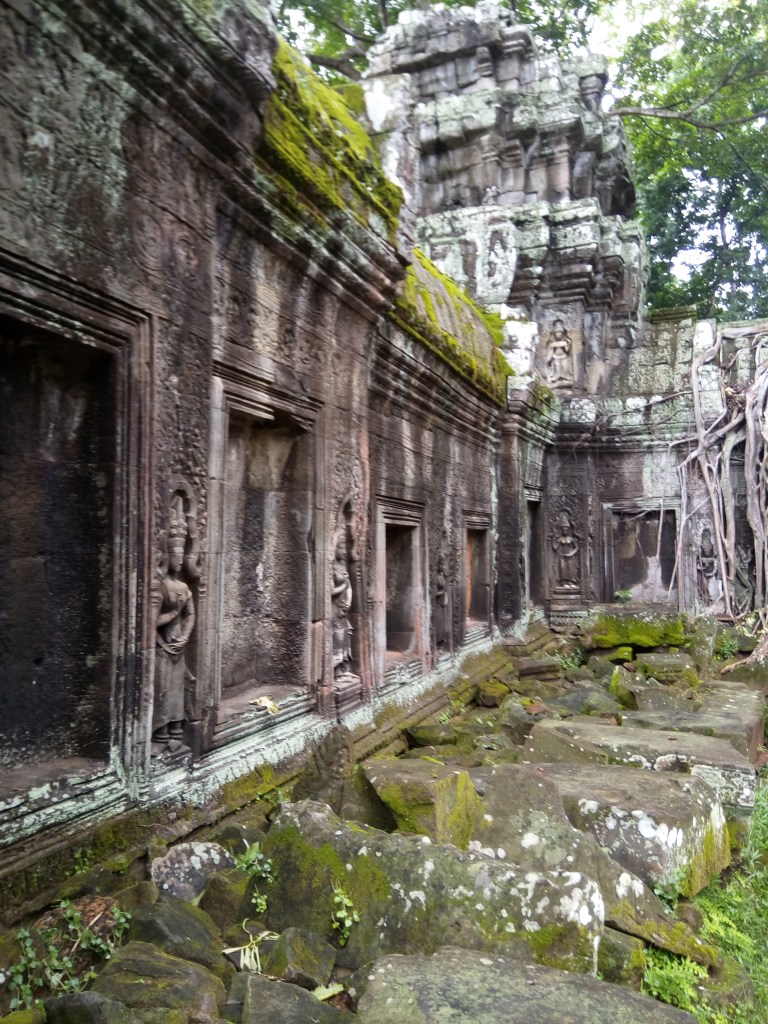
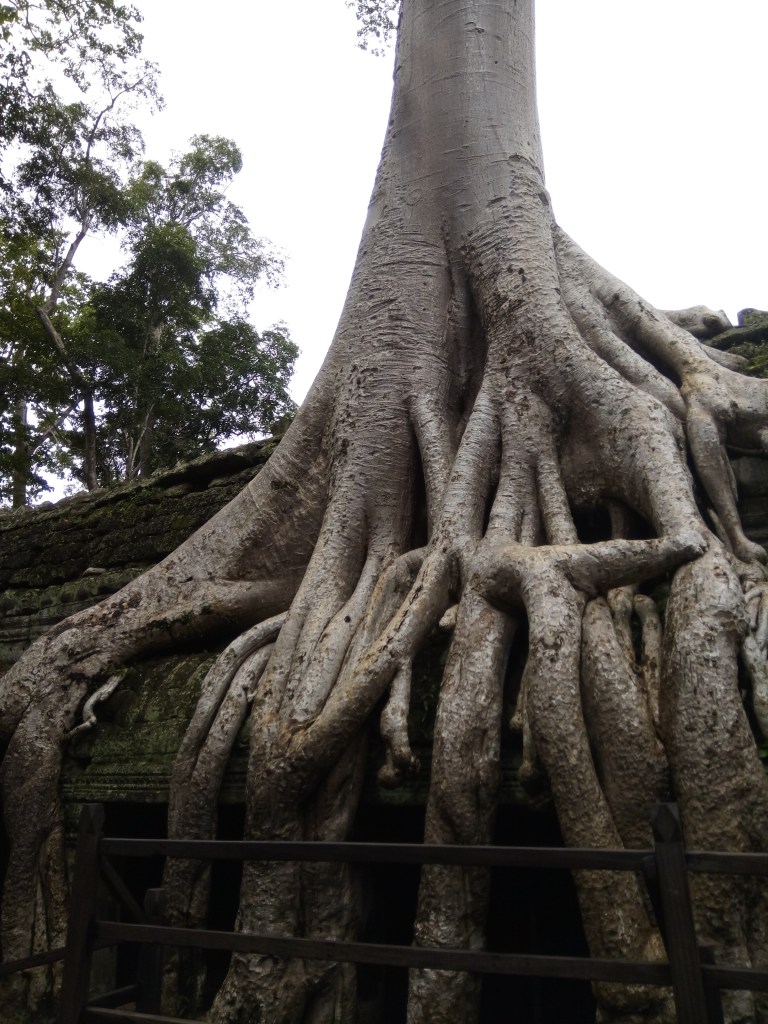
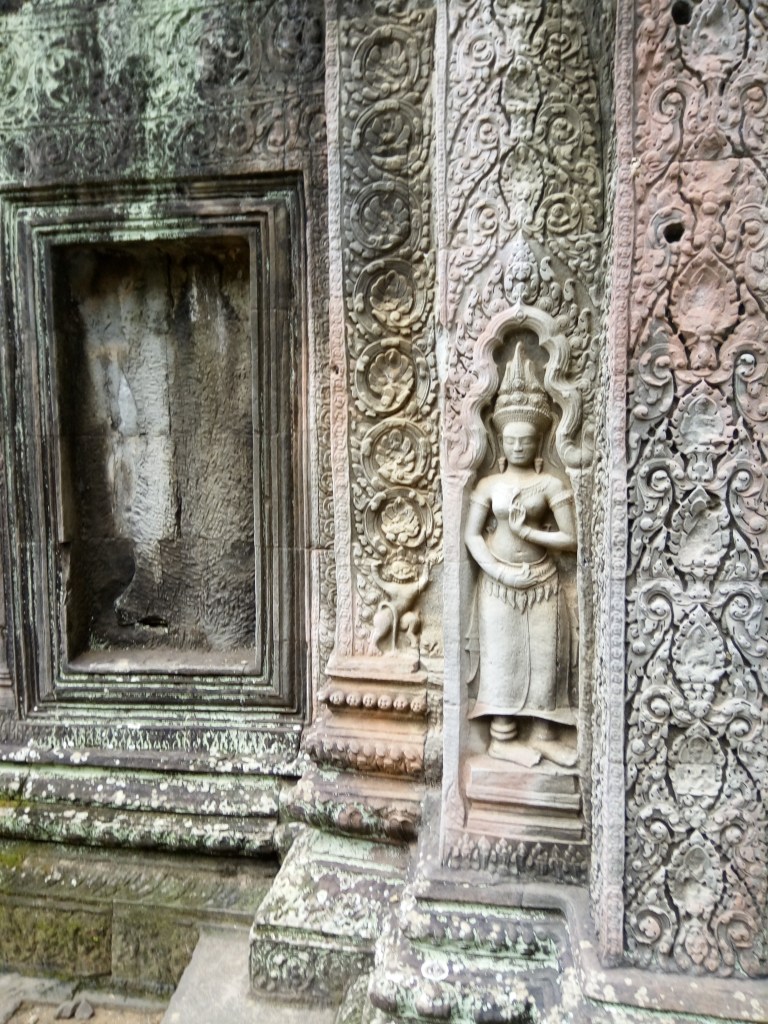
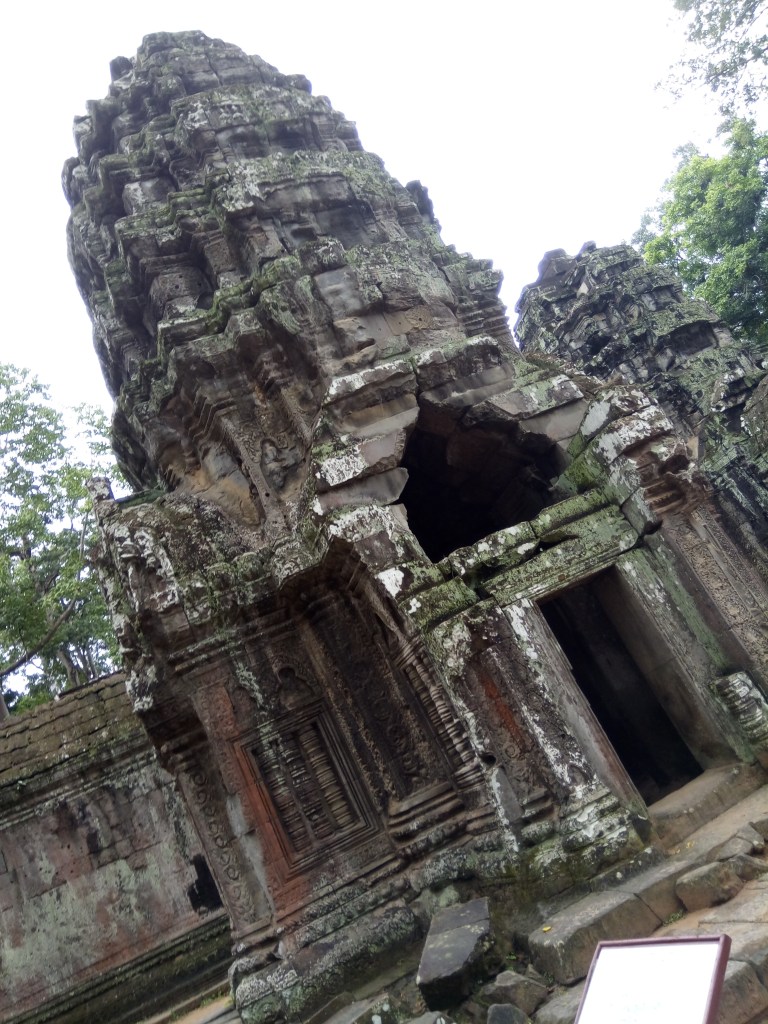
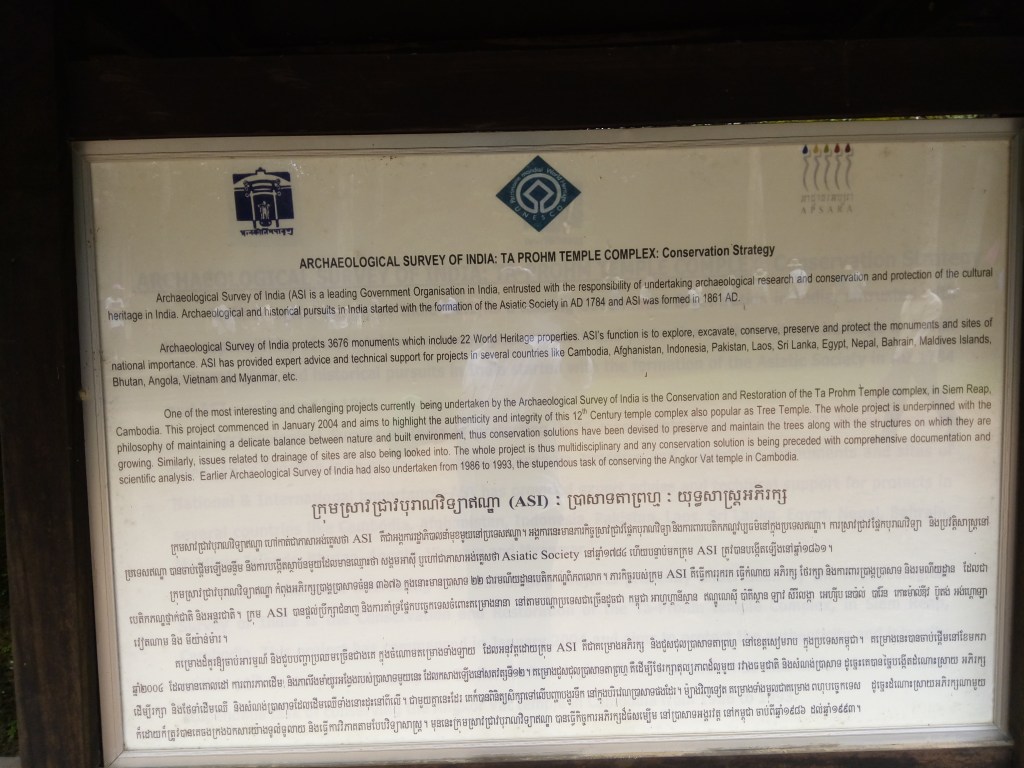
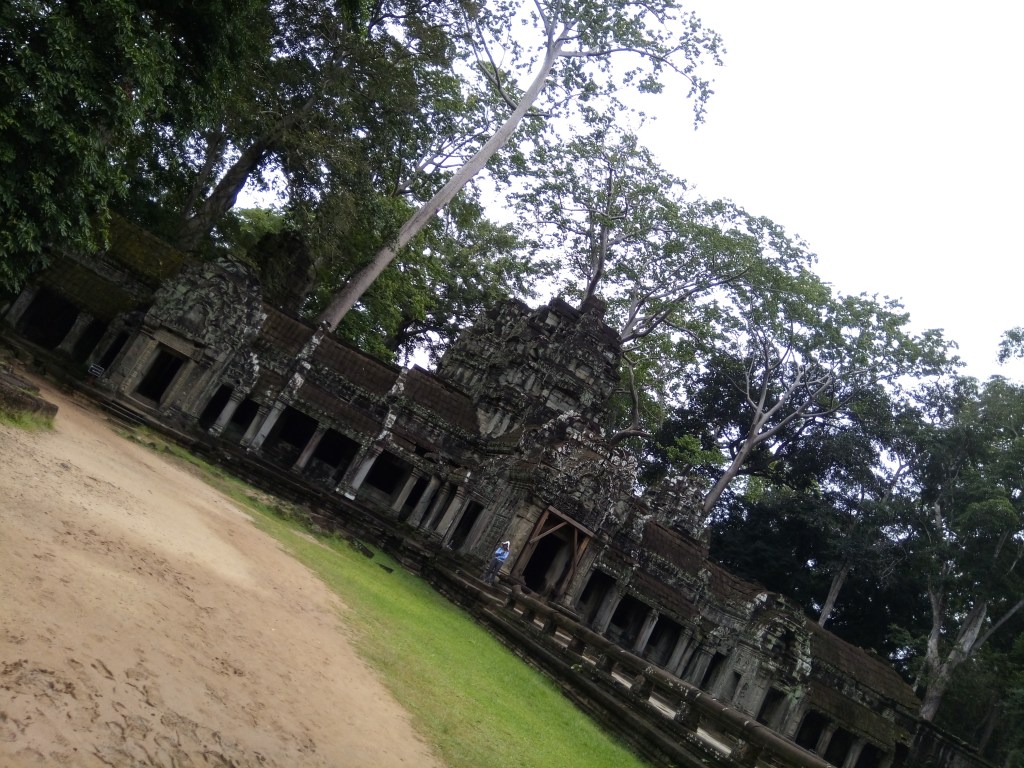
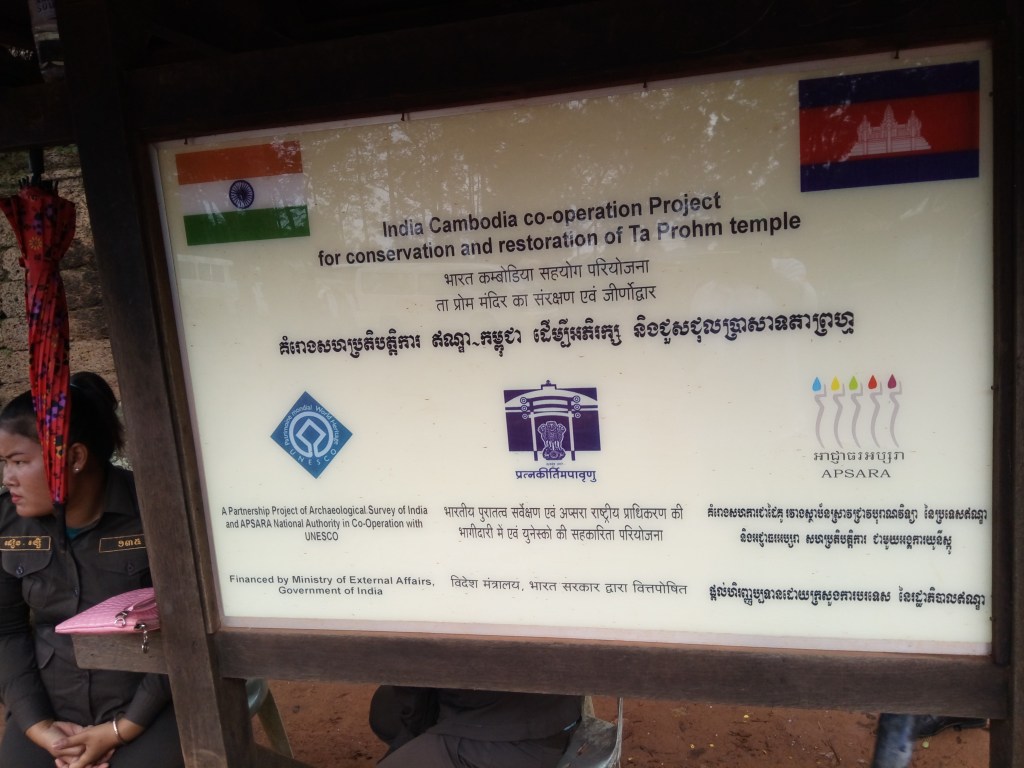
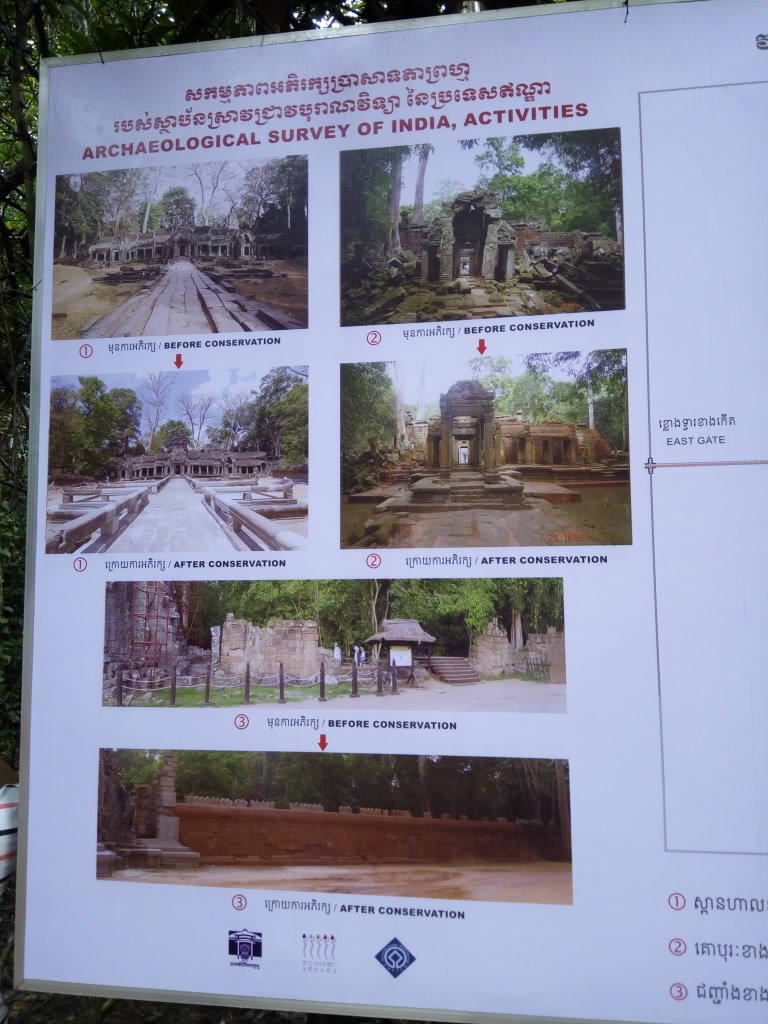
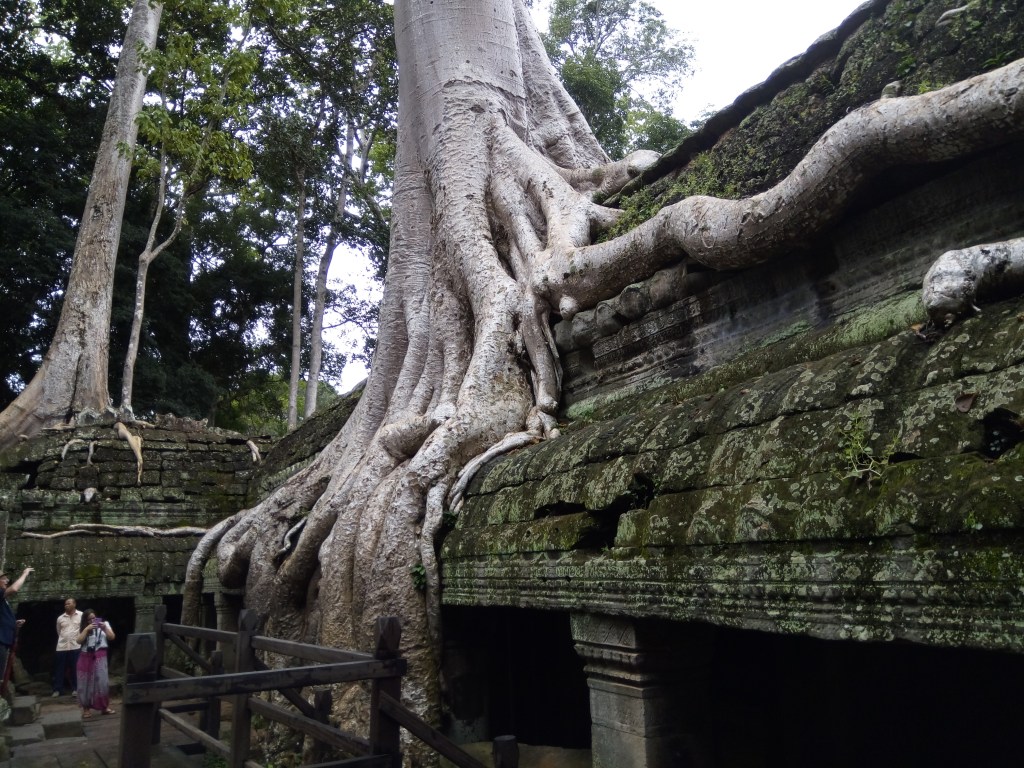
MASSIVE TREE BRANCHES
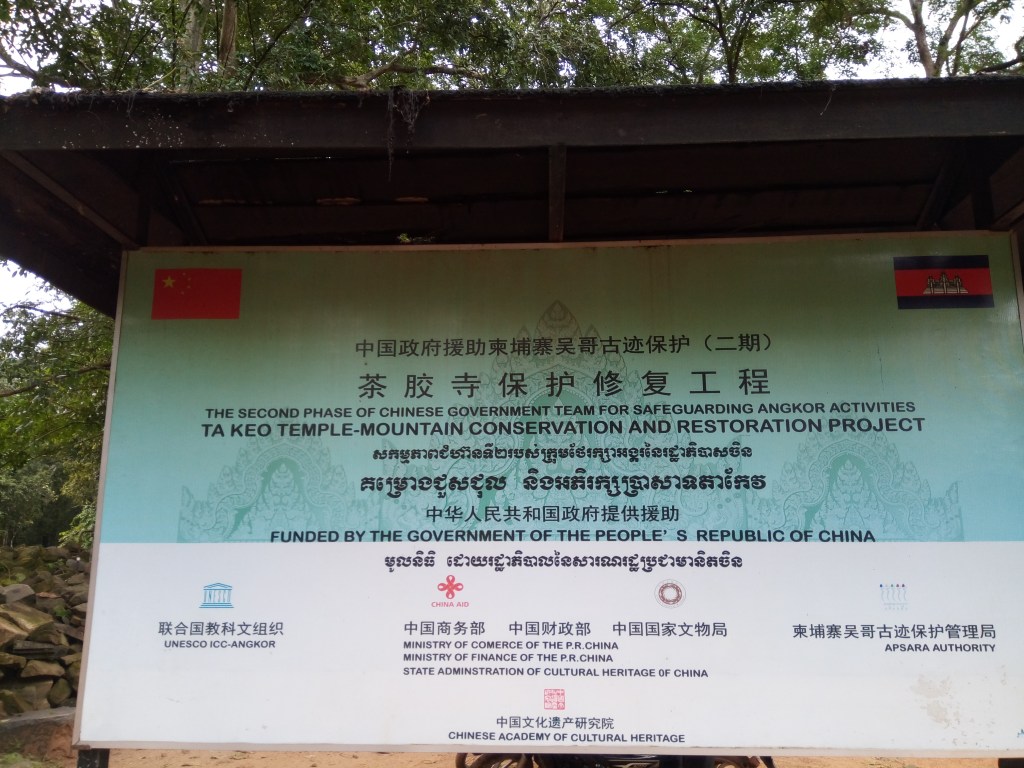
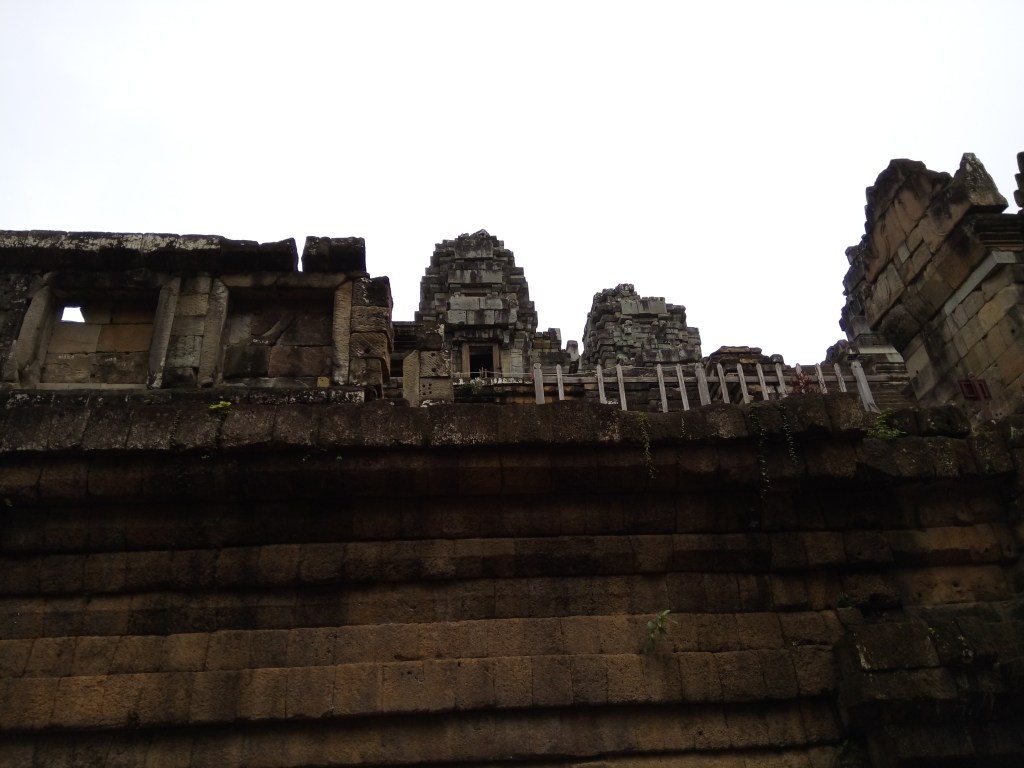
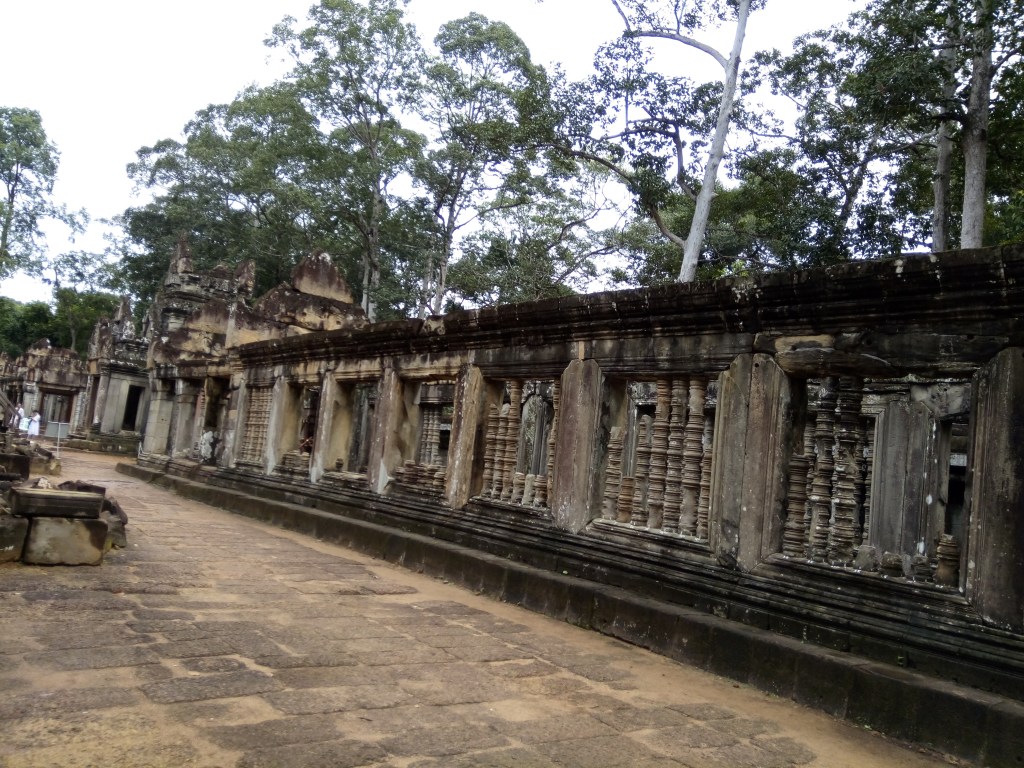
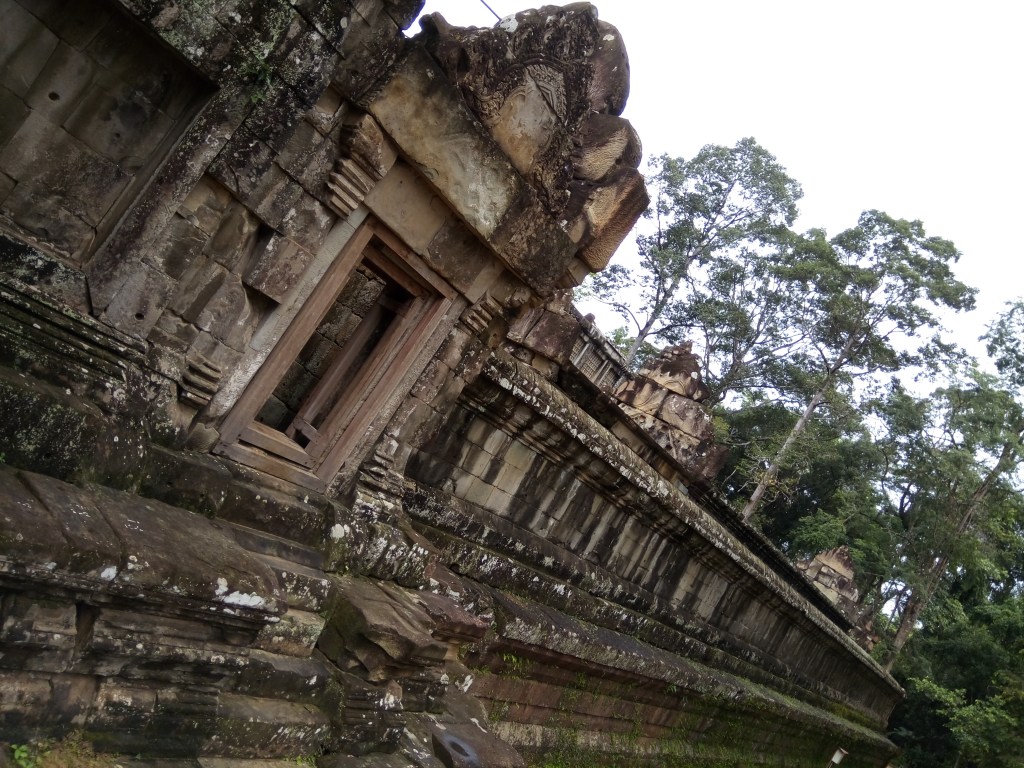
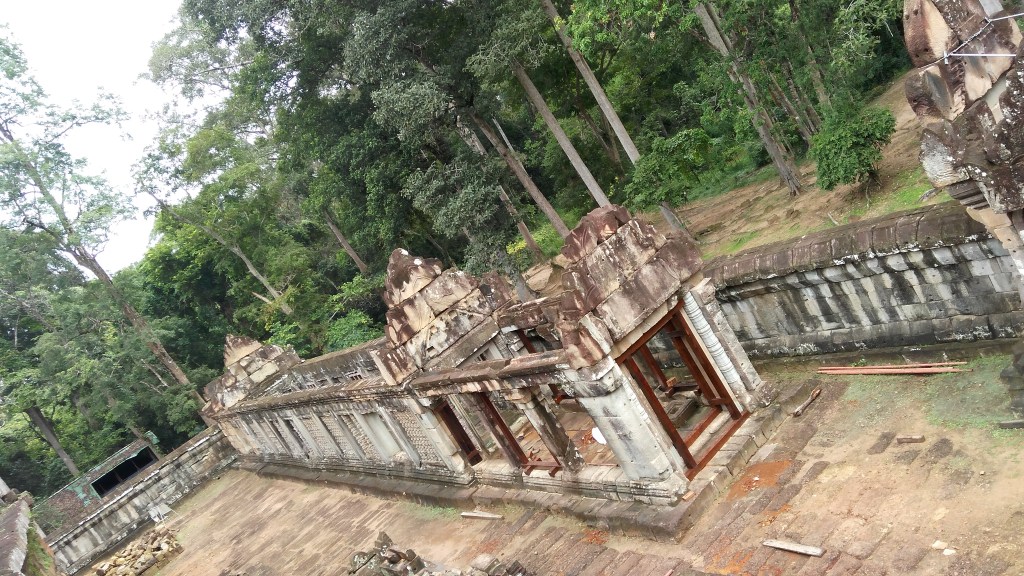
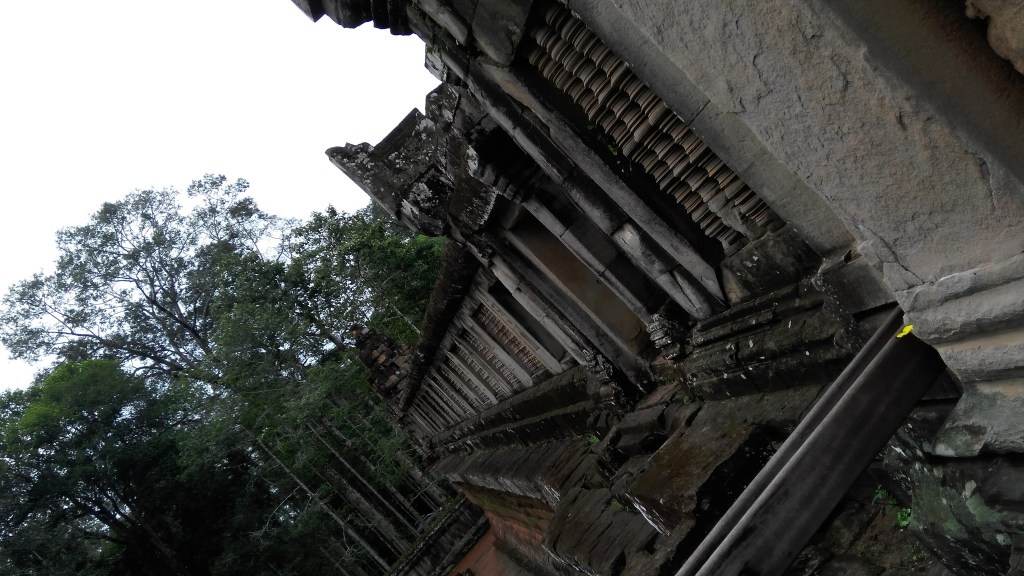
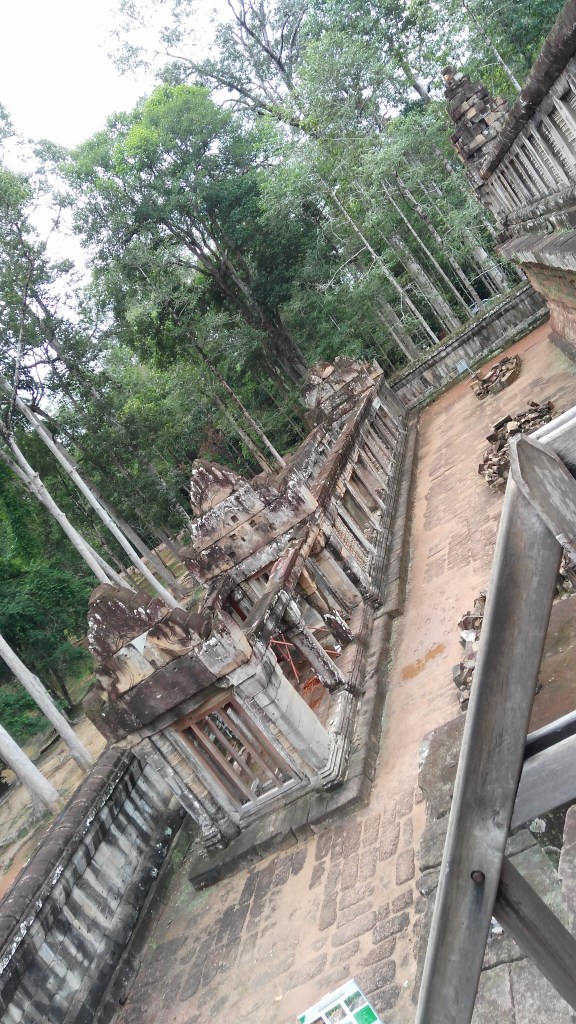
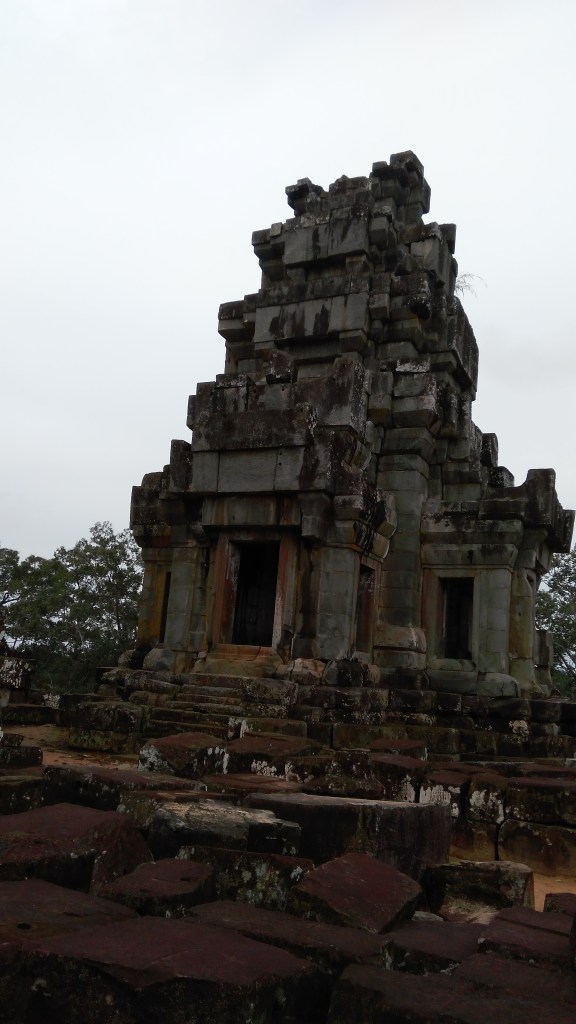
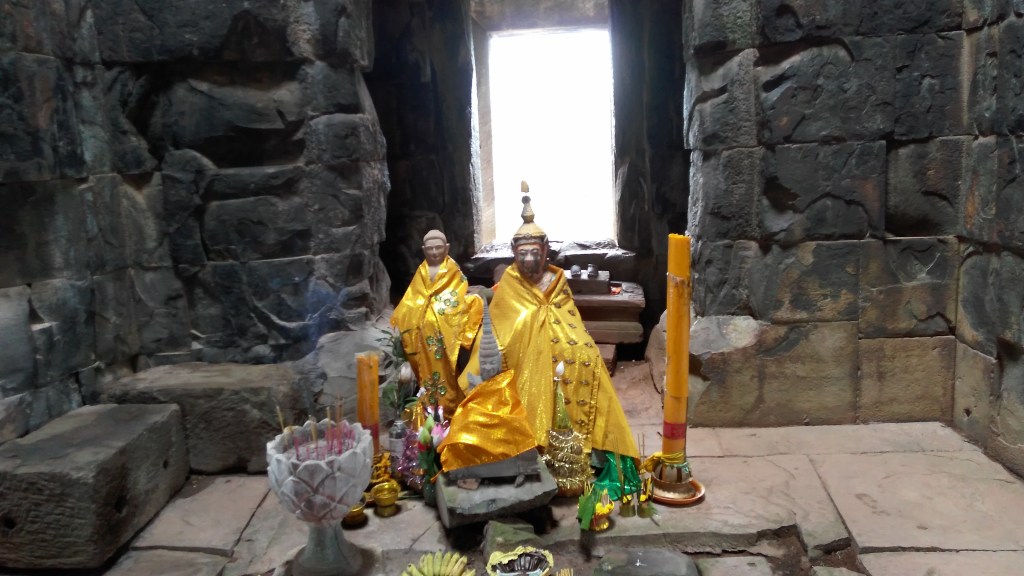
We next set off for the Ta Keo temple, built entirely of sandstone and believed to be the state temple of King Jayavarman, son of King Rajavarman and whom he succeeded when he was all of 10 years old. The construction of this temple started in 975 when he was 17 years old and got dedicated around the year 1000. Work stopped midway through the construction when lightning struck the temple and which was considered to be inauspicious. Finally the temple was taken up for worship only after King Suryavarman I’s reign, by his minister and priest.
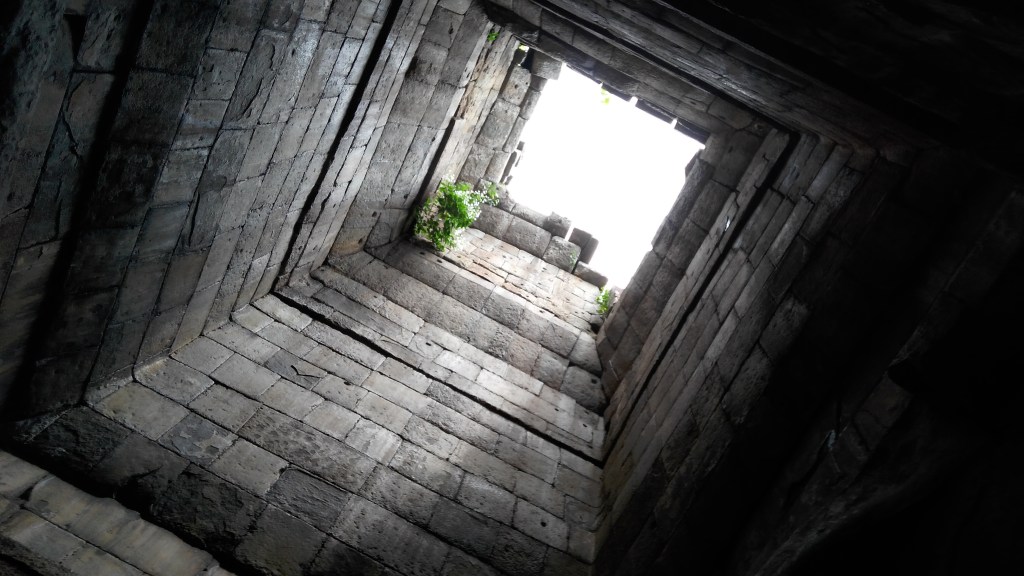
There are 2 terraces connected by a steep flight of stairs which lead you to the top. A statue of a kneeling Nandi could be spotted at the top, confirming the fact that this was a Shaivite temple. The Chinese government has been working with APSARA to repair and restore this temple.
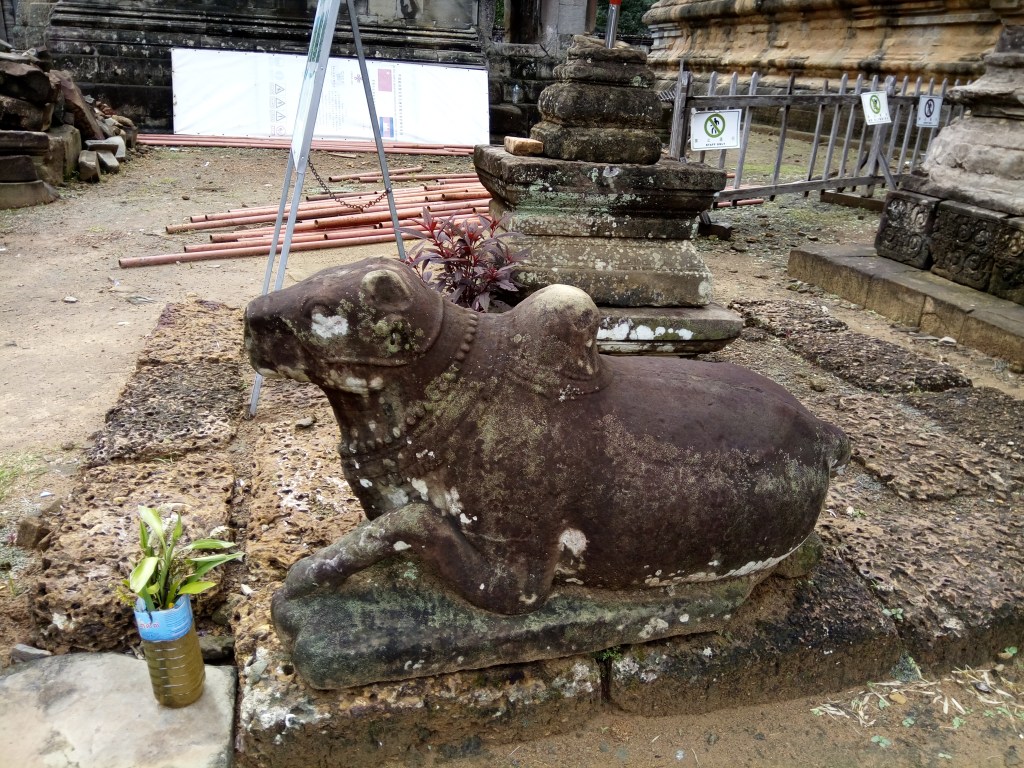
THE NANDI STATUE 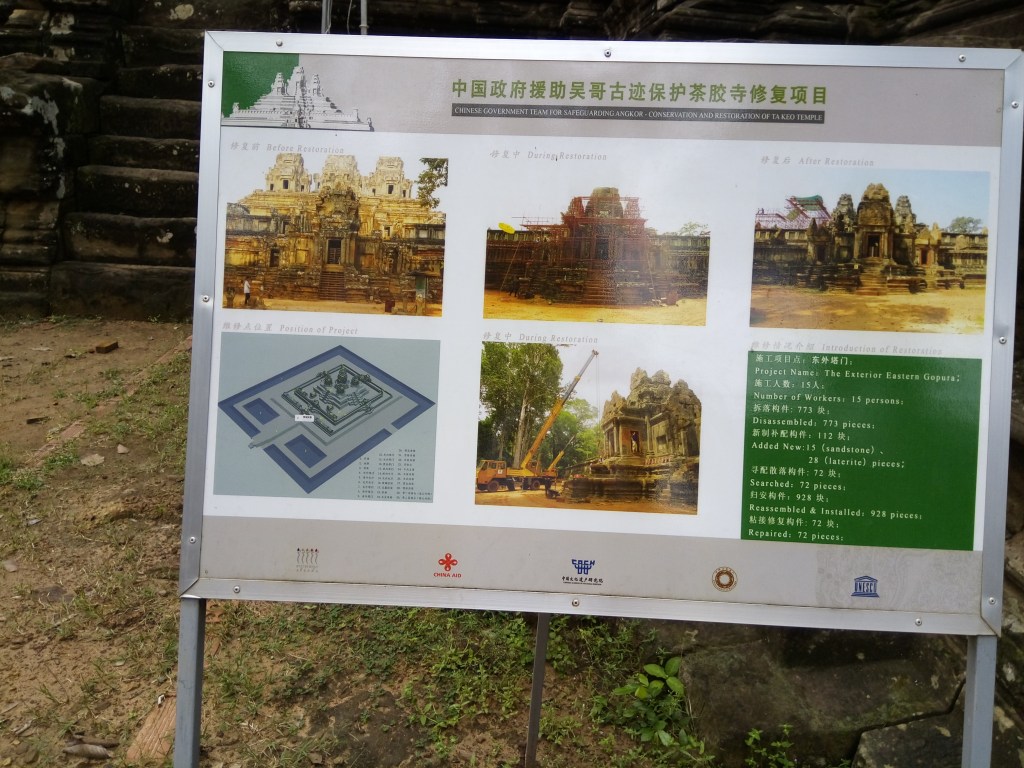
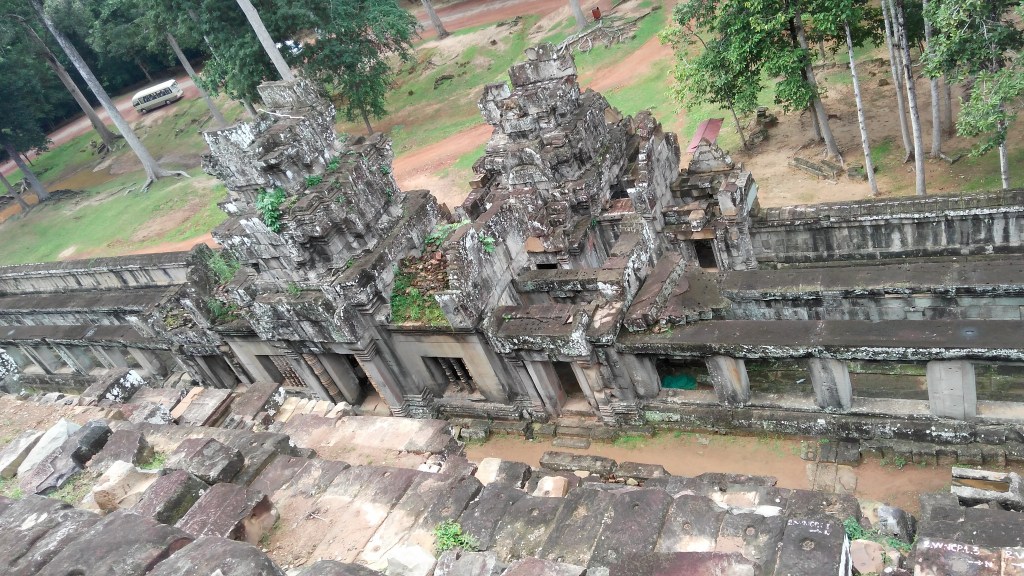
A VIEW FROM THE TOP 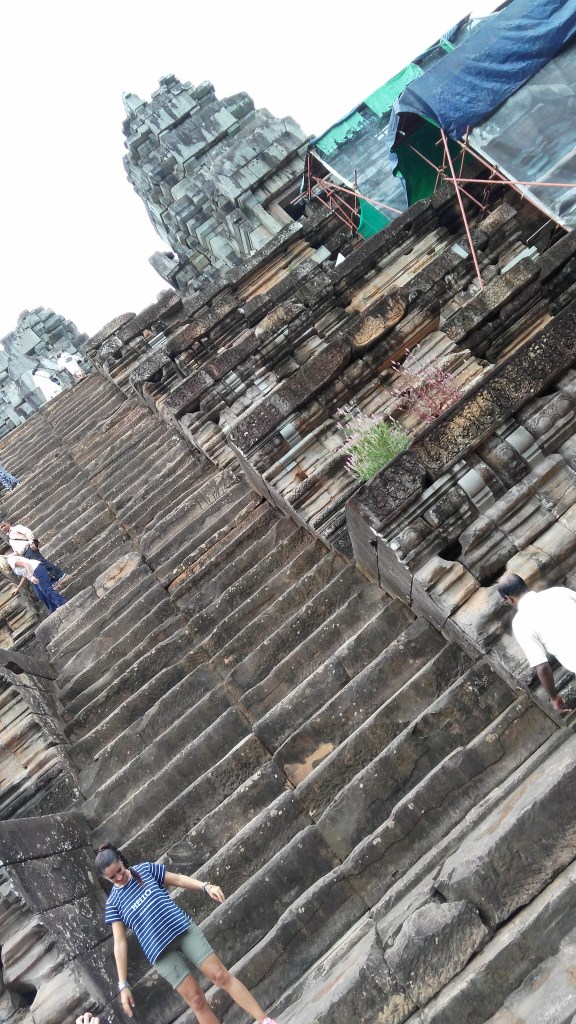
PRETTY STEEP FLIGHT OF STAIRS
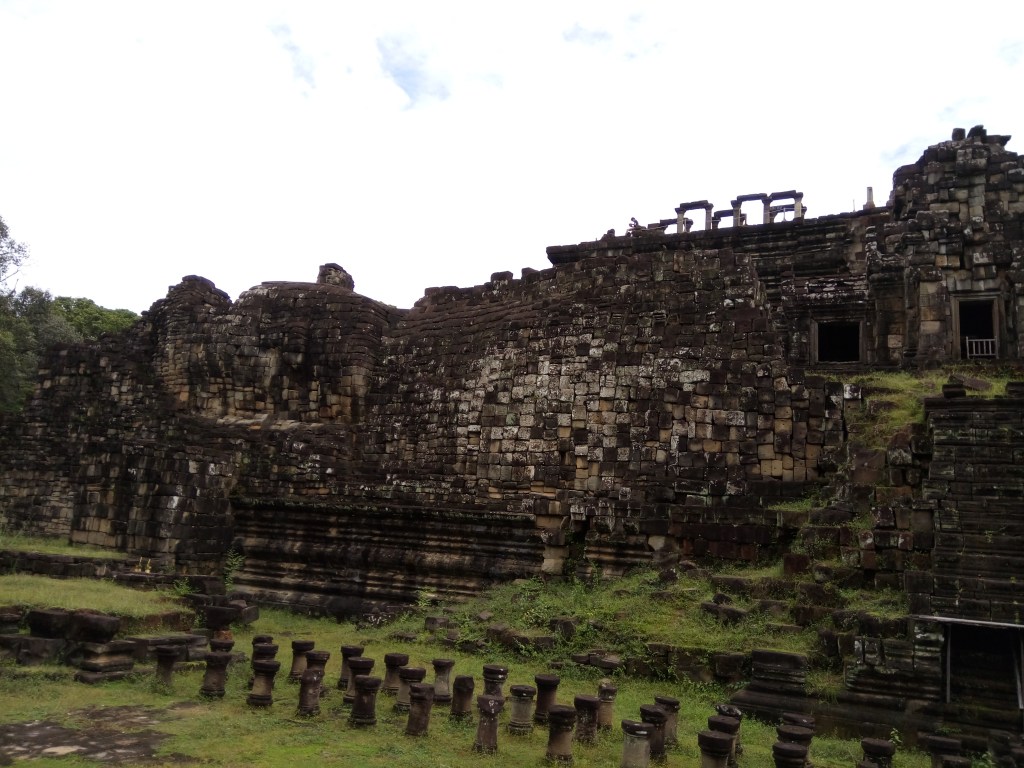
The next stop was to be at the Angkor Thom (meaning Great City in Khmer) complex, the last and the most enduring capital city of the Angkor empire. Established in the late 12th century by King Jayavarman VII, this complex houses the very popular temple of Bayon which was believed to the King’s state temple apart from the Prey Ngok Pagoda, The Leper’s temple and the temple of Phimeanakas. An inscription drawn in this complex somewhere refers to the King as the groom and the city as his bride.
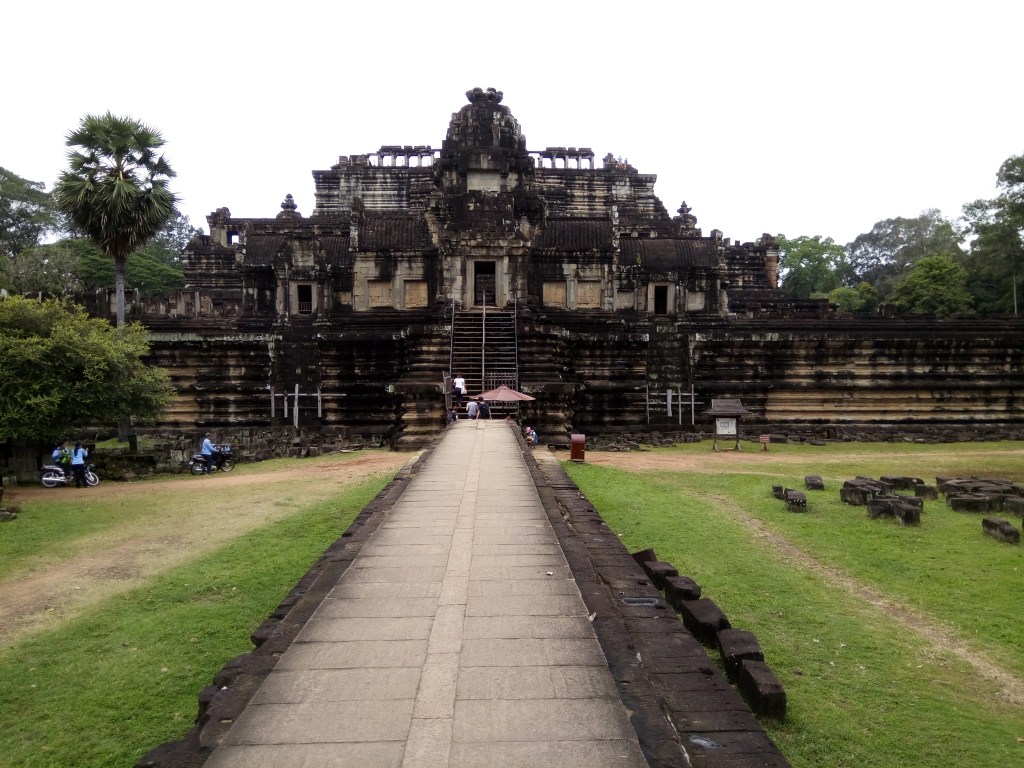
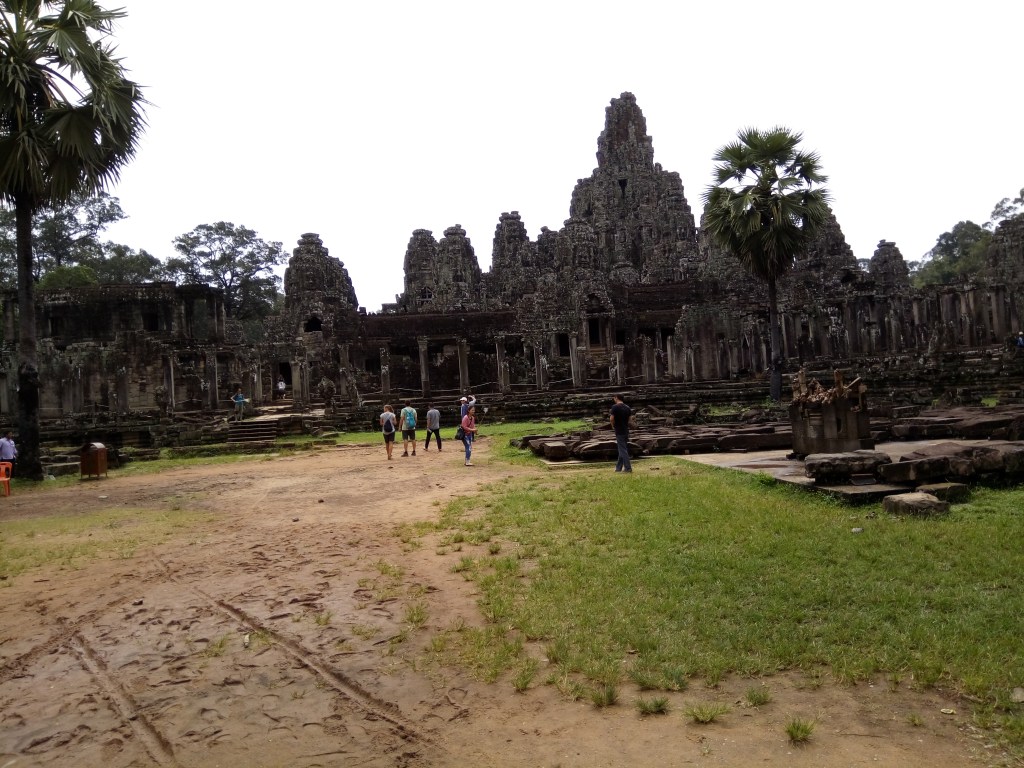
THE ANGKOR THOM COMPLEX 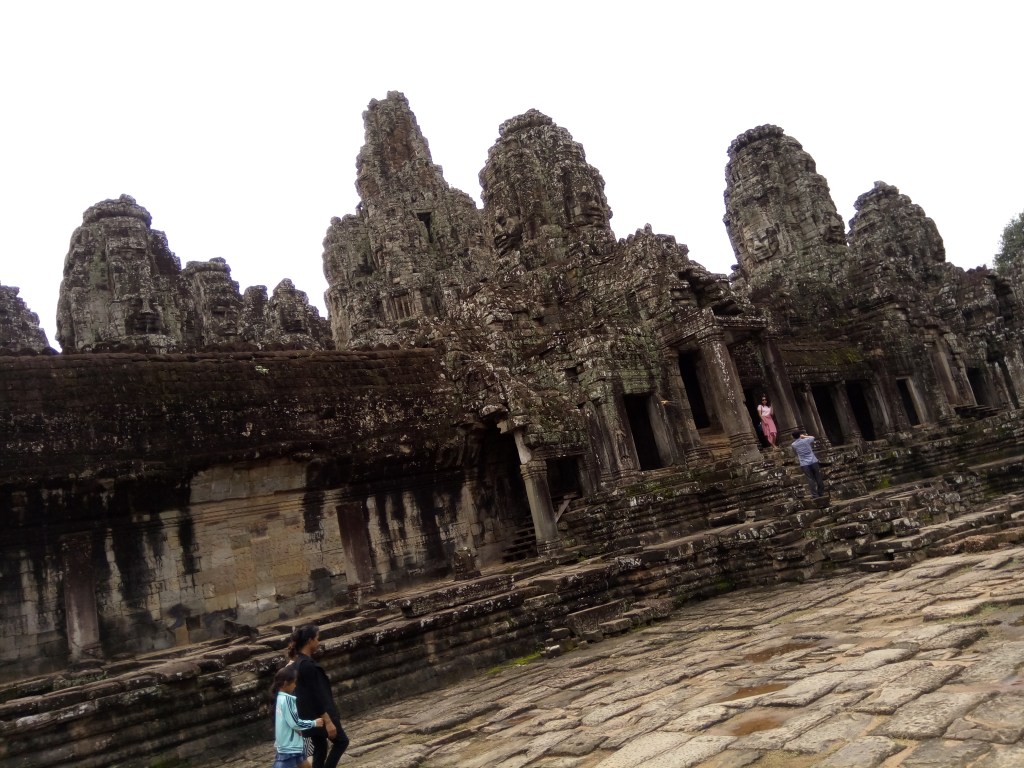
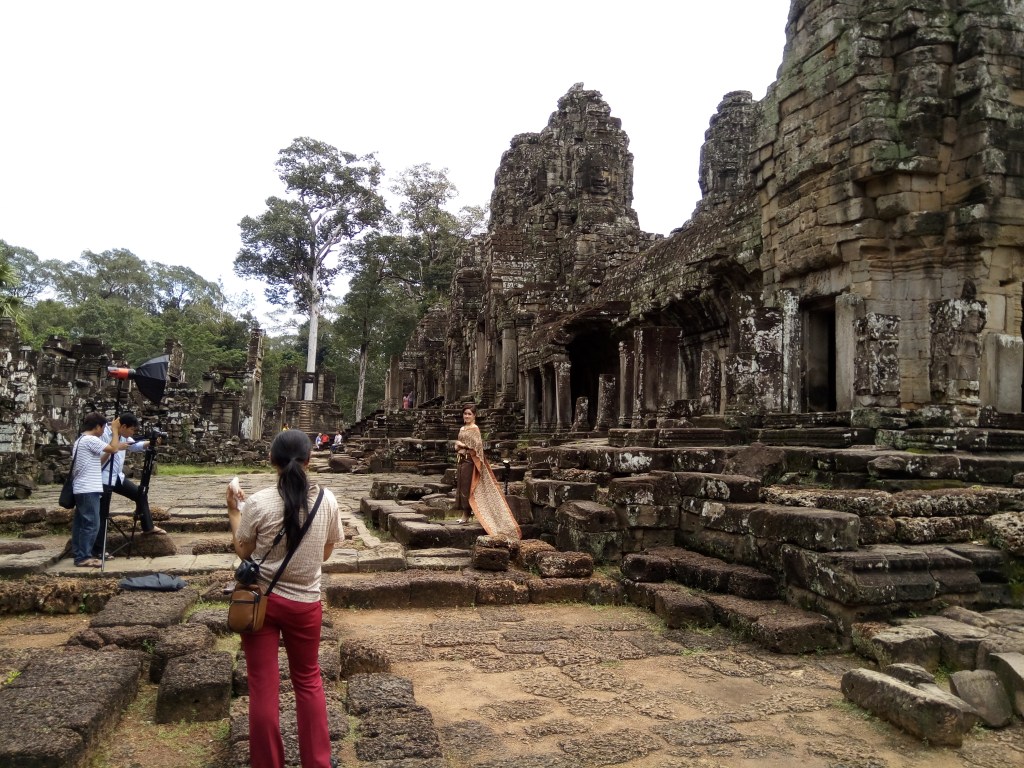
A PHOTOSHOOT IN PROGRESS 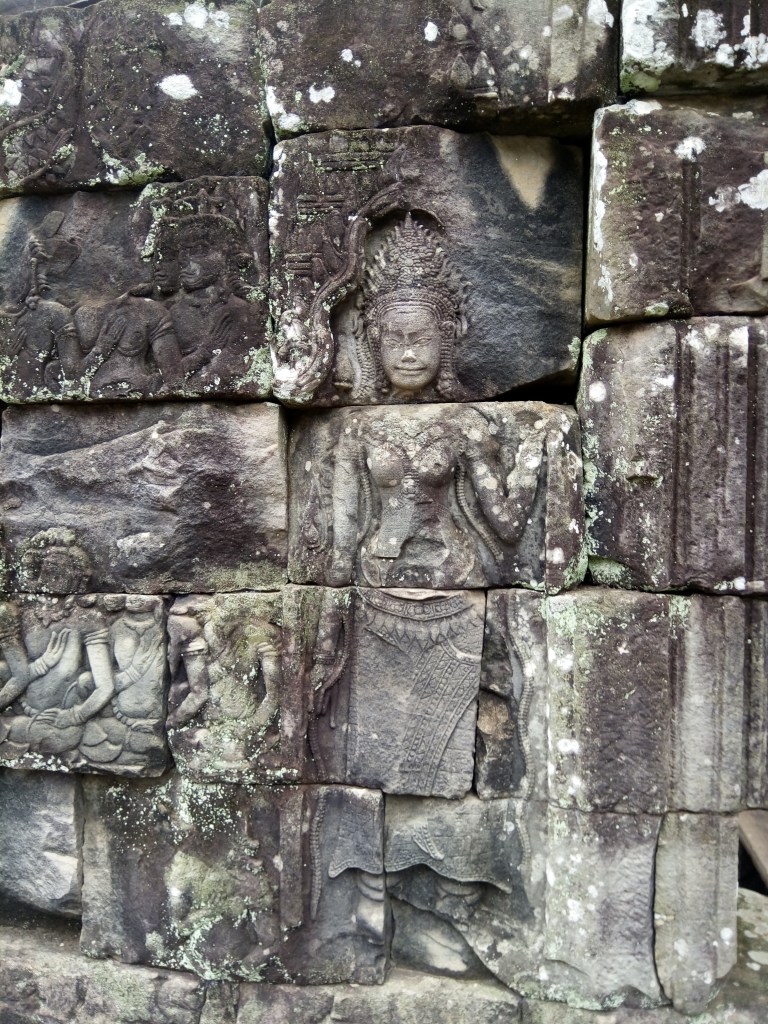
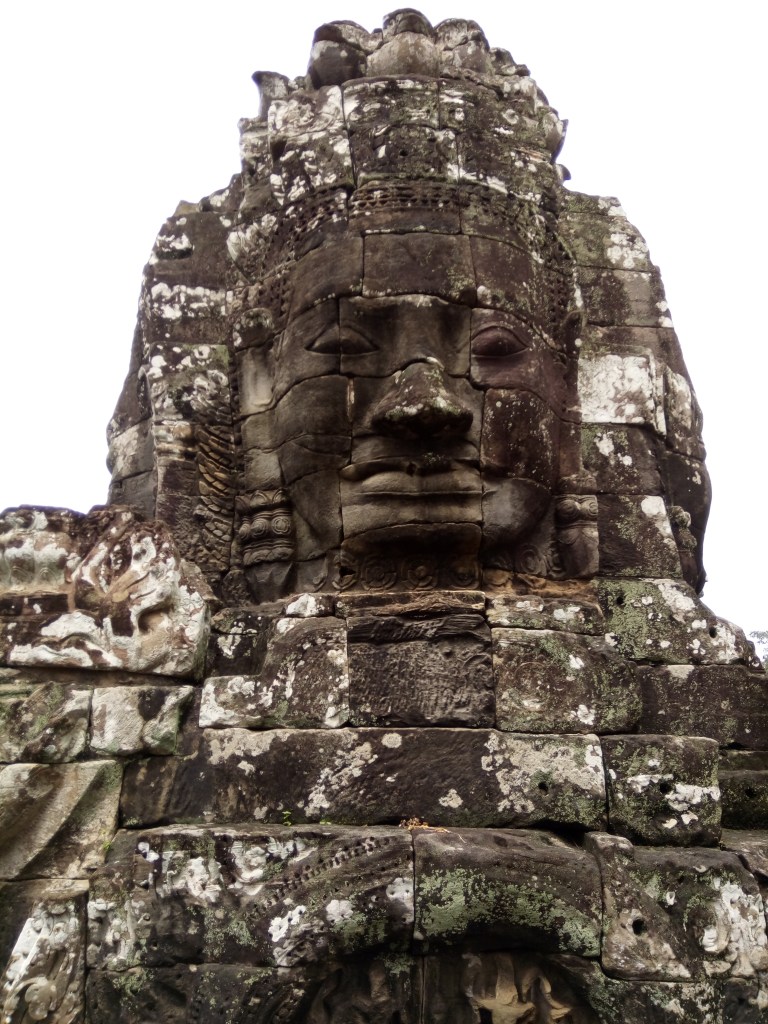
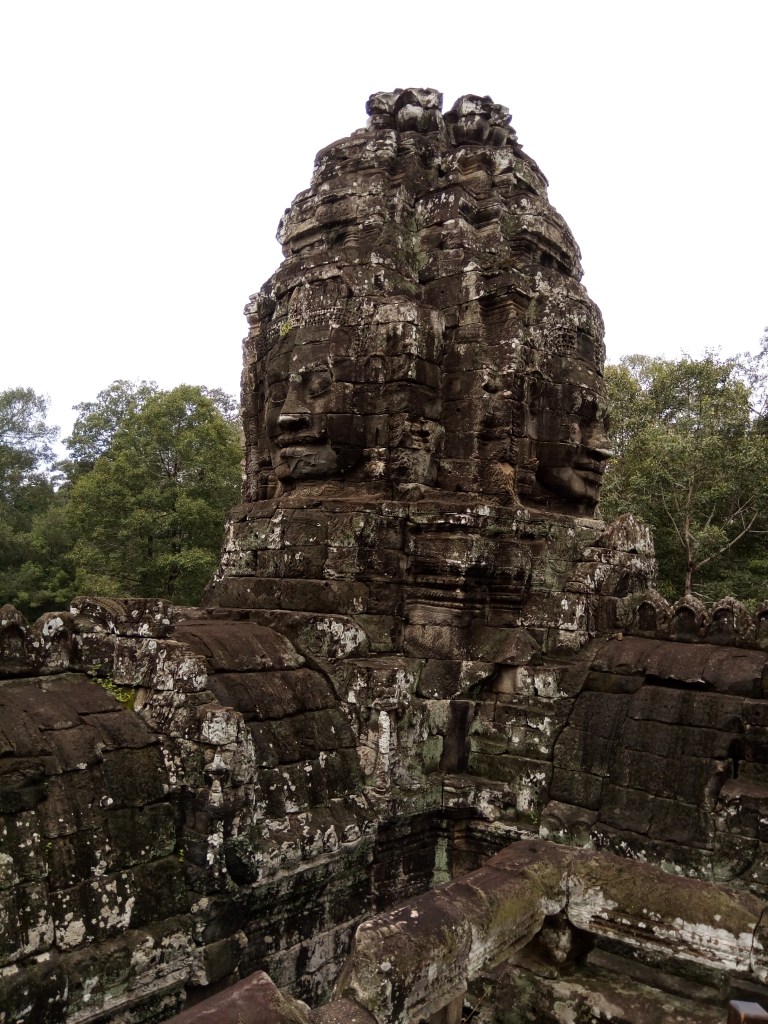
THE STATUE OF BAYON 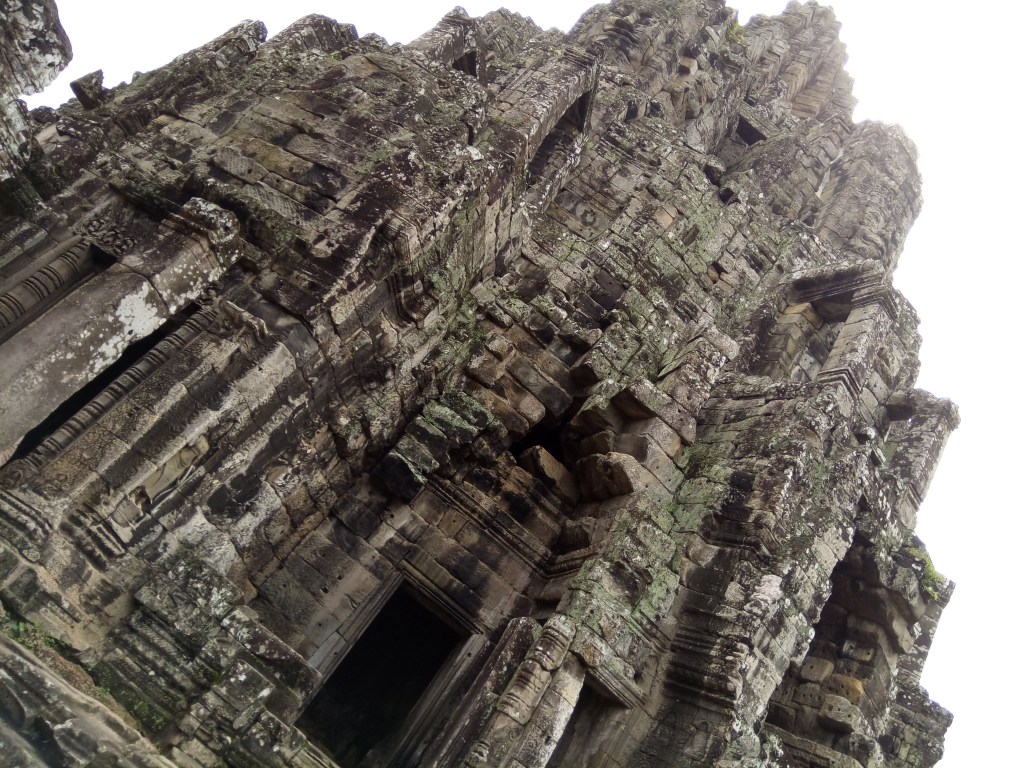
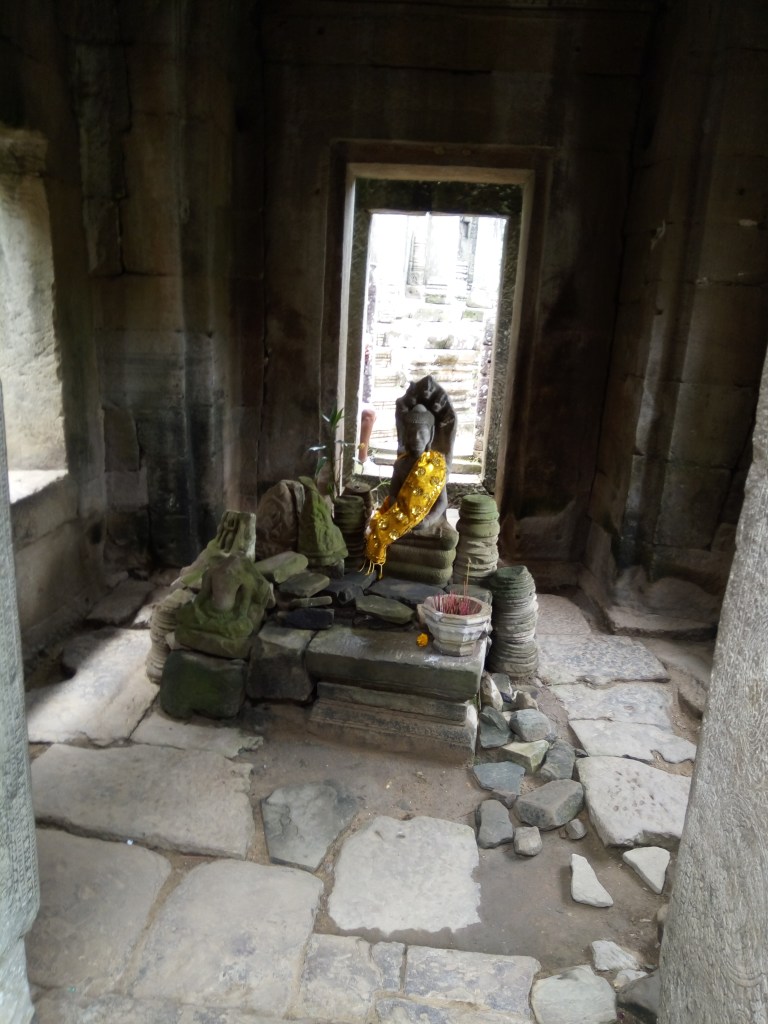
A STATUE OF BUDDHA 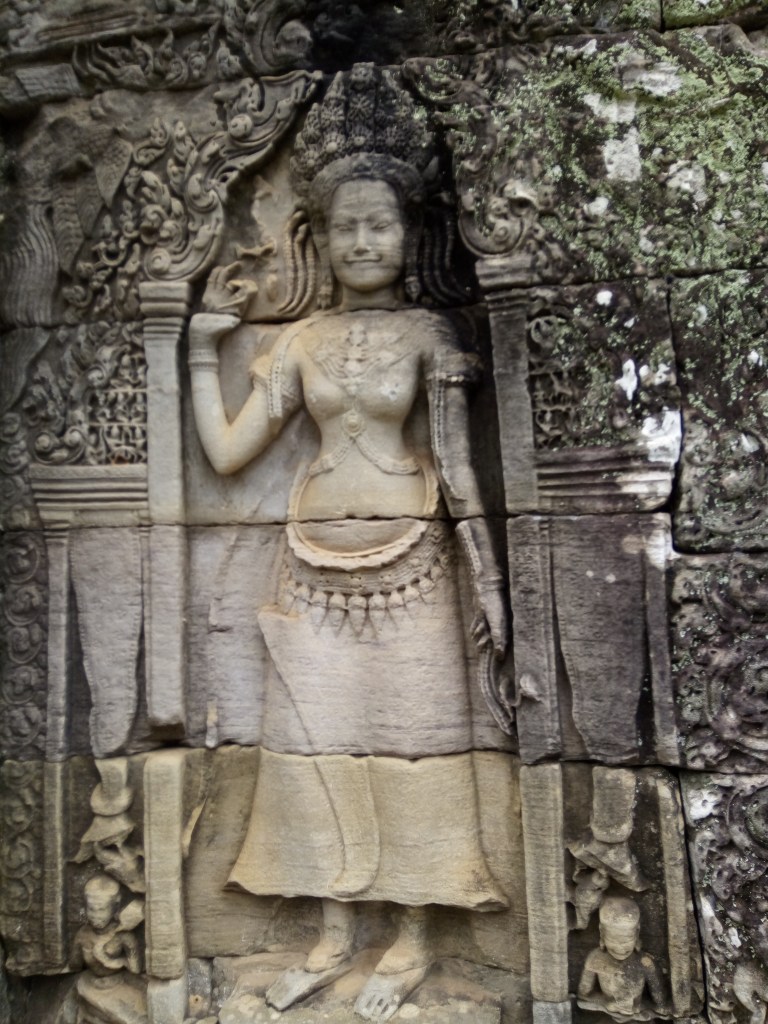
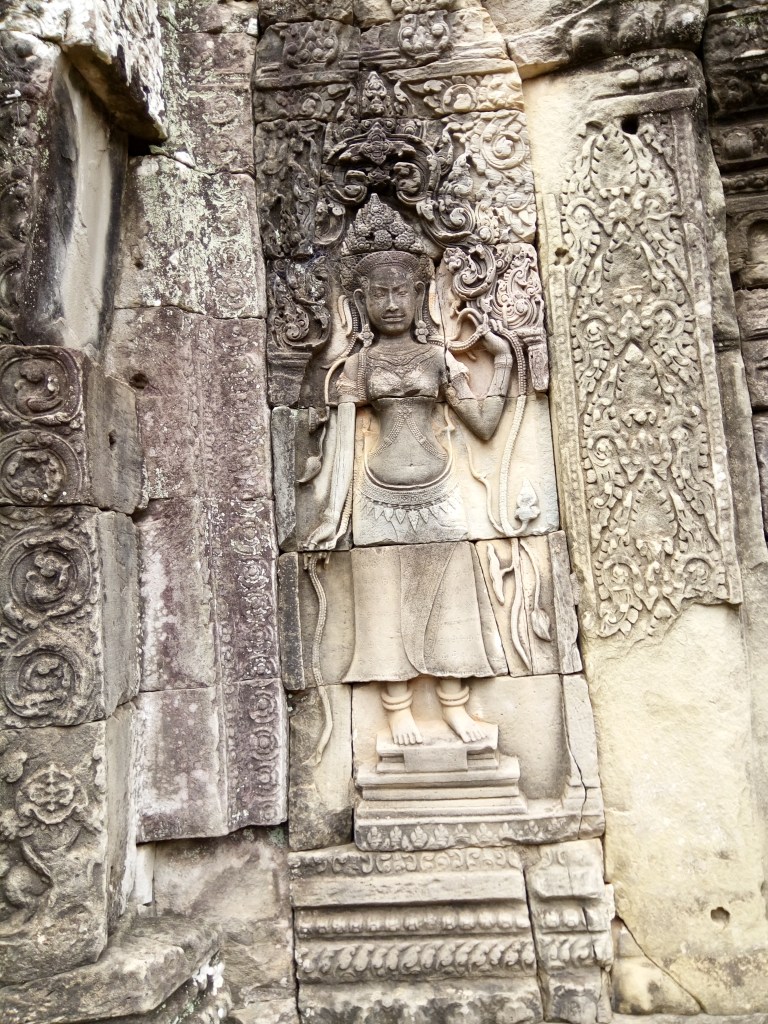
INTRICATE CARVINGS ON STONE 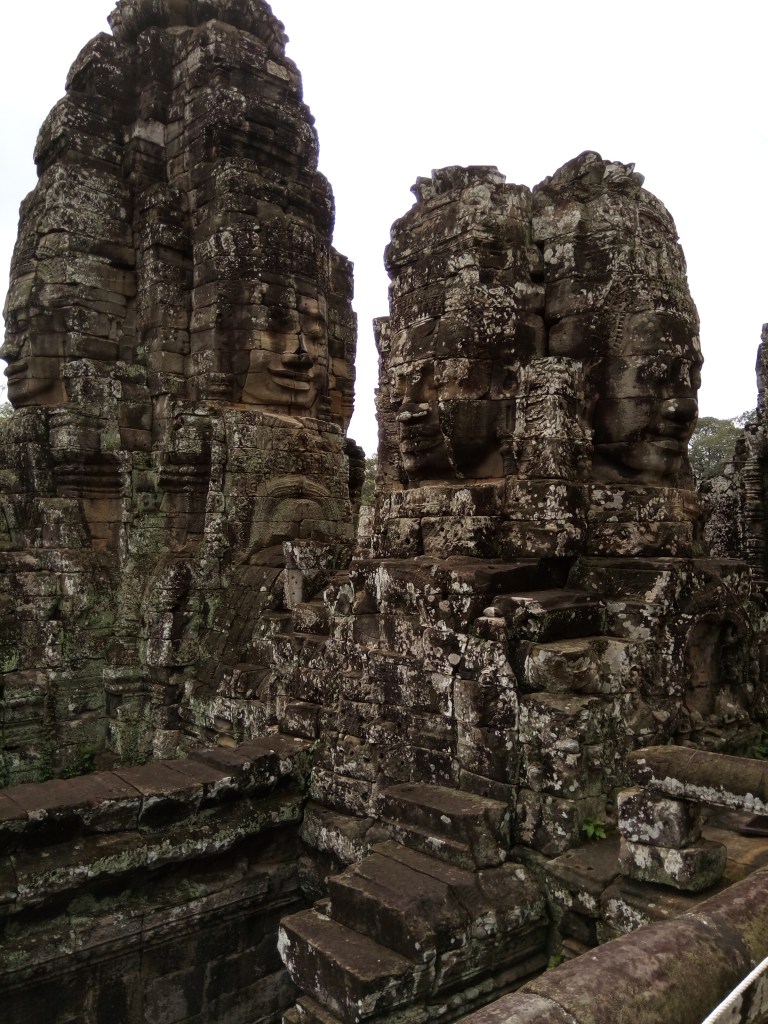
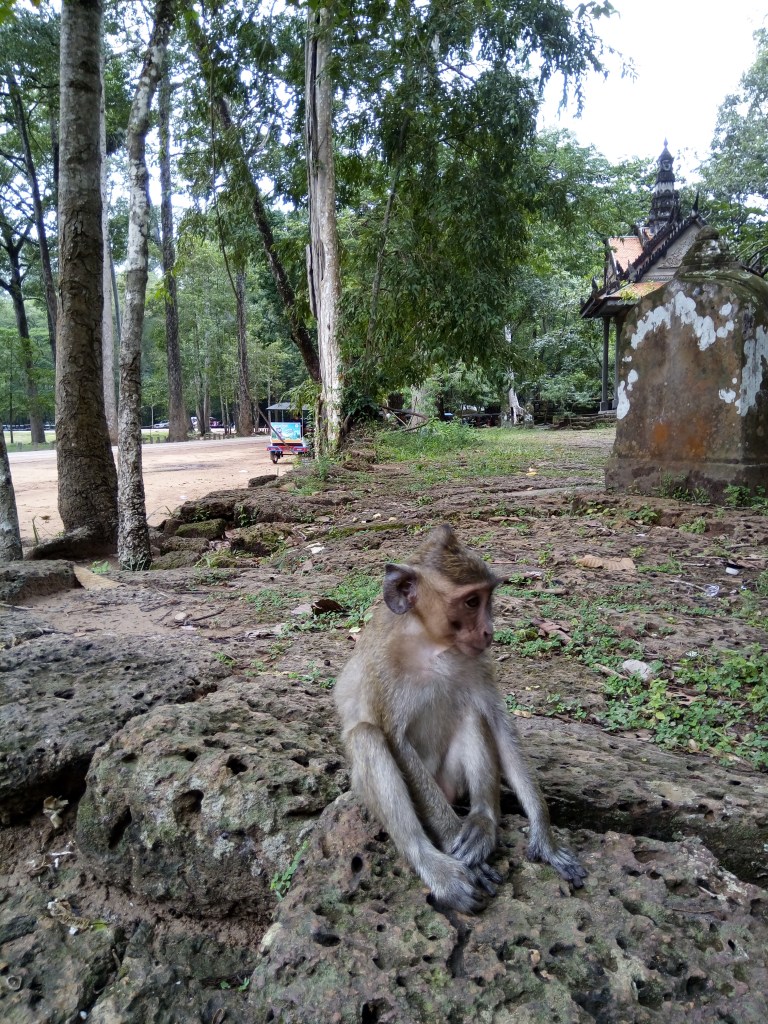
AT PEACE WITH HIMSELF 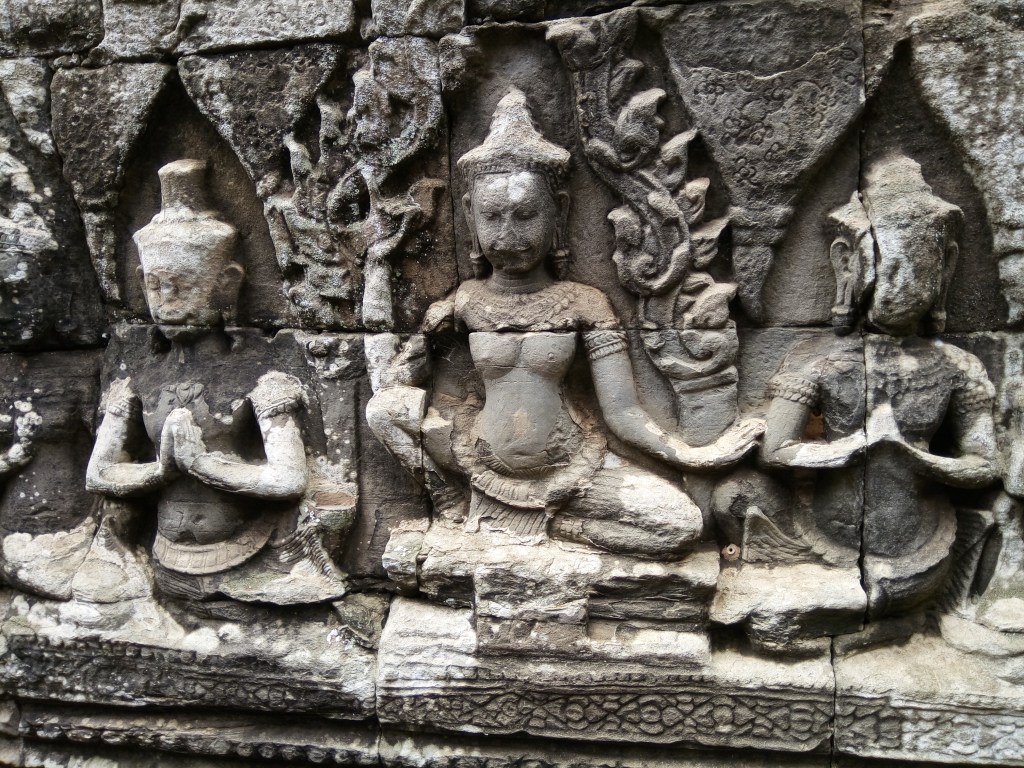
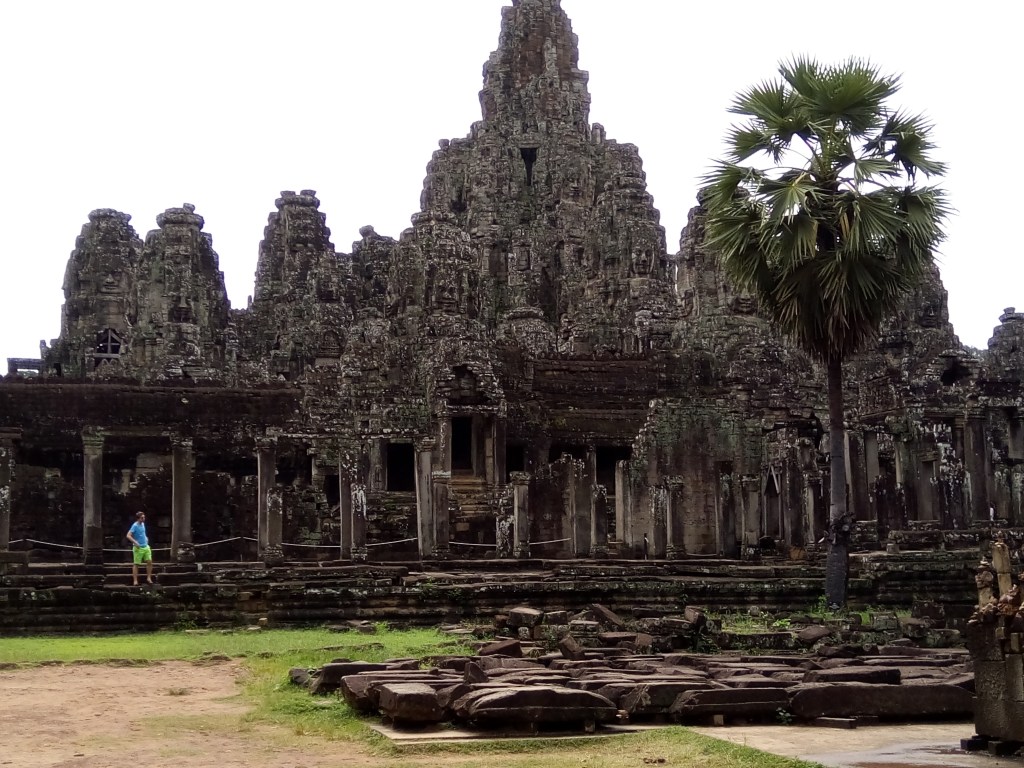
PRASAT BAYON OR FACES OF BAYON 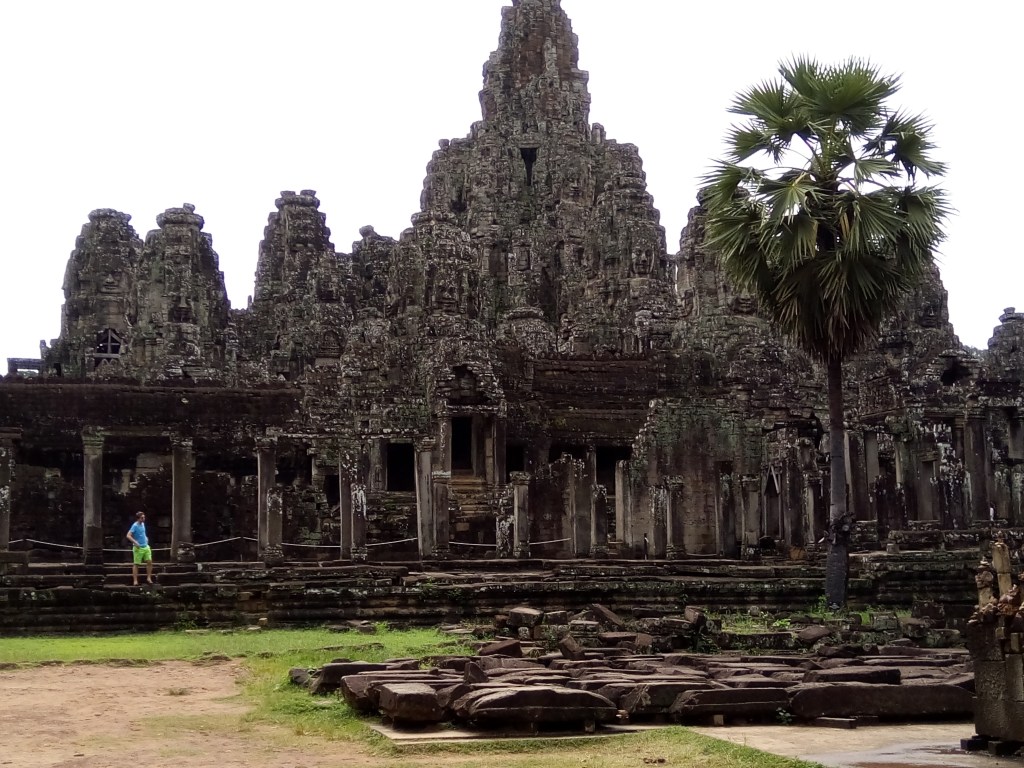
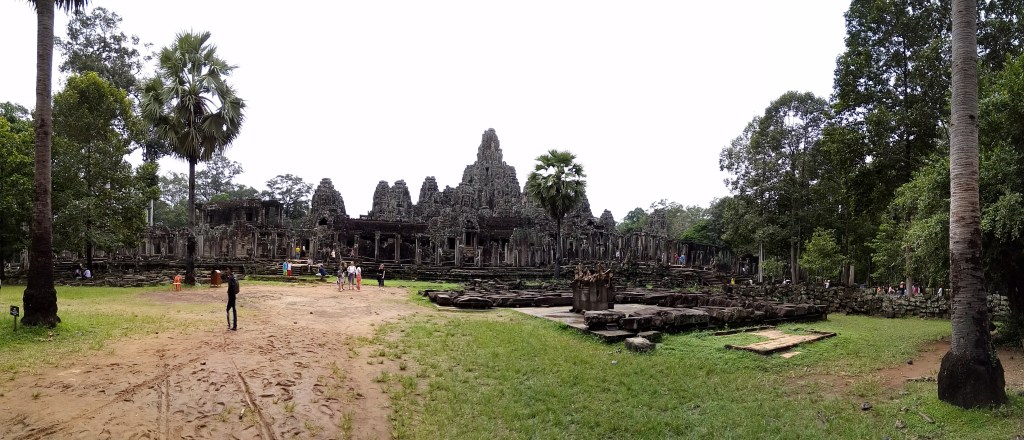
THE OUTER VIEW OF THE COMPLEX 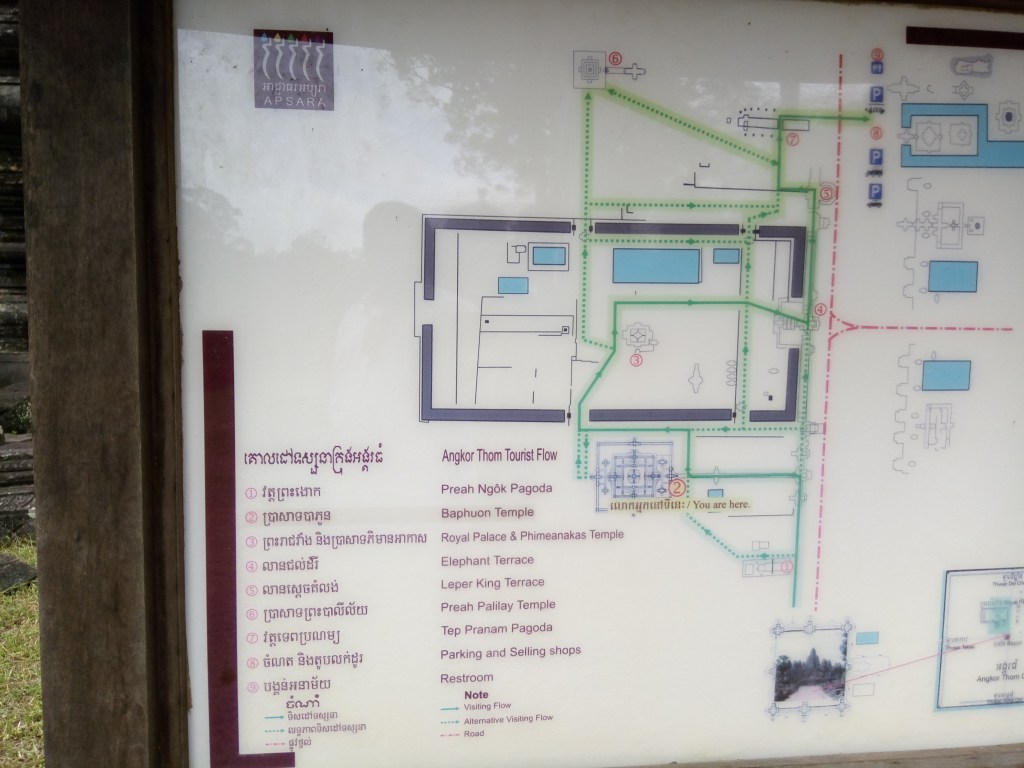
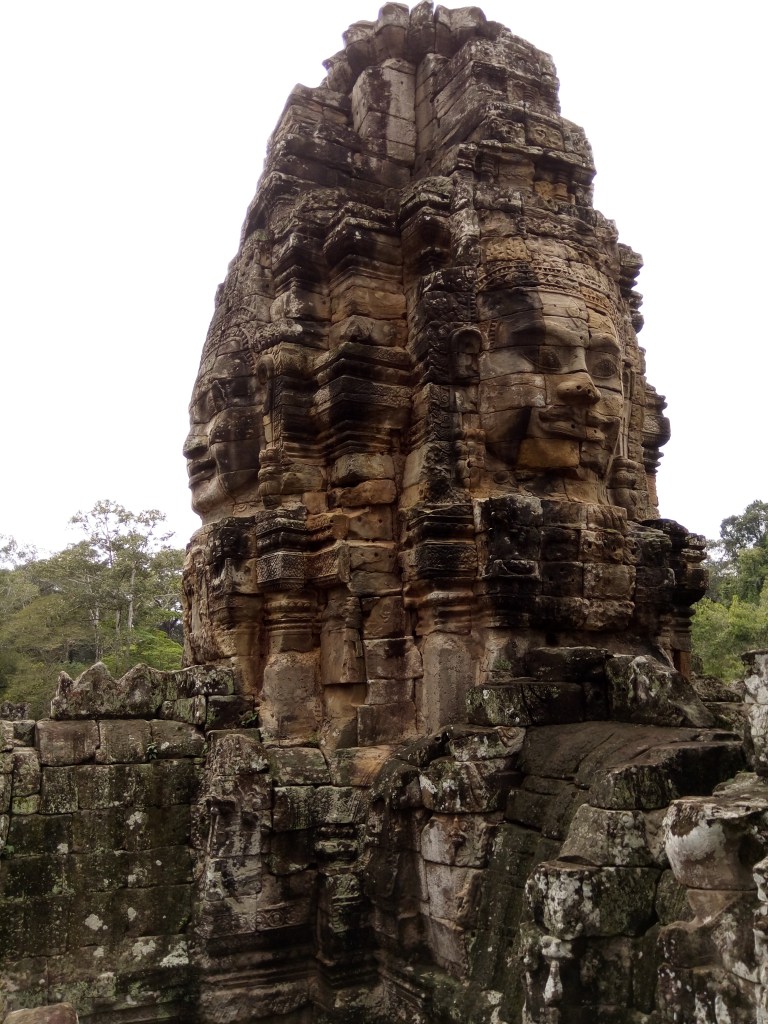
The Baphuon or the Bayon, a richly decorated Khmer temple built towards the later part of the 12th Century and early 13th century features a multitude of smiling faces on the many towers which kind of form a cluster around the central peak. The temple presented mundane scenes besides historical and mythological scenes which adorn the 2 sets of bas reliefs found and is supposedly the only state temple dedicated to Lord Buddha, built by King Jayavarman VII who later on embraced Buddhism. The Theravada Buddhist kings who came into power later on made their own changes to the temple architecture after which it went to ruins. The Japanese government has been playing a major part in restoring and repairing the temple.
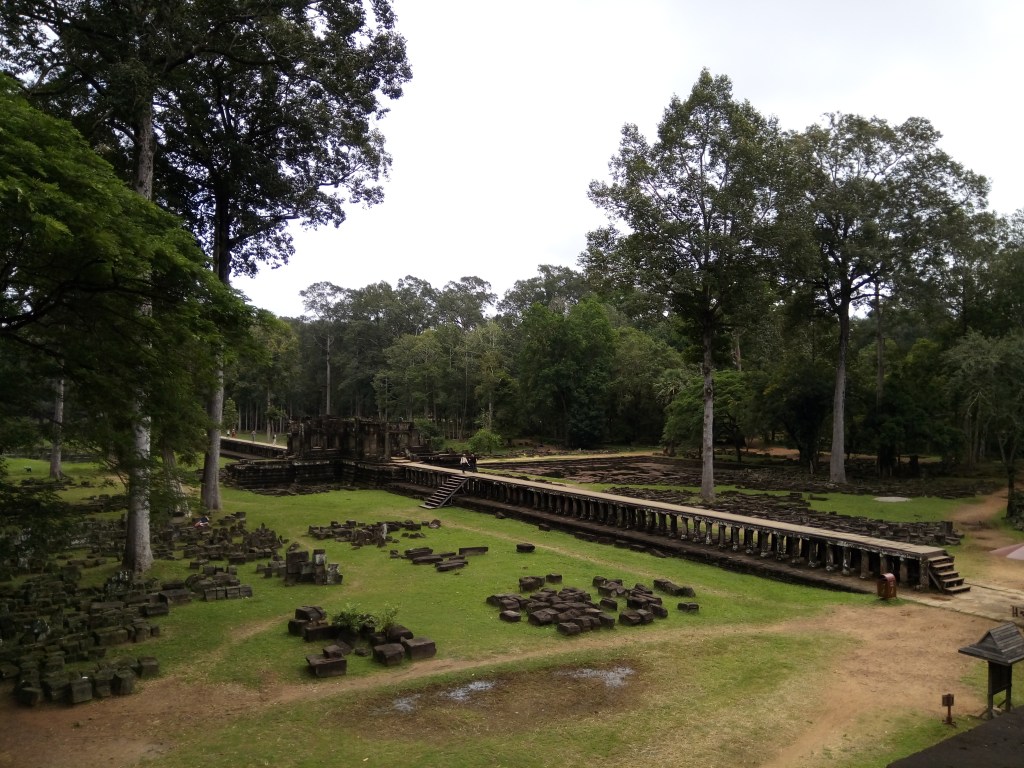
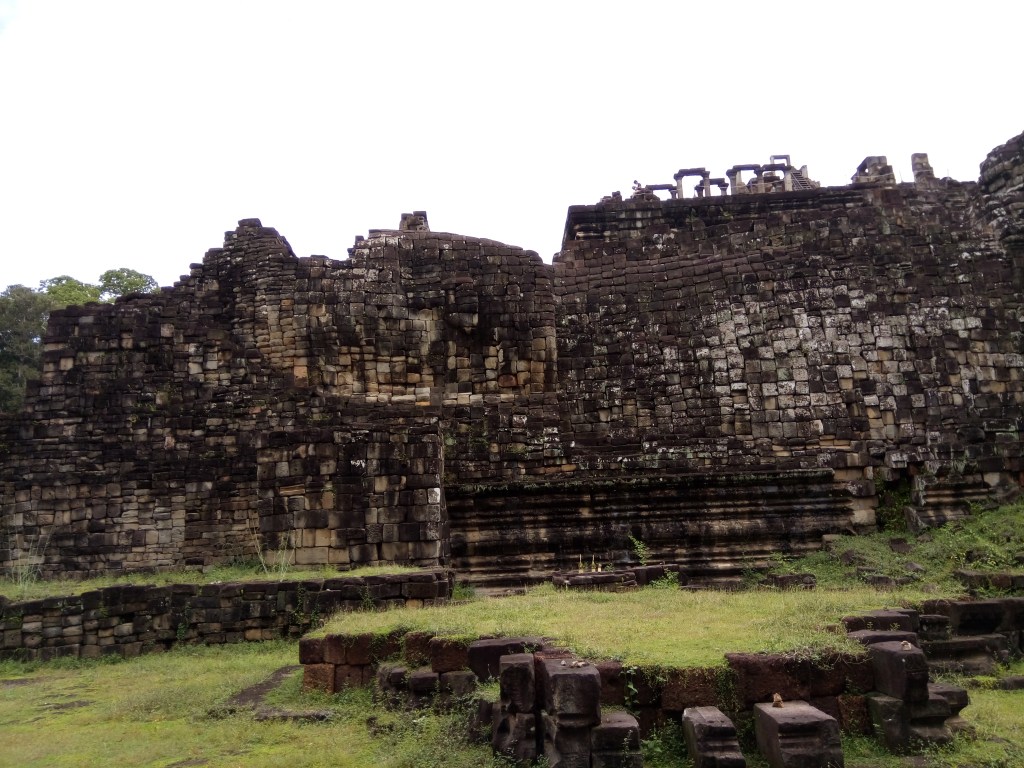
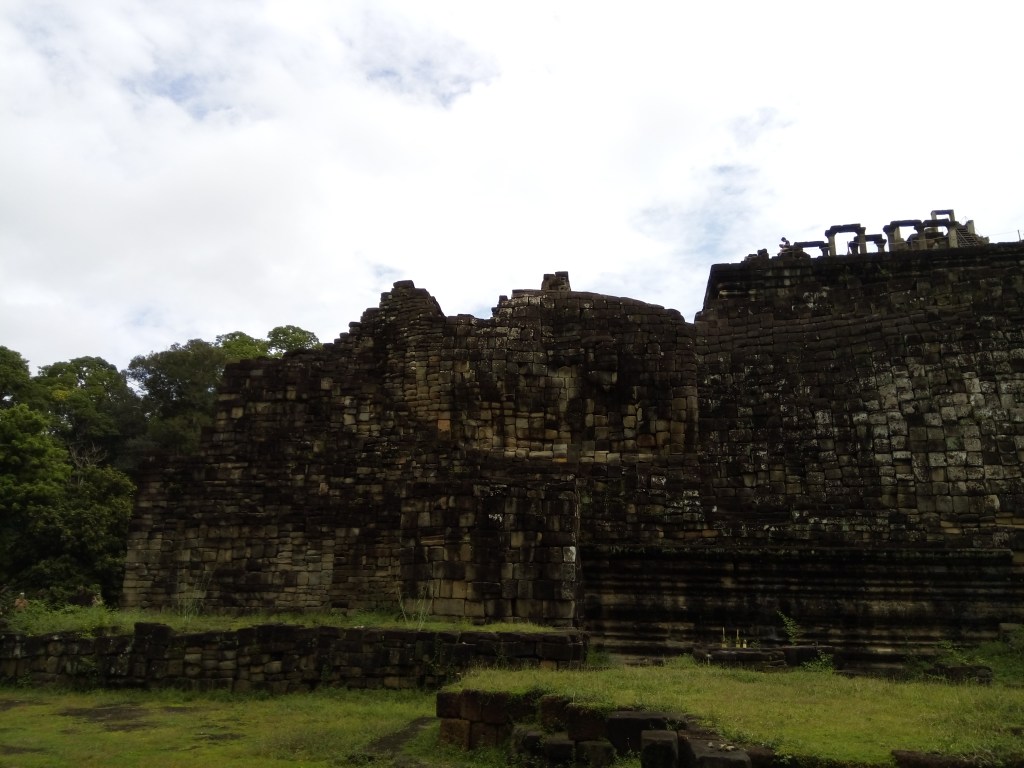
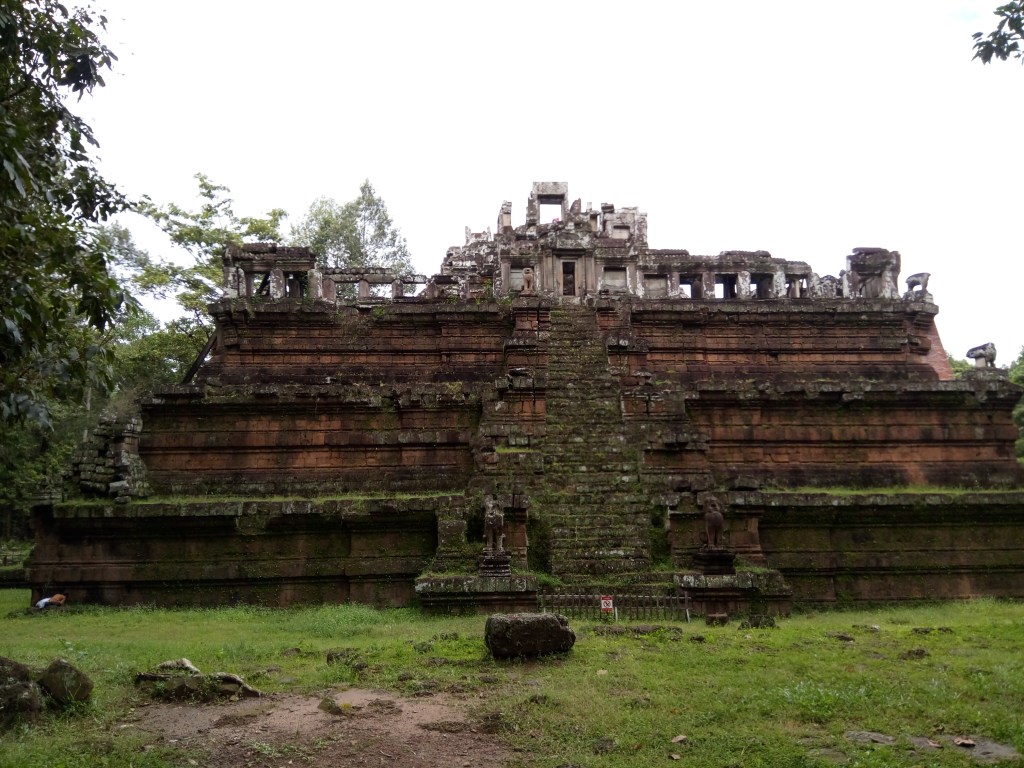
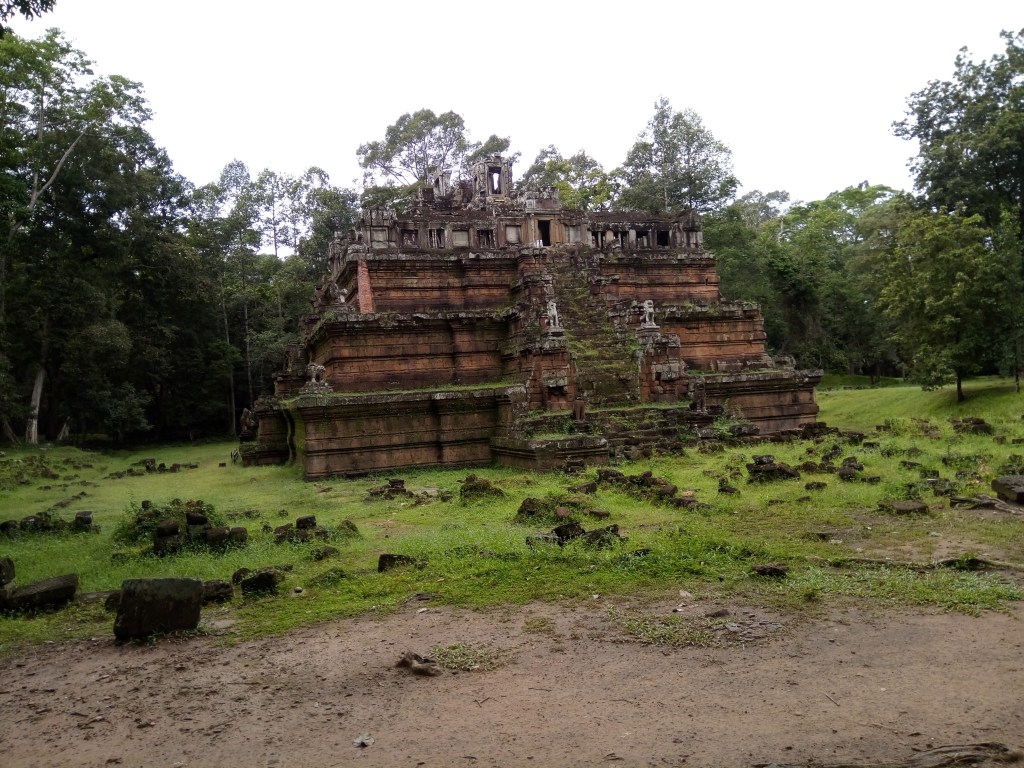
The Celestial Temple or the Phimeanakas as it is popularly known was built in the 10th century during the reign of King Rajendravarman and completed by King Suryavarman I. According to folklore, the King spent the 1st watch of every night between 6 PM to 9 PM with a woman, thought to be representing a Naga in the Tower and even the Queen was not welcome during this time. The 2nd watch between 9 PM to 12 AM was when the king went back to his queen. It was believed that if the Naga who was considered to be the supreme land owner of Khmer did not show up for a night, the king’s day would be numbered and perchance if the king did not show up, calamity would strike his land.
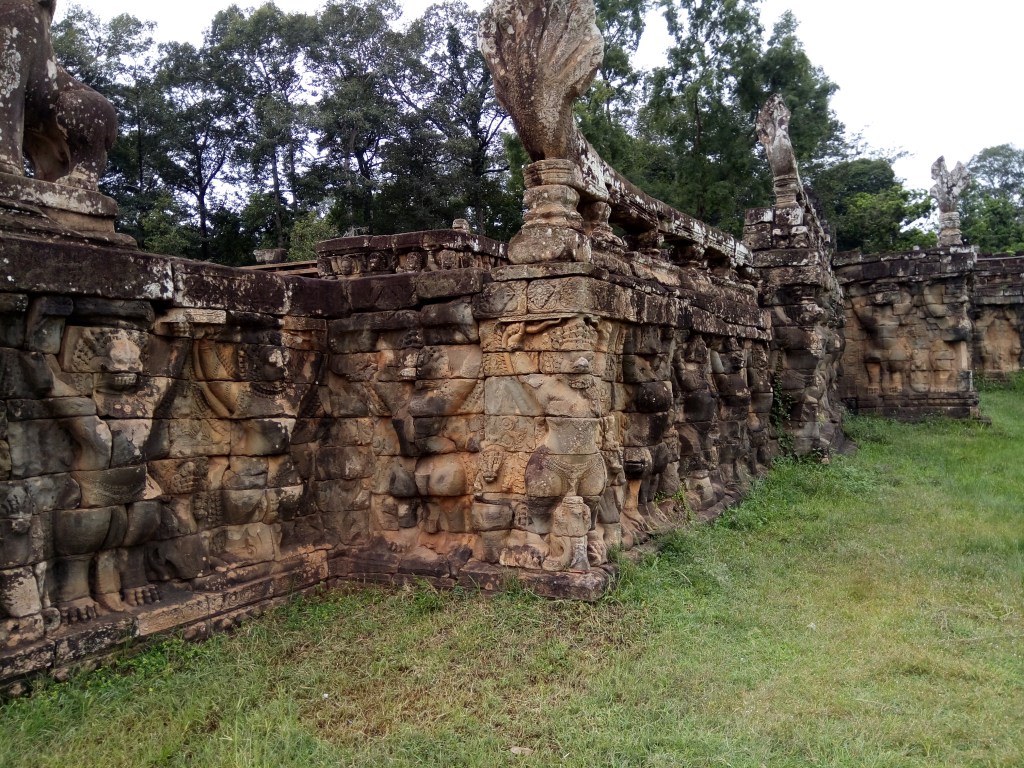
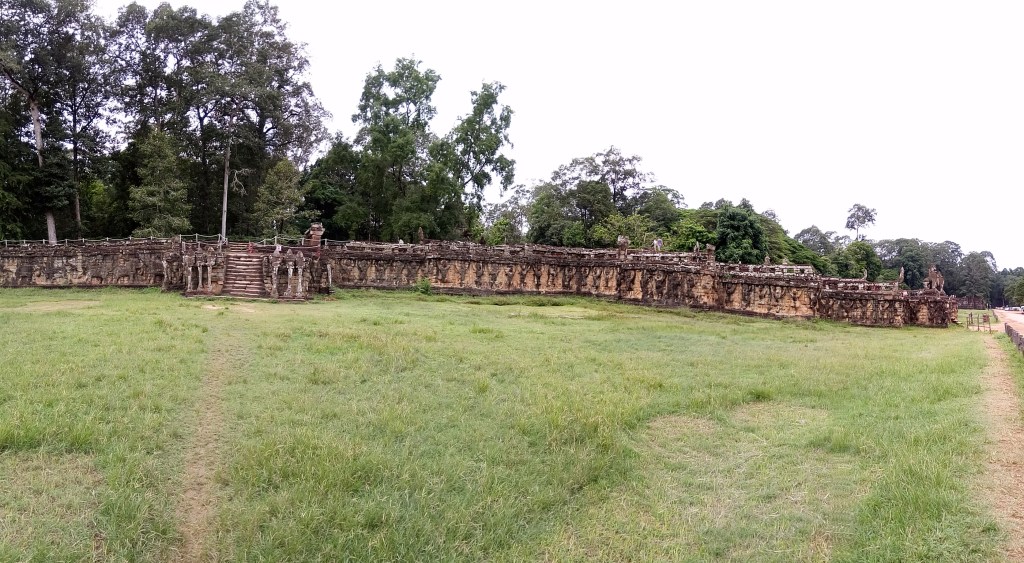
Tiredness was already setting in considering the amount of walking we had been doing right from the onset of morning and we had the most awaited Angkor Wat temple also to be seen. Did a quick photo shoot around of the Leper King Terrace, the Preah Palilay temple and proceeded via the Victory gate to grab some quick lunch at an Indian restaurant close to the temple complex.
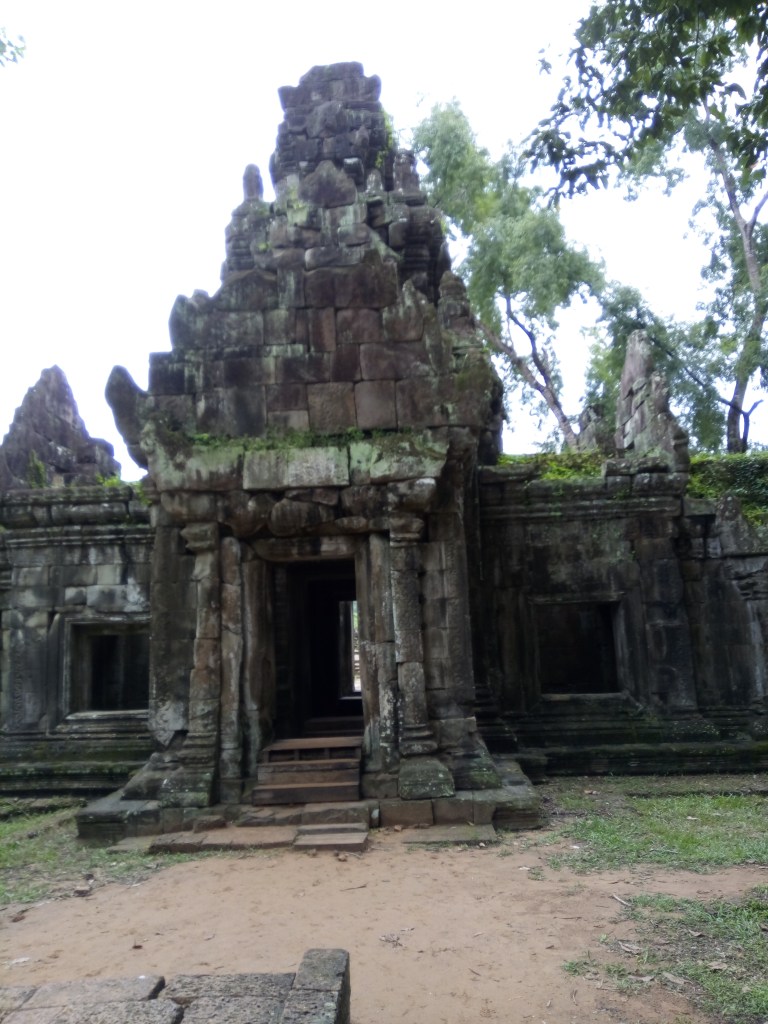
THE PREAH PALILAY TEMPLE 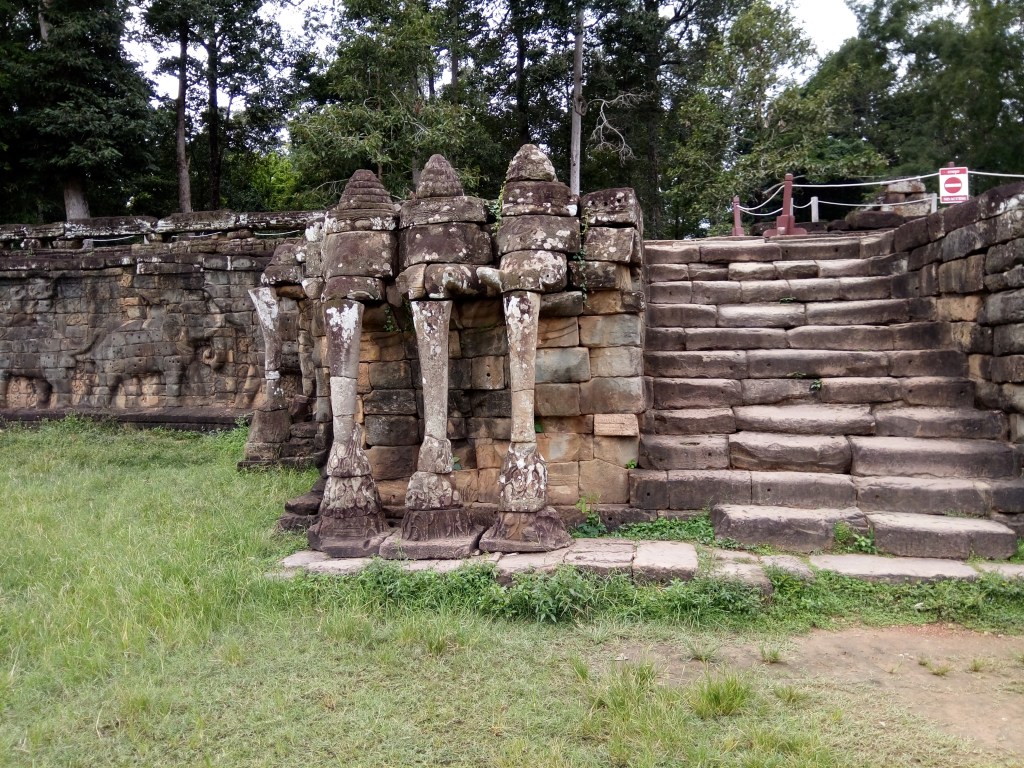
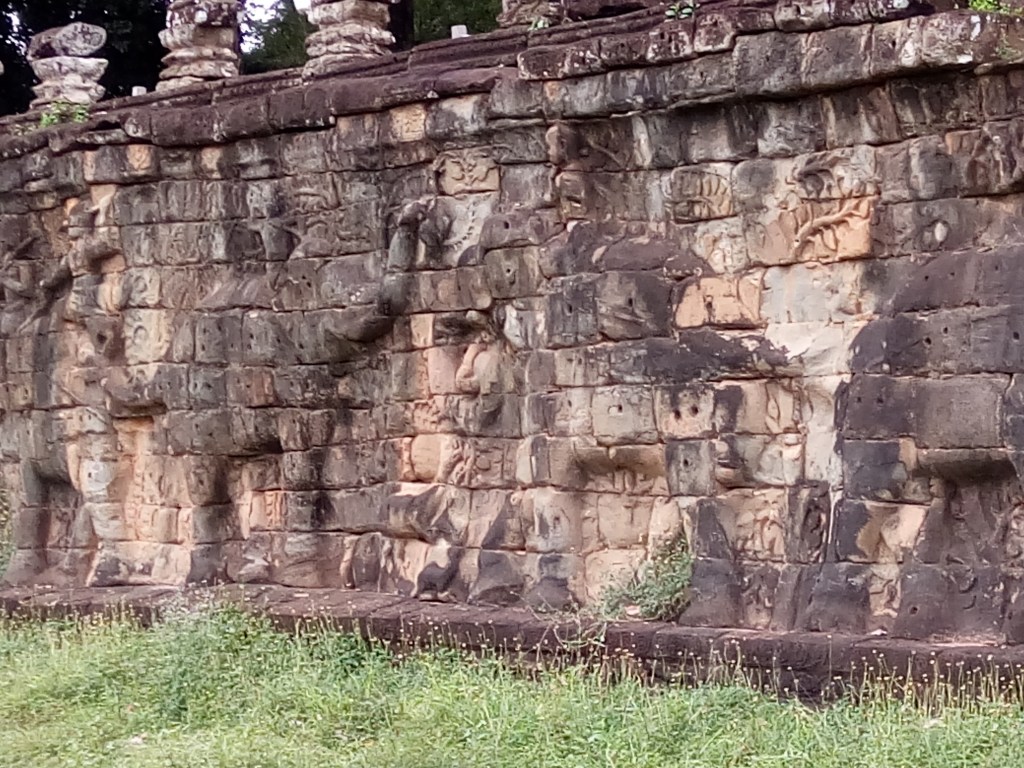
ELEPHANT CARVINGS 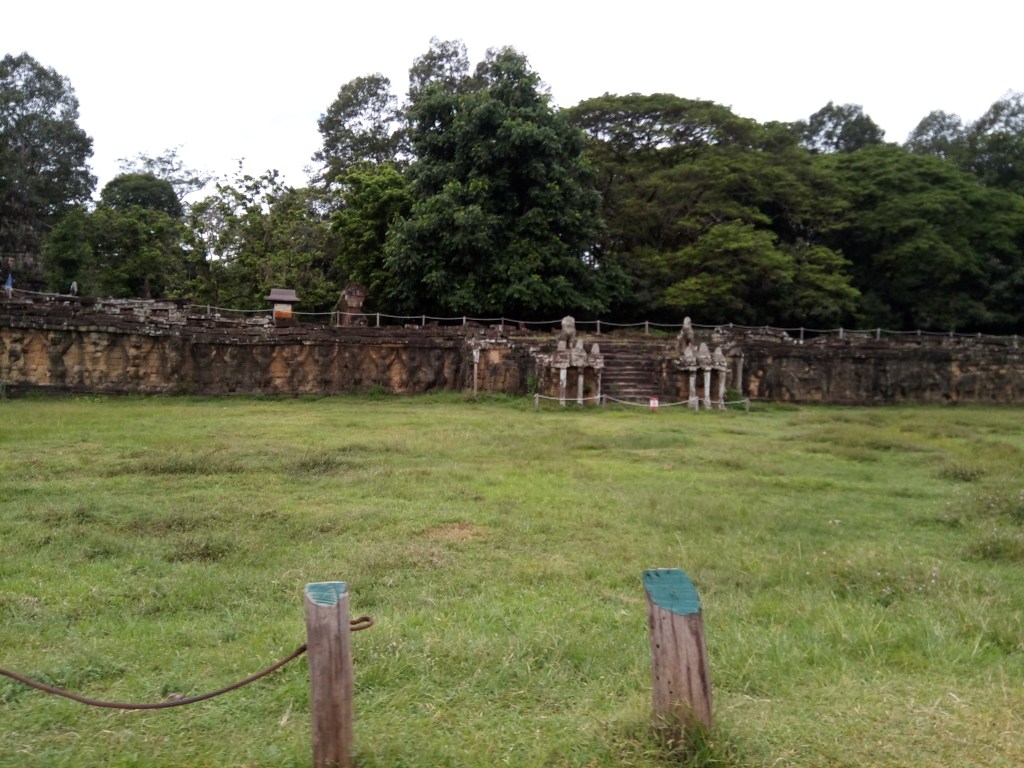
The Victory Gate is one among the 5 gates which guarded the ancient city of Angkor Thom. Built by King Jayavarman VII in the late 12th Century, it served as 1 of the 5 holy Buddhist gateways to Angkor Thom. The gate held lot of historical significance as the king used to send his army into battle through this major gate when defending the Kingdom.
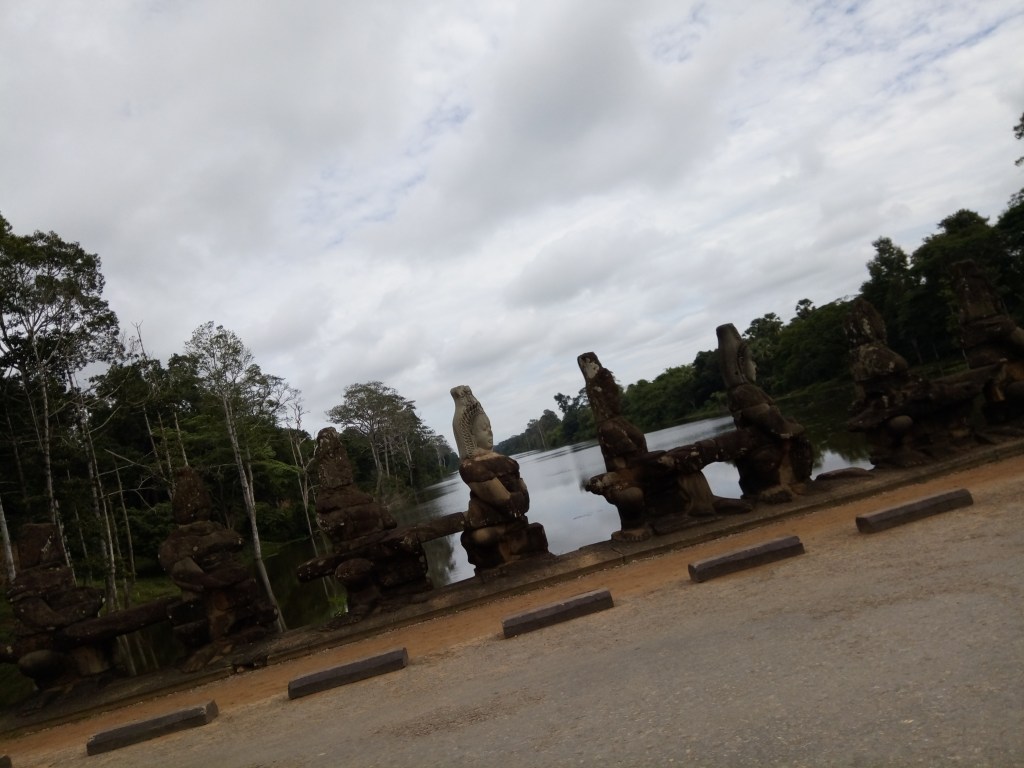
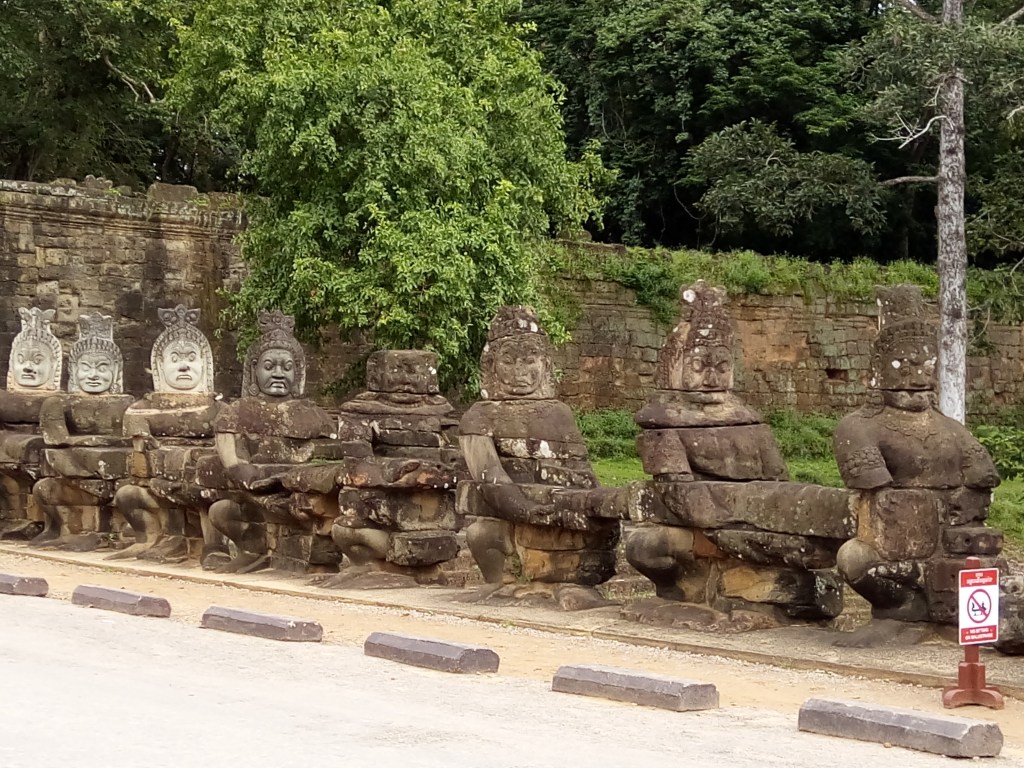
BEAUTIFUL CARVINGS ADORN BOTH SIDES OF THE ROAD 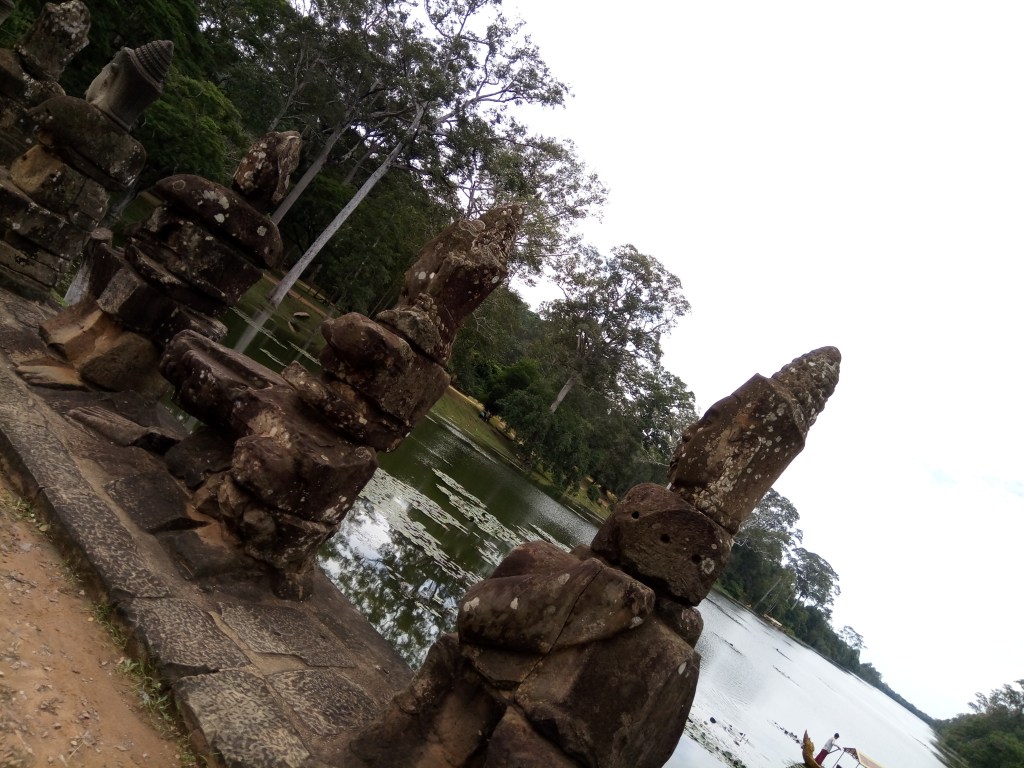
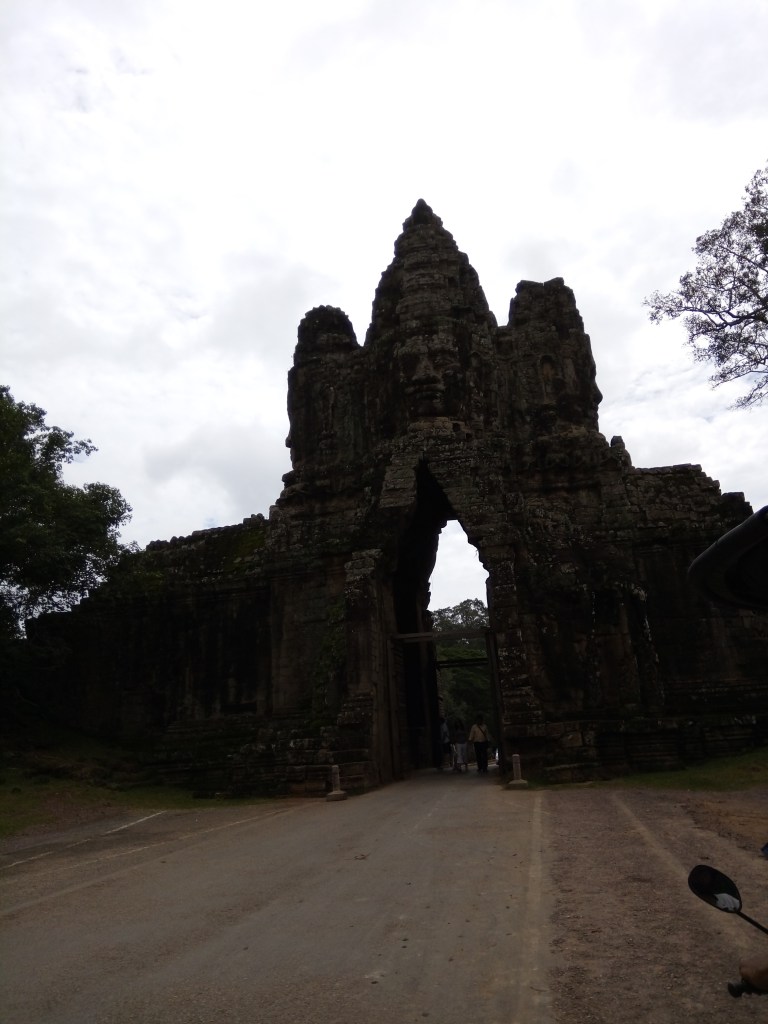
THE VICTORY GATE
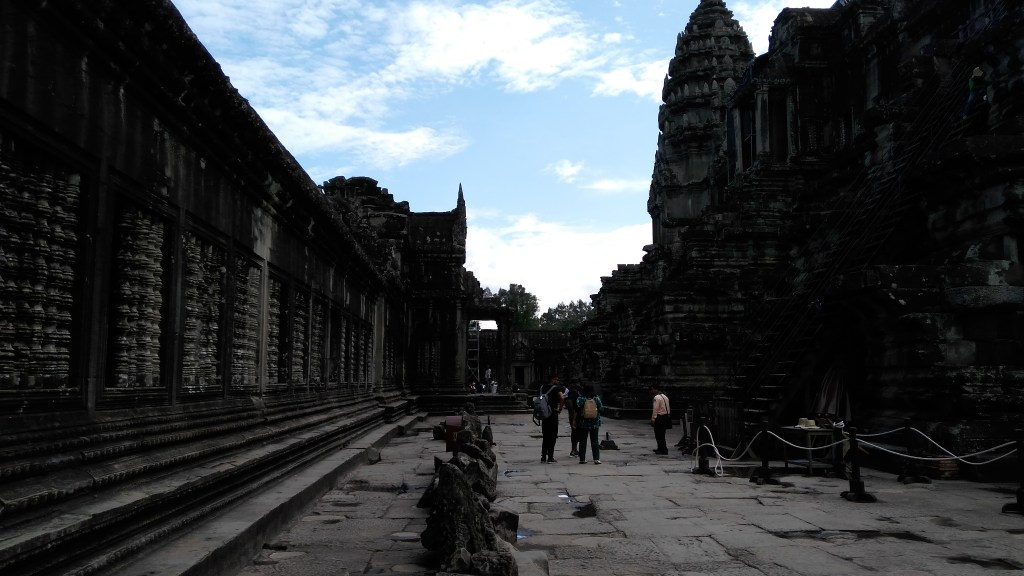
Angkor Wat, meaning the Capital of temples was our last stop for the day. Believed to be the largest temple complex in the world, this temple built over an area of over 400 acres was initially constructed as a Hindu Temple and dedicated to Lord Vishnu, perhaps the only temple which deviated from the tradition of all earlier kings, building only Shaivite temples.
Towards the end of the 12th century, this slowly got transformed to a Buddhist Temple. Known for its classical Khmer style of architecture, this temple finds a place in the National Flag of Cambodia. This temple though abandoned after the Varman dynasty was never neglected and work on cleaning up and restoration started pretty early. It was lucky to have survived years of invasions, internal conflicts and civil wars besides pilferage by Art Thieves.
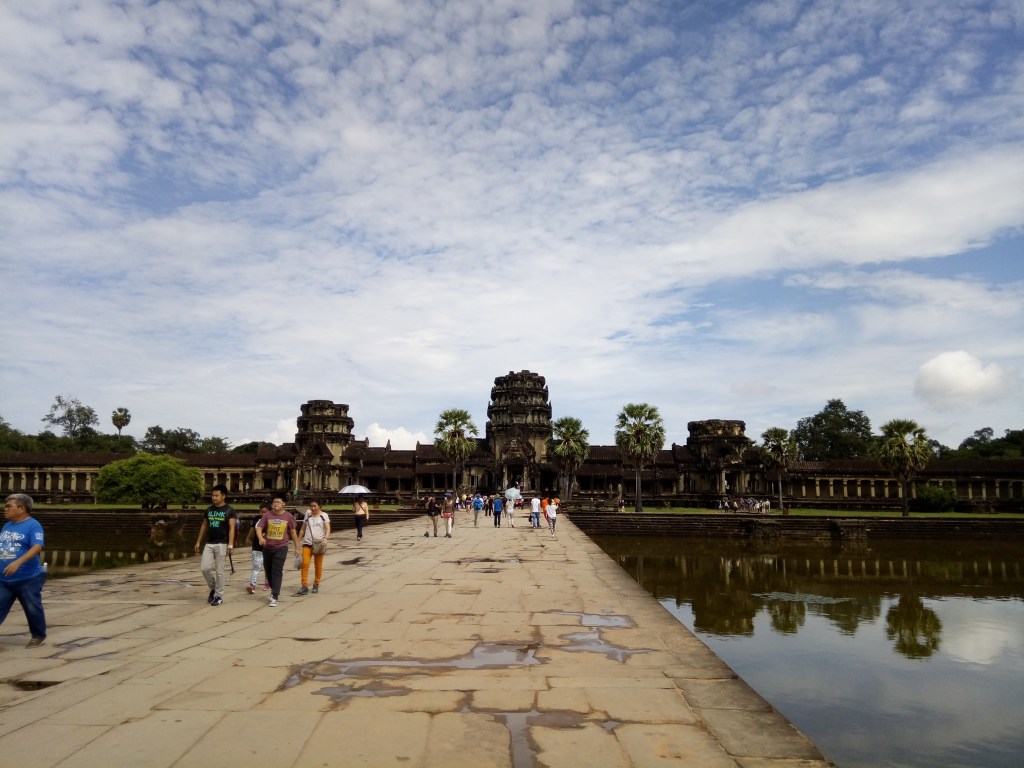
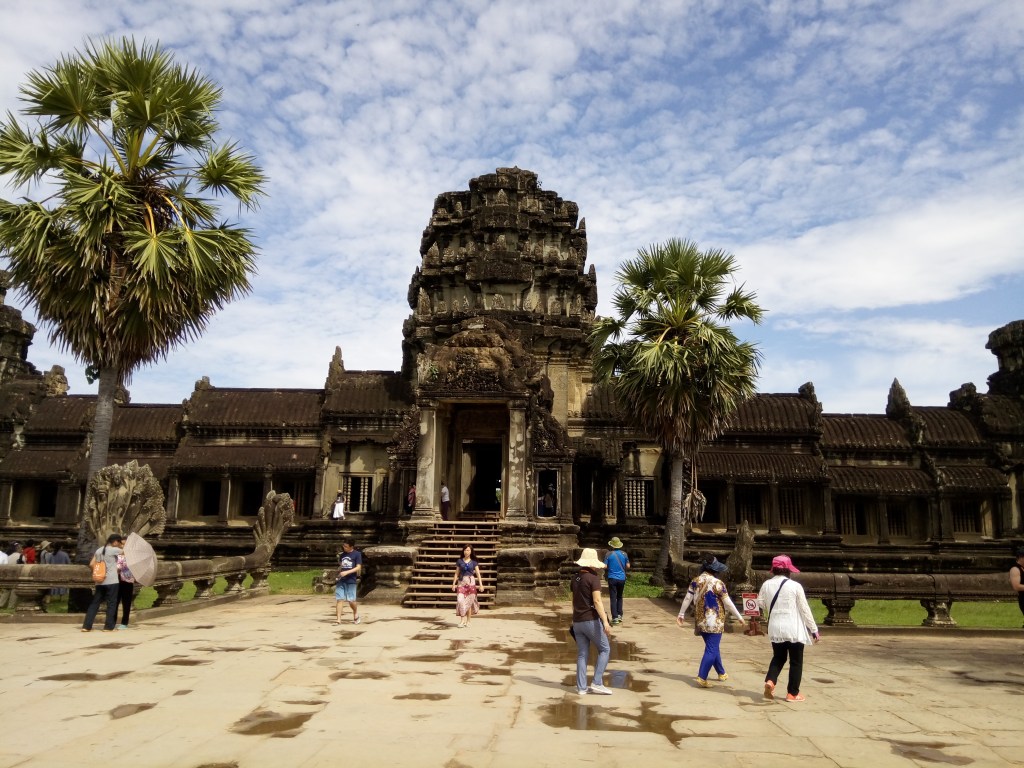
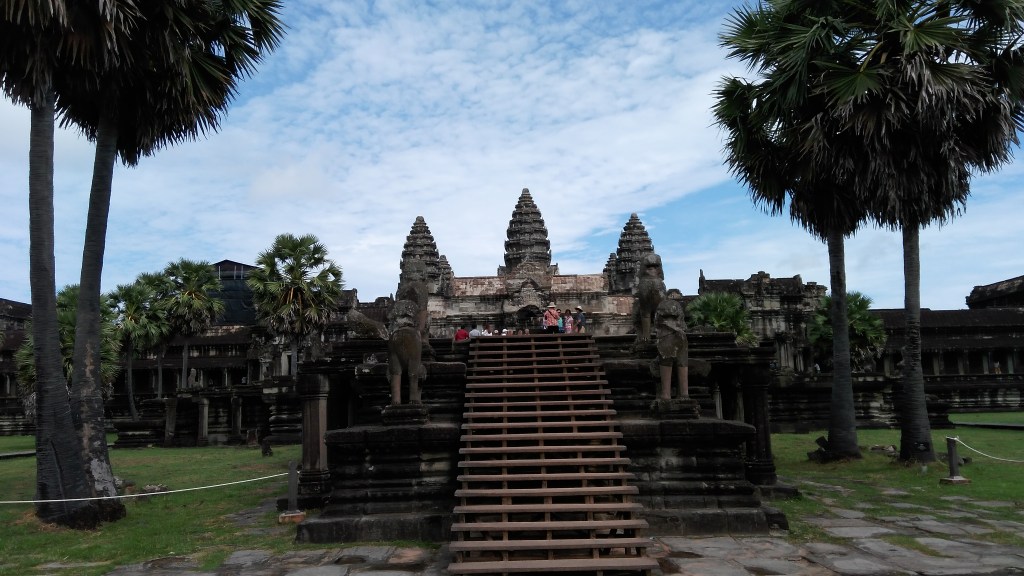
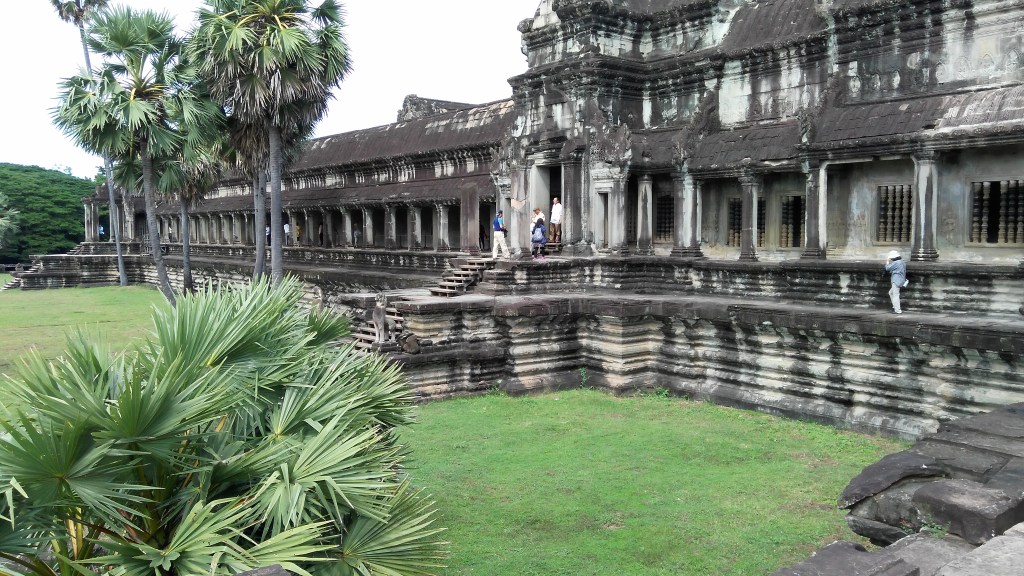
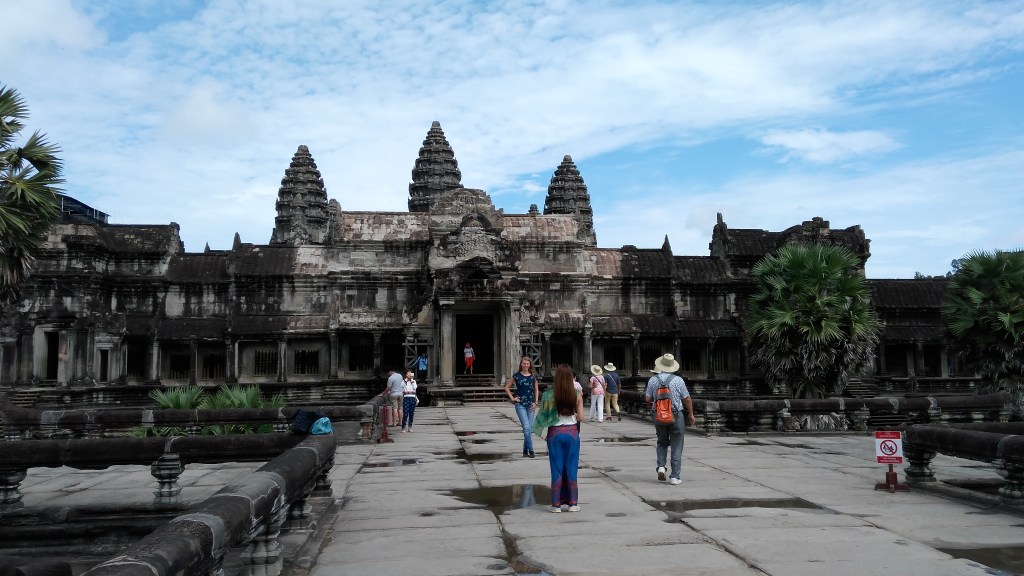
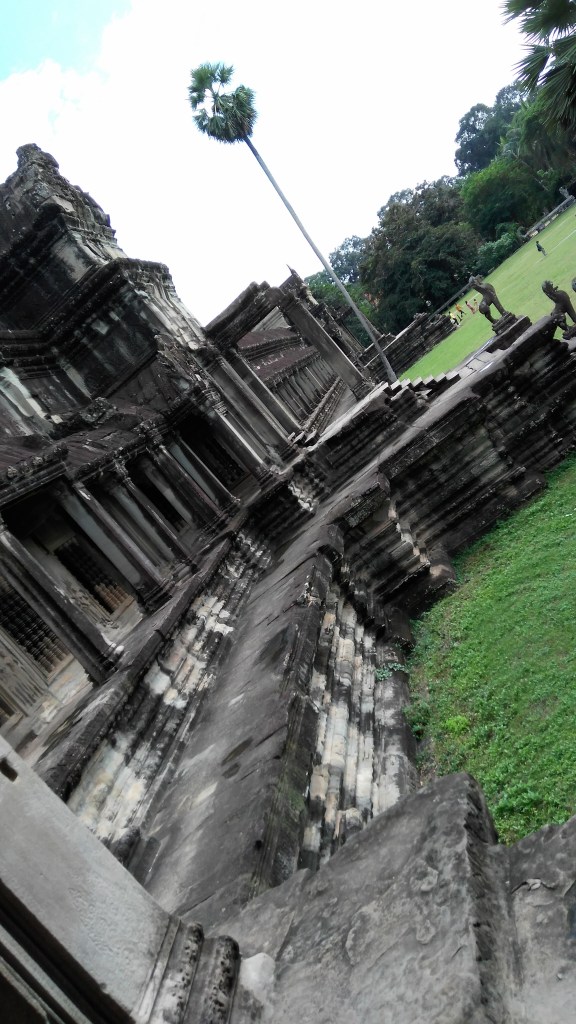
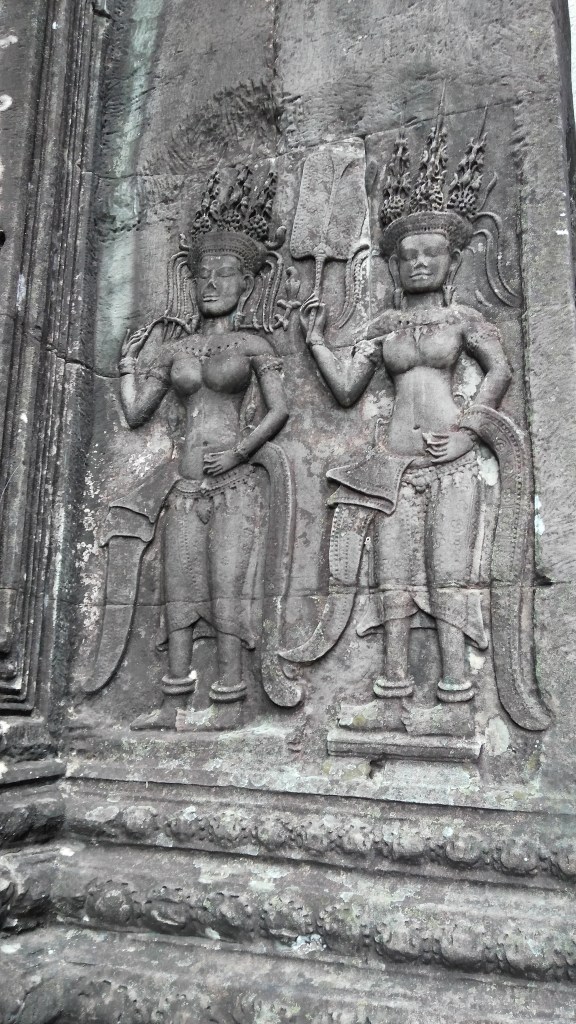
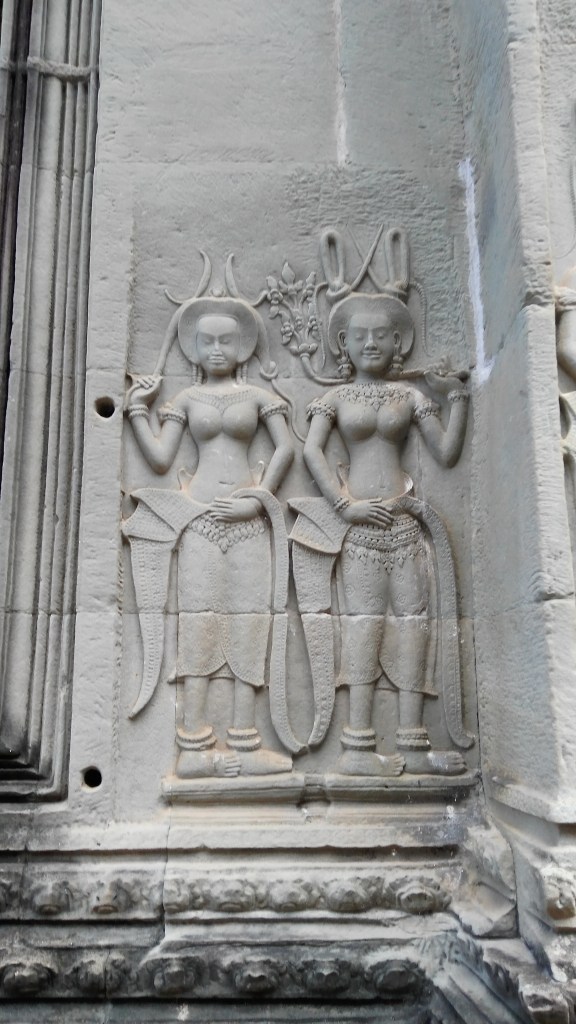
DEVATAS 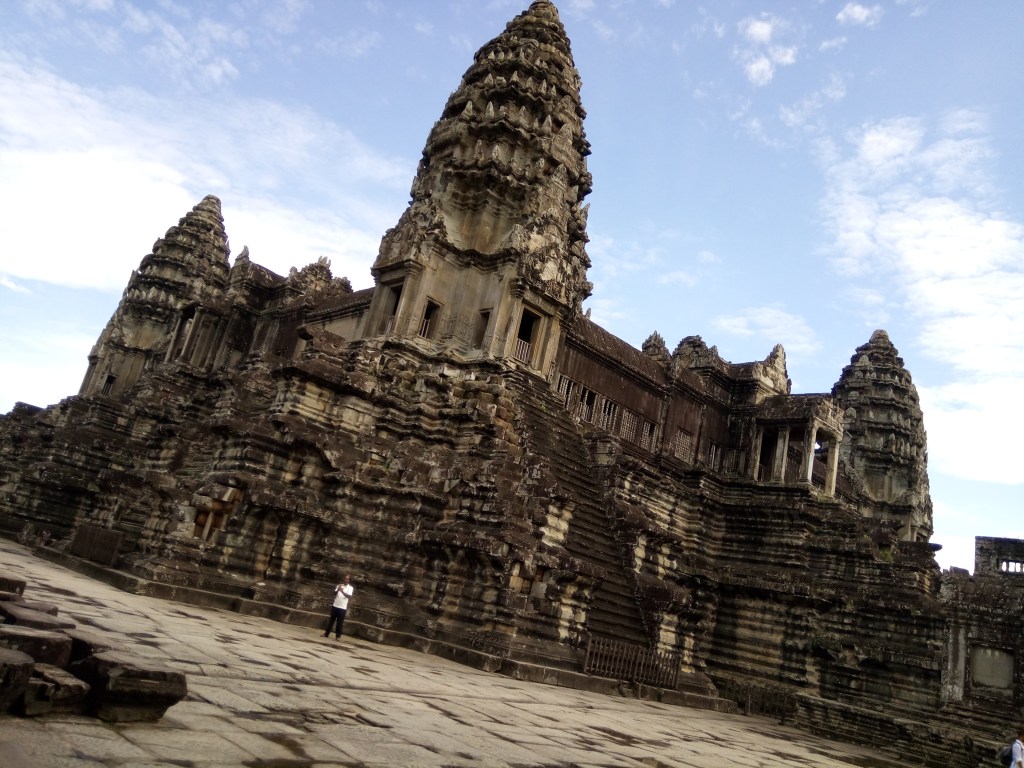
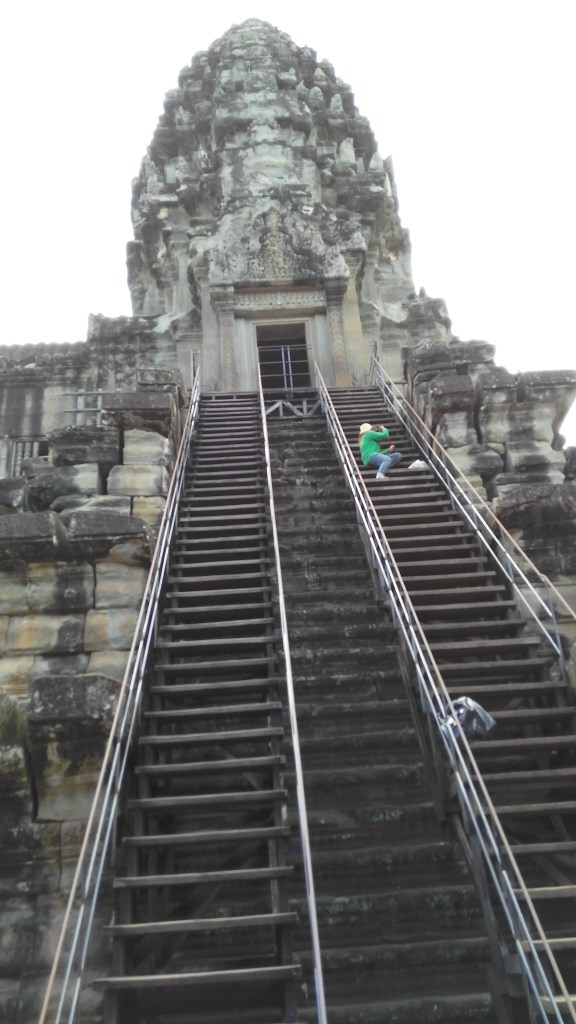
A TOWER OF ANGKOR WAT 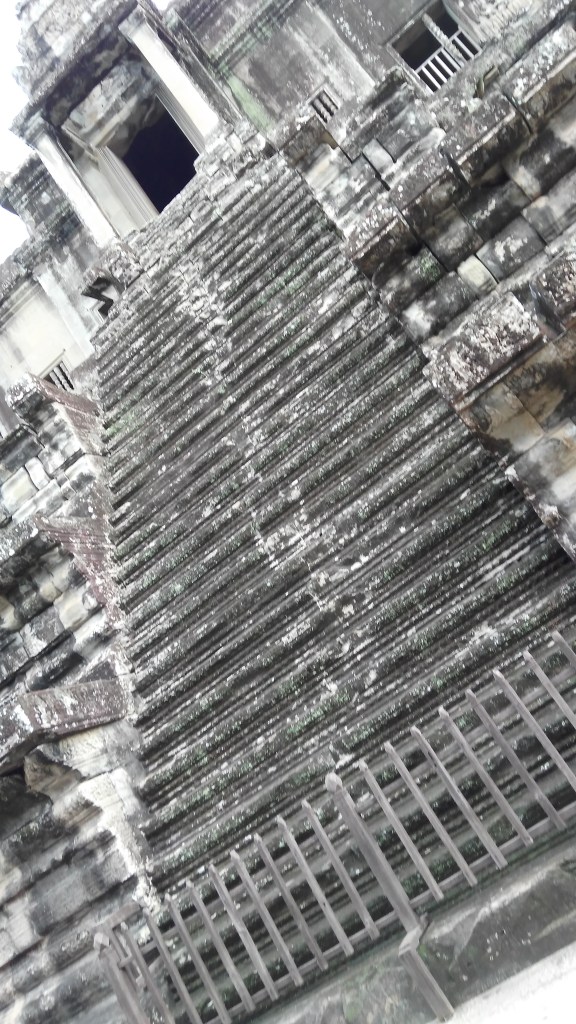
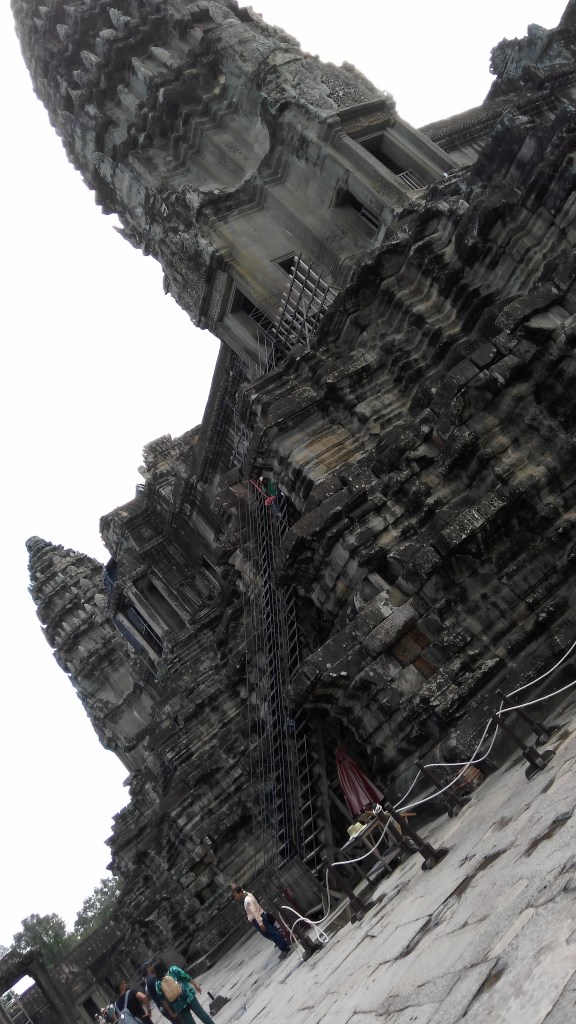
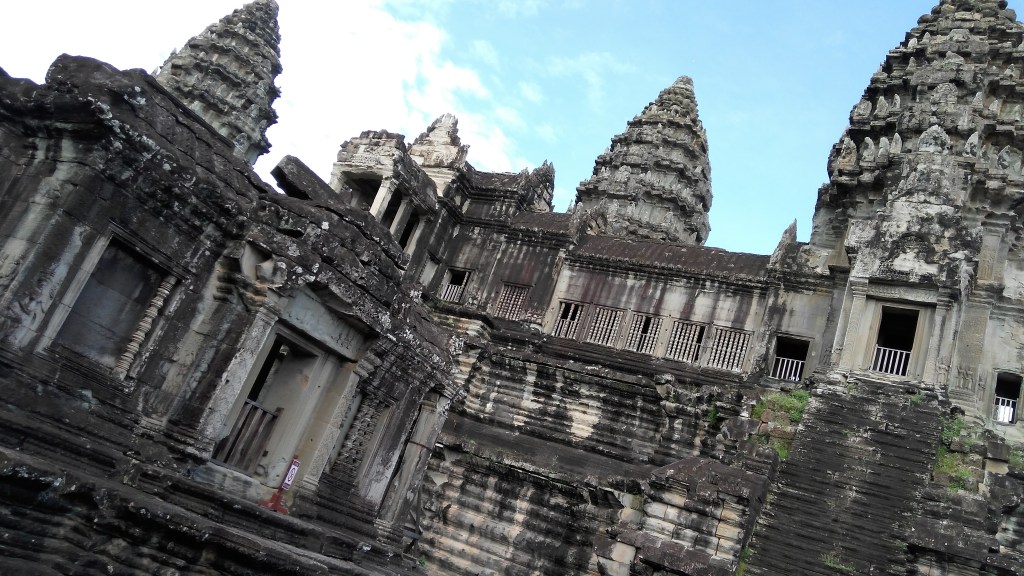
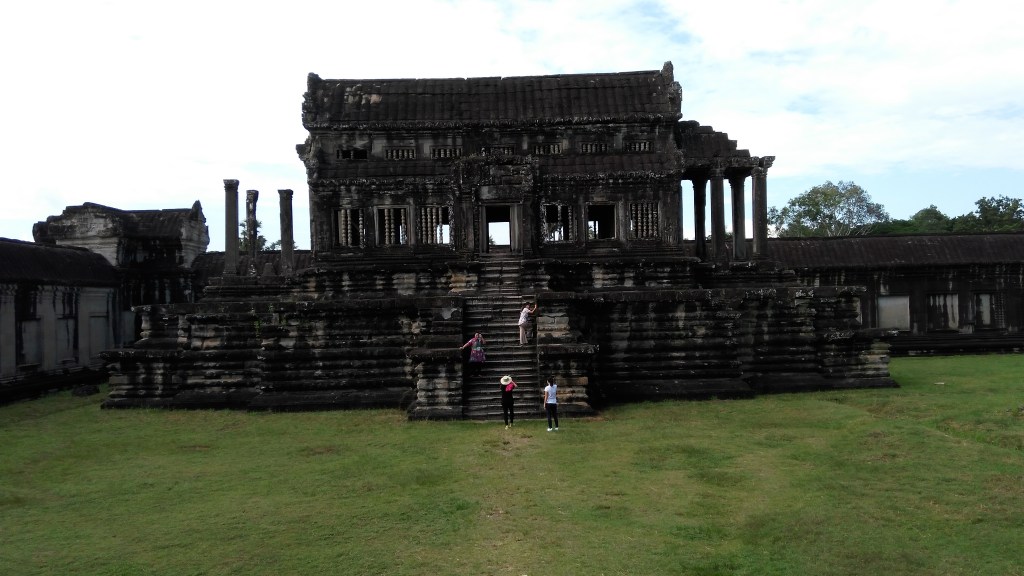
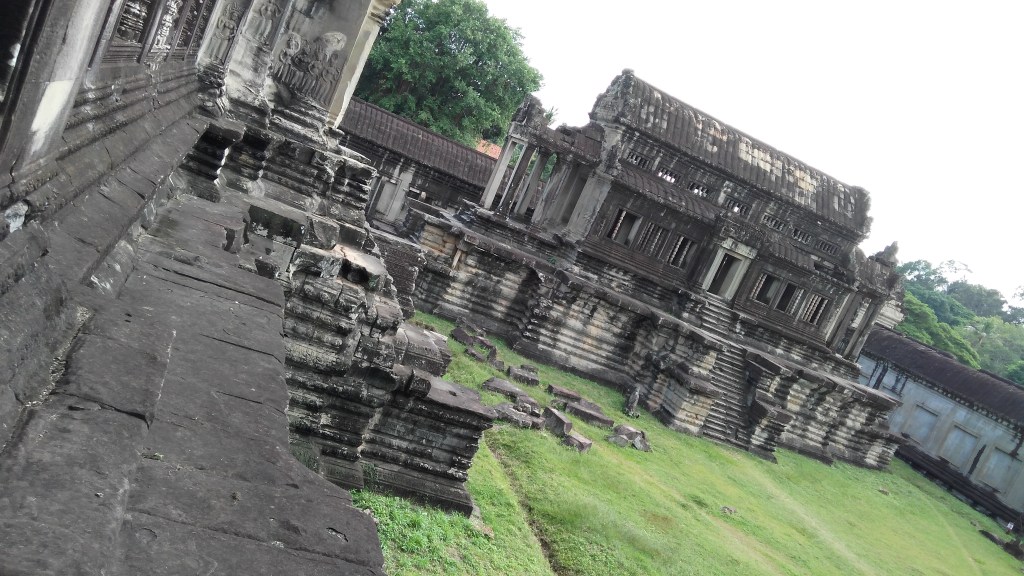
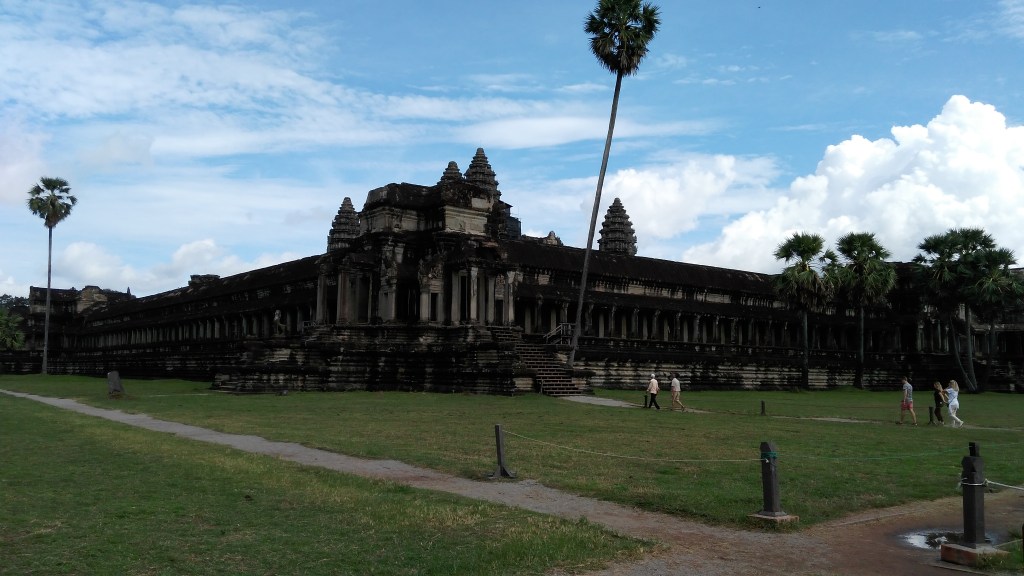
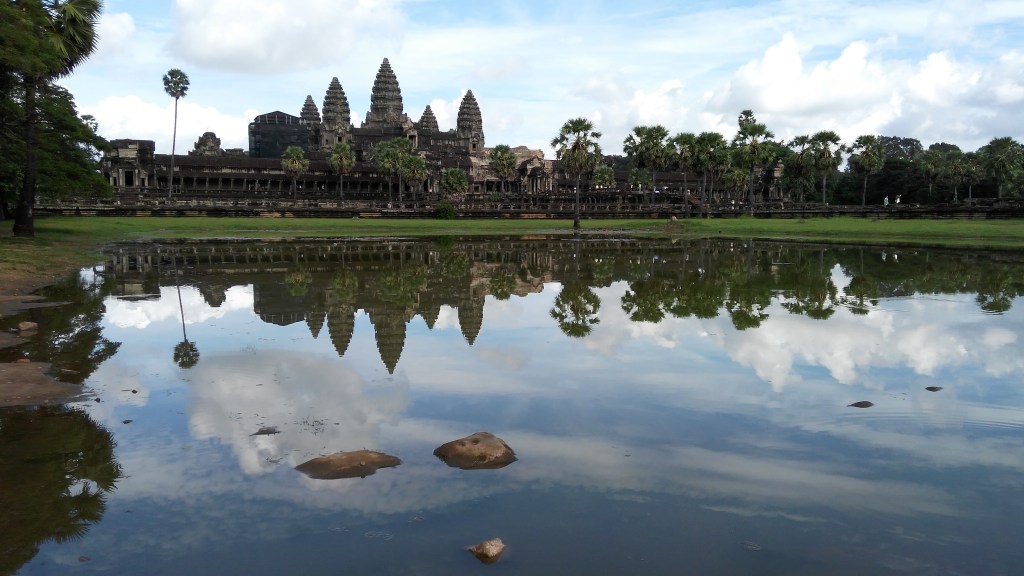
THE REFLECTION OF THE TEMPLE IN THE WATERS OF THE POND IN FRONT
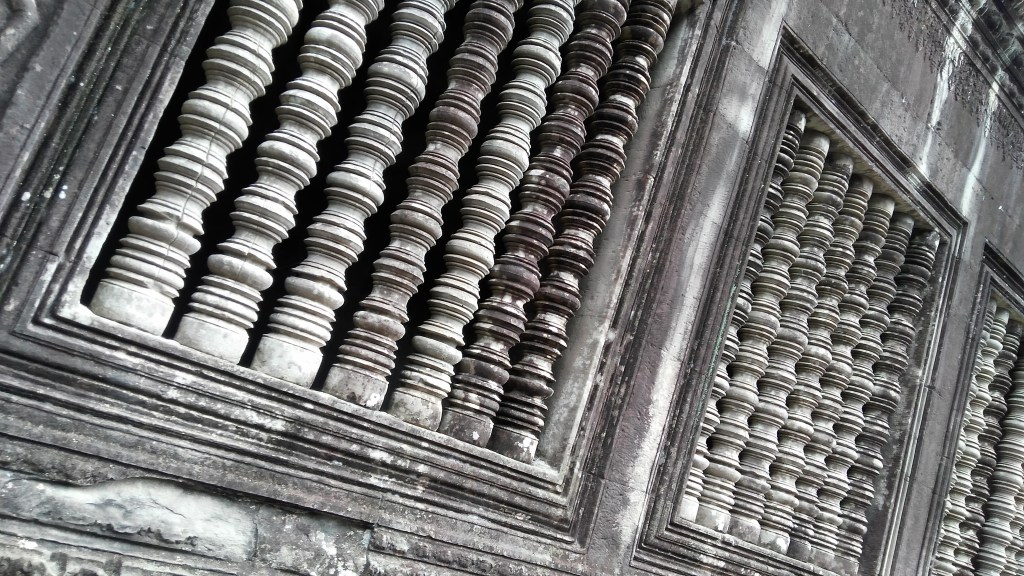
The temple’s unique architectural combo of temple mountains and concentric galleries is believed to have some celestial significance. Built out of sandstone and laterite, the temple’s construction was believed to have been made out of 5 to 10 million sandstone blocks with a maximum weight of 1.5 tonnes each. It took us almost 2 hours to see the temple in its entirety and we started our drive back to the hotel at around 5.30 PM.
After some rest, we finished our dinner at one of the nearby Indian restaurants Flavors of India and checked out of the hotel. We had booked ourselves by the night 11 PM Giant Ibis bus for Phnom Penh. The tickets were priced at $15 apiece and the 6 hour ride back was absolutely smooth and hassle free. Lots of lovely memories stay etched about this tour but would definitely like to do not only a longer version of Angkor Wat but also visit places like Baentey Srei, the Floating Village and market besides the cultural extravaganza and the Cambodian Circus which they put up every evening. And yes!! Would love combining this with the Angkor Wat Half Marathon which happens every December.
 ENCHANTING ASIA THRU MY LENS