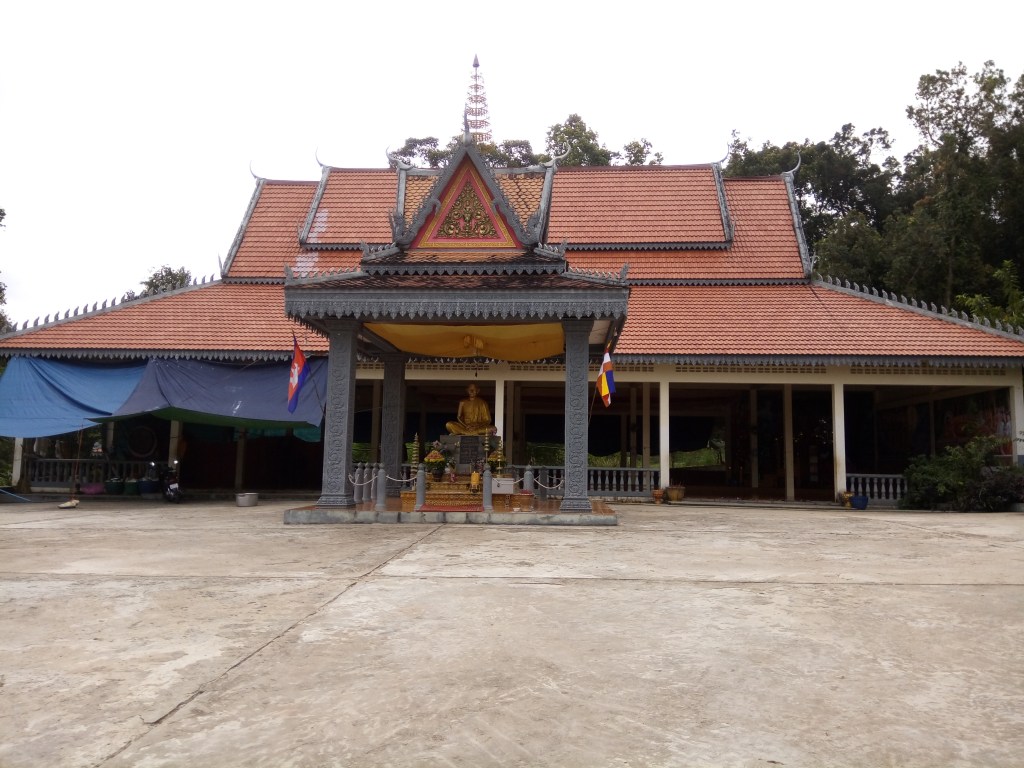
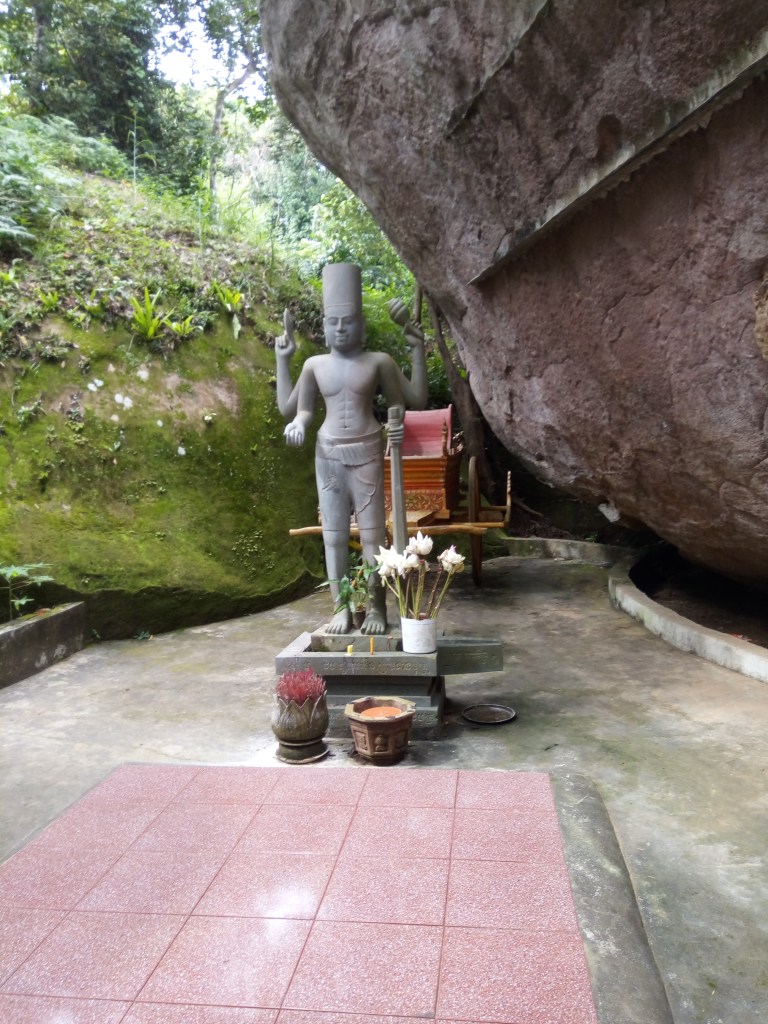
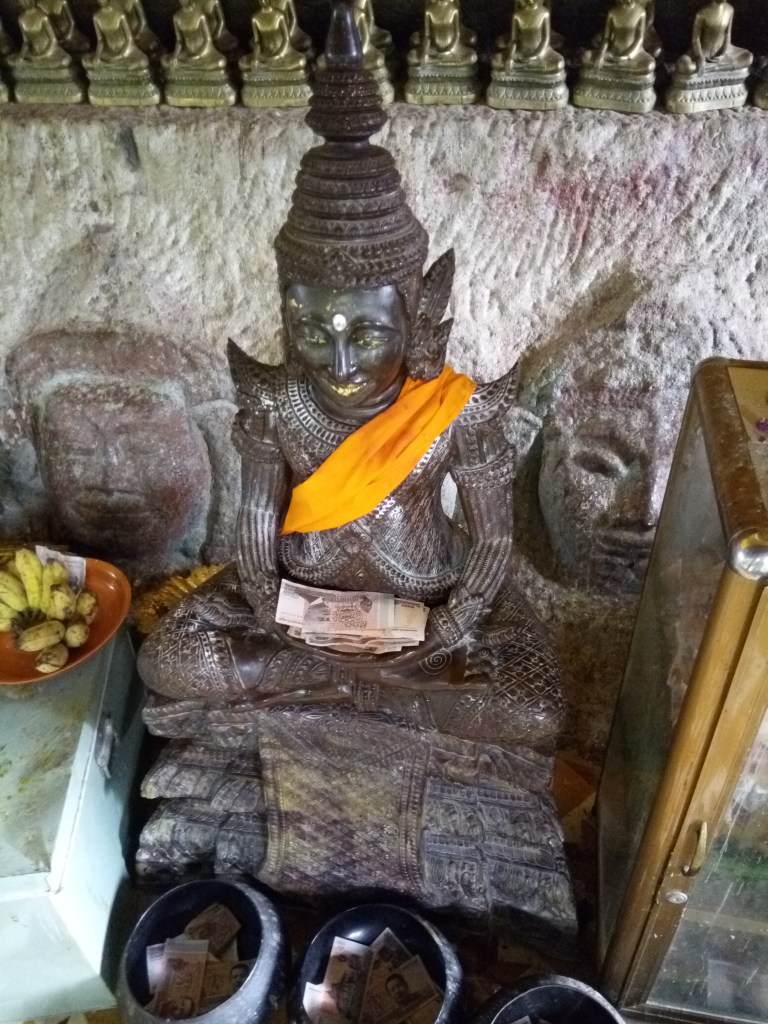
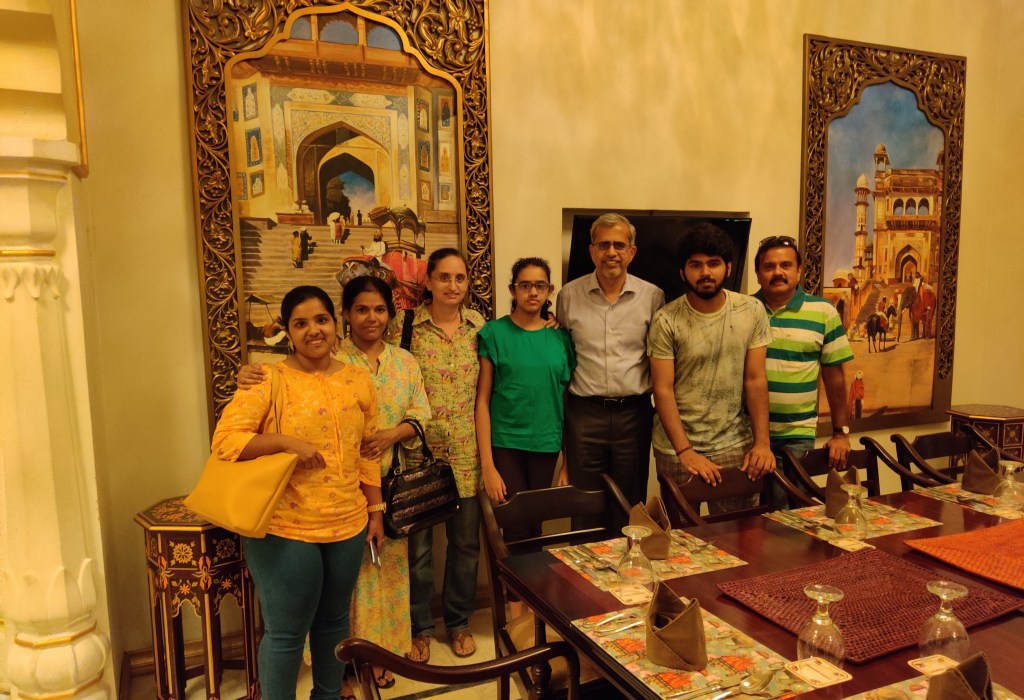
A DRIVE DOWN HISTORY LANE

The idea of a long long drive was being cooked up by the ladies of the house since the onset of 2021 and deliberations were on whether Yelagiri would be ok or should we go further down to Yercaud from Chennai. The son was not too keen coz he would miss his football and gym sessions and kept spinning around with stories of the dates clashing with his exams so much so that the hotels I had shortlisted at these 2 places were sold off and we were back to square one. I meekly tried reconciling the incensed moods   with the idea of a drive to Gangaikonda Cholapuram, a heritage and historical site which had been on my bucket list for long and somehow it caught my wife’s fancy, being a history buff and a big fan of the 5 part series of novels on the Chola Kings – Ponniyin Selvam which incidentally is getting made into a movie by Mani Ratnam. Plans were cast in iron within the next couple of hours and with preconditions that we should be away from the heat and humidity of Chennai for not less than 2  days and we should not be overdoing the temple stuff. With promises of balancing out the itinerary, quickly googled out a 4 town drive starting with Chidambaram as the first halt.

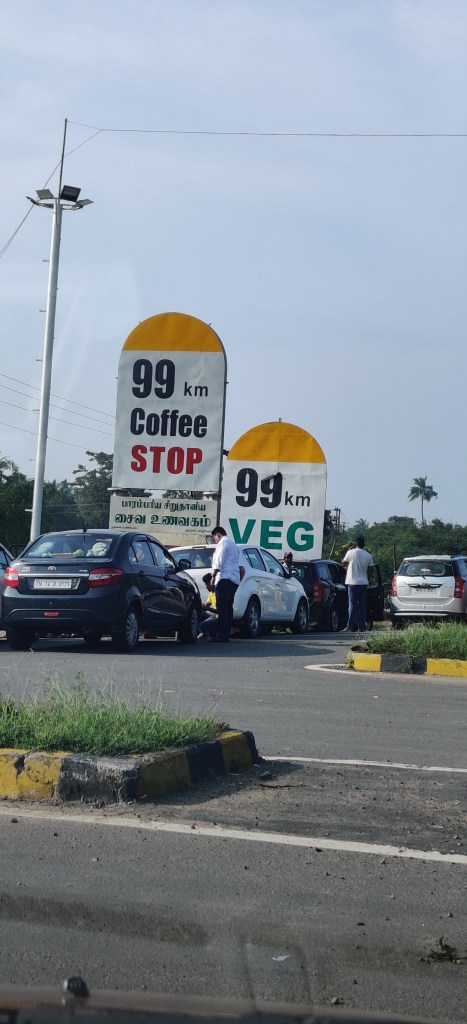
Day 1 : With a plan set to cover quite a bit on Day 1 and with temples being closed between 12 Noon to 4 across the state, proposed an early 5.30 AM start so that we could cover the 220 odd kms distance in around 5.30 hours with an hours stop for breakfast enroute. The start as usual got delayed by around an hour and after getting the tank filled up, hit the roads towards Tindivanam to get into Pondicherry. The 99th Km Milestone brought us to Haritam for breakfast where thanks to the weekend crowds driving out of the city and choosing this as their pit-stop, we were treated to some pathetic levels of service and cold and insipid food
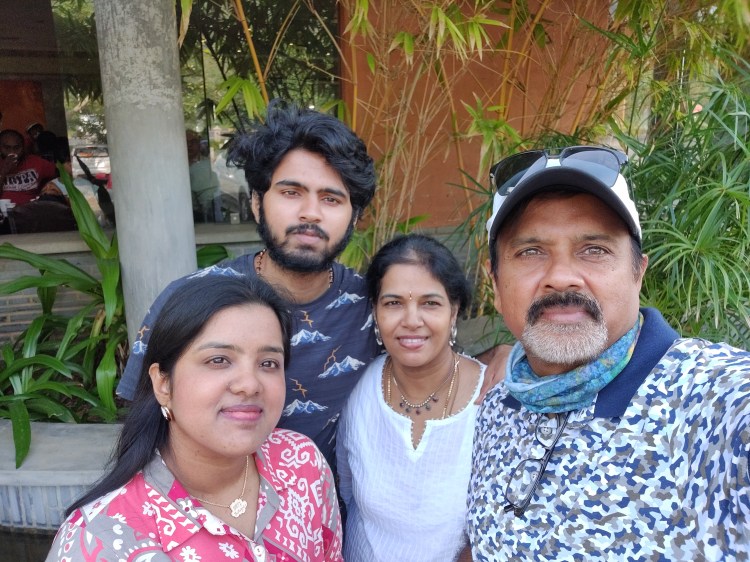
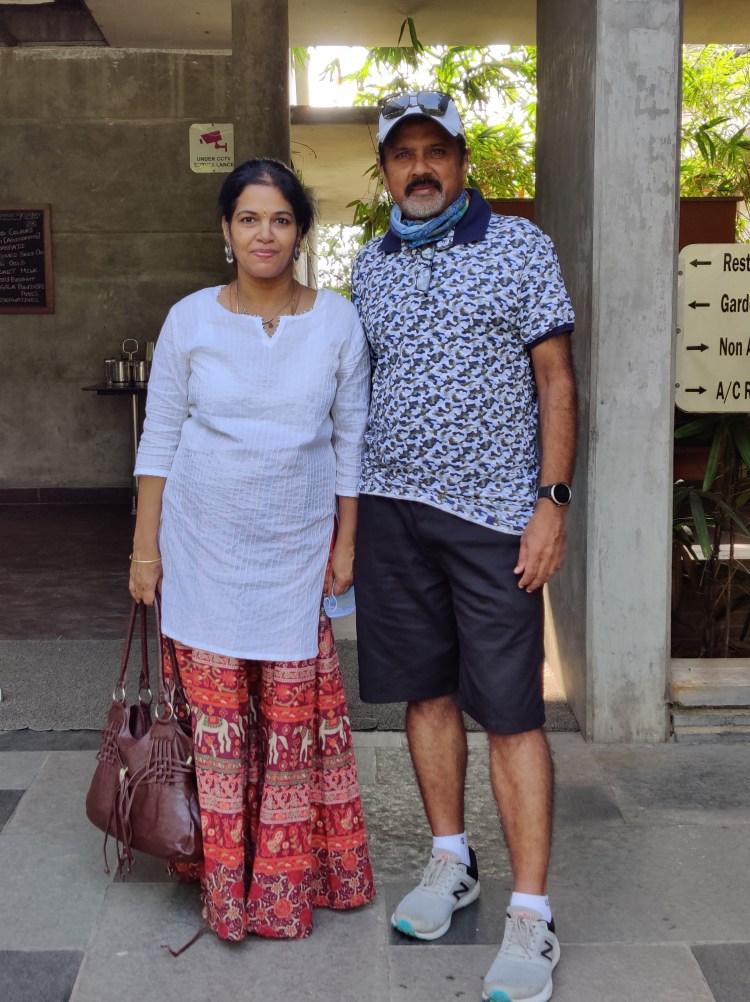
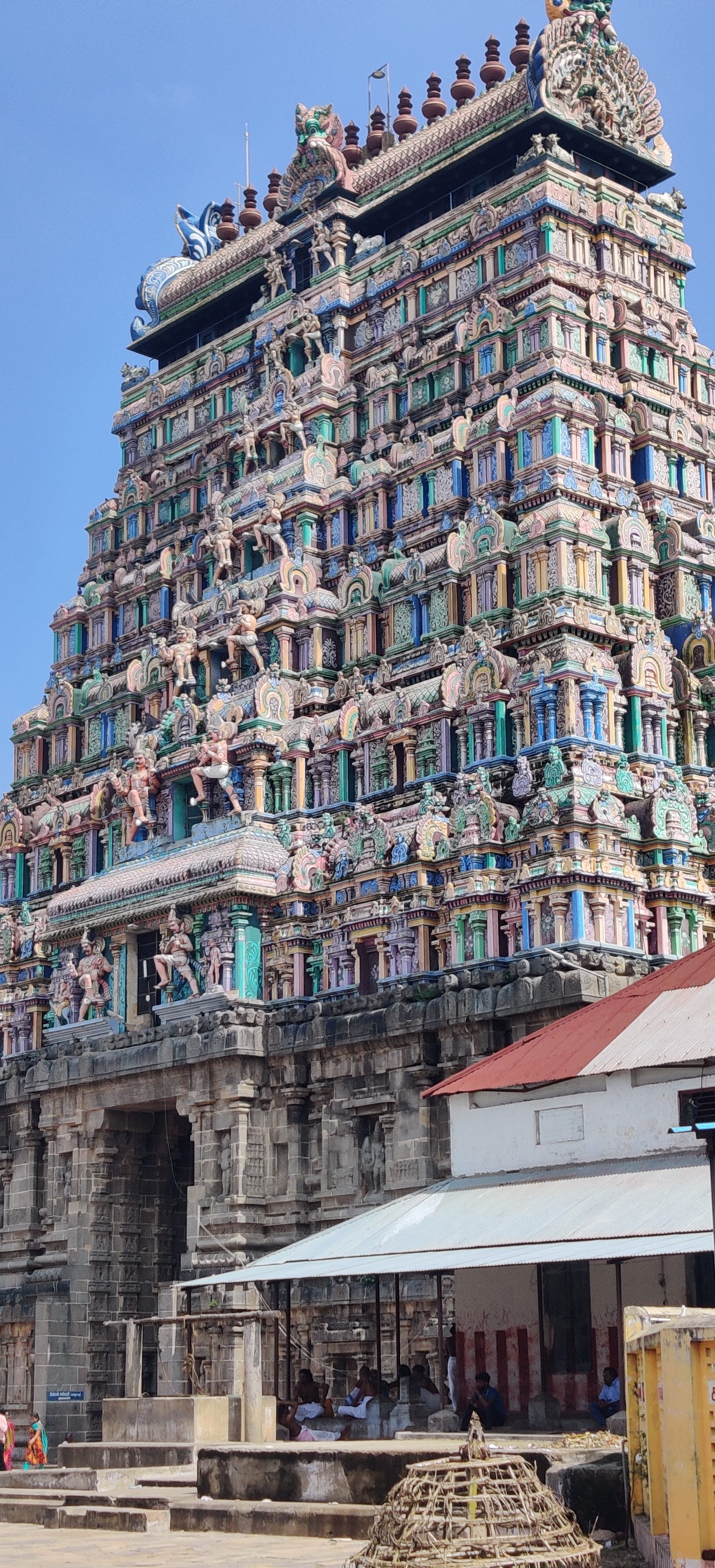
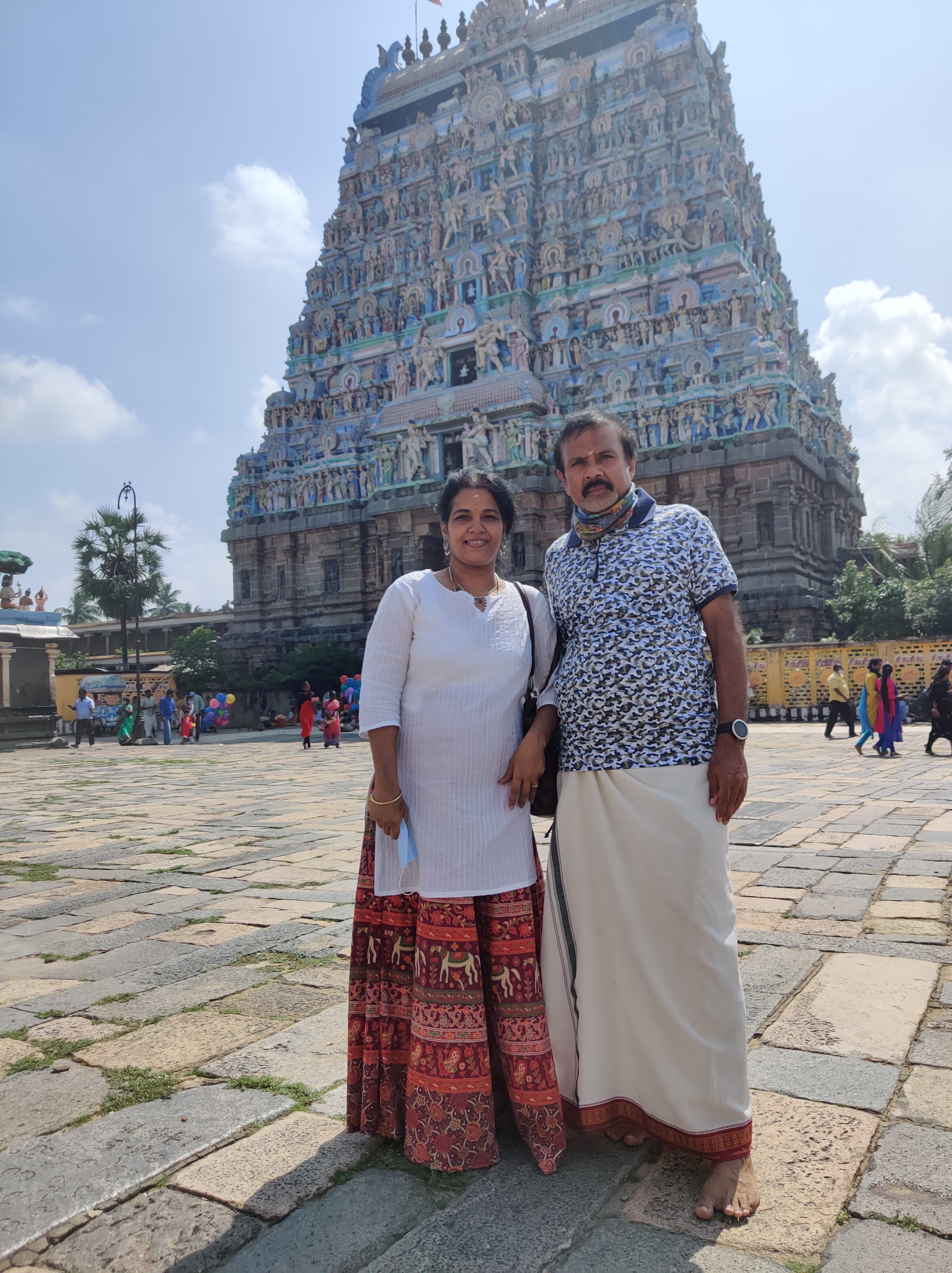
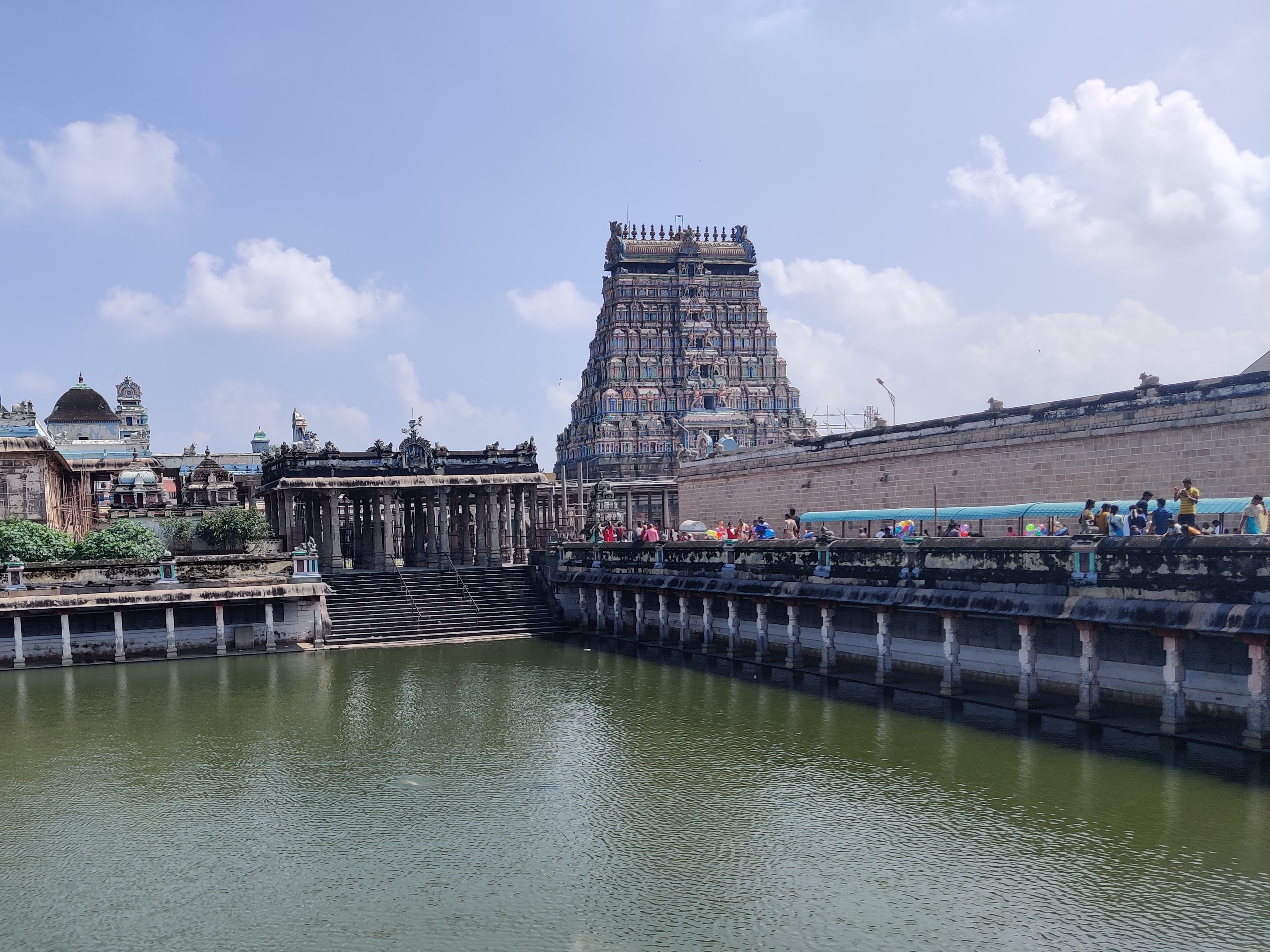
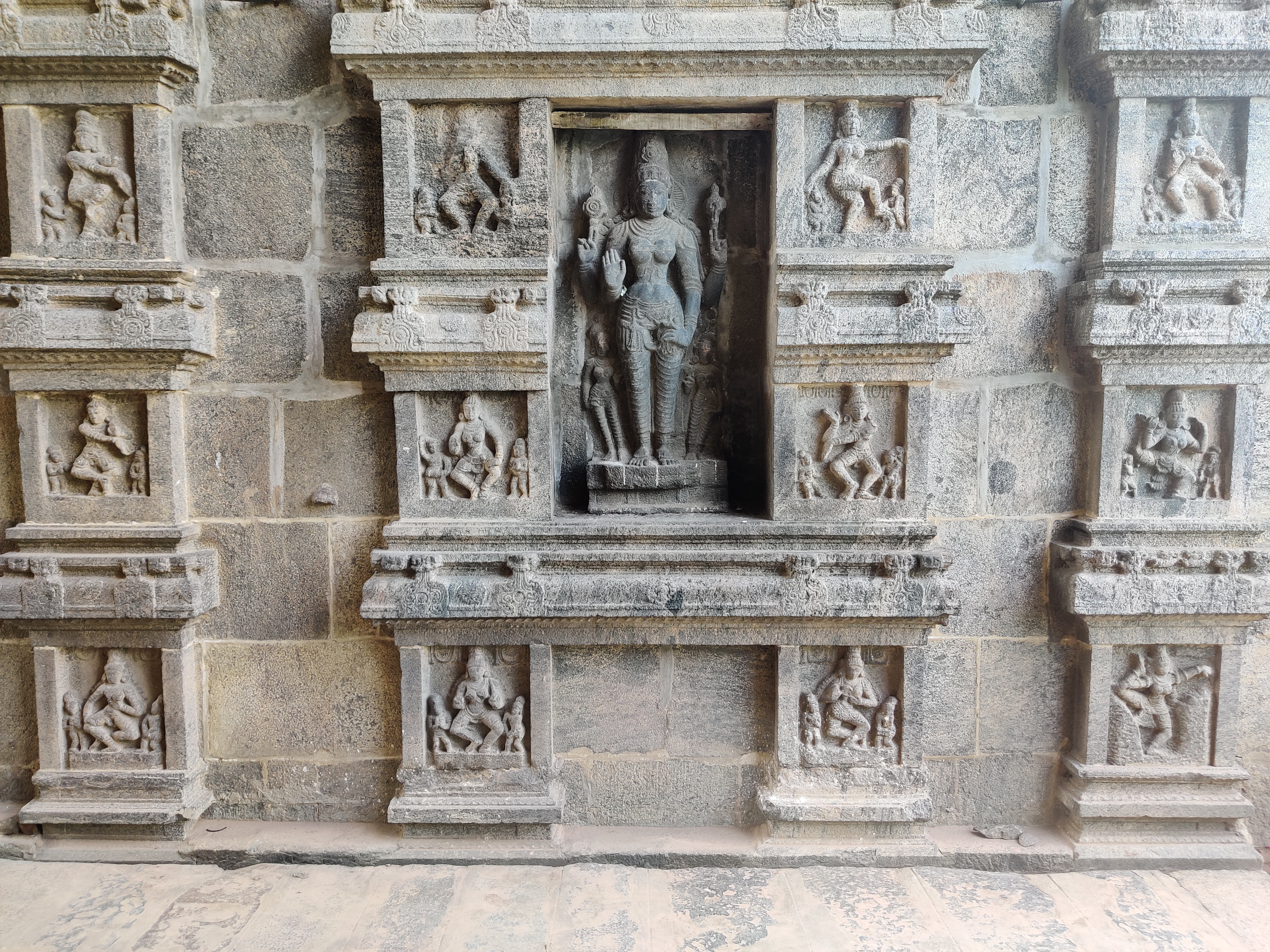
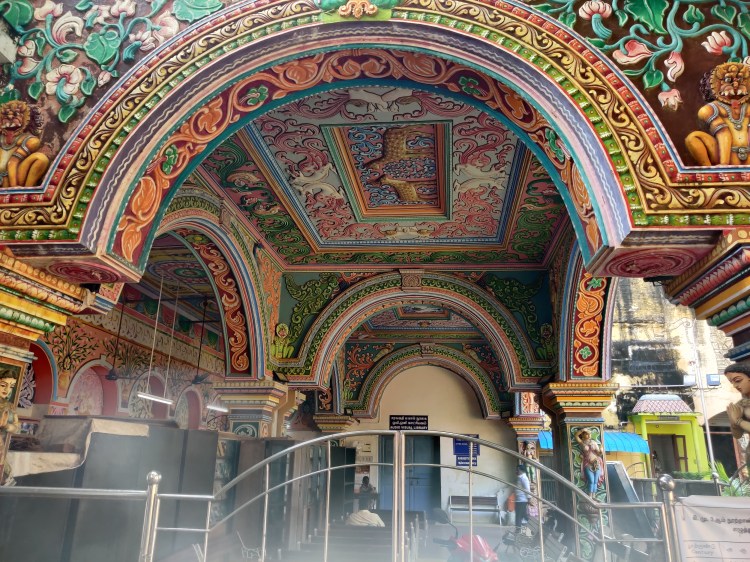
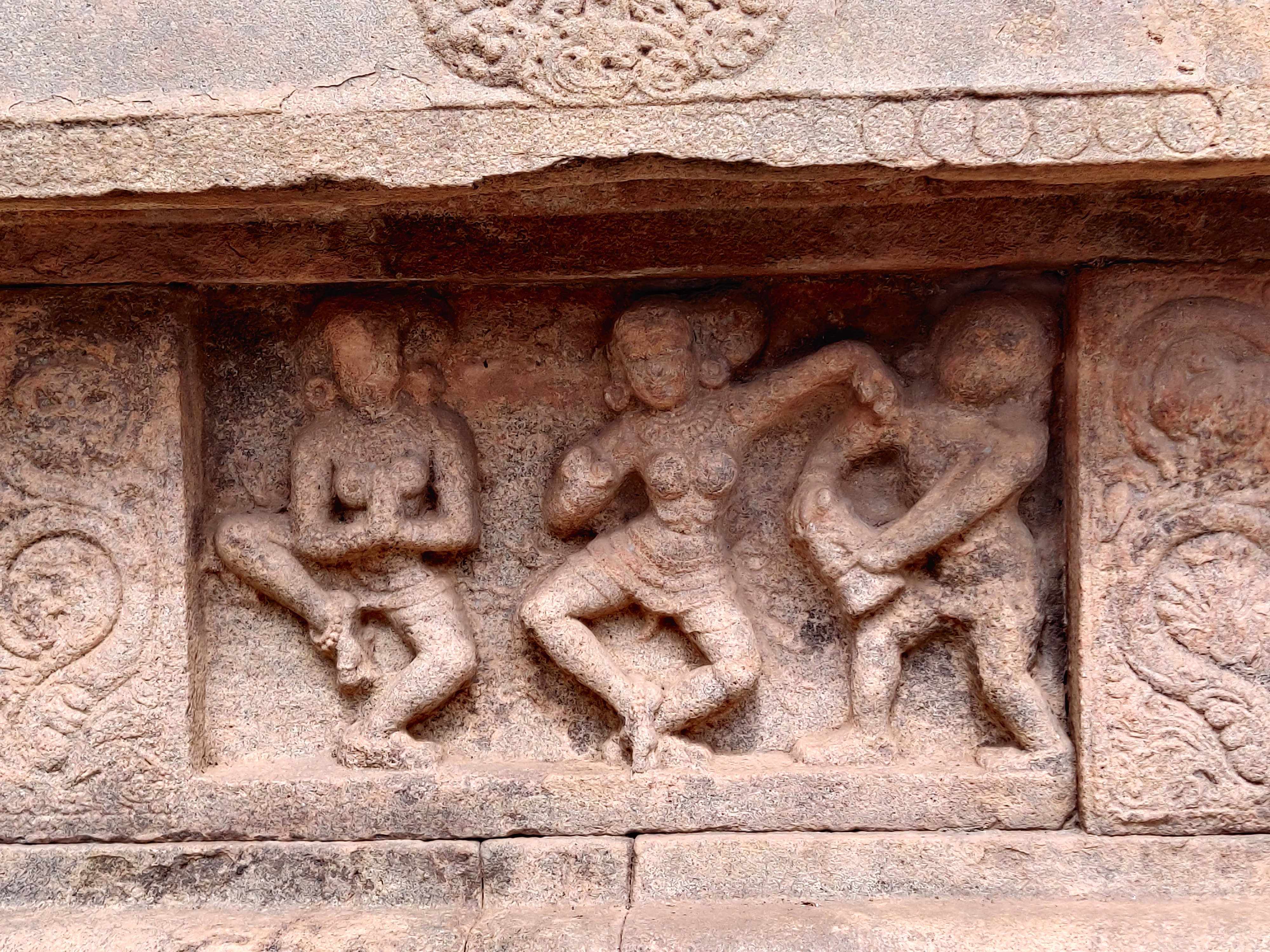
Around 9 is when we restarted our drive towards Chidambaram via Tindivanam, Pondicherry  and Cuddalore. The roads after Pondicherry were in pretty bad shape and broken at quite a few places maybe coz of the recent rains. At around 11.30, we finally entered the temple town of Chidambaram,  home to the Thillai Natarajar temple where one gets to see a Silver  idol of Lord Shiva with his left leg raised in a dancing posture.  Built in the 10th Century when this town was the capital of the Chola Dynasty, this temple is one of the oldest surviving temple complexes. Unique to this temple are the 108 carvings of the karanas (dance transitions) and these form part of a classical Indian dance known as Bharatnatyam.
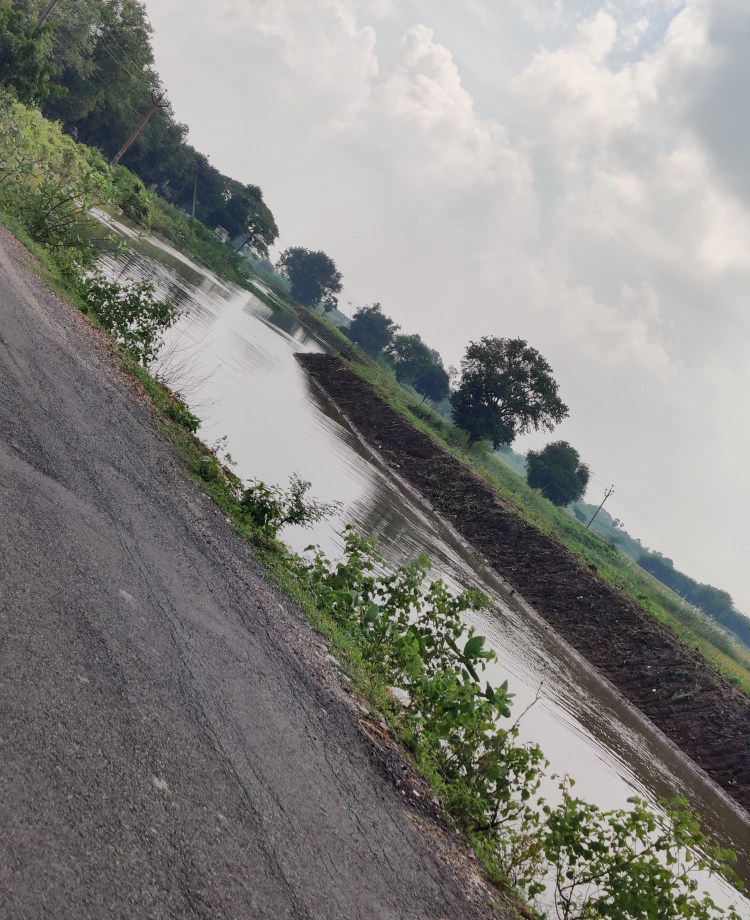
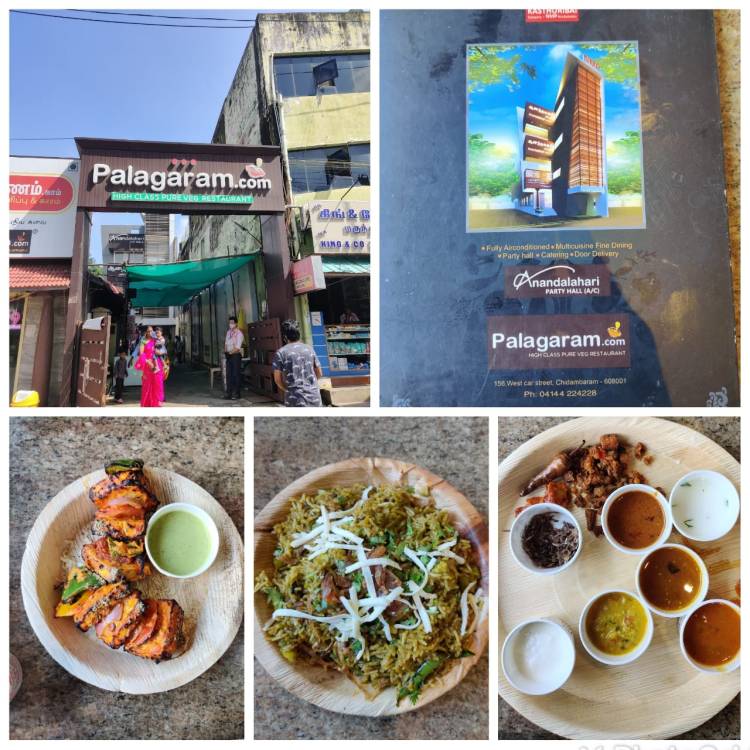
Next on the cards was a plan of doing a boat ride down the Pichavaram Mangrove forest located around 15 kms from Chidambaram. These forests are the 2nd largest in India after the Sunderbans.  This unfortunately met with a roadblock as we were informed that coz of Pandemic regulations and to avoid large crowds being a festive holiday, the place was closed for visitors. Anyways, since we had some free time in our hands, we drove for some distance down the scenic route just to take in sights of the lovely countryside, set amidst lot of greenery with a small rivulet running parallel to the road and hit back base at Chidambaram for our lunch at a restaurant called Palagaram. A misnomer for the  title but it definitely would have rued its chances of staying operational if it had stuck to its true name. Having said that, this place offered everything that you could conjure as food and did its reputation no harm in dishing out some decent fare.
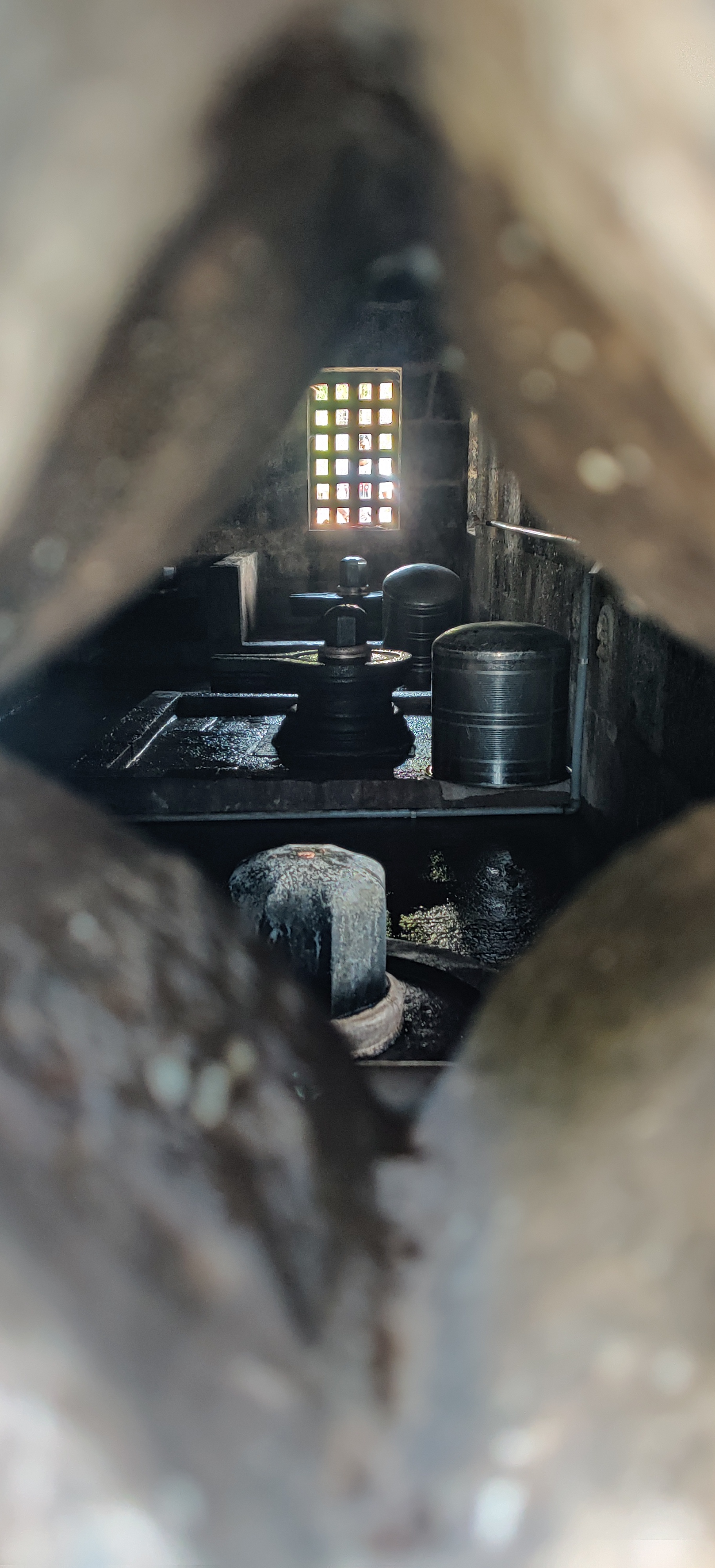
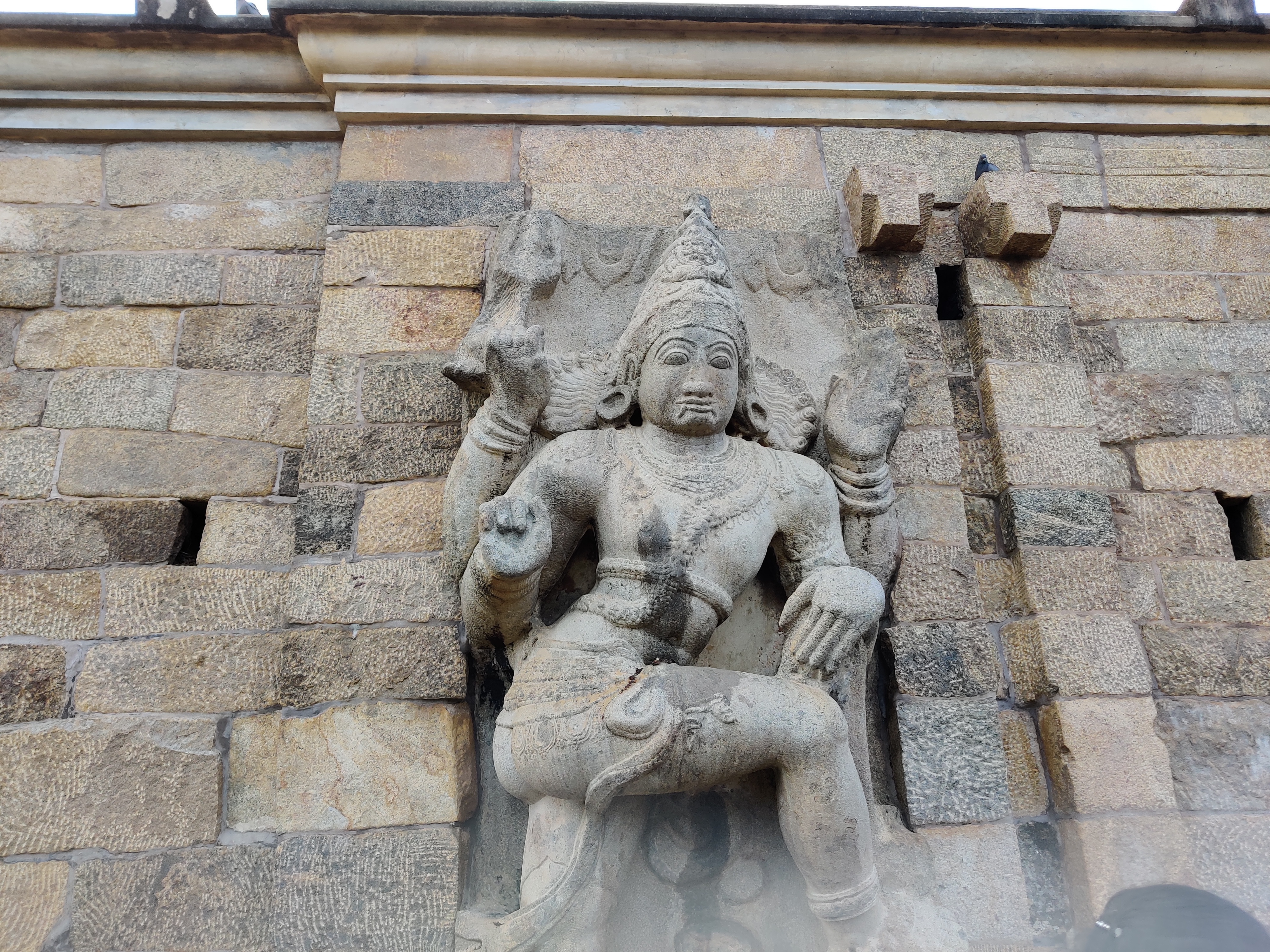
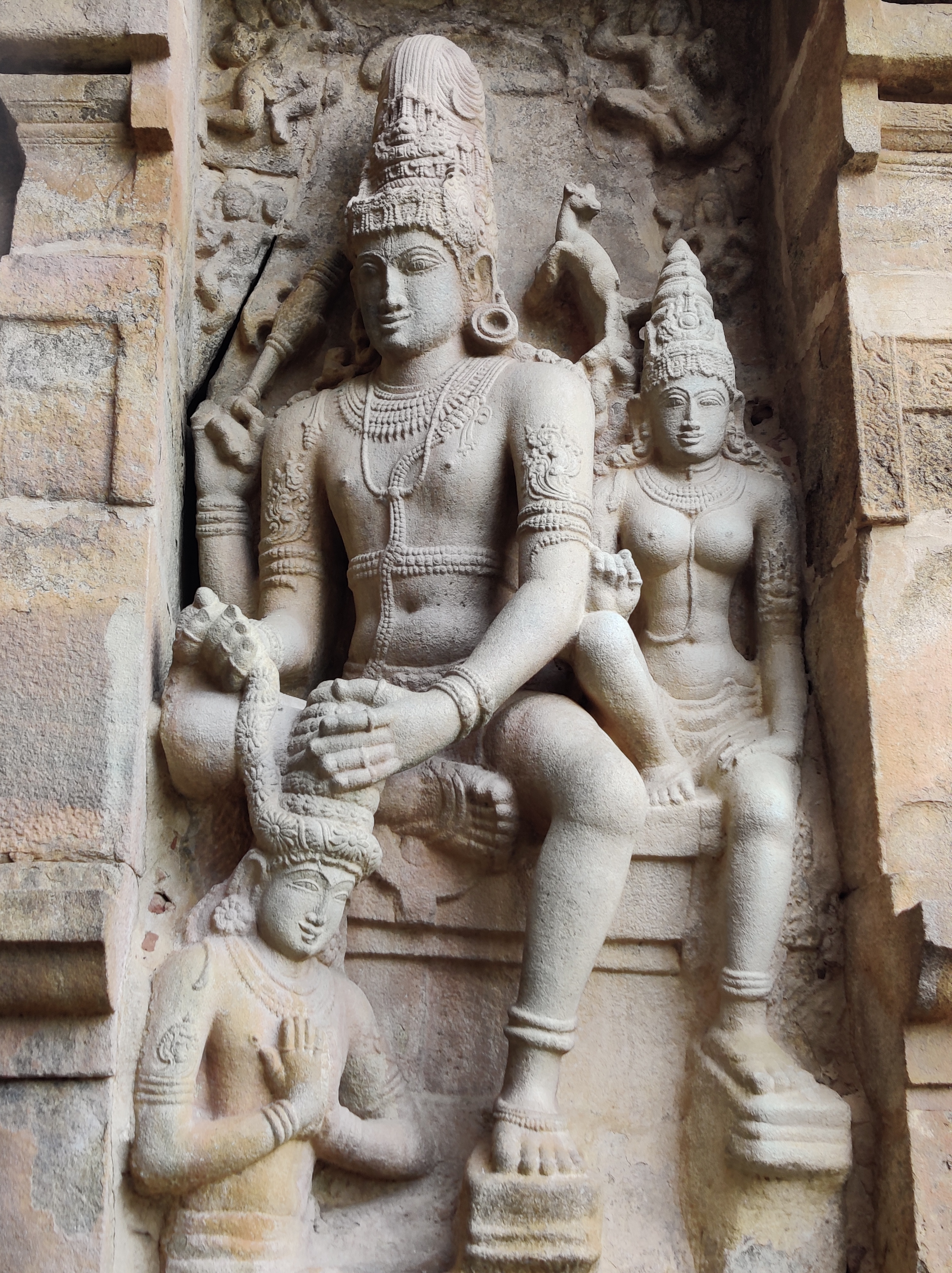
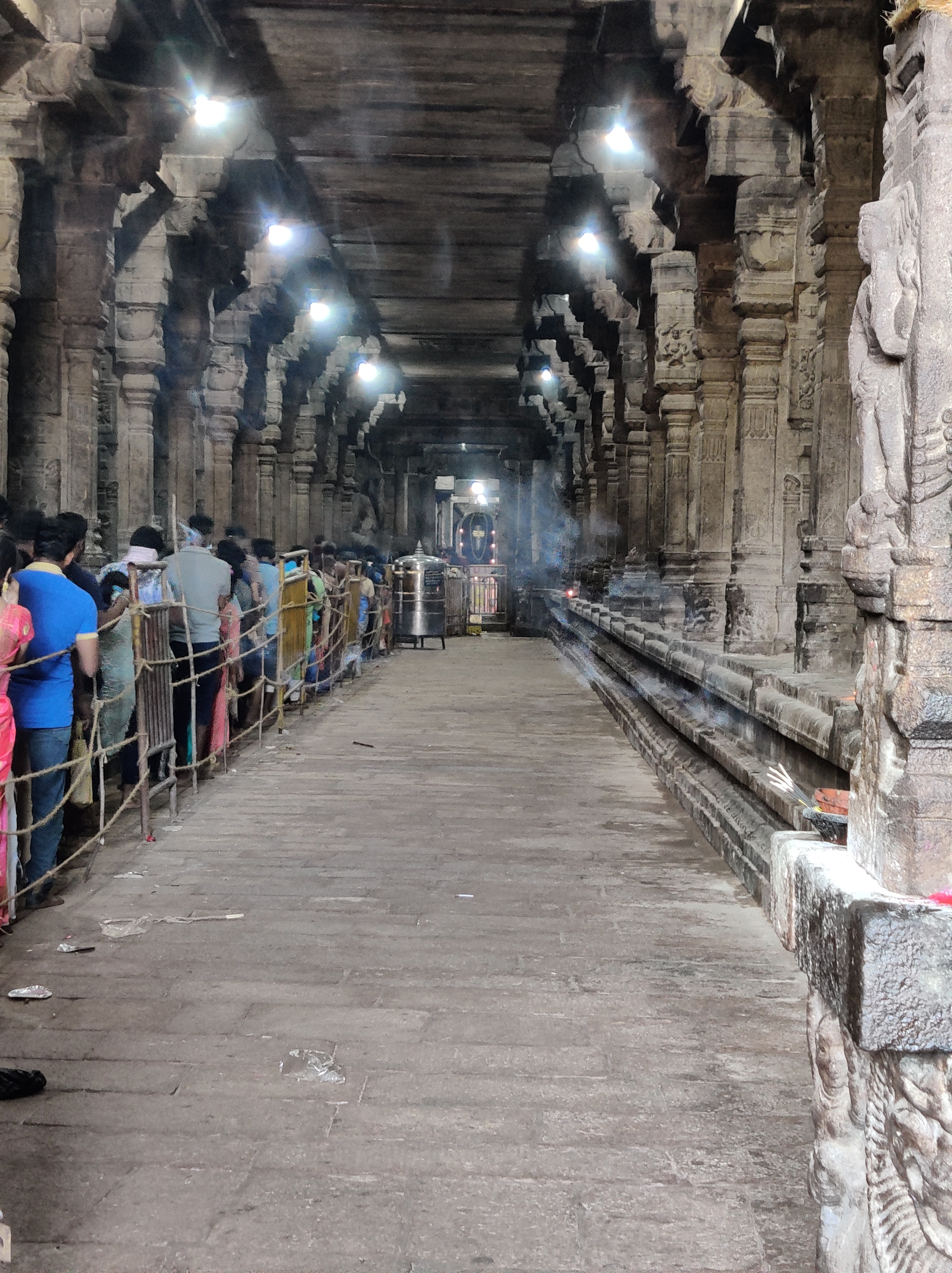
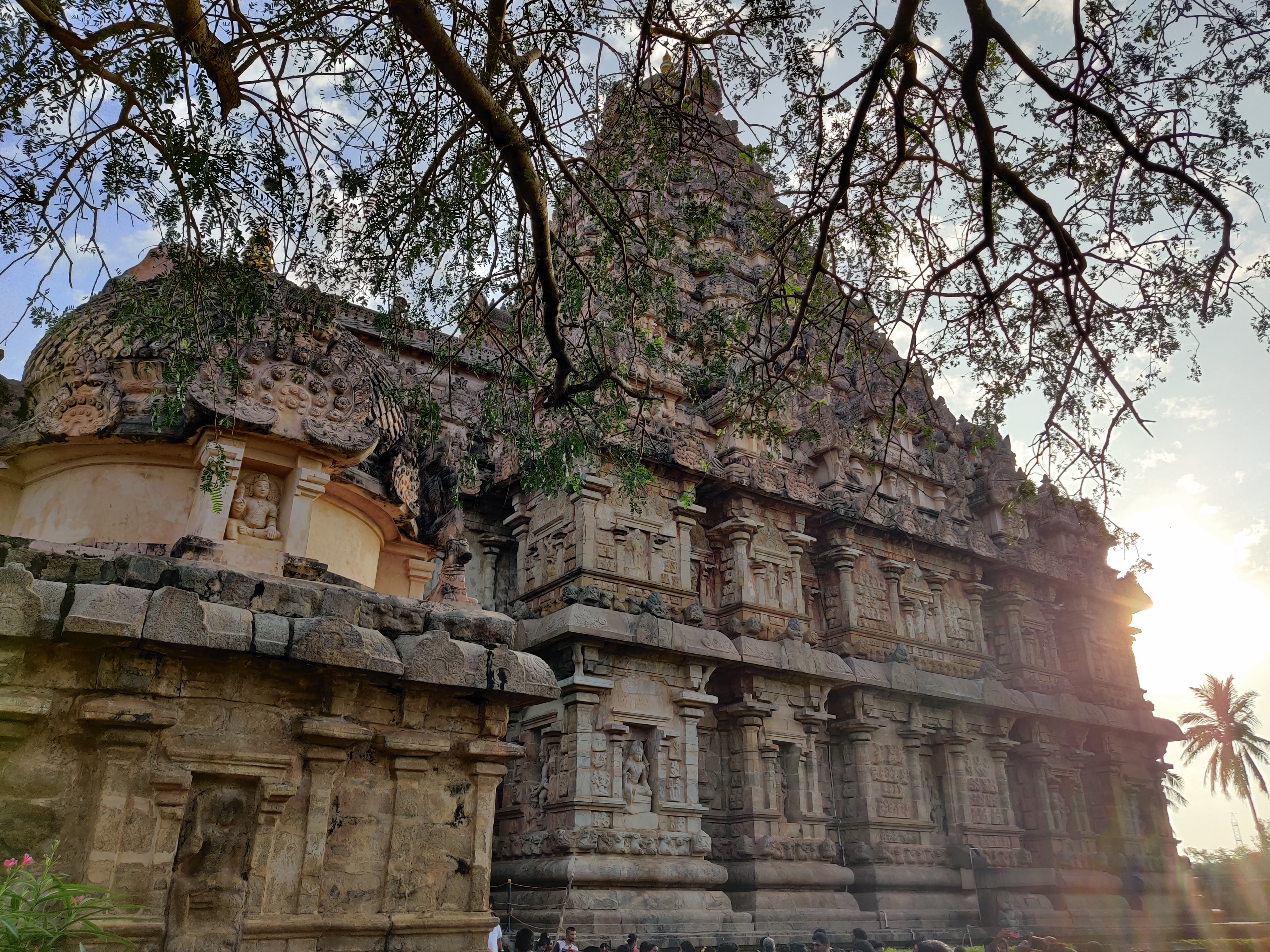
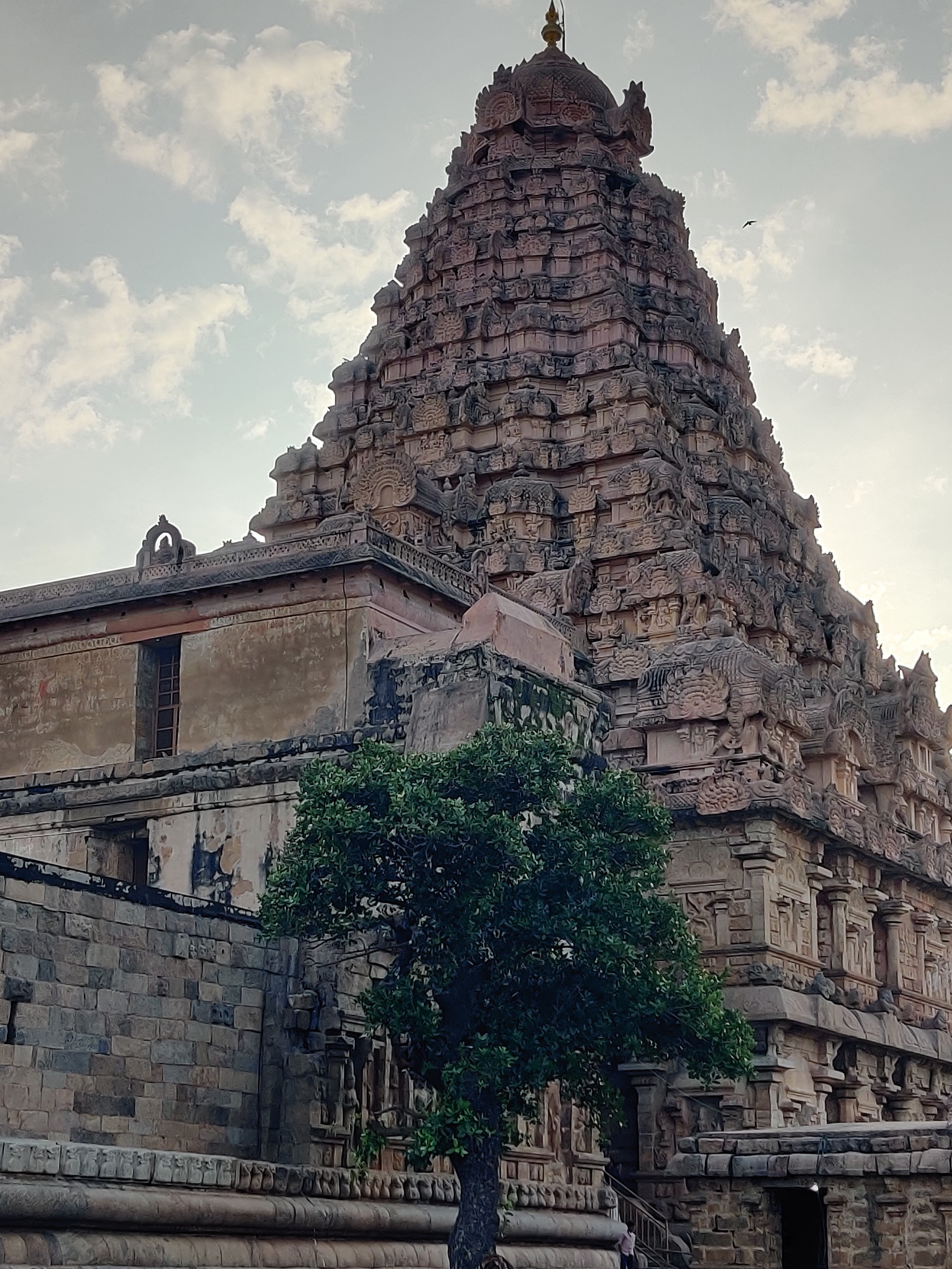
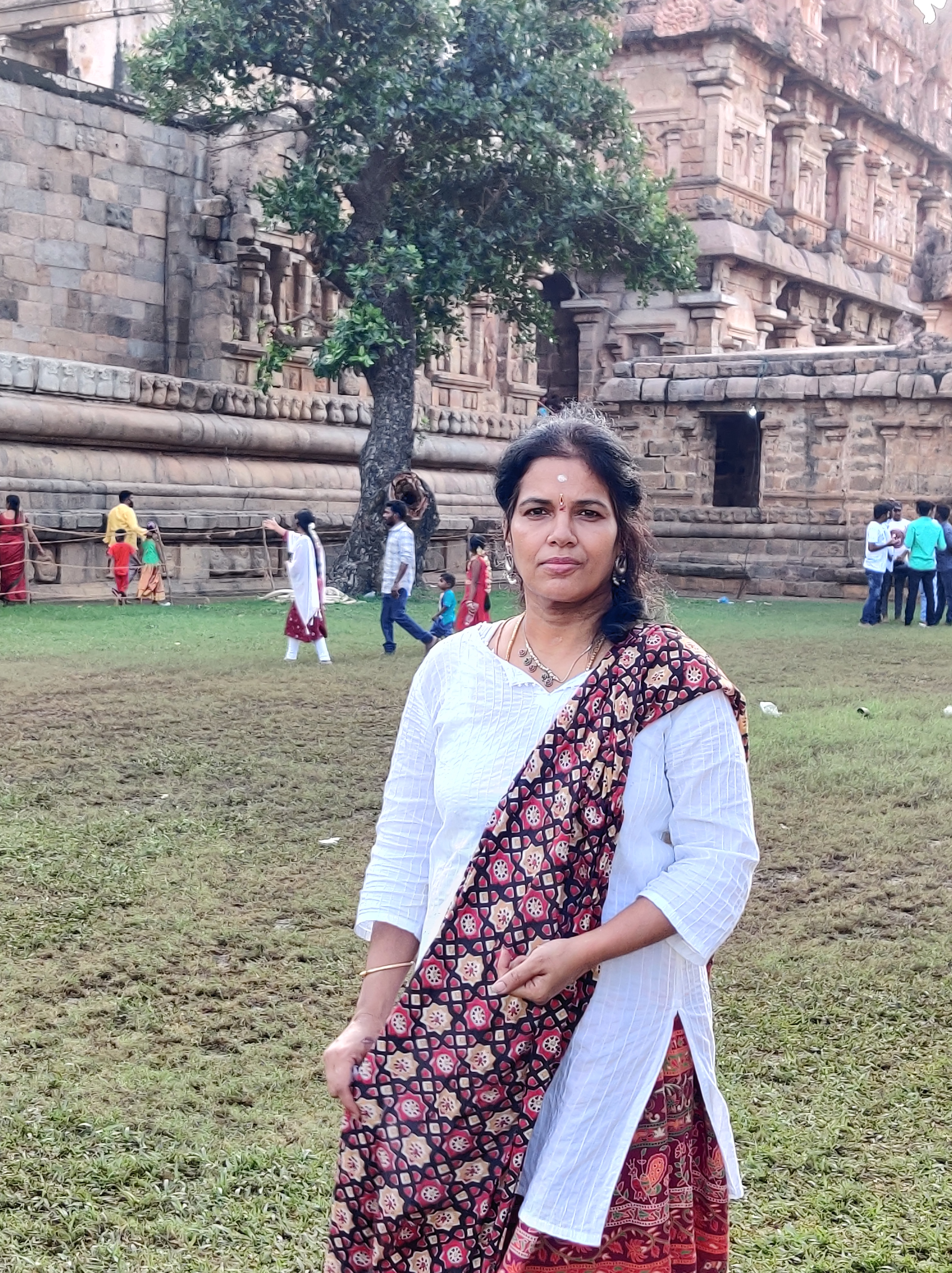
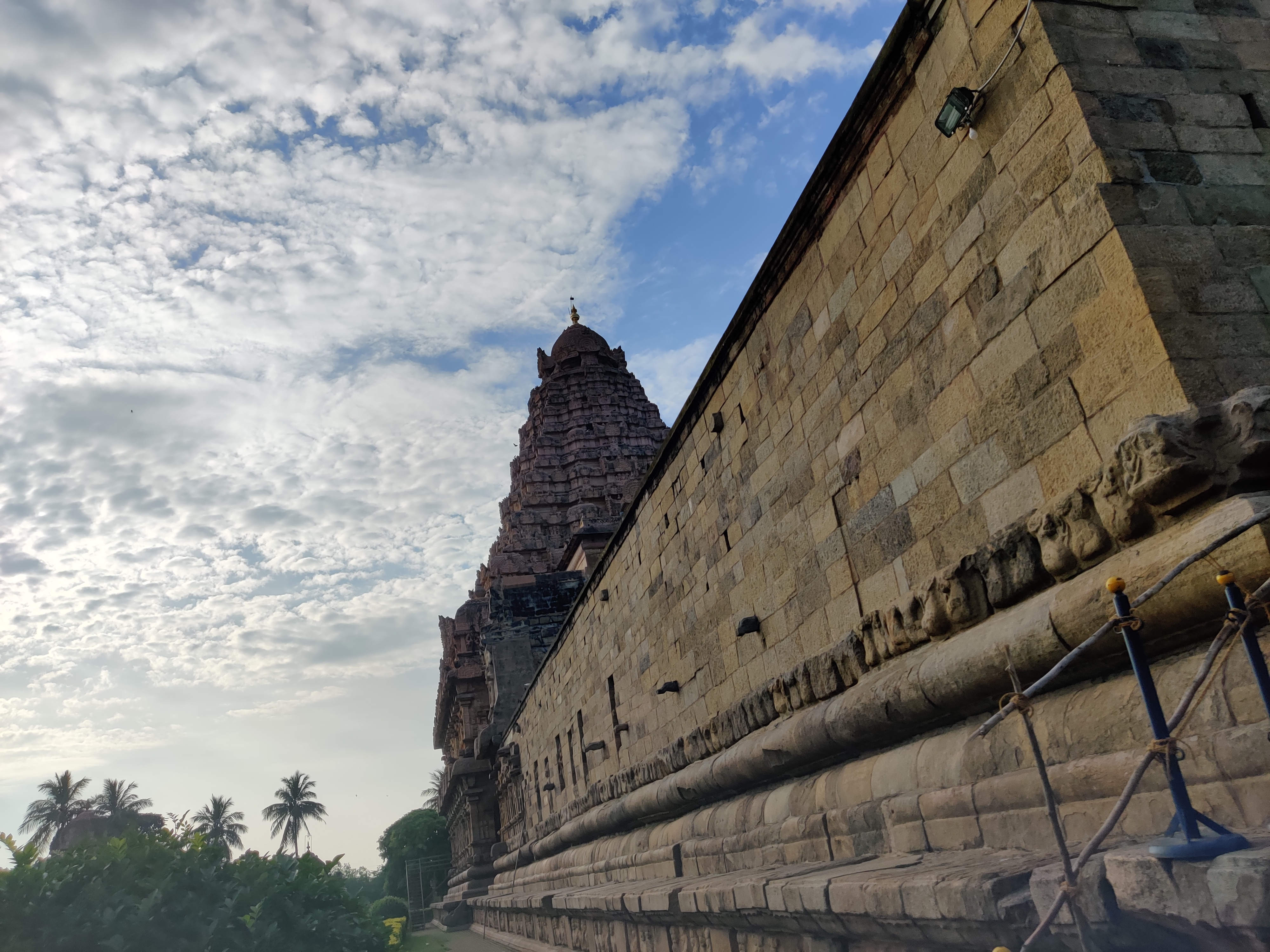
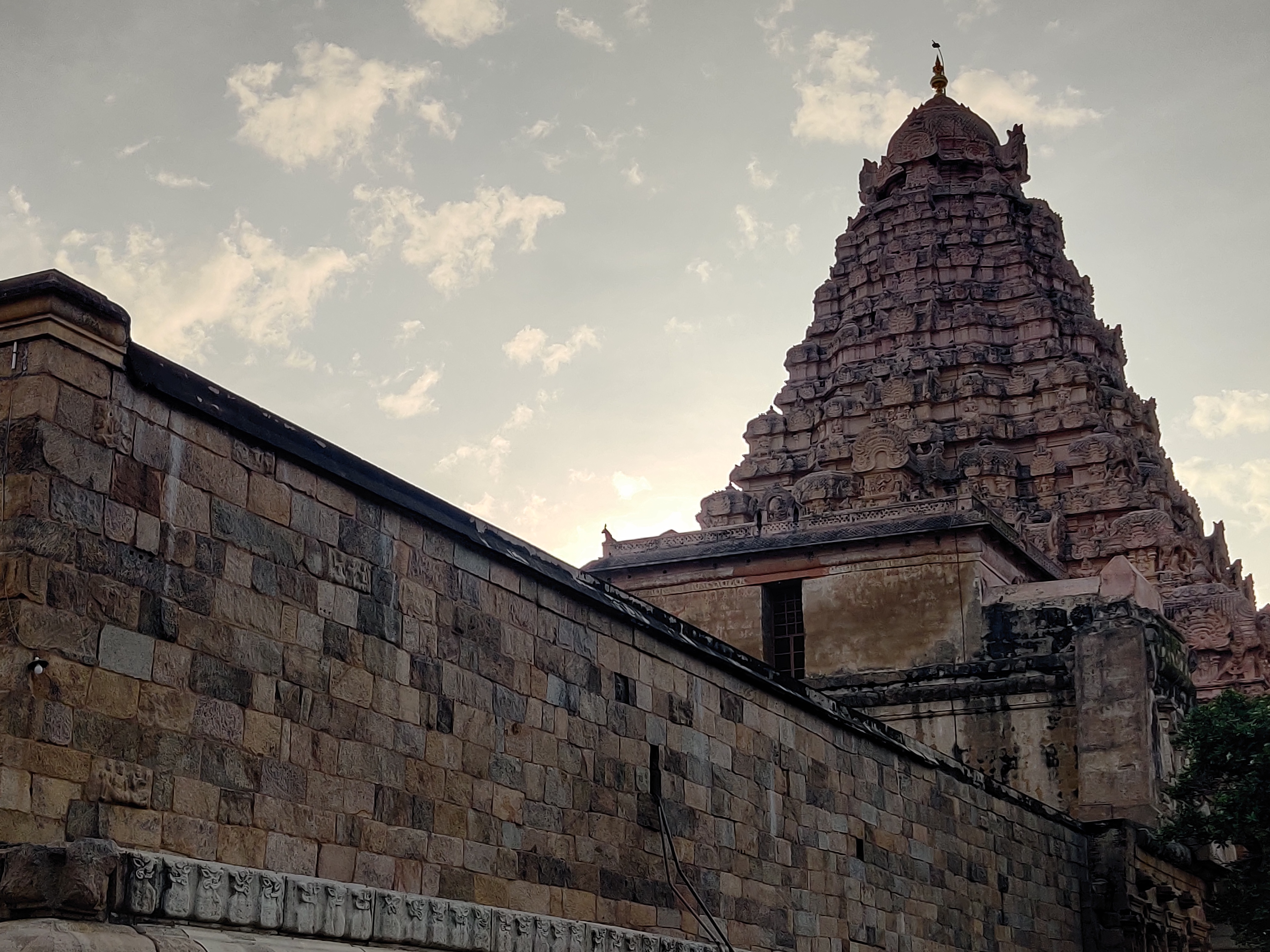
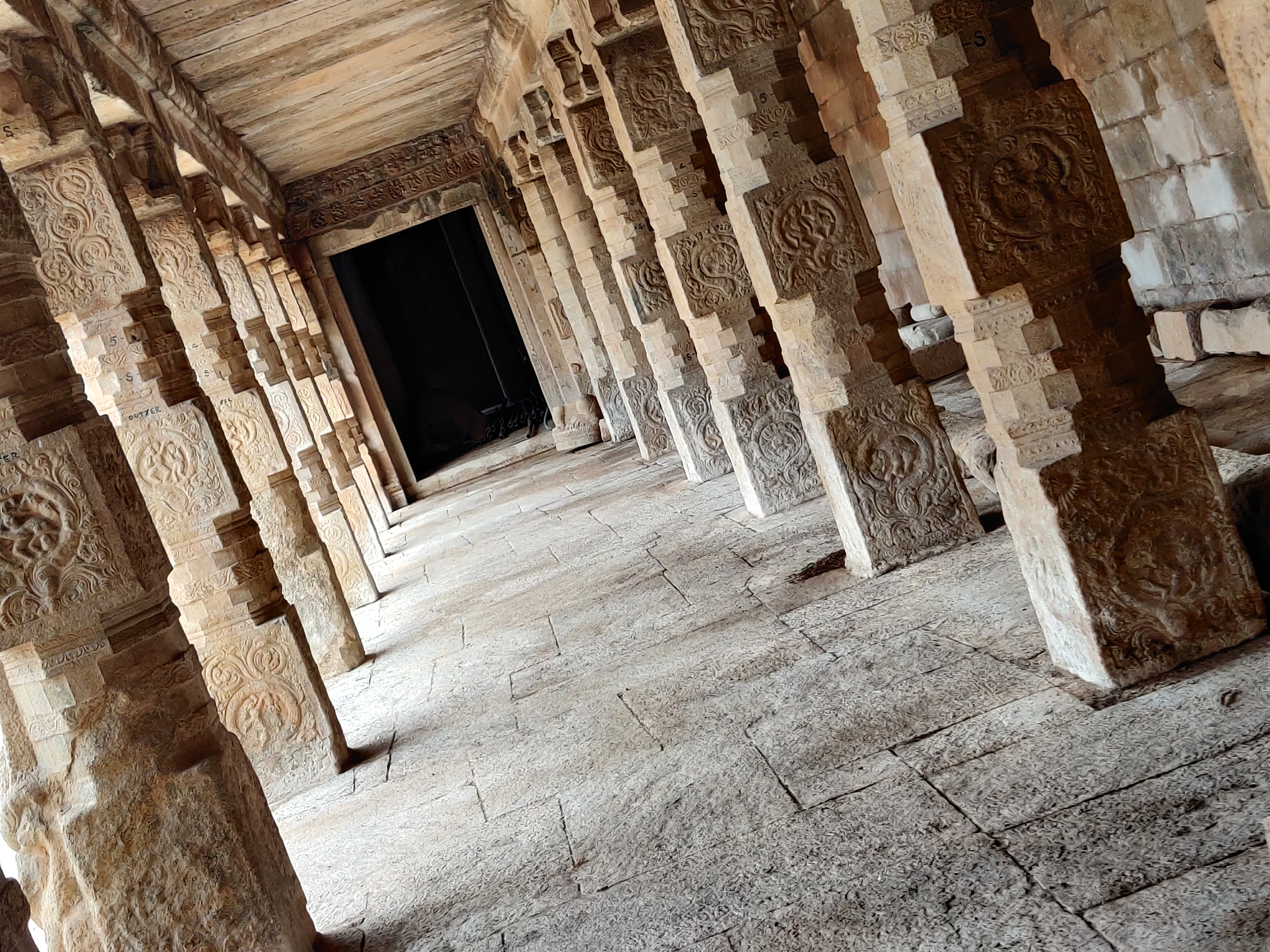
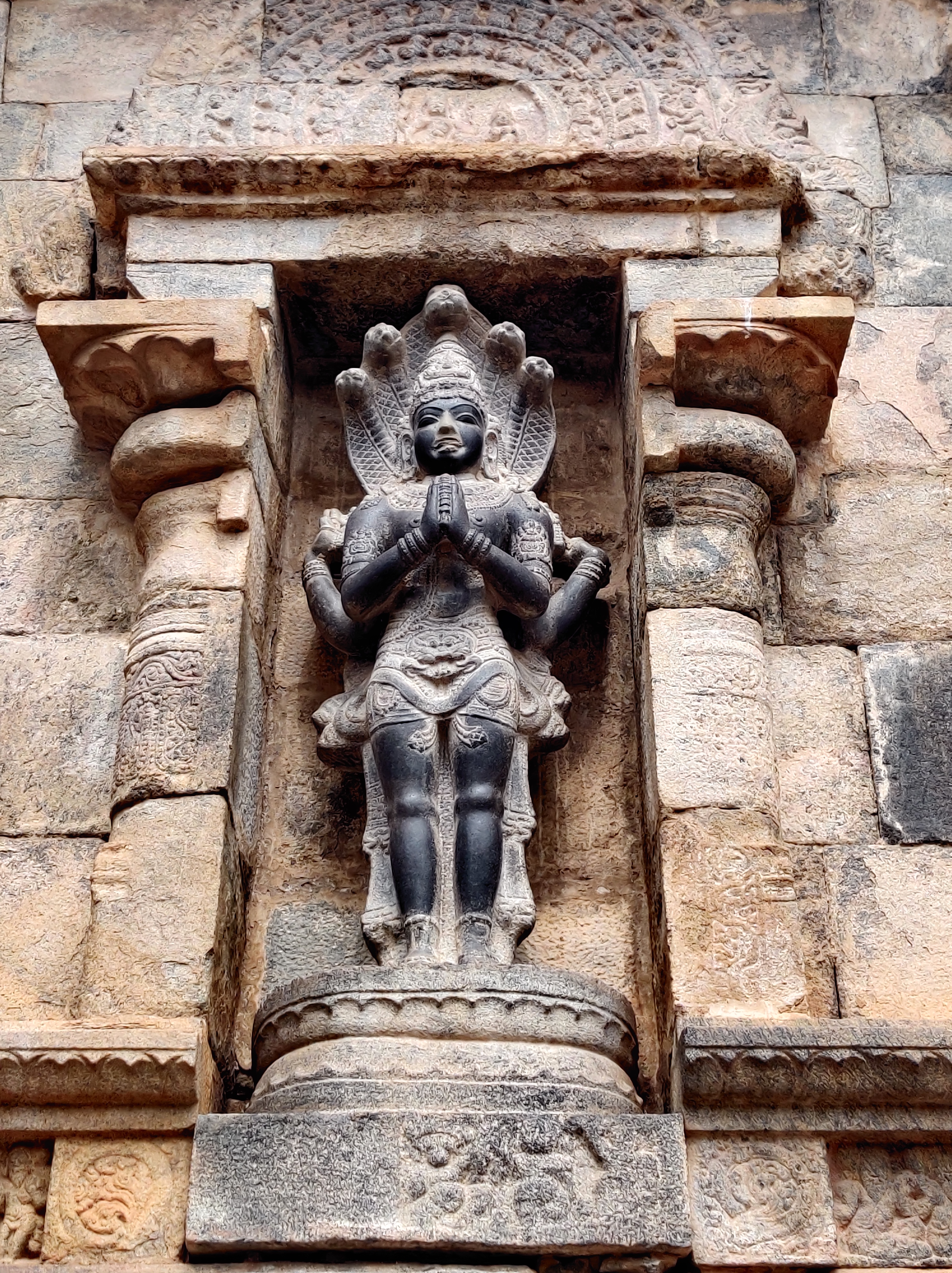
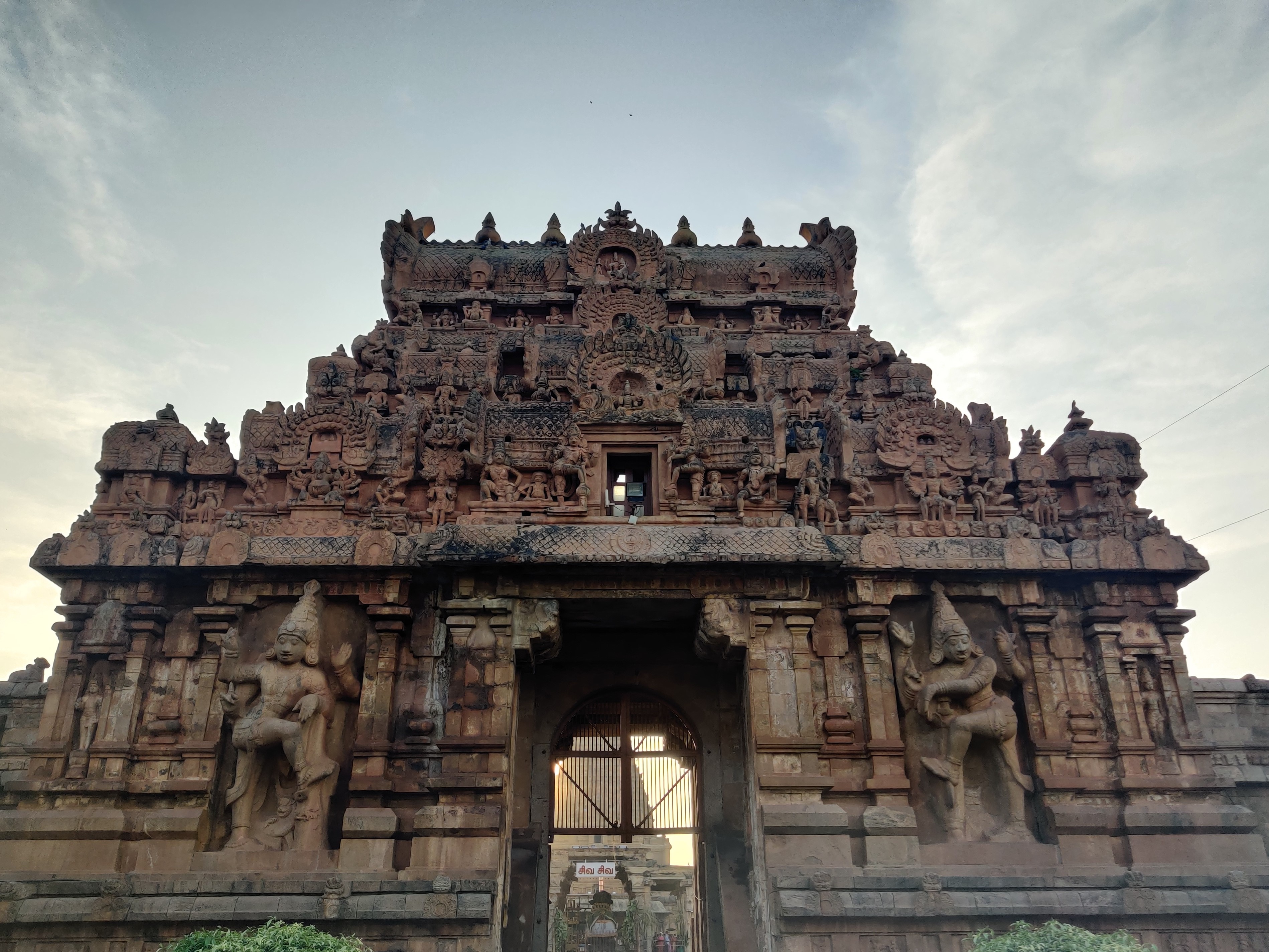
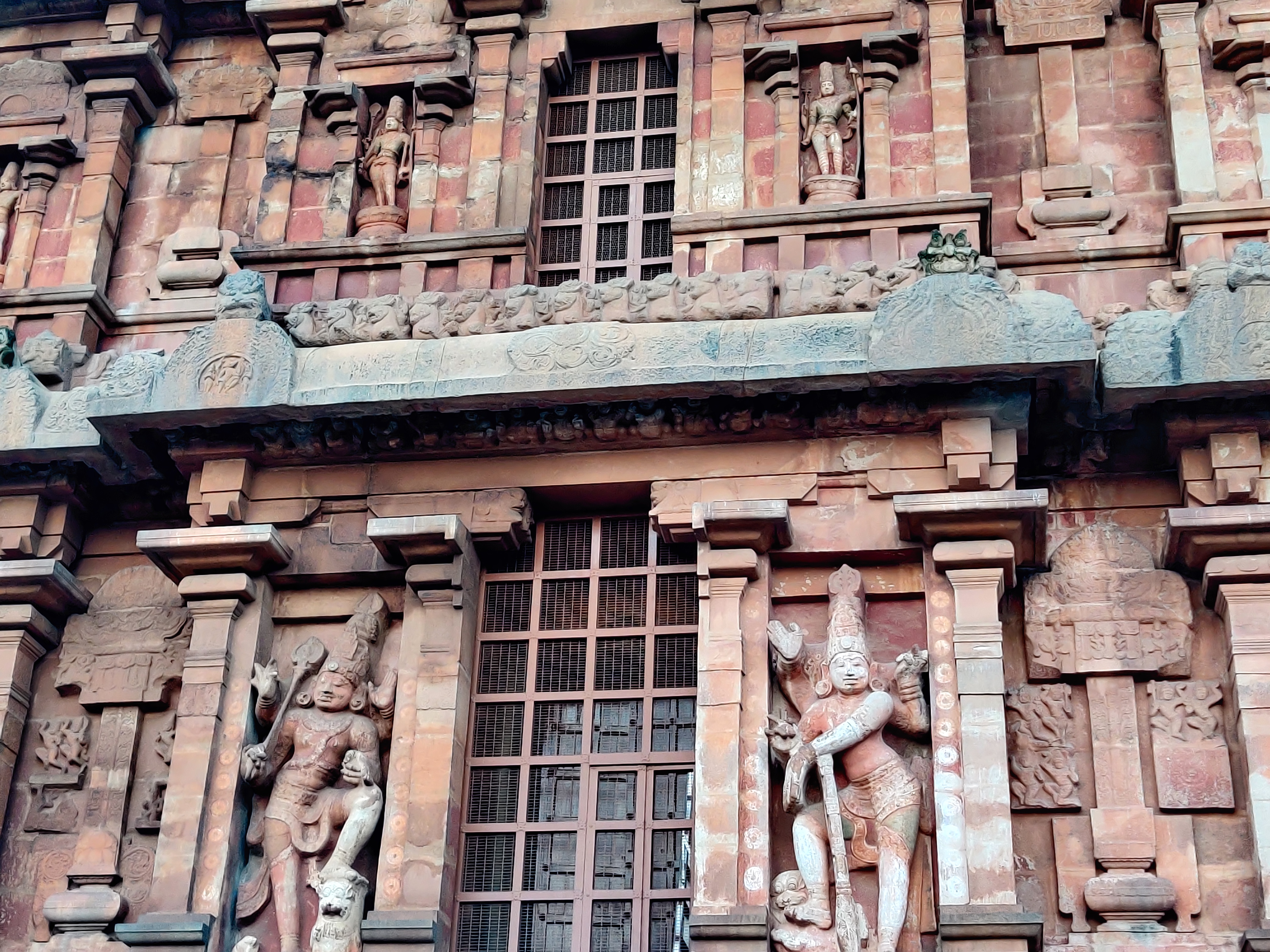
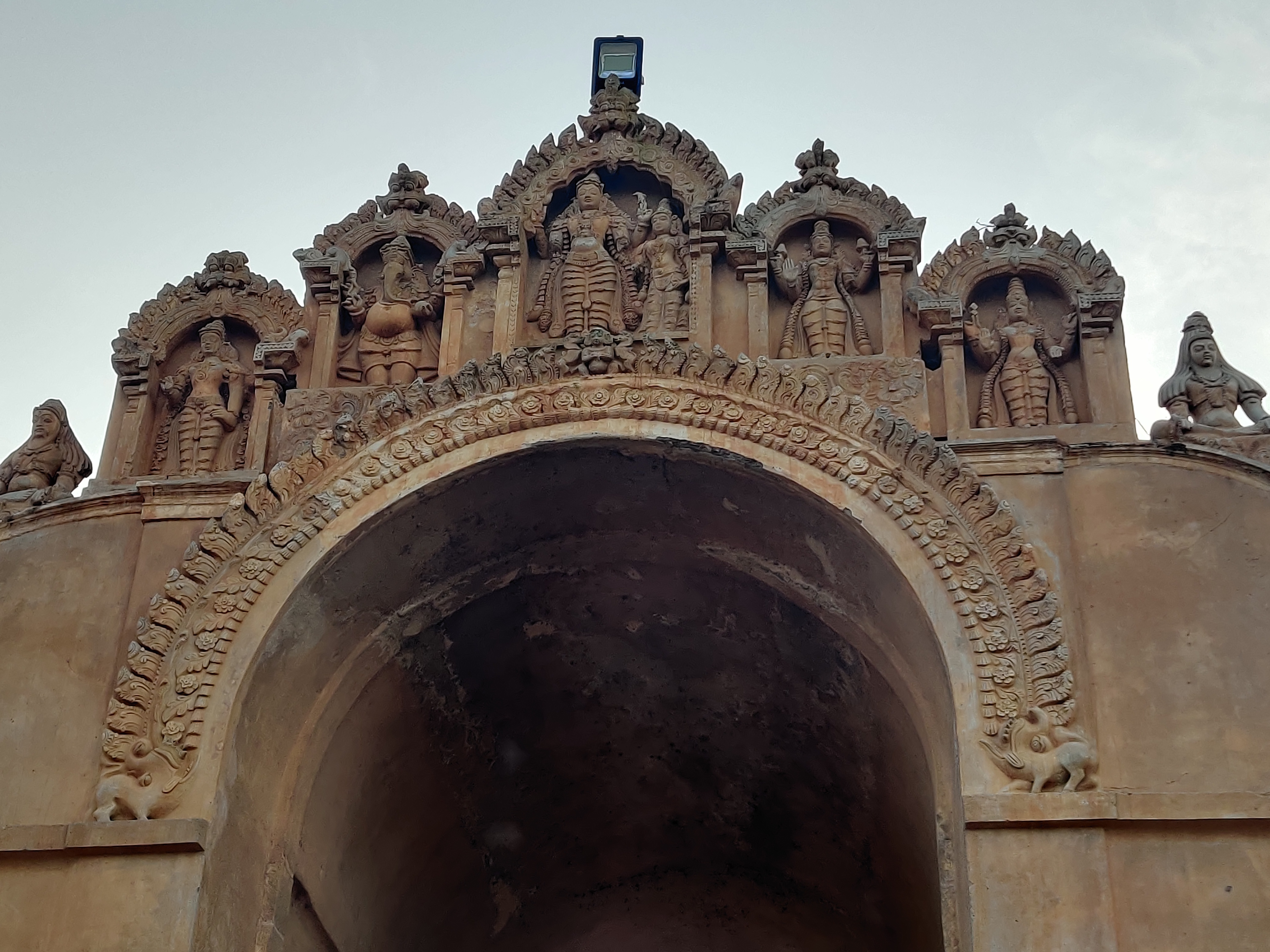
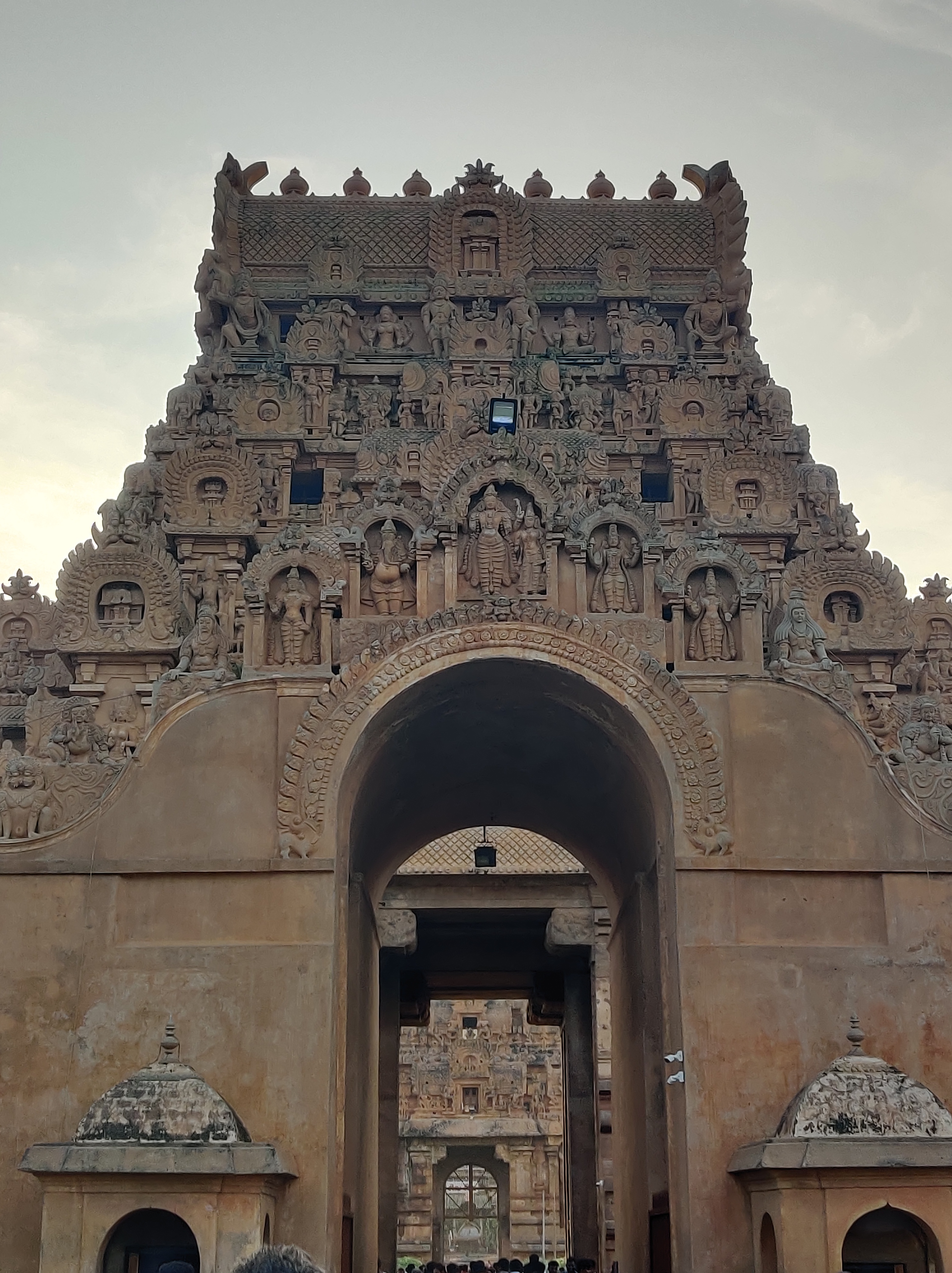
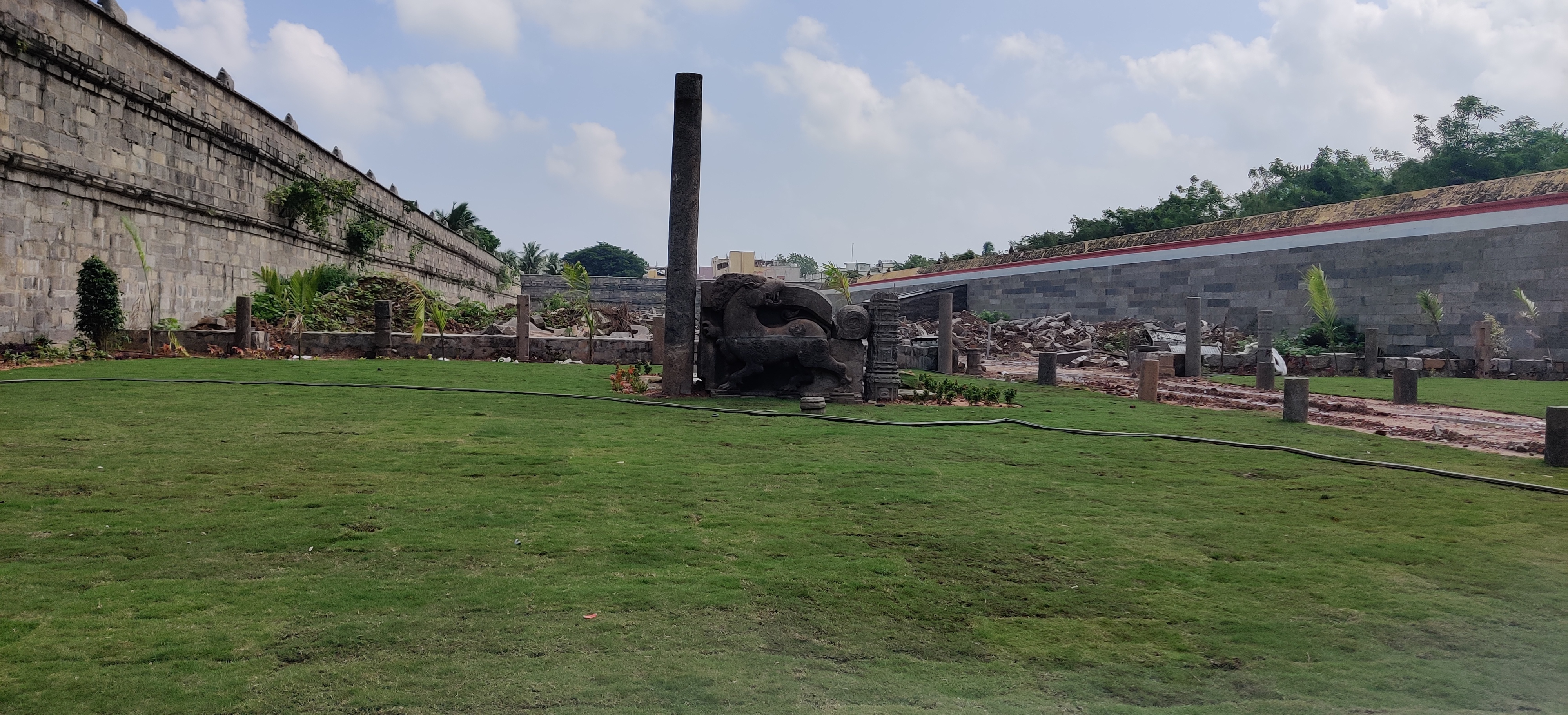
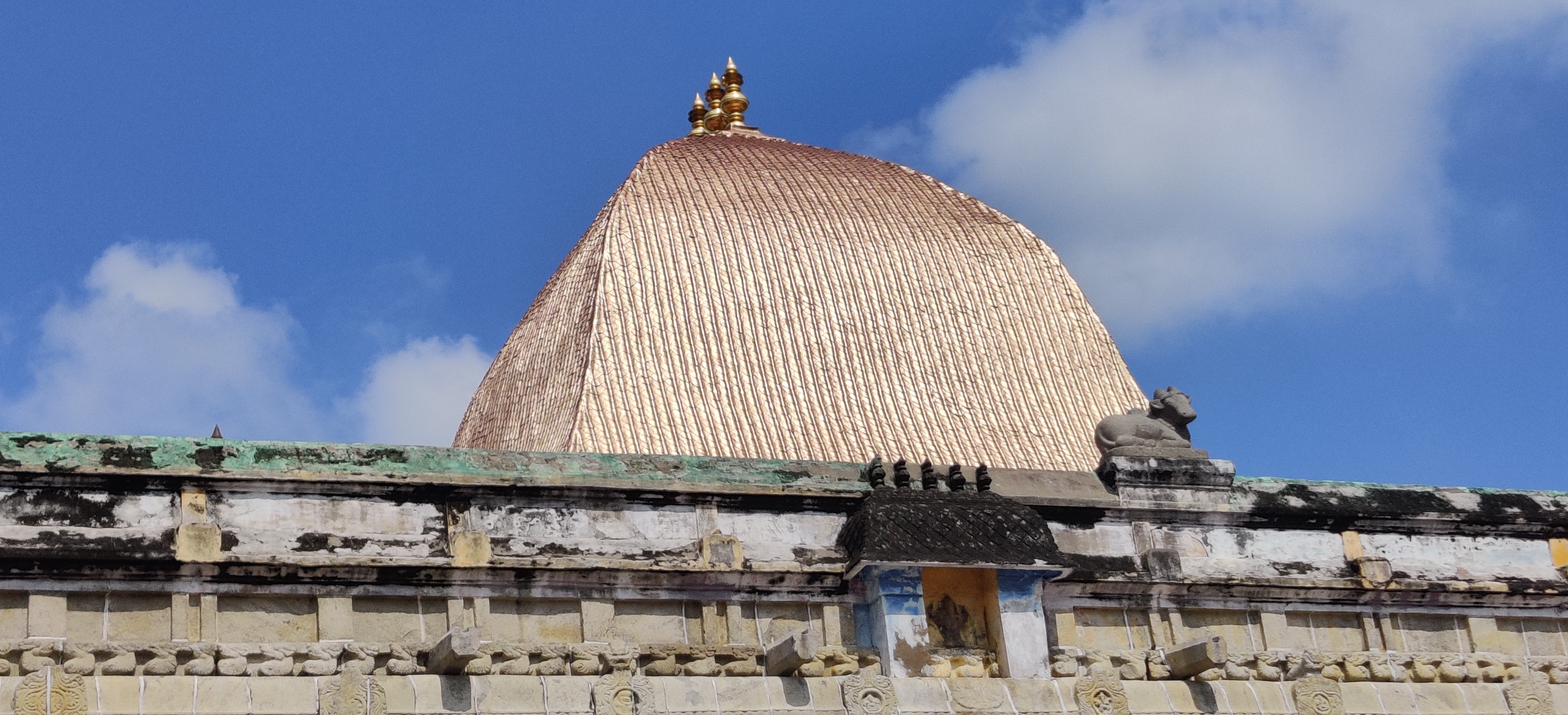
Lunch done, we started our 1 hour drive towards the town of Gangaikonda Cholapuram, located around 43 kms away. The name of the town bears historical significance to the fact that King Rajendra Chola I, the son of the famed King Raja Raja Chola defeated the Pala kings holding fort near the Ganges river and named the town thus. Legend has it that the Ganges water was carried in golden pots and the Cholaganga reservoir was consecrated with it. This temple took almost 9 years to build and was completed in 1035 AD. This beautiful piece of Dravidian style of architecture earned its recognition from UNESCO as a World Heritage Site and has the largest phallic form of Lord Shiva in the form of a Shiva Lingam, almost 4 metres high and touted to be the largest in South India. The tower of this temple has 9 stories and rises to a height of over 180 feet.
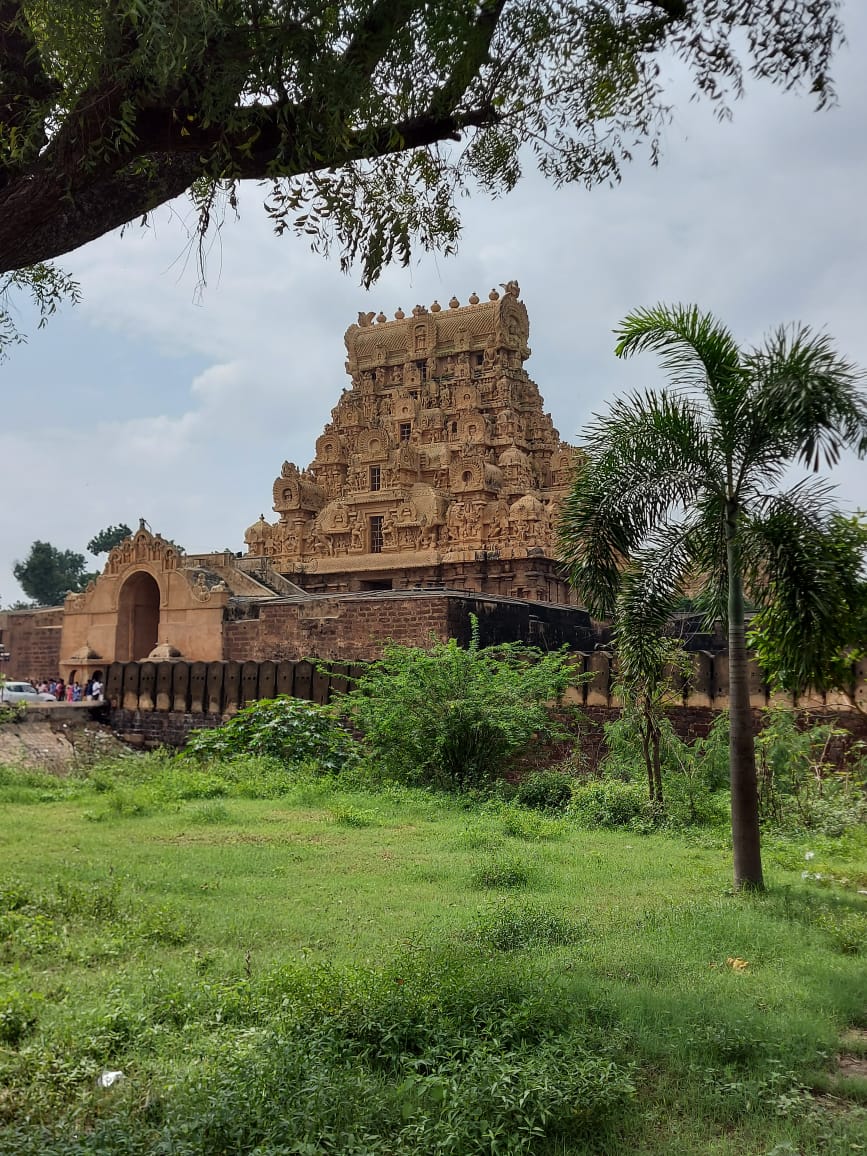
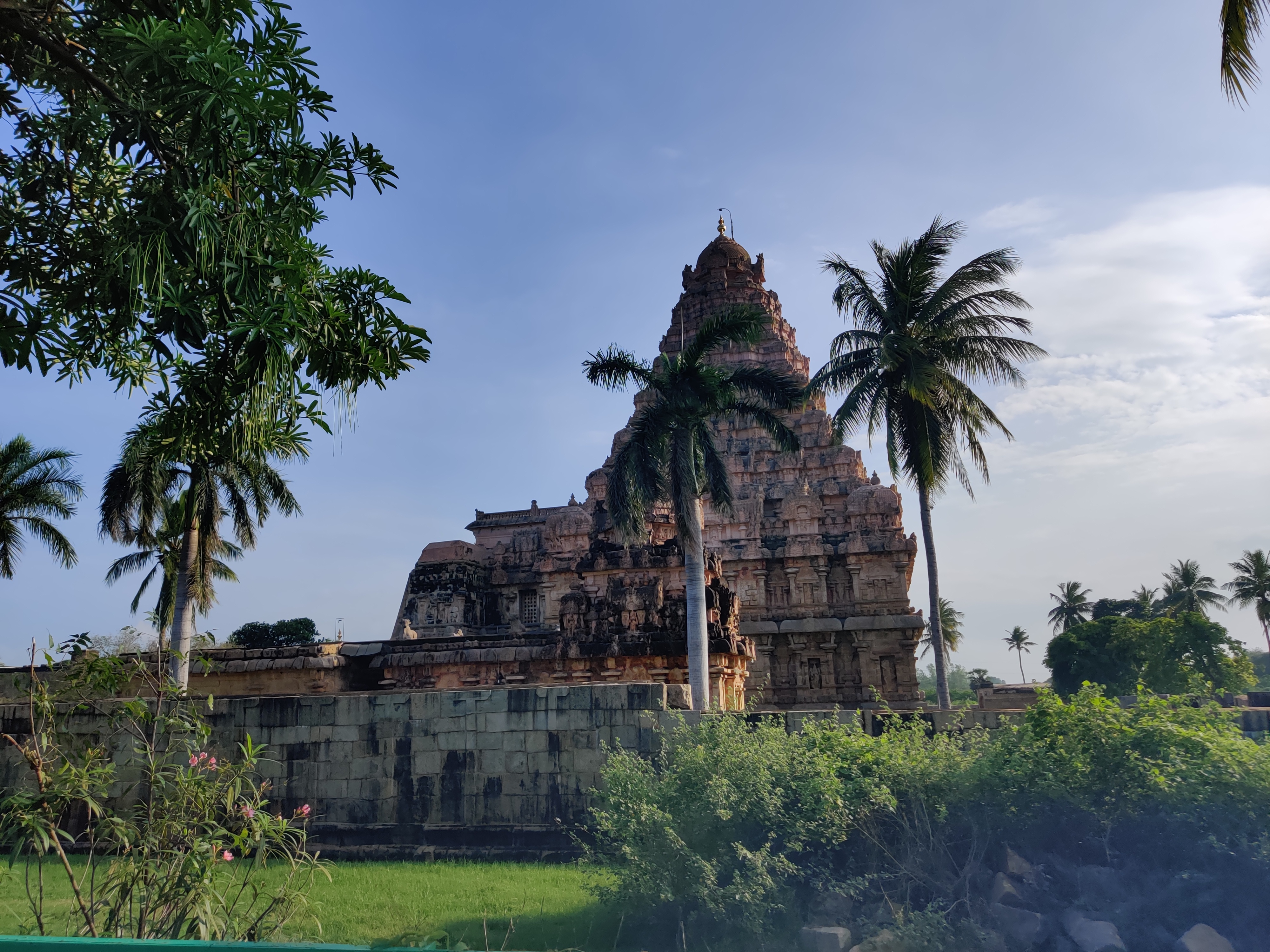
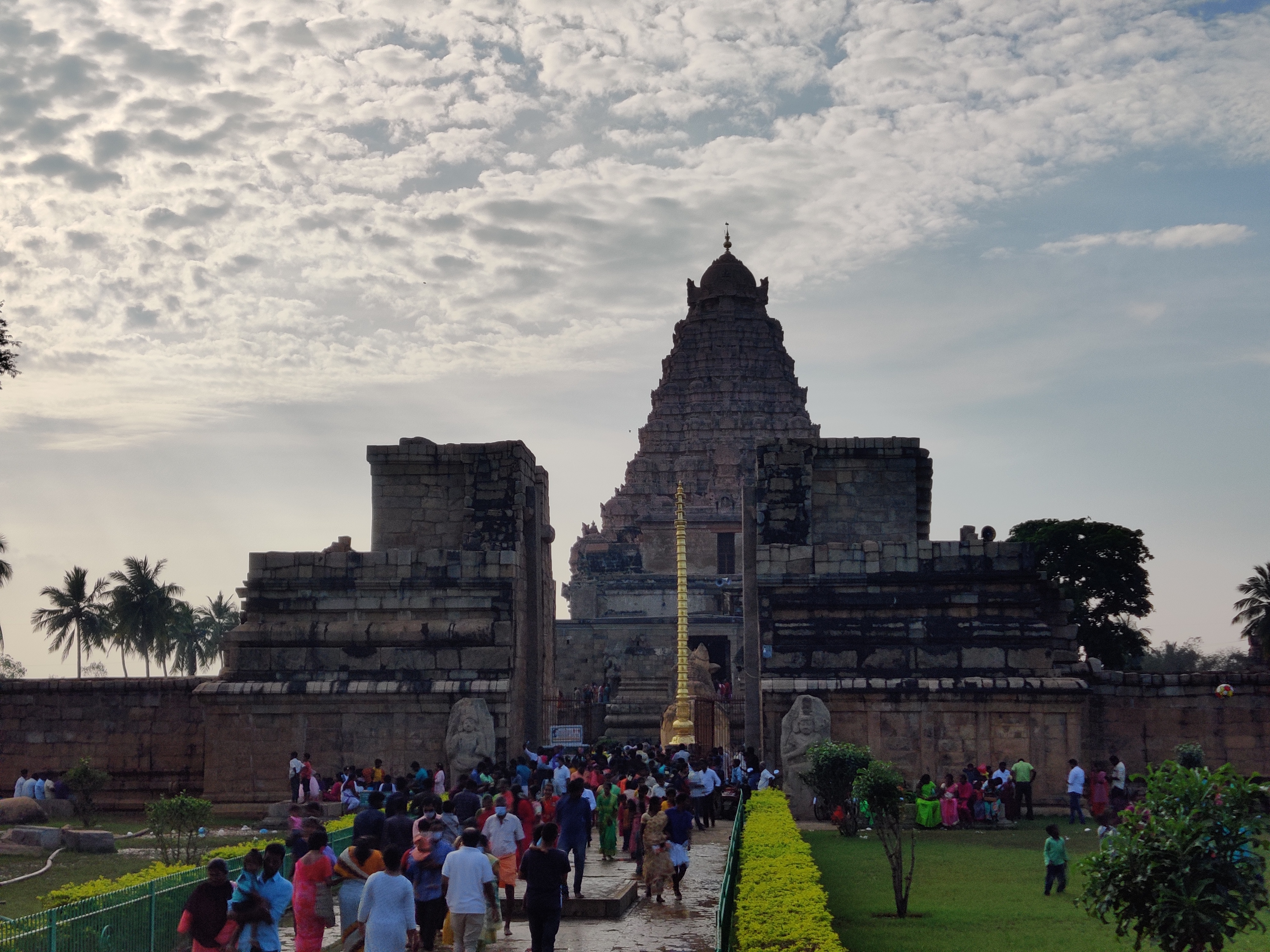
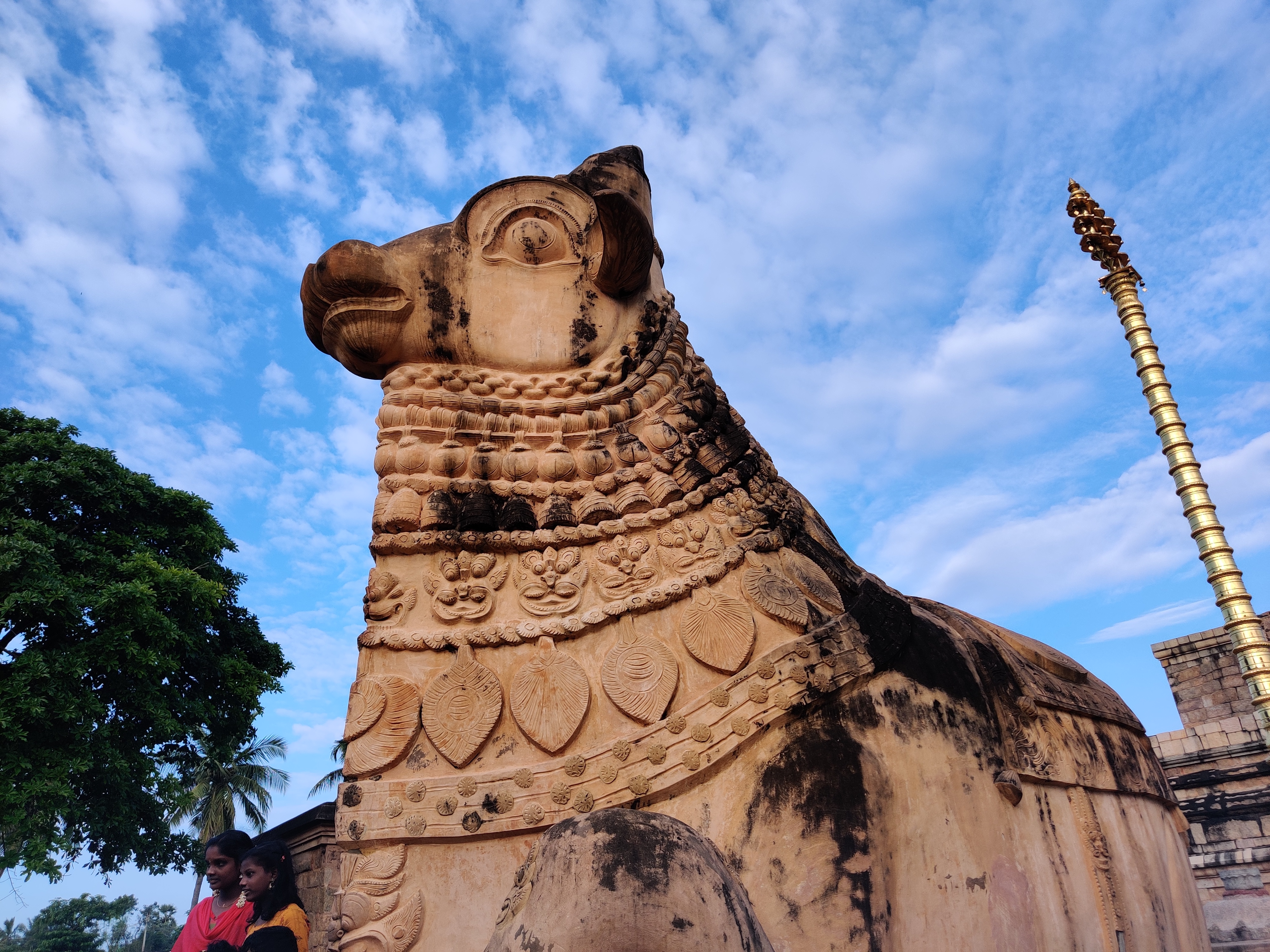
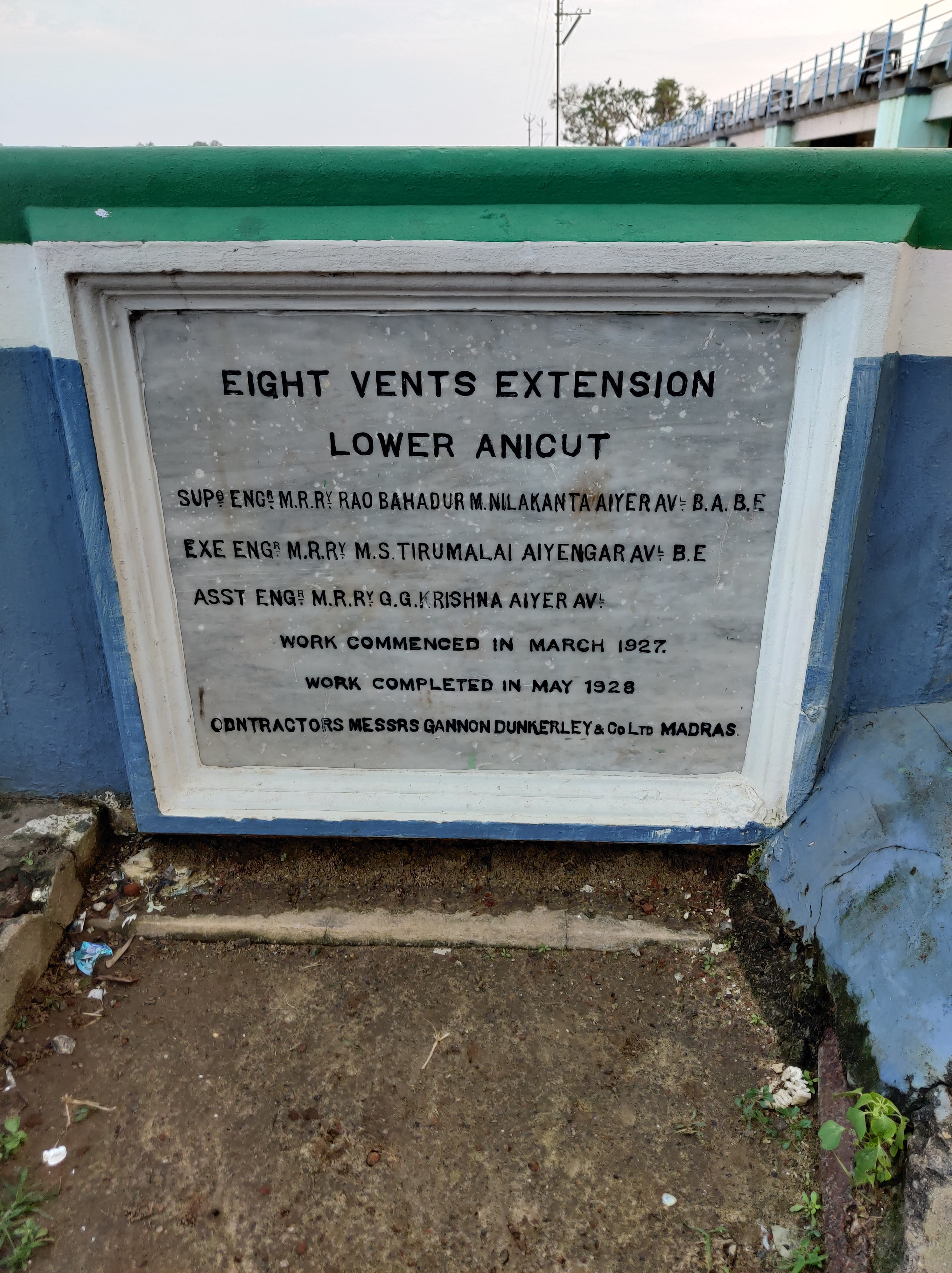
The last leg of the drive for Day 1 was towards the temple town of Kumbakonam, located around 35 Kms away. Winding our way across the Lower Anicut Dam, home to the Kolladam river, we had to cross some not so very good stretches where the roads were getting broadened and we finally reached our hotel by around 7.30 PM after driving for around an hour. Not wanting to miss out on the famed restaurants and messes around the town, got some food delivered thru Zomato from Shri Mangalambika Vilas Coffee Hotel, a 115 year old hotel located inside the precincts of a temple complex. Simple and yet tasty delectable fare.
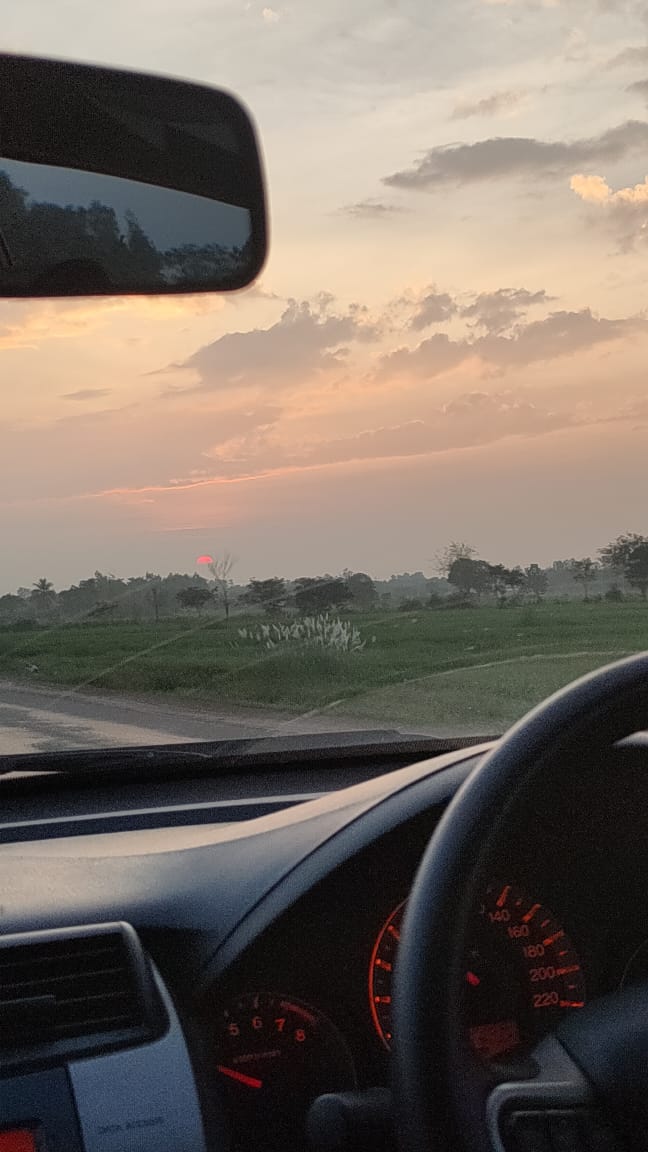
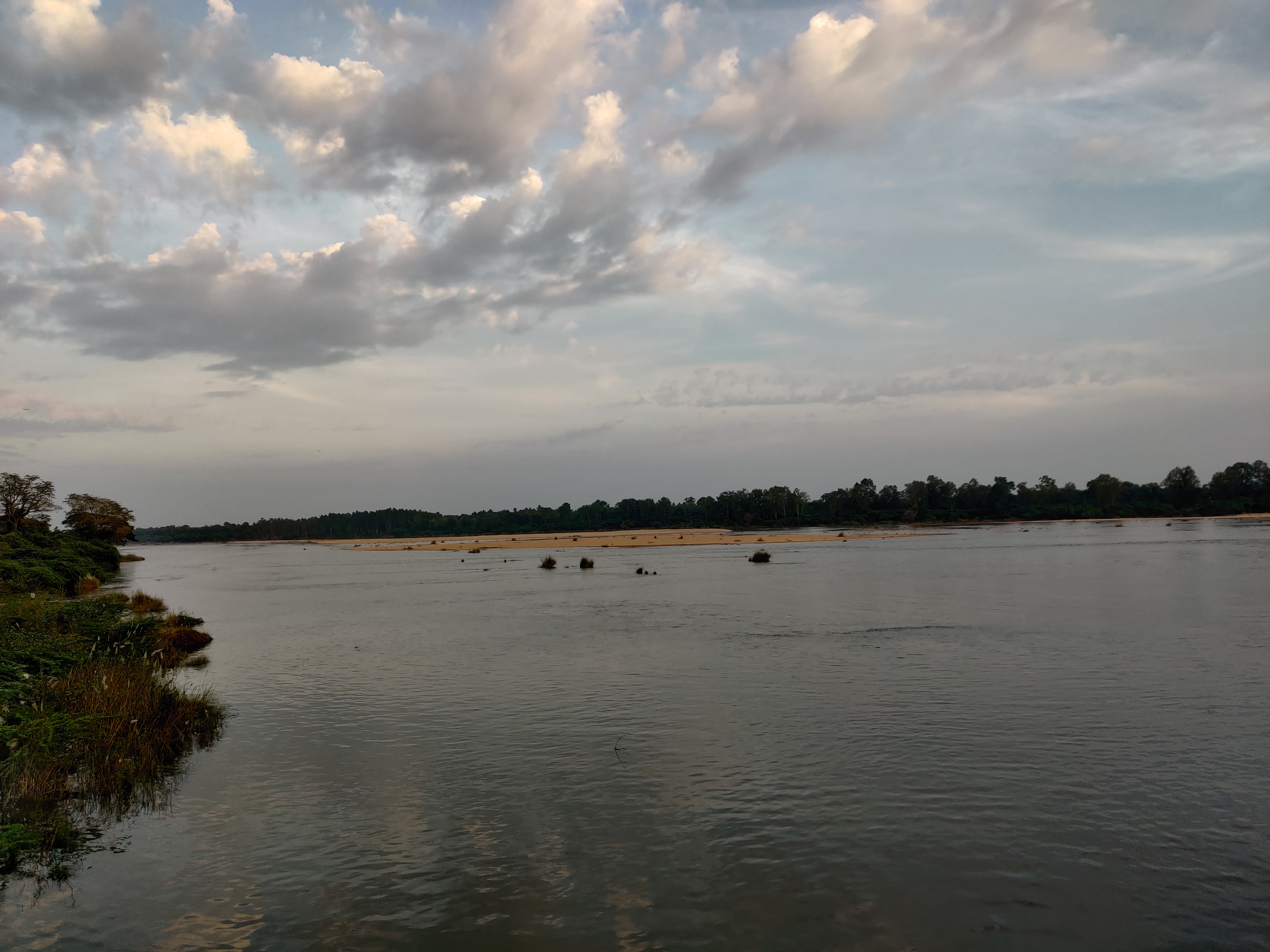
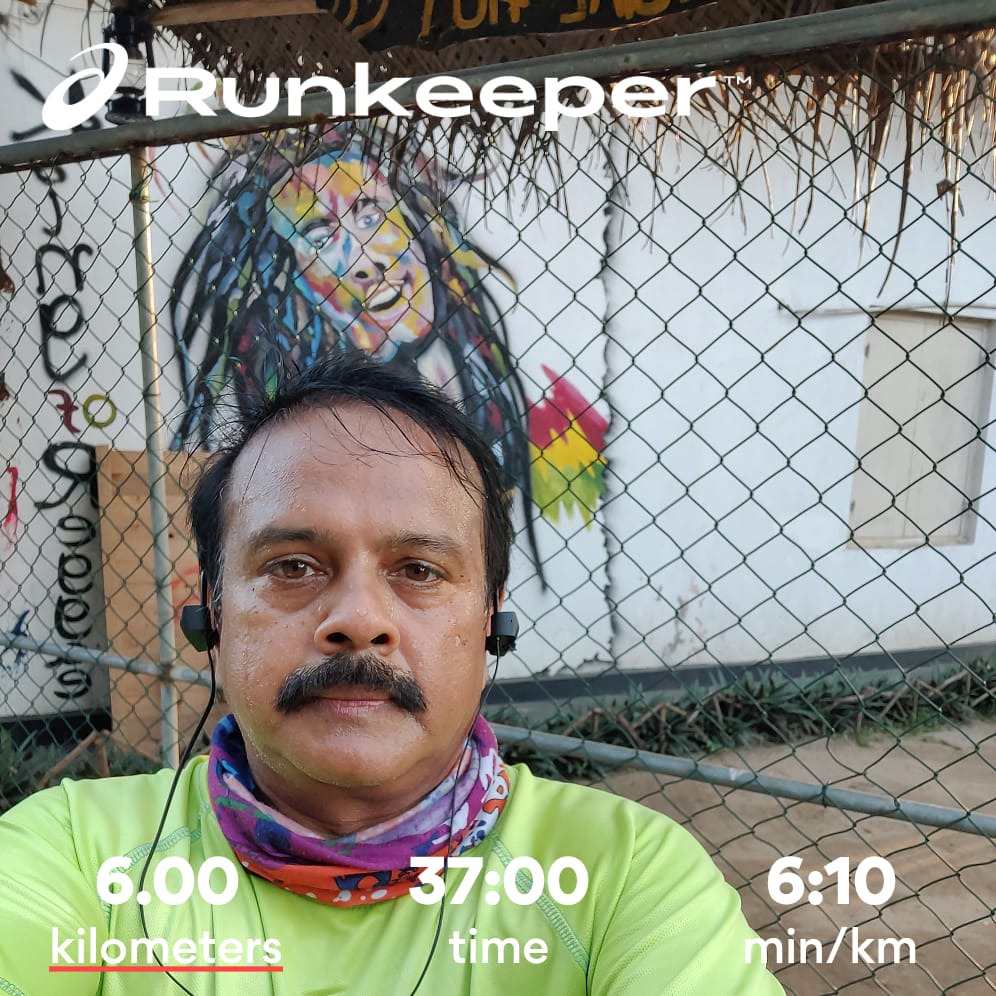
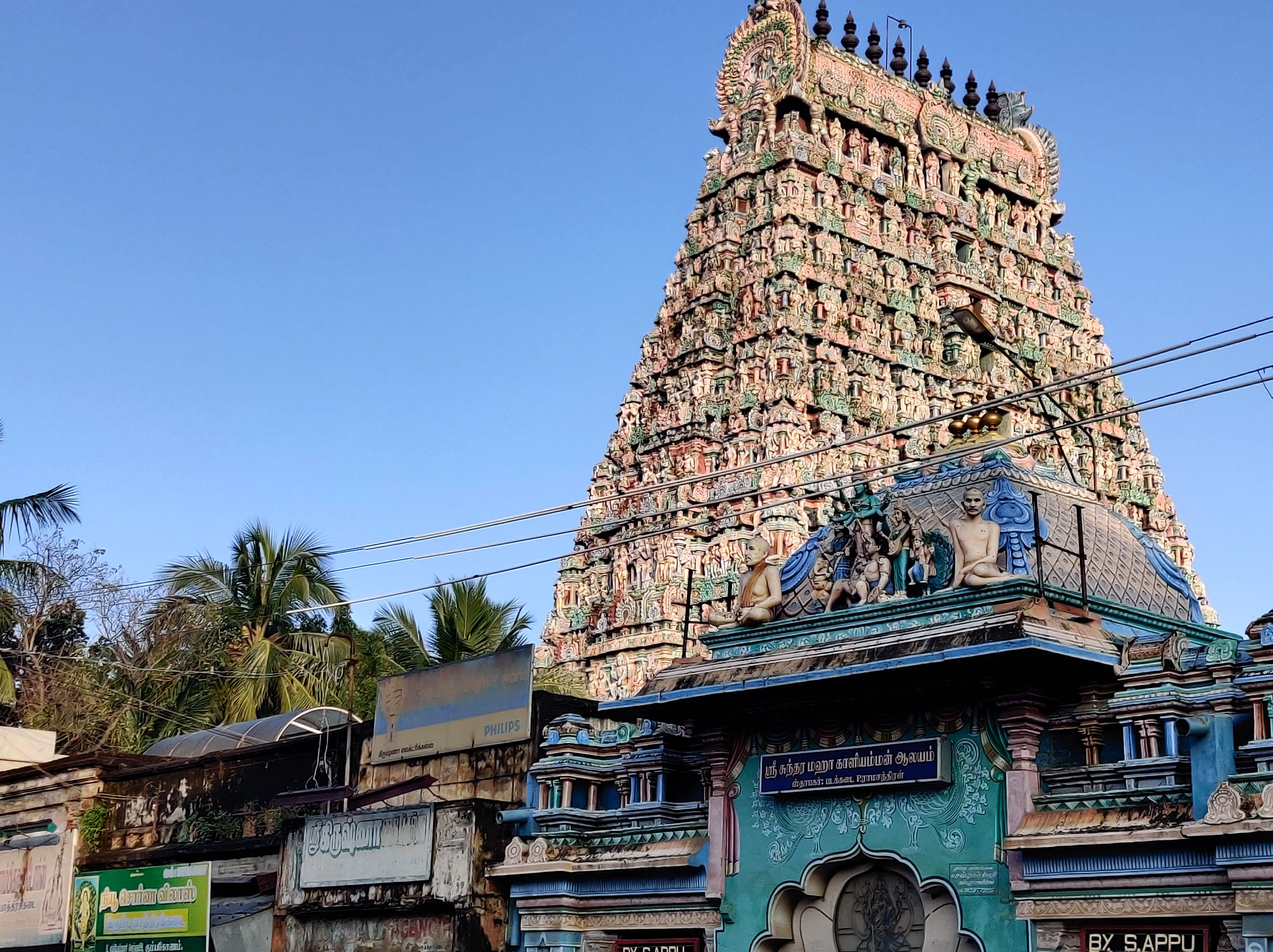
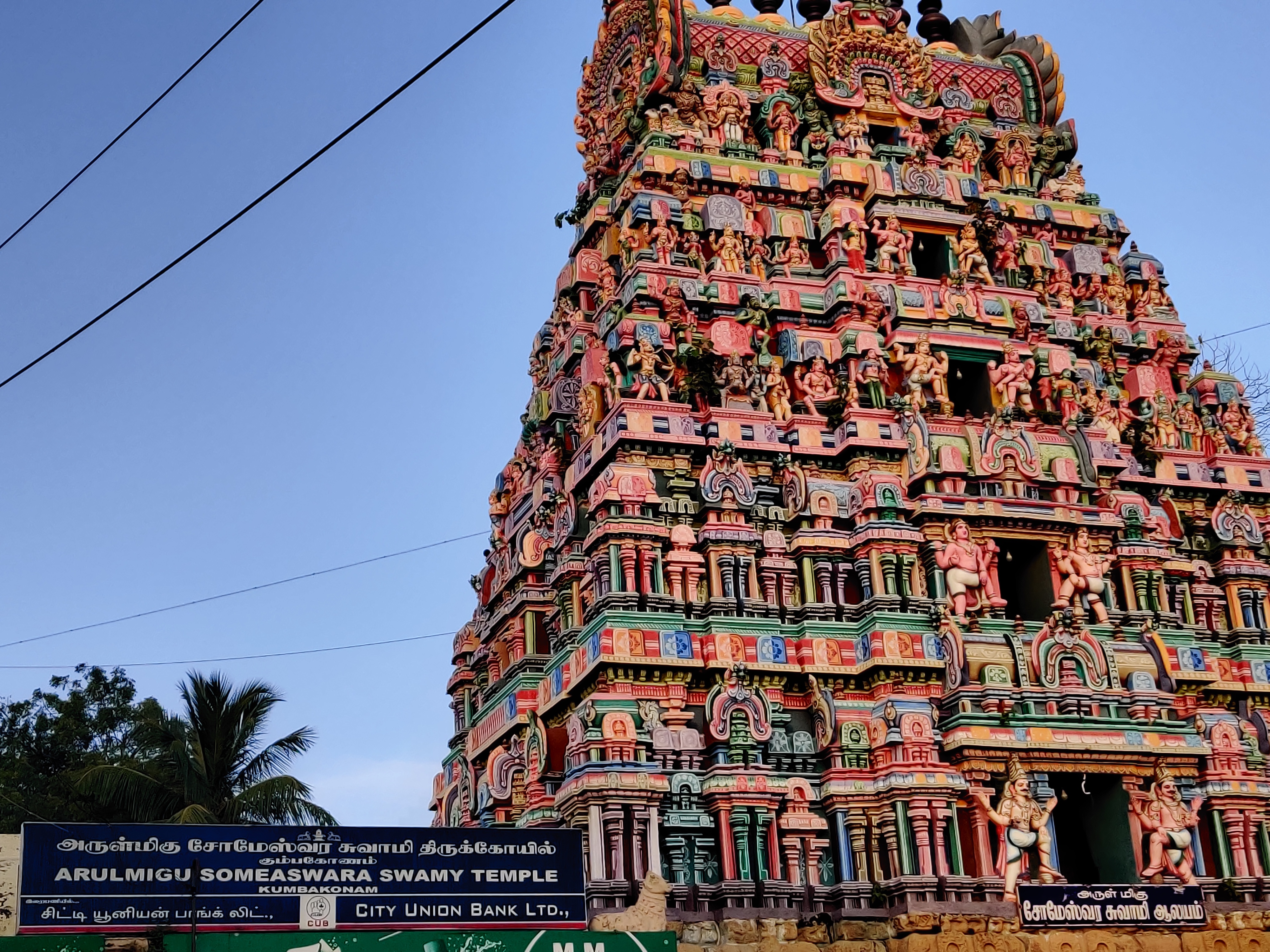
DAY 2 : In search of the elusive filter coffee, set my sights on Mangalambika yet again and started the day a little early with a 5 Km run through the busy throughfares of the town. Got to photograph some of the temples enroute like the Sarangapani Temple and the Kumbeswarar Temple before heading back to the hotel.
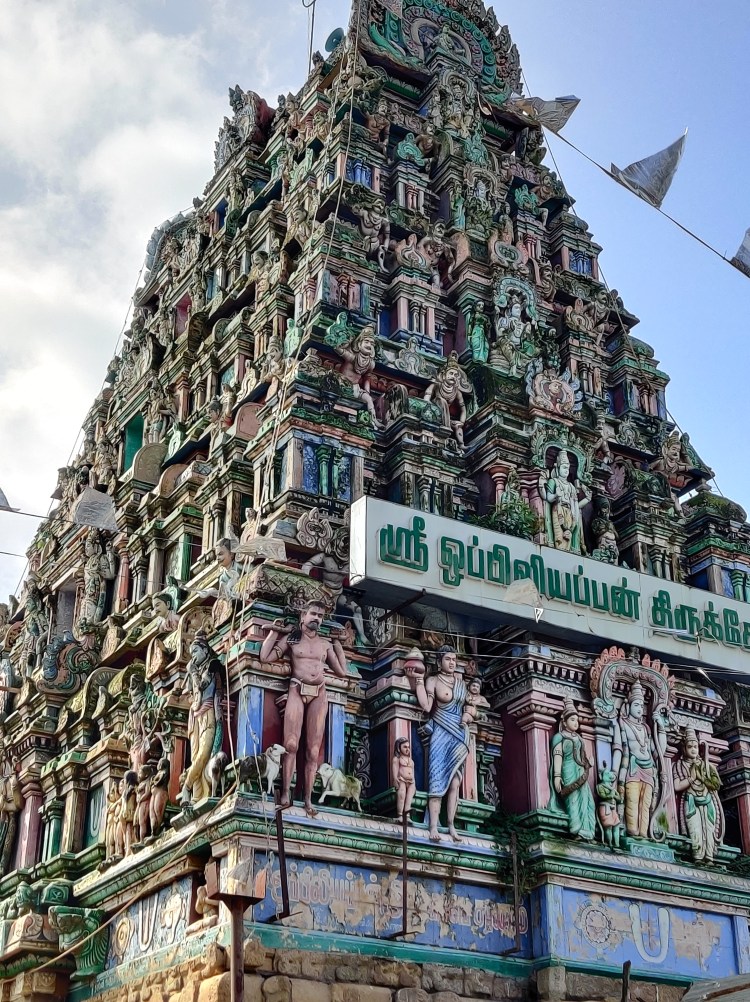
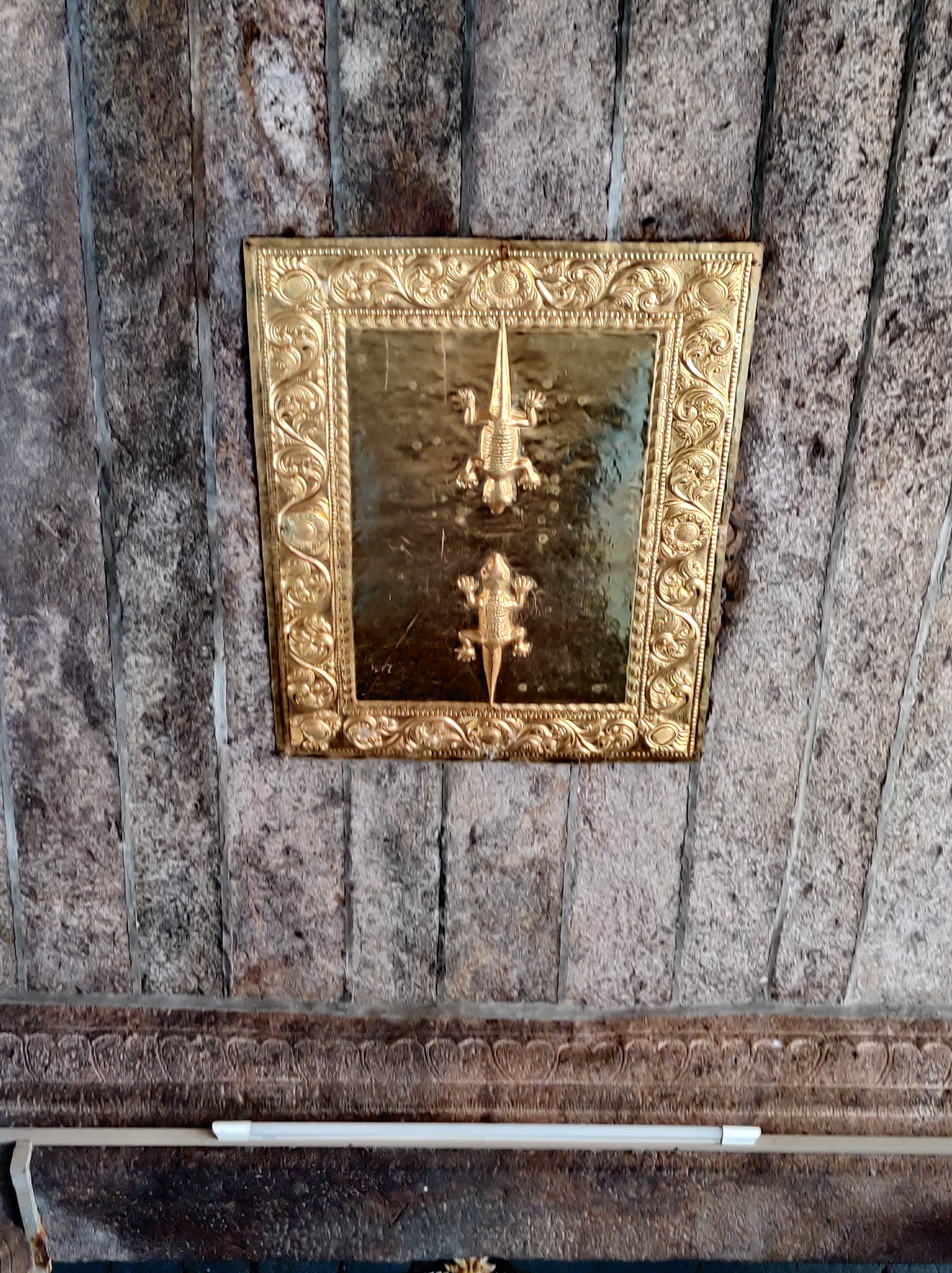
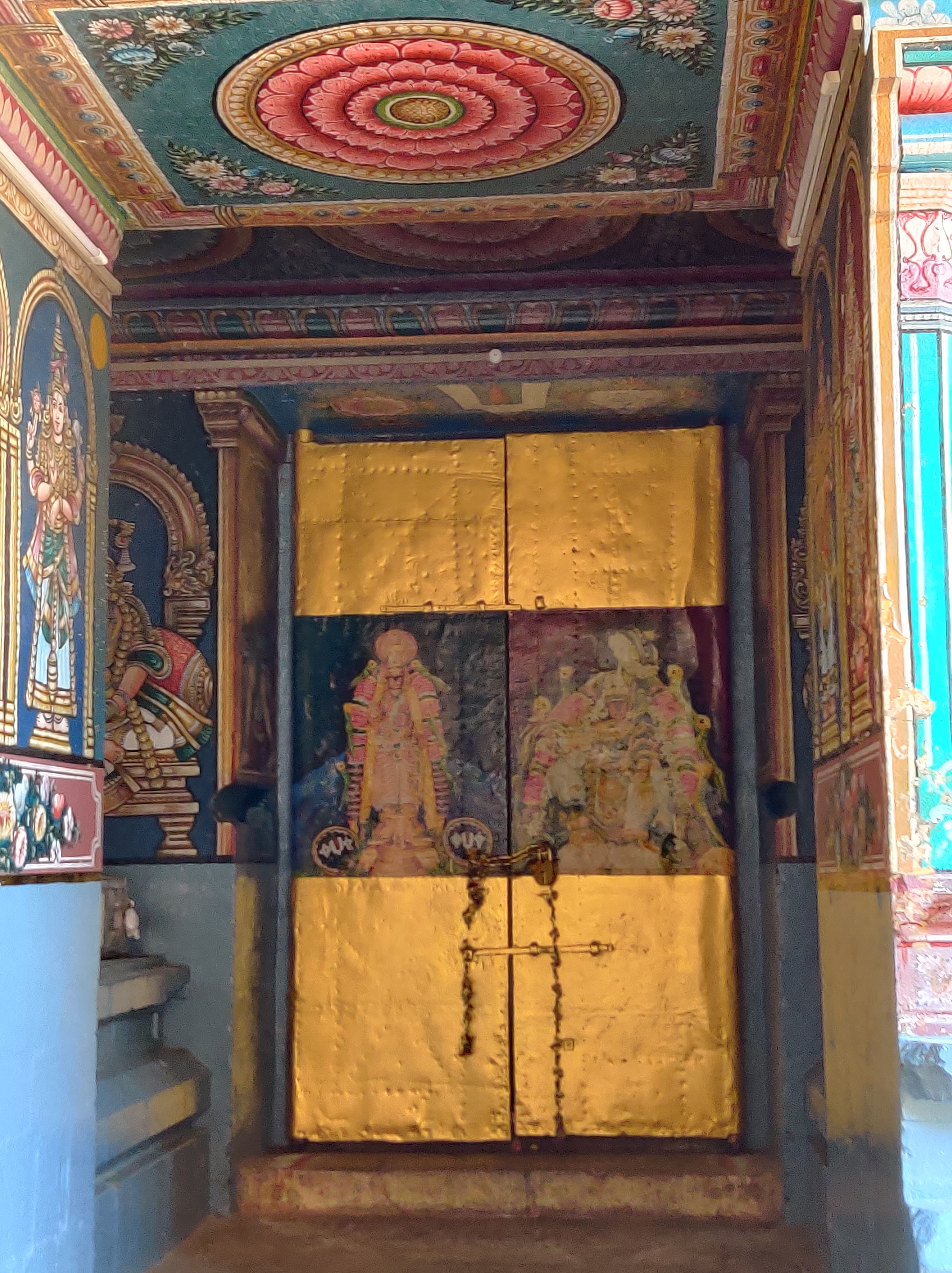
By 9 A.M we finished our check out formalities and headed for Sri Gowrikrishna restaurant for breakfast. A decent outlet for some good traditional South Indian fare. Next on the cards was a 7-8 kms drive towards the outskirts of the city to a place called Thirunageswaram (where Lord Shiva was believed to have been worshipped by many serpents) and home to the famed  Oppilliappan Temple and the Rahu Ketu temple located close to each other.

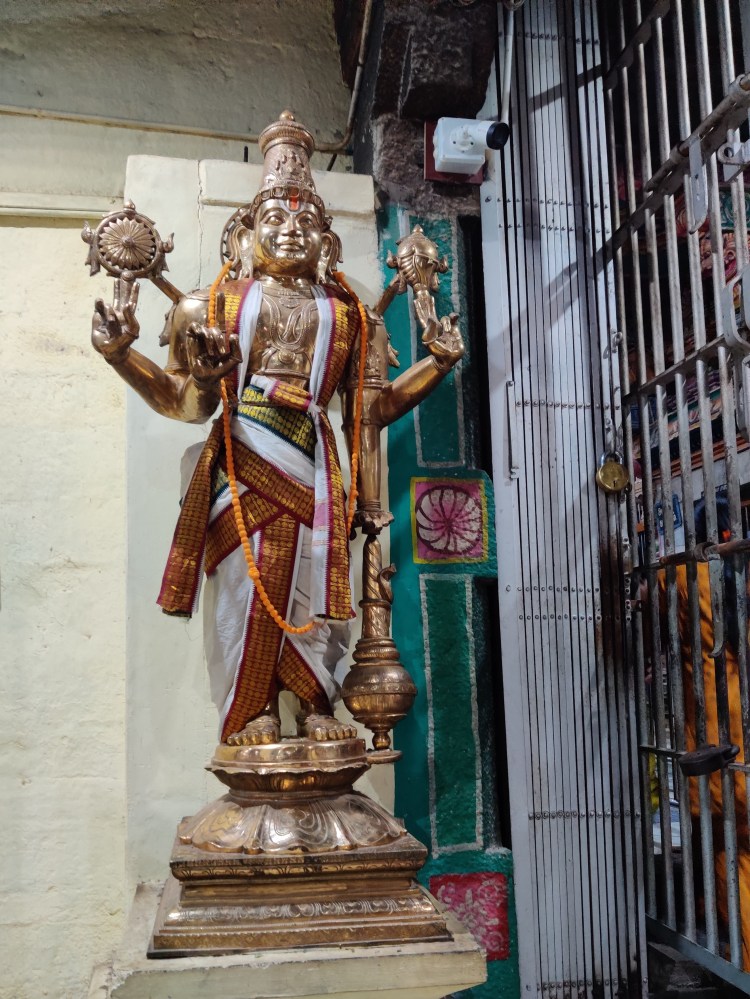
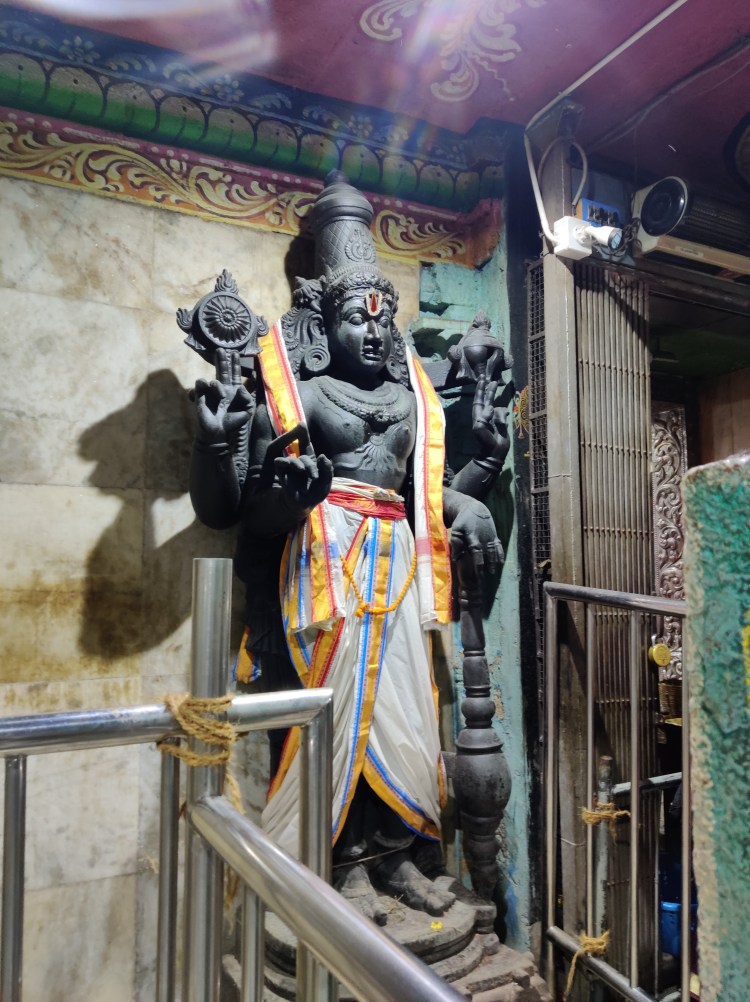
Believed to have been constructed by the medieval Chola dynasty in the 8th century AD with some bit of  work done later by the Thanjavur Nayaks, this ancient temple dedicated to Lord Vishnu has an interesting legend to how its name got derived based on mythology. The narrative around the idol is that the Lord Oppilliappan came disguised as an old man and requested a sage Markandeya  for his daughter Bhoomidevi’s hand. Though the Lord was informed that the girl was too young to cook food and did not even know how to use salt in cooking, he refused to leave the place without marrying her and also agreed to accept whatever food was made sans salt and served.

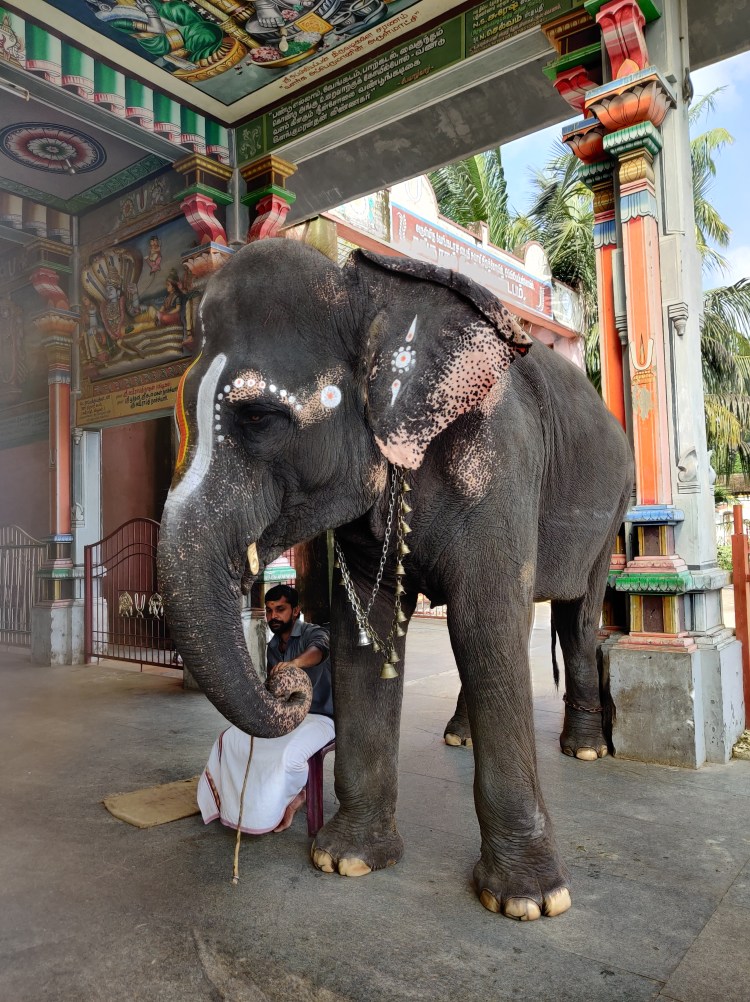
The Lord thus got his name Uppiliappan (Uppu meaning salt in Tamil) and the uniqueness of this temple is that salt is not added in the prasadam prepared here. It is  also understood that the Lord never leaves the temple without his consort in tow.  He is believed to be the elder brother of Lord Venkateswara of Tirupati and in case one is not able to visit Tirupati for whatever reason, they can fulfil their vows by visiting this temple.  One also gets an opportunity to be blessed by the temple elephant by giving it some token money and fruits.
We then headed to the shrine associated with the 9 planet elements, the Rahu Ketu temple. Built in the 10th century AD, this temple is another lovely piece of Chola architecture built by King Aditya Chola I. Lord Shiva is worshipped here as Naganathar  and is represented by the Lingam. It is understood that Rahu was believed to have worshipped Lord Shiva to get relieved of a curse. This is probably one among the few temples where Rahu is depicted with a human face while in most temples, he is seen with a serpent face.
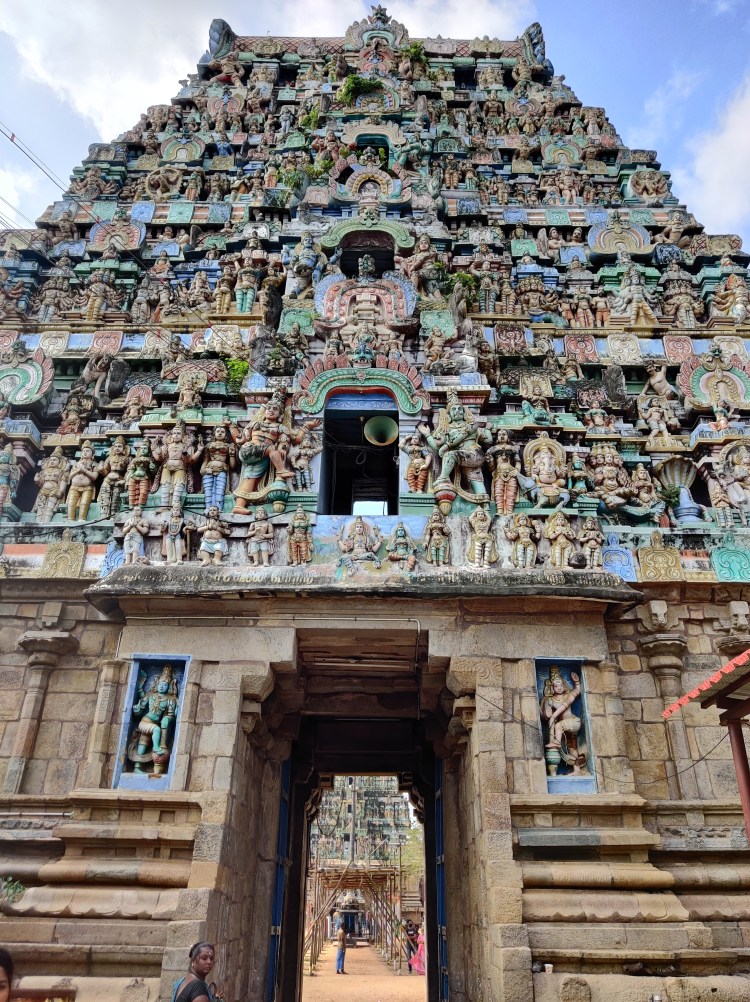
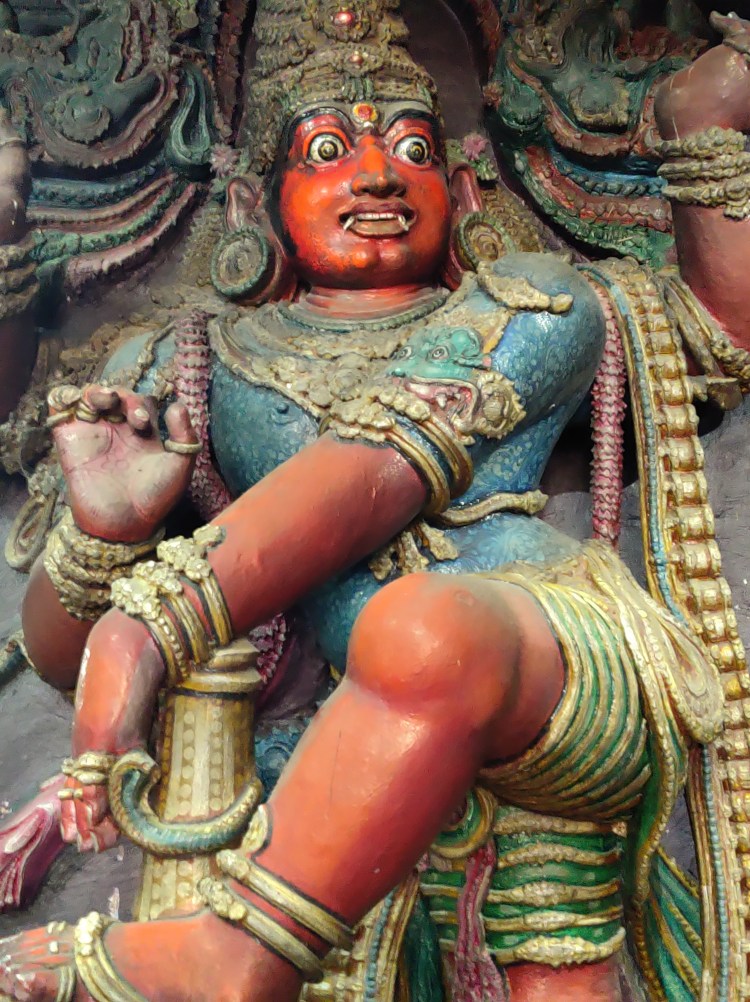
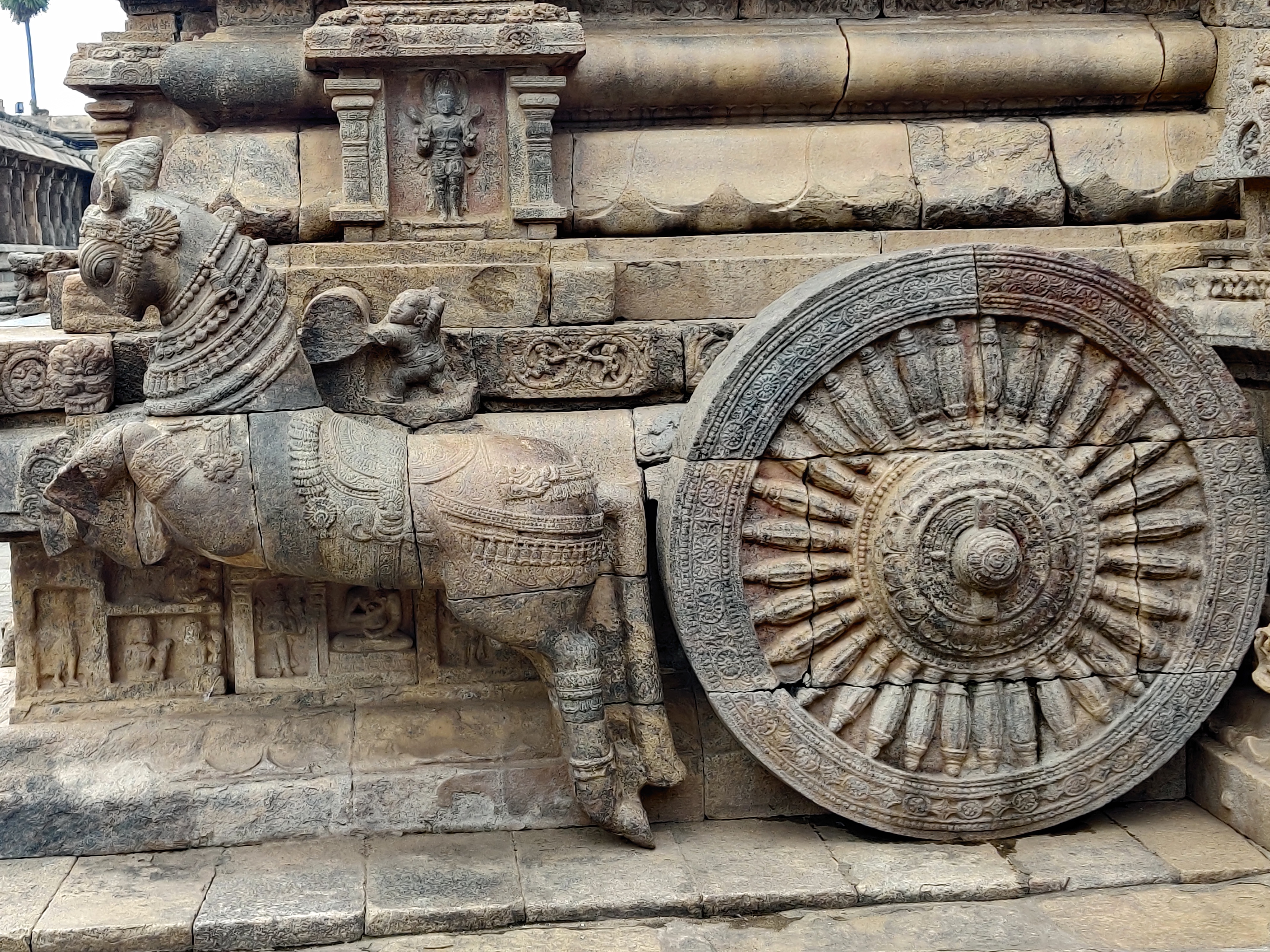
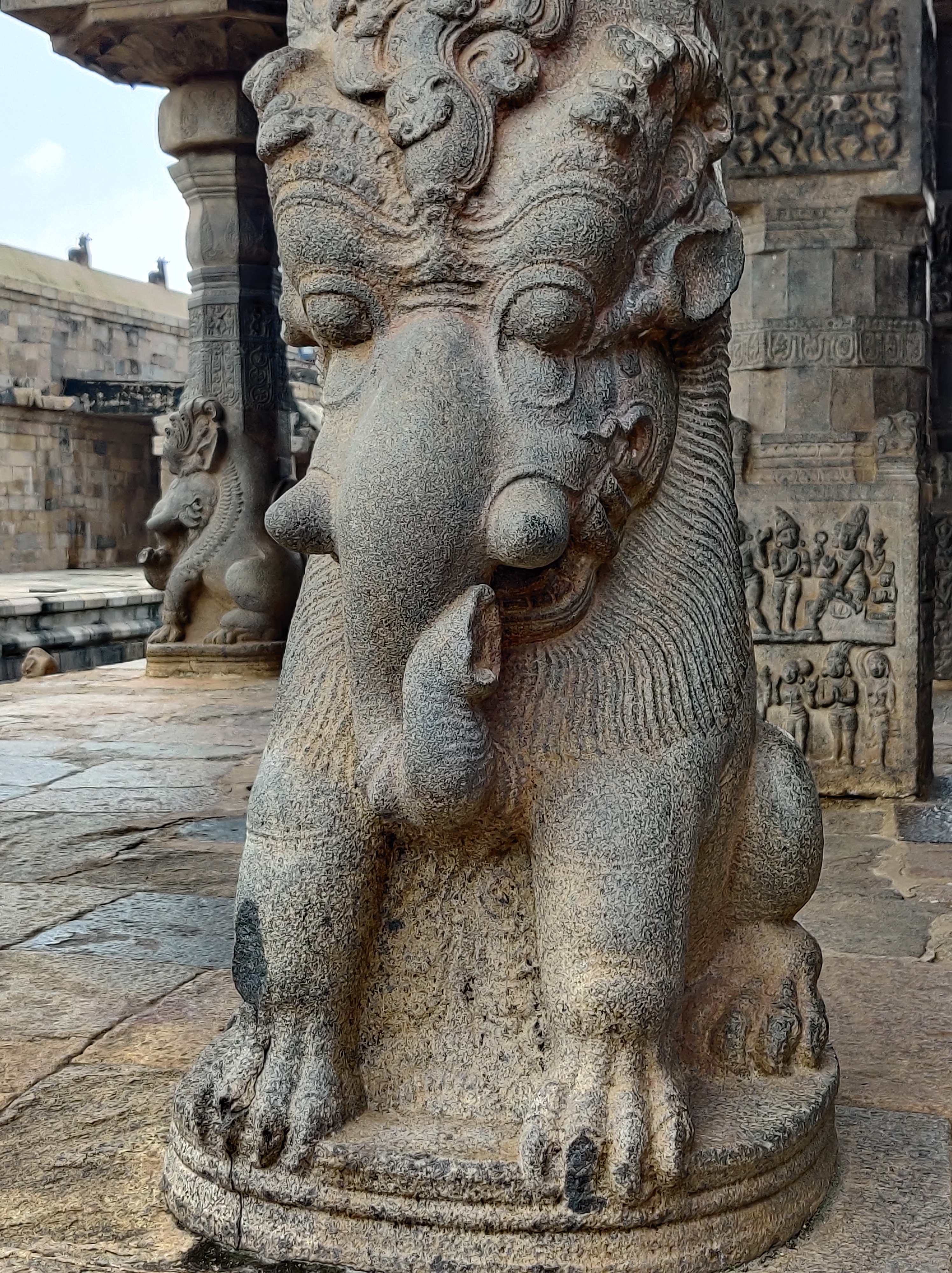
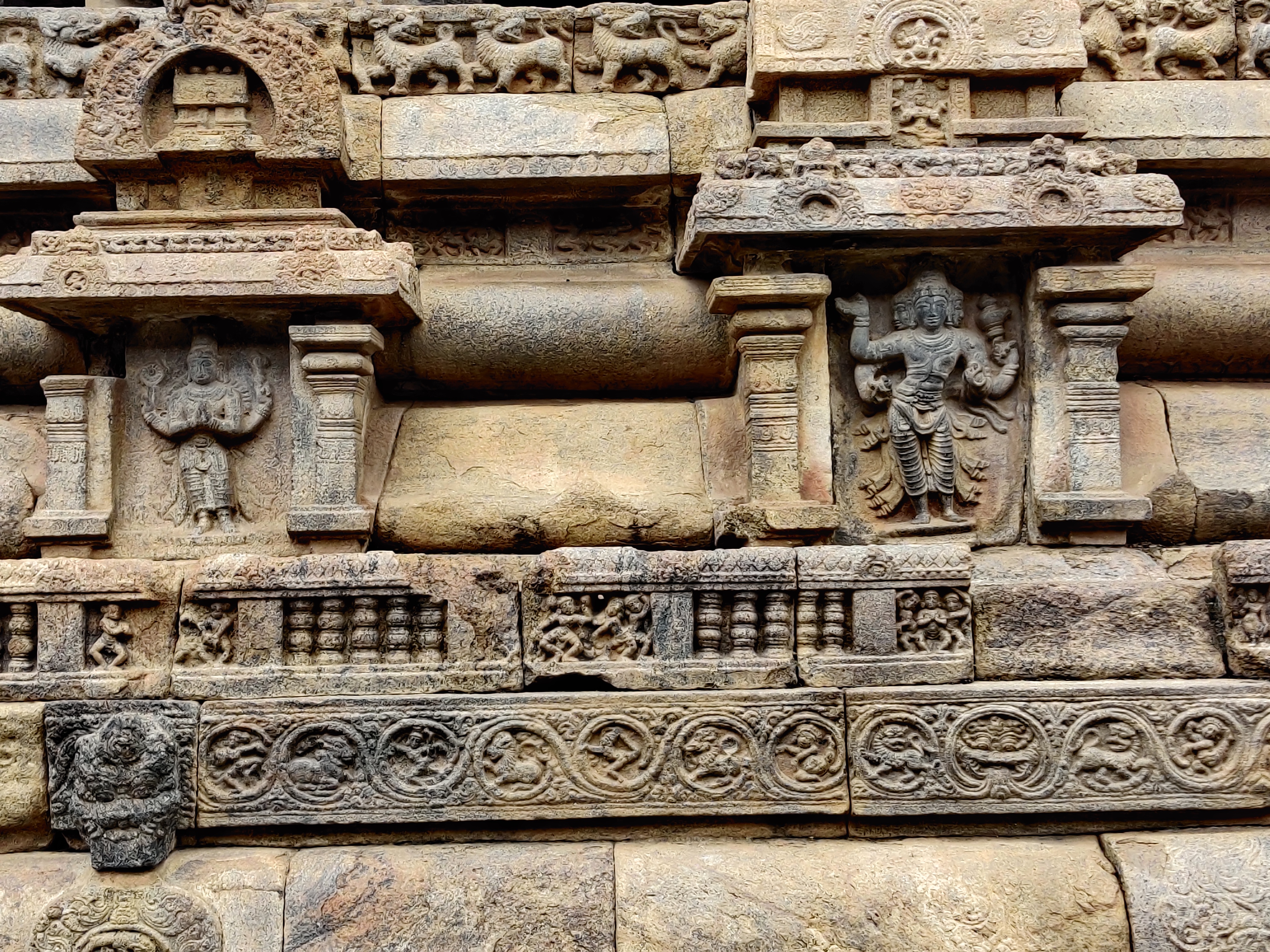
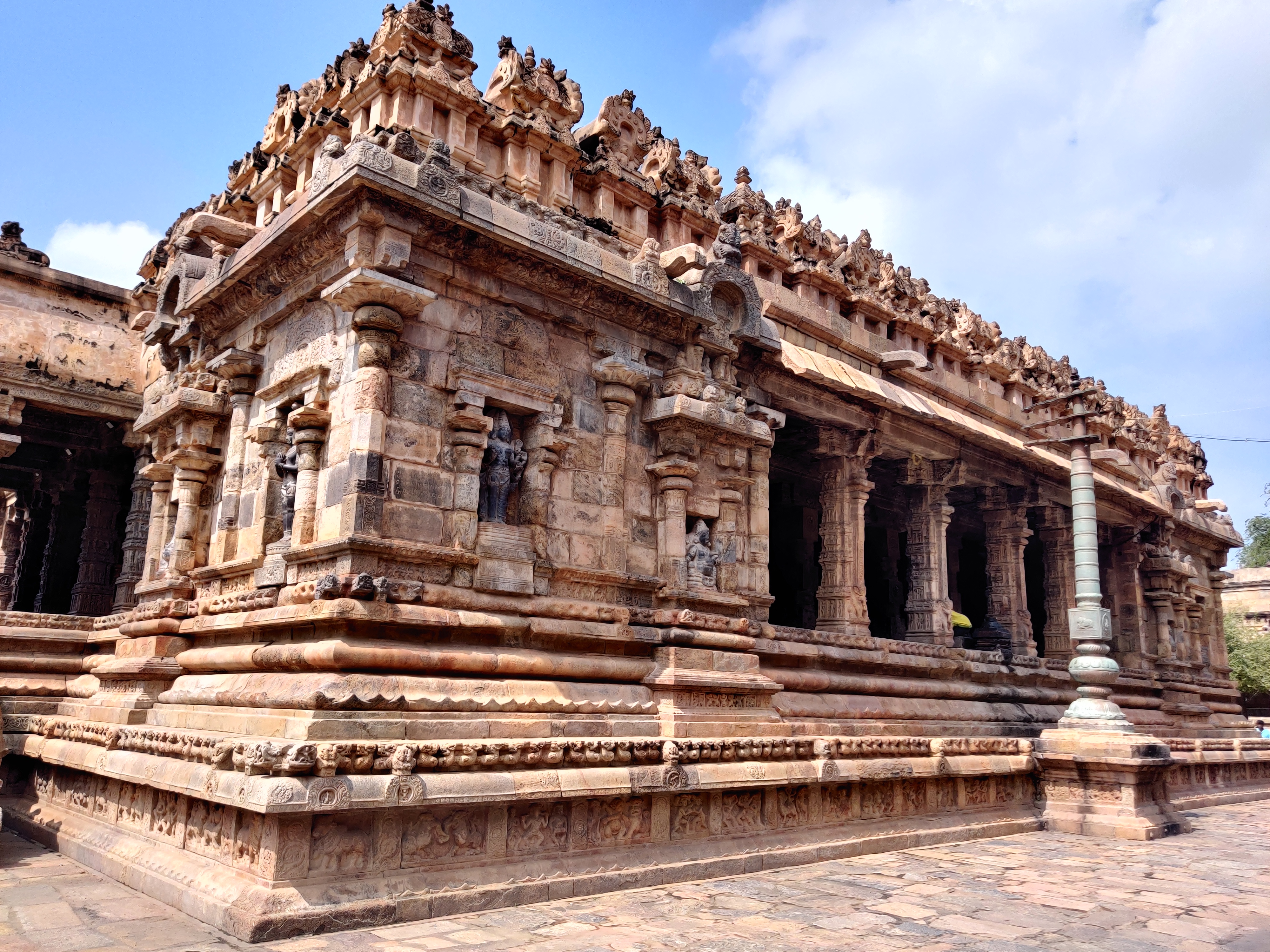
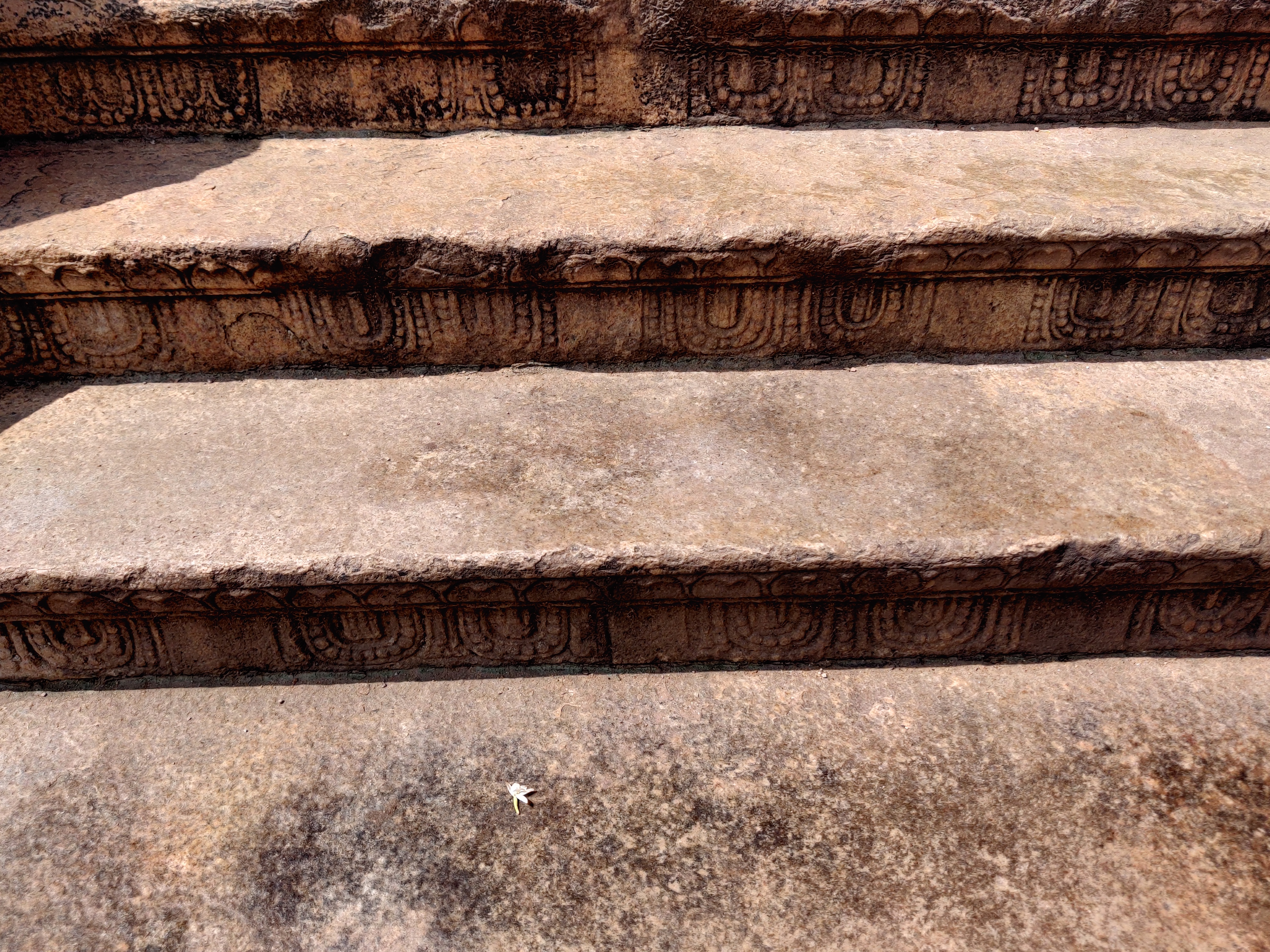
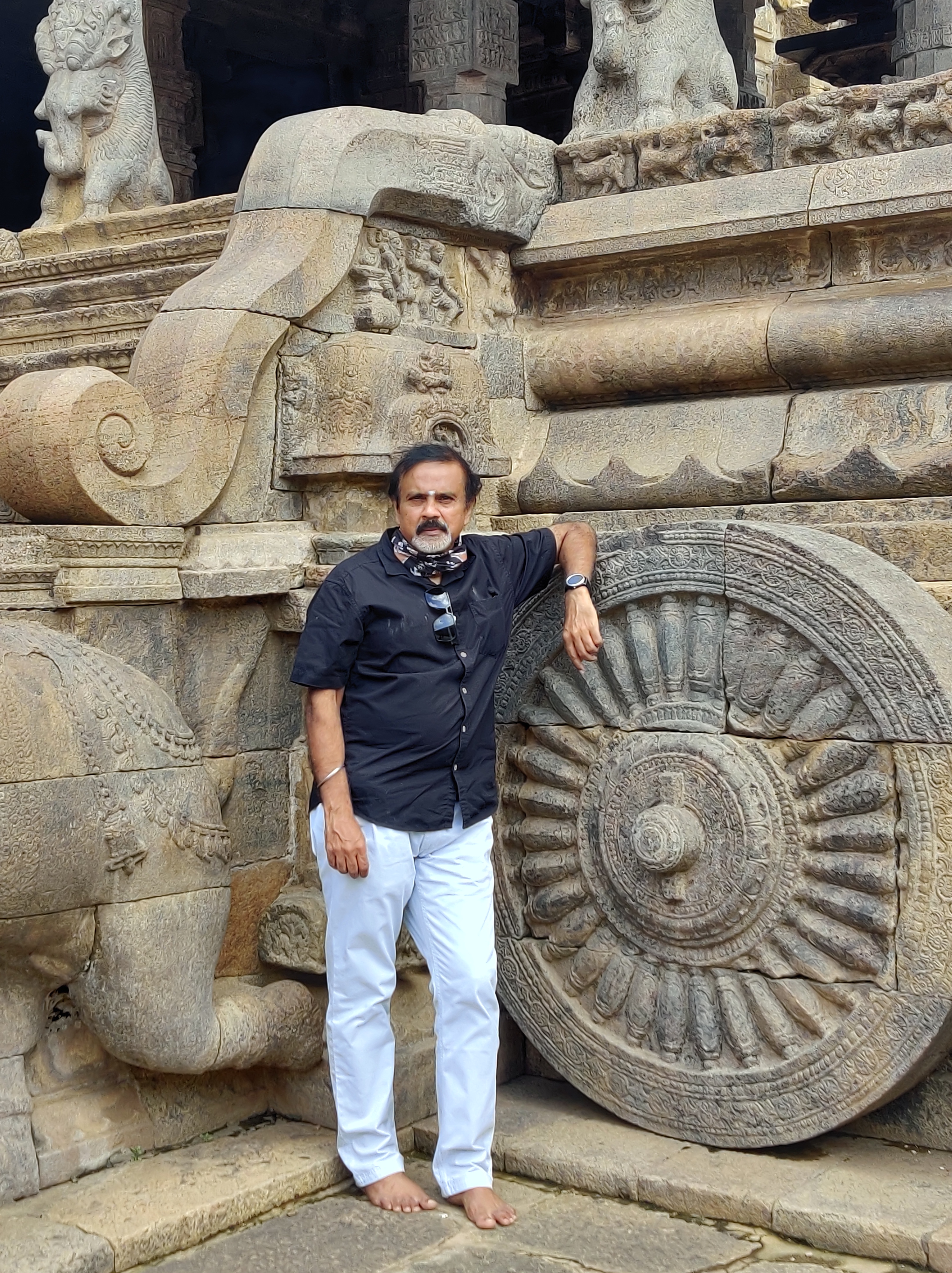
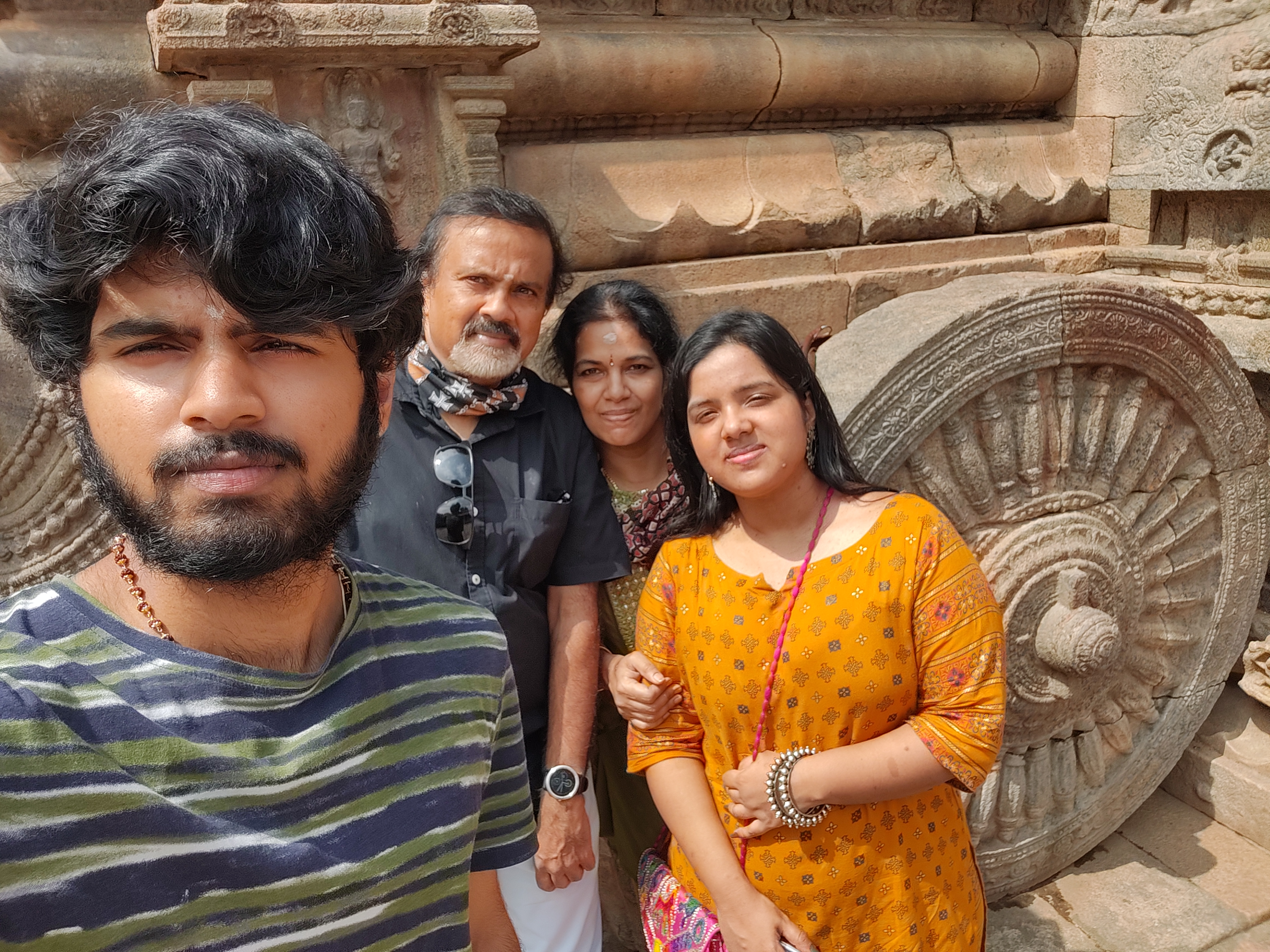
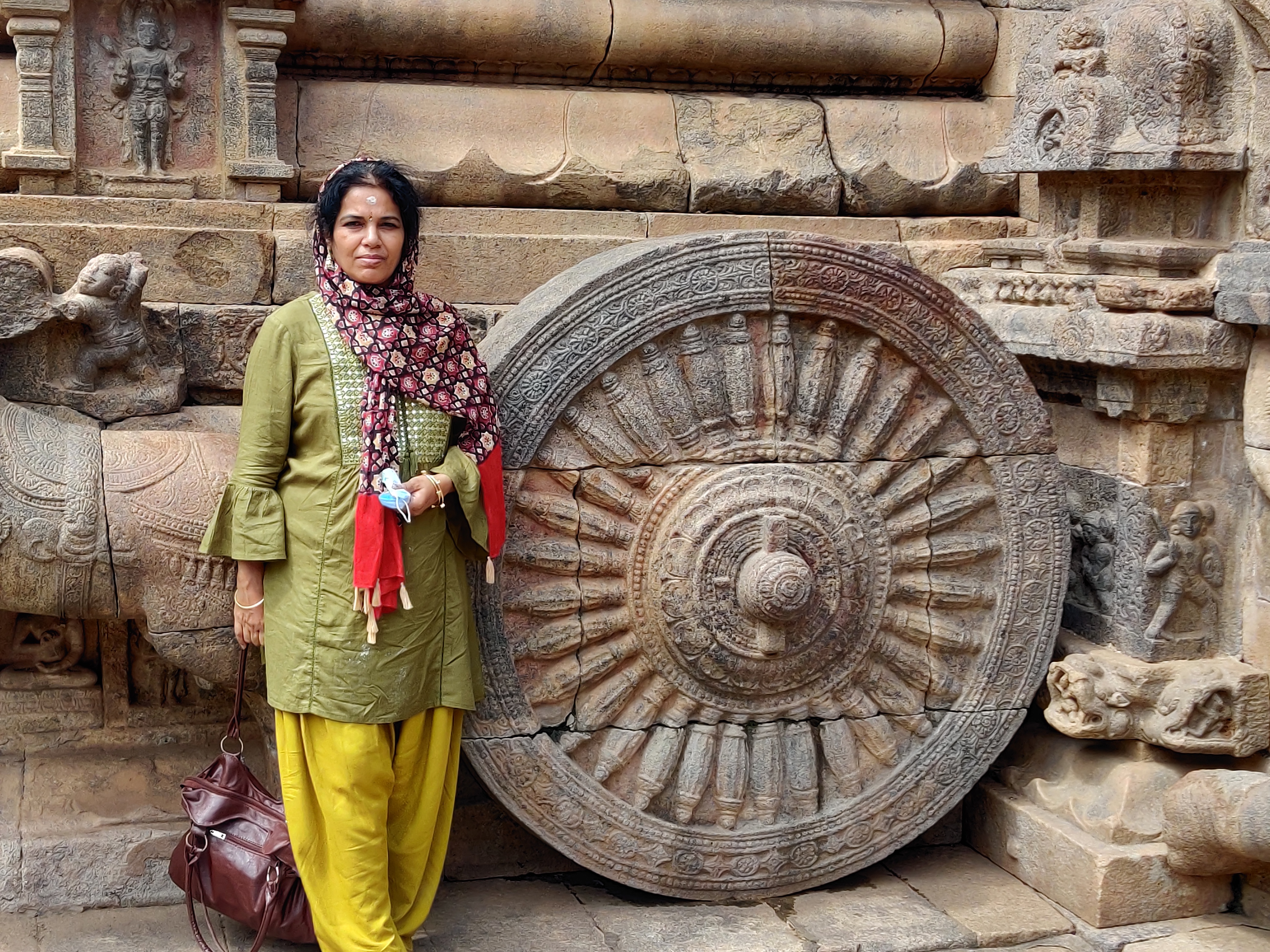
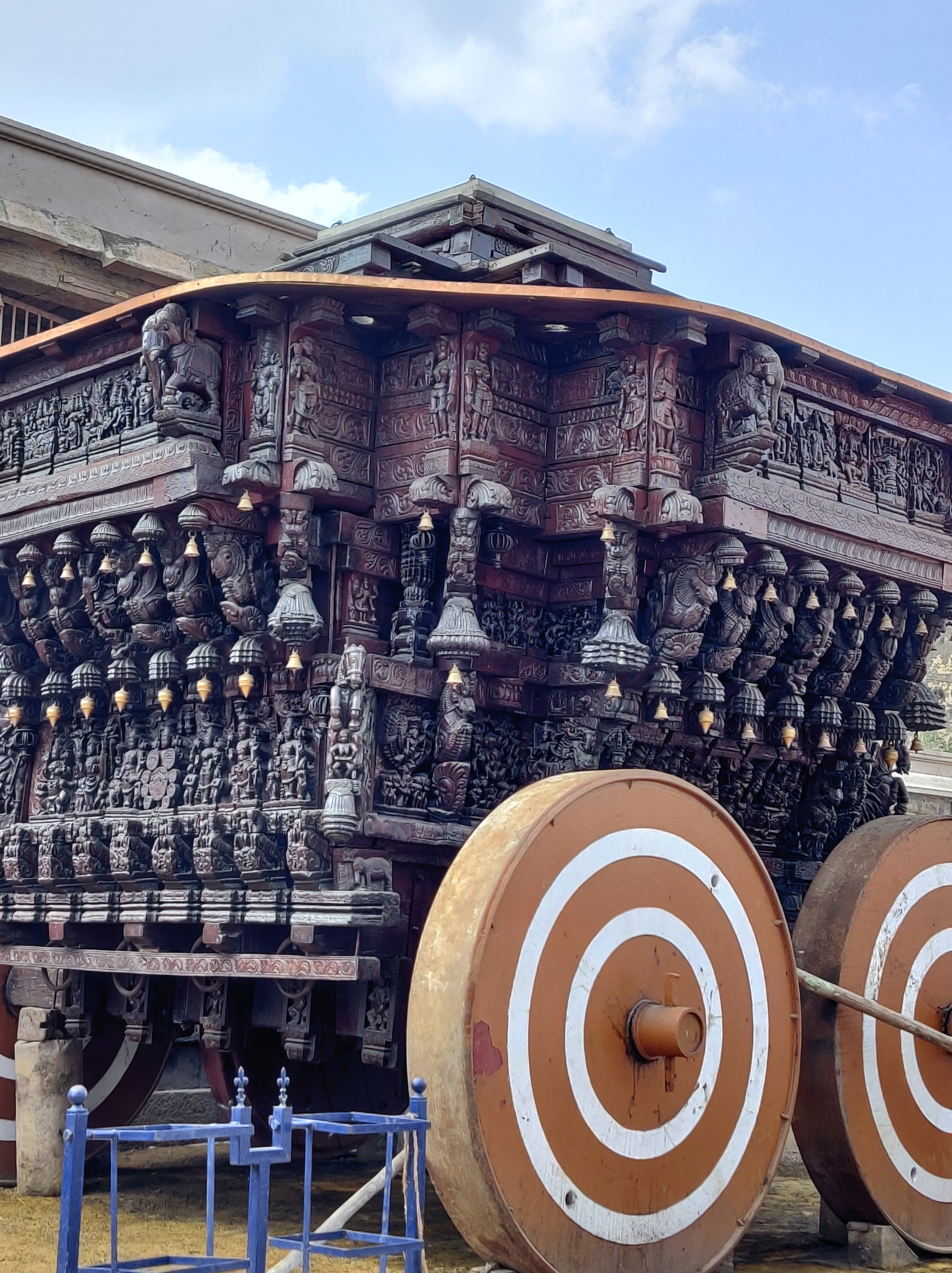
The second in the trilogy of the UNESCO world heritage sites was next on the cards and we commenced our 12 km drive towards Darasuram, a small town near Kumbakonam and home to the Airavateswara Temple. Built in the 12th Century AD by King Raja Raja Chola II and though smaller compared to the other 2 temples in Gangaikonda Cholapuram and Tanjore, this stone temple incorporates a unique chariot architecture and is home to lot of Vedic and Puranic deities. The wheels of the chariot are supposed to depict sun dials. A storehouse of art and architecture, this temple spread across a pretty vast area has some exquisite stone carvings and ornately carved steps which include singing steps in one stretch of the temple.
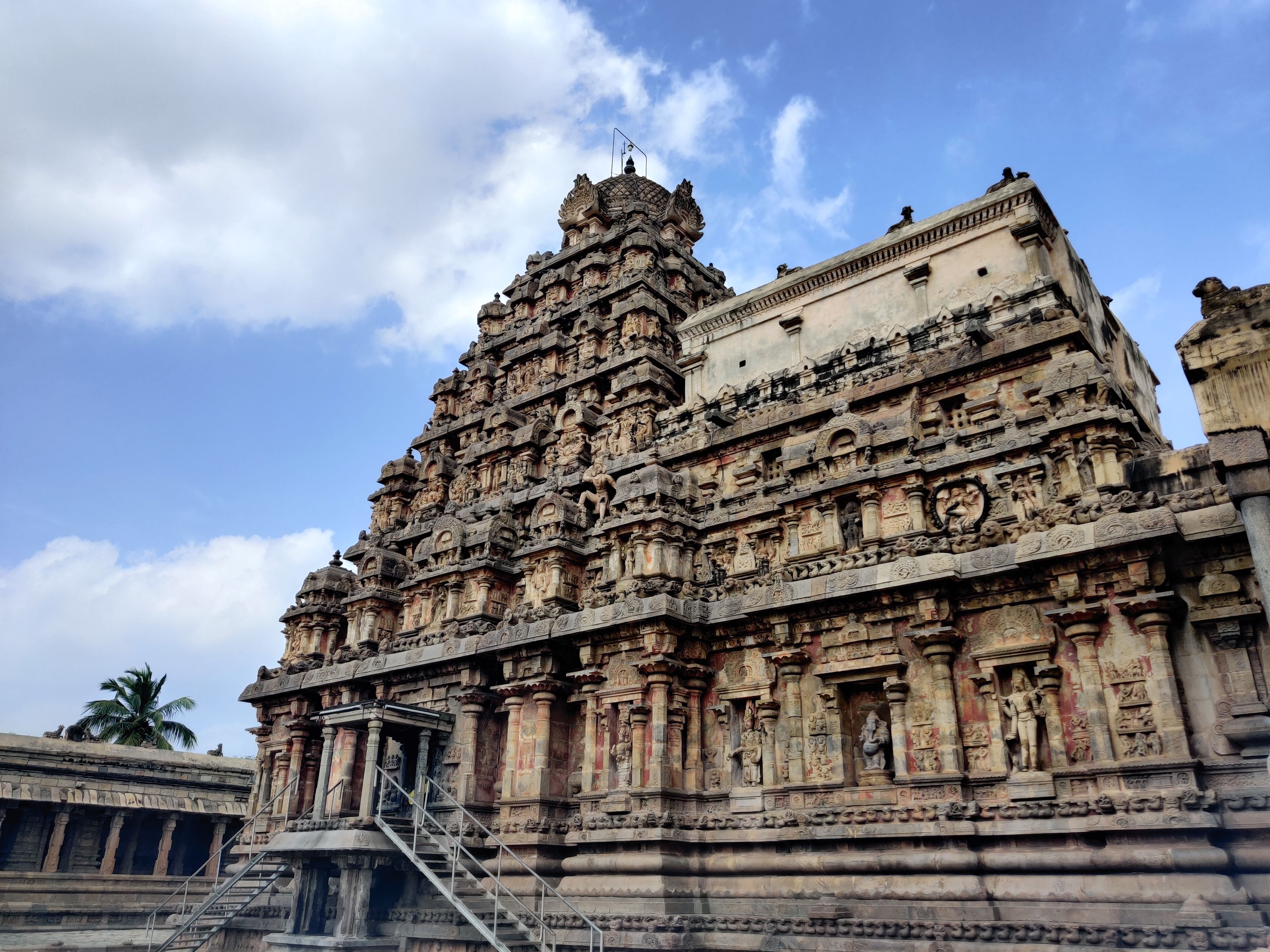
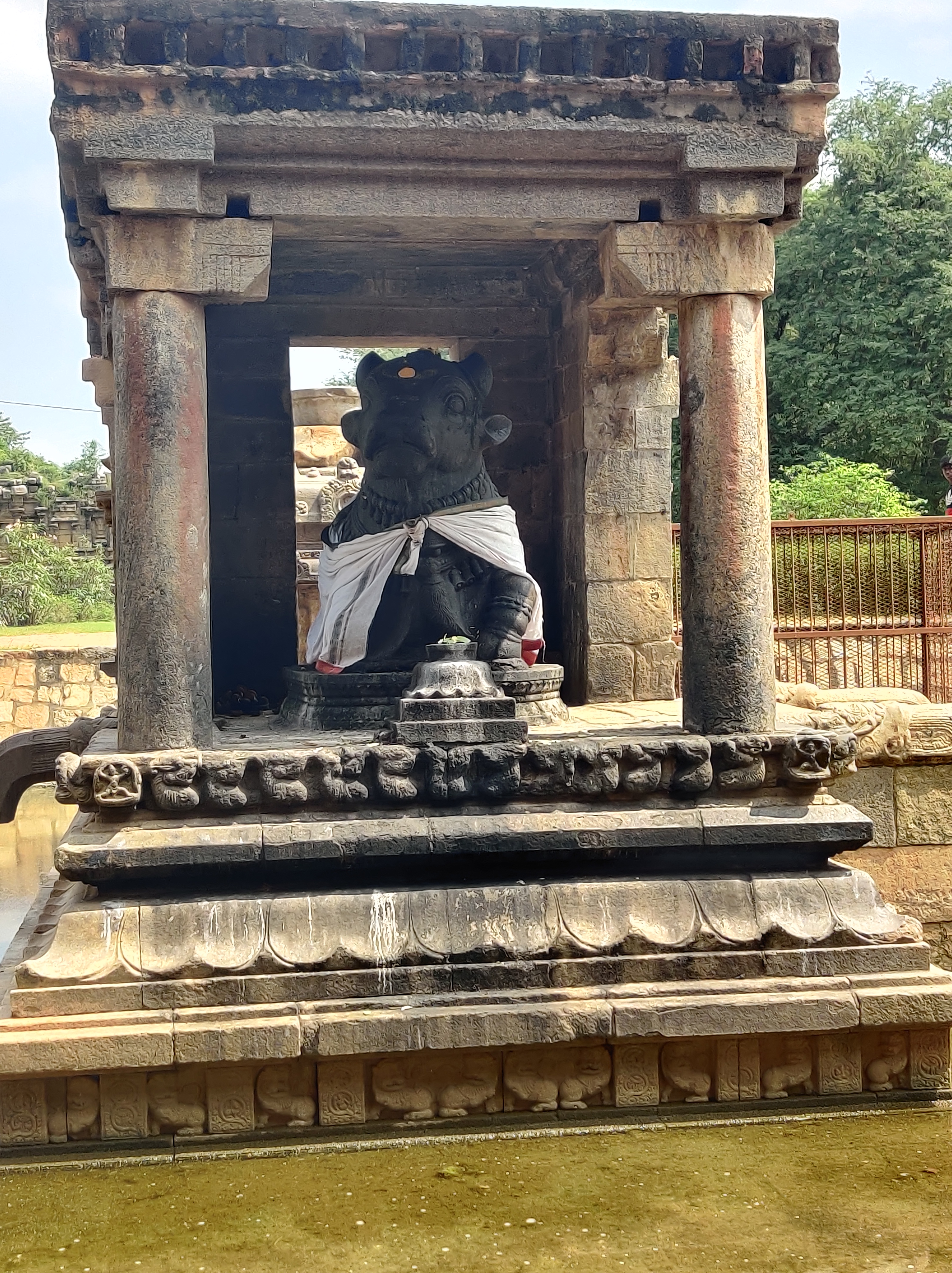
We then commenced our 37 km drive towards Tanjore at around 2 PM through quite a long stretch of winding roads and traffic and it took us almost an hour and a half to reach Tanjore. A tough place to navigate if you want to land somewhere to have a decent quick lunch and after some deft maneuvering through a pretty crowded place, found a parking near Hotel Ariya Bhawan where we managed to get some good food inspite of it almost closing hours for the afternoon repast.

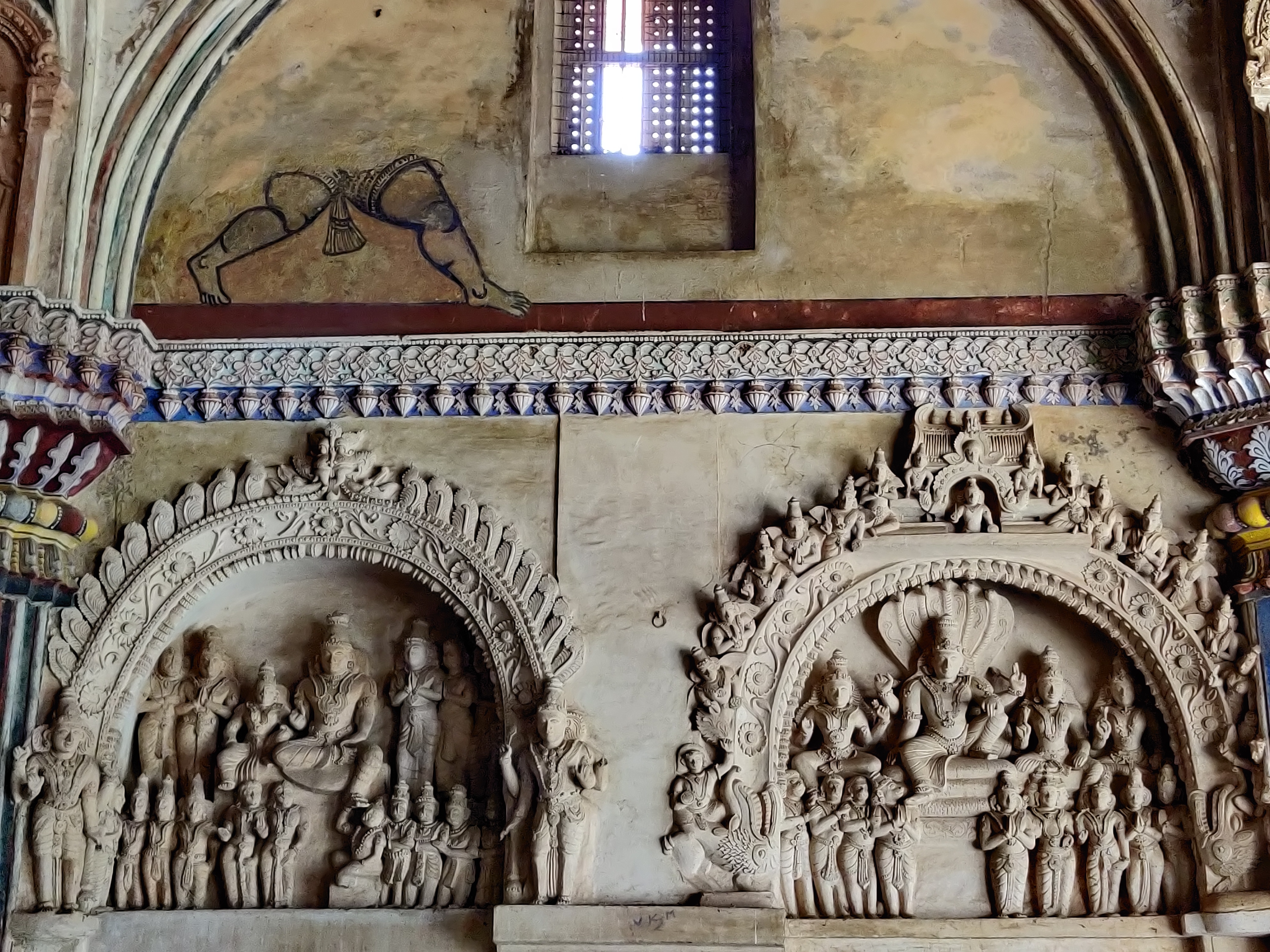
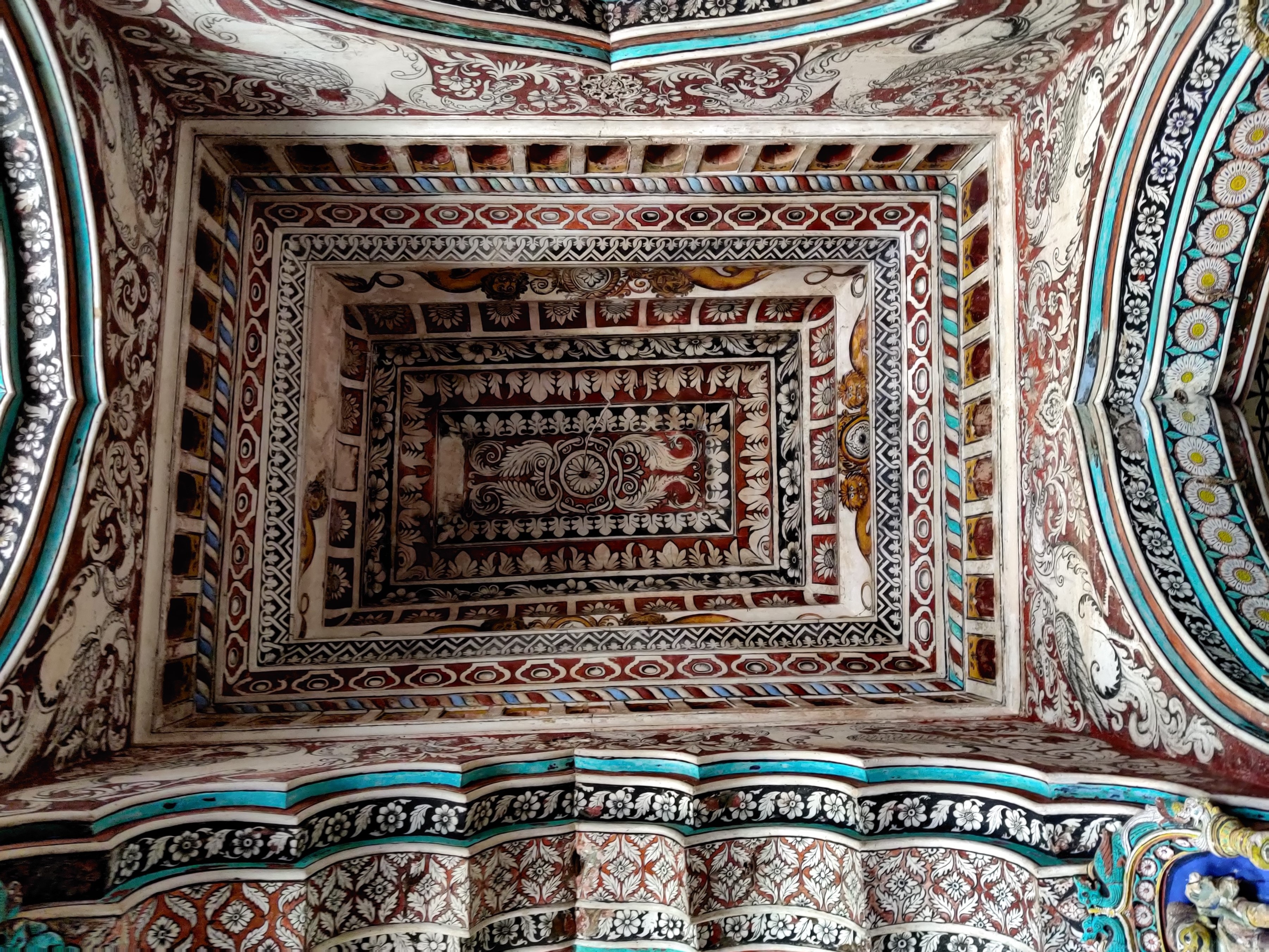
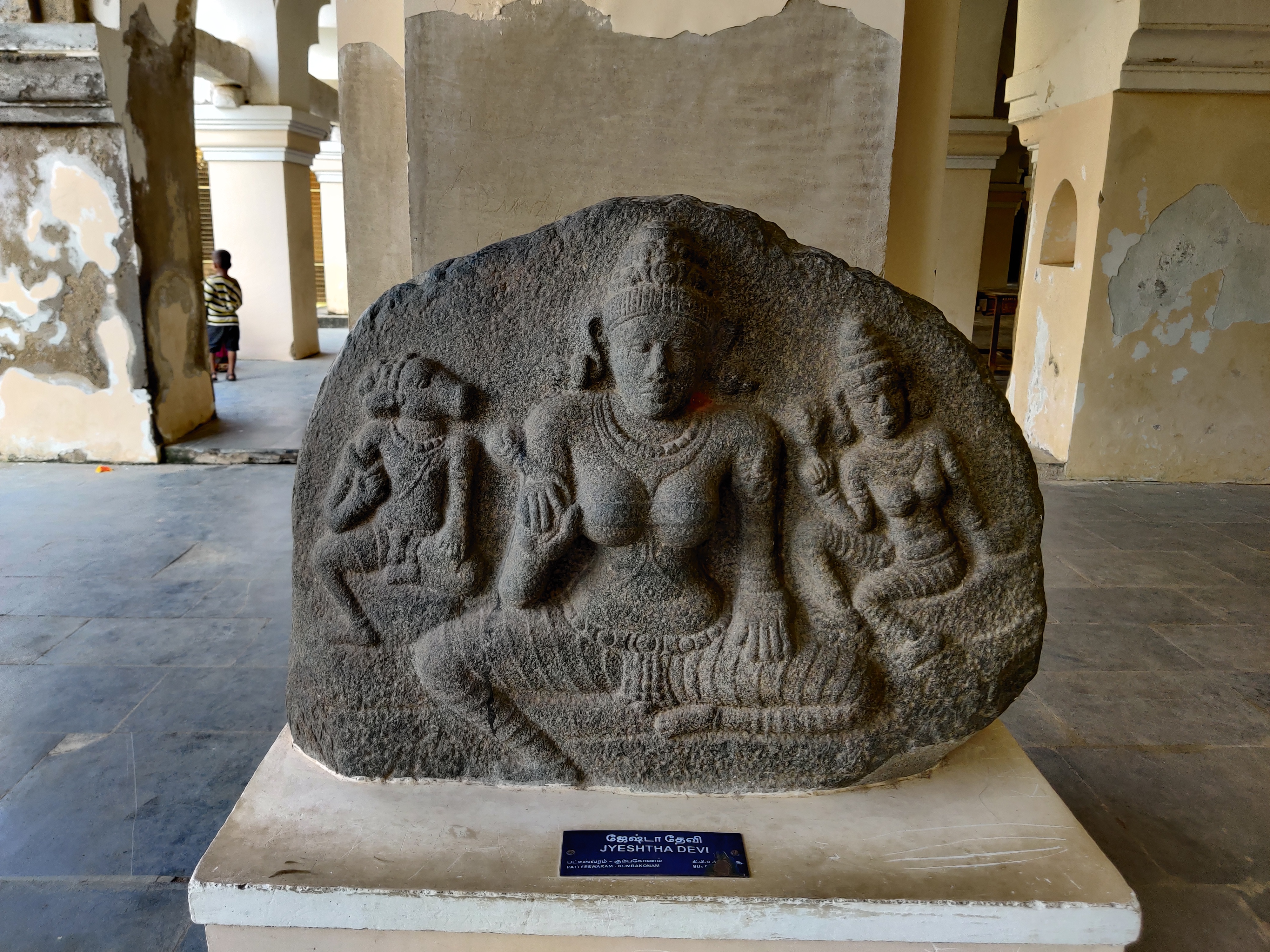
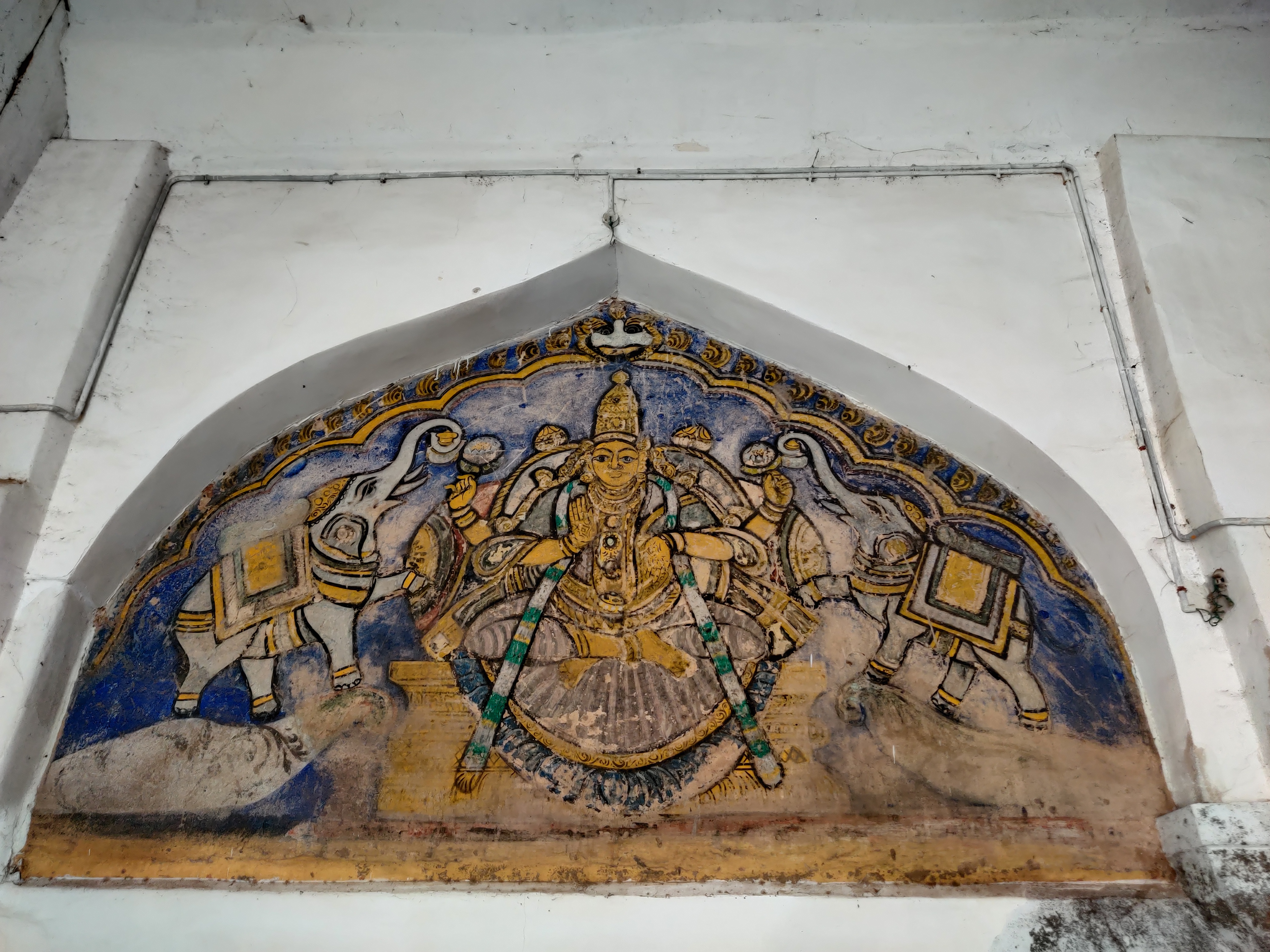
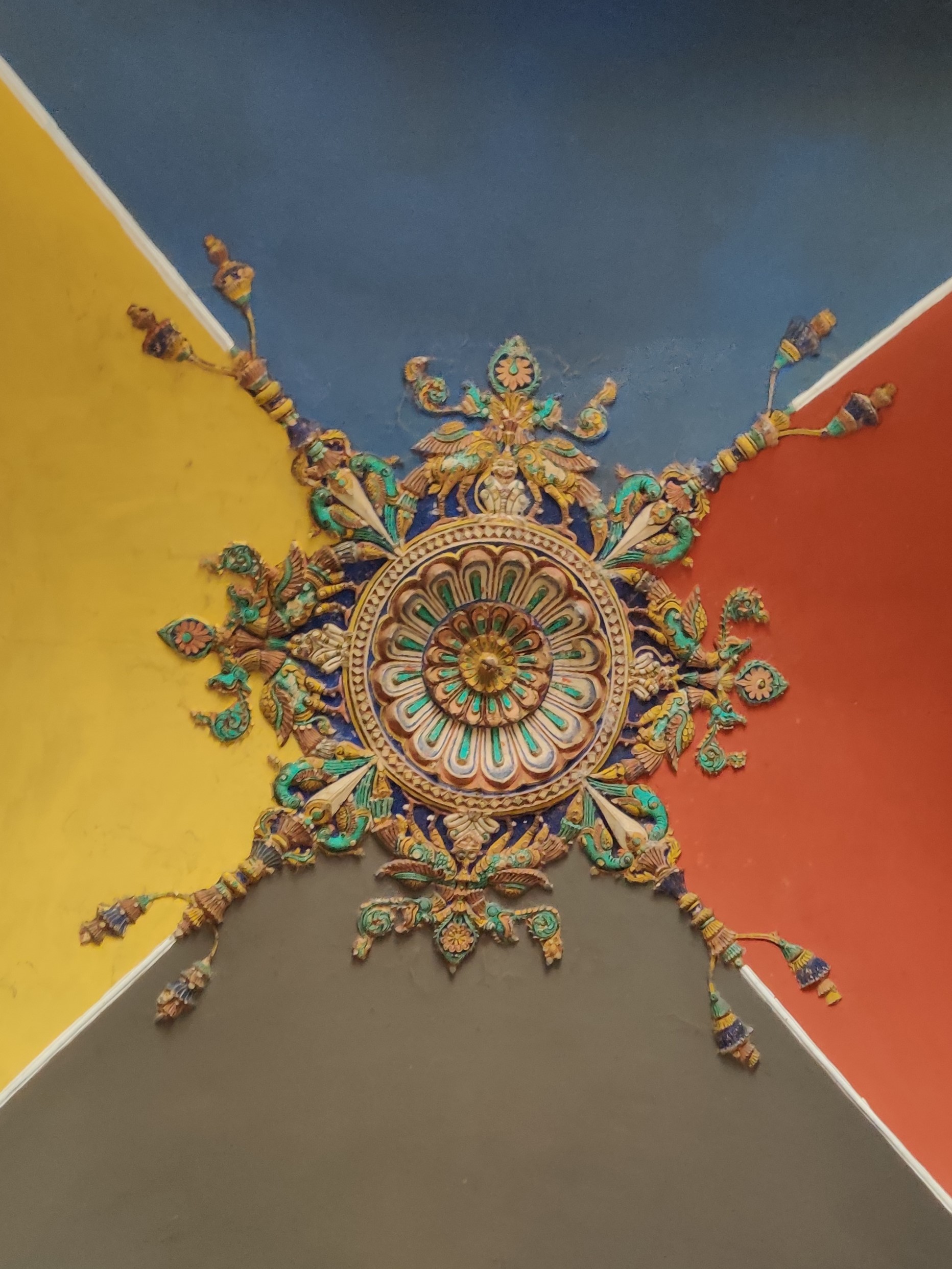
We headed for the Tanjore Maratha Palace complex located close by. Built by the Thanjavur Nayaks after claiming ascendancy from the Pandyan kings in 1535 AD, this palace held fort inspite of the Britishers annexing most parts of the Tanjore Maratha kingdom in 1799. The complex comprises of a Bell Tower, the Saraswati Mahal Library, the Darbar Hall and the Palace Museum which houses lot of old and valuable statues. As one enters the palace gates into the complex, you get to see the Darbar Hall on the left side which served as a stage for various forms of performing arts. The hall has some stucco work done up and the ceilings open upto some nice murals. A staircase opening upto the first floor houses Rajah Serfoji’s costumes, Gold and Silver ware, wooden and ivory artefacts, earthenware, coins, armouries and various kinds of paintings.

Adjacent to the Darbar hall is a compound which houses lot of nice stone sculptures ranging from the 8th century AD to the 18th century AD. There is a nice Arsenal Tower also within the Palace complex, 192 feet in height with 8 storeys. Originally constructed in 1645 with 2 floors by the Nayaks, the Marathas renovated it later to 8 floors and with the prime objective of housing armoury besides also serving as a watch tower. The Northwest side of this tower leads to a 7 storey rectangular shaped  Bell Tower, primarily used by people to get an aerial view of the city right from the top. At the top of the tower was believed to be a huge clock with the figure of a monkey striking the clock every 1 hour.
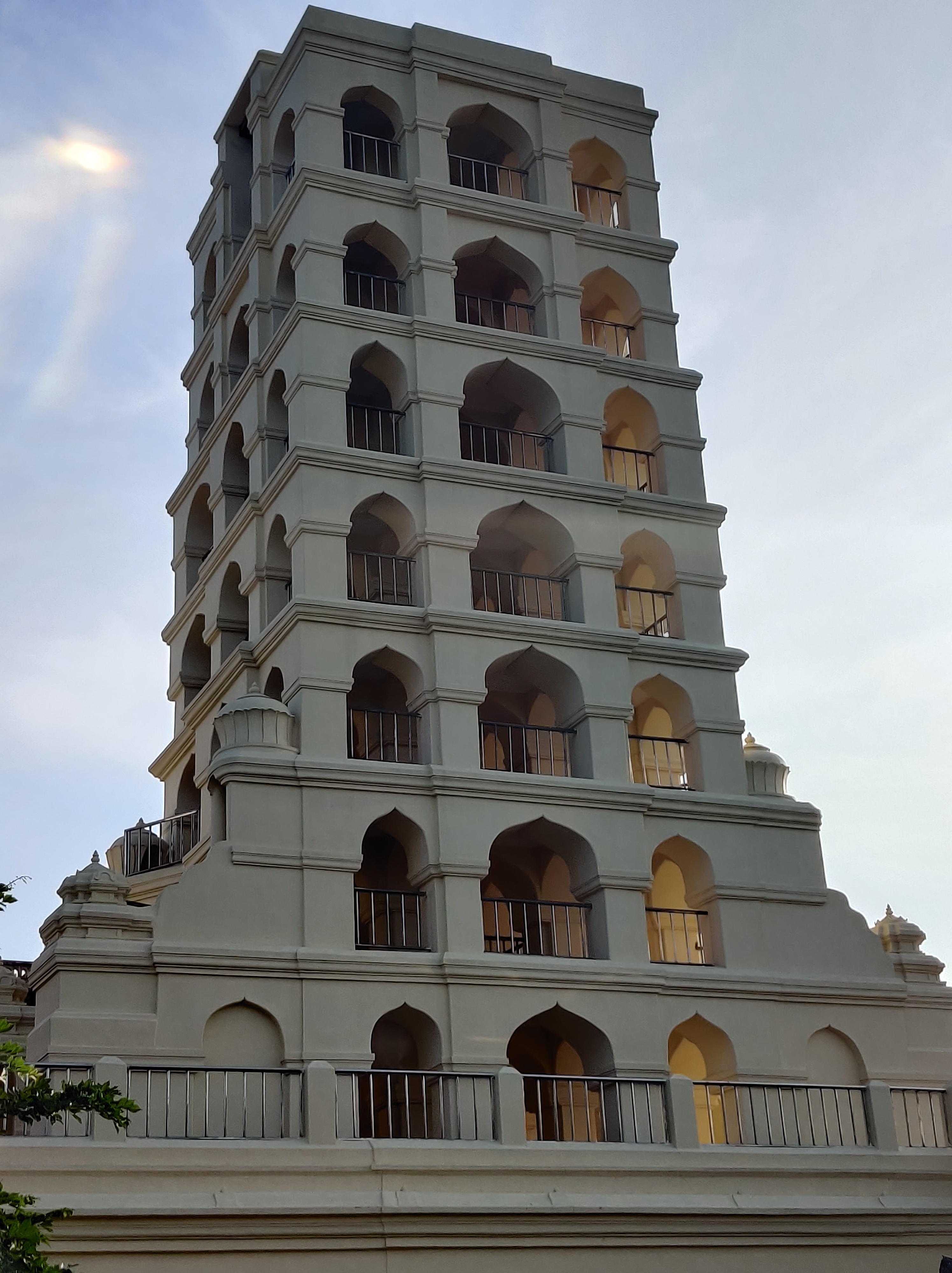
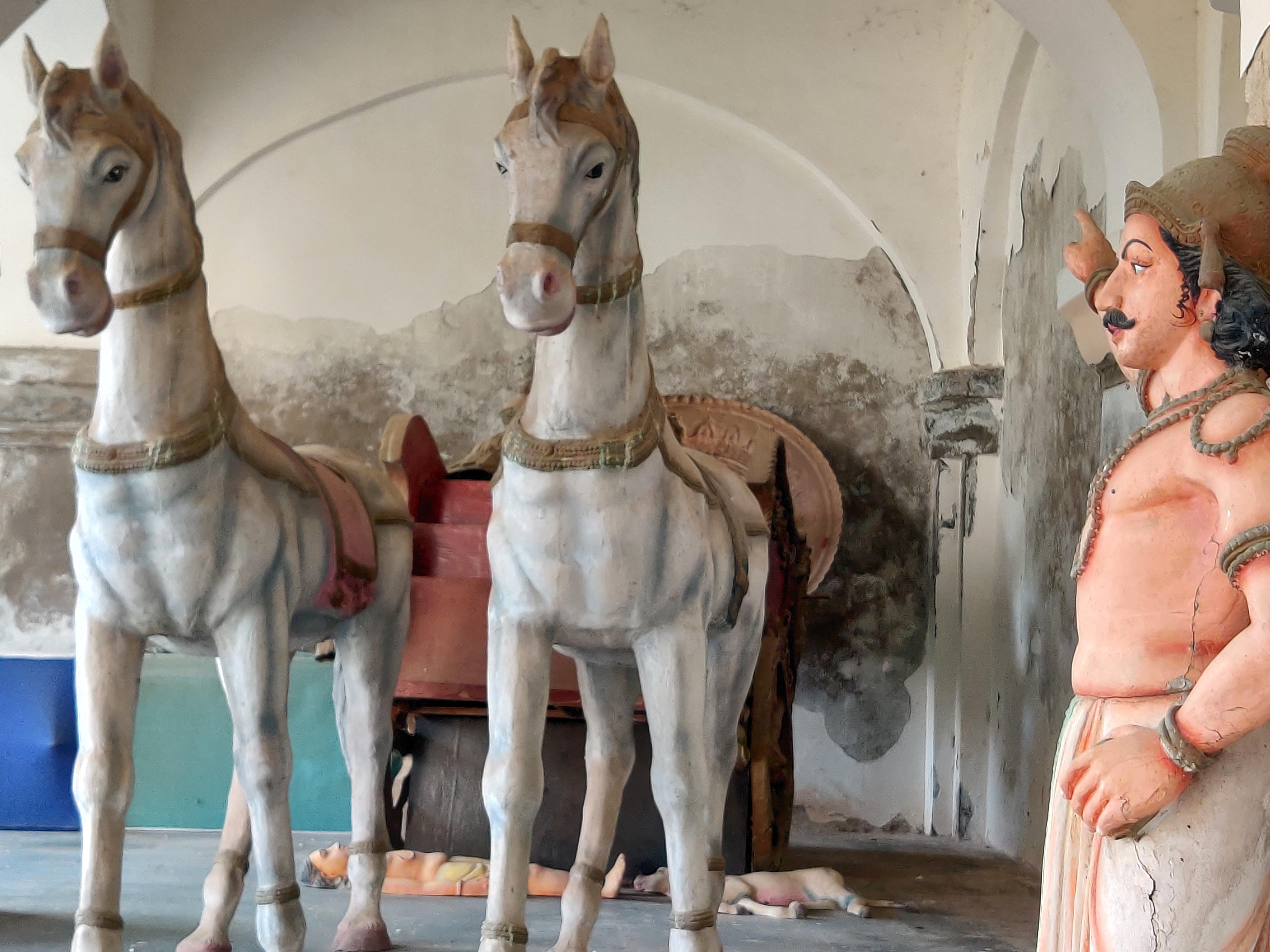
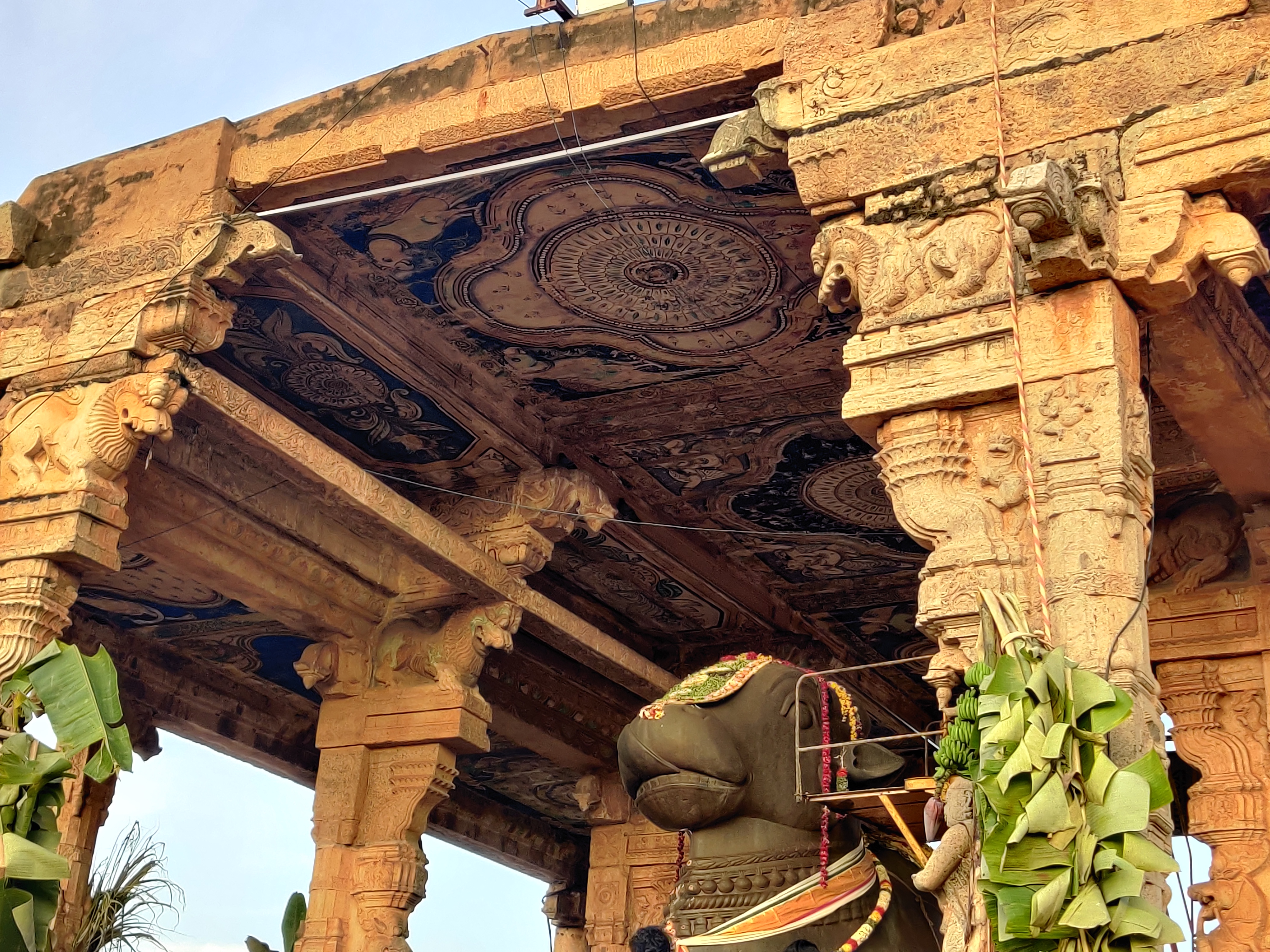
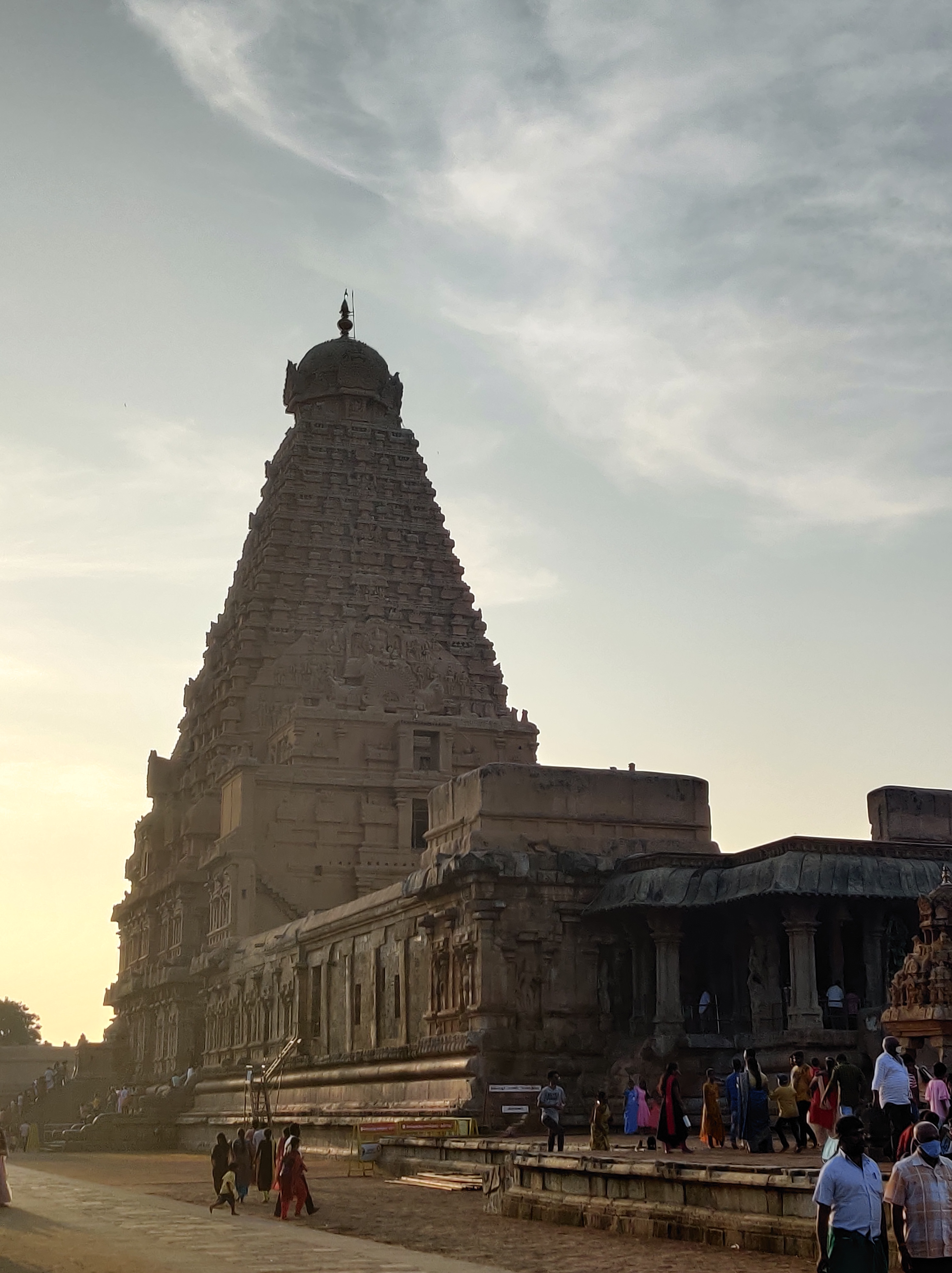
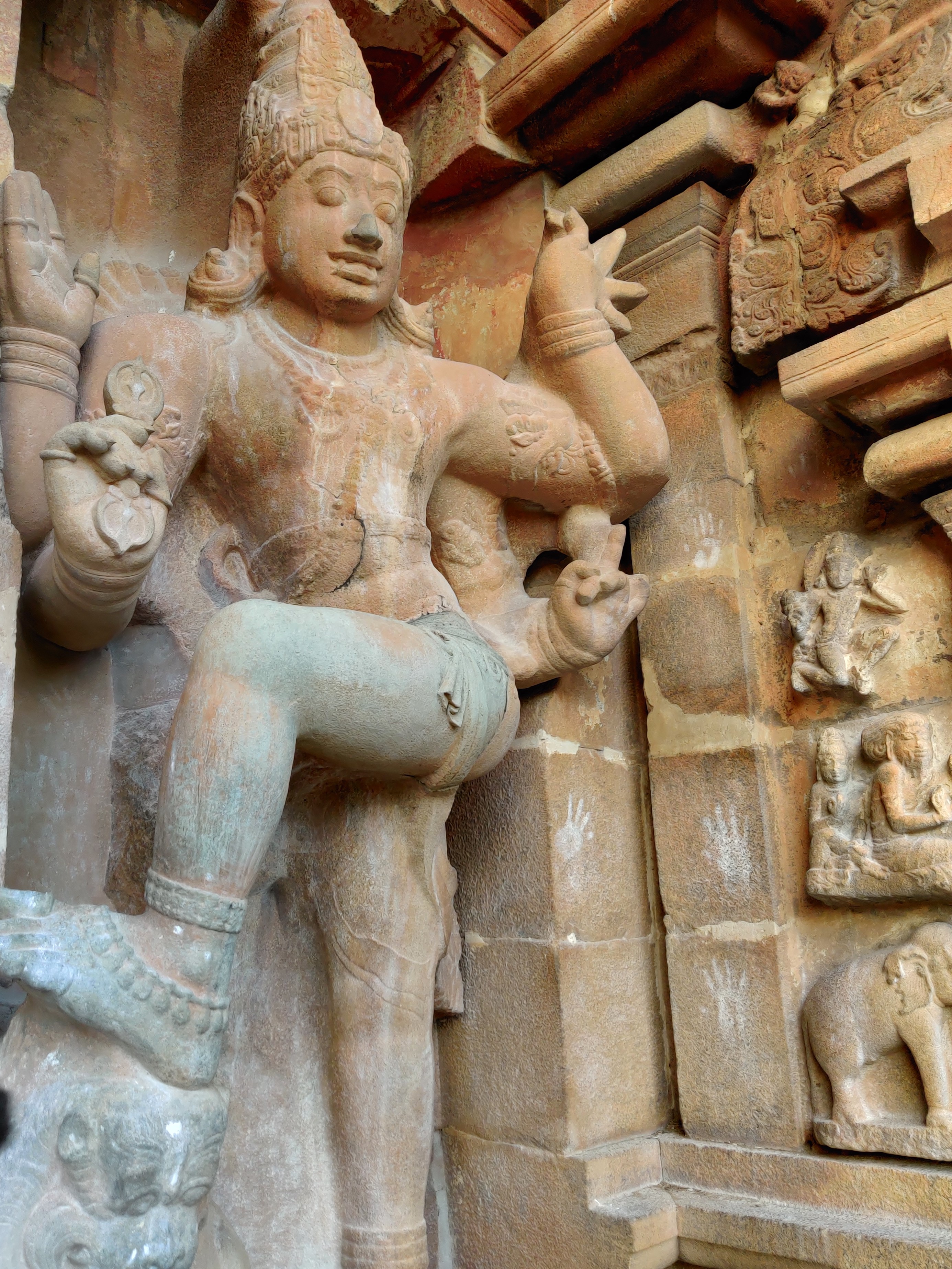
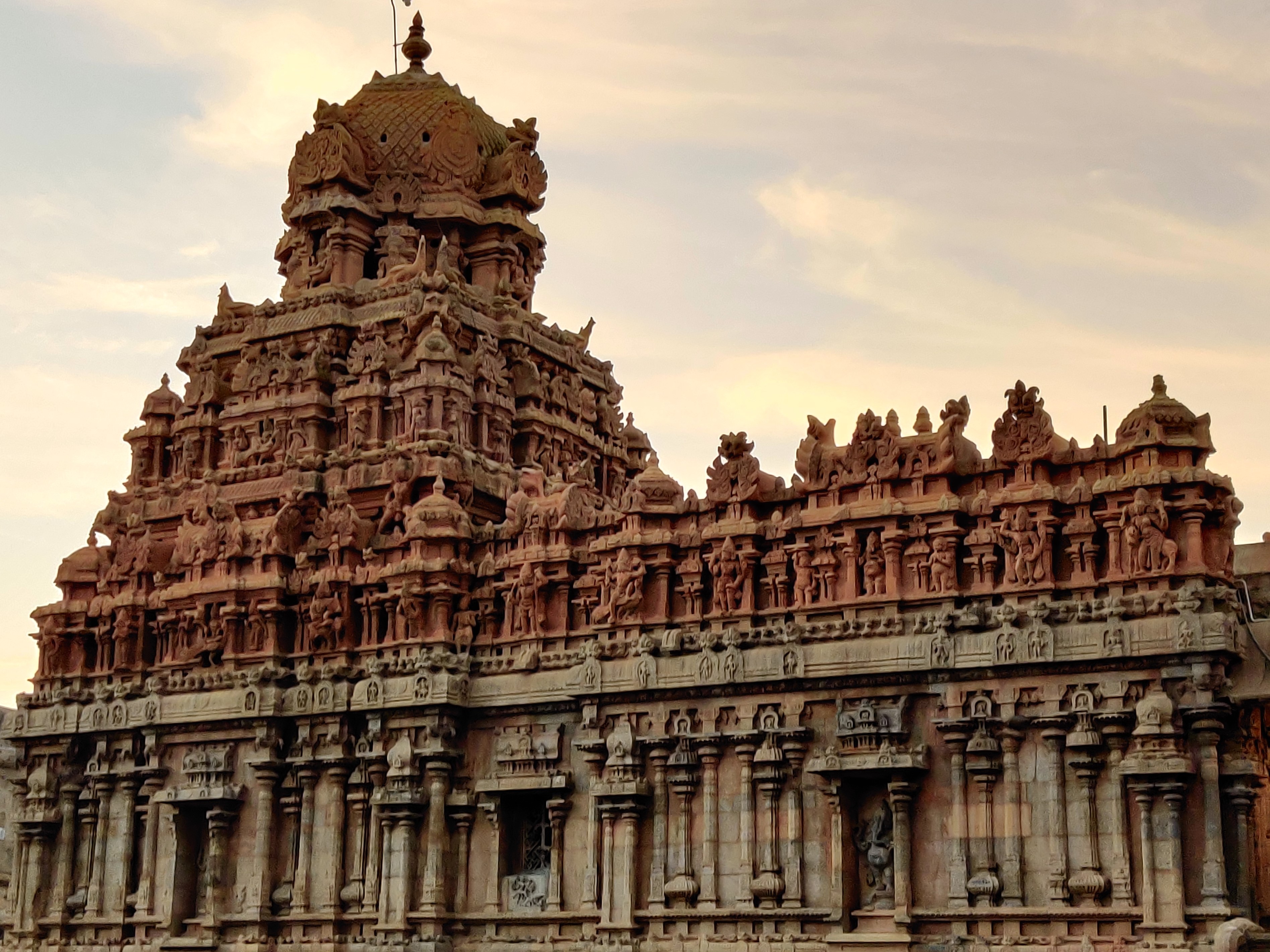
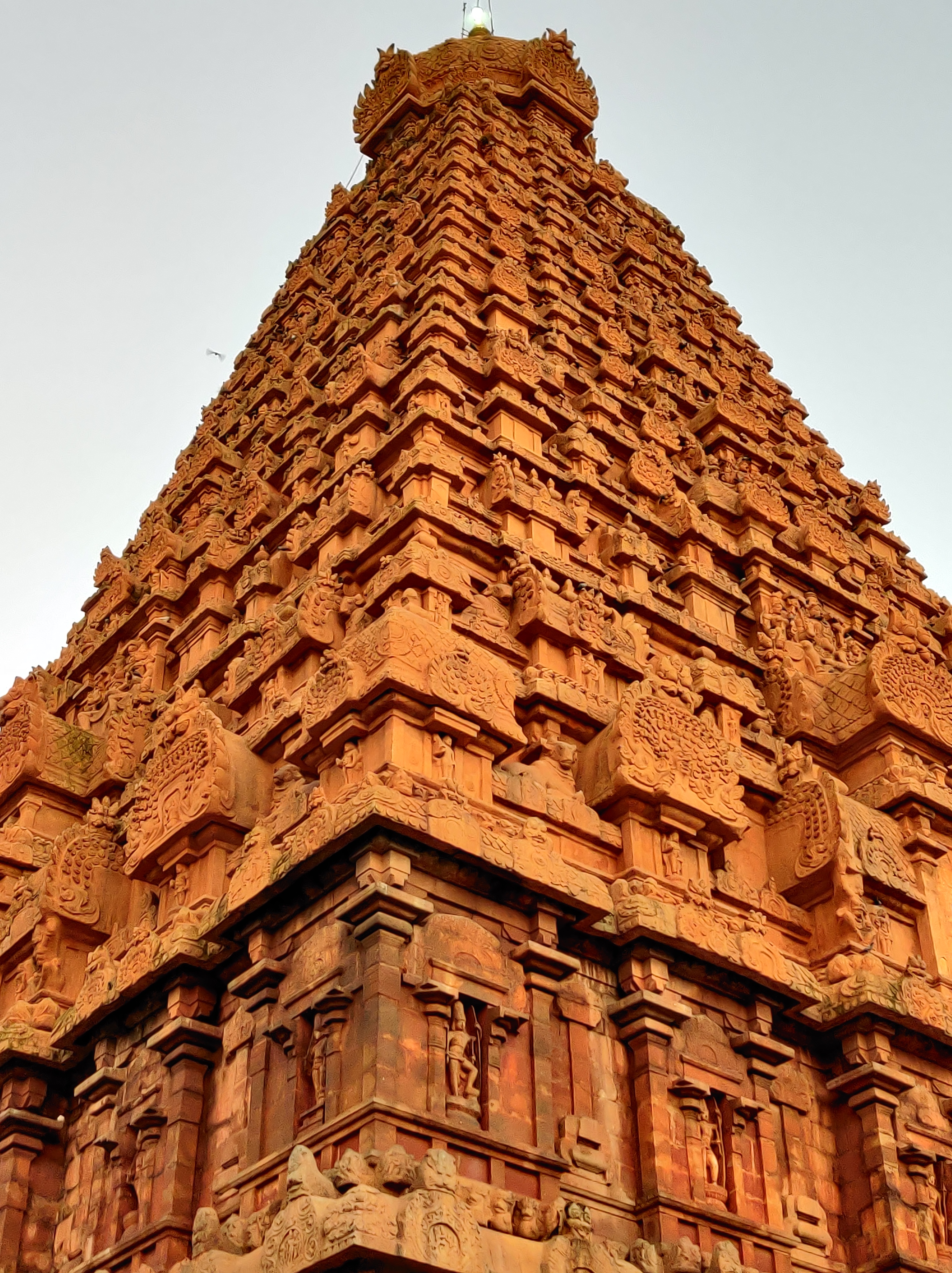
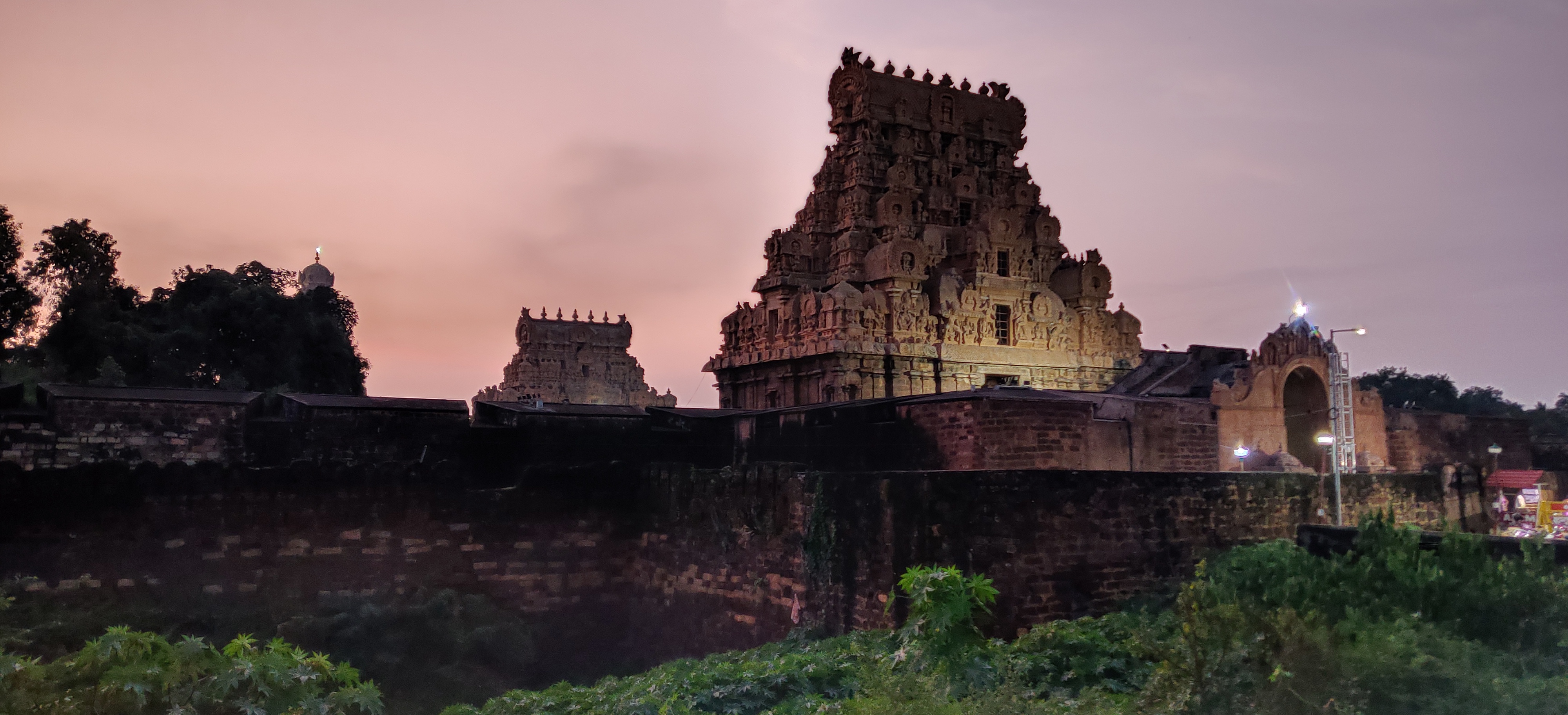
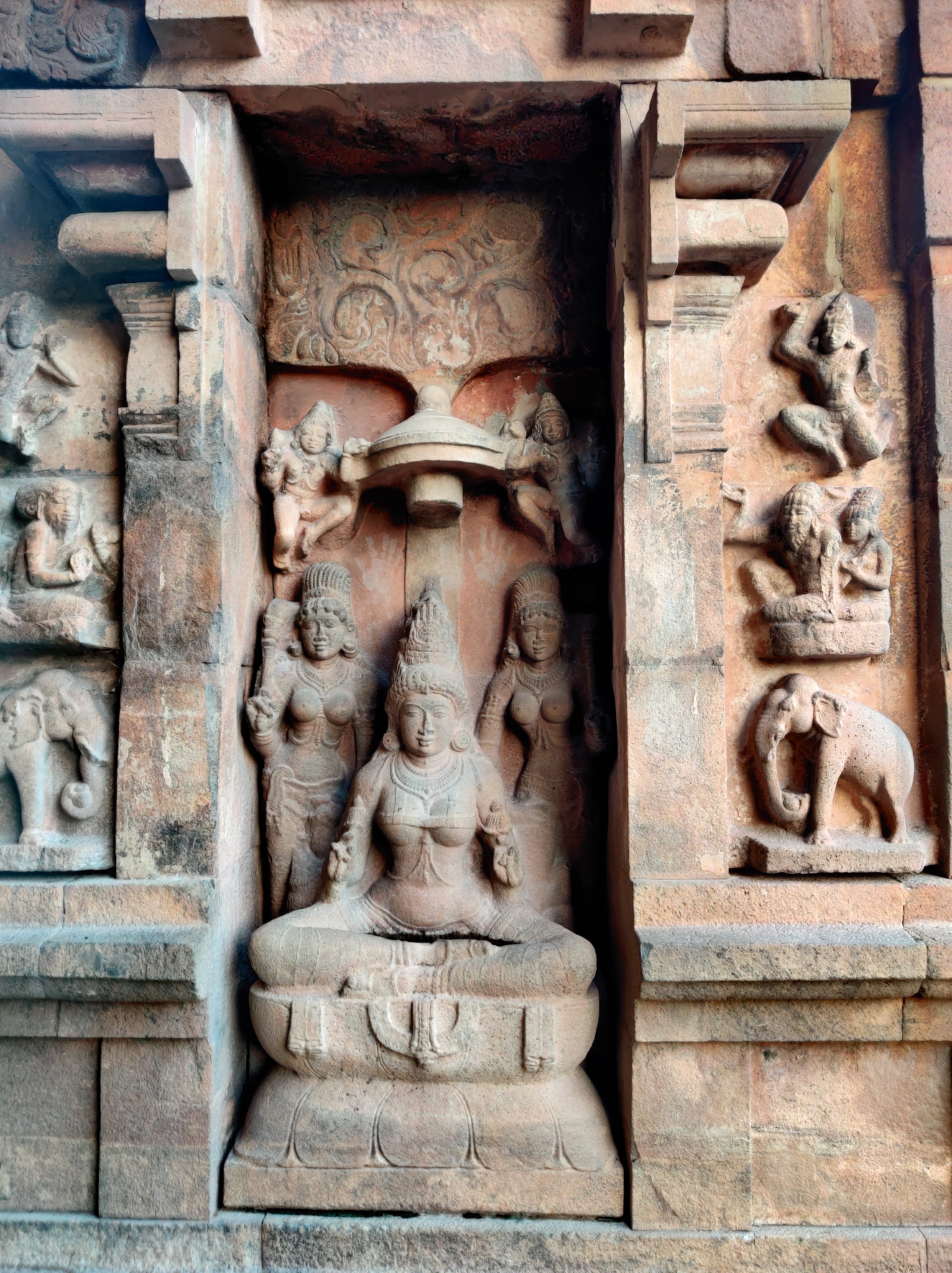
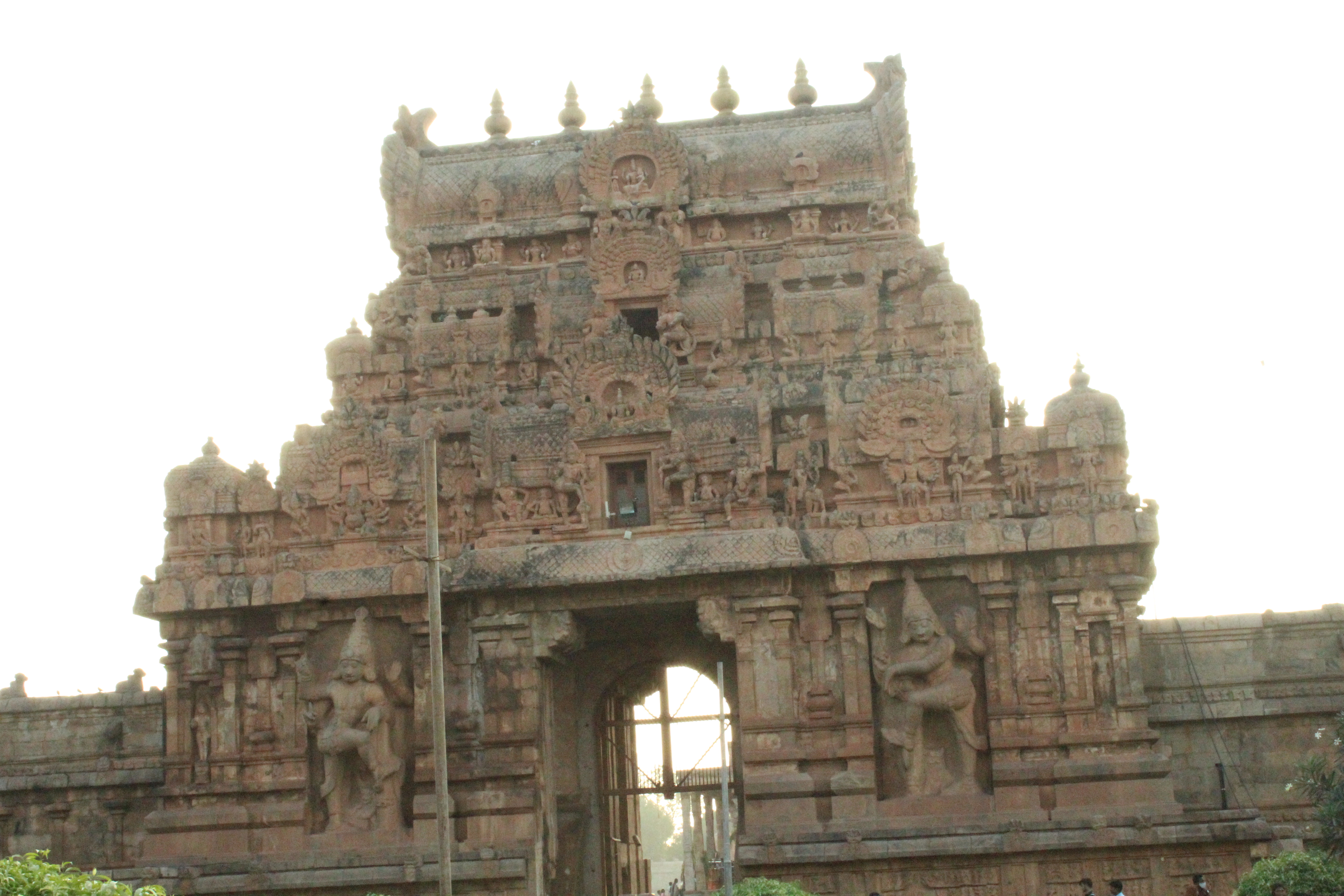
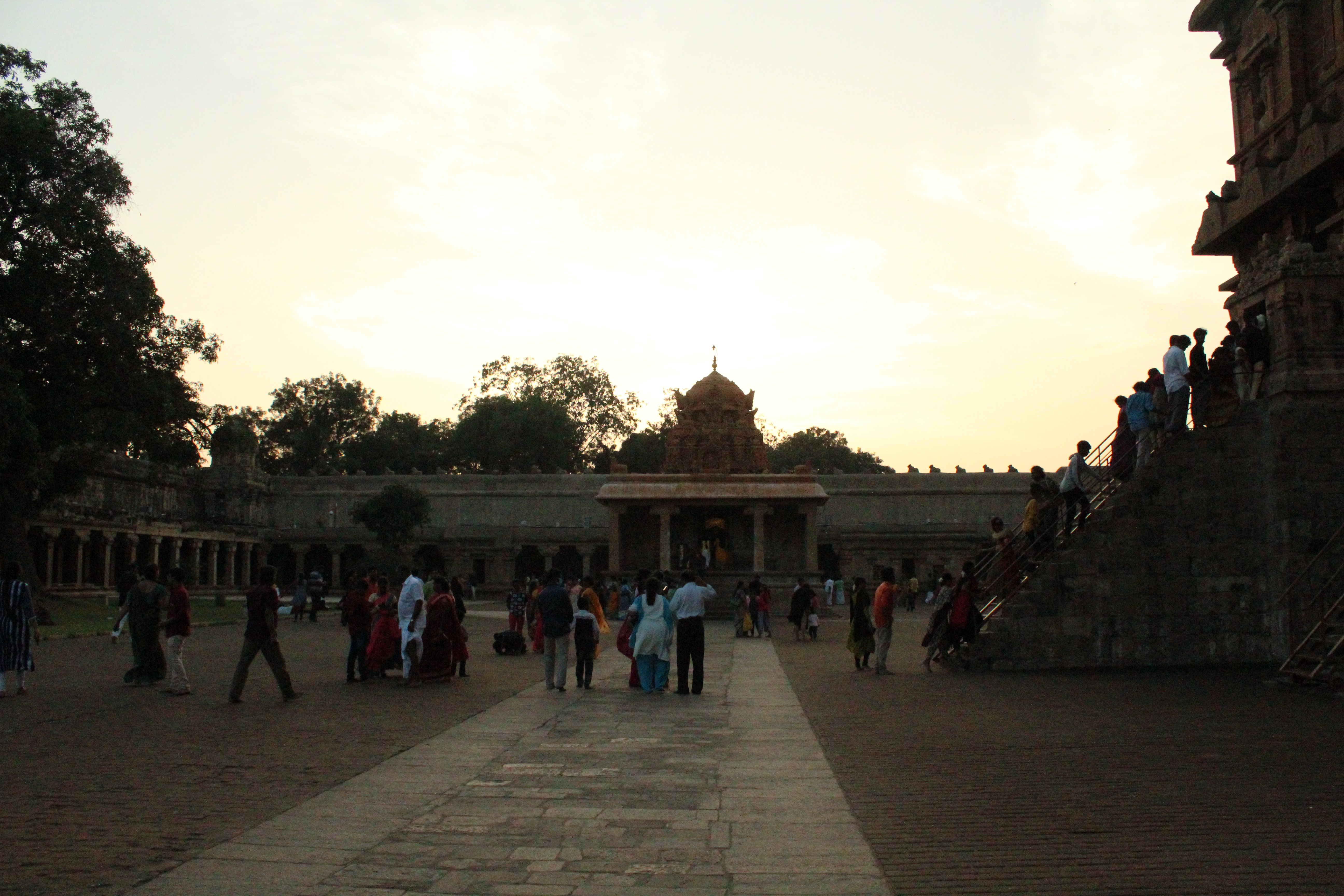
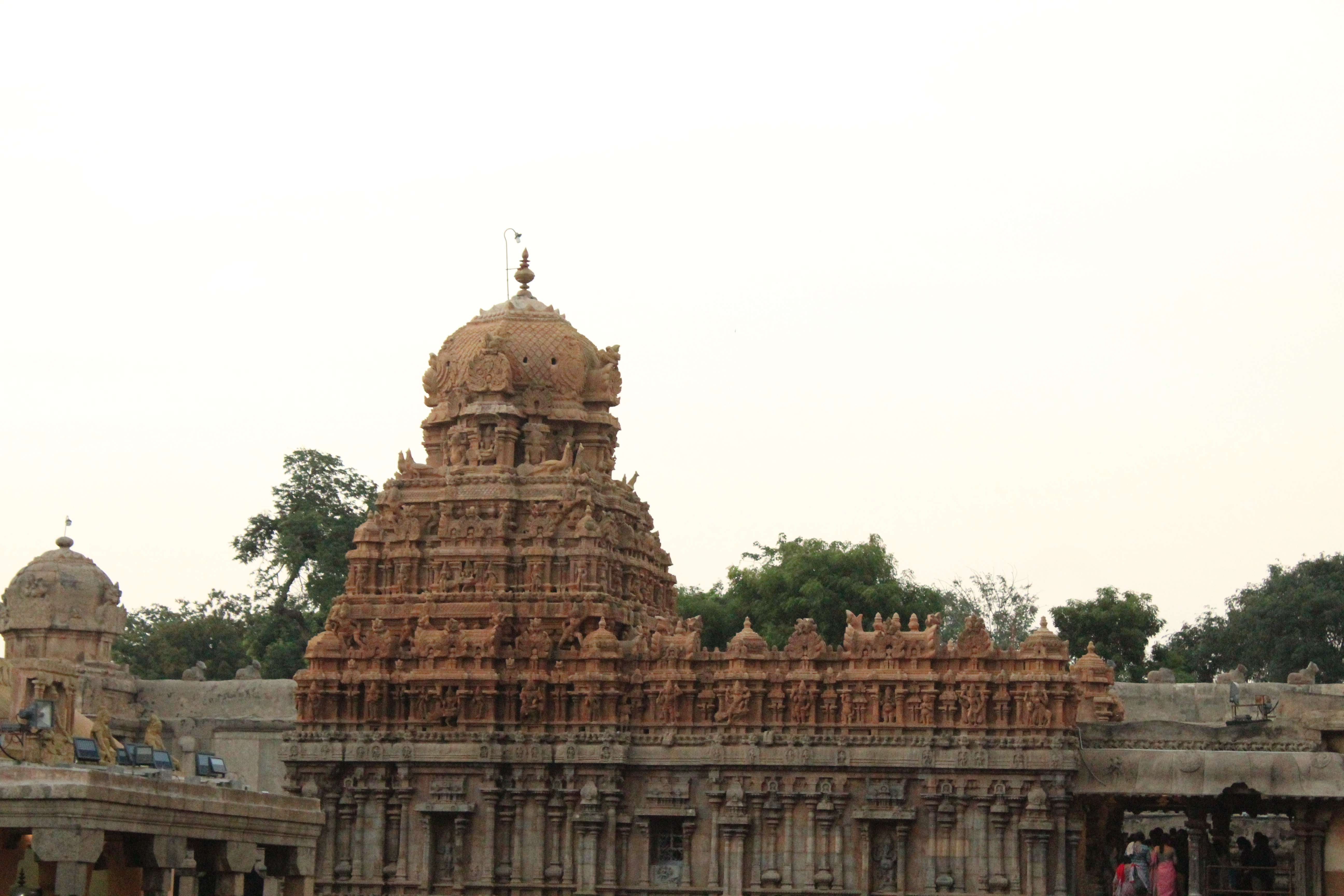
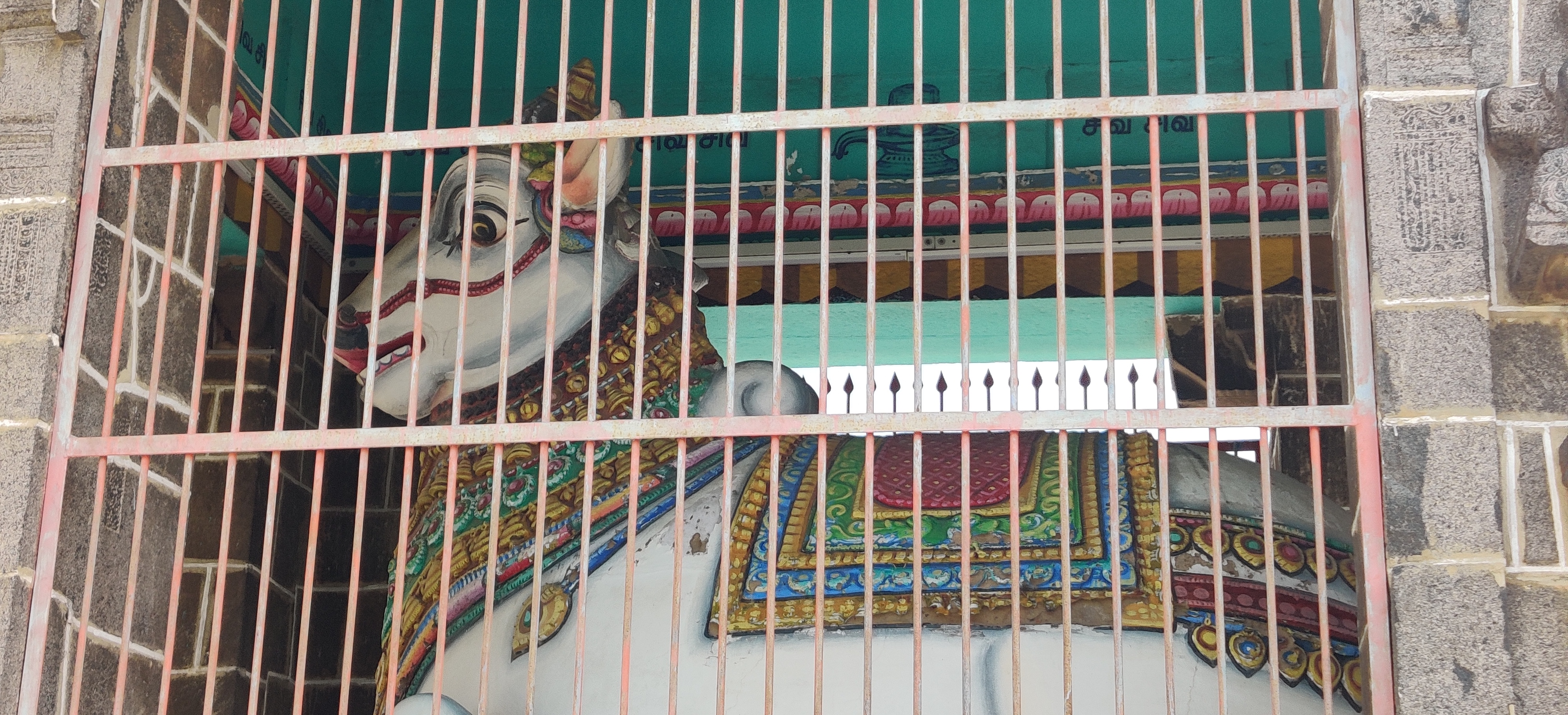
We then moved onto the Rajarajeshwara temple (renamed as the Brihadeswara by the Marathas), located not very far off from the Palace. Also known as the Big Temple, this structure is believed to be the tallest in the world at 216 metres. Built entirely out of granite (and its said that 130,000 tonnes of it were used), the temple also houses a pretty large statue of Nandi (the sacred bull) carved out of a single stone.  Dedicated to Lord Shiva and also recognized as a Unesco World Heritage Site, this temple was built by King Raja Raja Chola I in 1010 AD and is part of the trilogy of the Great Living Chola Temples, the ones at Gangaikonda Cholapuram and the Airateswara temple being the other two. What is amazing about the architectures of these temples is that they have utilized axial and geometrical symmetry rules when being built.
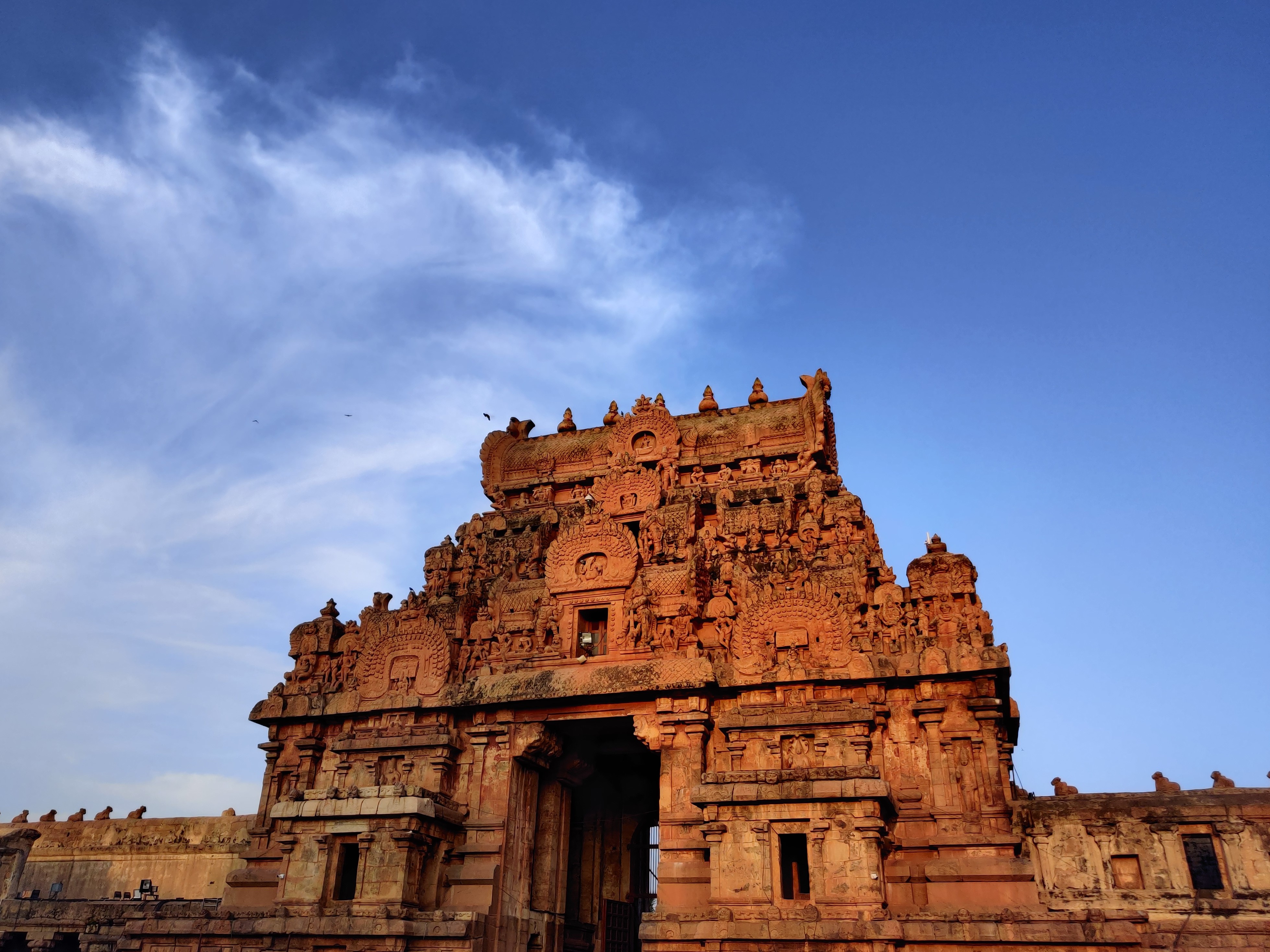
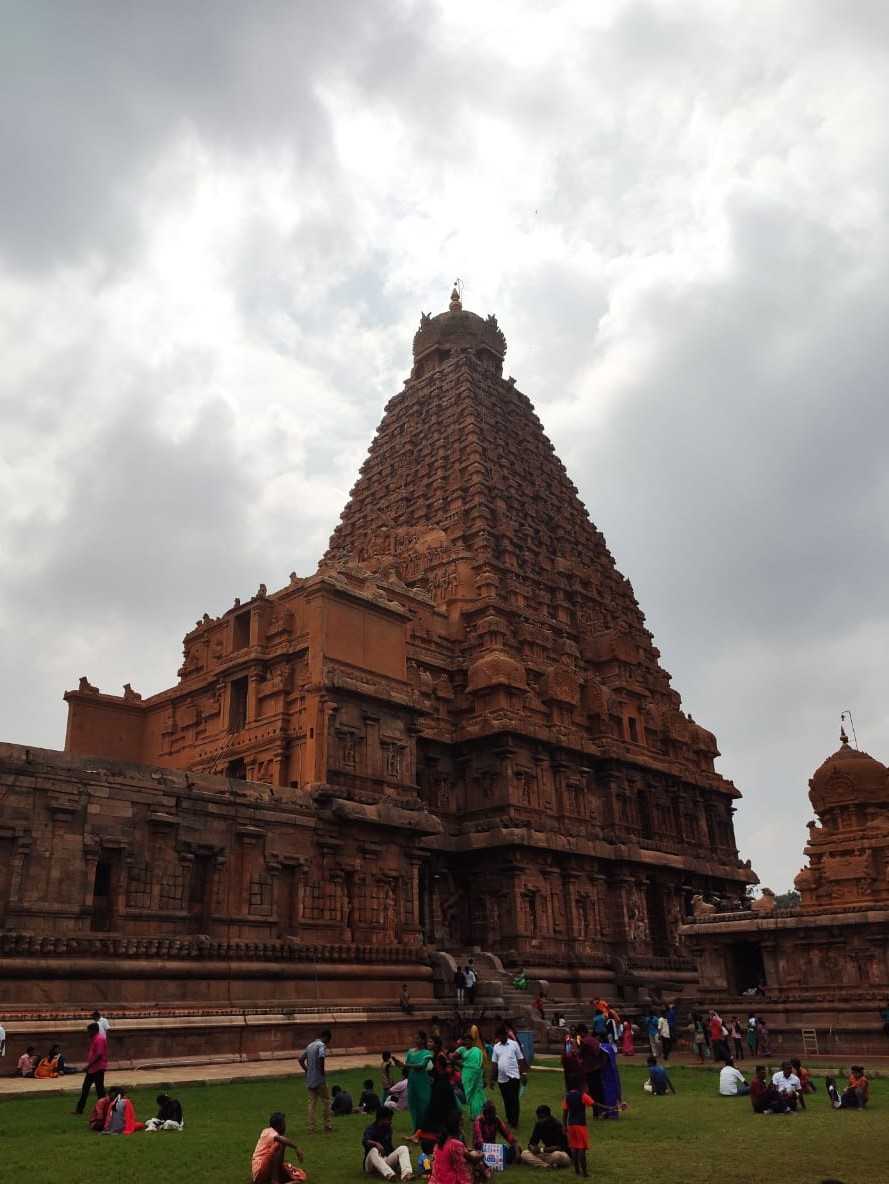
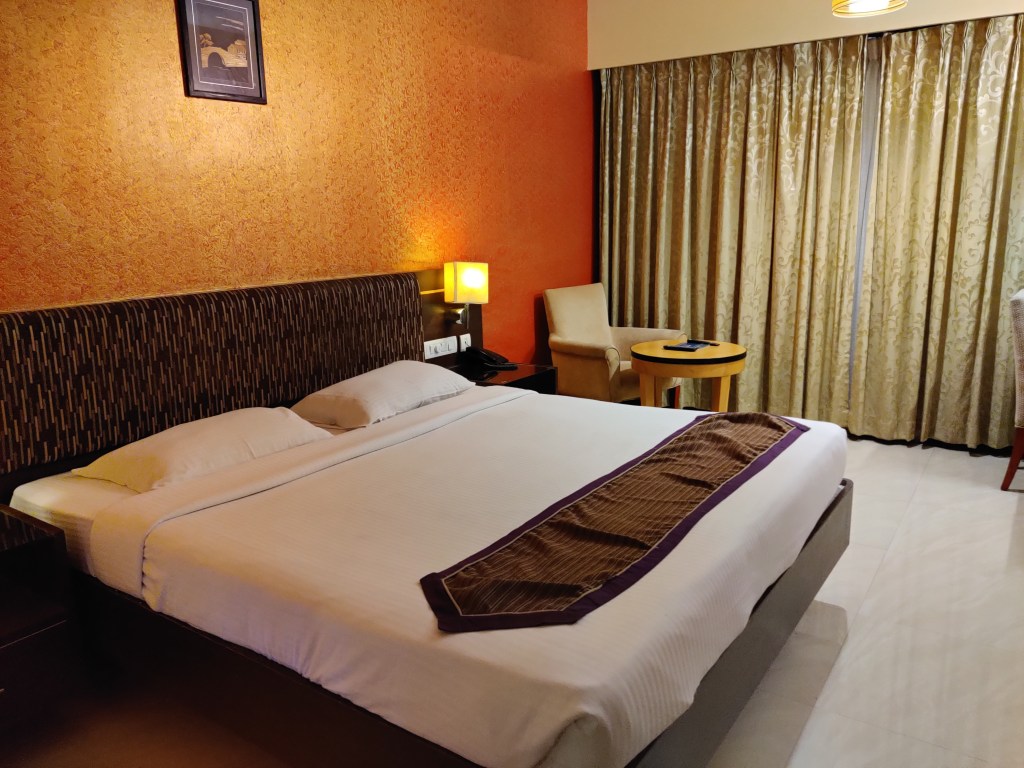
We then headed for a quick bite at Krishna Bhawan located bang opposite the Big Temple before starting our 60 off km drive towards Trichy which was to be our halt for the night. As we drove along the four laned highway, could not but help admire the total transformation in infrastructure and the connectivity between these 2 cities. Compared to the years I spent here between ’93 to ’96, got to drive through some beautiful roads with service lanes dotting  our route.  We reached Trichy around 9 in the night and headed straight for PLA Krishna Inn located opposite the Central Bus Stand  where we had booked ourselves.
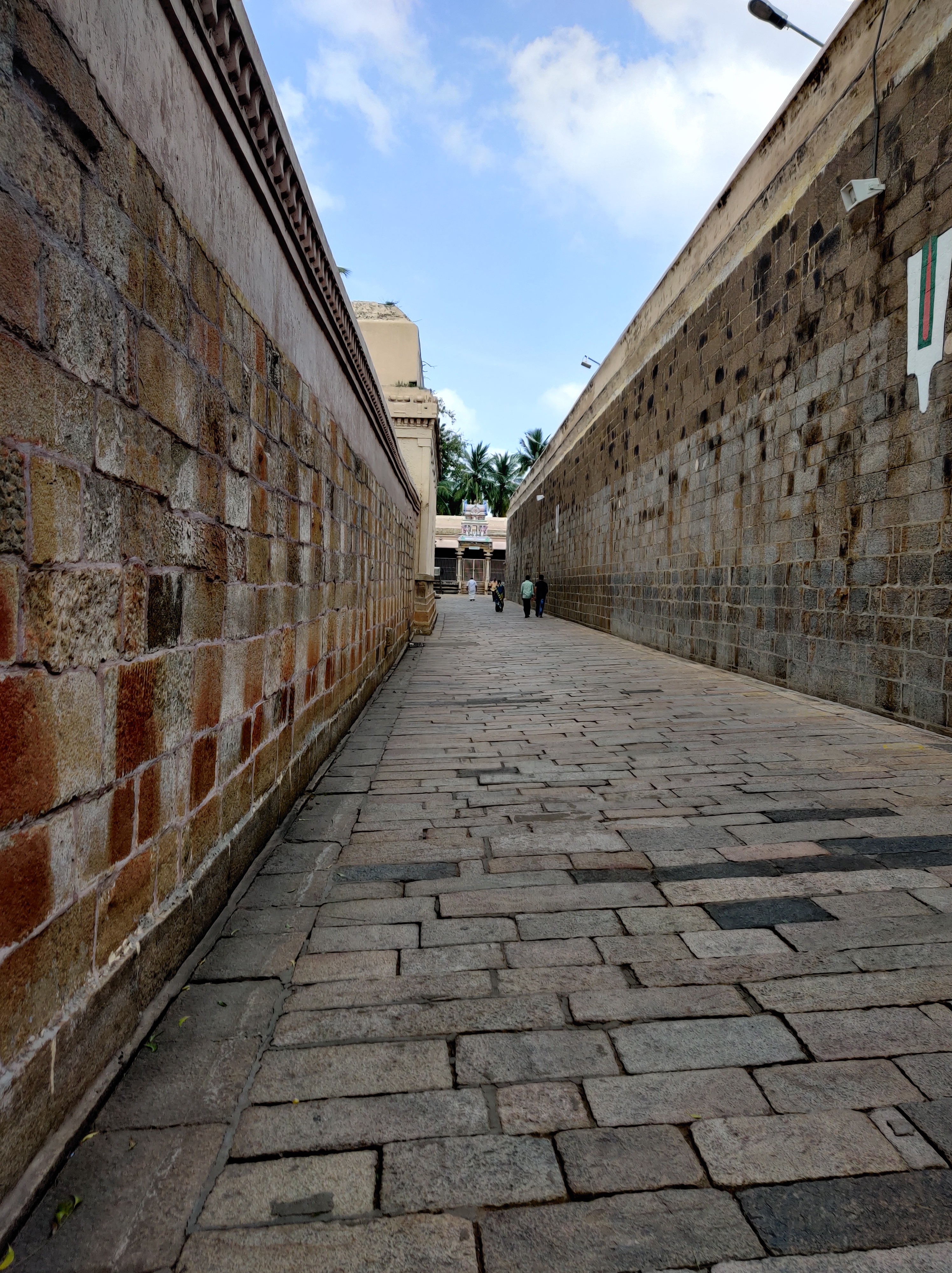
DAY 3 : Set out for a short walk around the cantonment area and then headed for a double shot of coffee at Vasanth Bhawan.  The only thing approved and left on our itinerary was the Srirangam temple as the murmurs of protests slowly increased in intensity when I had proposed the Uchipillayar Temple atop a hillock. A sumptuous breakfast done at the hotel, we started our 10 km drive towards Srirangam. Also known as Thiruvarangam, this river island has the Cauvery river running on one side and a distributary of the Kollidam river on the other side.

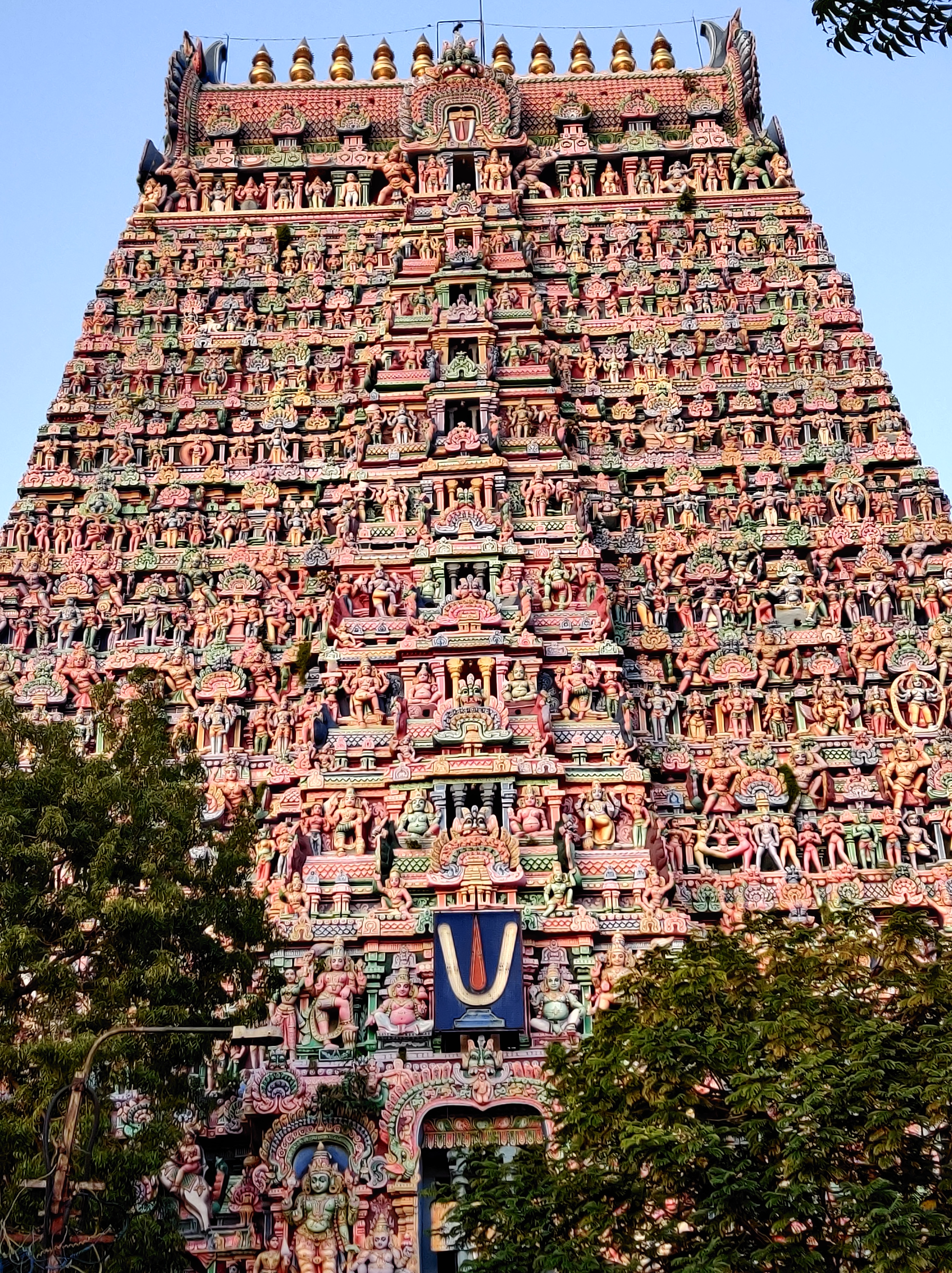
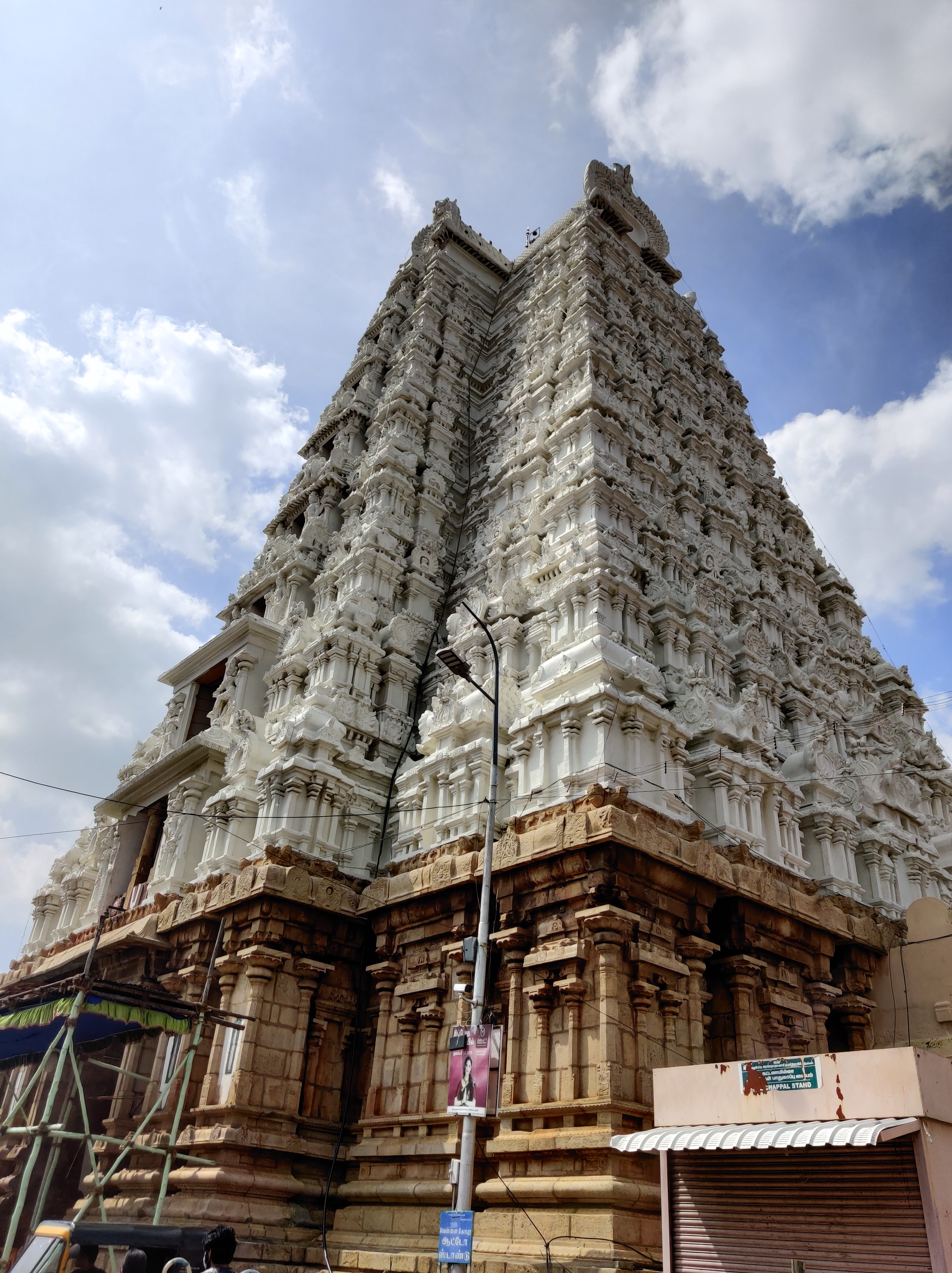
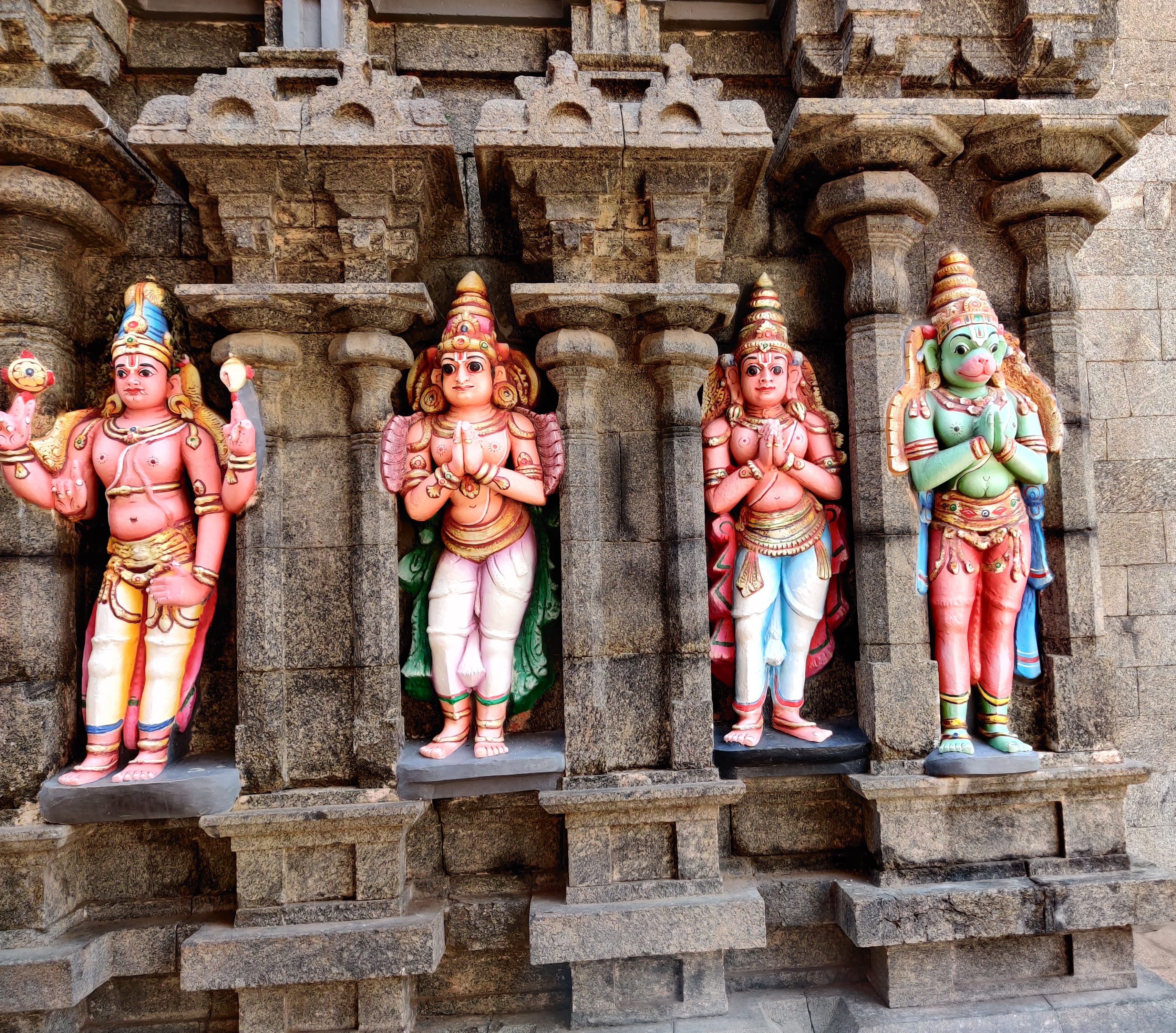
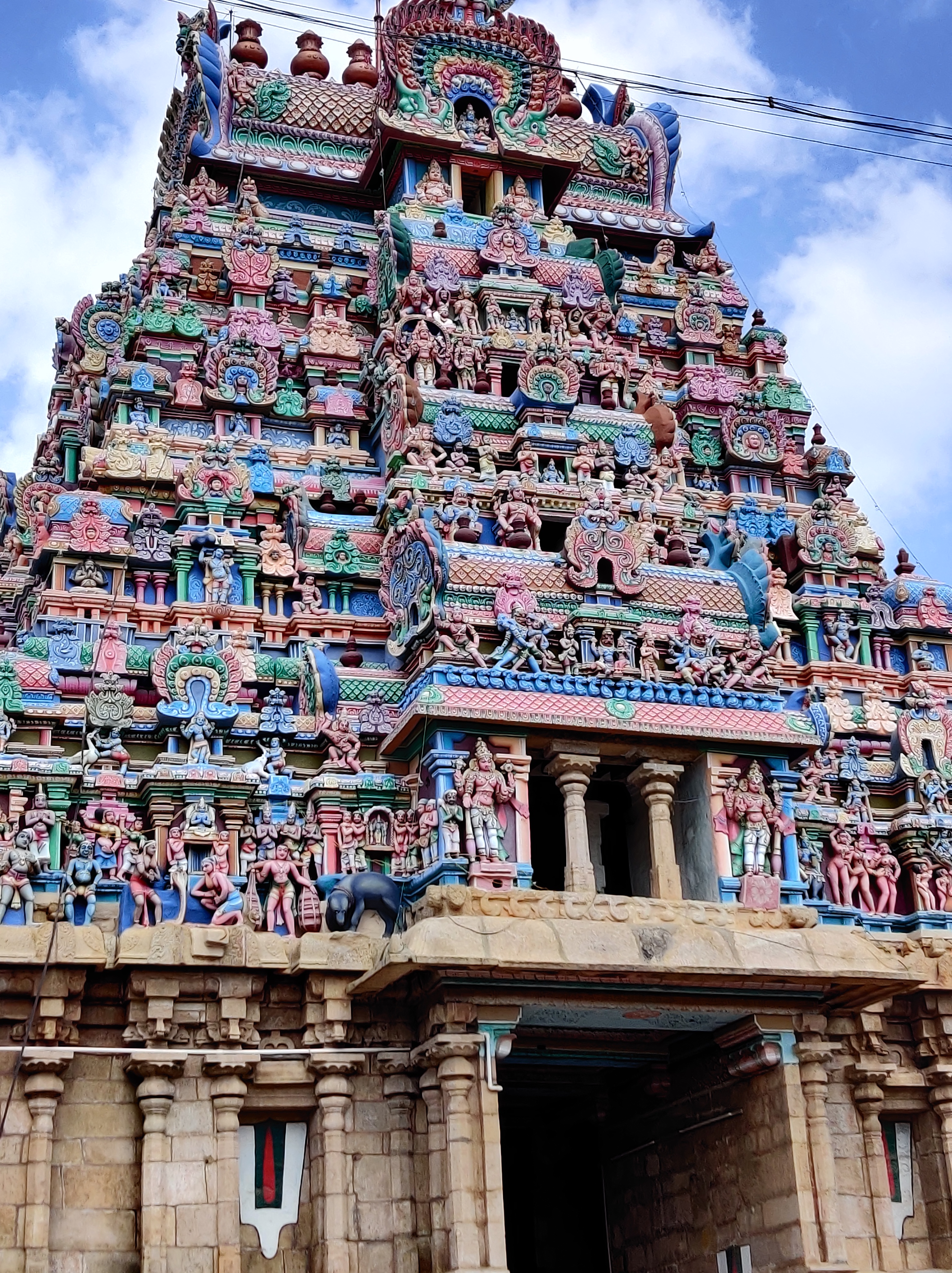
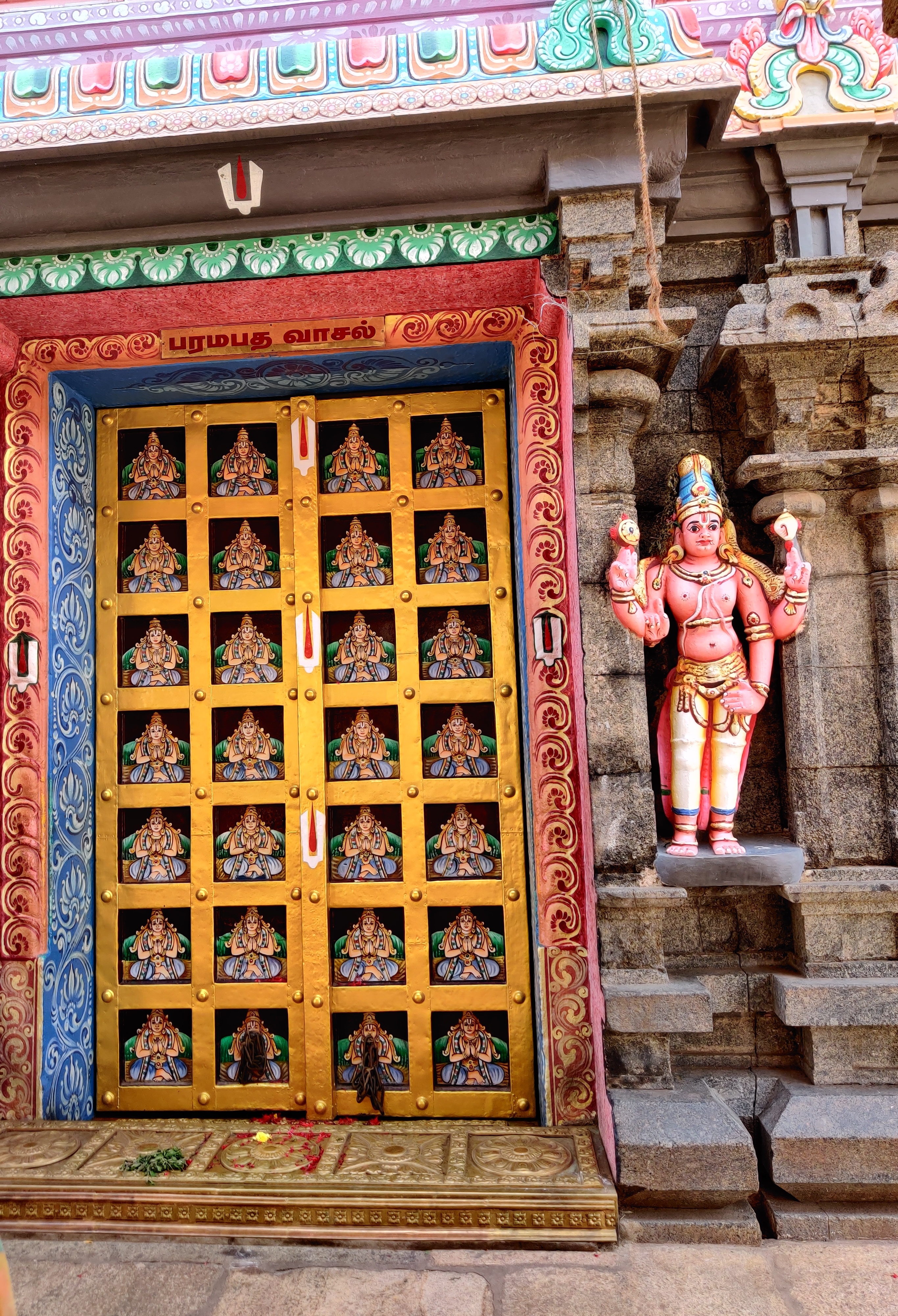
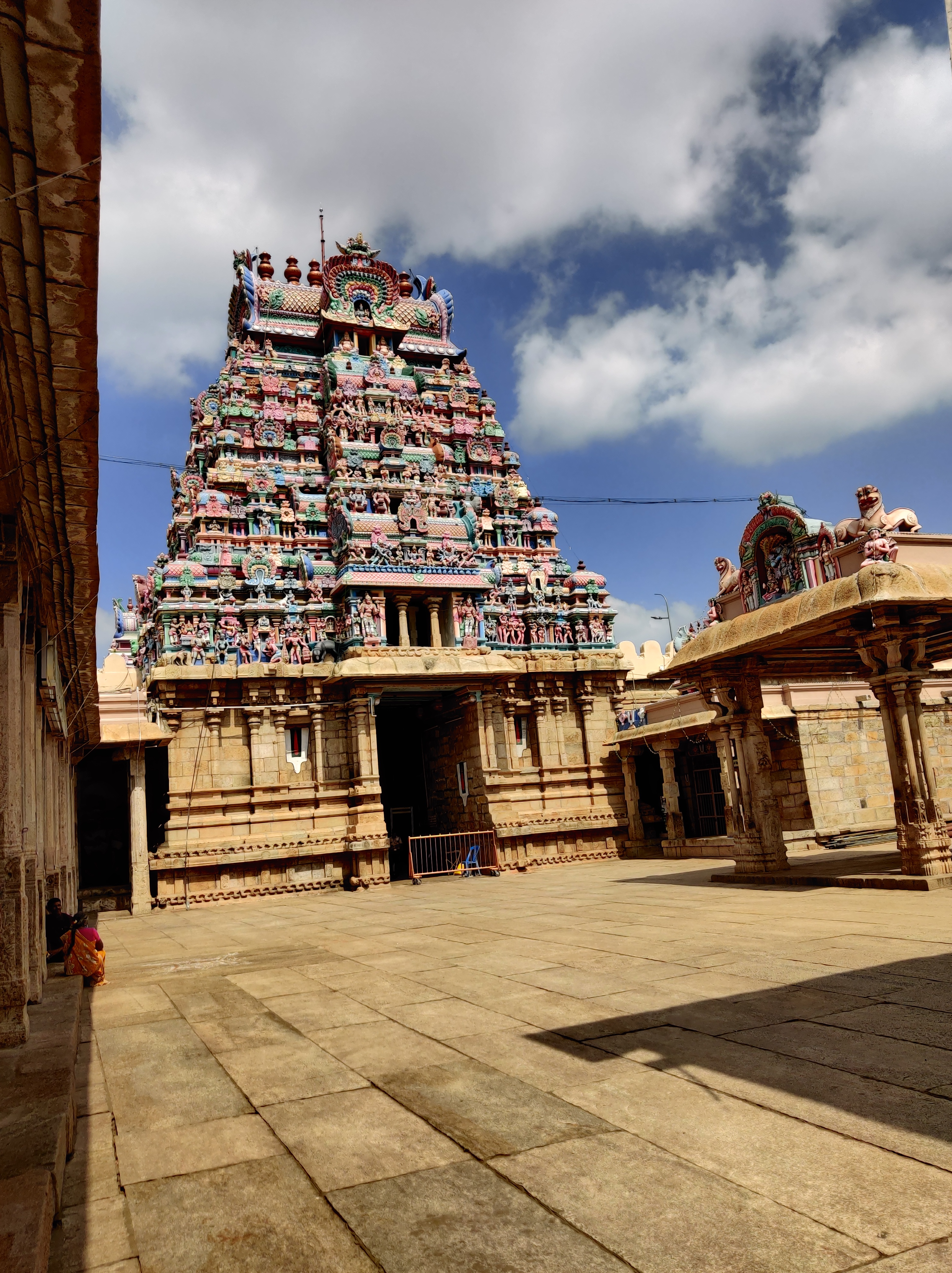
The Ranganathaswamy temple, built first by King Dharma Varma Chola and dedicated to Lord Ranganatha (Maha Vishnu) is one of the largest functioning Hindu temples in the world is spread over an area of 155 acres and has 81 shrines, 21 Towers and 39 Pavillions. While the origins of the temple are believed to be from the 1st Century CE, this structure represents an accretion of constructional activity over centuries by different dynasties, plunder and destruction, rebuilding, Vimanams getting washed away by floods, theft of idols etc but even today looks magnificent and very well maintained.
We headed back to town around 1 in the afternoon and went straight to Woodlands restaurant located inside  Hotel Femina for a good South Indian lunch. Its been over 3 decades that their restaurant has remained operational and loved their consistency in taste maintained over years. Around 4 in the evening after checking out of our hotel we started our 6 hour long drive back to Chennai with a 45 minute break around 8 at Sri Ariyas near Tindivanam for dinner. An uneventful drive coz everyone was tired but managed to roll in the car by around 10.30 pm into our driveway. Good memories of a short but nice trip.
AMAZING ANGKOR & BEYOND

To know nothing of what happened before you were born is to forever remain a child” said Cicero, a Roman philosopher.

The content of this blog dates back to the year 2016 when I had landed in Phnom Penh, the capital city of the country of Cambodia on a work assignment. A lovely place to be in amidst some lovely people, this Buddhist country had been through lot of turmoil in the past starting from a couple of Military coups to a 3 year long civil war in between these 2 coups which led to the killing of over 20 million of their own people . The economy of Cambodia has seen lot of resurgence though one would still classify it as developing and a positive step in that direction is the amount of investments being pumped in by the Chinese, Koreans and the Japanese. The infrastructure around the country has seen lot of overhauling over the years and the broad roads within cities and the highways have led to people frequenting them as the more viable means of transport since there are no railway lines in the country and flight fares normally remain beyond the reach of the common man cause of the constant tourist inflow.

As I settled into my daily grind, a couple of long weekends around The Constitution Day and The Water Festival were approaching and got into some quick planning to visit Siem Reap in the first leg and Sihanoukville and Kampot & Kep in the 2nd. As the days neared, the excitement in me was as palpable as in a small kid visiting a place oft read in History and the 2 days spent in the historical city of Siem Reap visiting the temples of Angkor Wat and in around places was indeed worth it. Siem Reap is close to the borders of Thailand and has its own Airport. Considering its popularity as a tourist destination, there are multiple flights coming into the city from various countries.

The name “Siem Reap” translates to “Defeat of Siam” (Siem in Khmer)  and refers to an incident in the centuries-old conflict between the Siamese and Khmer kingdoms, although this is probably apocryphal. According to oral tradition, King Ang Chan (1516–1566) had named the town “Siem Reap”, meaning “the defeat of Siam”, after he repulsed an army sent to invade Cambodia by the Thai King Maha Chakkraphat in 1549.

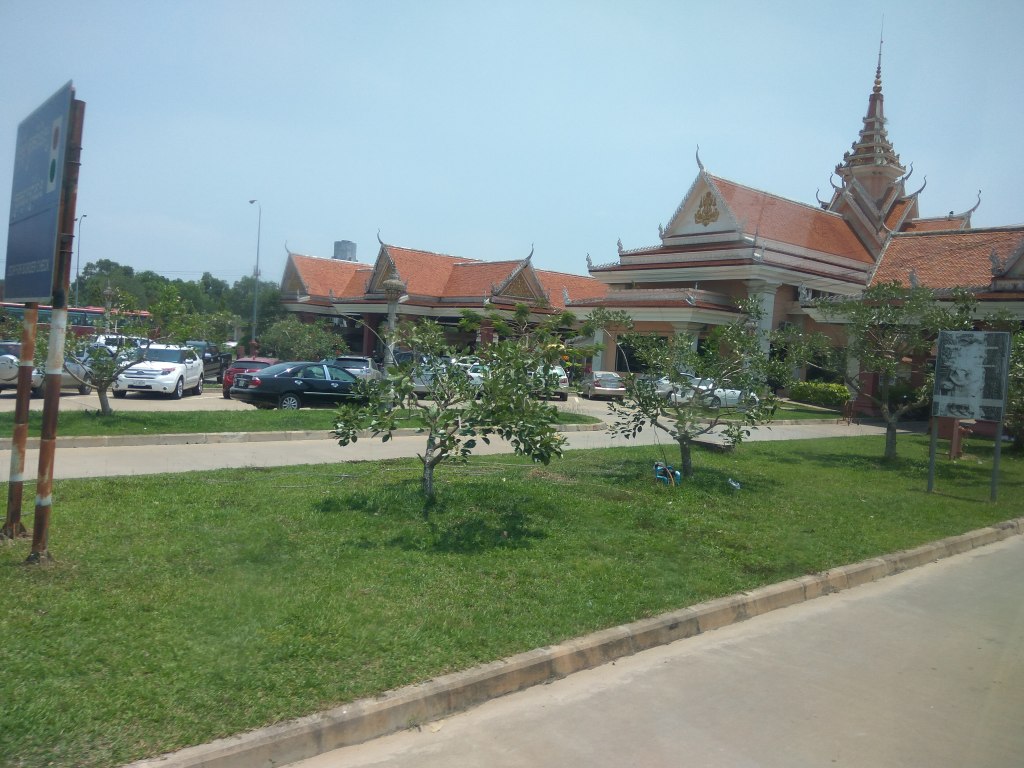
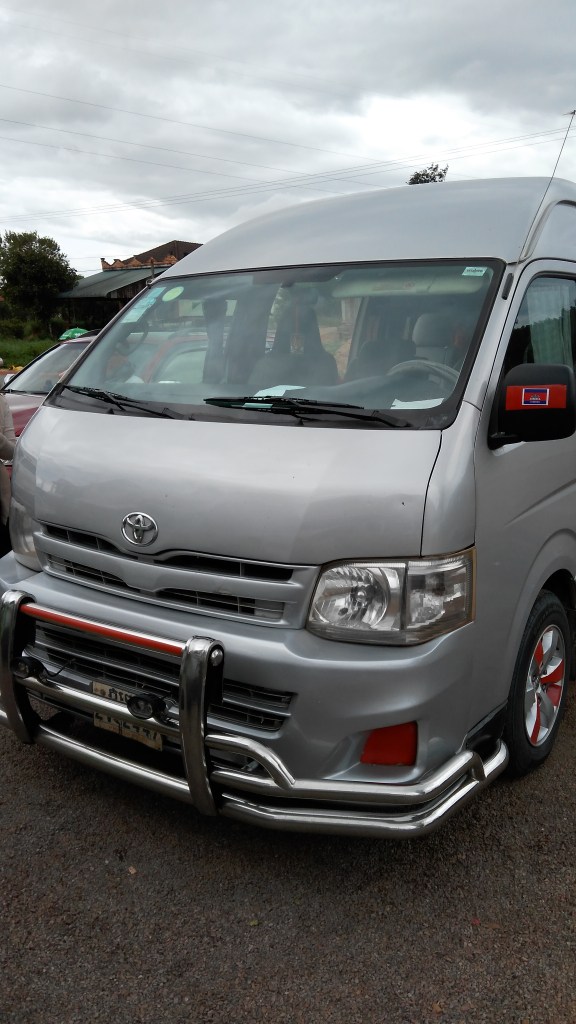
Post lunch on a Saturday afternoon at around 12 PM (GMT+7), a colleague of mine and me booked ourselves for this drive to Siem Reap, which serves as the  gateway to the UNESCO World Heritage site of Angkor Wat. We had arbitrarily chosen one of the local van operators Larryta for this near about 7 hour drive though you have a choice of buses too. Tickets were booked online through http://www.camboticket.com and costed around $10. While there are multiple van operators and buses to chose from, would be good to do a quick review of these operators on the Net so that you stand cautioned for any bad experiences that some people may have undergone.

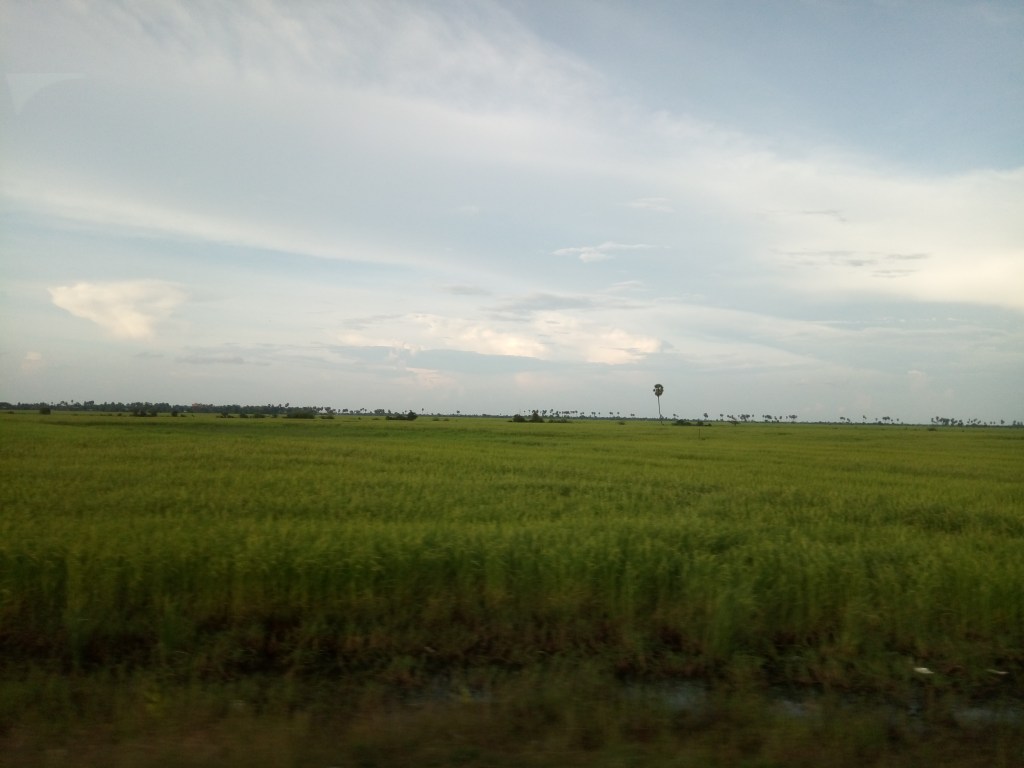
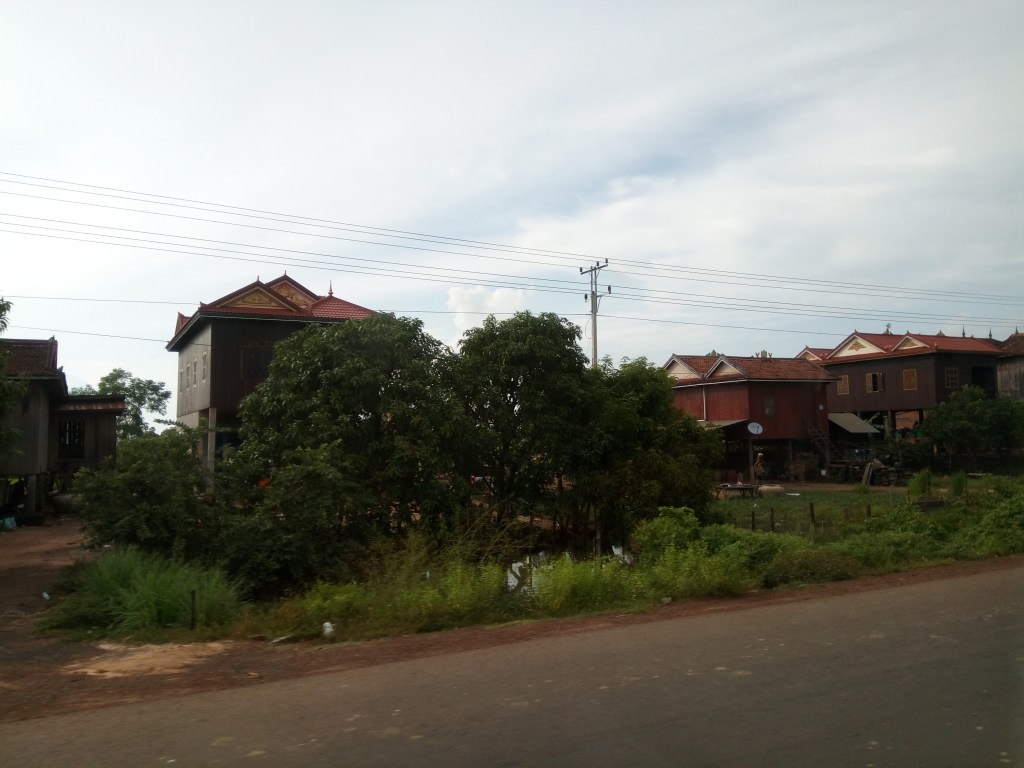
The entire stretch of the drive was dotted with lush green paddy fields, quaint stilt houses and neatly tarred roads and inspite of almost a 40 minute break which the driver took at one of the pit stops en route, it all translated to a nice experience.

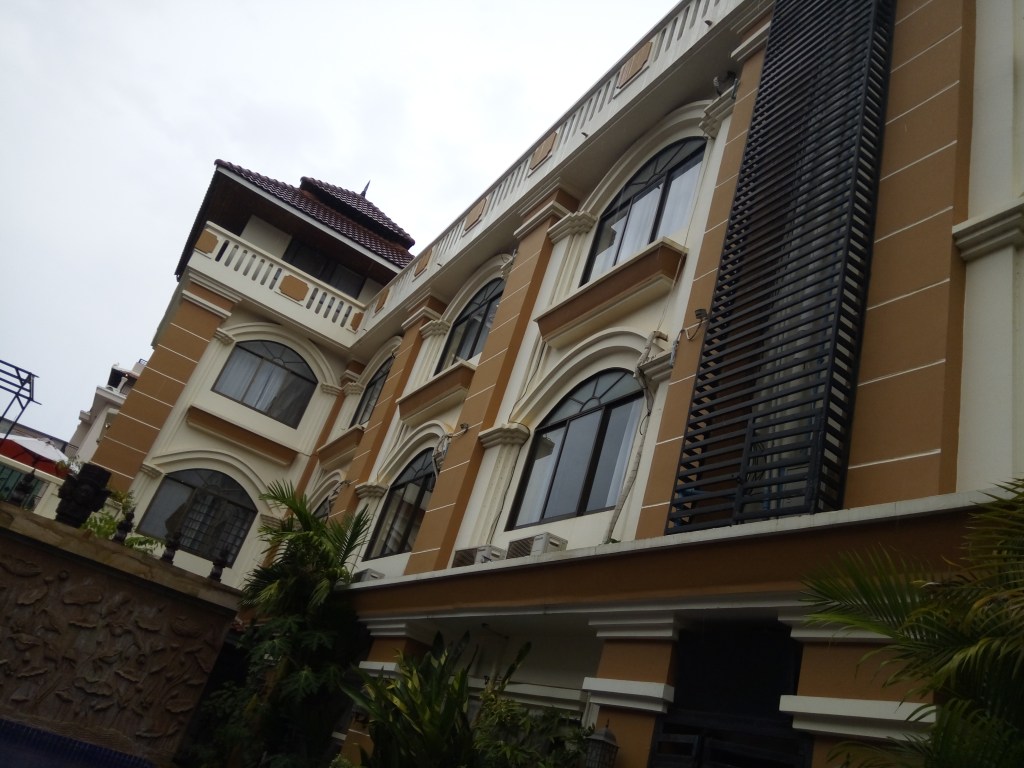
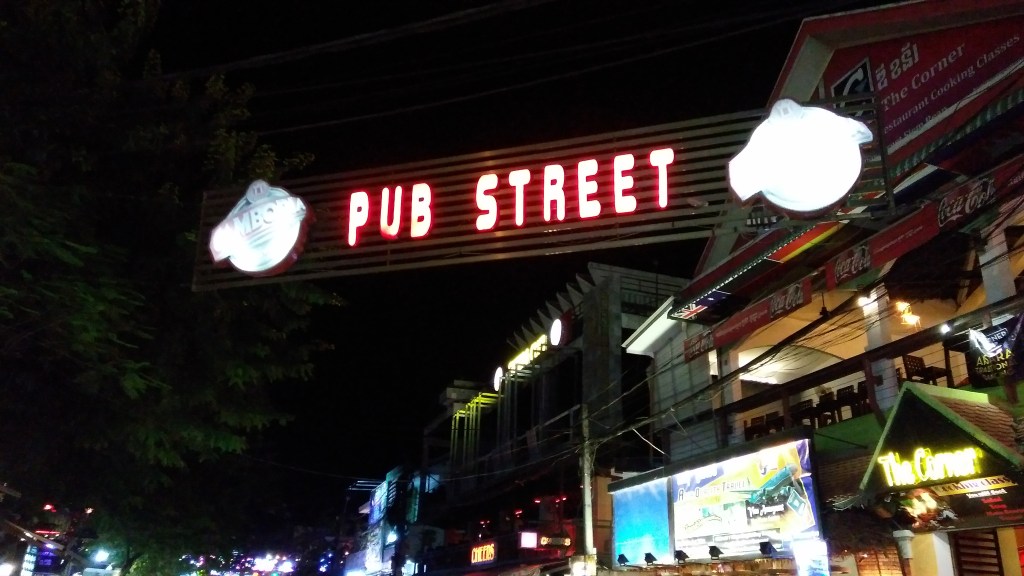
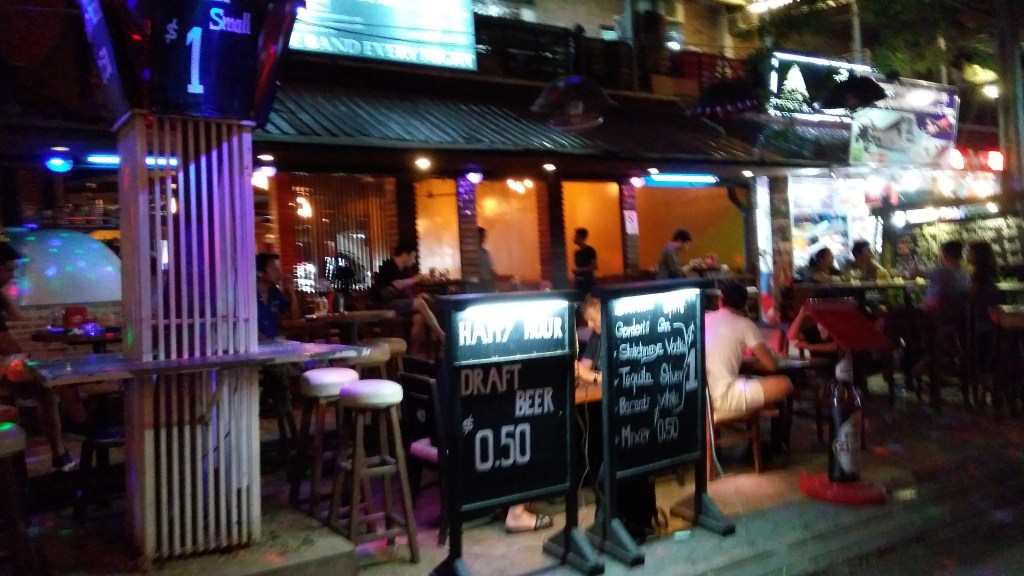
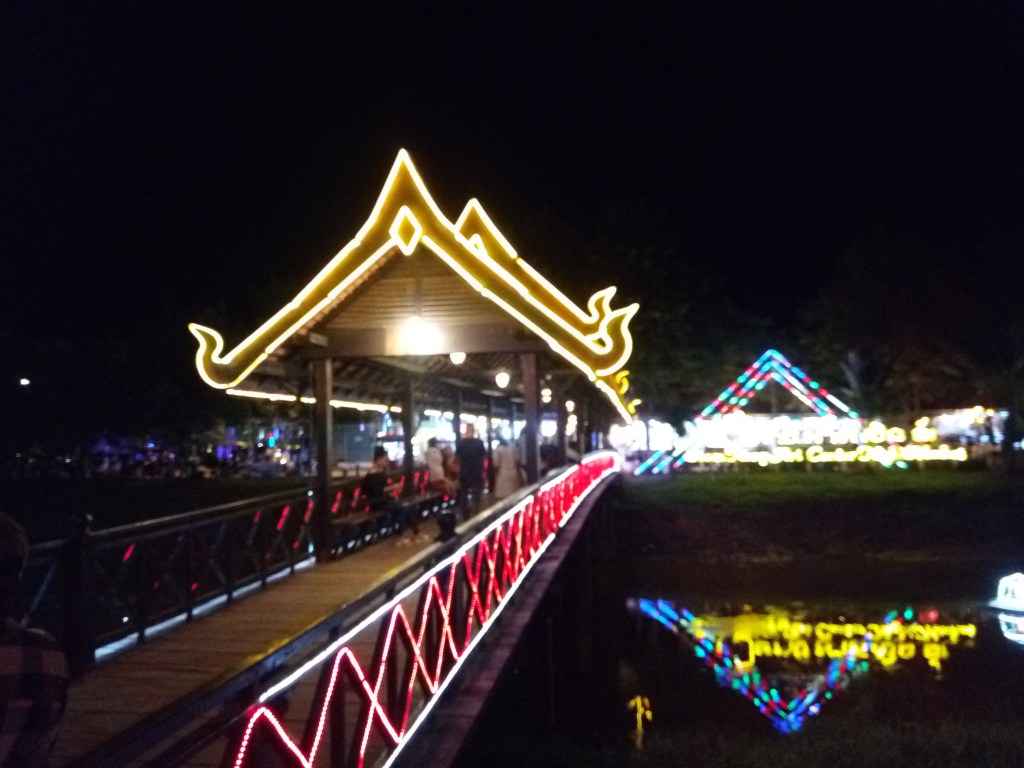
Checked into a hotel Reaksmey Chanreas very close to Pub Street at around 7 PM . There have been conflicting reviews of this hotel of late though we had no issues when we stayed there and one could also look at Angkor Pearl, another budget hotel as an alternate. Around 8 in the night we set off for Pub Street which was just about livening up for a long night ahead. Live Bands were playing numbers from Dire Straits, Queen, MLTR etc from the bars adorning both sides of the road and the atmosphere was just about electric. Party time it was, and the foreigners and locals could all be seen letting their heads down dancing to some old and lovely Rock numbers.

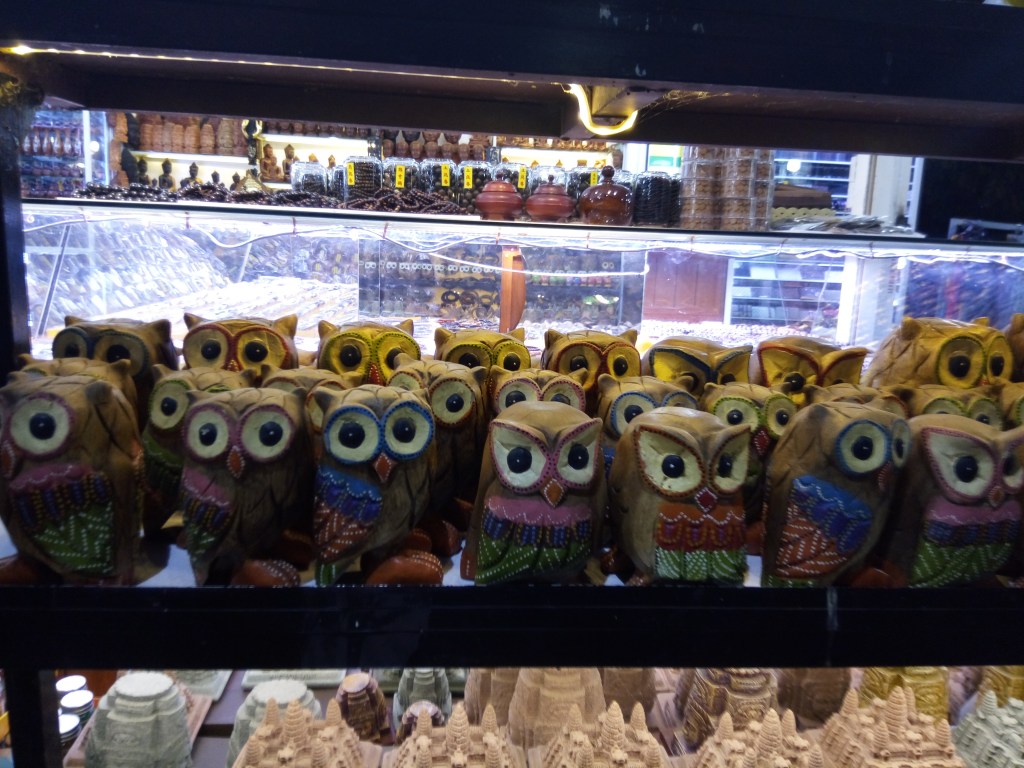
A lot of shops were available in and around Pub Street where one could pick up lot of souvenirs and artifacts to carry back home. A simple mantra to stick to and especially when they knew that you were an expat was to ask for a 50% discount on whatever price was quoted and then settle in for a small increase. Haggling in Cambodia was always the order of the day and the local shopkeepers always ported a big smile and loved deftly maneuvering around the prices in broken English and with some sign languages till a point that finally one would tend to compromise and give up.
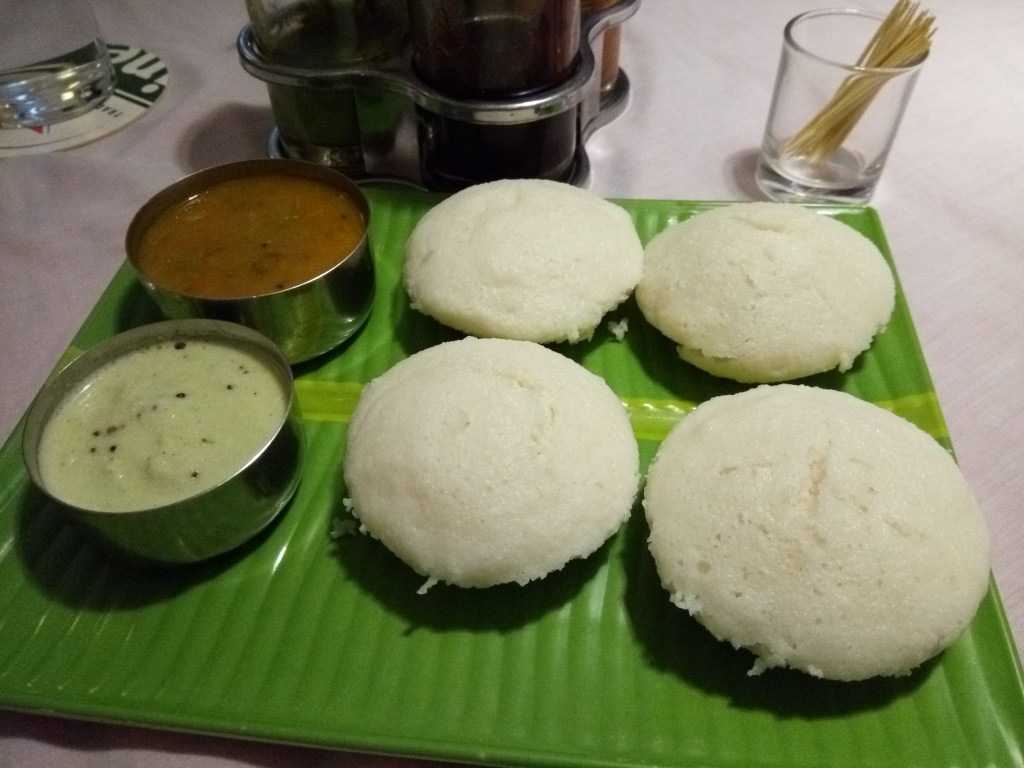
Hung in around for some time in a bar after which we hit the roads again in search of one of the many Indian restaurants said to be in town, for some dinner. There were Scorpions on offer on the roadside right outside the bar we were in, being fried and served on sticks and the very sight of so many of them hanging on sticks almost made me throw up. Quickly made our way out and hit Vanakkam India for some good South Indian food post which we were back at the hotel.
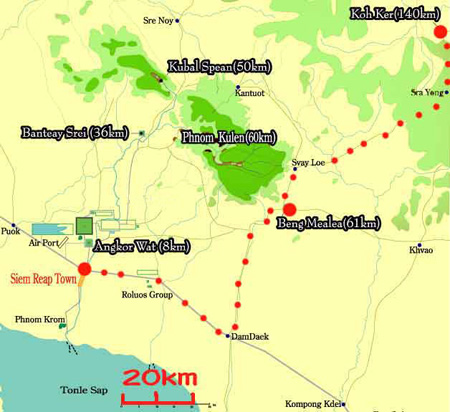
The next day we were scheduled to visit the holy mountains in Phnom Kulen and the Beng Mealea temple and had booked a taxi to pick us from the hotel at around 8 AM. Phnom Kulen holds a special place in history as its the ancient birthplace of the ancient Khmer Empire and also happens to mean The Mountain of the Lychees (a delicious fruit).

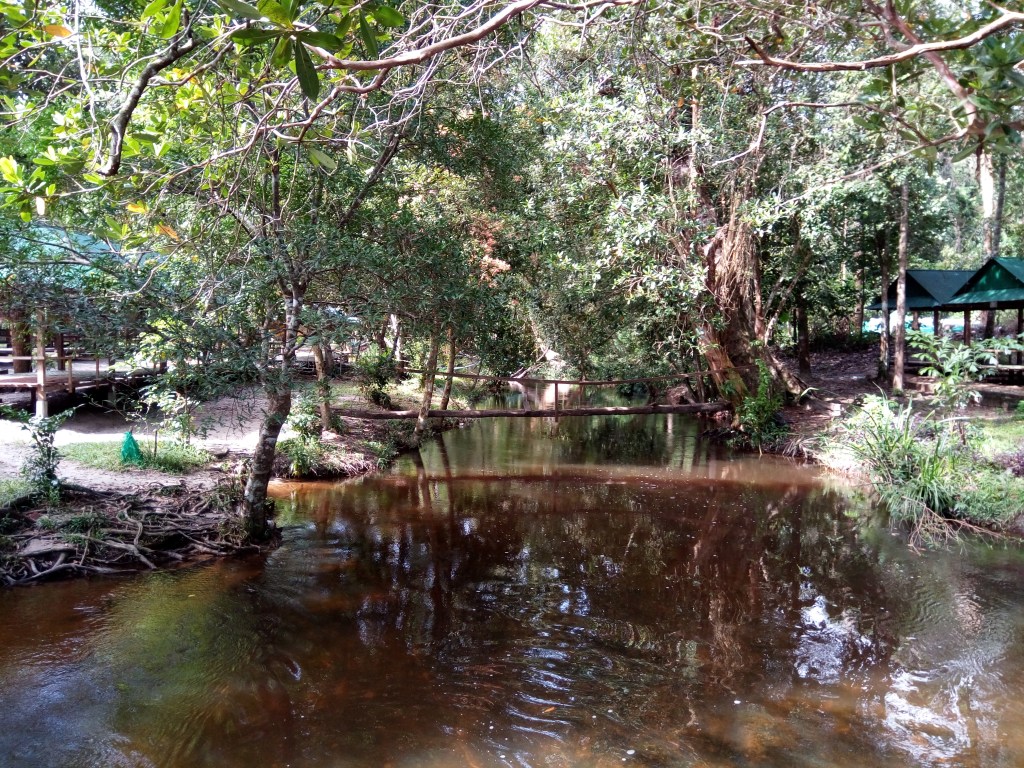
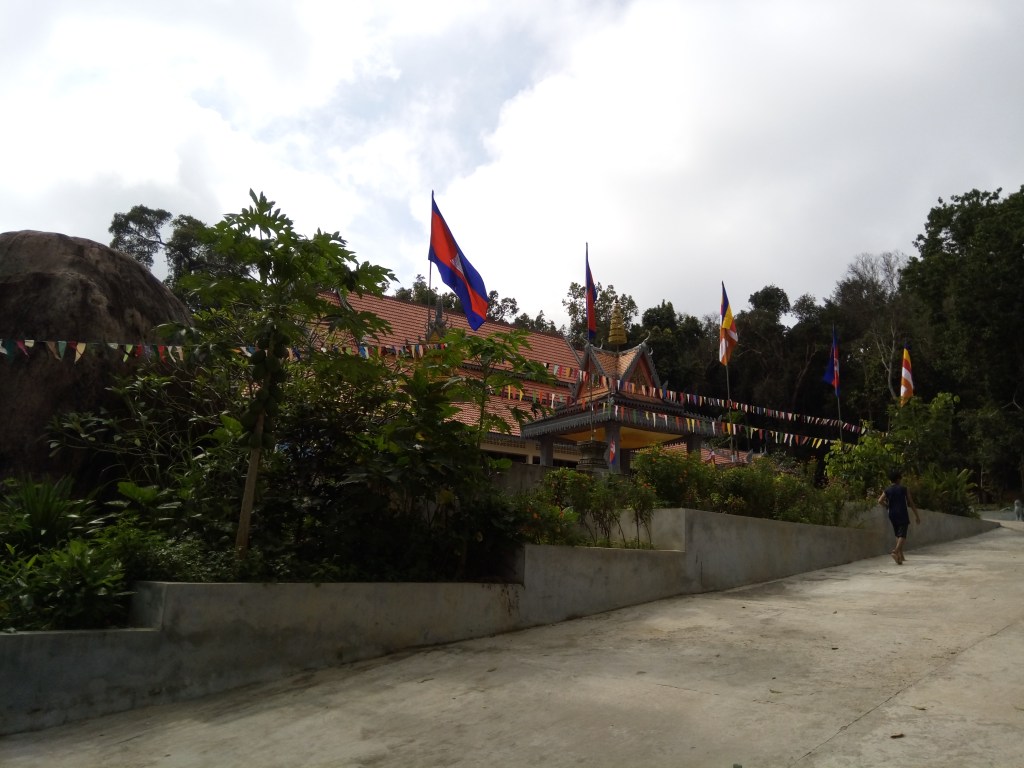
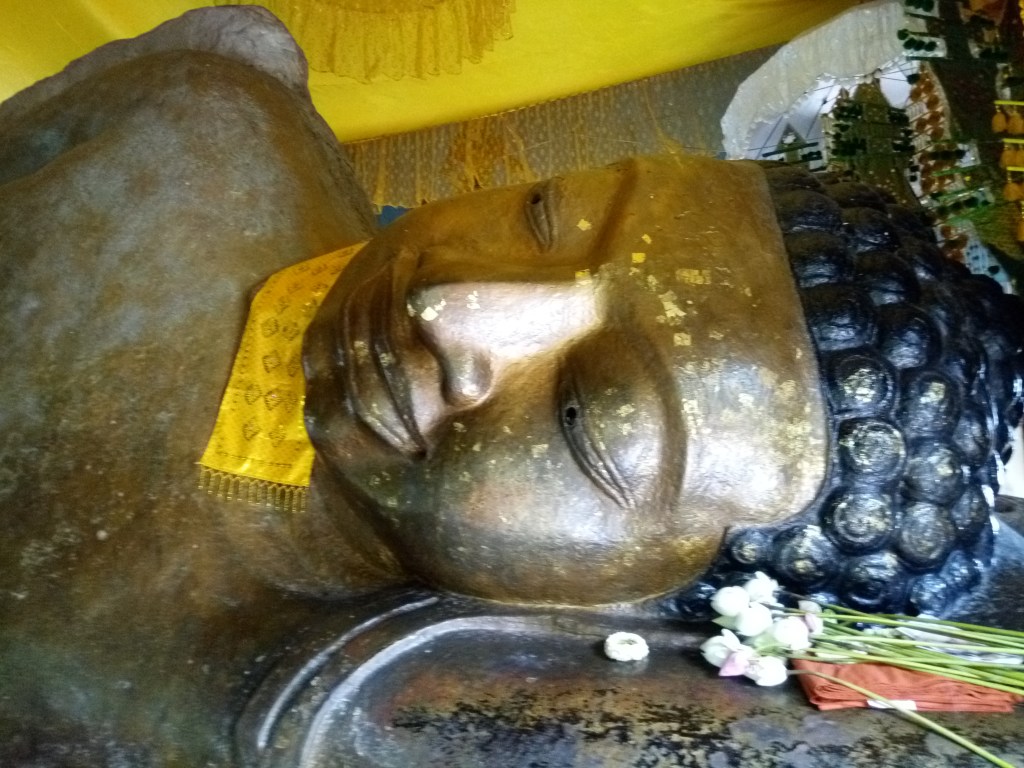
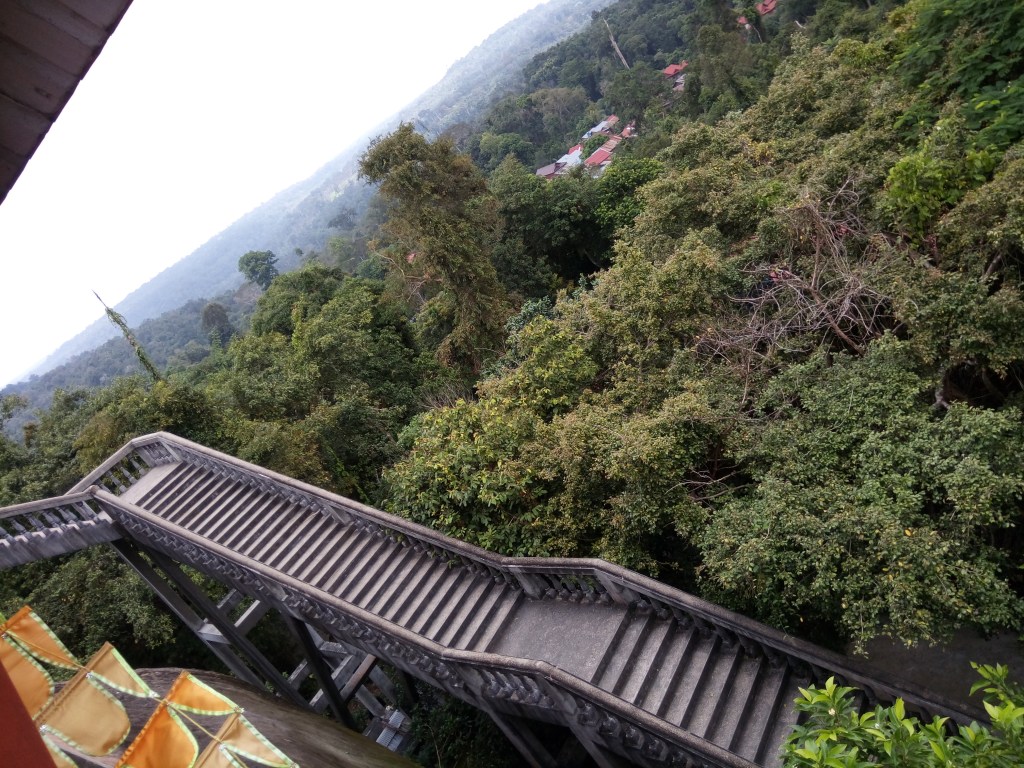
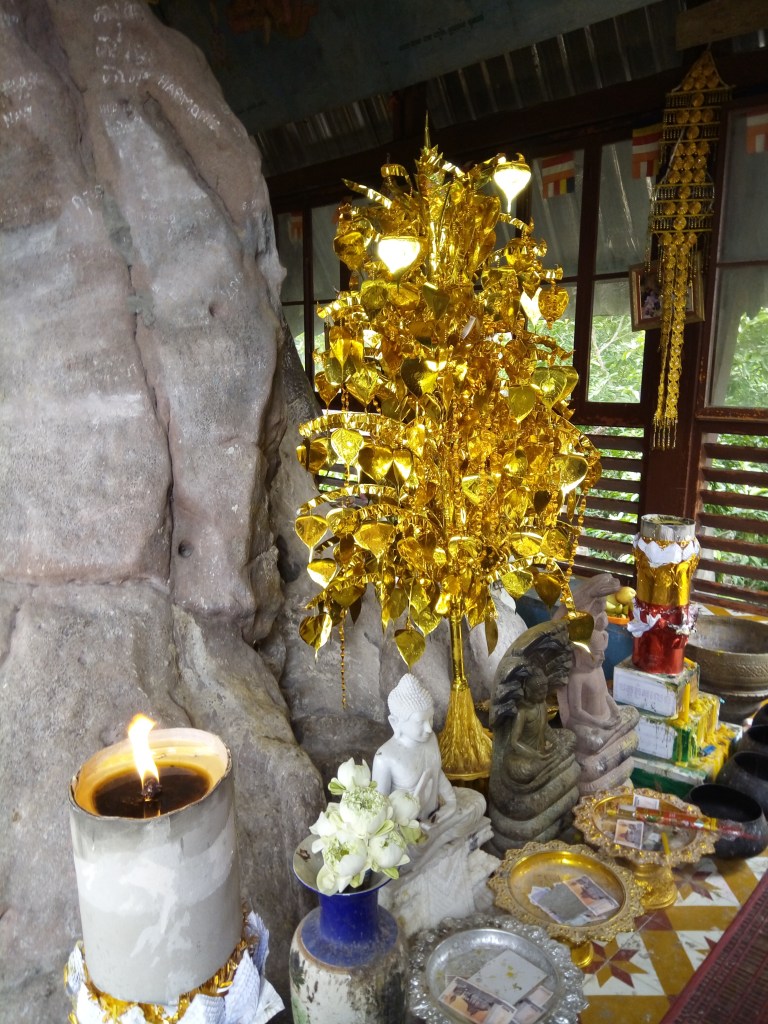
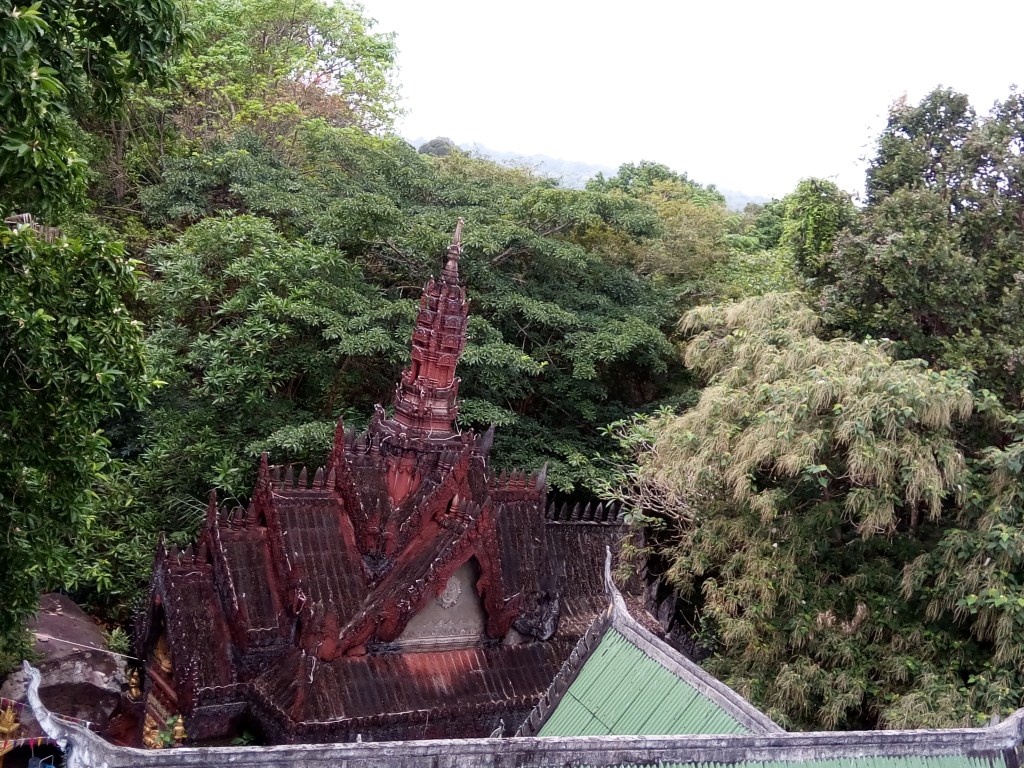
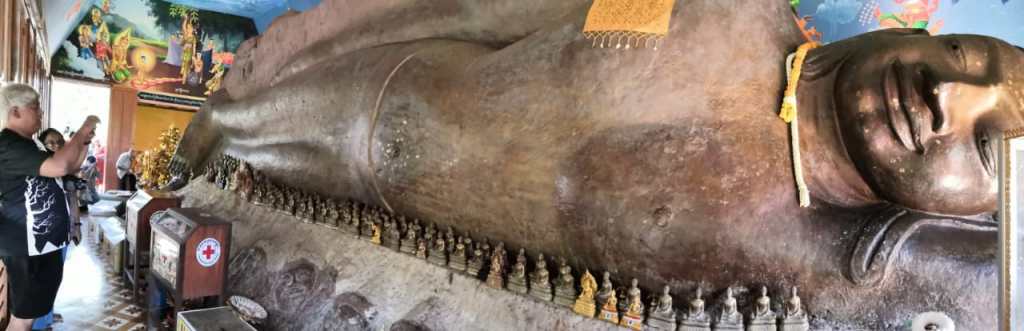
The place holds lot of significance as a pilgrimage spot for both the Buddhists and Hindus. After driving for around 45 kms which took us a little over an hour, we reached the National Park Entrance which houses the Preah Ang Thom Pagoda, the Waterfalls and the Thousand Lingas river. One would need to buy a ticket for $ 20 to drive further on from the checkpost. The Pagoda, a 16th Century temple was our first halt where one got to see Cambodia’s largest reclining statue of Lord Buddha, believed to be 25 feet long.

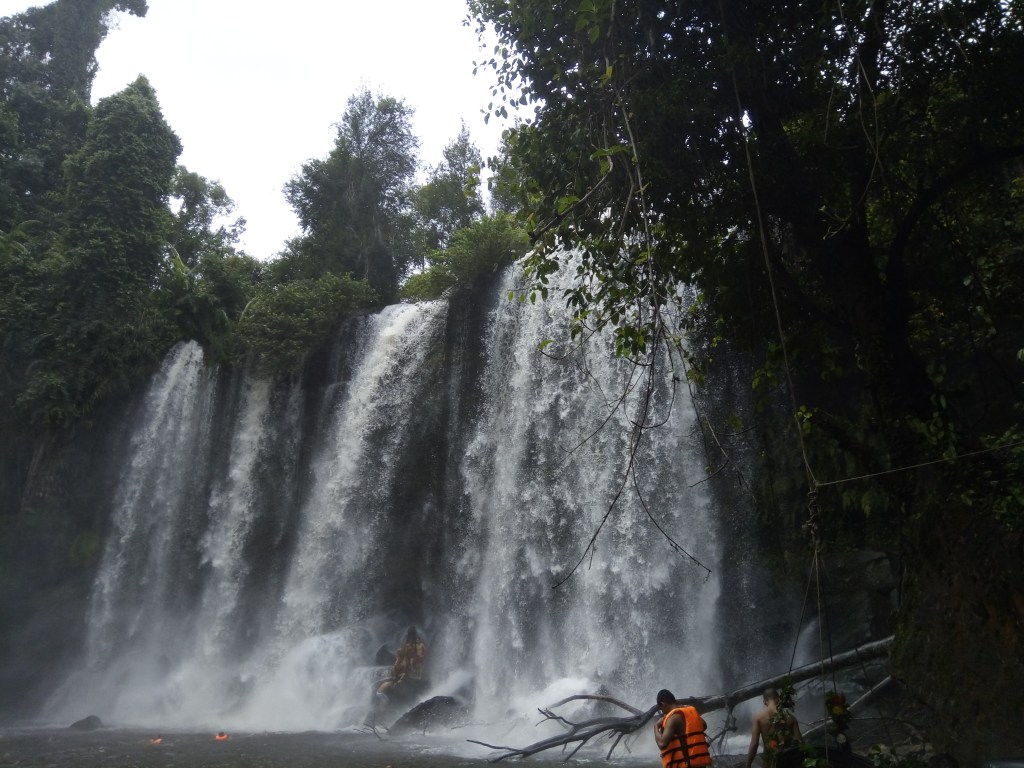
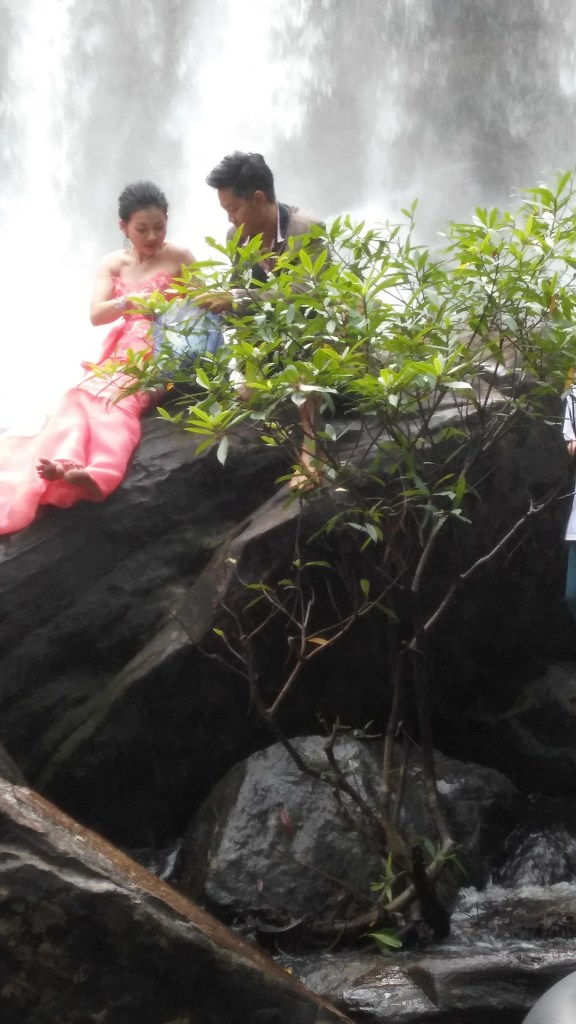
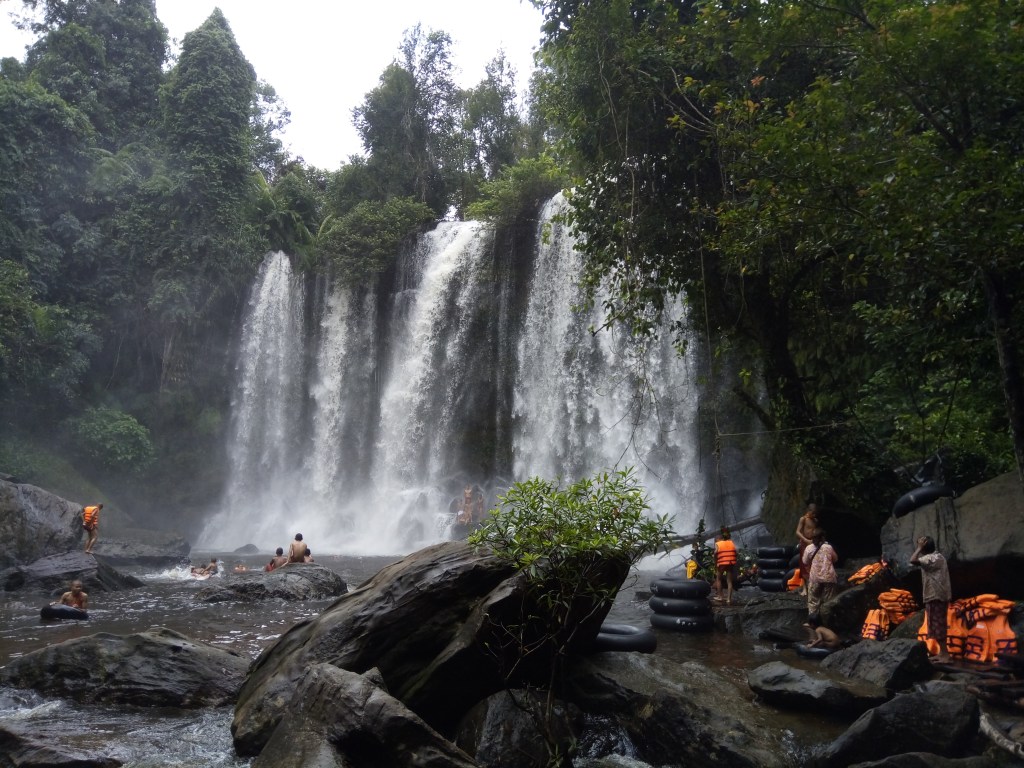
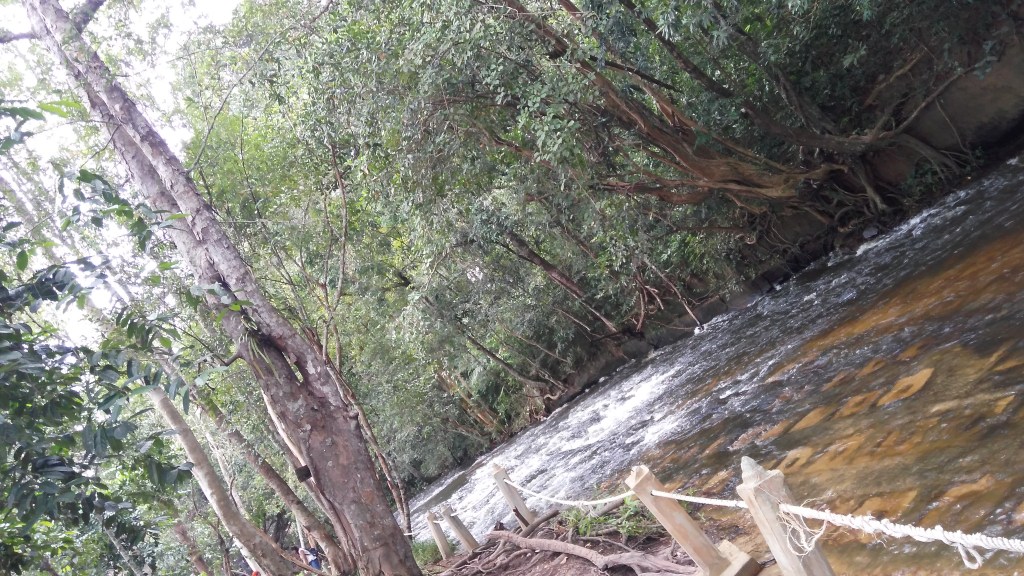
Our prayers offered, we headed for the Waterfalls. There was a nice place at the entrance where one could rent a locker room and keep one’s valuables before venturing into the waters. This locale holds lot of significance as being part of a famous movie shoot of Lara Croft (The Tomb Raider). Eager to test the waters though not very confident of the depths, I managed to crawl from branch to branch much to the amusement of the Buddhist kids until I found myself seated right below the falls. The force of water hitting your body was indeed a refreshing and rejuvenating experience.The flow of water is pretty strong during the monsoons.

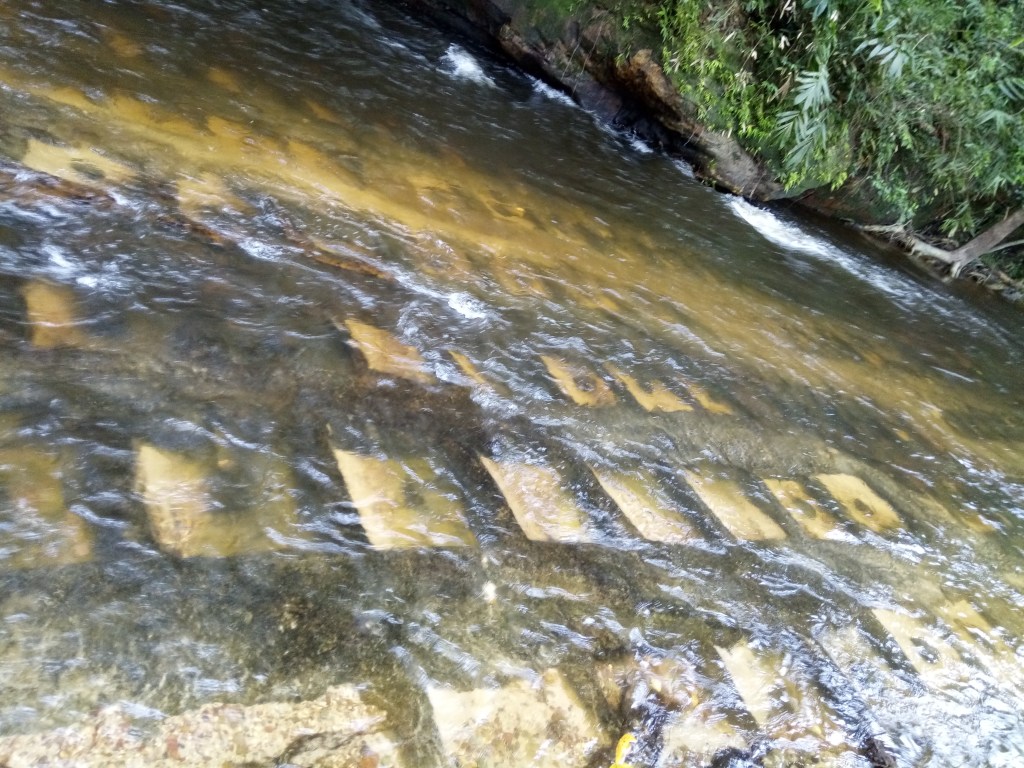
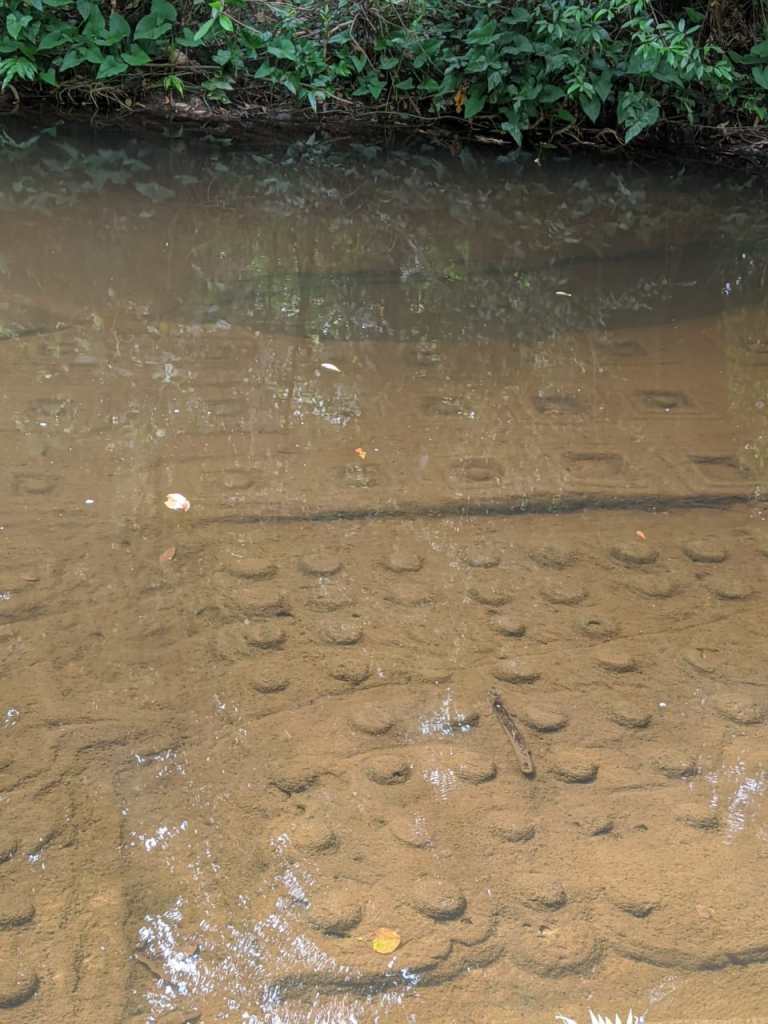
A short drive ahead brought us to Kbal Spean, the River of Thousand Lingas. This stream is actually a tributary of the Siem Reap river and has carvings of lots of Hindu gods as you move further up towards the peak of the mountain. A steady stream of water flows over more than 1000 Lingas etched in the sandstone riverbed and around 5 cm below.

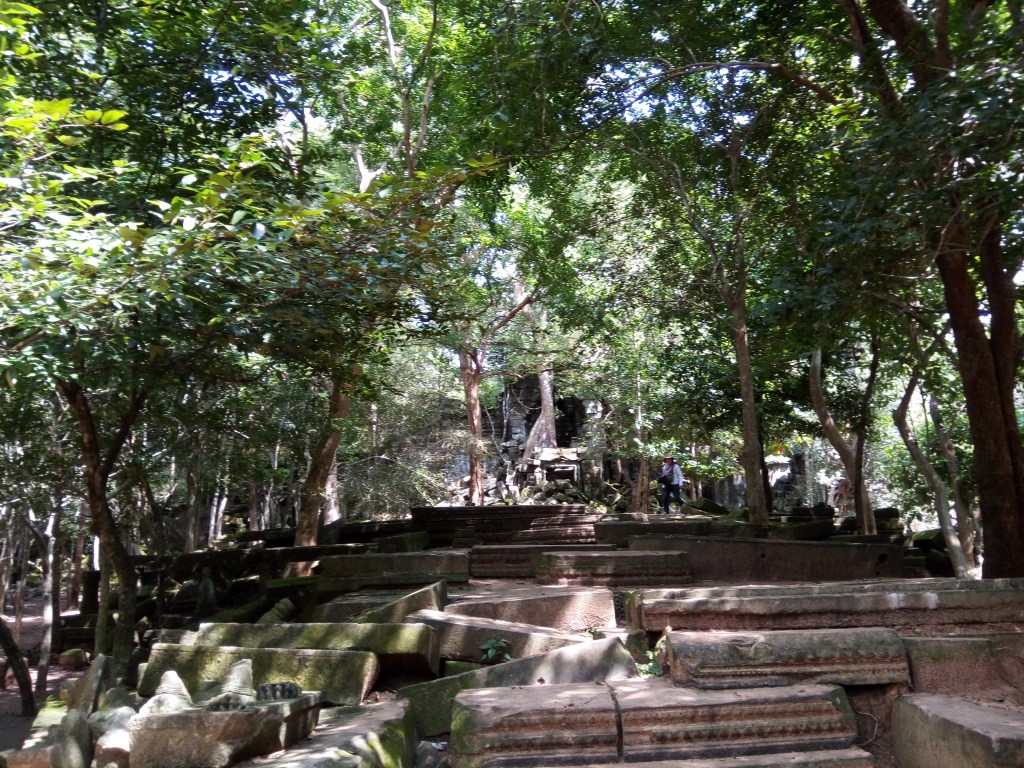
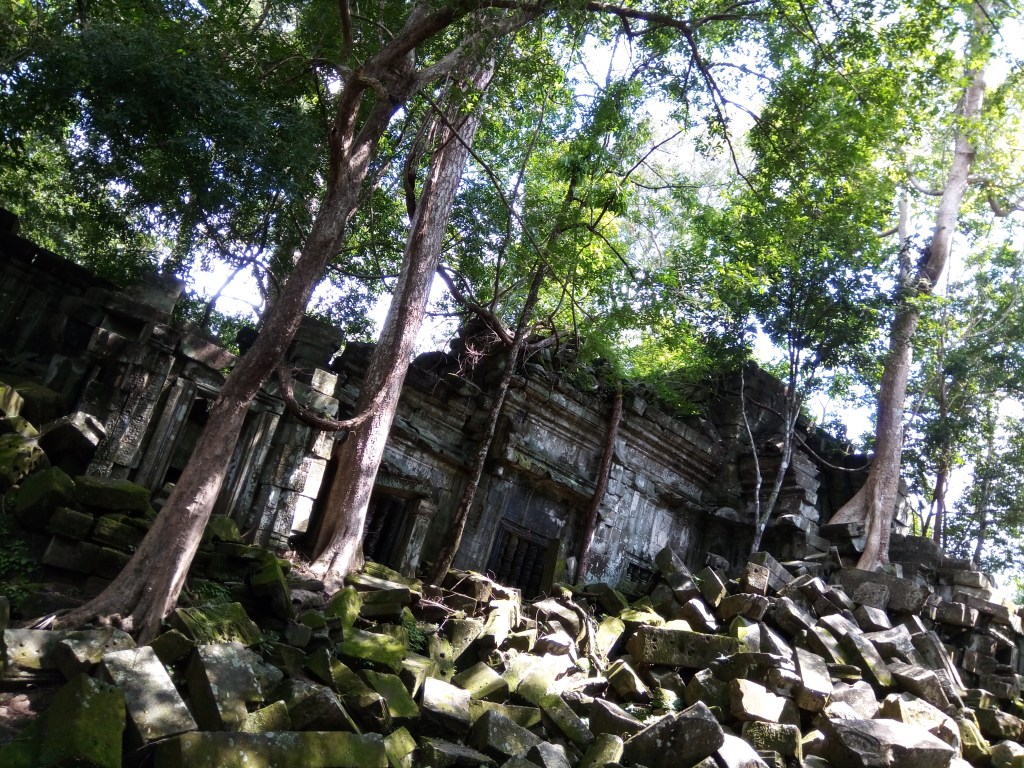
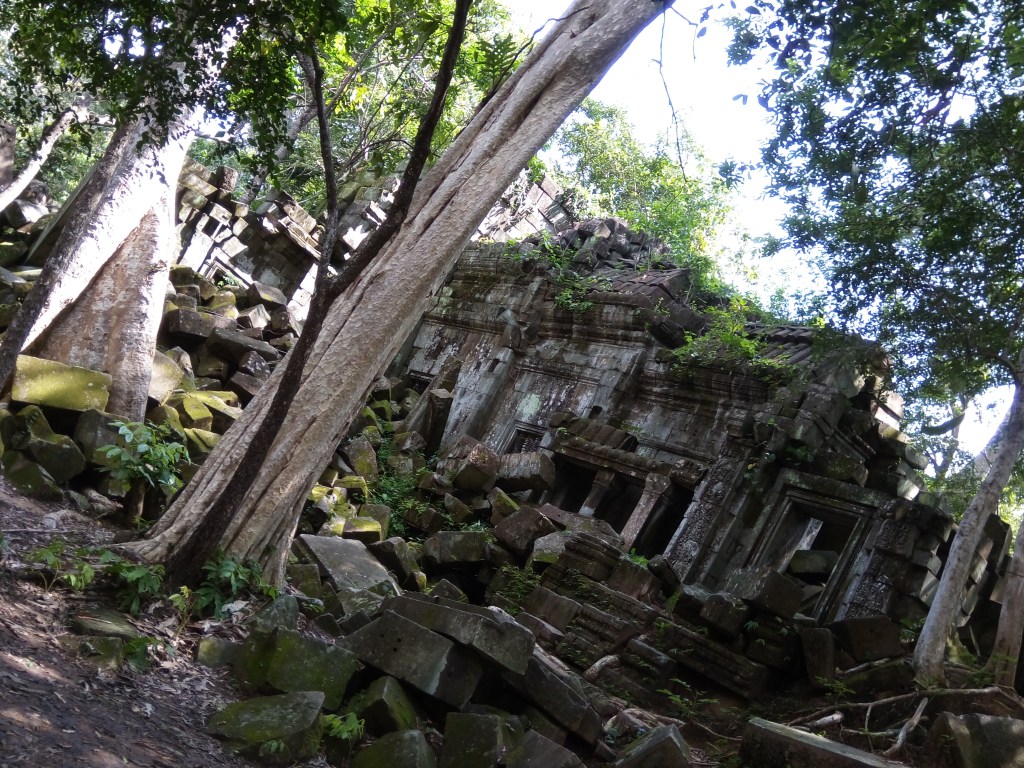
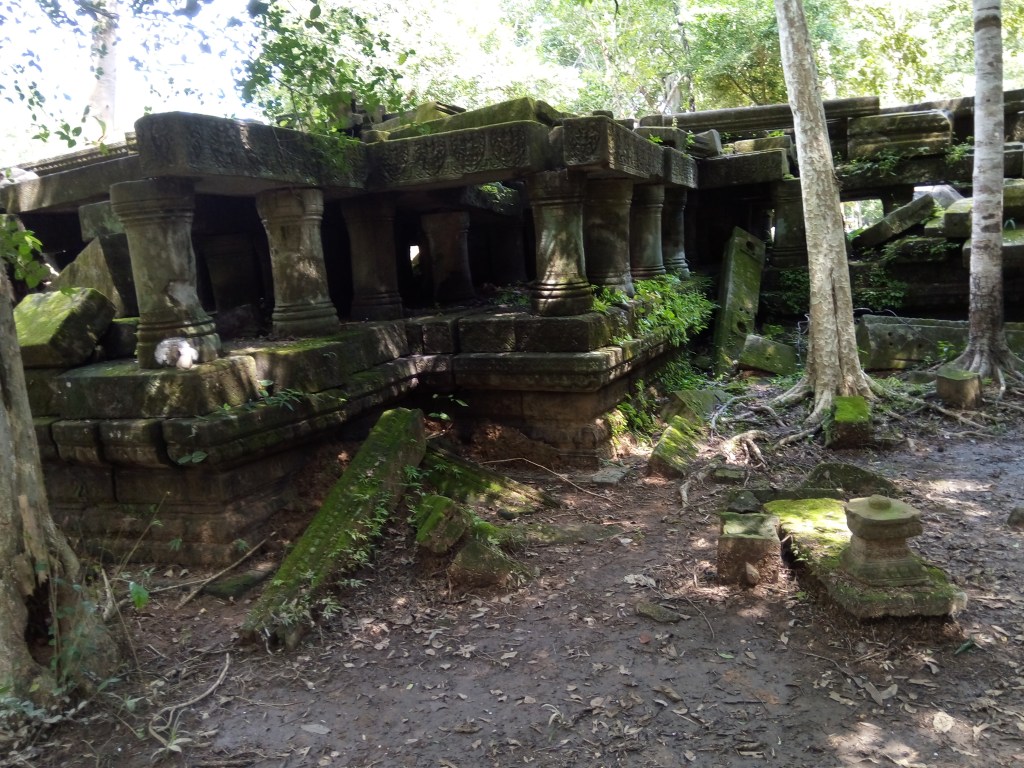
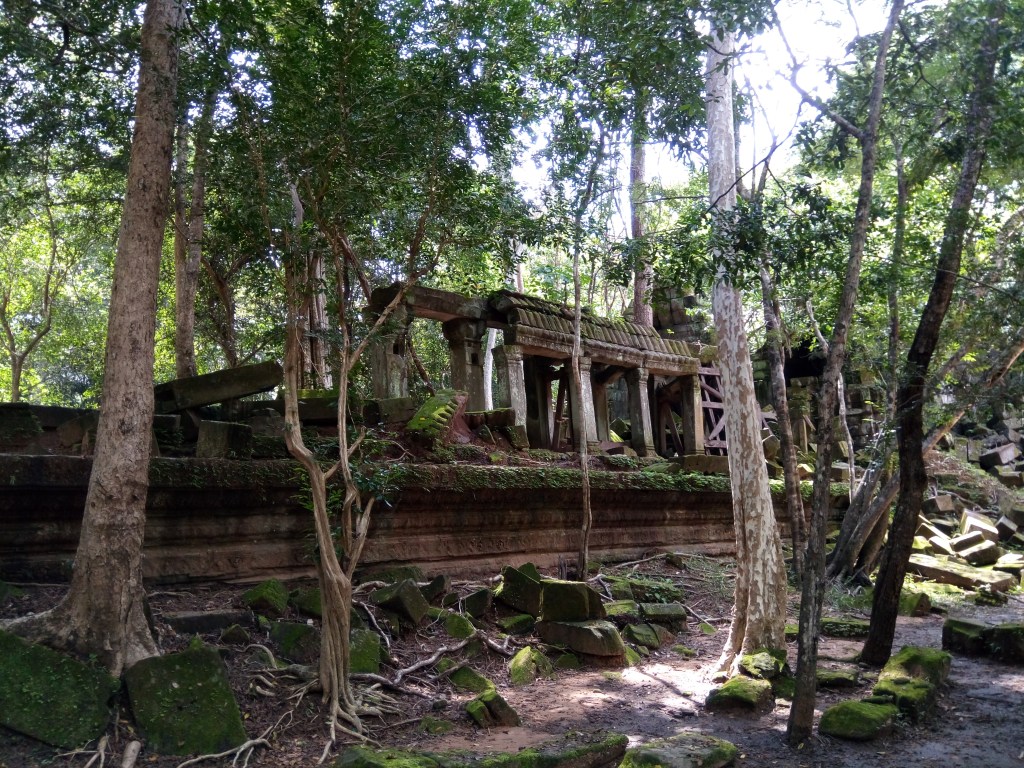
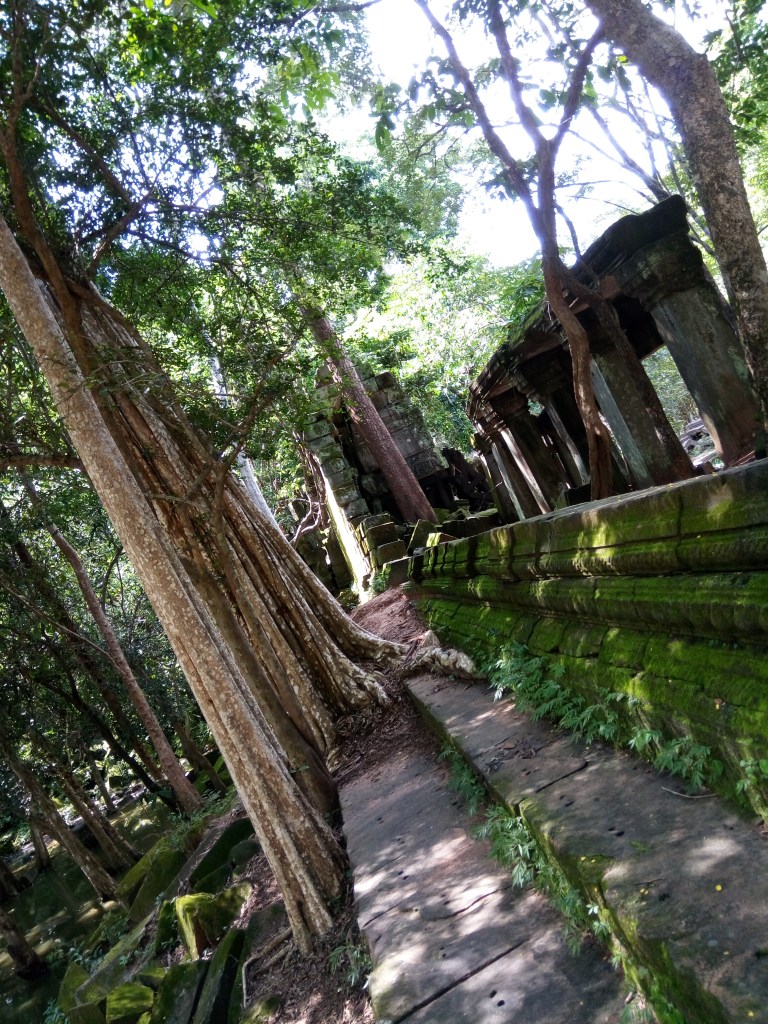
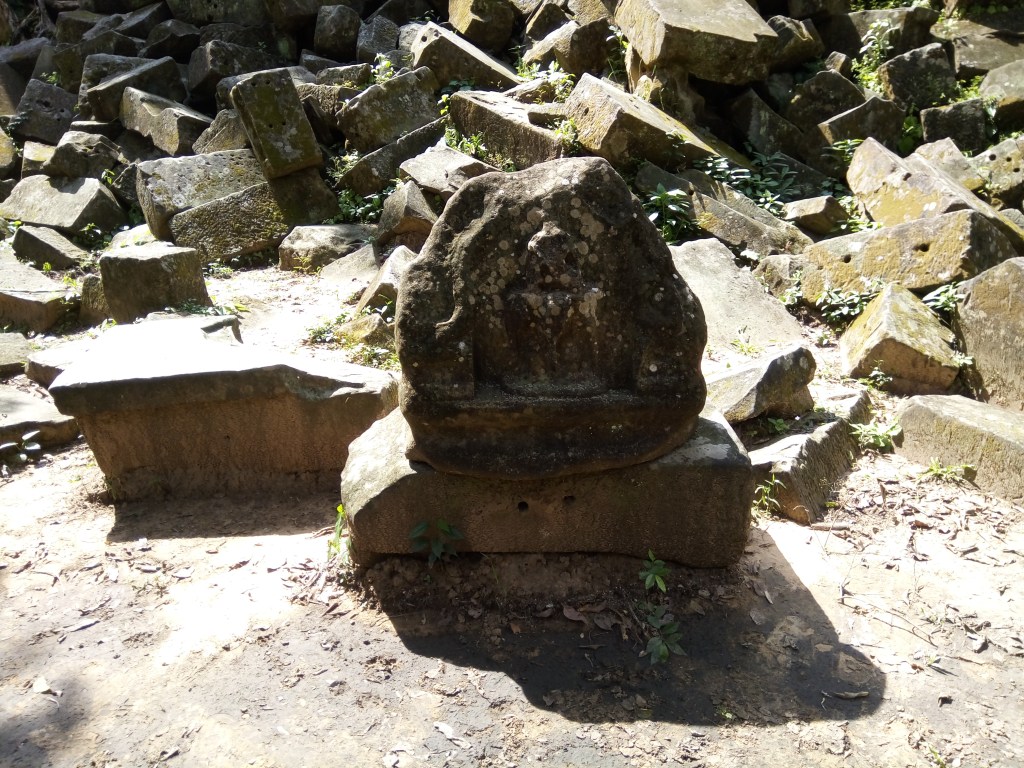
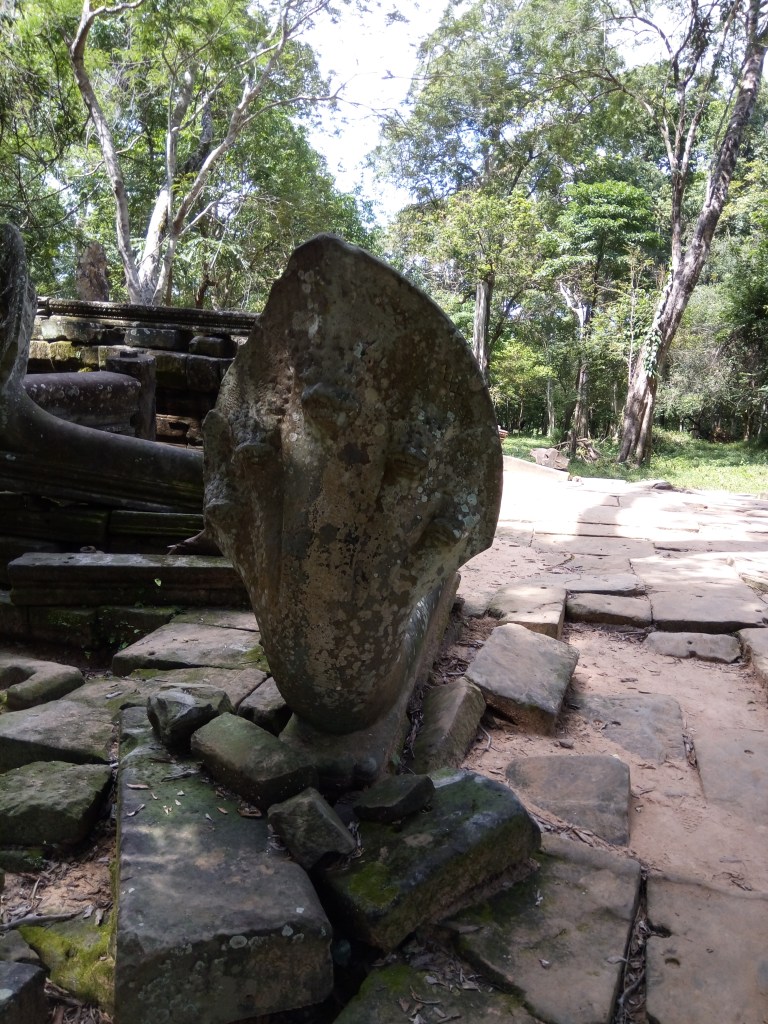
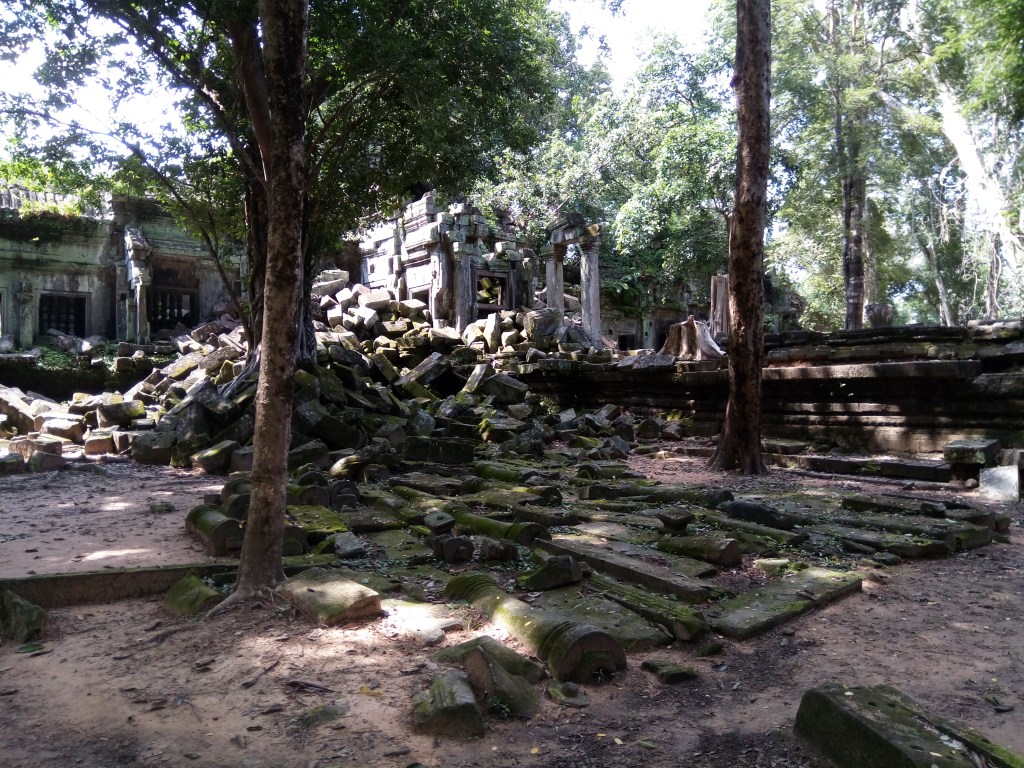
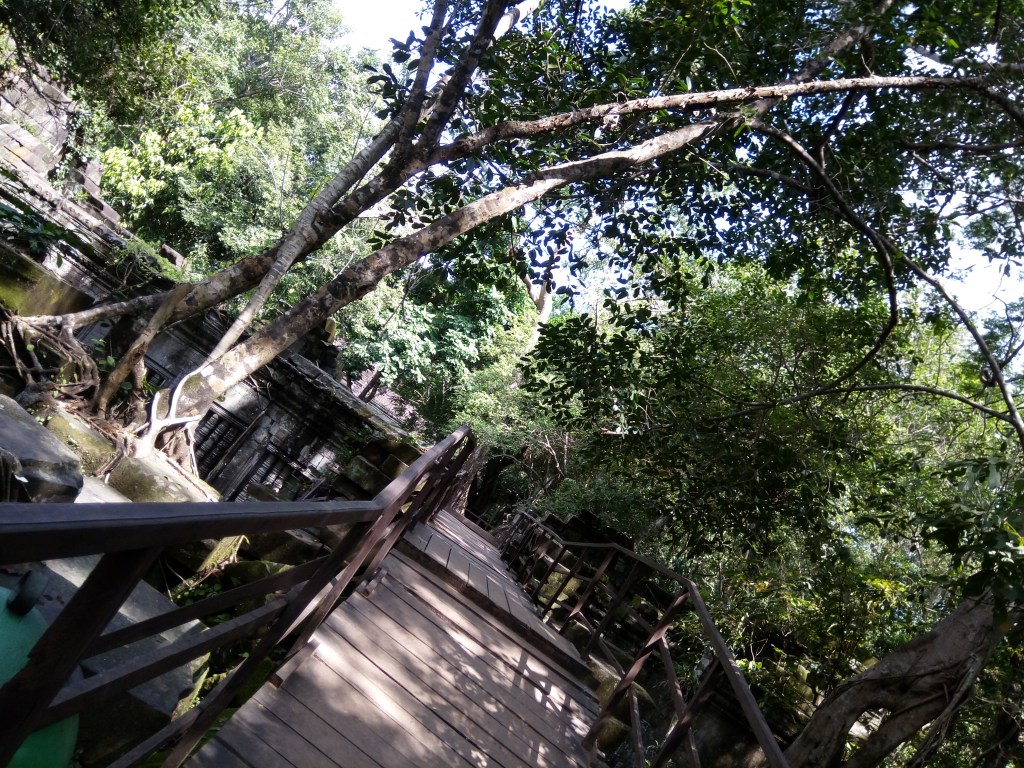
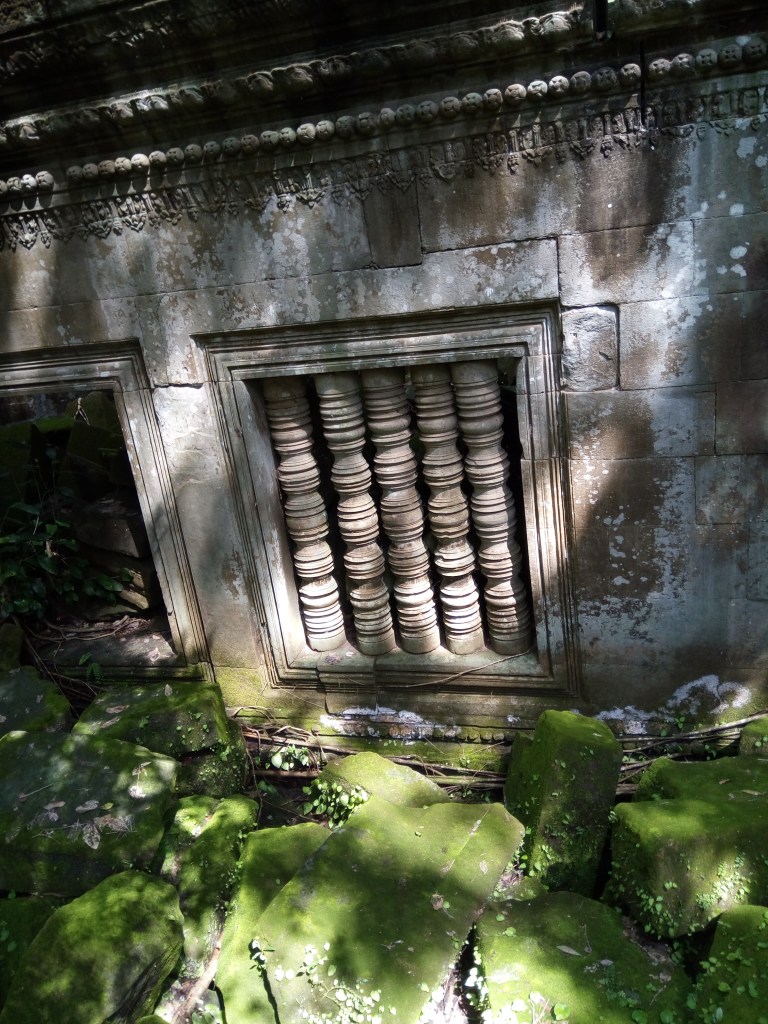
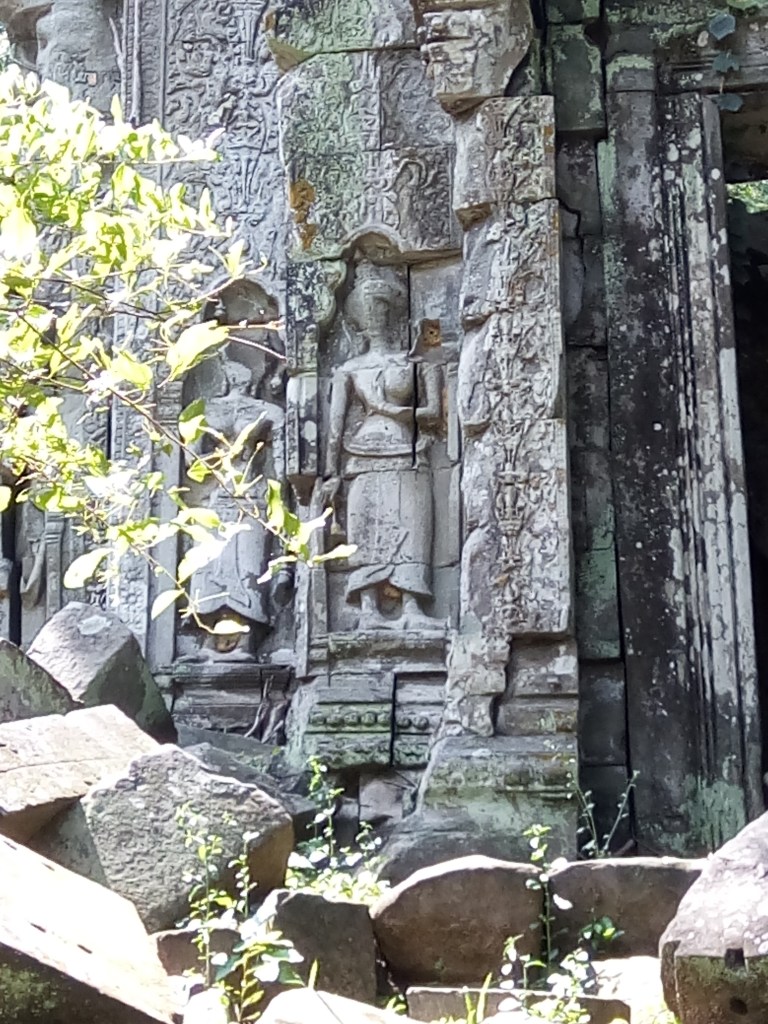
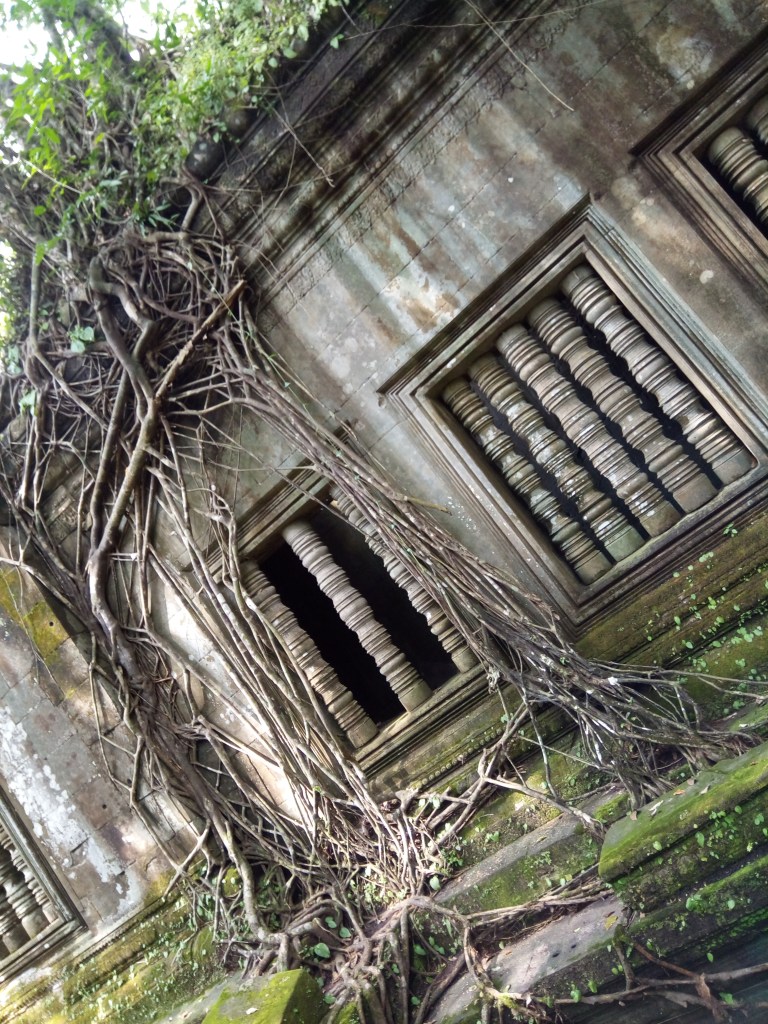
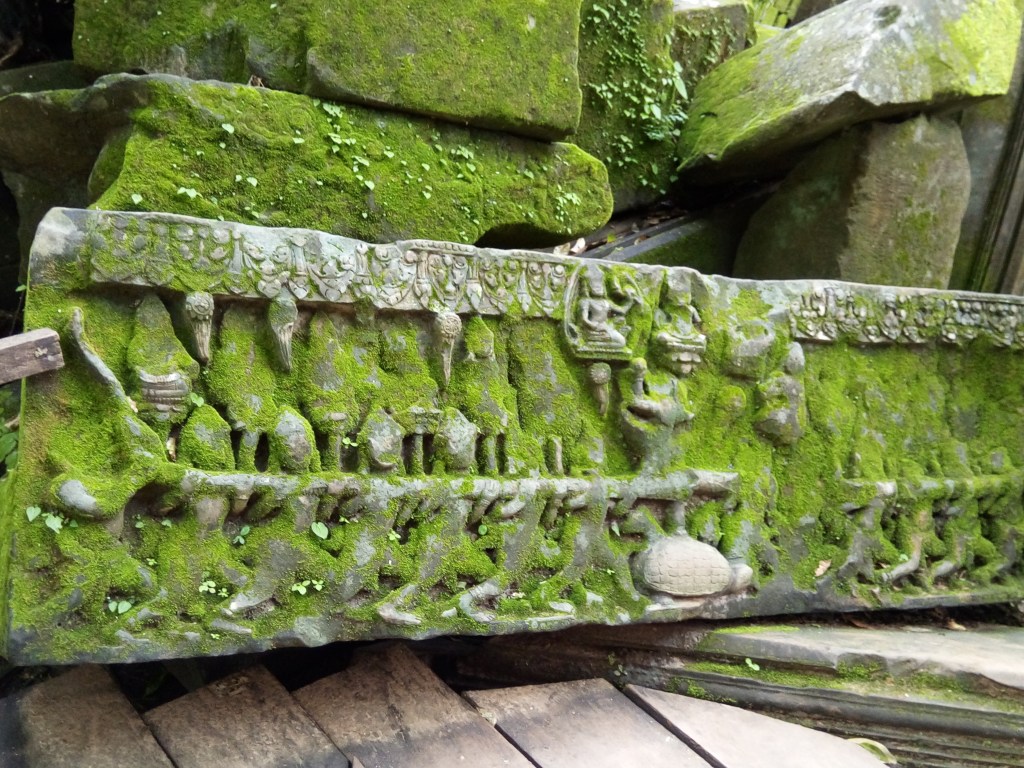
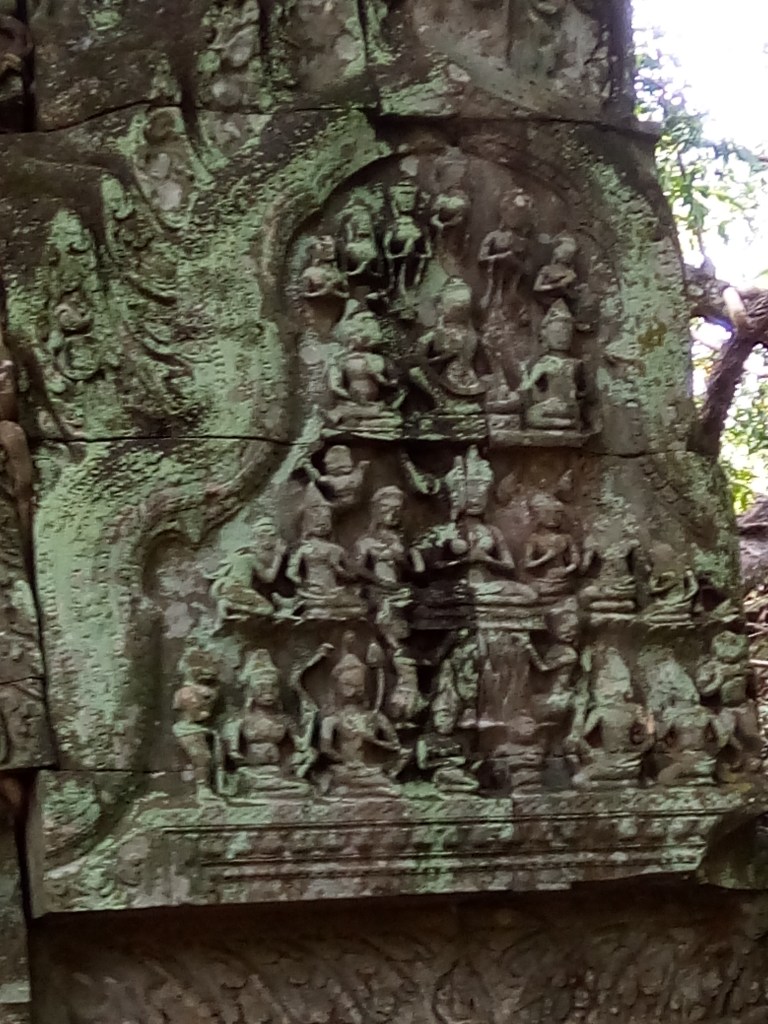
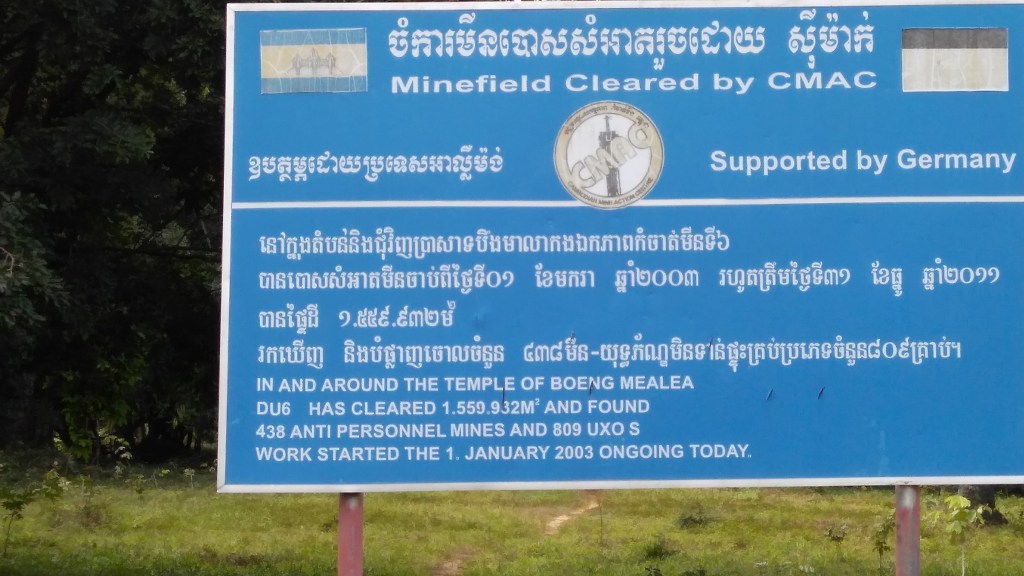
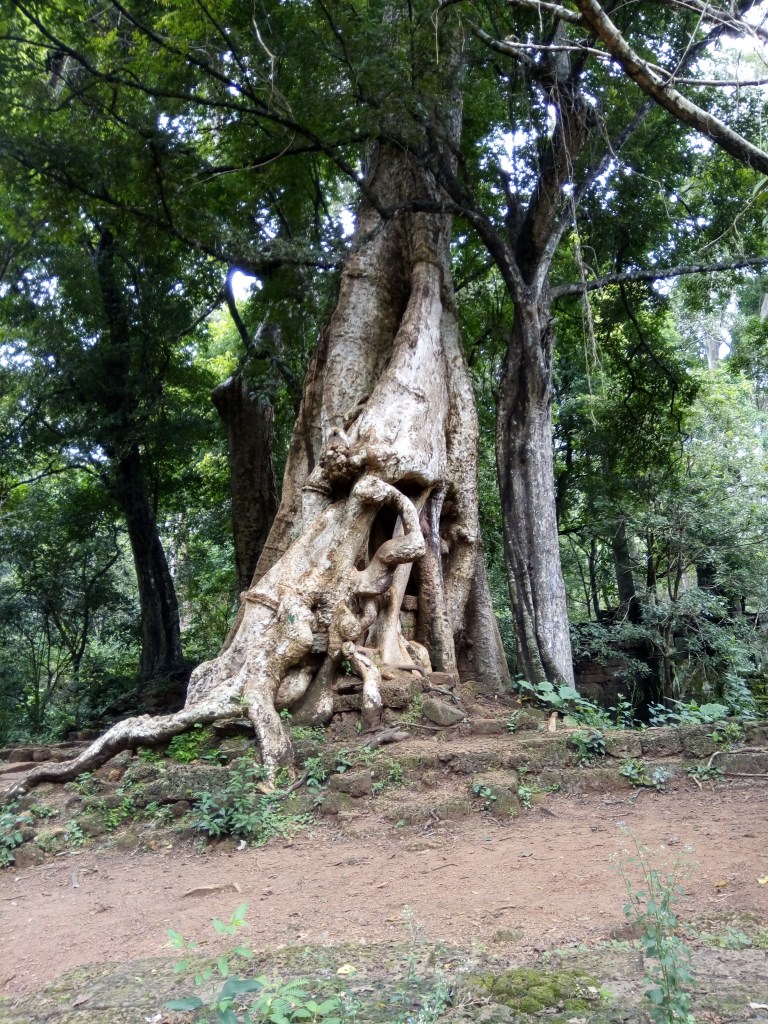
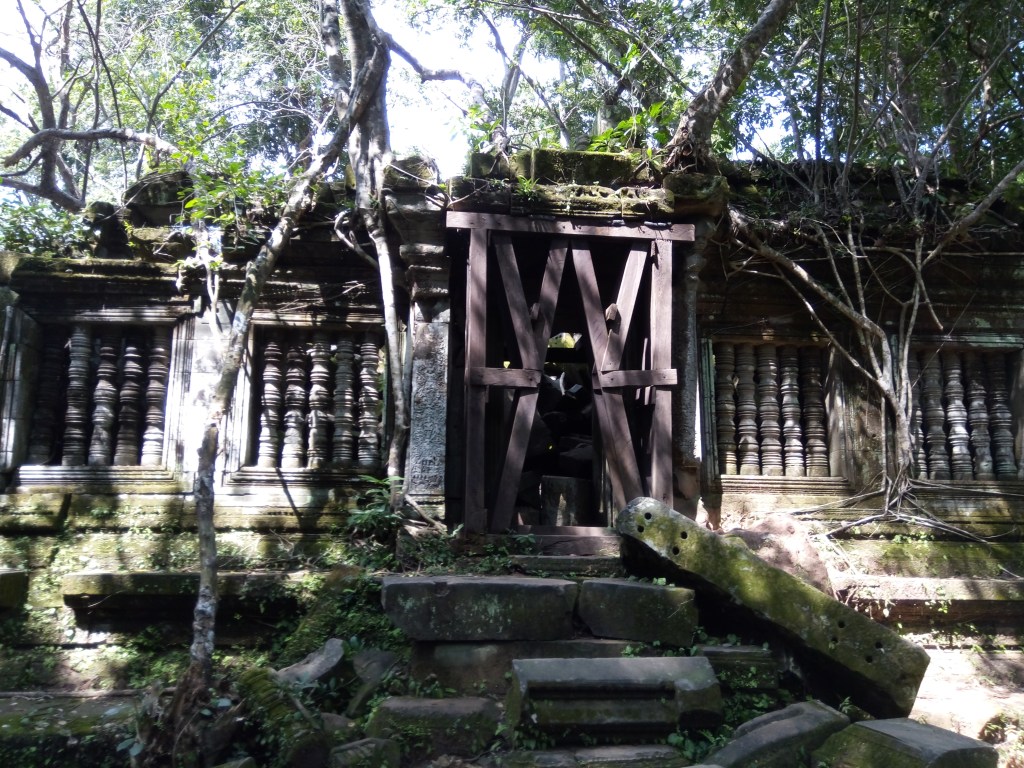
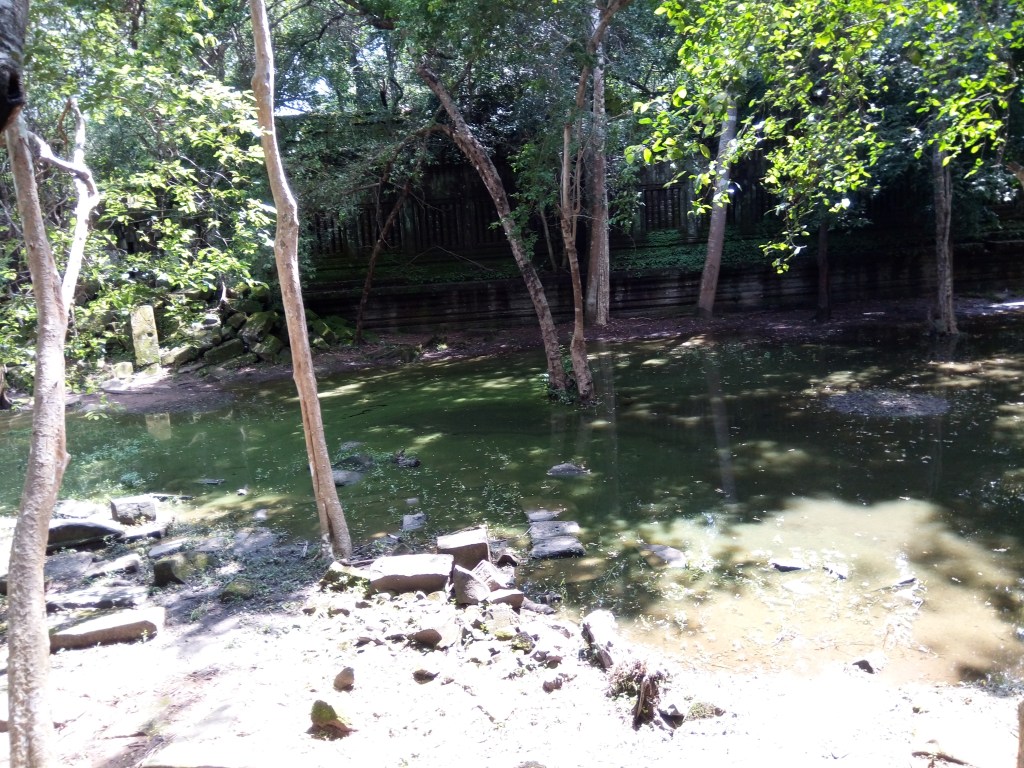
It was around 1 in the afternoon when we exited Phnom Kulen and commenced our 30 minute ride to Beng Melea, located around 15 kms away. Meaning Lotus Pond, this sandstone based temple complex is home to some amazing old carvings, dating back to the Angkor era. Built as a Hindu temple, there are quite a few Buddhist motifs to be found which could have been carved out much later. The entire temple complex is generally unrestored and has lot of thick bushes and tree roots growing over huge stones which were used in the temple’s construction. Since the architecture of this temple was believed to be similar to the one we were to see in Angkor Wat, presumably the construction of this temple could have happened during the reign of King Suryavarman II and in the early 12th century. The temple complex is supposed to have been cleared of more than 430 odd Land Mines and over 800 UXOs (Unexploded Ordnances) which could have been planted during the Polpot regime.

We wound up the tour of the complex around 3.00 PM and settled into a deep slumber during the 65 kms ride back to Siem Reap. It was way past lunch time and we unfortunately did not get anything to eat at either of the places and had to bear with the hunger pangs for slightly over an hour until we hit Siem Reap. Fortunately we found an Indian restaurant which was about to down its shutters and managed to get some food.

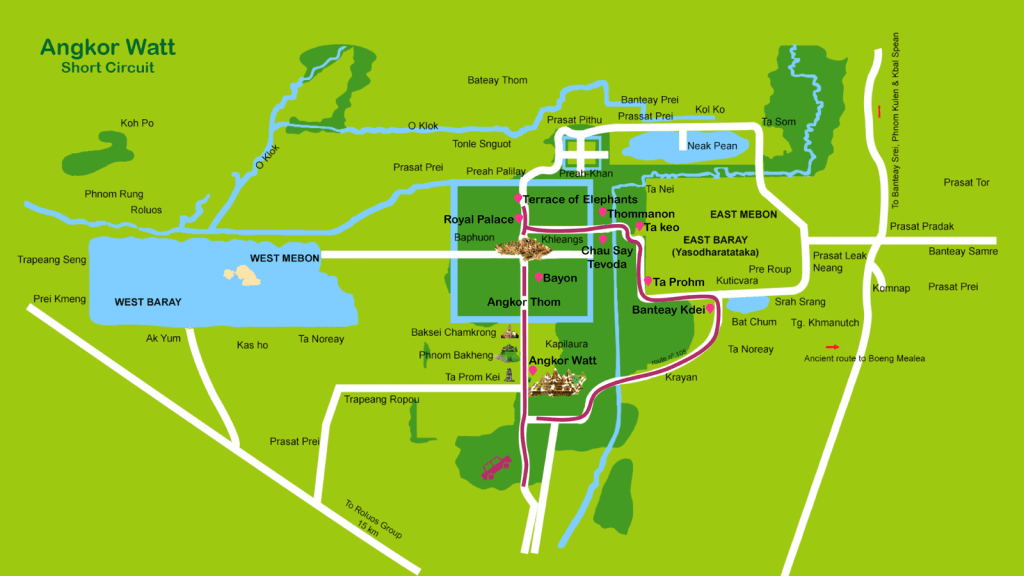
On the way back to the Hotel, we found a Tuk tuk driver and fixed the next day’s schedule of a day’s tour to the famed Angkor Wat complex. We opted for a day’s tour, also popularly known as the Short Circuit Tour covering a distance of around 17 kms and which would cost us $ 15. The evening was spent going around Pub Street and we wound up the day with some dinner at Taste of India, an Indian restaurant located very close by.

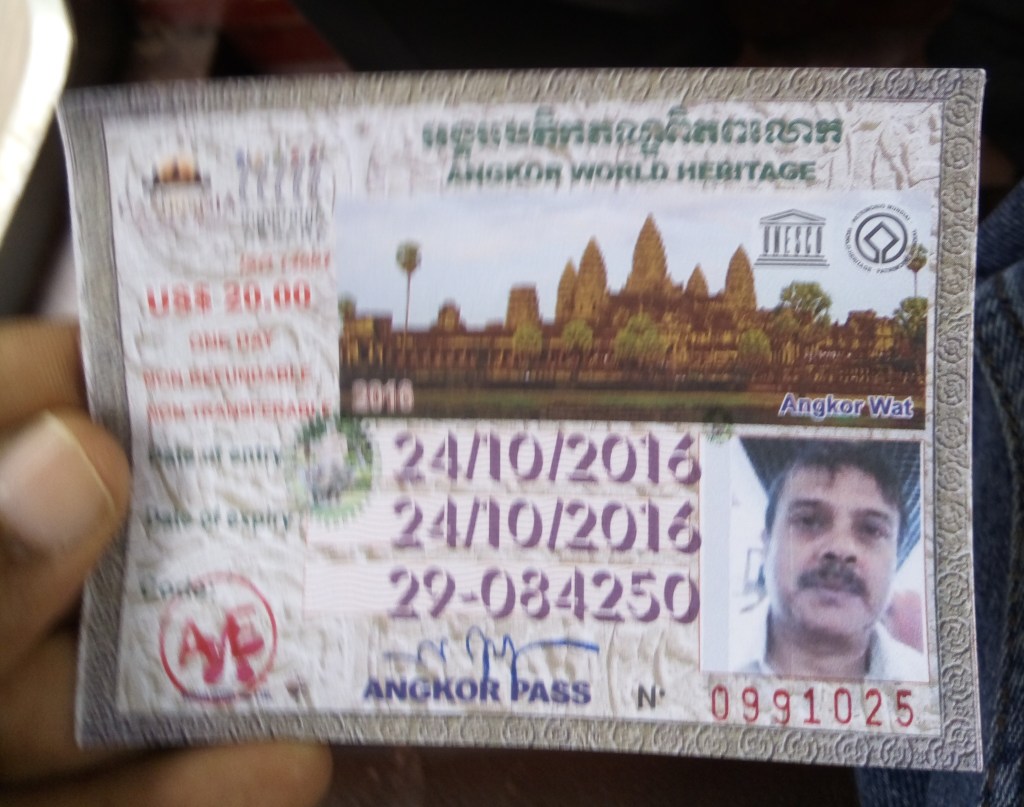
The tiredness of walking around for quite some distances the previous day made it difficult to shake off the Monday morning blues. There was a heavy downpour which started in the early hours and finally cleared off by around 7 AM which led to our departure getting slightly delayed. Breakfast done, we boarded the Tuk Tuk for the 45 minute drive to the Angkor Wat complex including stopping for a short while at a designated center to buy the entrance tickets, costing $20 apiece. Tickets could be booked for visits spanning 3 days and 7 days too.

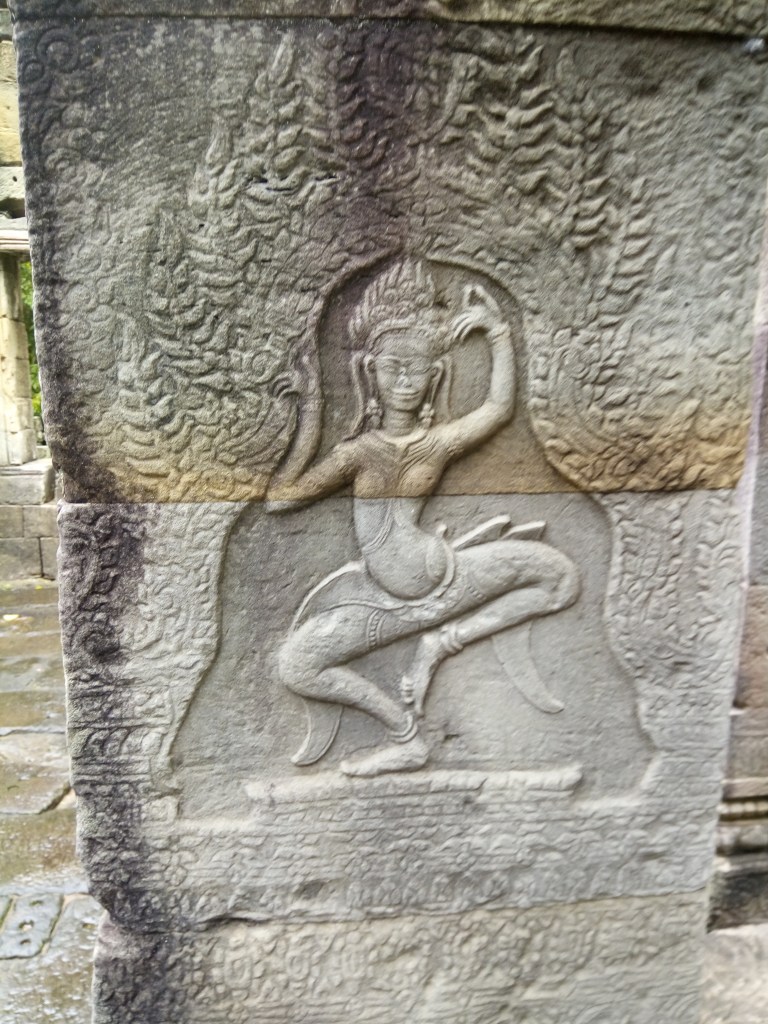
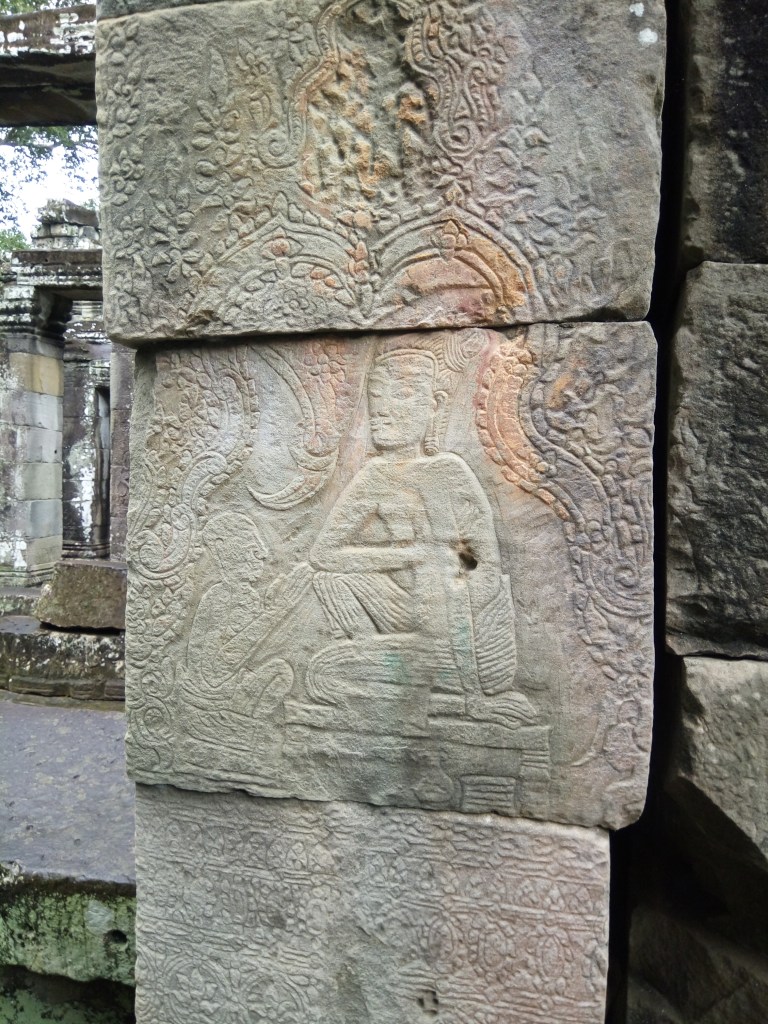
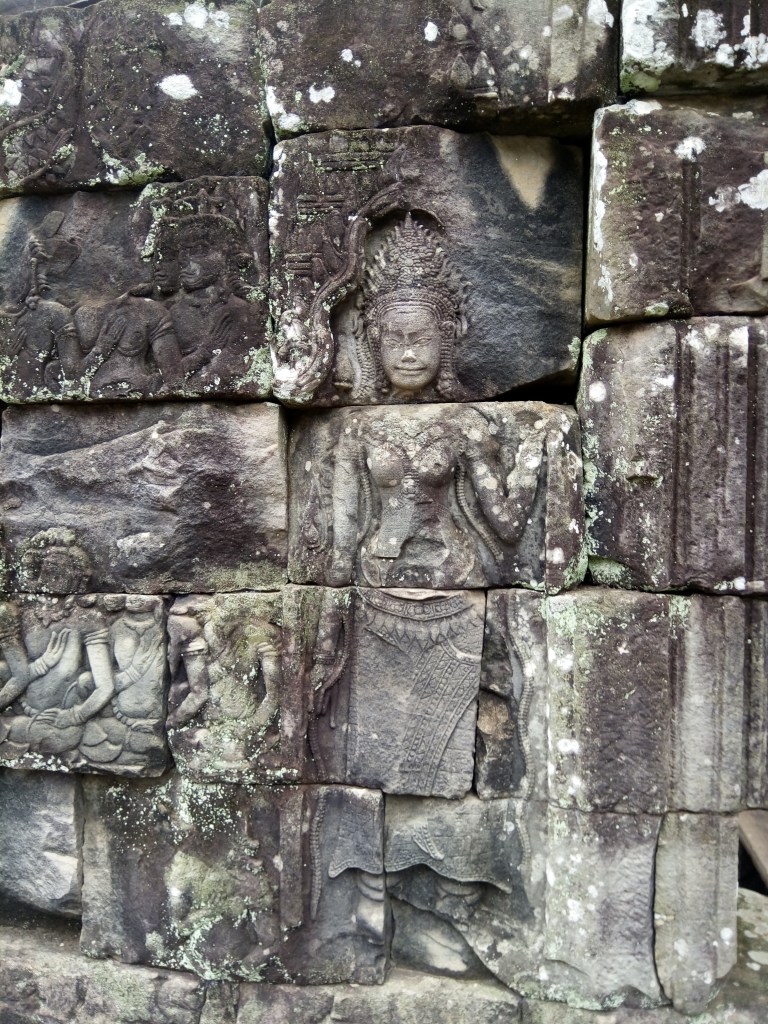
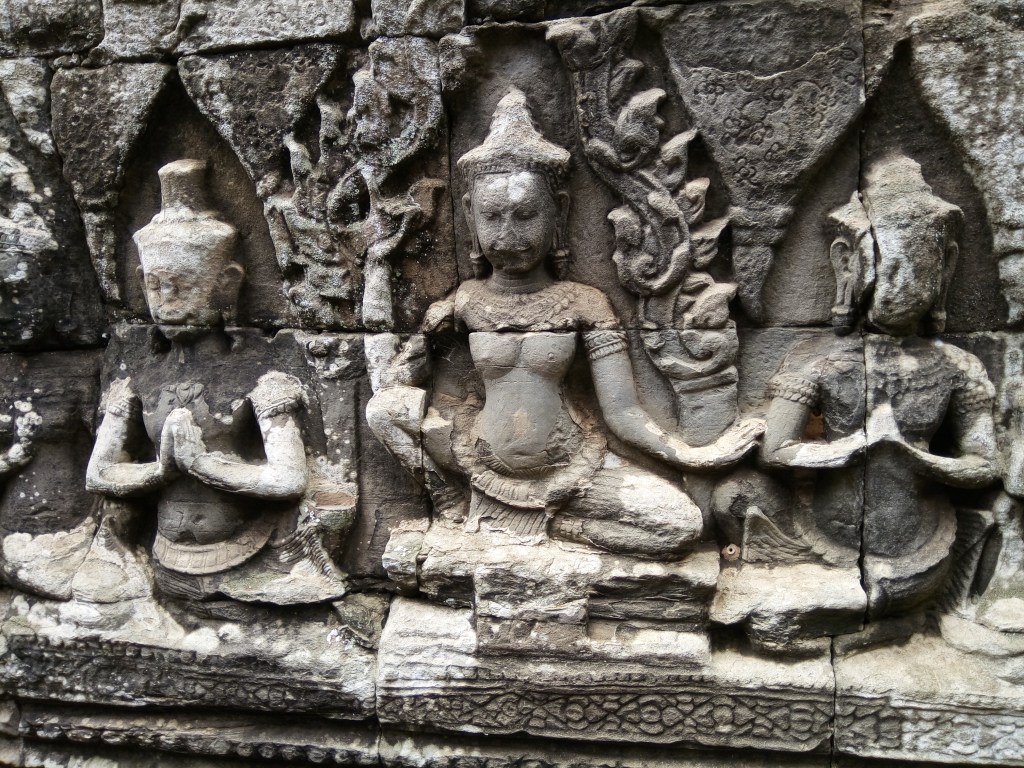
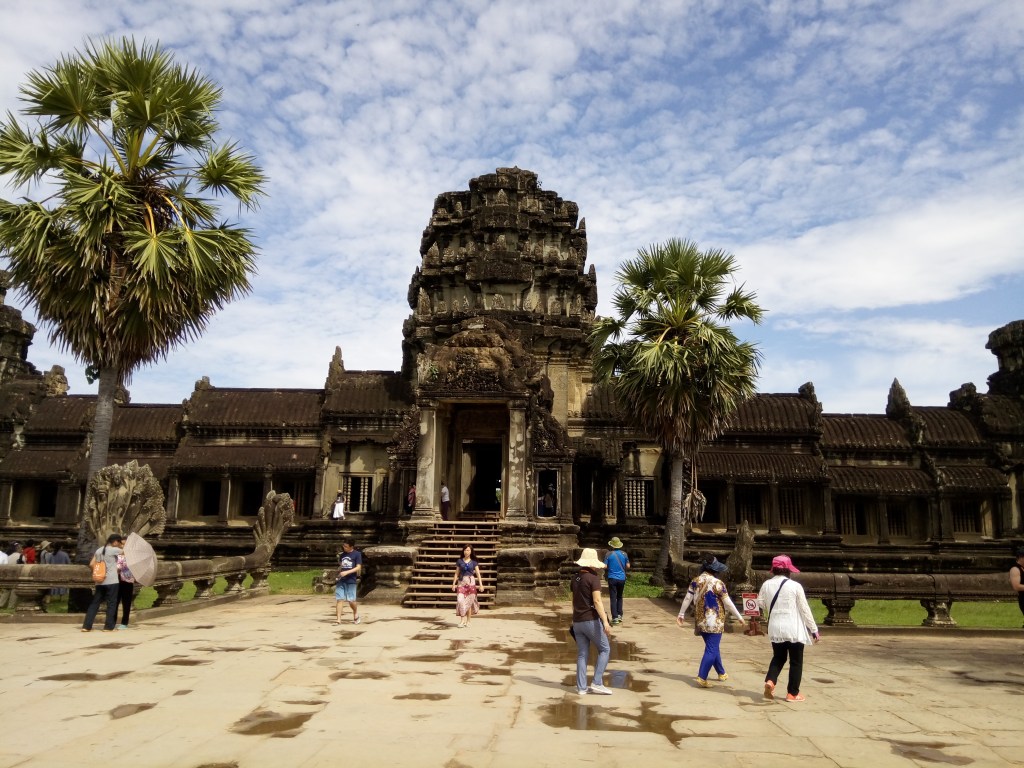
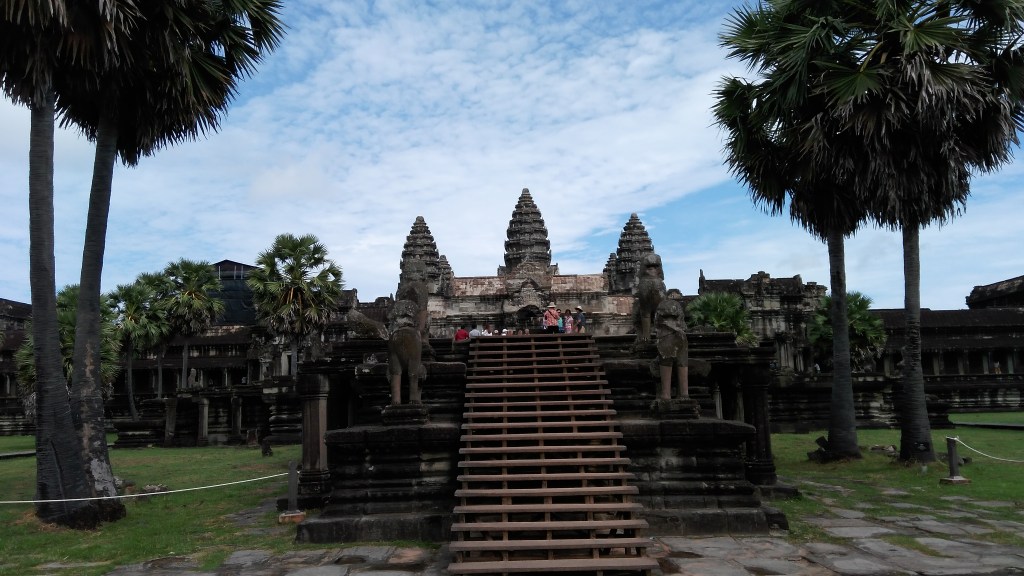
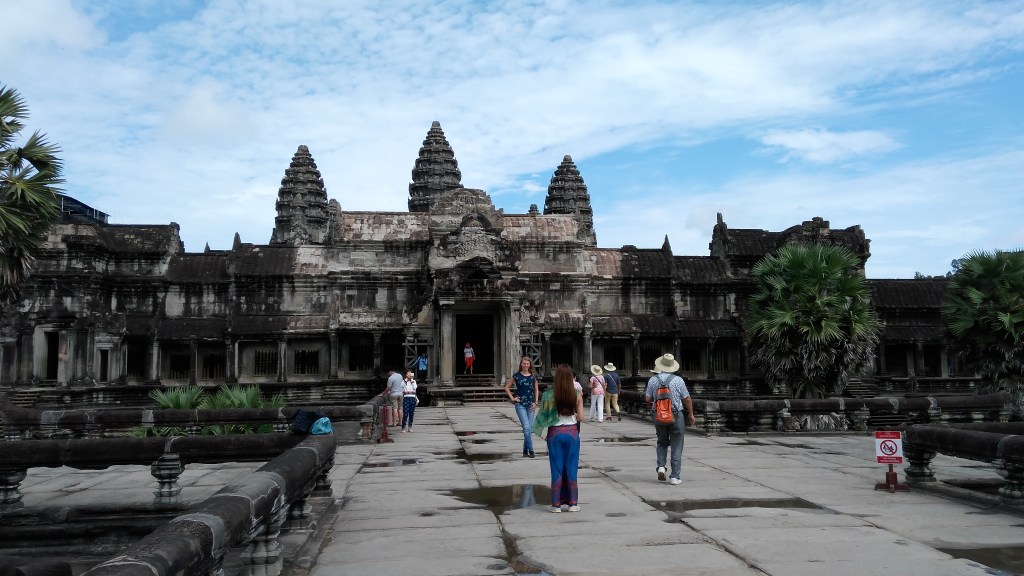
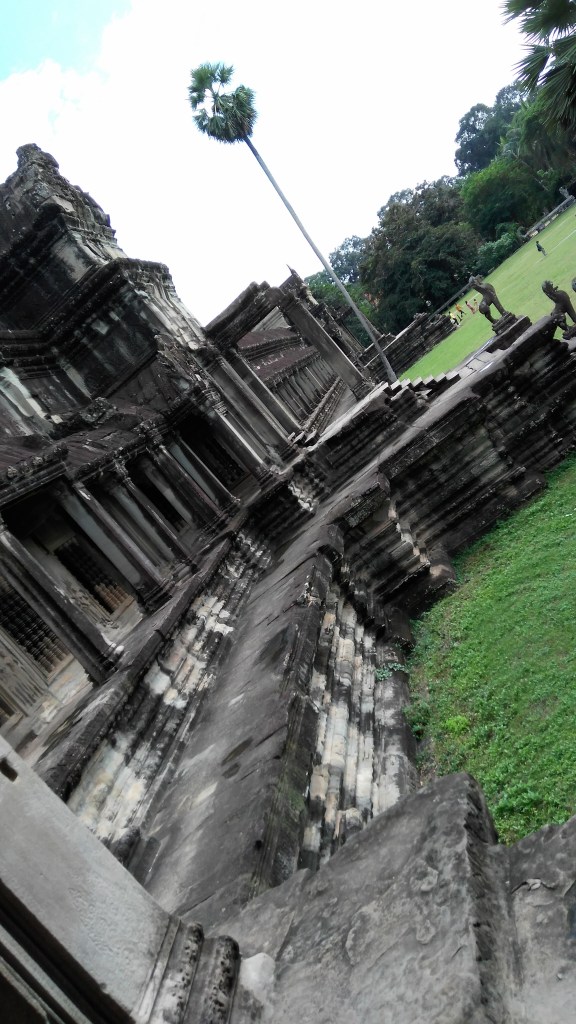
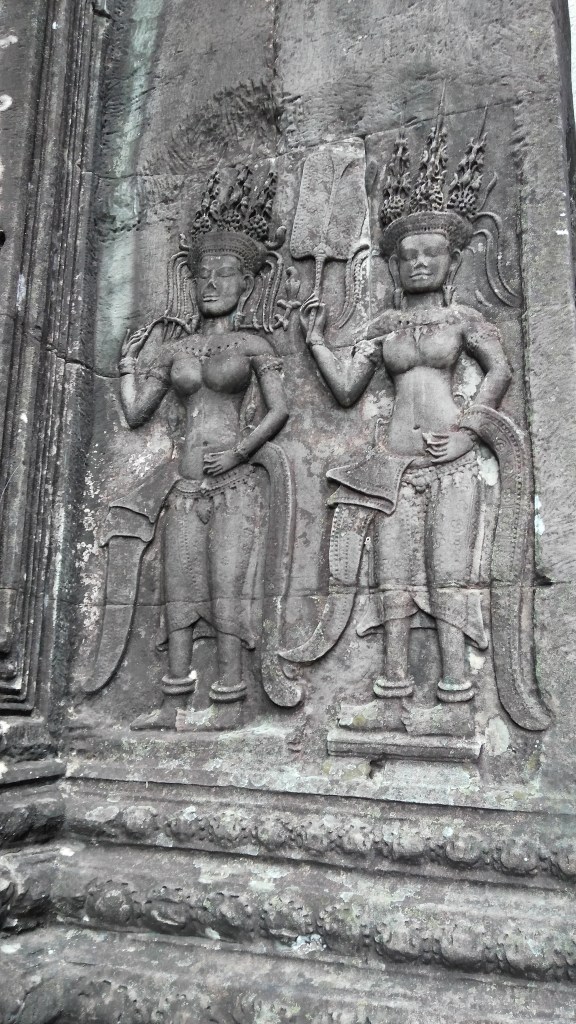
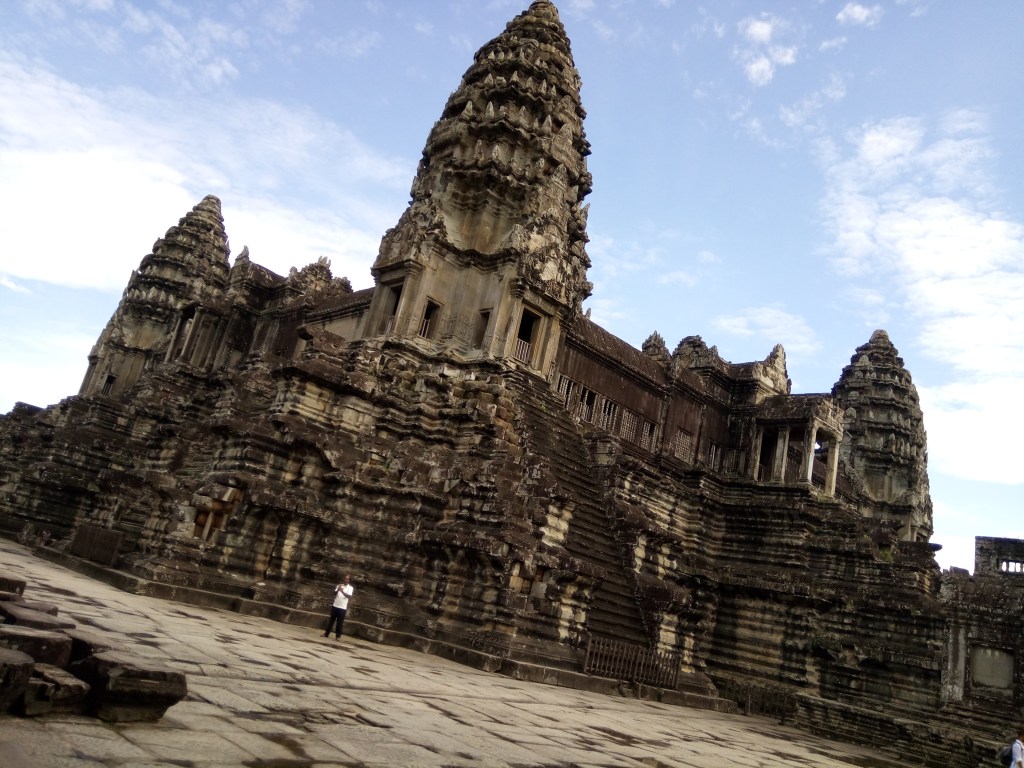
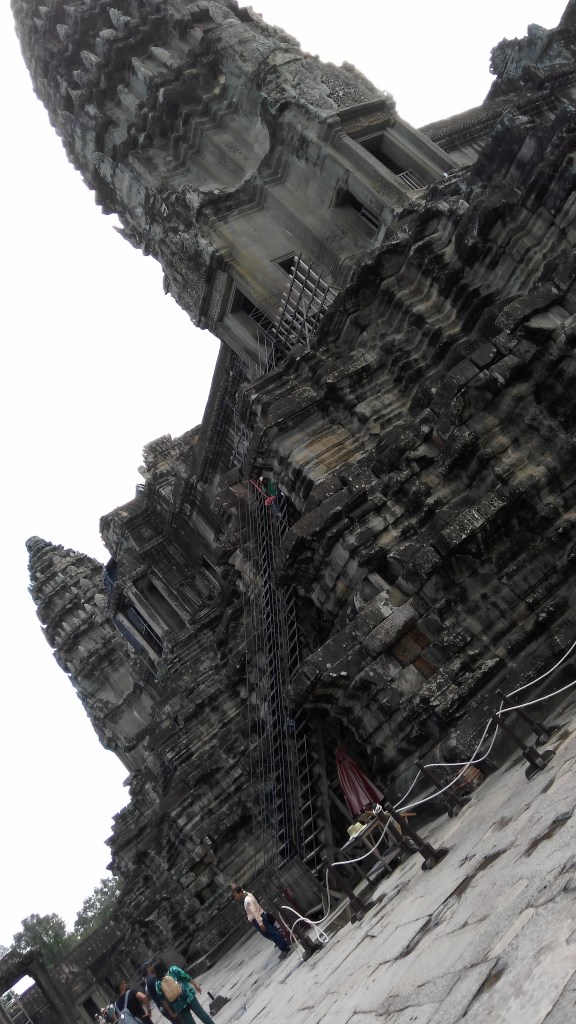
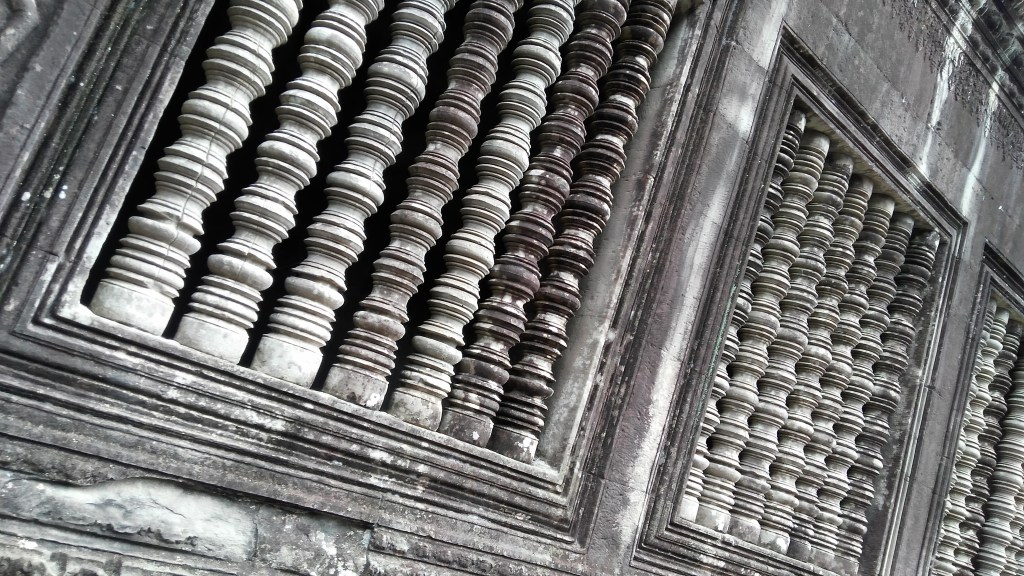
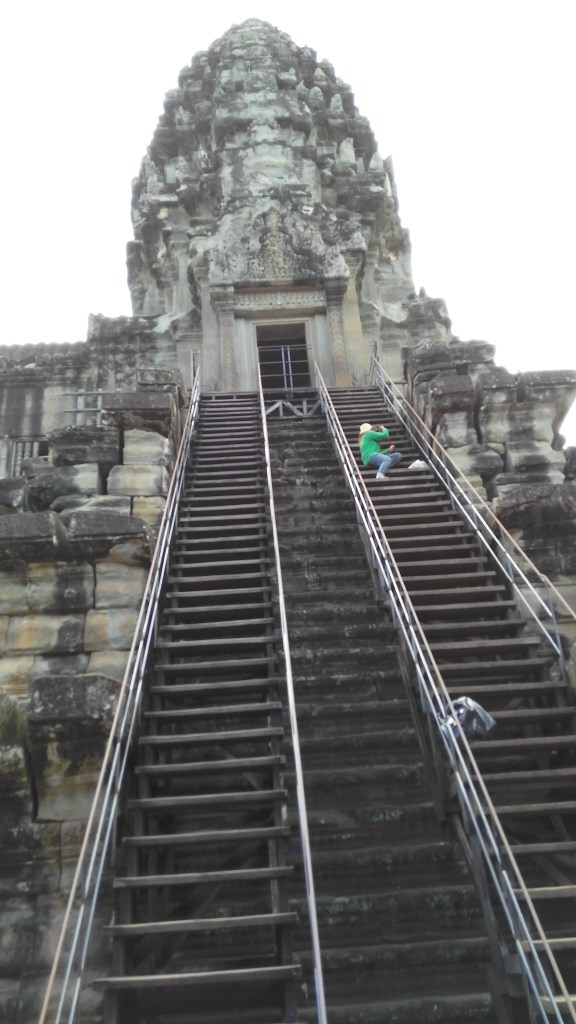
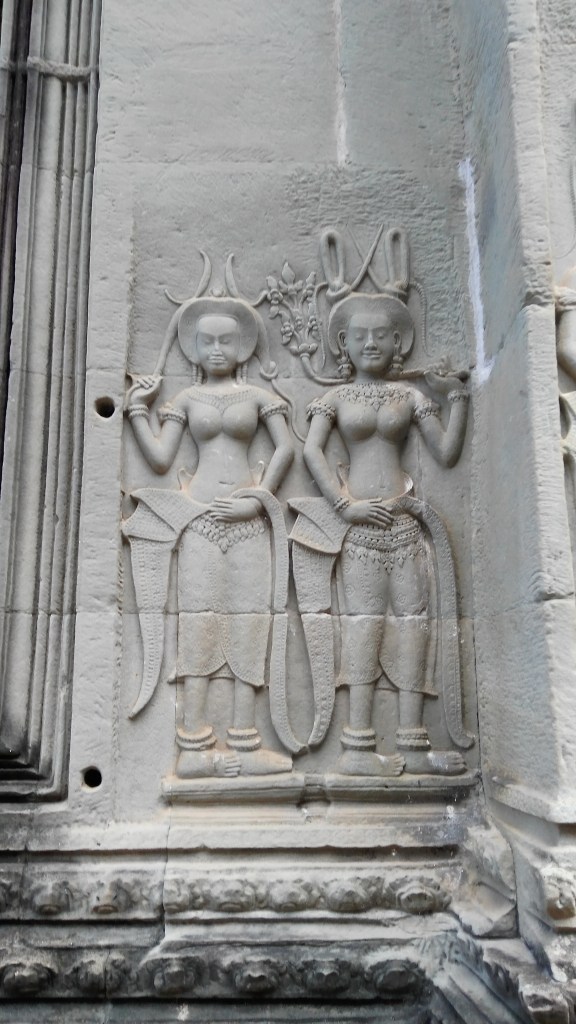
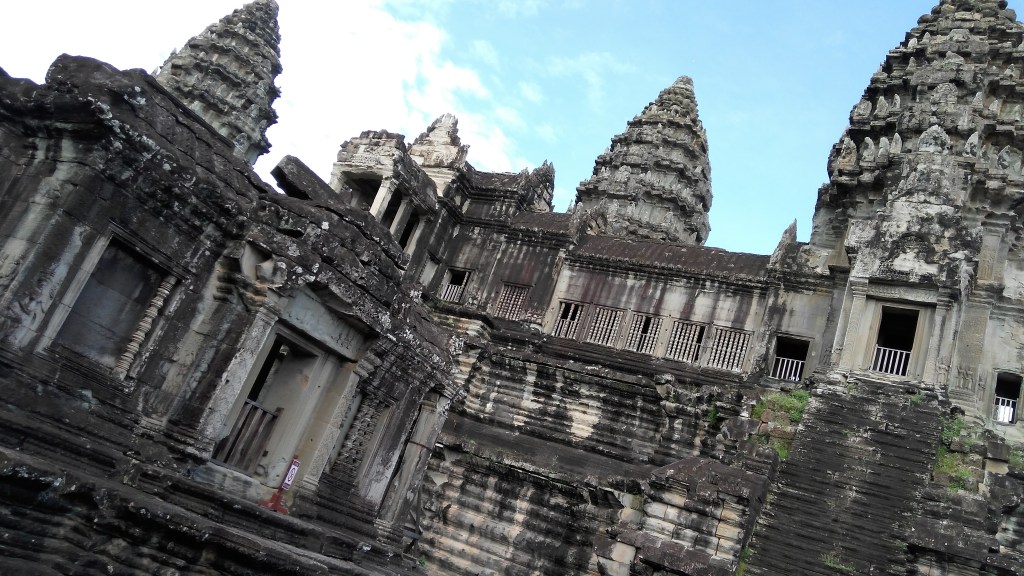
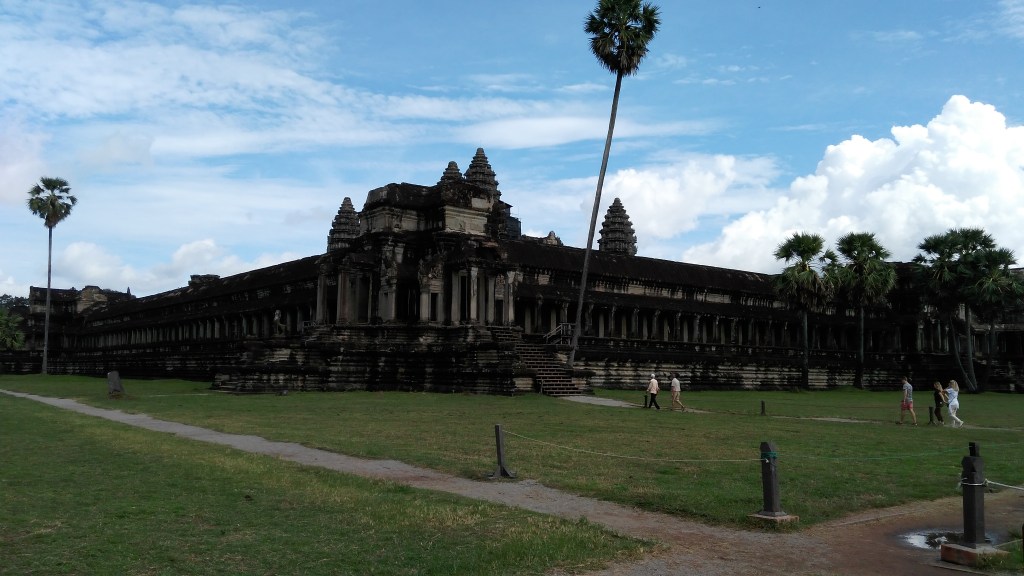
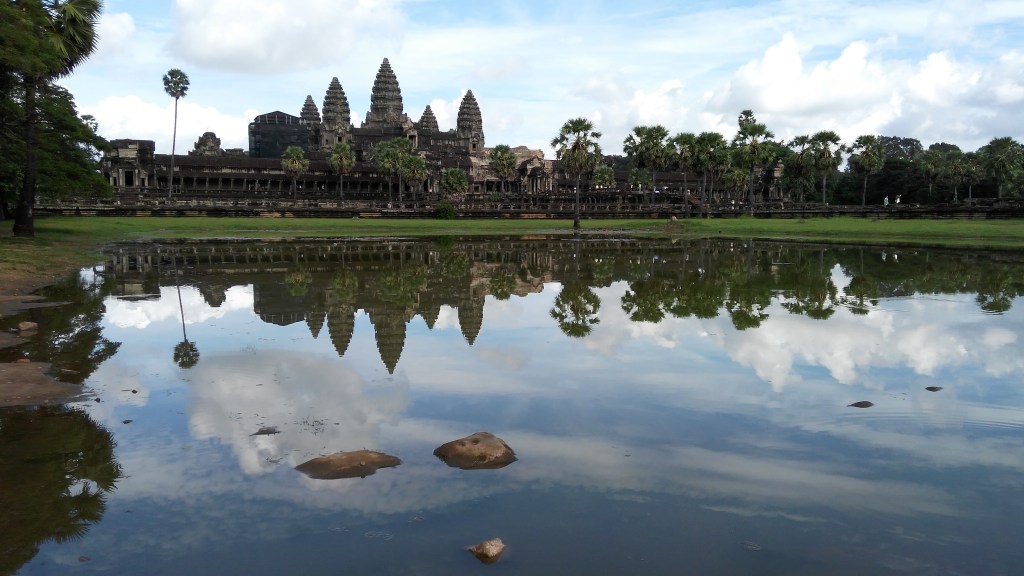
Angkor Wat was built in the first half of the 12th century (113-5BC) and it is estimated that it took about 30 years to construct  the temple by King Suryavarman II.  The temple is dedicated to Lord Vishnu and depicts the Angkor Thom style of art. Angkor Wat’s rising series of five towers culminates in an impressive central tower that symbolizes mythical Mount Meru. Thousands of feet of wall space. are covered with intricate carving depicting scenes from Hindu Mythology. The most important are the Carved Bas reliefs of the Hindu narratives. They tell a story about gods fighting demons in order to reclaim order which can only be achieved by recovering the elixir of life known as Amrita (Nectar). The gods and demons are supposed to have worked together to release it and then battle to attain it. It was accorded the UNESCO World Heritage status in 1992 and crowned the best in 2017.

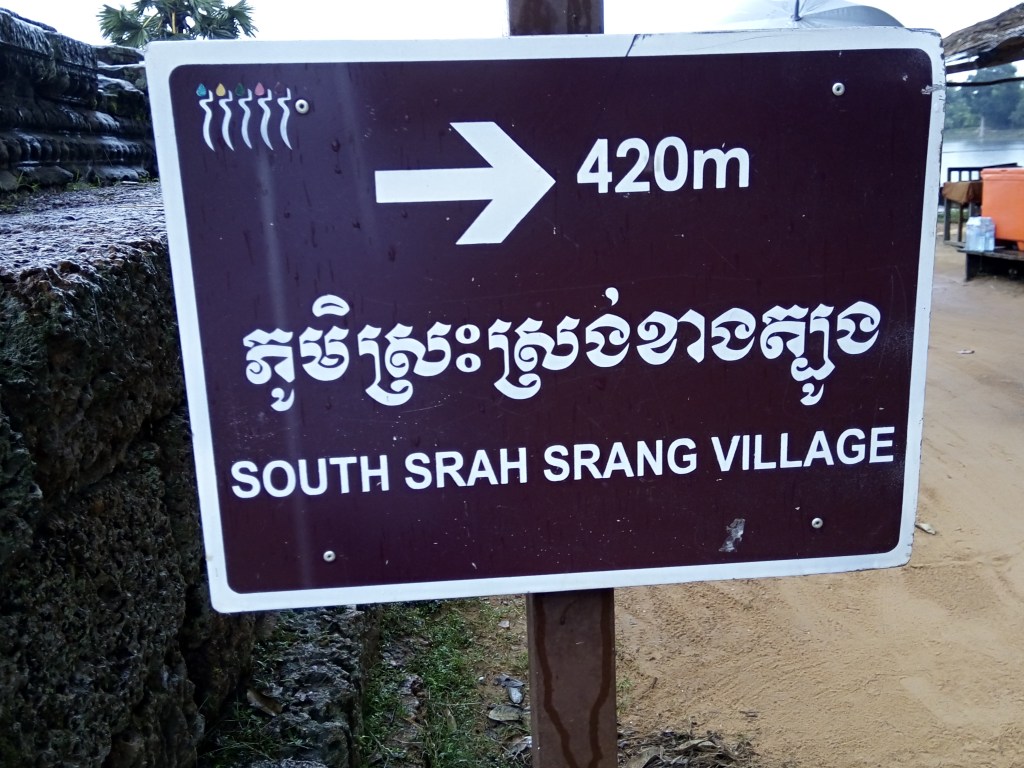
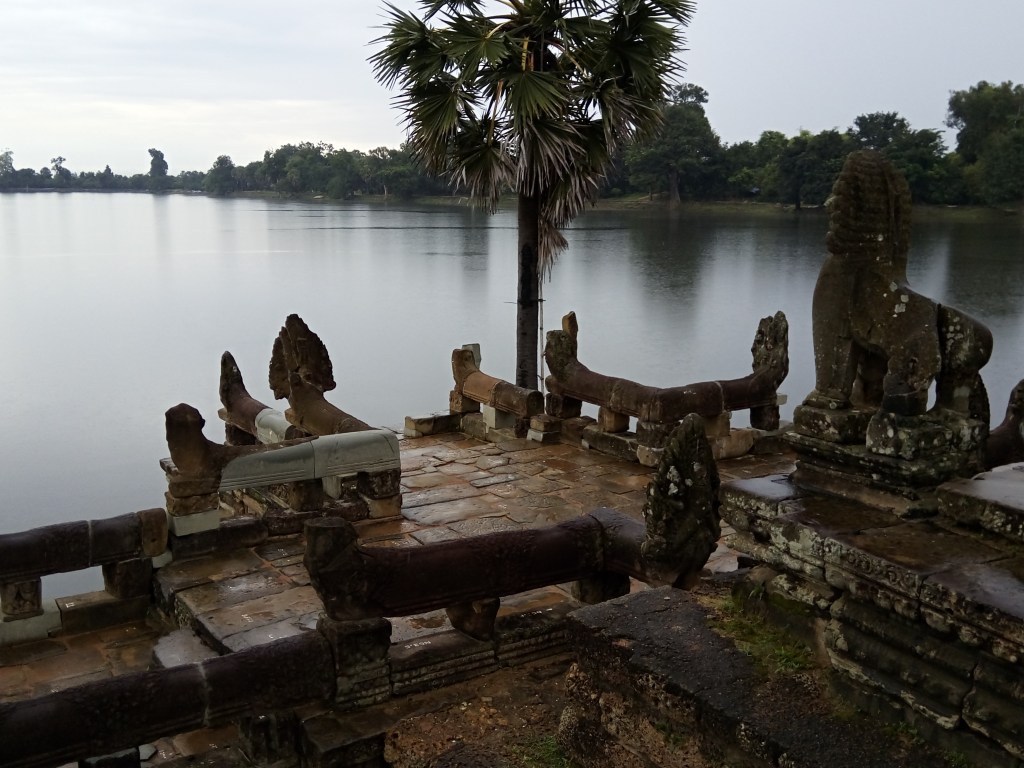
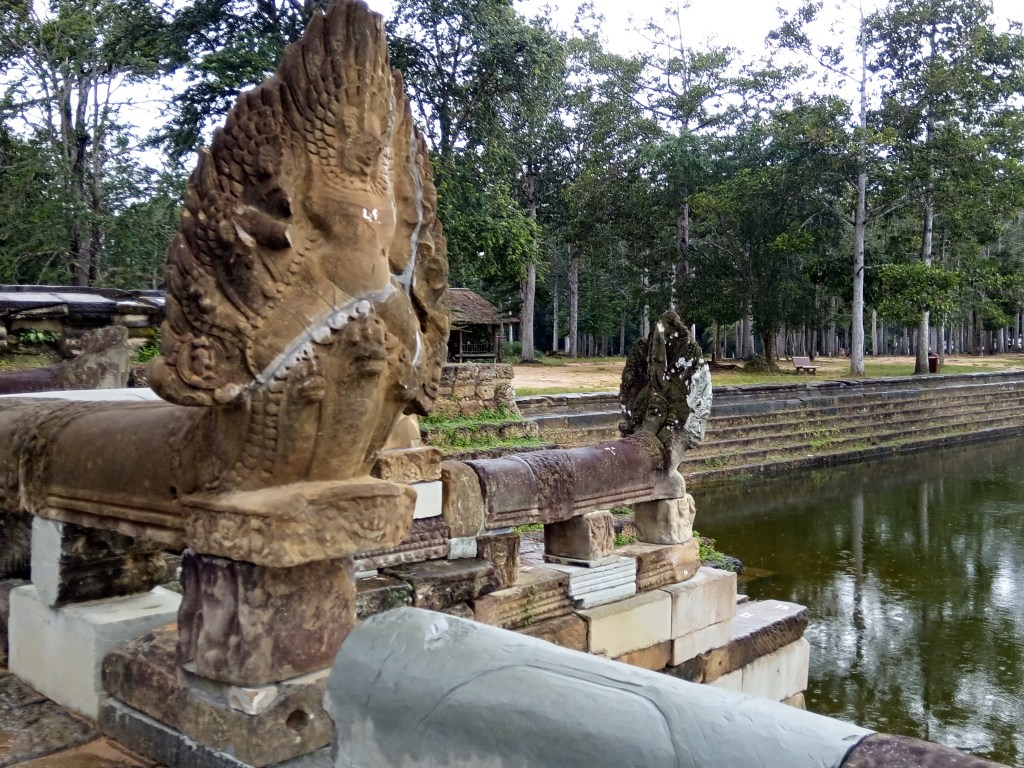
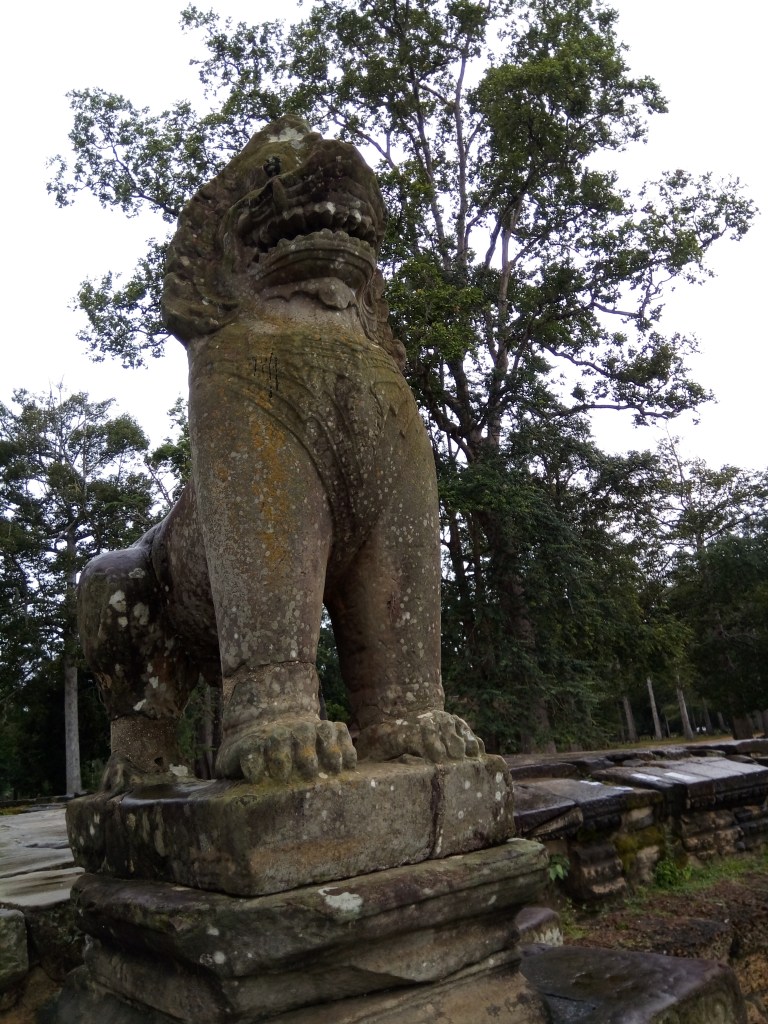
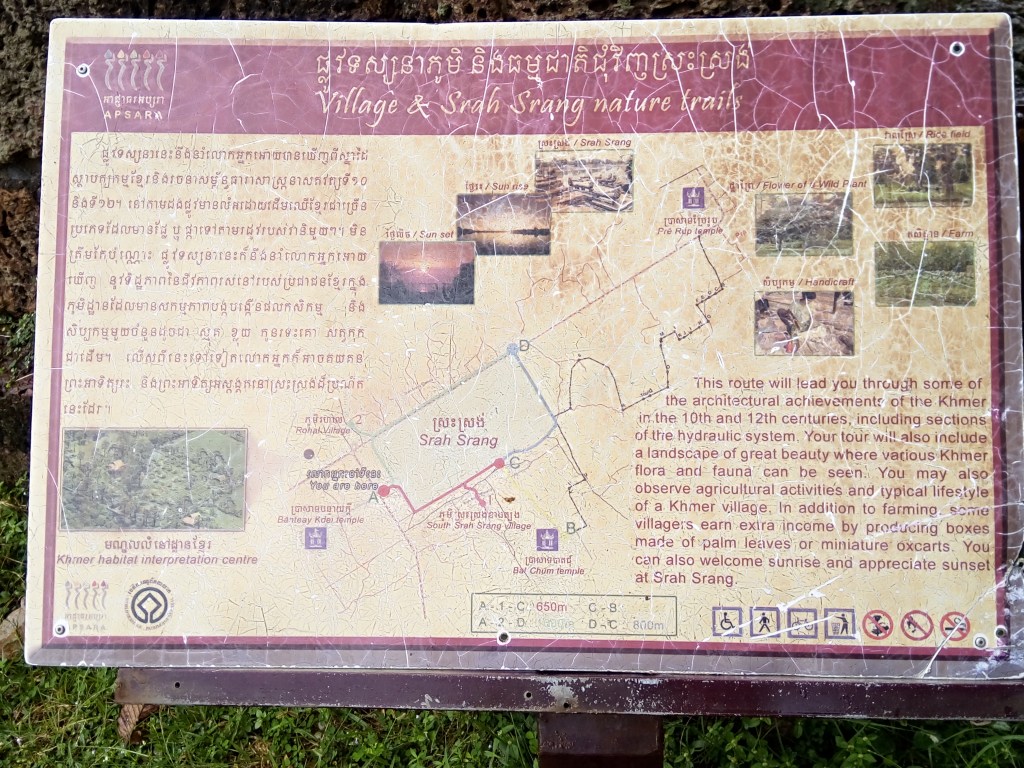
The first stop of our Short Circuit Tour was at the entrance of the Srah Srang Village where there are some beautiful and intricate carvings on stone leading to a large expanse of water which was supposed to be a royal bathing pool.

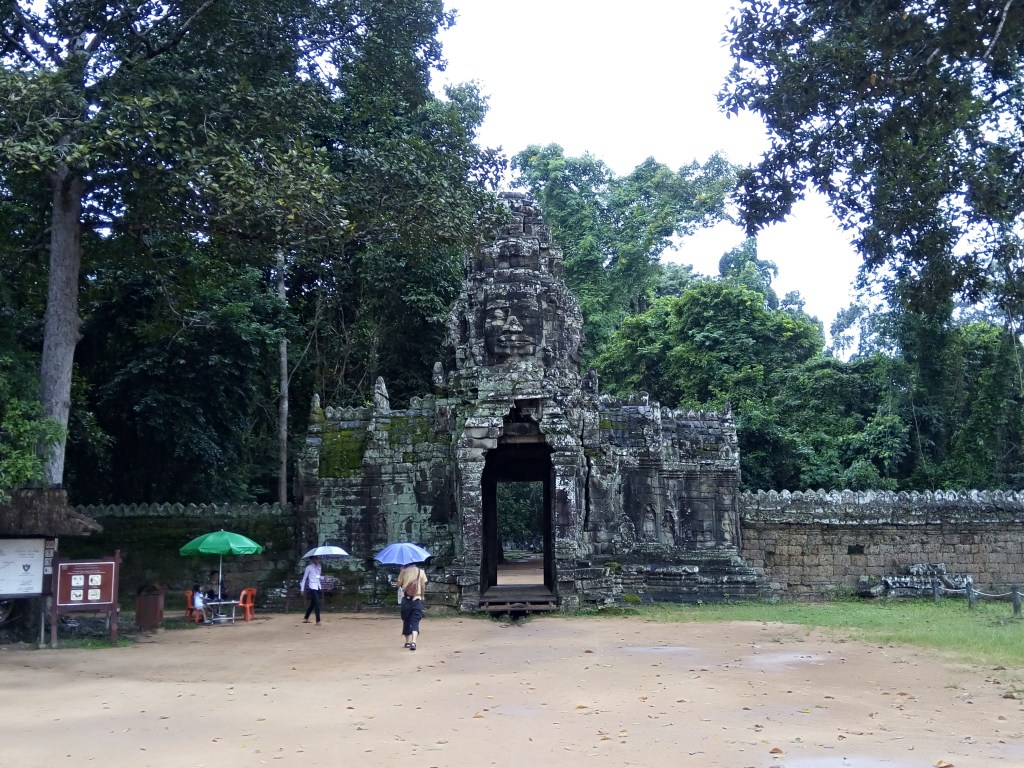
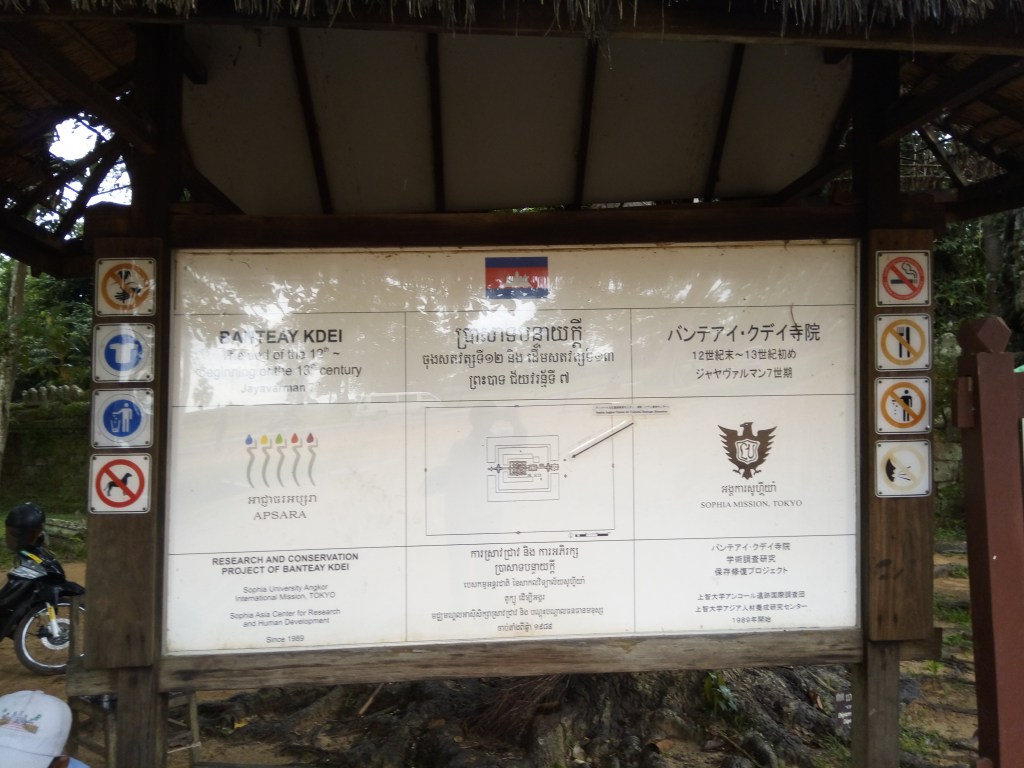
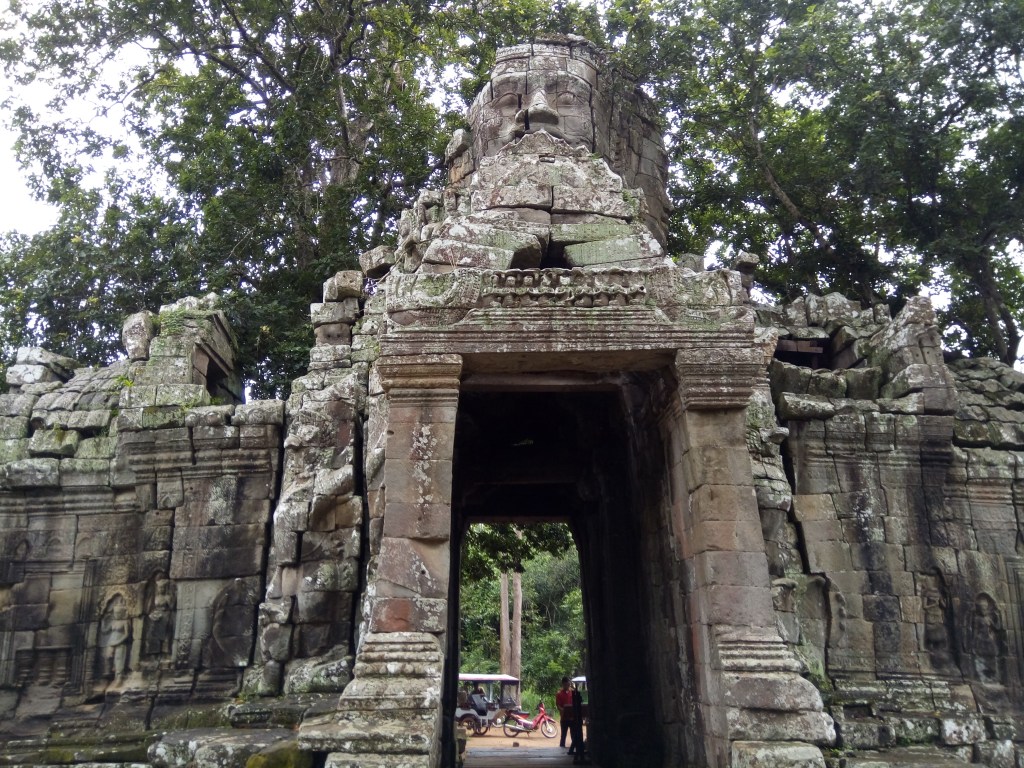
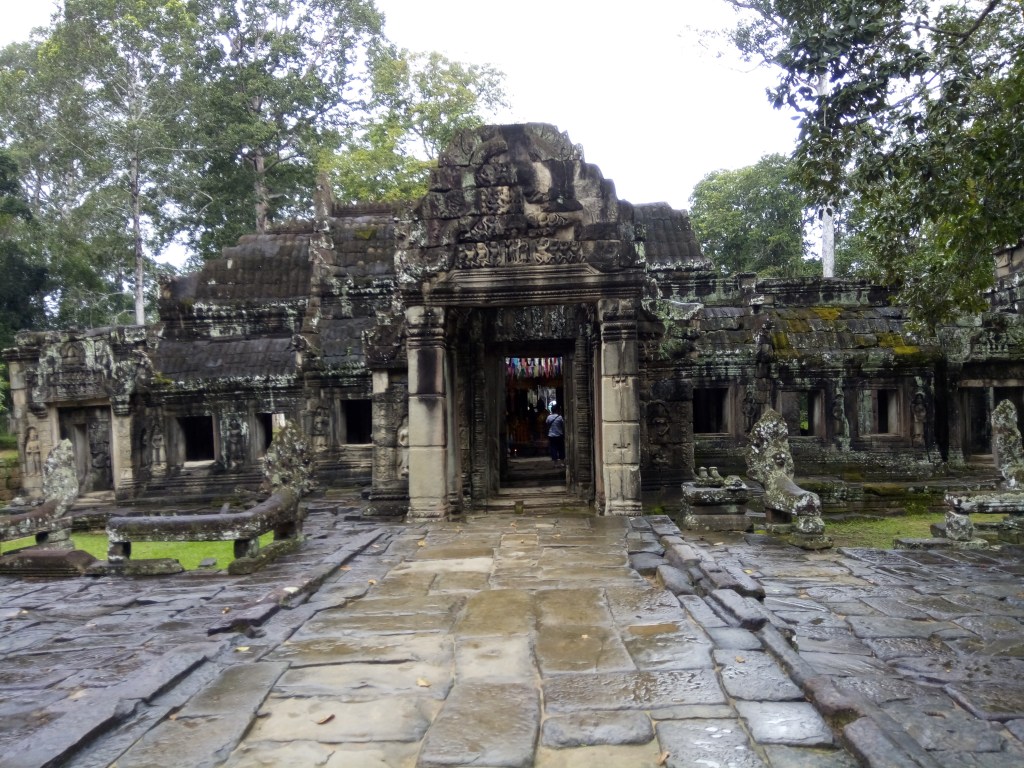
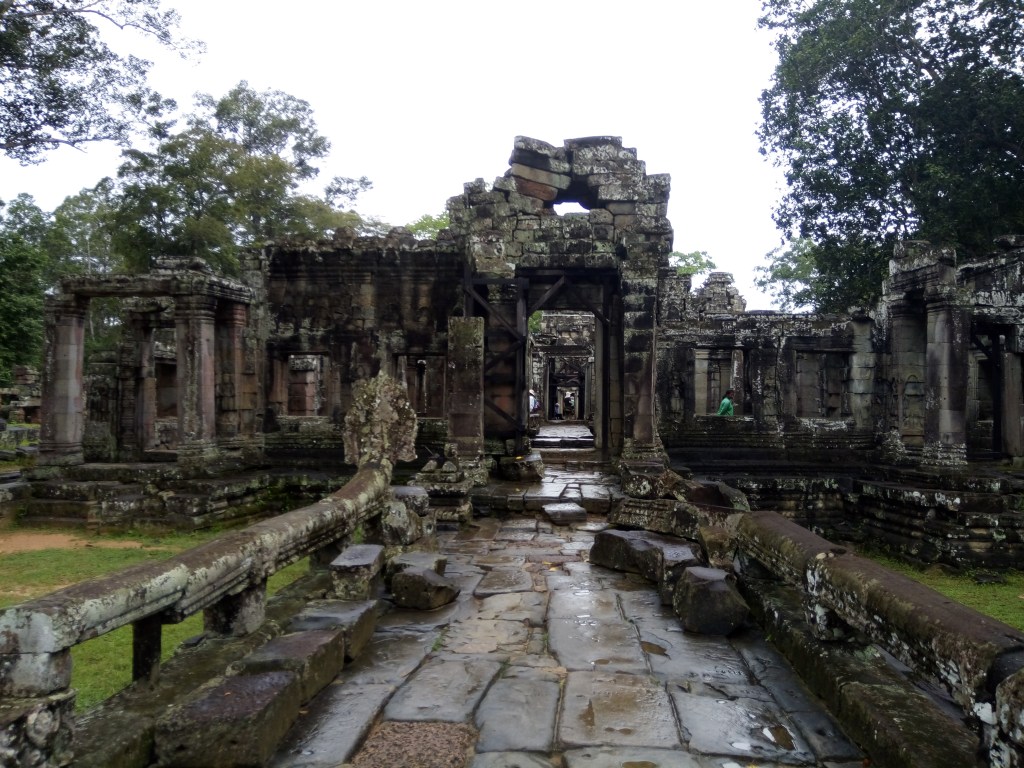
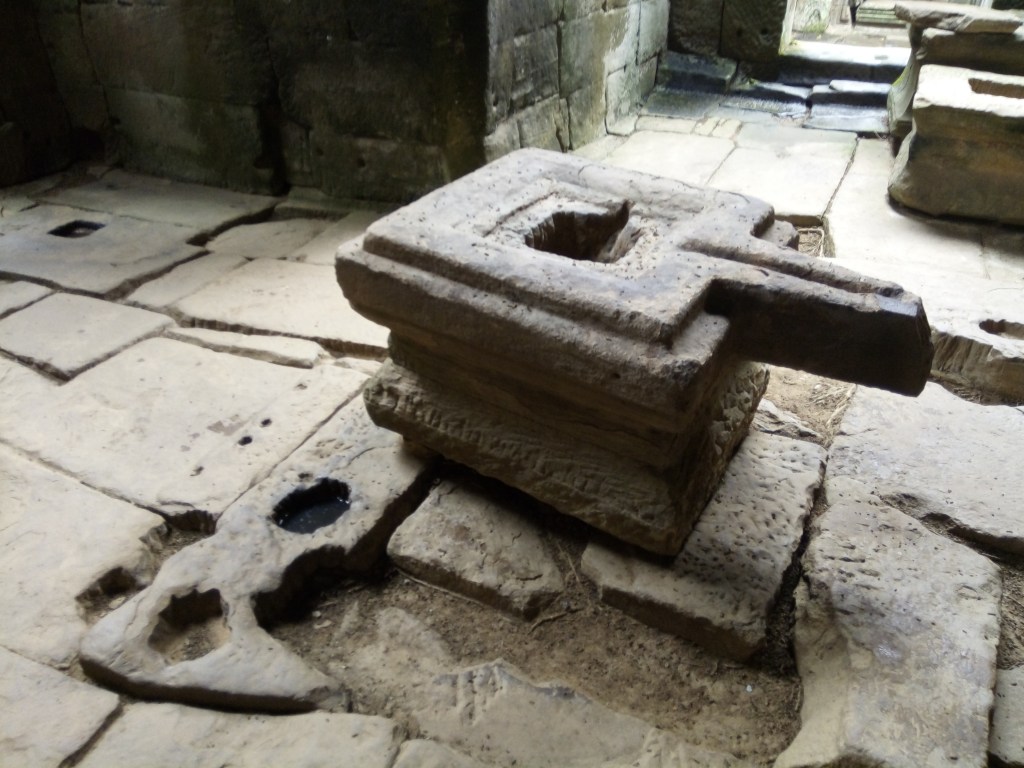
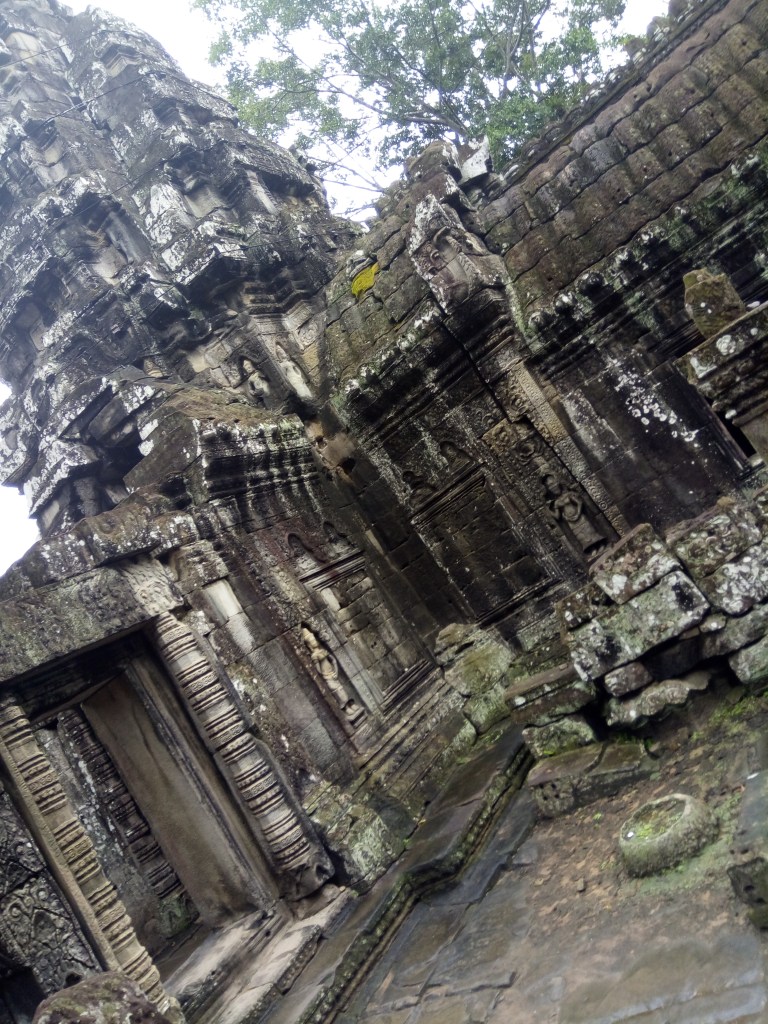
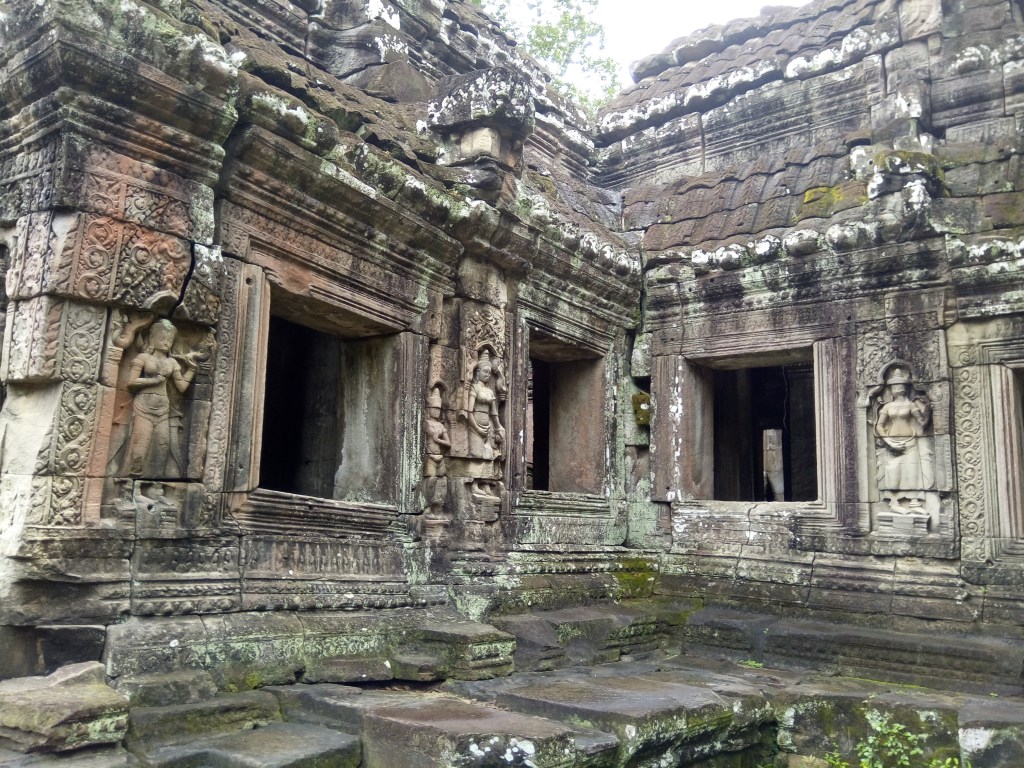
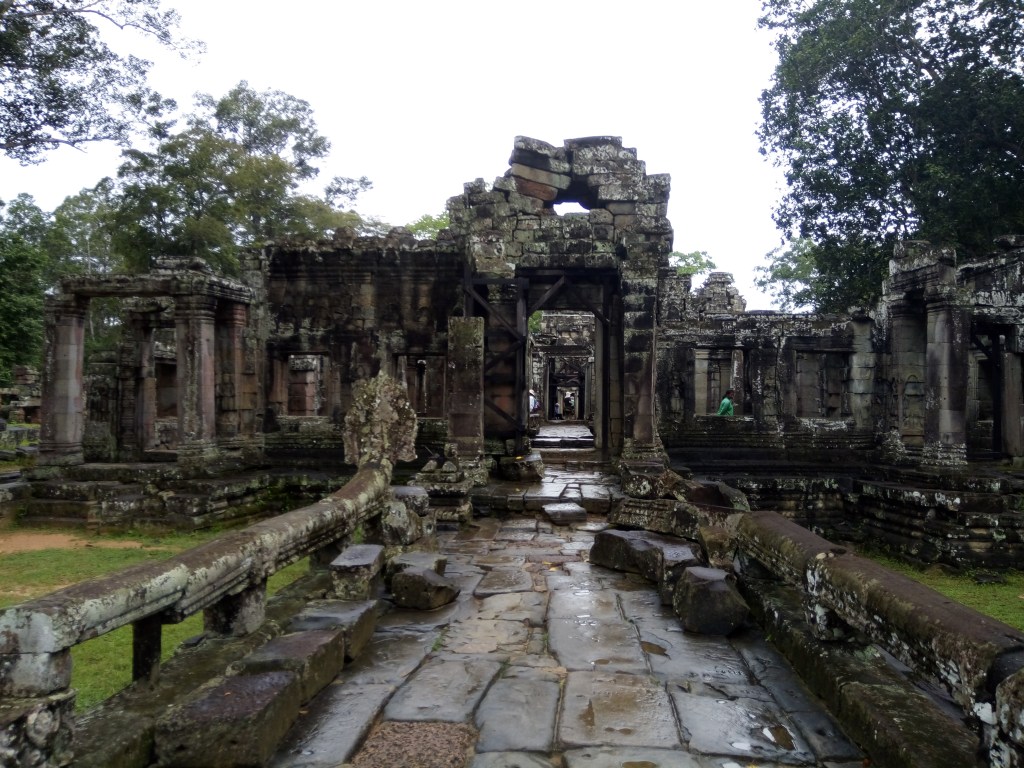
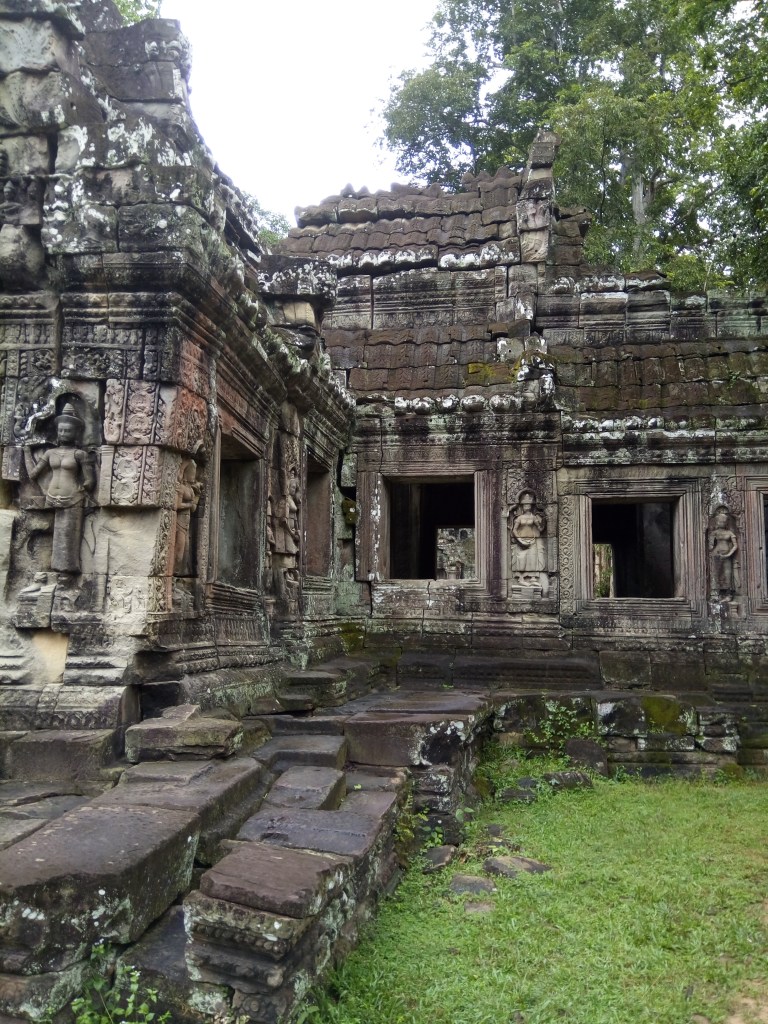
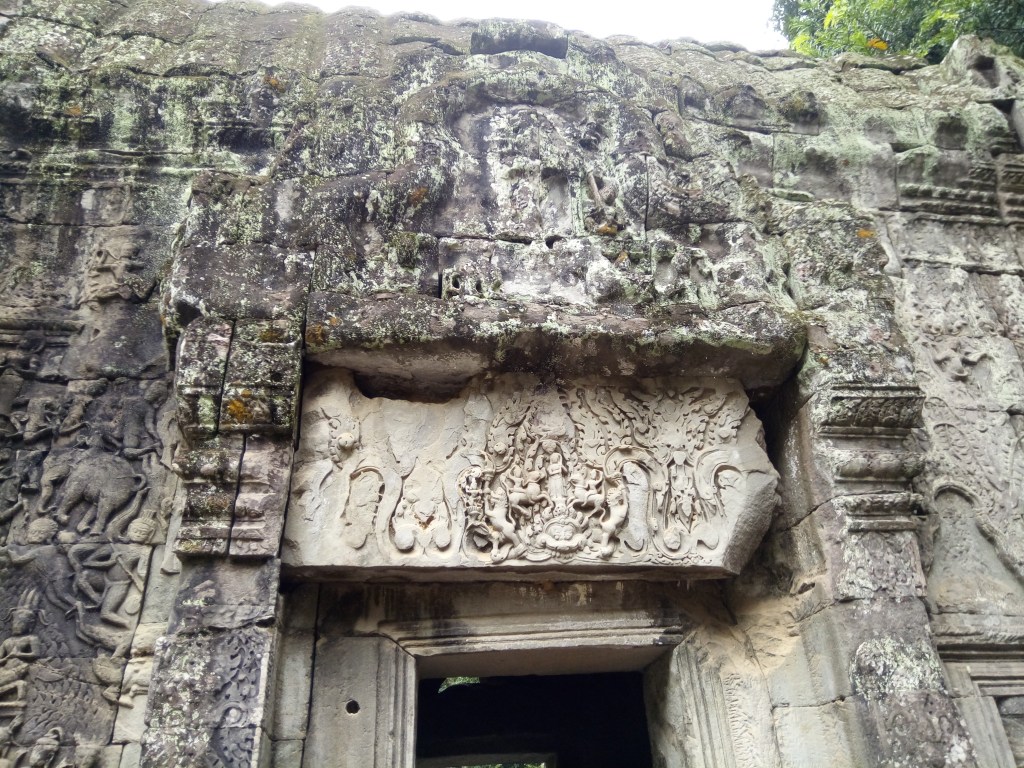
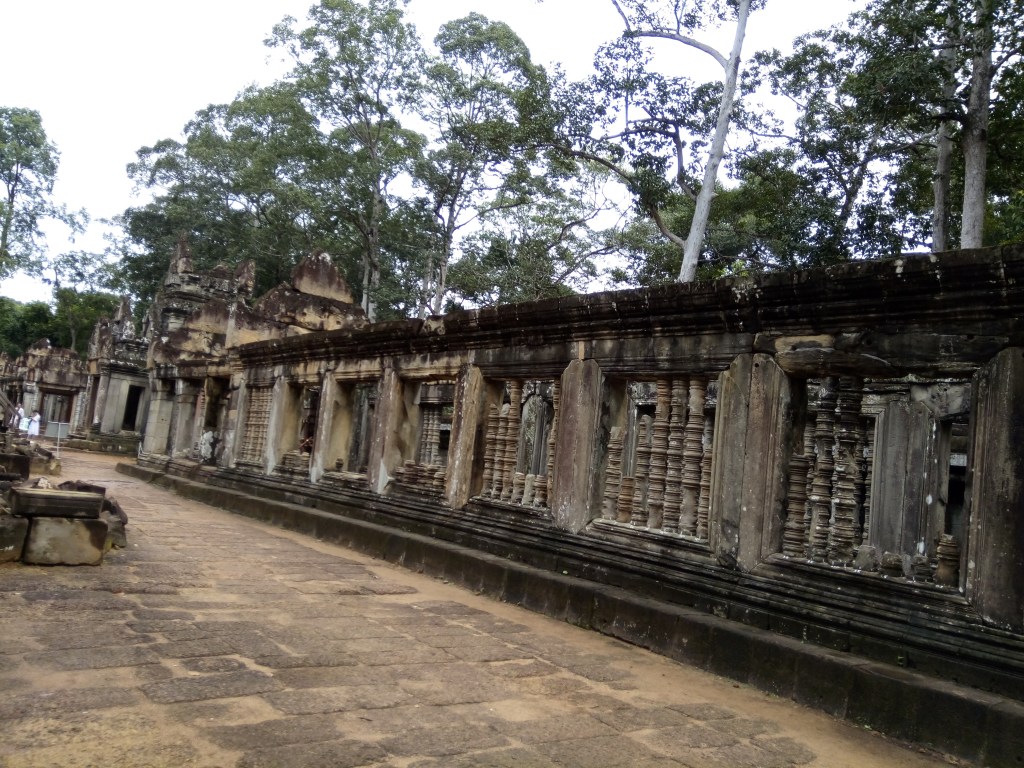
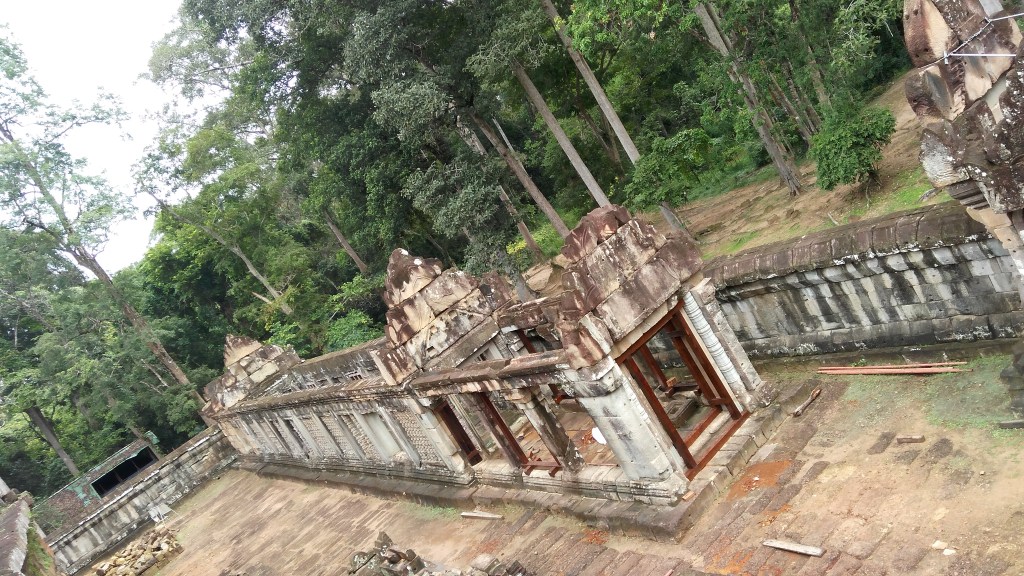
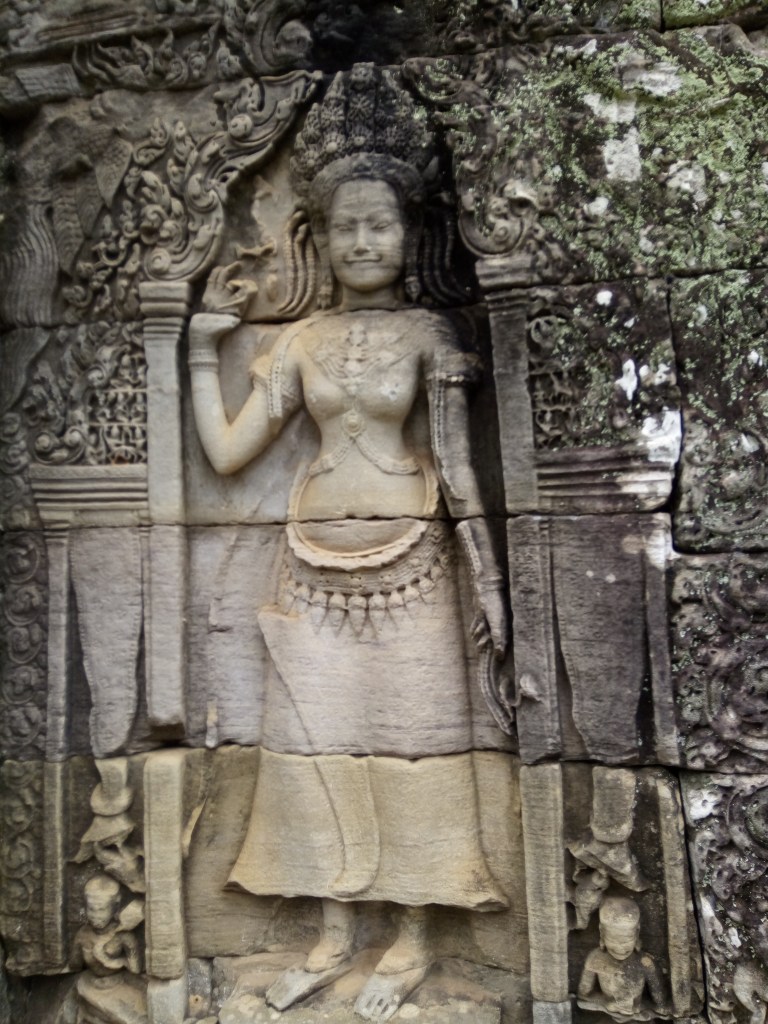
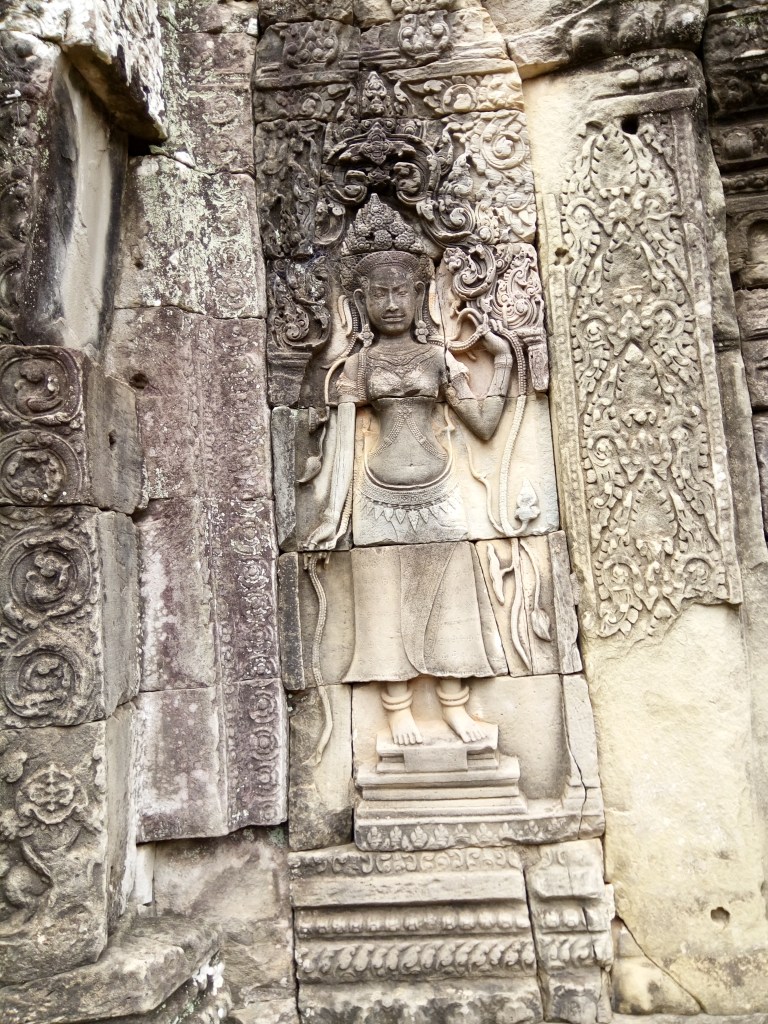
We moved onto Banteay Kdei (meaning Citadel of Chambers), located bang opposite Srah Srang. A temple built in the late 12th and early 13th century by King Suryavarman II and believed to be conforming to the Bayon Architecture. The labyrinth of stone paved paths crossing 2 successive enclosure walls and the large courtyards make for a photographer’s delight. The dilapidated state of the temple, possibly because of the quality of materials used in construction left one very sad especially when one has read the history and could correlate it with the period of the Angkor era to which these temples belonged. But then thankfully due to the participation of various countries including India, China, Germany, Korea etc, this lovely temple would hopefully get restored in due course of time.

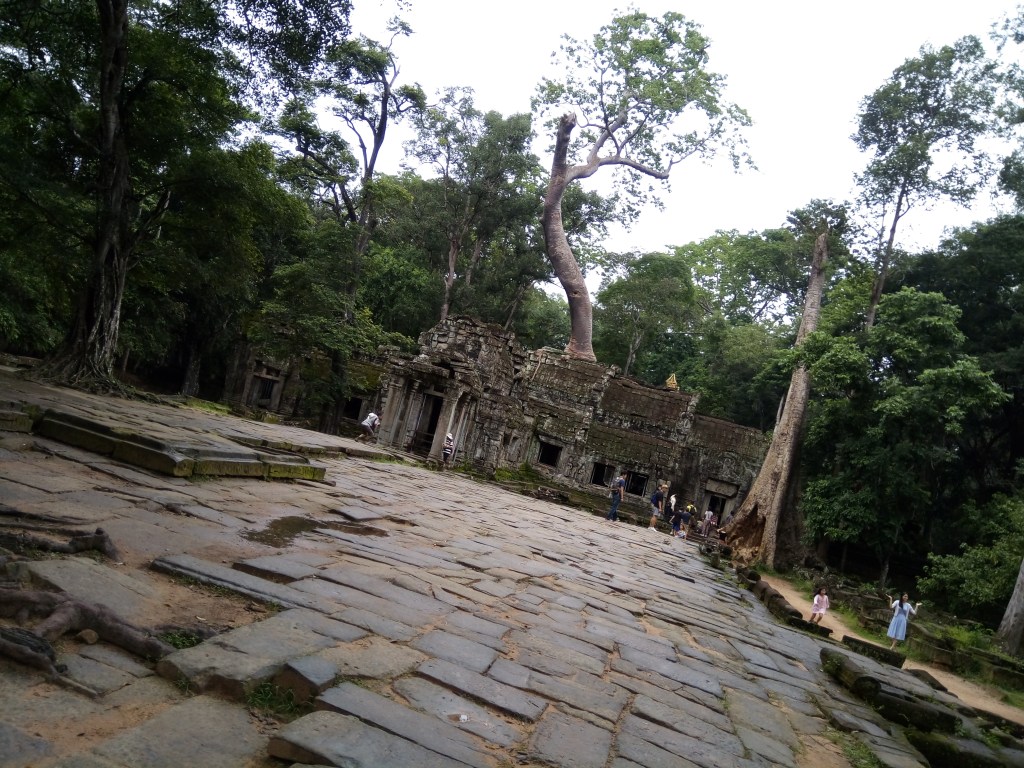
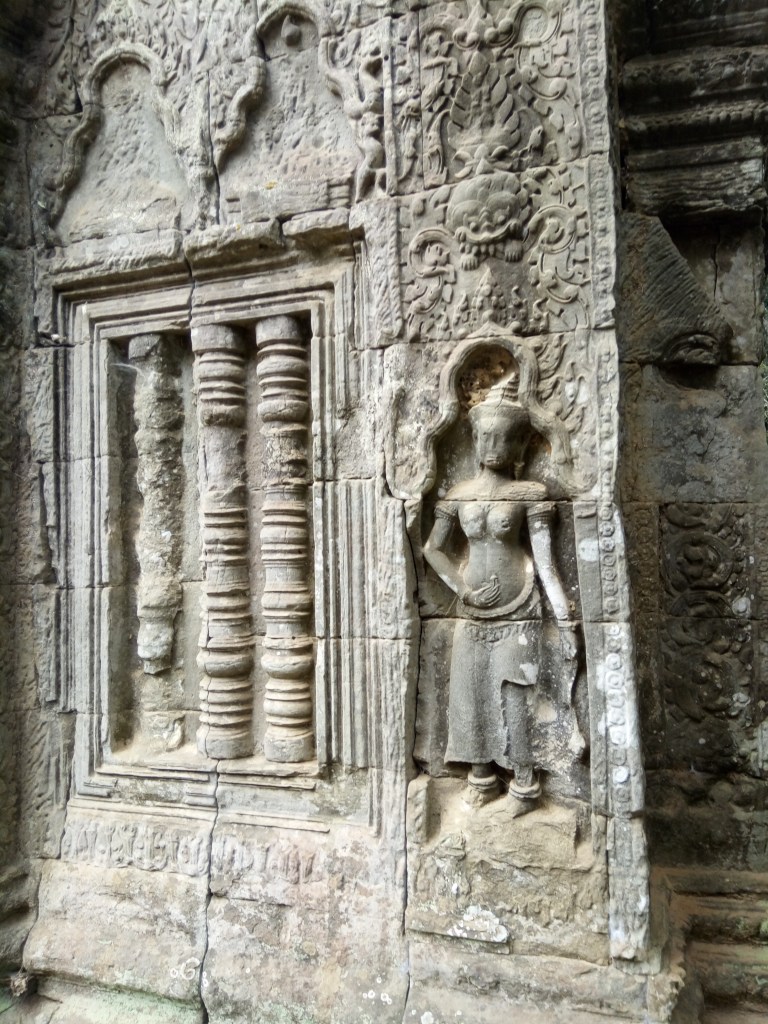
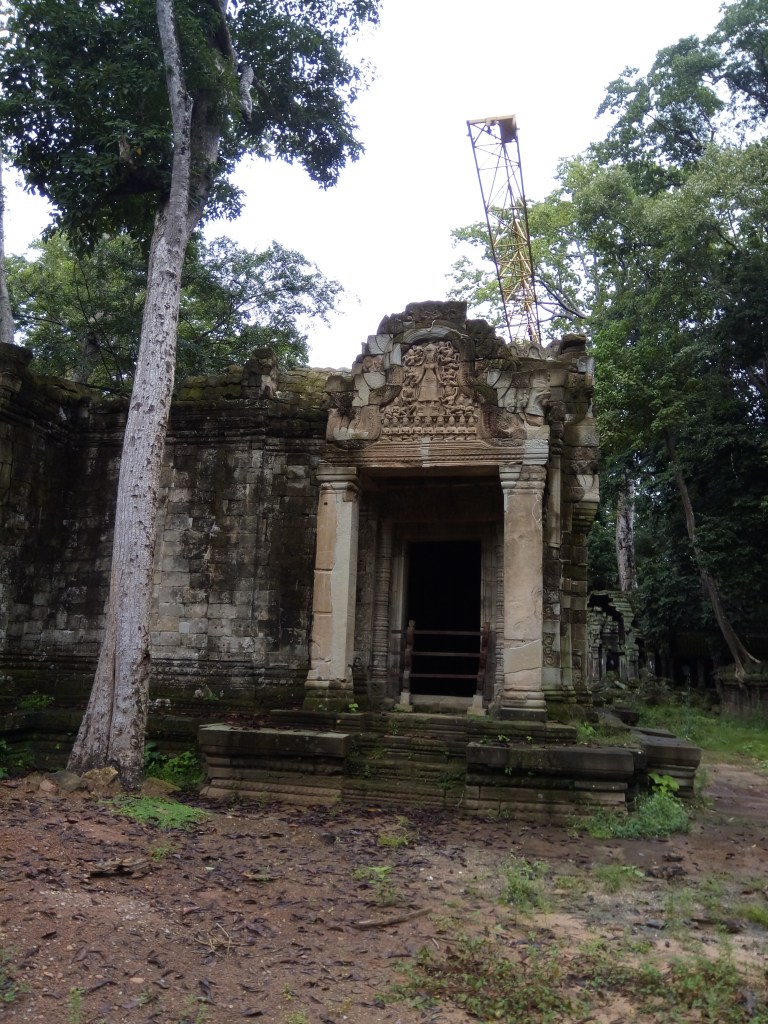
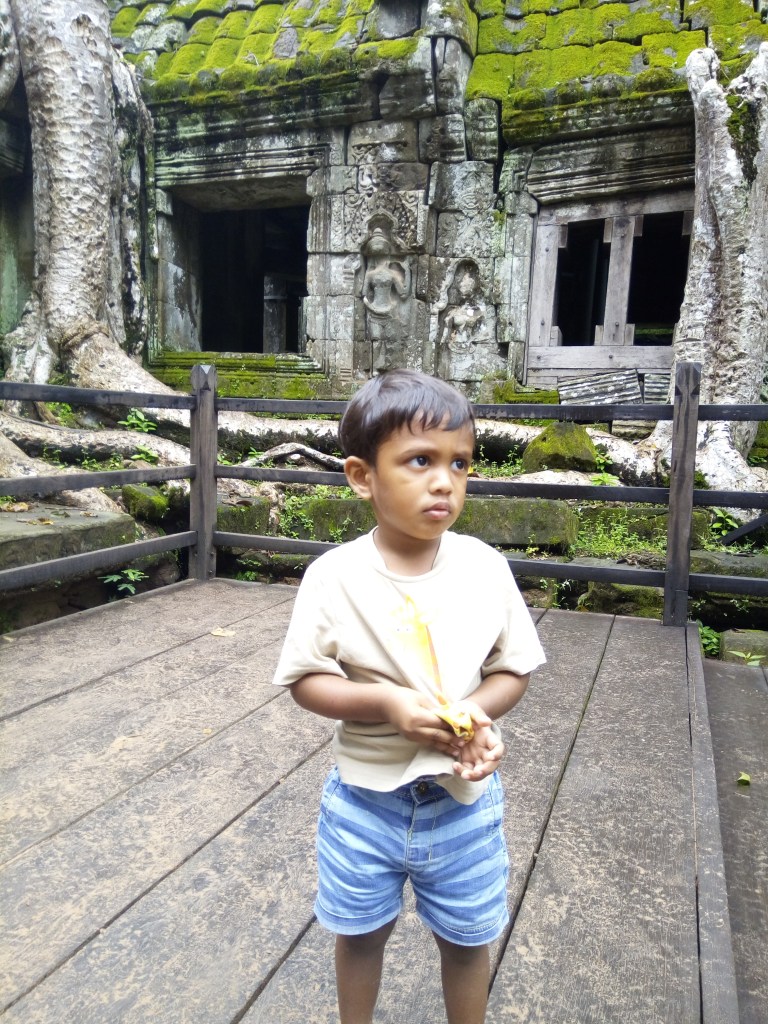
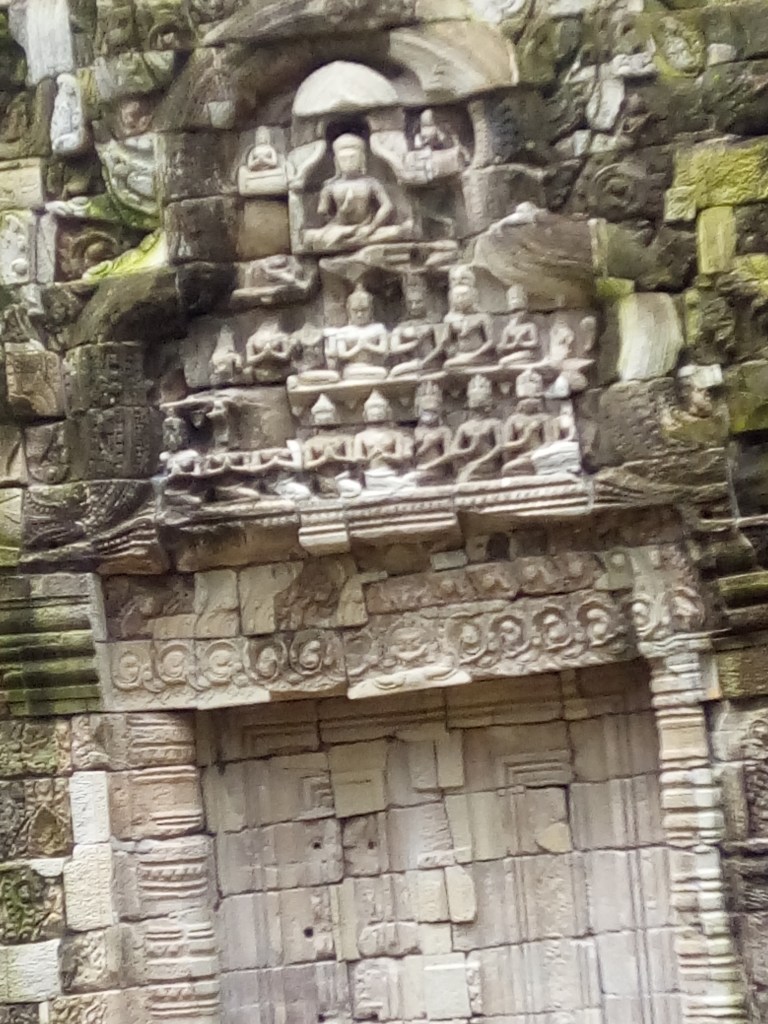
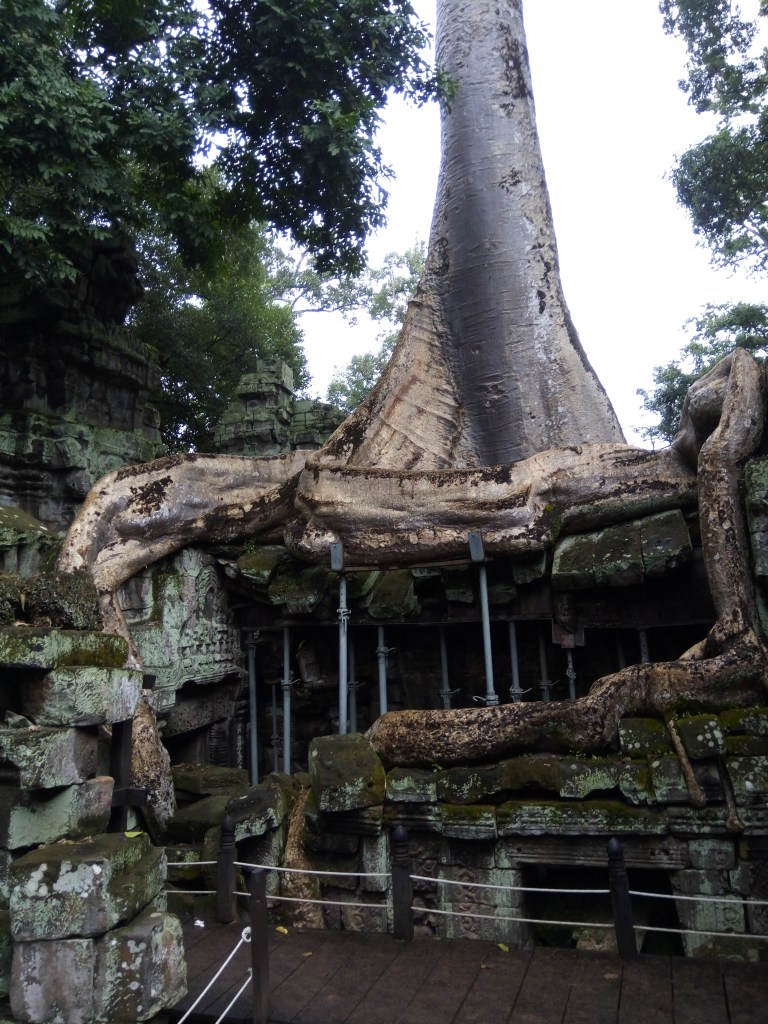
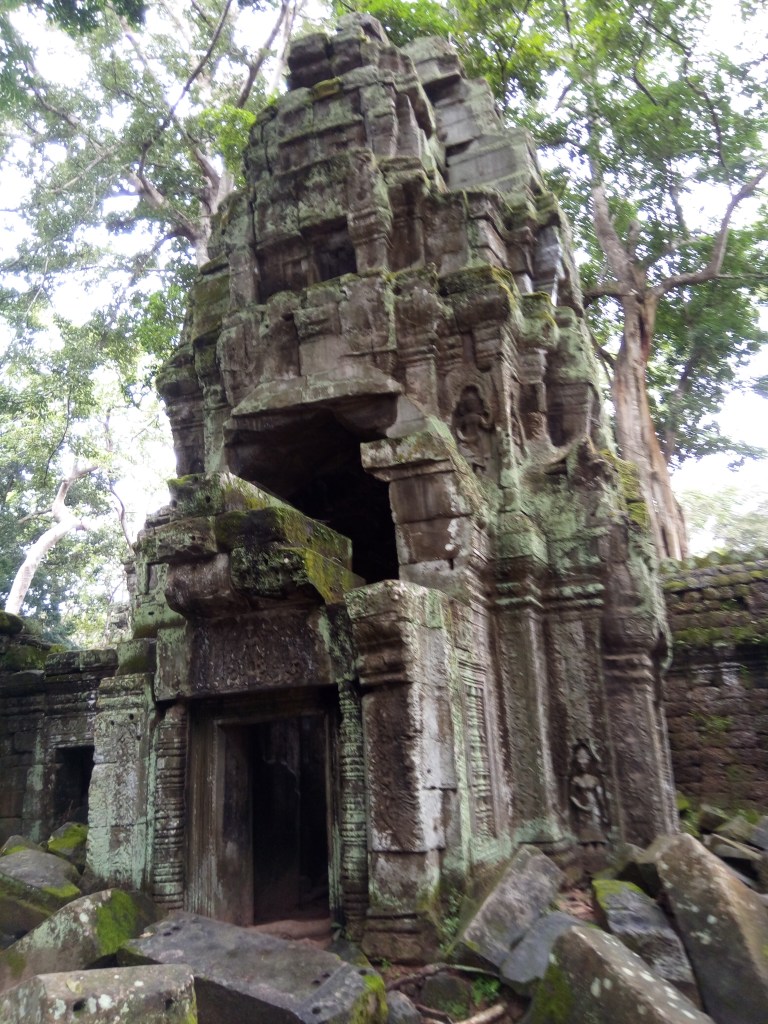
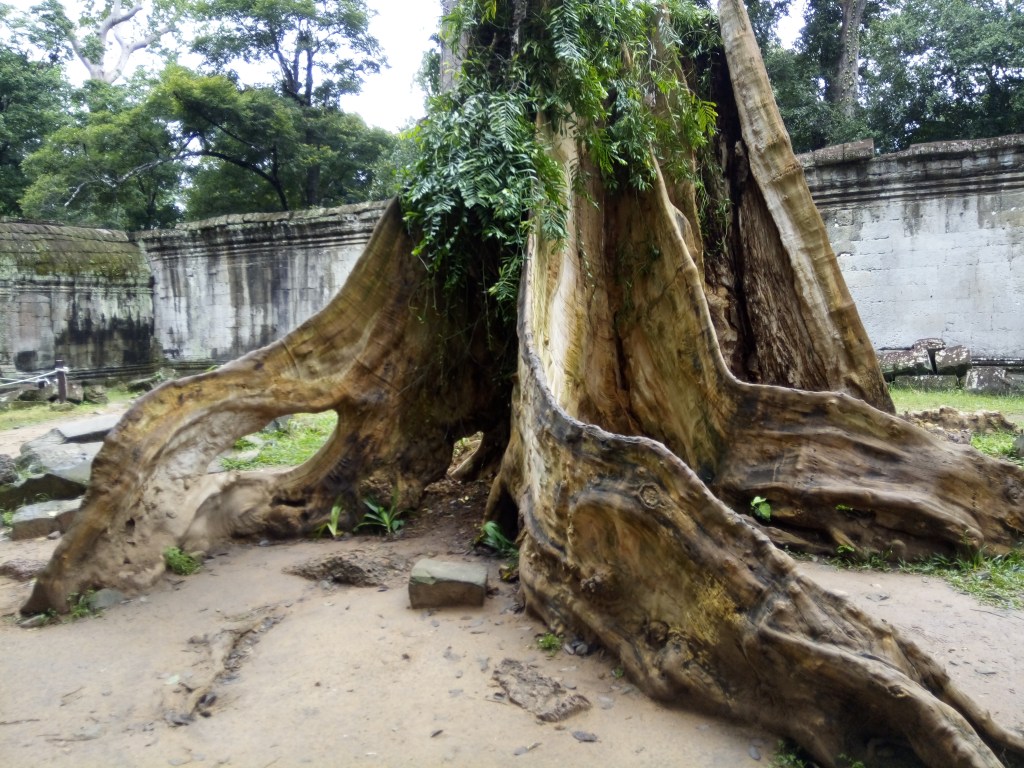
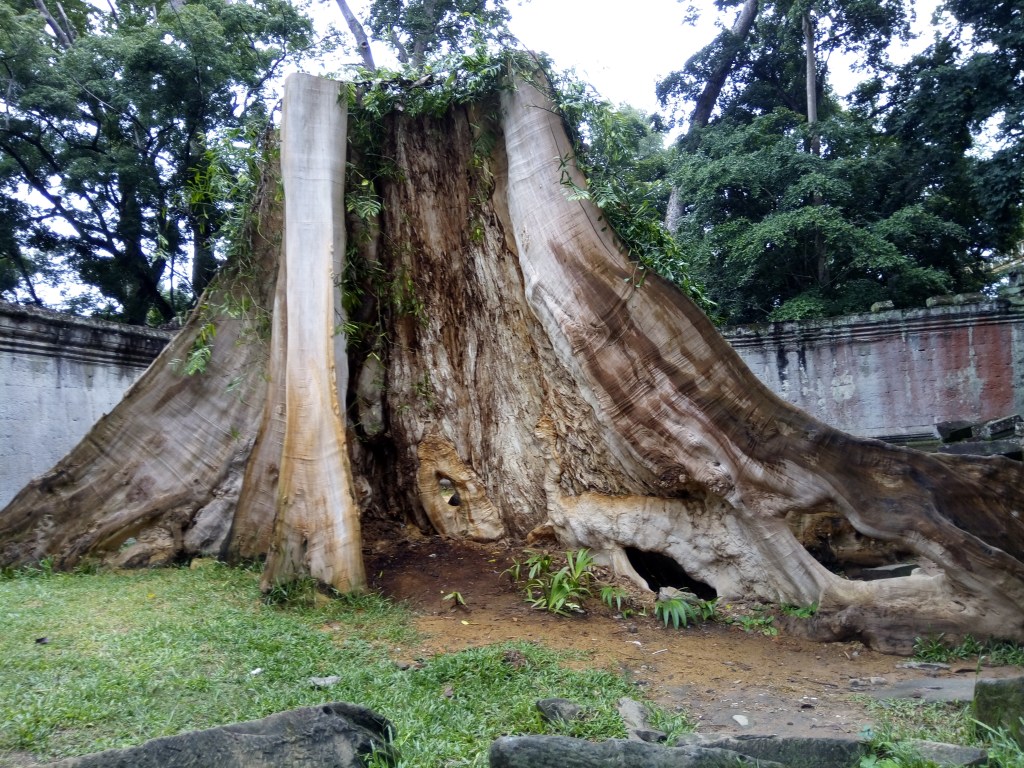
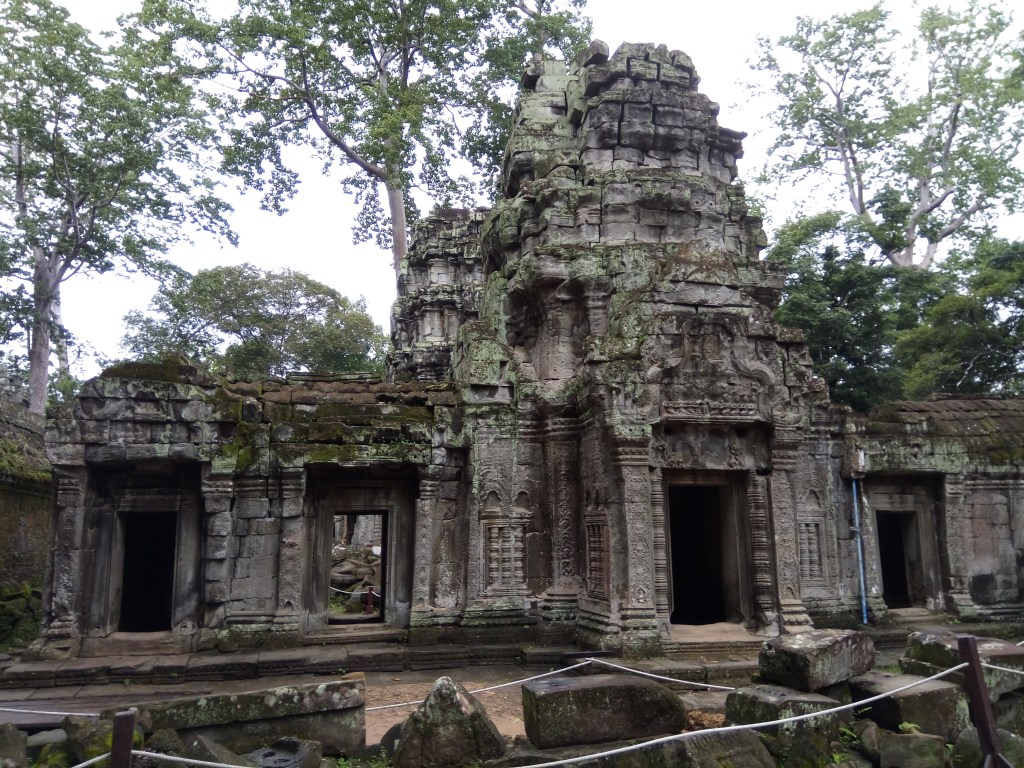
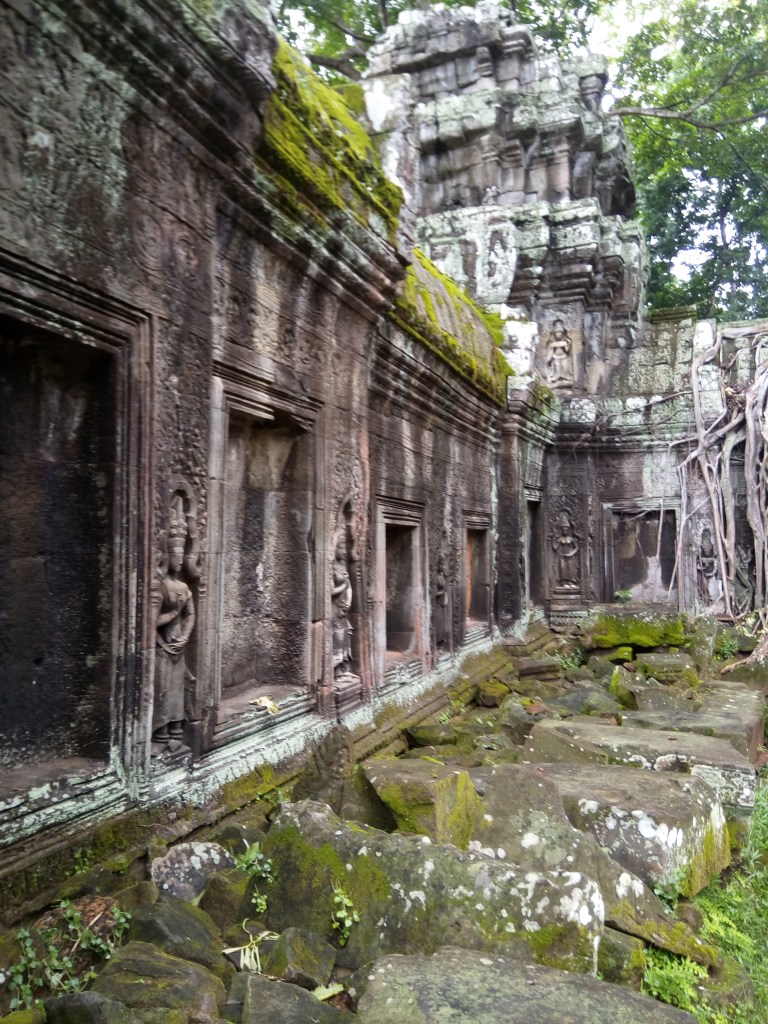
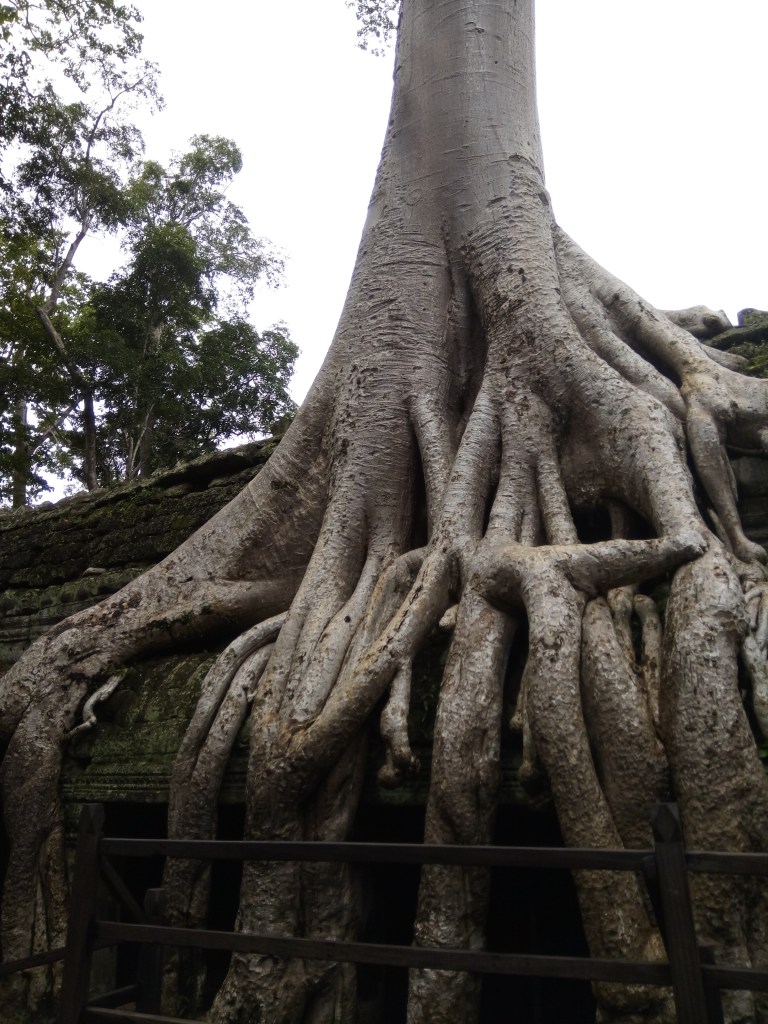
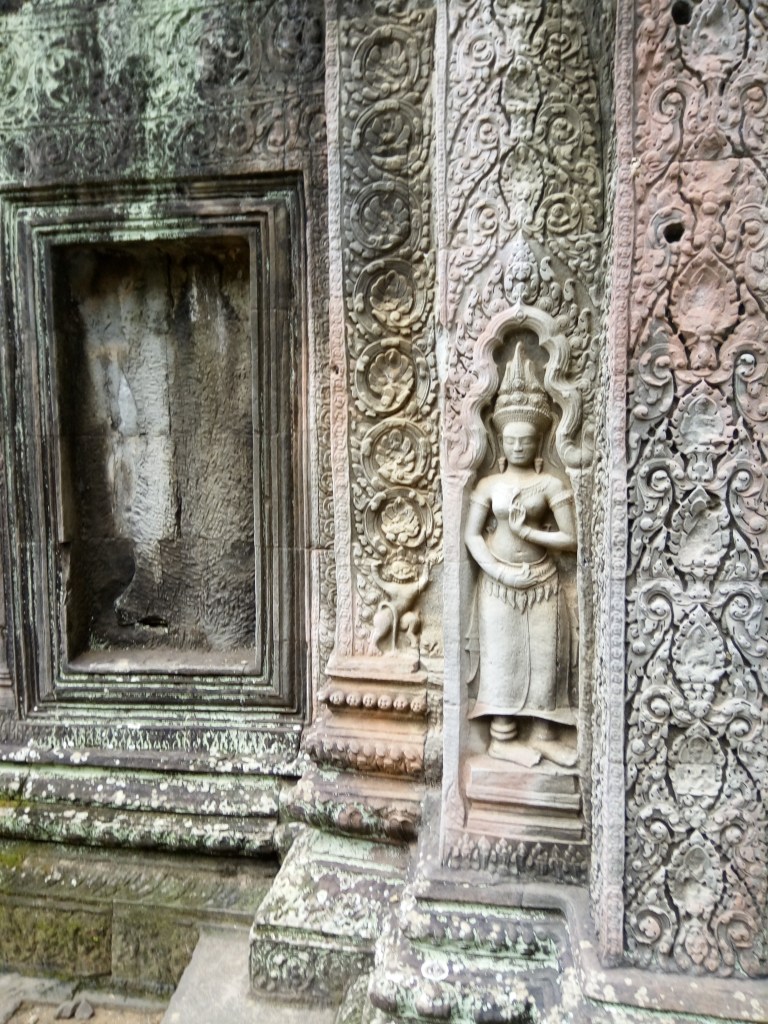
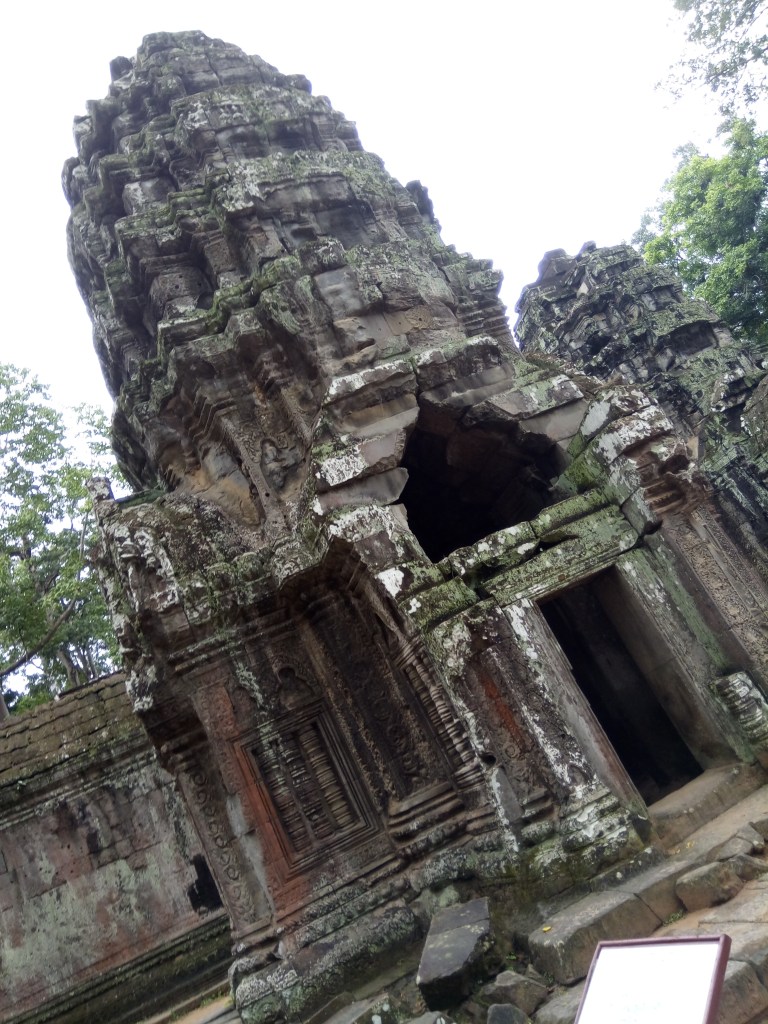
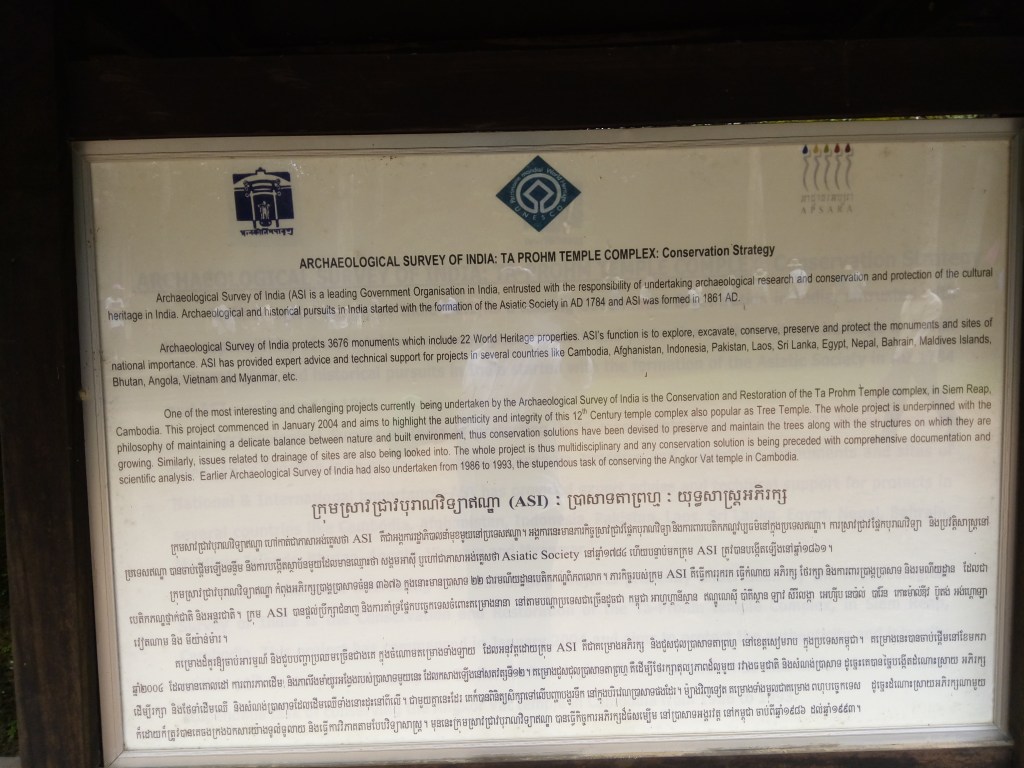
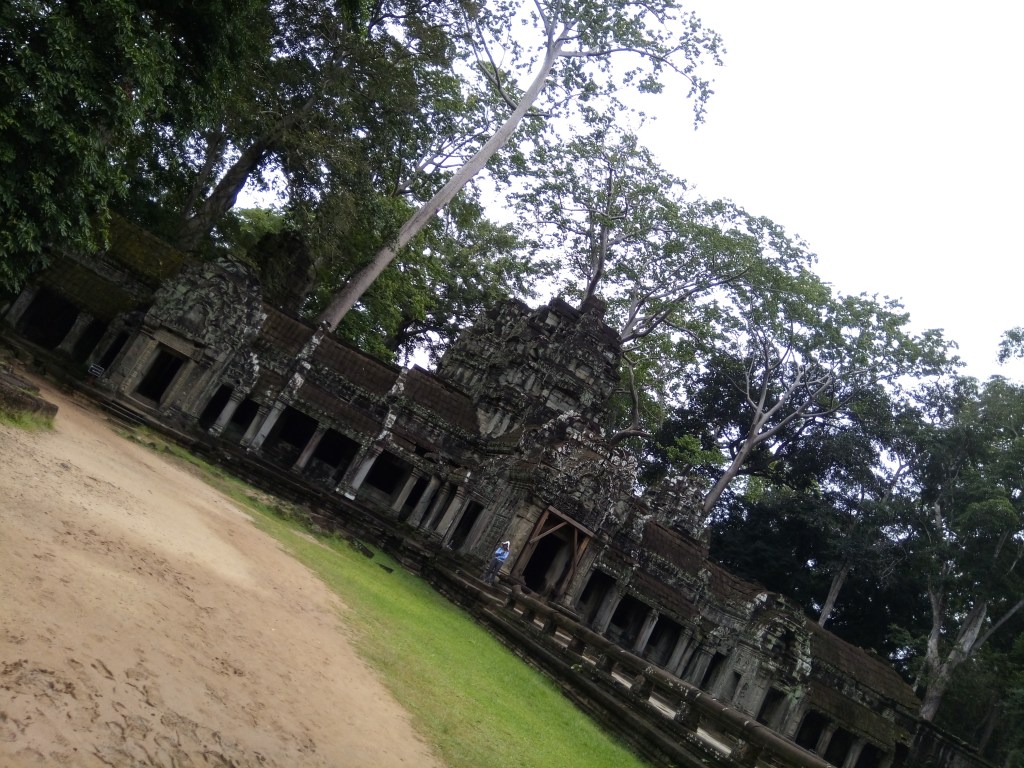
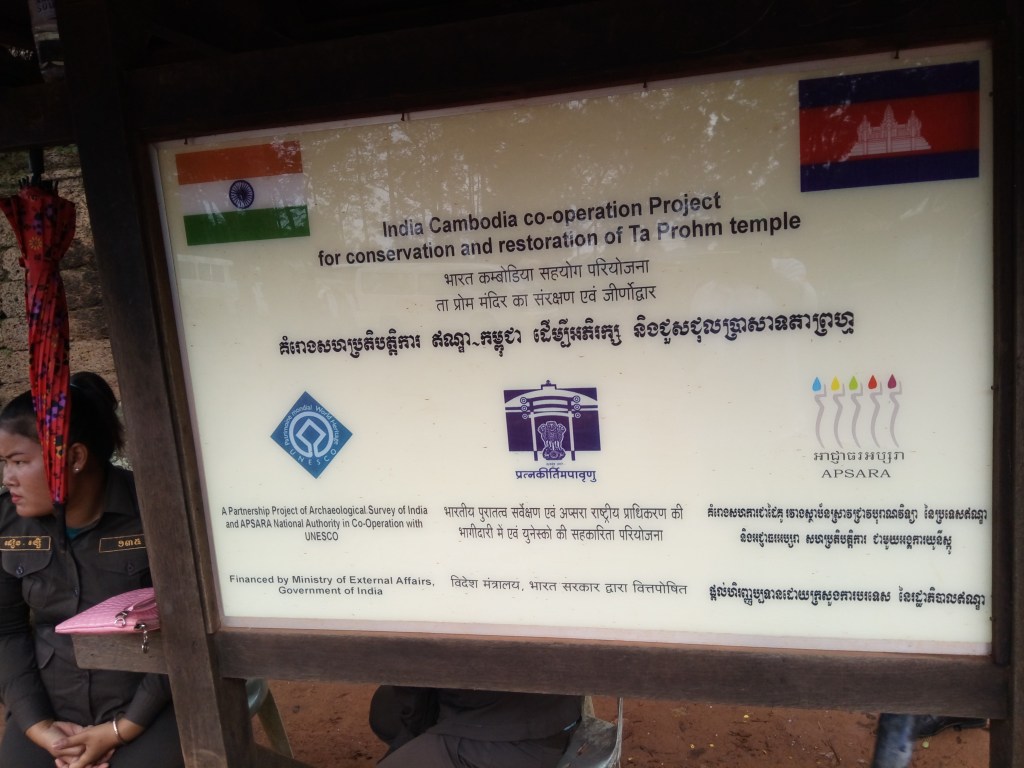
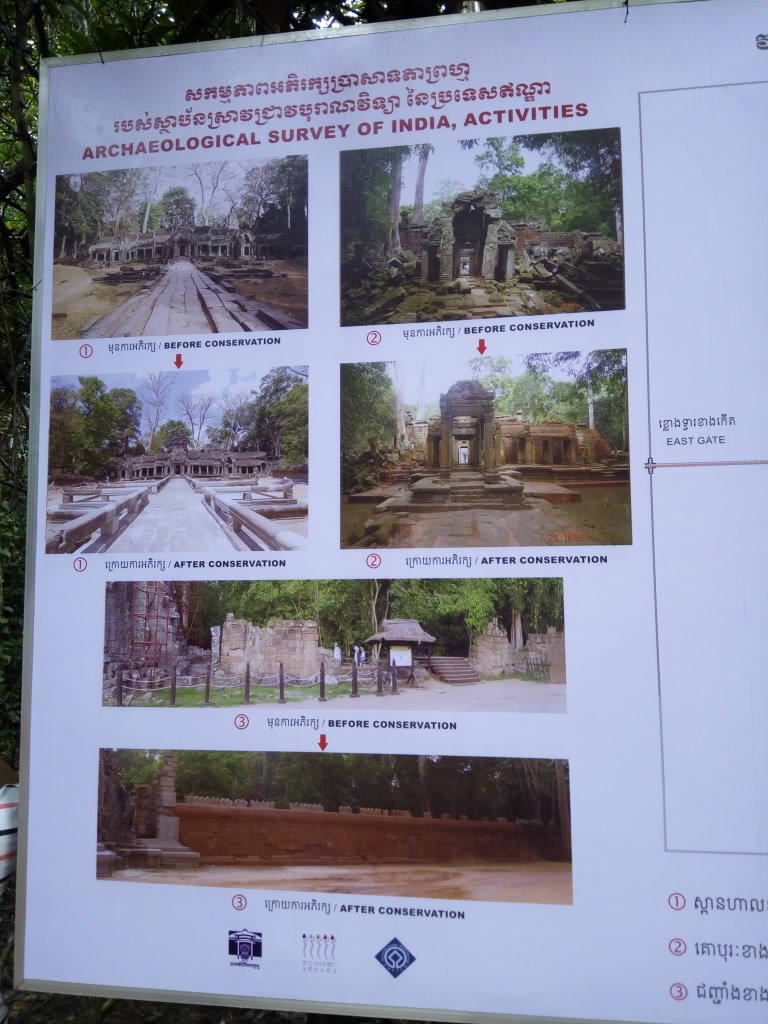
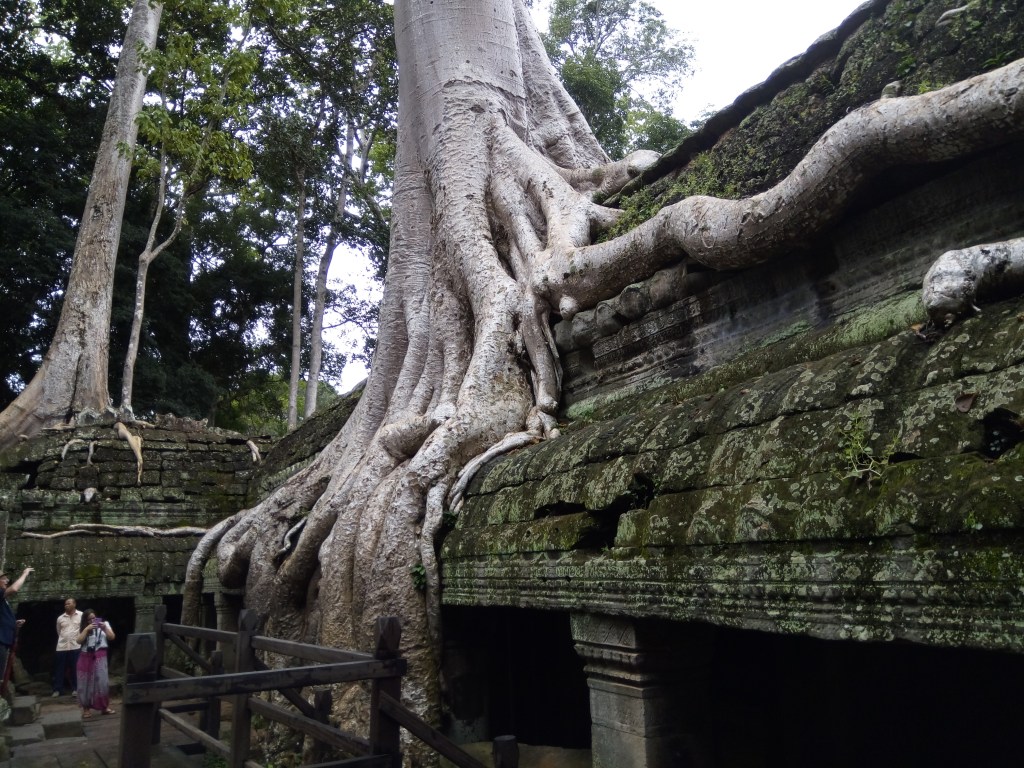
The next halt was at the Tah Prom complex. Tah Prom in Khmer translates to Ancestor Brahma (revered by Hindus as the God of Creation). Originally called the Rajavihara, this was built by King Jayavarman VII in honor of his family and to serve a dual purpose of being a University and Royal Monastery. After the downfall of the Angkor empire in the 15th Century the entire complex was in a state of ruins with trees overgrowing on the structures. Efforts to restore and conserve the temple complex began in the 21st century and the Archaeological Survey of India (ASI) has played a major part in working with APSARA (Authority for the Protection and Management of Angkor and the Region of Siem Reap) in creating wooden walkways, causeways and roped railings around the site to protect the monument from further damages. This complex has remained as one of the most popular places after probably the main Angkor Wat temple and attracts a sizable tourist inflow, partly attributable to the fact that the movie Tomb Raider was shot here.

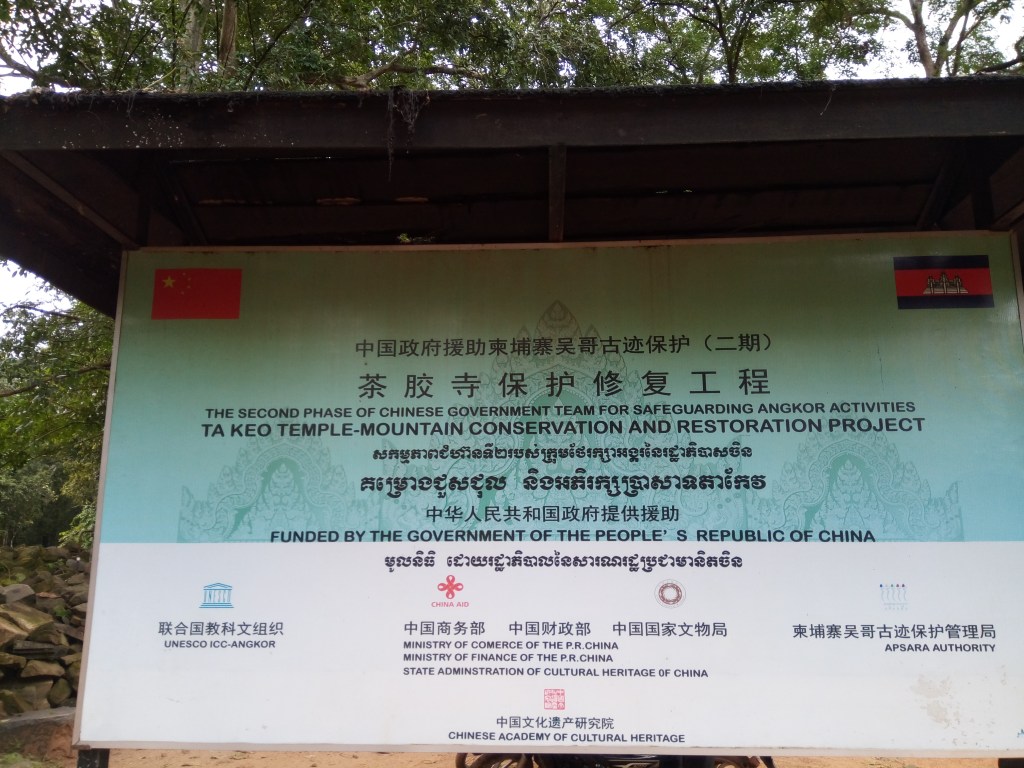
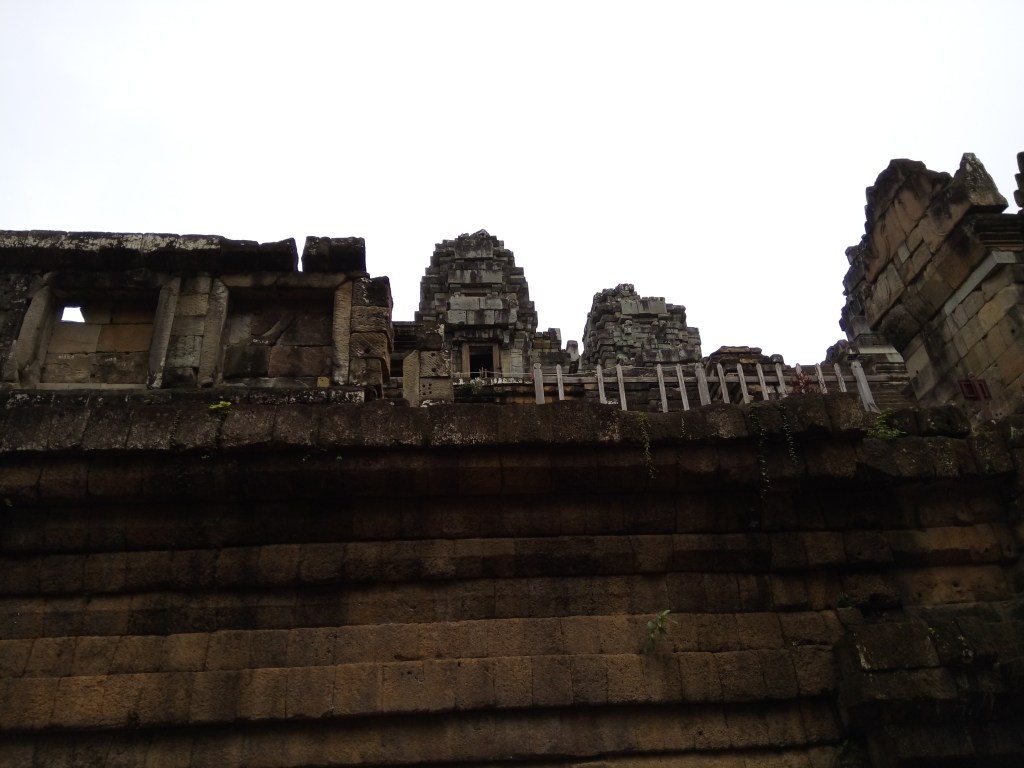
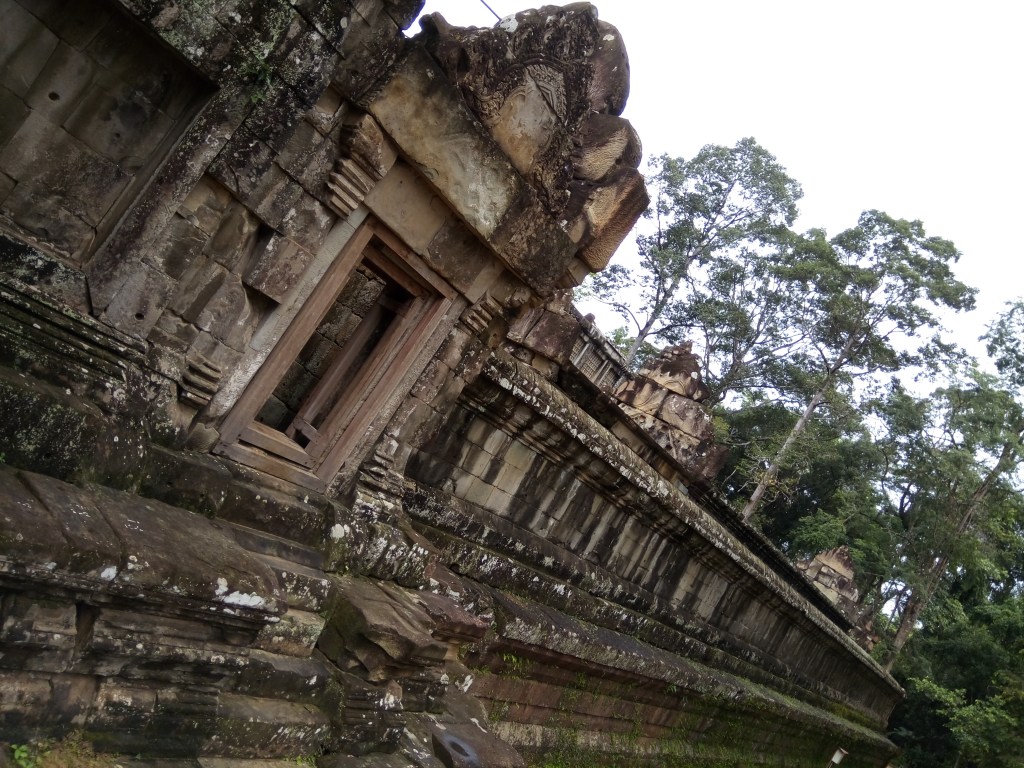
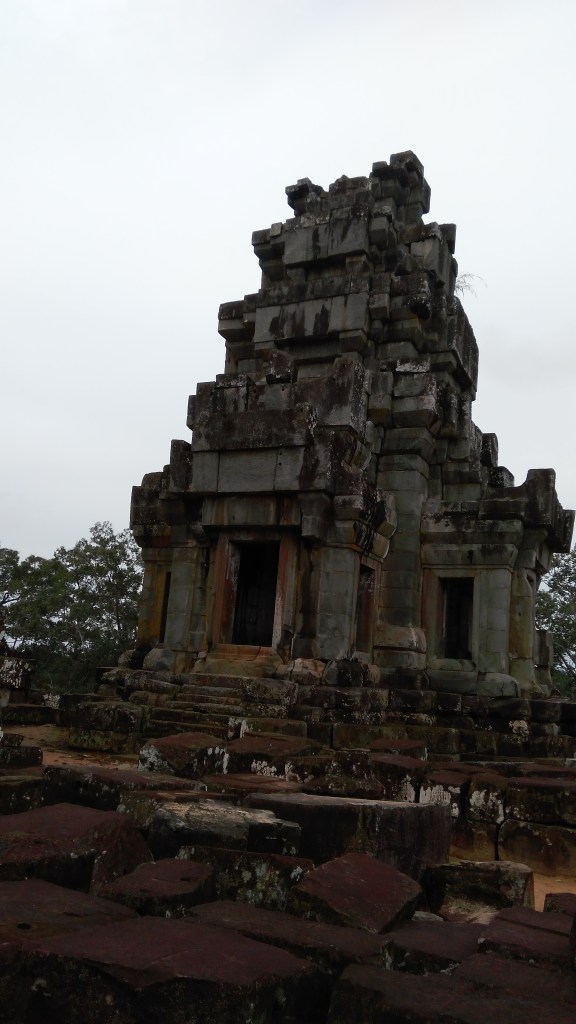
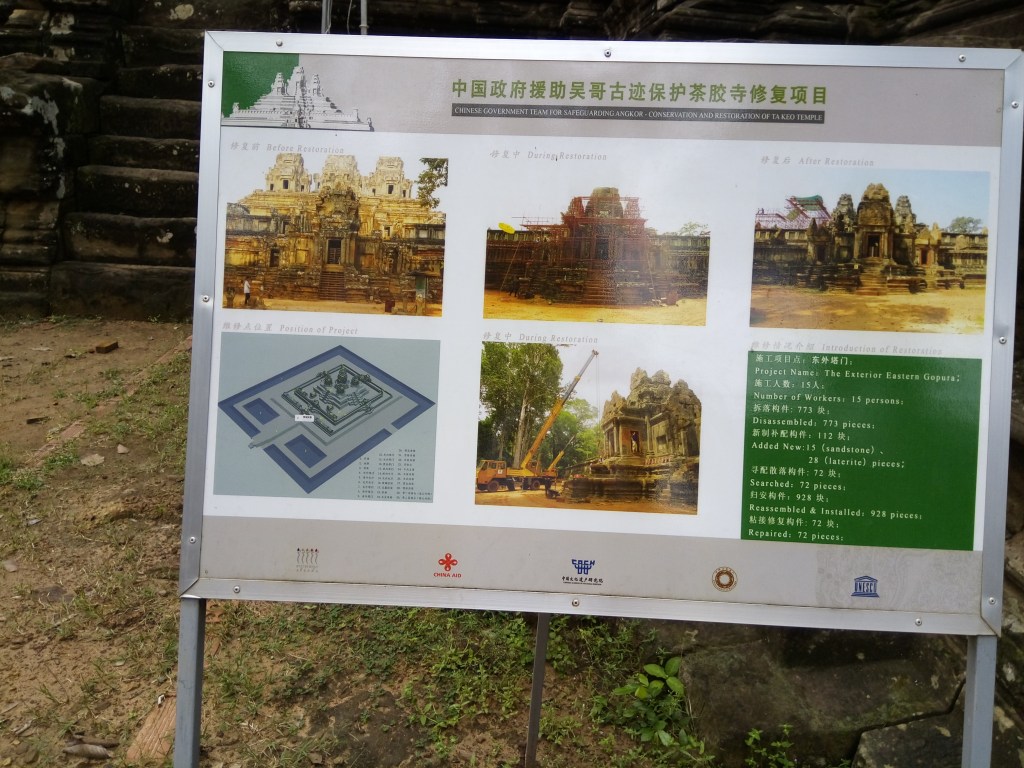
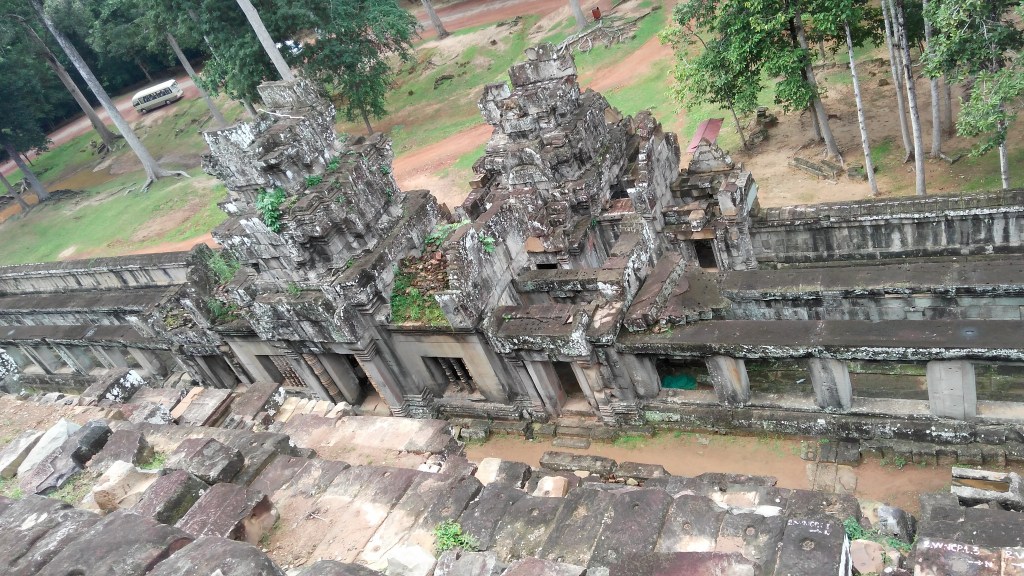
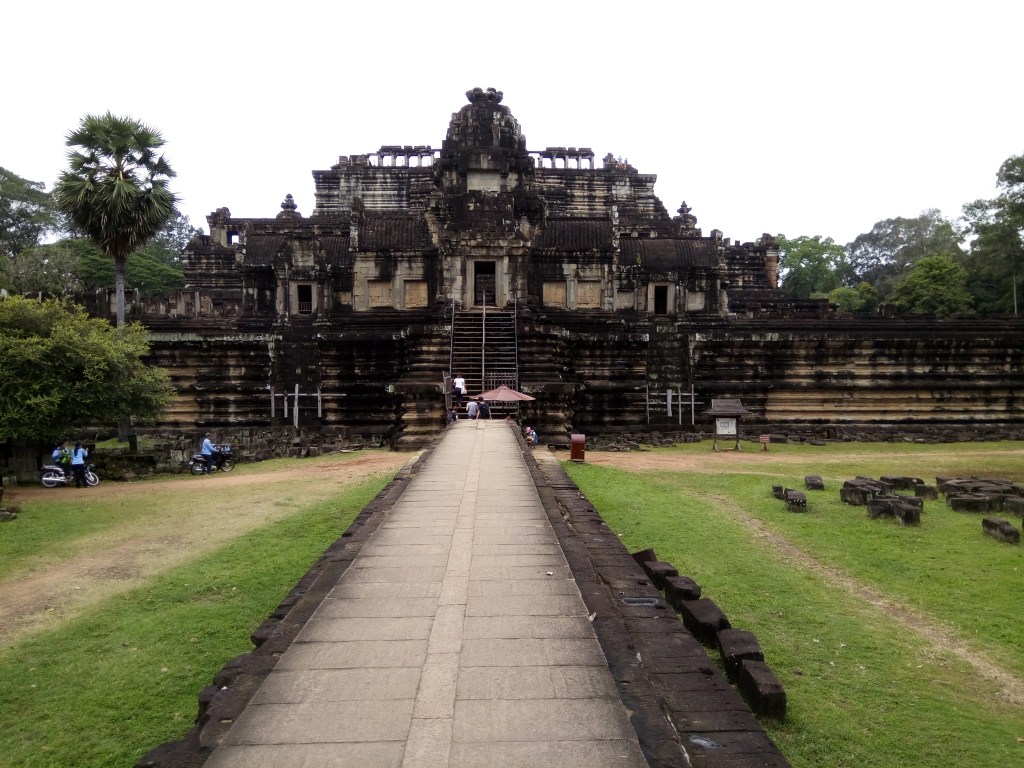
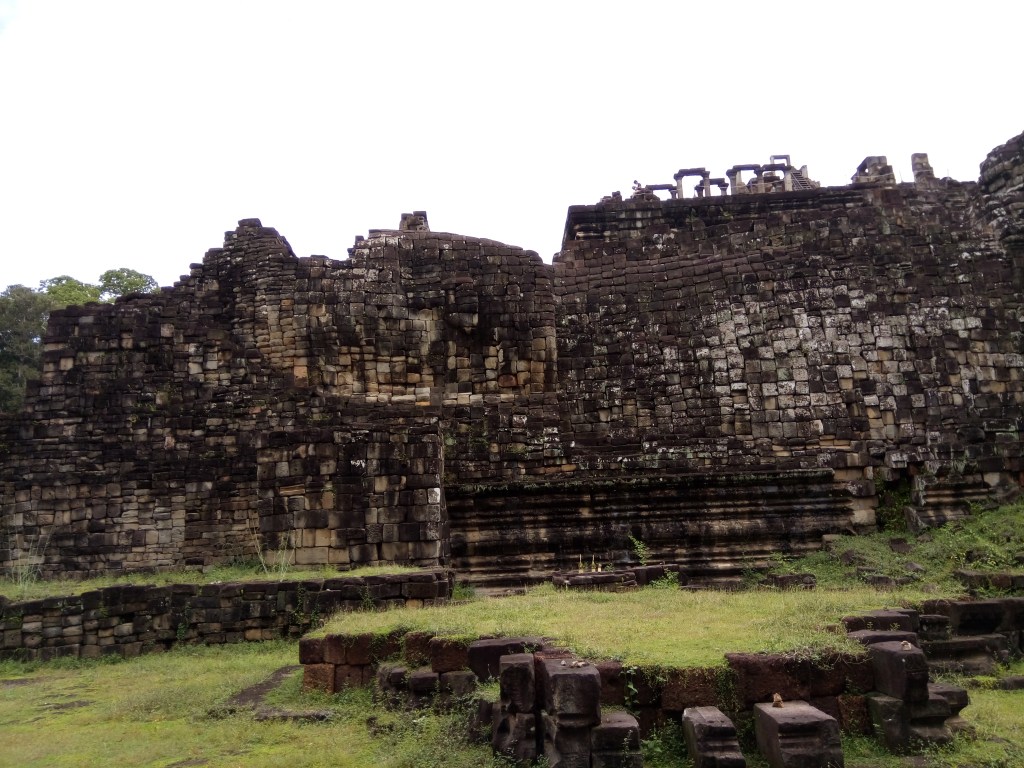
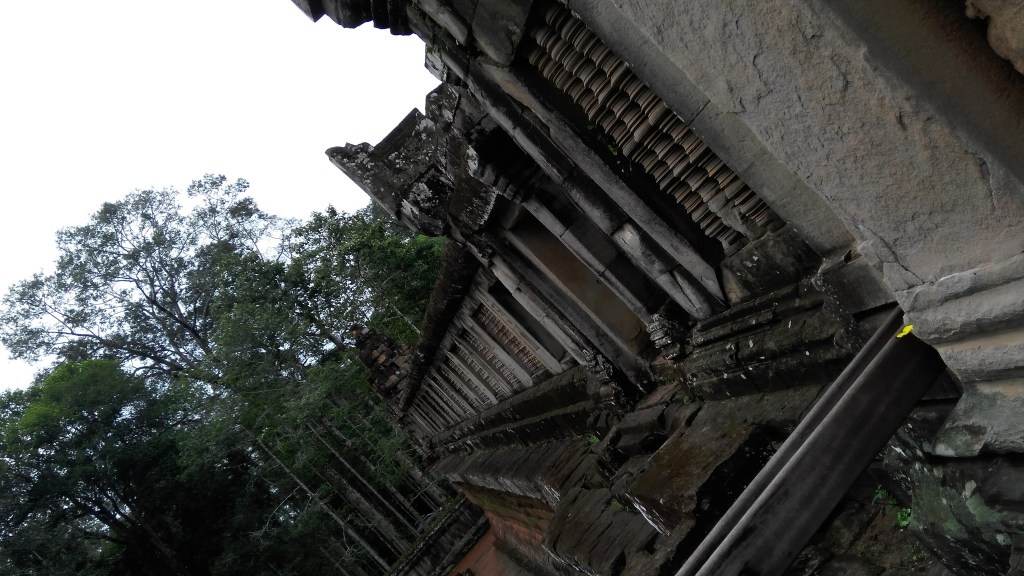
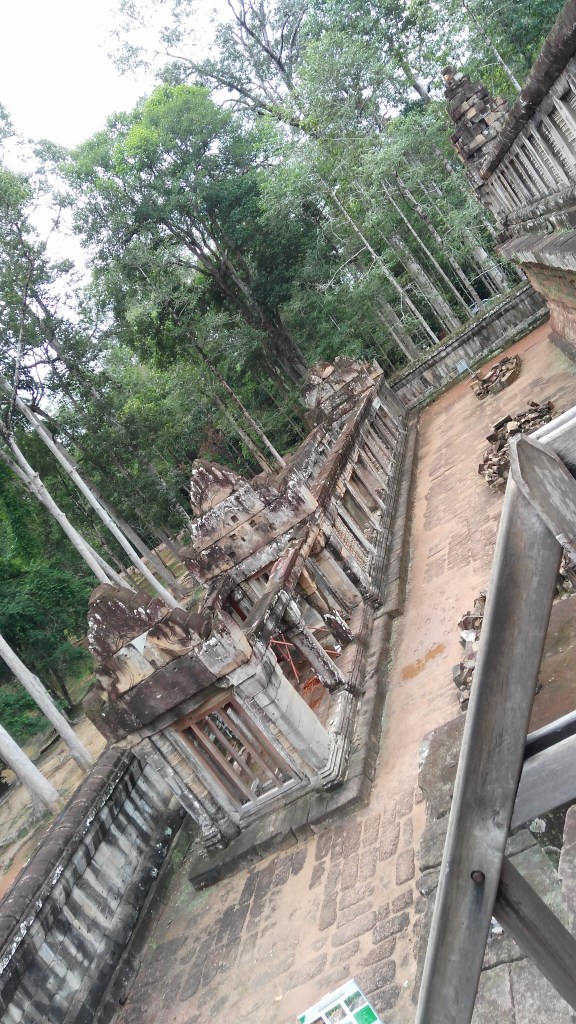
We next set off for the Ta Keo temple, built entirely of sandstone and believed to be the state temple of King Jayavarman, son of King Rajavarman and whom he succeeded when he was all of 10 years old. The construction of this temple started in 975 when he was 17 years old and got dedicated around the year 1000. Work stopped midway through the construction when lightning struck the temple and which was considered to be inauspicious. Finally the temple was taken up for worship only after King Suryavarman I’s reign, by his minister and priest.

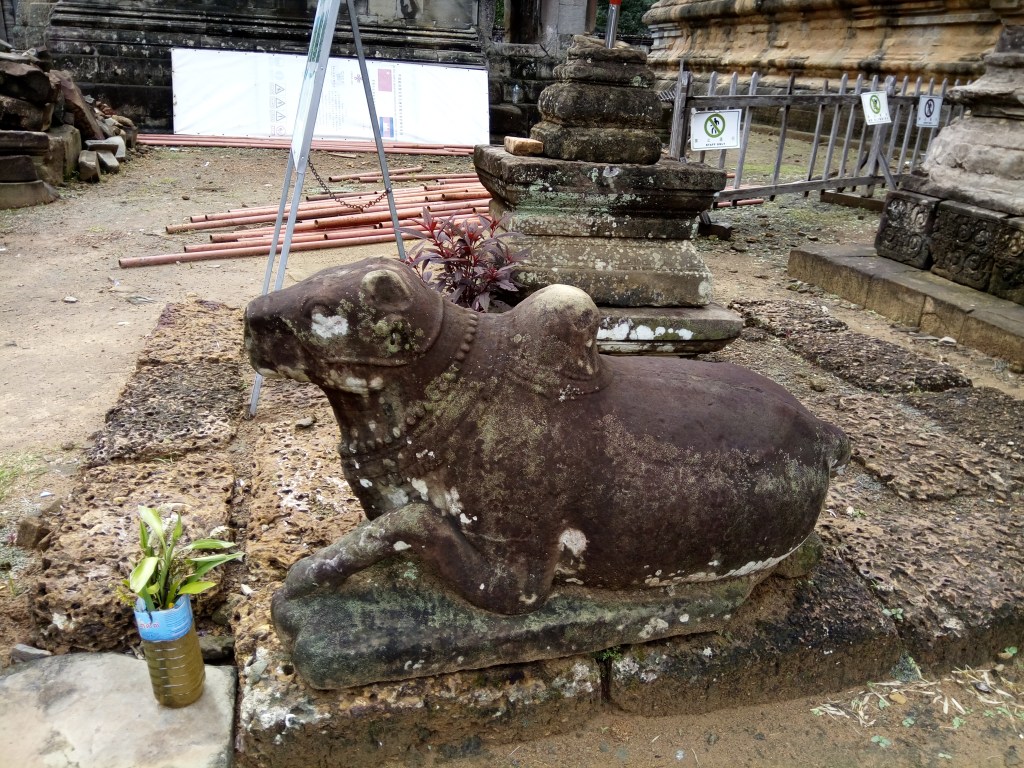
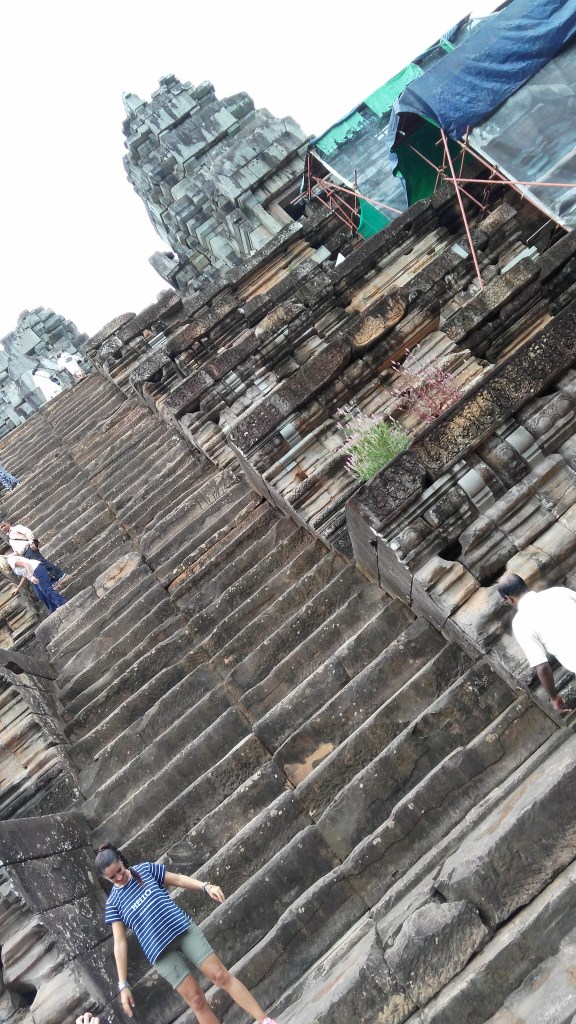
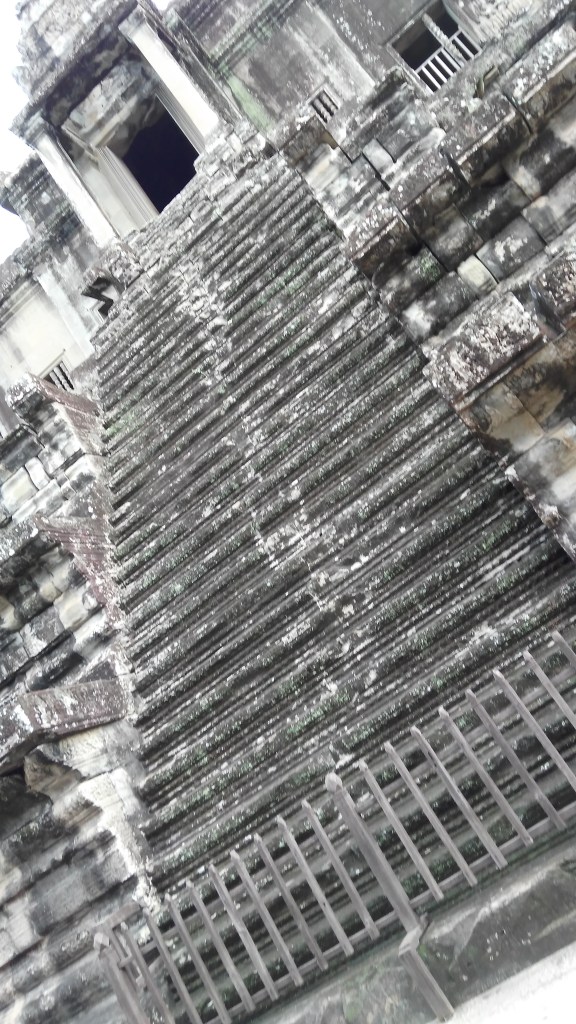
There are 2 terraces connected by a steep flight of stairs which lead you to the top. A statue of a kneeling Nandi could be spotted at the top, confirming the fact that this was a Shaivite temple. The Chinese government has been working with APSARA to repair and restore this temple.

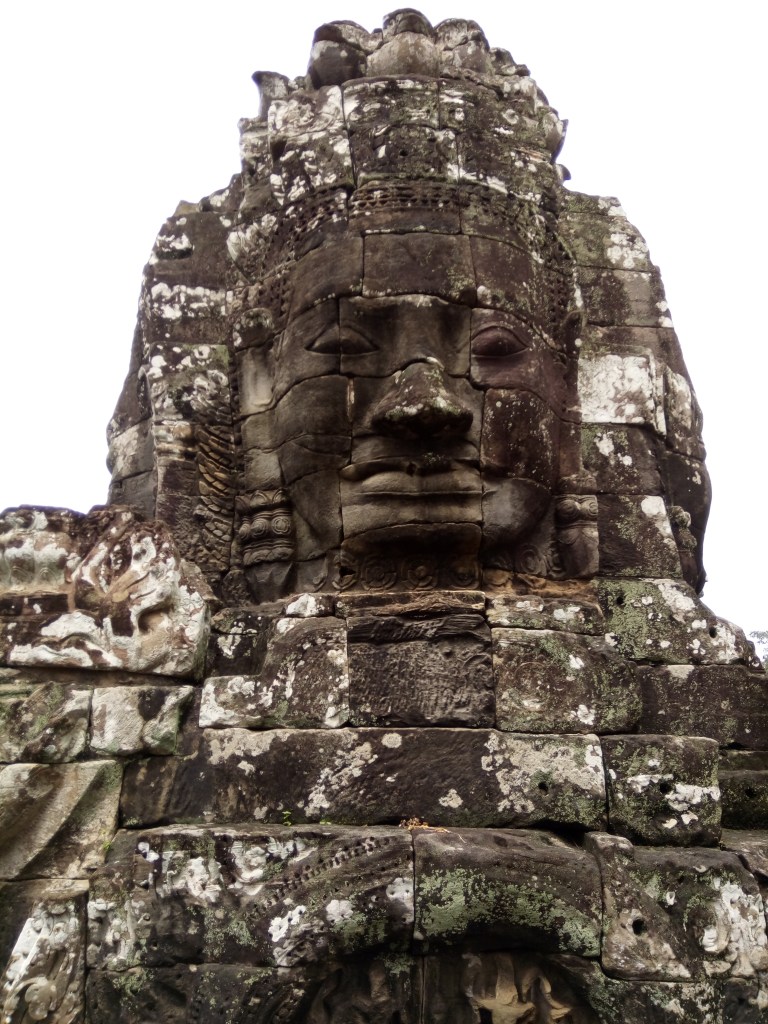
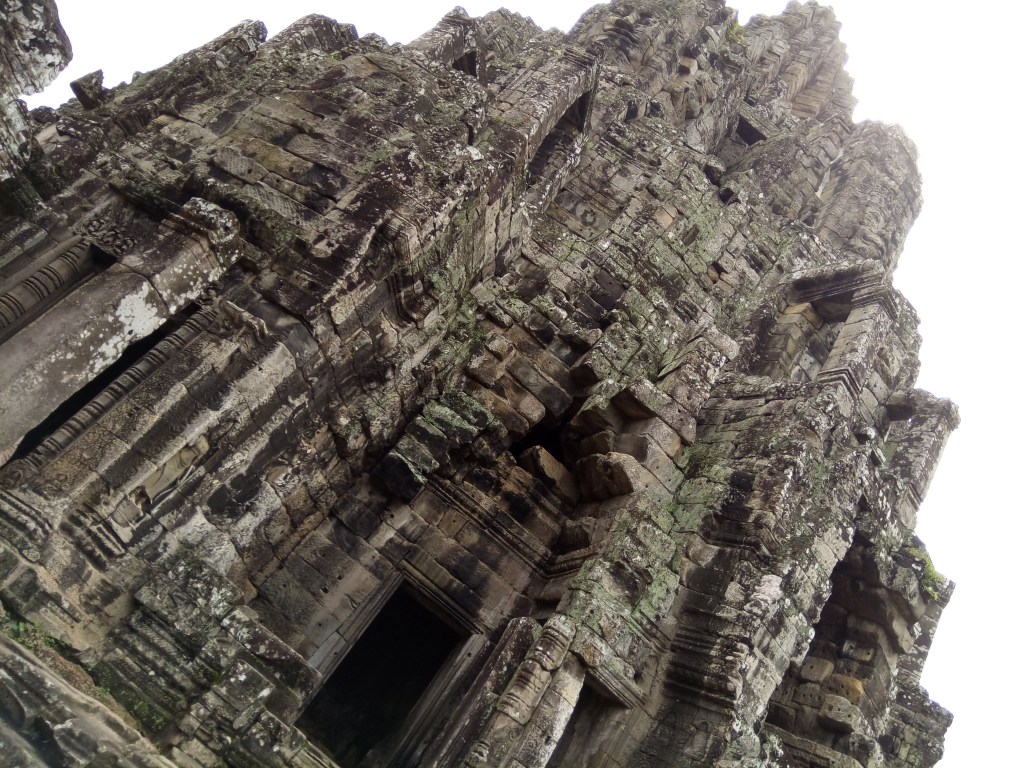
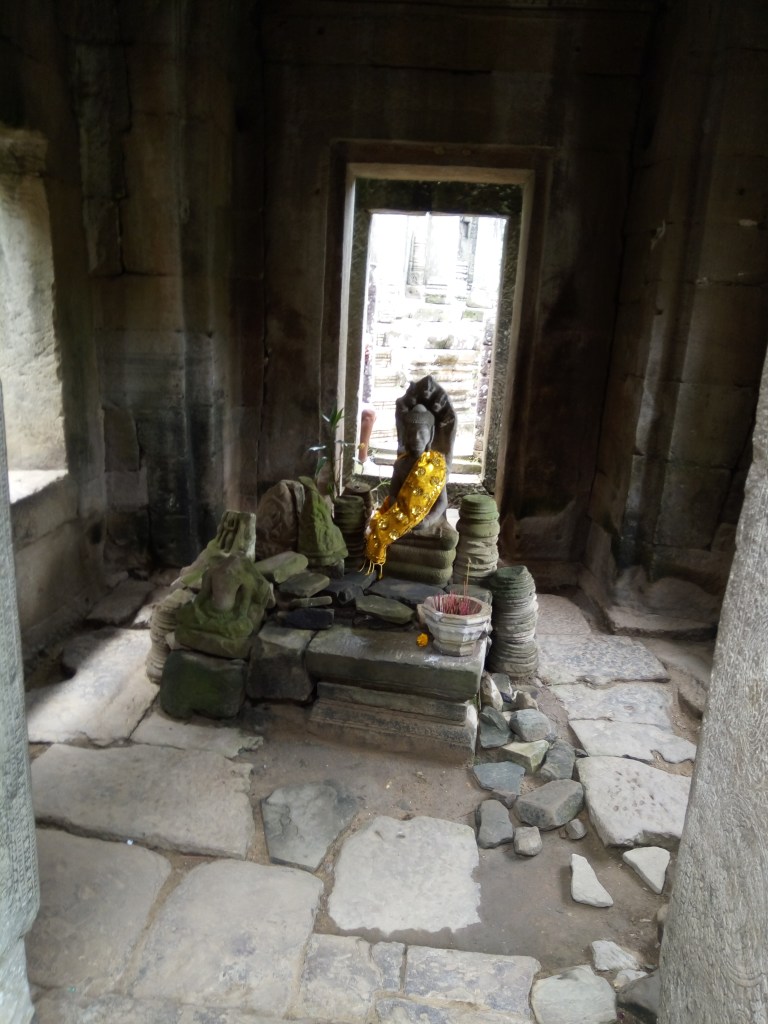
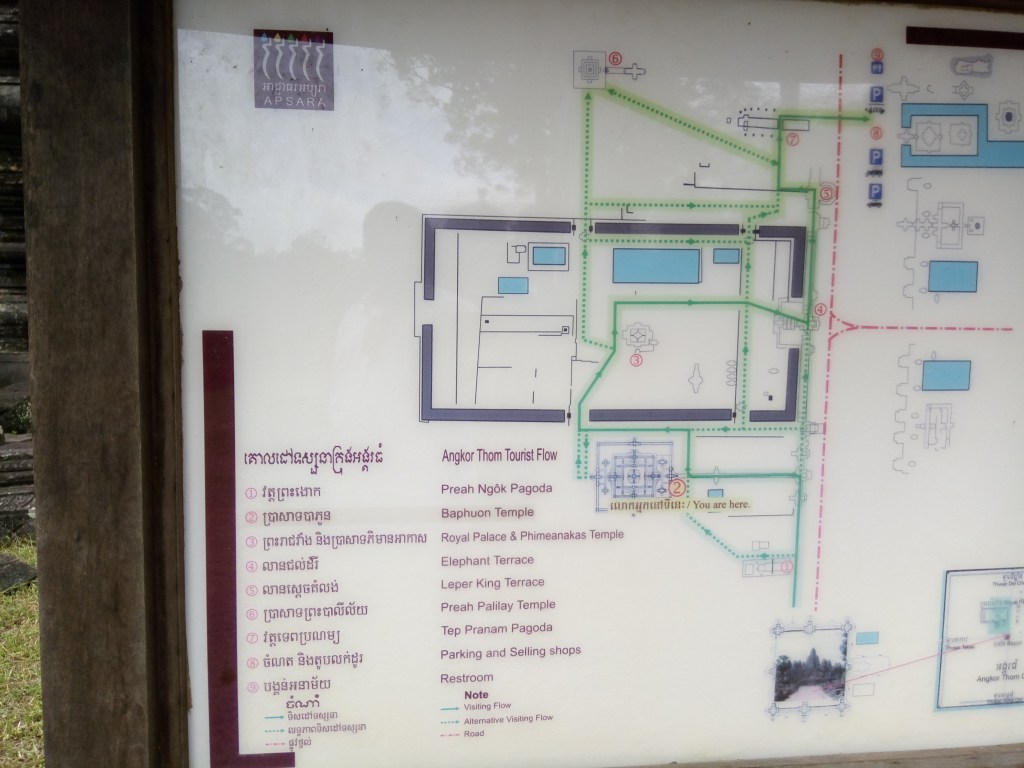
The next stop was to be at the Angkor Thom (meaning Great City in Khmer) complex, the last and the most enduring capital city of the Angkor empire. Established in the late 12th century by King Jayavarman VII, this complex houses the very popular temple of Bayon which was believed to the King’s state temple apart from the Prey Ngok Pagoda, The Leper’s temple and the temple of Phimeanakas. An inscription drawn in this complex somewhere refers to the King as the groom and the city as his bride.

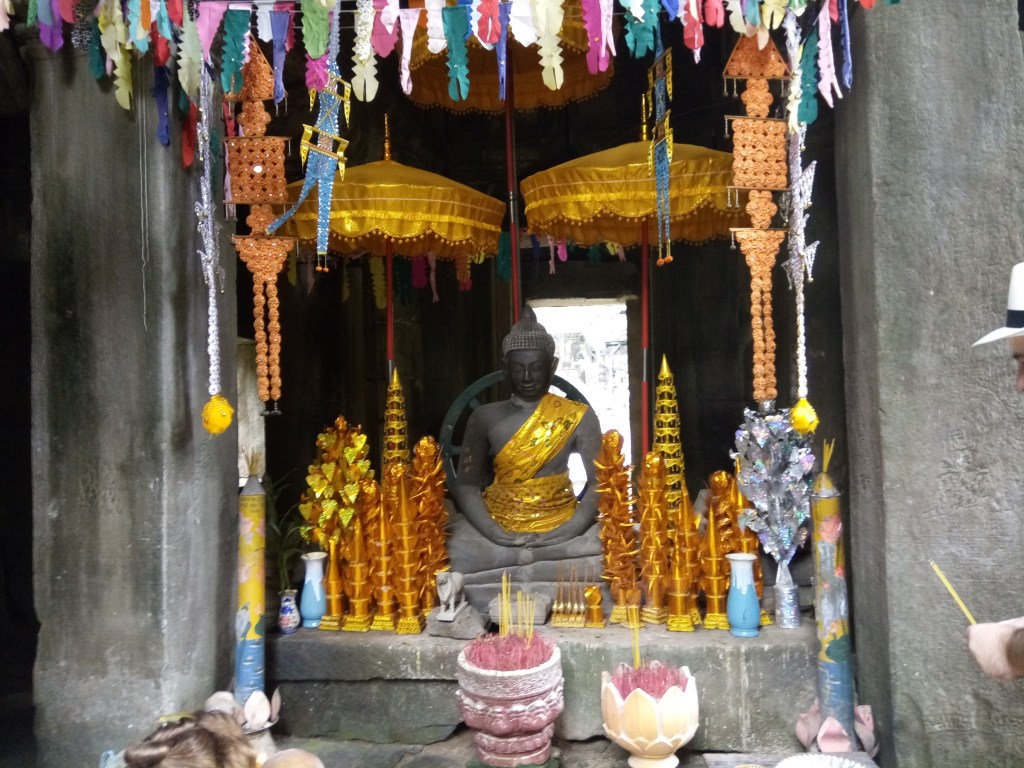
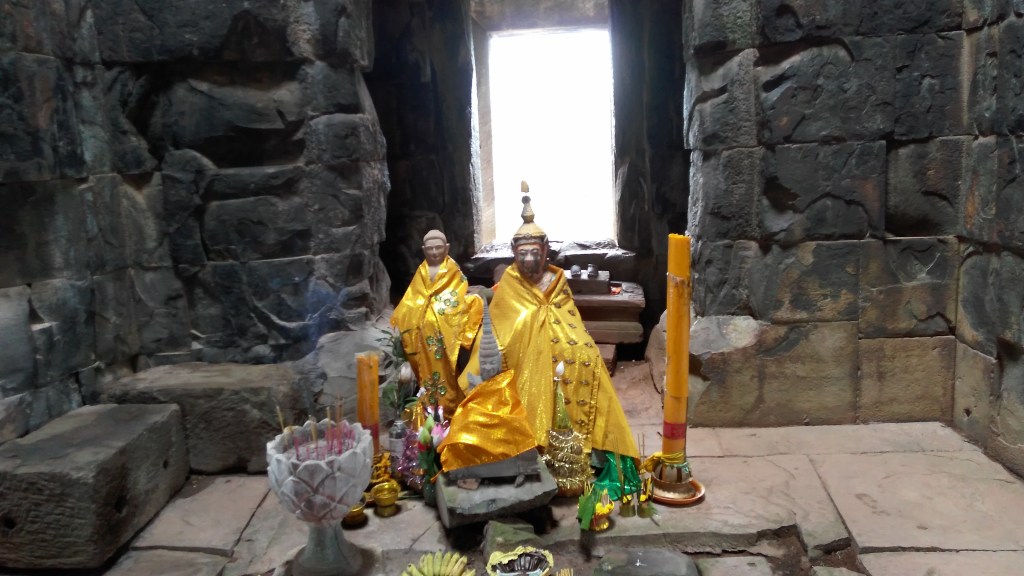
THE PREAH NGOK PAGODA WHICH HOUSES A SMALL BUDDHA STATUE UNDER A CANOPY

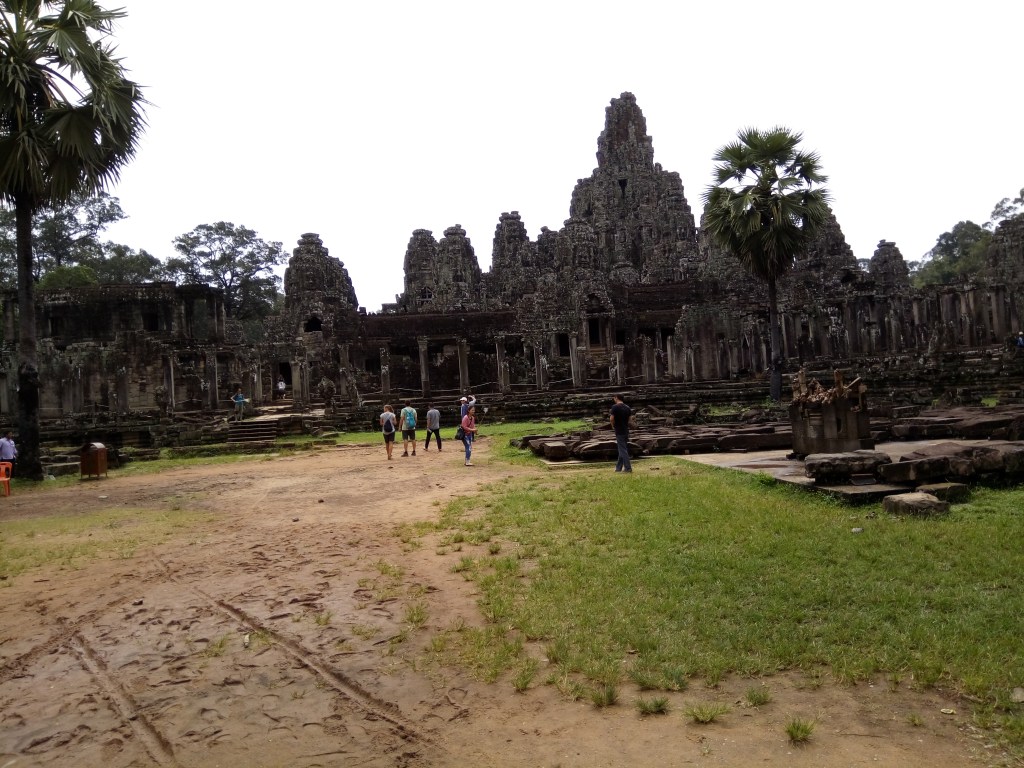
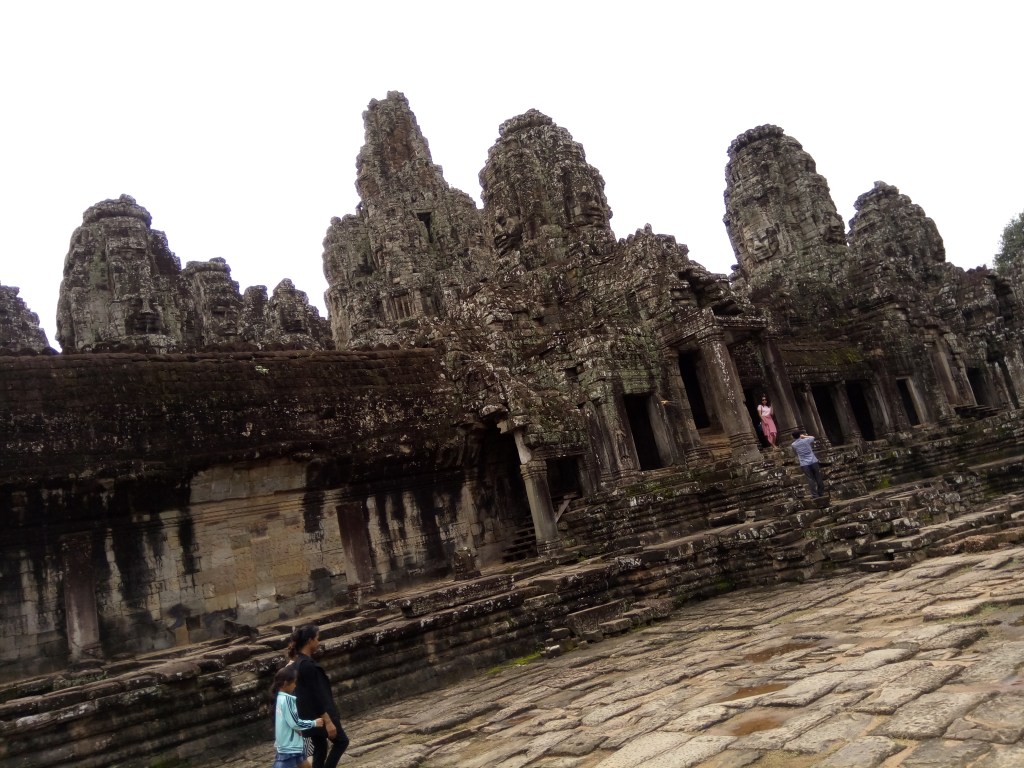
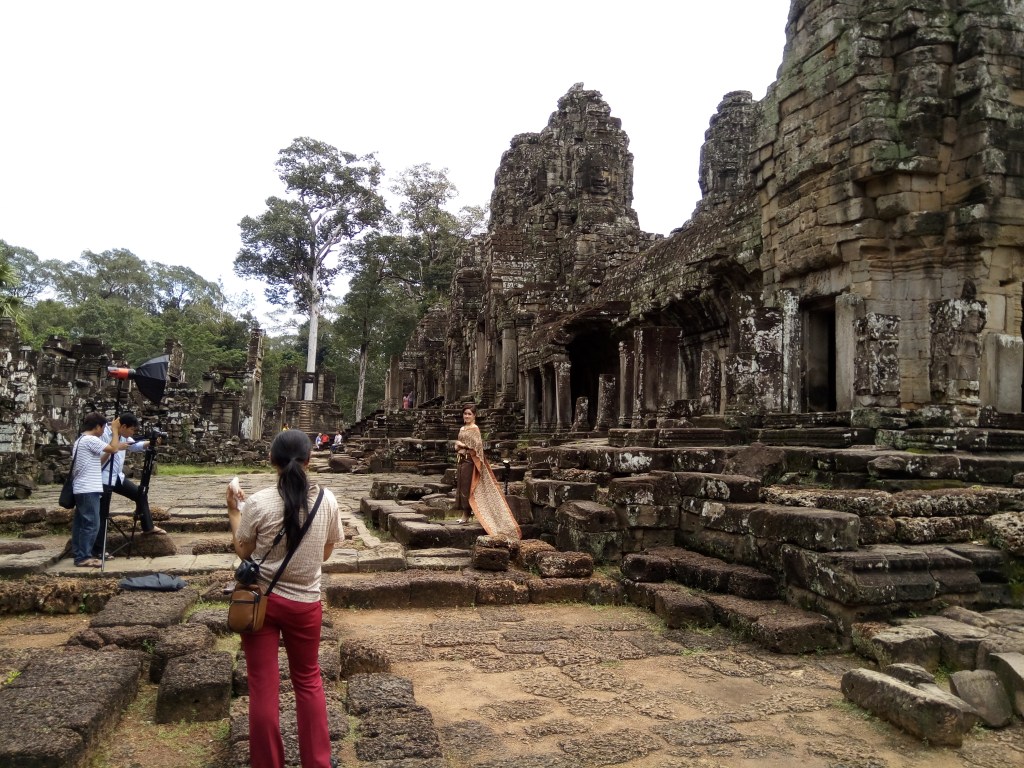
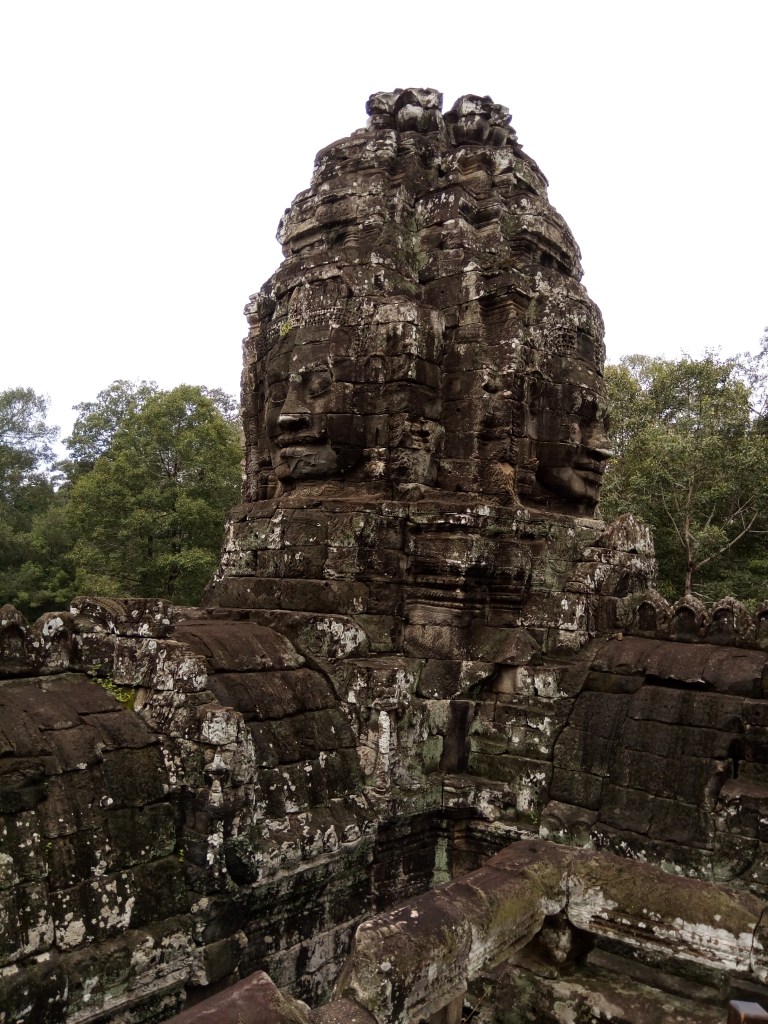
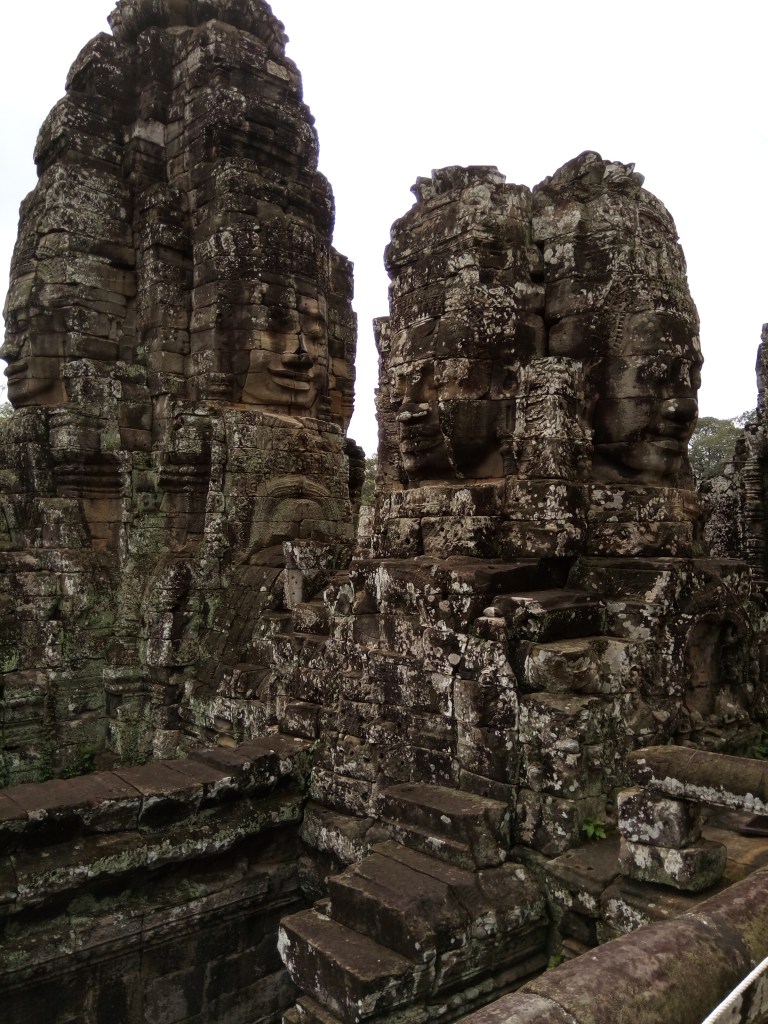
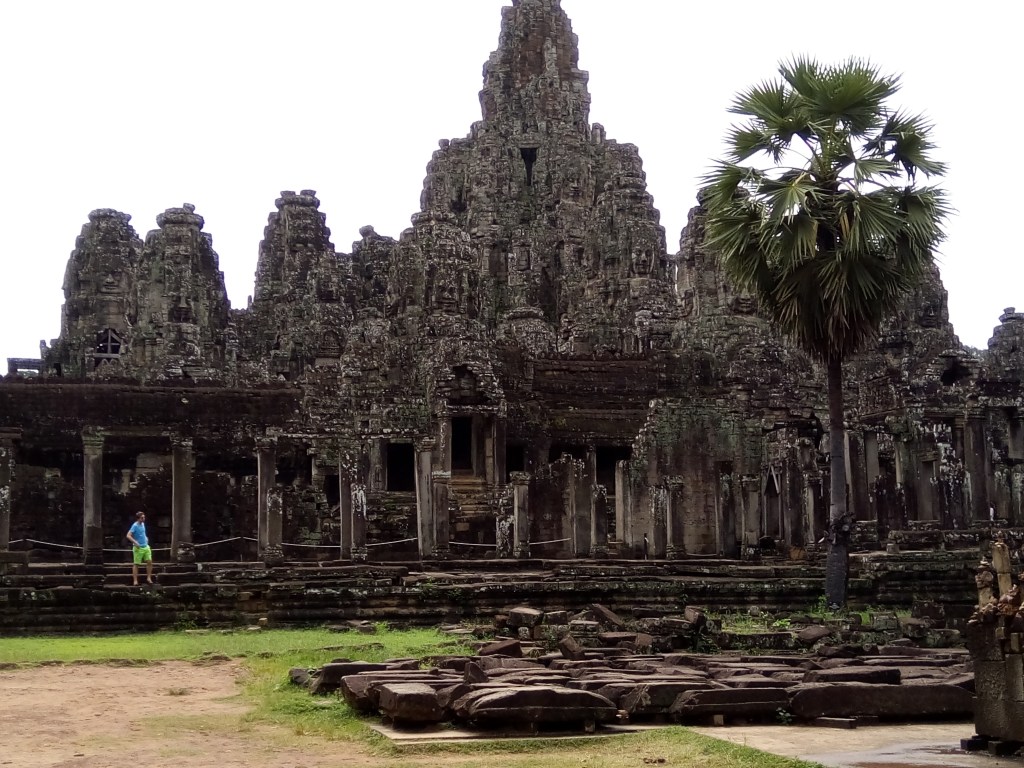
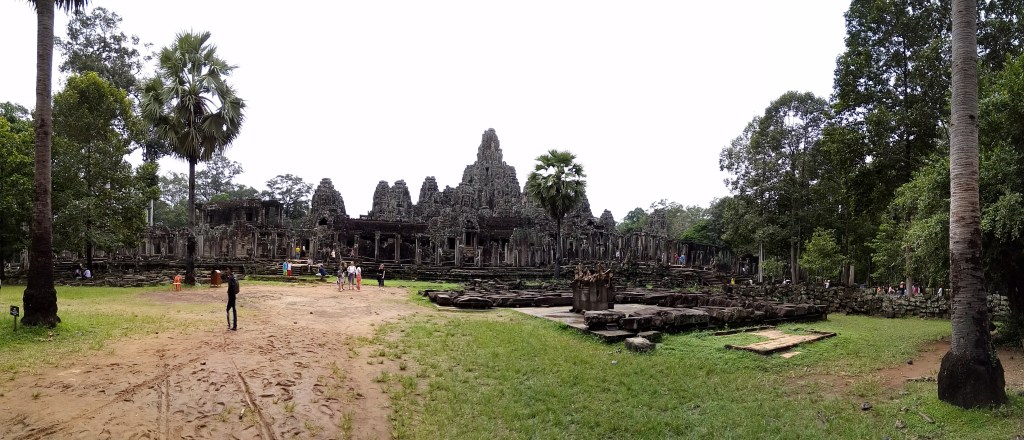
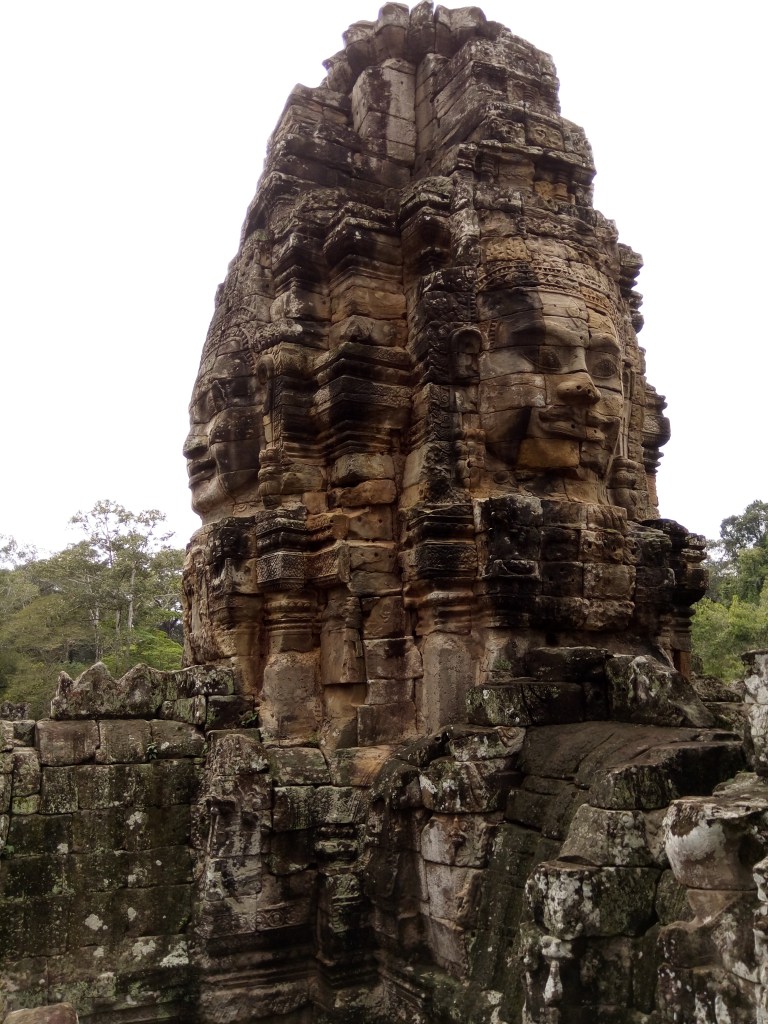
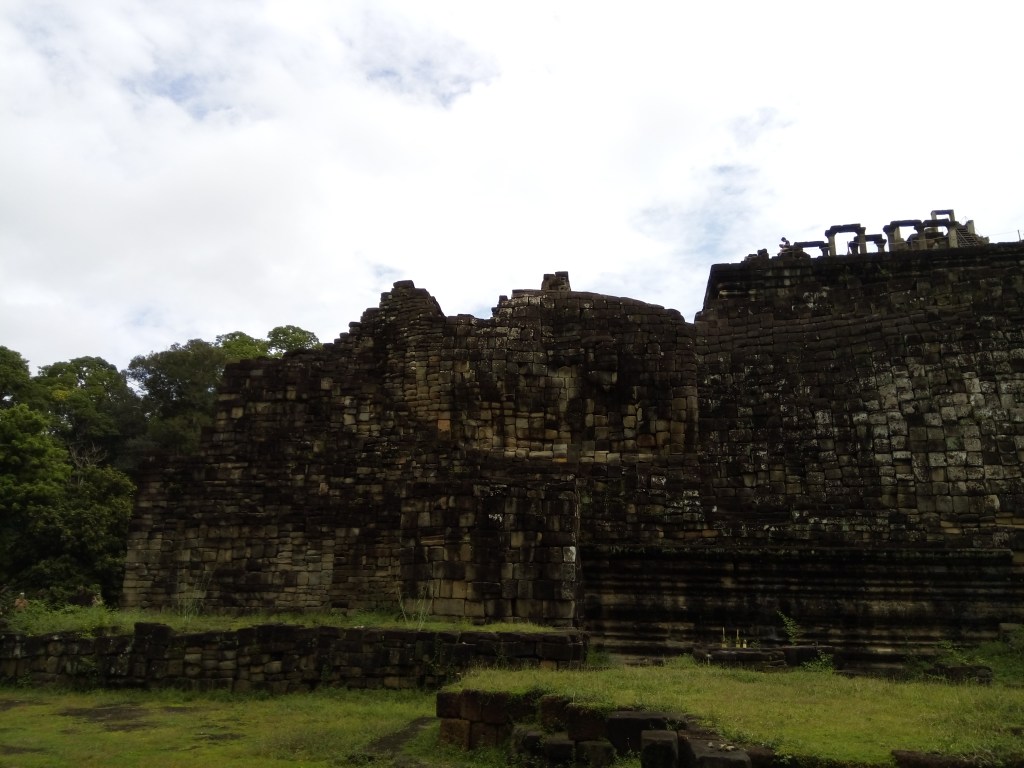
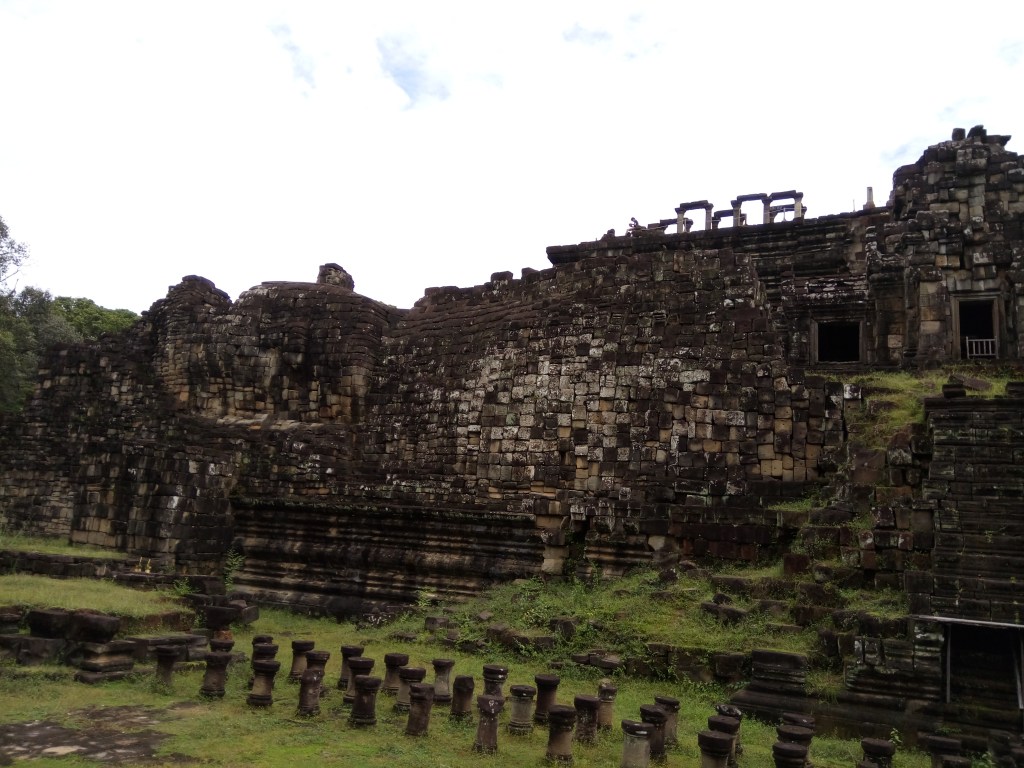
The Baphuon or the Bayon, a richly decorated Khmer temple built towards the later part of the 12th Century and early 13th century features a multitude of smiling faces on the many towers which kind of form a cluster around the central peak. The temple presented mundane scenes besides historical and mythological scenes which adorn the 2 sets of bas reliefs found and is supposedly the only state temple dedicated to Lord Buddha, built by King Jayavarman VII who later on embraced Buddhism. The Theravada Buddhist kings who came into power later on made their own changes to the temple architecture after which it went to ruins. The Japanese government has been playing a major part in restoring and repairing the temple.

THE SMILING MULTI FACETED BAPHUON OR BAYON

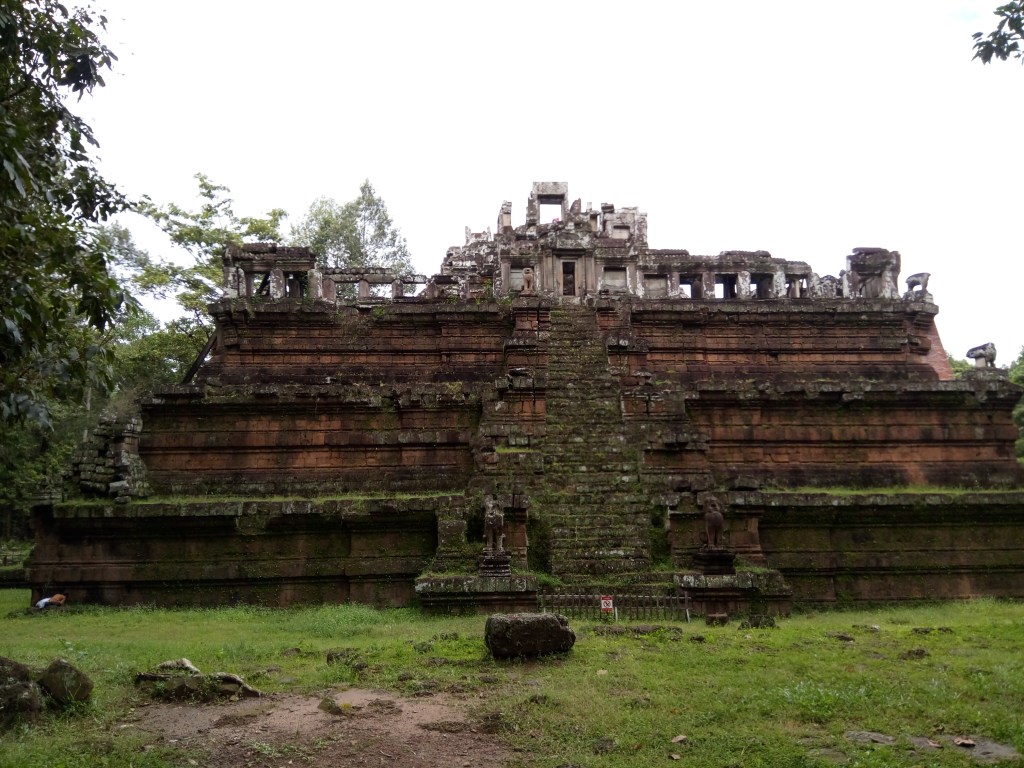
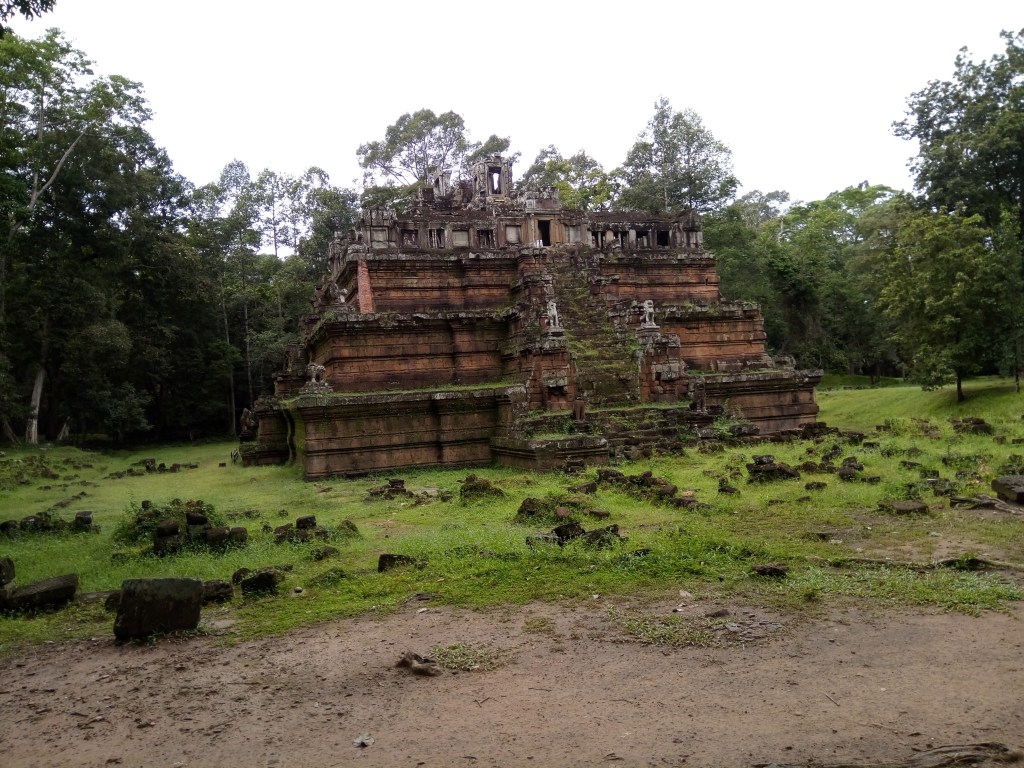
The Celestial Temple or the Phimeanakas as it is popularly known was built in the 10th century during the reign of King Rajendravarman and completed by King Suryavarman I. According to folklore, the King spent the 1st watch of every night between 6 PM to 9 PM with a woman, thought to be representing a Naga in the Tower and even the Queen was not welcome during this time. The 2nd watch between 9 PM to 12 AM was when the king went back to his queen. It was believed that if the Naga who was considered to be the supreme land owner of Khmer did not show up for a night, the king’s day would be numbered and perchance if the king did not show up, calamity would strike his land.

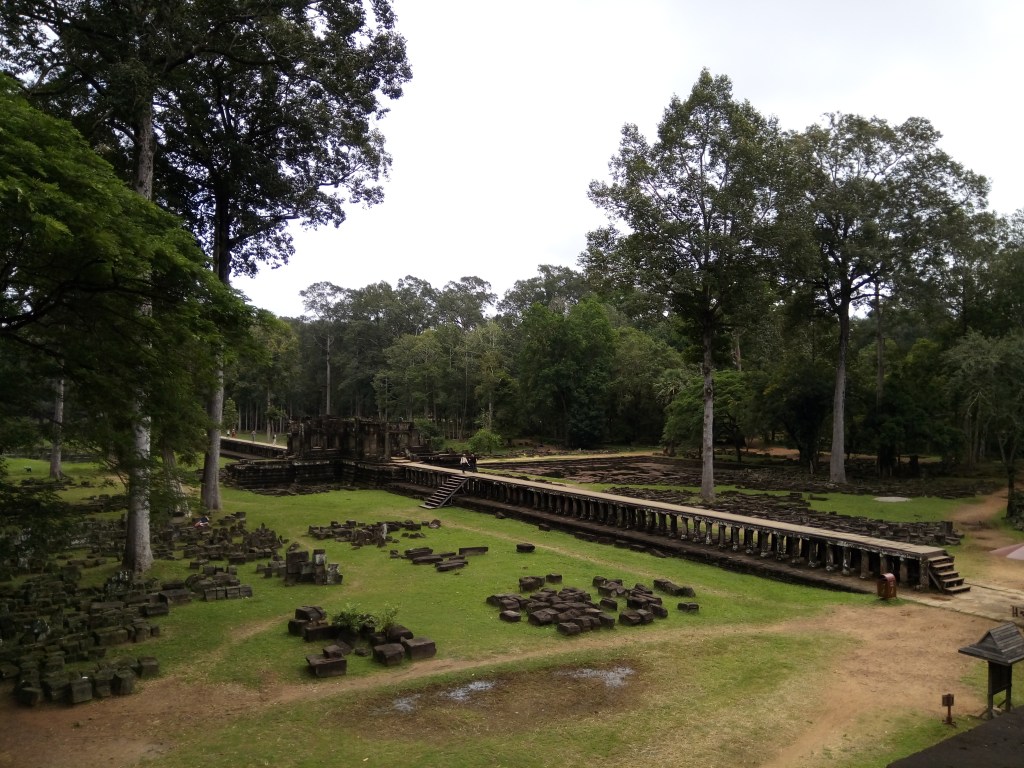
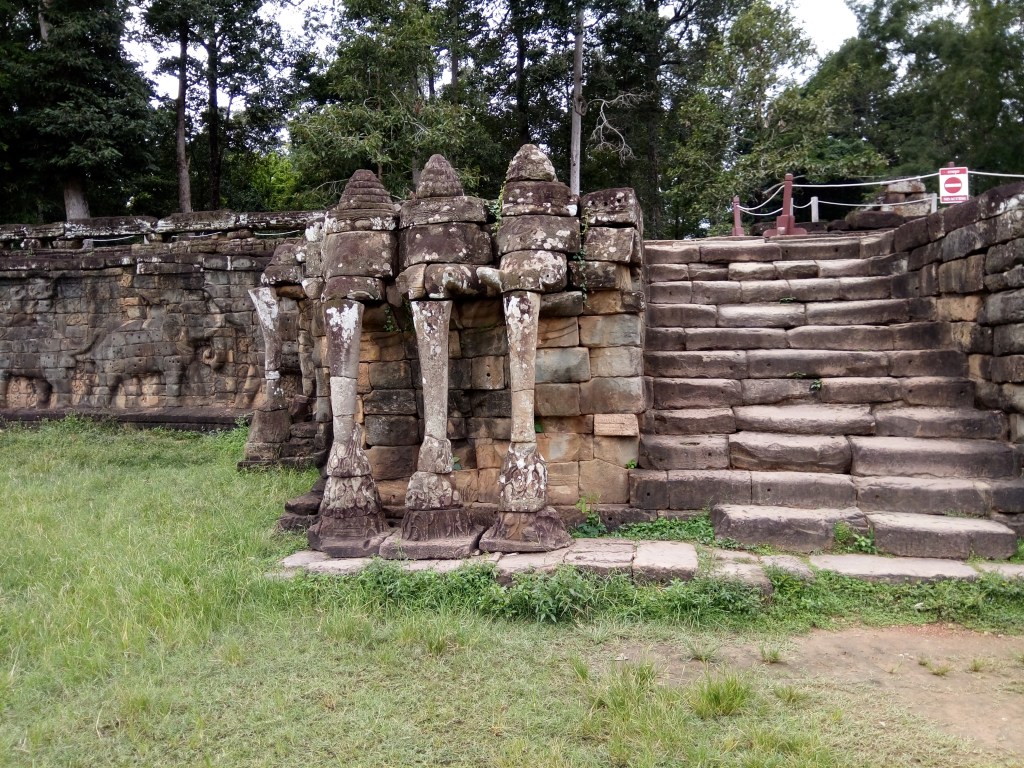
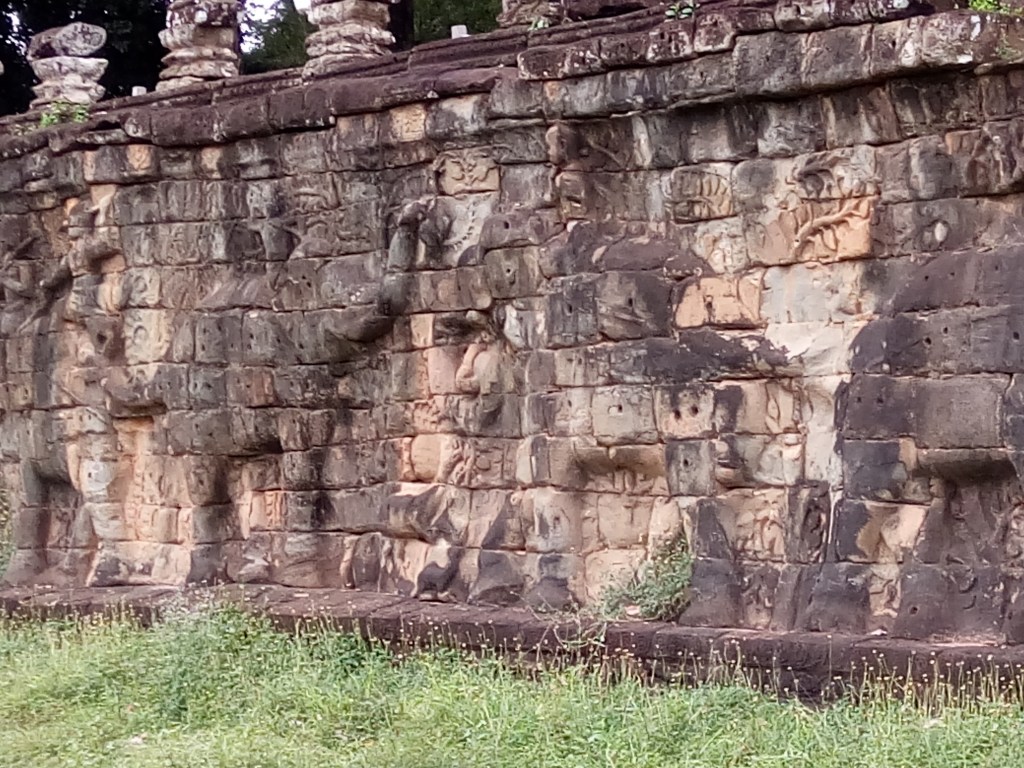
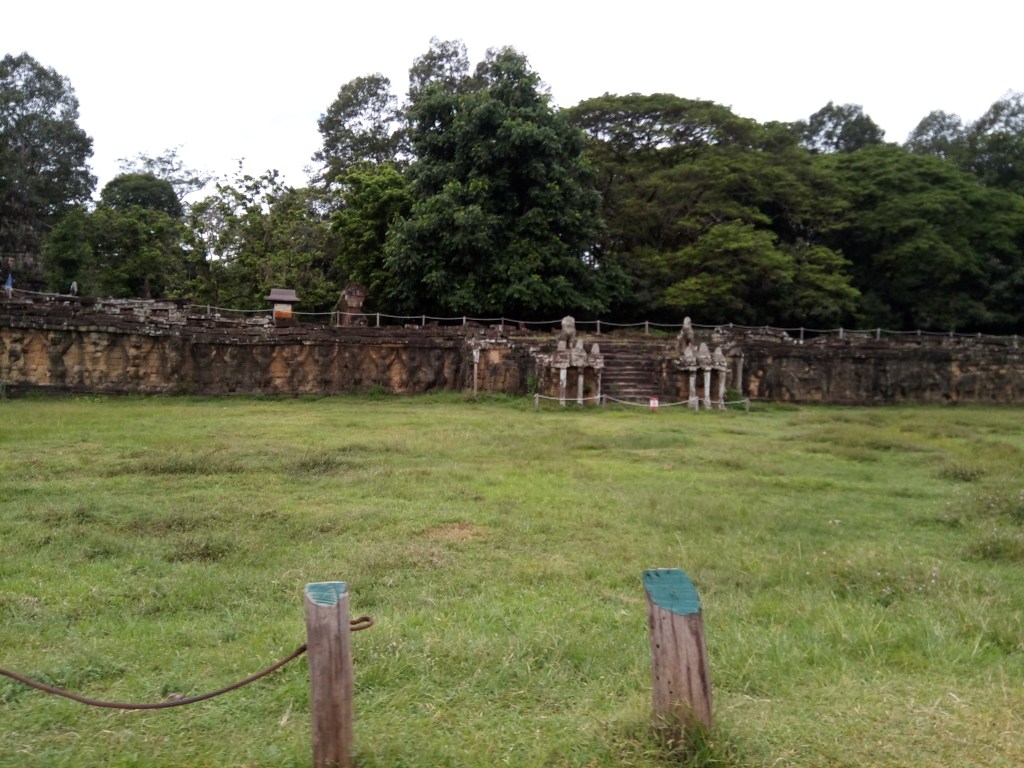
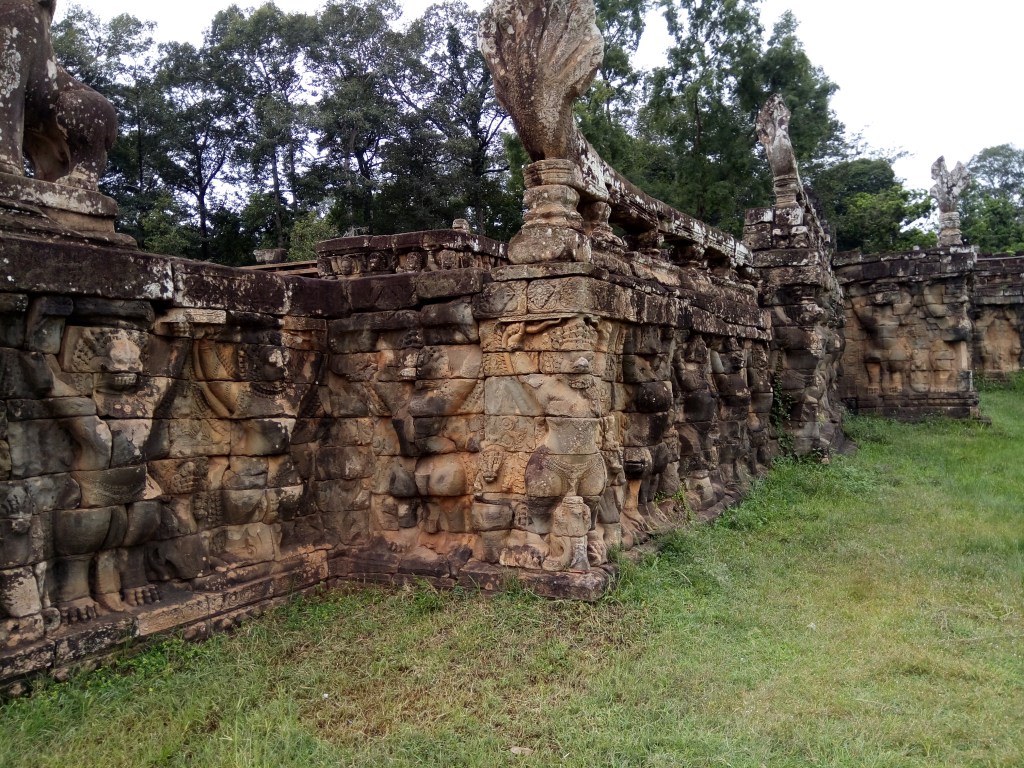
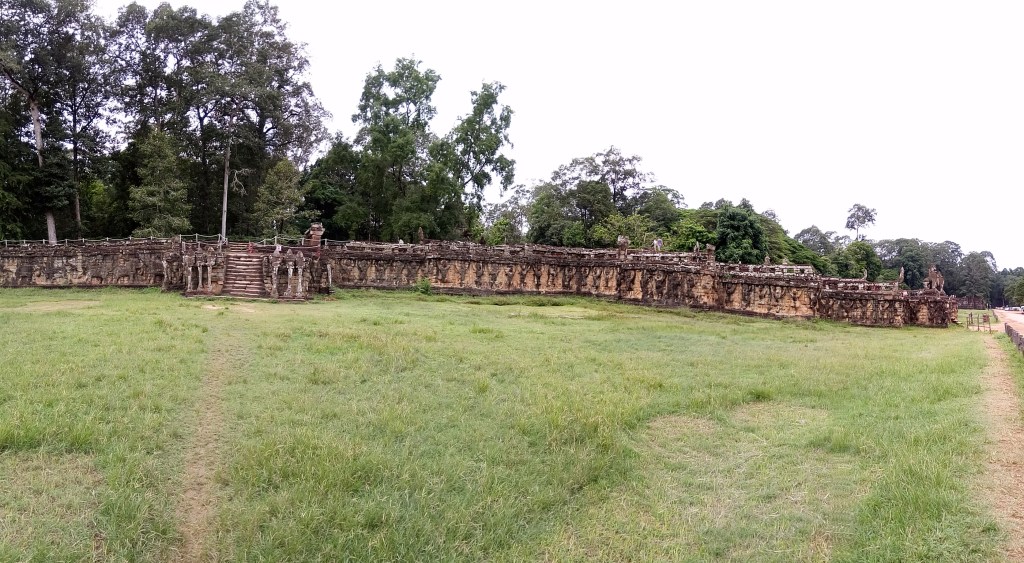
Tiredness was already setting in considering the amount of walking we had been doing right from the onset of morning and we had the most awaited Angkor Wat temple also to be seen. Did a quick photo shoot around of the Leper King Terrace, the Preah Palilay temple and proceeded via the Victory gate to grab some quick lunch at an Indian restaurant close to the temple complex.

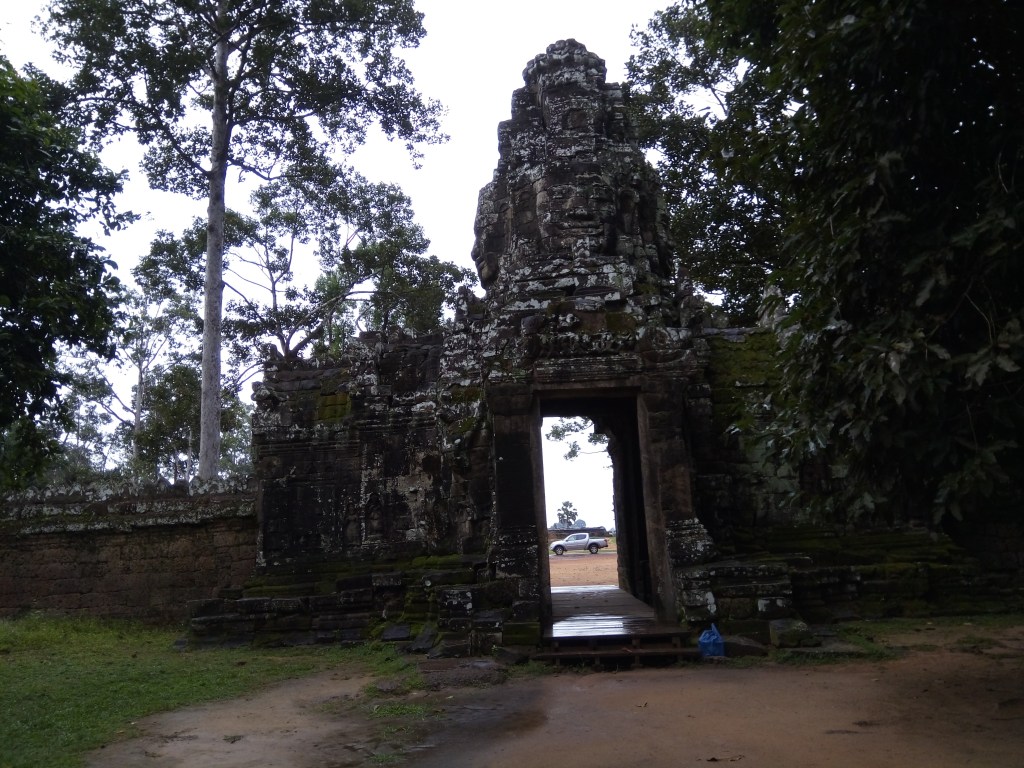
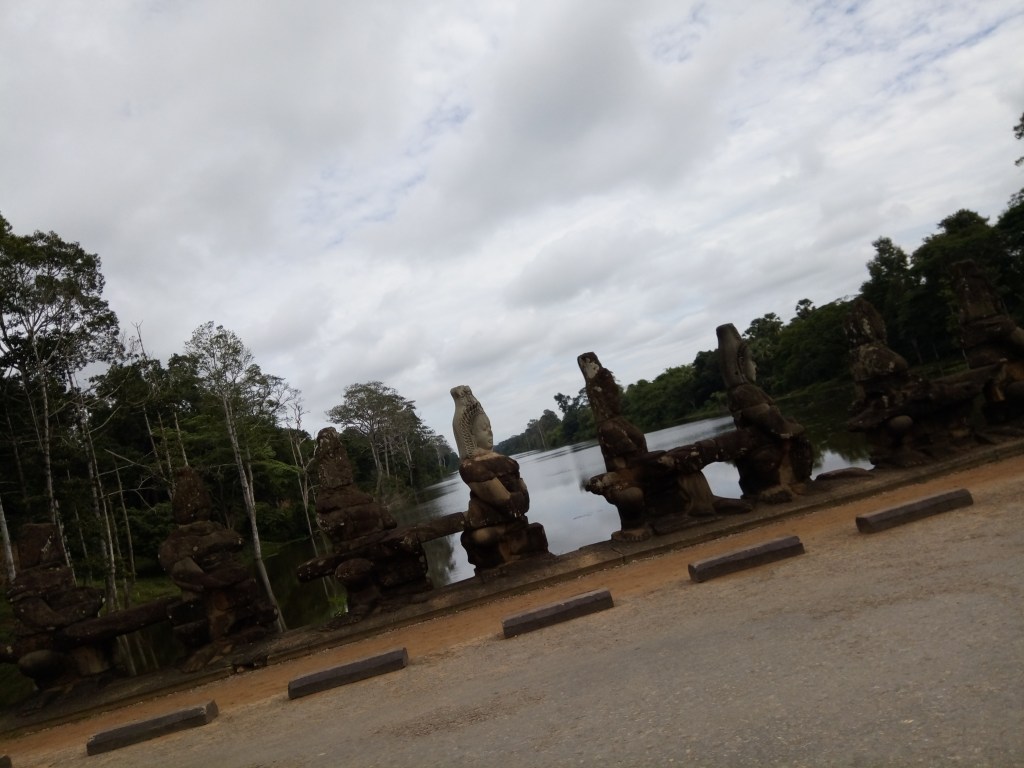
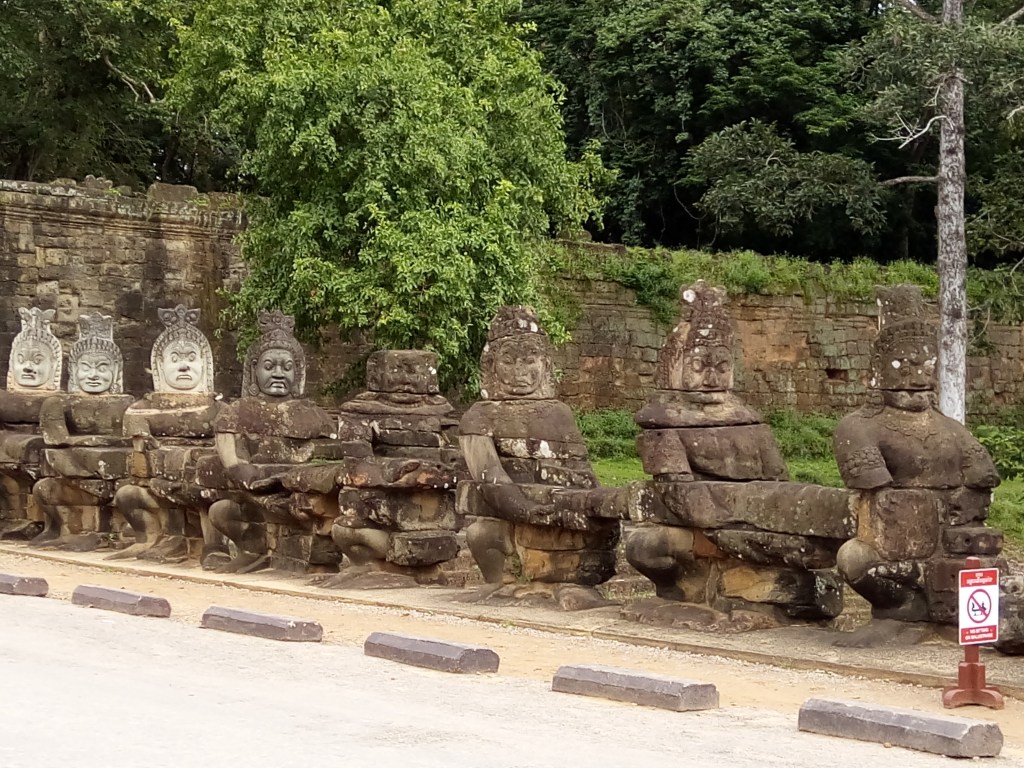
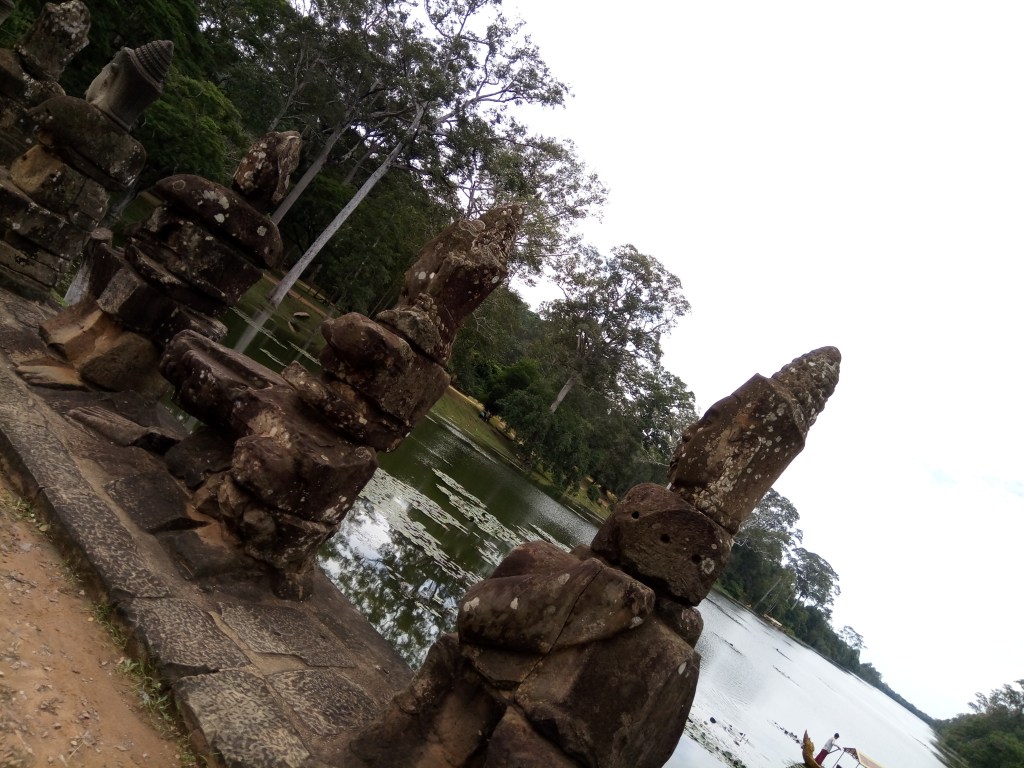
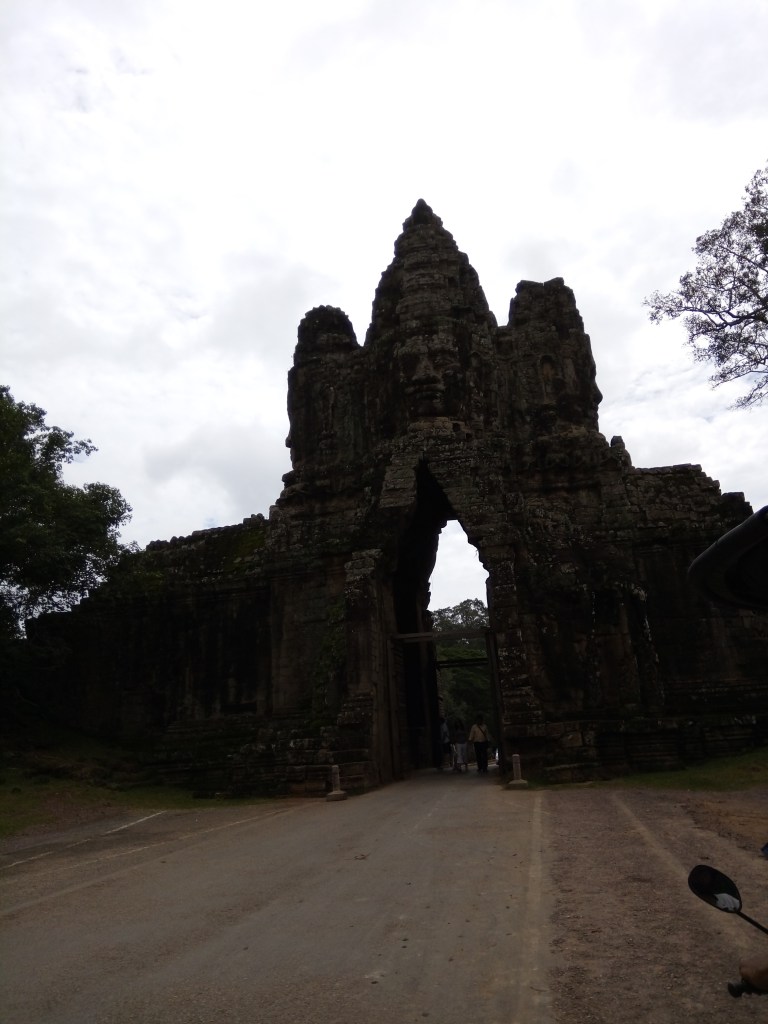
The Victory Gate is one among the 5 gates which guarded the ancient city of Angkor Thom. Built by King Jayavarman VII in the late 12th Century, it served as 1 of the 5 holy Buddhist gateways to Angkor Thom. The gate held lot of historical significance as the king used to send his army into battle through this major gate when defending the Kingdom.

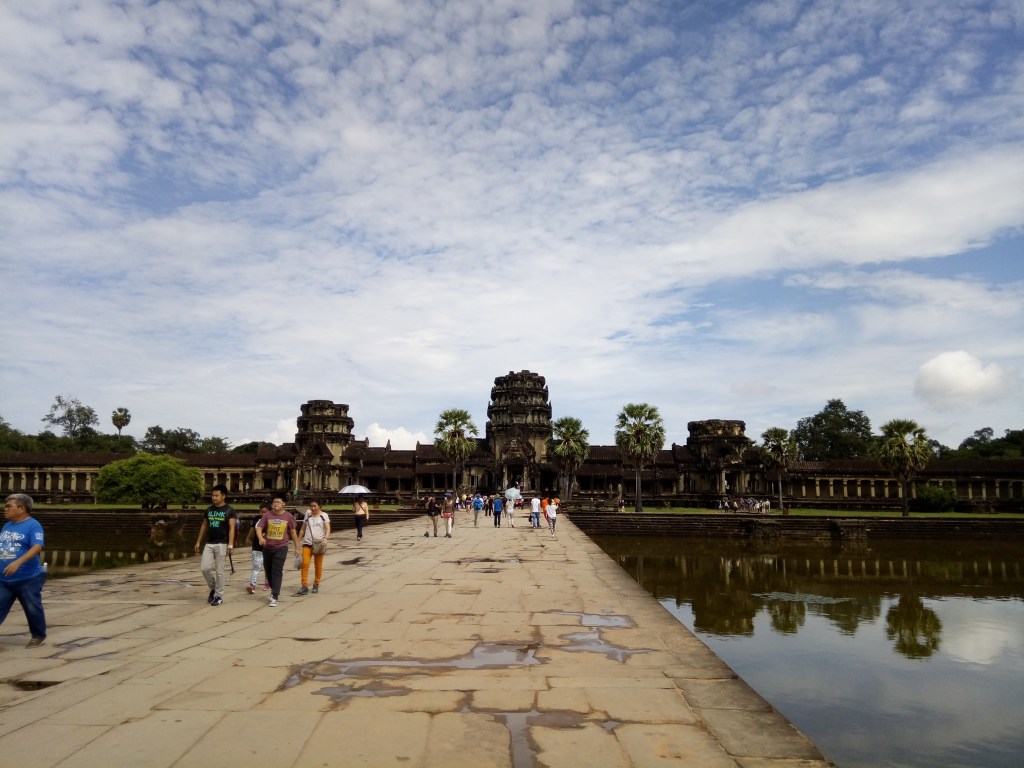
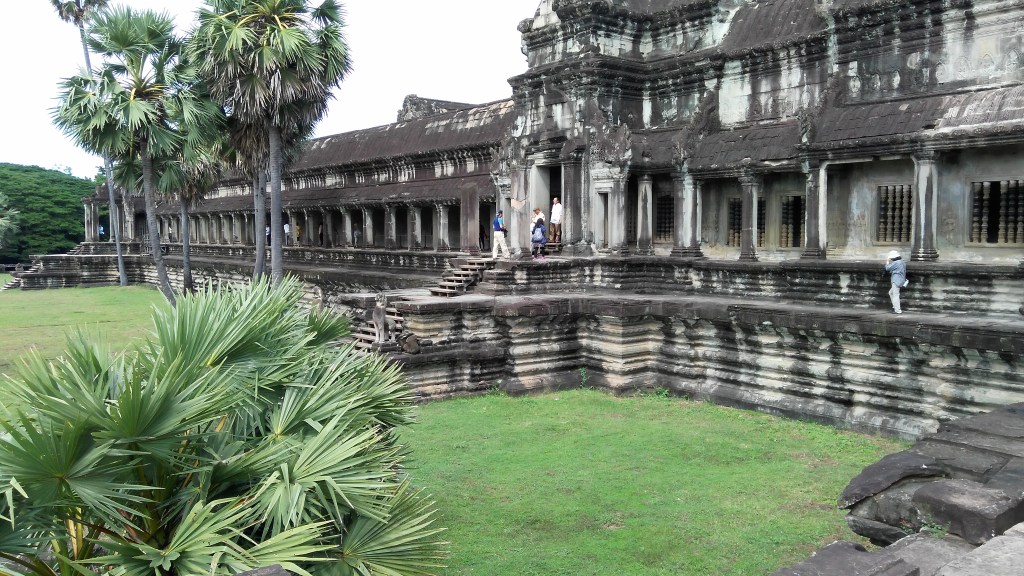
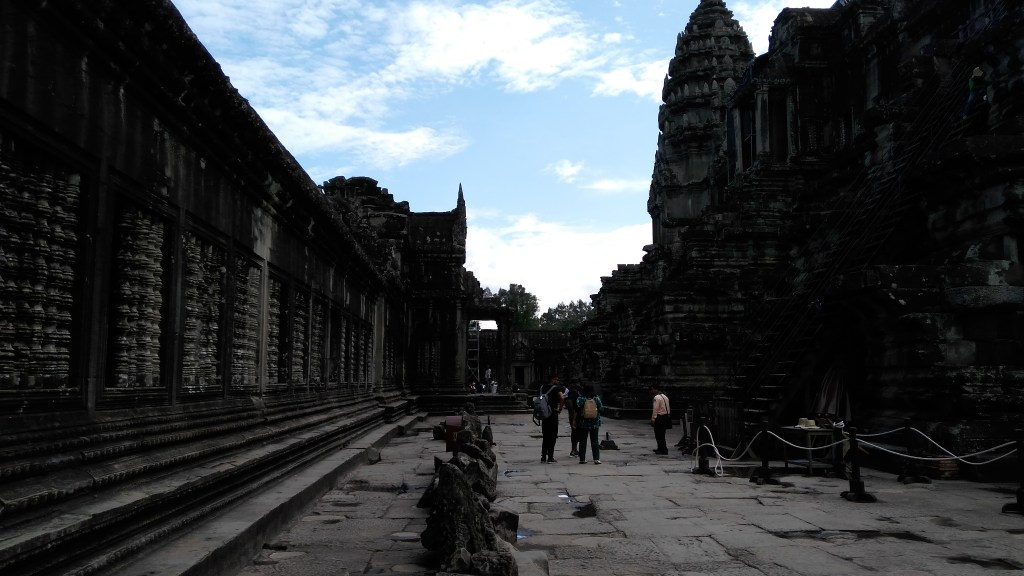
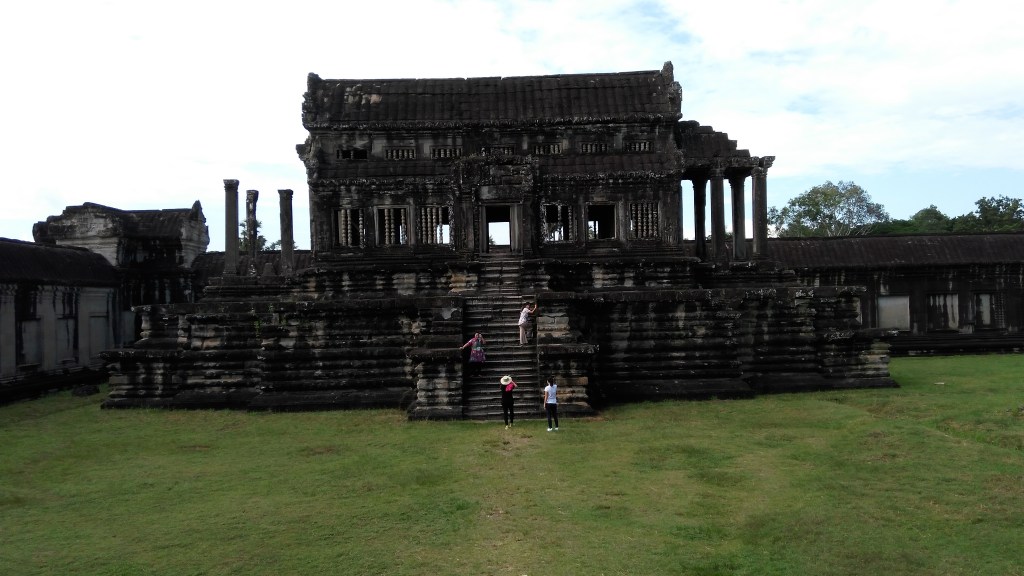
Angkor Wat, meaning the Capital of temples was our last stop for the day. Believed to be the largest temple complex in the world, this temple built over an area of over 400 acres was initially constructed as a Hindu Temple and dedicated to Lord Vishnu, perhaps the only temple which deviated from the tradition of all earlier kings, building only Shaivite temples.

Towards the end of the 12th century, this slowly got transformed to a Buddhist Temple. Known for its classical Khmer style of architecture, this temple finds a place in the National Flag of Cambodia. This temple though abandoned after the Varman dynasty was never neglected and work on cleaning up and restoration started pretty early. It was lucky to have survived years of invasions, internal conflicts and civil wars besides pilferage by Art Thieves.

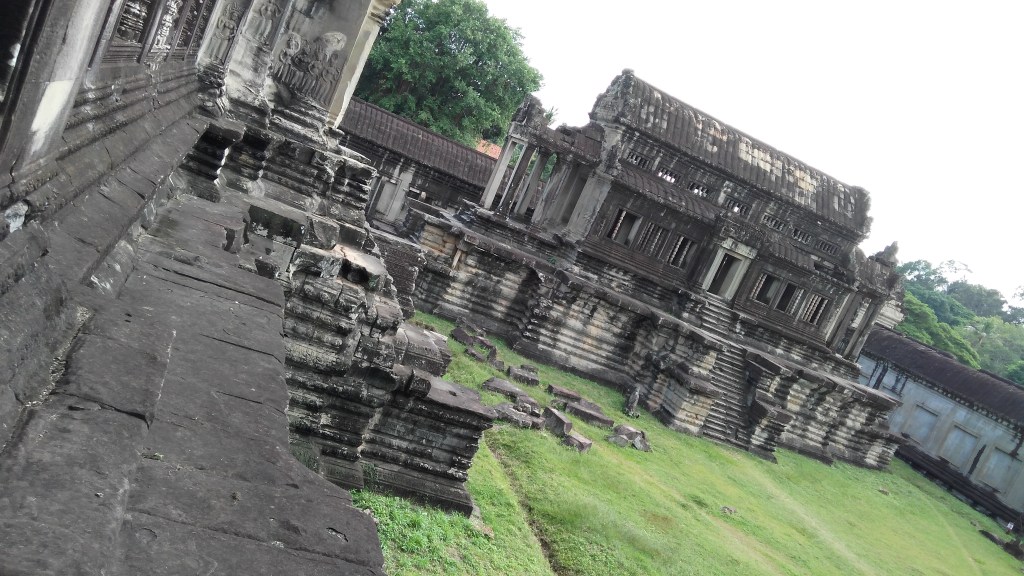
The temple’s unique architectural combo of temple mountains and concentric galleries is believed to have some celestial significance. Built out of sandstone and laterite, the temple’s construction was believed to have been made out of 5 to 10 million sandstone blocks with a maximum weight of 1.5 tonnes each. It took us almost 2 hours to see the temple in its entirety and we started our drive back to the hotel at around 5.30 PM.

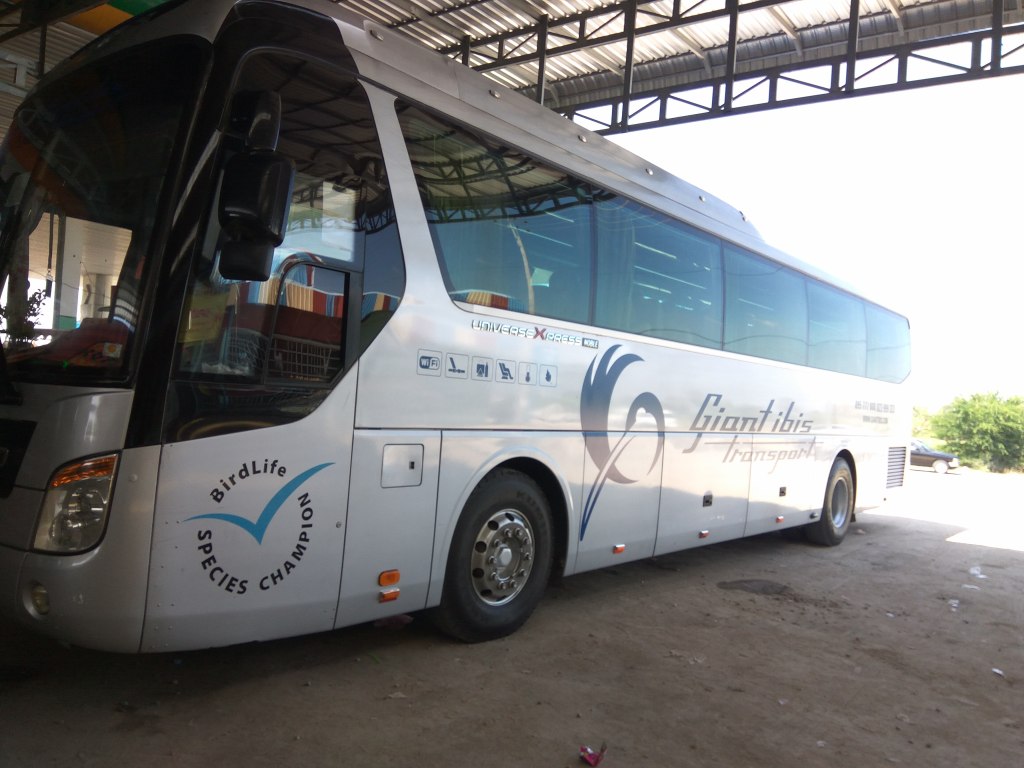
After some rest, we finished our dinner at one of the nearby Indian restaurants Flavors of India and checked out of the hotel. We had booked ourselves by the night 11 PM Giant Ibis bus for Phnom Penh. The tickets were priced at $15 apiece and the 6 hour ride back was absolutely smooth and hassle free. Lots of lovely memories stay etched about this tour but would definitely like to do not only a longer version of Angkor Wat but also visit places like Baentey Srei, the Floating Village and market besides the cultural extravaganza and the Cambodian Circus which they put up every evening. And yes!! Would love combining this with the Angkor Wat Half Marathon which happens every December.

VIBRANT VIETNAM

Unbelievable isn’t it!! This country’s Capital celebrated its 1000th year or the Millenial Anniversary in 2010, the duration being over four times the whole history of the USA and with whom, there existed lot of hatred, thanks to the war atrocities inflicted for over 5 years. 

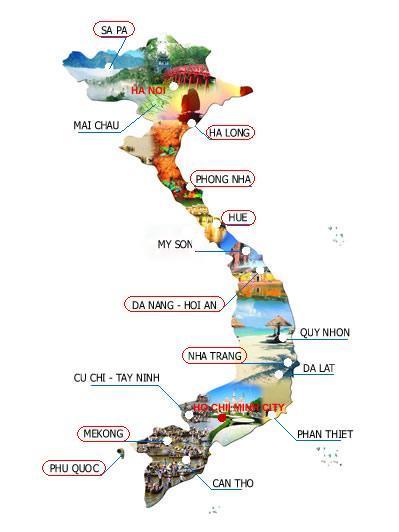
Yes, we are talking about a beautiful little country Vietnam which is bordered by China to the North, Laos to the North West, Cambodia to the South West, Thailand across the Gulf of Thailand to the South West, and the Philippines, Malaysia and Indonesia across the South China Sea to the East and South East. Its capital city has been Hanoi since the reunification of North and South Vietnam in 1976, with Ho Chi Minh City (HCMC) also having its own pedigree of being a historical city. Though tagged as a developing country, its literacy rate of 94% has probably helped it have the lowest unemployment rates. 

Self-confident and fast-developing, its progress is all-evident in the country’s booming metropolis. A country known for its Beaches, Rivers, Buddhist Pagodas, Hill Stations and bustling cities, anyone planning to visit Vietnam and depending on number of days should have definitely have Ho Chi Minh, Hanoi, Danang, Nha Trang, Da Lat and Hue on their list.

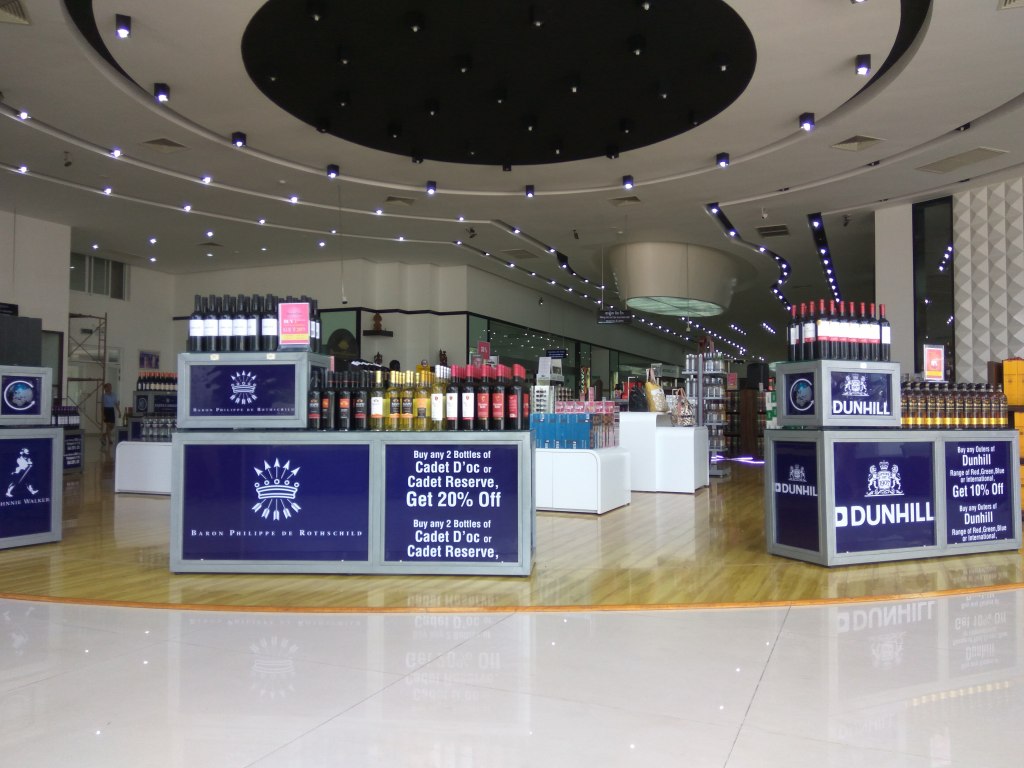
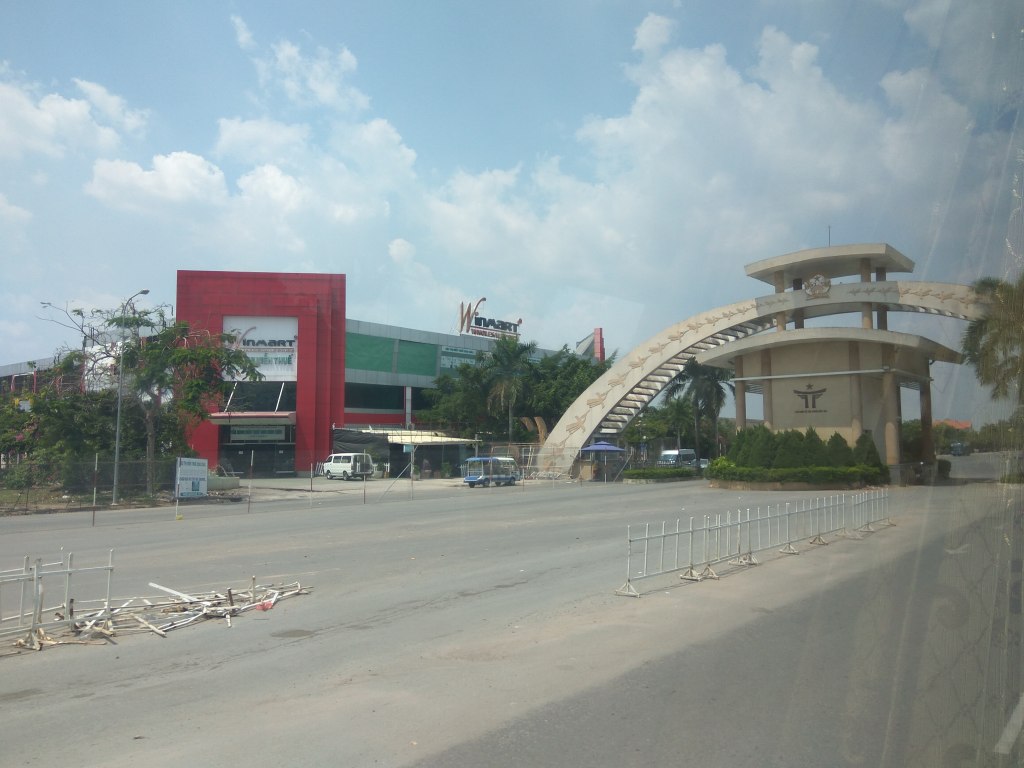
The bustling city of Ho Chi Minh lies just about 230 kms from Phnom Penh which is where I was staying and is accessible by Flights, Bus or even by a River Cruise. While the choice of travel by bus takes around 6 hours and costs only somewhere between $15 to $18, it also gives one an opportunity to see the vast expanse of the countryside on both sides. There are multiple bus operators running between these 2 cities but I chose to go with the more reliant Giant IBIS while the services of Mekong Express, Sorya Travels, Kumho Samco are also heard to be good. While there is a brief halt for about 45 – 60 minutes at the Bavet – Moc Boi Border Gate where the immigration formalities take place, these clearances are pretty badly organized in the Vietnam side of things especially when the crowds build up but a lot smoother when you return back to Cambodia. The Visas have to be taken in advance through the eVisa route by applying on the Government website and would cost $ 25.

The city of Bavet also happens to be famous for its Casinos and is a boon for most businessmen who have set up shop here since a sizable number of people cross the border from Vietnam to come and try their luck. The more affluent Chinese prefer flocking to Nagaworld, located in the capital city of Phnom Penh and on a early morning walk near the Independence Square in Phnom Penh where this hotel is located, one would get to see bus loads of Chinese tourists arriving to gamble. A complete tour of HCMC could get done in 2-3 days and if you have a couple of days to spare, you could plan a visit to the neighbouring towns of either Danang or Nha Trang or maybe Dalat.

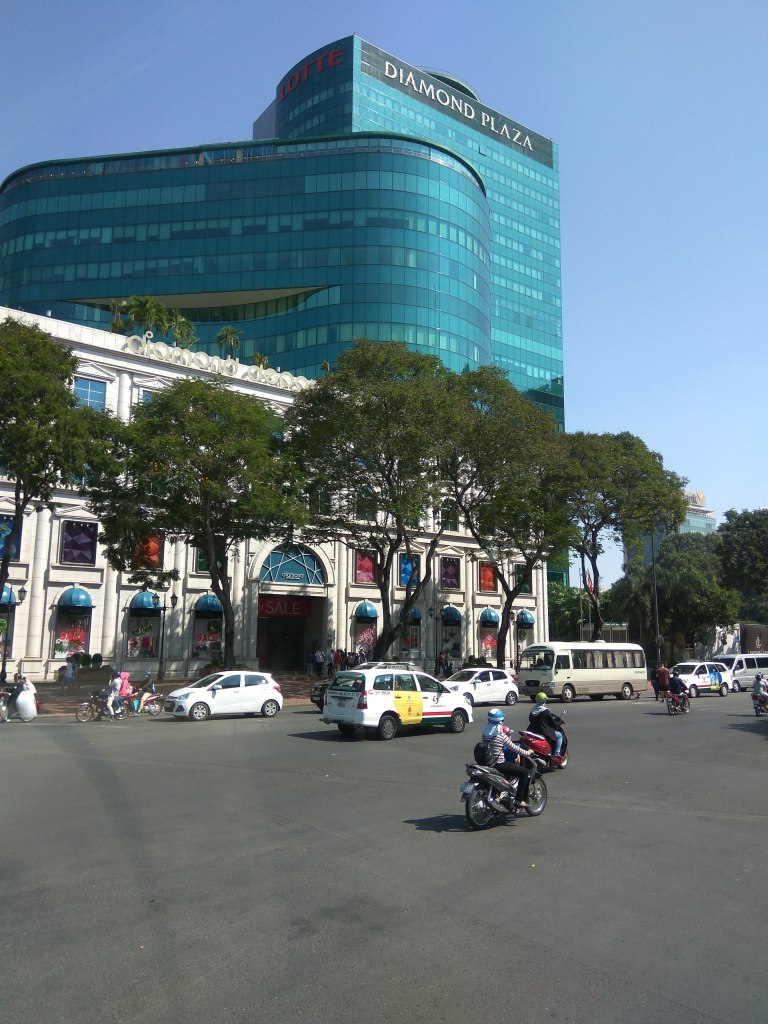
The city is named after its iconic Communist era leader Ho Chi Minh while the capital of Vietnam Hanoi also pays homage to him via a huge marble Mausoleum. One gets to appreciate the ancient, labyrinthine trading quarters of still-thriving craft industries juxtaposed with grand colonial mansions from the French era and all overseen from the sky bars of 21st-century glass-and-steel high-rises.

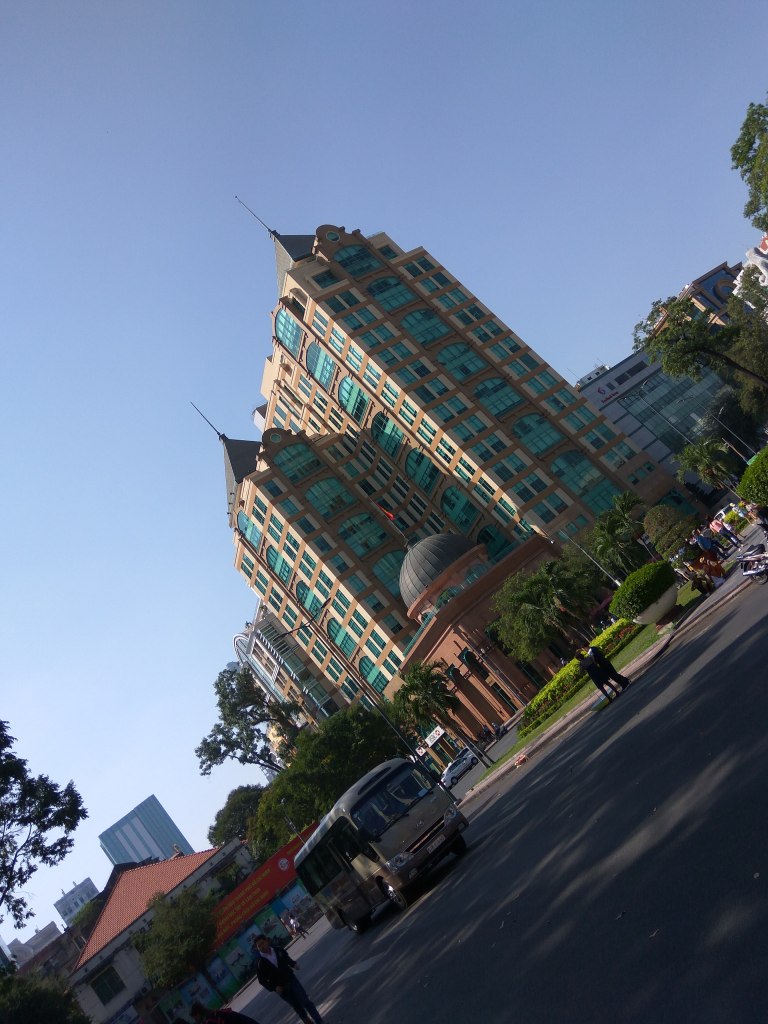
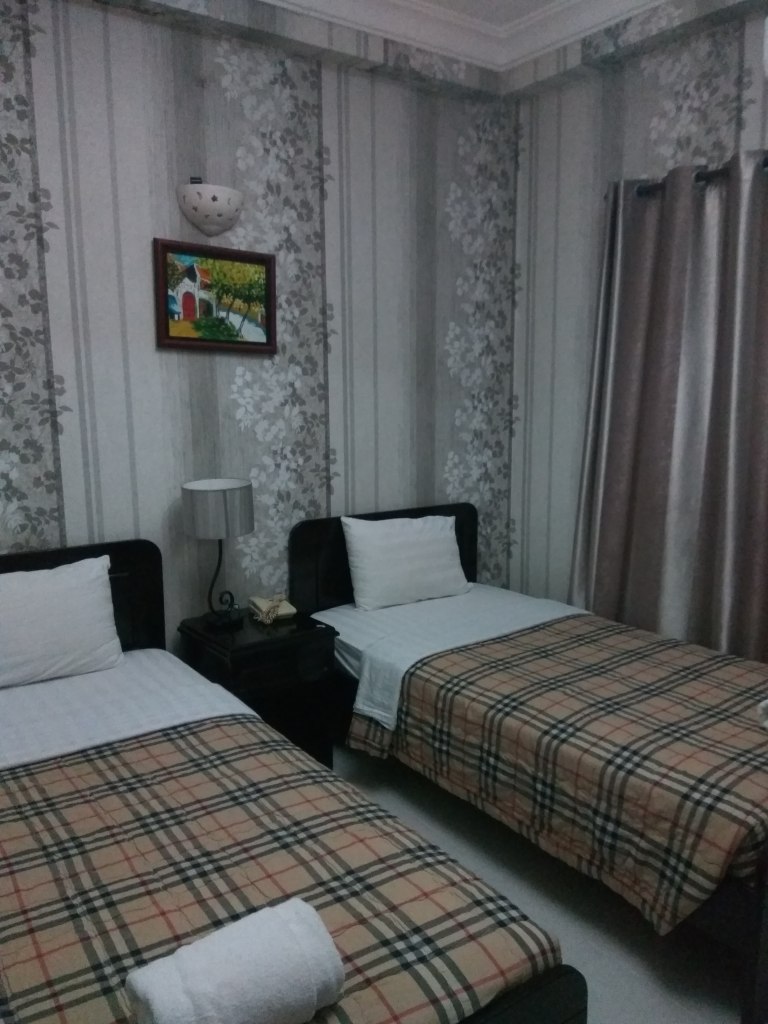
Day 1 was spent on travelling between the 2 capital cities and on reaching HCMC at around 2.30 P.M (GMT + 7), checked into a Backpackers hostel in District 1 which is considered to be the most happening place in HCMC out of the 24 districts that the city is broken into. In case you are travelling with family, you could look at staying at City View Hotel as an alternate. Post a quick lunch at a nearby restaurant and some rest, went over to the lobby seeking for directions to the Ben Tanh market. The owner was kind enough to offer me a drop at the Market since he was was planning to go in the same direction and I hopped onto his Ducati in 2 minds, a little skeptical about the traffic. Before I could blink an eyelid, he literally whizzed past the notorious traffic and reached the place.

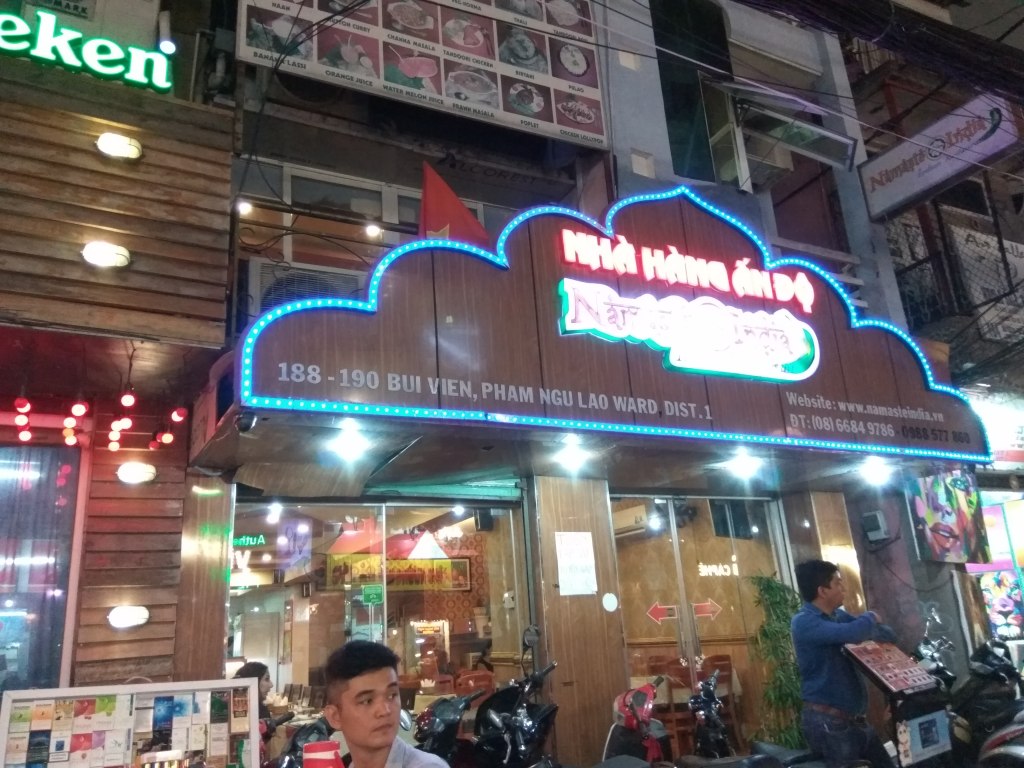
I was like all pale, literally holding onto my heart in my hand, with hair all standing up and throat parched. Phew!! What an experience it was and while I profusely thanked him for helping me reach in one shape, did kindly refuse his offer too of a return pick up which he said he could do sometime later in the evening. Had an hour or so’s time after the shopping and went around a stroll in the nearby park and the busy streets. On my return back to the hostel, booked a city tour and a visit to Cu Chi Tunnels with a local operator whose office was located bang opposite the hostel for Day 2 and Mekong Delta for Day 3. Dinner was at Namaste India, an Indian restaurant.

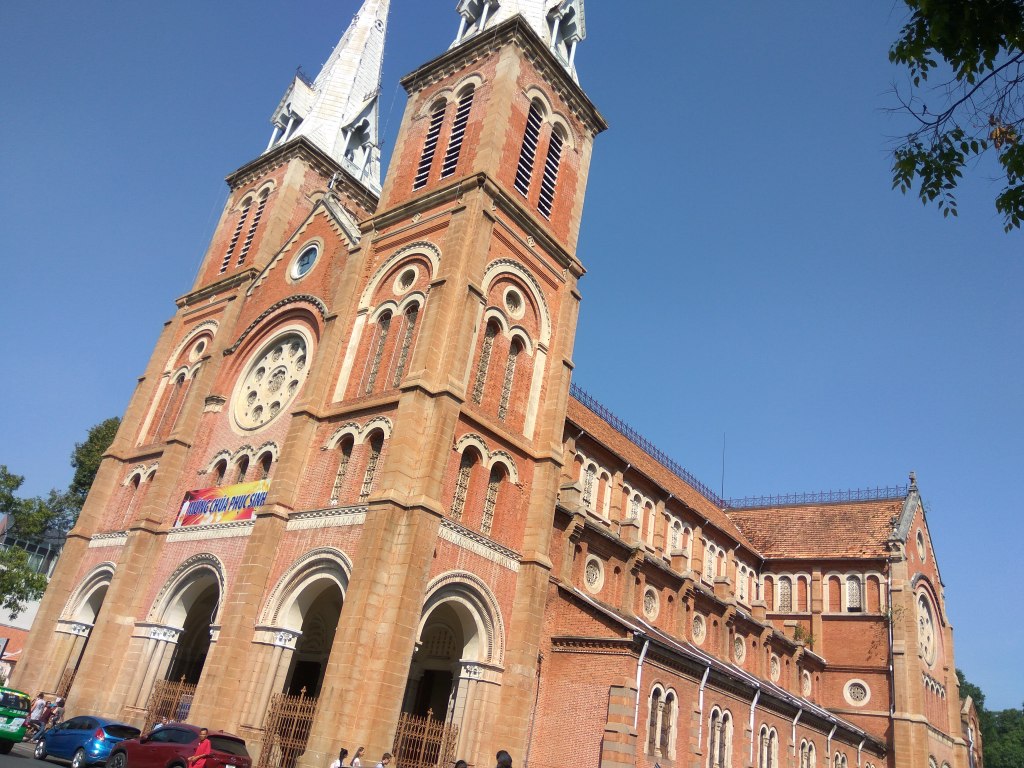
Day 2 : Reported in at the designated boarding point post breakfast at the hostel at sharp 8 A.M where I bumped into a chirpy girl Thao and got chatting with her only to discover in a while that she was to be our tourist guide for the day and was boarding the AC bus from the same point. The bus was packed with tourists mainly from the South East Asian countries though there a few Europeans and a Sri Lankan couple also on board. The tour started off with the Neo-Romanesque Notre Dame Cathedral built from materials totally imported from France between 1863 and 1880. While it was initially named by the French Colonists as L’eglise de Saïgon, from 1959, it became known as the Notre Dame Cathedral. The cathedral has 2 Bell Towers and reaches a height of around 190 feet.

Its believed that in the month of October 2005, the statue of Virgin Mary in the cathedral was found to be shedding tears and this caused a near roadblock around the cathedral for days though the authorities in charge were never able to confirm this.

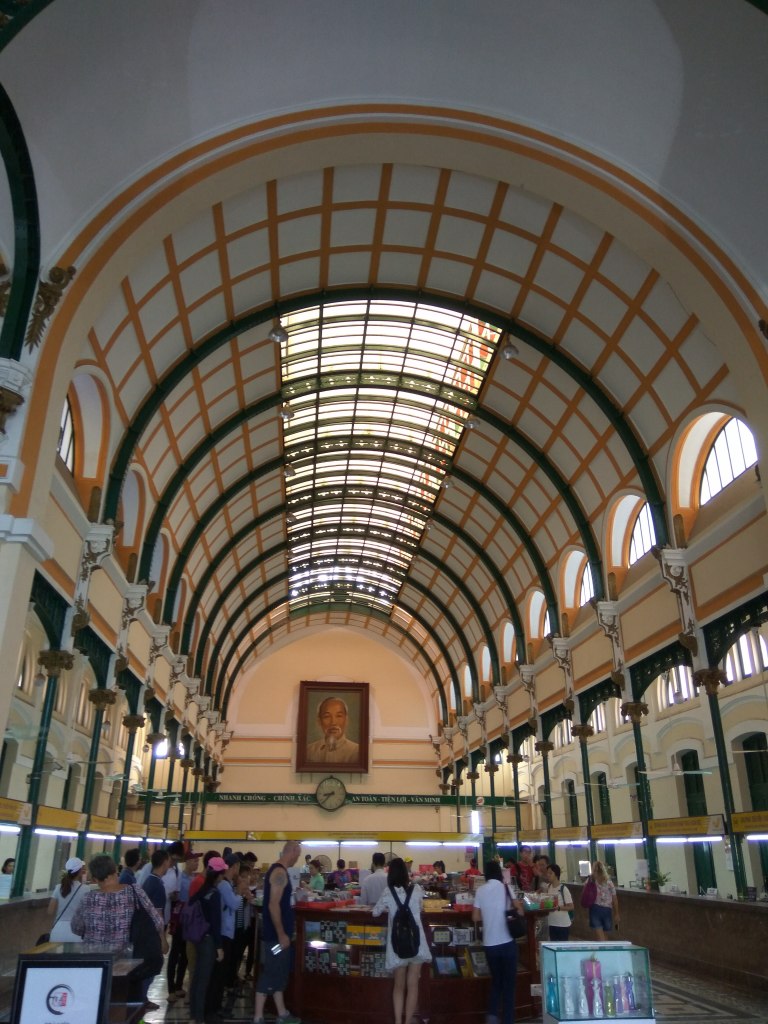
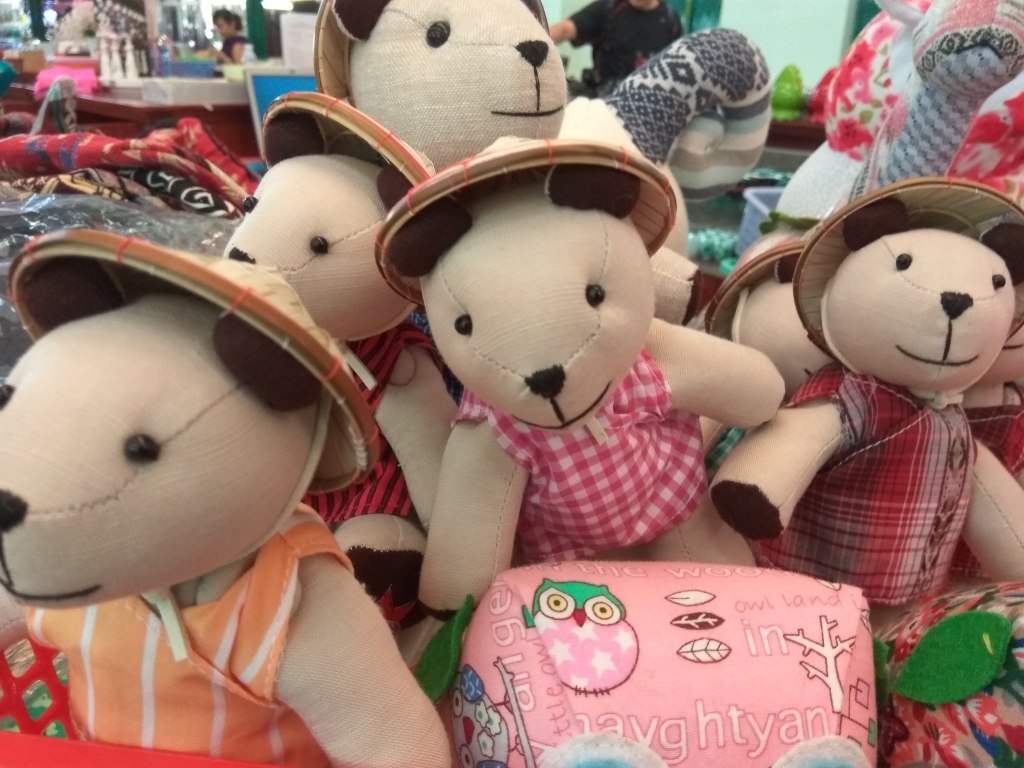
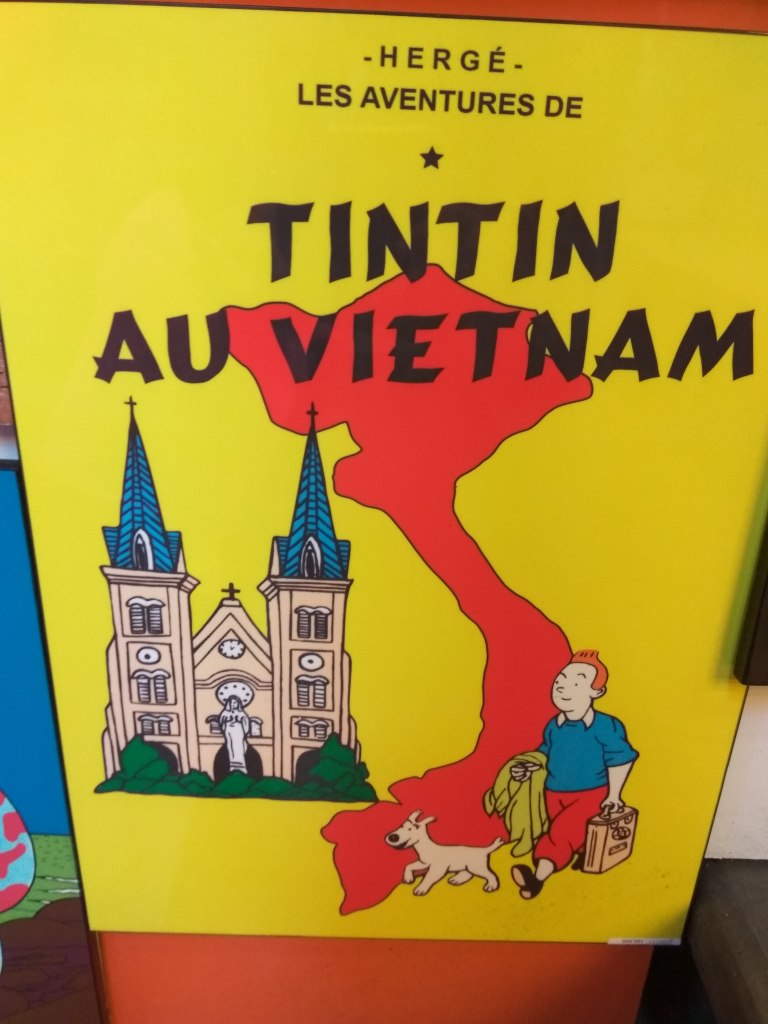
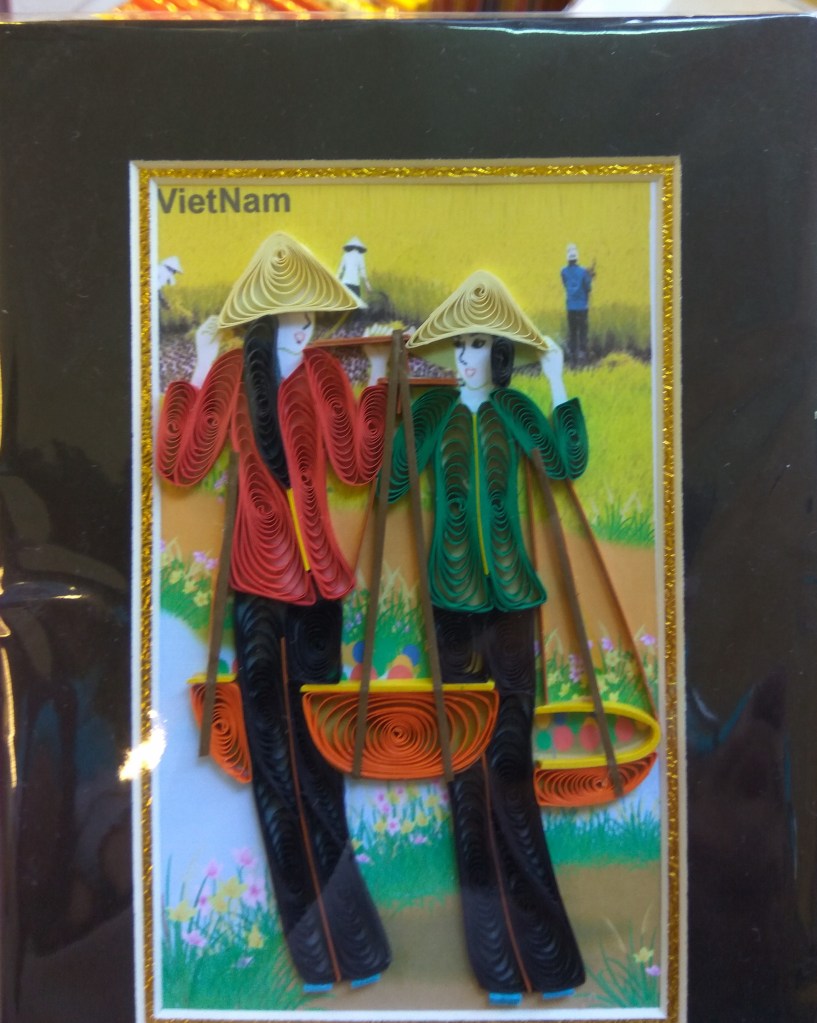
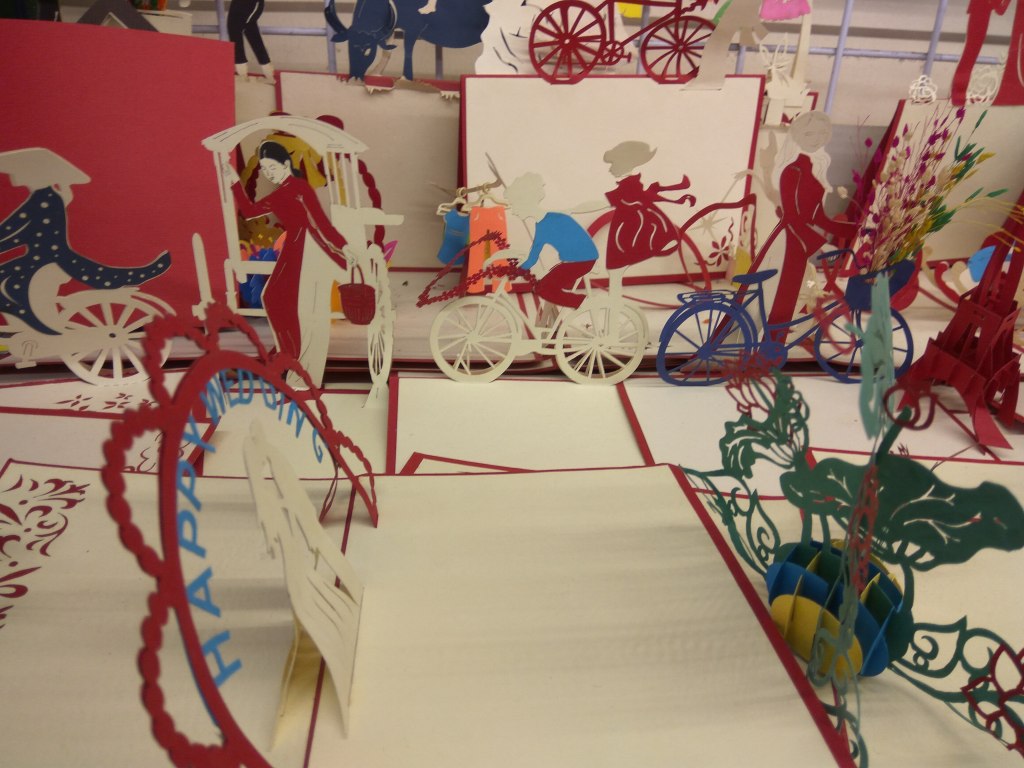
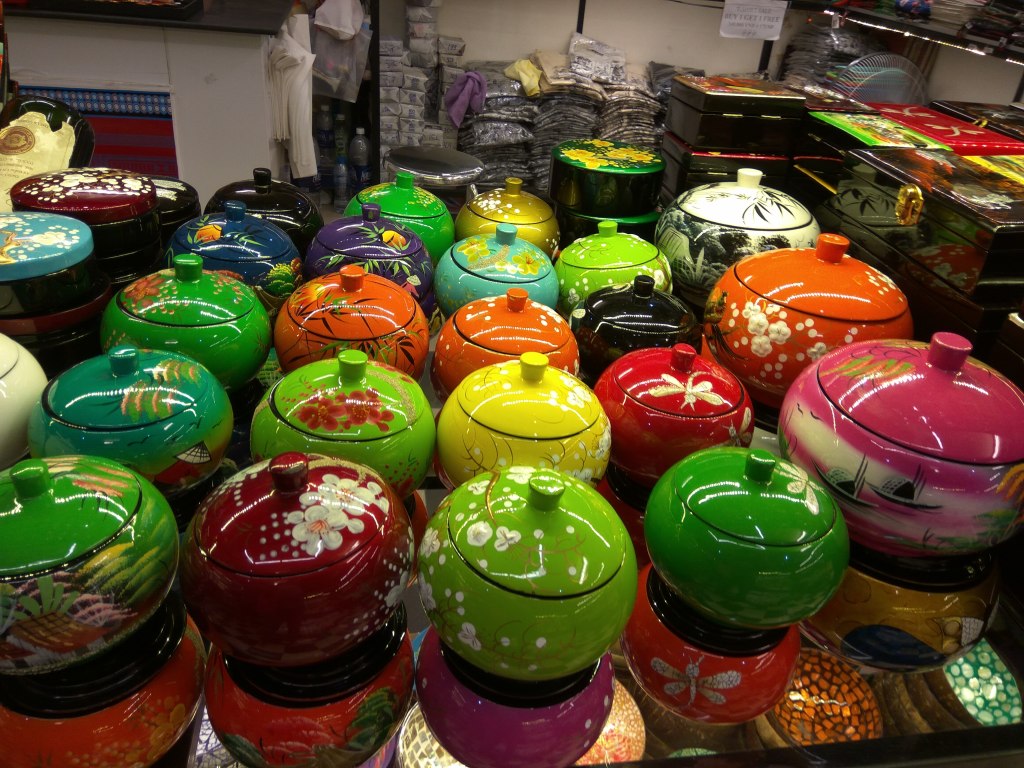
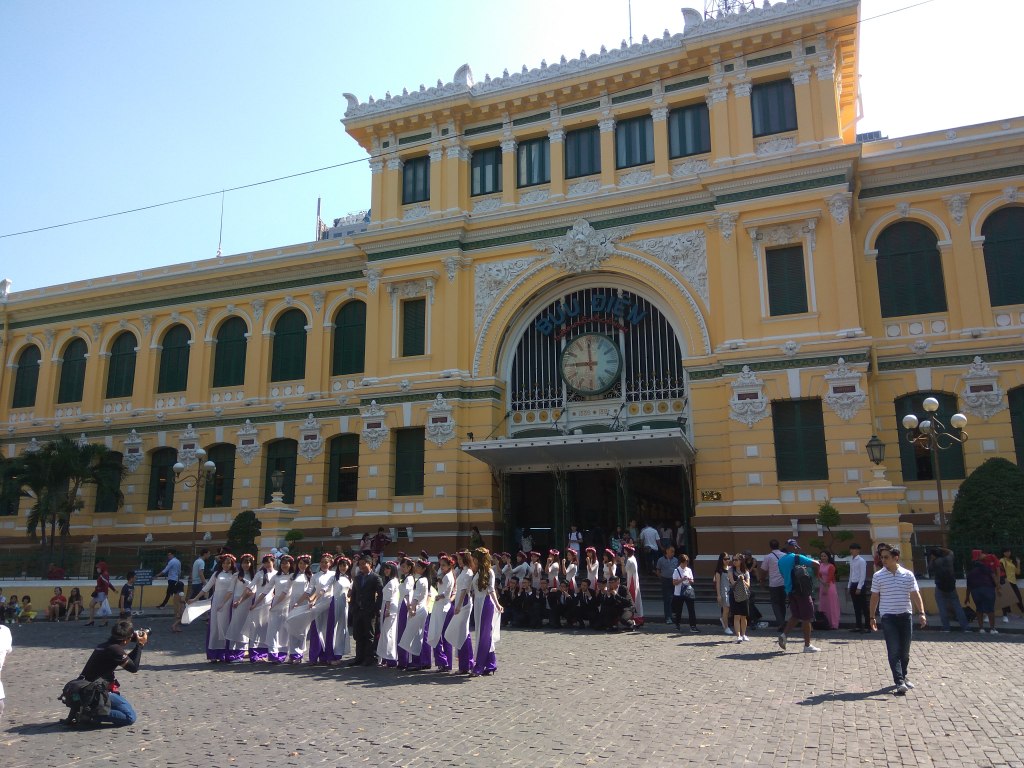
Opposite the cathedral lies the Gothic styled Central Post Office, designed by the French Architect Gustave Eiffel. Inside, beneath a long domed roof, the walls decorated with French colonial maps flank a portrait of Ho Chi Minh, while the elaborate tiled floors complete the refined look. A good place to pick up old Vietnamese coins, First Day Covers besides a wide array of dolls, artifacts, straw hats, paintings done and decorated with Paper filigrees or Quillings as they call it, stuff on Tintin and other memorabilia. Sundays are specially reserved for lot of pre-nuptial photo shoots. The entrance to both these places were free for everyone.

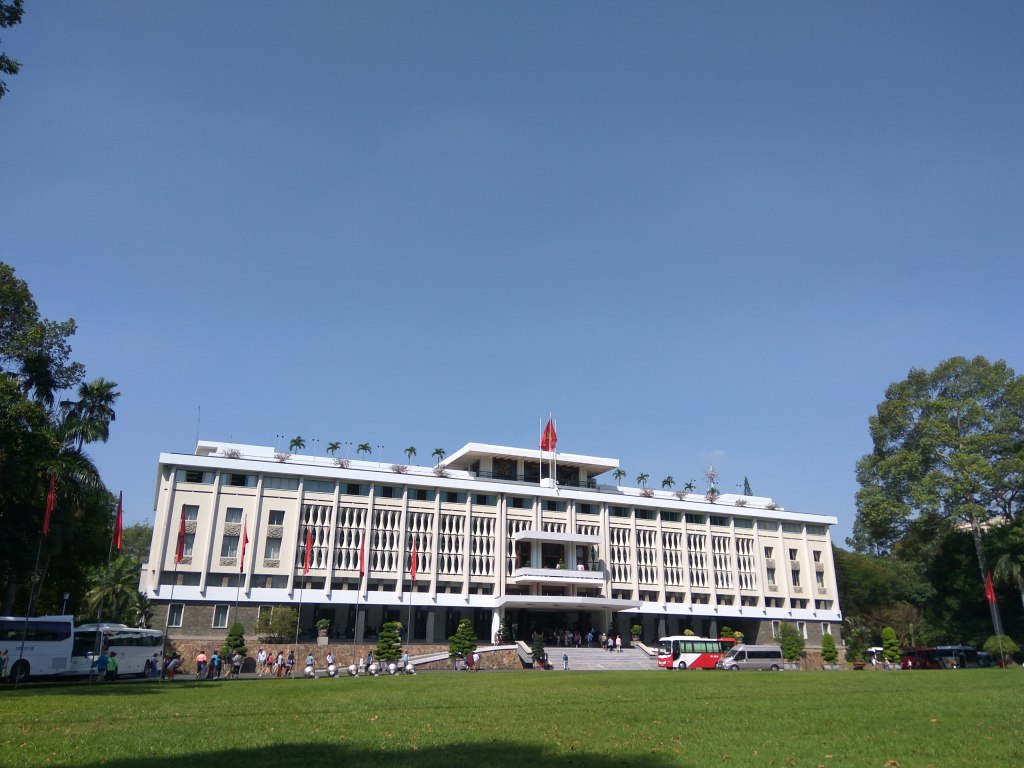
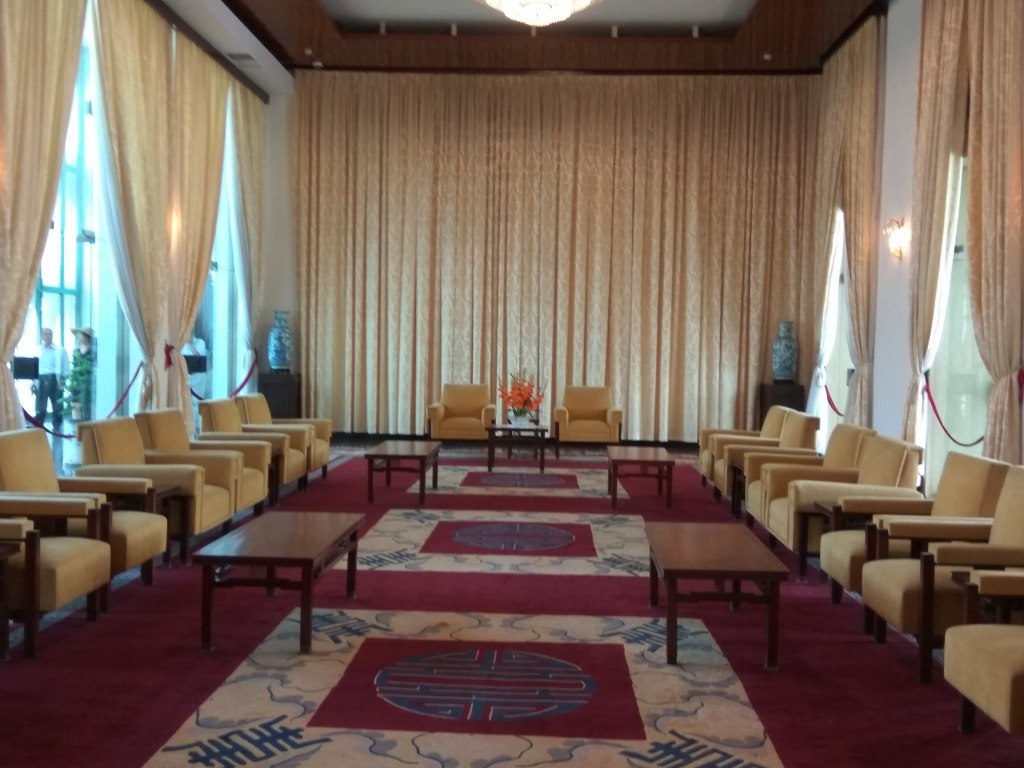
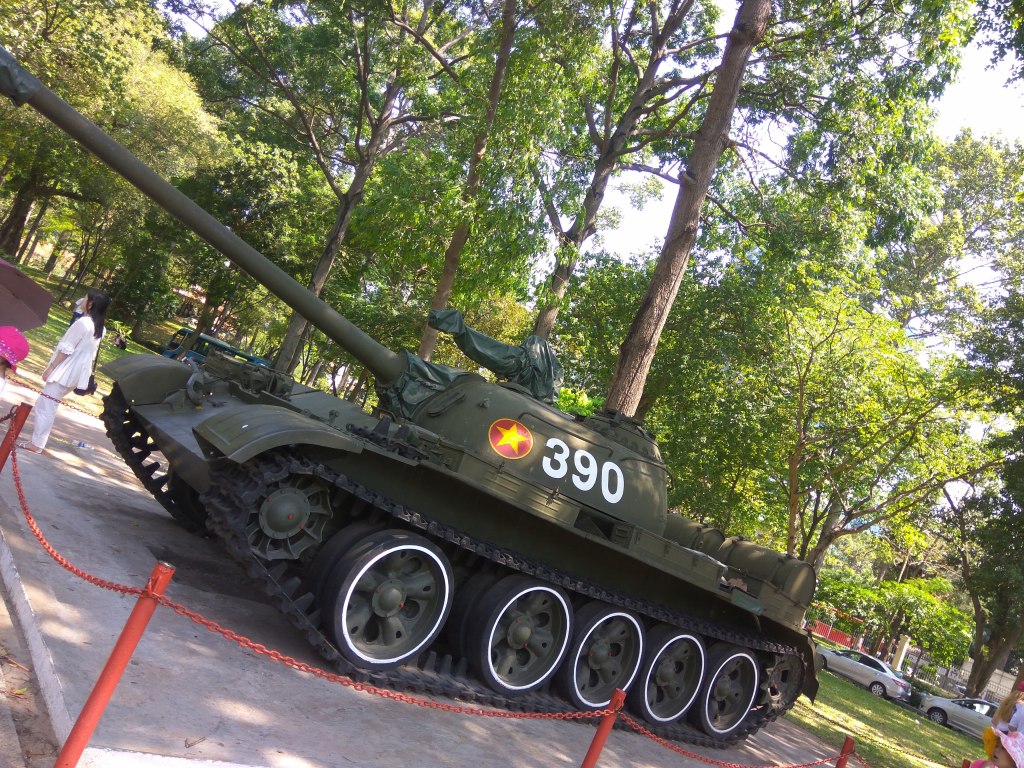
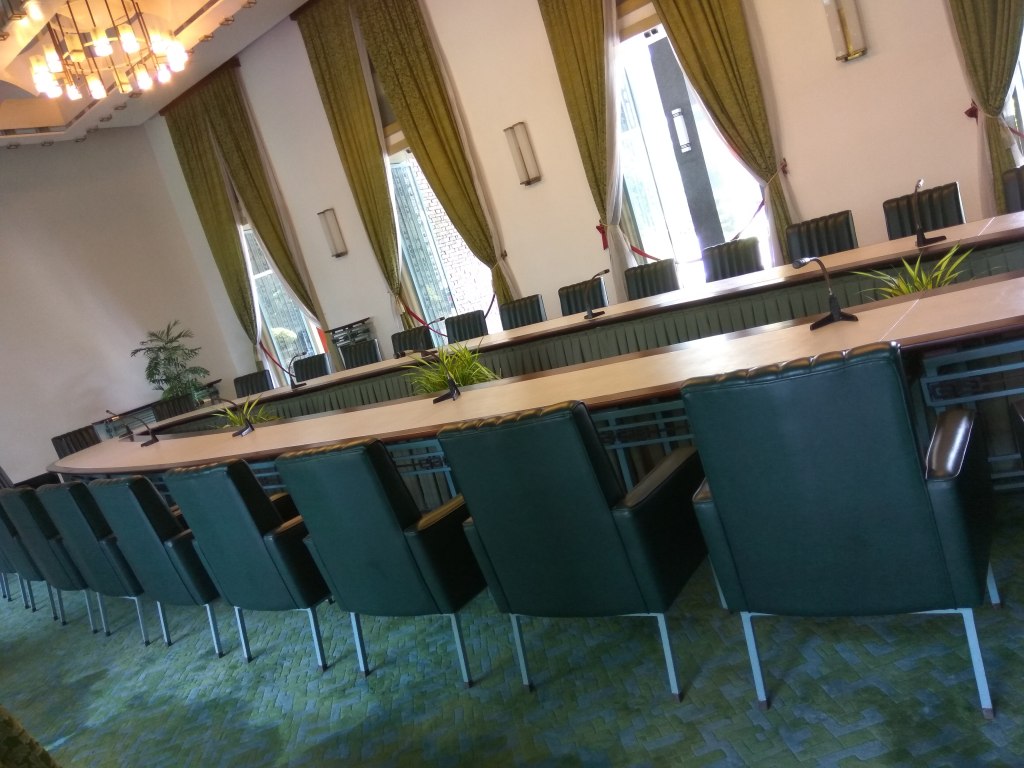
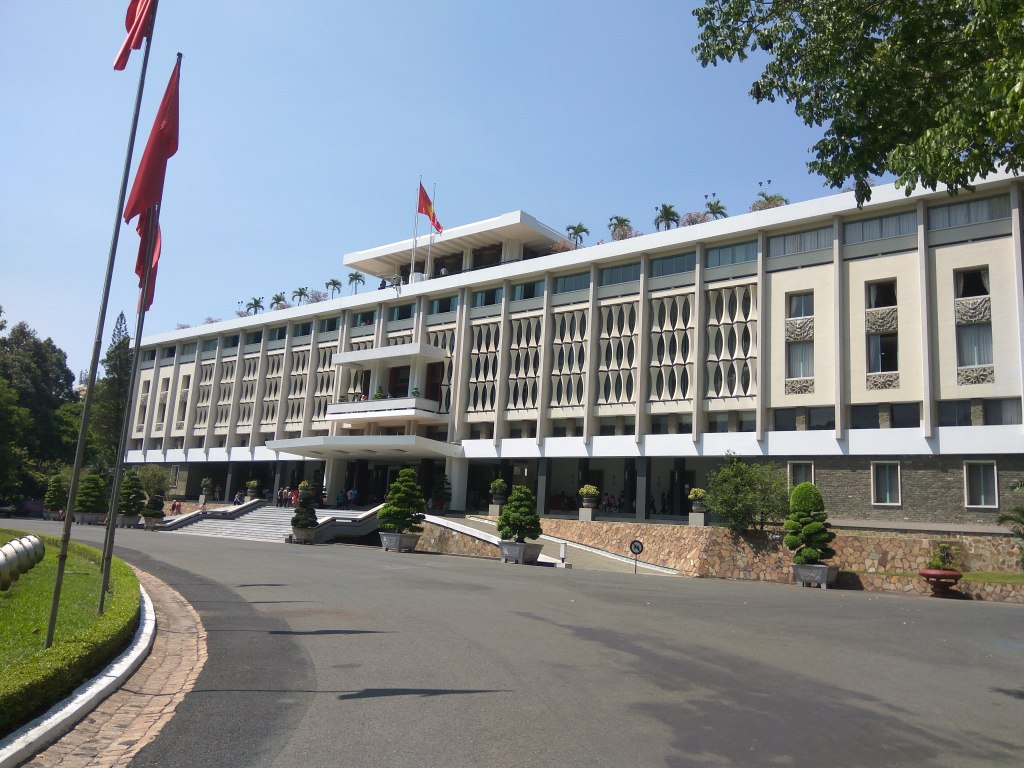
The next stop was at the Reunification Palace also known as the Independence Palace, home of the president of South Vietnam during the “American War”. The palace was built between 1868 and 1871 by the French to commemorate their victory over the 6 Southern provinces of Vietnam and was initially named the Norodom Palace. This is the site where the first communist North Vietnamese tanks crashed through the gates on the morning of April 30, 1975, resulting in Saigon’s official surrender. While the replicas of the tanks are placed at either side of the 80 metre wide facade of the palace, the original tanks are supposedly in Hanoi. The good thing about this Palace is that it is preserved almost exactly as it was in 1966. A small fee of $2 is to be paid at the main gate before entering.

A CLOSER VIEW OF THE REUNIFICATION PALACE

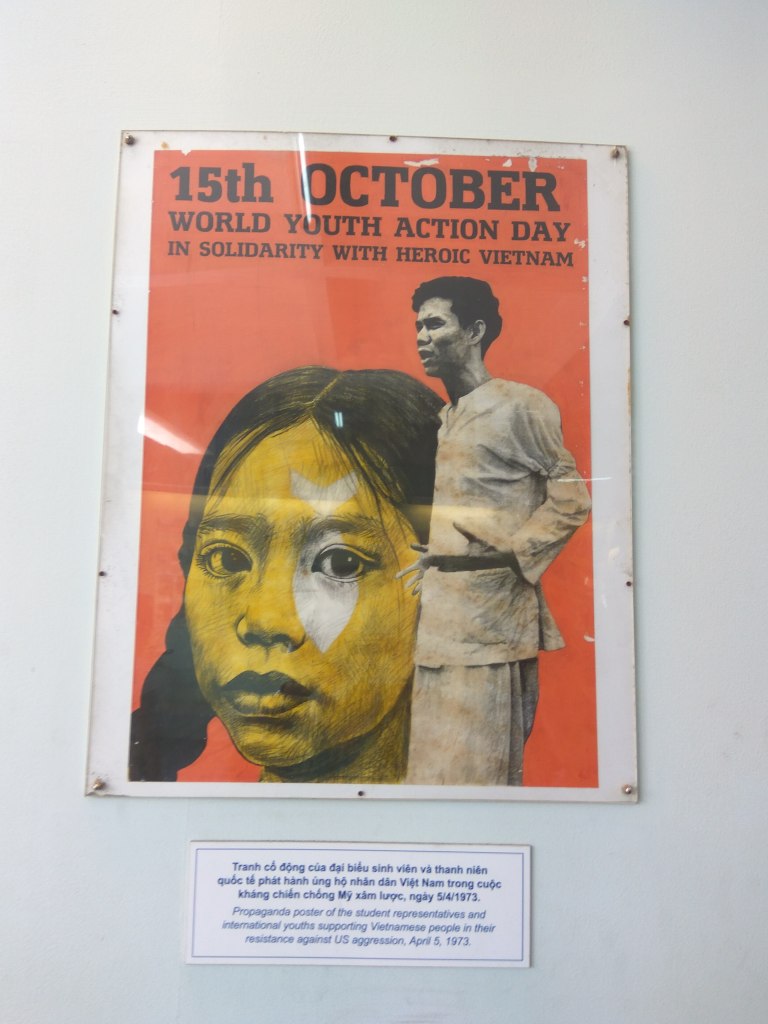
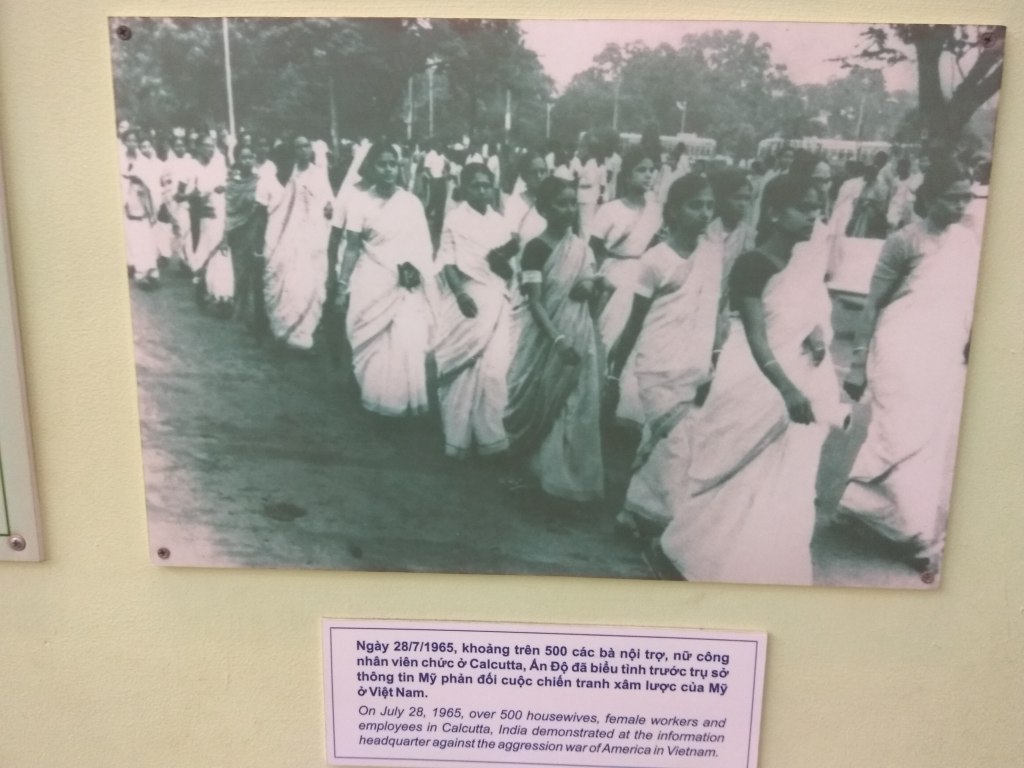
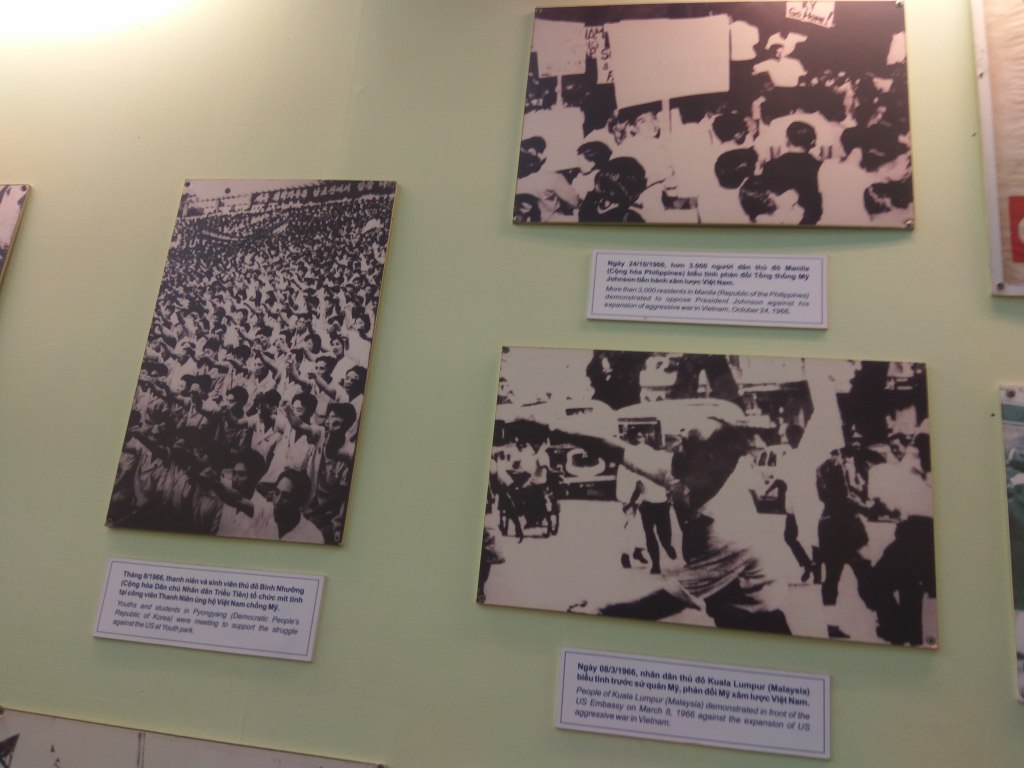
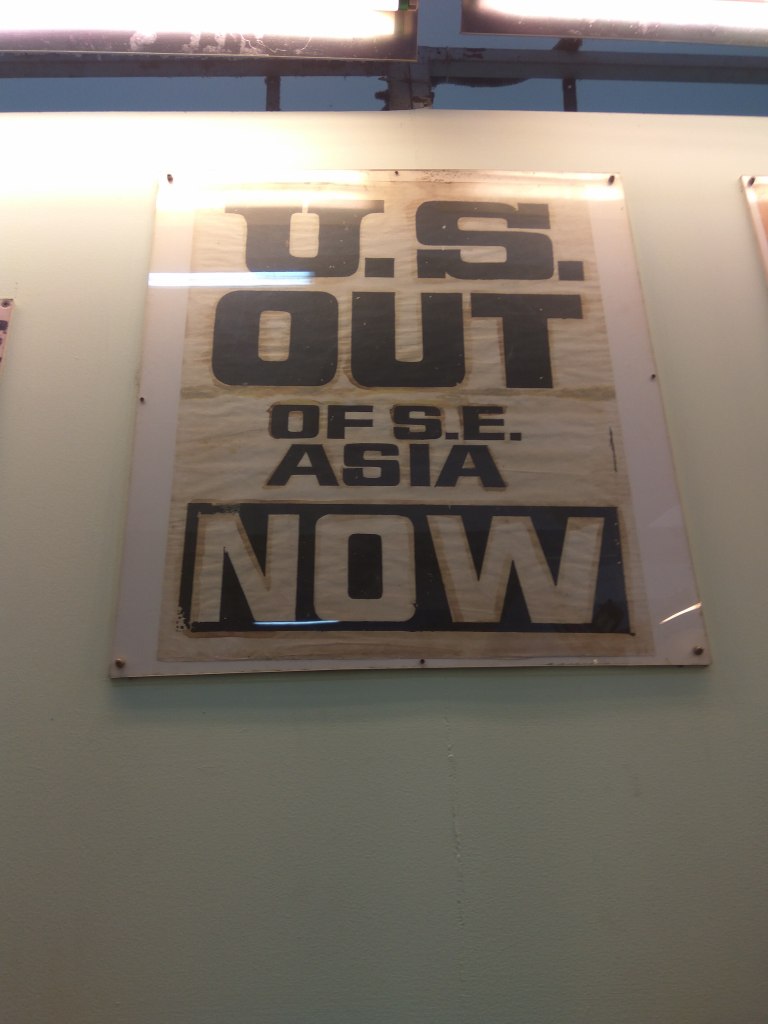
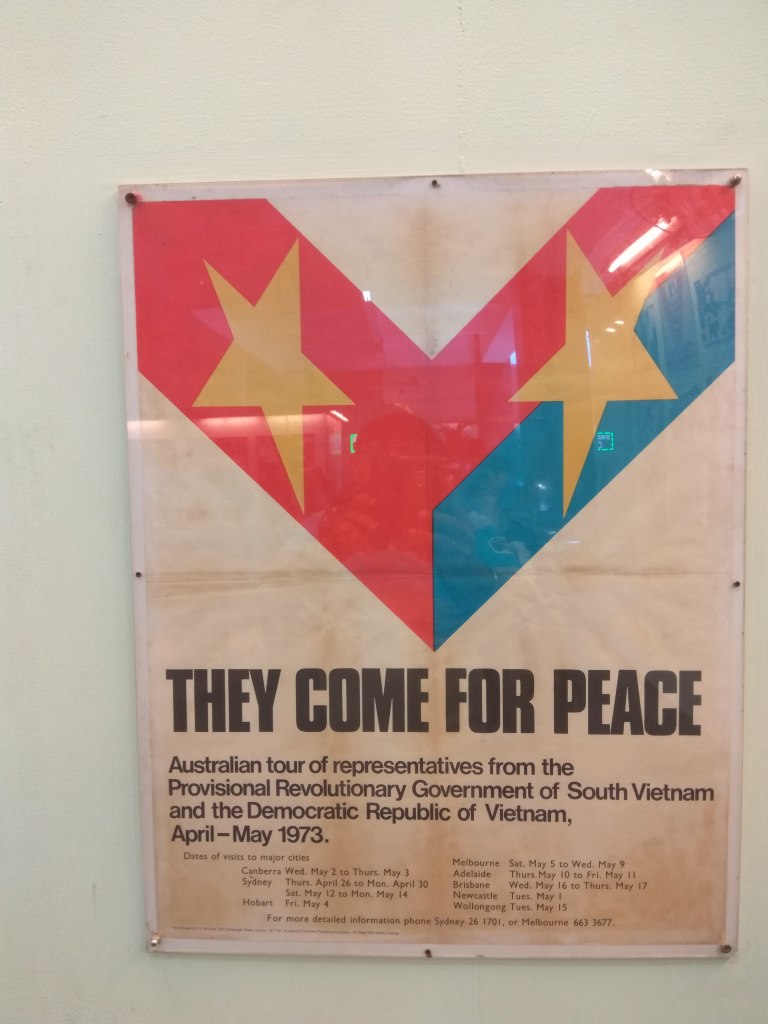
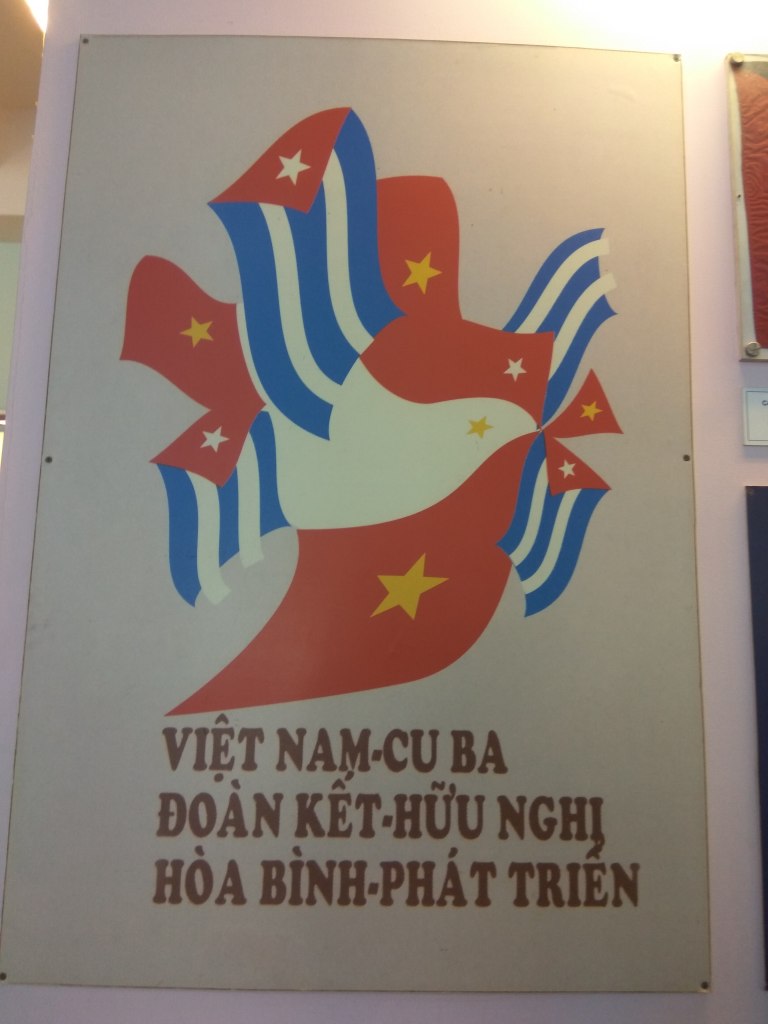
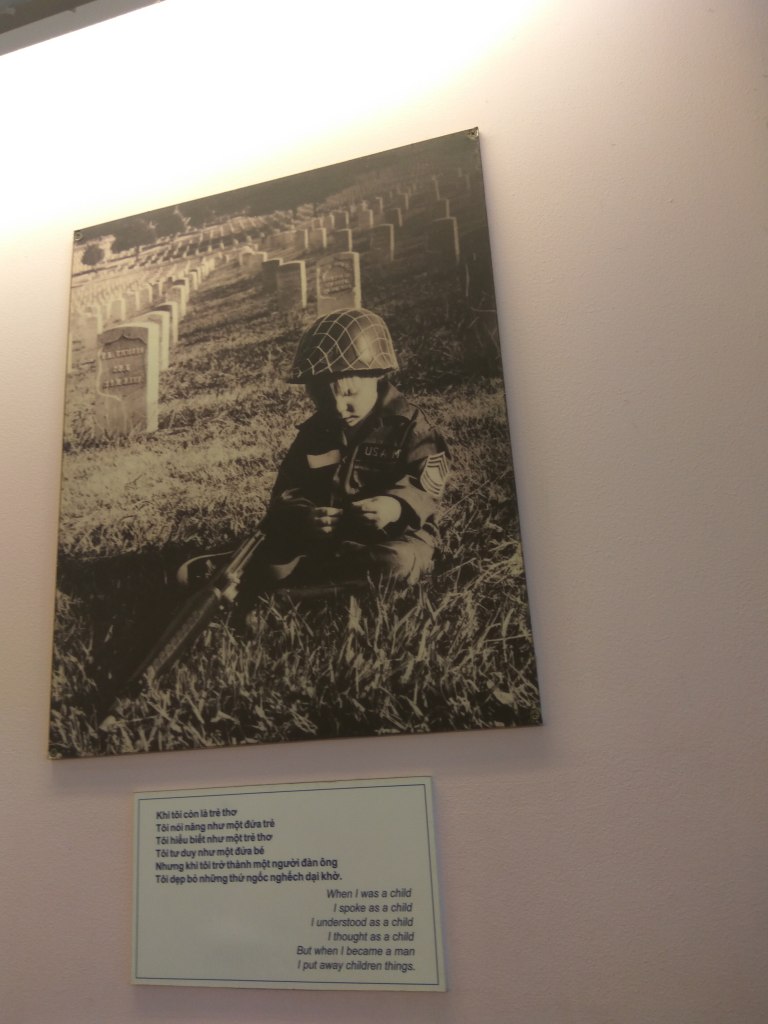
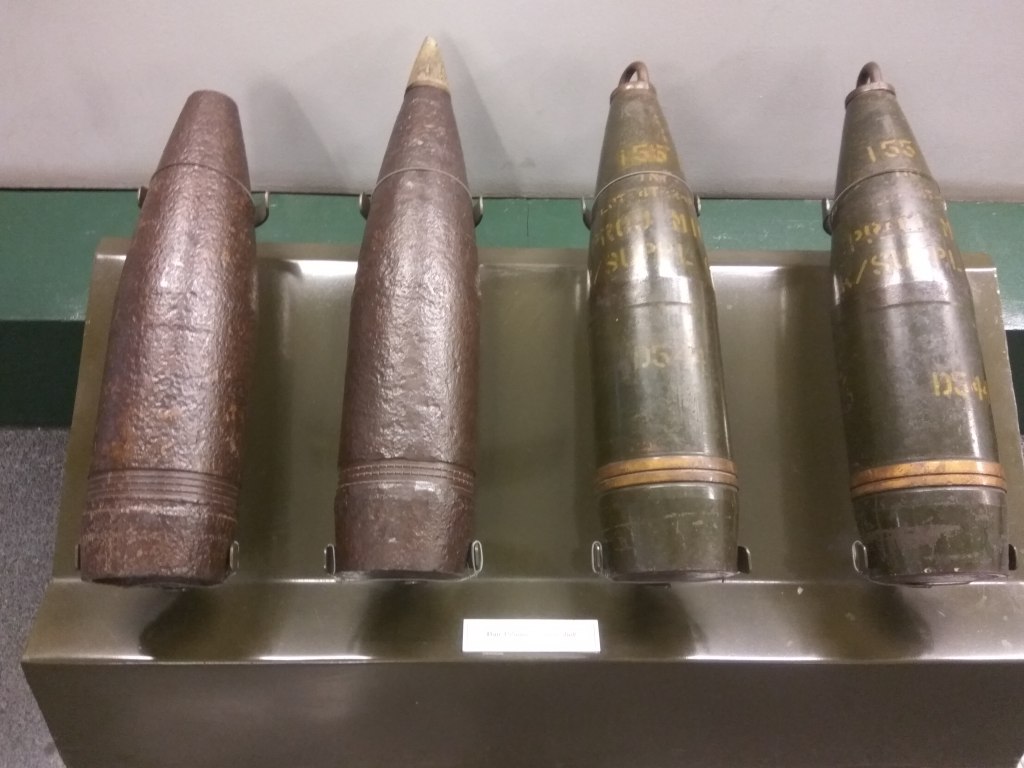
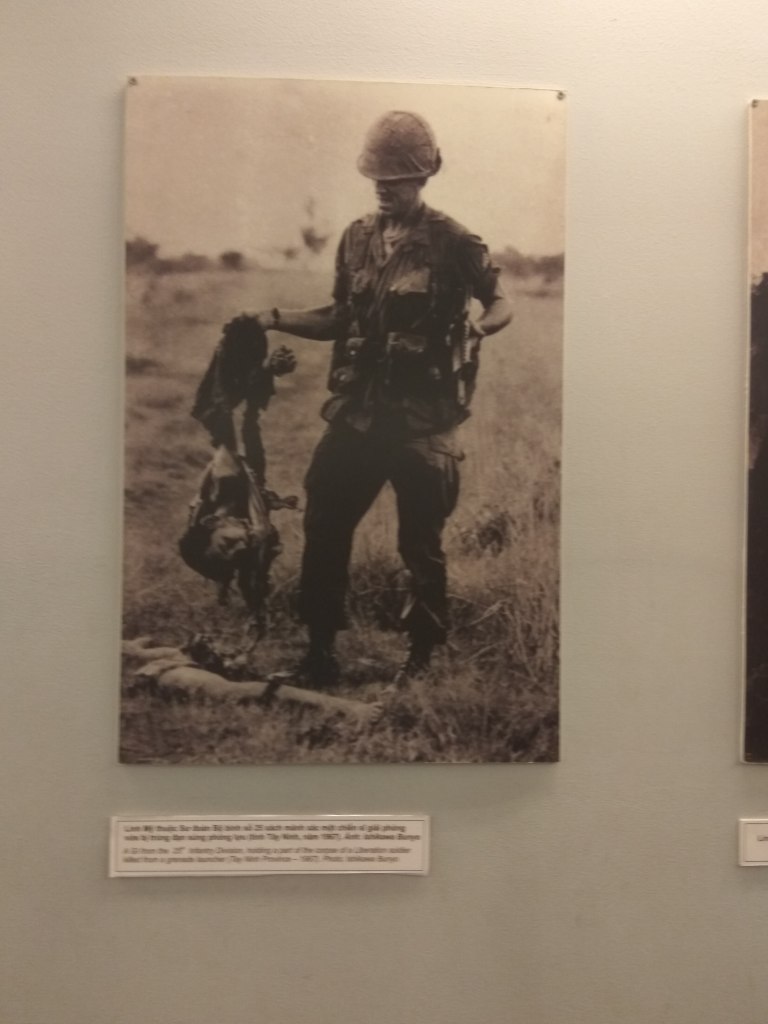
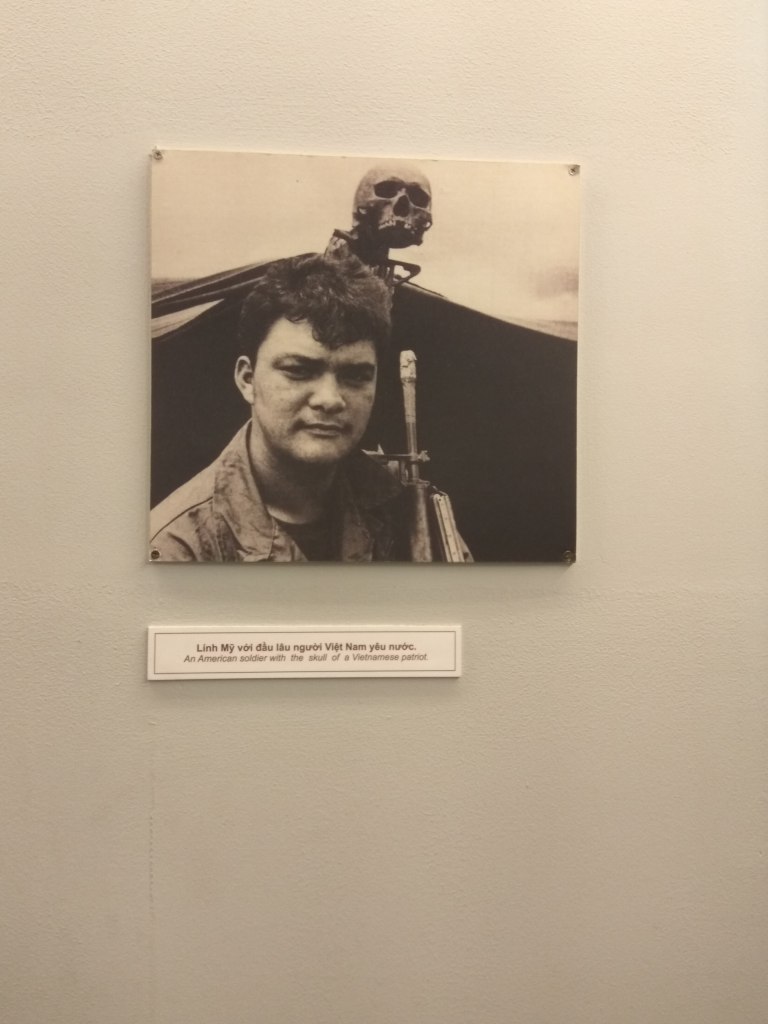
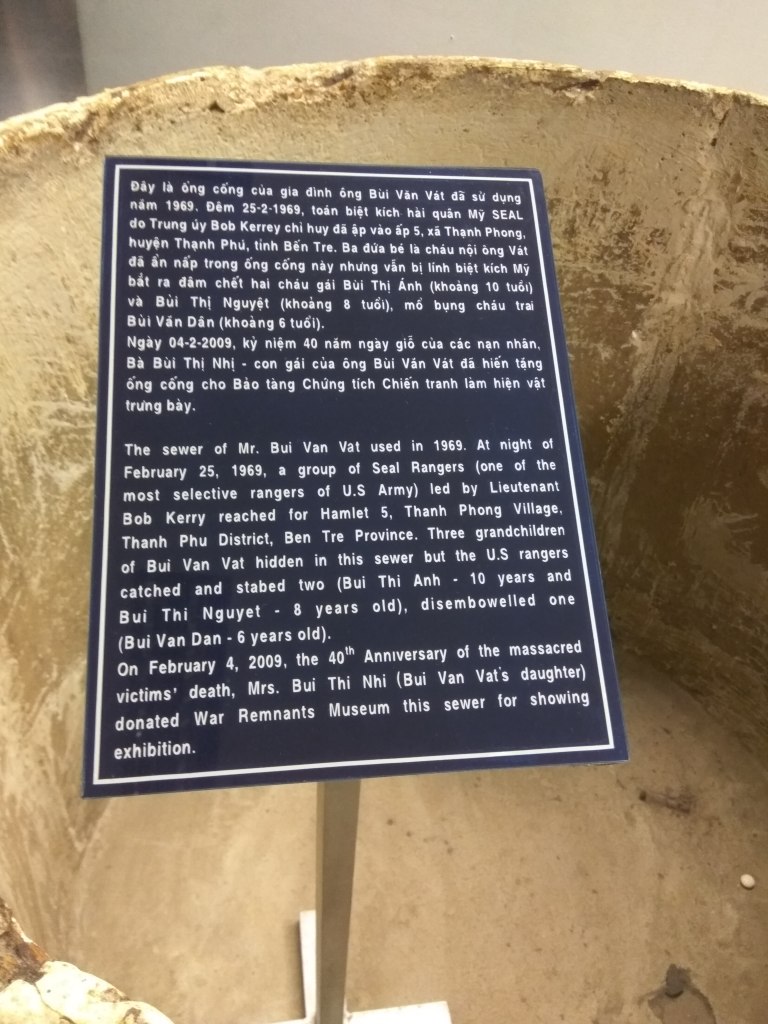
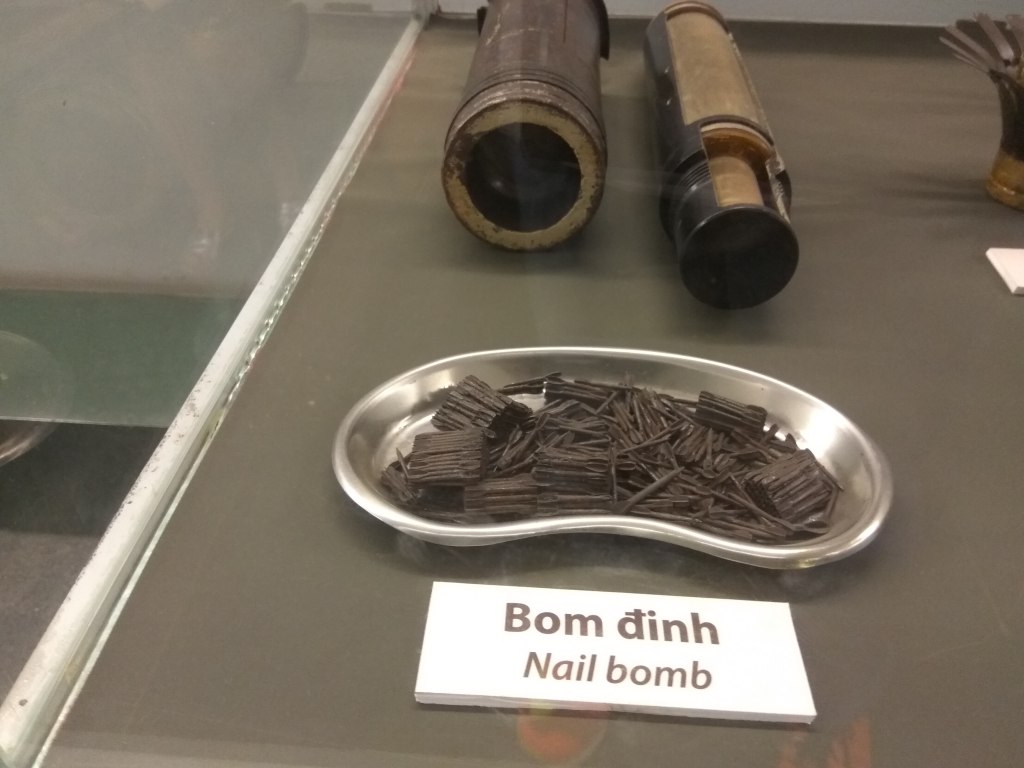
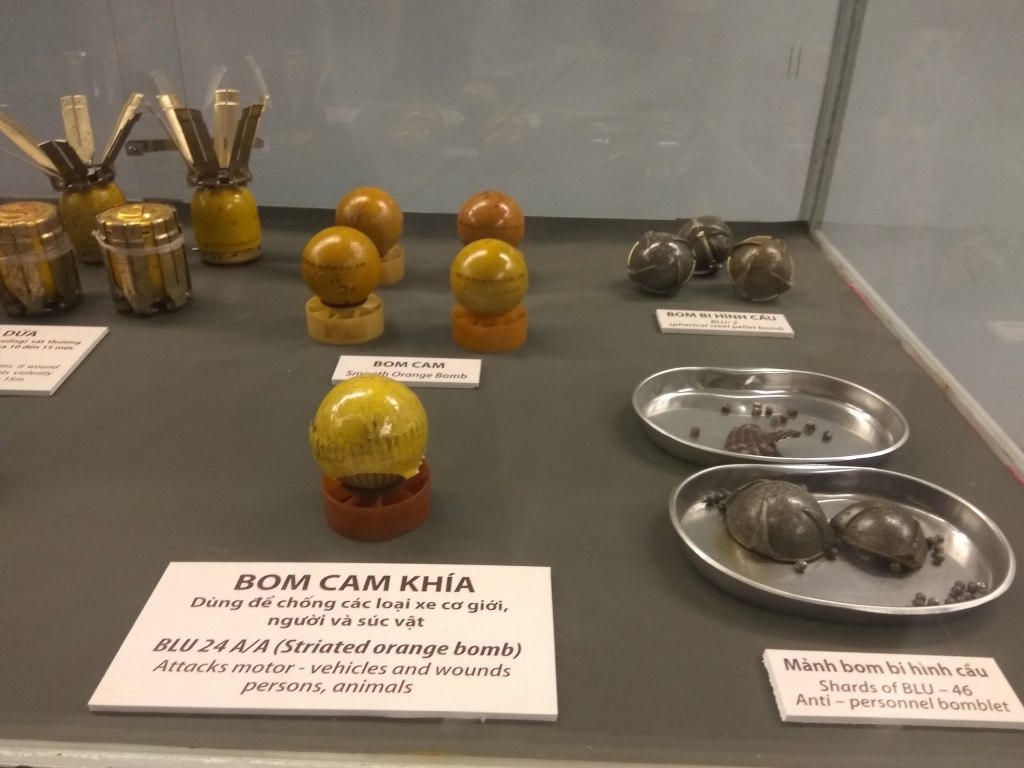
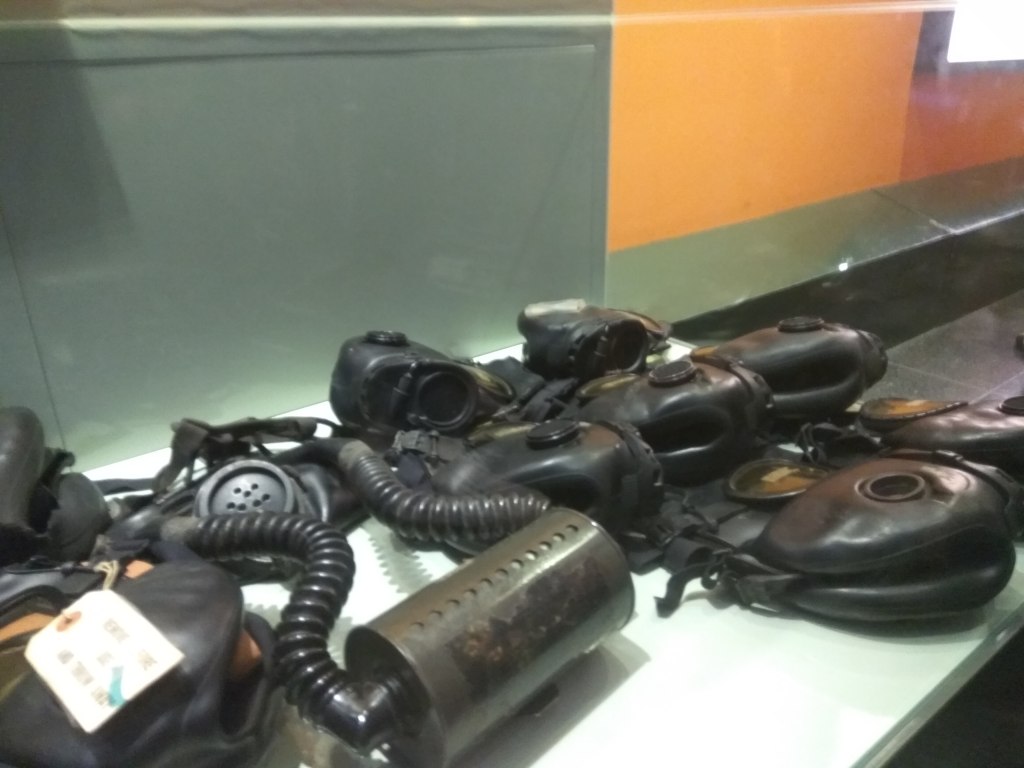
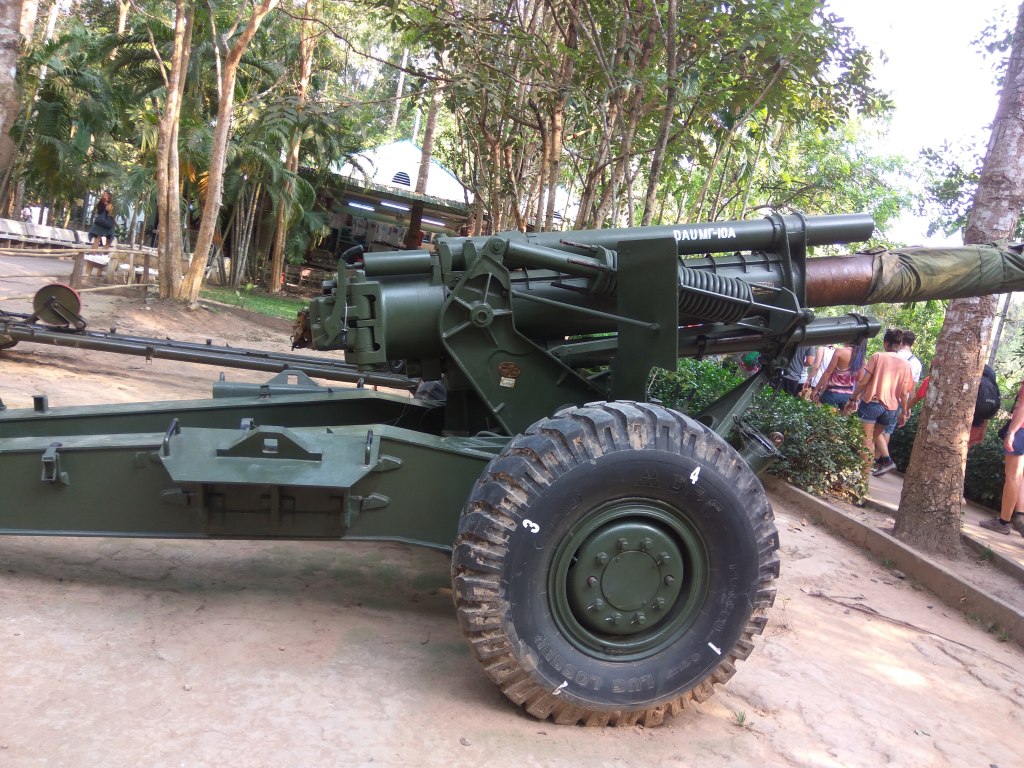
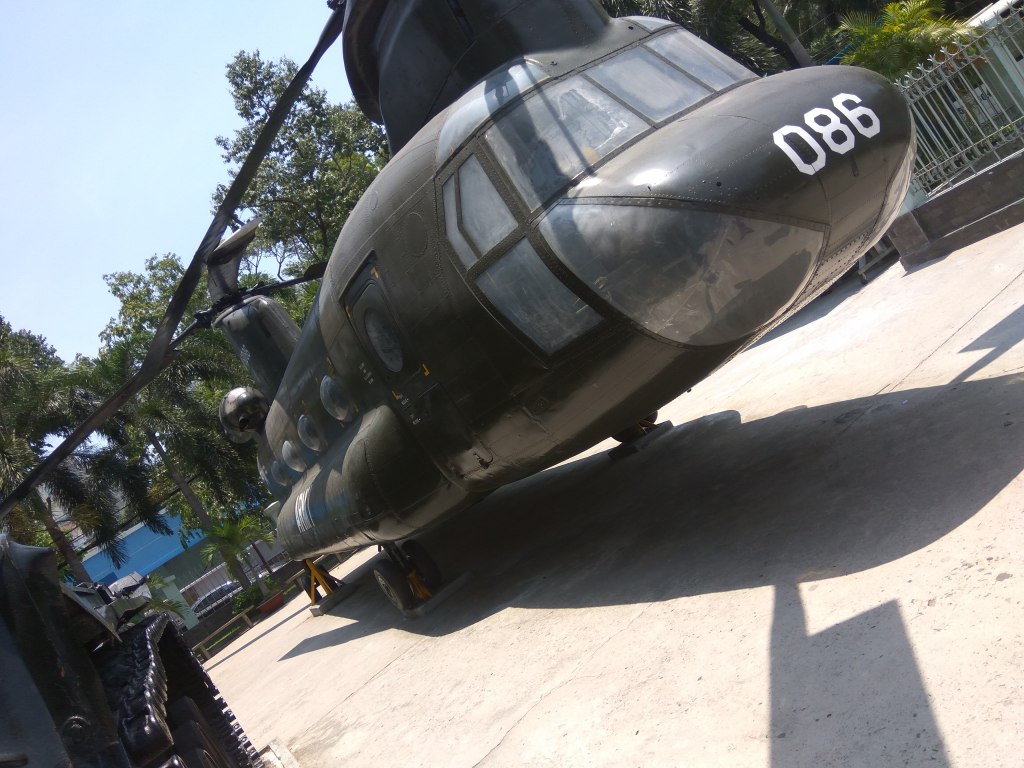
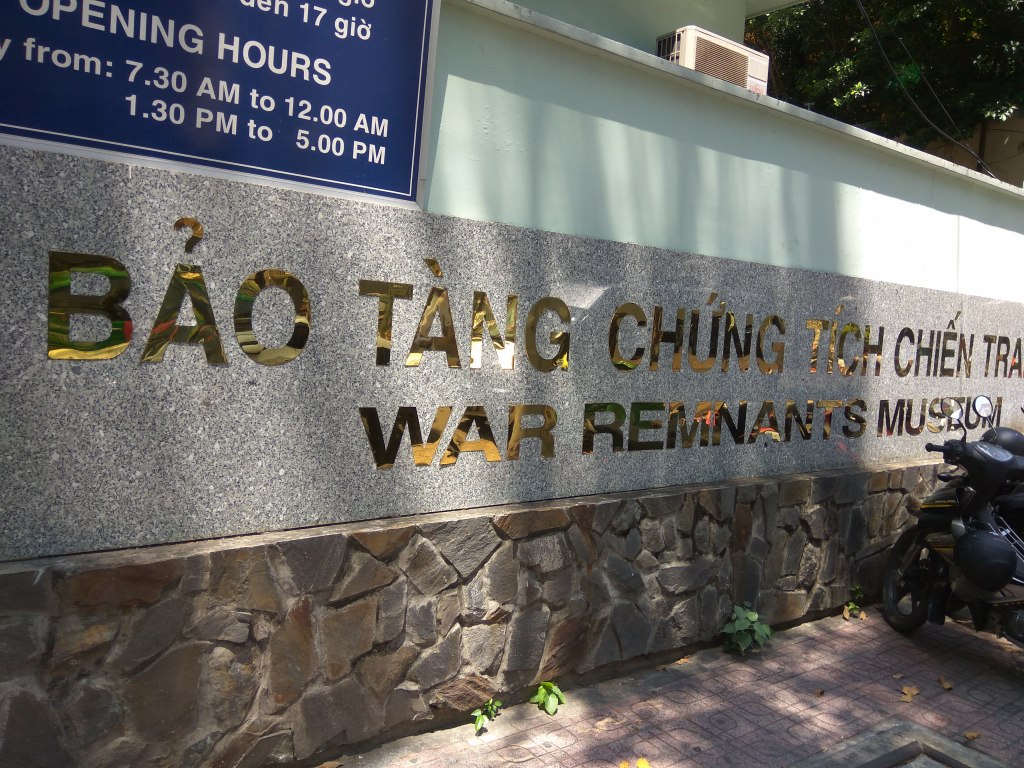
The last stop before the lunch break brought us to the War Remnants Museum. The brutality of the Vietnam War remains starkly captured and this remains one of the most visited museums in the country, attracting more than half a million visitors a year. Retired military vehicles such as “Huey” helicopters, the Chinook helicopter, fighter planes, Attack bombers and even an M48 Patton tank dominate the front yard while, inside, a harrowing selection of text and photographic exhibits tell the story of the war. A wide array of mines, bombs and various types of weapons used during the war are on display  here. It is rumored that one can spot a  B52 American Bomber Wreck in Vietnam’s West Lake. A poignant moment indeed looking at the devastating impact the war had on the lives of the Vietnamese, especially when you look at the photographs of children affected by the chemical bombings. Entrance tickets were again at 2$ apiece.

The lunch was at a nice poolside restaurant Oasis Saigon but ended up being tough on the eyes and nose for me, sitting beside a bunch of Chinese and Japanese tourists who were literally gorging and loving every bit of the non veg fare on offer.

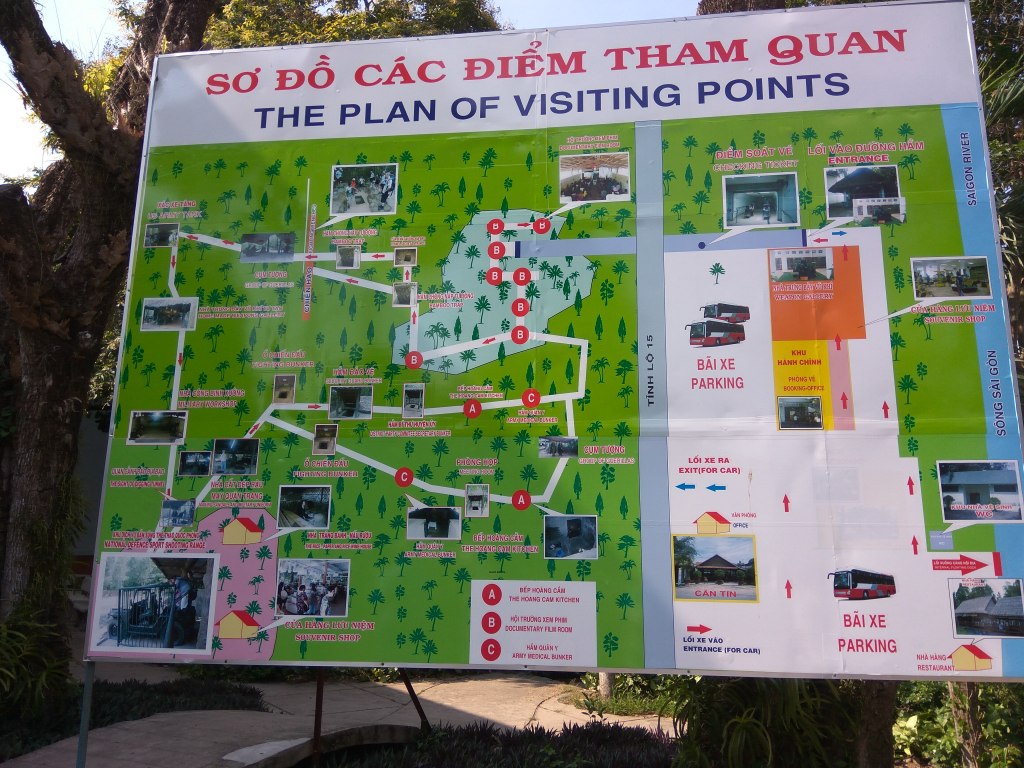
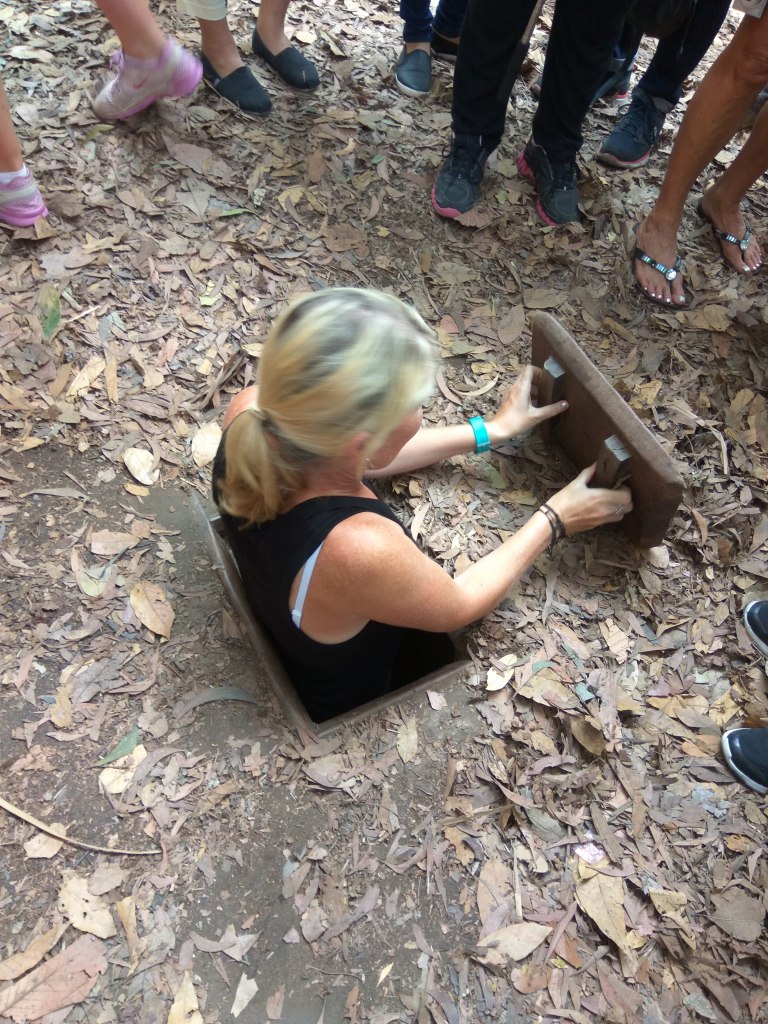
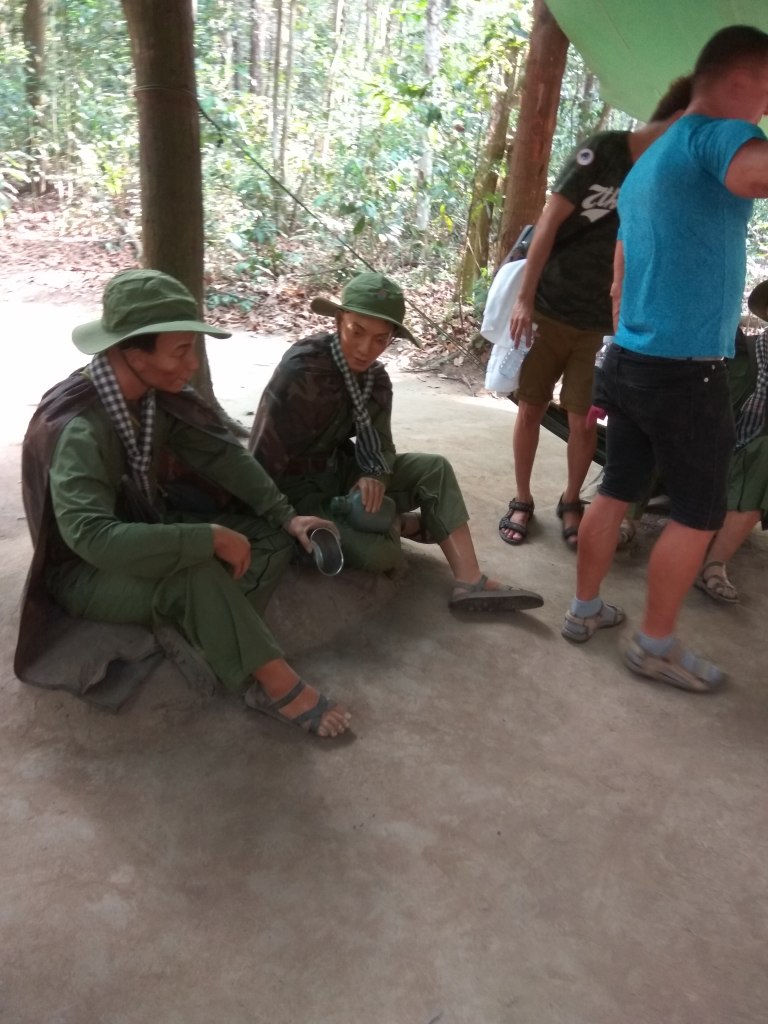
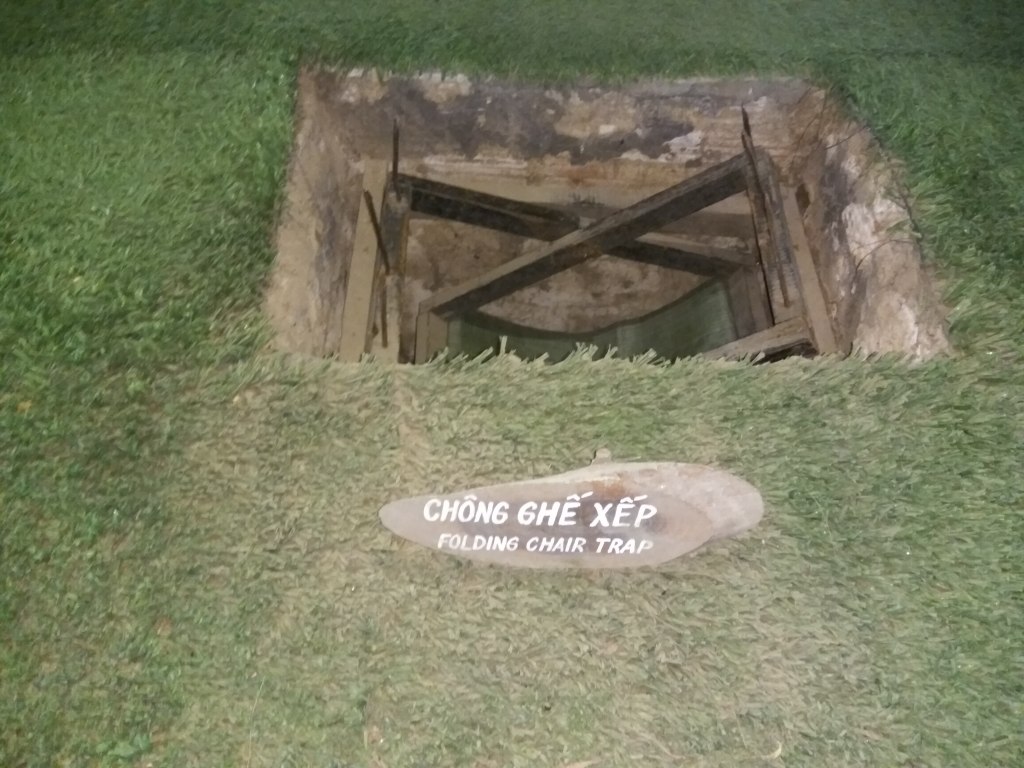
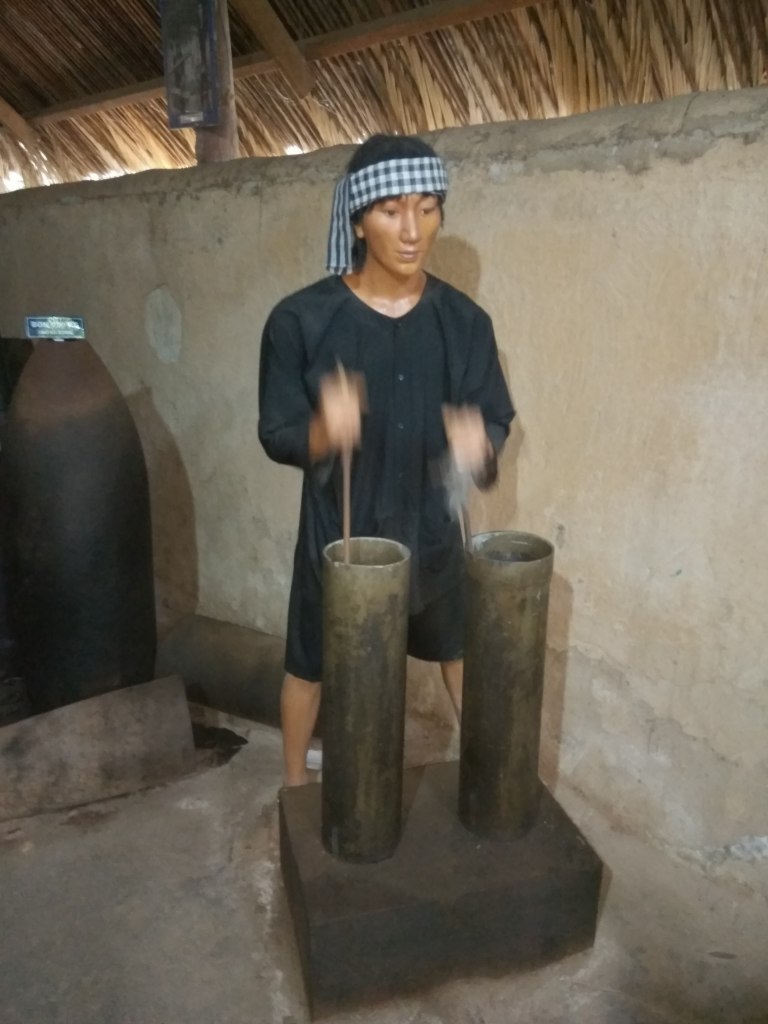
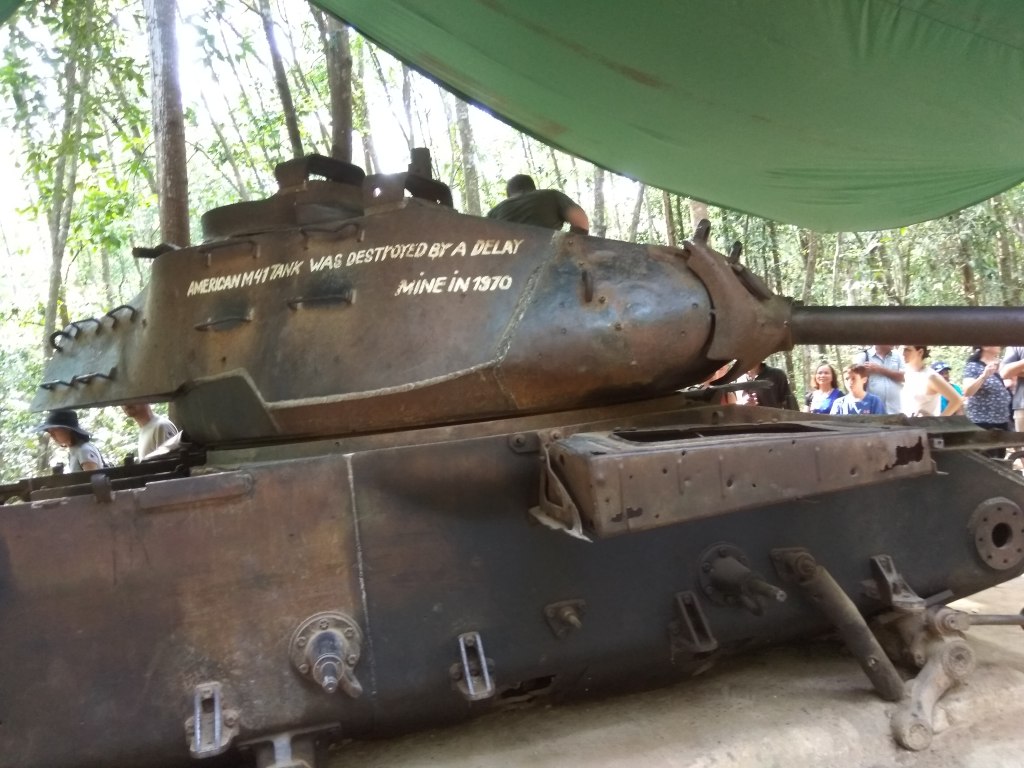
Managed to have some veg rolls and a tender coconut and stepped outside for some breath of fresh air. We then commenced our drive towards Cu Chi – located around 30 kms from HCMC. What unfolds here is a vast network of interconnecting underground tunnels. Used as operational headquarters by Vietcong guerrillas during the Tet Offensive of 1968, they were instrumental in numerous military campaigns during the war and played a decisive role in defeating American forces. A guided tour allows one  to explore the tunnels first hand including going inside one in a state of crawl besides  seeing exhibits on the various traps and trenches set by the guerrillas to fight back the Americans. There is a shooting range available here where  one could also try  firing an AK-47. Tickets are priced at around $5 per head. We headed back to HCMC after this and around 8 PM, had a colleague of mine from the HCMC office visiting me at the hostel. We then headed to a lovely Indian restaurant by the name Benaras and post a walk by the riverside, it was back to the hostel for the night.

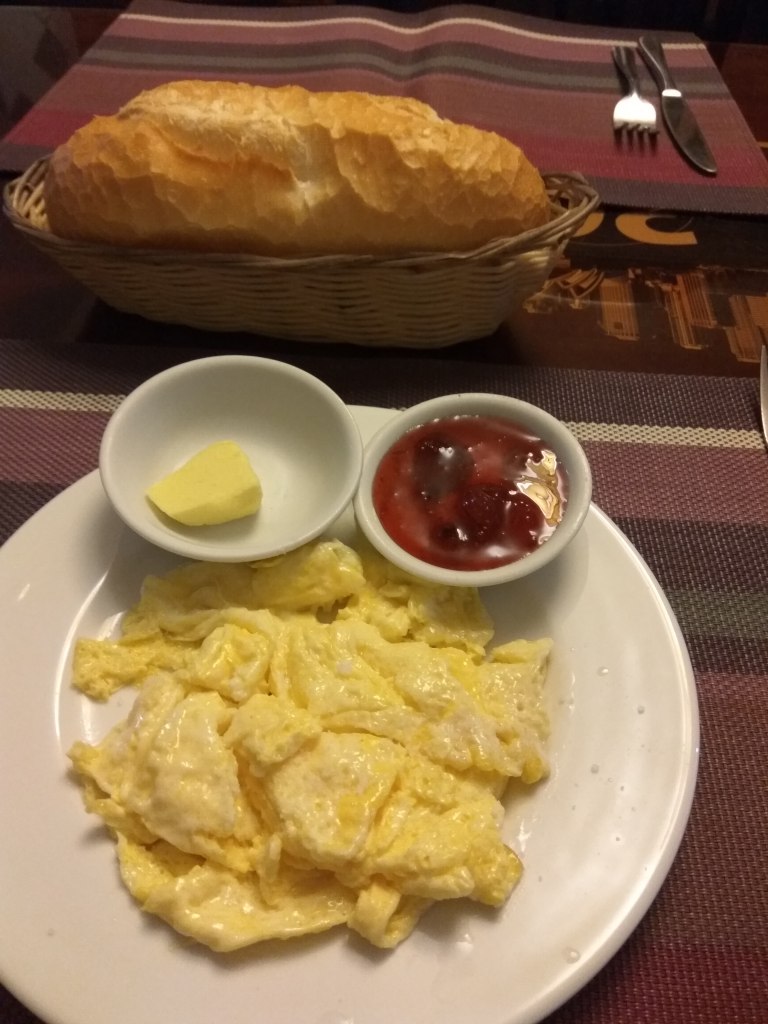
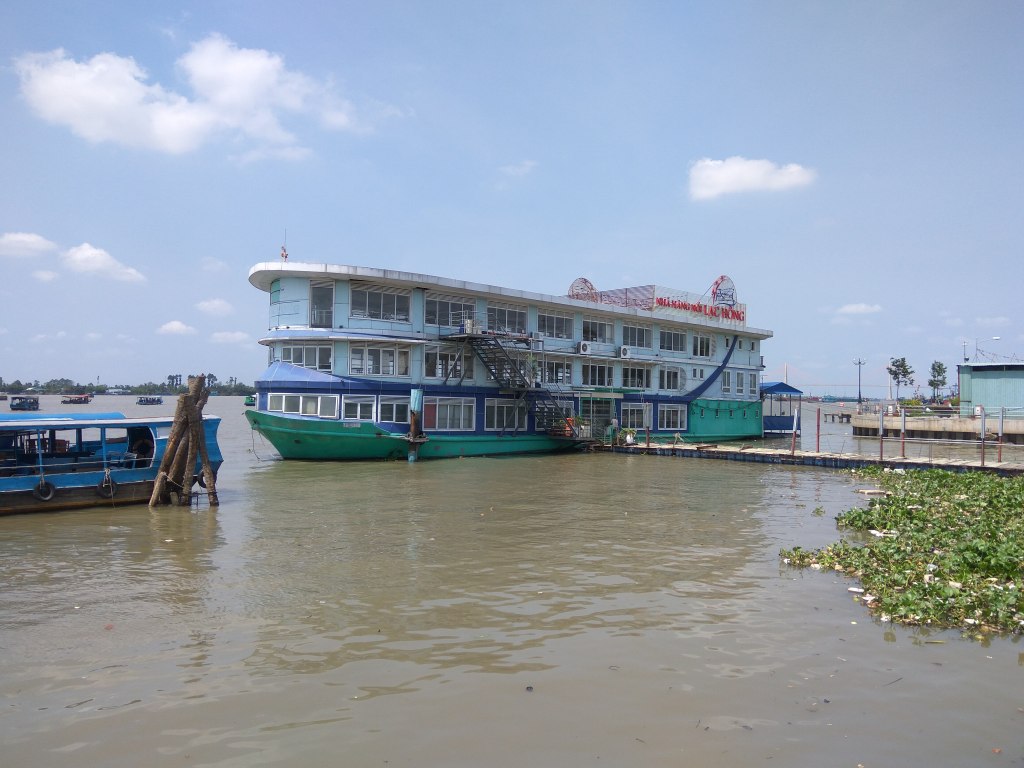
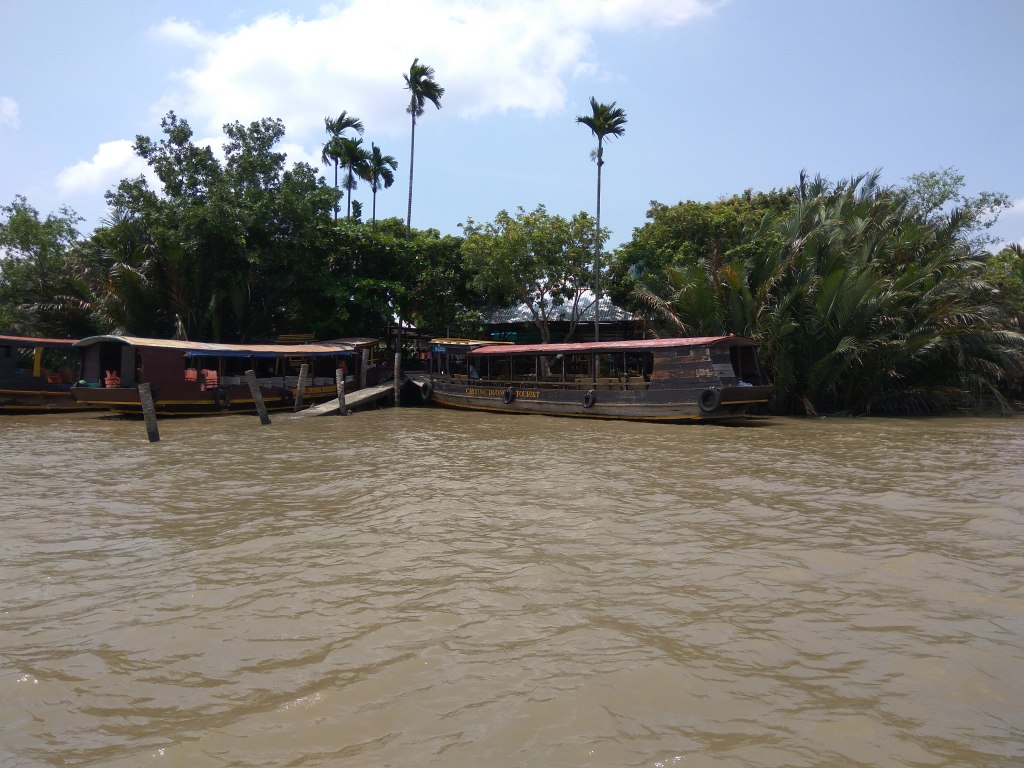
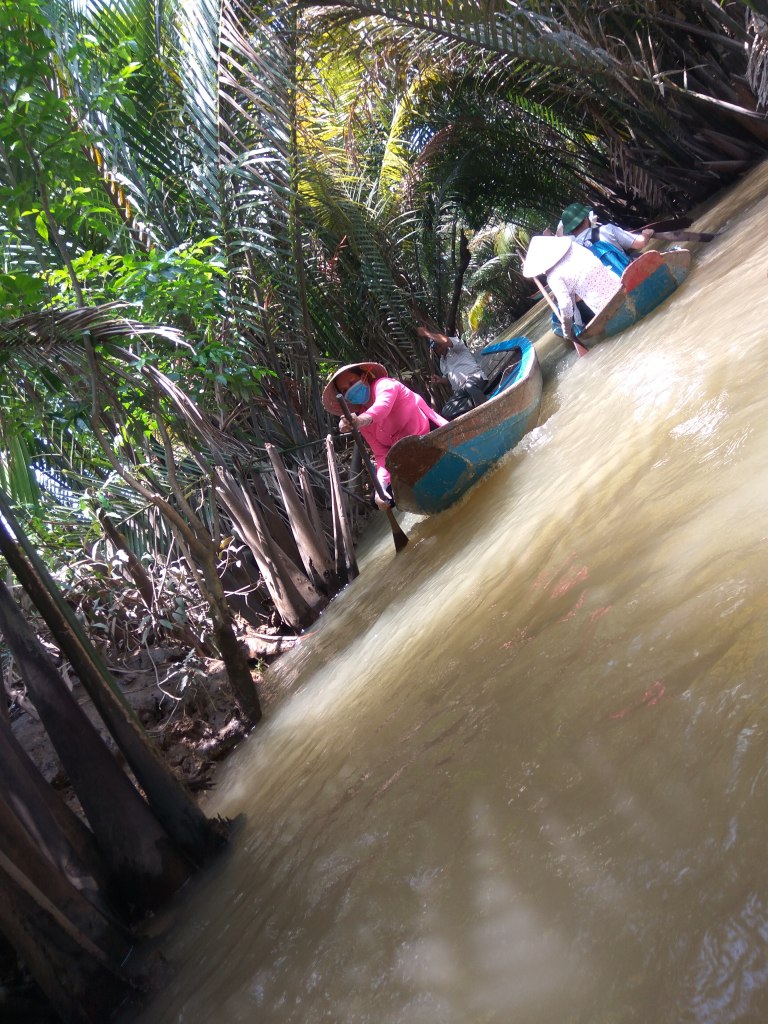
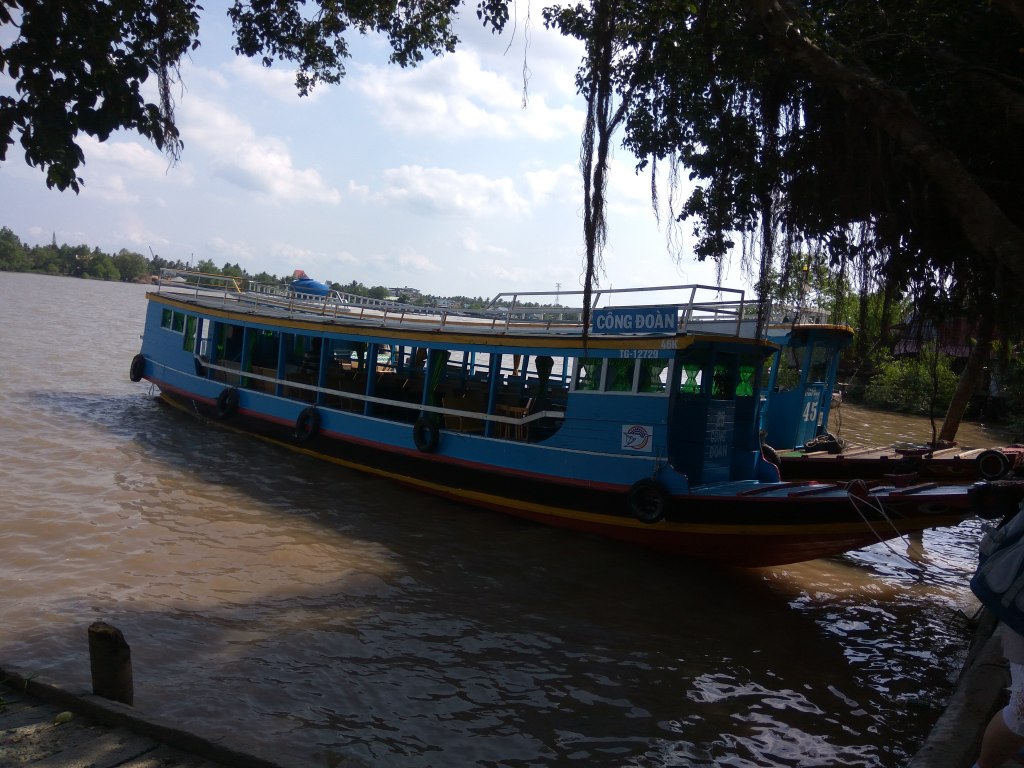
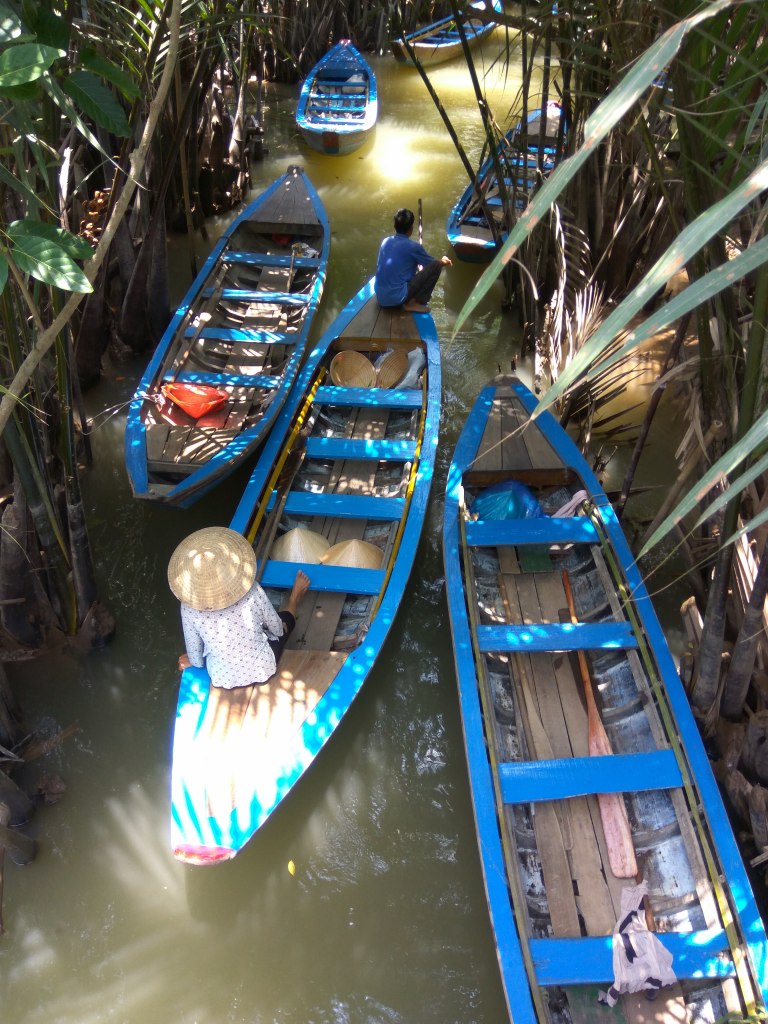
Day 3 : An early morning start to the day as we were to drive almost 180 kms to reach the famed Mekong Delta. Fortunately breakfast was ready by 6.30 in the morning at the hostel and comprised of the same Croissants, butter, honey and scrambled eggs. The AC van picked us up by around 7 AM from near the hotel. The drive was a good 4 hours long and one got to see the beautiful and vast expanses of the countryside once we crossed the city limits. The van brought us somewhere close to the pier and from there on, it was a small walk to a point where we got onto a medium sized motorboat to go island hopping.  A fascinating part of this tour is that you get to see markets, schools and villages float on sprawling estuaries as we go along.

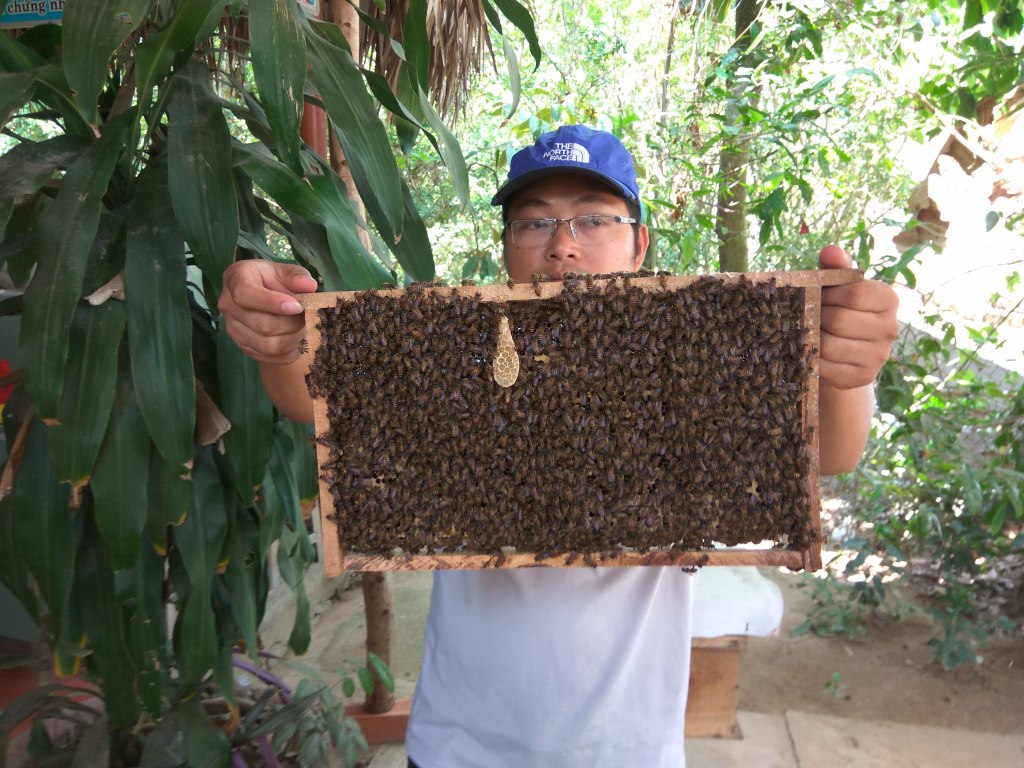
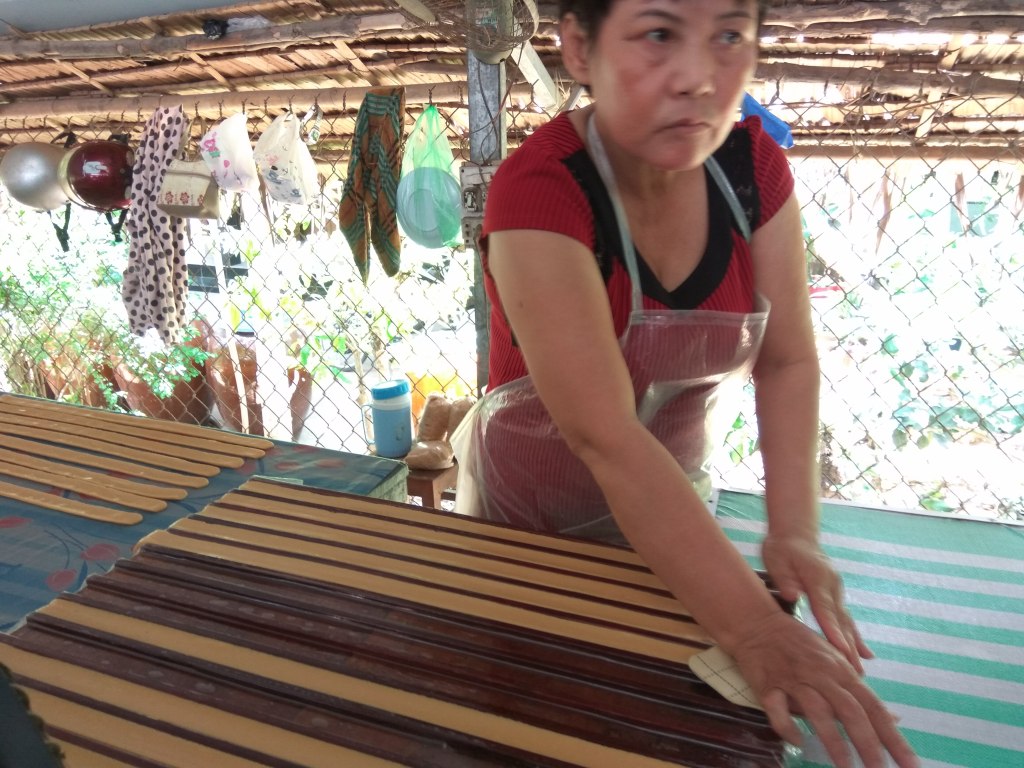
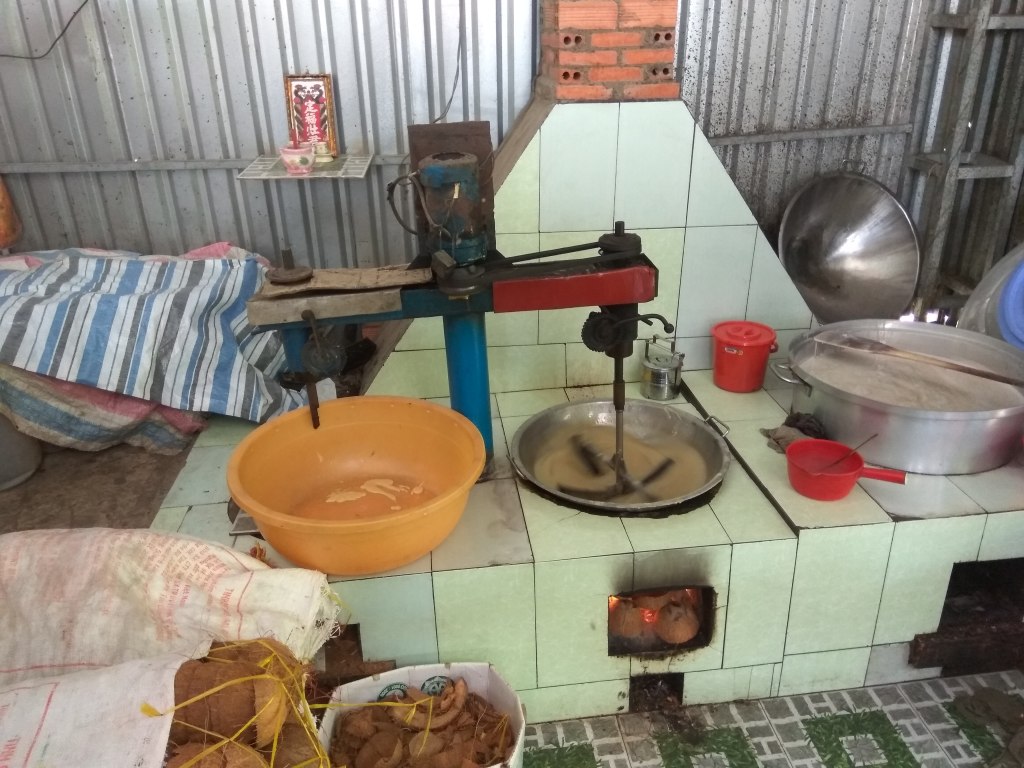
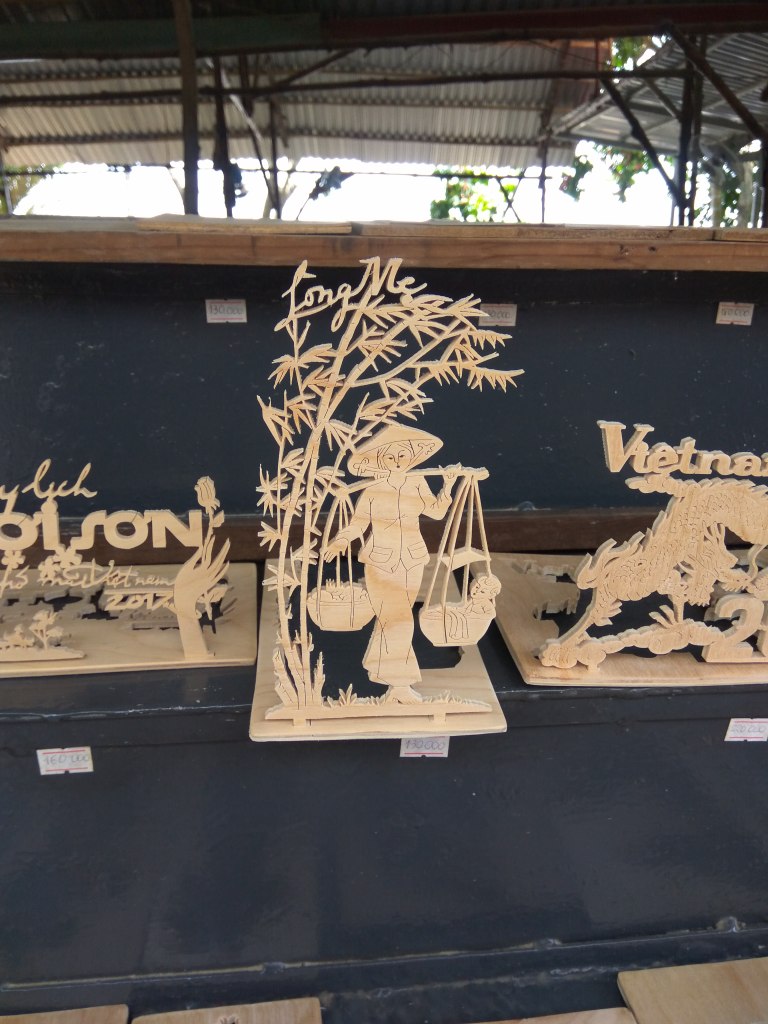
A little known fact about the Vietnamese people is that they love keeping potbelly pigs as pets. Strange, but then no wonder that the dogs would continue having a tough time keeping themselves in hiding from the butcher’s knife. The first halt was at village which had exhibits of a bee rearing farm and a small shop where they were making coconut candies. A third shop a little further down the lane had some beautiful wooden carvings for sale.

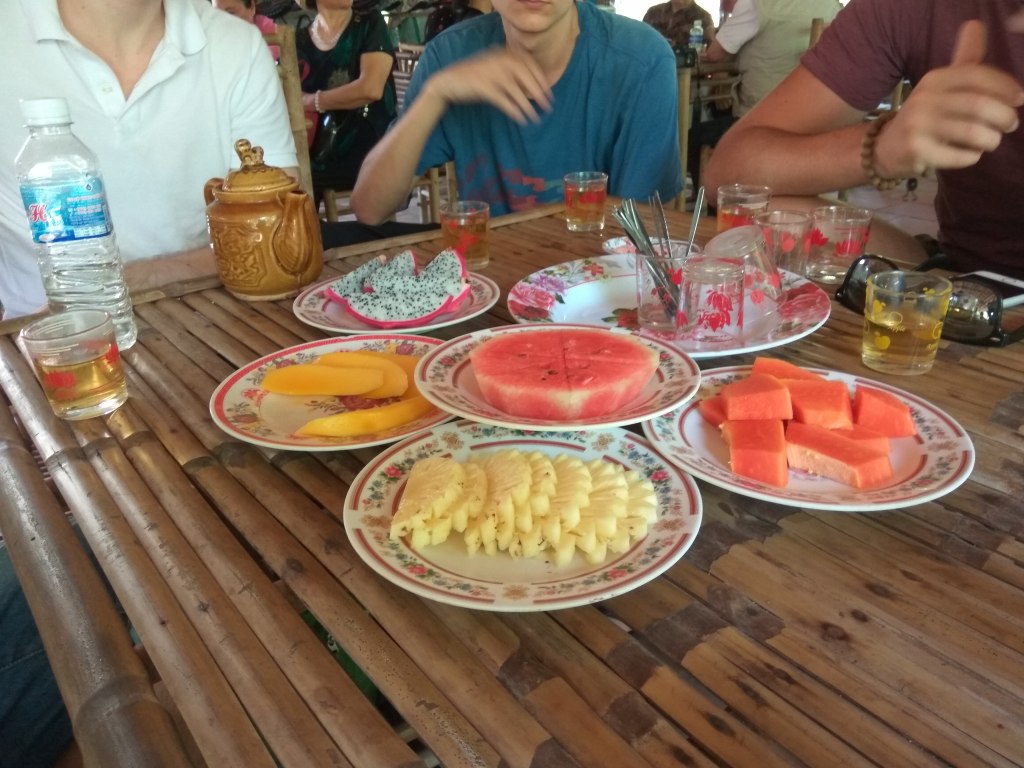
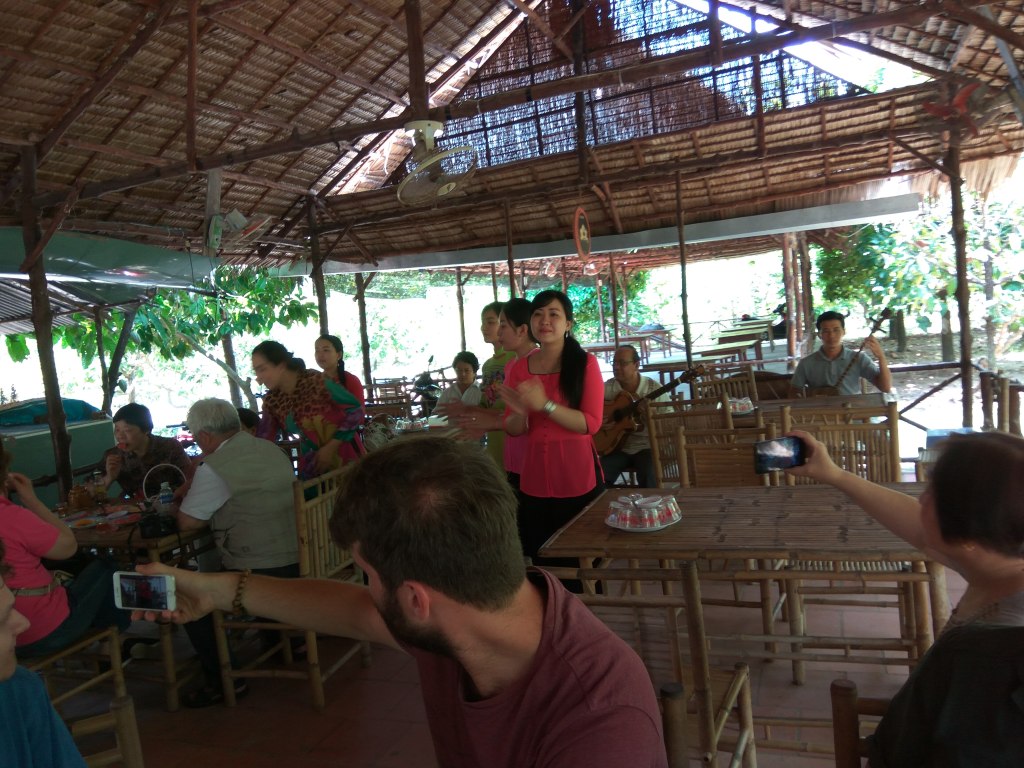
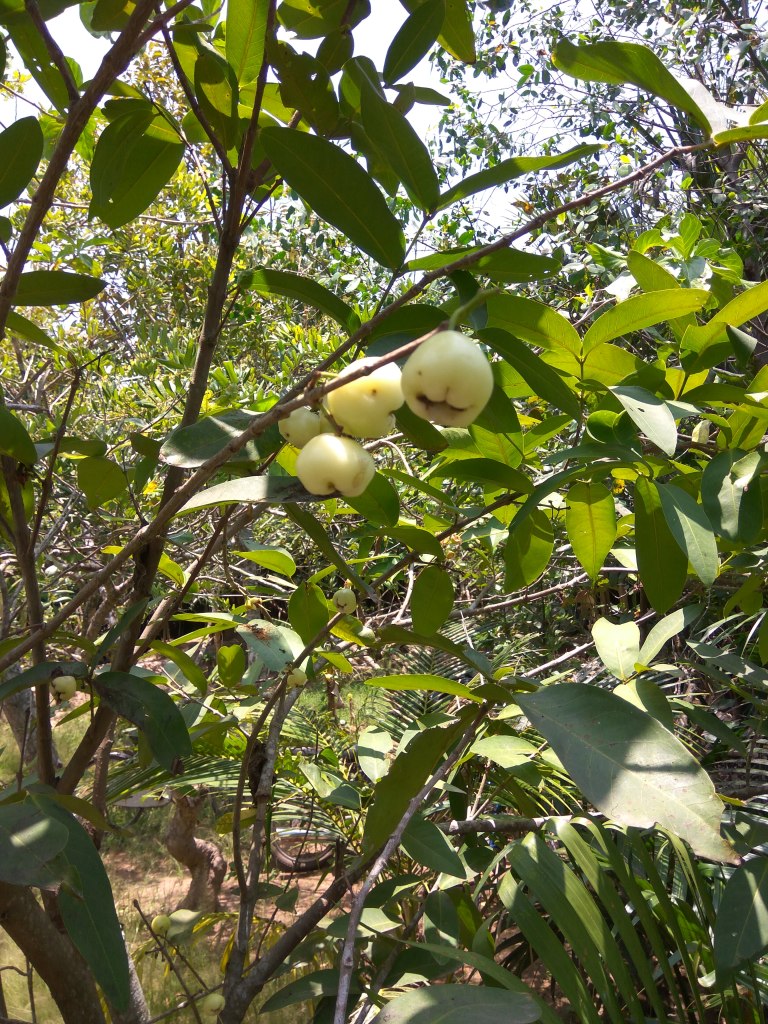
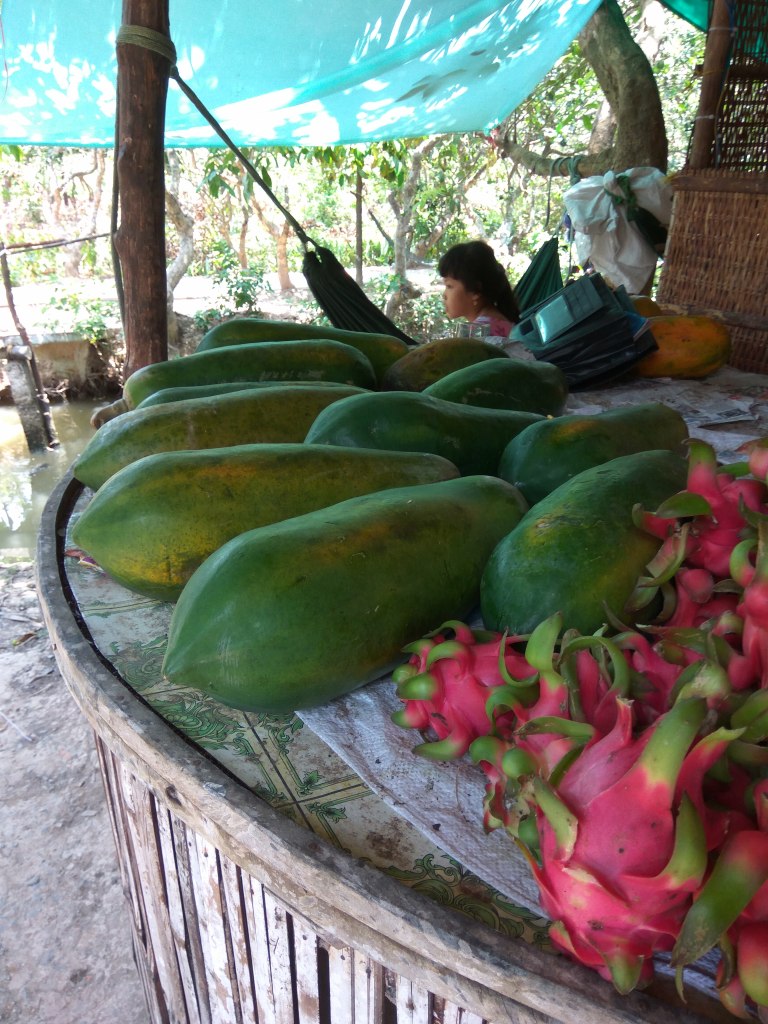
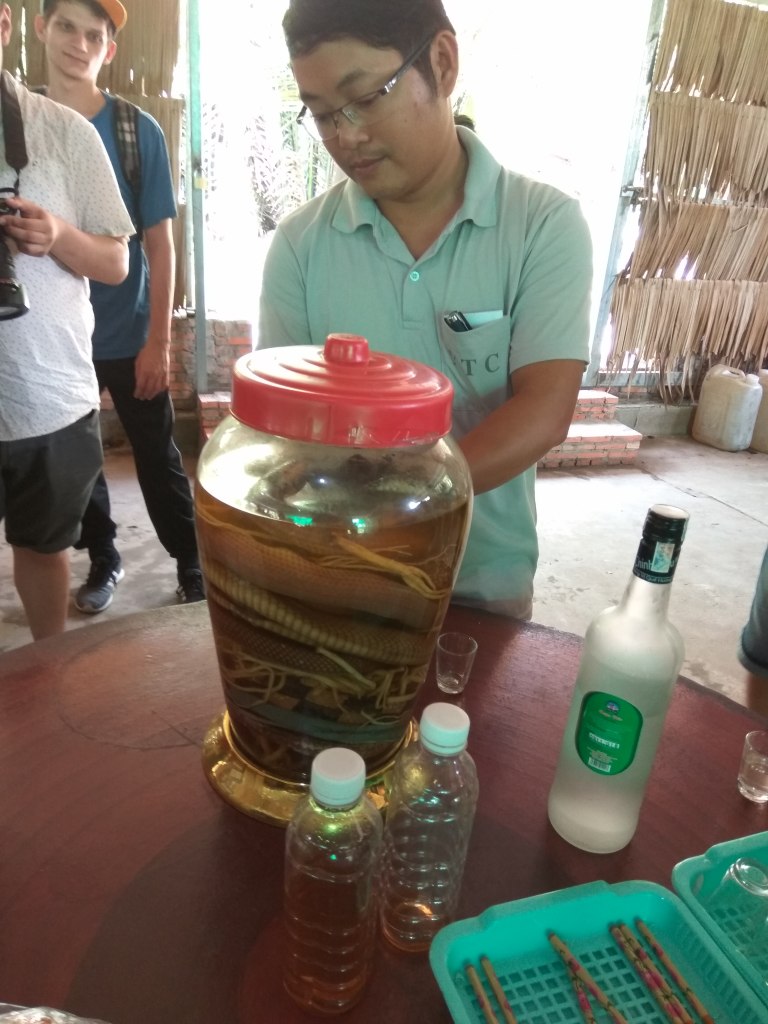
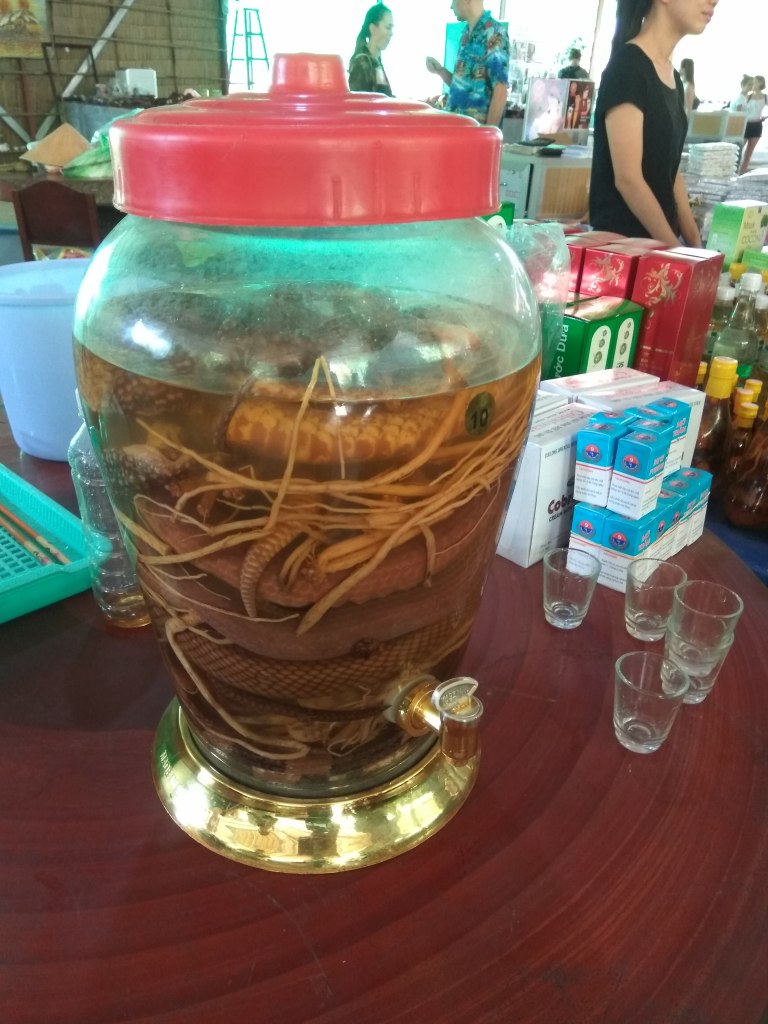
The boat next took us to a fruit orchard where we are welcomed by a family and treated to an assortment of fruits, all grown there and with some steaming hot tea. The girls of the house all sang in unison to a local song while we sipped our tea, after which we were shown around the orchards. We moved further on to an outlet where Rice Wine was getting brewed. People were getting to taste rice wine which is poured from a bottle containing Venomous (yes you read it right) Snakes (the venom gets neutralized by the ethanol is what I was told). The Snake Wine also known as  Ruou ran is  a Vietnamese specialty of rice wine with a pickled snake inside  and is supposed to improve health and virility.

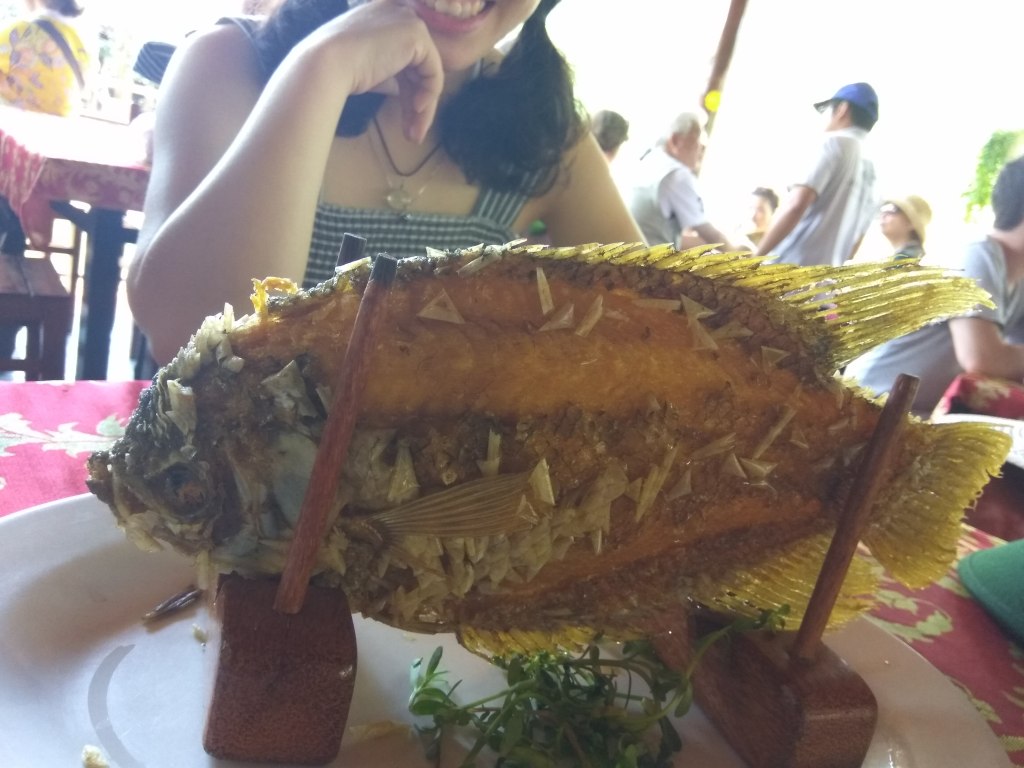
Once this is all done, not to be missed is a boat ride across a narrow canal where you see the locals donning the famed straw hat and from where one finally gets on to board the motorboat. The boat then moved onto our last stop where we stopped by for lunch at a local restaurant. It was almost 2.30 P.M and the sun was beating down. While we were all starved, it just became a bit tougher for me as I got to be seated across the only free table where a Americani-Vietnamese couple had already settled down to gorge on something they called the Elephant Ear fish (believed to be a local delicacy confined to the Mekong Delta) while I had to contend myself to rice and vegetables.

A pre-dominantly rice eating country, the choice of accompaniments for vegetarians remains a real challenge especially when you move away from the main cities. There were lot of hammocks tied to the trees in the open area of the restaurant where we were give an hour or so for resting. There were some cycles also available at the restaurant and we utilized the free time to go for a short drive, a little deeper into the village. Around 4.30 P.M the boat started on its way back to drop us back at the pier where the van was waiting to take us back to HCMC.

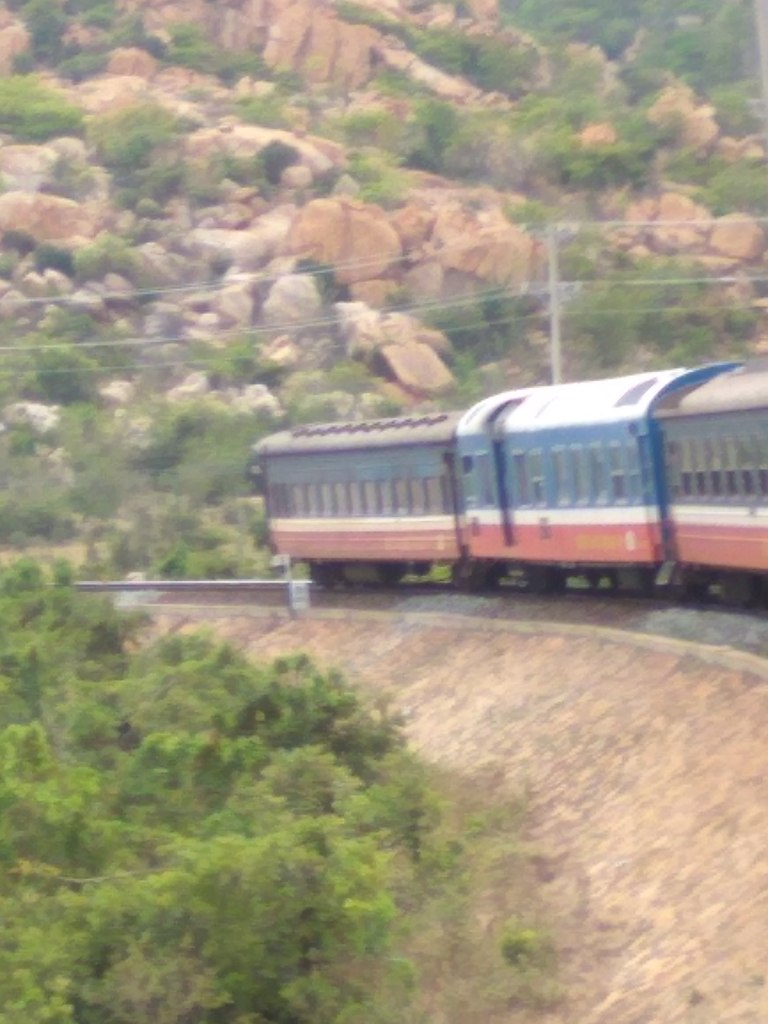
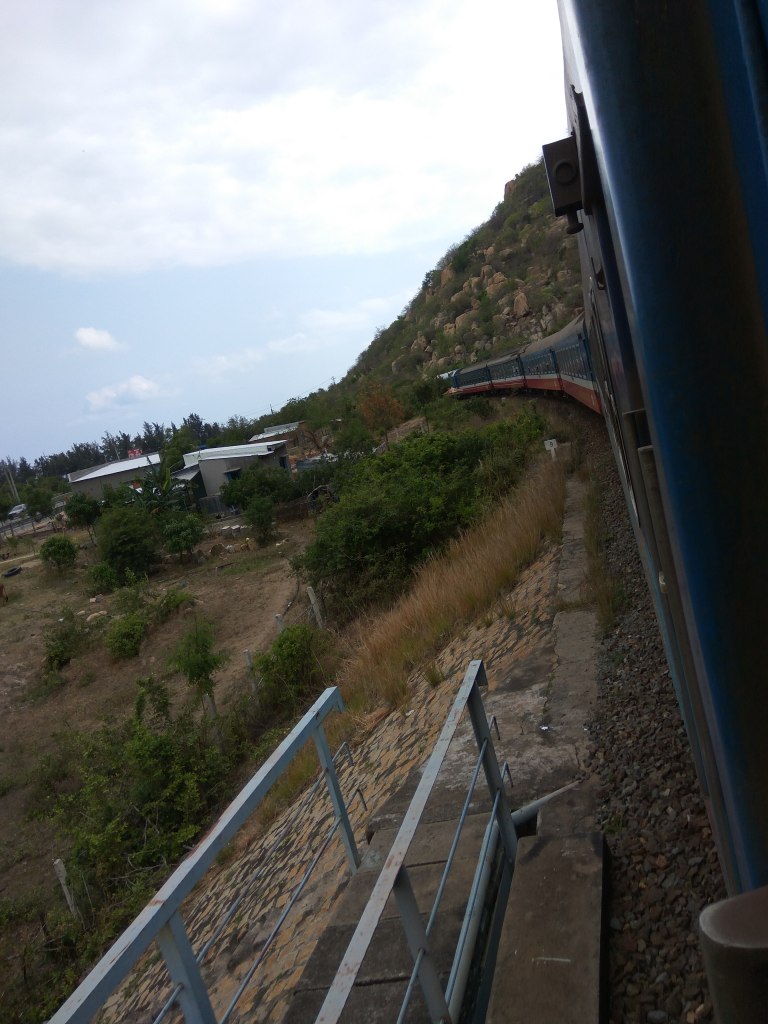
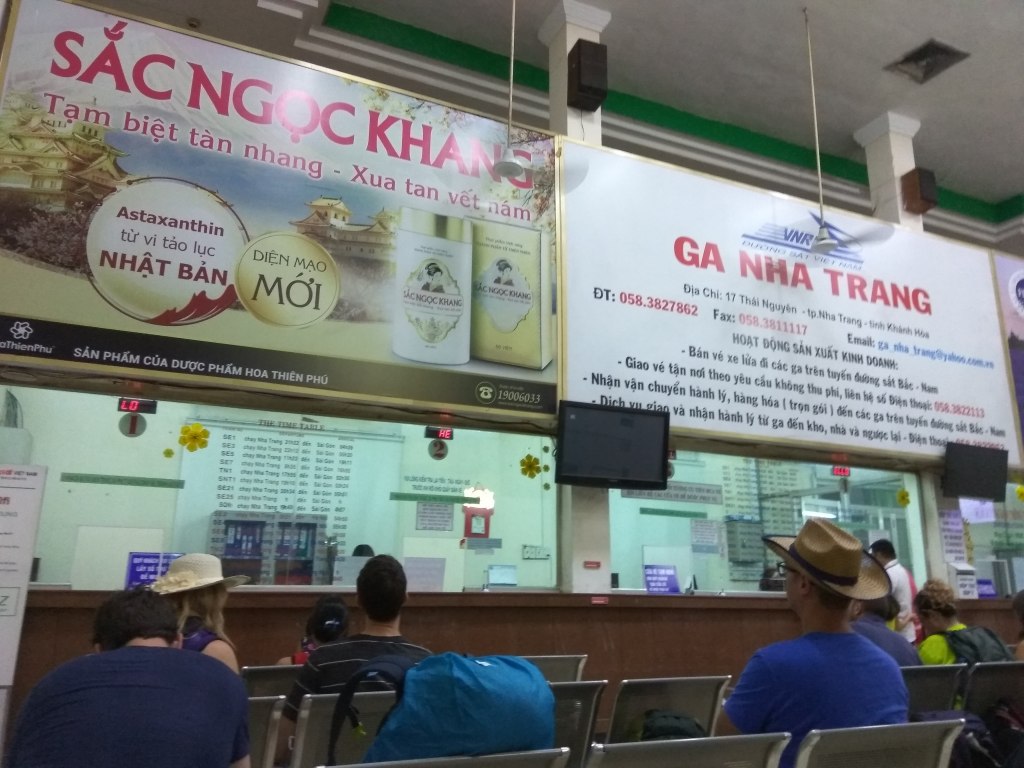
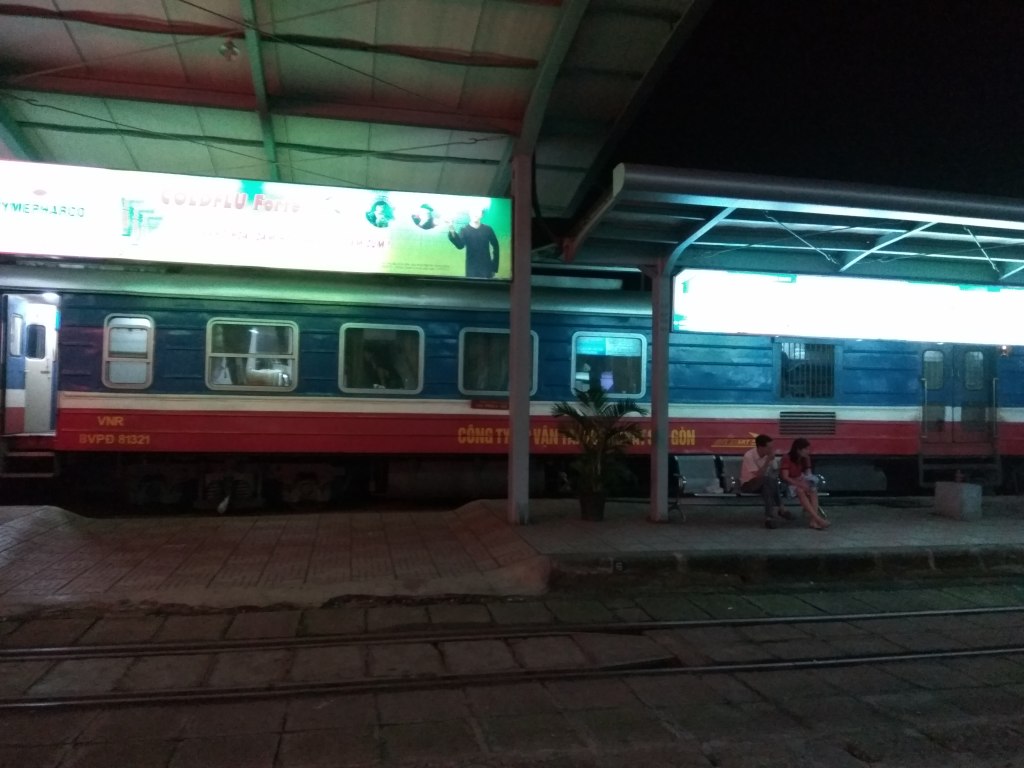
Day 4 & Day 5 : Had heard a lot about these train journeys which people undertake right from the Southern tip of Vietnam and all the way to Hanoi and decided to go to Nha Trang by the Reunification Express (SE8). While you have almost 4 trains plying between these cities, chose the first of the day trains starting at 6 A.M so that I would have some time to spend in Nha Trang besides also getting good views of the countryside and the long coastline alongside which the train runs. A distance of around 410 kms, the entire journey gets covered in around 8 hours. The tickets are priced at around $28 for a soft berth while a hard berth would save you only around $3.

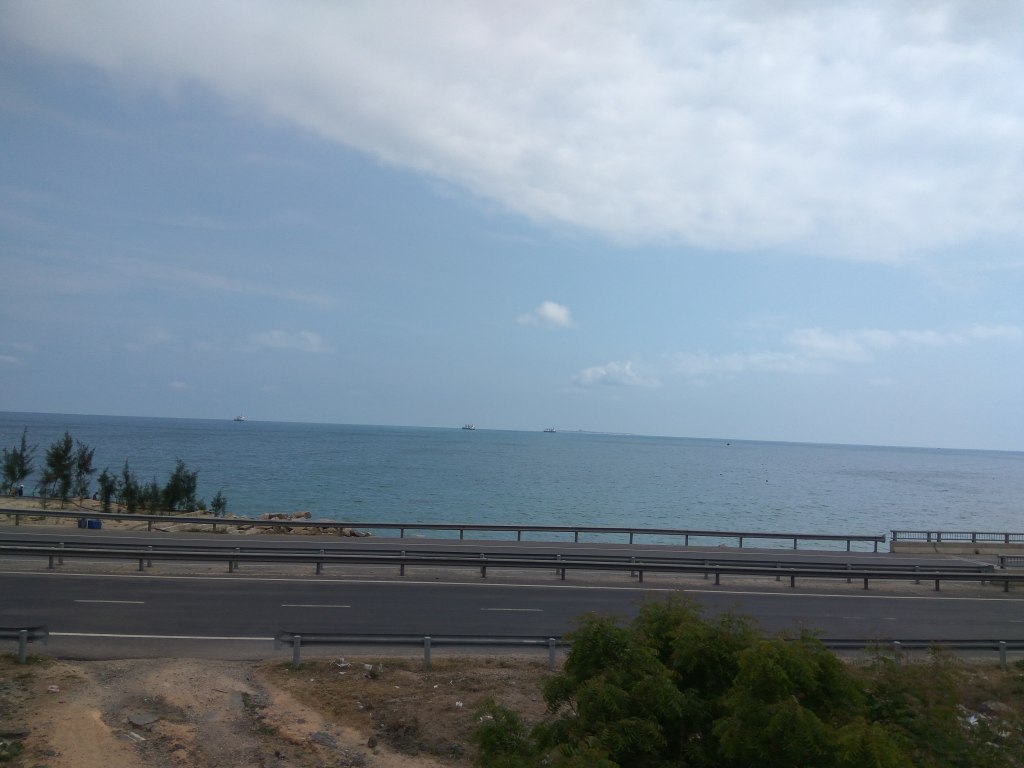
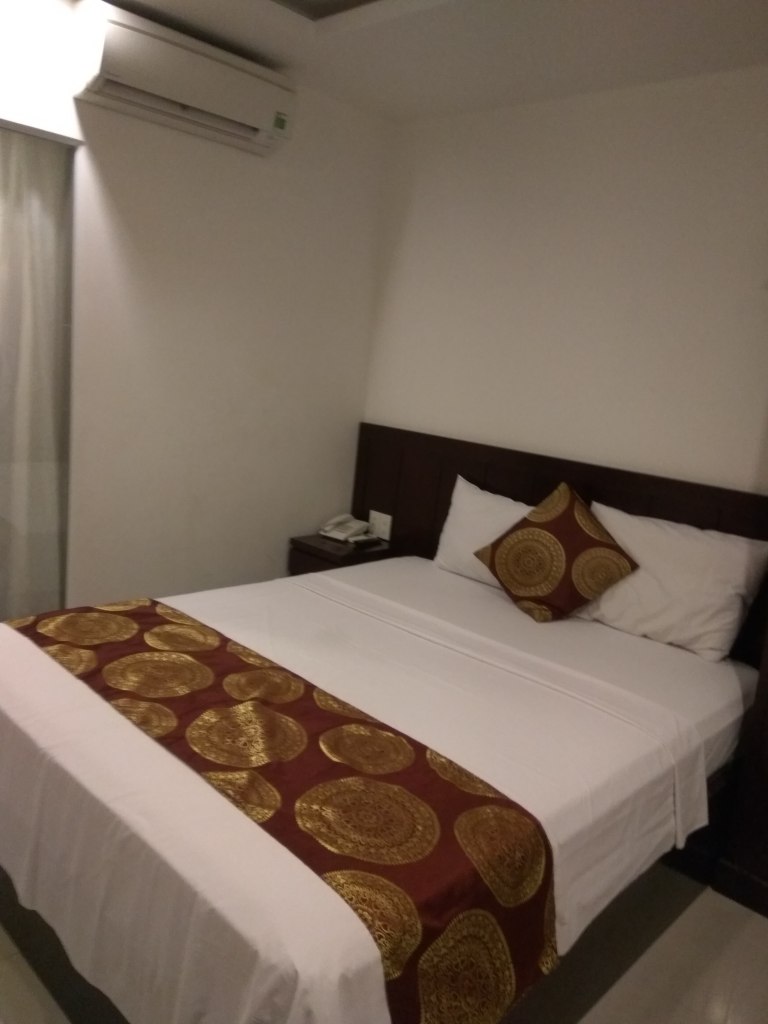
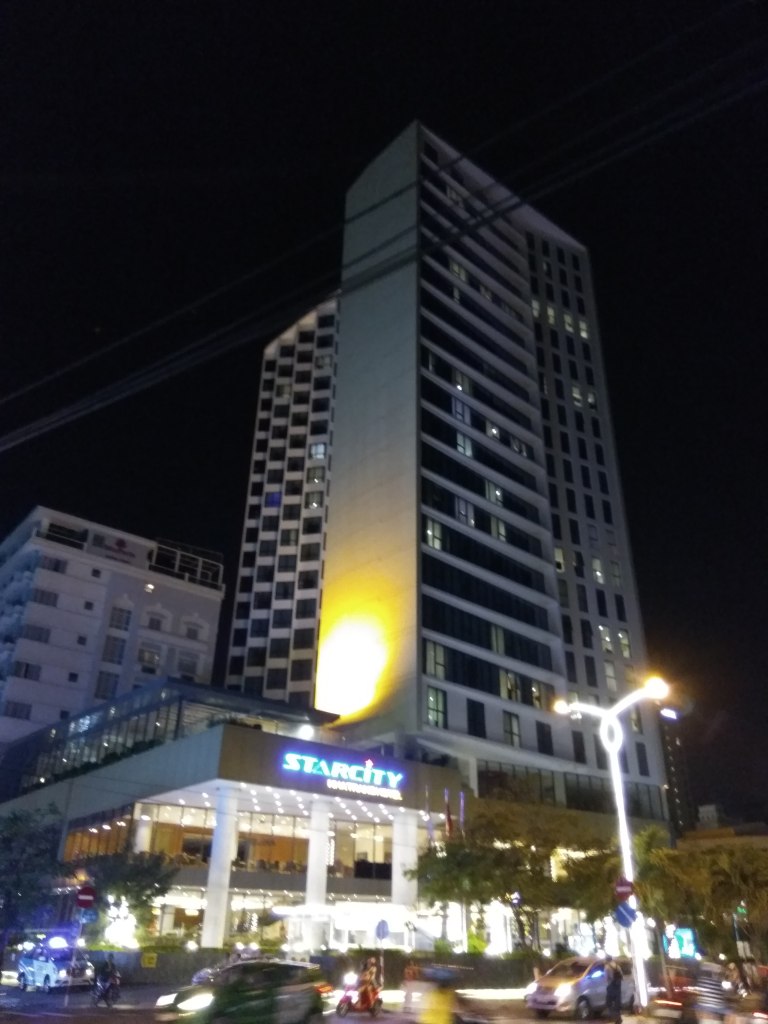
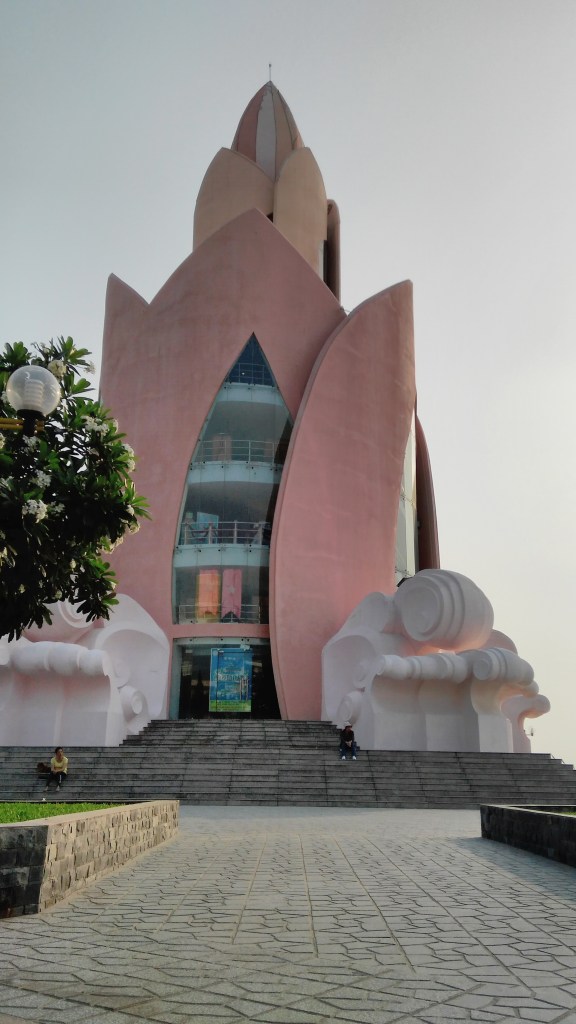
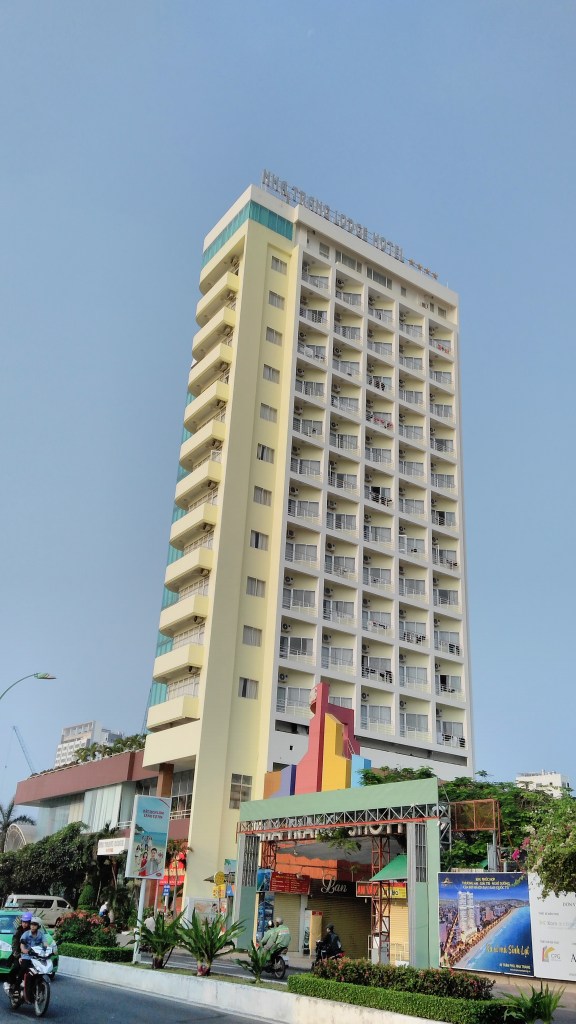
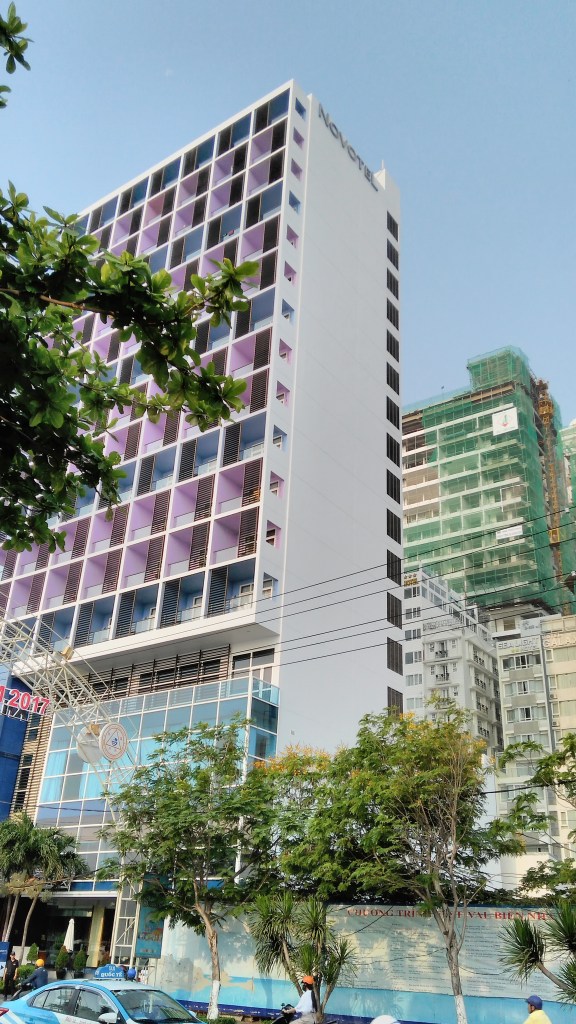
This city boasts of a 6 km coastline with white sandy beaches, clear waters and abundant marine life. Its main beach is a long, curving stretch along Tran Phu Street backed by a promenade, hotels and seafood restaurants. Checked into a nice hotel Azura which was located very close to the beach.

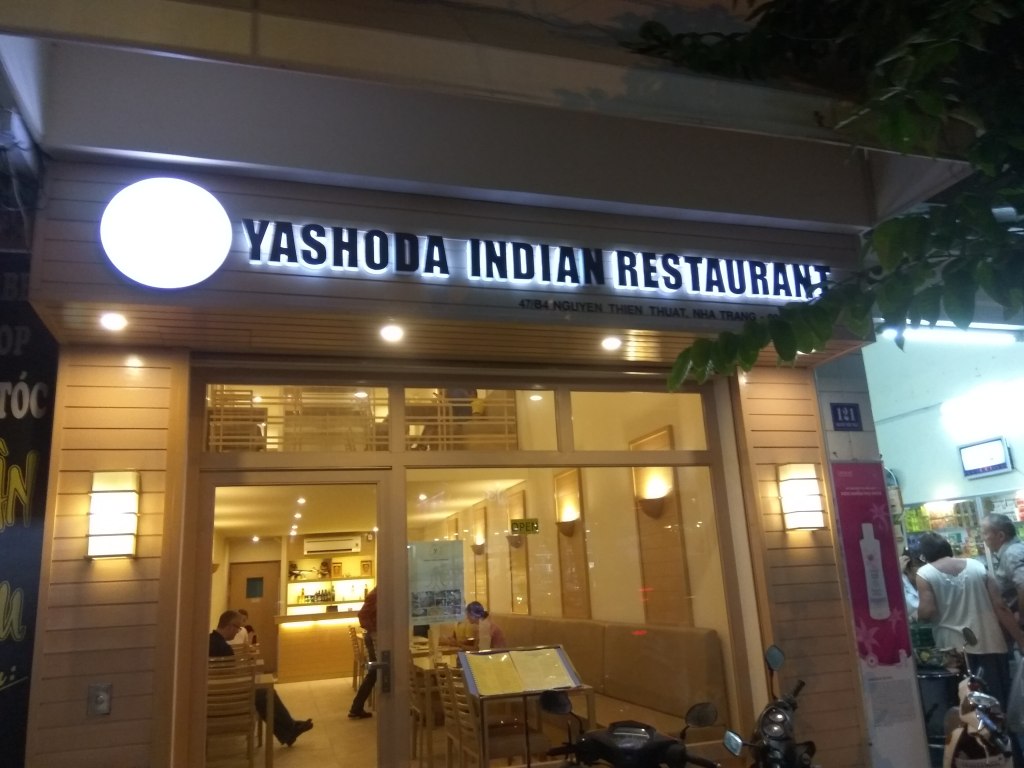
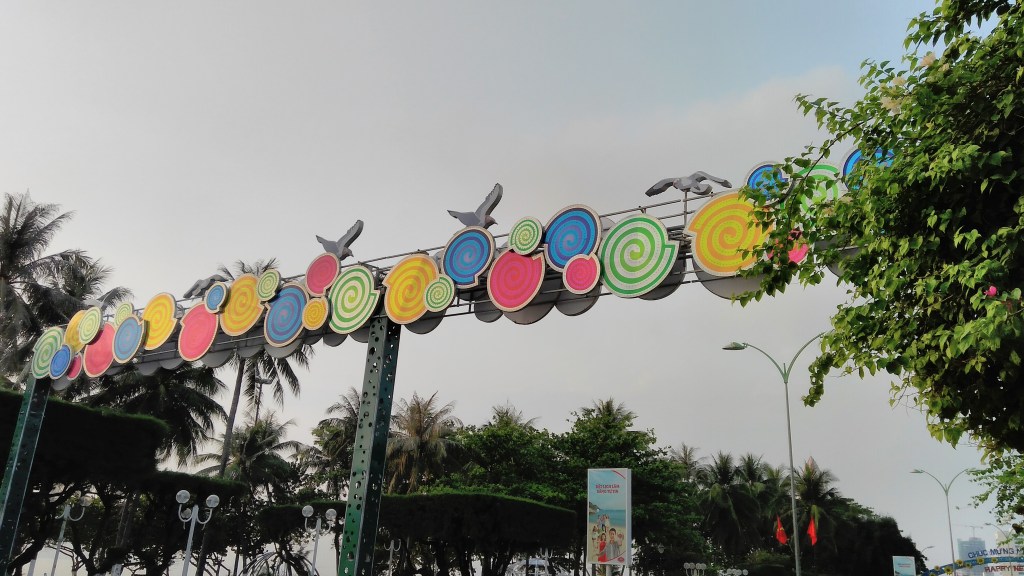
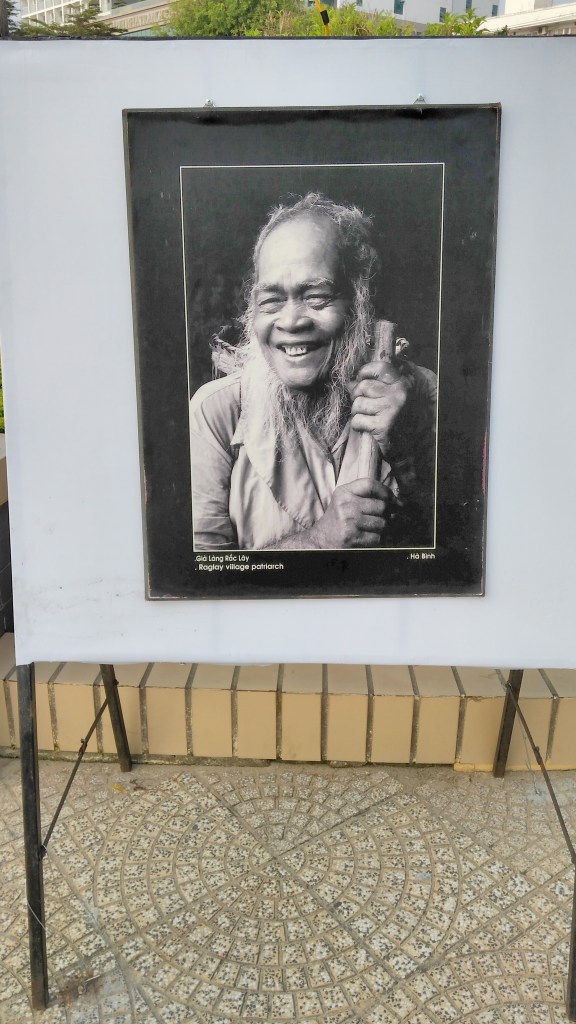
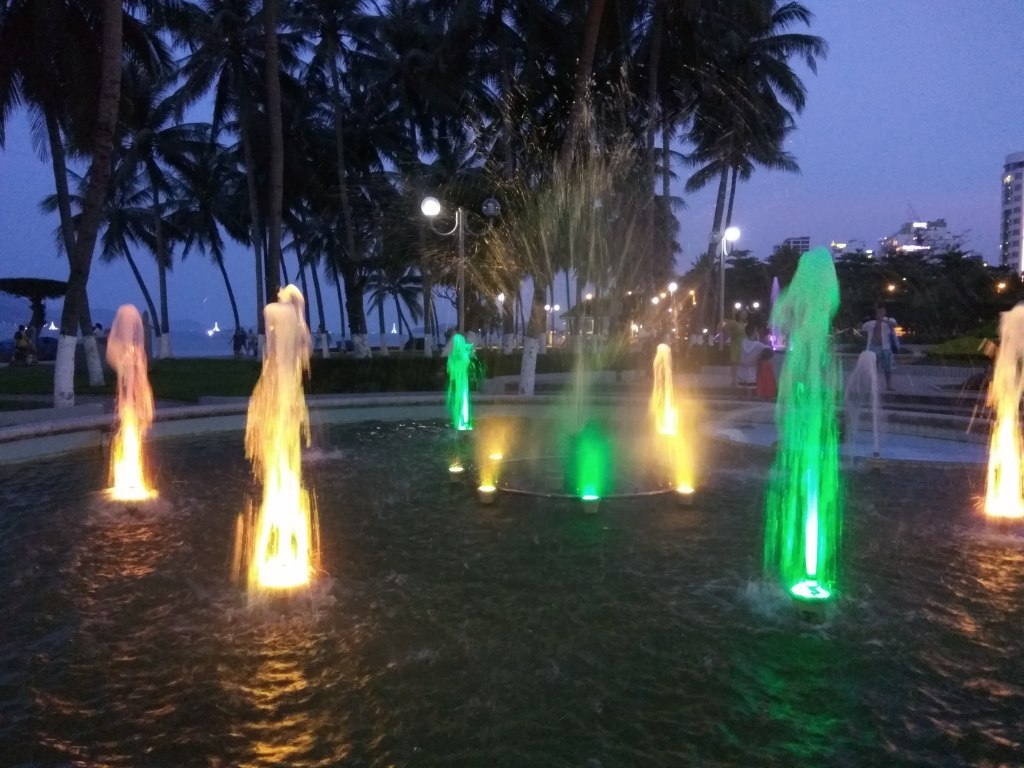
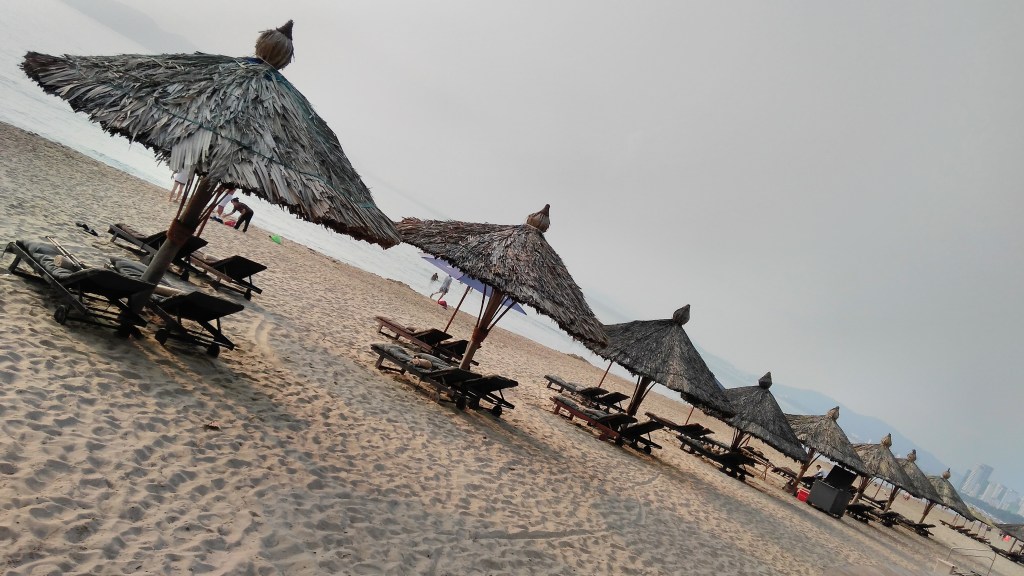
Towards the evening went for a stroll around the beach which was adorned with some nice photographs mounted on large wooden frames. As darkness set in, the musical fountain started playing to the accompaniment of some local music and was spewing up some lovely bright colors. The early part of the next day was spent lazing around the beach and post that, kept myself confined to the room as it was pretty hot outside before taking the night train back to Ho Chi Minh. To my surprise, found a couple of decent Indian restaurants Ganesh and Yashoda where the fares were pretty delectable and alternated between these two during my stay here. The night train known by the name of SE1 started at around 10.30 in the night and I had booked a ticket for a soft berth in an AC coach which costed me $ 38 wile the hard berth was available at $ 36.

A NICE MORNING VIEW OF THE BEACH

Day 6 : The train chugged into HCMC around 5 in the morning and got back to the same backpackers hostel. Post breakfast, headed for a bit of shopping to the Saigon Square Market and spent a couple of hours here. The local markets here are where one would have to exercise one’s bargaining skills to the hilt. Lots and lots of items to chose from, ranging from Handicrafts, Western and local dresses, Silk purses, Artifacts, Runner’s tees and shorts, Watches etc.

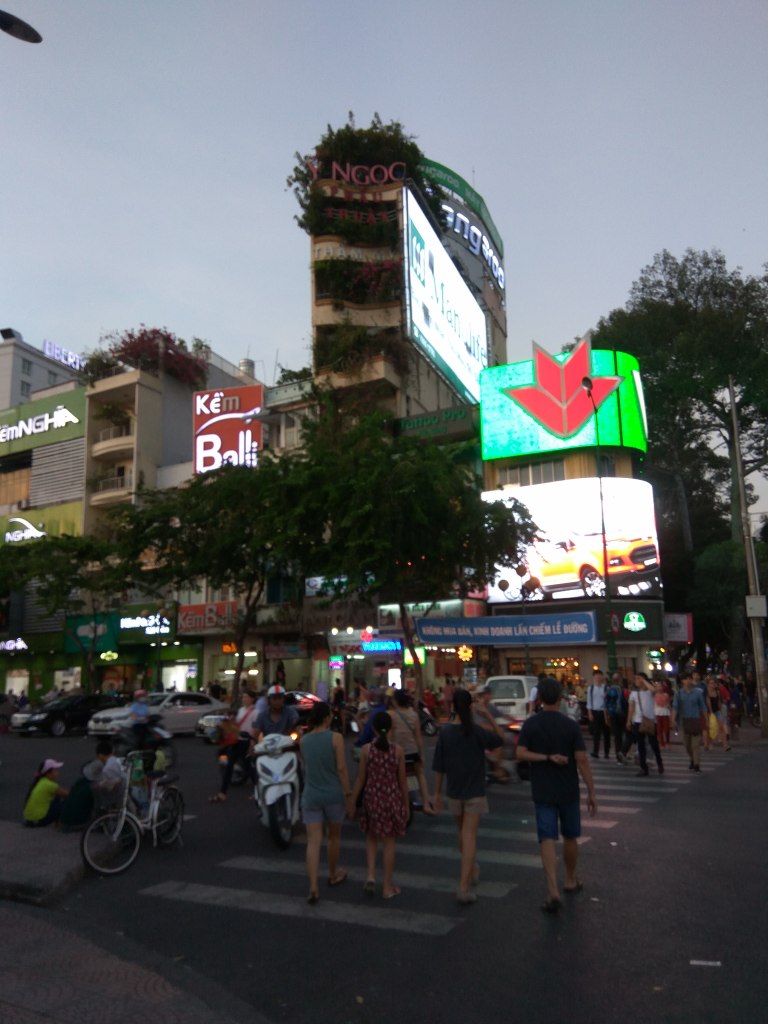
The city of Ho Chi Minh has a fair share of Indian restaurants and food never remains a challenge as long as you remain confined to the city limits. Traffic remains pretty unorganized and undisciplined and it is estimated that over ten million motor bikes travel on the roads of Vietnam every day. One just has to step onto the zebra crossings and you would find vehicles weaving their way across you. Scary indeed! While the people are pretty friendly, knowledge of English remains a big impediment. The Vietnamese language has six different tones. A change in tone changes the meaning of the word. This makes their language somewhat difficult to learn and most times sign language works.

Returned back to the hostel at around 11 AM and after a quick bite at Ganesh, an Indian restaurant close by, finished off my packing for the journey back to Phnom Penh. Had booked my return also by bus and with the same travels Giant Ibis. It was scheduled to start at 2 PM from a point close to the hostel where I was put up. An uneventful bus journey, with a short break at the immigration counter for the Visa stamping, finally ended at around 8.30 in the night and it was time for rest after some hectic travel.

Forty years after the carnage and destruction of an epoch-defining conflict against the USA, Vietnam has resolutely emerged as a nation in the eyes of the world. Missed visiting the Northern part of Vietnam where you  have the conservative but nice city of Hanoi and the world heritage Halong Bay. Keenly look forward to Vietnam – Part II sometime in the distant future.

THE LANKAN SOJOURN!!

Travelling as some wise man said leaves you speechless and then turns you into a story teller. And this is the first in my series of travelogues or travel blogs on South Asia and South East Asia. READ ON !!!!

Ayubowan Sri Lanka 🙏 🙏!! A perfect getaway, I realized  if you have 7 to 8 days to spare coz this small island nation bottled up by the calm and blue seas has so much of a perfect melange to offer to the discerning tourist. Bottled up yes and a deliberately used cliched phrase for this Pearl of the Indian Ocean which has been a hotbed of emotions through so many years, the ethnic strife, decades of struggle for identities and just when one thought that peace had begun to reign in the island, a heinous bomb attack on the Holy day of Easter in 2019, so much so that the country when looked at in the map almost resembles a teardrop.

Thankfully the country was back to normalcy pretty soon and it was great to experience the hospitality on exhibit right from the Airport to even the remotest of small towns on the wayside. A beautiful country where there’s something in it for everyone be it Temples, Monasteries, Pilgrimage trails, Hill Stations with lush green Tea Plantations, Waterfalls, quaint Train journeys reminiscent of the toy train trips, Wildlife and National Parks, Trekking routes, Culture and History apart from 7 UNESCO Heritage structures, Water Sports, pristine beaches etc etc. And if you are a sea food lover, Sri Lanka is just the perfect place to land yourself in, a gourmet’s delight indeed.  

While for SAARC nationals (comprising of visitors from the countries of Afghanistan, Bangladesh, Bhutan, India, the Maldives, Nepal and Pakistan), there is an option to get the Visa on arrival for $25, one could also apply online on the Lankan Government website and get it for $20. The same would cost $40 and $35 for nationals of other countries. Since we were planning to reach slightly ahead of the peak tourist season which picks up from Jan 3rd week once the monsoons depart,  it helped us strike some very  attractive return fares and also get a waiver of the Visa fees for SAARC nationals which was anyways on offer till April 2020. A trip of this duration, if planned a little in advance can be done for a family of 4 at roughly $575 – $650 USD per head. Thankfully, the monsoons had bid goodbye and the weather varied from the temperate warm to the misty and chill to the hot and humid.

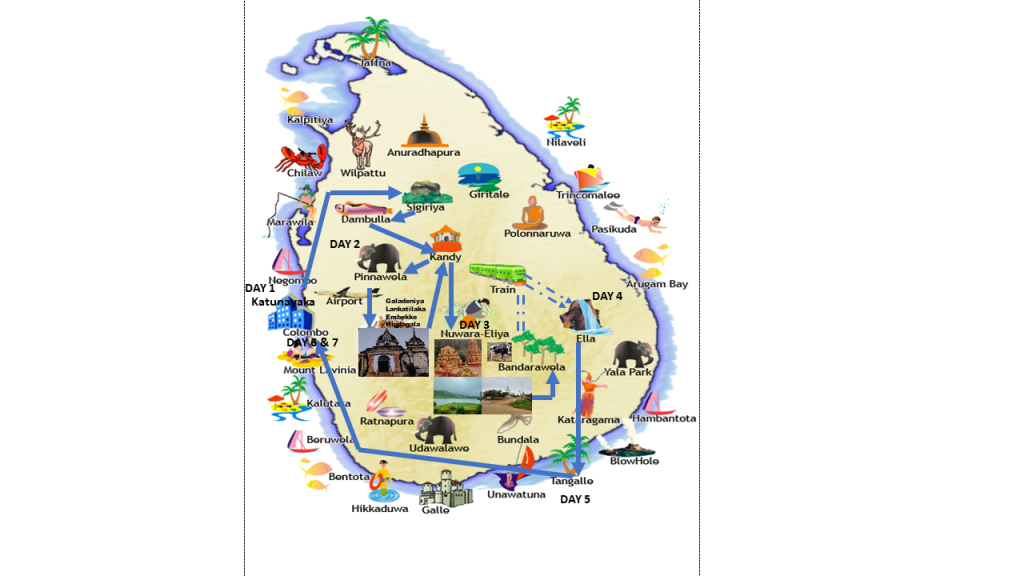
A PICTORIAL VIEW OF OUR TRIP

Day 1 : Landing at odd hours often has its pitfalls as we discovered much to our dismay after reaching Colombo airport when the hotel guys did not pick up our calls though there was a free pick up on offer. And it was 2.30 A.M local time (GMT + 5:30 hours)

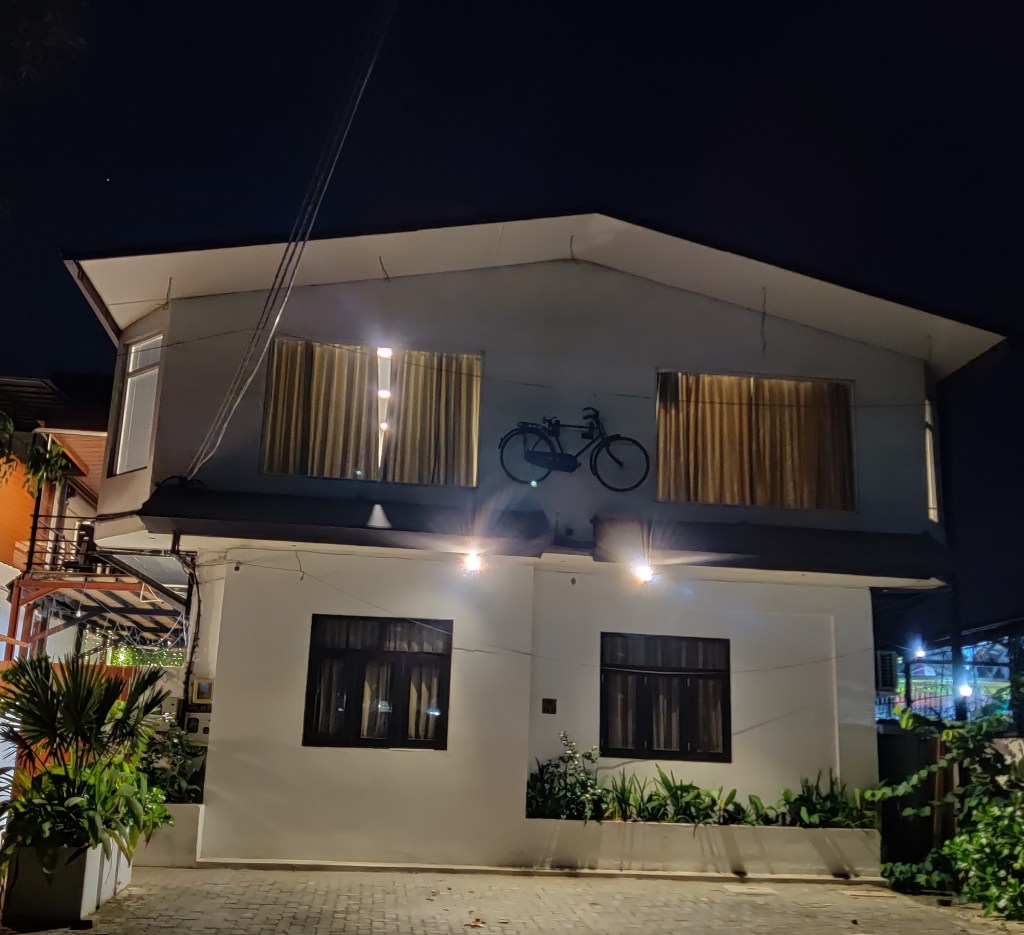
We finally hired a cab and reached our hotel (Castle/Villa Ceylon) in this sleepy little town of Katunayaka which was to be our start point and literally had to shake the staff out of their slumber in the wee hours of the morning. They had presumed that we would be reaching the previous day coz of the A.M and P.M understanding issue and had happily slept off.

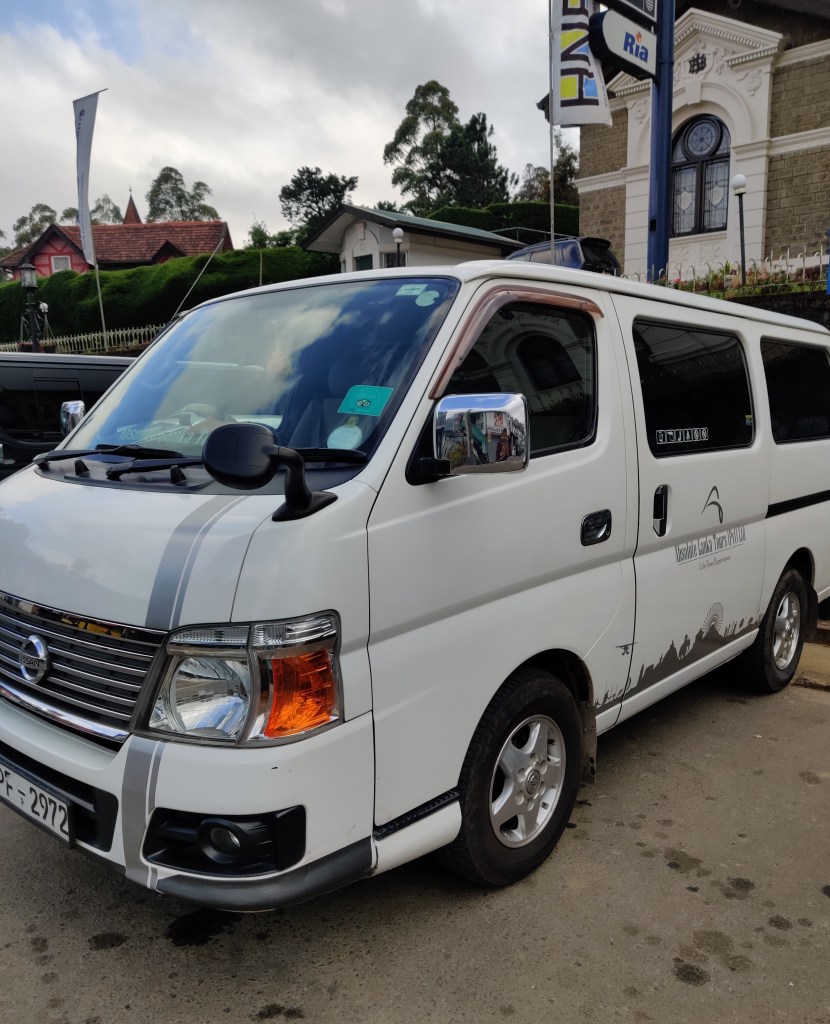
Fortunately, things got sorted out and left with no choice but to gather a few hours of sleep, we embarked on our road trip at around 9.30 AM the next day. We had hired a Caravan from Absolute Lanka Tours for this round trip of 6 days and had their Guide and driver Udara promptly report in at 9 AM as instructed.

Post the briefing on dos and don’ts, dress codes, weather, changes proposed in the itinerary though I had chalked out my own, potability of water, safety etc, we started our drive towards Sigiriya.

OUR TRAVEL COMPANION, A CARAVAN FROM ABSOLUTE TRAVELS & WHO TURNED OUT TO BE A REAL PROFESSIONAL OUTFIT

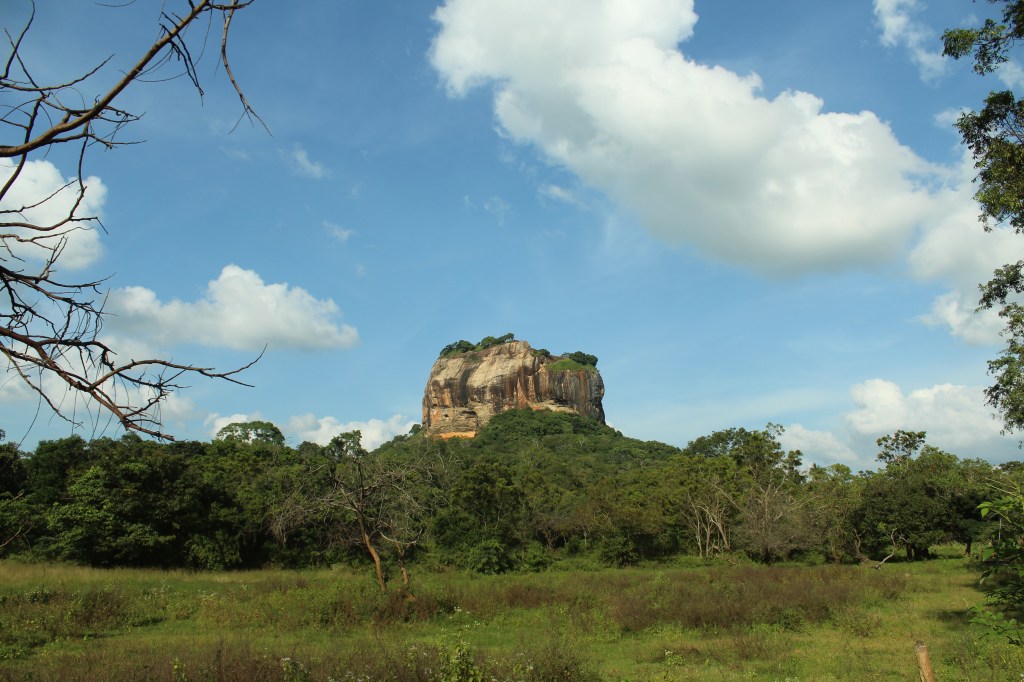
Enroute, after a bite at a wayside restaurant Gimanhla, we landed at this UNESCO heritage site, an ancient rock fortress with a gateway in the form of a huge lion. Given the tired state of our bodies, nobody was willing to do the honors of climbing up around 1200 steps and we decided to give the place a skip after doing the initial rounds of photography around the place. And off we headed for Dambulla. The tickets incidentally as in most countries are exorbitantly priced for foreigners though you do get a concession at some places by virtue of being a SAARC national. Here at Sigiriya however, it was priced at $ 30 if you are not a localite.

THE SIGIRIYA ROCK FROM A DISTANCE

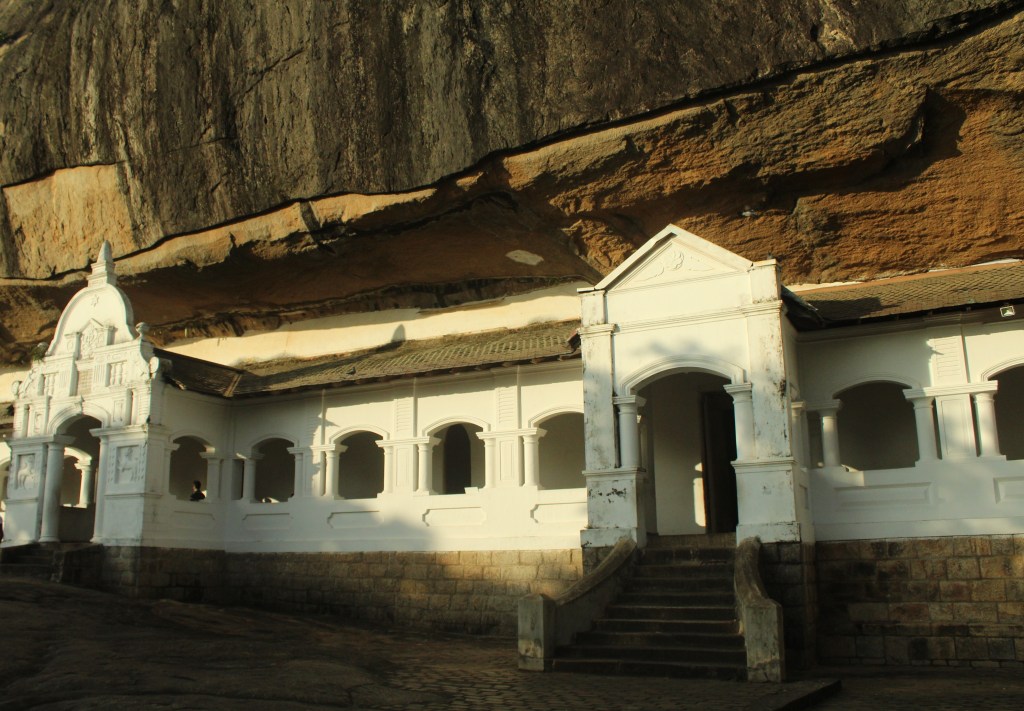
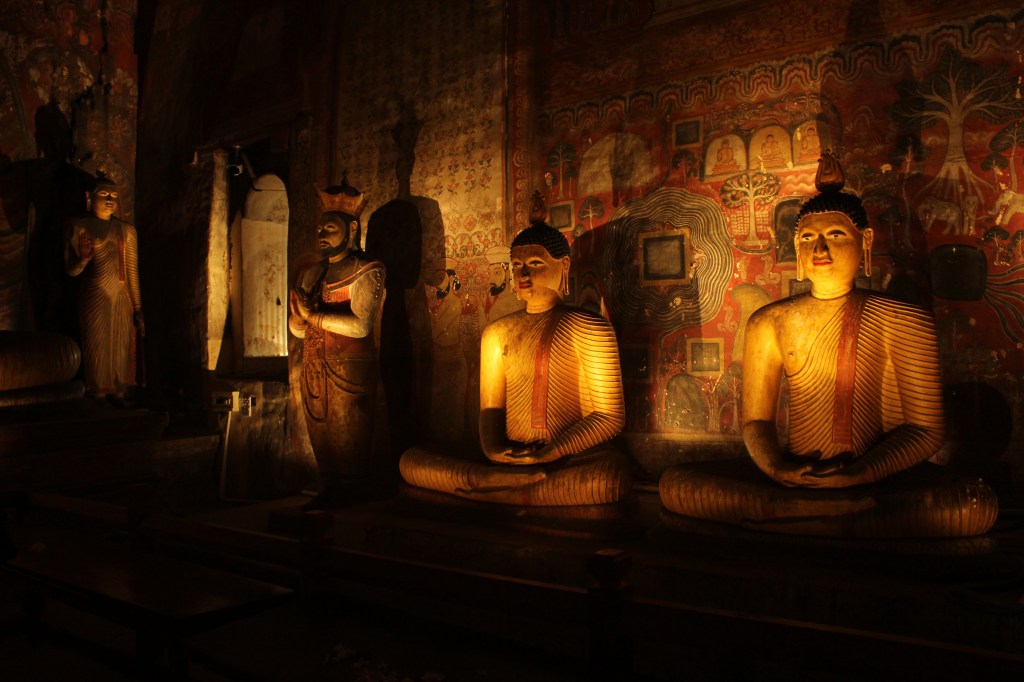
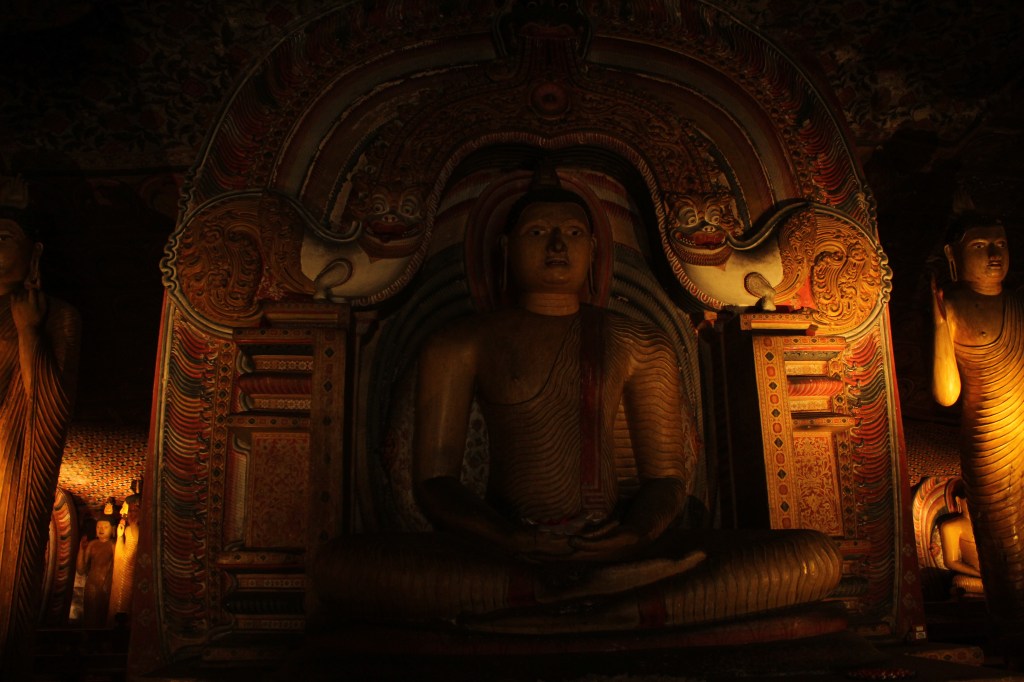
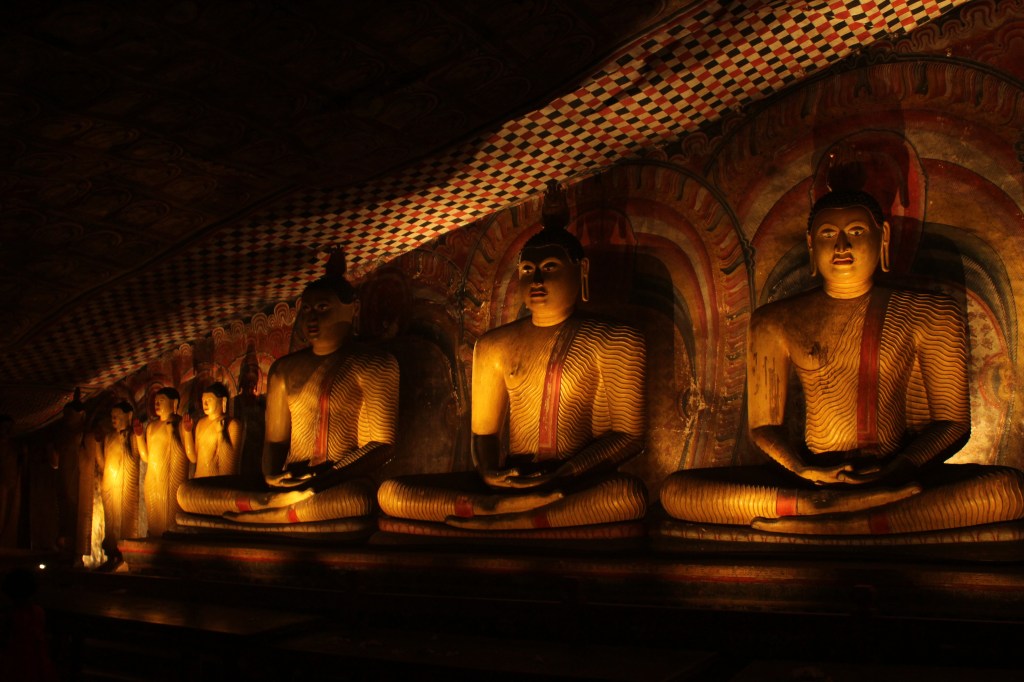
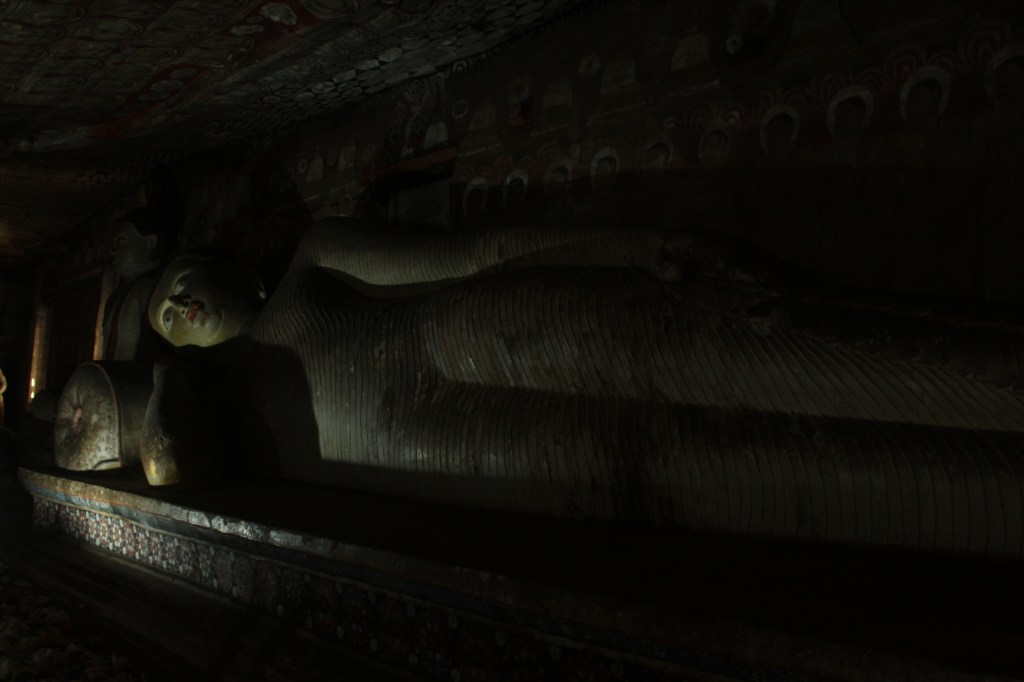
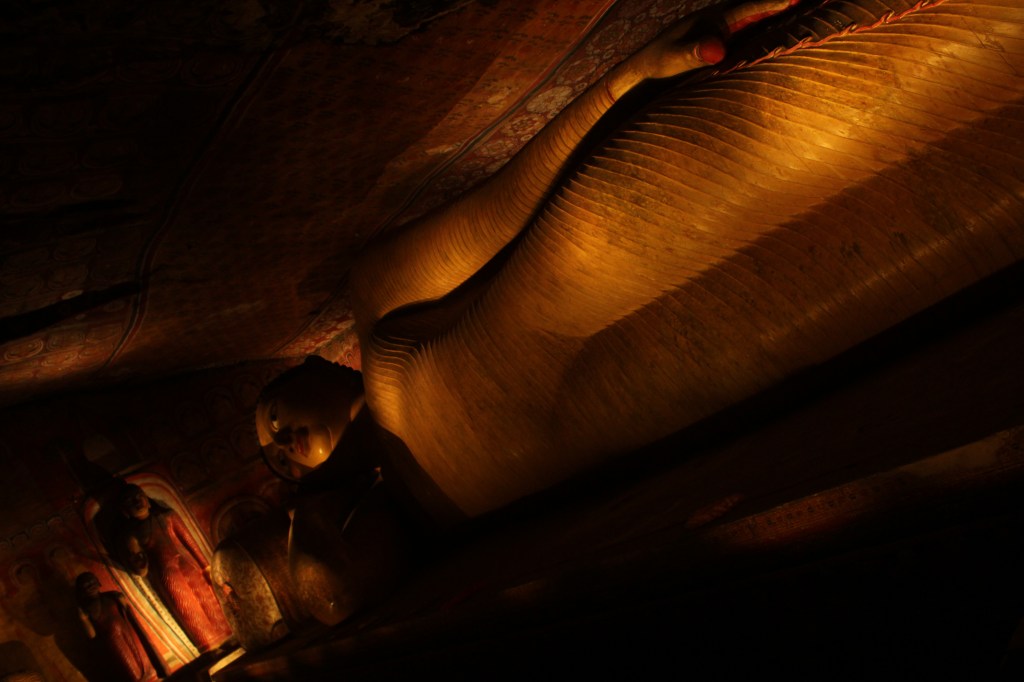
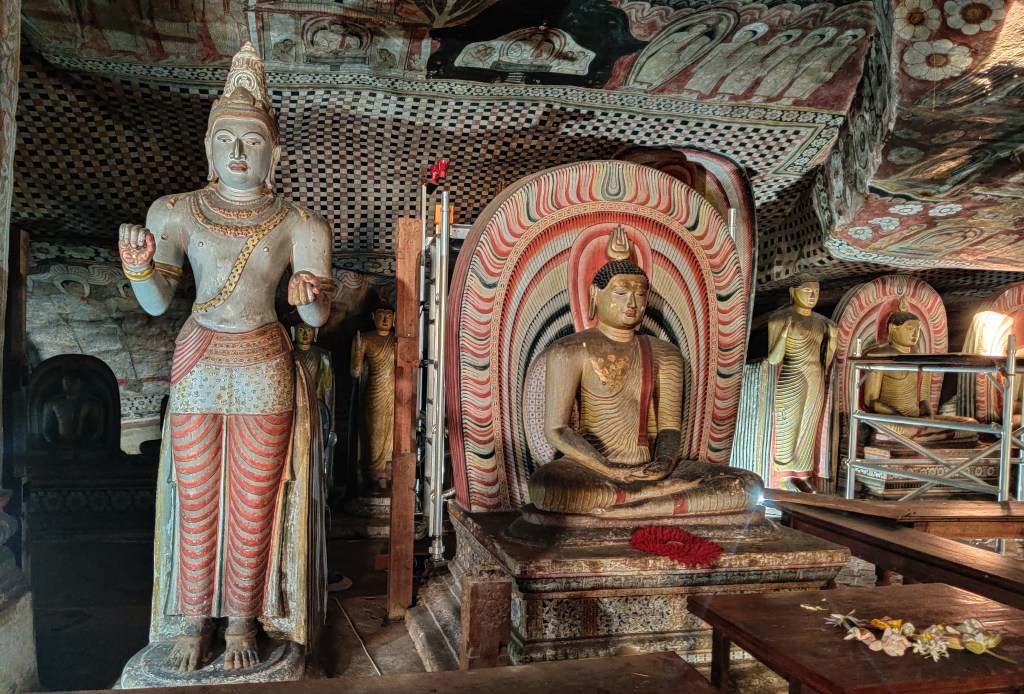
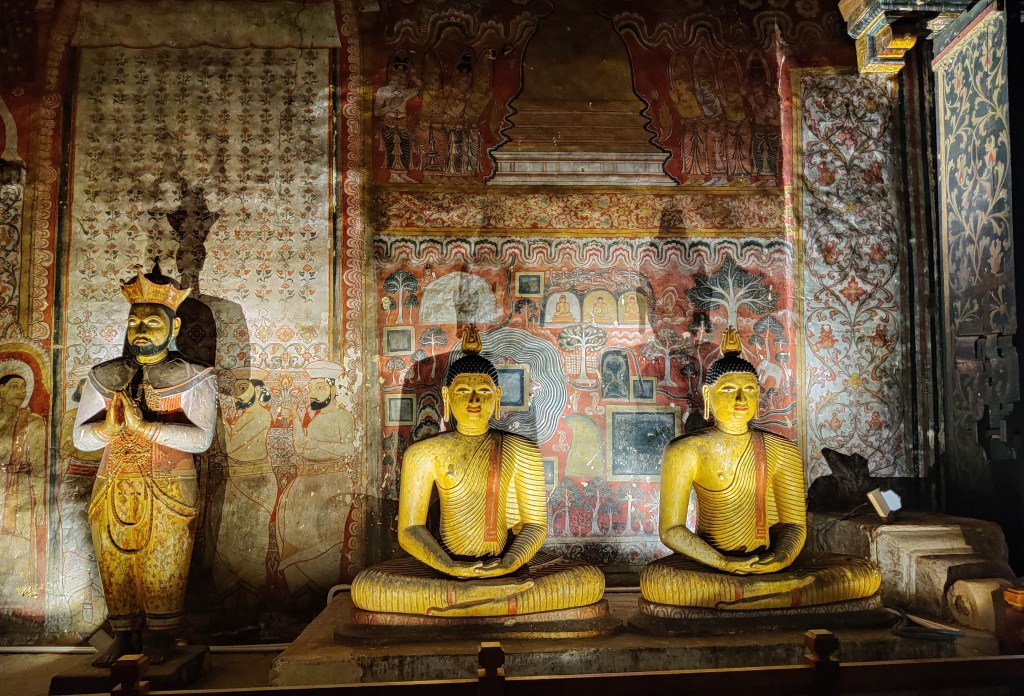
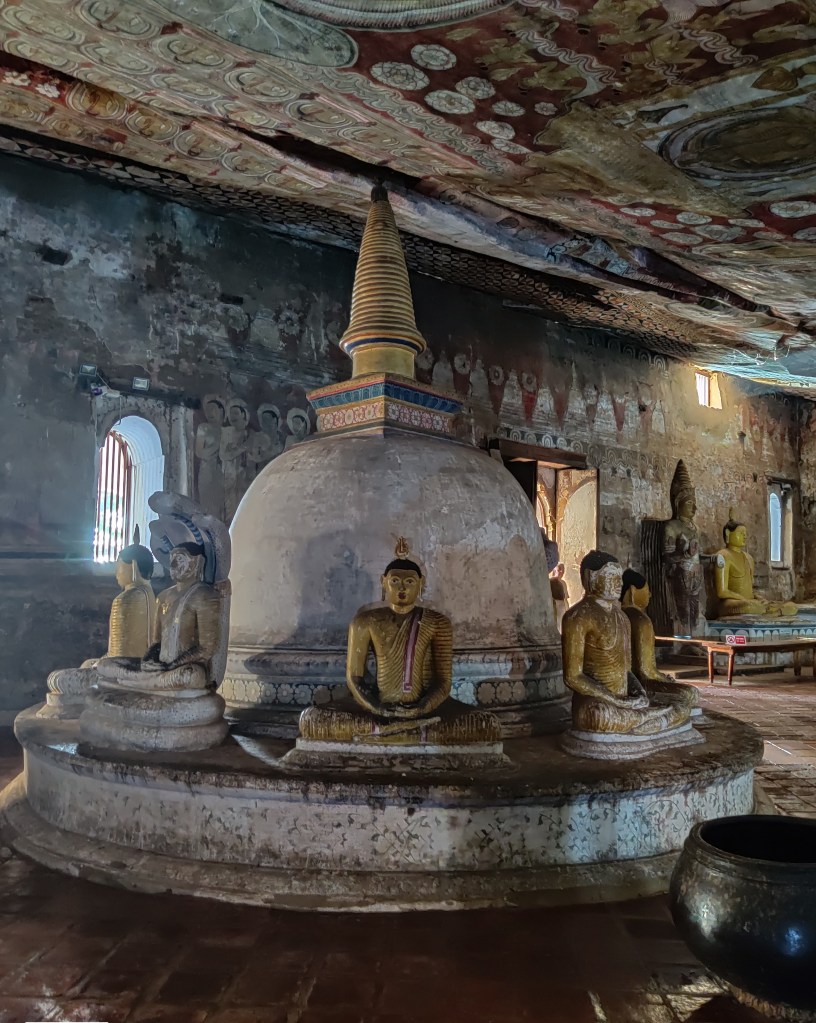
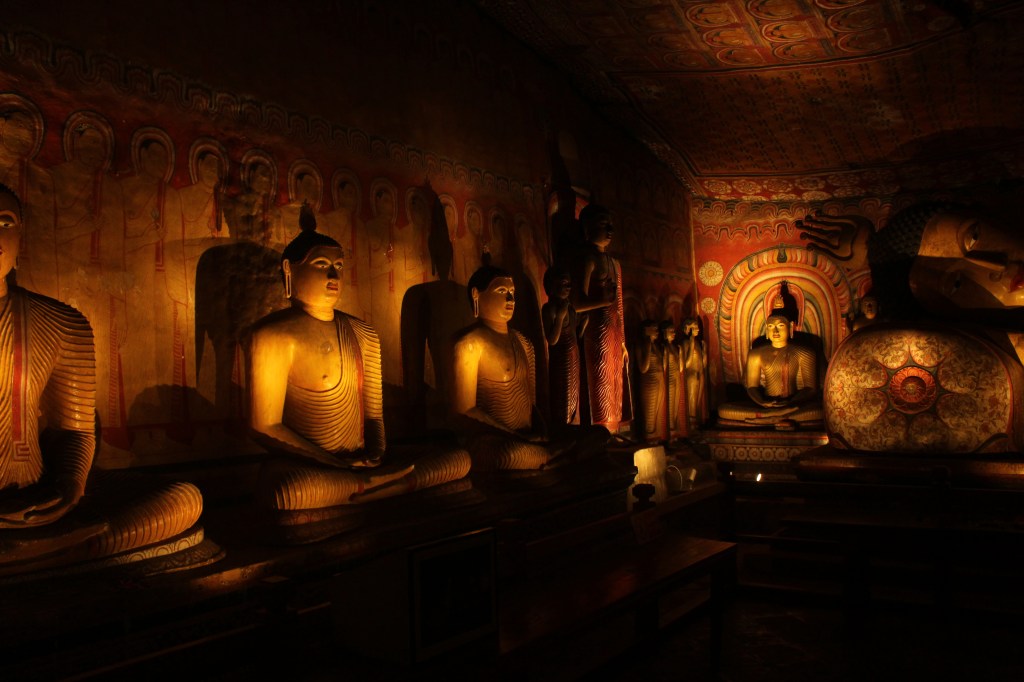
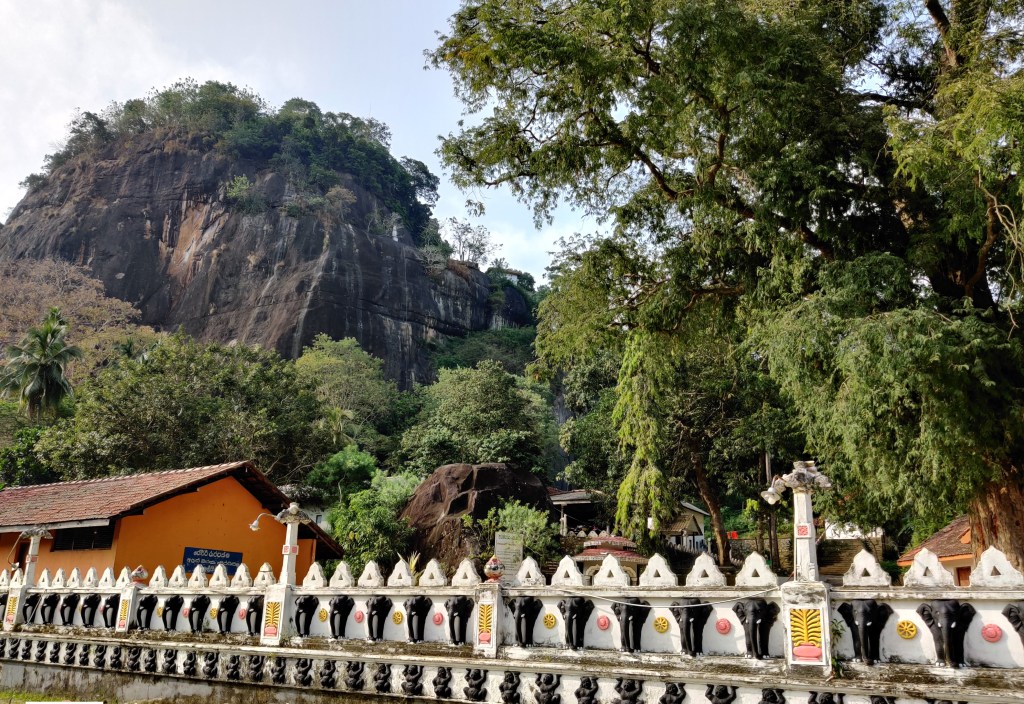
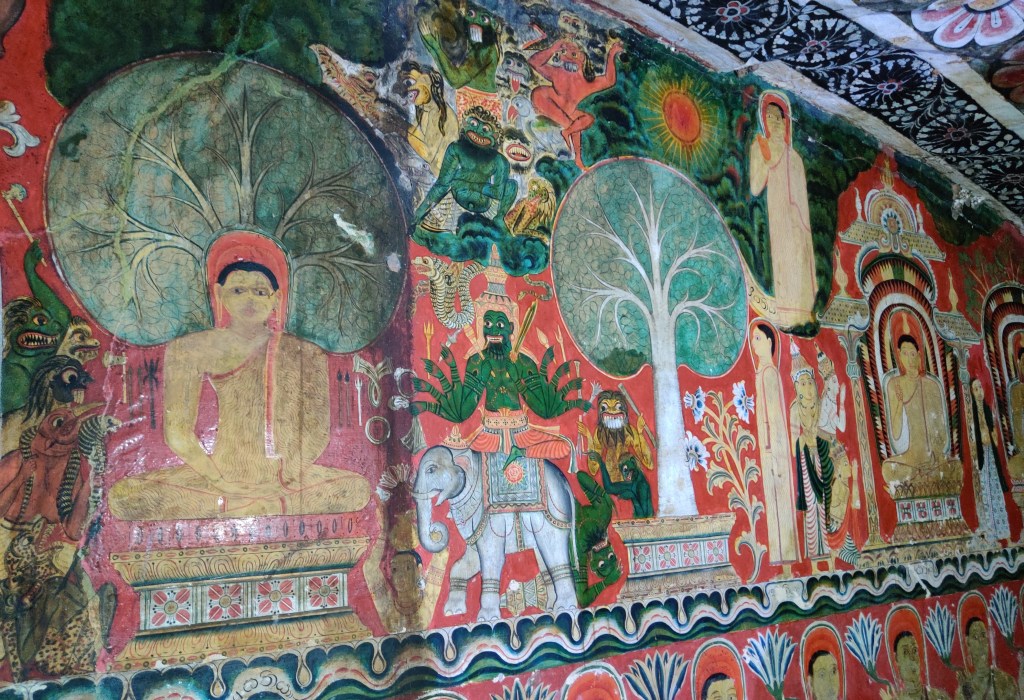
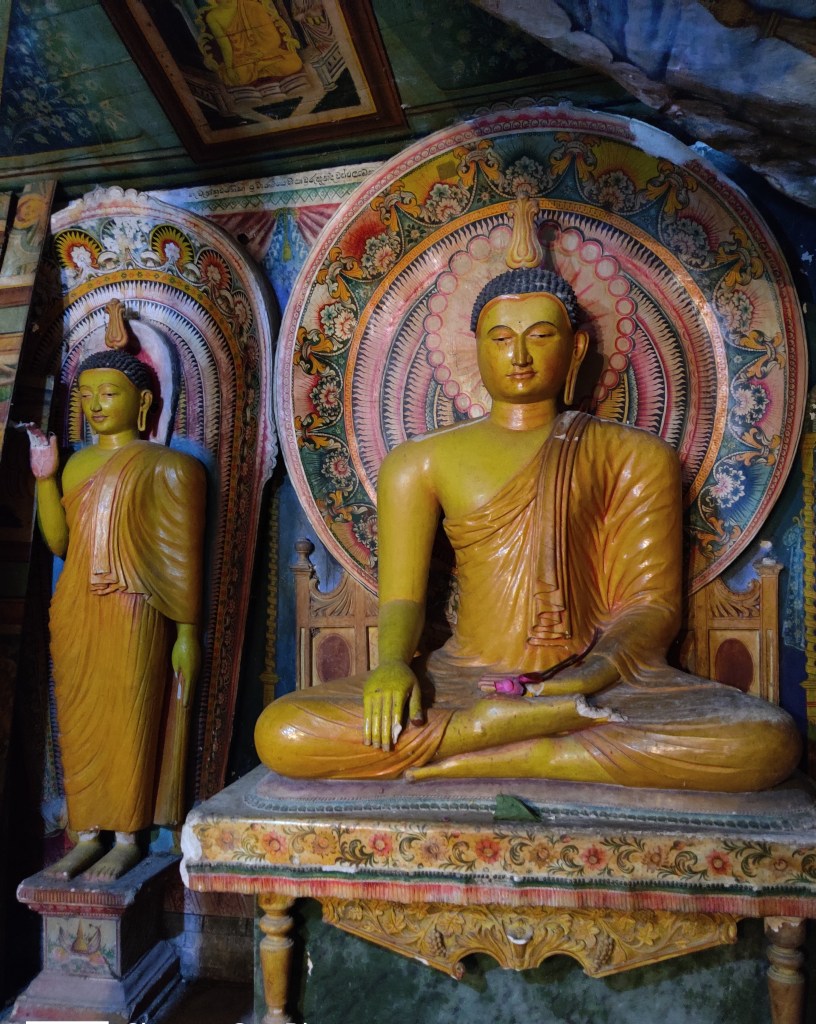
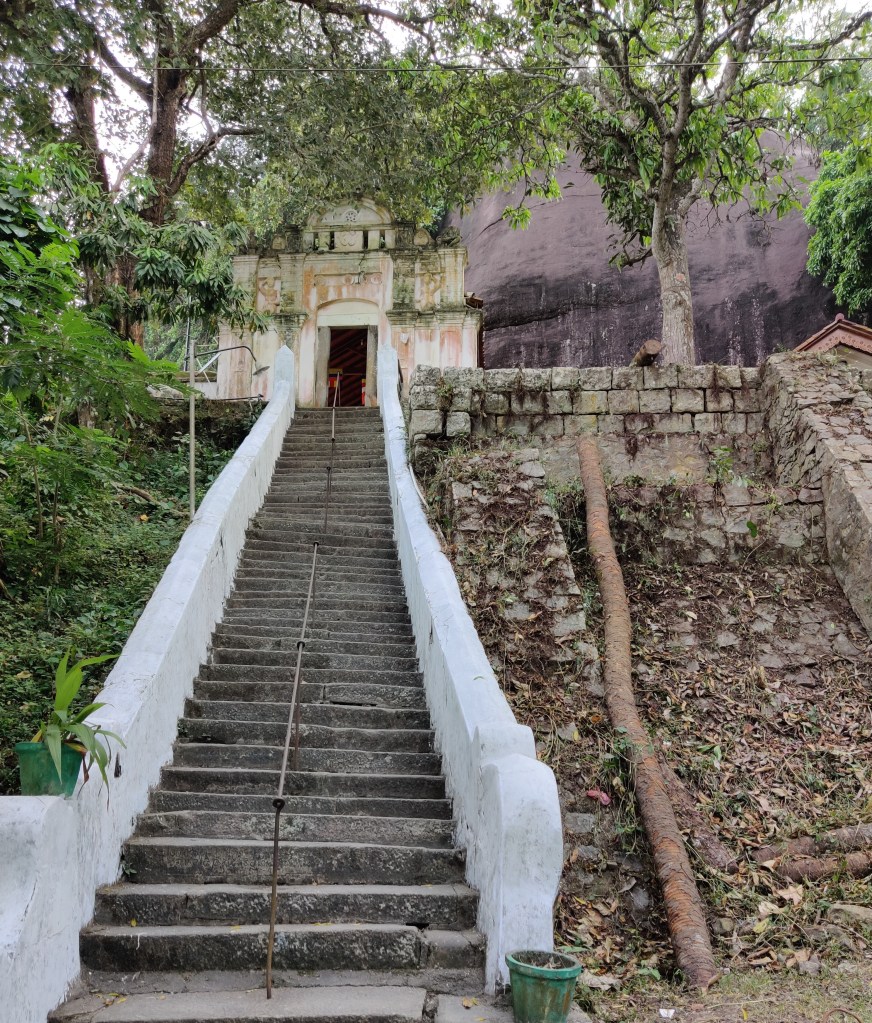
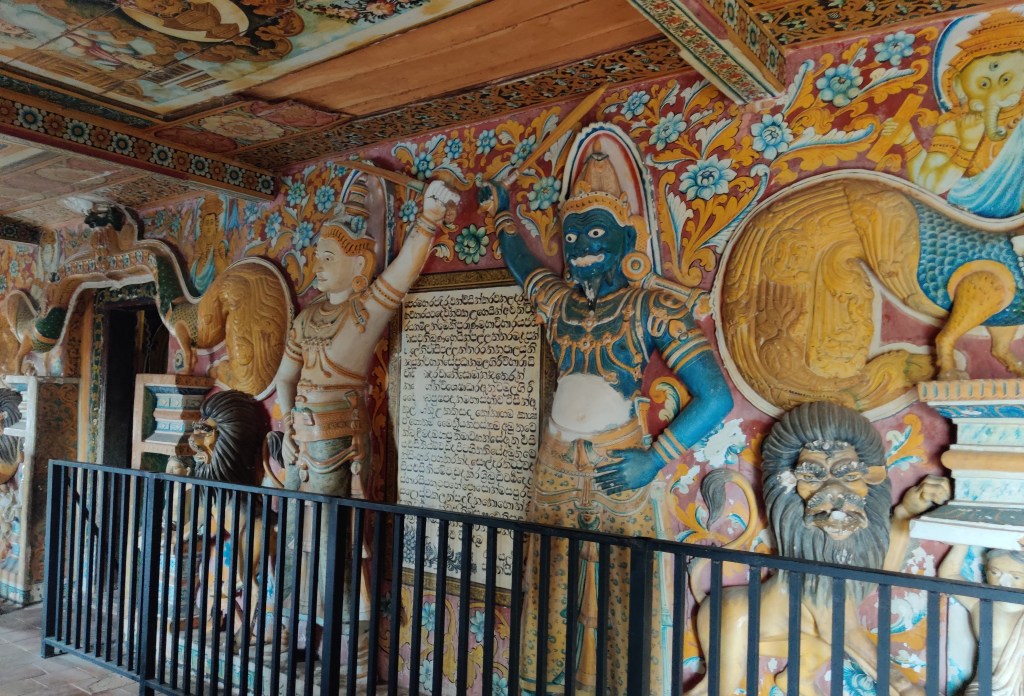
The Golden temple of Dambulla, believed to be a 1st century BC UNESCO site has around 5 dimly lit caves adjoining each other and one gets to see different postures of Buddha. The climb was a reasonable 360 odd steps leading to these caves, all located below a huge rock. There are some lovely frescoes done up on the ceiling and walls and these are well maintained. Given the lighting inside, these caves make for a photographer’s delight in terms of the angles on offer and some lovely statues. While the tickets are a more reasonable 1500 Sri Lankan Rupees (SLR), the effort in making one’s way up and going up and around was much less as compared to Sigiriya. The setting sun against the backdrop of a distant lake and picturesque mountains during the climb down are a visual treat to the eyes.

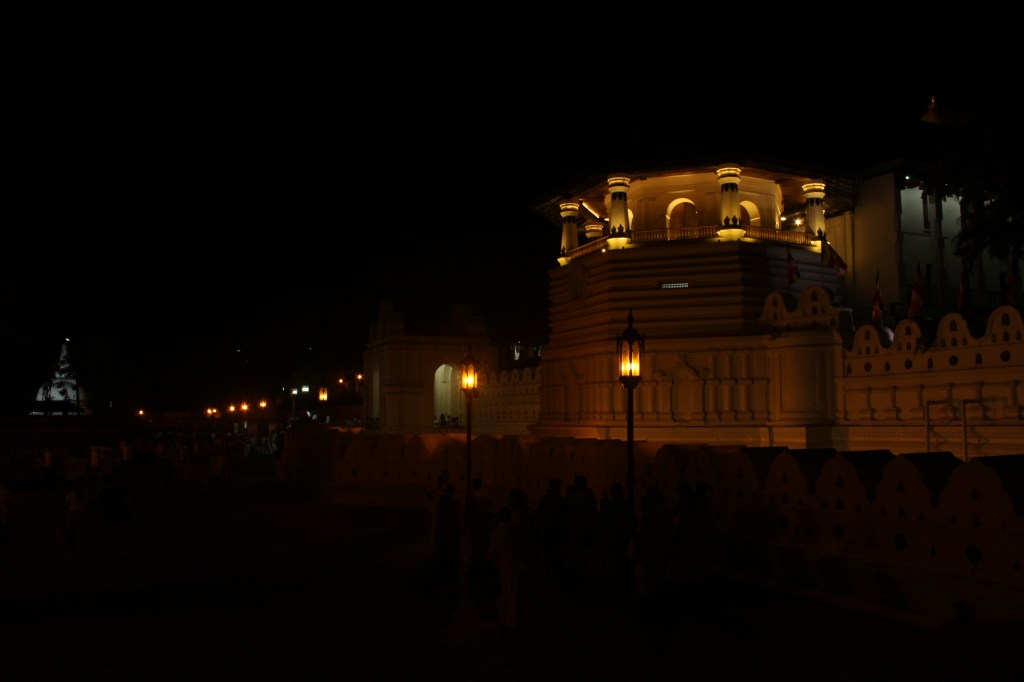
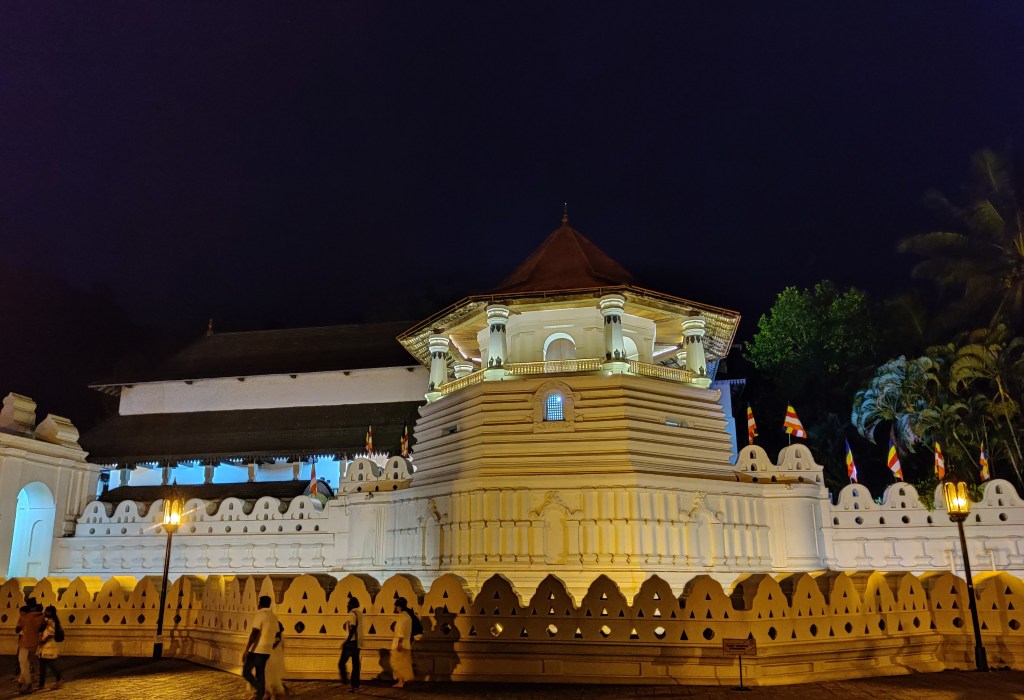
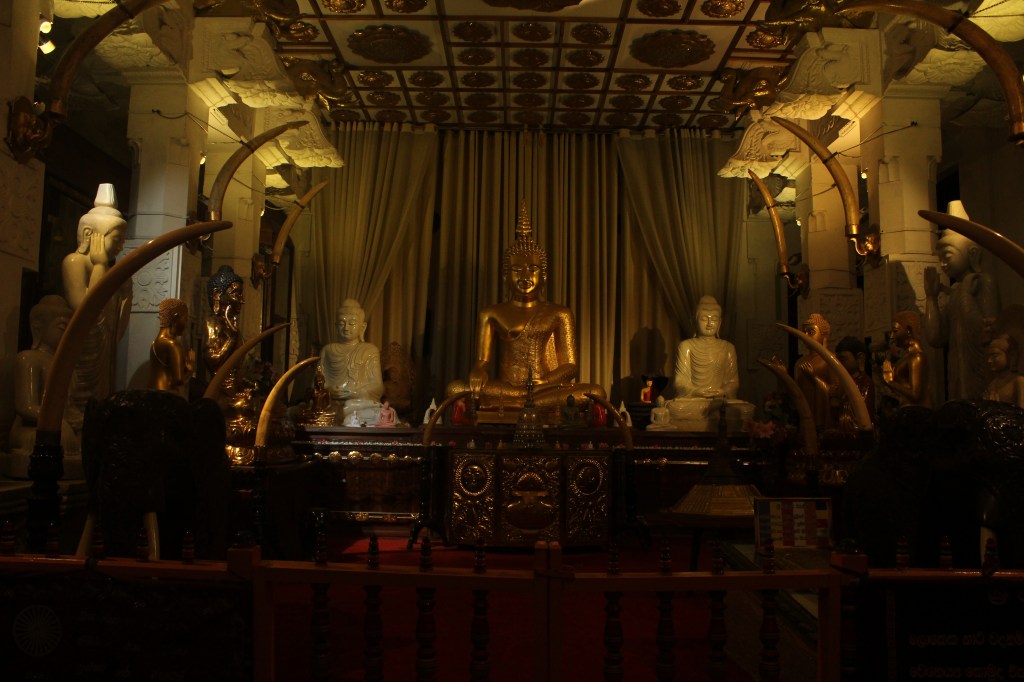
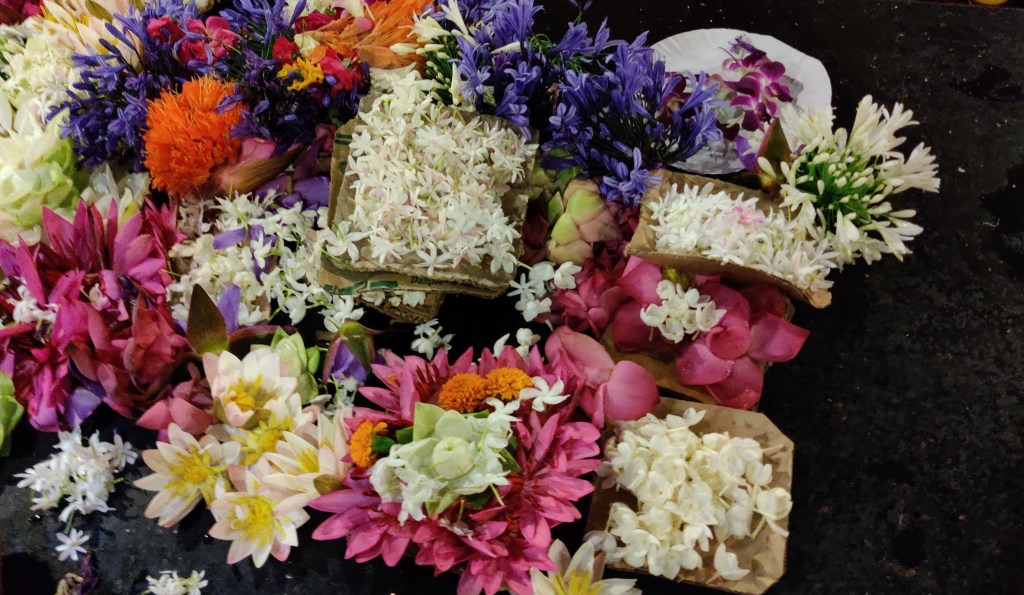
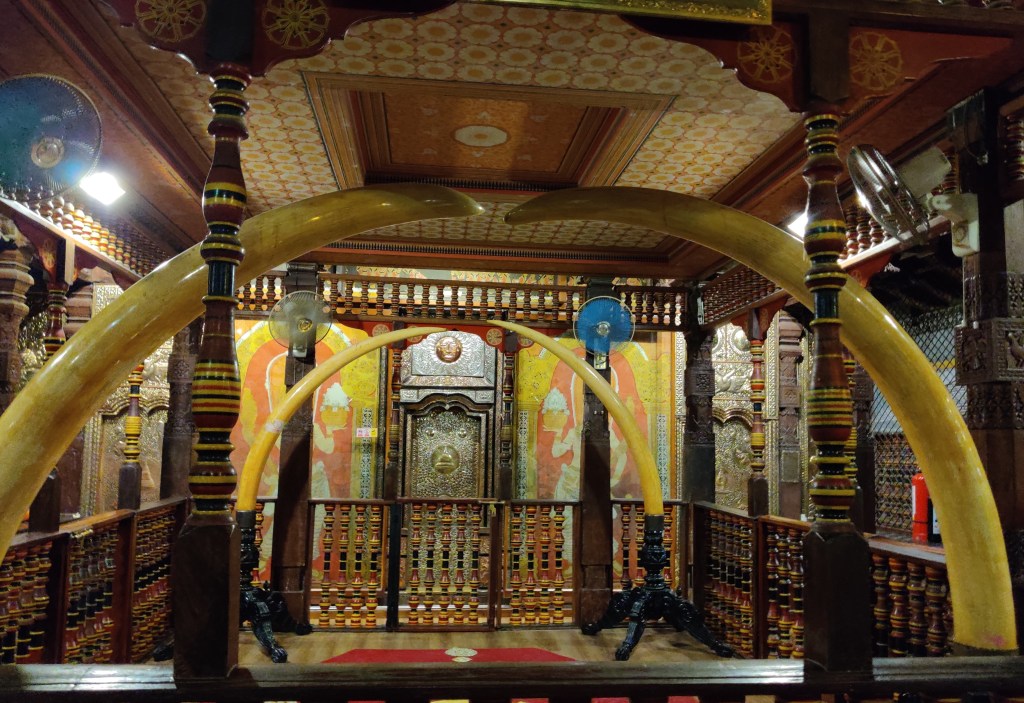
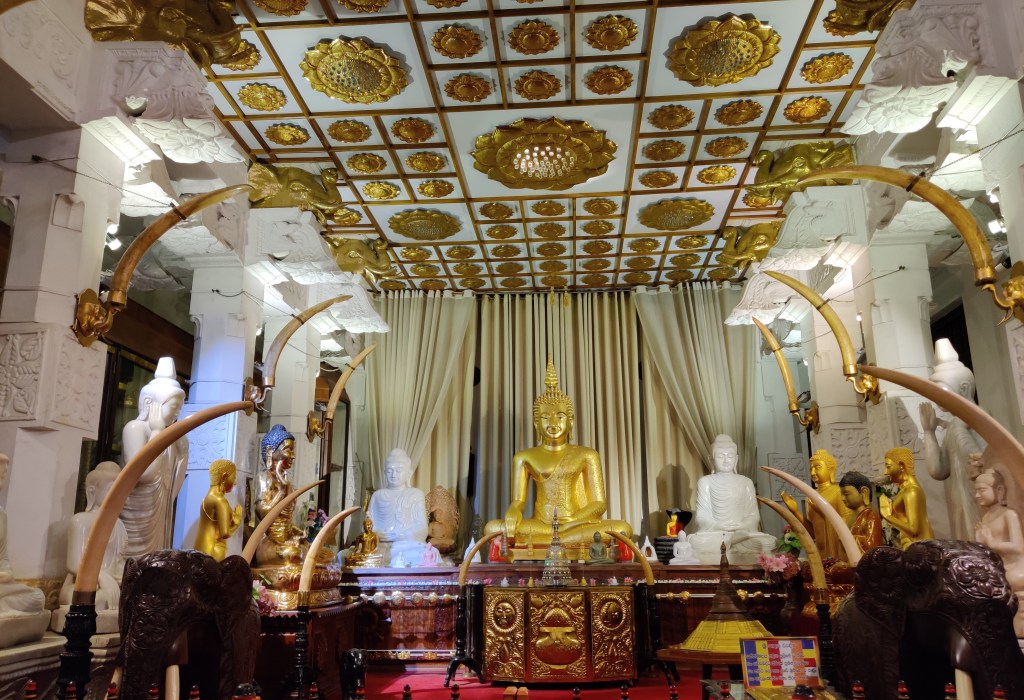
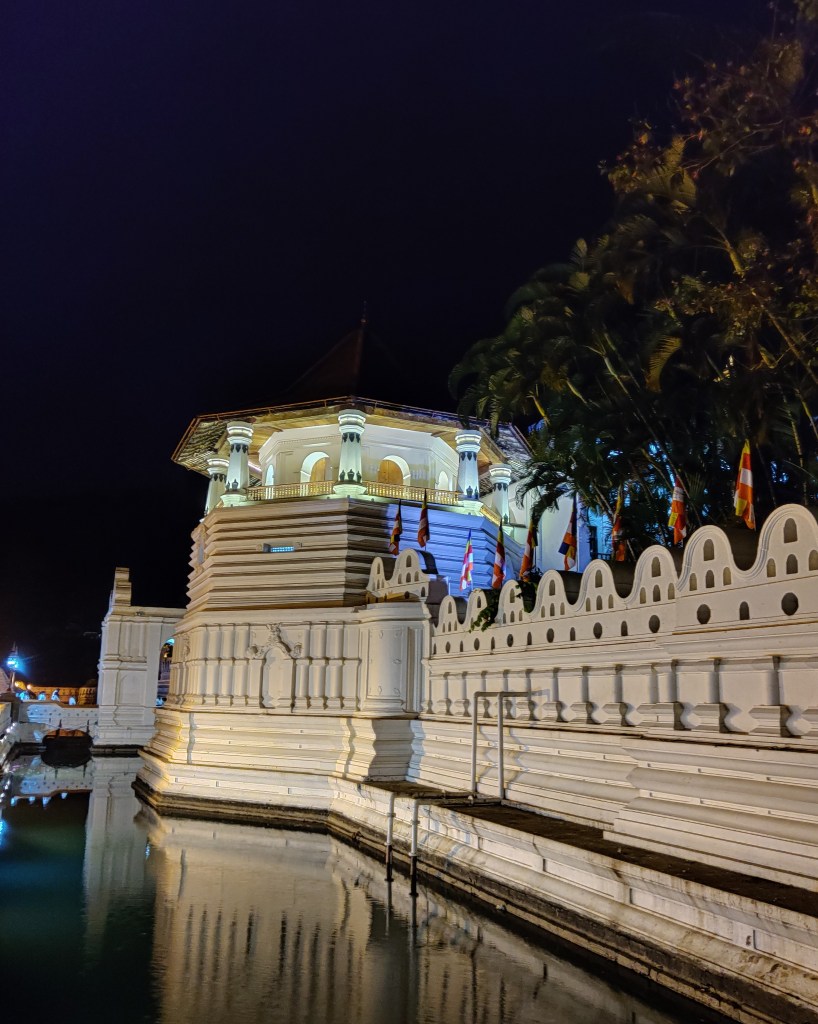
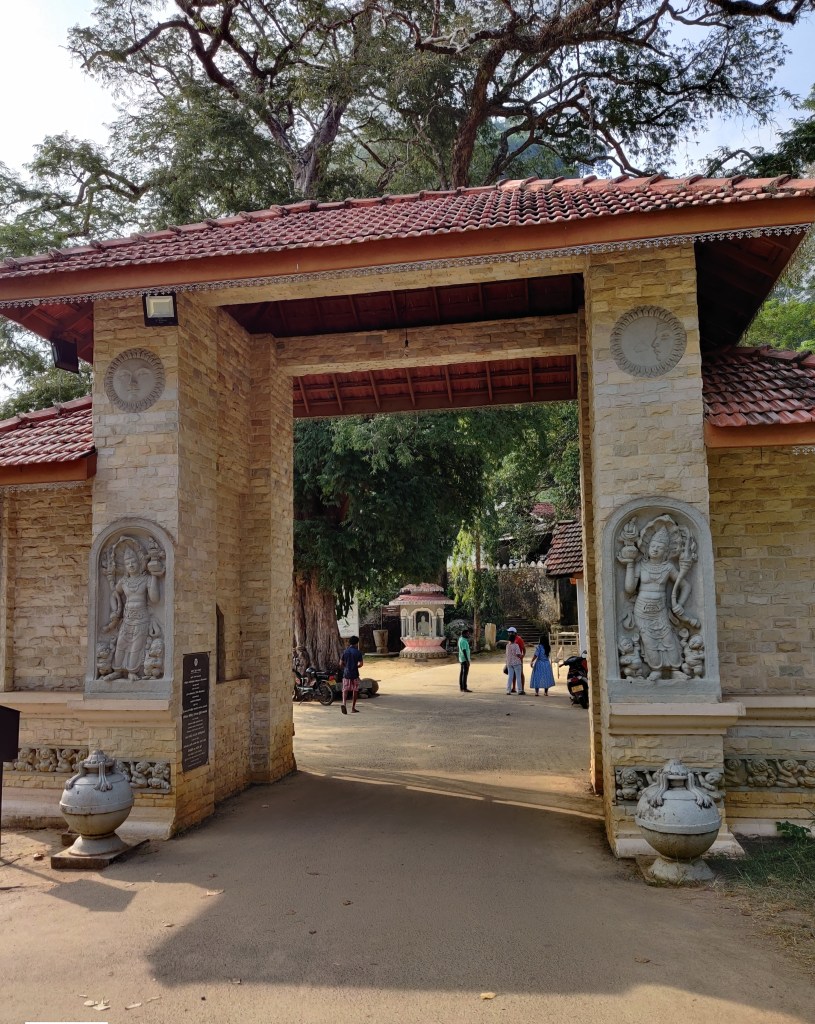
The last pit stop was a further 2 hours drive to Kandy, a city also declared as a UNESCO heritage site and famous for Sri Dalada Maligawa also popularly known as the Scared Tooth Relic Temple. Located within the Royal Palace complex, this temple makes for some stunning photographs in the night. A disciplined queue takes one into the temple complex where one gets to see 4 or 5 people playing the drums and then the climb up the stairs brings one to the main shrine adorned with a golden canopy. The tooth relic is encased in seven stupa shaped golden caskets, engraved with precious Gemstones but however not available for public viewing. This relic has stood the tests of time in terms of surviving the invasions of the Portuguese while the temple itself was subjected to a suicide bombing in the year 1998 and an earlier attack in 1989. Tickets sell for a 1000 SLR apiece.

PATTHIRIPPUA OR THE OCTAGON
THE OUTER VIEW OF THE PALACE COMPLEX

Pretty close to the temple, the sight of a shop with the name of Balaji Dosas caught our attention and some yummy dosas and vadas more than made up for what we missed as our staple diet over the last 2 days. A tiring day finally came to an end at around 8 PM post which we made our way to our lovely temporary abode, atop a hill with some lovely views from the balcony. Melheim Kandy Villas, it was to be for the night. Kandy incidentally was just one angle of the cultural triangle which we had covered, the other 2 being Anuradhapura and Polonnoruwa.

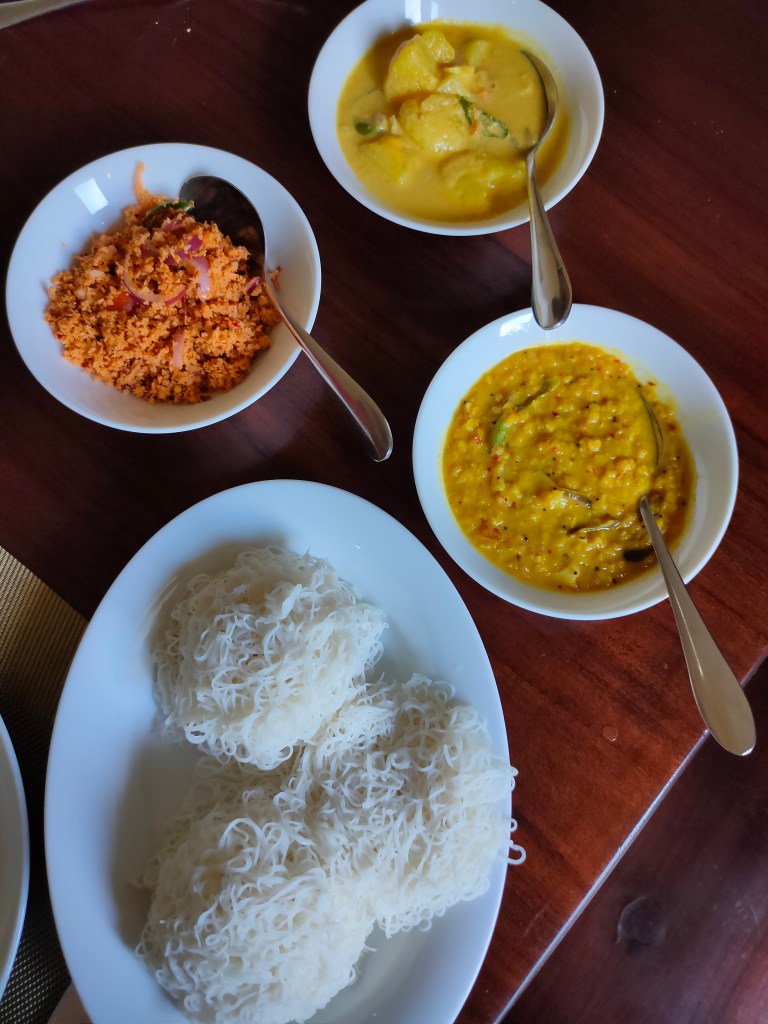
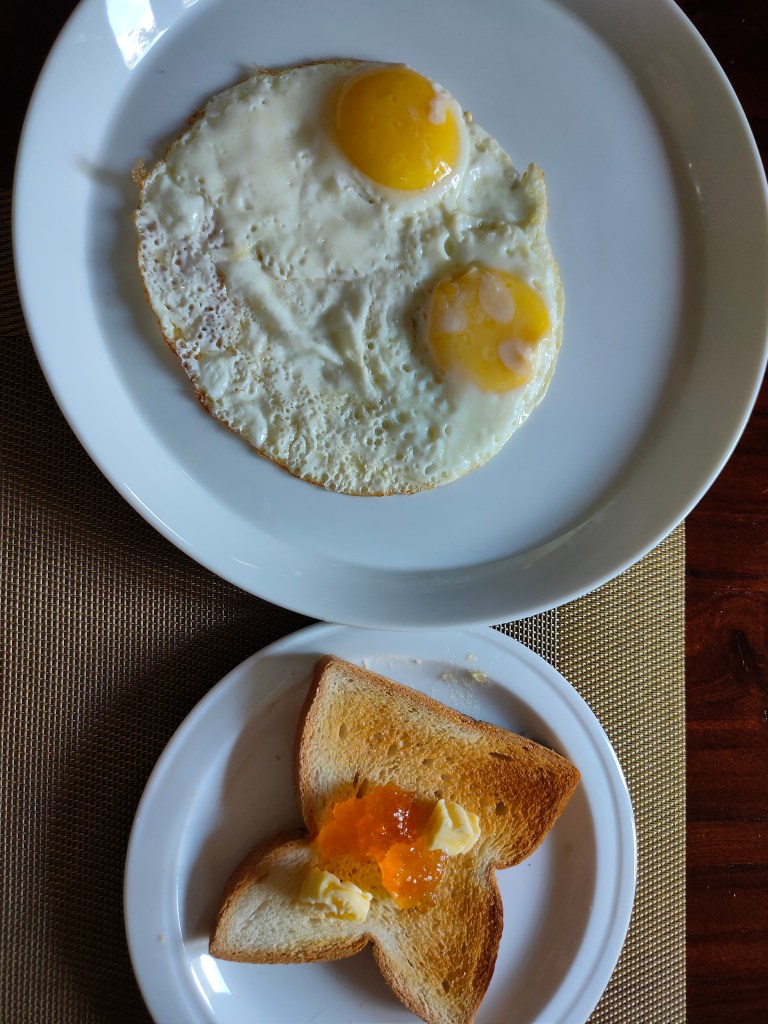
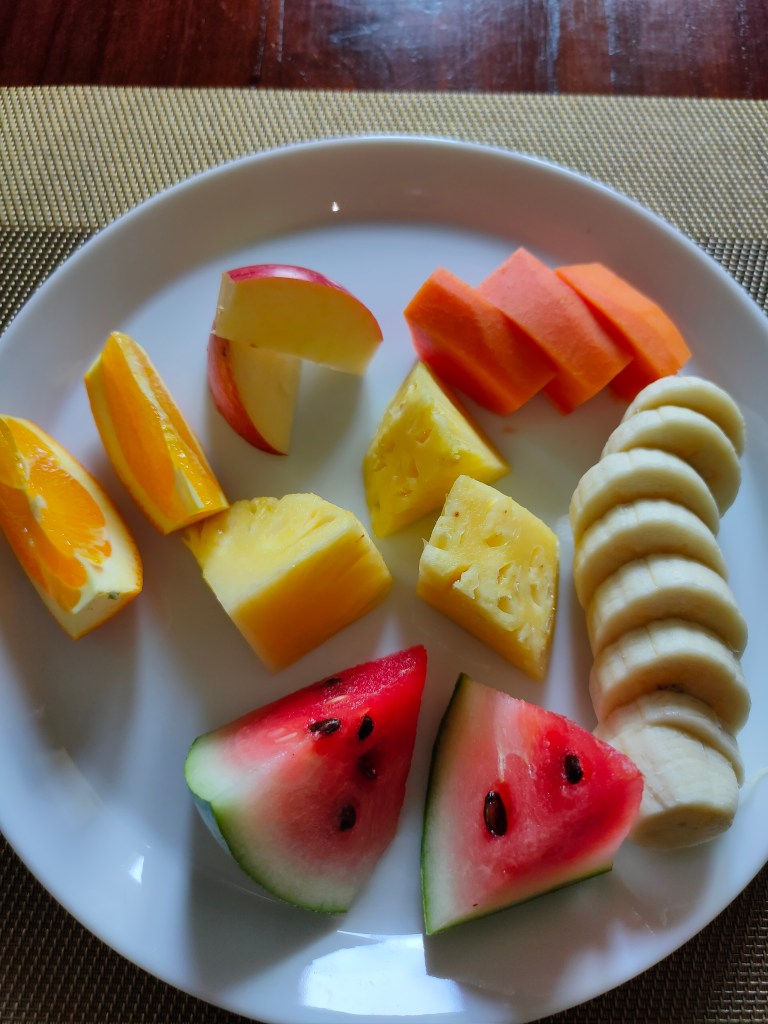
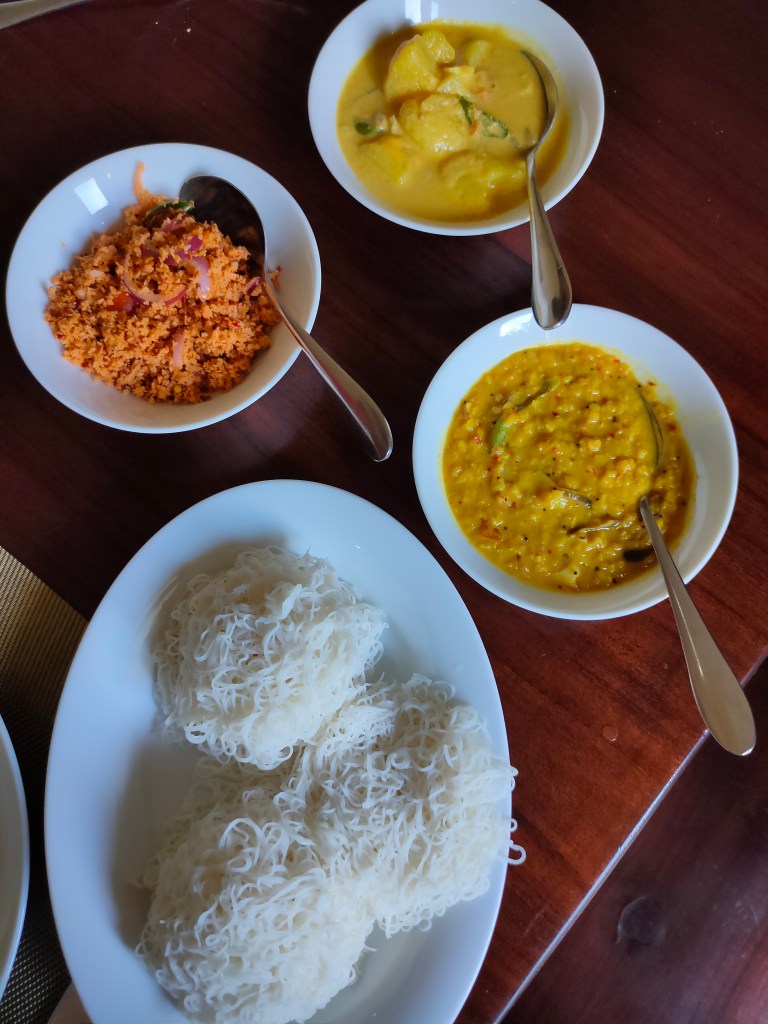
Day 2 :   The breakfast was on the house and we were given a fruit palate and a choice of string hoppers with Daal, Sambol (Coconut ground with Red Chillies and Onions and a dash of Garlic) and potato curry or bread toast with eggs as an alternate.

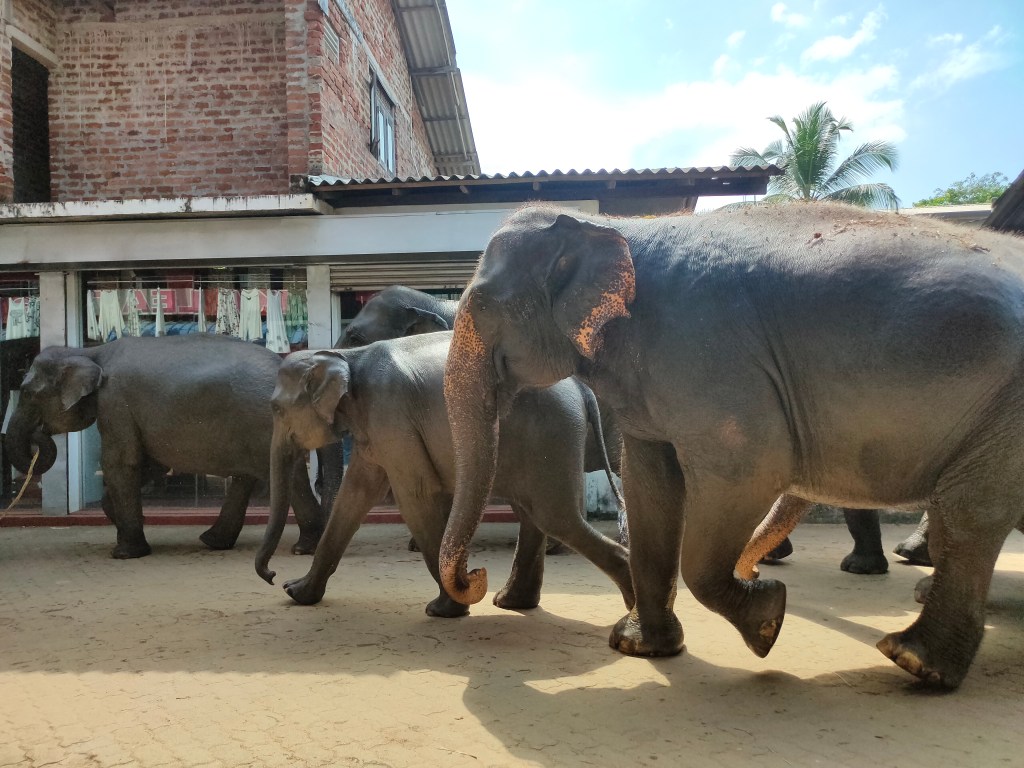
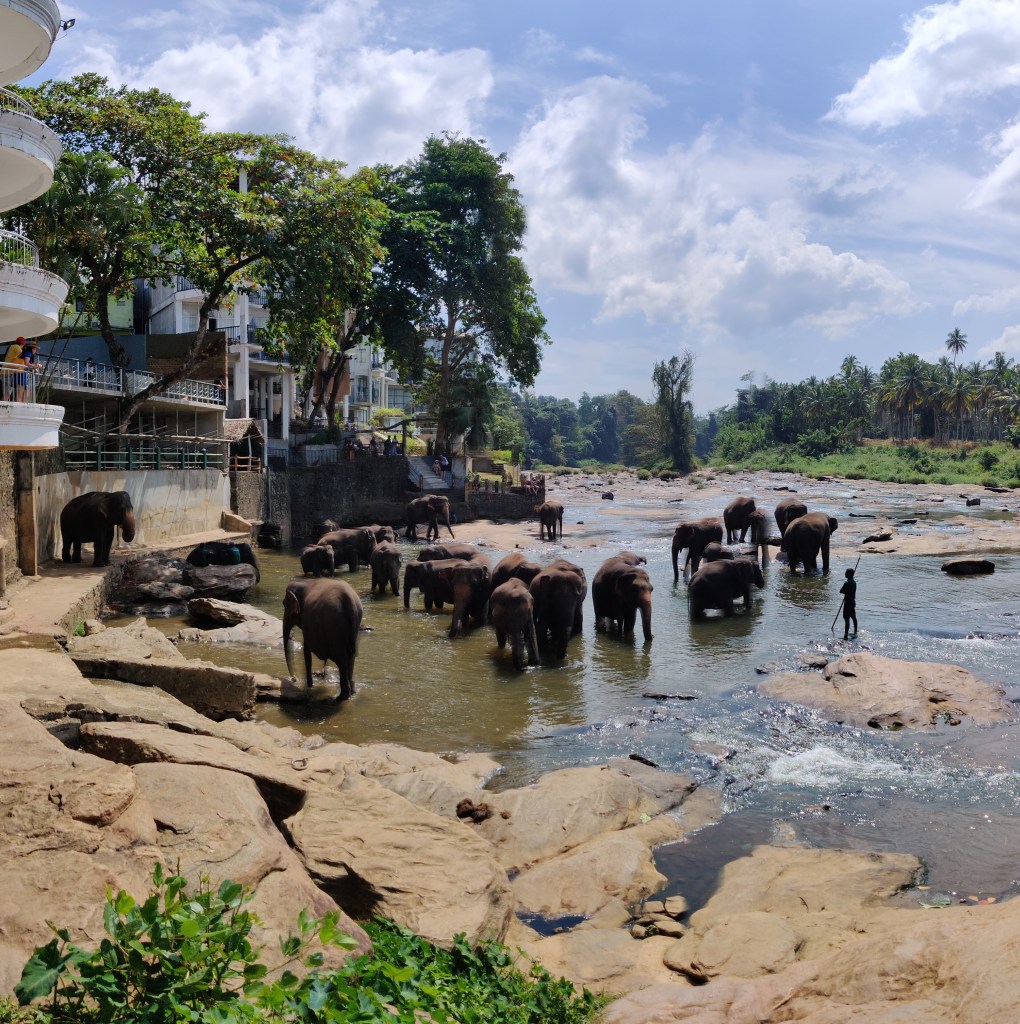
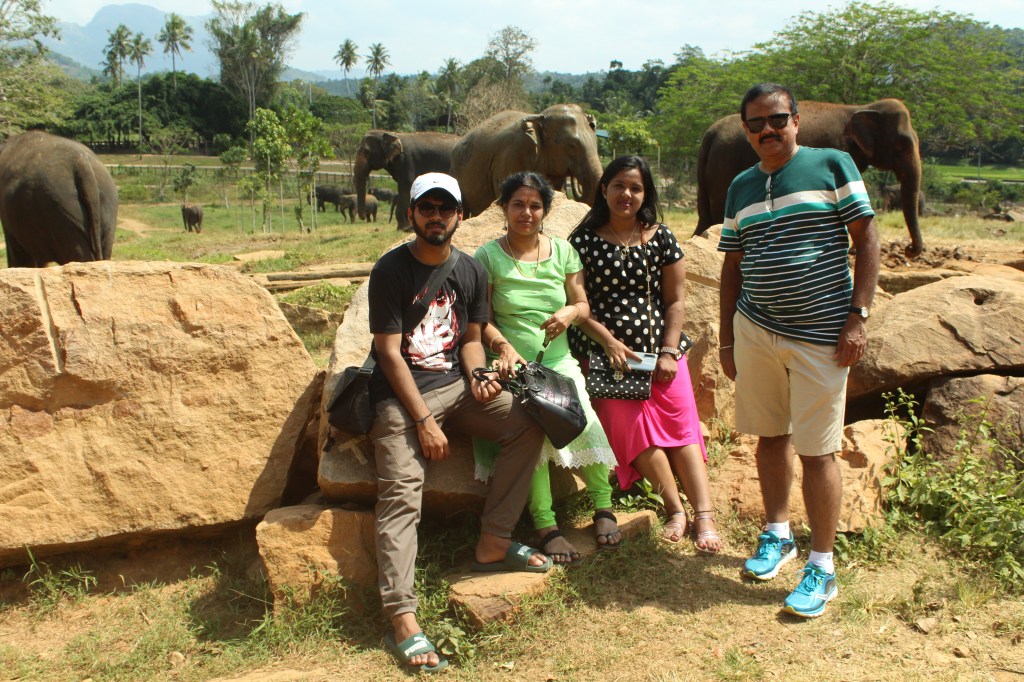
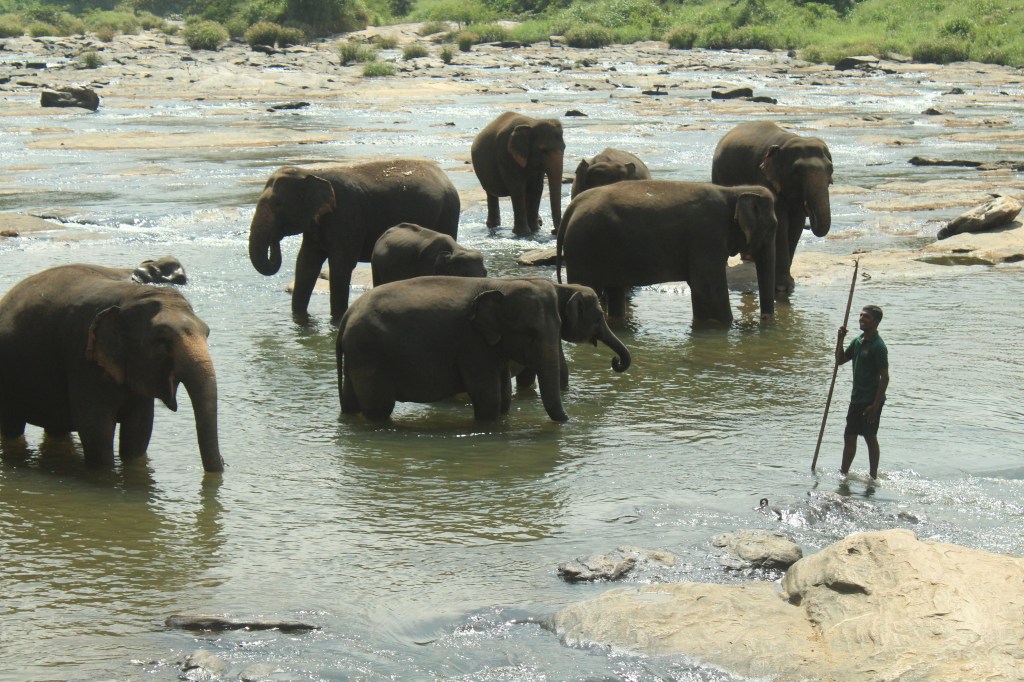
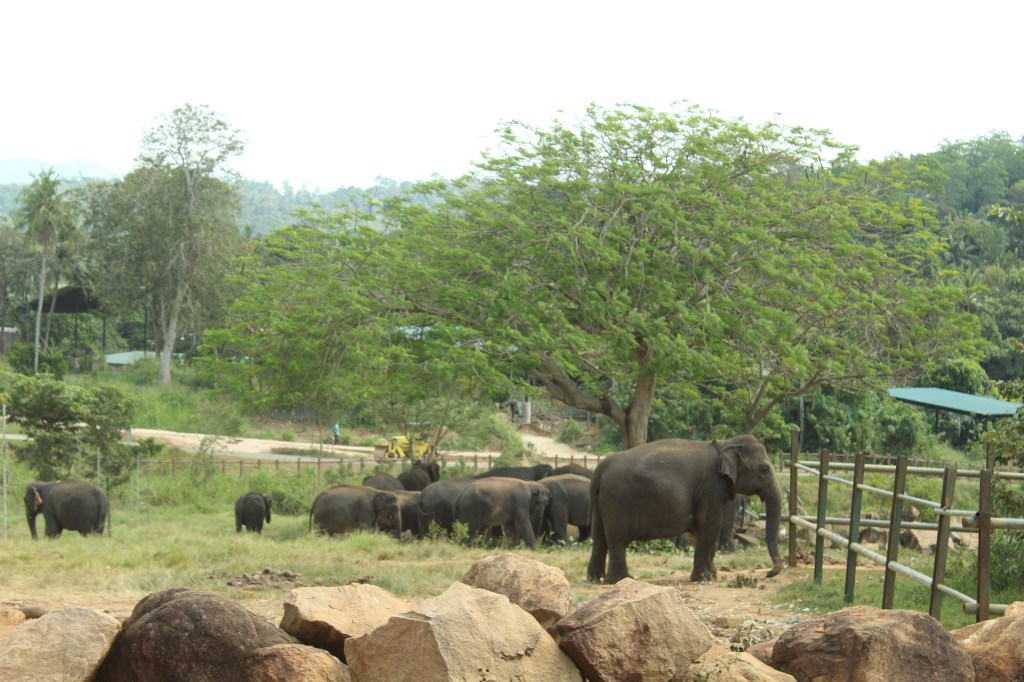
If you are an animal lover and have a liking for elephants, Pinnawala is the place to visit. An hour’s drive from Kandy led us to this Elephant Orphanage located around 40 kms away.  This can also be accessed from Colombo though its around 90 odd kms away. There were these captive wild elephants on display with their little ones marching towards the river front, all in unison for a nice shower and they do this twice a day. This ritual goes on for about an hour post which the waiting public are allowed to feed them from the side stands. They are then taken back to the grazing area while a select few get invited to be fed fruits by the public. Have read quite a few blogs on how these animals have been chained and are beaten up but this is a bit untrue. Chained yes for the sake of public safety since these are wild but all they receive is a gentle prod if they tend to become naughty. The entrance fees are a reasonable 800 SLR per head.

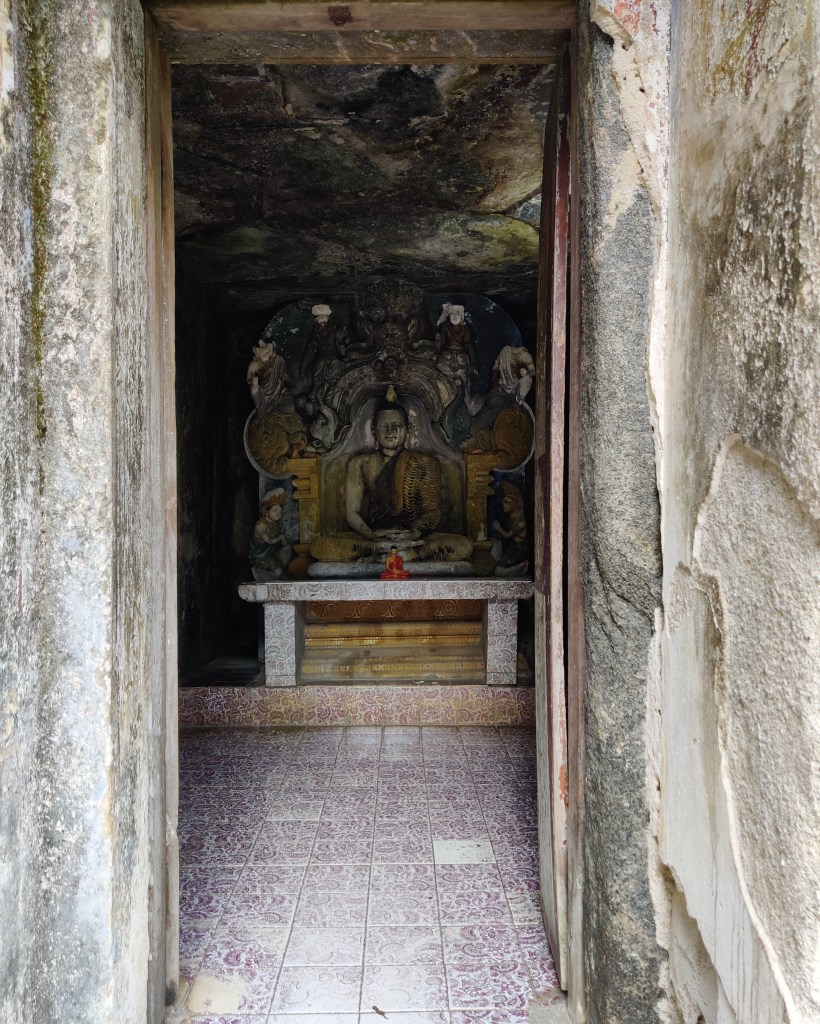
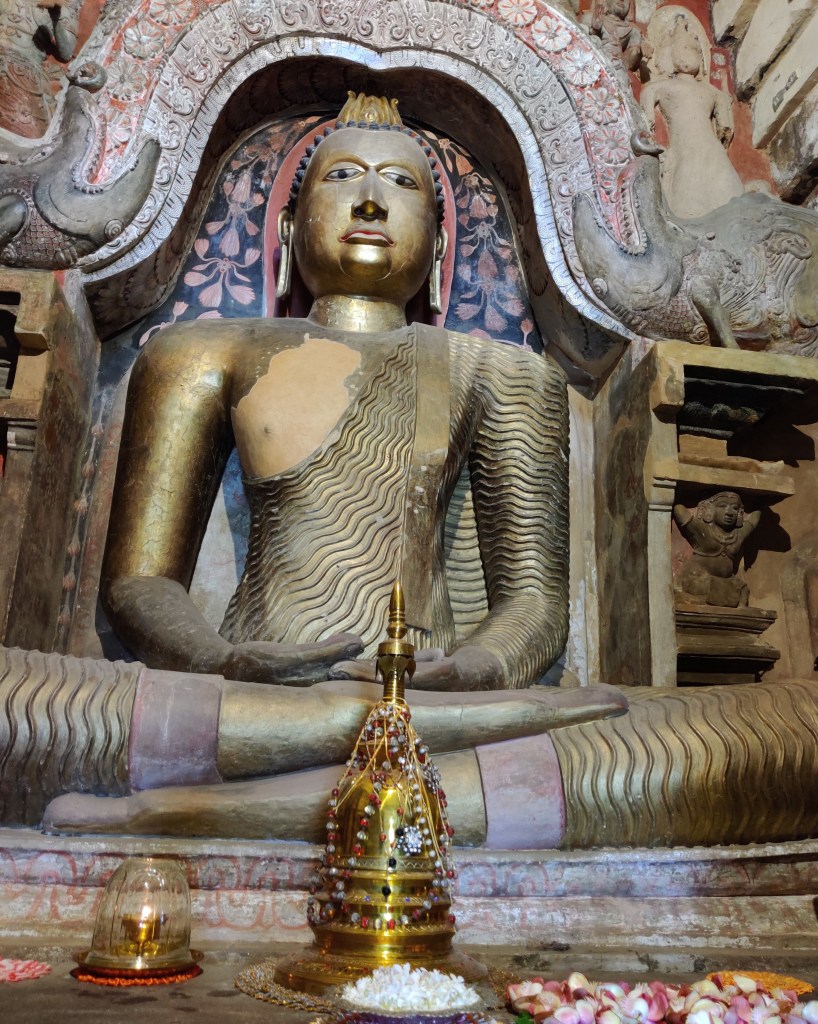
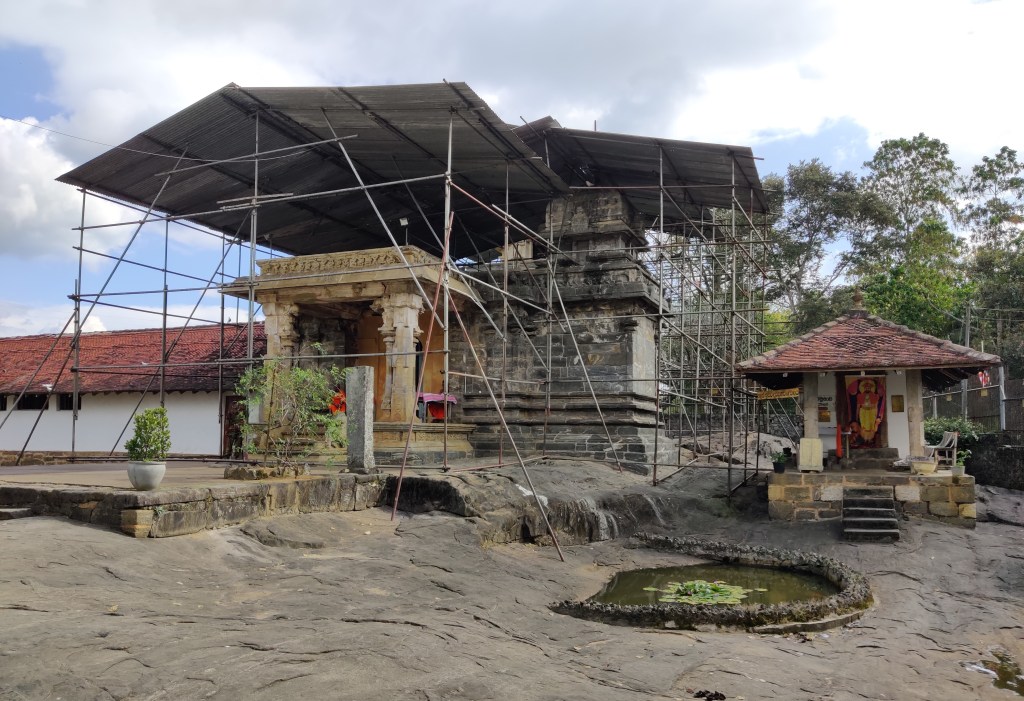
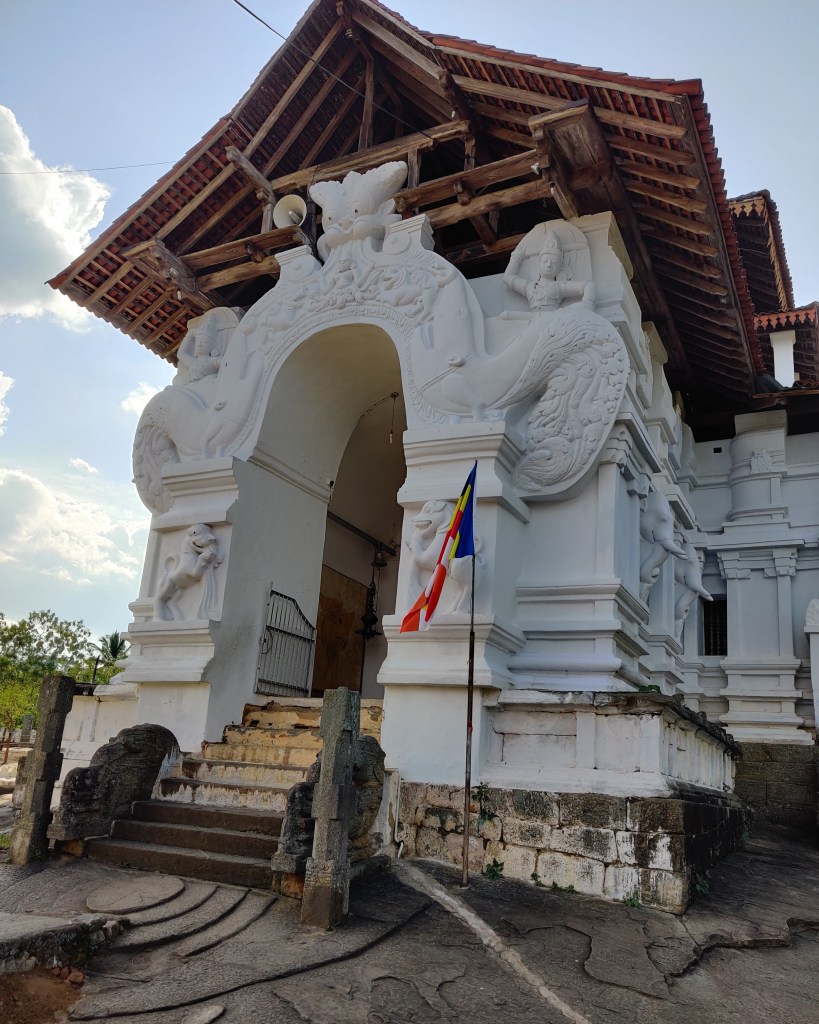
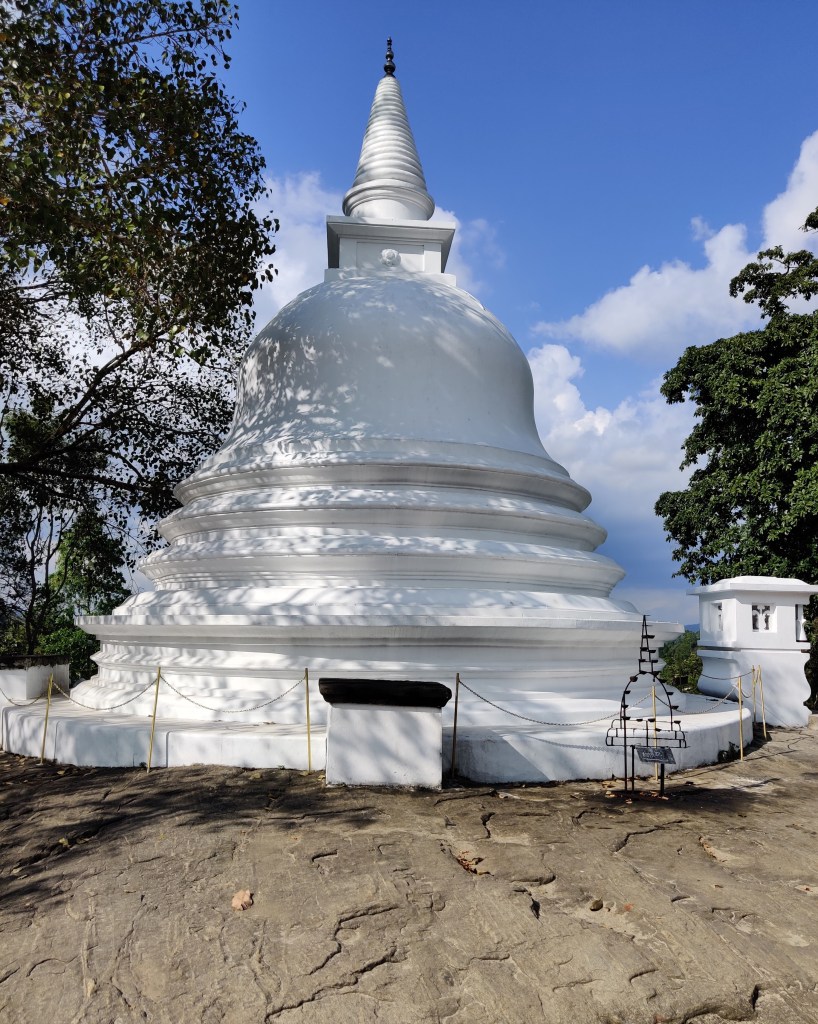
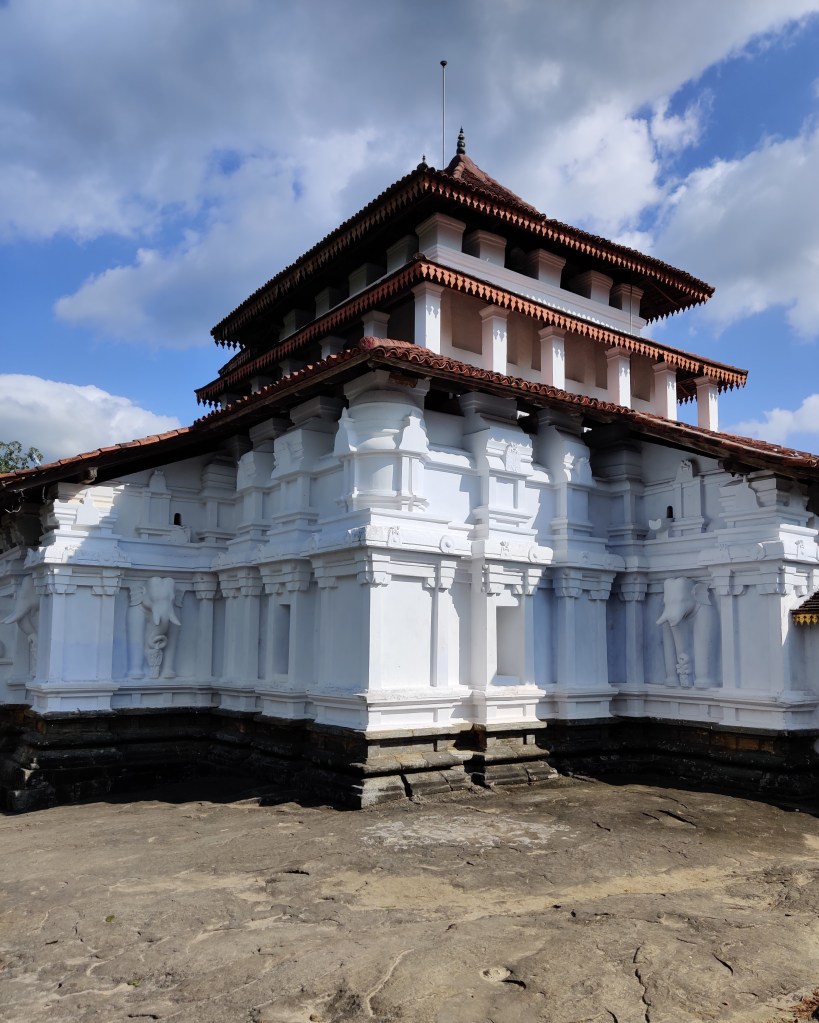
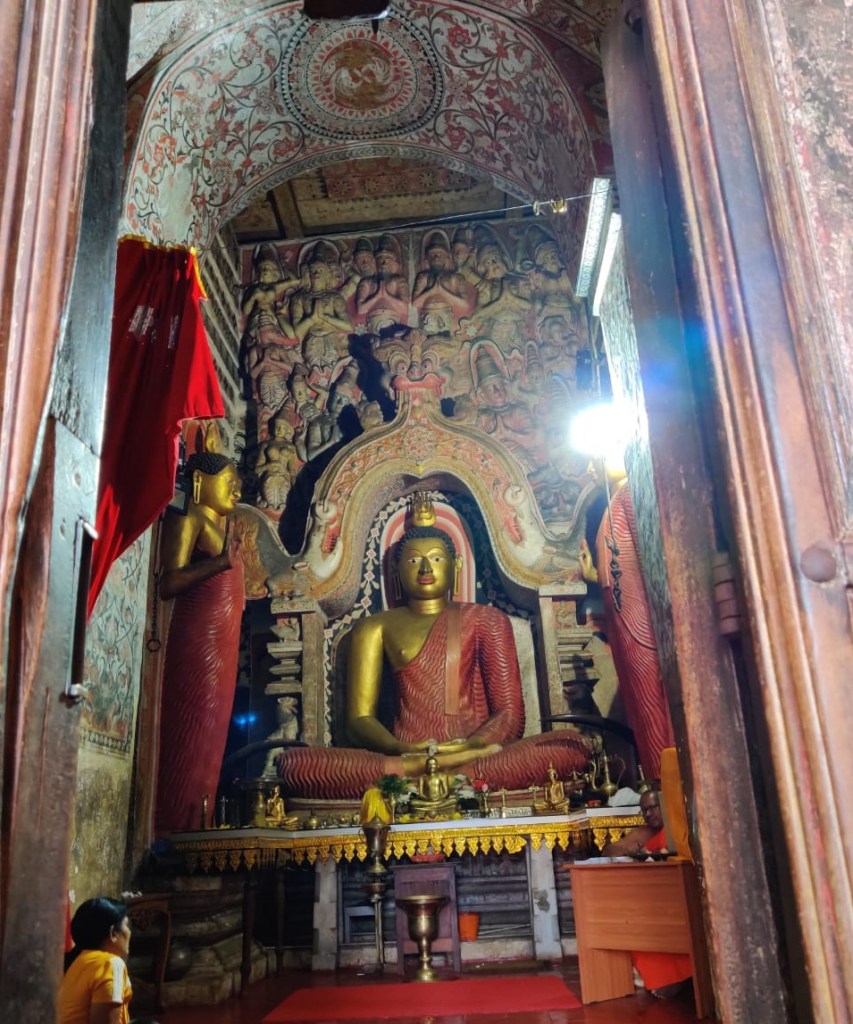
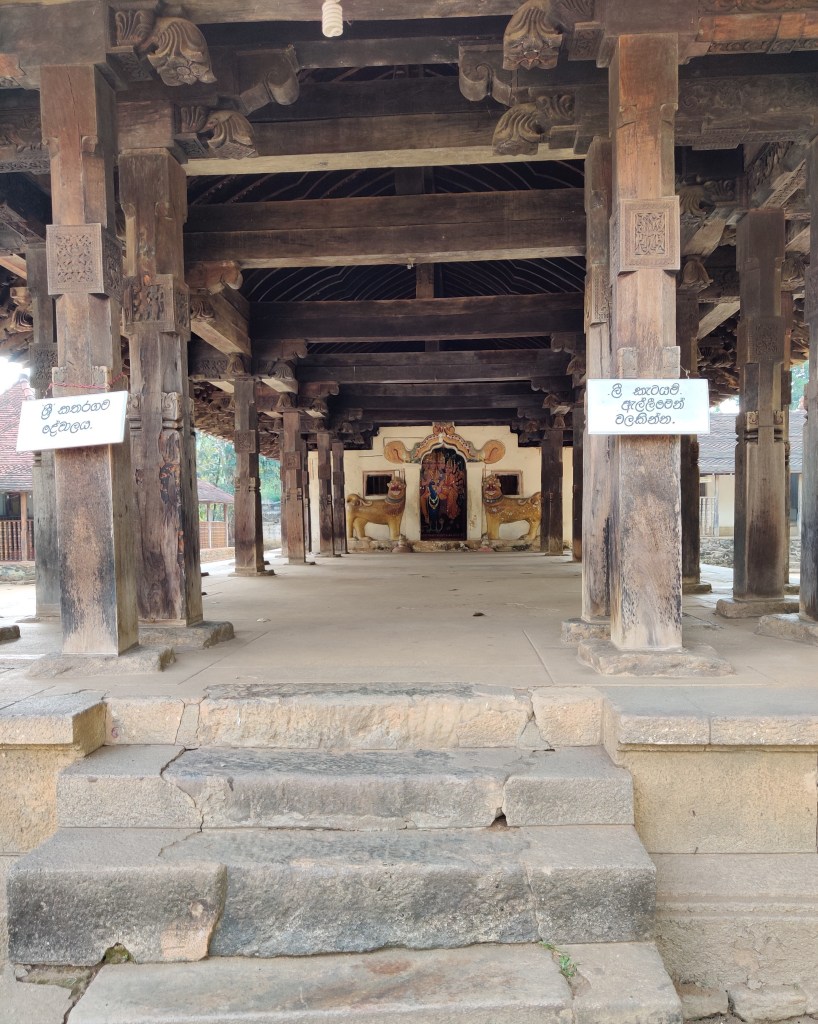
On our way back to Kandy, had a quick bite at a restaurant by the name of Sadeepa in Hingula and post lunch we resumed on our drive to the 3 ancient Buddhist temples of Galadeniya, Lankatilaka, Embekke  which date back to the 14th  Century and are located in close proximity. A unique feature of these temples is that they have been built by rock. Each of these temples levy a fee of 300 SLR per head and in most of these places, it appeared to be an optional coz either no one was at the counter nor did anyone check for tickets of any kind.

The last stop for the day was at the Hindagala Temple, a 14th Century temple built in a cave though there are some rock inscriptions which date back to the 6th and 7th century. One gets to see some lovely wall paintings here.

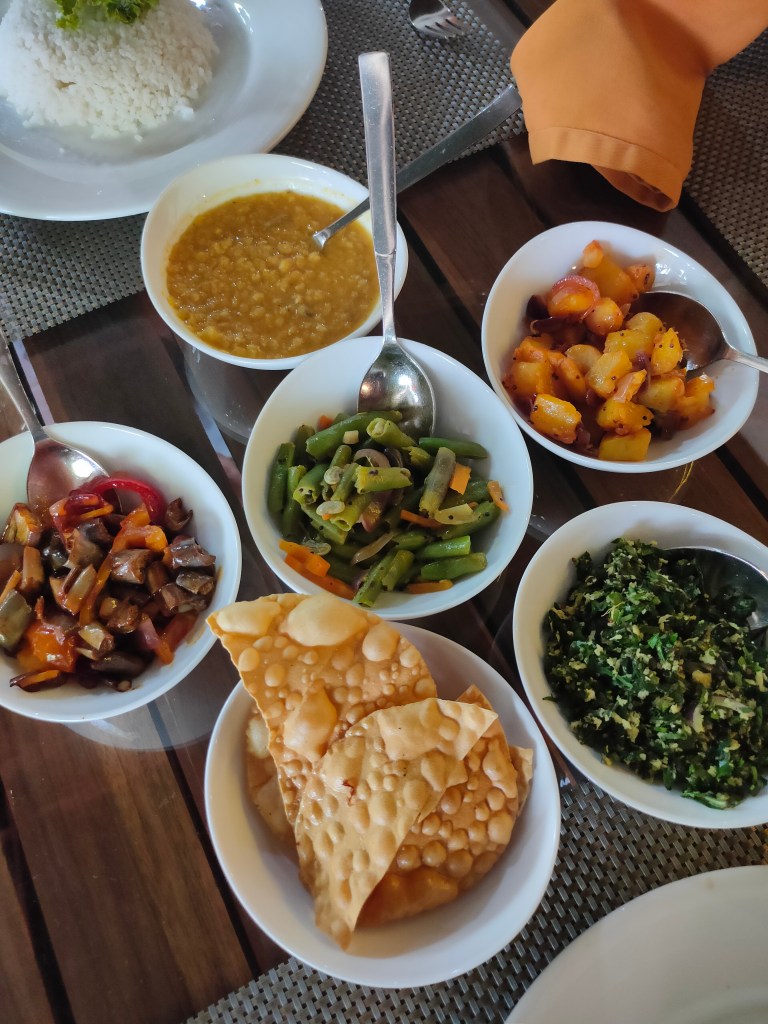
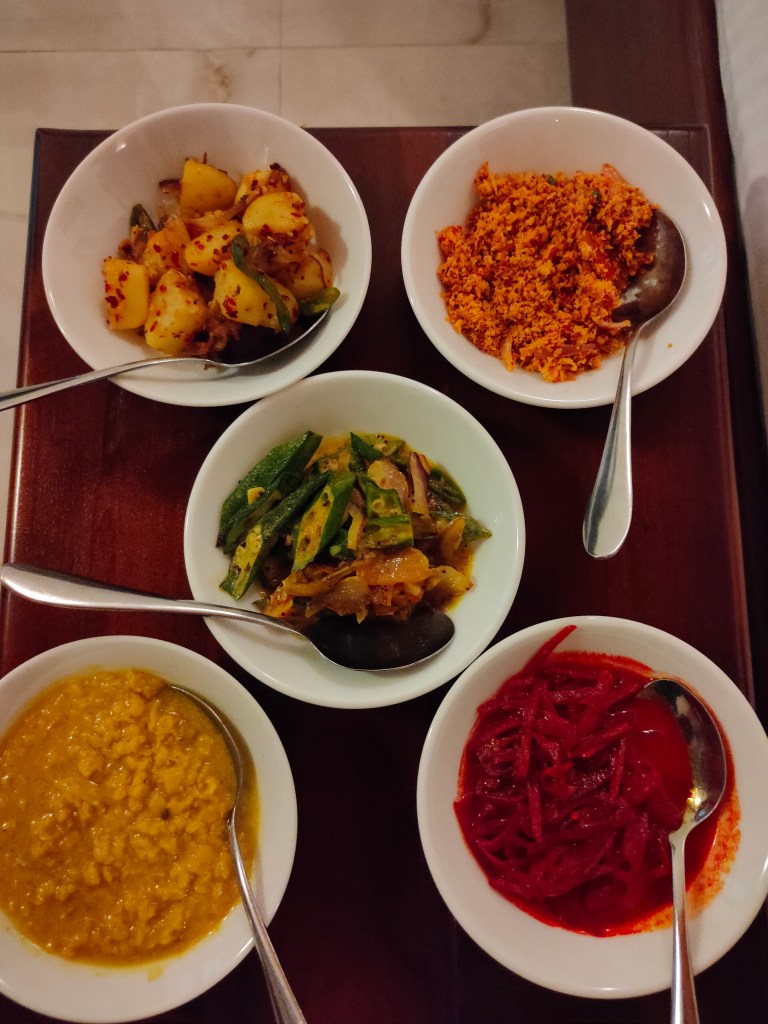
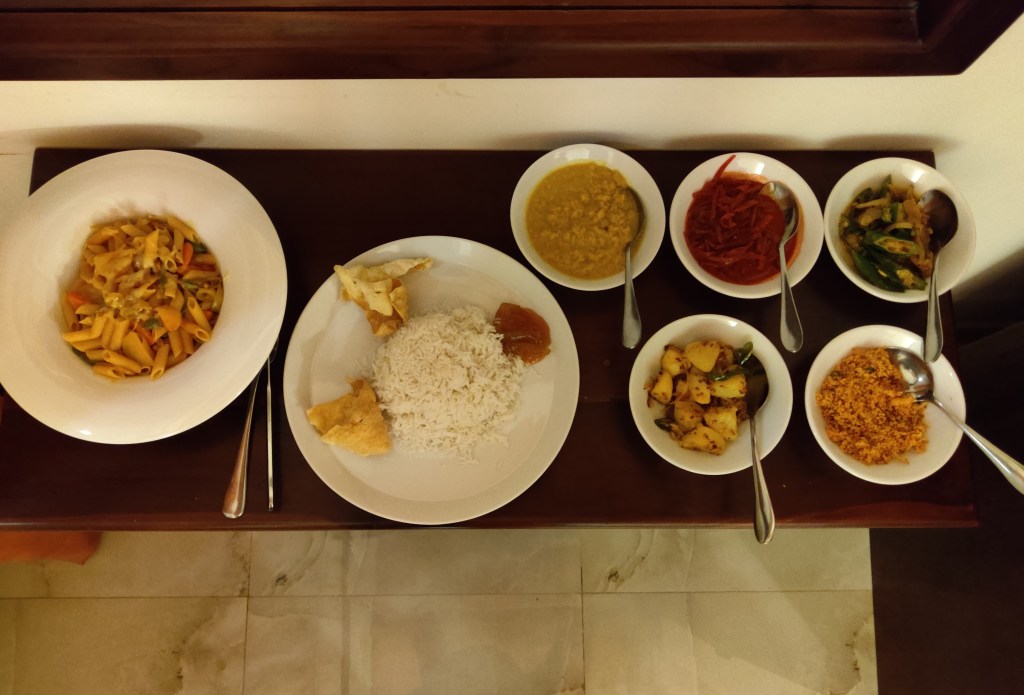
A short drive back to town and then onto our hotel at Kandy for the night. Dinner for the night was to be some Grilled Pastas and Sri Lankan Rice and Veg curry along with some spicy and very well made  Sambol to go with  it.

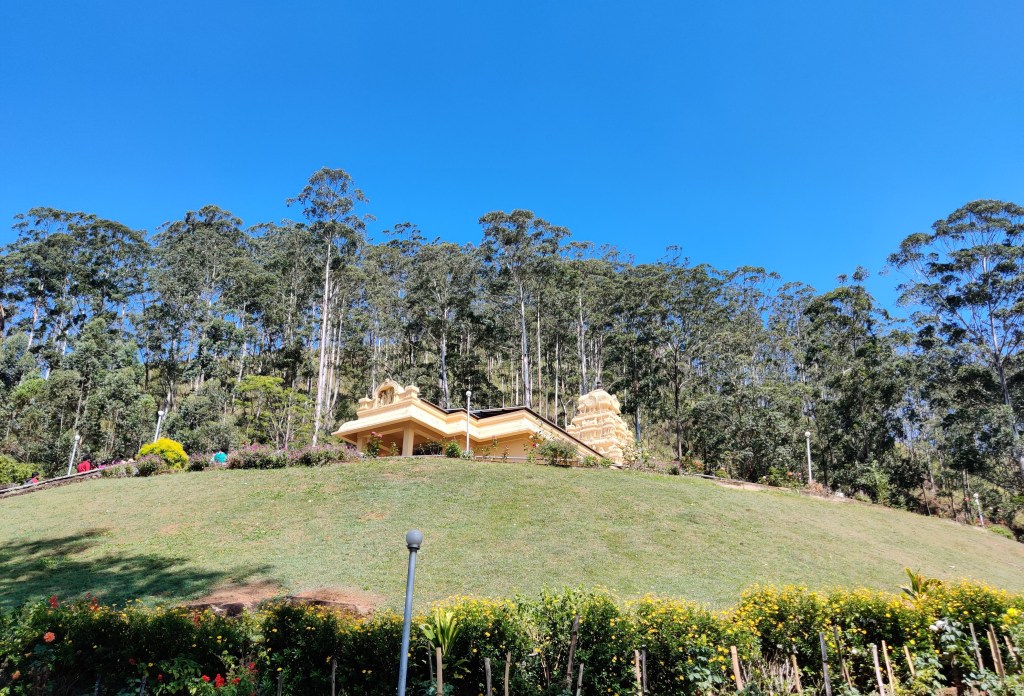
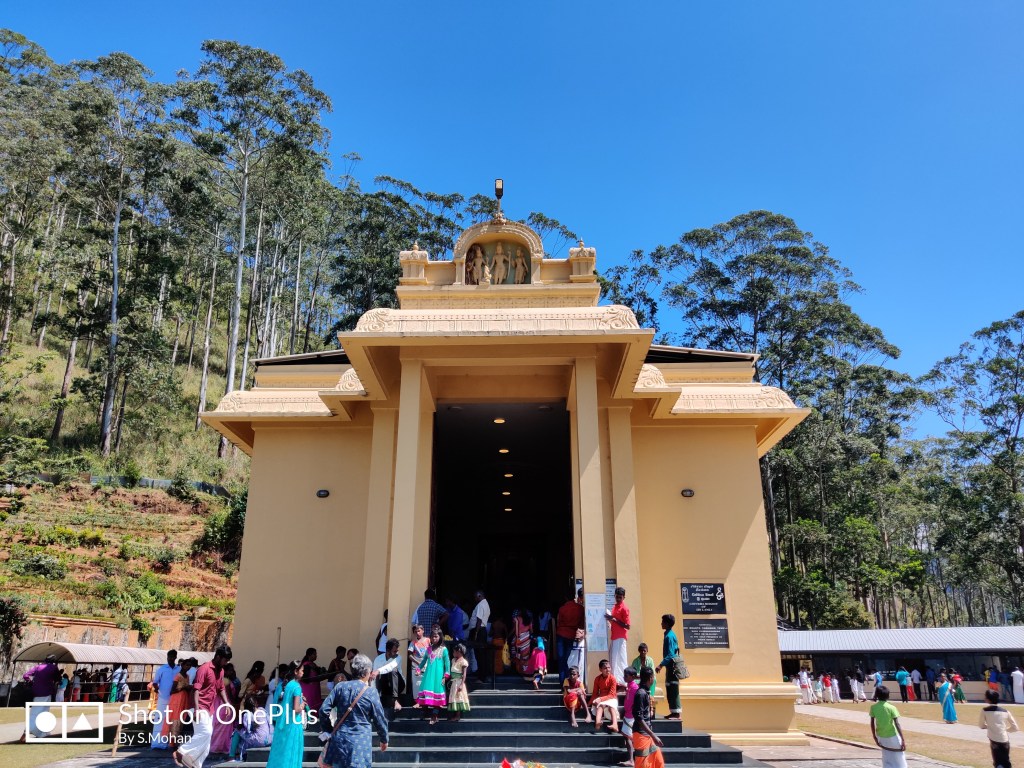
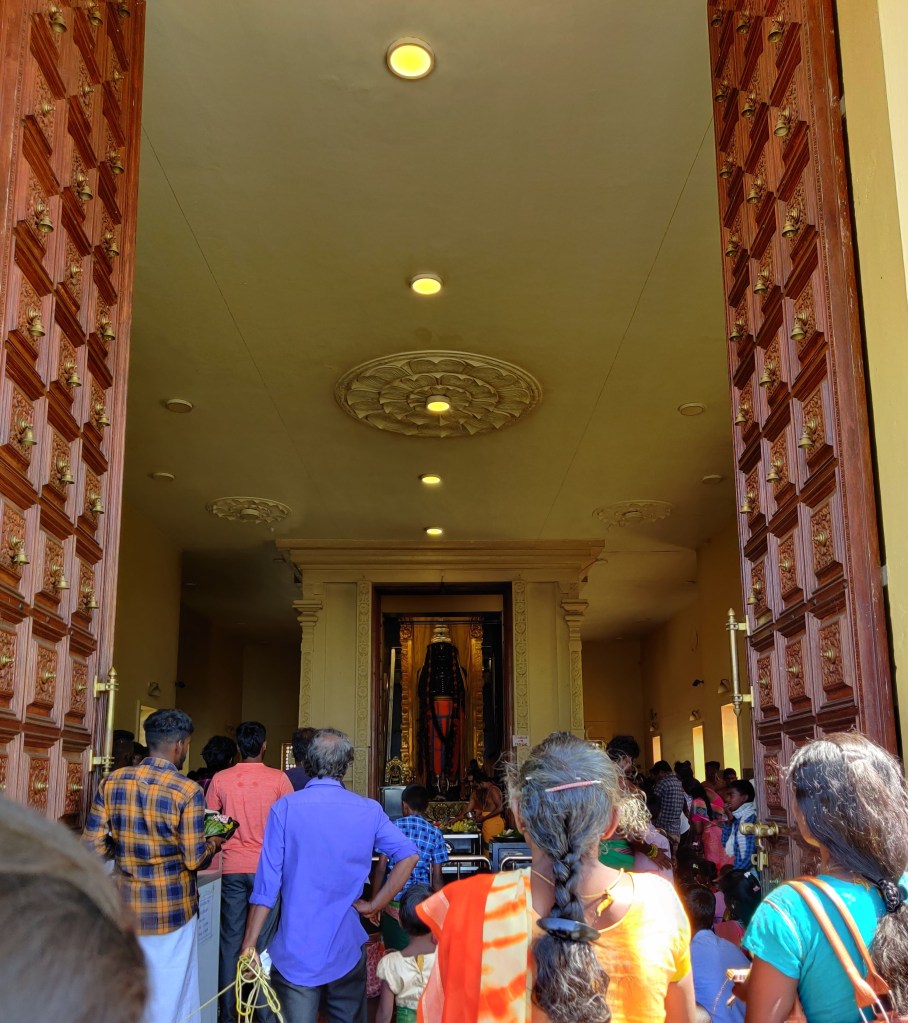
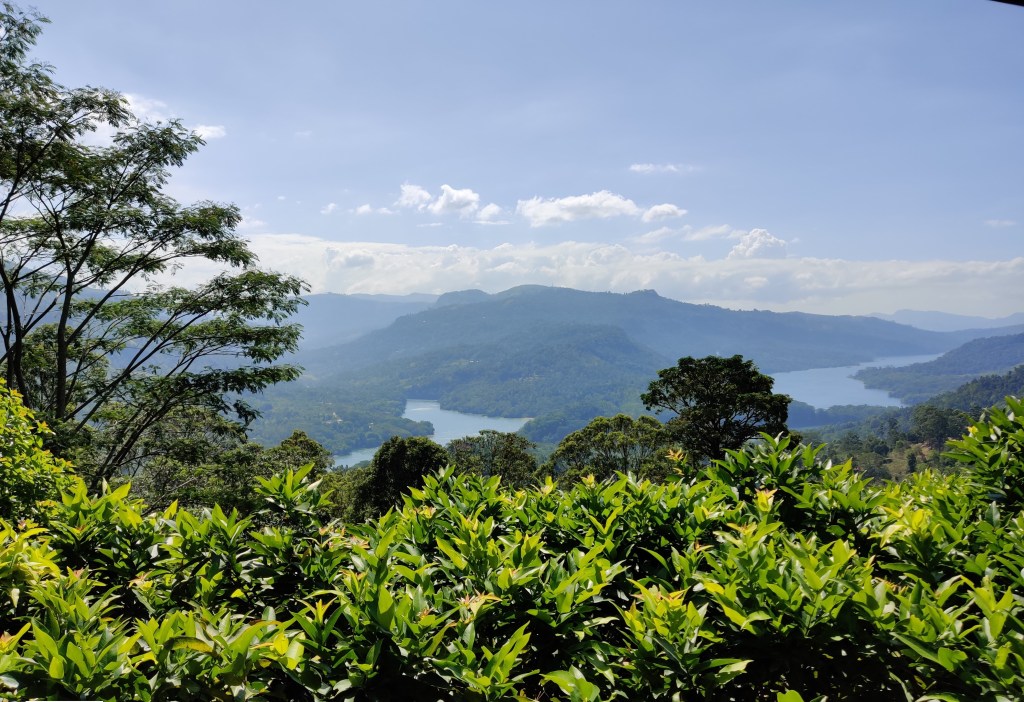
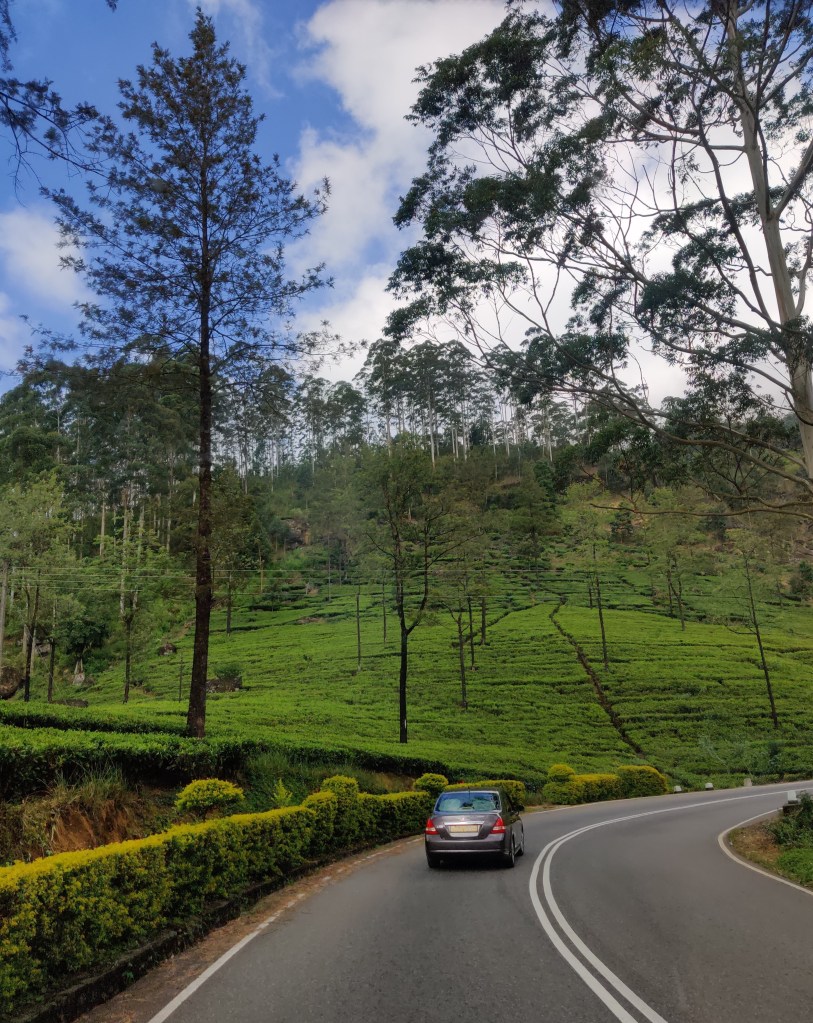
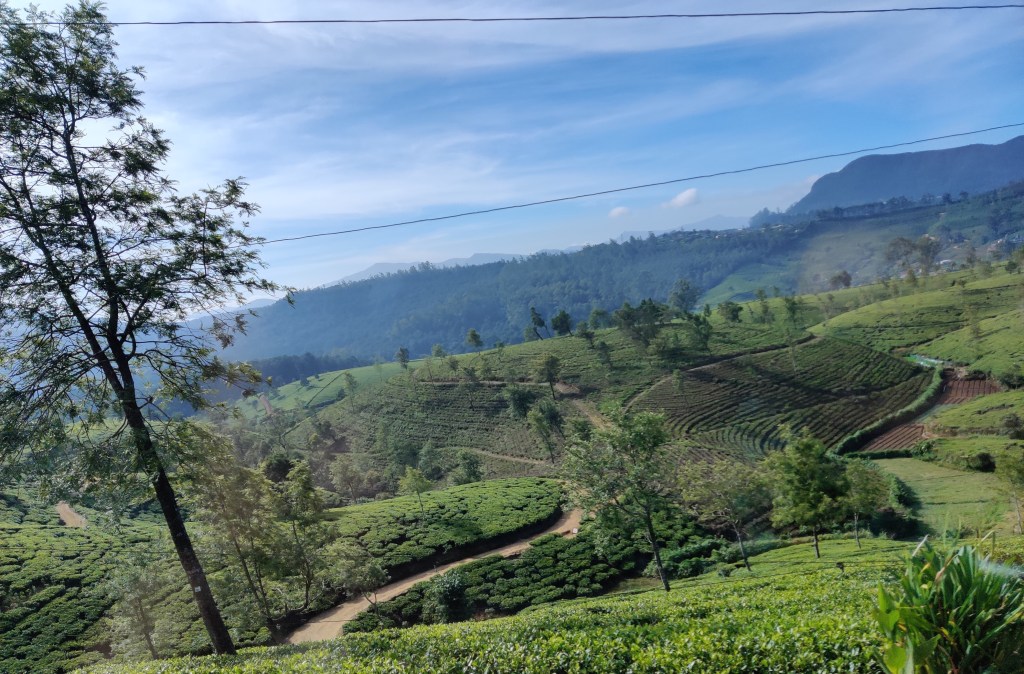
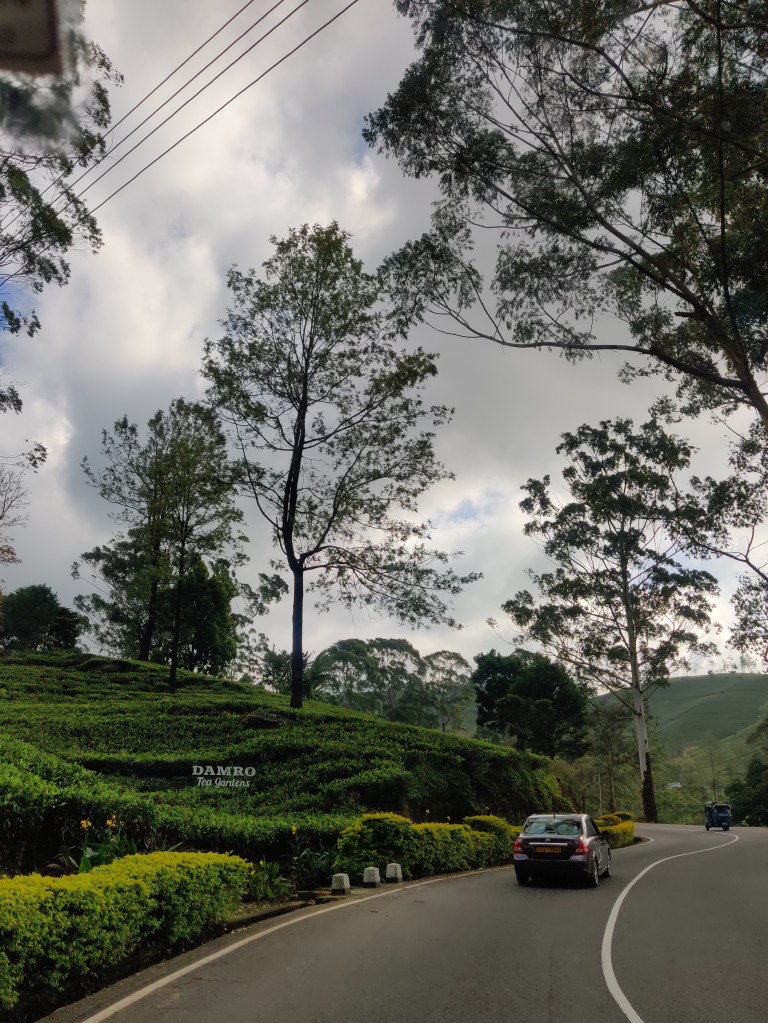
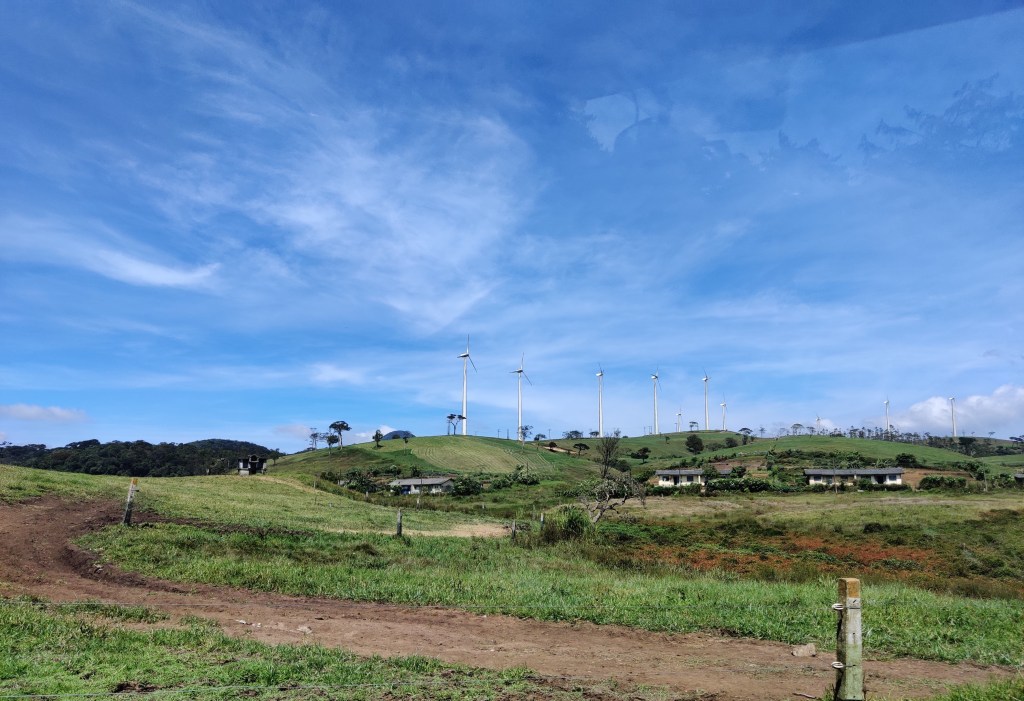
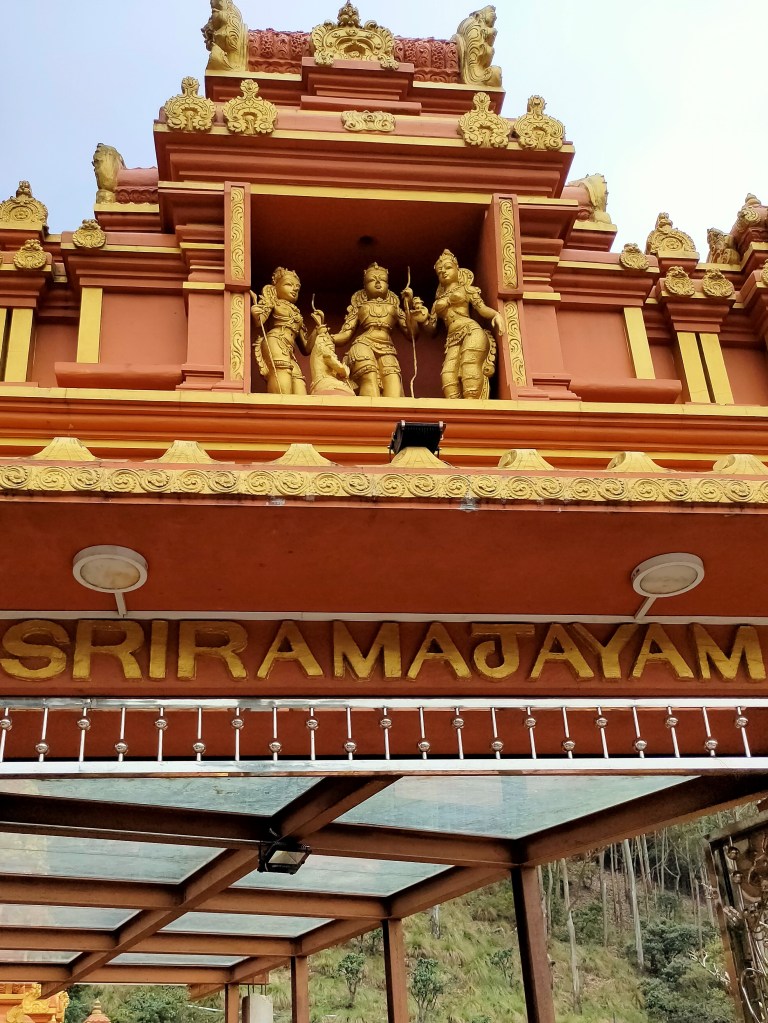
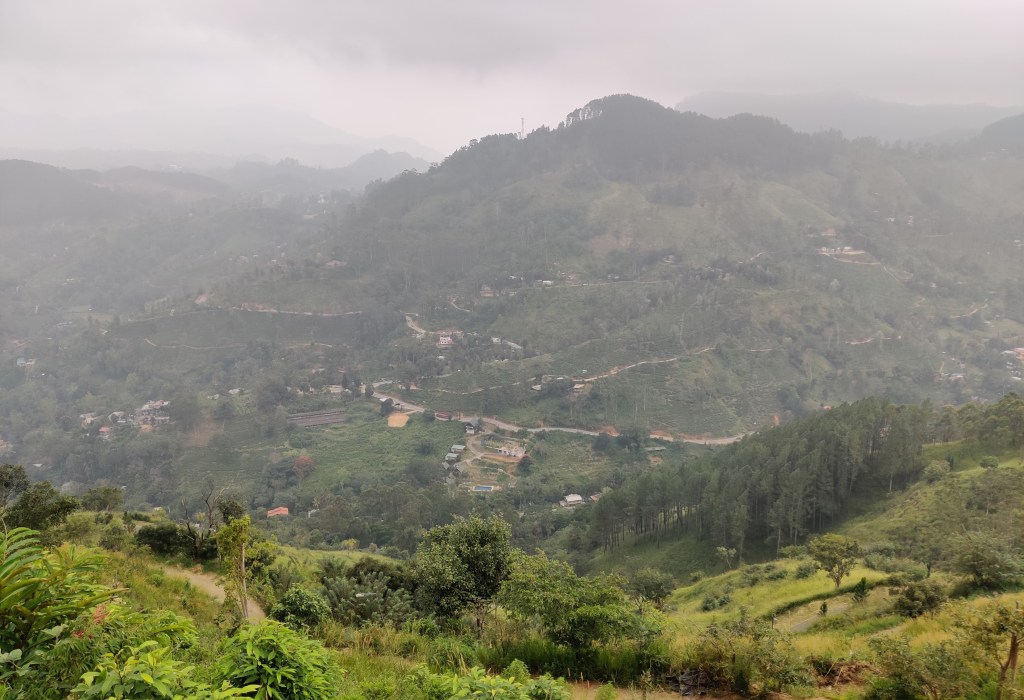
Day 3 :   Having checked out of the hotel, we commenced our drive towards Nuwara Eliya with a plan to stop by at a few places of interest enroute. A distance of 75 kms in all to be traversed but the idea was to reach before the sun sets in so that we get some time to free up our legs. The drive was through lush green tea plantations and through an uphill terrain and was very pleasing to the eyes. The temperatures also got relatively cooler as we reached the Bhakta Hanuman temple, built by the Chinmaya Mission and housing a pretty large deity of Lord Hanuman.

SRI LANKA RICE AND VEG CURRY WITH DAL WAS OUR GO TO FOOD ON MOST OF THE DAYS

Being a weekend, lot of locals from in and around Nuwara and Kandy had come there to offer their prayers and once we were done with the prayers, we had our lunch at Annapoorni, a small outlet attached to the temple where there was a good Indian Vegetarian buffet spread on offer.   

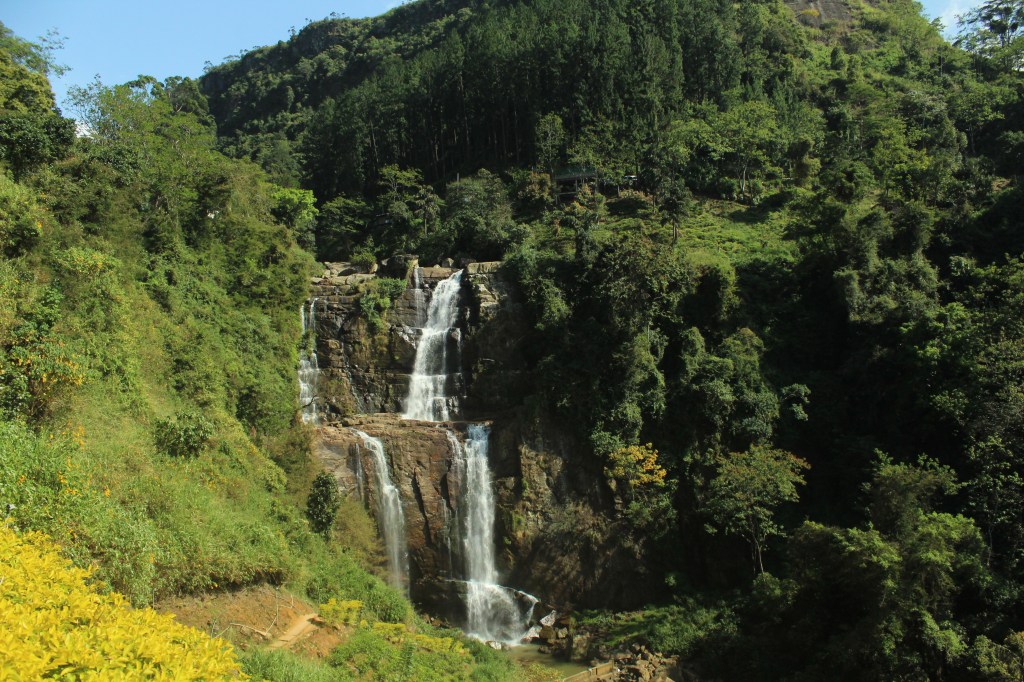
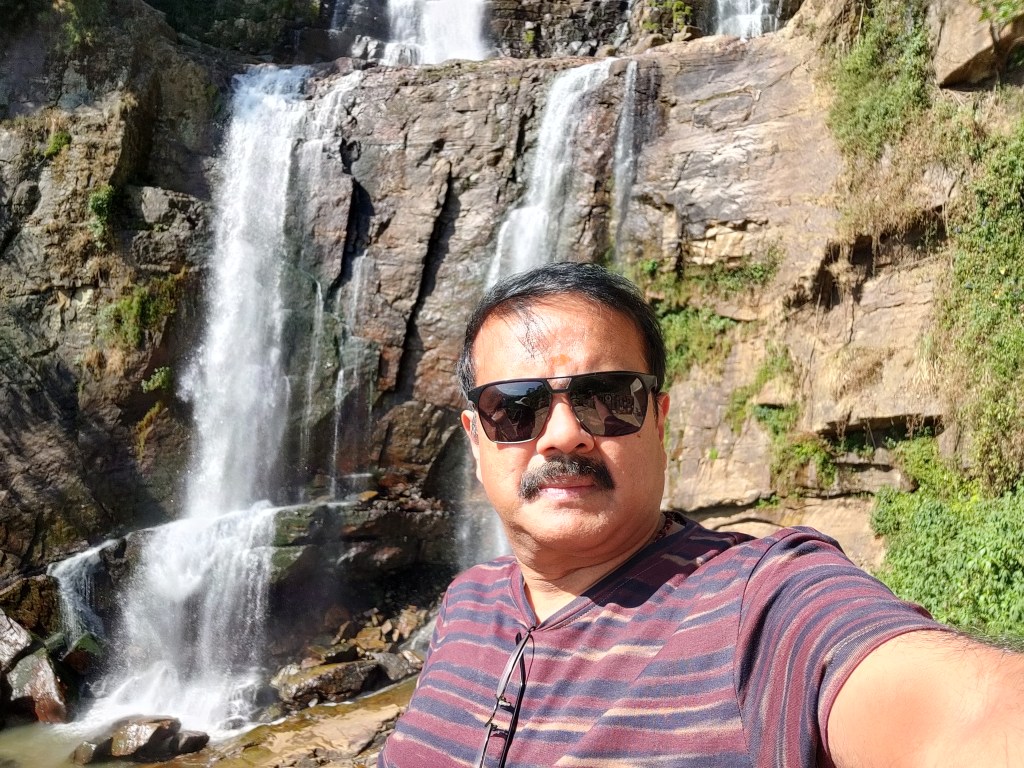
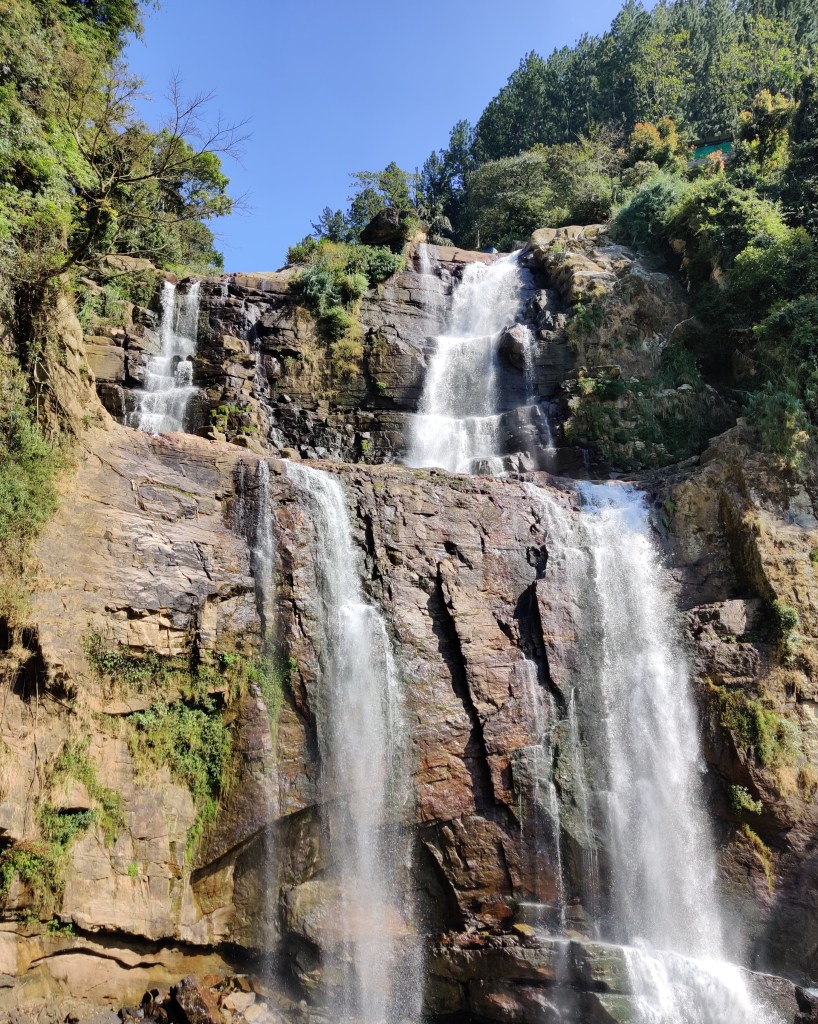
Our next halt was just about 10 kms away  at the Ramboda Waterfalls, where one had to get ferried down a steep slope into a private property where this waterfall is located and  the descent to the place from where one walks down an alley leading to the falls is through an elevator. All we needed to do here was tip the person driving us both ways with a very small levy of 50 SLR per head.

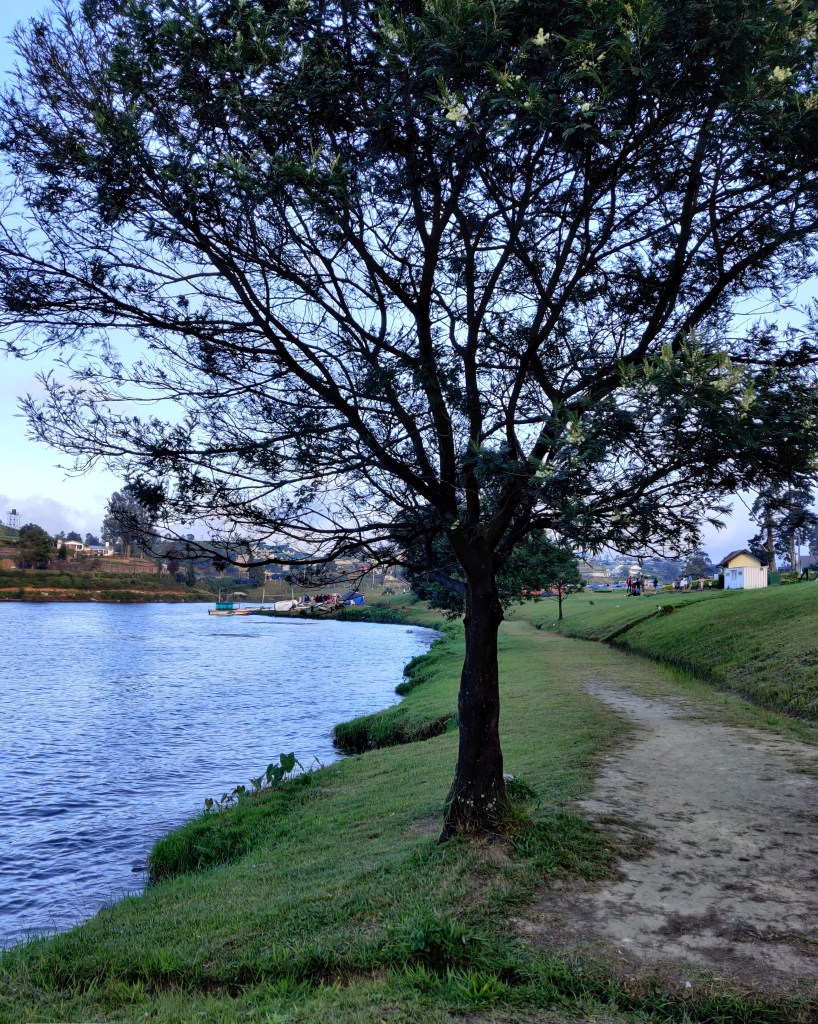
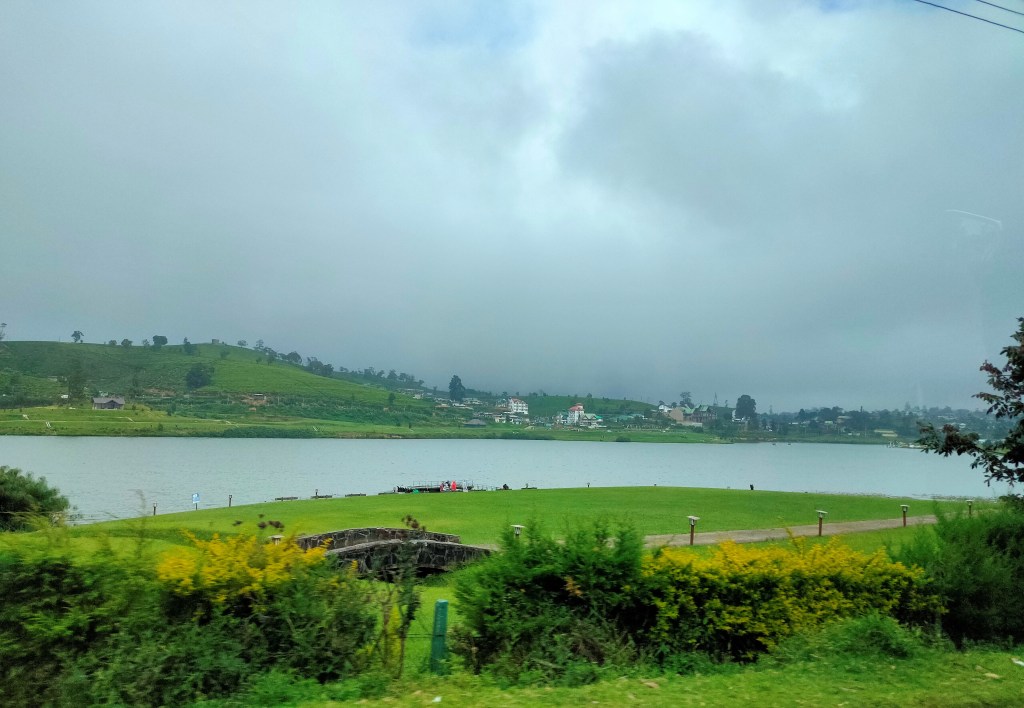
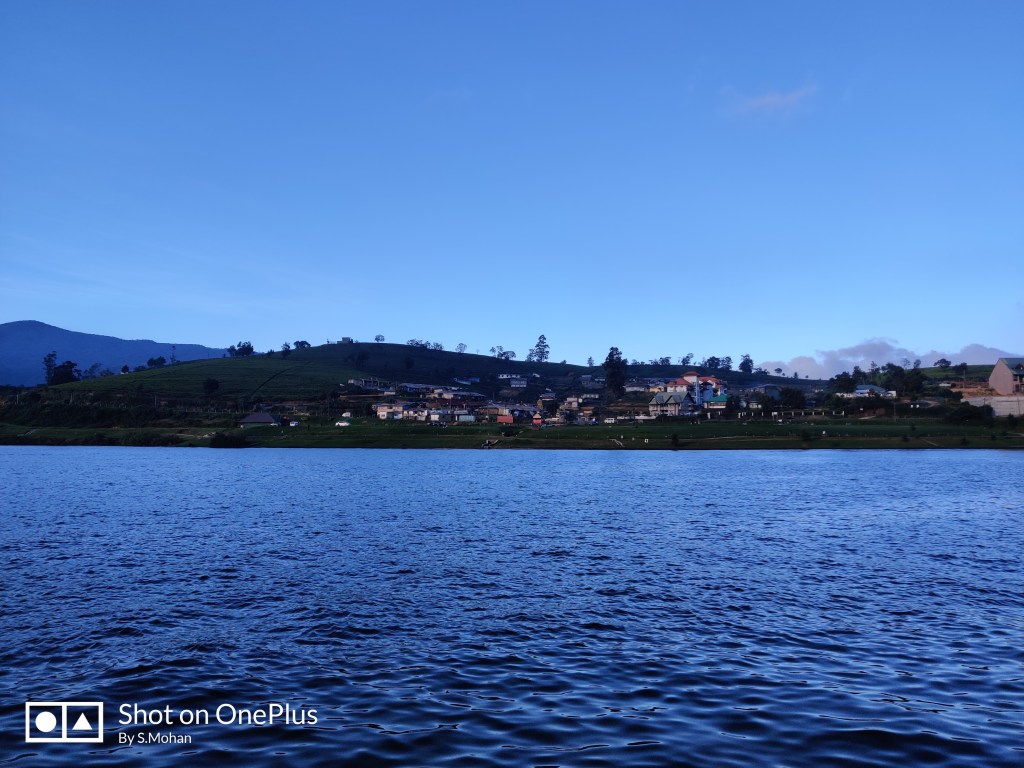
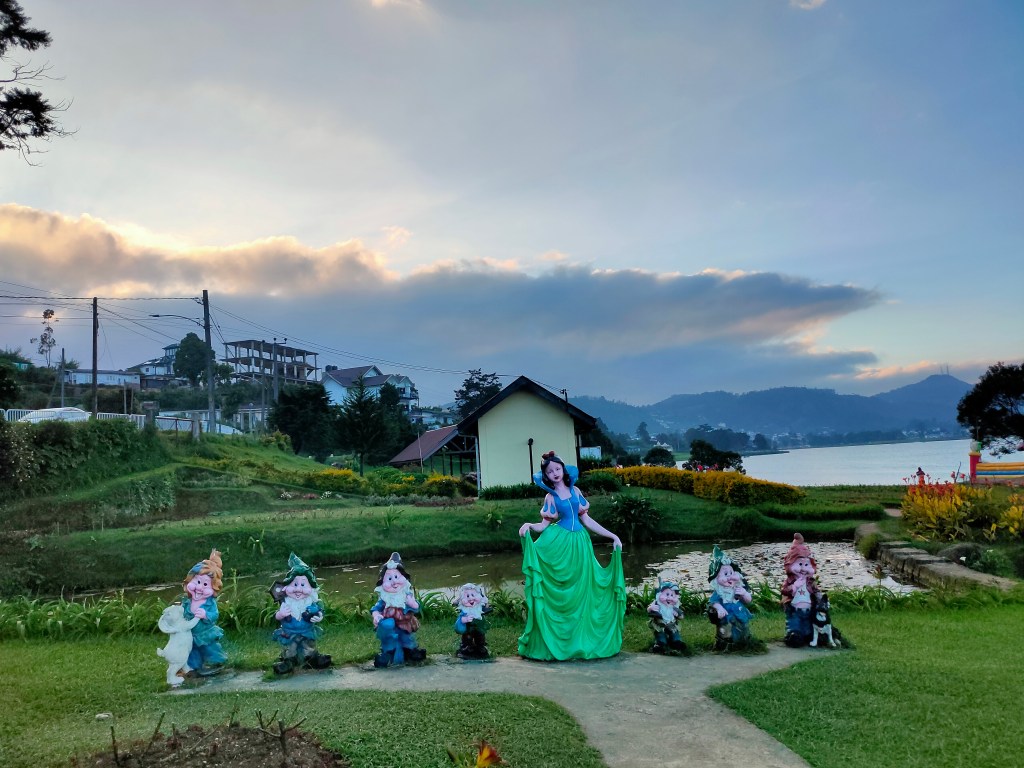
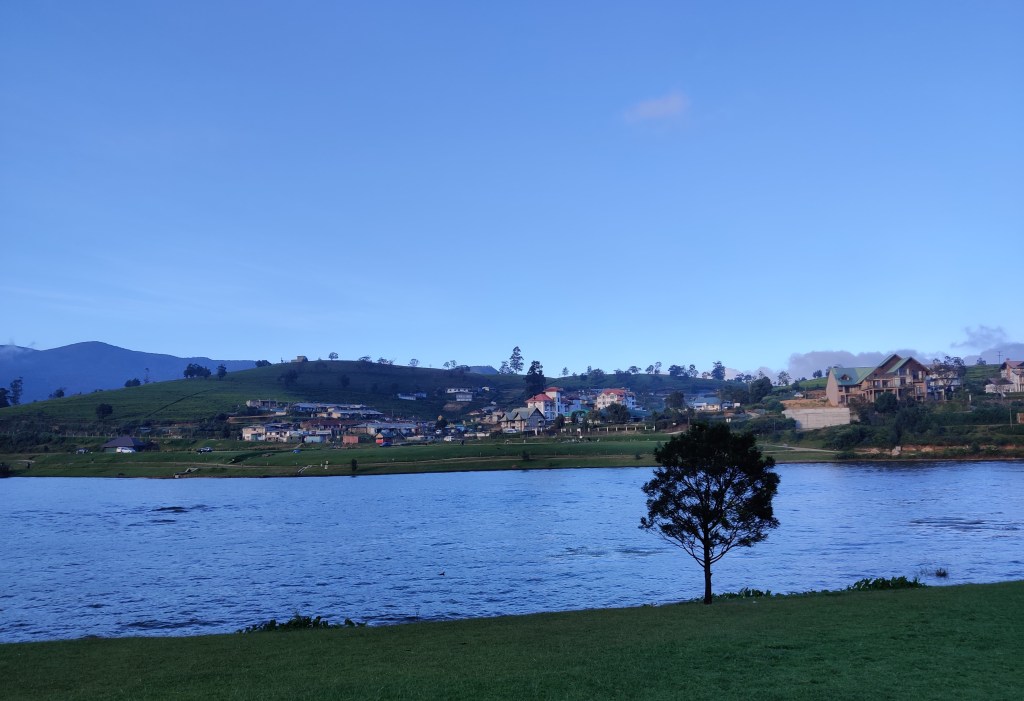
We then commenced our drive towards Nuwara Eliya which was around a further 25 kms away and the last pit stop was at a very picturesque and bluish coloured lake by the name Gregory created by a British Governor as early as 1873 for the sole purpose of generating electricity but which got later on used only for recreational purposes and including some boating. The temperatures had dropped considerably and with a nice wind blowing across the lake, it was becoming quite nippy. Post the customary walk around the lake and the photo sessions done around the lake, a small wooden arch bridge and a nice statue of Snow White and 7 statuettes of her Dwarfs. A small fee of 200 SLR is levied per head to walk around the lake.  It was a short drive up a small hill to our Hotel Grand Camelia which was to be our halt for the night. There was some semblance of Indian food on offer at the hotel itself and while the family had the luxury of Dal Makhani, Pakodas (a kind of Onion fritter)  and Vegetable Curries along with breads, I stuck to the Sri Lankan Veg and Rice Curry with Dal.

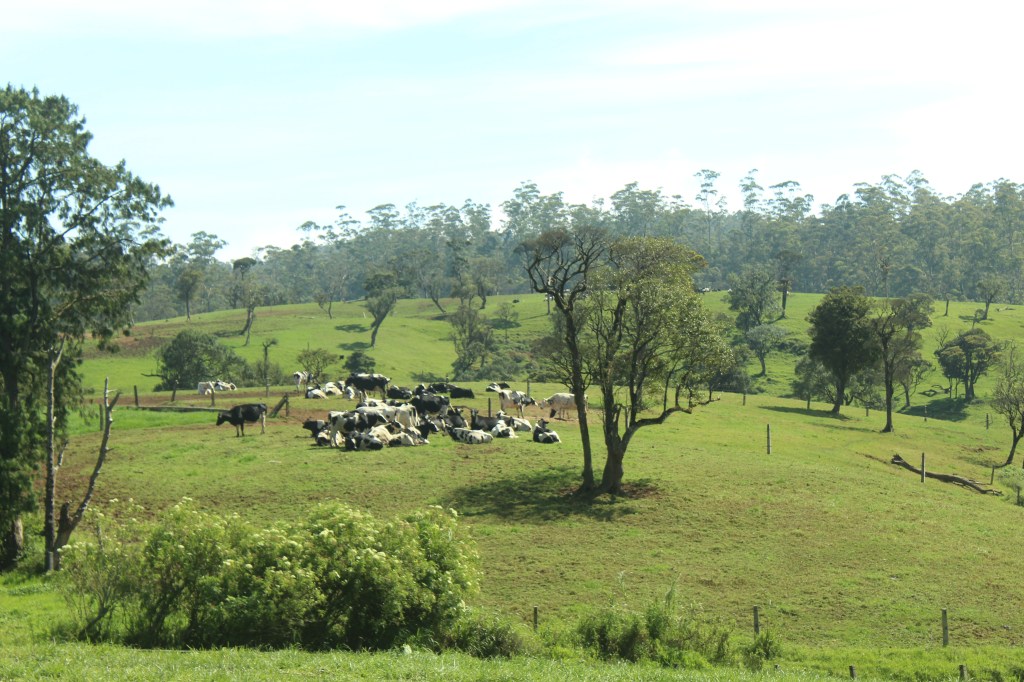
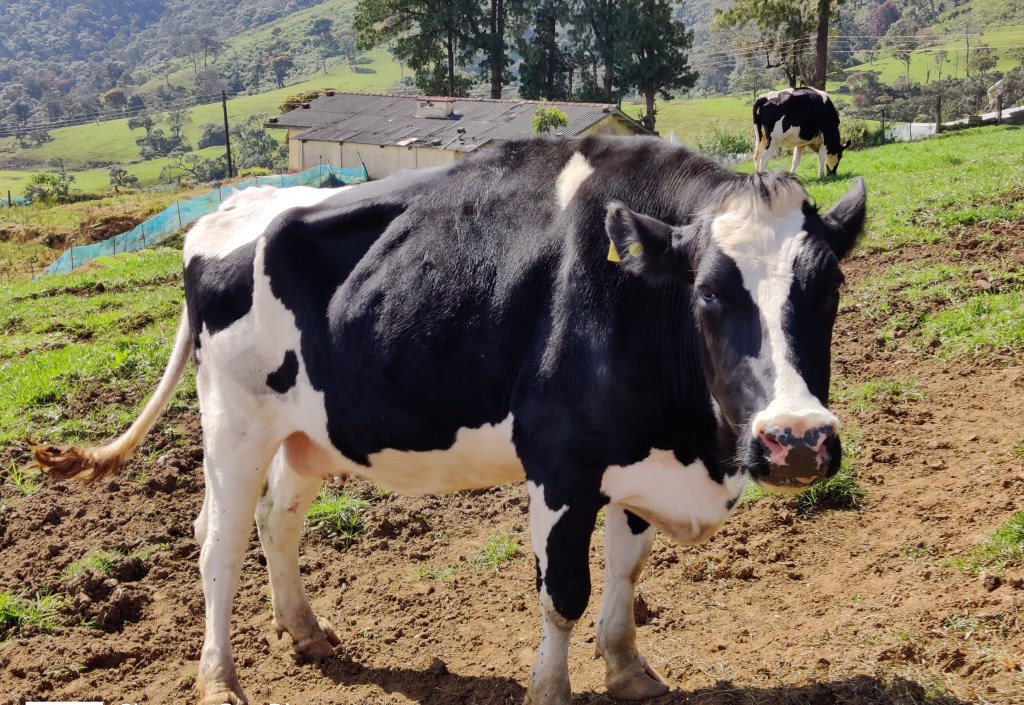
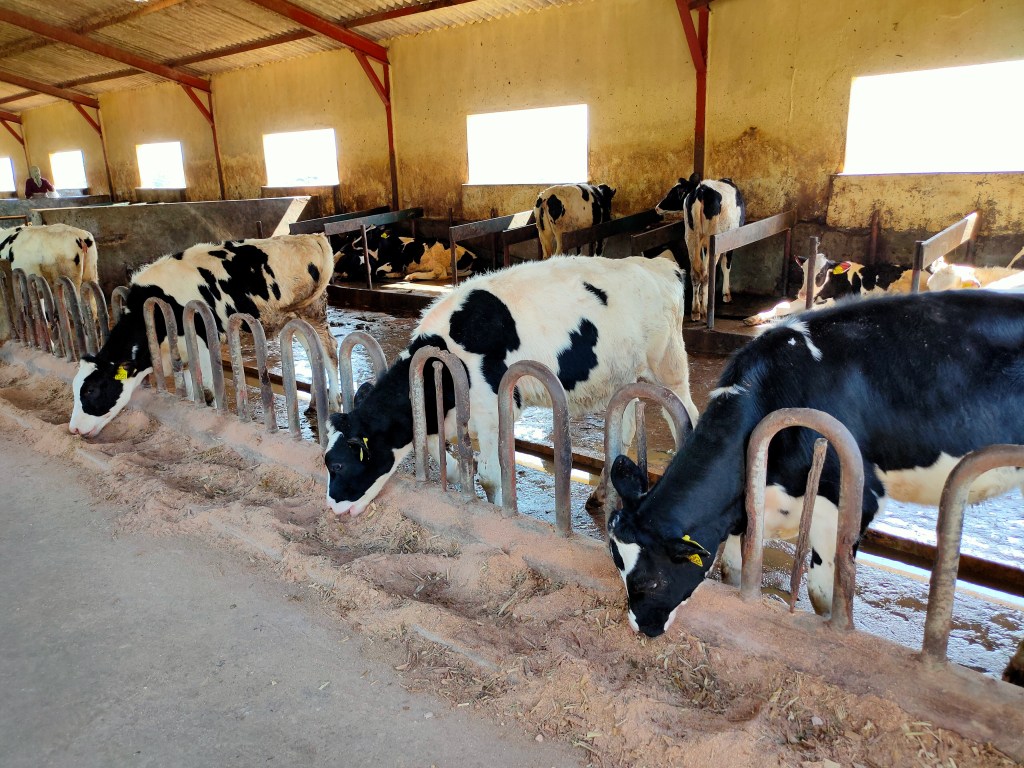
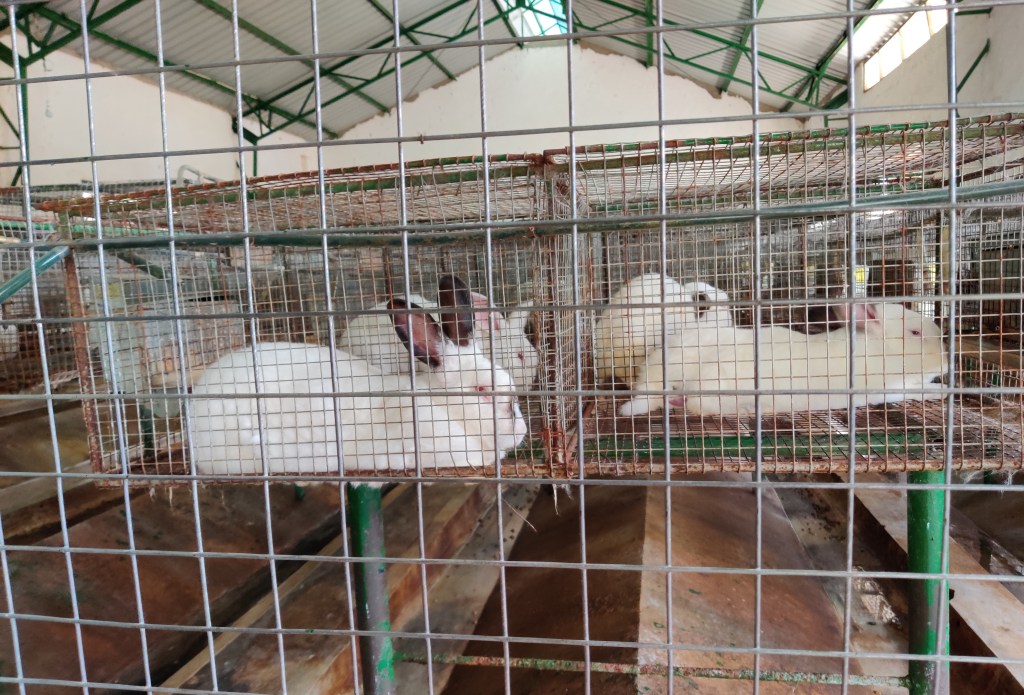
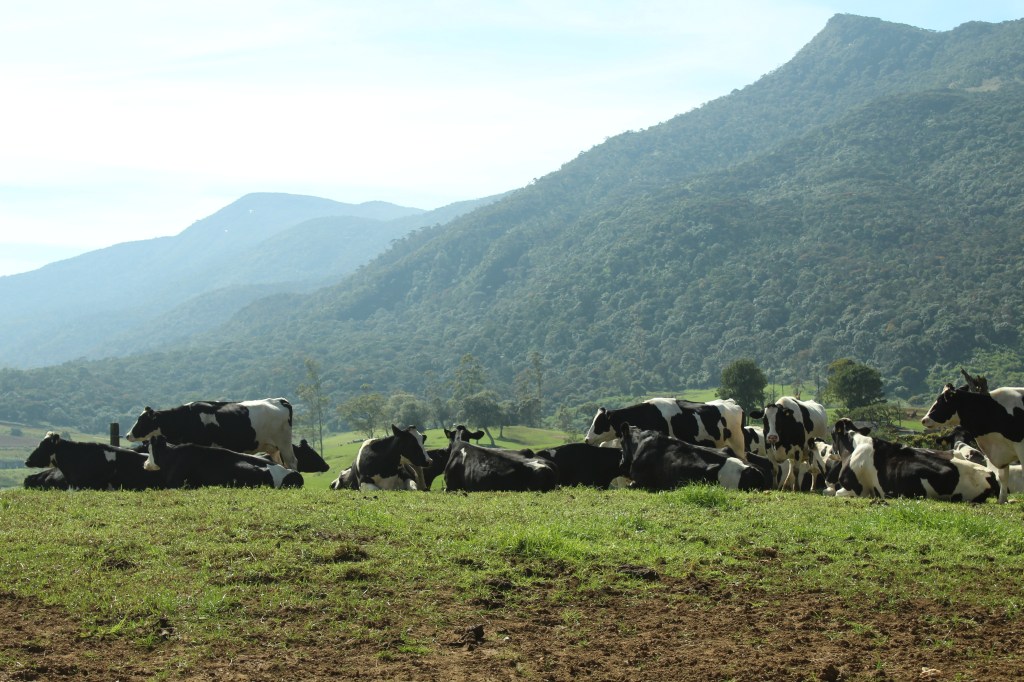
Day 4 : The check out formalities done, off we headed for the Animal Farms. While we were given to understand that the Ambewala farms were out of bounds for visitors, we headed for the New Zealand Farms. True to the original country’s name, a picturesque green landscape opens up for visitors dotted with the Jersey breed of cows. One gets to see stud bulls, rabbits and goats in different enclosures where they are reared. There is a very nominal charge of 100 SLR levied for visitors.

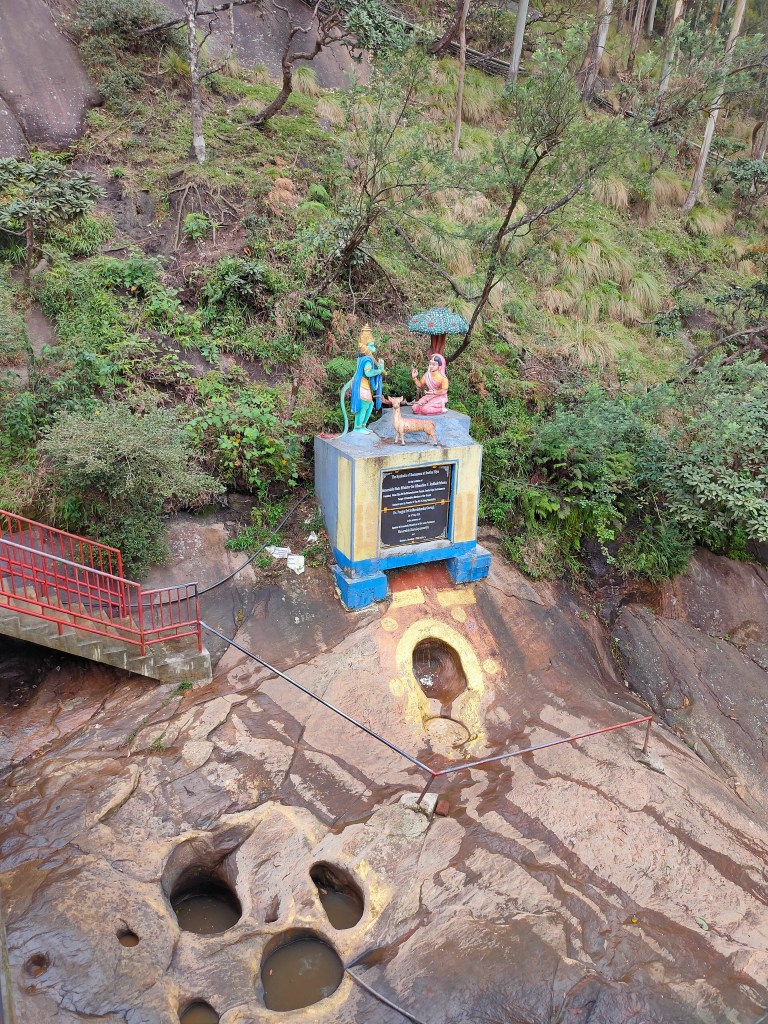
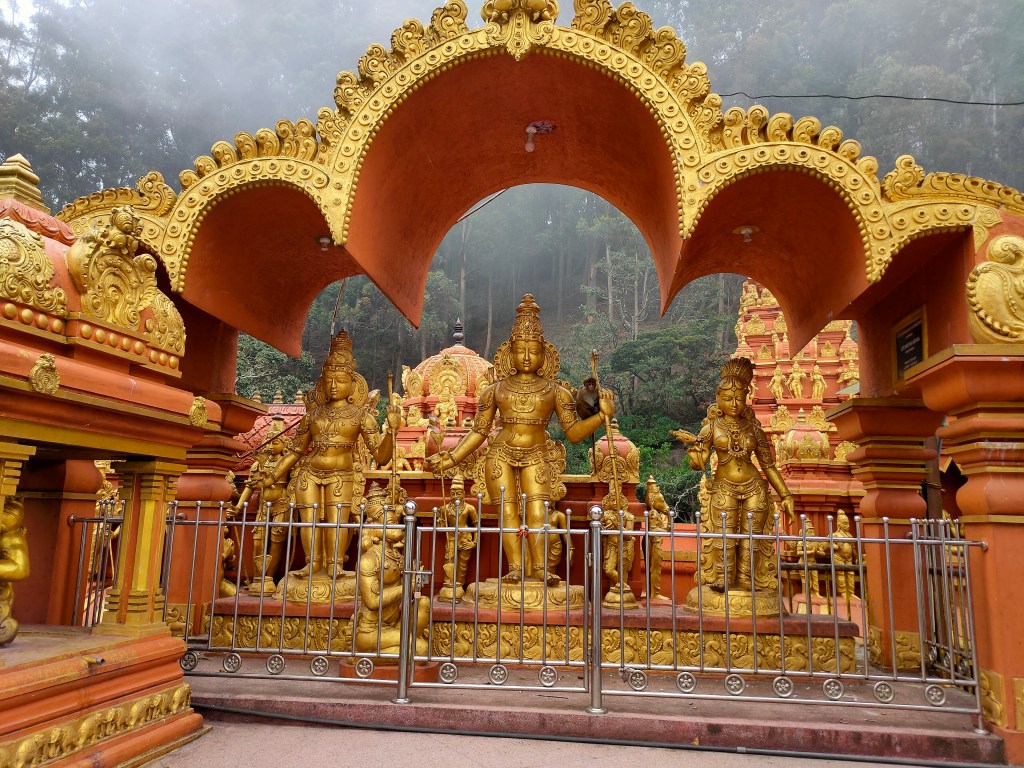
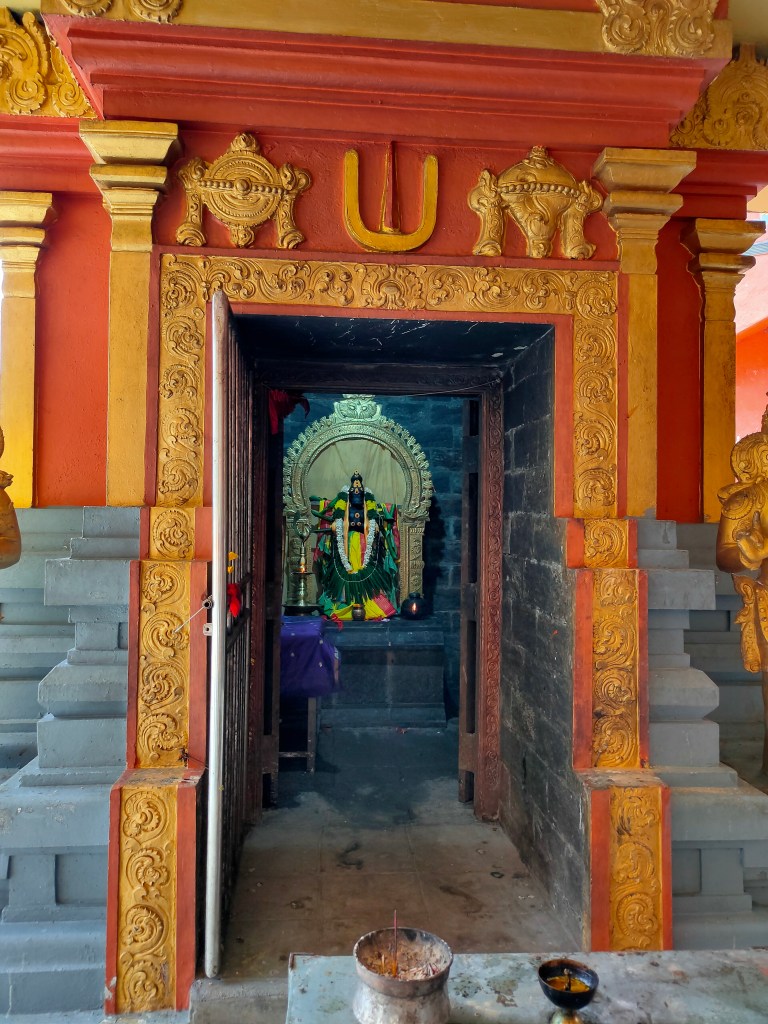
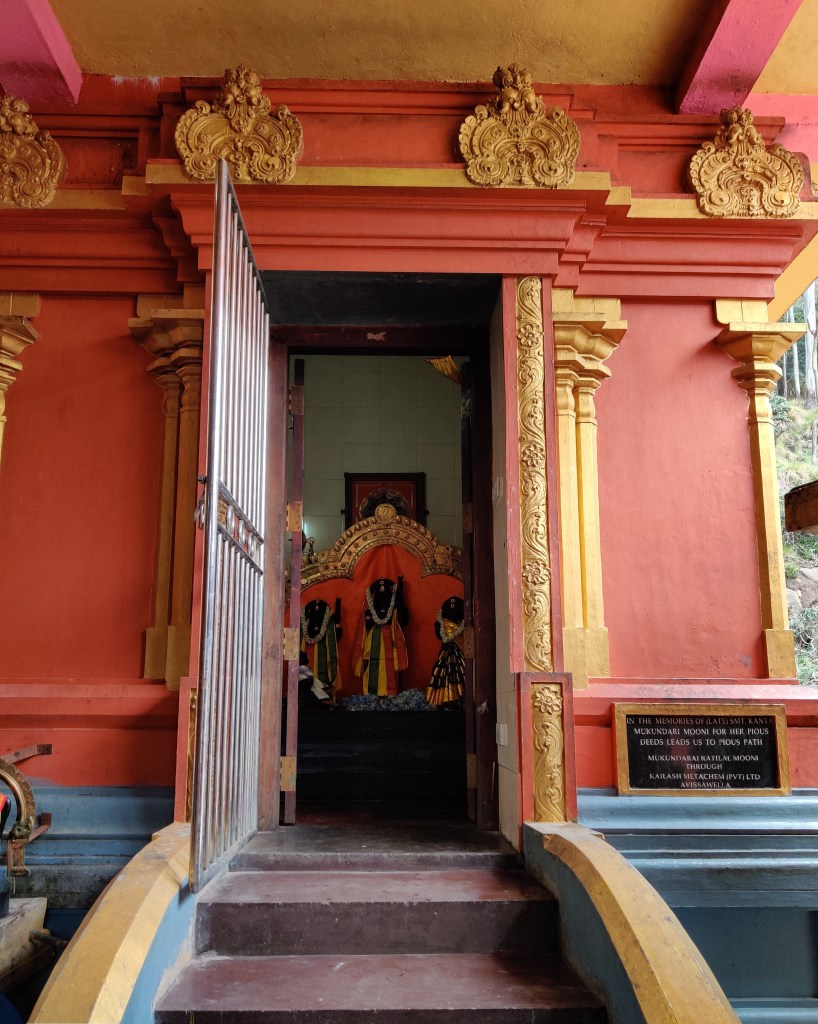
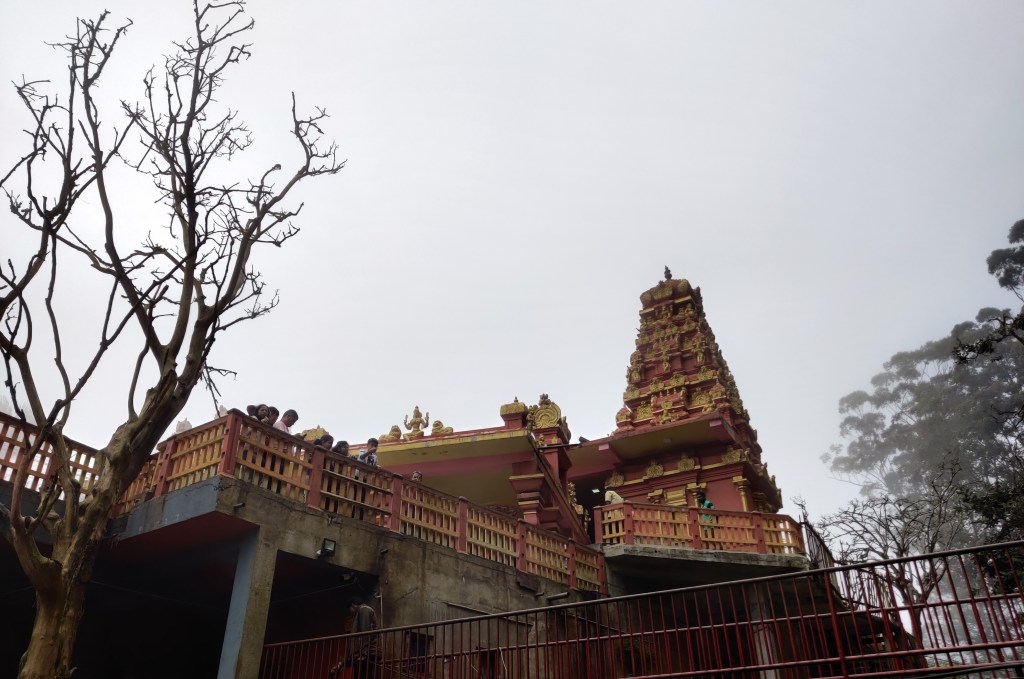
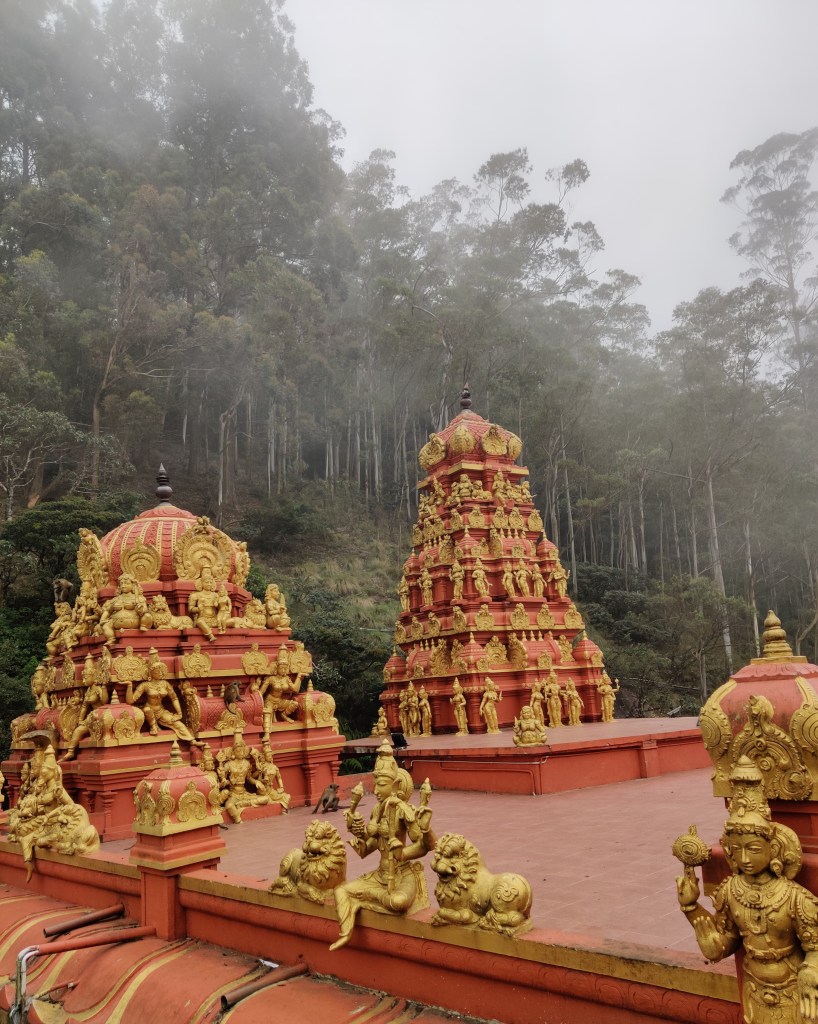
A bit of mythology next and a visit to the Ramayana trail came up with a visit to the Seetha Amman Temple, located around 5 kms from Nuwara Eliya. The very same place where Goddess Seetha was supposedly locked up and Lord Hanuman discovered here at this very place.

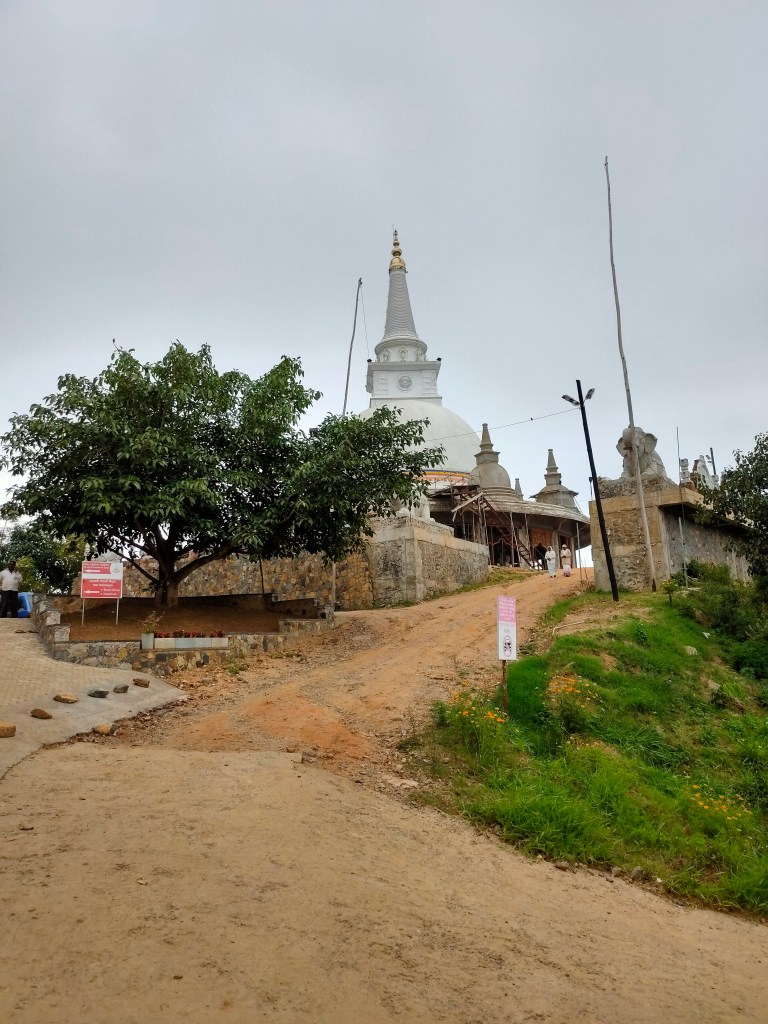
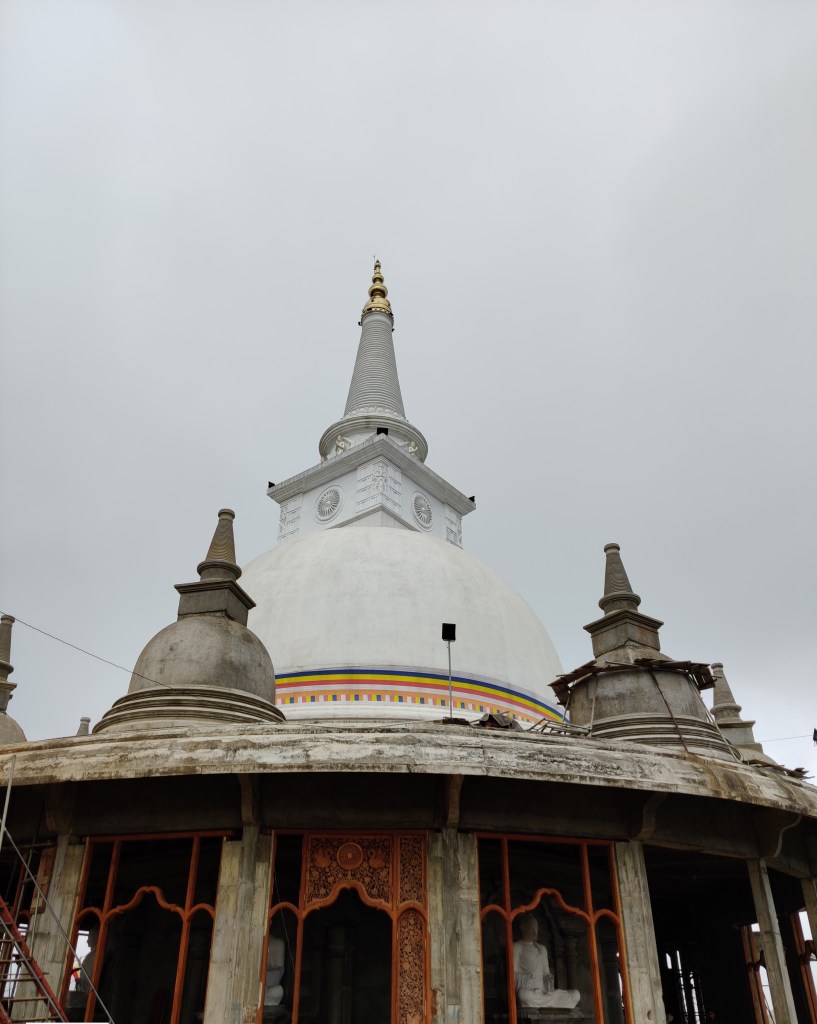
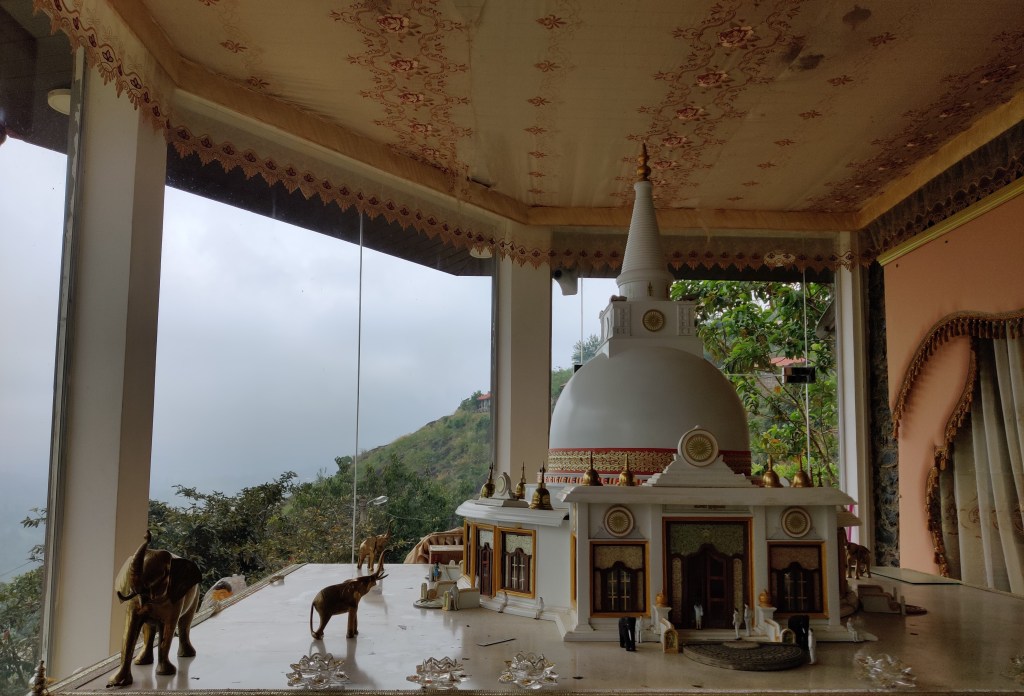
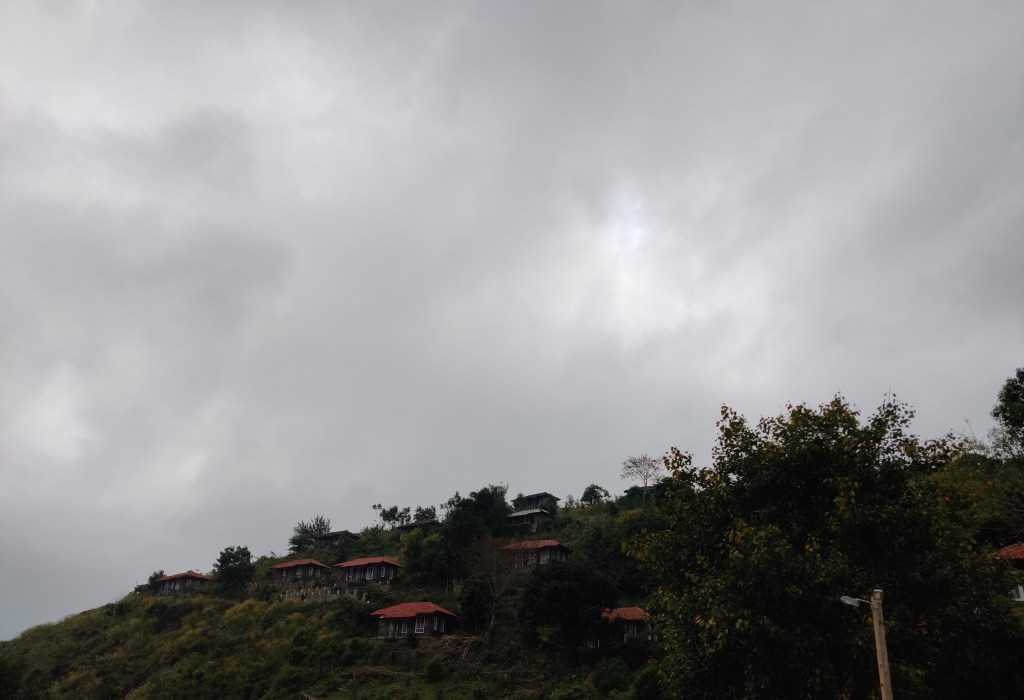
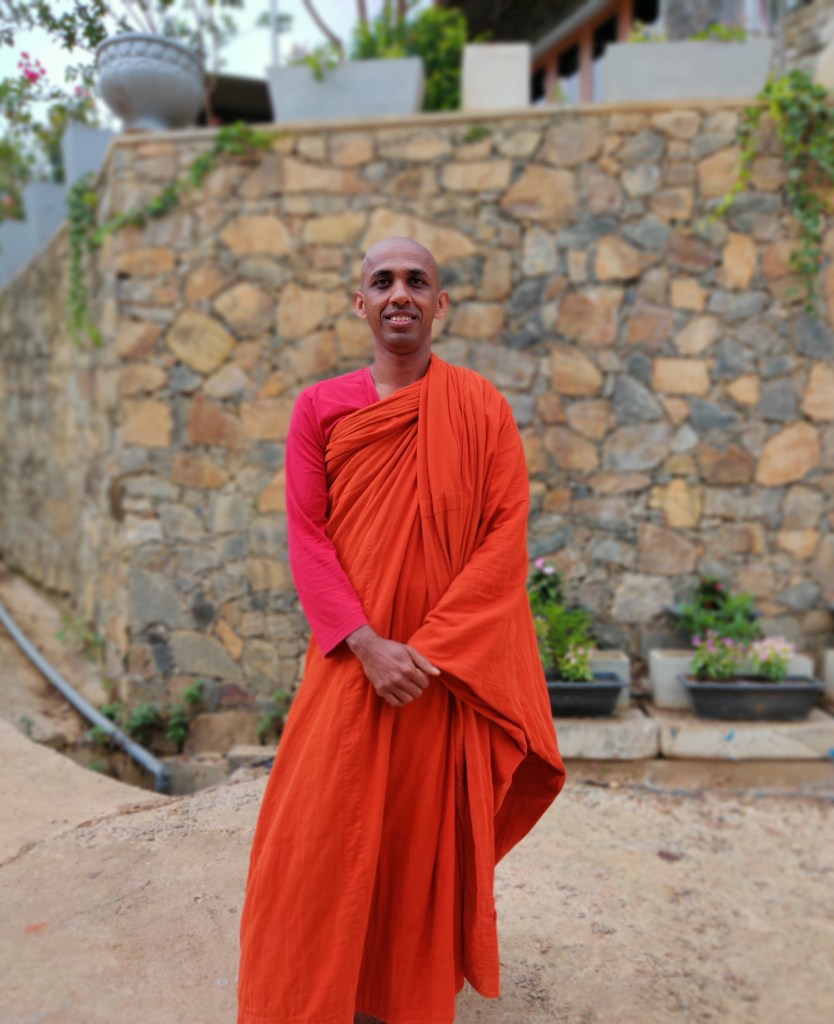
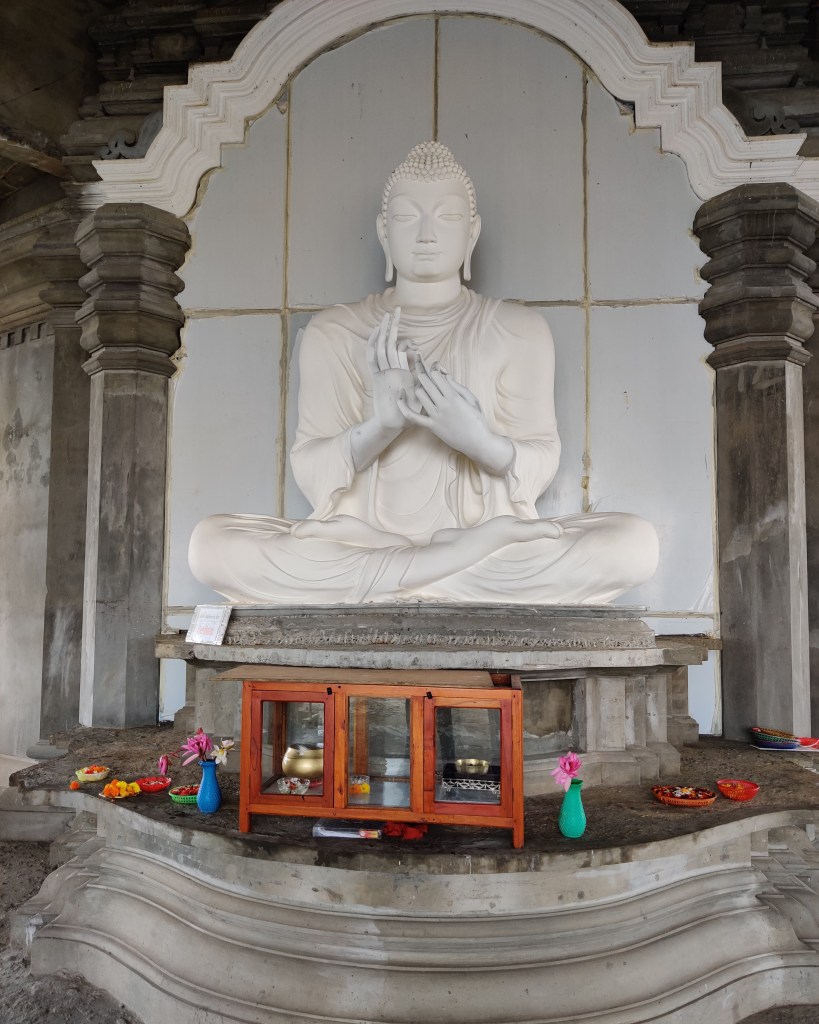
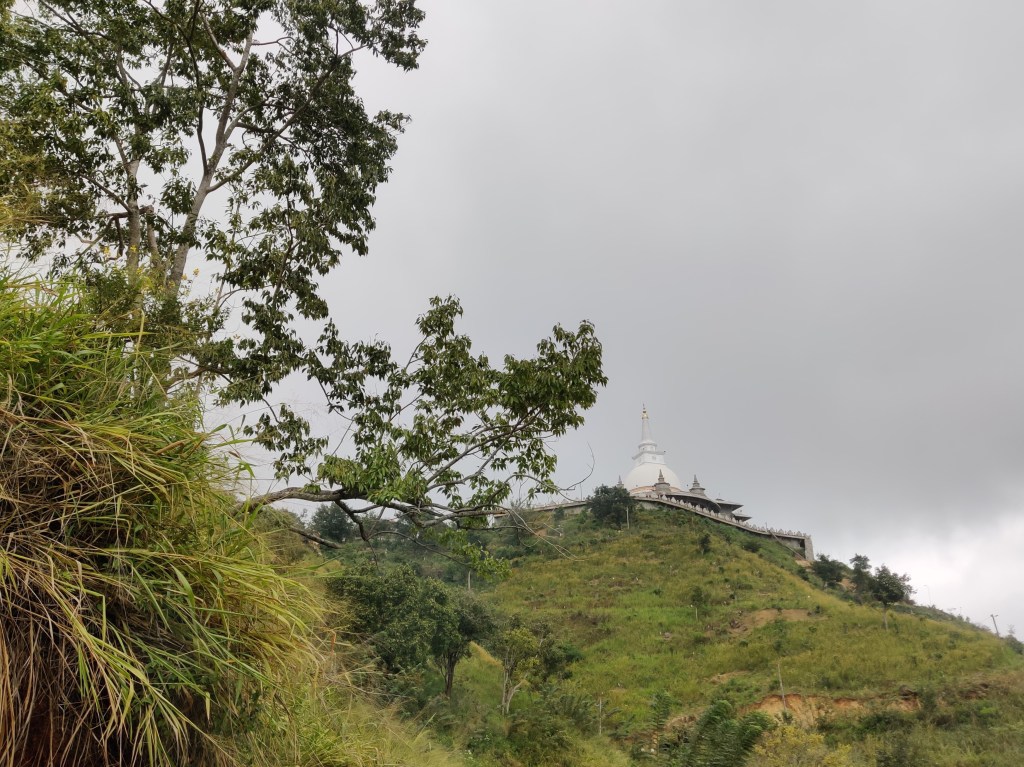
The prayers duly offered we had a quick bite at a small so called Indian restaurant Thushara and drove on towards Mahanevmawa Buddhist Monastery. A tough climb up a steep hillock led to a Monastery in the making.  Maybe we were 6 months early for it but looking at the models of construction on display, am sure this would turn out to be a great piece of architecture.

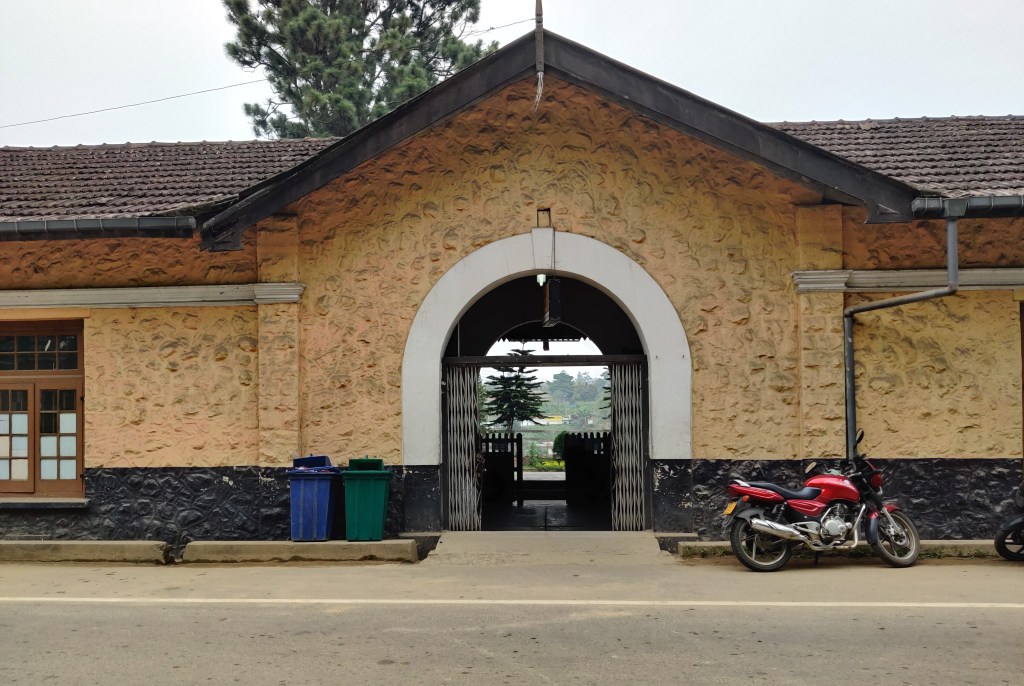
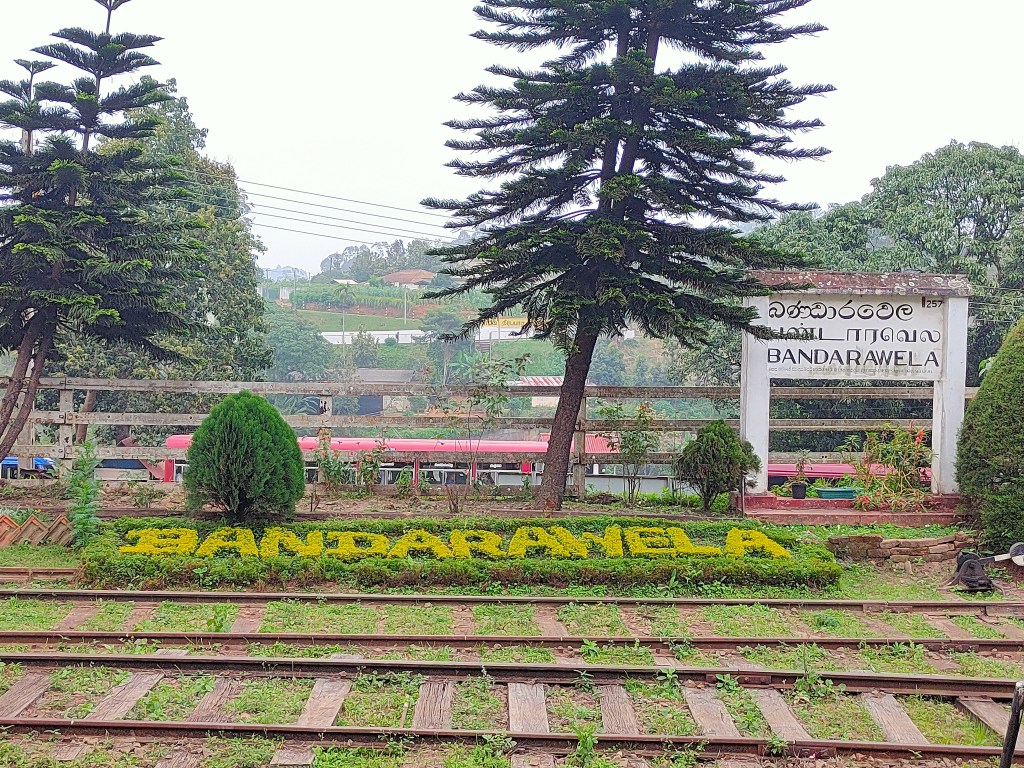
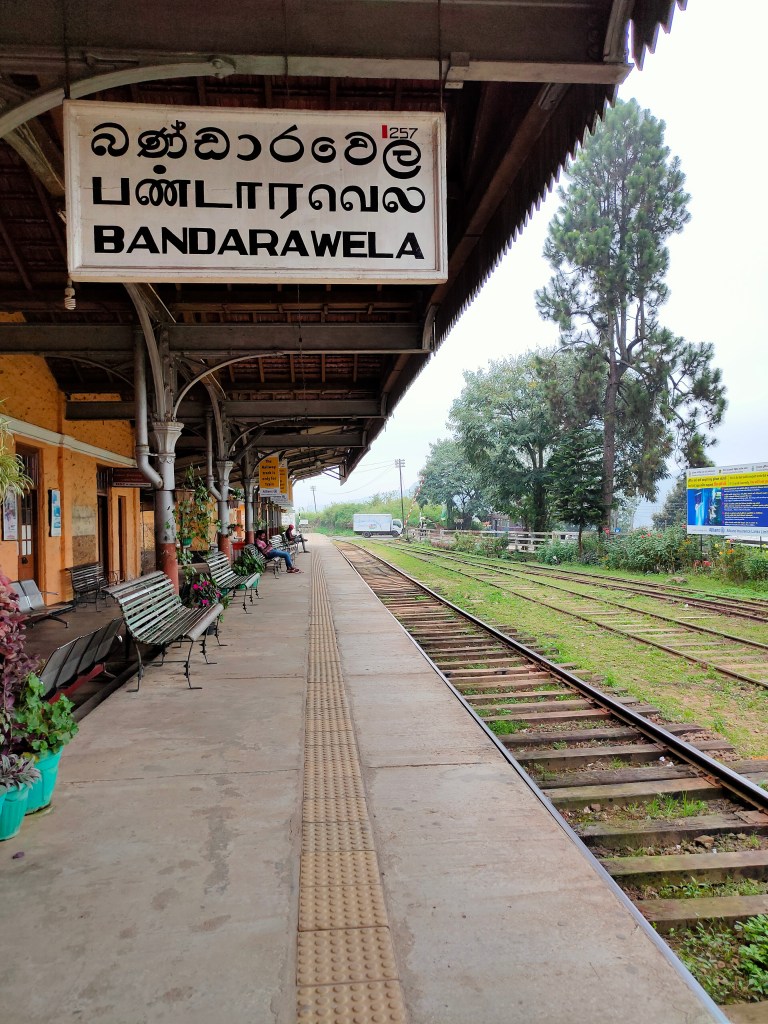
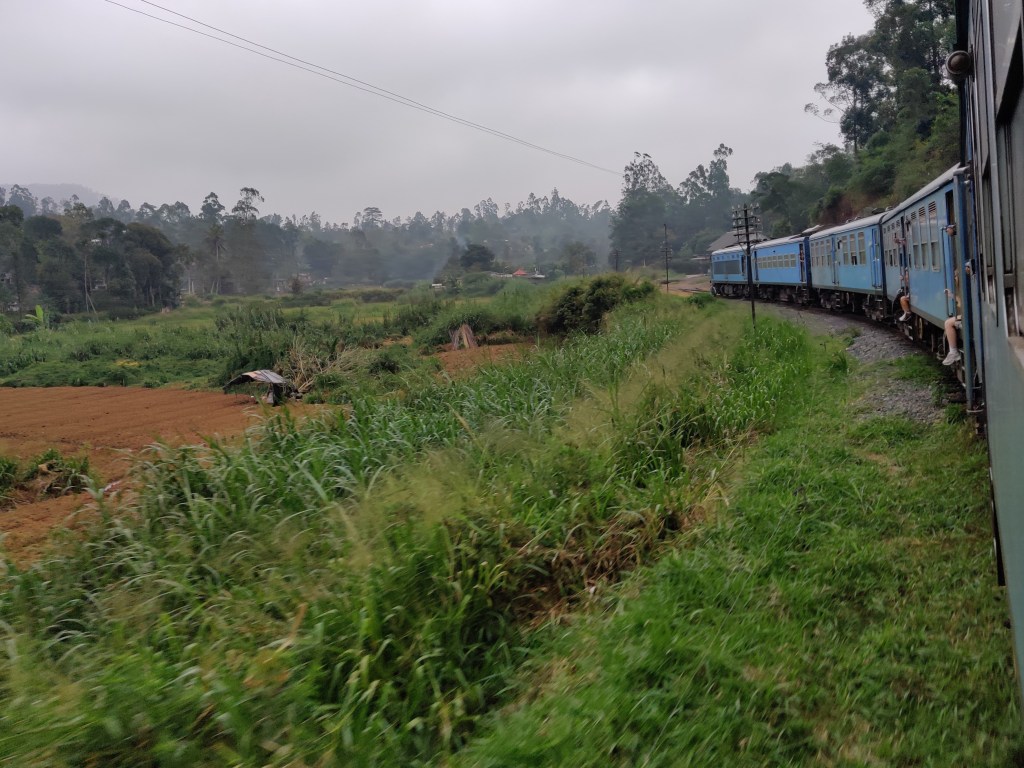
By the time we commenced our descent we realized that we would be late for an hour’s train journey from Haputalle upto Ella which we had thought of  and decided to replan our journey from a small station enroute called Bandarewala upto Ella. The only tickets available for this half an hour train ride were of the 2nd class category and costing just 30 SLR a piece. In hindsight, this turned out to be a right decision since we were able to see the same beautiful greenery on offer and picturesque tea gardens in a short span and without having to undergo the rickety train journey for over an hour.

AS THE TRAIN MEANDERS ITS WAY THROUGH

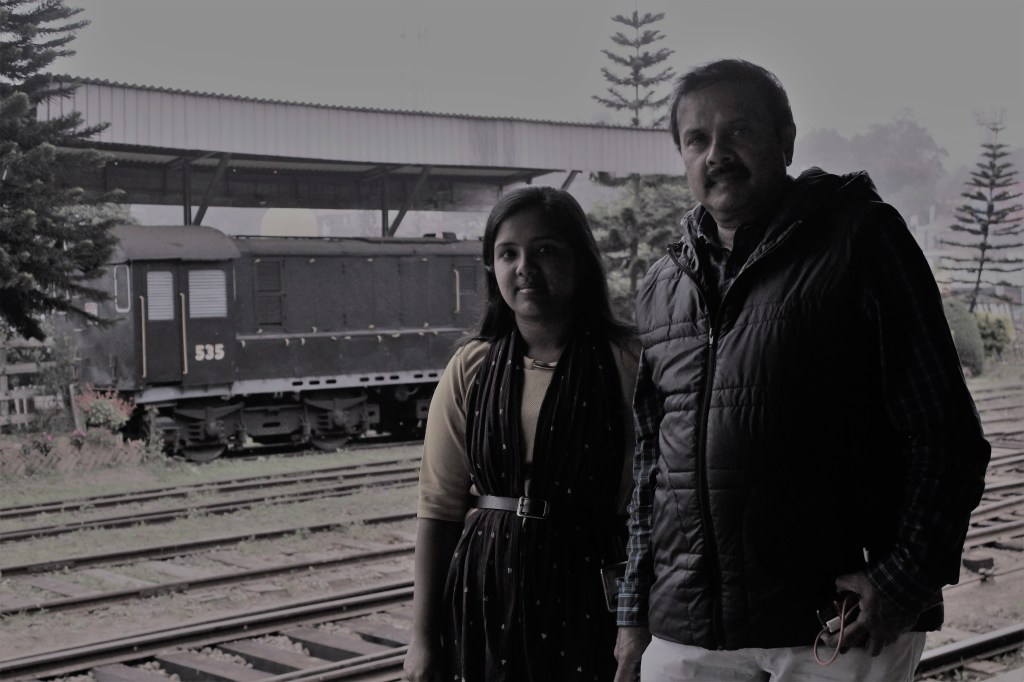
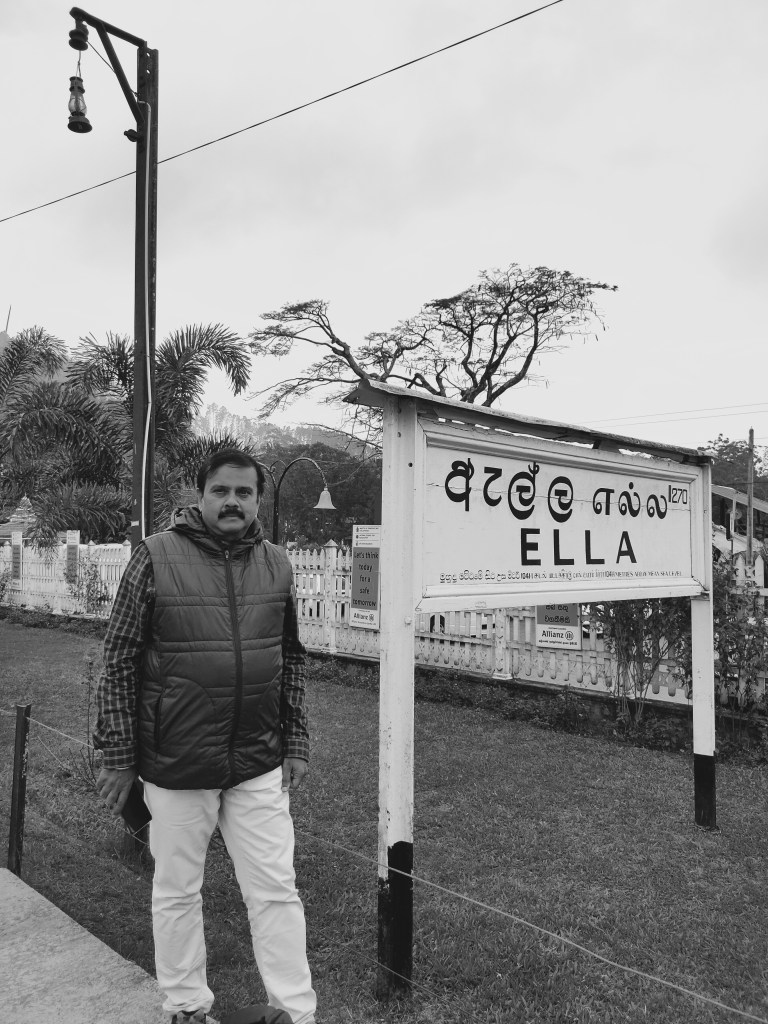
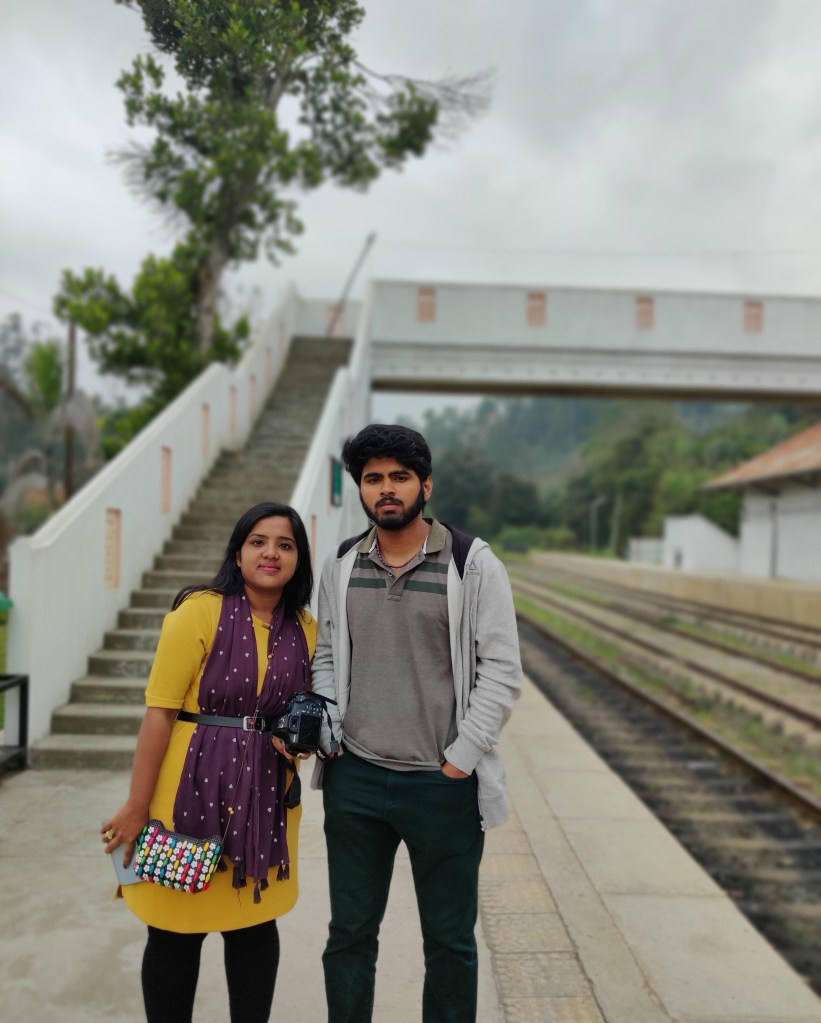
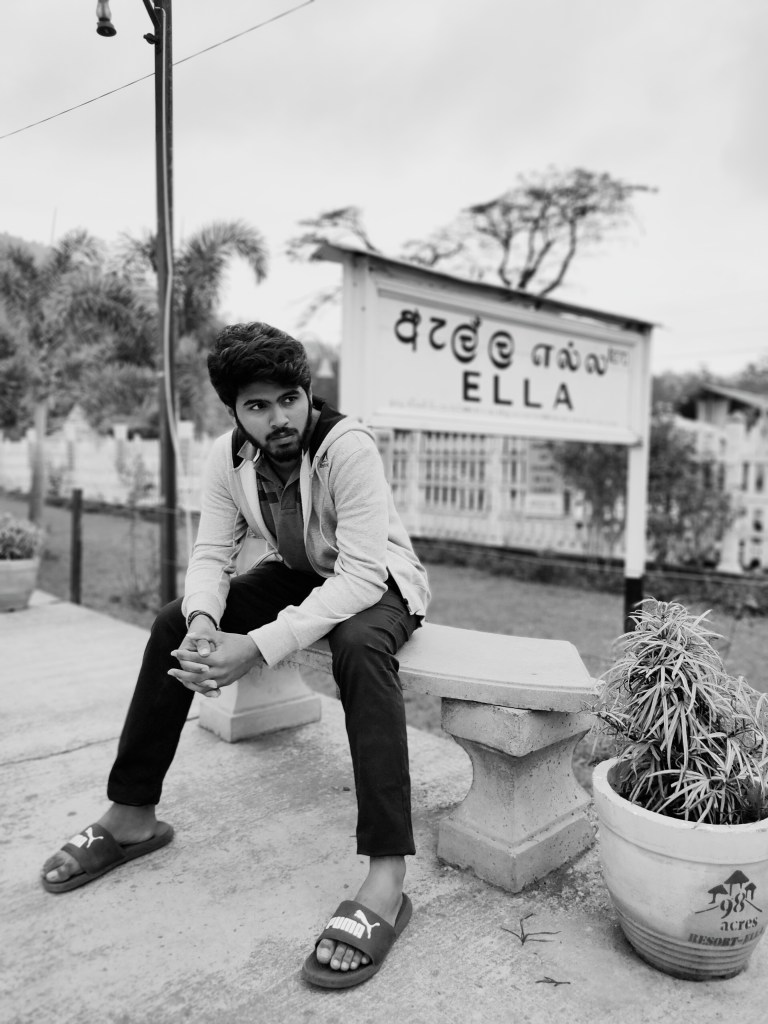
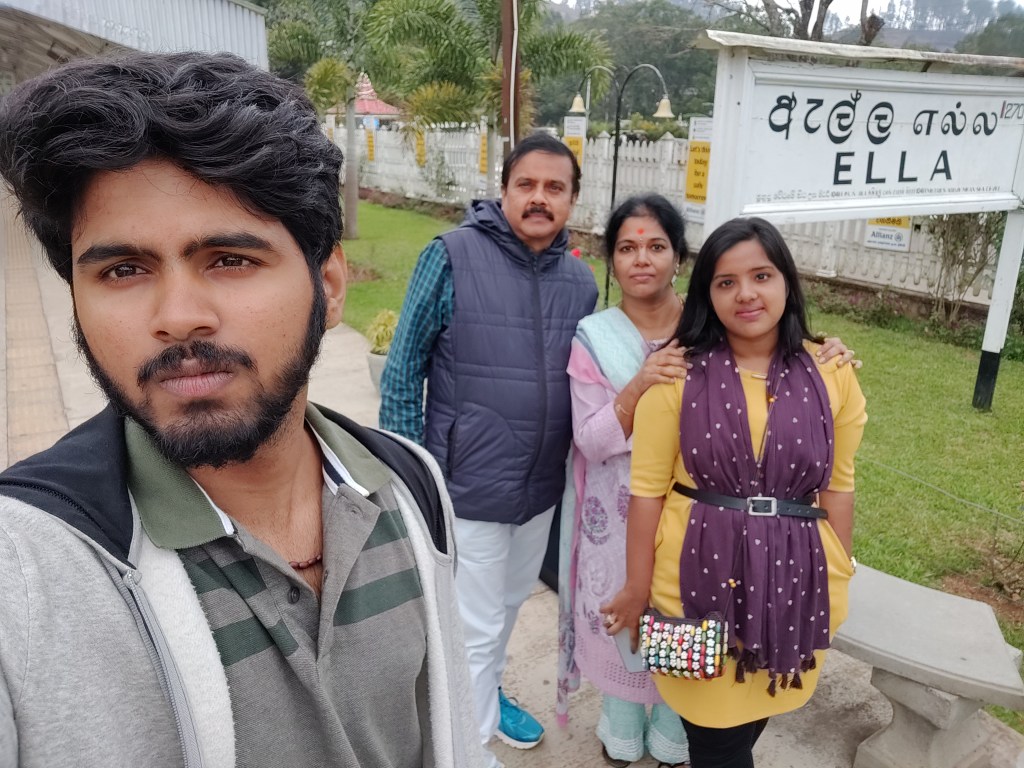
Time for a quick photoshoot at Ella Station :

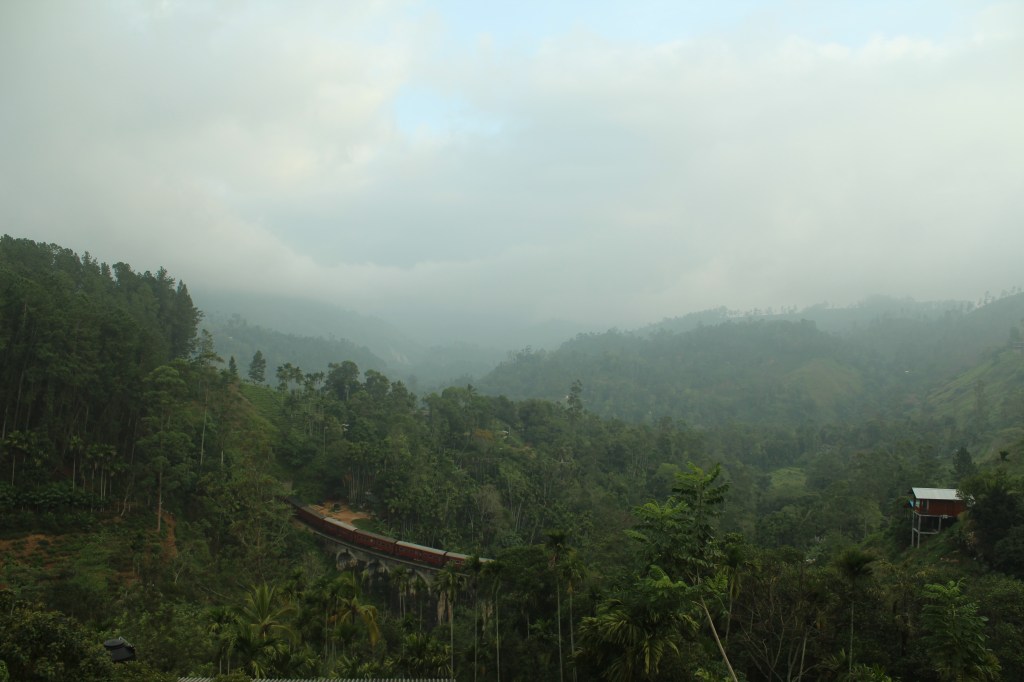
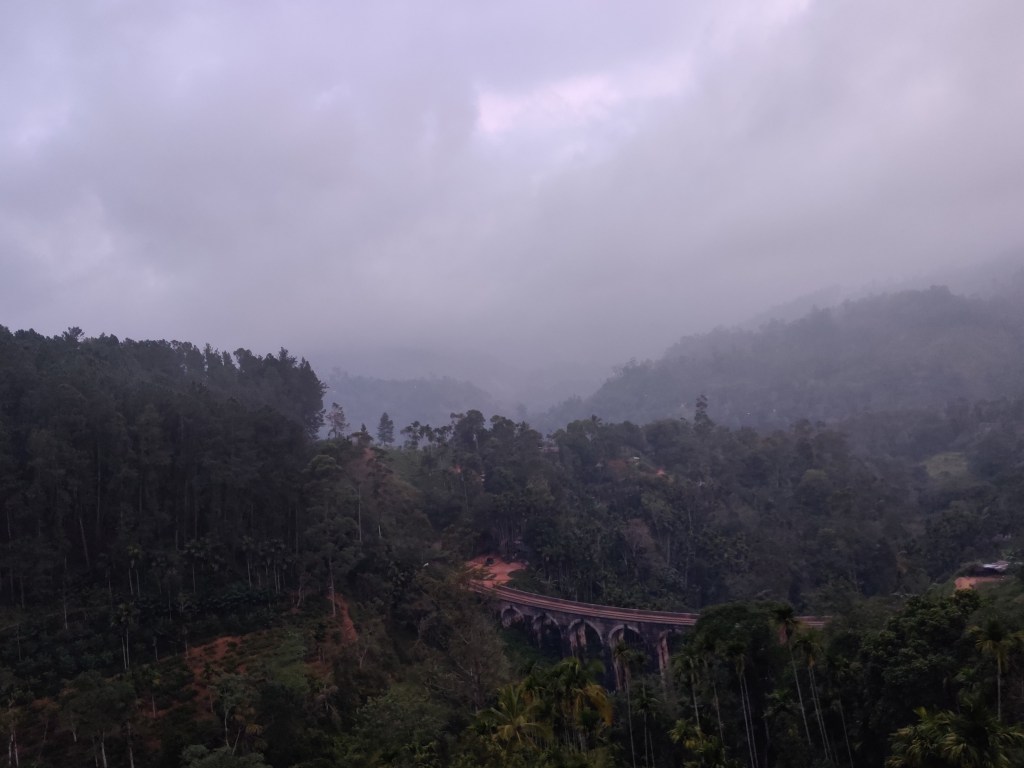
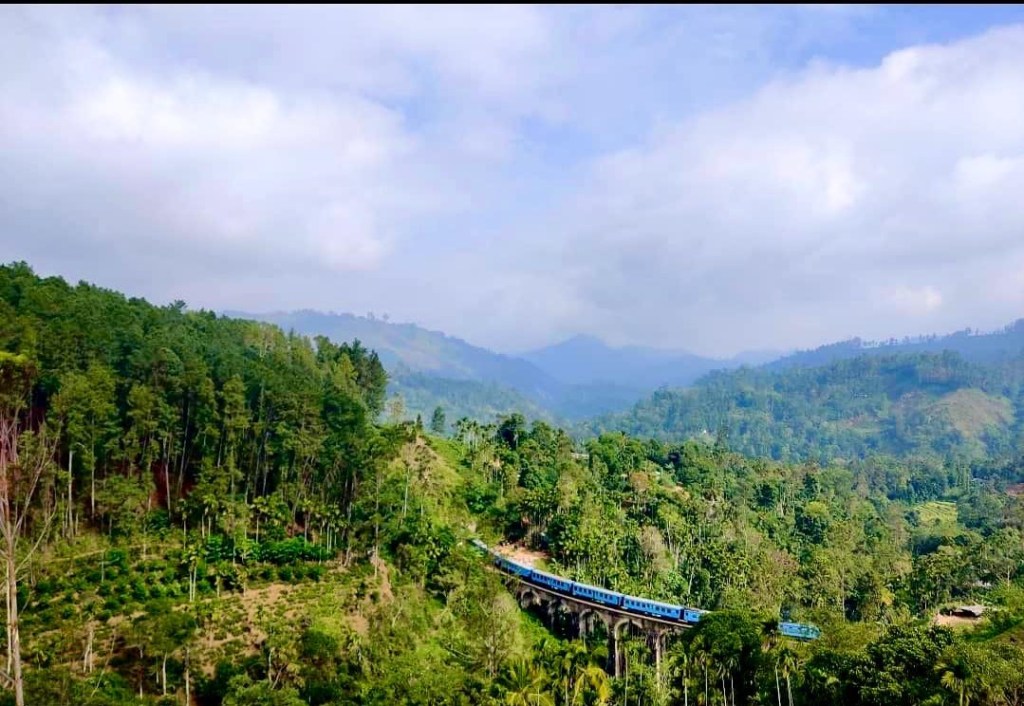
We had booked ourselves in a hotel very close to the Iconic 80 feet high 9 Arch Demodara Viaduct Bridge made out of stone, mortar and cement. The early morning mist across the valley where the trains pass by made for some excellent views.

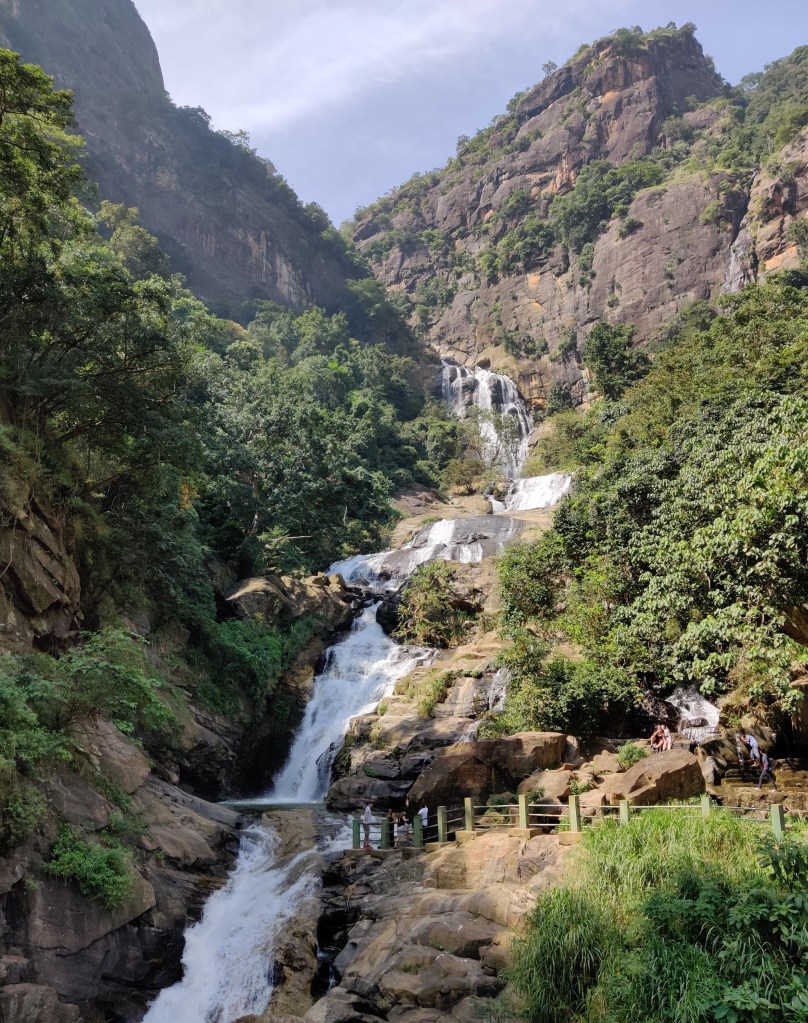
Day 5 : We started off on our 4 hour long drive towards Tangalle, a coastal town, located towards the Southern side of Sri Lanka. We passed by the Ravana Falls enroute and thanks to our travel guide Udara’s advice, we chose to head for Tangalle via Udawalawe, home to a National Park besides a lovely sanctuary for Pachyderms .

THE RAVANA WATERFALLS

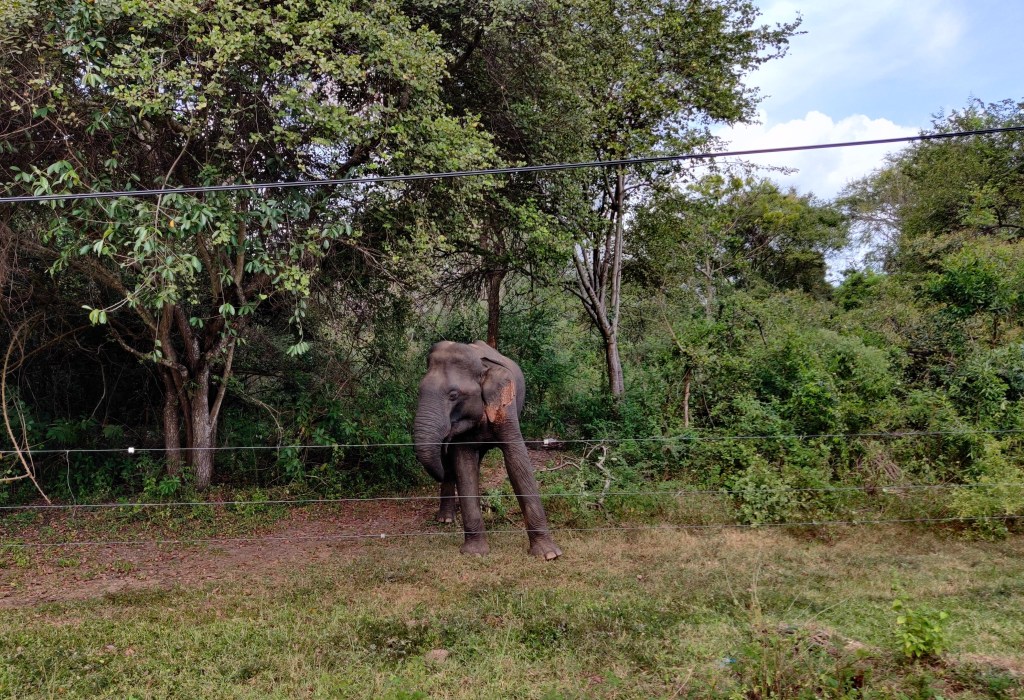
Had a lovely lunch of Sri Lankan Veg Rice Curry and Dal while the kids settled for some nice Veg Burgers at a restaurant by the name Adhgira, located bang opposite the Elephant Transit Home and some 10 kms ahead of  the Udawalawe National Park. We were lucky to see a wild elephant which had come to the periphery of the National Park in search of food and all that separated us from the elephant was an electric fence which served as the only impediment for it.

Post lunch, we commenced our drive to the 600 feet high Mulkirigala Temple which was located roughly 16-17 kms before Tangalle. A temple where one has to climb over 500 steep steps over 7 levels to get to see statues of Buddha and smaller statues at each of the levels. There are some beautiful paintings adorning the walls at each of these levels. The climb up those steep levels of steps are pretty tough on the legs but worth the price of 500 SLR you pay for the tickets apiece.

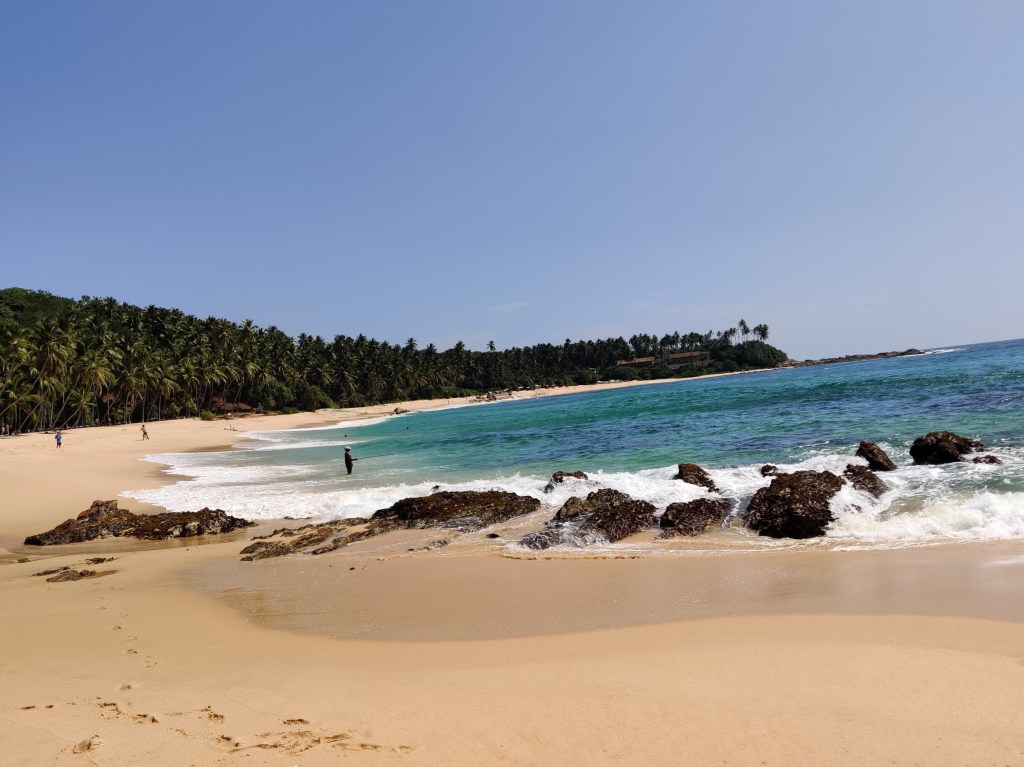
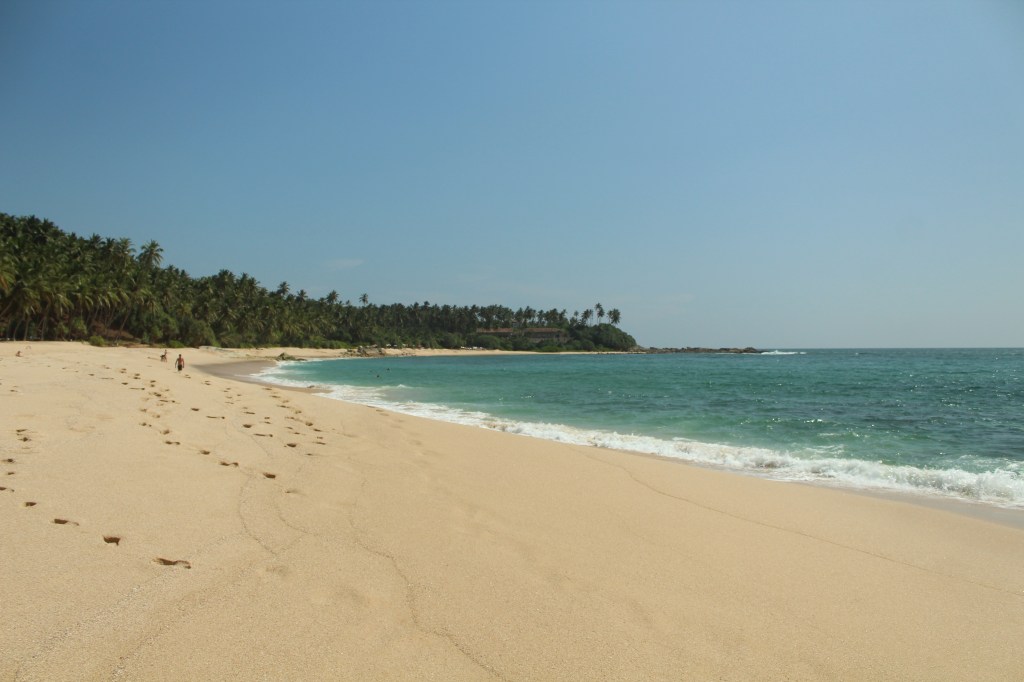
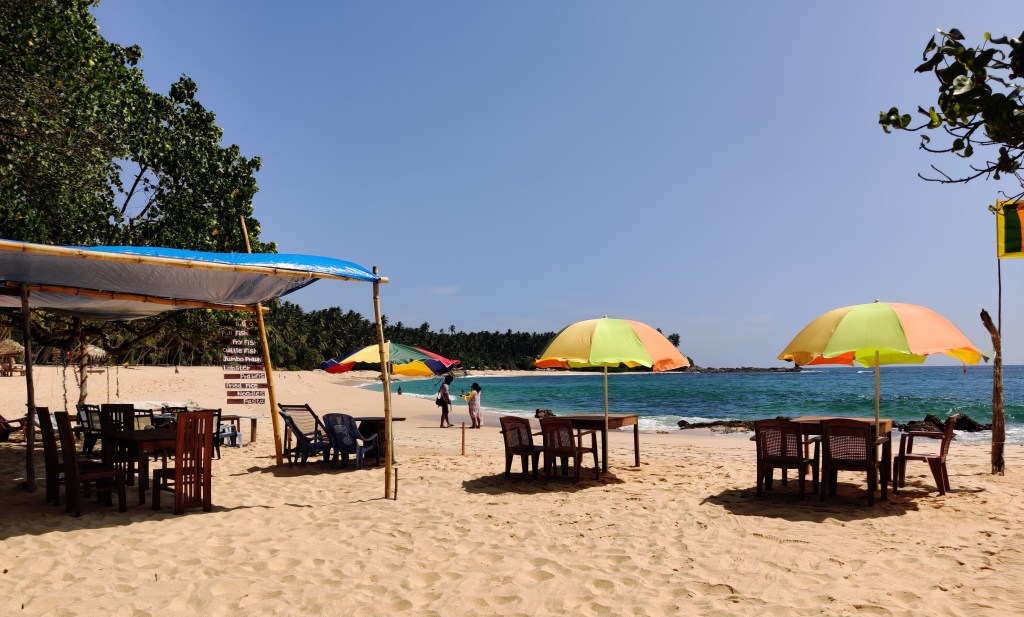
We then headed for our hotel at Tangalle (Villa Tangalle), a beautiful independent villa located very close to the Medaketiya beach and with a private pool. Once the check-in formalities were done, we headed for the beach close by. The stretch of this beach had lot of small restaurants and was not very crowded and probably the reason for its cleanliness.

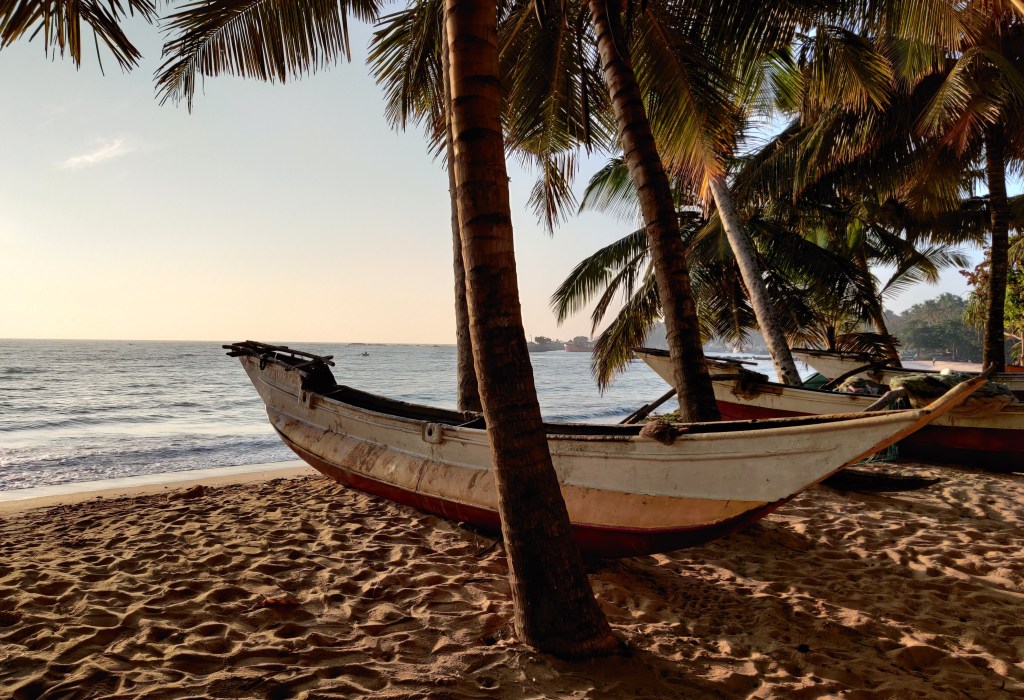
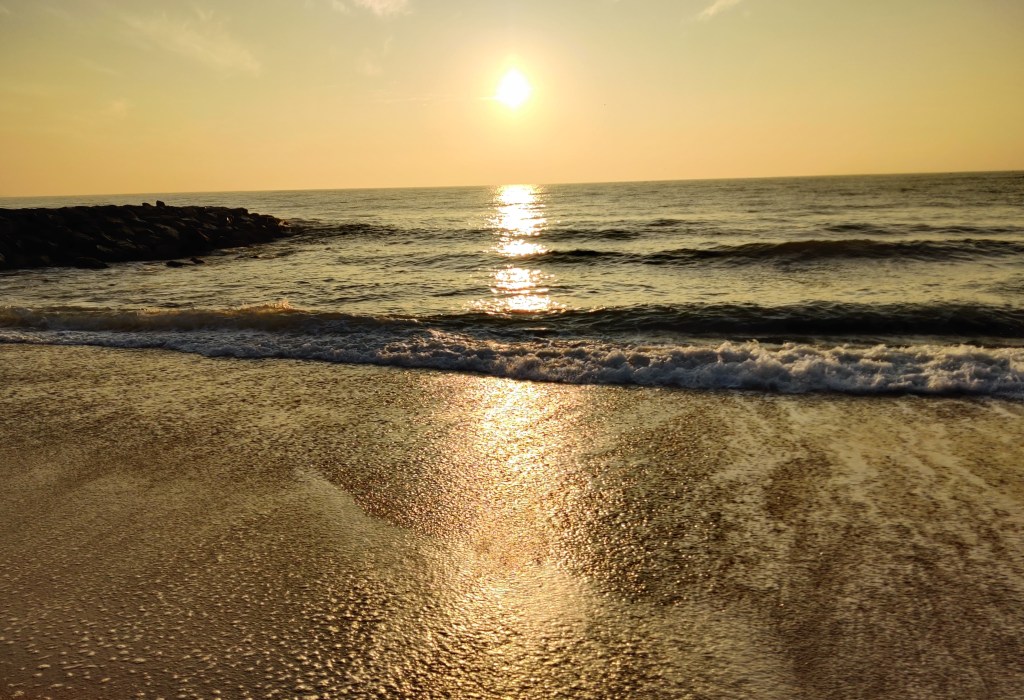
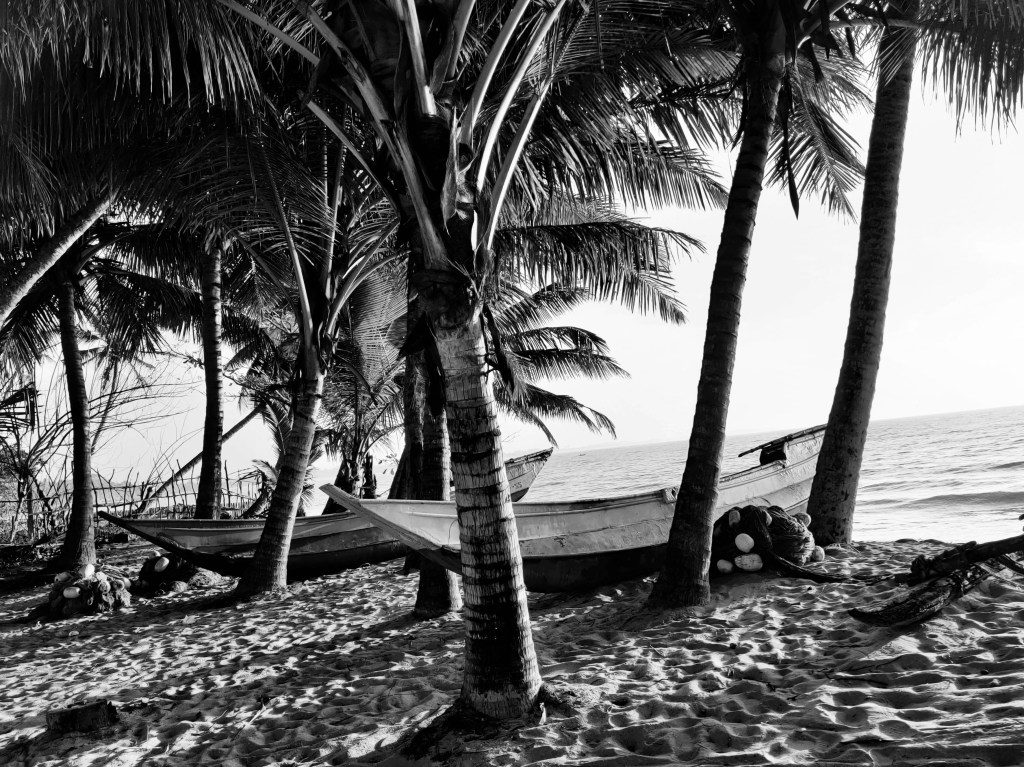
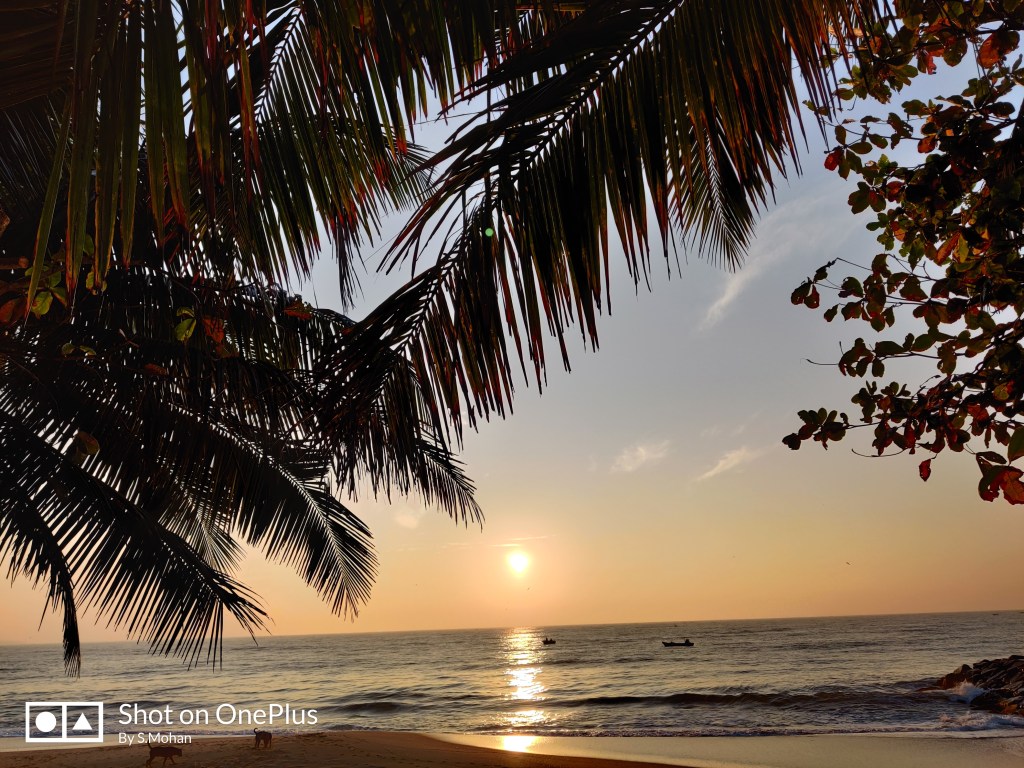
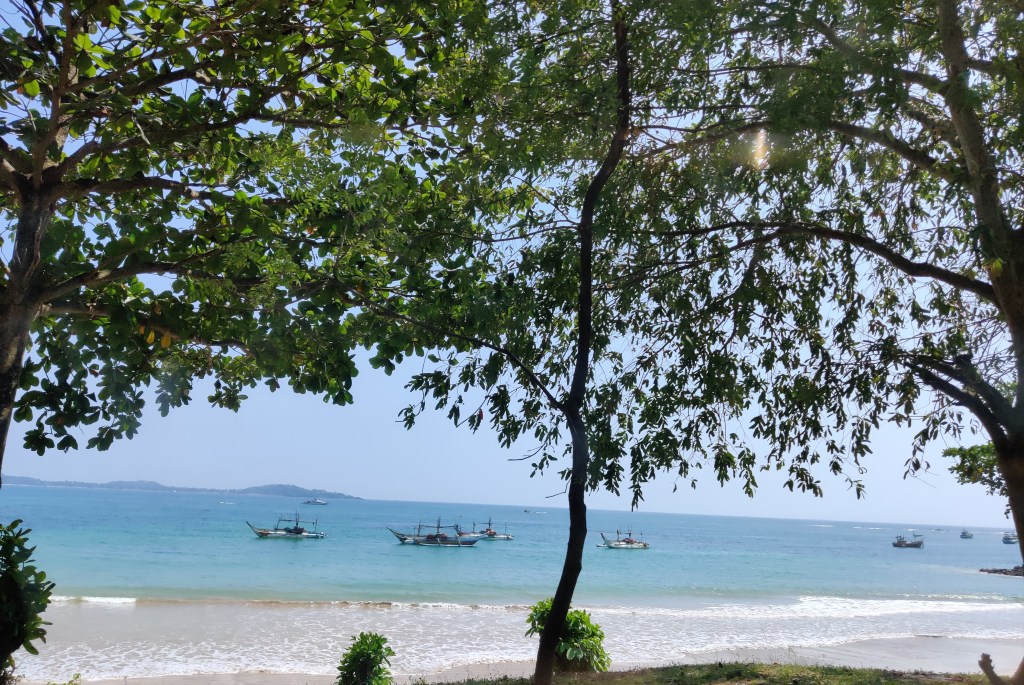
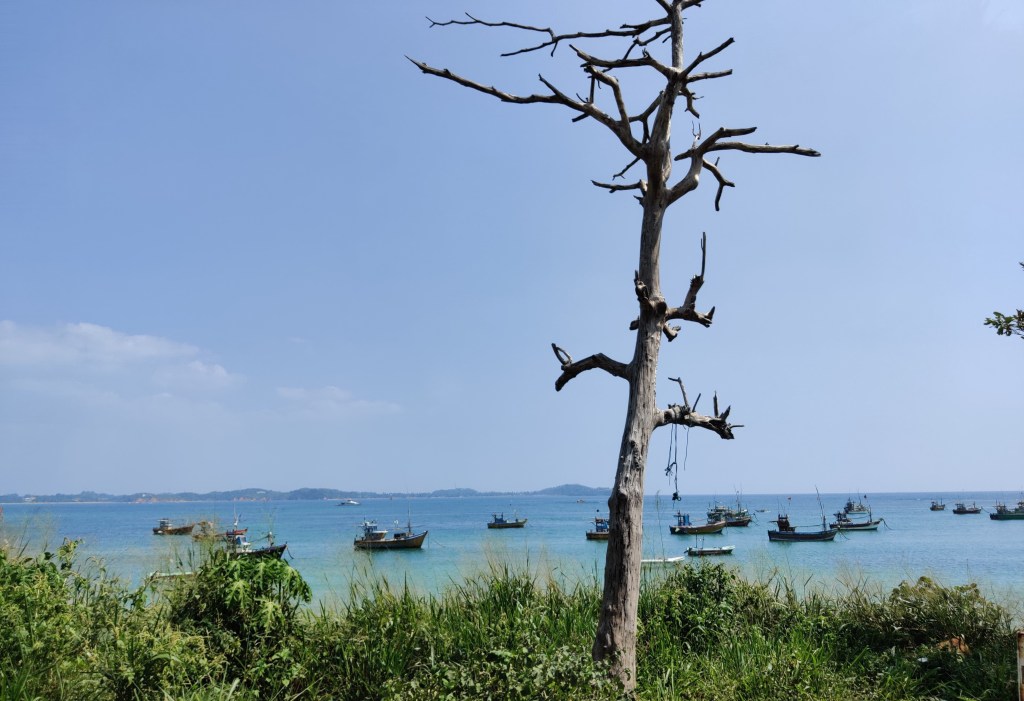
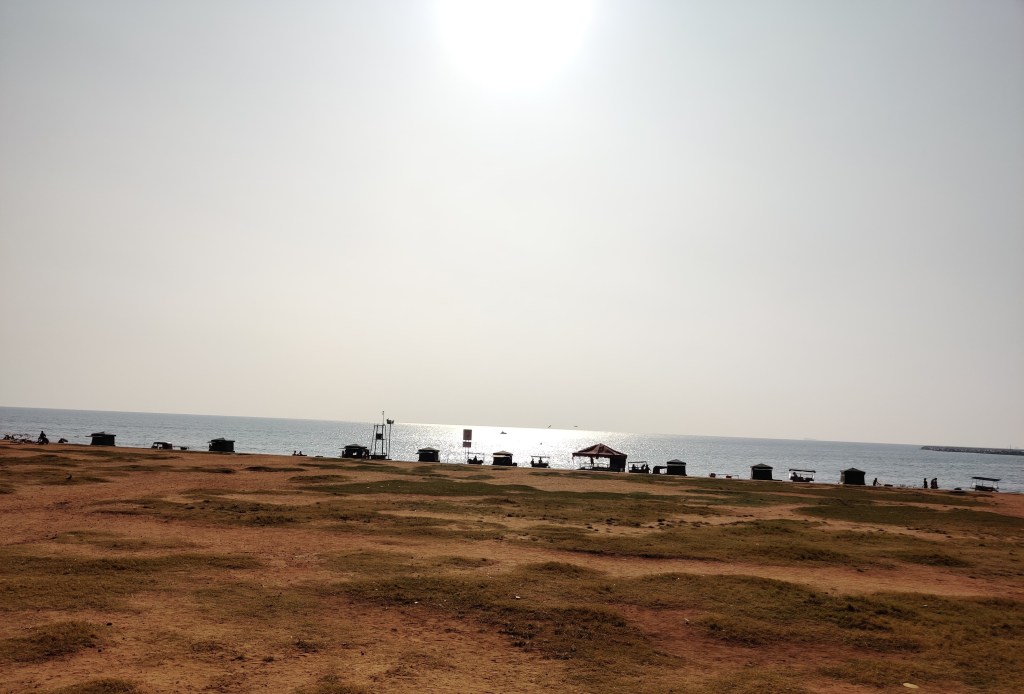
Day 6 : The undulated and hilly terrain besides the sight of stray dogs seen here and there over the last 5 days proved to be some kind of impediment for my morning runs and finally decided to break free on Day 6 into an early morning run along the Mekadetiya beach. Got to shoot some lovely photos of the sunrise and moored boats on the sand in the bargain.

The breakfast done at the hotel, we commenced our journey towards Colombo with plans of seeing the Silent Beach enroute besides whatever beaches come our way.

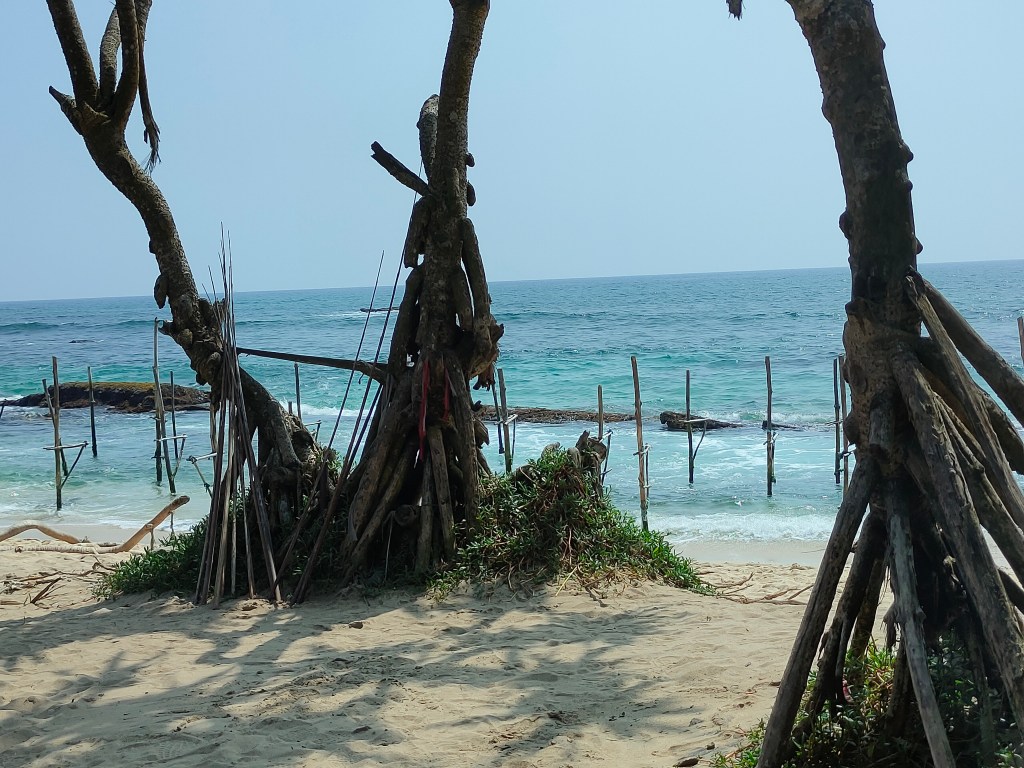
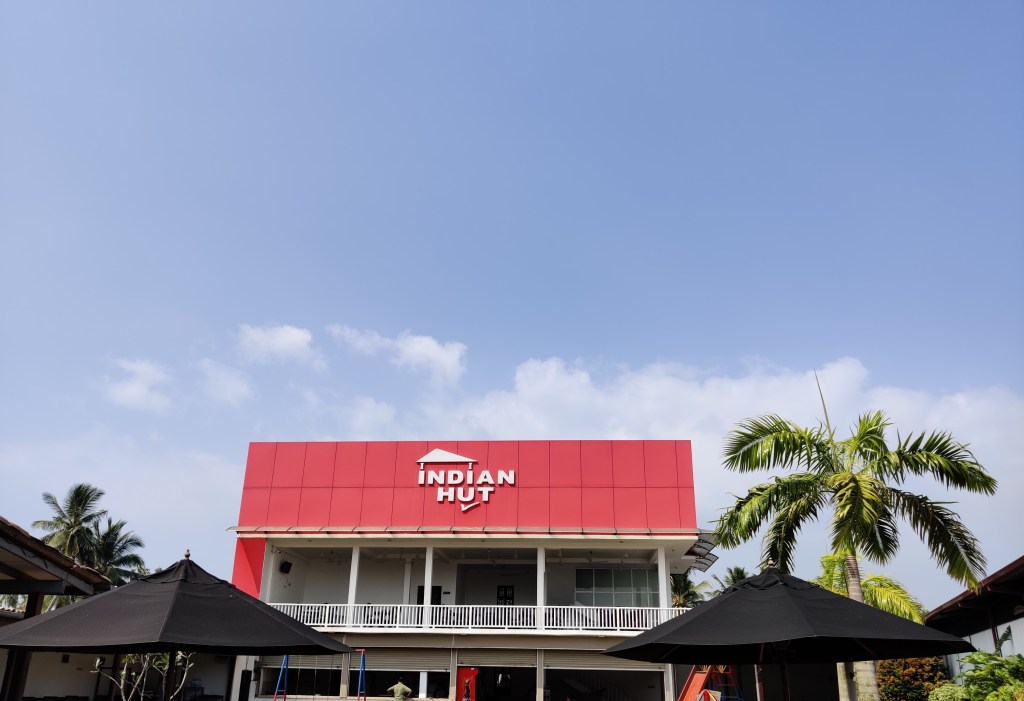
The Ahangama beach where we wanted to stop by for a photo shoot of the stilt fishing turned out to be a dampener as not only were the locals quoting very high prices just for posing for the cameras but also deciding the rates based on number of fishermen who would pose on the stilts while actually not fishing at all. We drove on and stopped by for lunch at a decent restaurant Indian Hut in Unawatuna. Slow on the service front, the food otherwise was pretty good and once we were done with the food, started our drive towards Colombo.

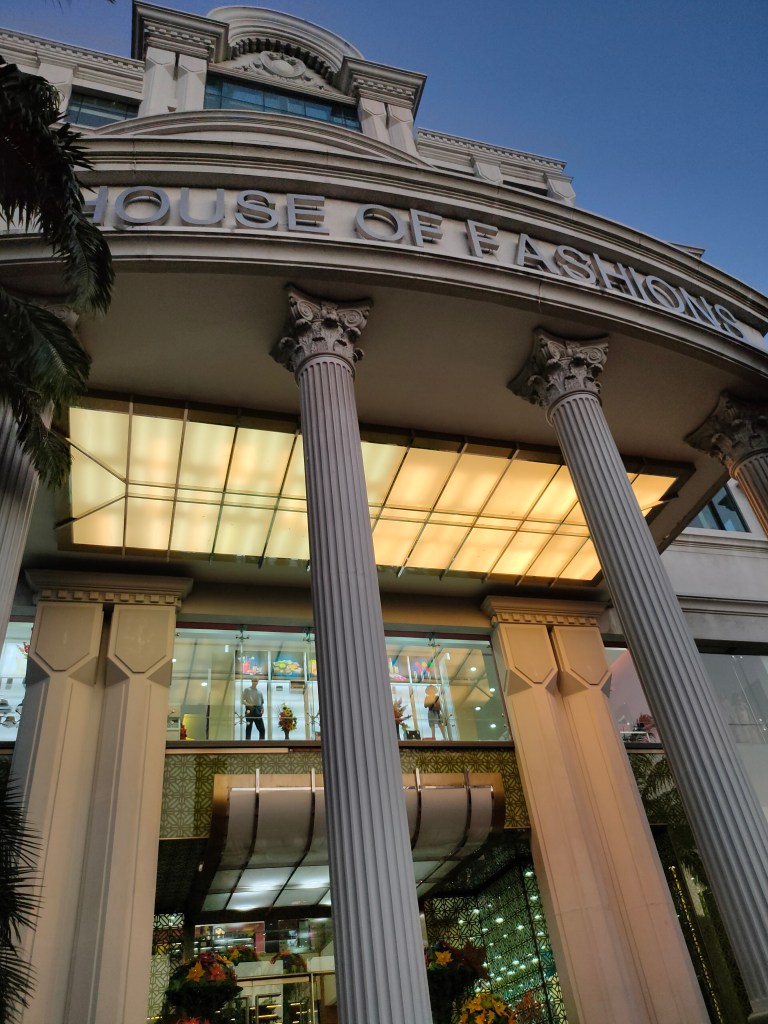
Since there was some time on hand after checking into a hotel slightly away from town and by the name of The Loft, we headed for the House of Fashions for a  little bit of shopping and rounded off the day with some nice dinner at Kottu Labs located very close to our hotel in Nugegoda. A pizza type treatment given to the staple parathas with a choice of carb, protein and veggies.

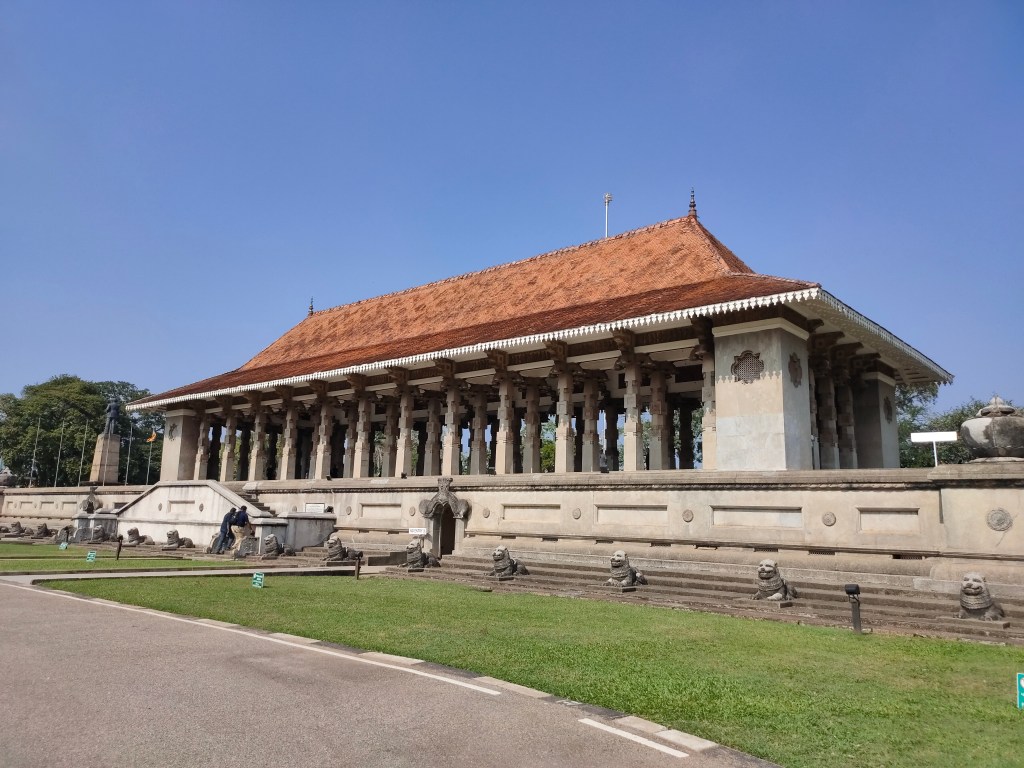
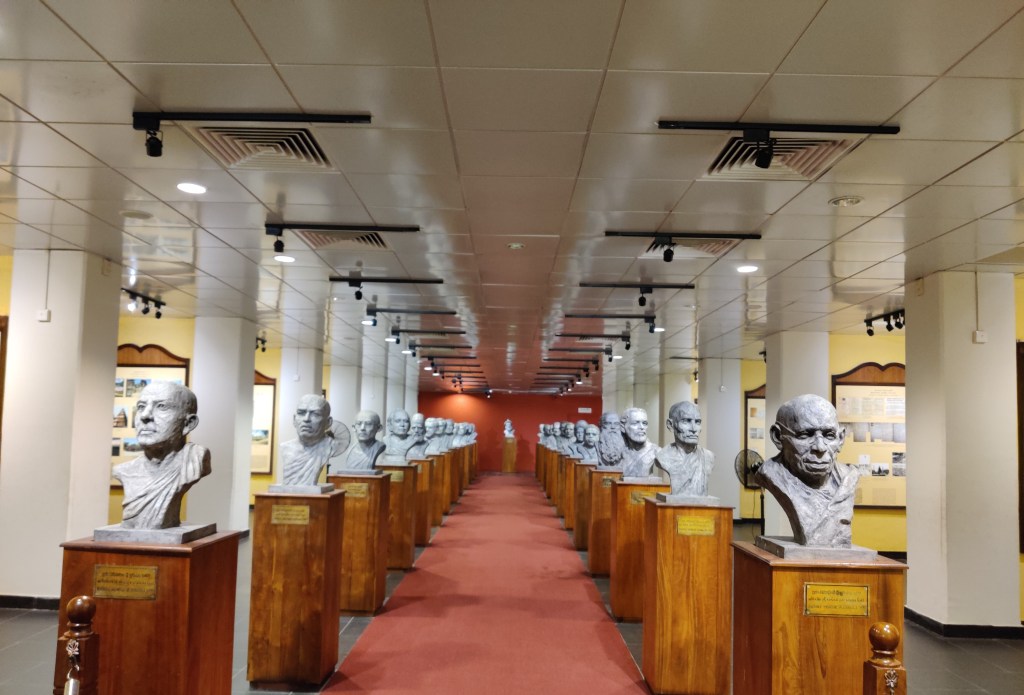
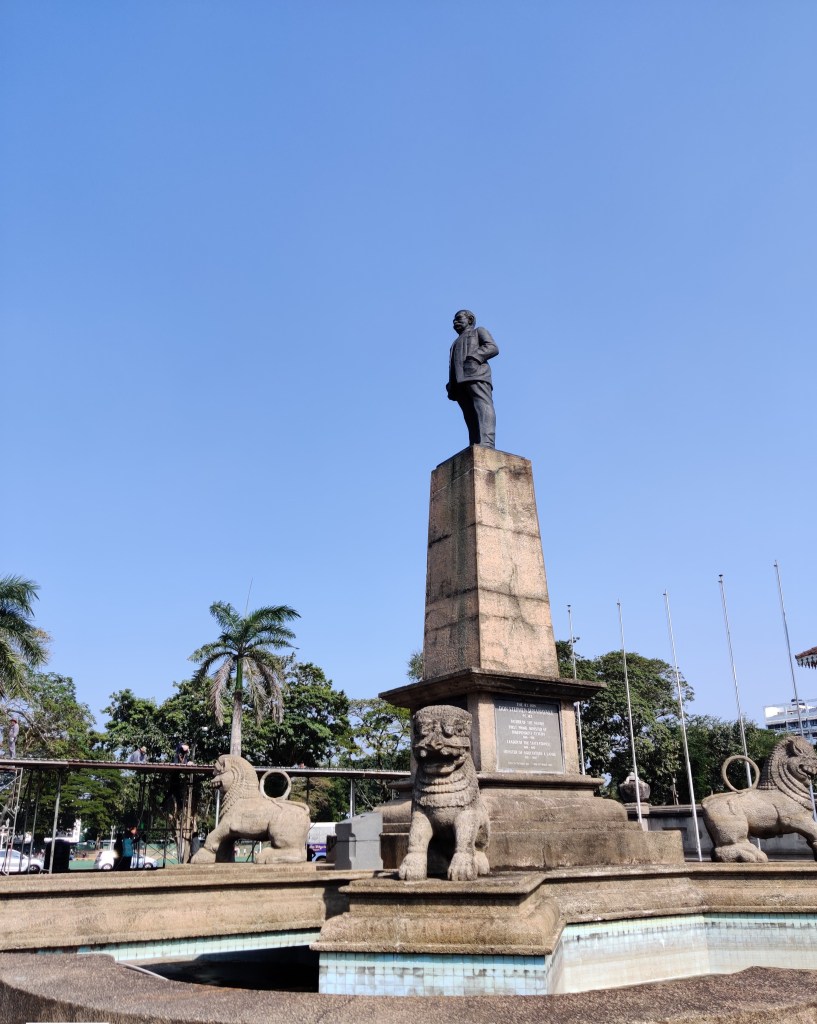
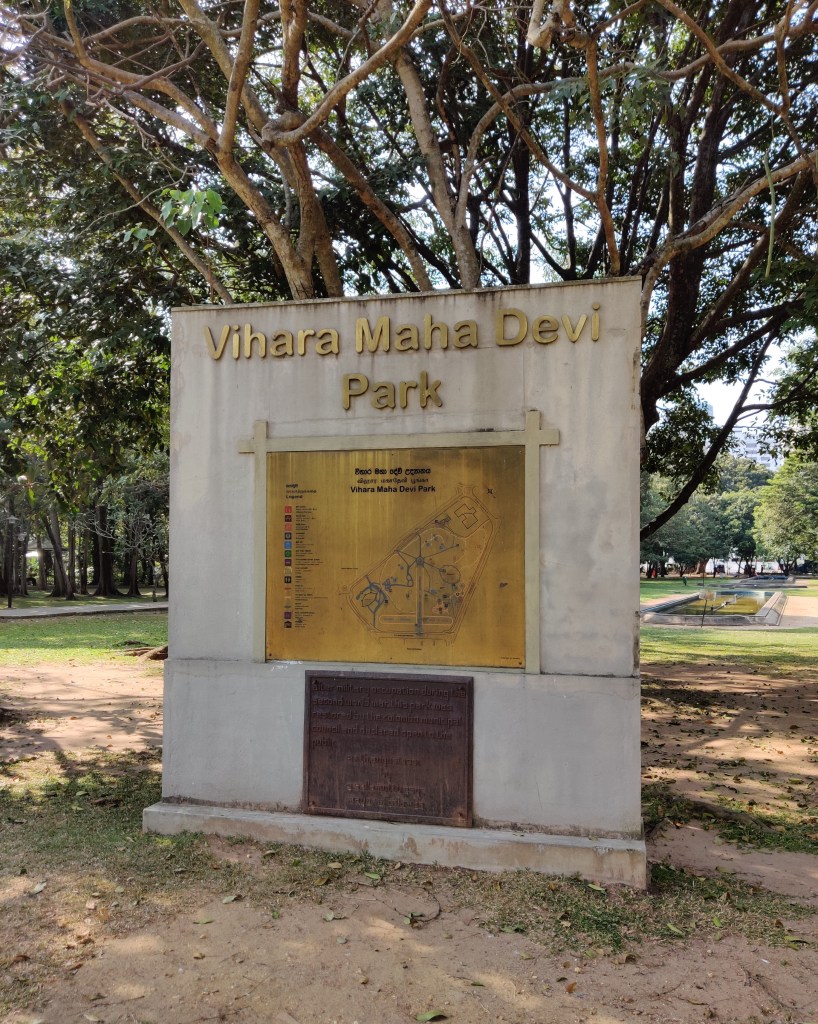
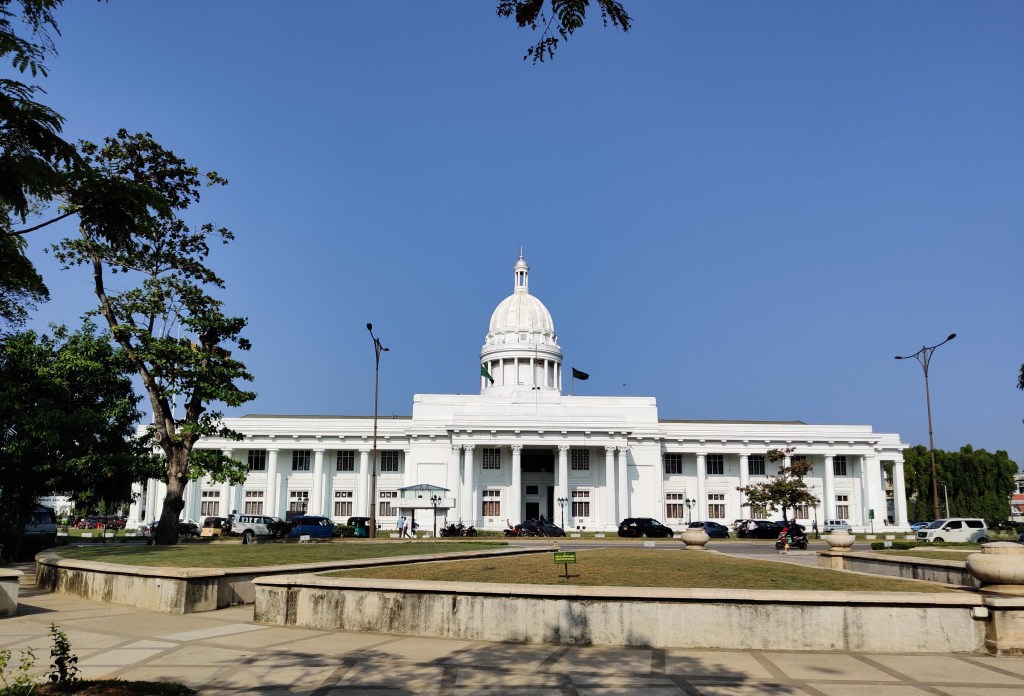
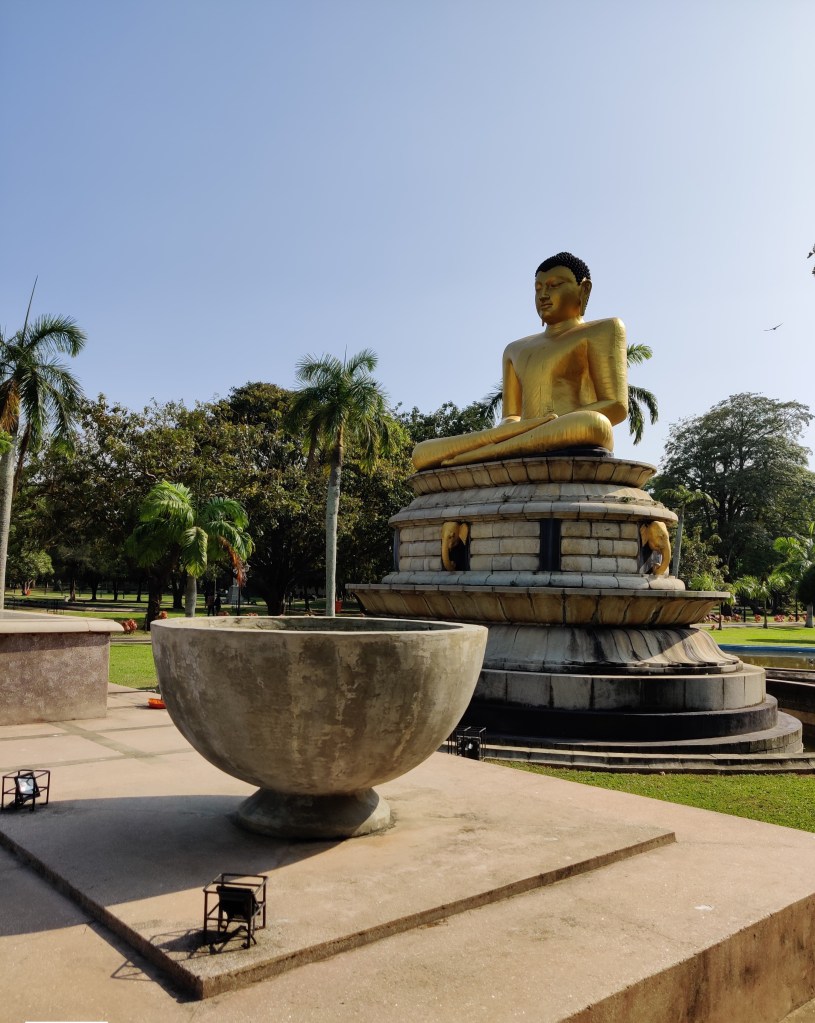
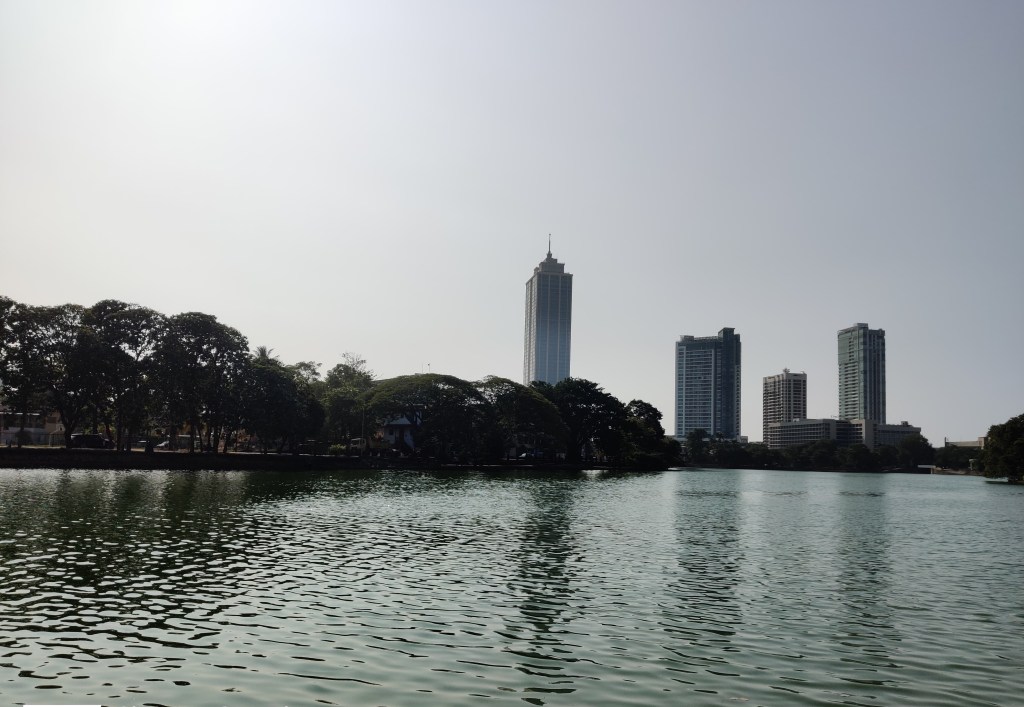
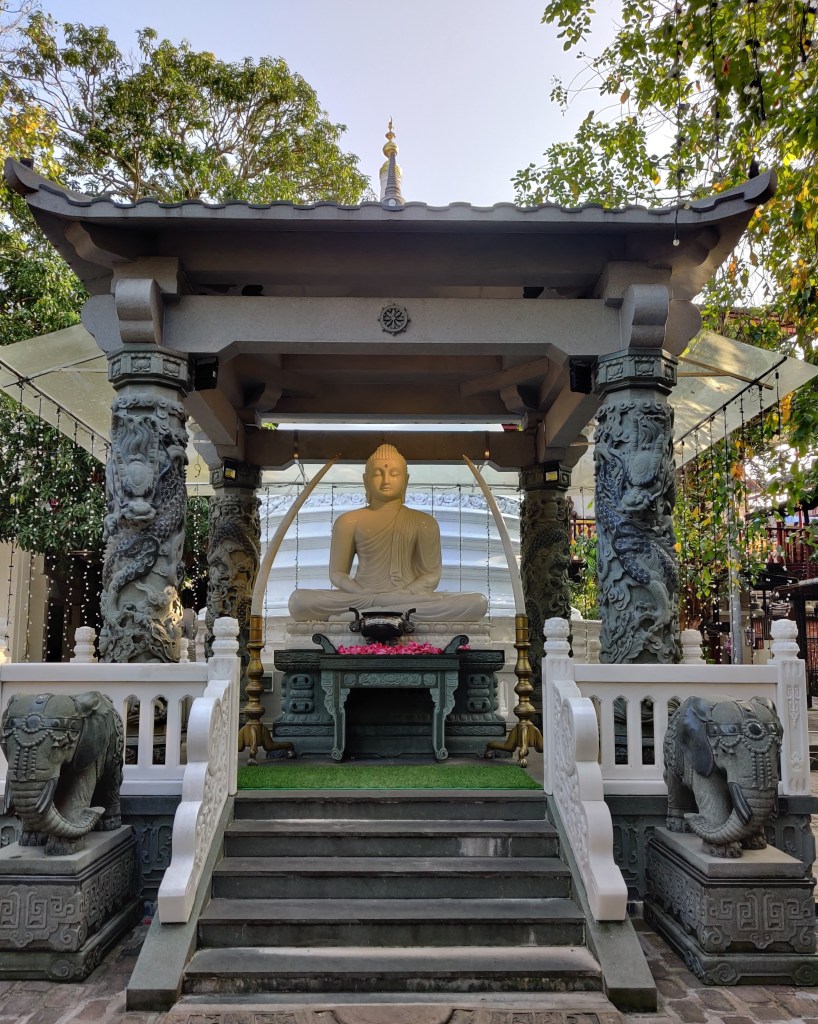
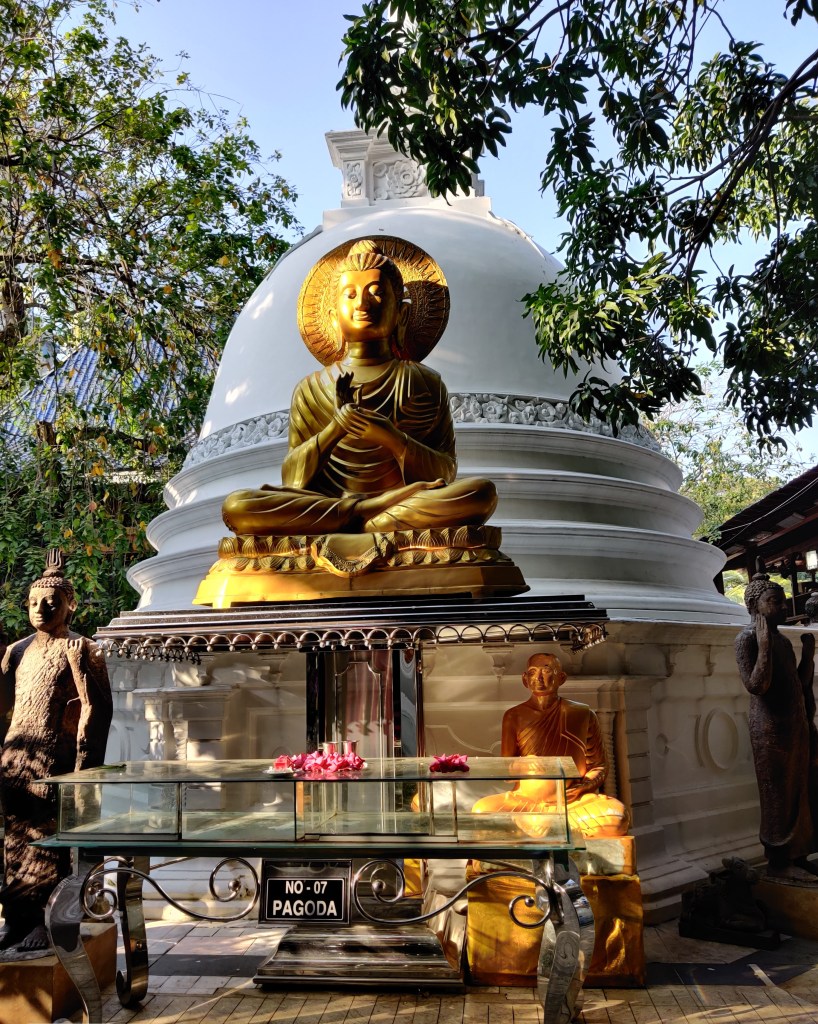
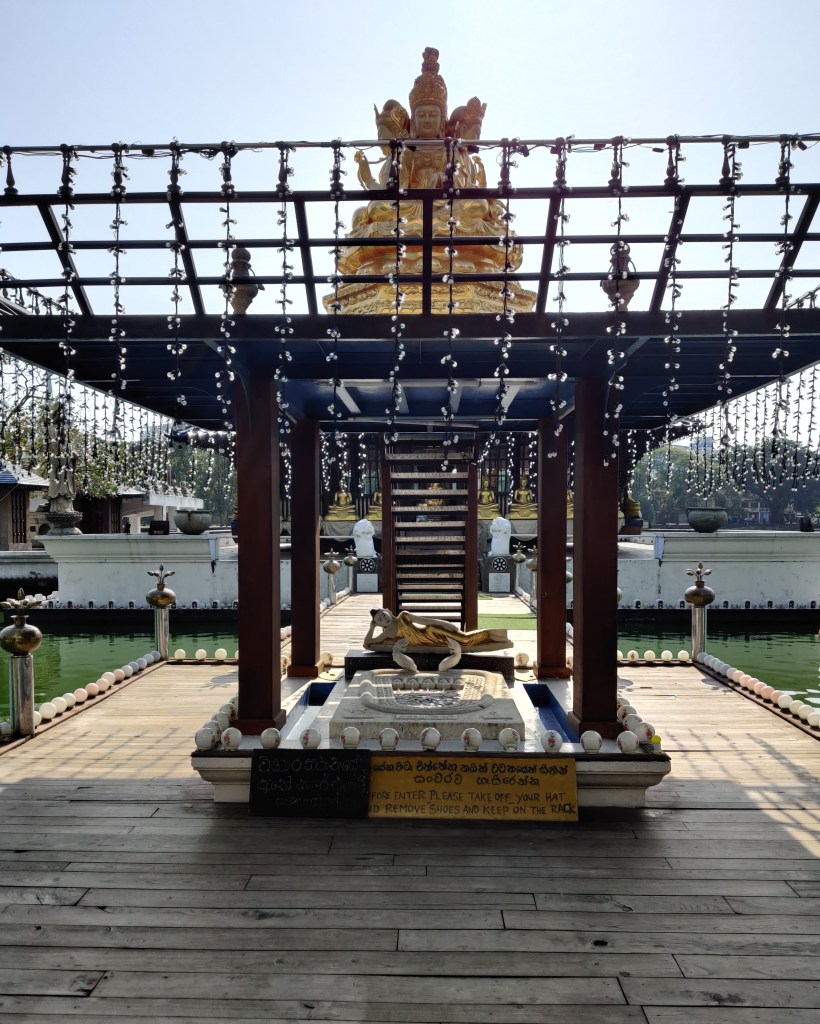
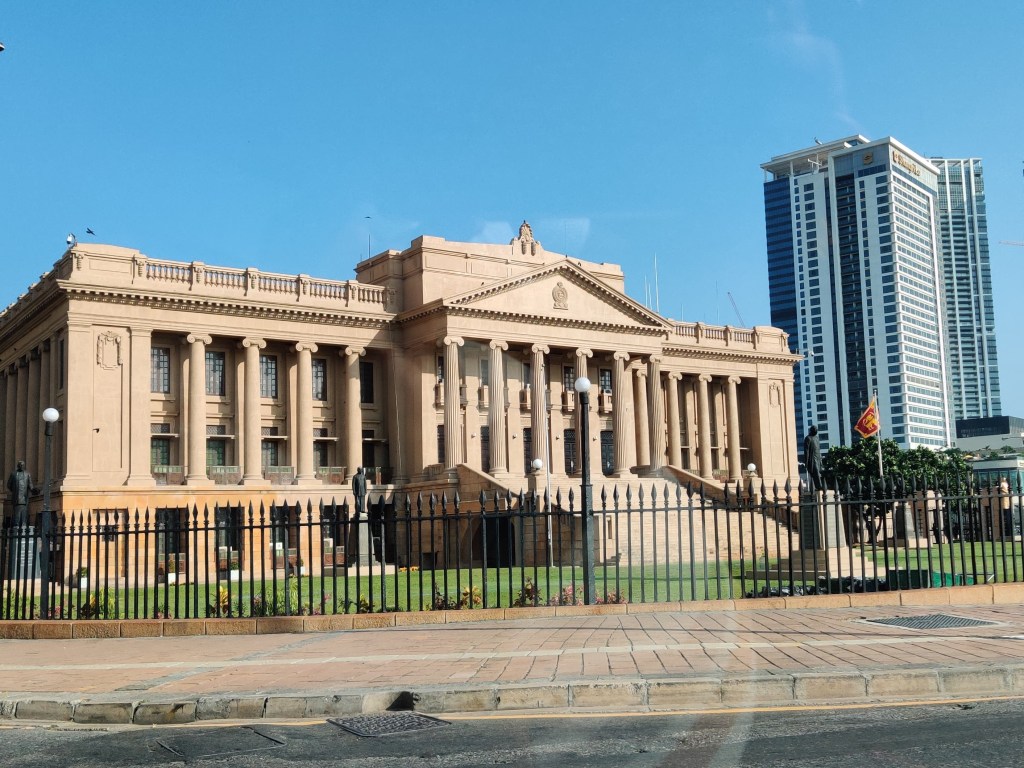
Day 7 : We started off the day with a visit to the Colombo City Centre Mall and had reserved the 2nd half of the day for some local sightseeing. The Independence Square, The Independence Memorial Museum, the Vihara Maha Devi Park, the Galle Sea Face front and the Gangaramaya temples covered, we had some time on hand and again headed for the first edition of the House of Fashions for some more shopping.  The Gangarama temple alone had an entrance fee of 400 SLR levied while it was a free entry at all other places.

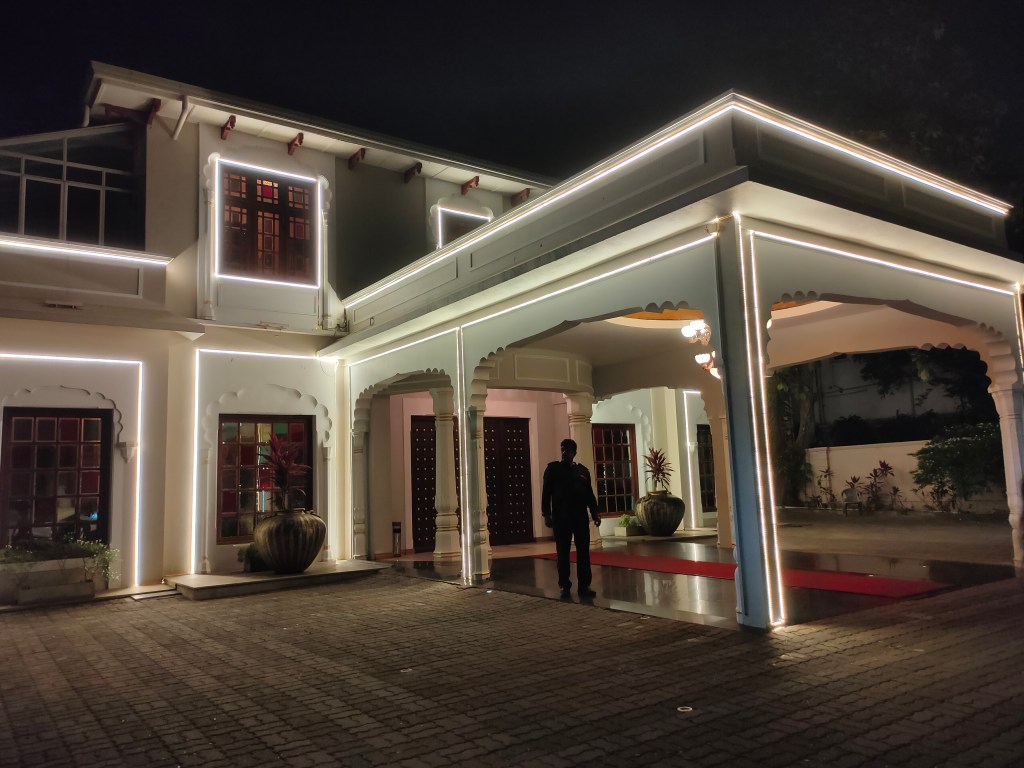
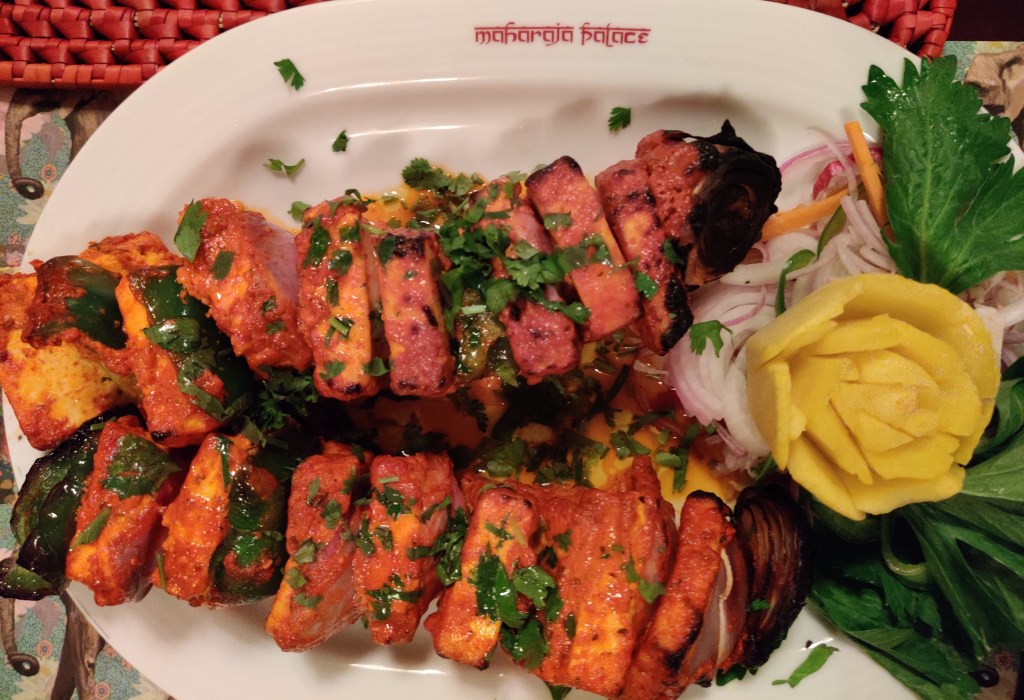
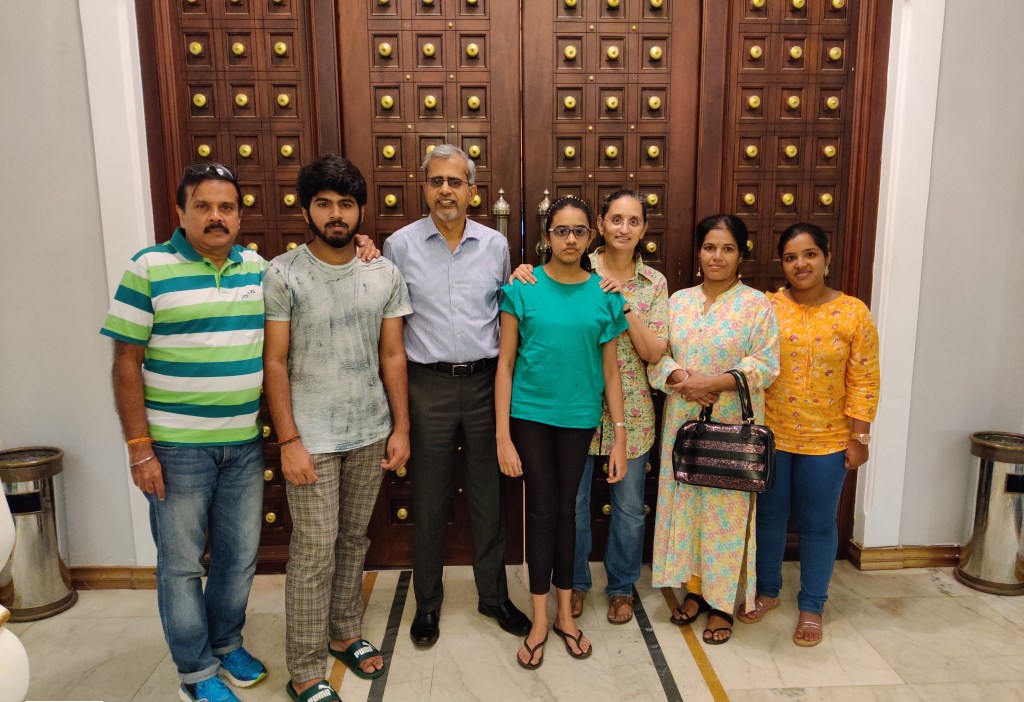
Time to round off the day with some socialising. A visit to my friend Krish’s house after which we headed with families to Maharajah Palace Restaurant. A lovely North Indian dinner done, it was time to bid goodbye and head for the Colombo Airport for our return back to India. Lovely memories of this nice island and am sure we would want to revisit but with plans of doing some other places like Jaffna, Trincomalee, Anuradhapura, Yala and Galle which got missed out in Round 1.

Design a site like this with WordPress.com
Get started