The idea of a long long drive was being cooked up by the ladies of the house since the onset of 2021 and deliberations were on whether Yelagiri would be ok or should we go further down to Yercaud from Chennai. The son was not too keen coz he would miss his football and gym sessions and kept spinning around with stories of the dates clashing with his exams so much so that the hotels I had shortlisted at these 2 places were sold off and we were back to square one. I meekly tried reconciling the incensed moods with the idea of a drive to Gangaikonda Cholapuram, a heritage and historical site which had been on my bucket list for long and somehow it caught my wife’s fancy, being a history buff and a big fan of the 5 part series of novels on the Chola Kings – Ponniyin Selvam which incidentally is getting made into a movie by Mani Ratnam. Plans were cast in iron within the next couple of hours and with preconditions that we should be away from the heat and humidity of Chennai for not less than 2 days and we should not be overdoing the temple stuff. With promises of balancing out the itinerary, quickly googled out a 4 town drive starting with Chidambaram as the first halt.
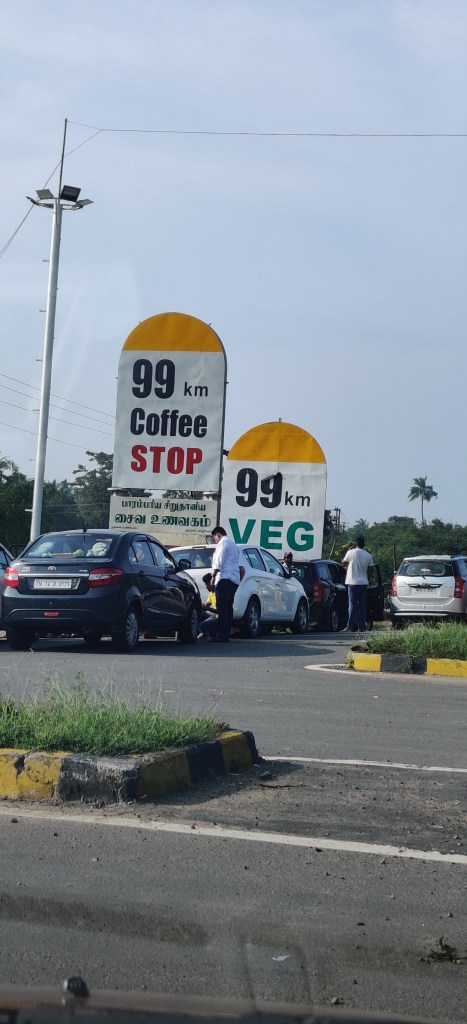
Day 1 : With a plan set to cover quite a bit on Day 1 and with temples being closed between 12 Noon to 4 across the state, proposed an early 5.30 AM start so that we could cover the 220 odd kms distance in around 5.30 hours with an hours stop for breakfast enroute. The start as usual got delayed by around an hour and after getting the tank filled up, hit the roads towards Tindivanam to get into Pondicherry. The 99th Km Milestone brought us to Haritam for breakfast where thanks to the weekend crowds driving out of the city and choosing this as their pit-stop, we were treated to some pathetic levels of service and cold and insipid food
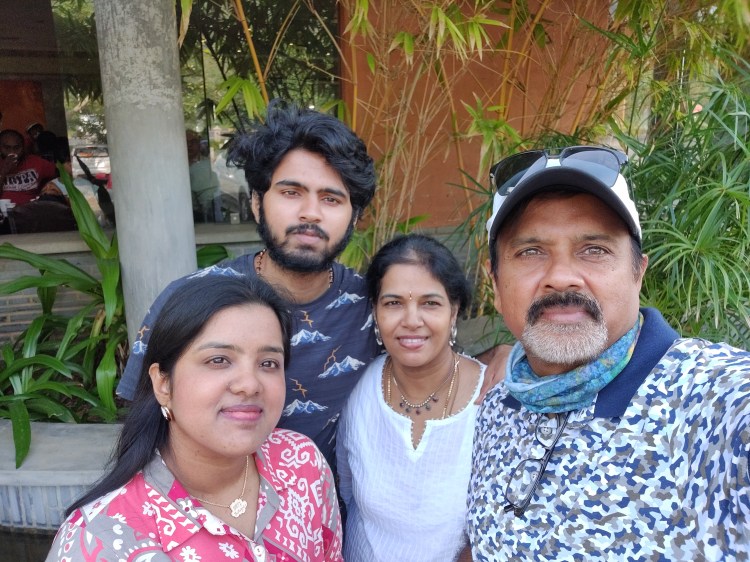
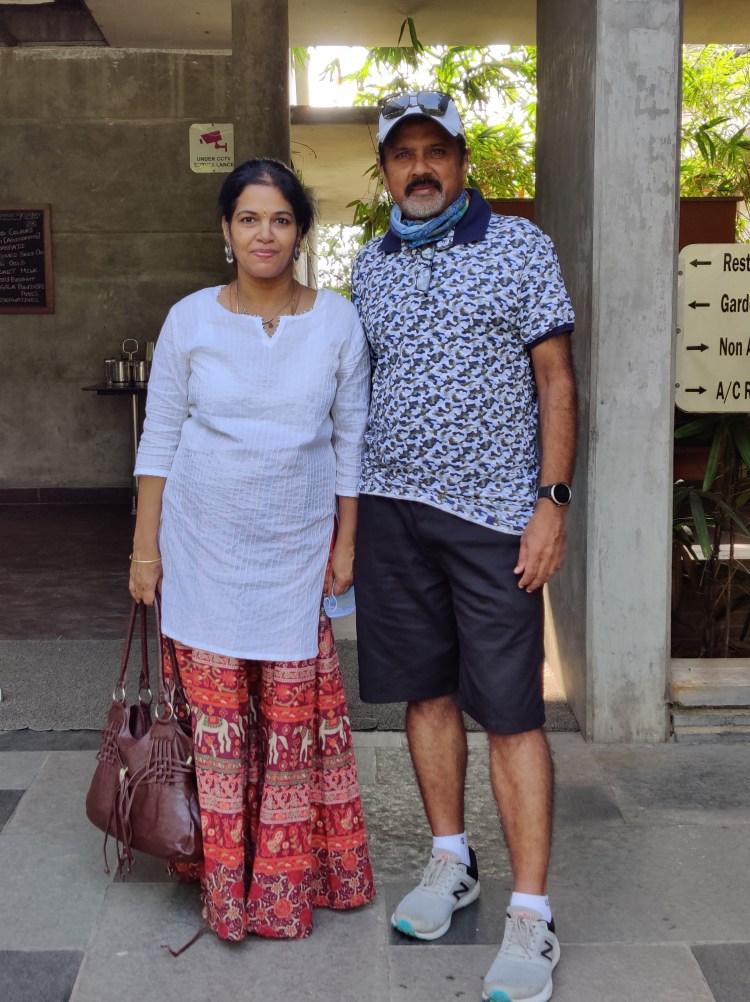
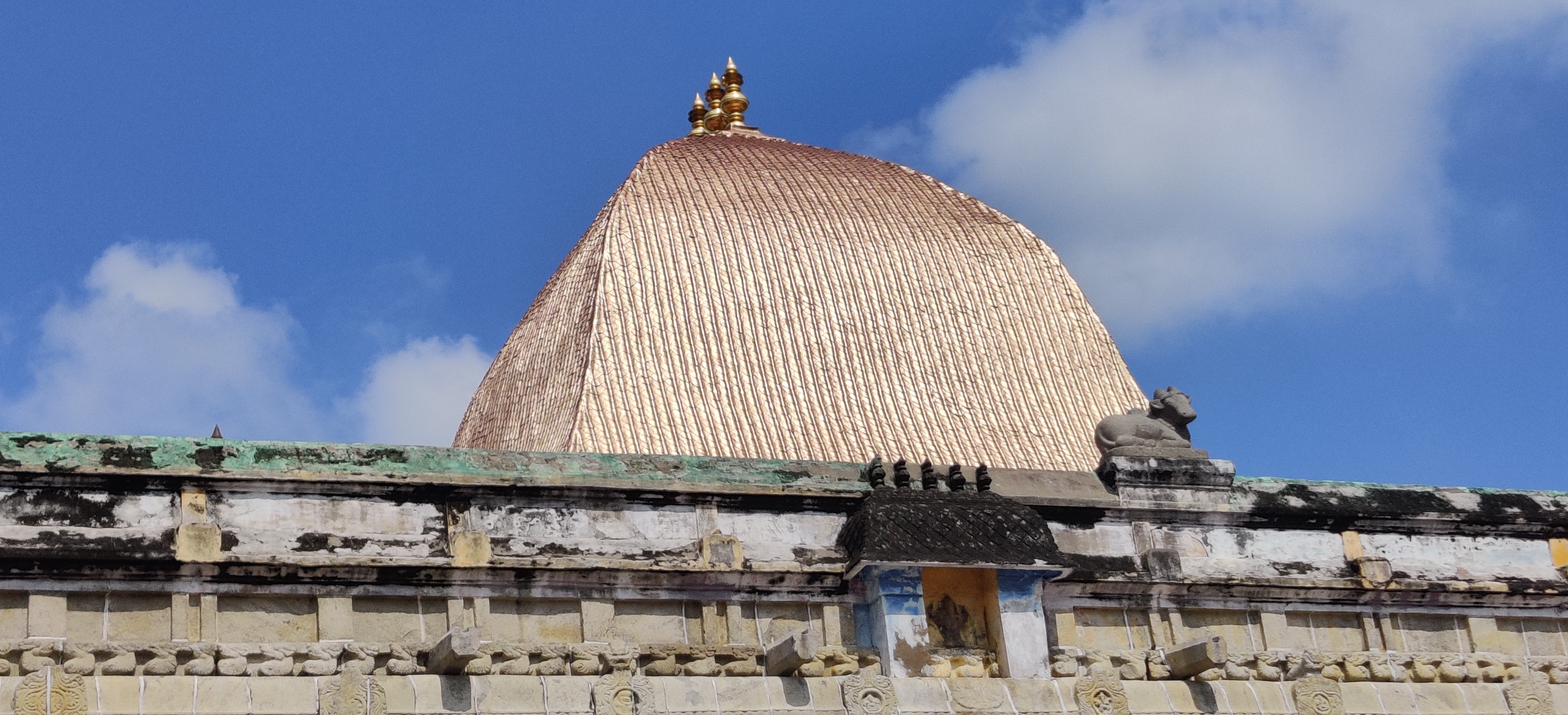
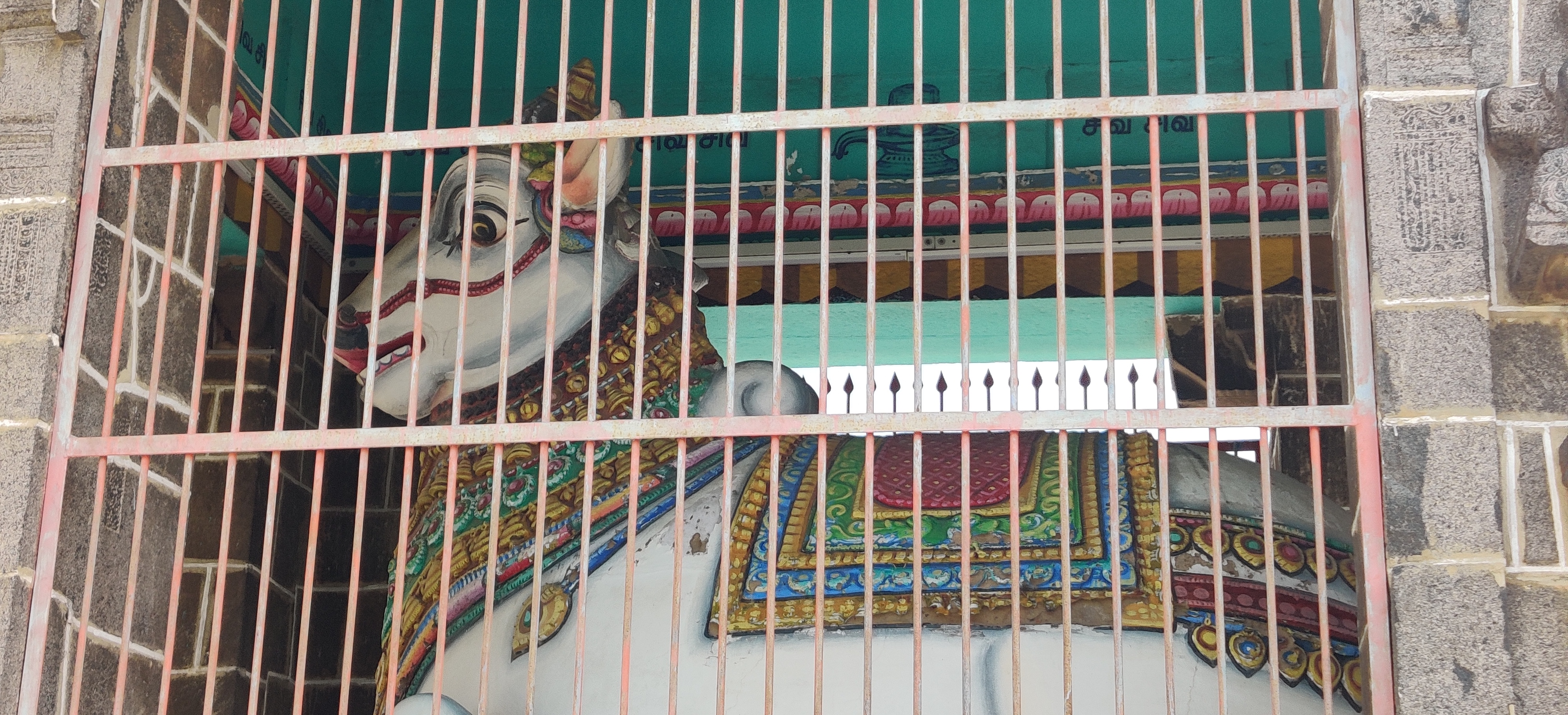
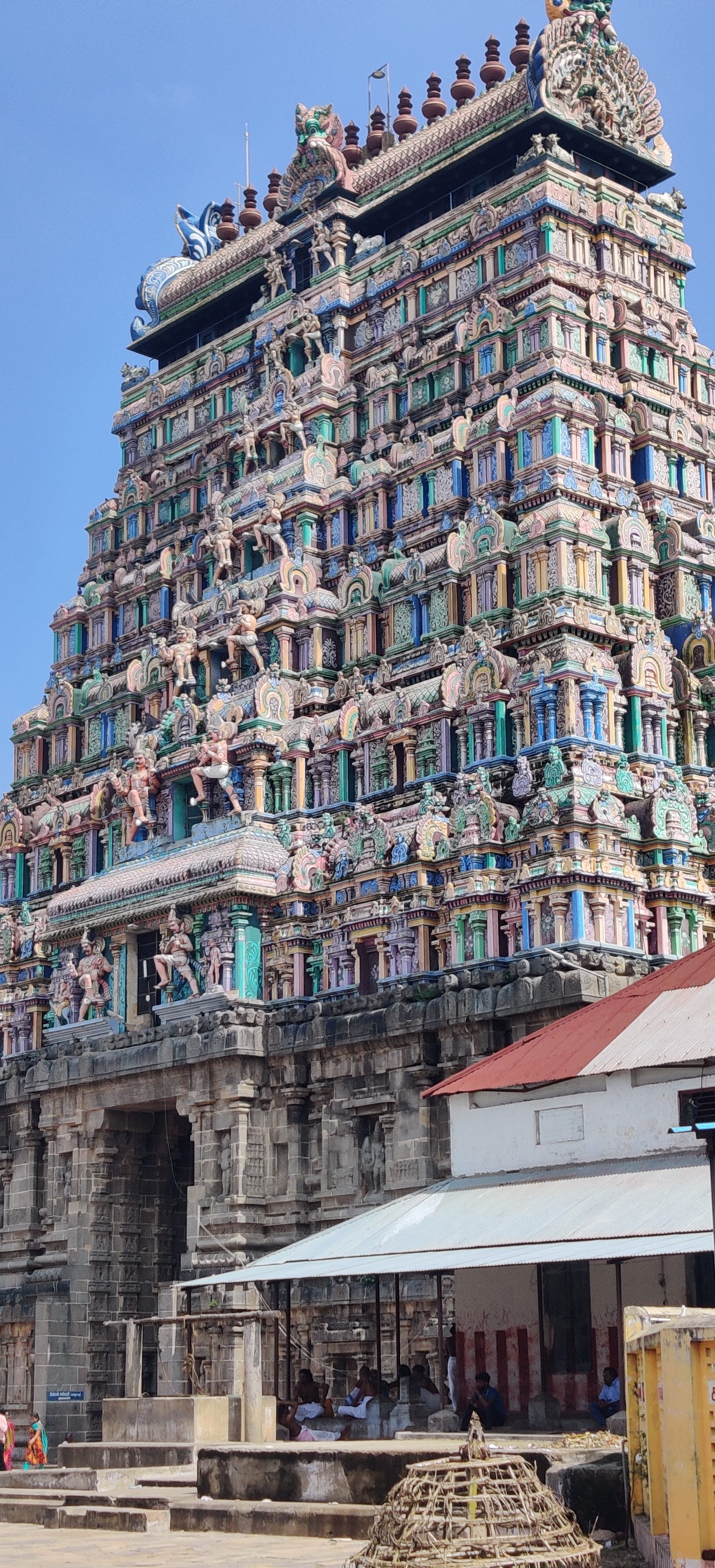
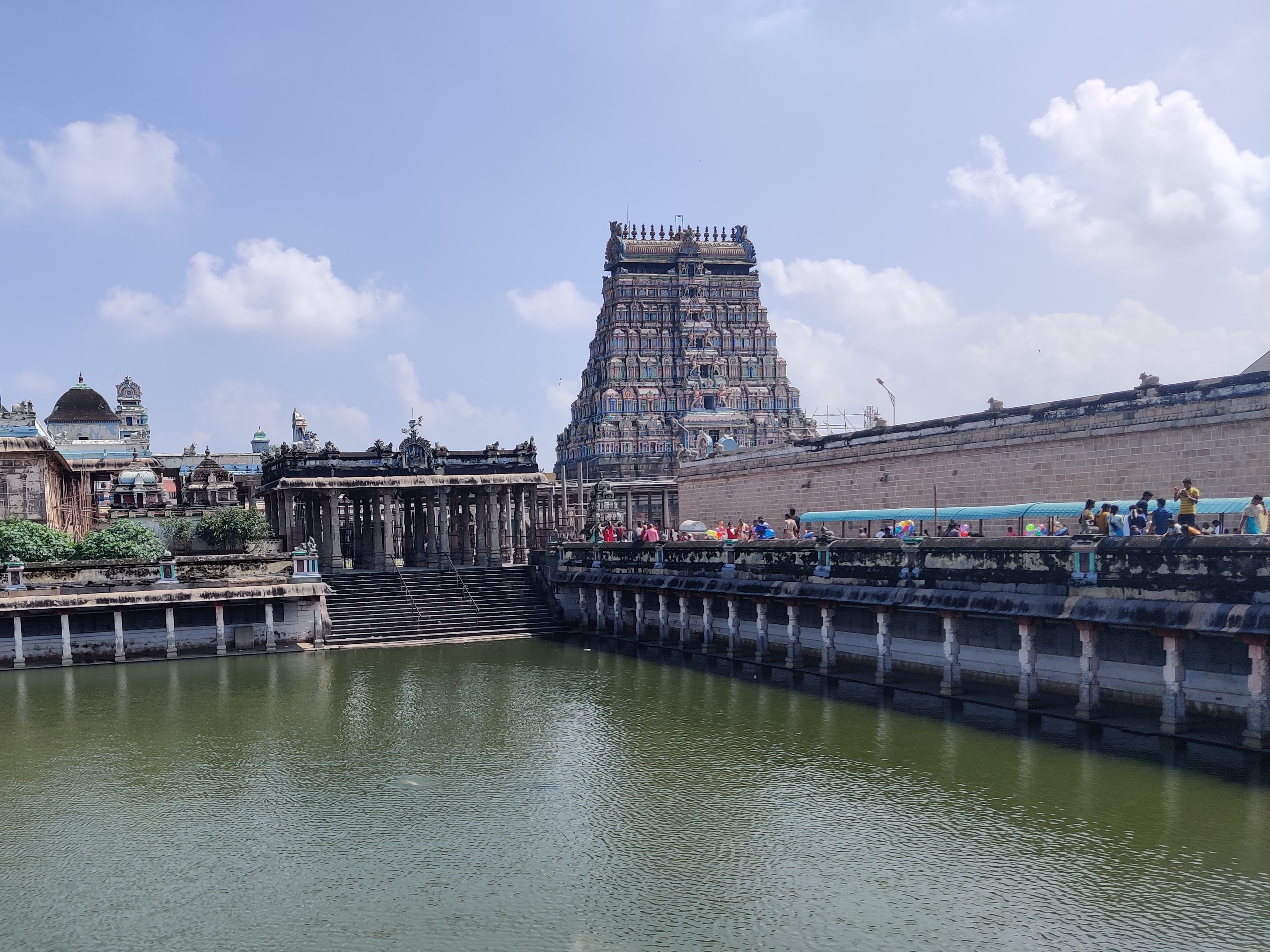
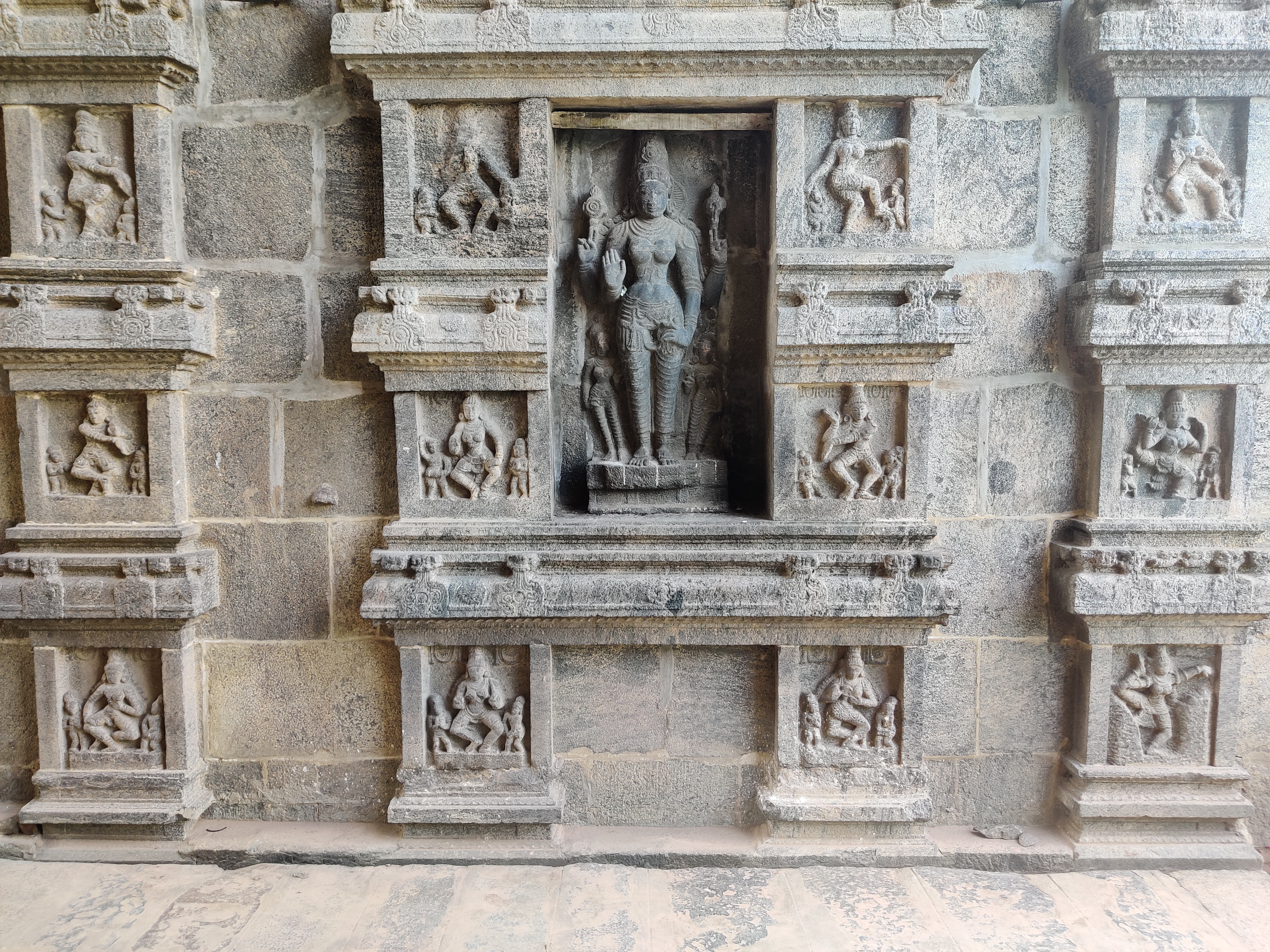
Around 9 is when we restarted our drive towards Chidambaram via Tindivanam, Pondicherry and Cuddalore. The roads after Pondicherry were in pretty bad shape and broken at quite a few places maybe coz of the recent rains. At around 11.30, we finally entered the temple town of Chidambaram, home to the Thillai Natarajar temple where one gets to see a Silver idol of Lord Shiva with his left leg raised in a dancing posture. Built in the 10th Century when this town was the capital of the Chola Dynasty, this temple is one of the oldest surviving temple complexes. Unique to this temple are the 108 carvings of the karanas (dance transitions) and these form part of a classical Indian dance known as Bharatnatyam.
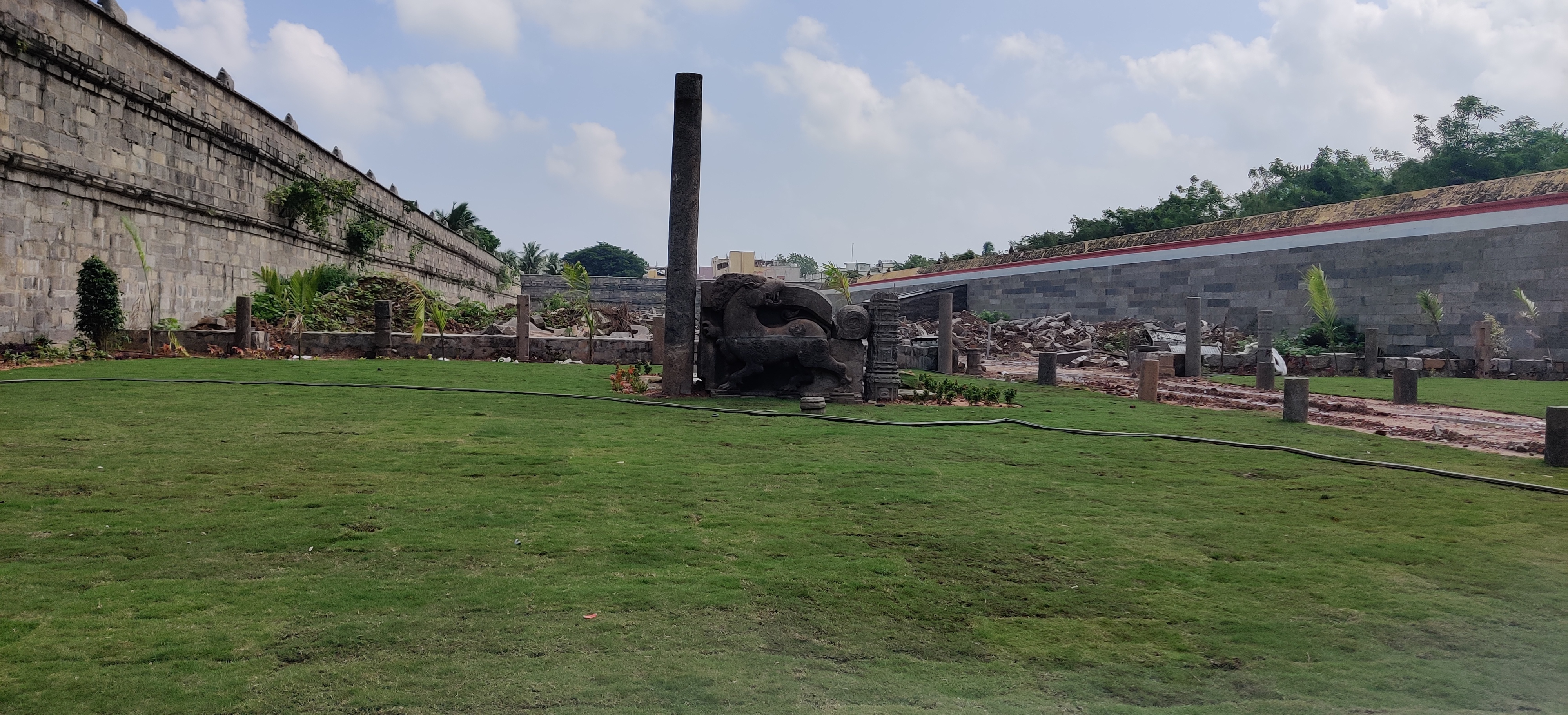
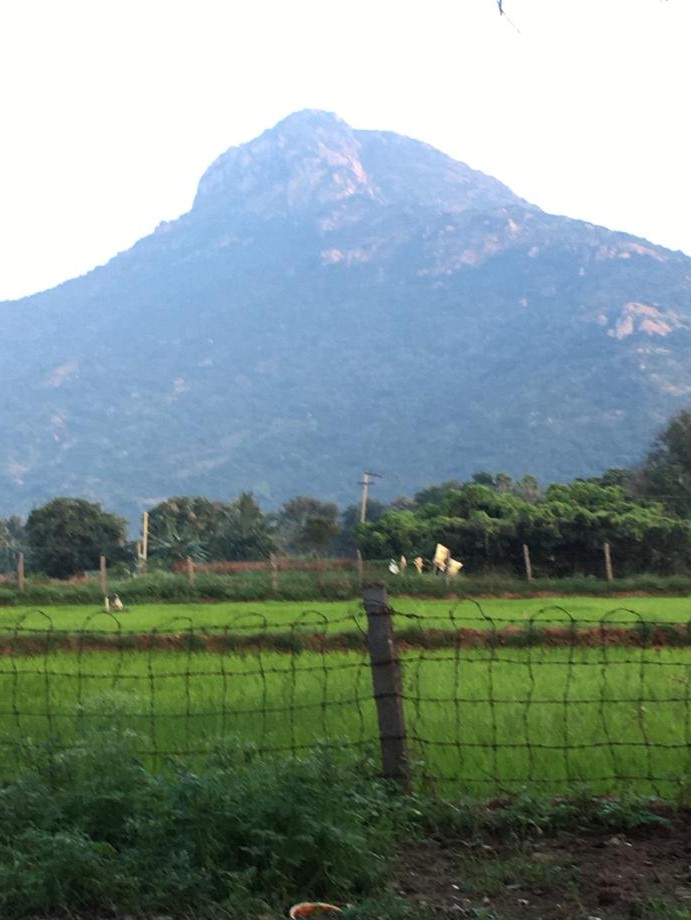
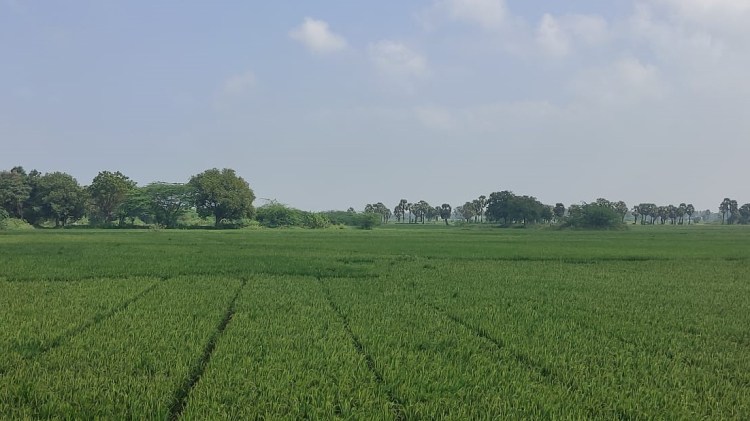
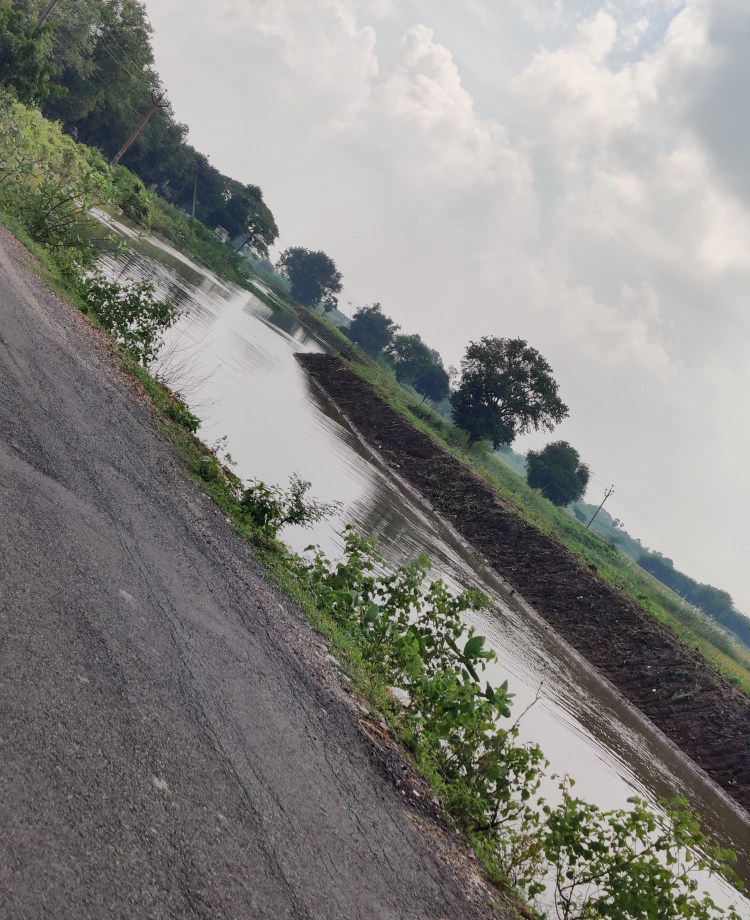
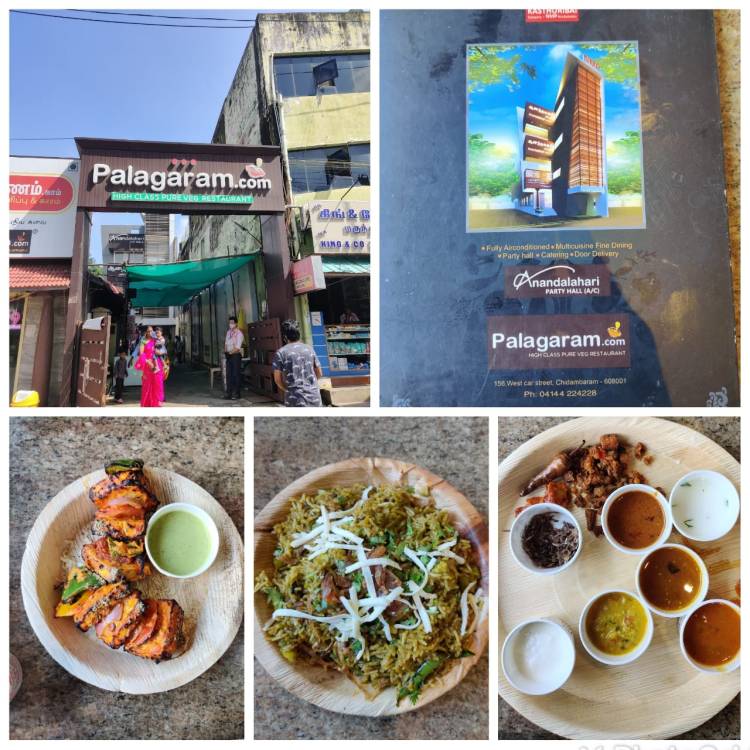
Next on the cards was a plan of doing a boat ride down the Pichavaram Mangrove forest located around 15 kms from Chidambaram. These forests are the 2nd largest in India after the Sunderbans. This unfortunately met with a roadblock as we were informed that coz of Pandemic regulations and to avoid large crowds being a festive holiday, the place was closed for visitors. Anyways, since we had some free time in our hands, we drove for some distance down the scenic route just to take in sights of the lovely countryside, set amidst lot of greenery with a small rivulet running parallel to the road and hit back base at Chidambaram for our lunch at a restaurant called Palagaram. A misnomer for the title but it definitely would have rued its chances of staying operational if it had stuck to its true name. Having said that, this place offered everything that you could conjure as food and did its reputation no harm in dishing out some decent fare.
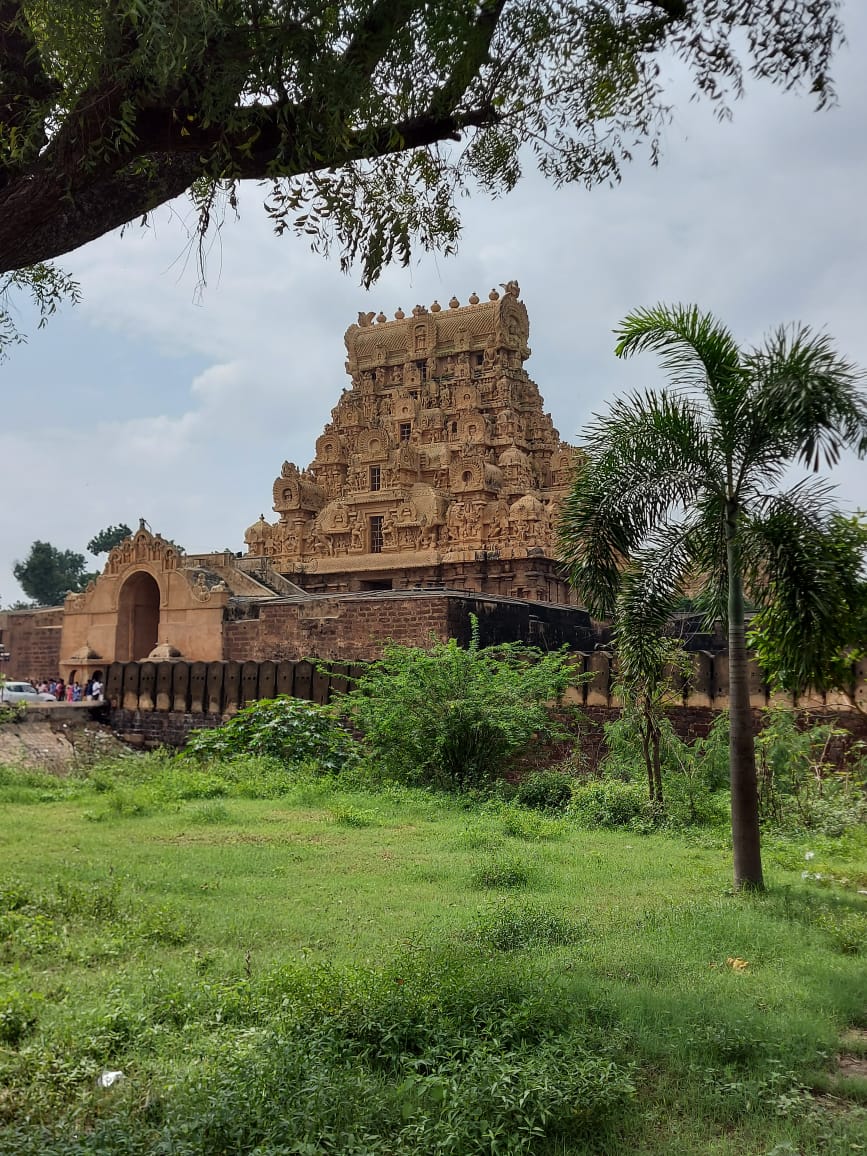
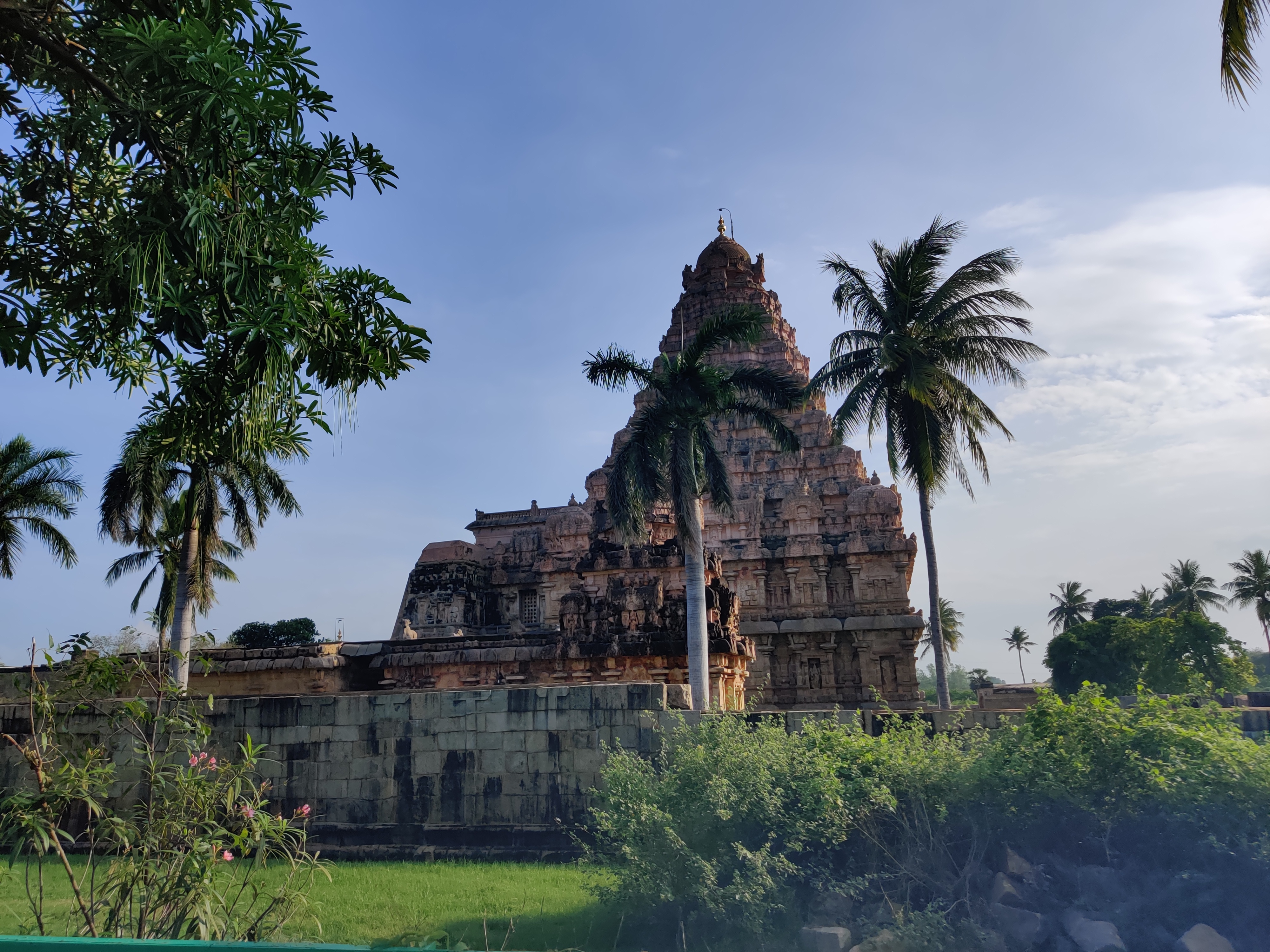
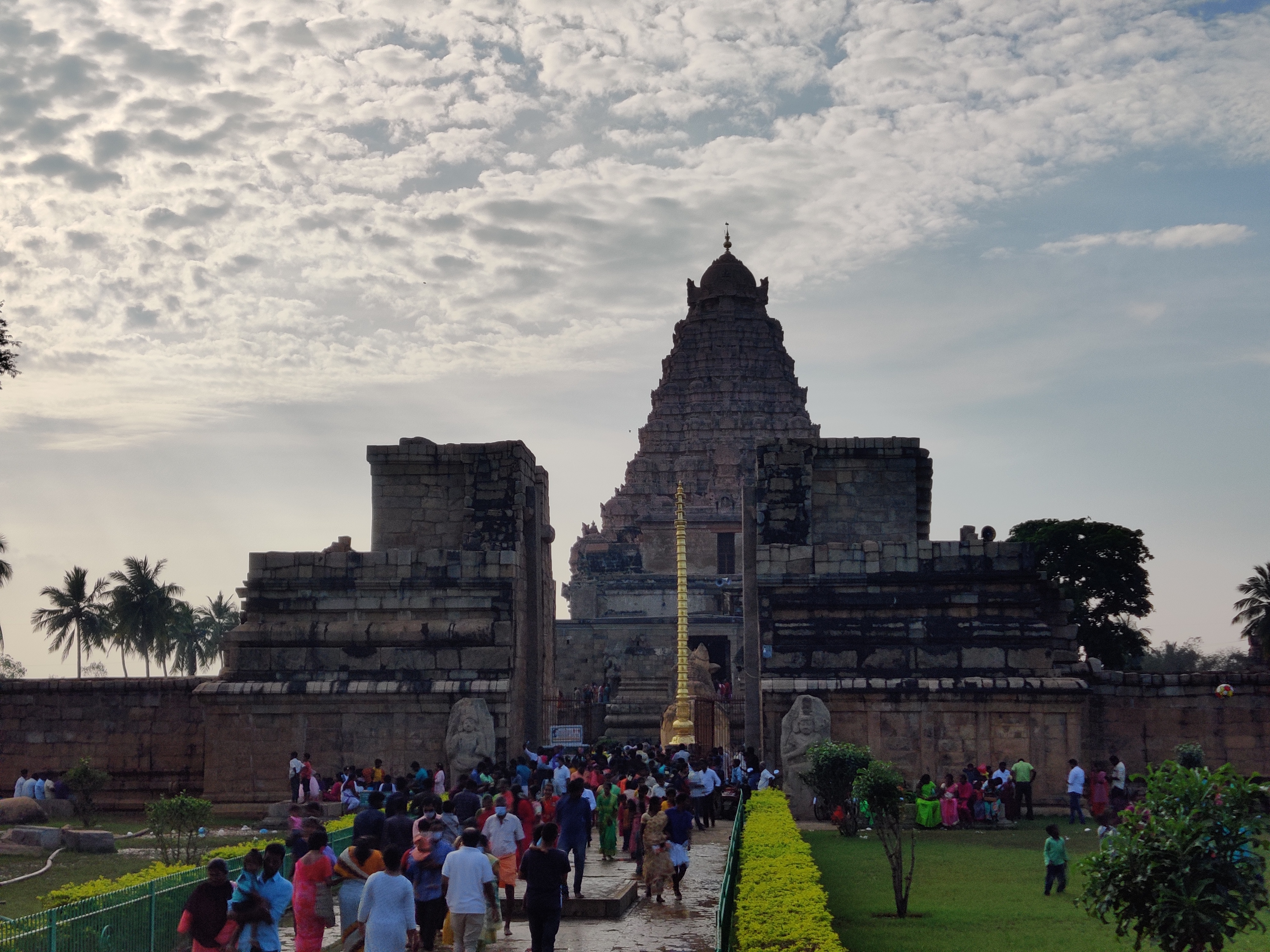
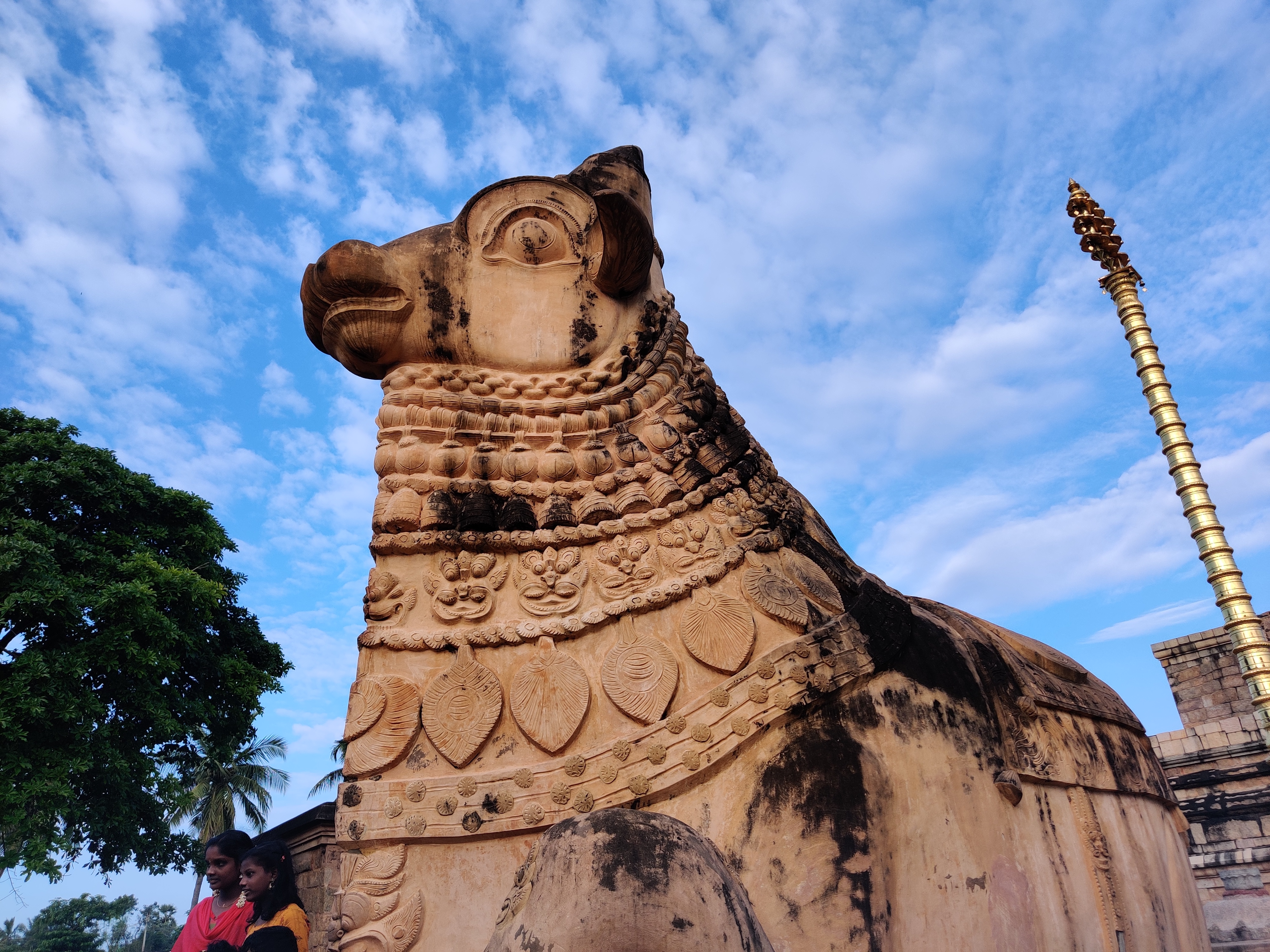
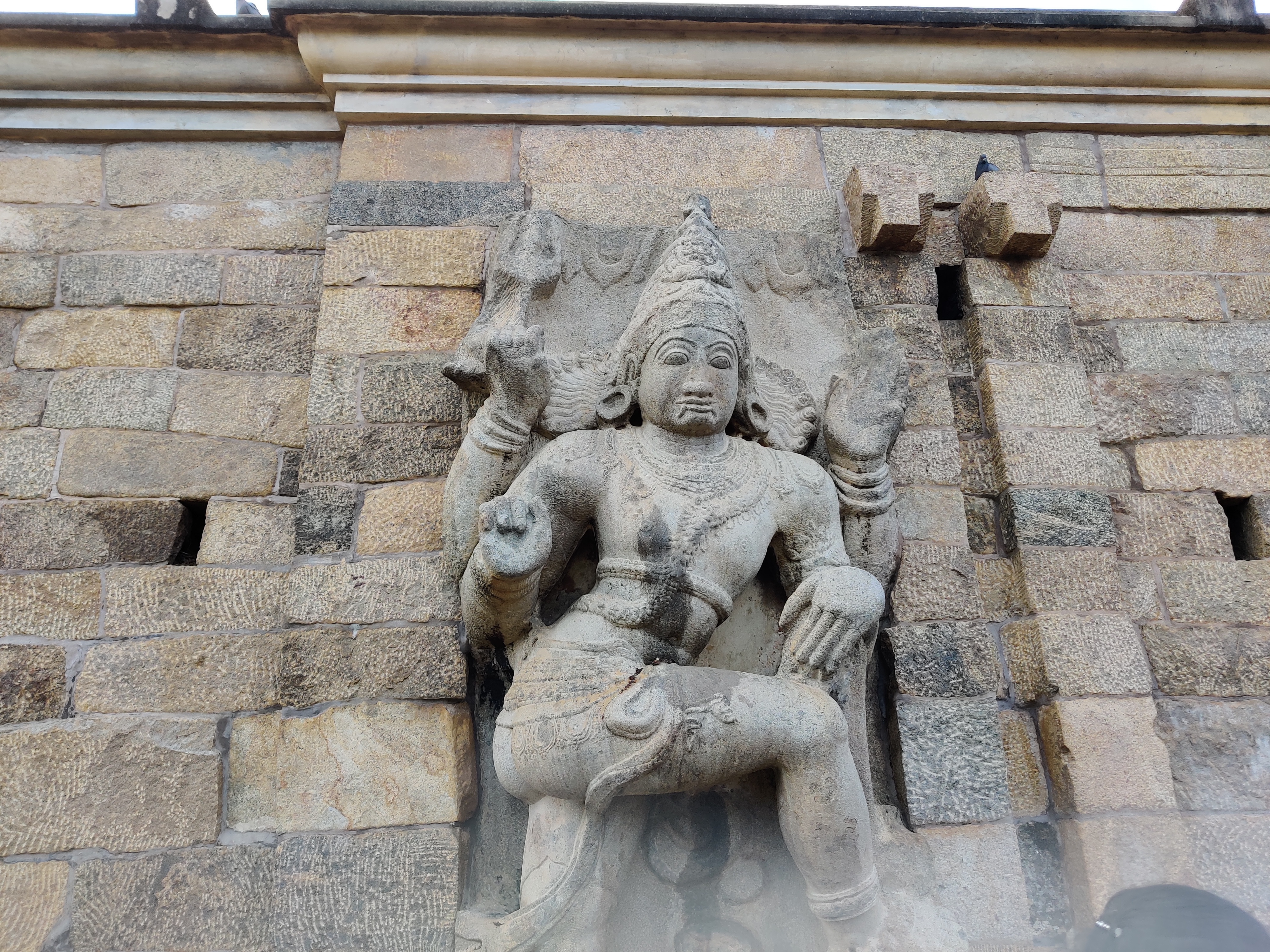
Lunch done, we started our 1 hour drive towards the town of Gangaikonda Cholapuram, located around 43 kms away. The name of the town bears historical significance to the fact that King Rajendra Chola I, the son of the famed King Raja Raja Chola defeated the Pala kings holding fort near the Ganges river and named the town thus. Legend has it that the Ganges water was carried in golden pots and the Cholaganga reservoir was consecrated with it. This temple took almost 9 years to build and was completed in 1035 AD. This beautiful piece of Dravidian style of architecture earned its recognition from UNESCO as a World Heritage Site and has the largest phallic form of Lord Shiva in the form of a Shiva Lingam, almost 4 metres high and touted to be the largest in South India. The tower of this temple has 9 stories and rises to a height of over 180 feet.
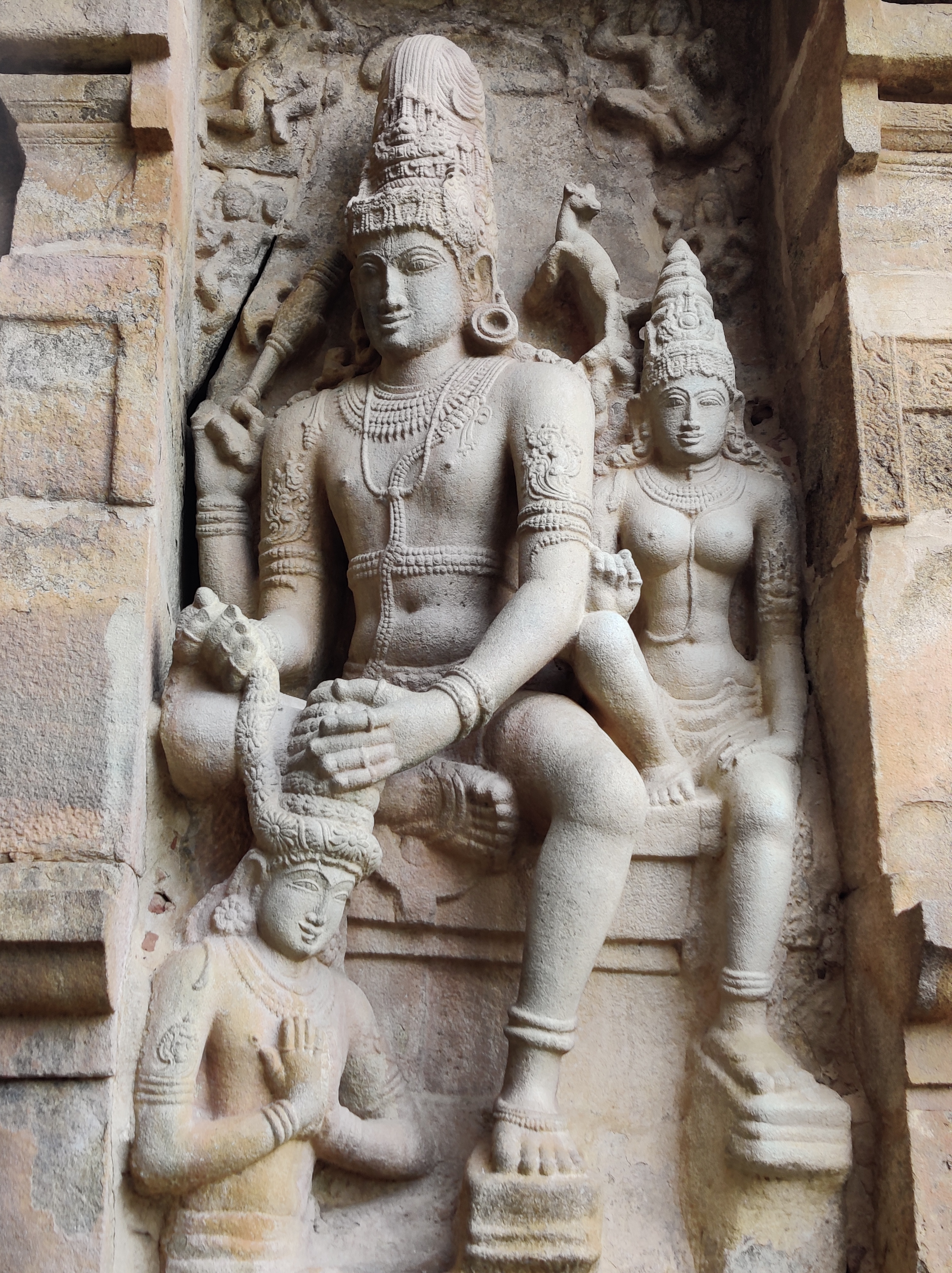
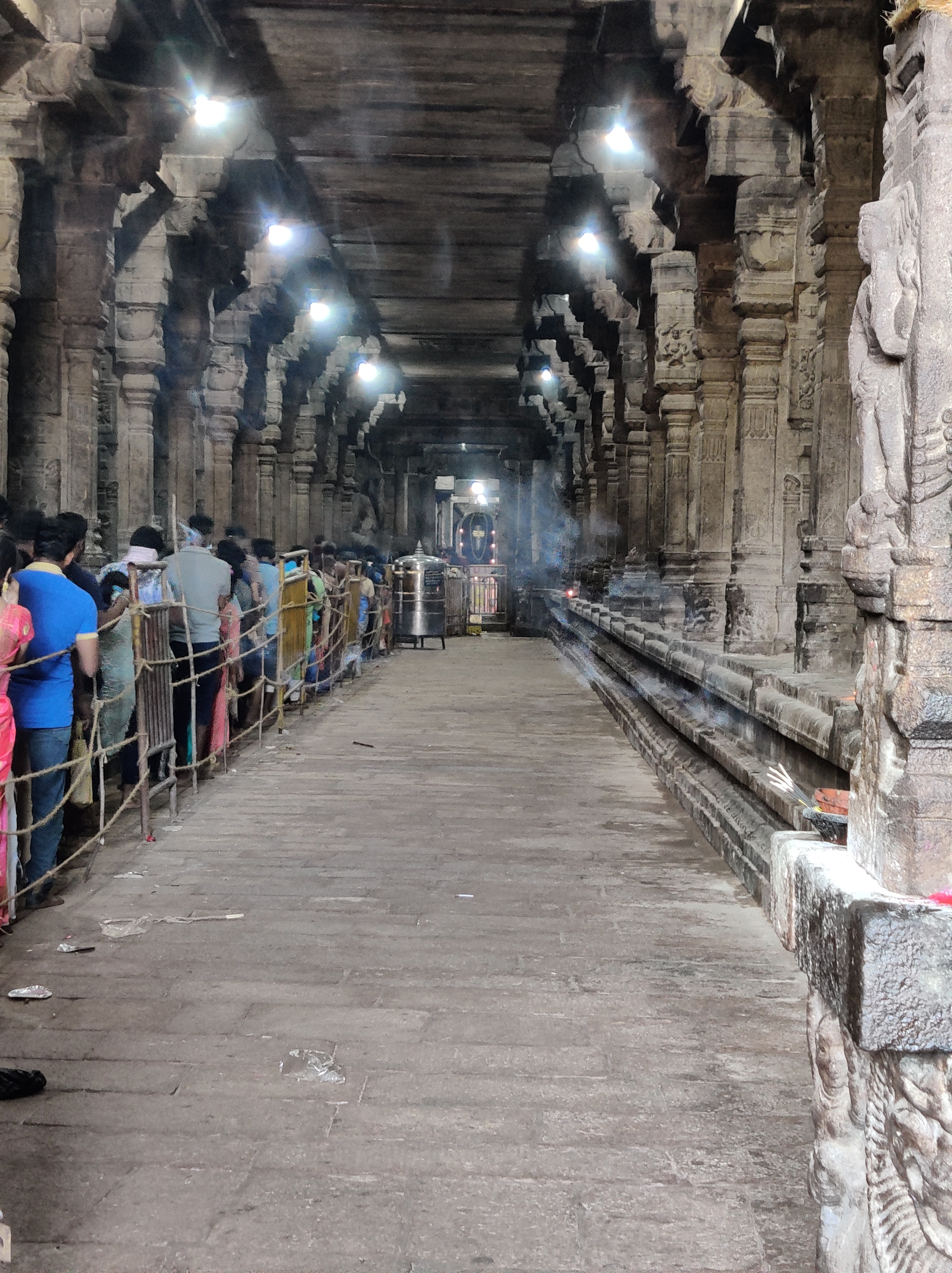
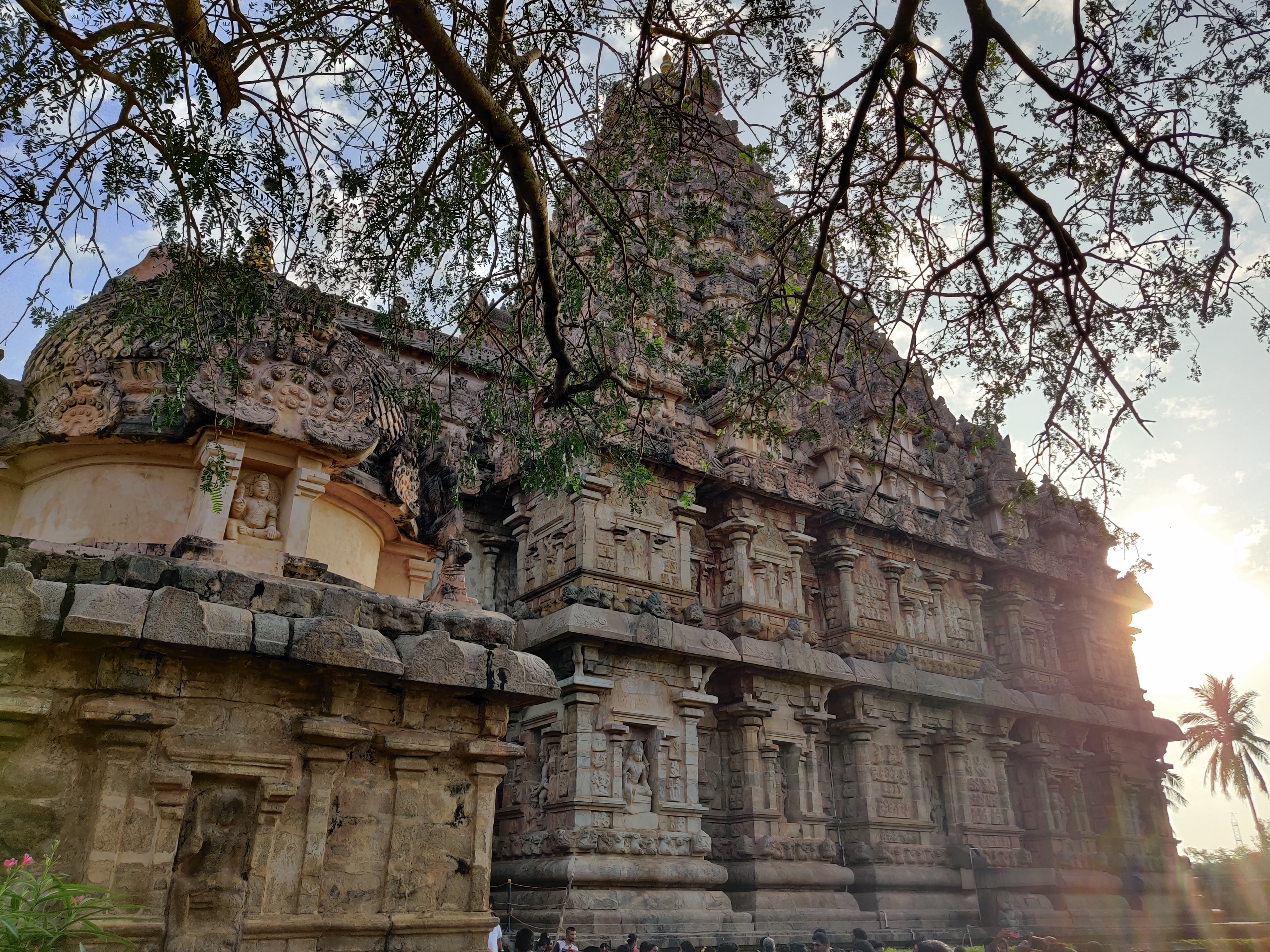
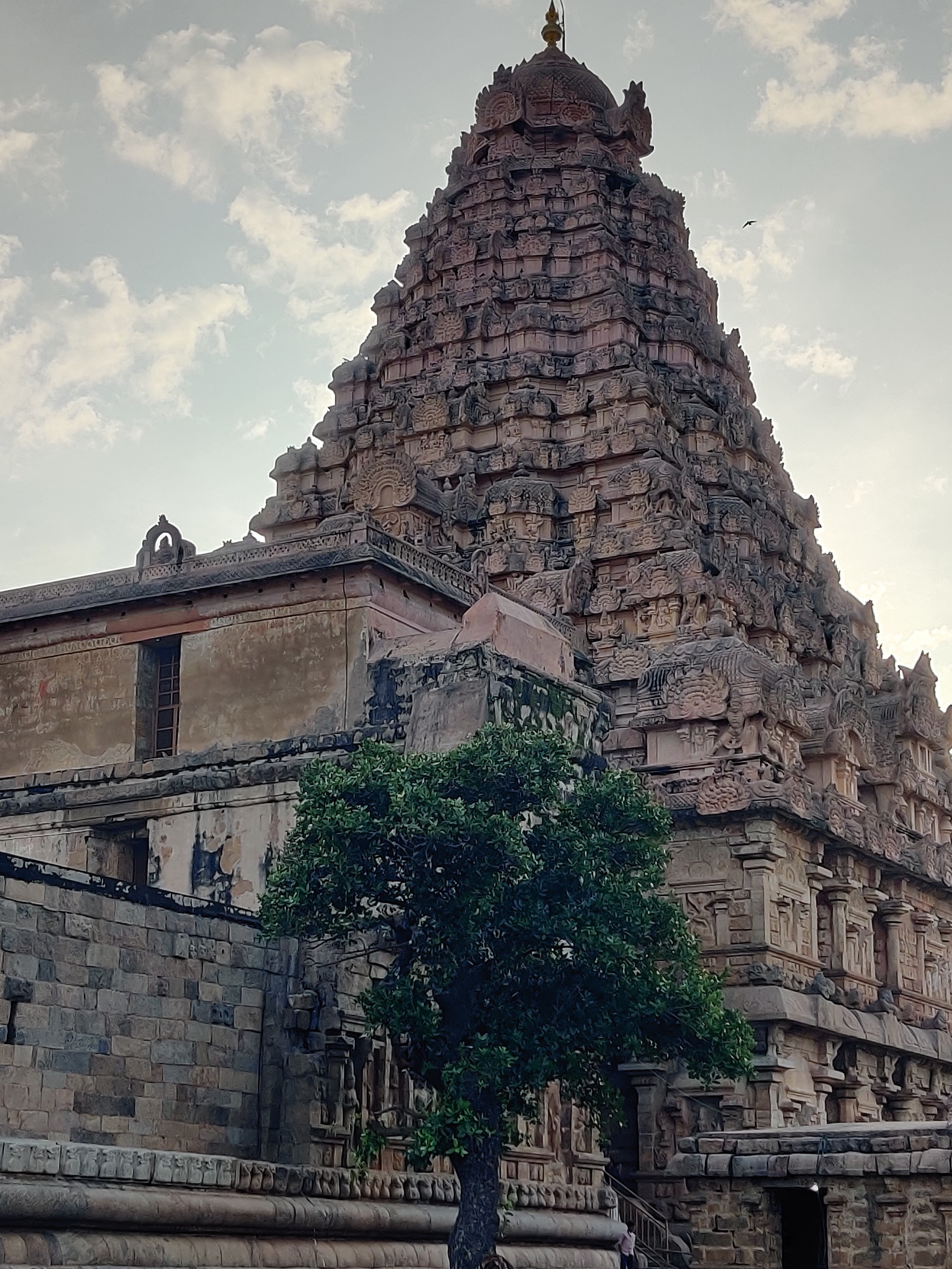
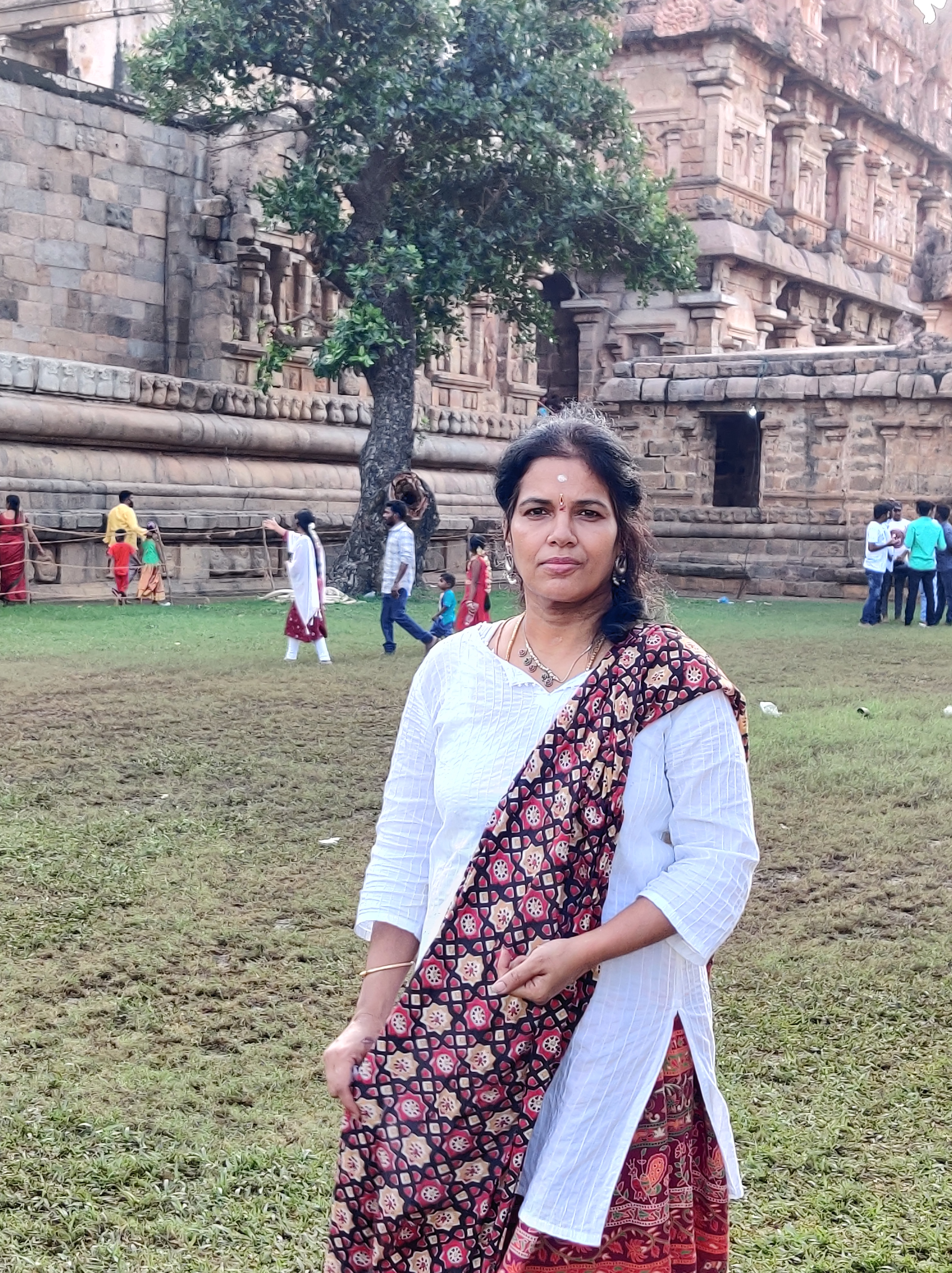
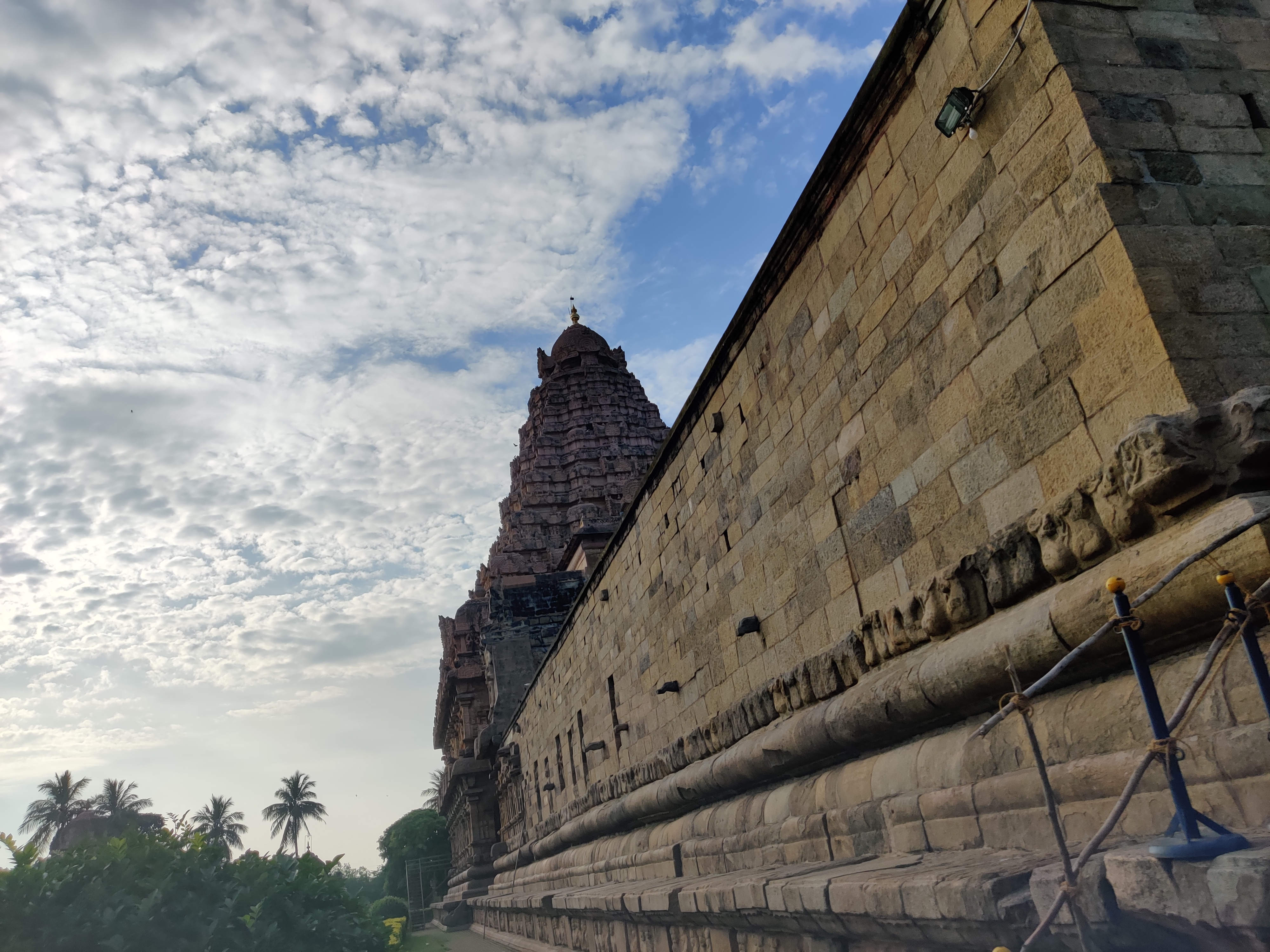
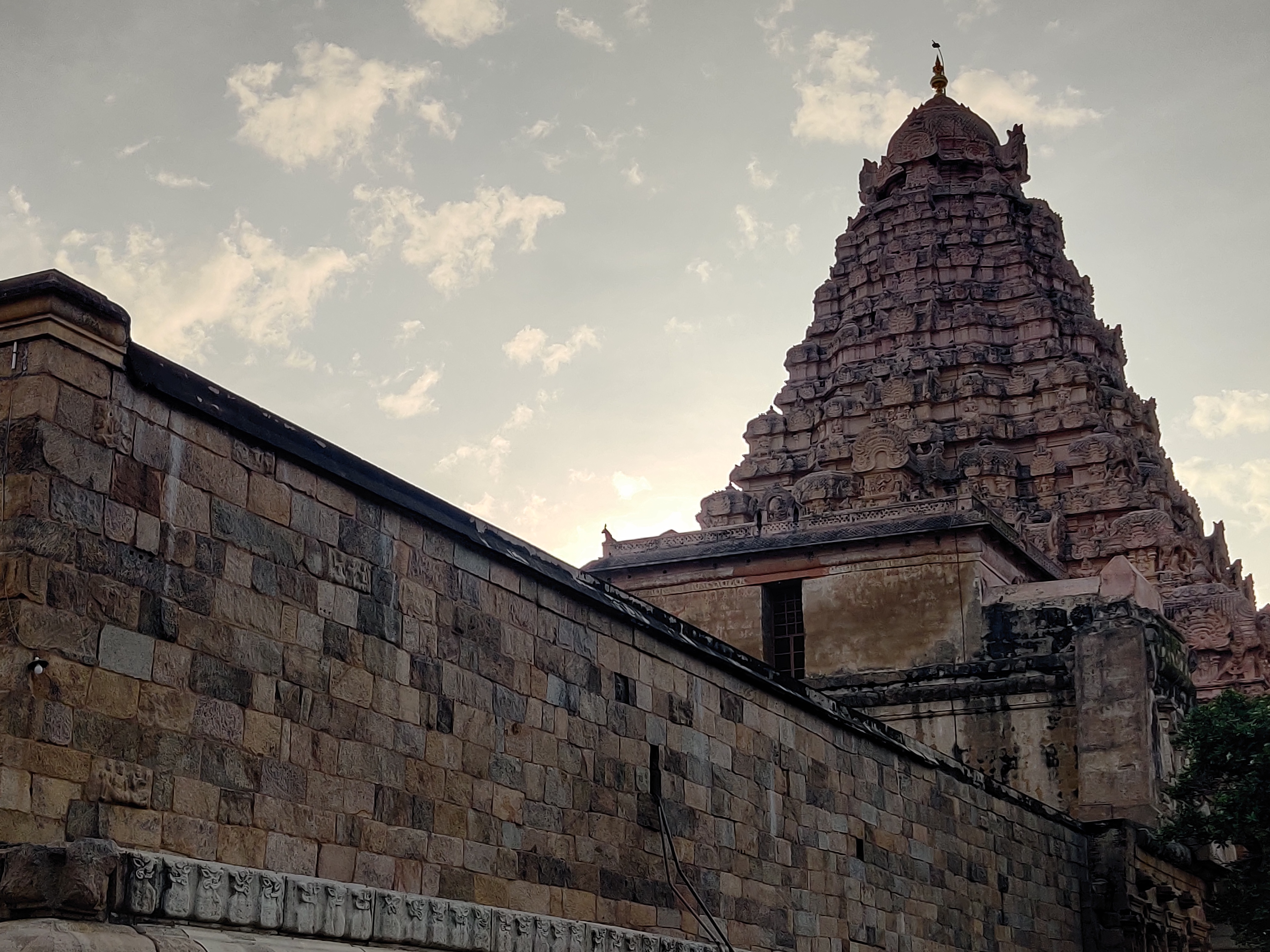
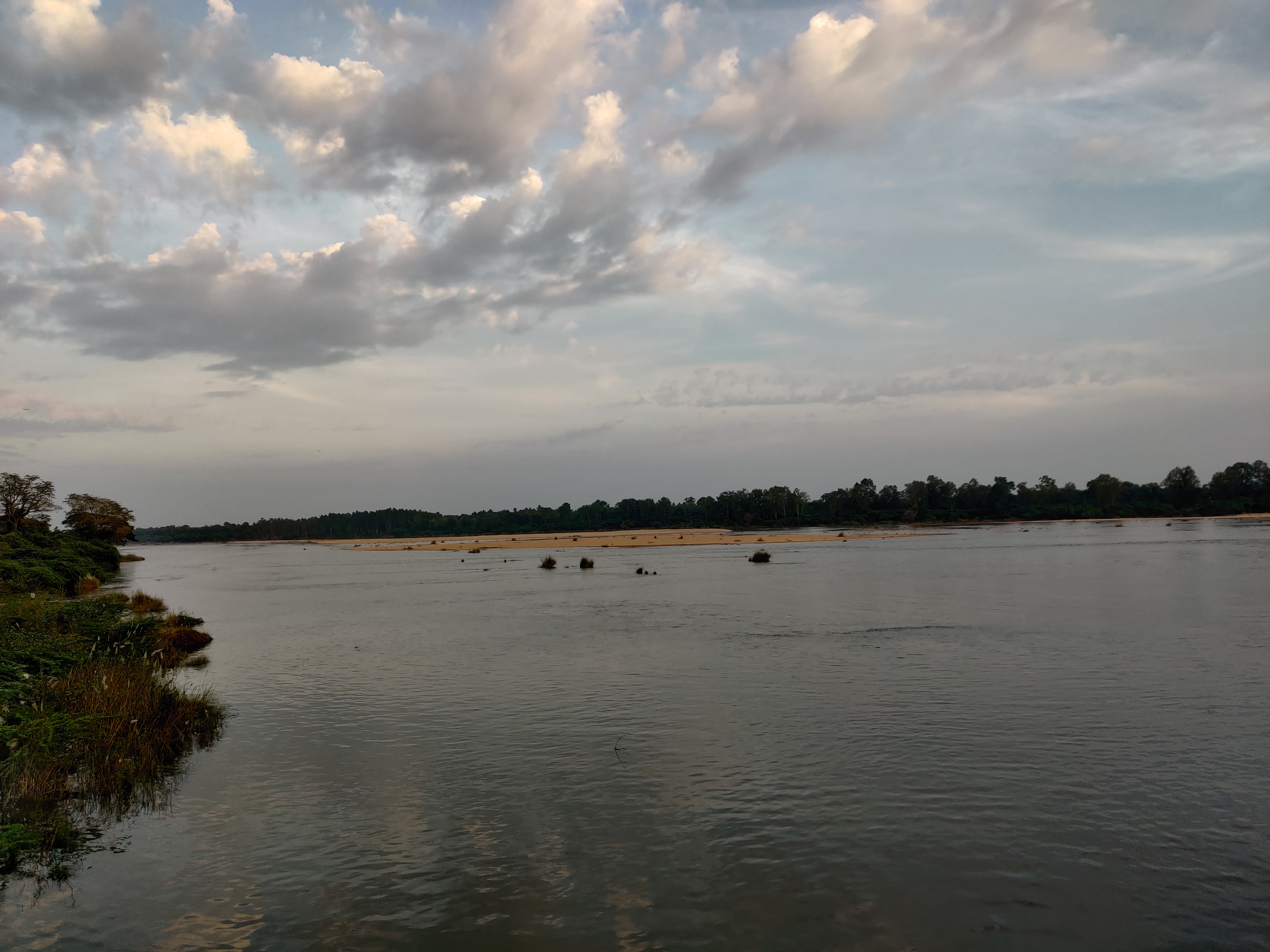
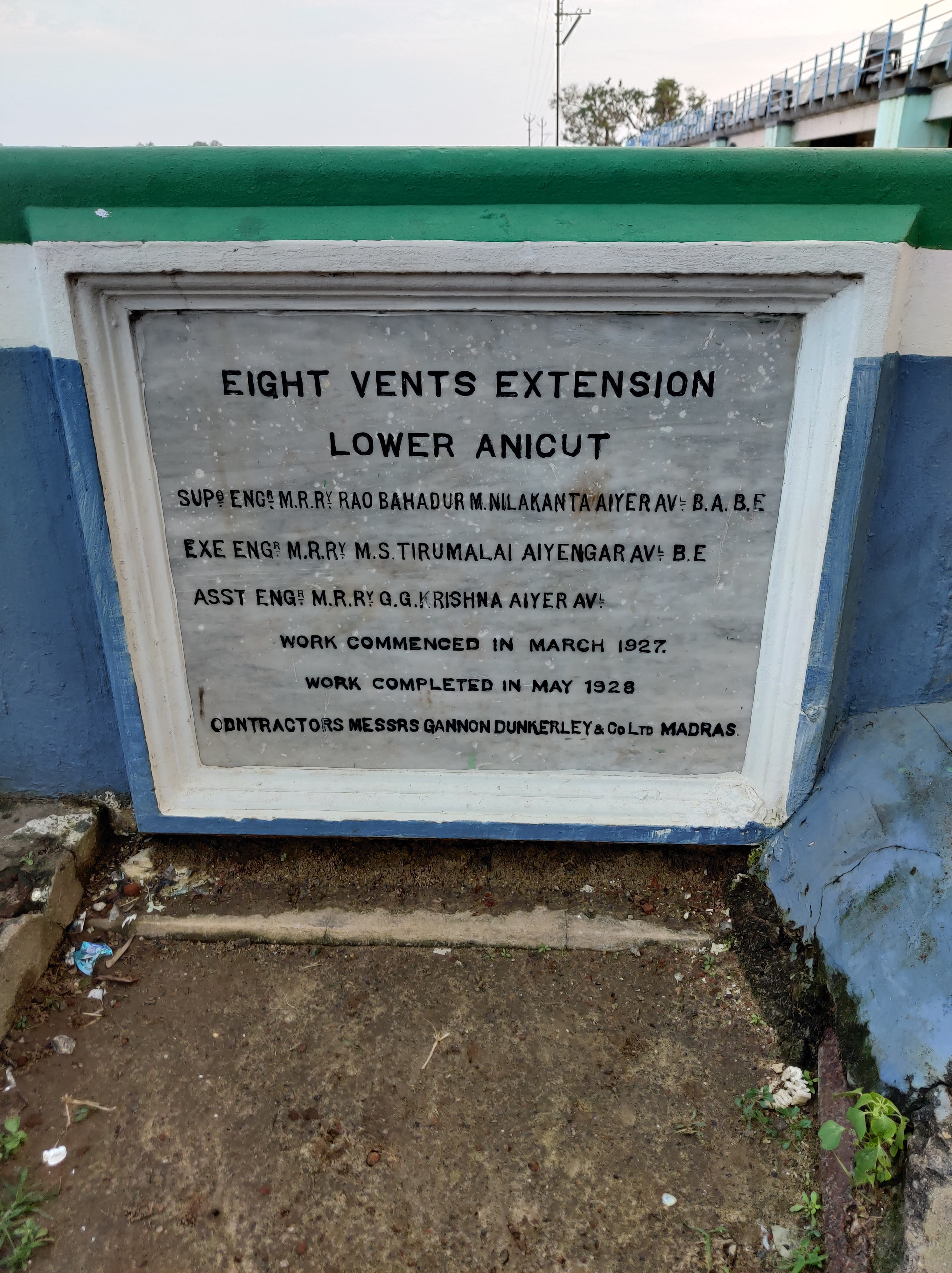
The last leg of the drive for Day 1 was towards the temple town of Kumbakonam, located around 35 Kms away. Winding our way across the Lower Anicut Dam, home to the Kolladam river, we had to cross some not so very good stretches where the roads were getting broadened and we finally reached our hotel by around 7.30 PM after driving for around an hour. Not wanting to miss out on the famed restaurants and messes around the town, got some food delivered thru Zomato from Shri Mangalambika Vilas Coffee Hotel, a 115 year old hotel located inside the precincts of a temple complex. Simple and yet tasty delectable fare.
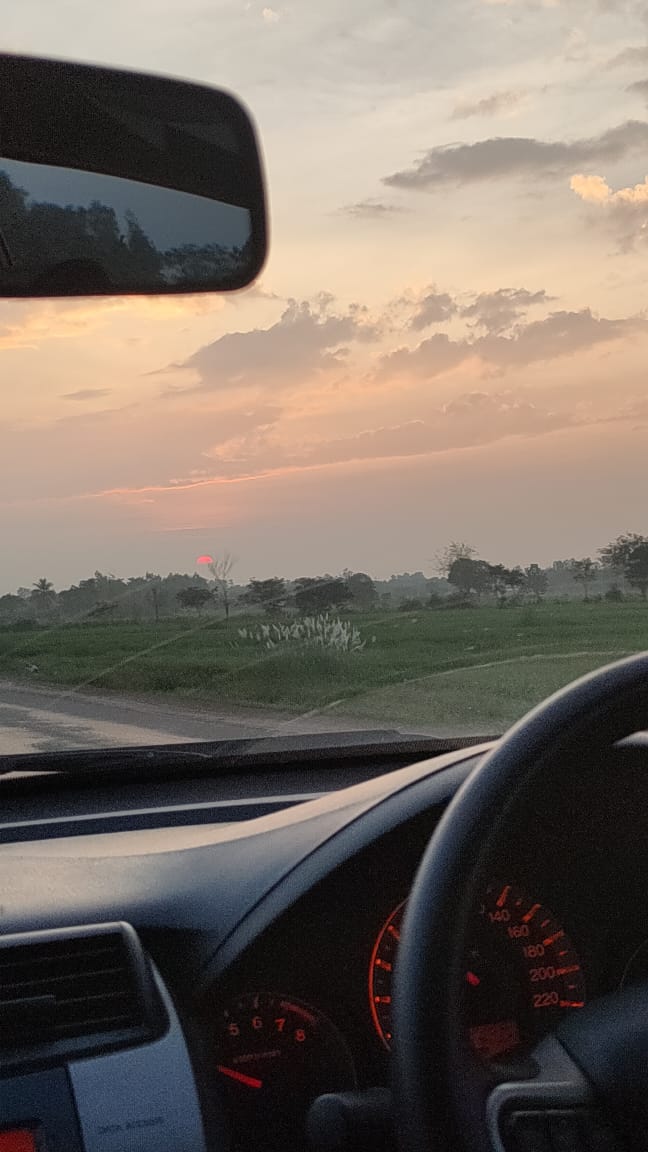
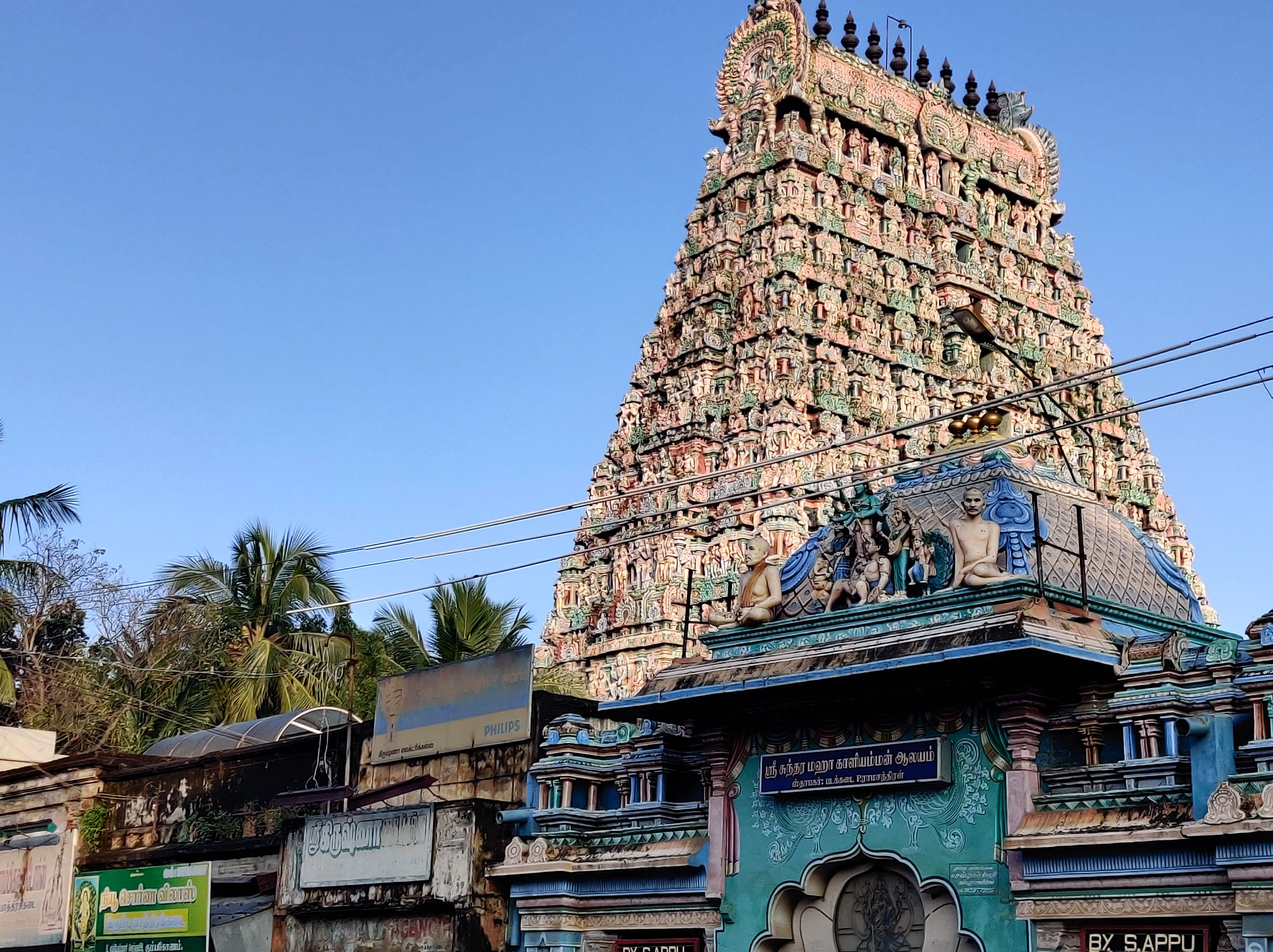
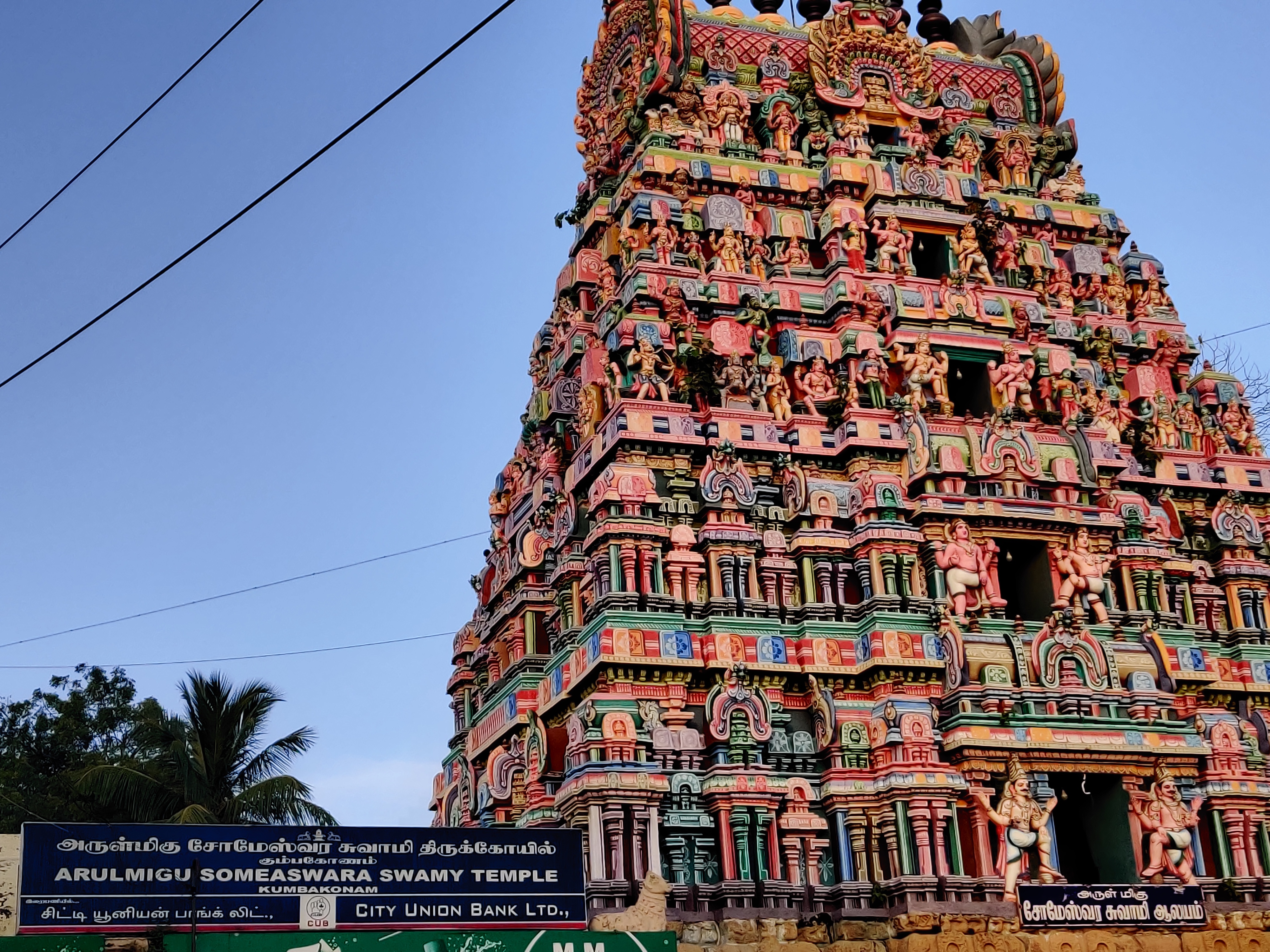
DAY 2 : In search of the elusive filter coffee, set my sights on Mangalambika yet again and started the day a little early with a 5 Km run through the busy throughfares of the town. Got to photograph some of the temples enroute like the Sarangapani Temple and the Kumbeswarar Temple before heading back to the hotel.
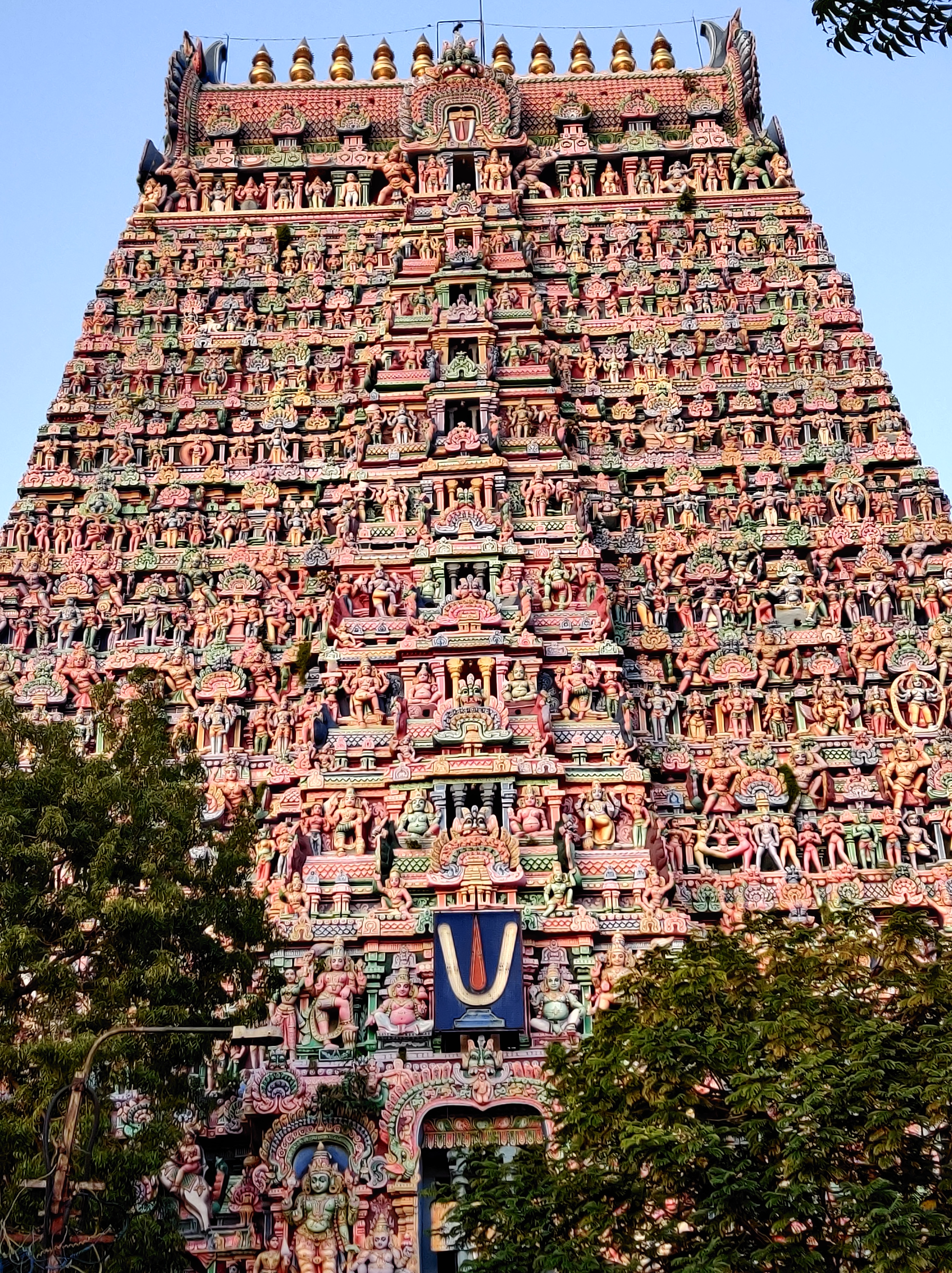
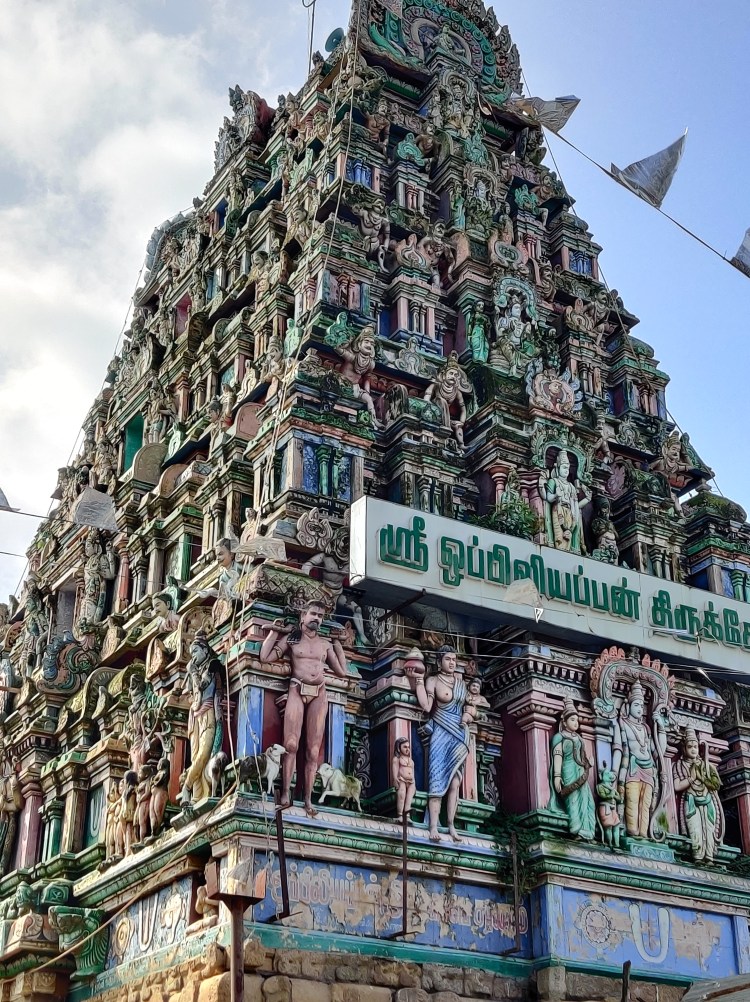
By 9 A.M we finished our check out formalities and headed for Sri Gowrikrishna restaurant for breakfast. A decent outlet for some good traditional South Indian fare. Next on the cards was a 7-8 kms drive towards the outskirts of the city to a place called Thirunageswaram (where Lord Shiva was believed to have been worshipped by many serpents) and home to the famed Oppilliappan Temple and the Rahu Ketu temple located close to each other.
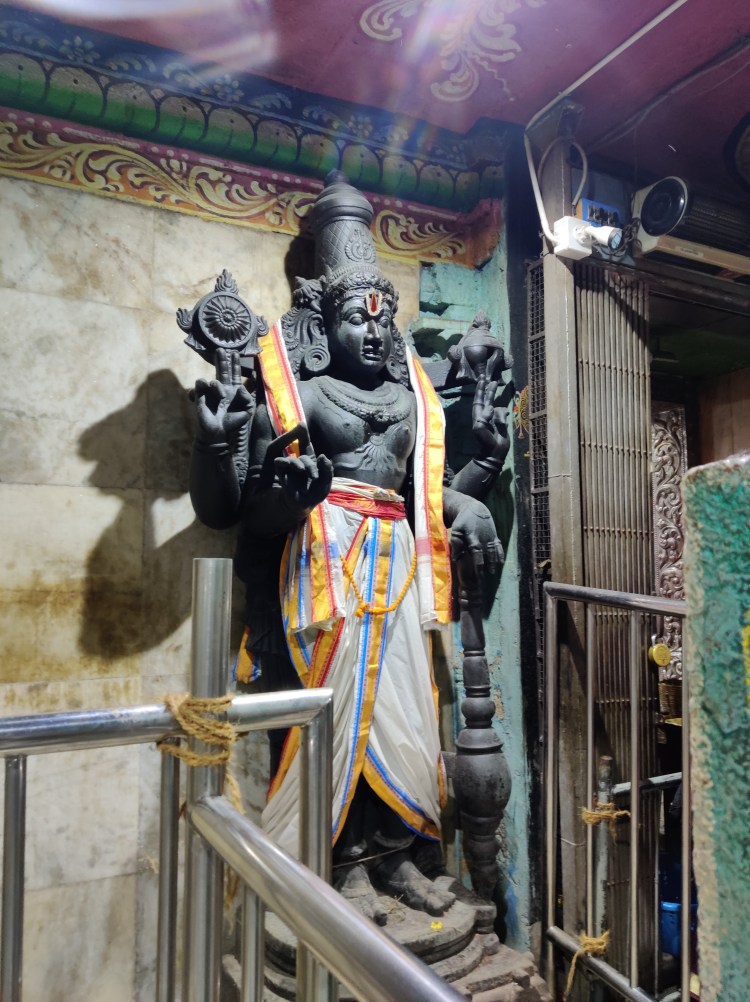
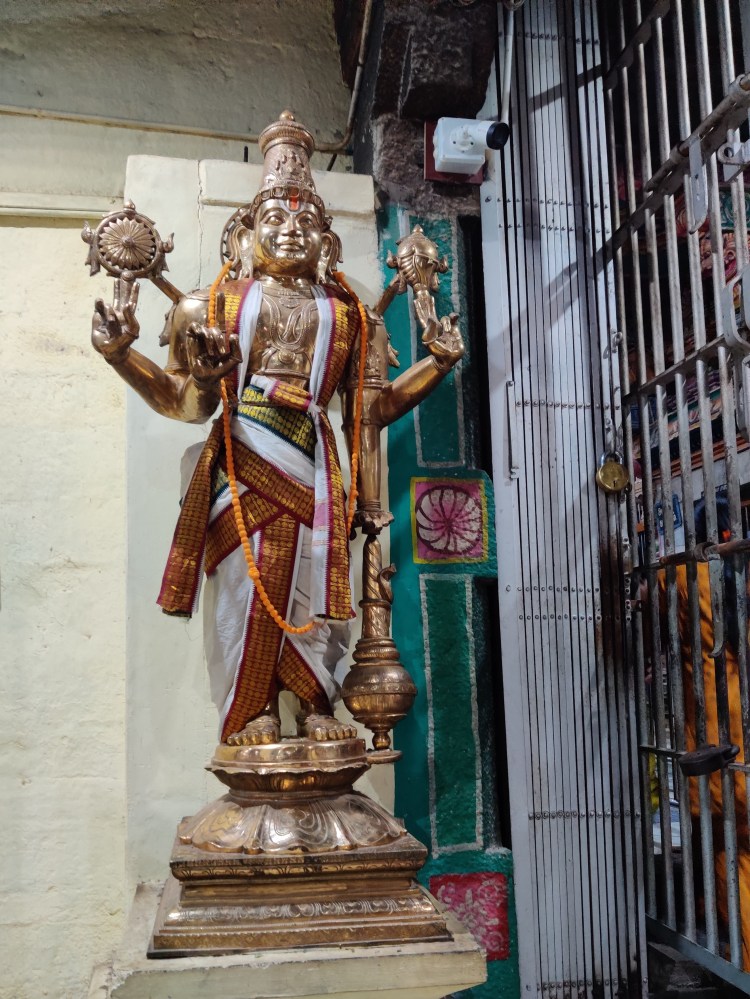
Believed to have been constructed by the medieval Chola dynasty in the 8th century AD with some bit of work done later by the Thanjavur Nayaks, this ancient temple dedicated to Lord Vishnu has an interesting legend to how its name got derived based on mythology. The narrative around the idol is that the Lord Oppilliappan came disguised as an old man and requested a sage Markandeya for his daughter Bhoomidevi’s hand. Though the Lord was informed that the girl was too young to cook food and did not even know how to use salt in cooking, he refused to leave the place without marrying her and also agreed to accept whatever food was made sans salt and served.
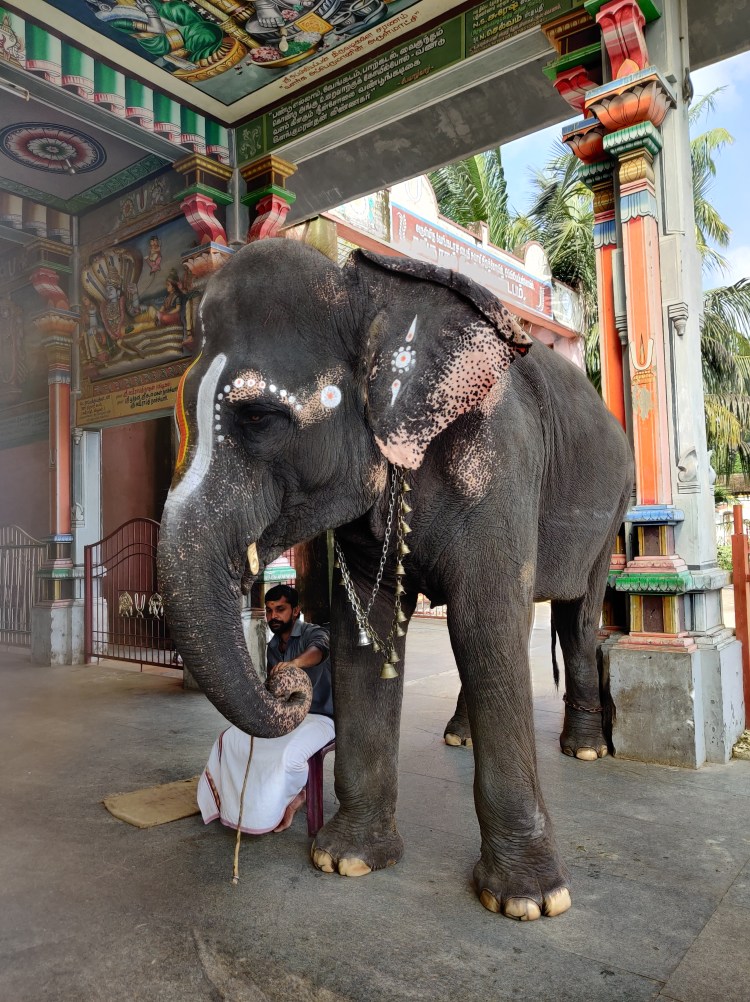
The Lord thus got his name Uppiliappan (Uppu meaning salt in Tamil) and the uniqueness of this temple is that salt is not added in the prasadam prepared here. It is also understood that the Lord never leaves the temple without his consort in tow. He is believed to be the elder brother of Lord Venkateswara of Tirupati and in case one is not able to visit Tirupati for whatever reason, they can fulfil their vows by visiting this temple. One also gets an opportunity to be blessed by the temple elephant by giving it some token money and fruits.
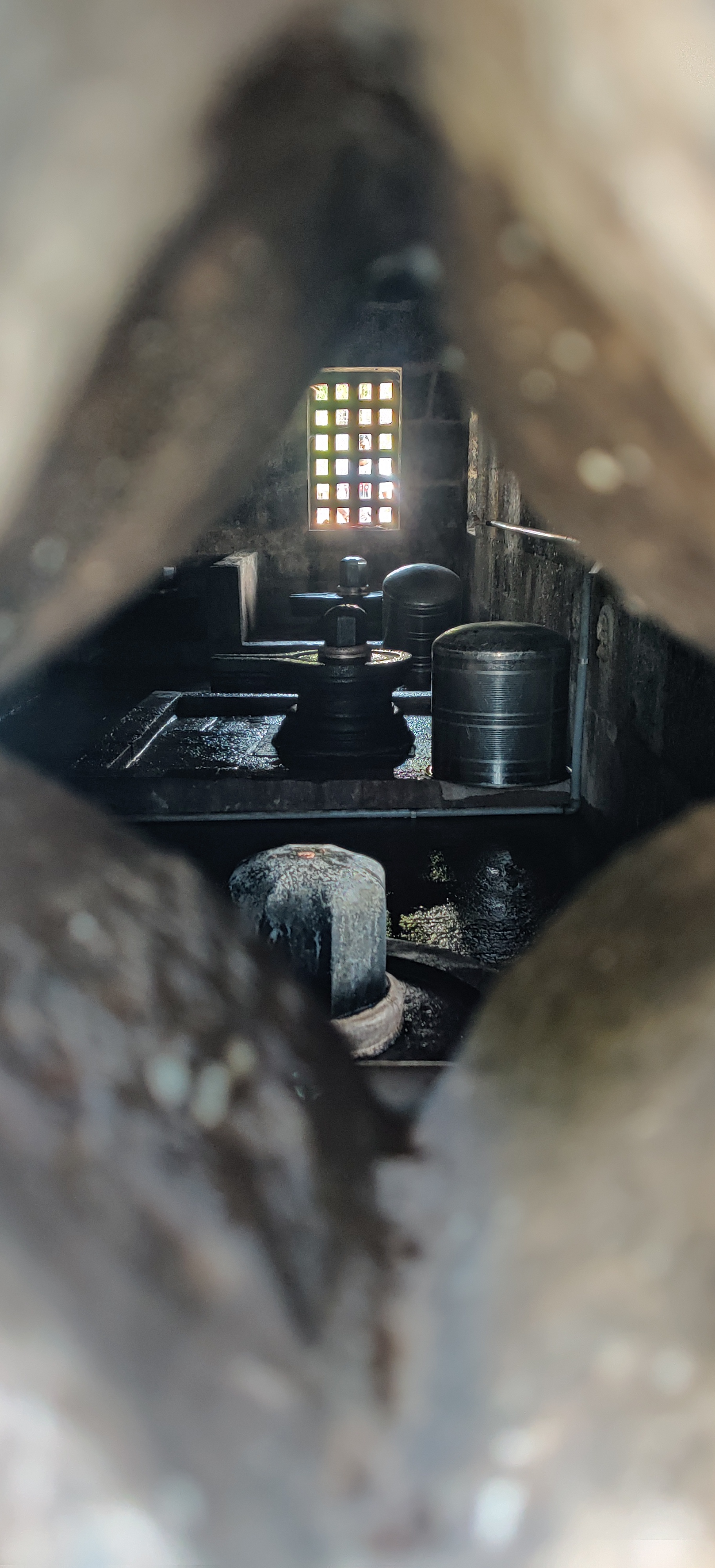
We then headed to the shrine associated with the 9 planet elements, the Rahu Ketu temple. Built in the 10th century AD, this temple is another lovely piece of Chola architecture built by King Aditya Chola I. Lord Shiva is worshipped here as Naganathar and is represented by the Lingam. It is understood that Rahu was believed to have worshipped Lord Shiva to get relieved of a curse. This is probably one among the few temples where Rahu is depicted with a human face while in most temples, he is seen with a serpent face.
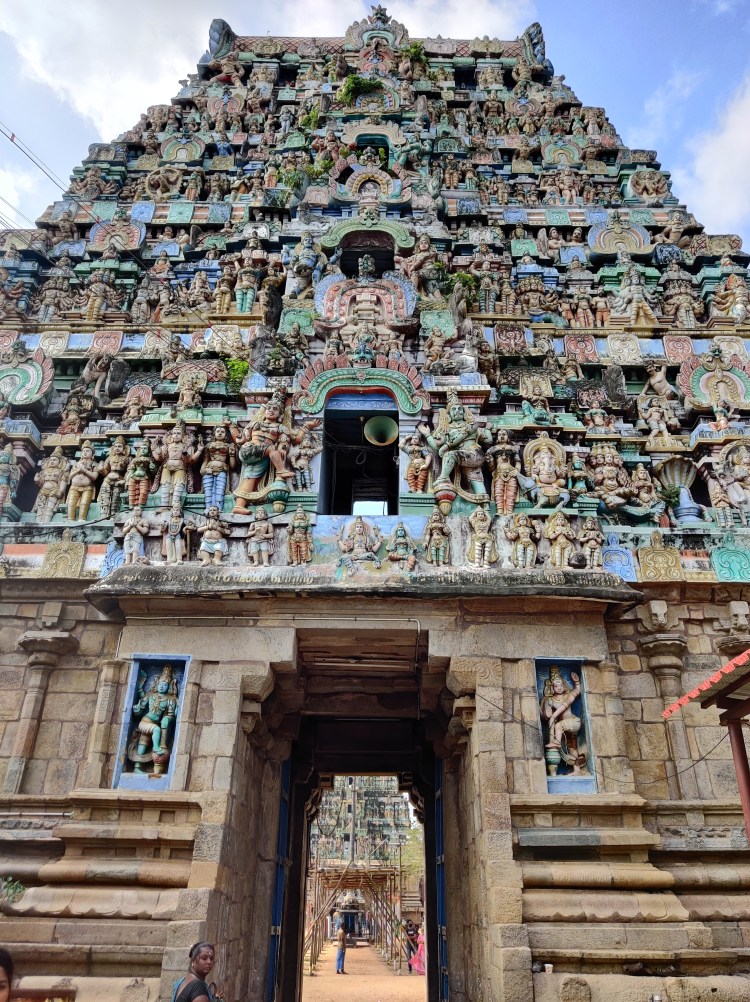
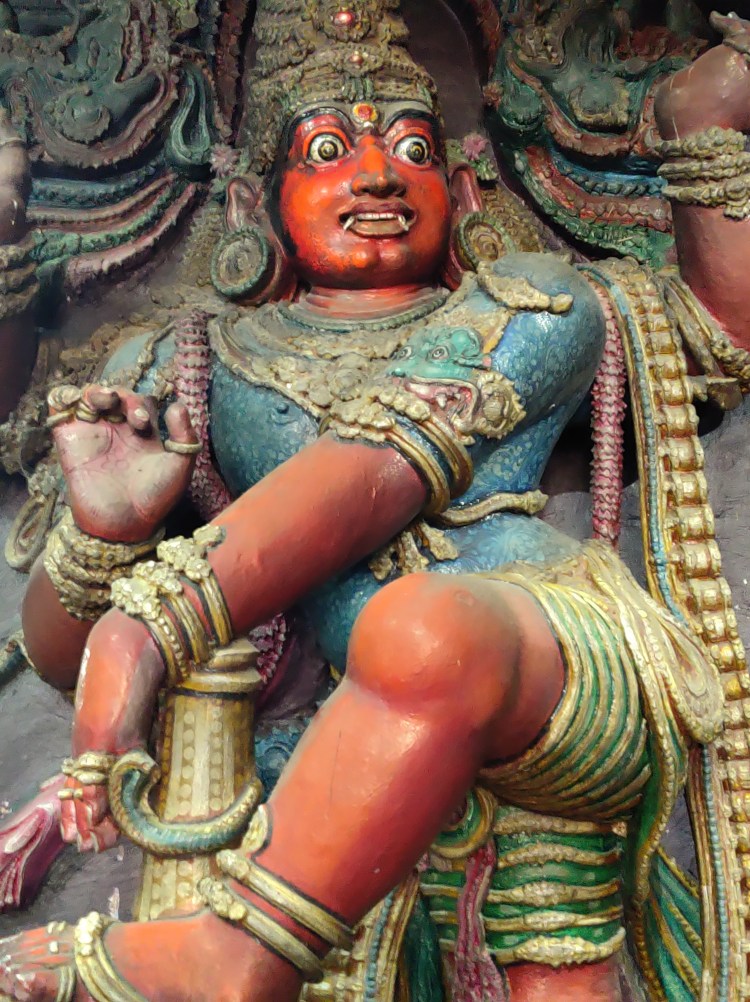
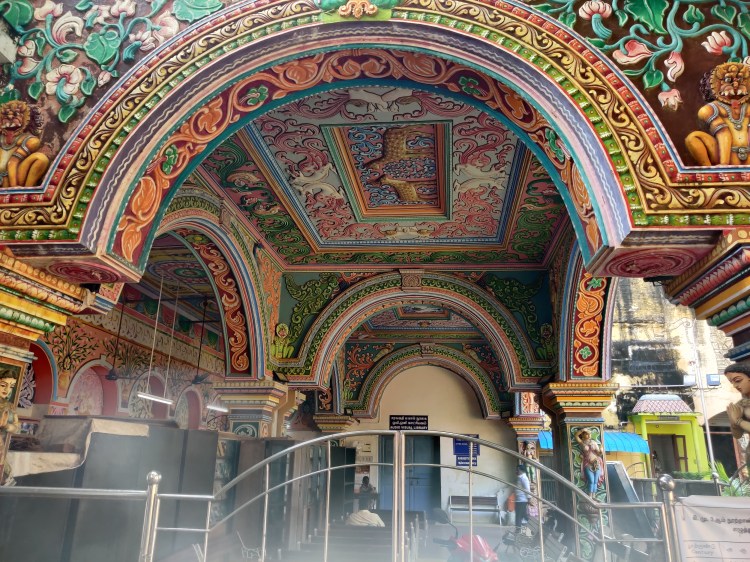
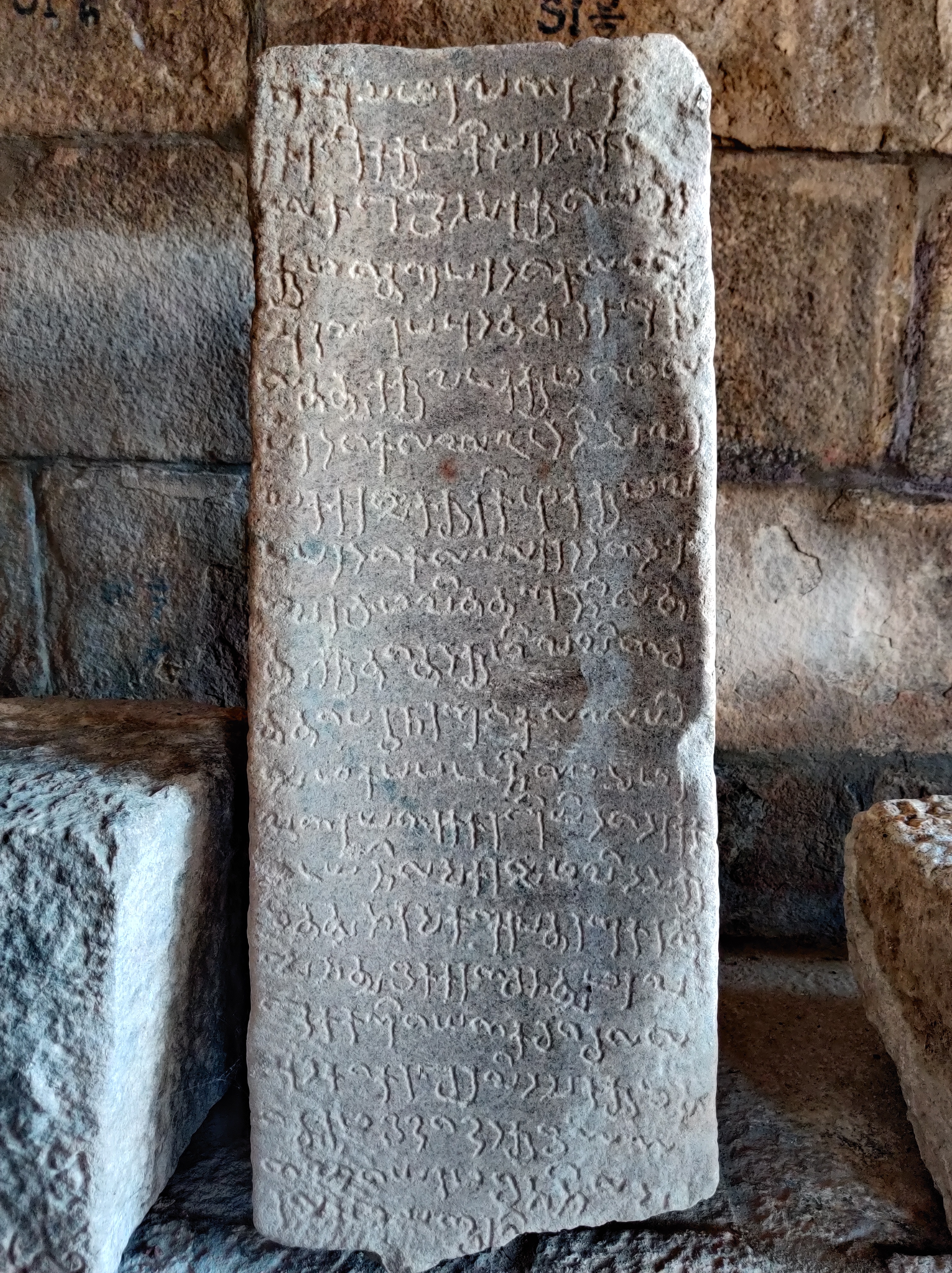
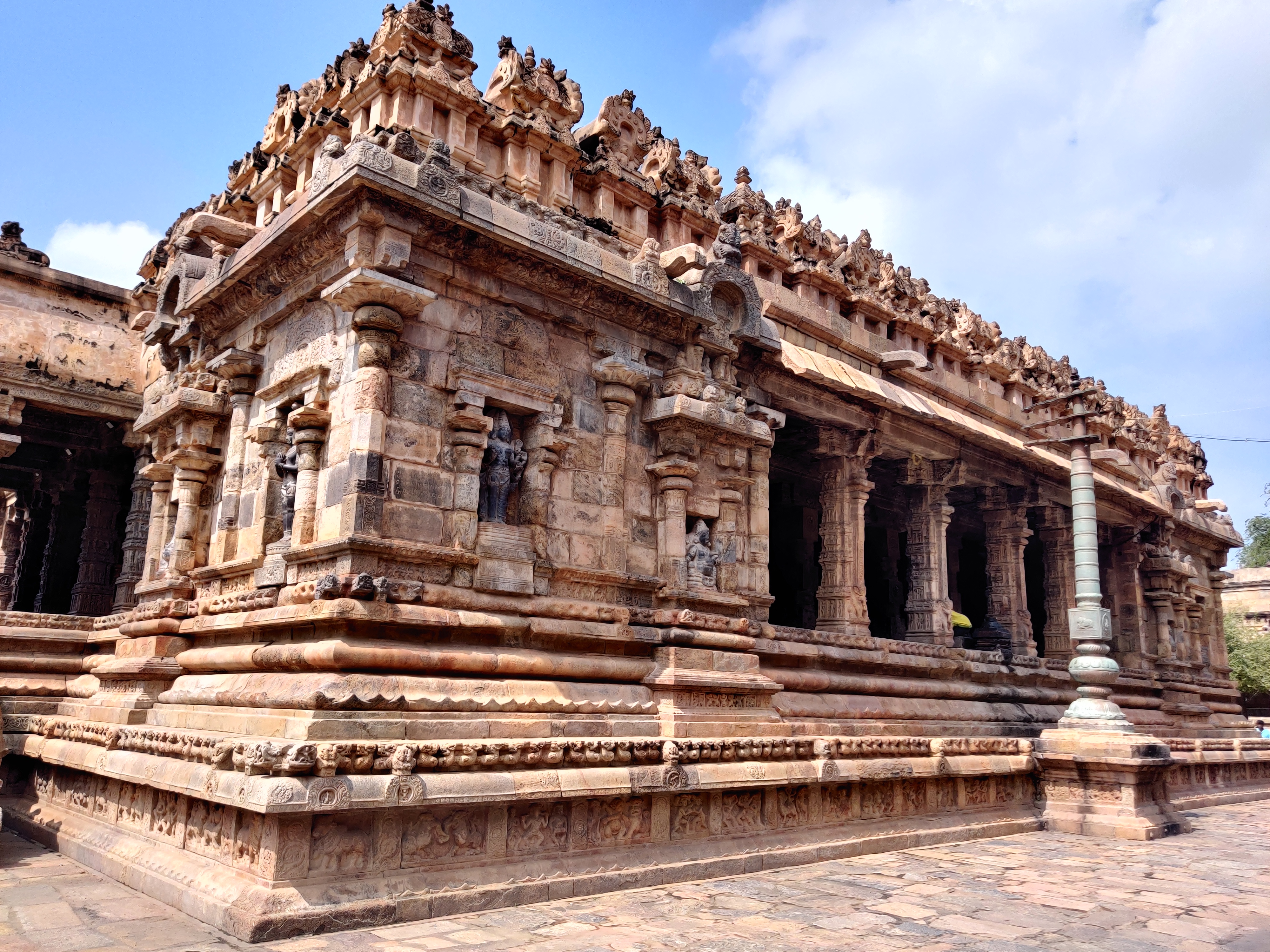
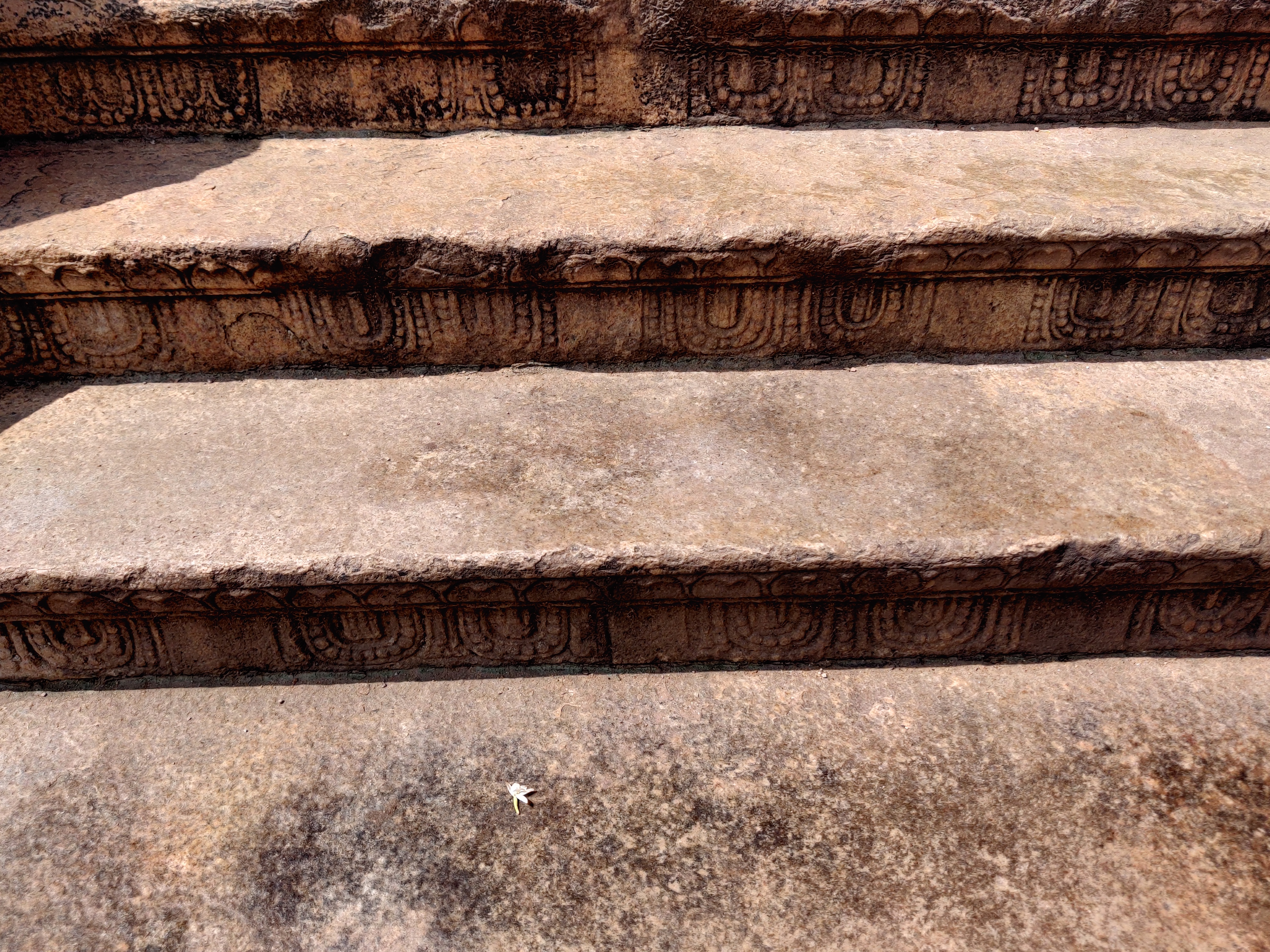
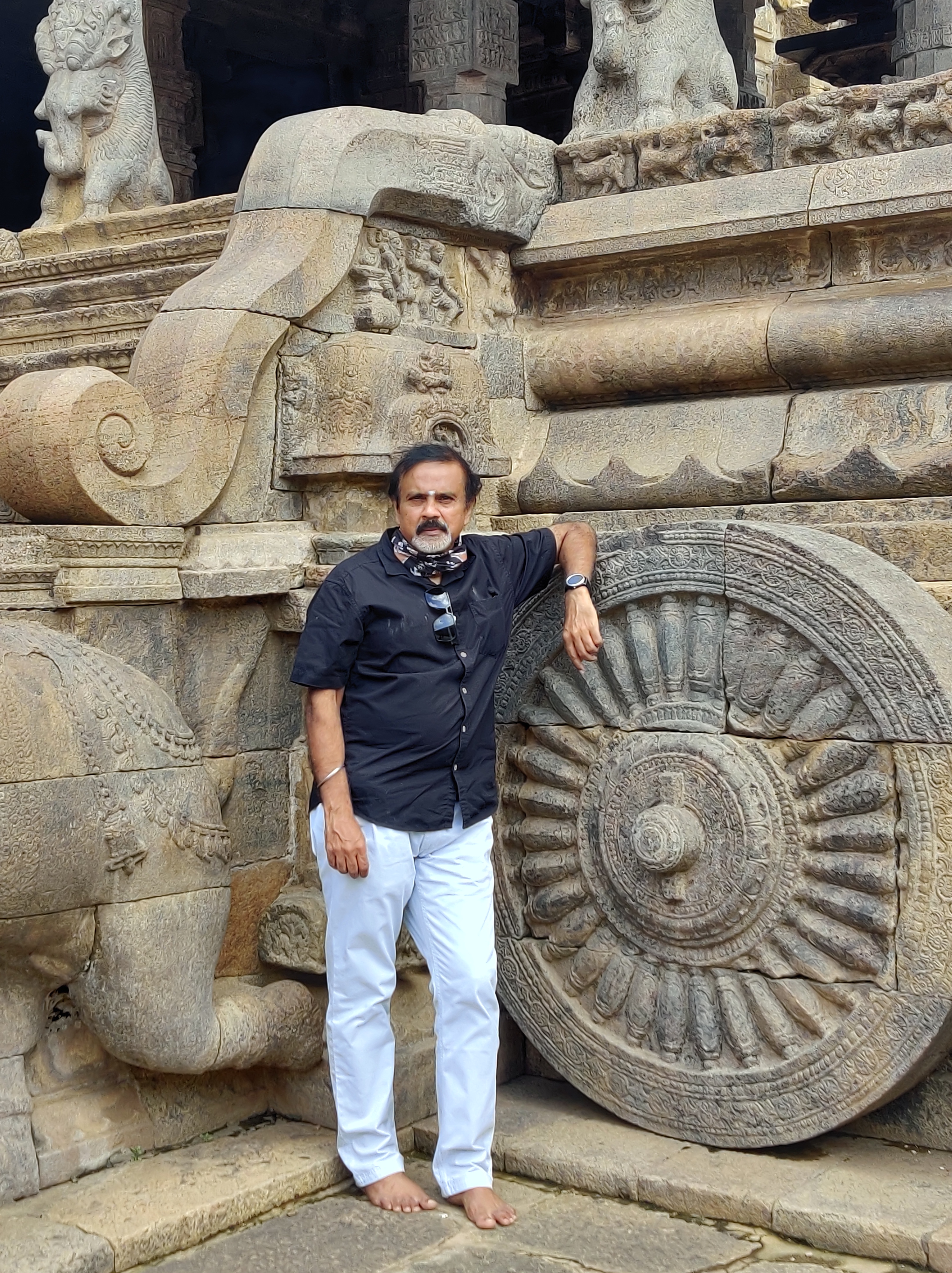
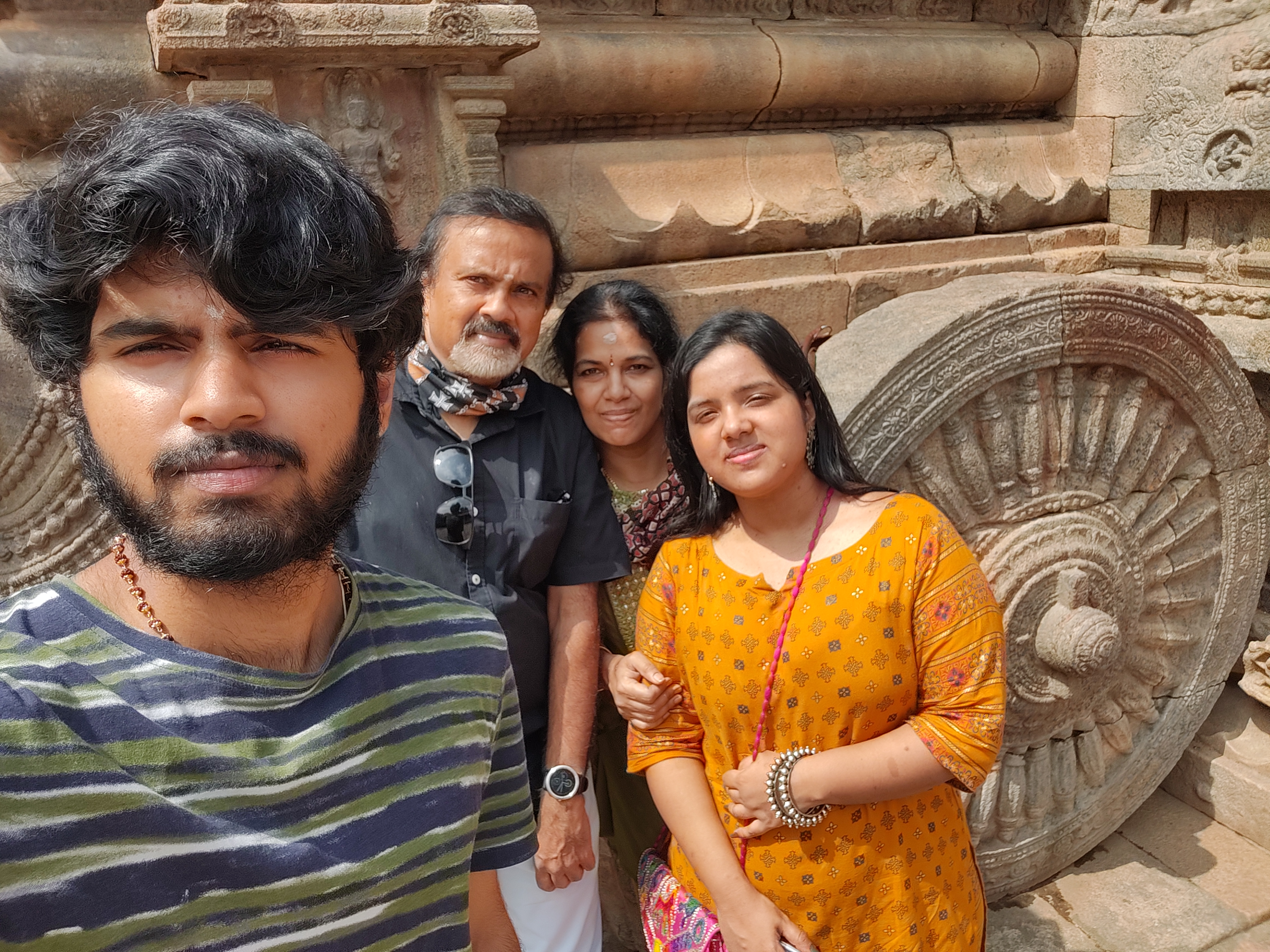
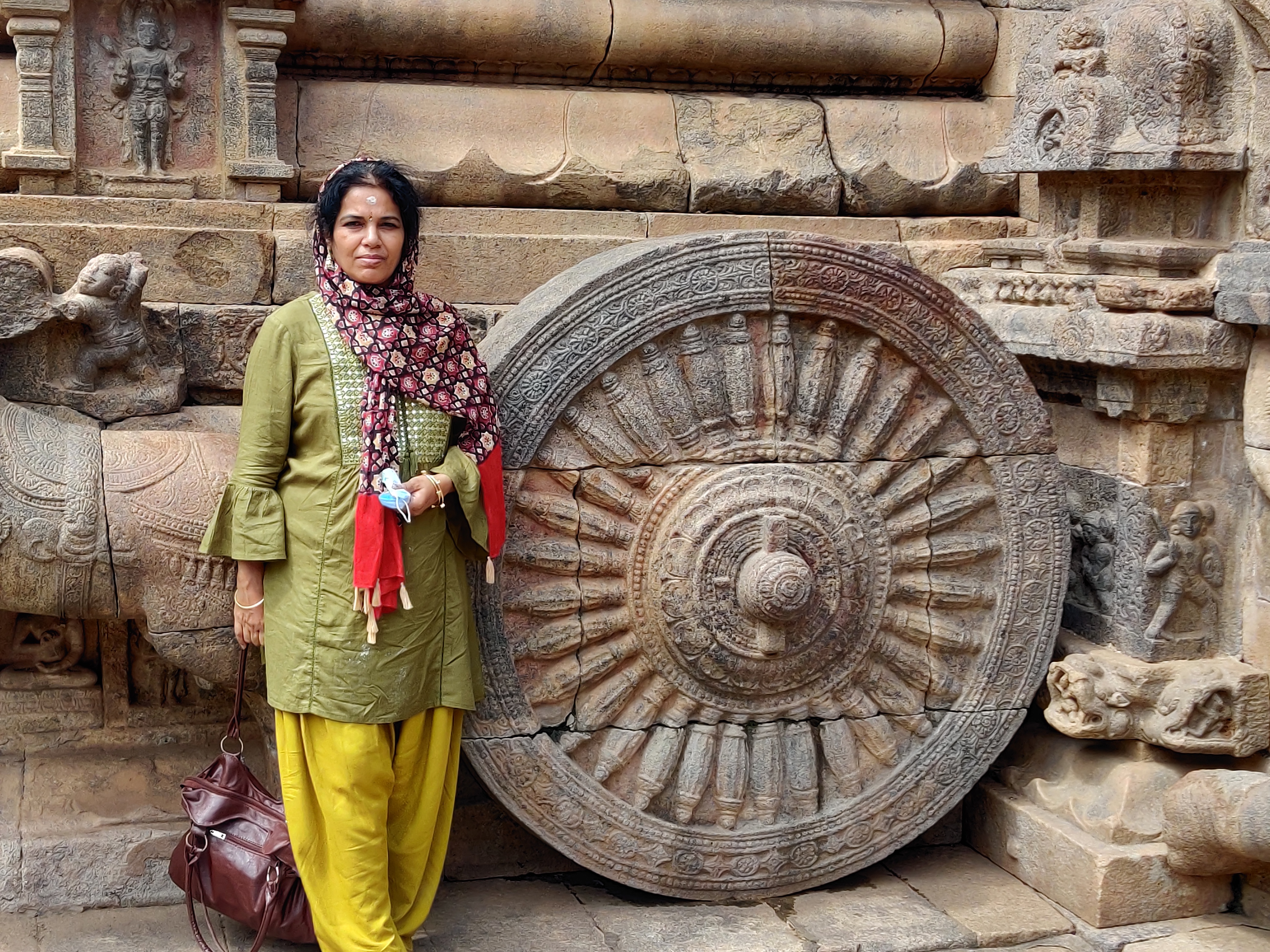
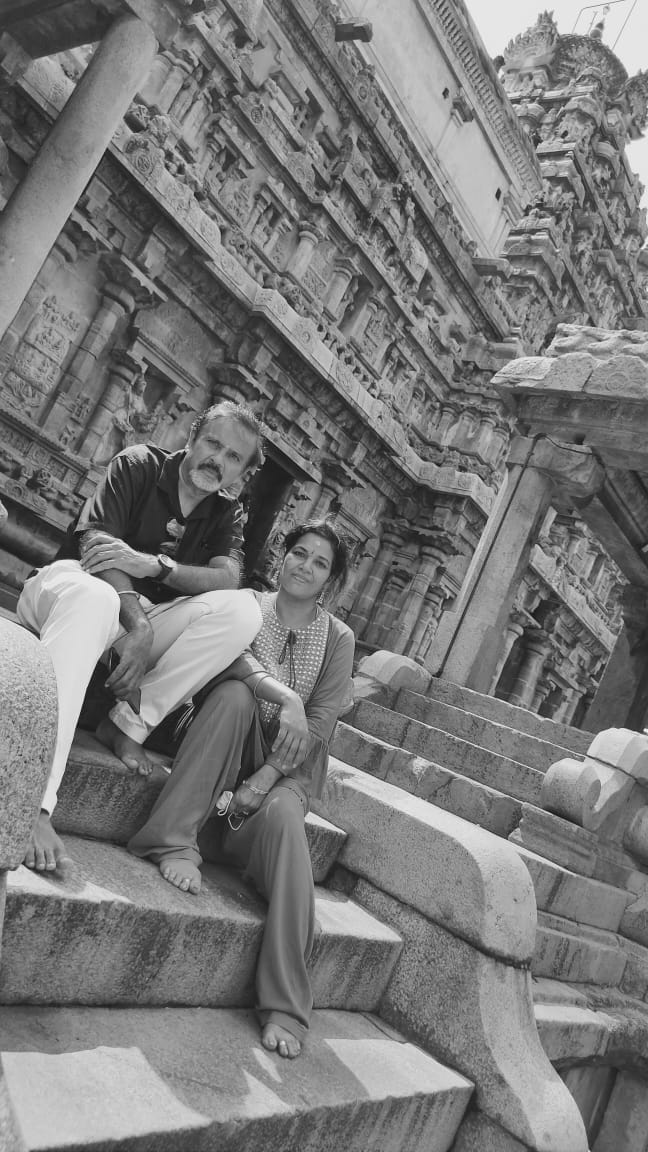
The second in the trilogy of the UNESCO world heritage sites was next on the cards and we commenced our 12 km drive towards Darasuram, a small town near Kumbakonam and home to the Airavateswara Temple. Built in the 12th Century AD by King Raja Raja Chola II and though smaller compared to the other 2 temples in Gangaikonda Cholapuram and Tanjore, this stone temple incorporates a unique chariot architecture and is home to lot of Vedic and Puranic deities. The wheels of the chariot are supposed to depict sun dials. A storehouse of art and architecture, this temple spread across a pretty vast area has some exquisite stone carvings and ornately carved steps which include singing steps in one stretch of the temple.
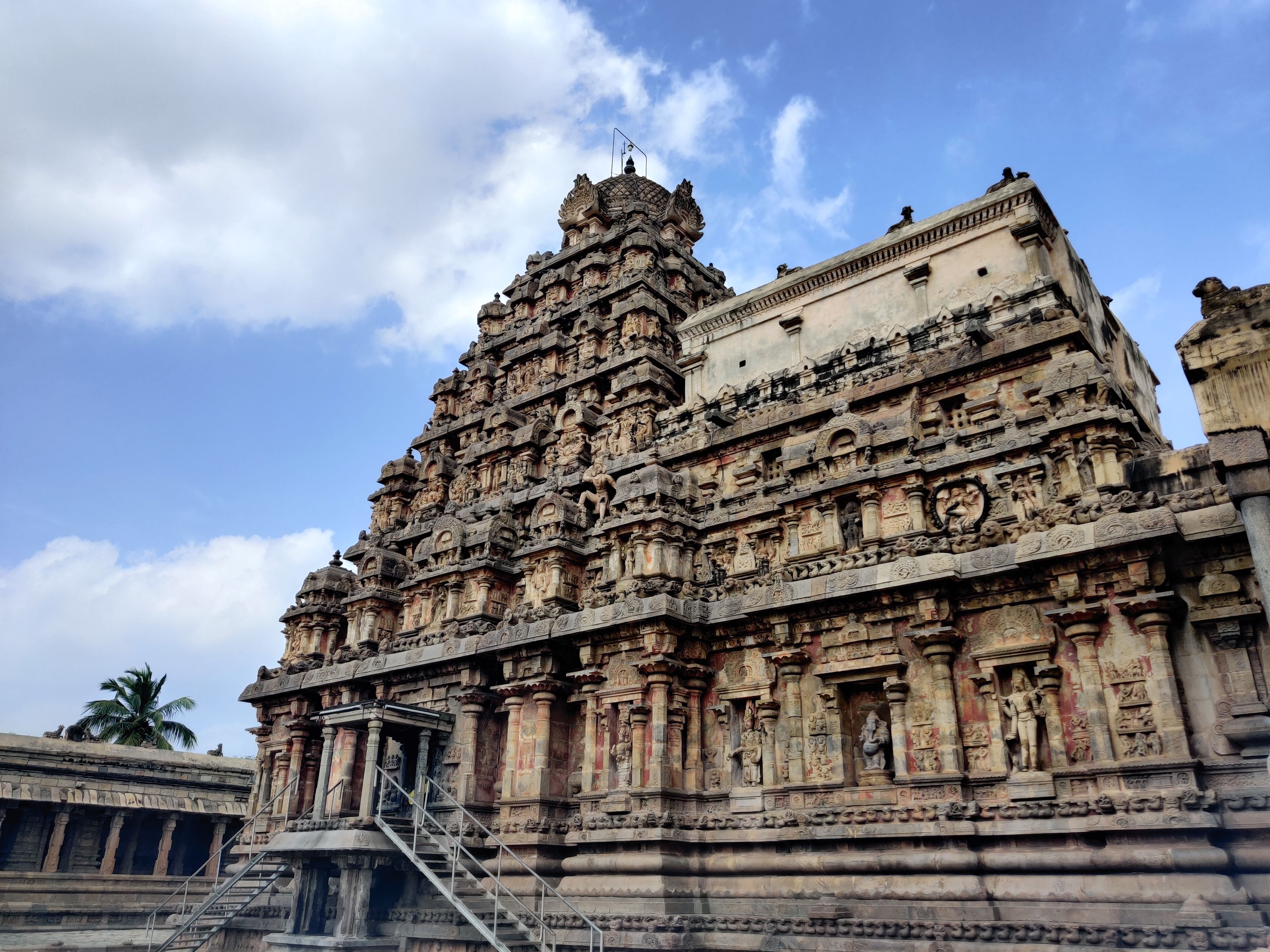
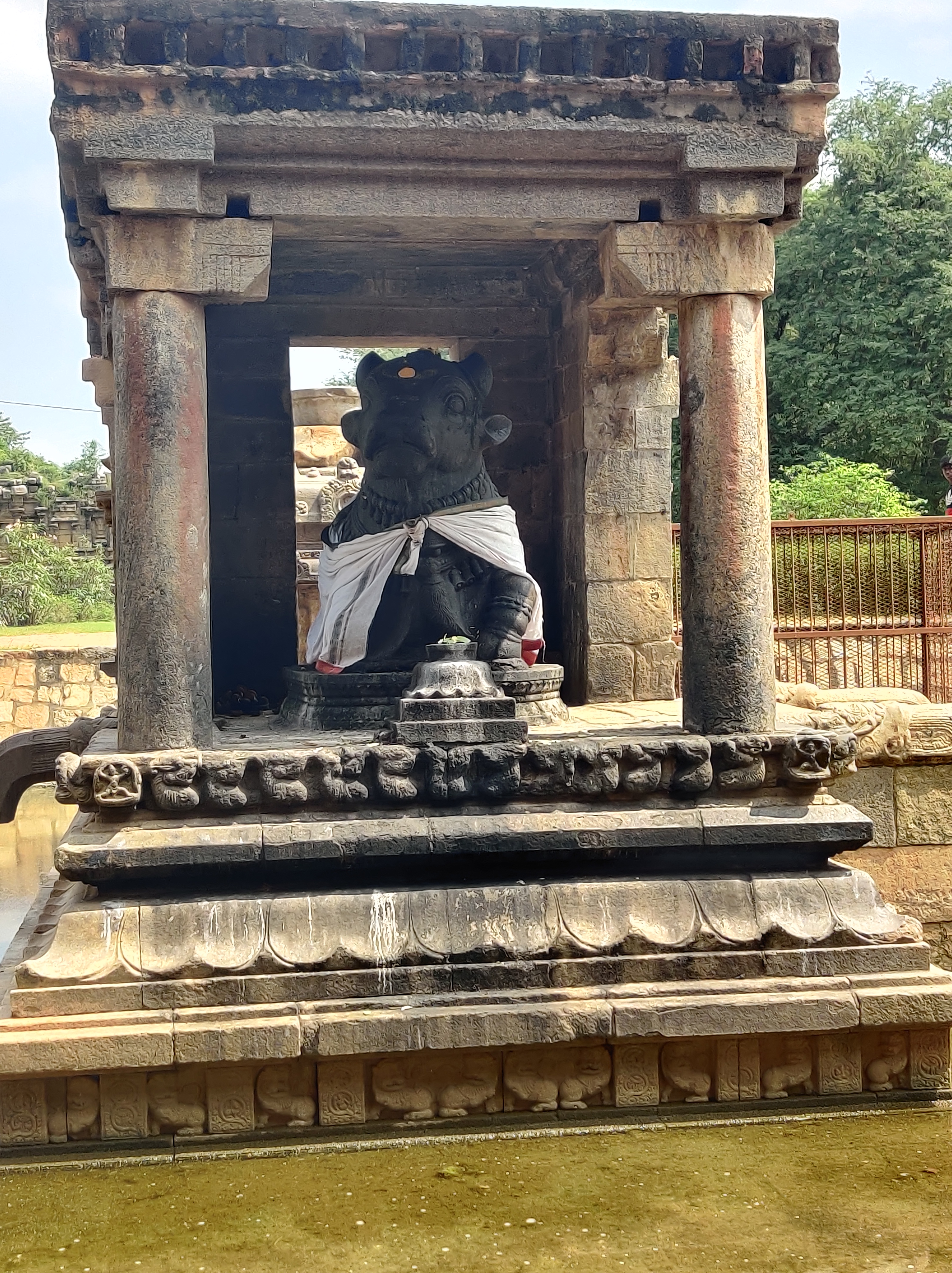
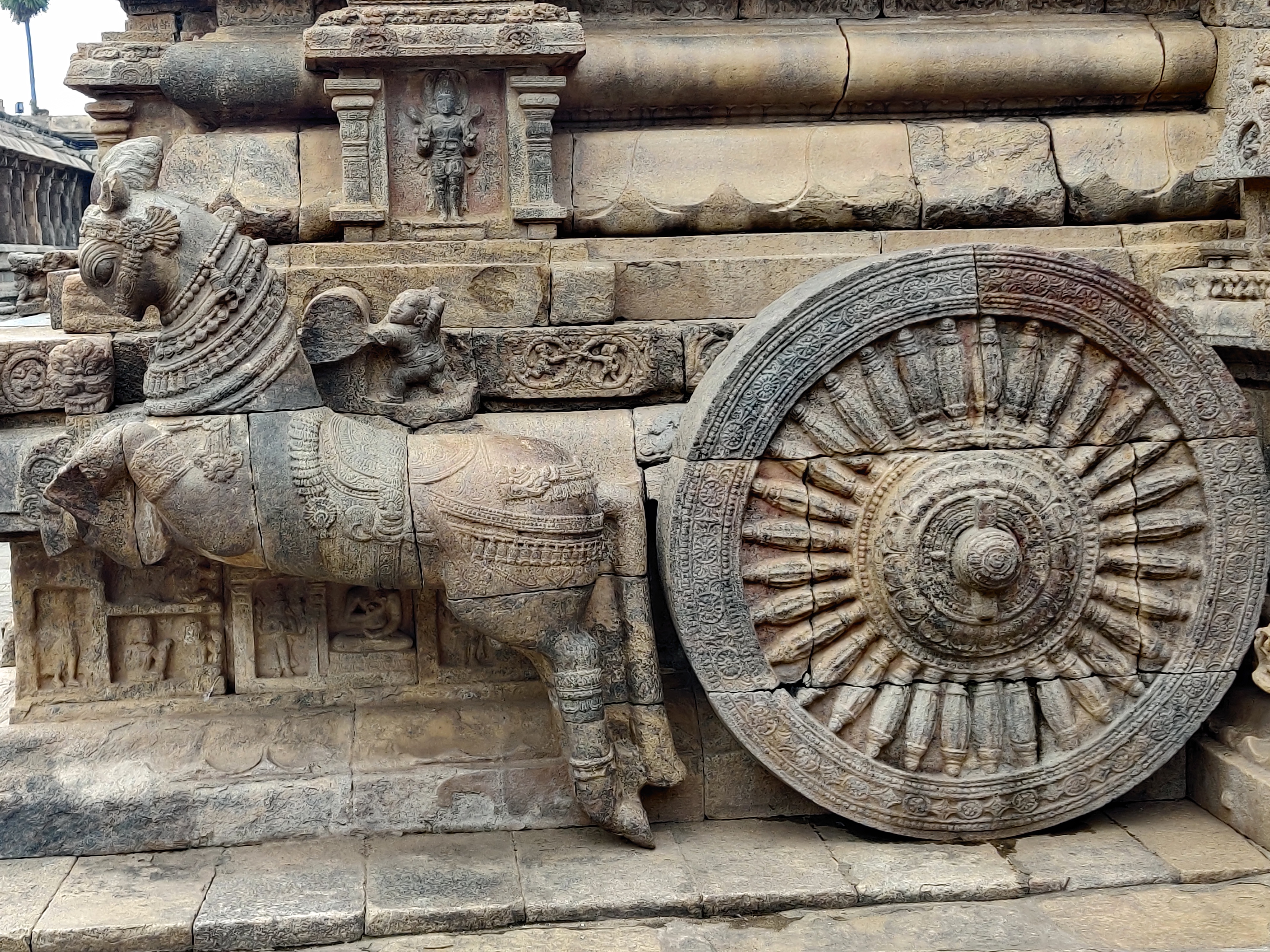
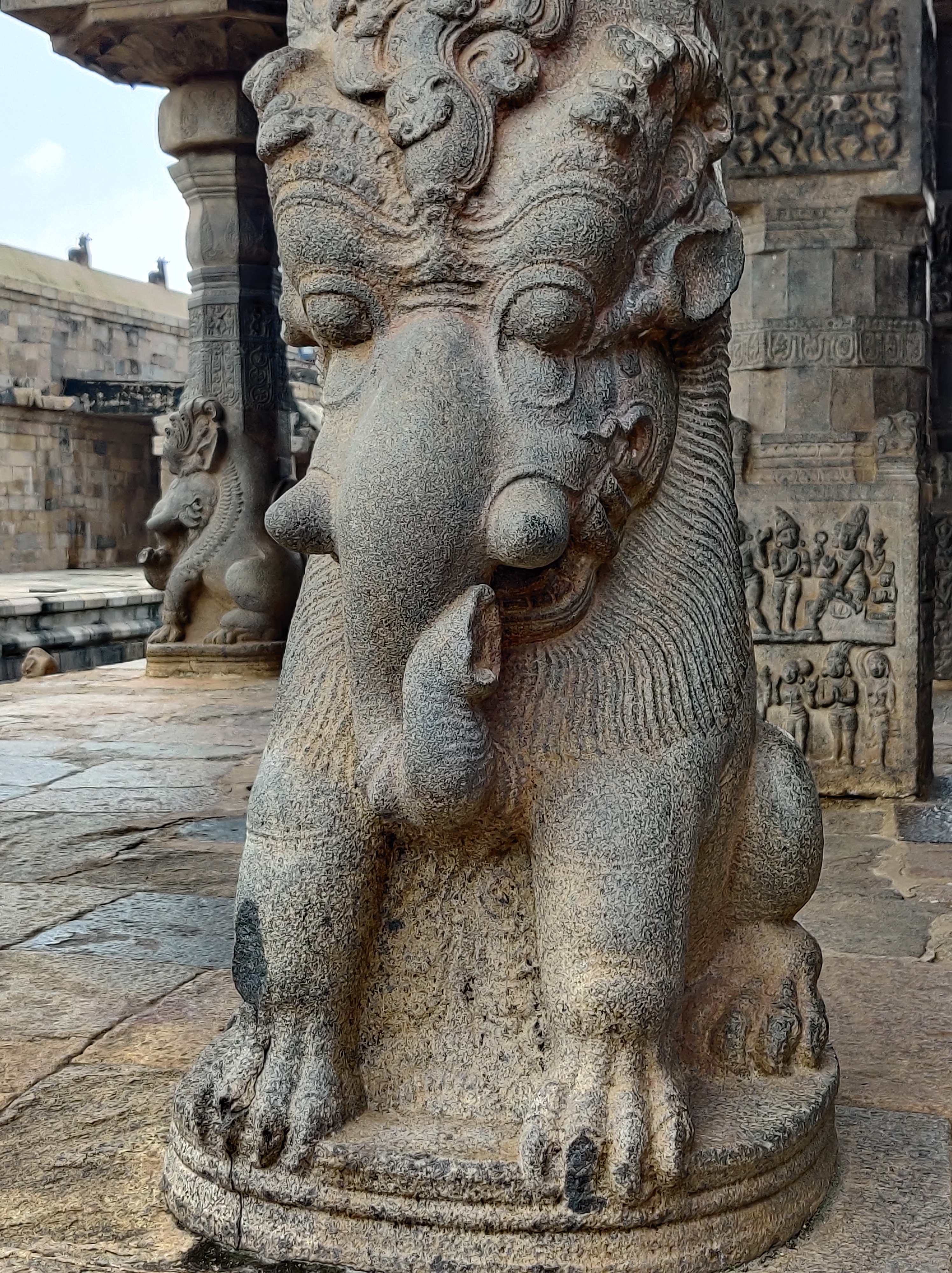
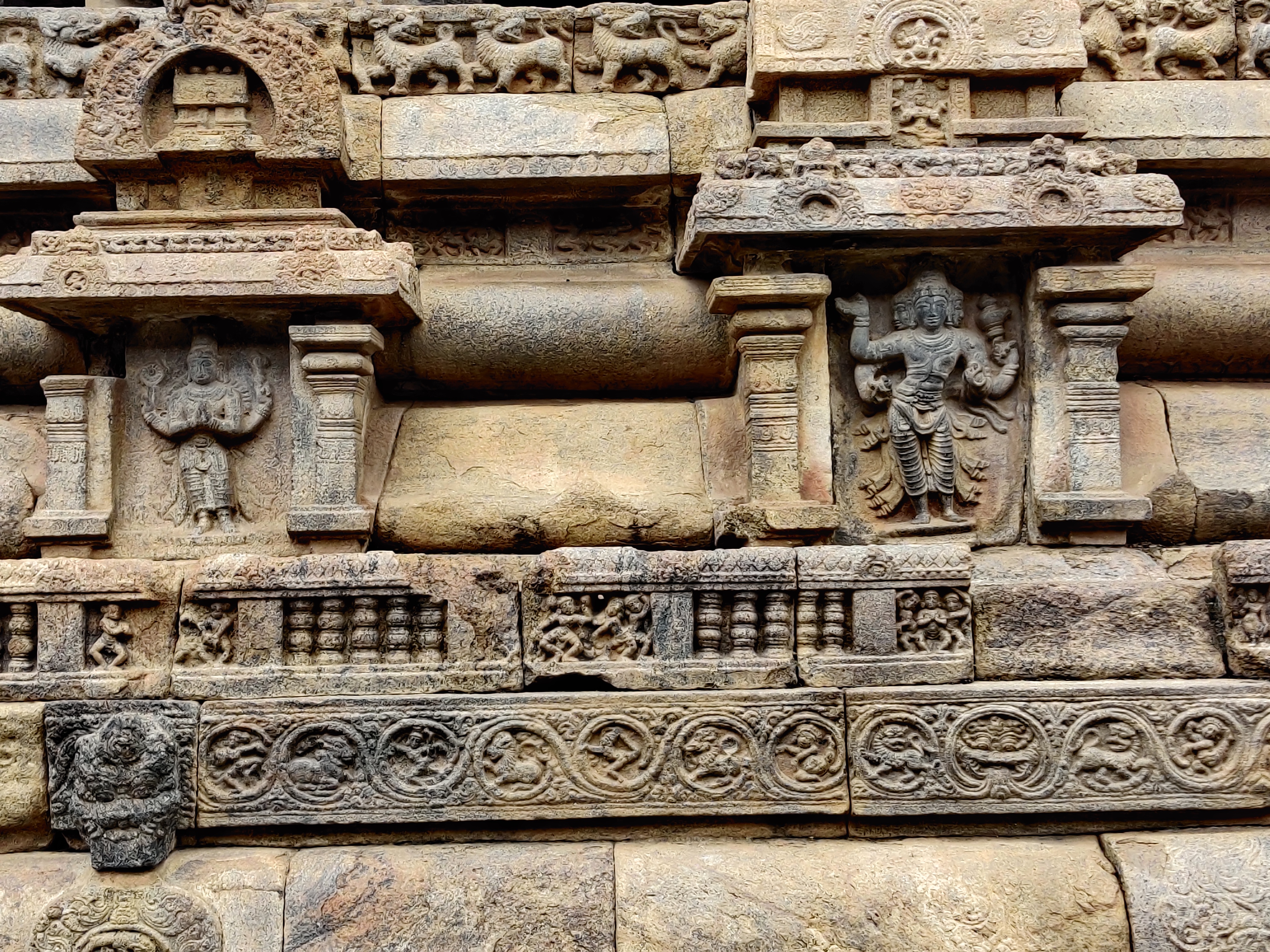
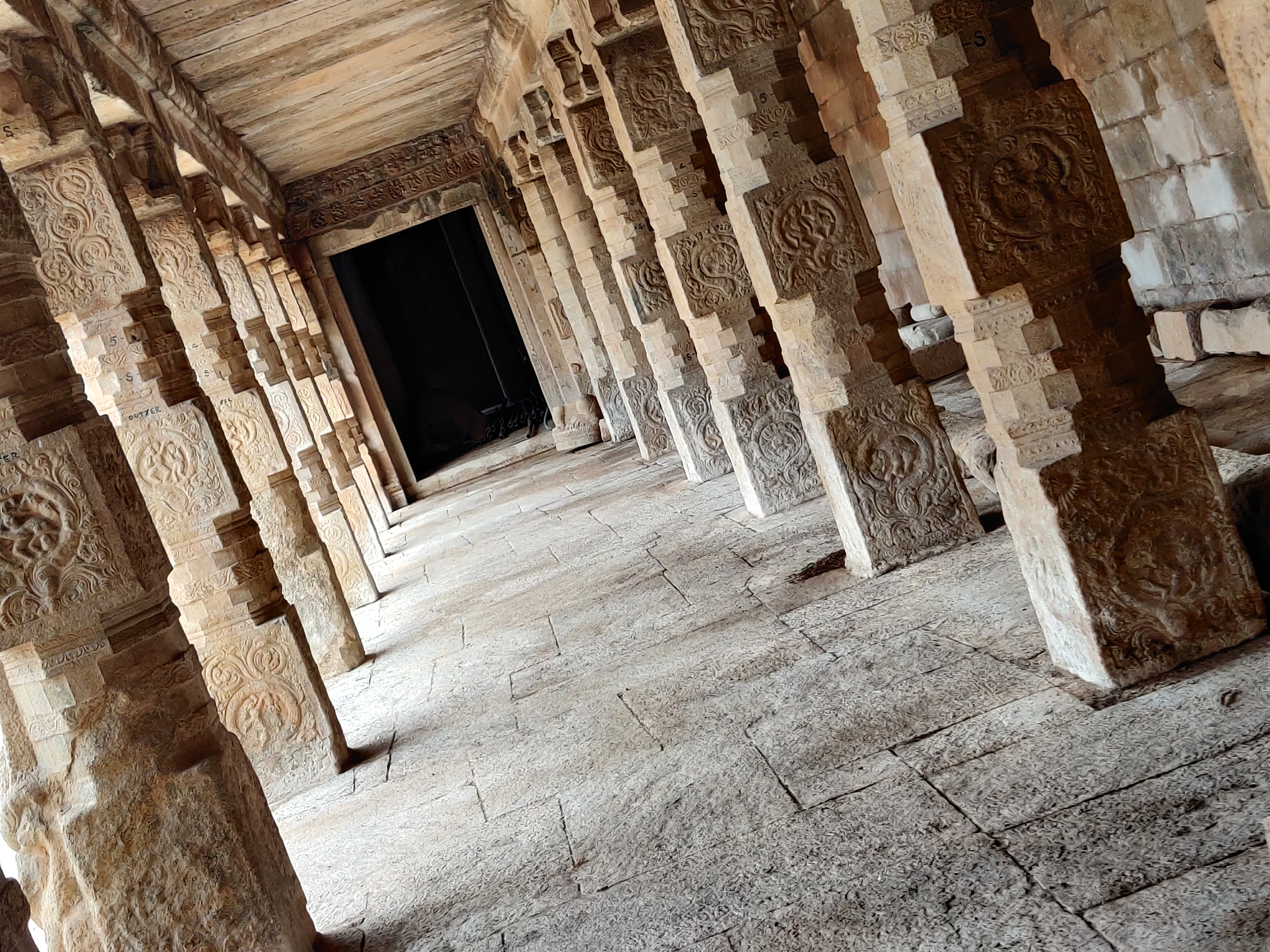
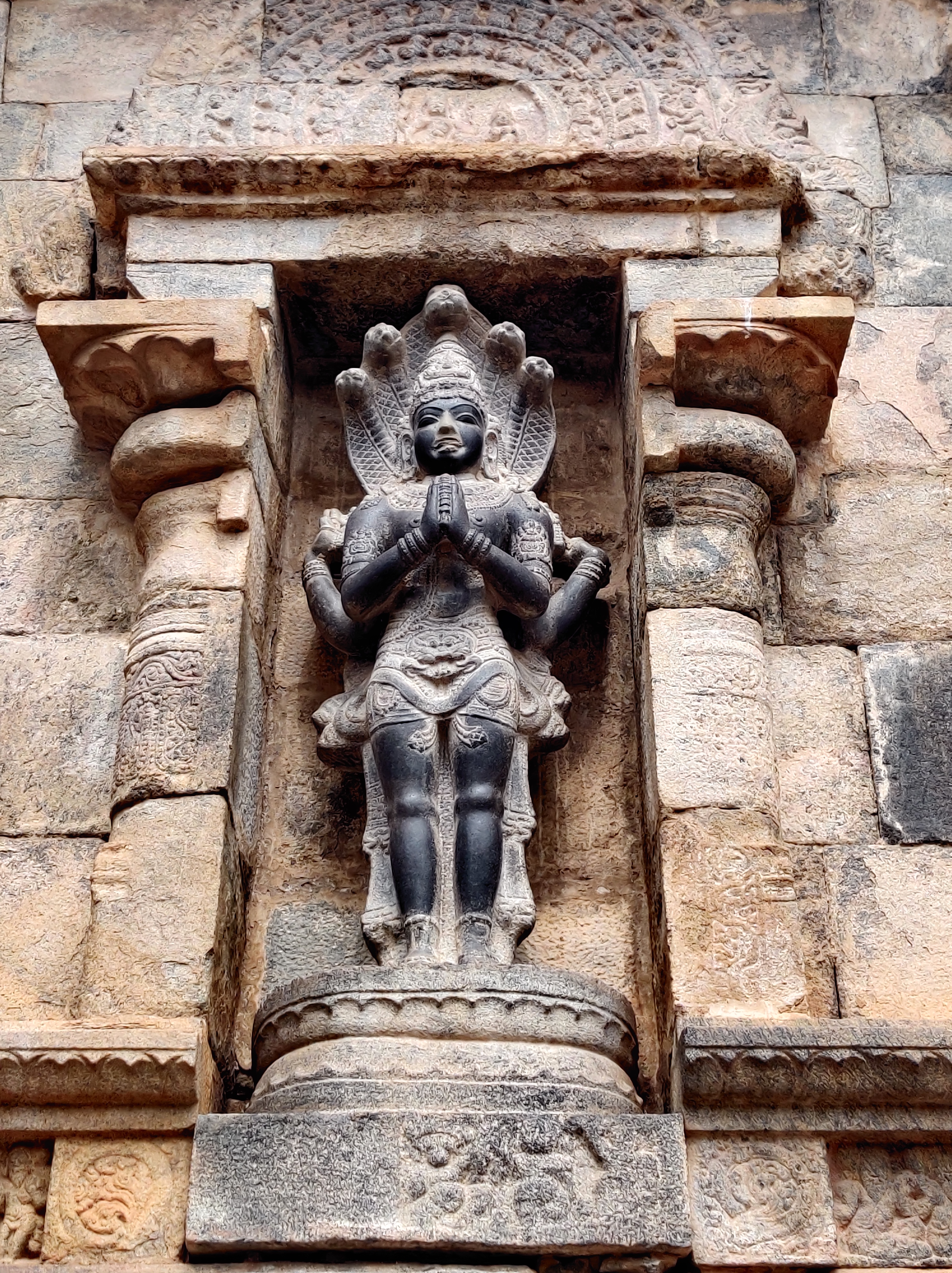
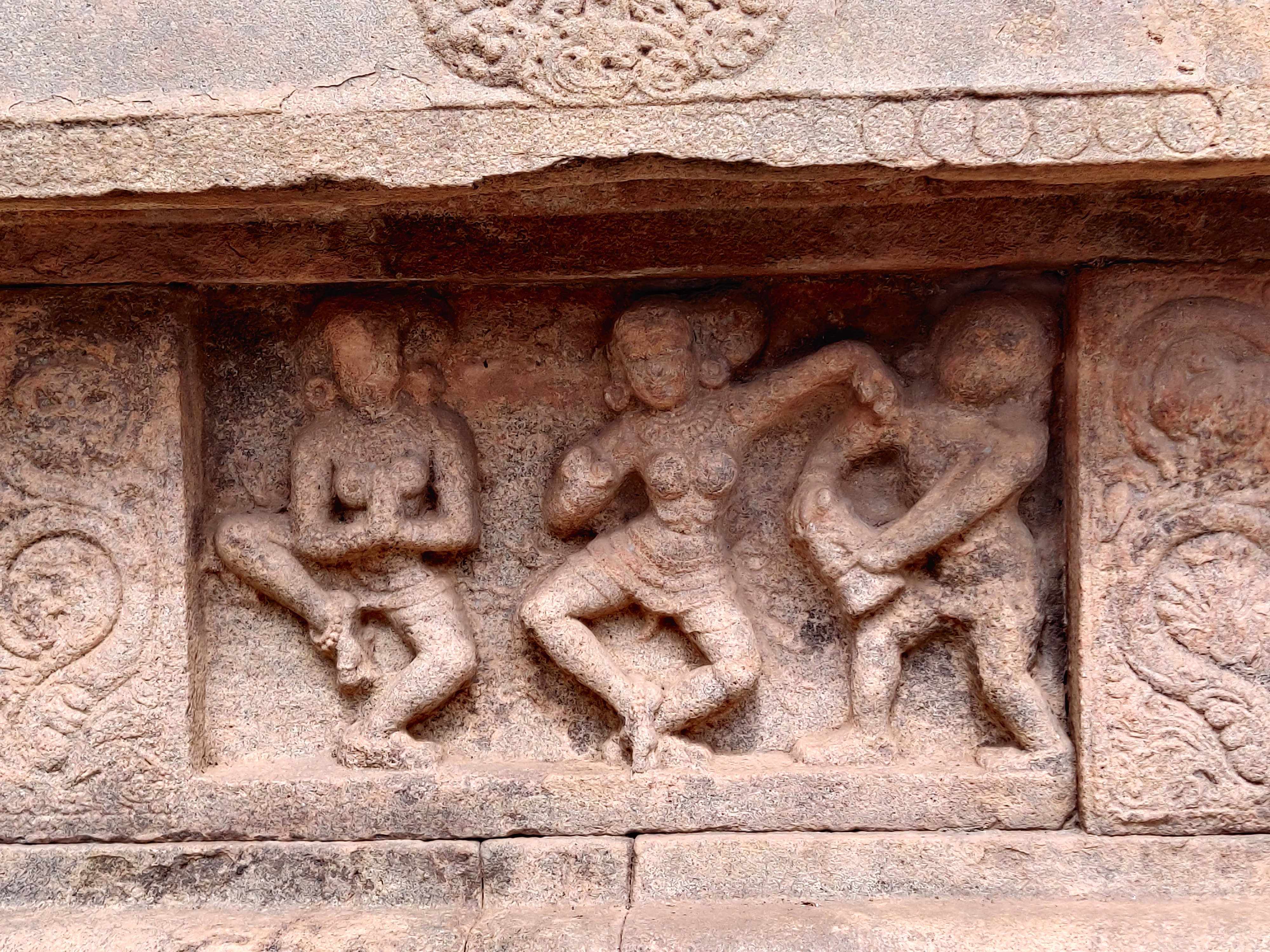
We then commenced our 37 km drive towards Tanjore at around 2 PM through quite a long stretch of winding roads and traffic and it took us almost an hour and a half to reach Tanjore. A tough place to navigate if you want to land somewhere to have a decent quick lunch and after some deft maneuvering through a pretty crowded place, found a parking near Hotel Ariya Bhawan where we managed to get some good food inspite of it almost closing hours for the afternoon repast.
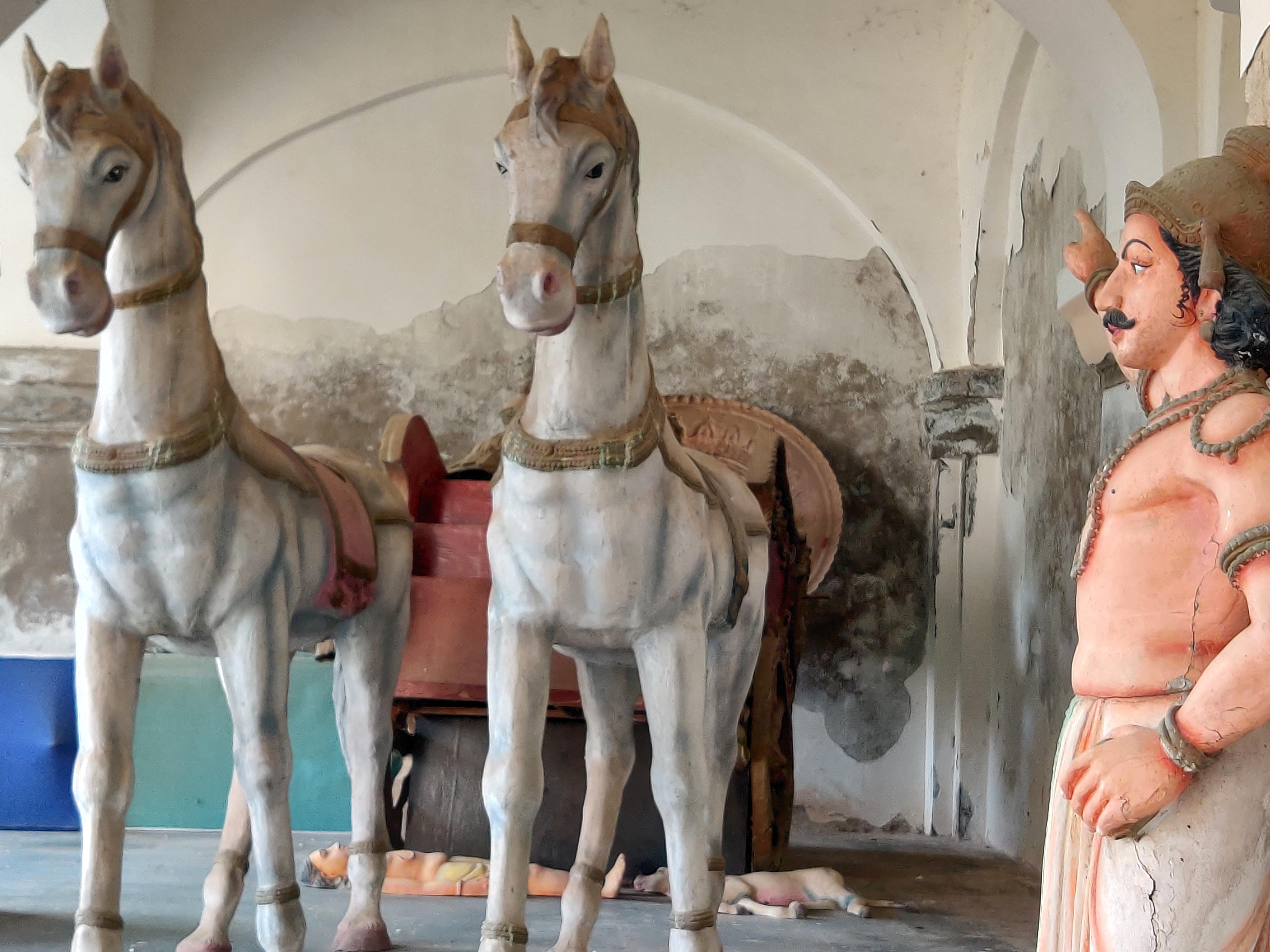
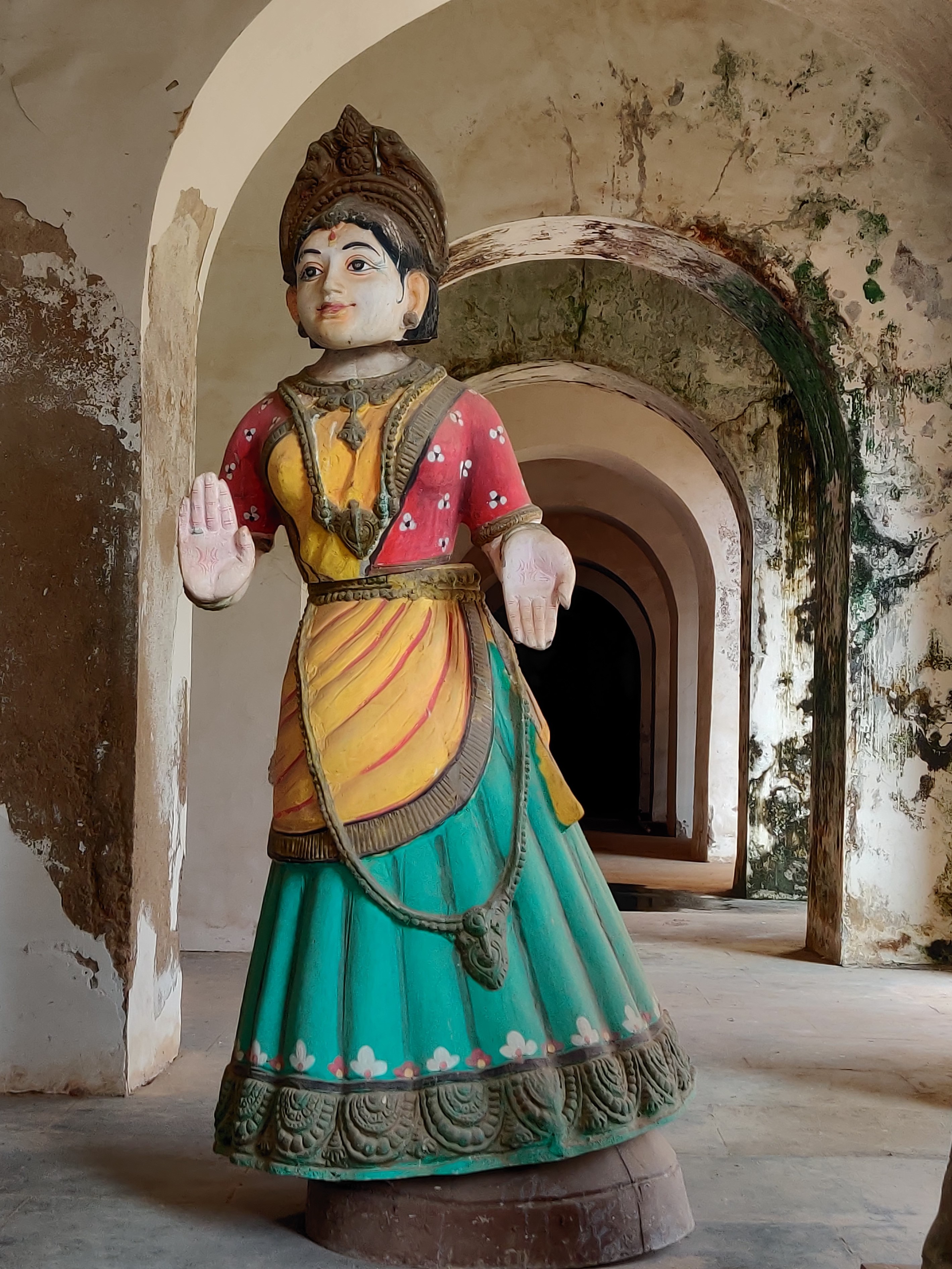
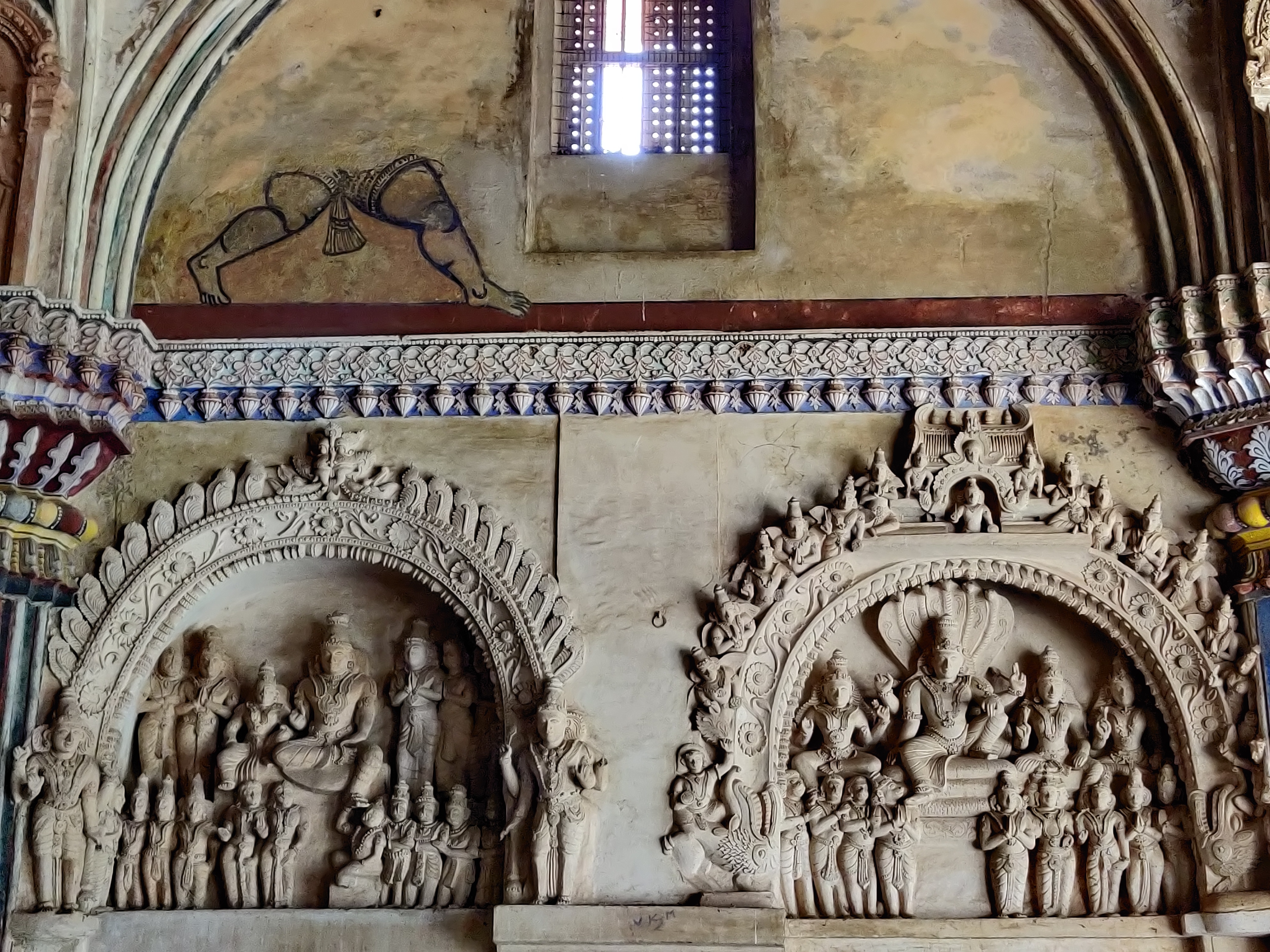
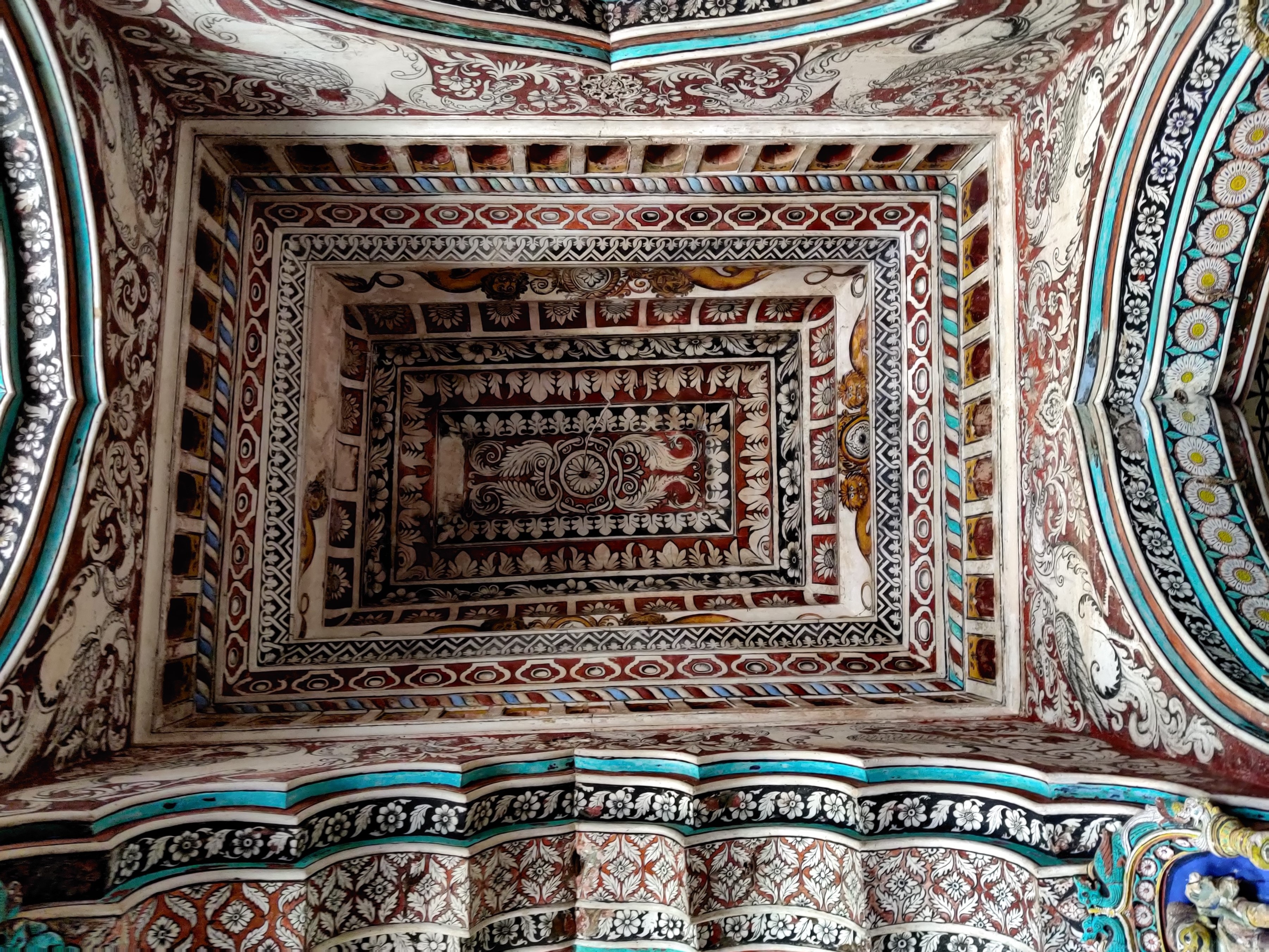
We headed for the Tanjore Maratha Palace complex located close by. Built by the Thanjavur Nayaks after claiming ascendancy from the Pandyan kings in 1535 AD, this palace held fort inspite of the Britishers annexing most parts of the Tanjore Maratha kingdom in 1799. The complex comprises of a Bell Tower, the Saraswati Mahal Library, the Darbar Hall and the Palace Museum which houses lot of old and valuable statues. As one enters the palace gates into the complex, you get to see the Darbar Hall on the left side which served as a stage for various forms of performing arts. The hall has some stucco work done up and the ceilings open upto some nice murals. A staircase opening upto the first floor houses Rajah Serfoji’s costumes, Gold and Silver ware, wooden and ivory artefacts, earthenware, coins, armouries and various kinds of paintings.
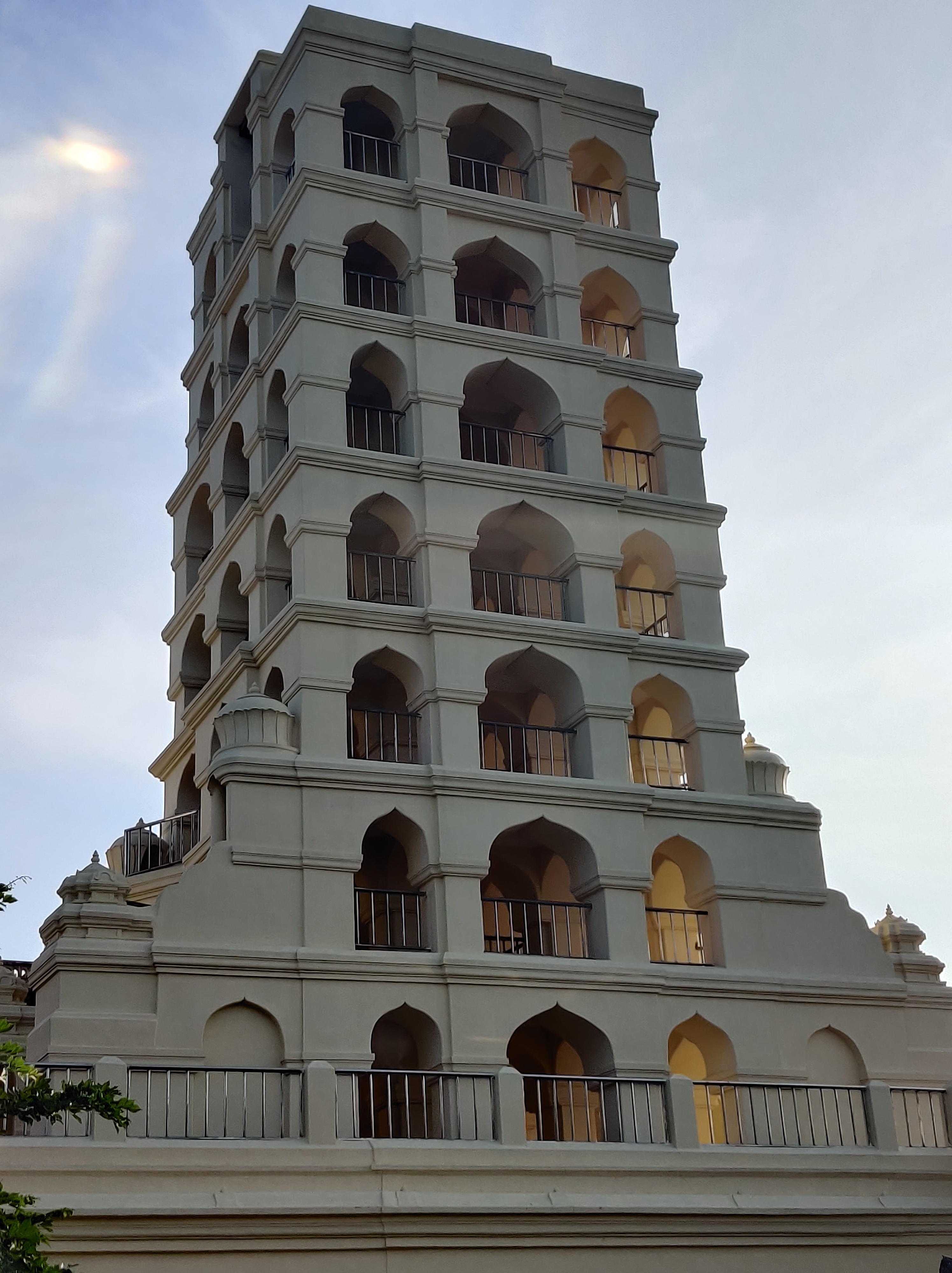
Adjacent to the Darbar hall is a compound which houses lot of nice stone sculptures ranging from the 8th century AD to the 18th century AD. There is a nice Arsenal Tower also within the Palace complex, 192 feet in height with 8 storeys. Originally constructed in 1645 with 2 floors by the Nayaks, the Marathas renovated it later to 8 floors and with the prime objective of housing armoury besides also serving as a watch tower. The Northwest side of this tower leads to a 7 storey rectangular shaped Bell Tower, primarily used by people to get an aerial view of the city right from the top. At the top of the tower was believed to be a huge clock with the figure of a monkey striking the clock every 1 hour.
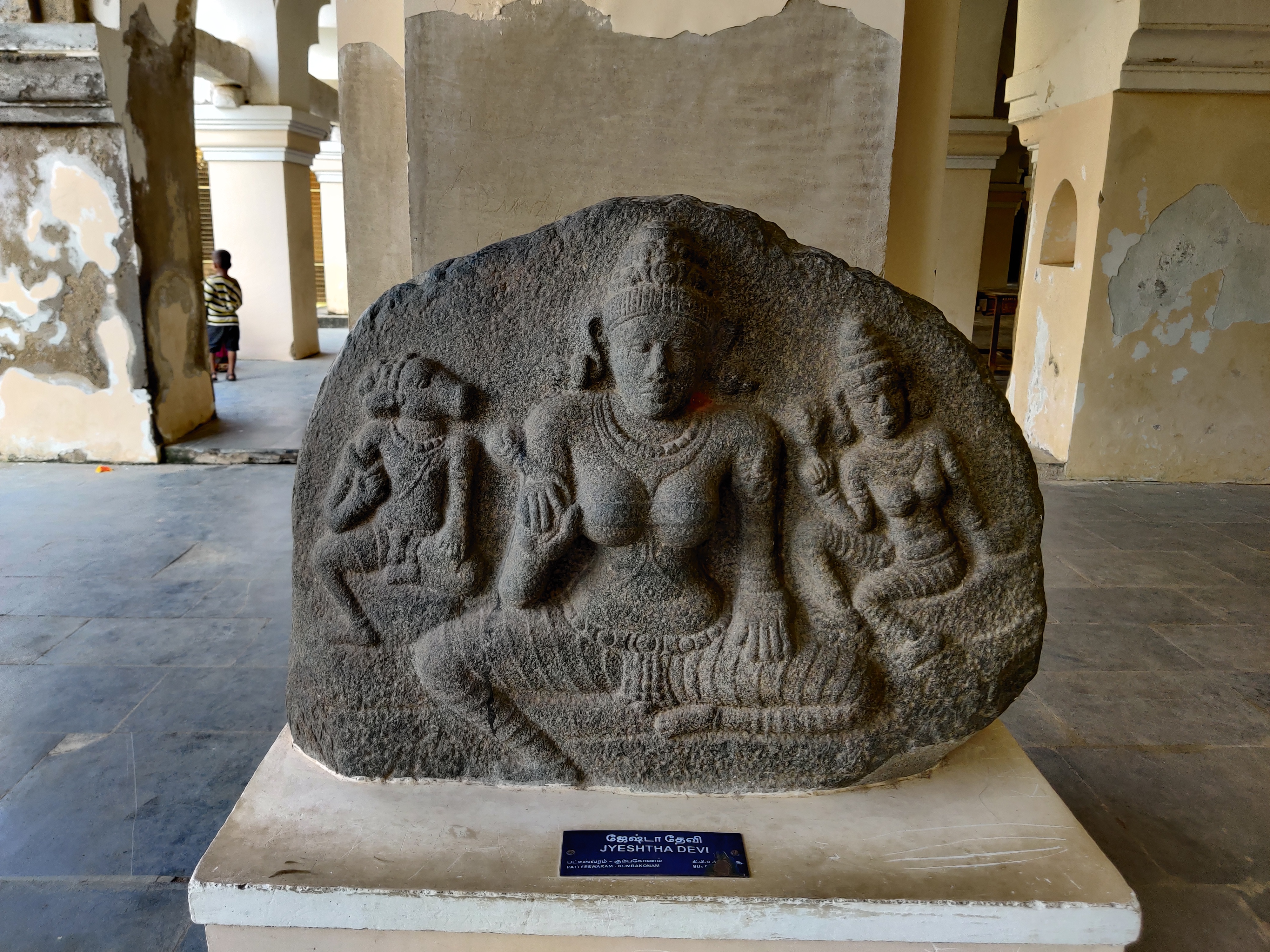
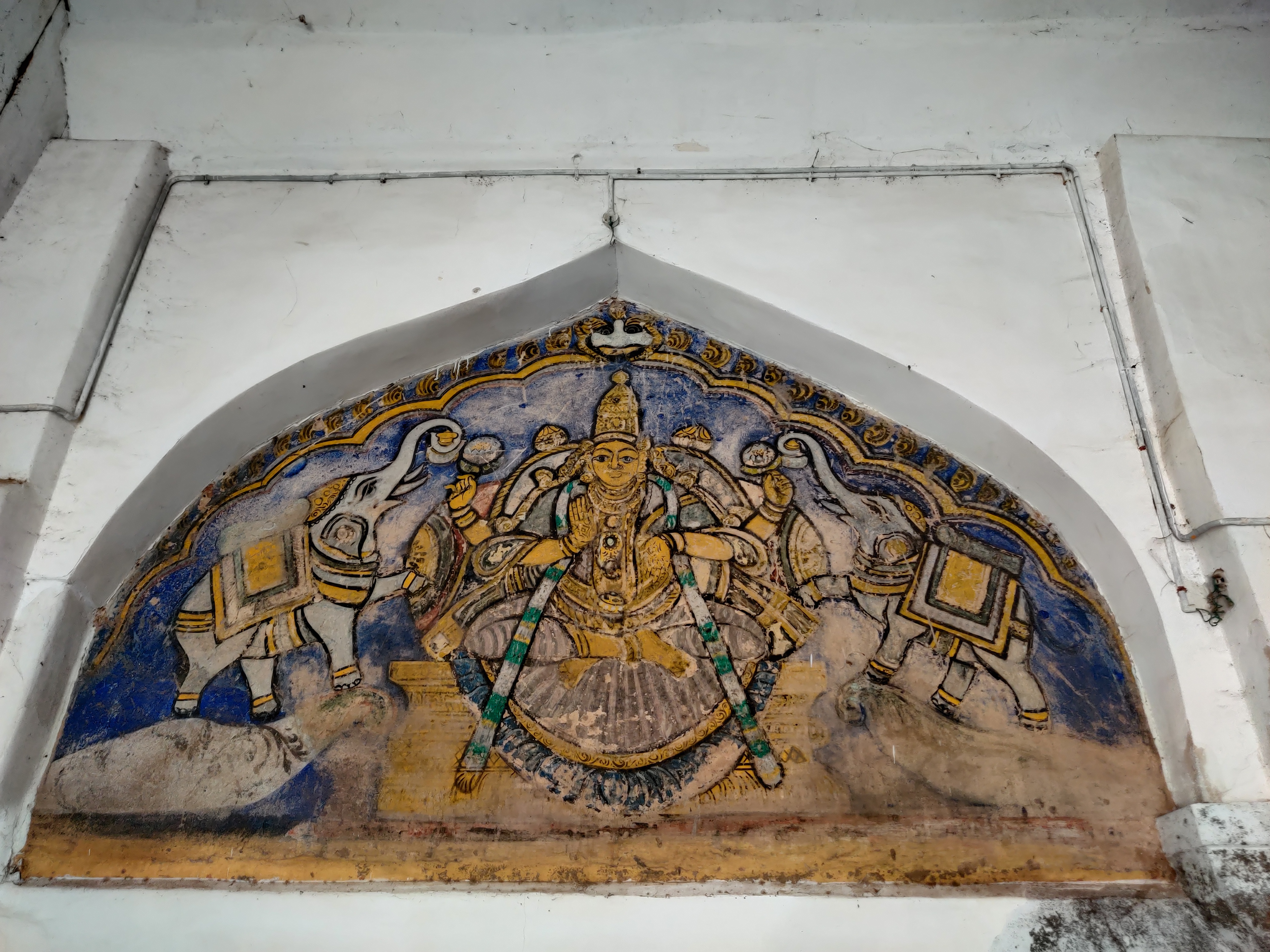
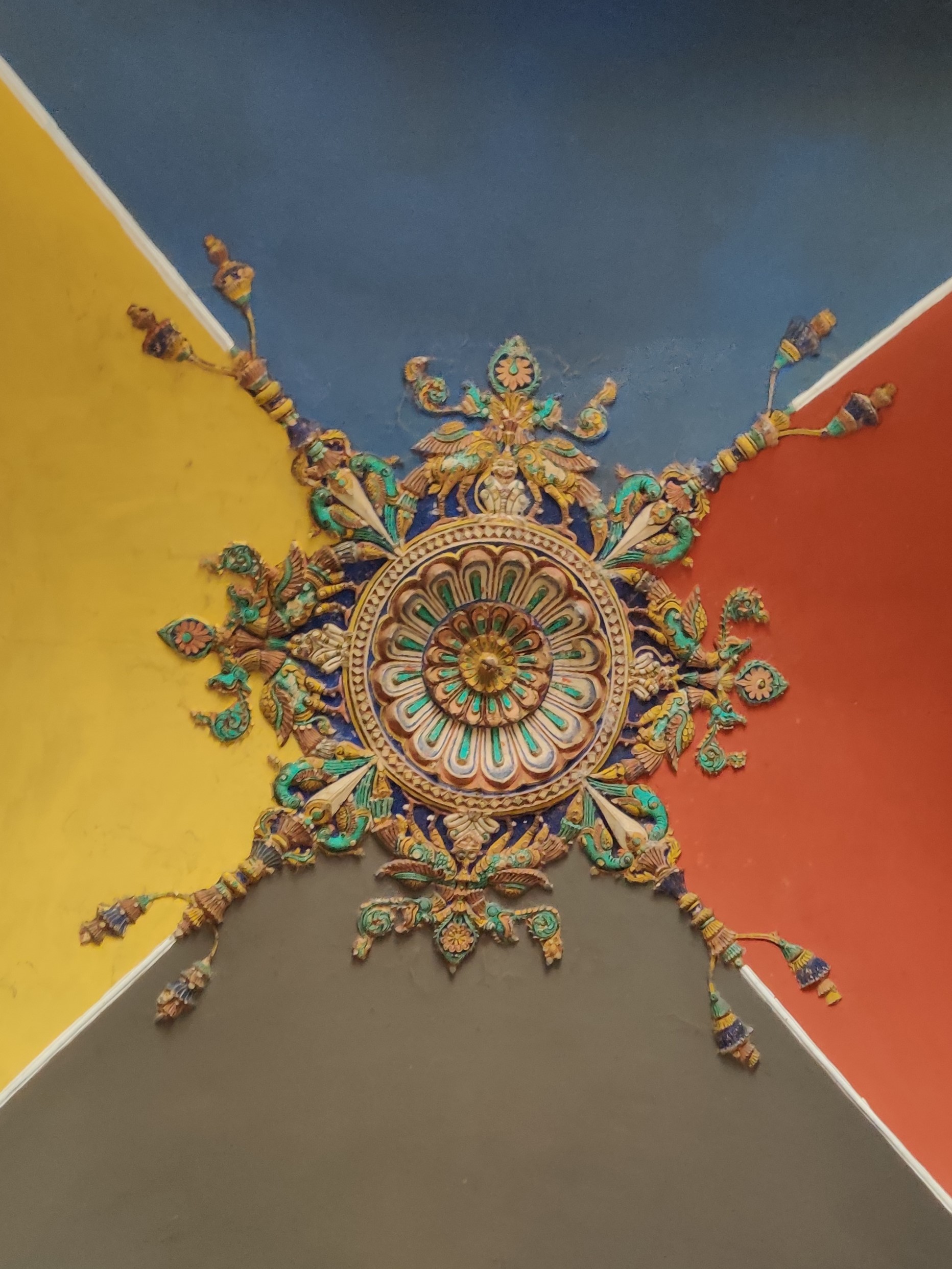
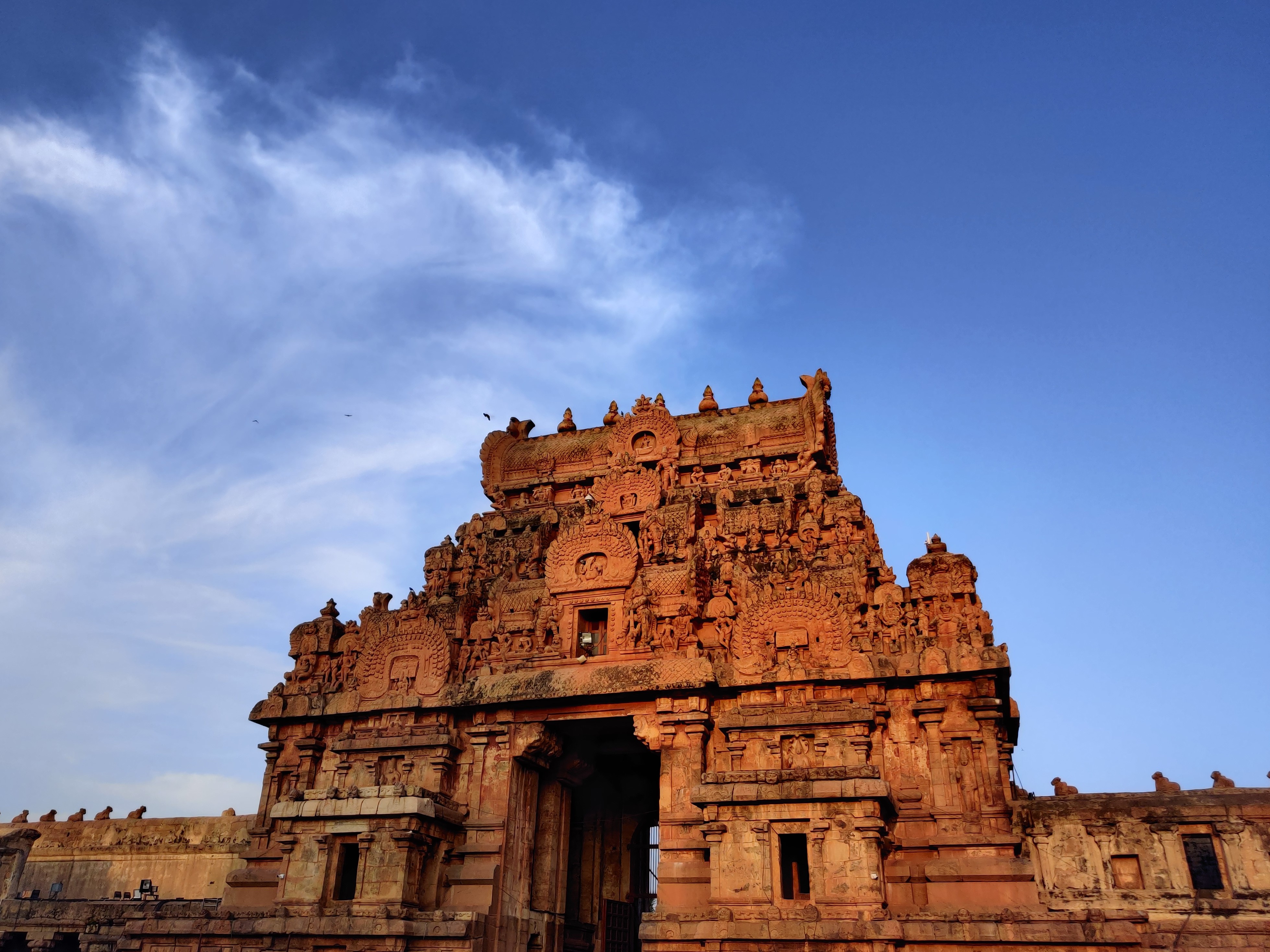
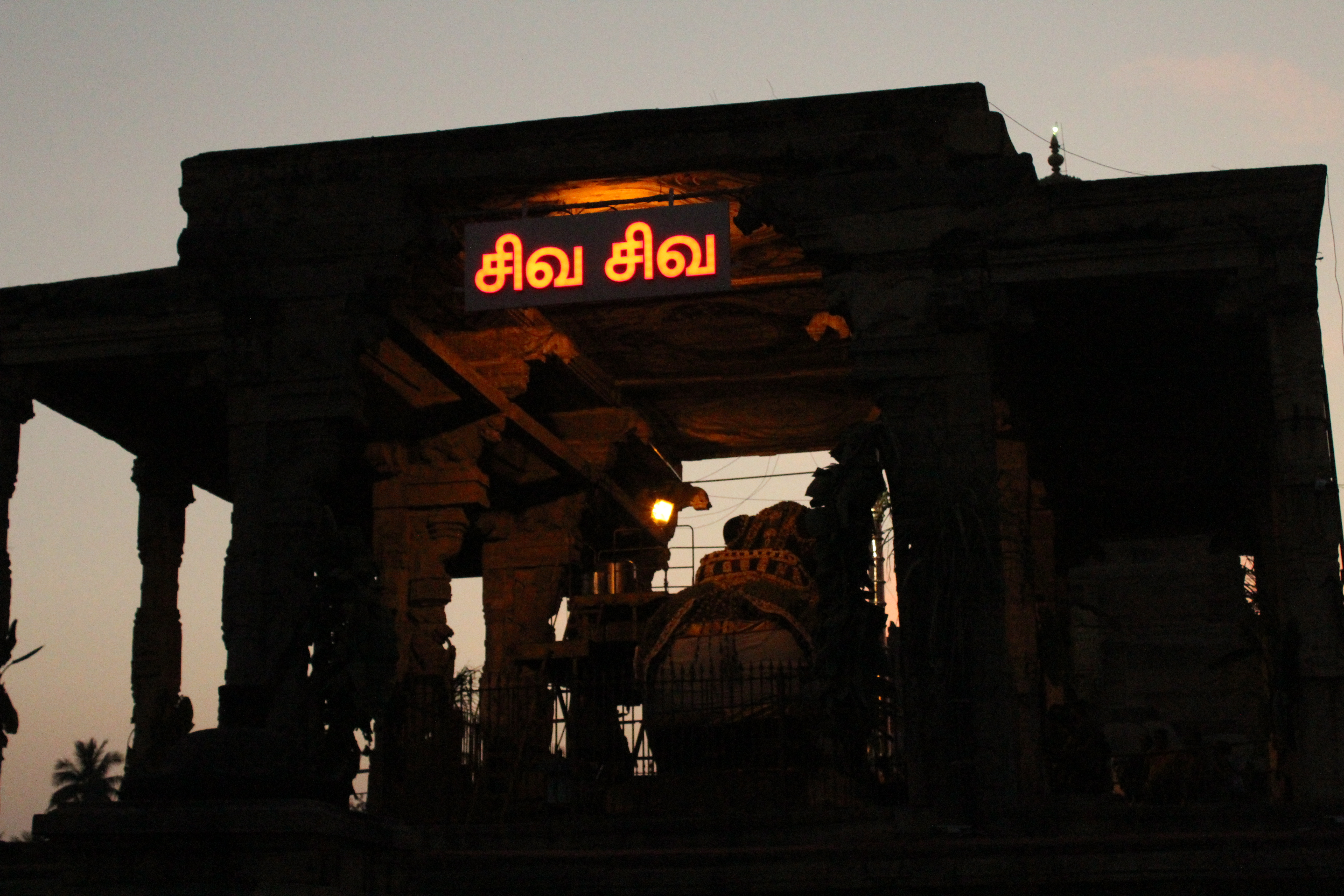
We then moved onto the Rajarajeshwara temple (renamed as the Brihadeswara by the Marathas), located not very far off from the Palace. Also known as the Big Temple, this structure is believed to be the tallest in the world at 216 metres. Built entirely out of granite (and its said that 130,000 tonnes of it were used), the temple also houses a pretty large statue of Nandi (the sacred bull) carved out of a single stone. Dedicated to Lord Shiva and also recognized as a Unesco World Heritage Site, this temple was built by King Raja Raja Chola I in 1010 AD and is part of the trilogy of the Great Living Chola Temples, the ones at Gangaikonda Cholapuram and the Airateswara temple being the other two. What is amazing about the architectures of these temples is that they have utilized axial and geometrical symmetry rules when being built.
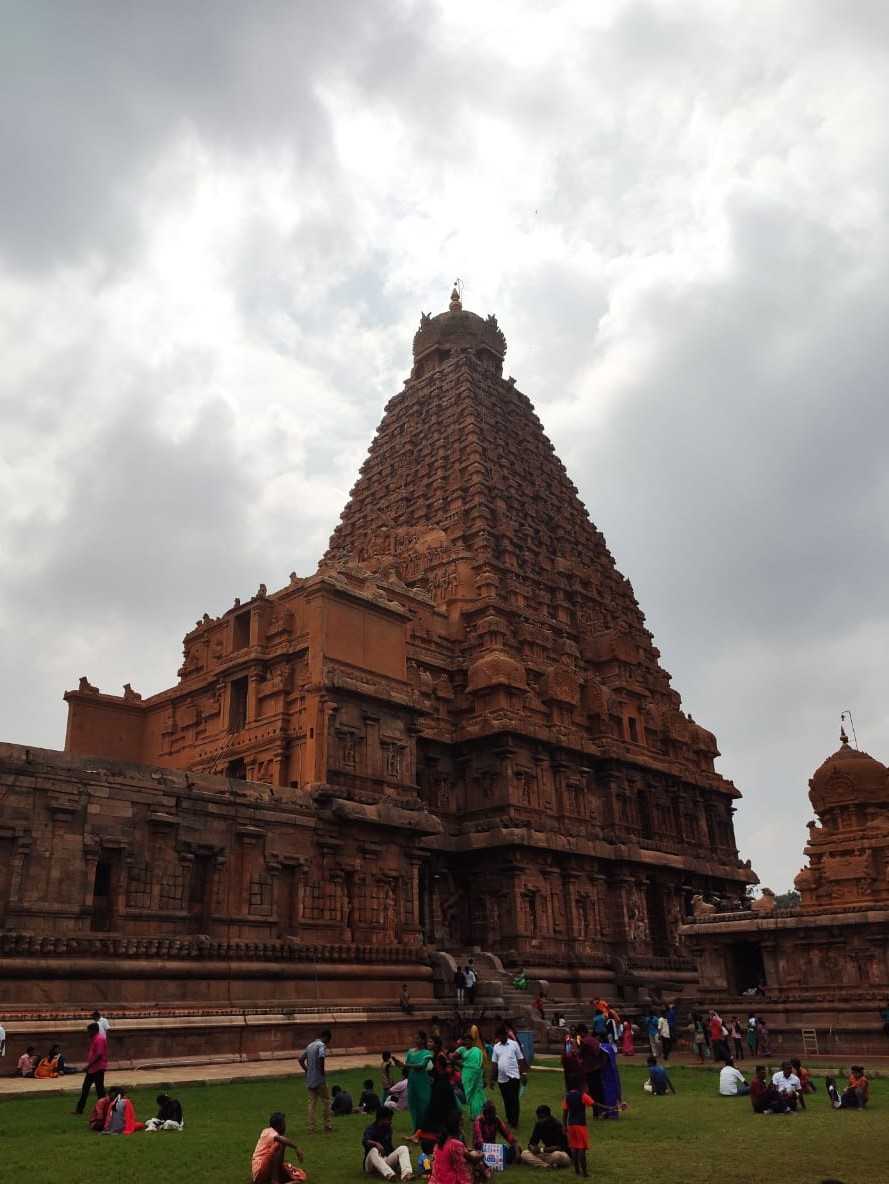
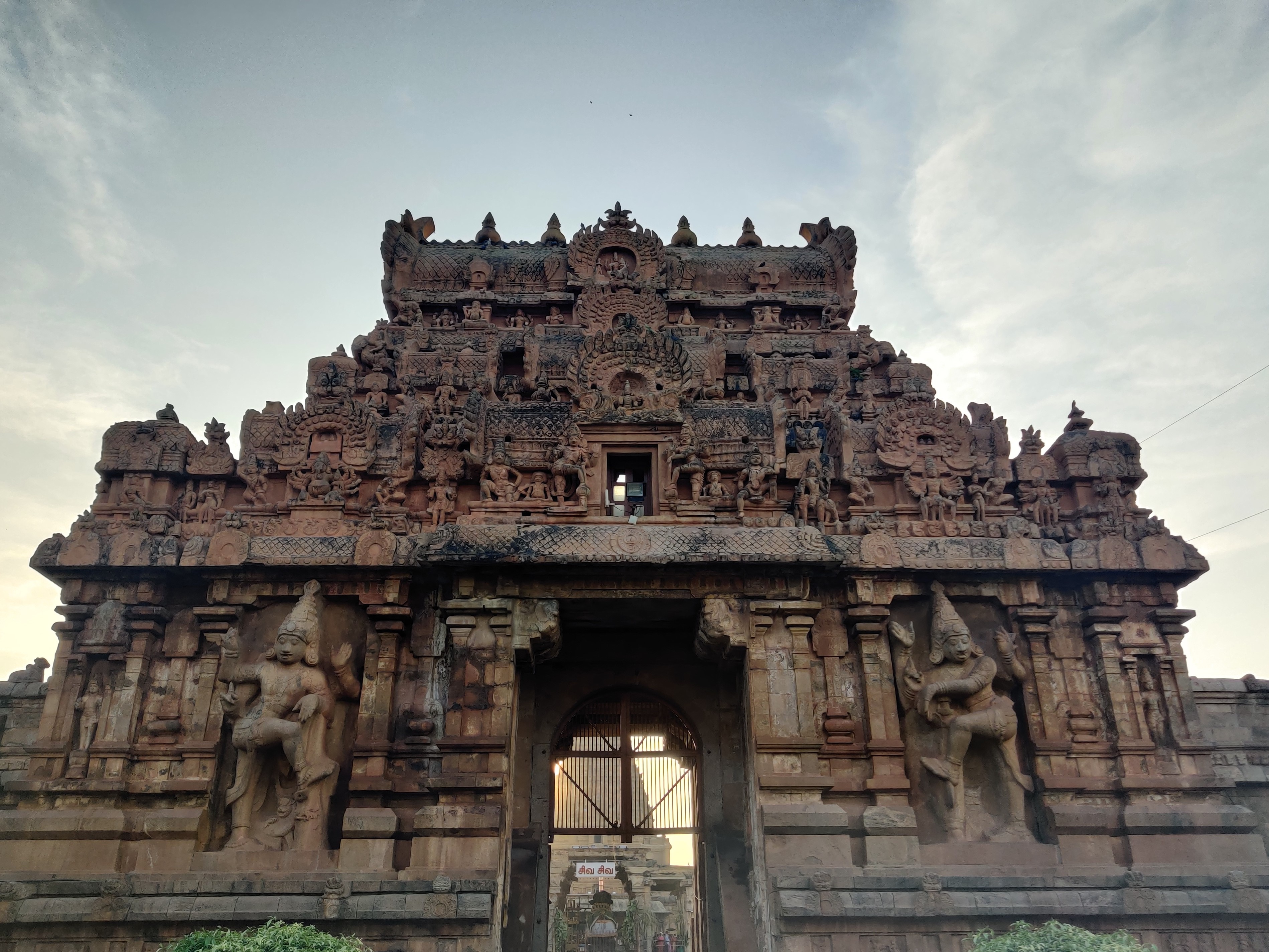
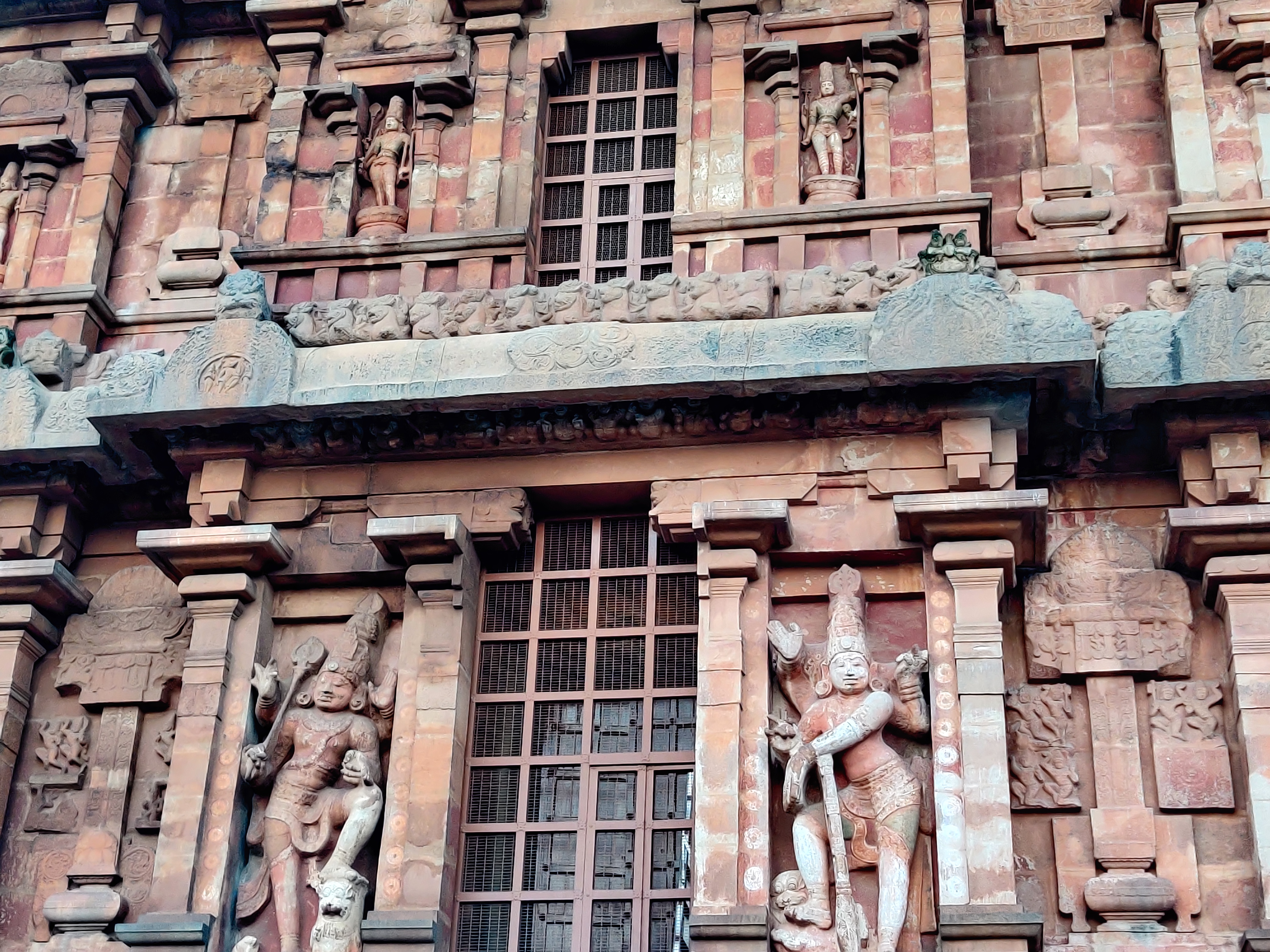
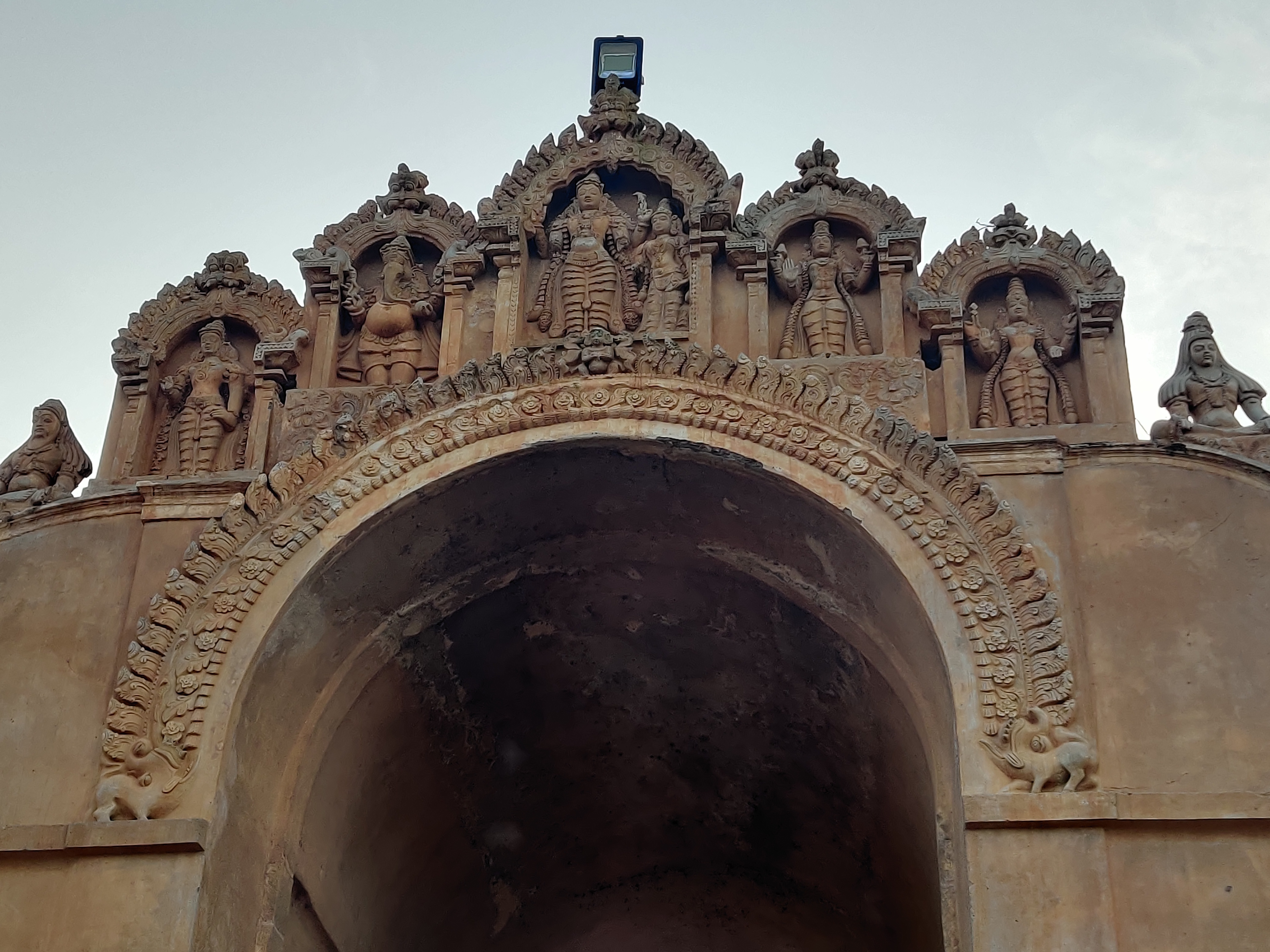
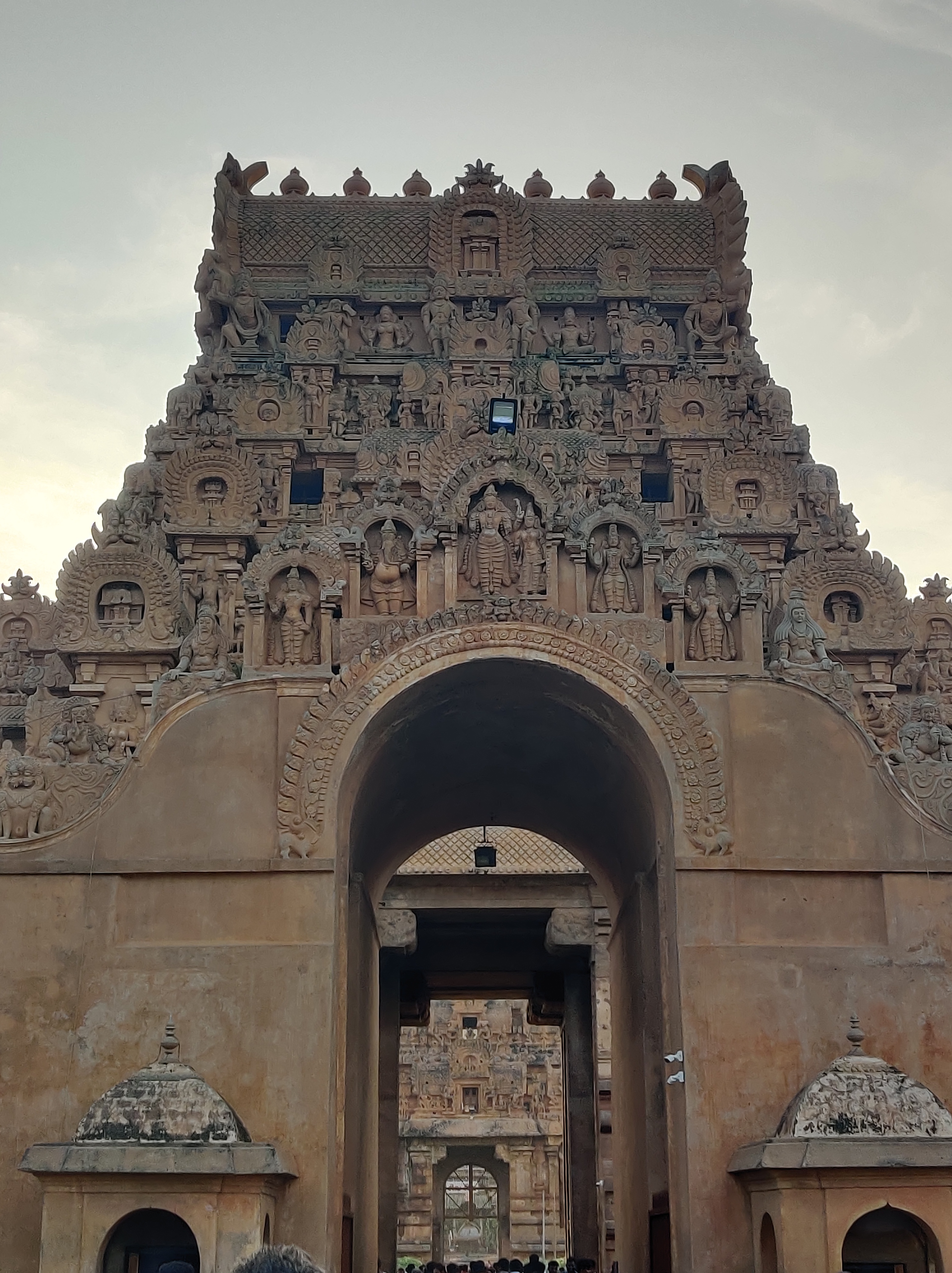
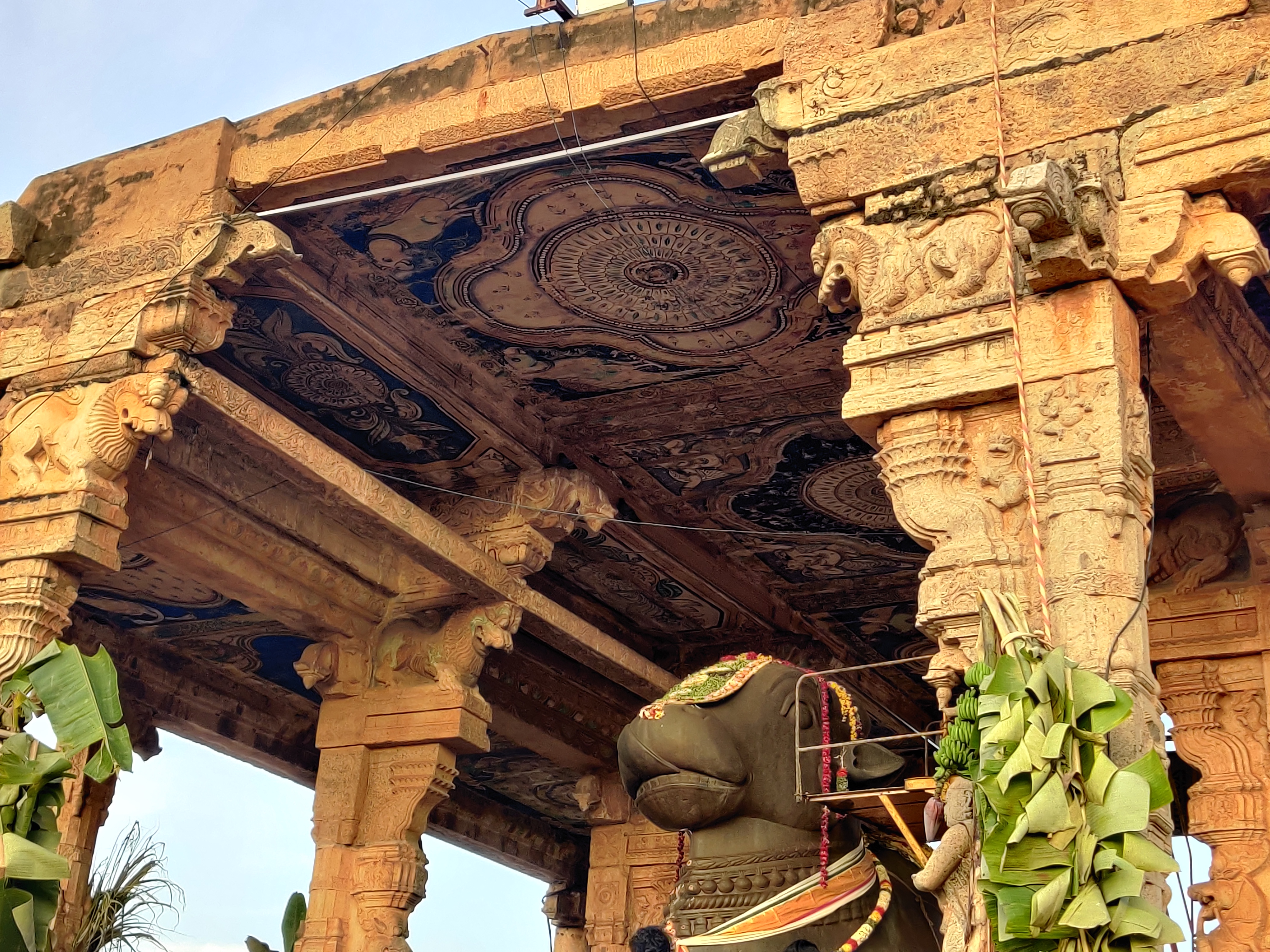
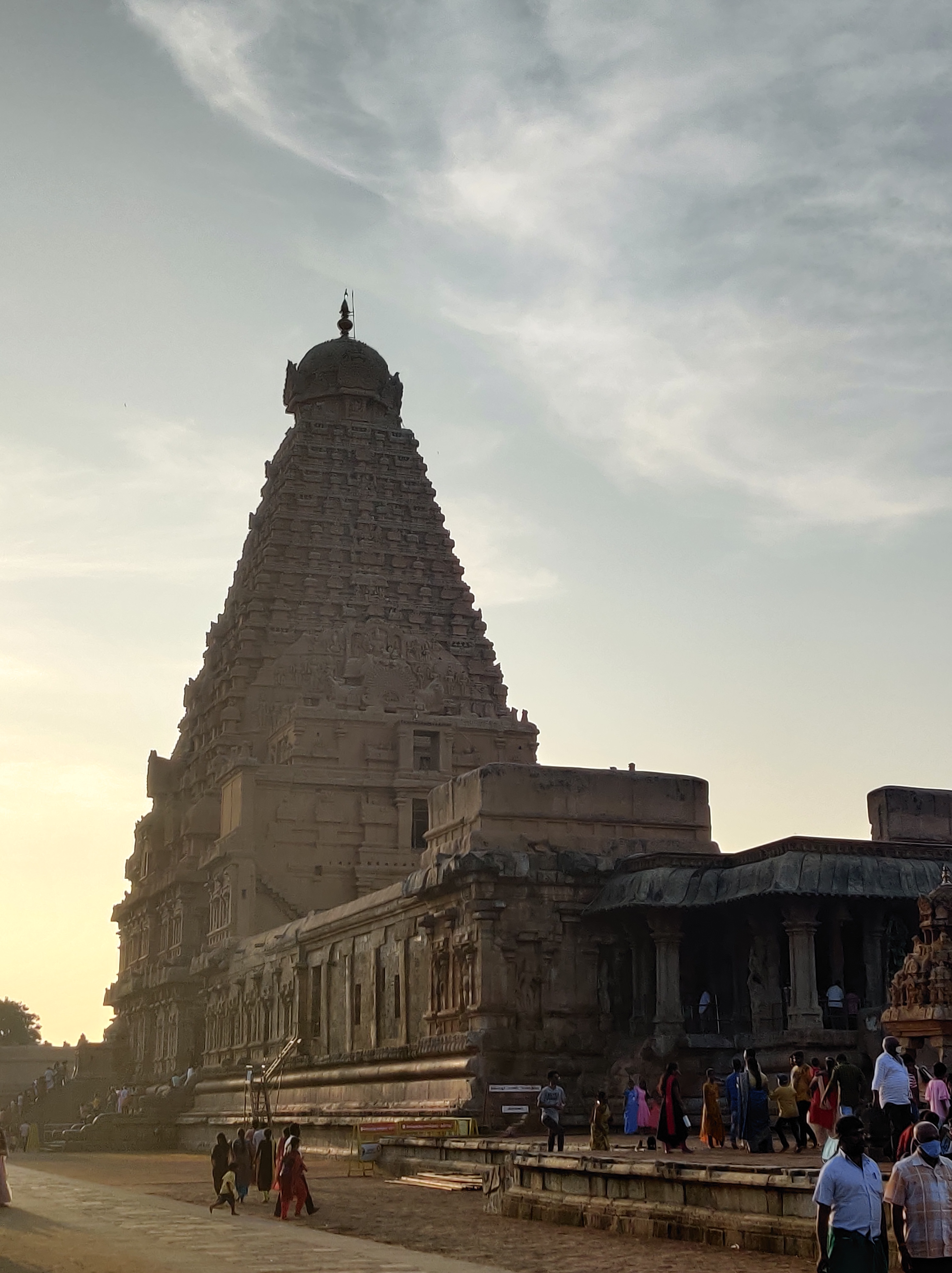
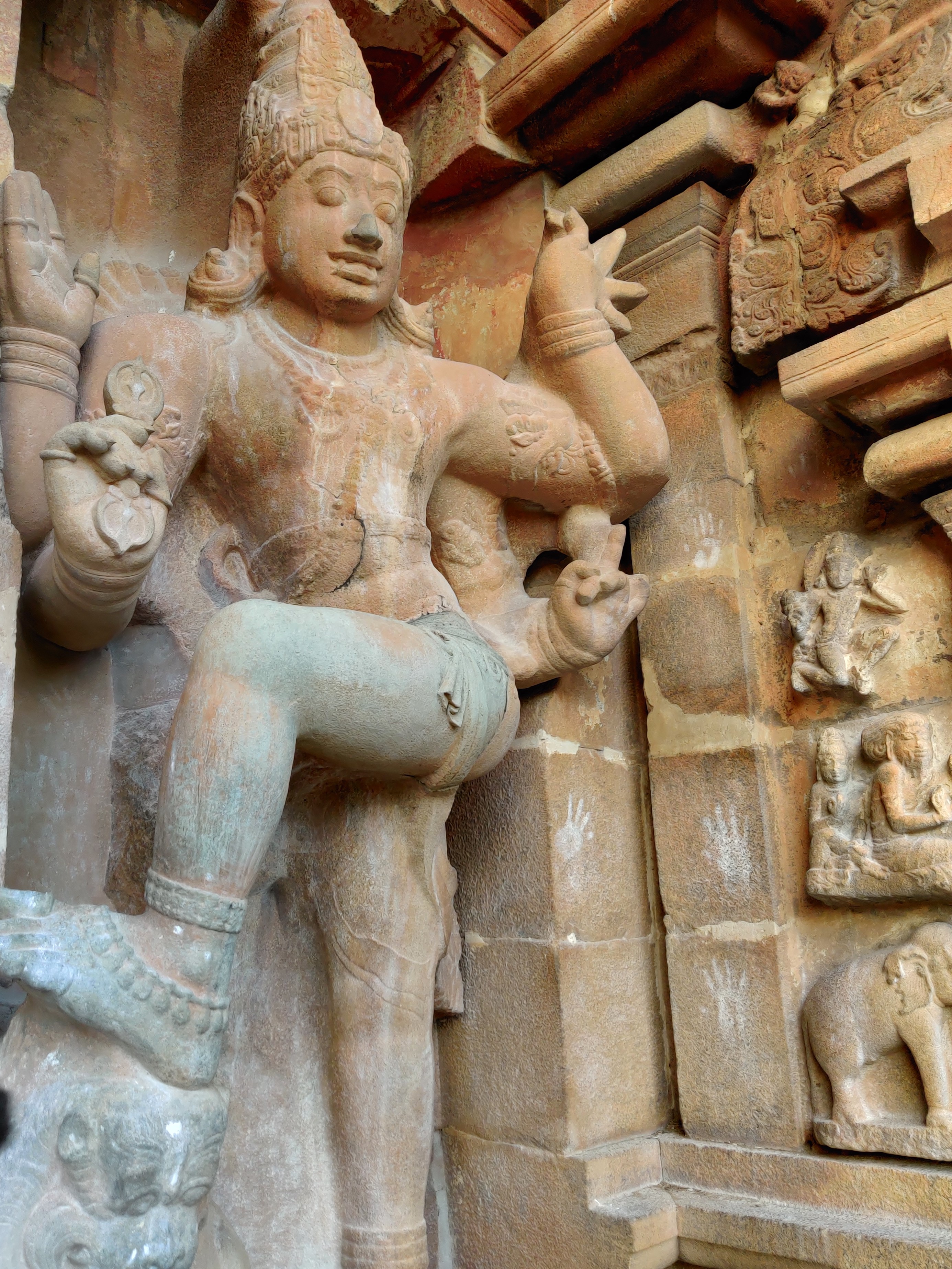
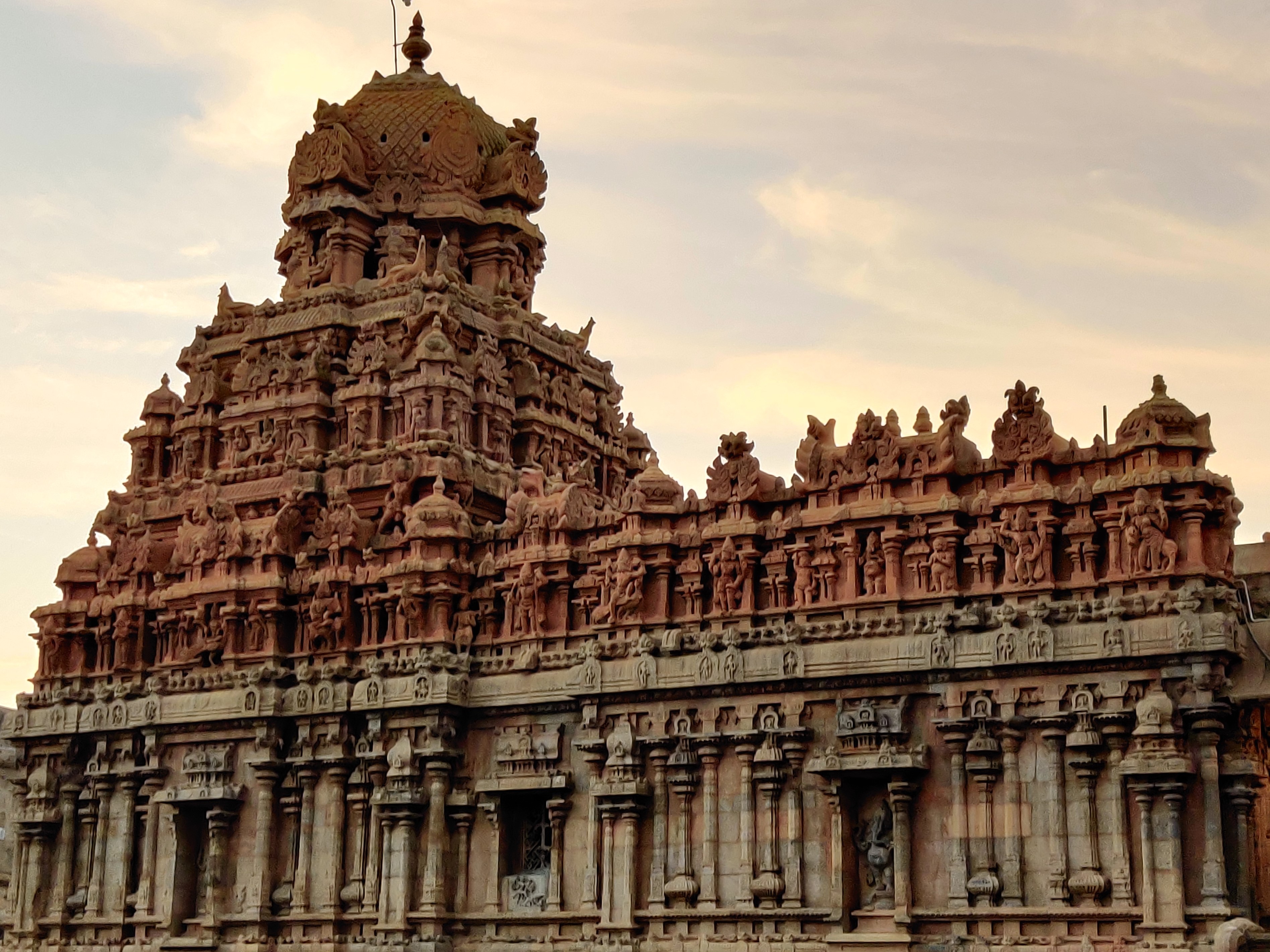
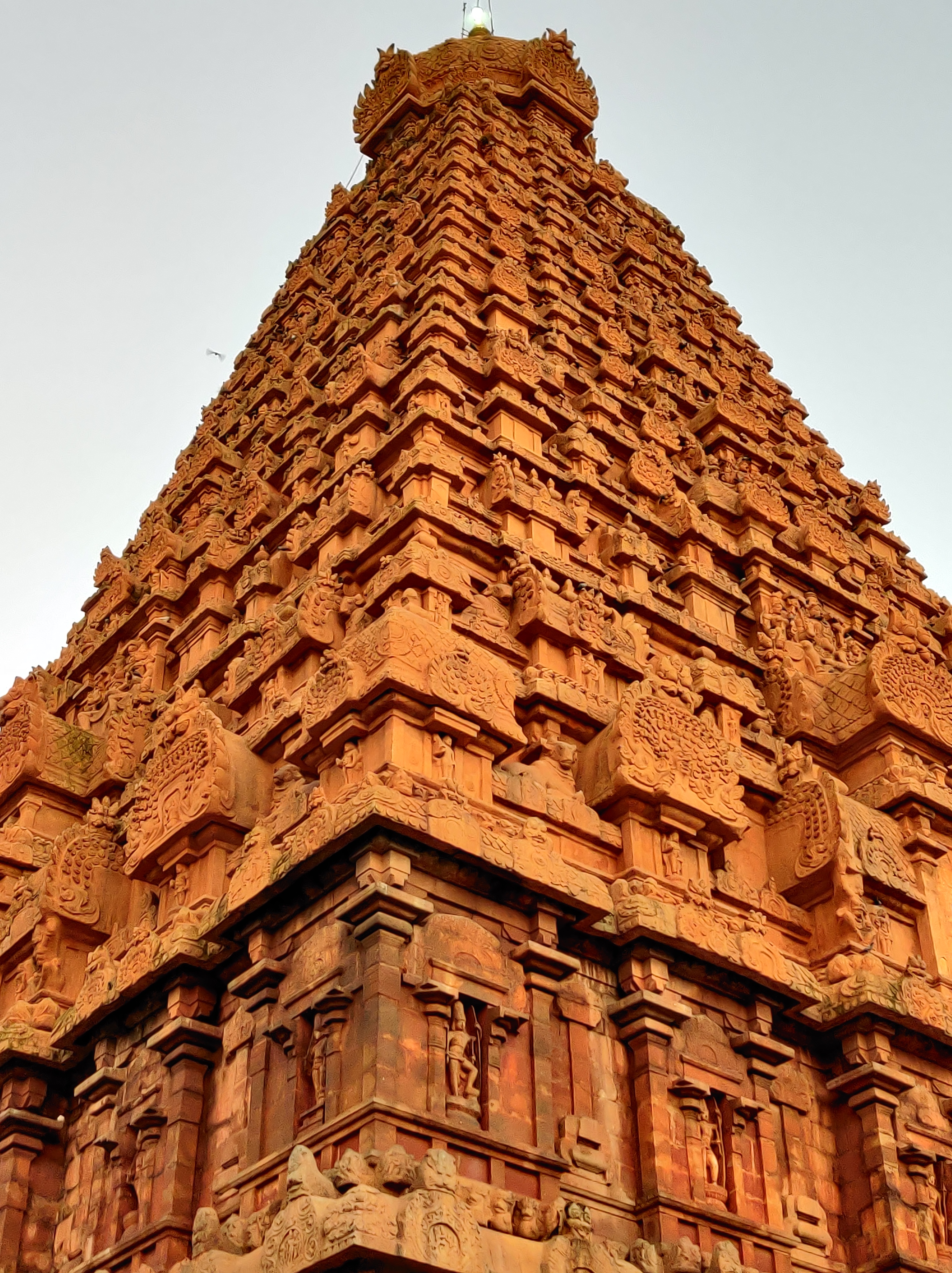
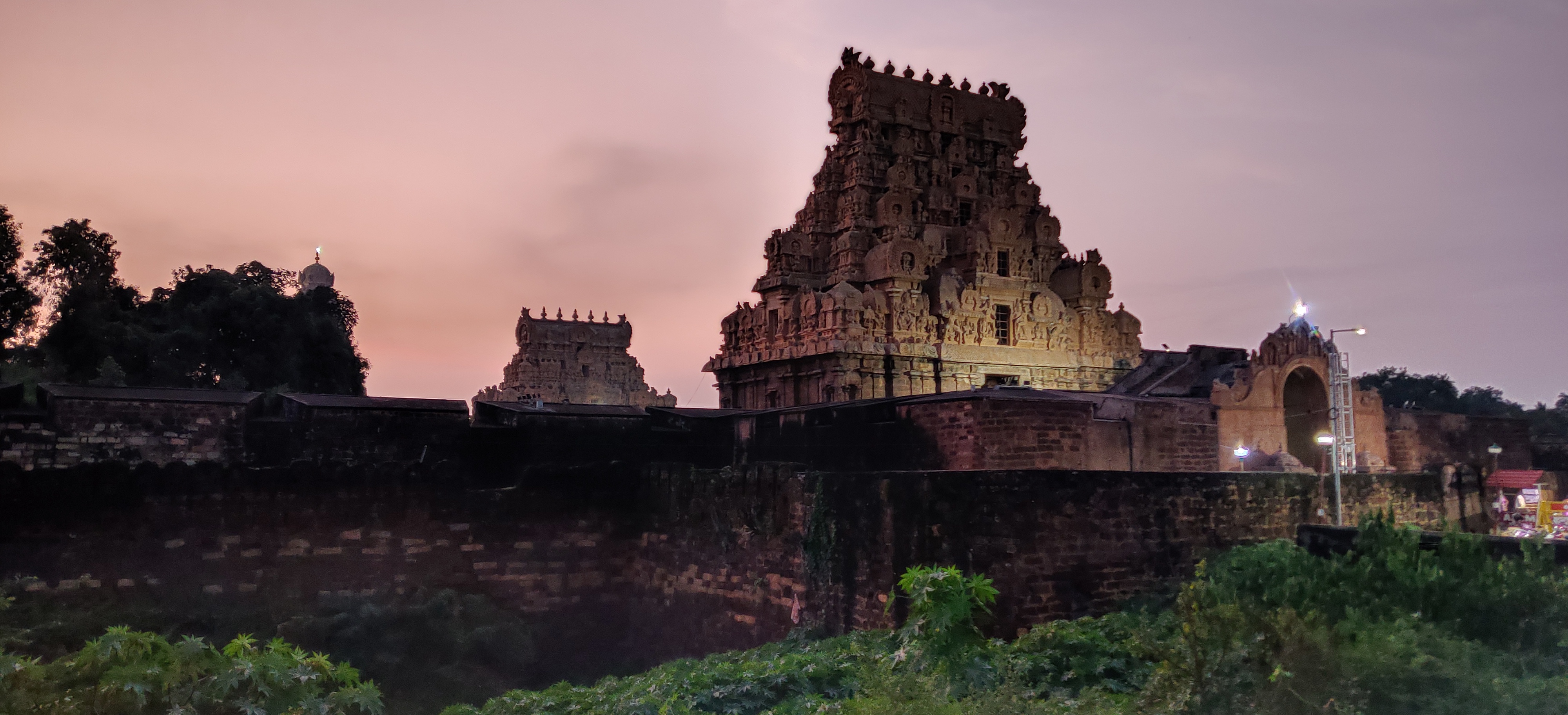
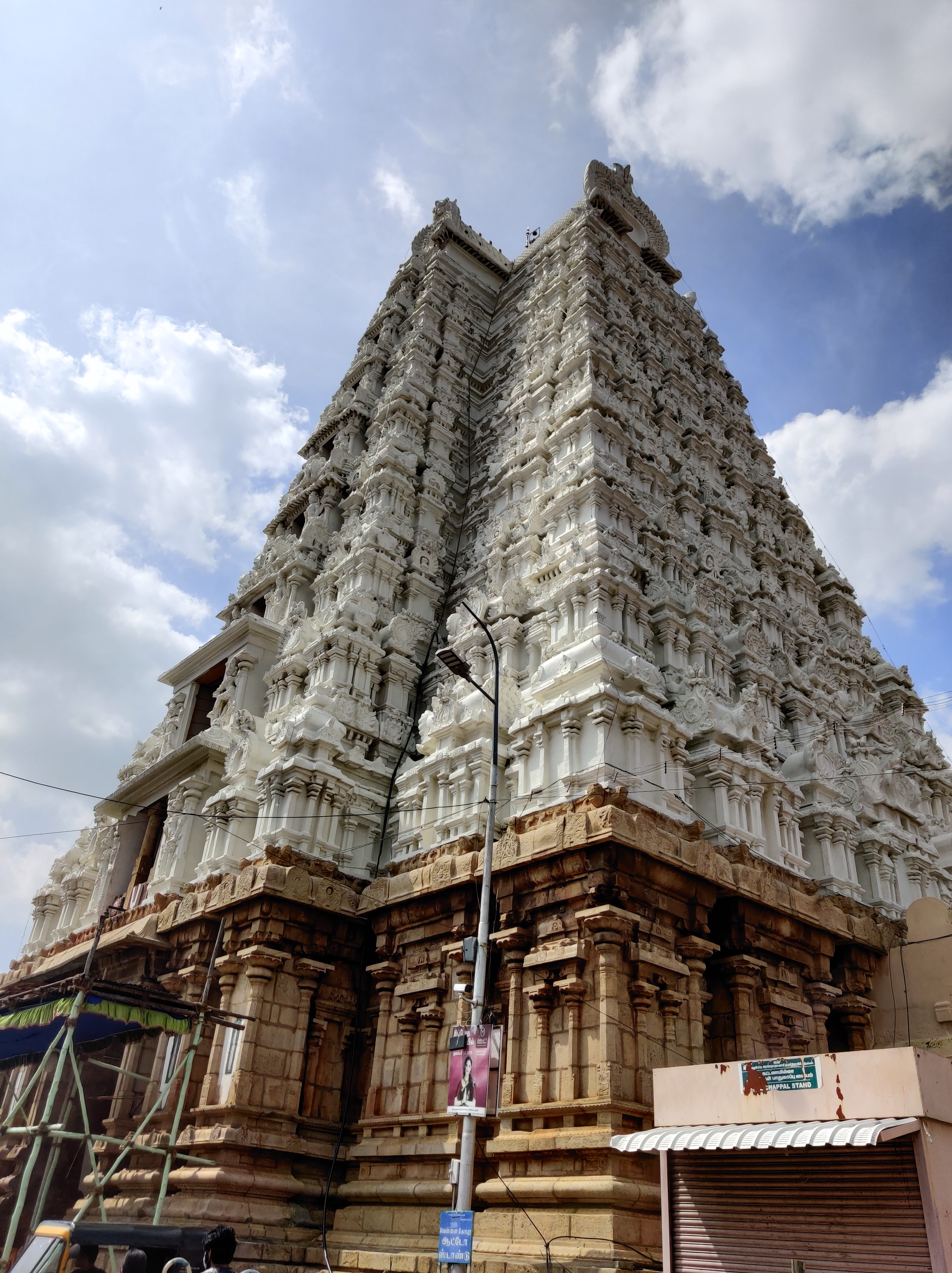
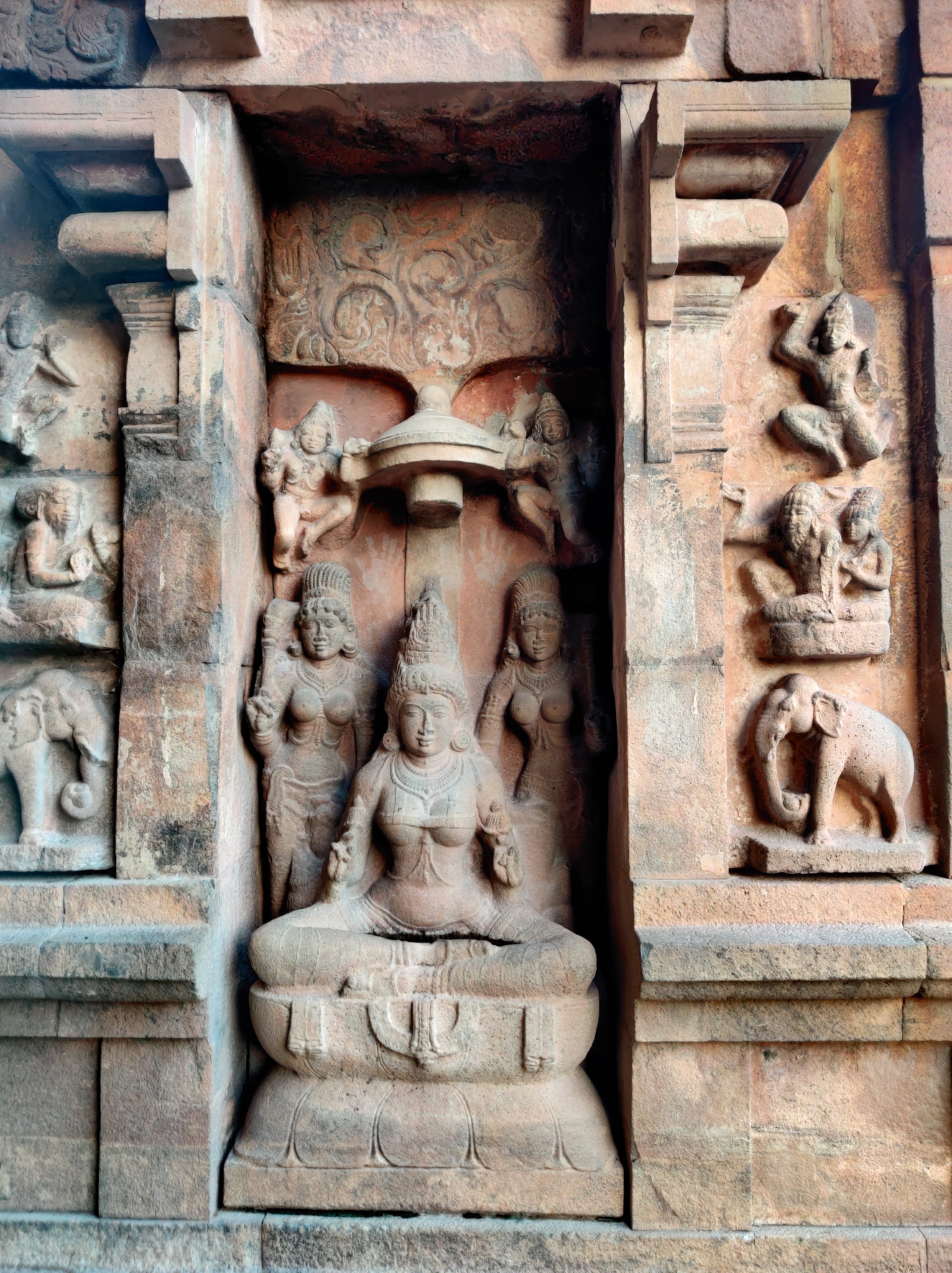
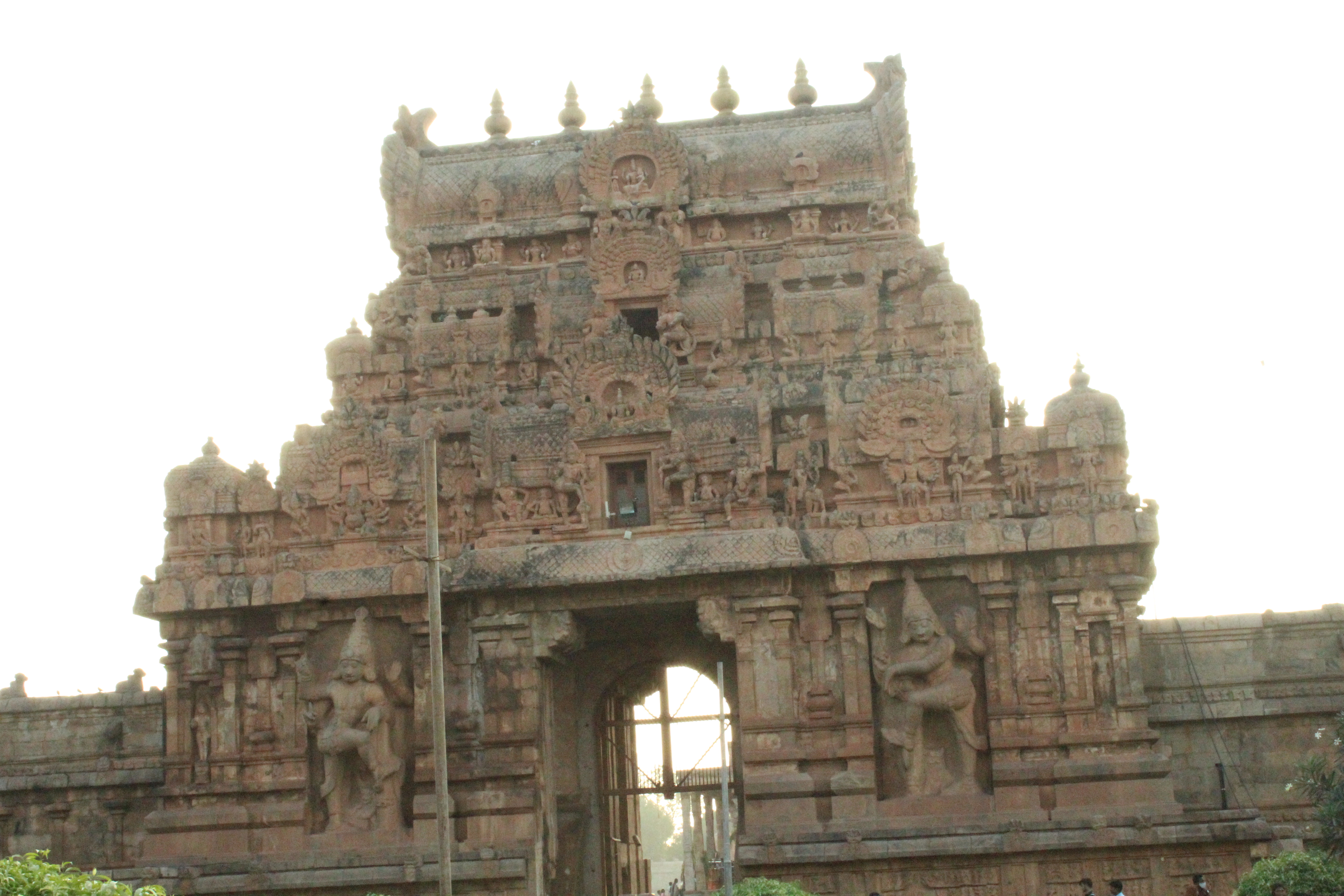
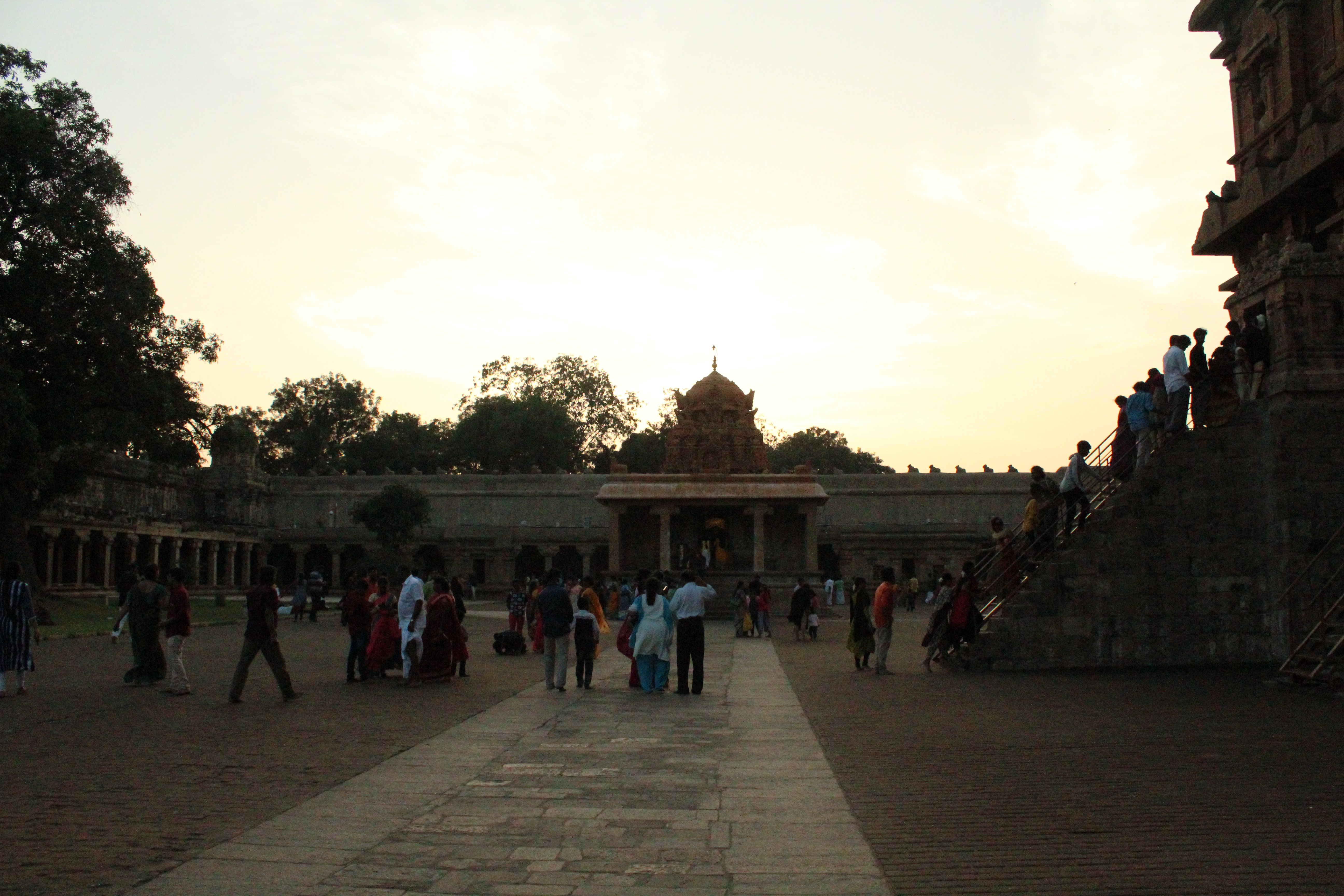
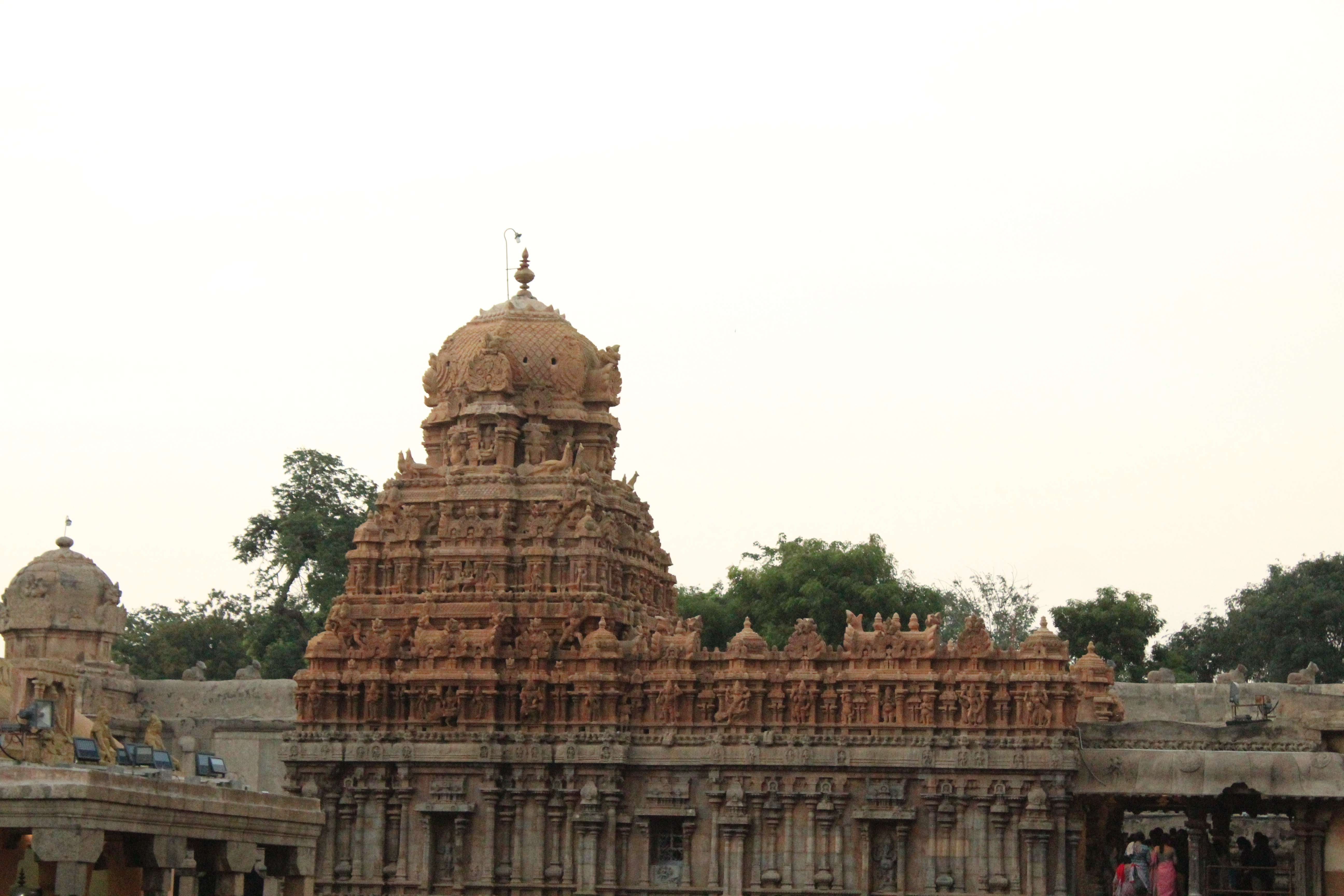
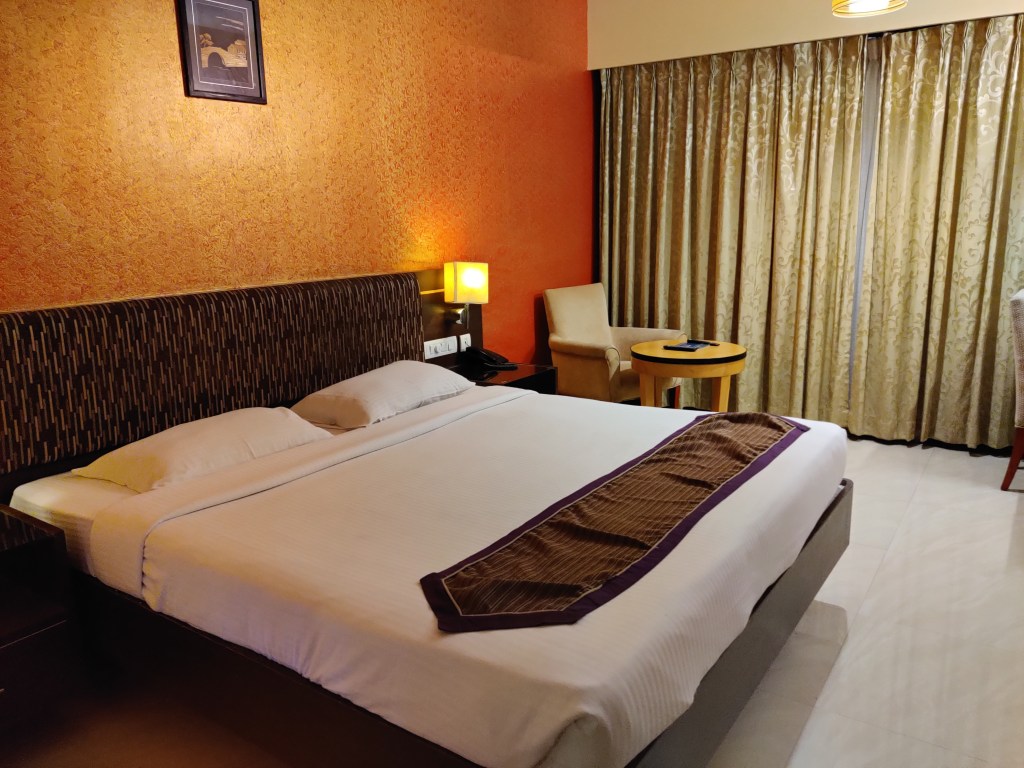
We then headed for a quick bite at Krishna Bhawan located bang opposite the Big Temple before starting our 60 off km drive towards Trichy which was to be our halt for the night. As we drove along the four laned highway, could not but help admire the total transformation in infrastructure and the connectivity between these 2 cities. Compared to the years I spent here between ’93 to ’96, got to drive through some beautiful roads with service lanes dotting our route. We reached Trichy around 9 in the night and headed straight for PLA Krishna Inn located opposite the Central Bus Stand where we had booked ourselves.
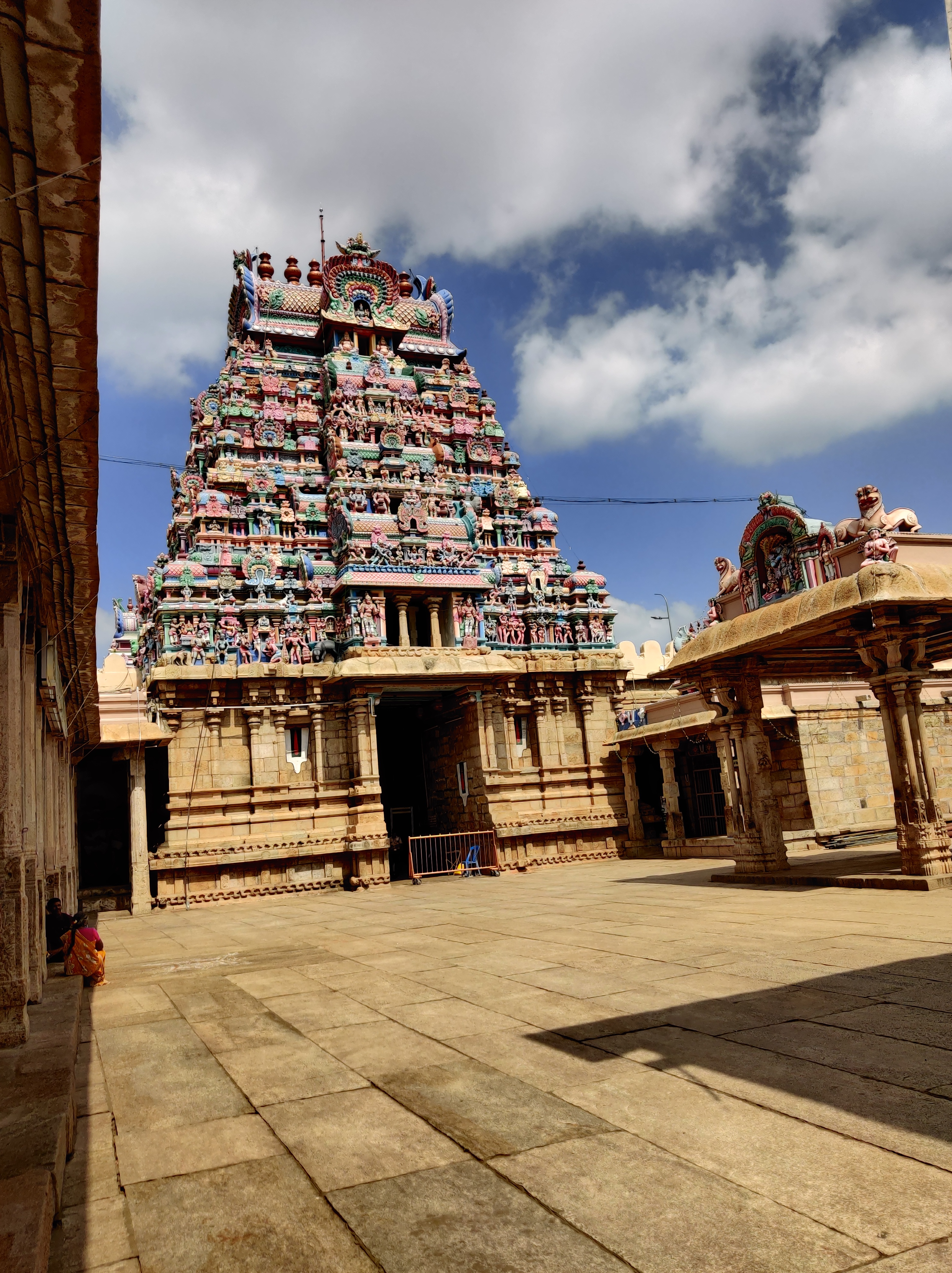
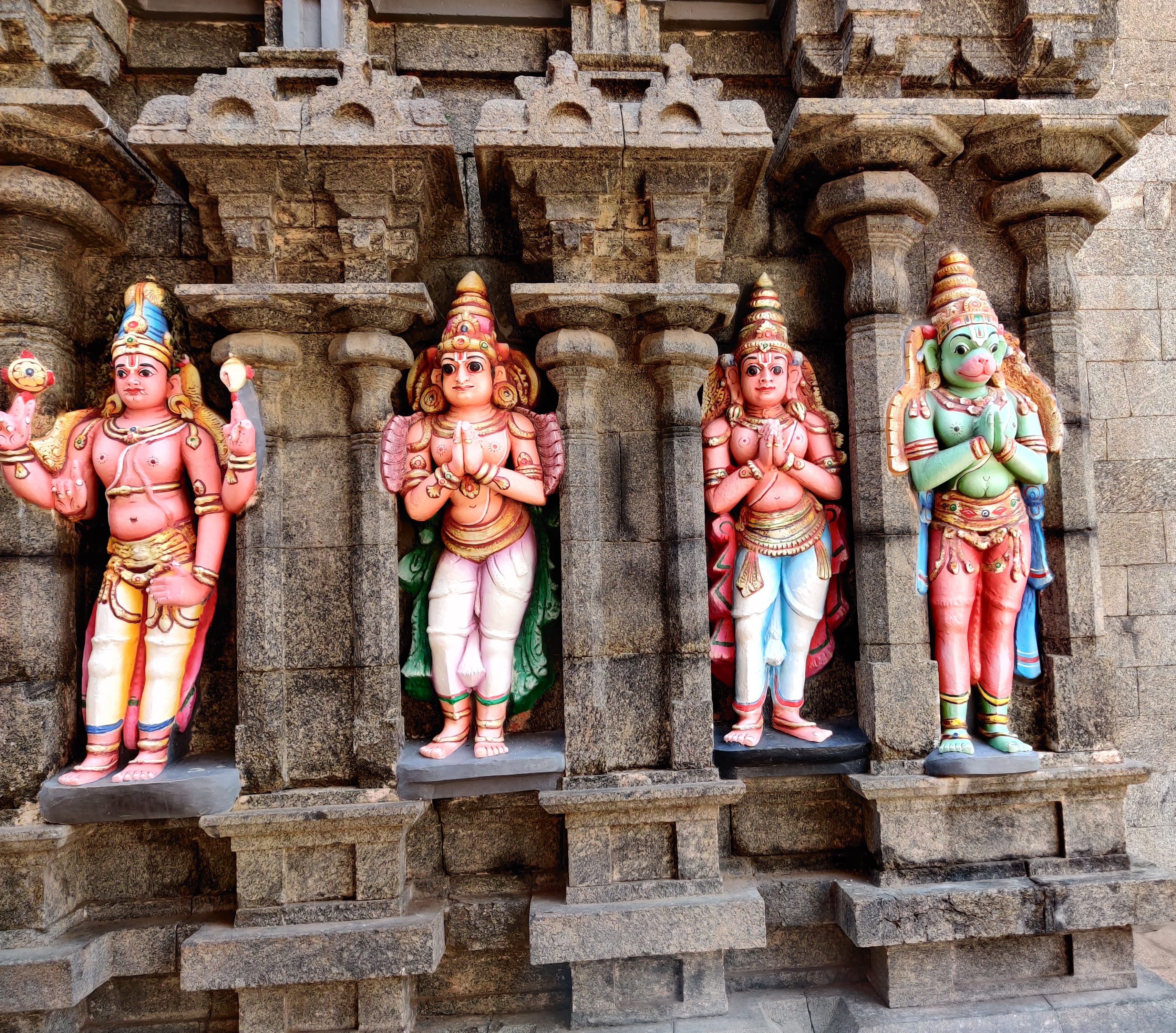
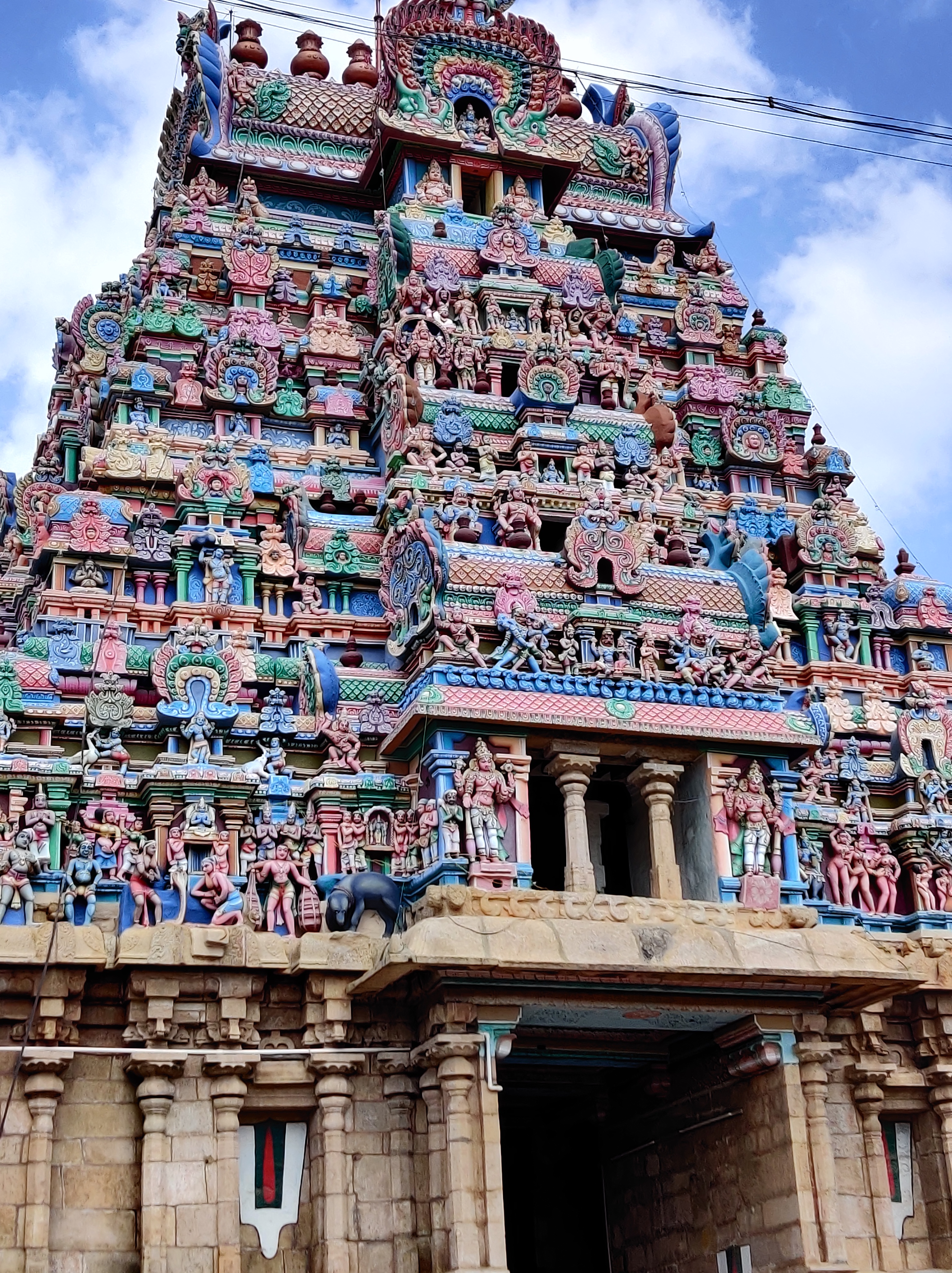
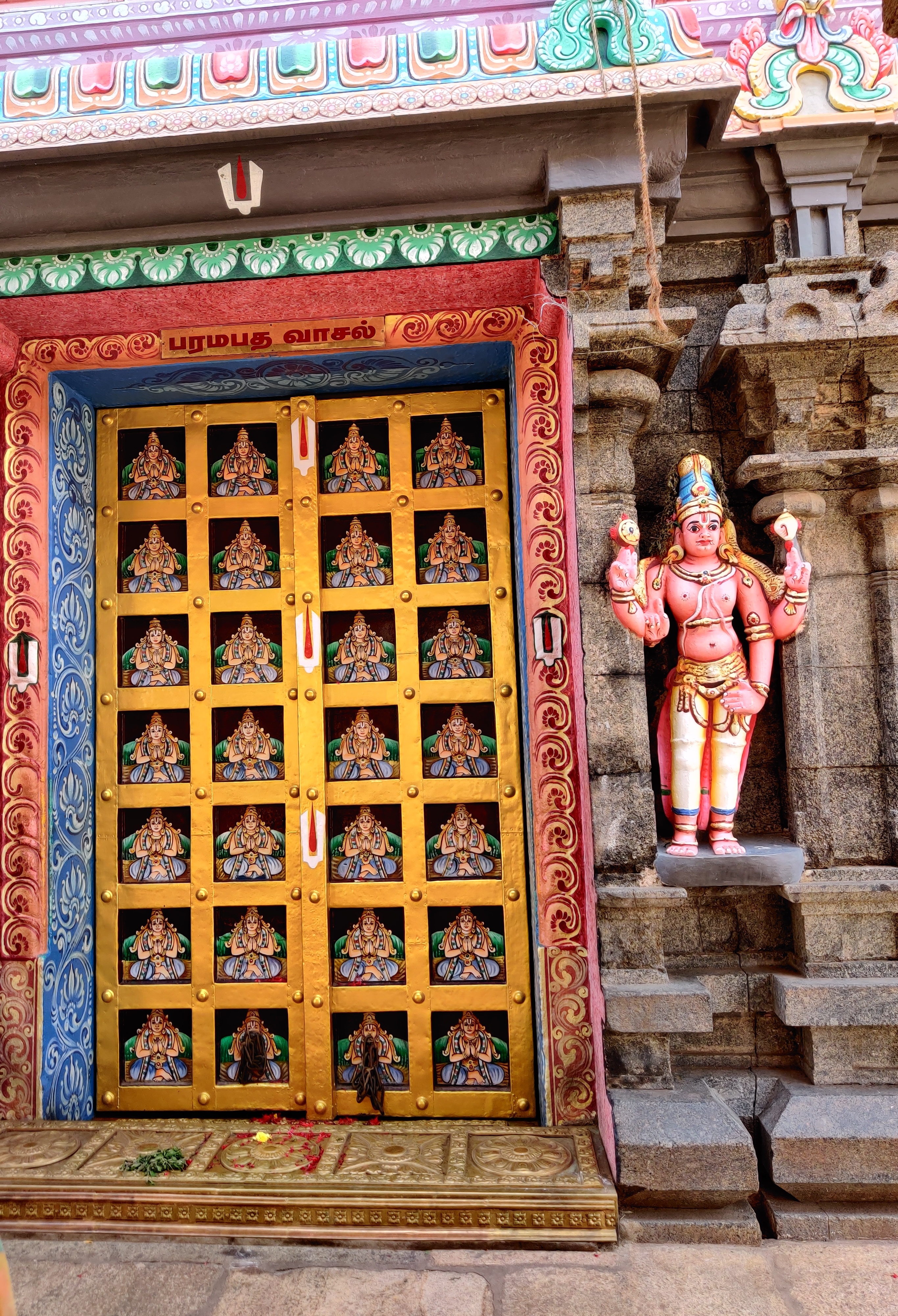
DAY 3 : Set out for a short walk around the cantonment area and then headed for a double shot of coffee at Vasanth Bhawan. The only thing approved and left on our itinerary was the Srirangam temple as the murmurs of protests slowly increased in intensity when I had proposed the Uchipillayar Temple atop a hillock. A sumptuous breakfast done at the hotel, we started our 10 km drive towards Srirangam. Also known as Thiruvarangam, this river island has the Cauvery river running on one side and a distributary of the Kollidam river on the other side.
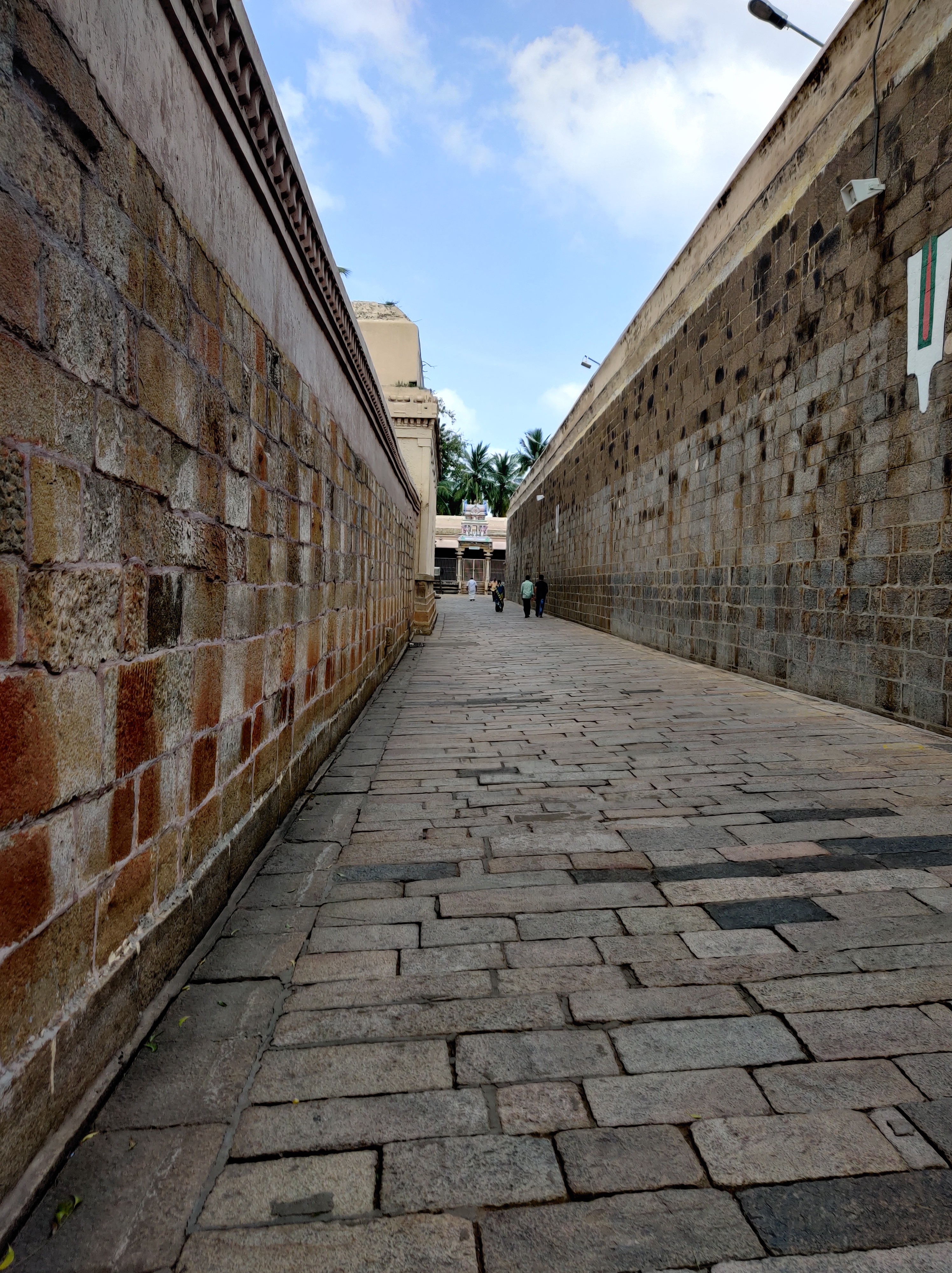
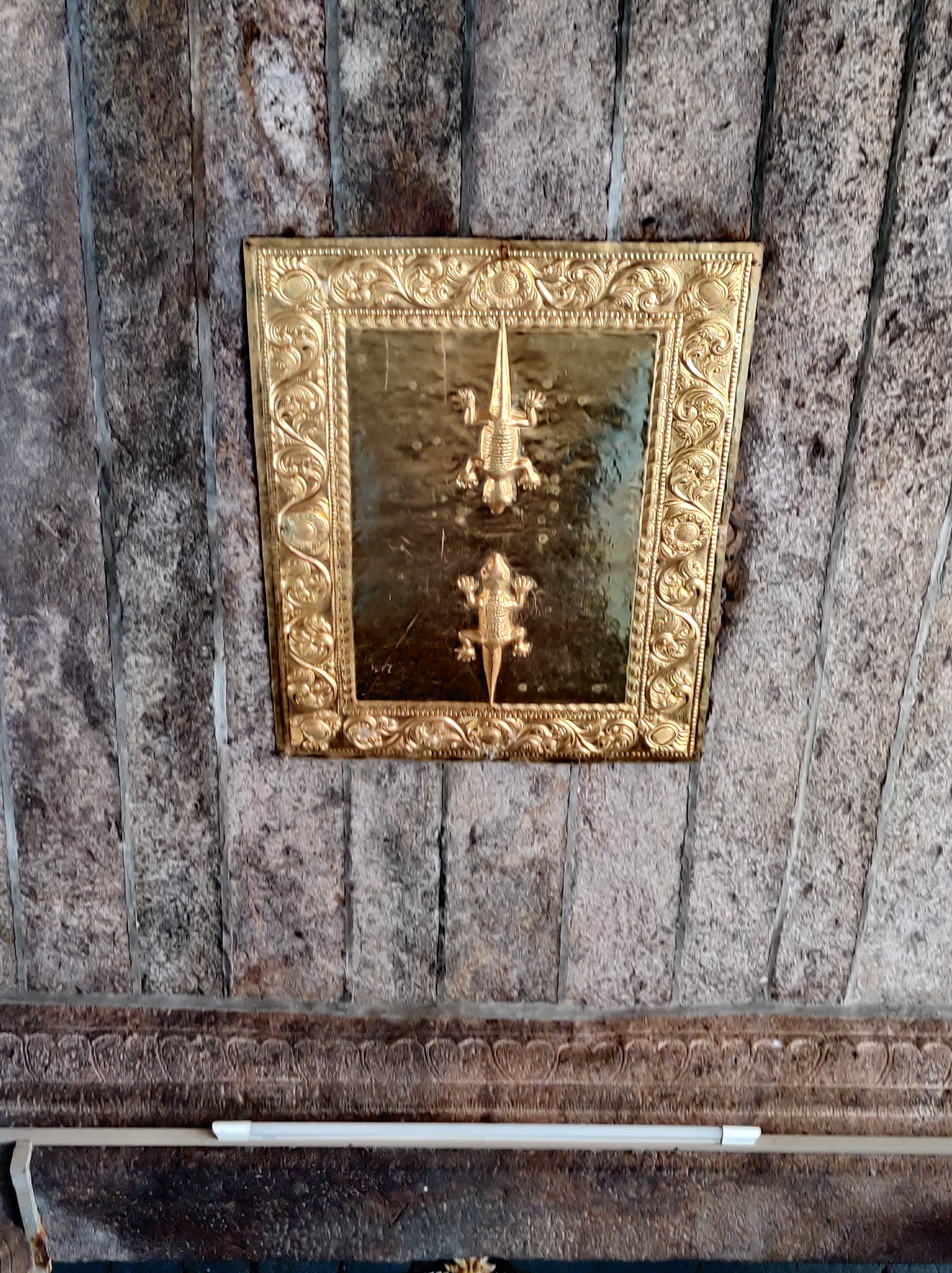
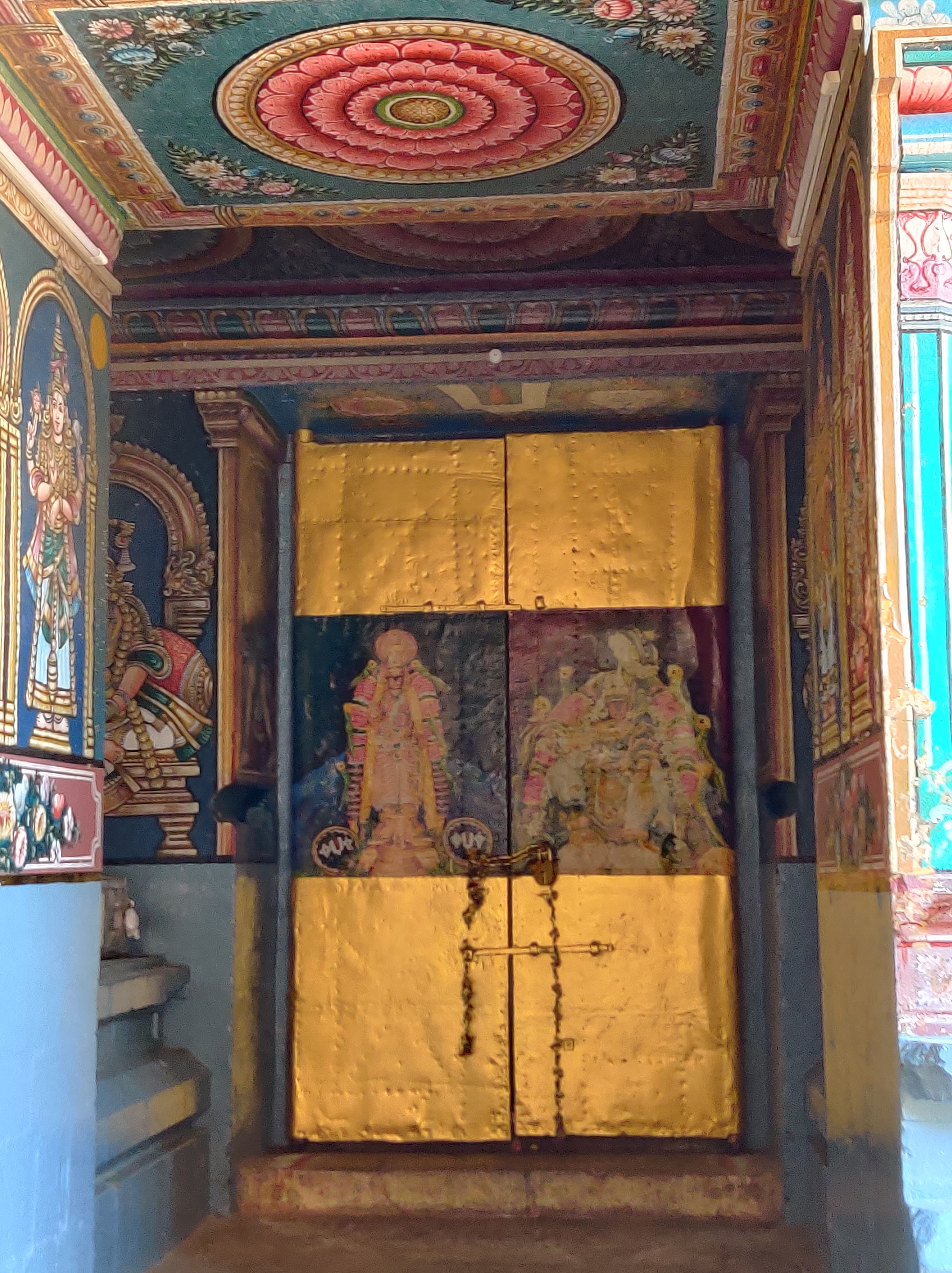
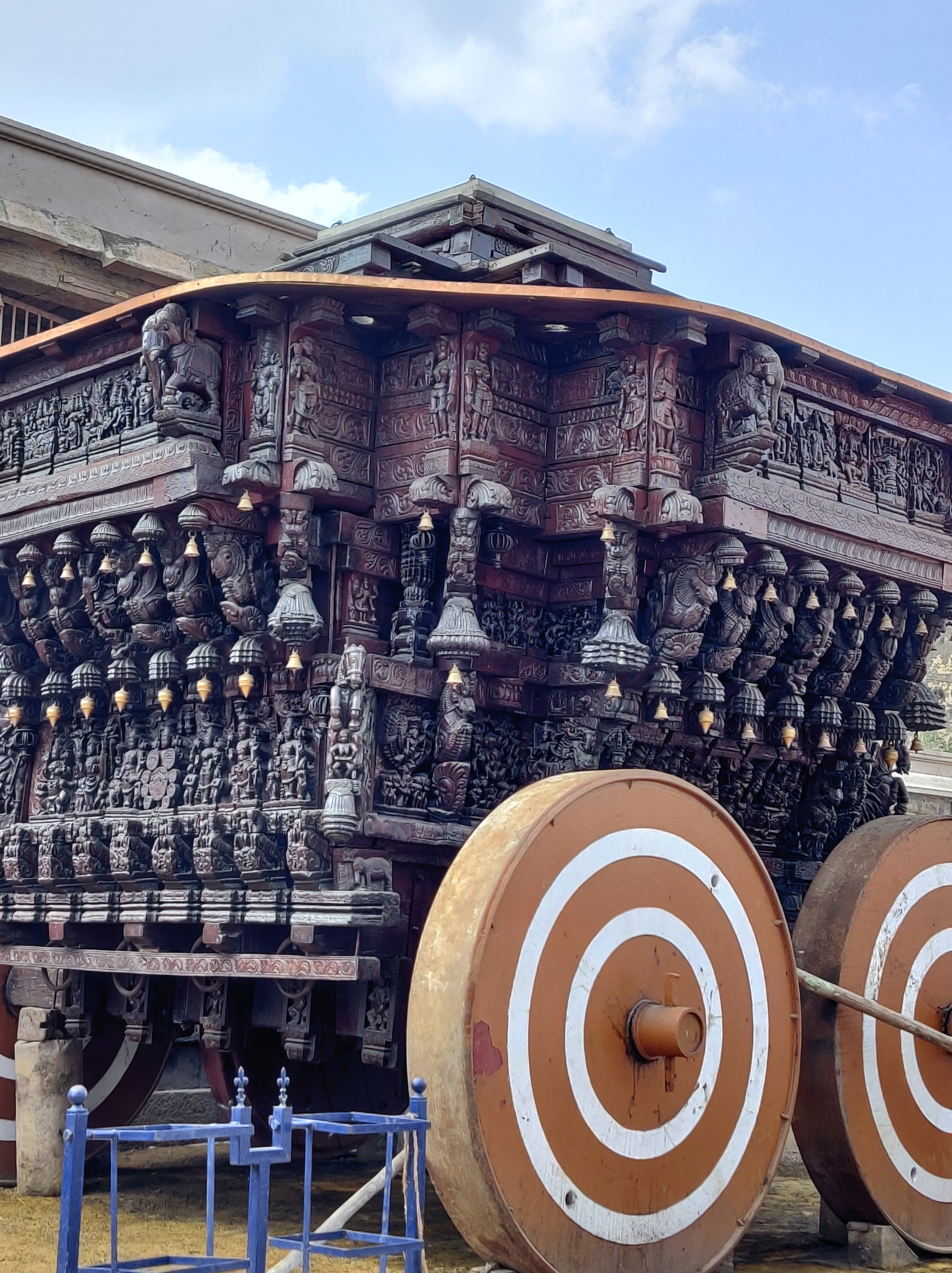
The Ranganathaswamy temple, built first by King Dharma Varma Chola and dedicated to Lord Ranganatha (Maha Vishnu) is one of the largest functioning Hindu temples in the world is spread over an area of 155 acres and has 81 shrines, 21 Towers and 39 Pavillions. While the origins of the temple are believed to be from the 1st Century CE, this structure represents an accretion of constructional activity over centuries by different dynasties, plunder and destruction, rebuilding, Vimanams getting washed away by floods, theft of idols etc but even today looks magnificent and very well maintained.
We headed back to town around 1 in the afternoon and went straight to Woodlands restaurant located inside Hotel Femina for a good South Indian lunch. Its been over 3 decades that their restaurant has remained operational and loved their consistency in taste maintained over years. Around 4 in the evening after checking out of our hotel we started our 6 hour long drive back to Chennai with a 45 minute break around 8 at Sri Ariyas near Tindivanam for dinner. An uneventful drive coz everyone was tired but managed to roll in the car by around 10.30 pm into our driveway. Good memories of a short but nice trip.
 ENCHANTING ASIA THRU MY LENS
This came as a long attachment … but link didn’t open.
Sent from my iPhone
>
LikeLike
Now I can see it … may be some mistake at my end.
First of all my compliments to you for writing such a fabulous account of your trip. Reading it felt like I was a third wheel of sorts … experiencing every little detail that you all experienced. All these places are absolutely beautiful and amazing and I hope some day I can visit them.
Some of the pictures you have managed to take during this trip are breathtaking.
These places certainly go on my to do list.
Keep writing … you have a real flair with words.
LikeLike
Your post now makes me want to revisit t
these places again, especially the chola temples and Ranganathar for the madapalli prasadams😊
LikeLike
This is good writing Mohan…and coupled with the pictures,m makes your travelogue thoroughly interesting a read!
LikeLike
I went down my memory lane, 20 years back I have been to most of these temples in Chidambaram, Kumbakonam, Thanjavur and Trichy. There used to be a mami mess in Kumbakonam which offered lovely meal… beatufuly captured and lovely pictures, specially the Thanjavur photo in low light is awesome
LikeLike
Excellent piece writing and photography Mohan ..this gives me a part of my itinerary to visit the temples / caves in the Deccan plateau, starting from Mumbai, going down to Kanyakumari and finishing in Vizag,
Just wondering, how do find the historical details and the architectural background?
Keep it up..
LikeLike
Good narrative…..loved your story…go ahead bro.
LikeLike